
Where do Italy’s candidate stadiums for Euro 2032 stand? In the coming hours, the FIGC will submit its preliminary list of potential host venues to UEFA
Italy’s preparations for Euro 2032, which it will co-host with Turkey, are reaching a decisive stage in the selection of the host cities. Today, the FIGC will submit to UEFA the documentation for the stadiums it considers suitable, in accordance with the October 1 deadline set by European football’s governing body, shifting the focus from Rome to Nyon. The moment when the five final choices will be revealed, six years before the tournament, is still some way off: first, UEFA will have to assess whether each submitted dossier complies with its requirements. From tomorrow, however, the range of possible Italian venues for the 19th edition of the European Championship will have officially taken shape.
Two months ago, the FIGC received 16 projects submitted by 13 cities: three from Rome (the Olimpico, Pietralata and Flaminio), two from Naples (the Maradona and the new stadium proposed by Aurelio De Laurentiis), followed by Bari, Bologna, Cagliari, Florence, Genoa, Lecce, Milan, Palermo, Salerno, Turin and Verona. Since then, the Federation has been formally assessing the funding plans and construction schedules to determine which options to submit to UEFA today.
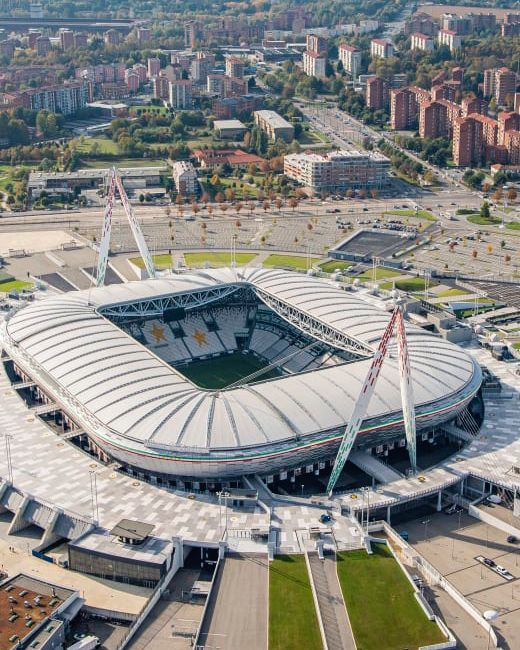
There is still plenty of time, and the sporting and political battle remains wide open, but Italy can hardly be considered well prepared. Especially when compared to Turkey, its co-host and a country that would already be almost ready to stage a European Championship tomorrow. Based on UEFA’s 130 compliance criteria – covering not only stadiums but also security, transport, accommodation and infrastructure – the list of suitable Italian venues currently begins and ends with Juventus’ Allianz Stadium: every other bid involves either a renovation project or a stadium that does not yet exist.
The leading contenders
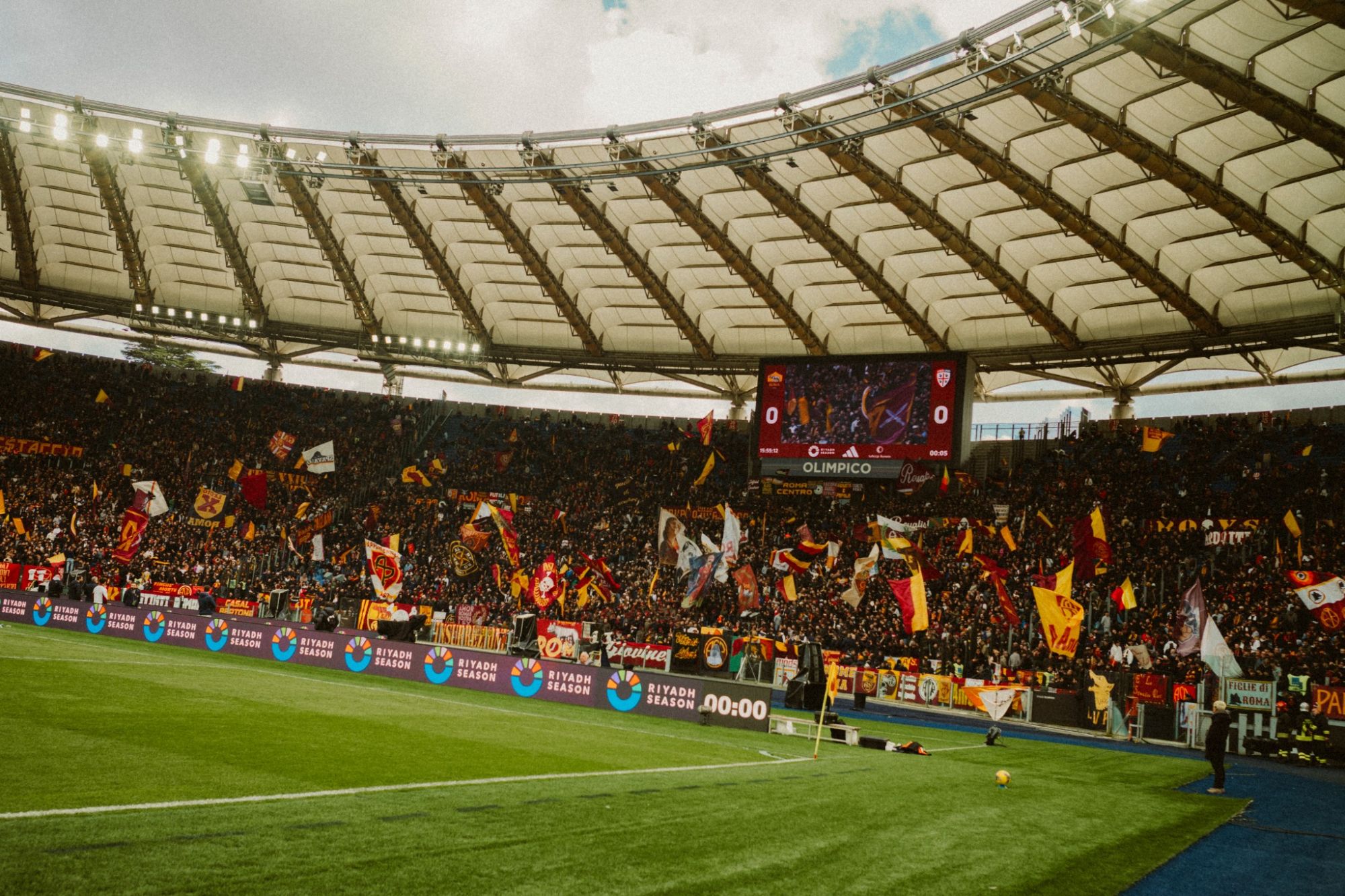
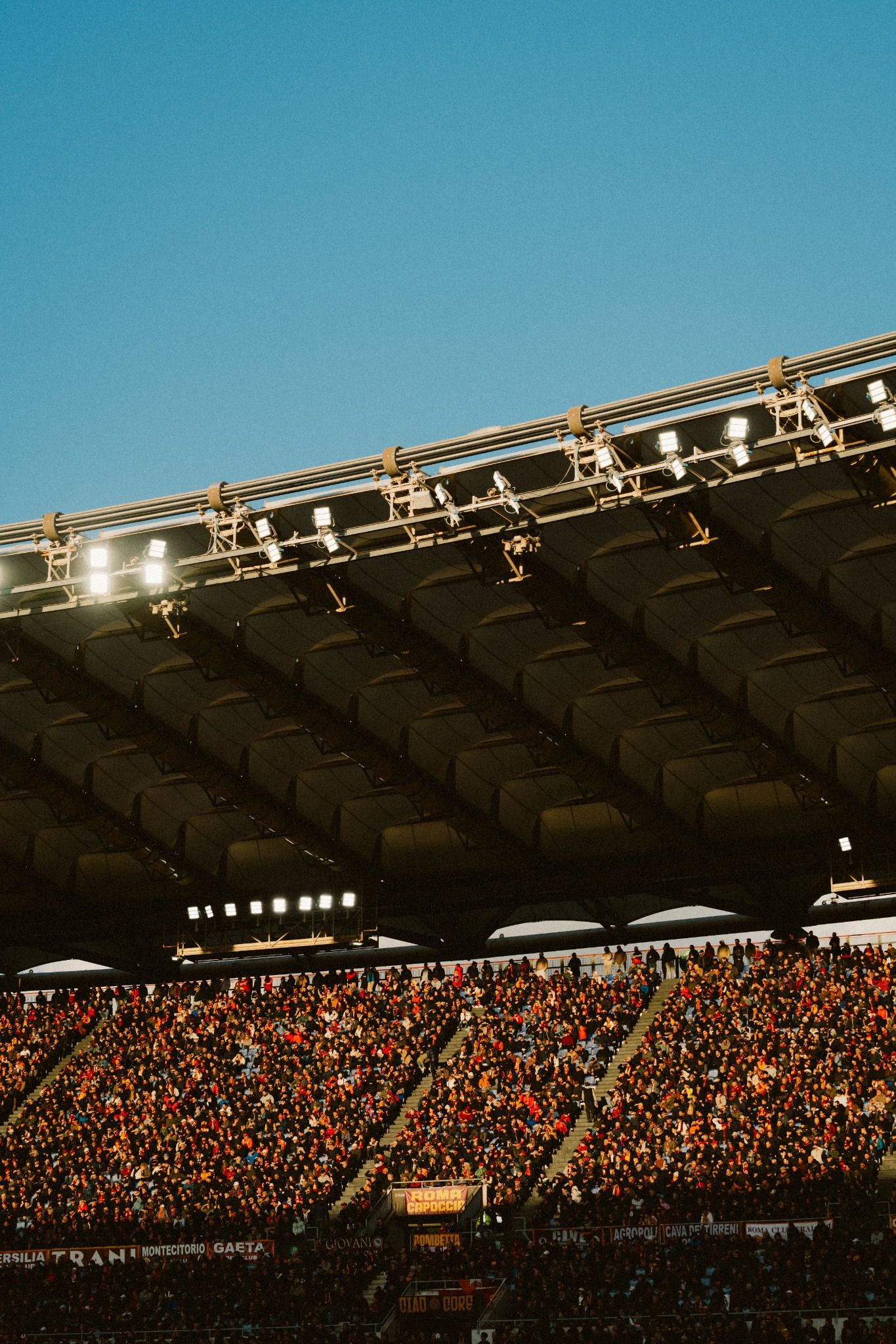
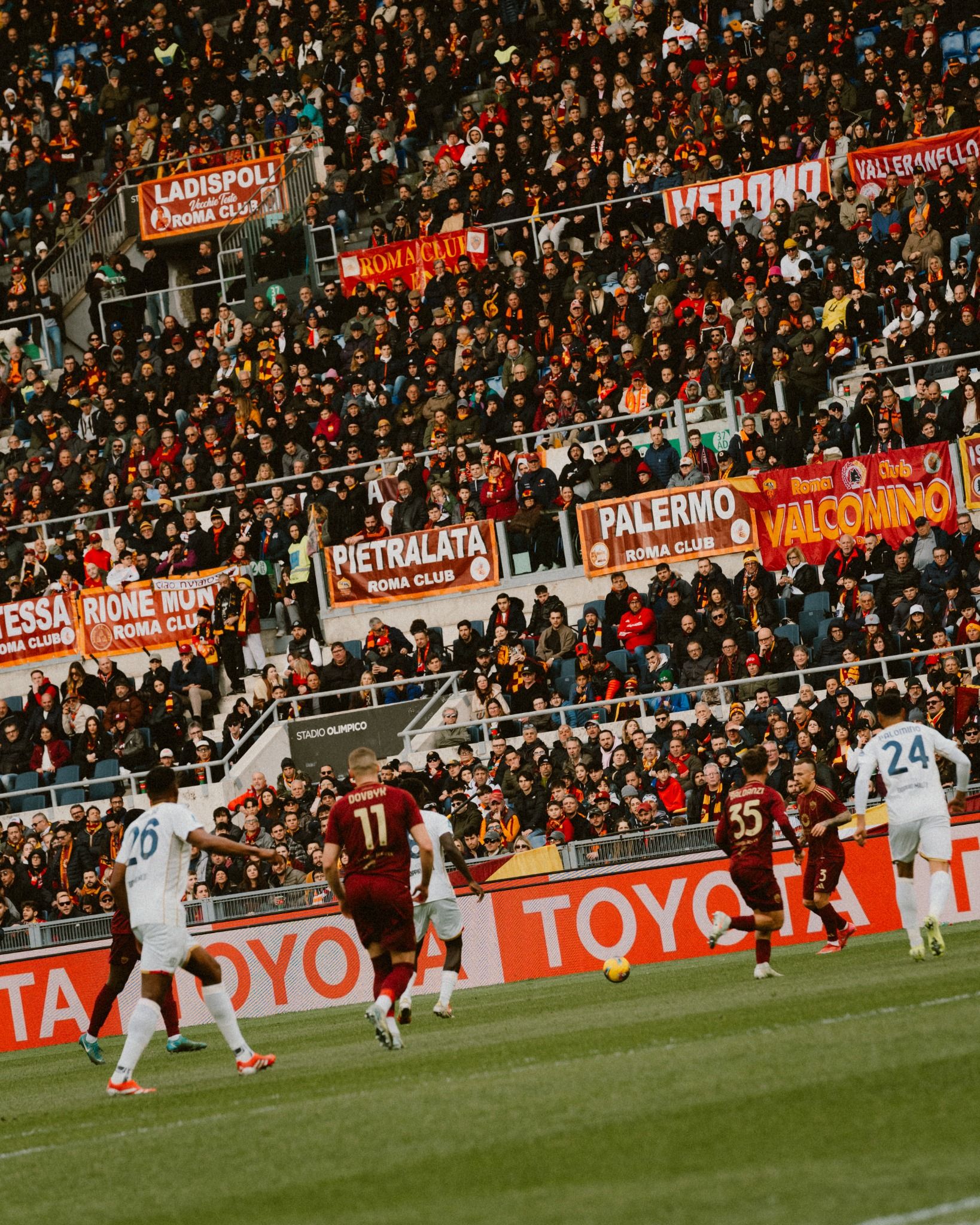
The only obvious choice is Turin. Opened in 2011, owned by the club and compliant with international competition standards, Juventus’ Allianz Stadium requires virtually no work and can be considered almost certain to secure a place among Italy’s five venues. Then there is Rome, which will undoubtedly play a central role in the tournament, although it remains unclear which stadium it will use. Sport e Salute has earmarked around €150 million to modernise the Stadio Olimpico, which on paper should be the leading candidate to host the final. At the same time, however, approval has just been granted for the Pietralata project, Roma’s proposed new 60,000-seat stadium, with an estimated cost in the region of €1 billion. Construction is expected to begin in 2027, with the aim of meeting UEFA’s June 2031 completion deadline. Then there is the Flaminio, the project backed by Claudio Lotito, which, despite being included in Rome’s documentation in August, appears destined to host training sessions only.
AS Roma’s new home is (finally) getting closer.
— nss sports (@nss_sports_) September 28, 2026
The new stadium in Pietralata will hold 60.605 fans, including almost 23.000 in a single-tier Curva Sud, set to become the largest in Europe.
Construction is expected to start in 2027, with completion planned for 2031. pic.twitter.com/lr23GEsmc6
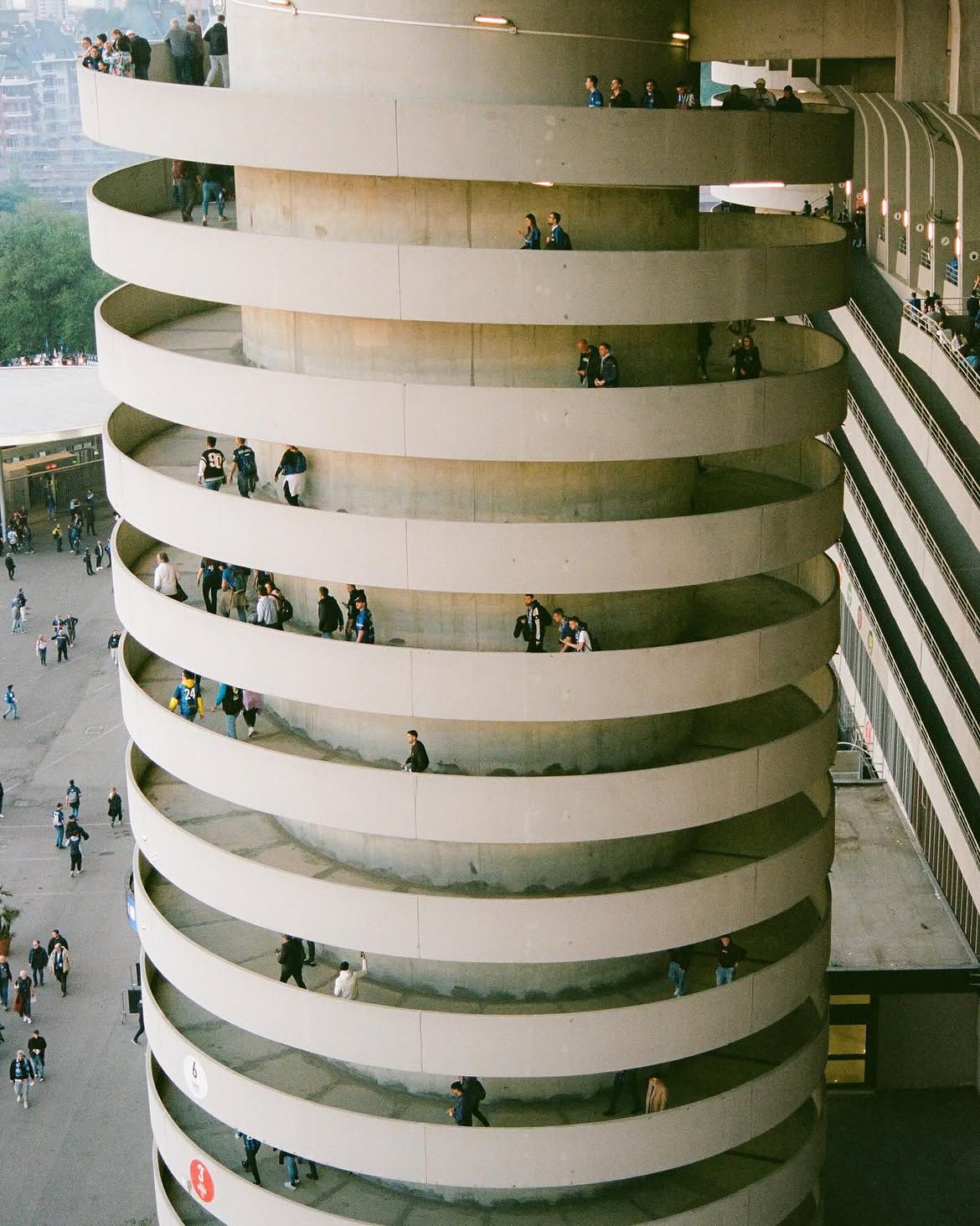
The situation in Milan is even more contradictory: the city has the transport links, accommodation capacity and organisational infrastructure, but not the stadium. The current San Siro meets only around half of the requirements and is not considered a viable candidate, meaning everything depends on the new stadium planned by Inter and Milan. To be used in 2032, it will have to pass final testing by the previous summer, and it is no secret that the process of building a new stadium in Milan has always been, and remains, extremely complicated. In any case, an Italian European Championship without Milan is difficult to imagine, although that assumption currently rests more on logistical, political and commercial considerations than technical ones.
The quartet of Italy’s most populous cities is completed by Naples, whose dossier has been significantly strengthened in recent days. The City Council has approved €50 million for the redevelopment of the Stadio Maradona, in addition to the €150 million already committed by the Campania Region. The project is expected to enter its main phase by mid-2027 and includes reopening the third tier, increasing the total capacity to more than 63,000 spectators, building stands closer to the pitch and creating new entrance gates and hospitality areas. The alternative proposal for a new stadium put forward by Aurelio De Laurentiis, meanwhile, now appears to have been definitively abandoned, as it currently lacks the necessary guarantees.
Finally, after Turin, there is the bid that is furthest ahead in terms of construction work: Florence. Work on the Stadio Franchi is already under way, with the first phase, worth around €150 million, at an advanced stage. The project should provide the city with a redeveloped stadium compliant with UEFA standards and a capacity of approximately 40,000. Funding for the second phase remains to be finalised, with the City Council and Fiorentina currently working towards a definitive agreement. In any case, partly because of the progress made at the Franchi and partly because of the city’s appeal and infrastructure, Florence begins its race towards Euro 2032 from a stronger position than almost all of its rivals.
Projects and uncertainties
After Naples, the strongest bid from southern Italy is Palermo. The redevelopment project for the Renzo Barbera, developed with Populous and Turner & Townsend, is supported by Palermo FC, City Football Group, the City Council and the Sicilian Region. The plan is to transform it into a modern, year-round venue featuring new services, hospitality areas and commercial spaces. Construction has yet to begin, but within just a few months Palermo has climbed the rankings to become one of the most credible proposals.
Cagliari has also finally moved beyond a long-standing deadlock. The new stadium dedicated to Gigi Riva is no longer just an idea: it will have a capacity of 30,000, require an investment of close to €220 million and take approximately 40 months to build. The City Council has approved the declaration of public interest and the grant of surface rights, leaving only the publication of the international tender. Lecce, meanwhile, can benefit from the work already completed at the Via del Mare for the Mediterranean Games, for which the city hosted the football events. The stadium is on course to obtain UEFA Category 4 status, although the city’s limited accommodation capacity and transport links weigh against its bid.
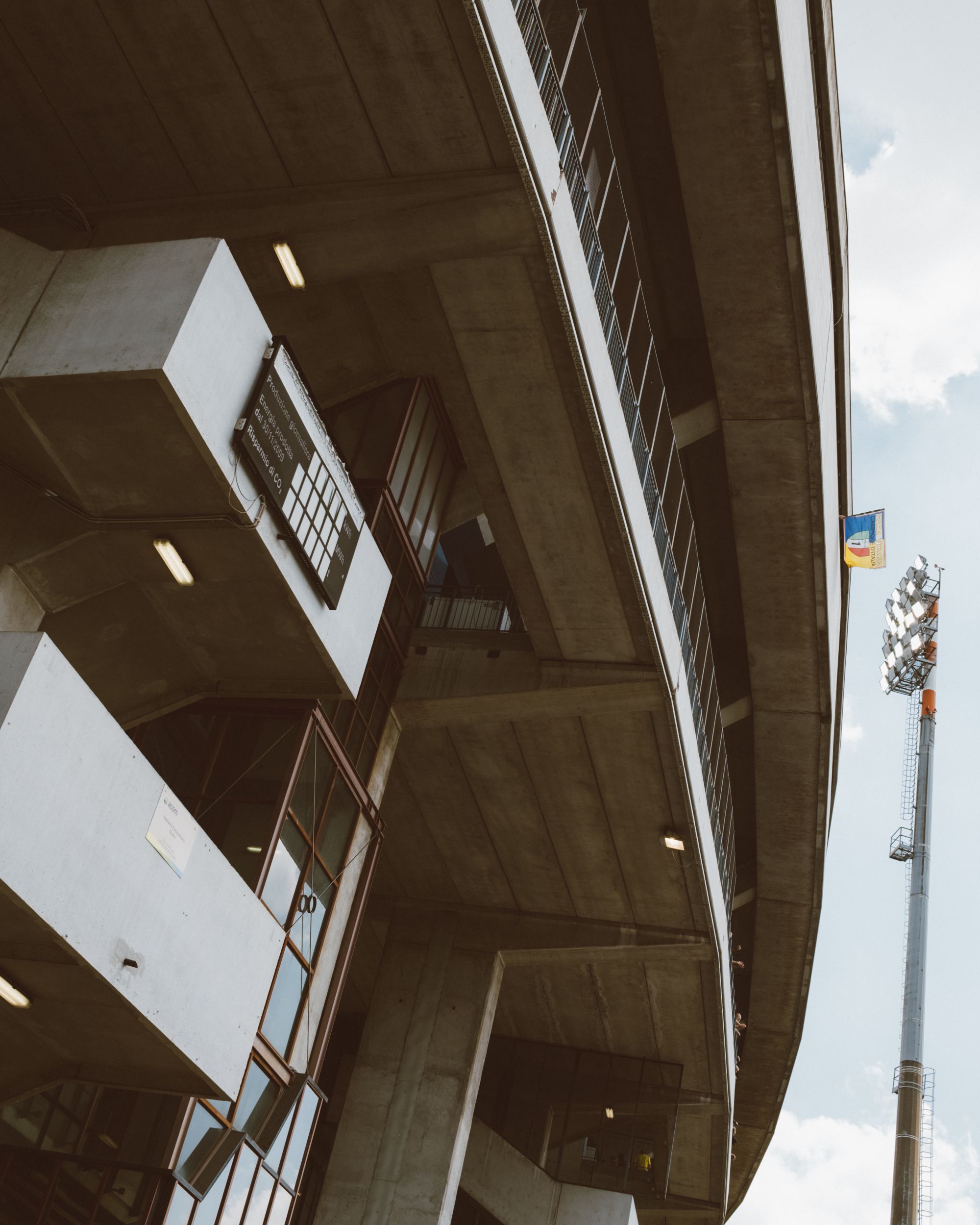
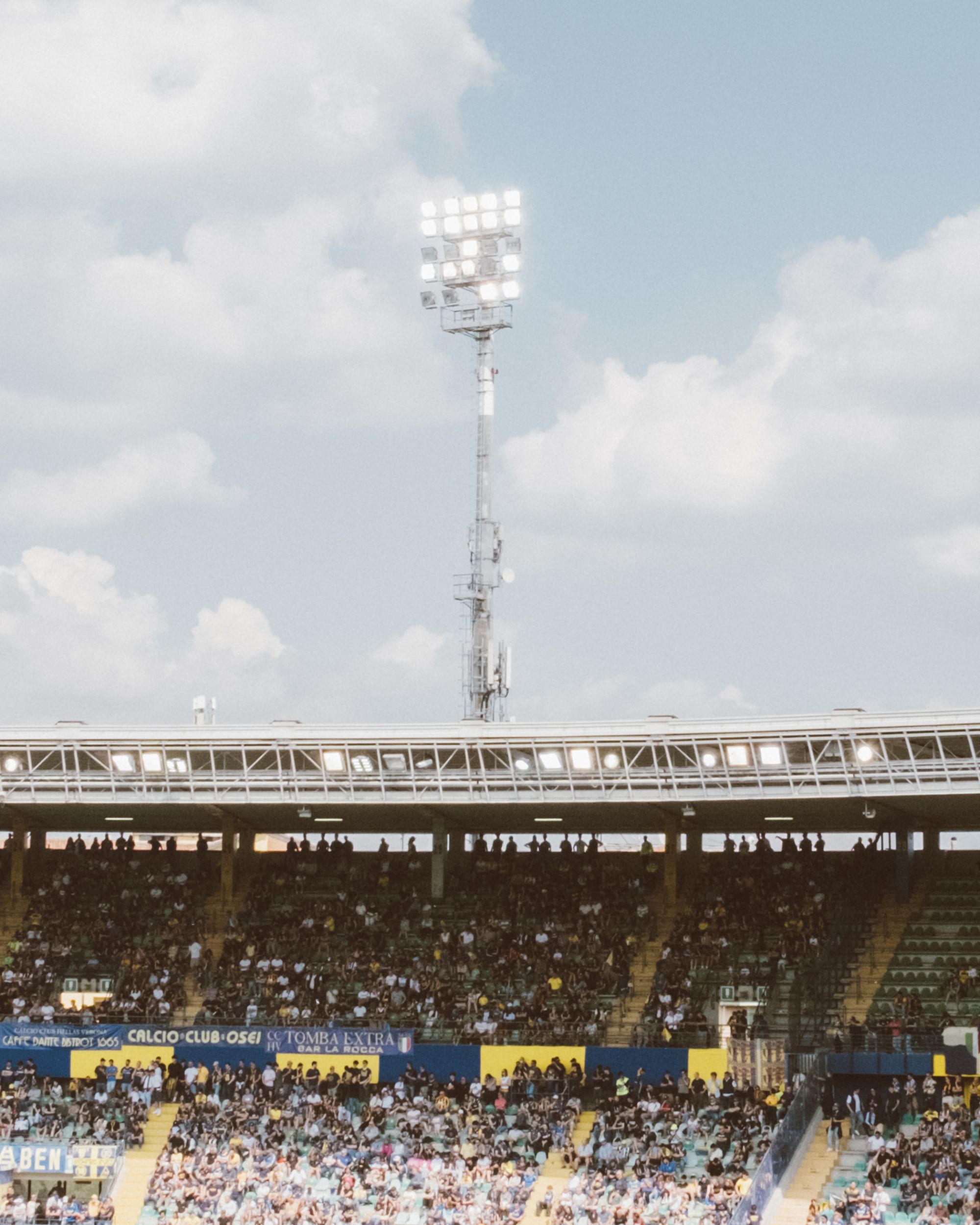
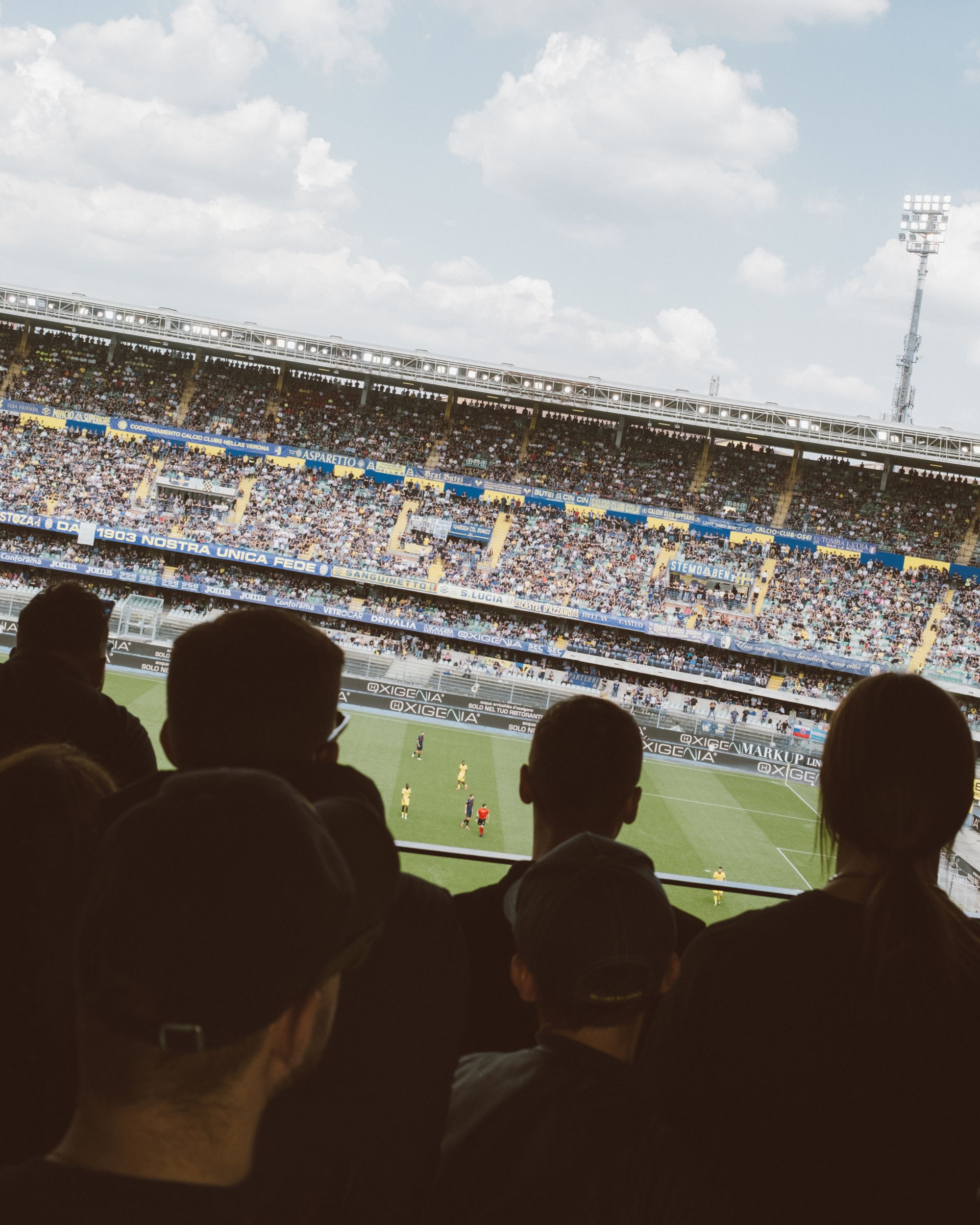
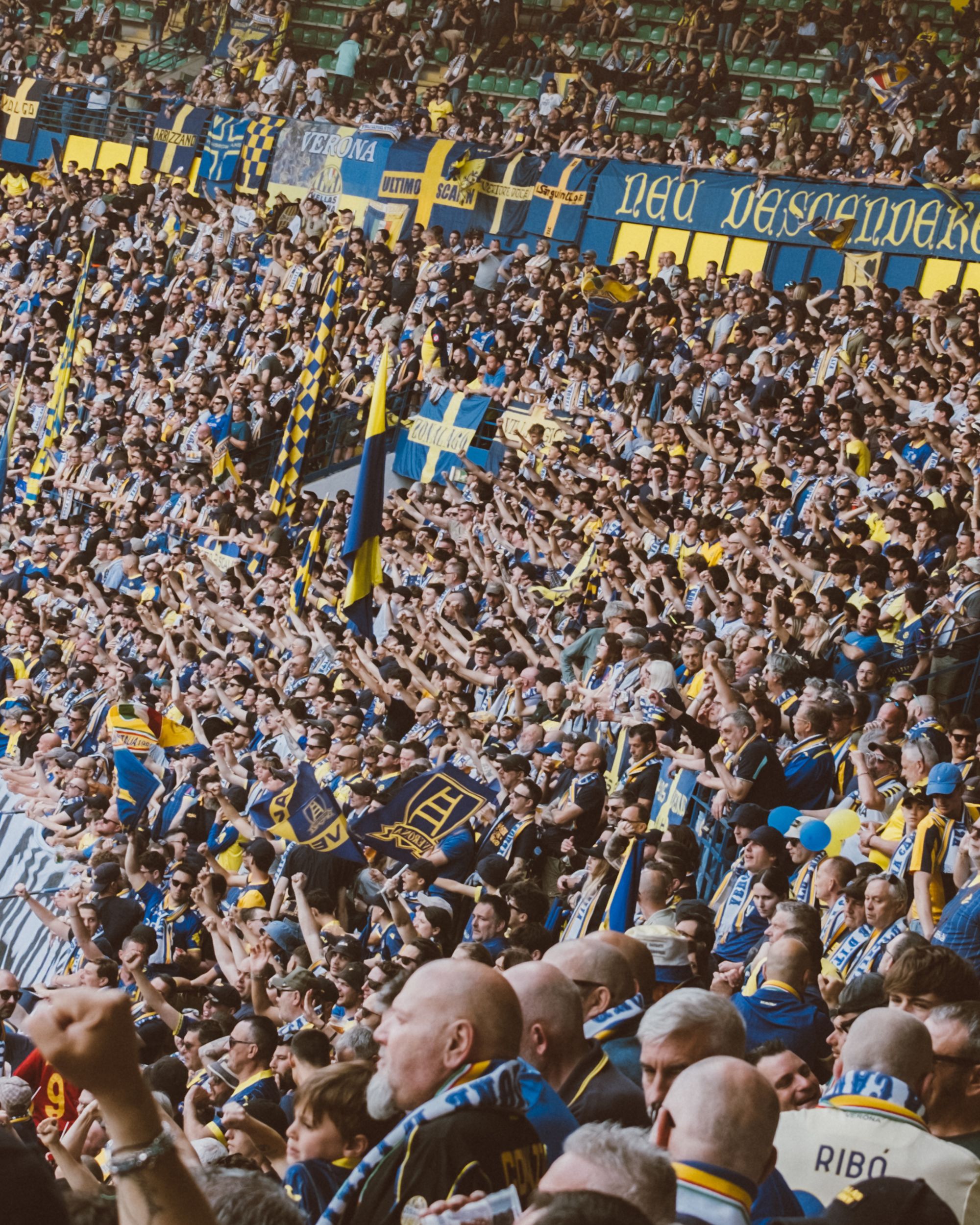
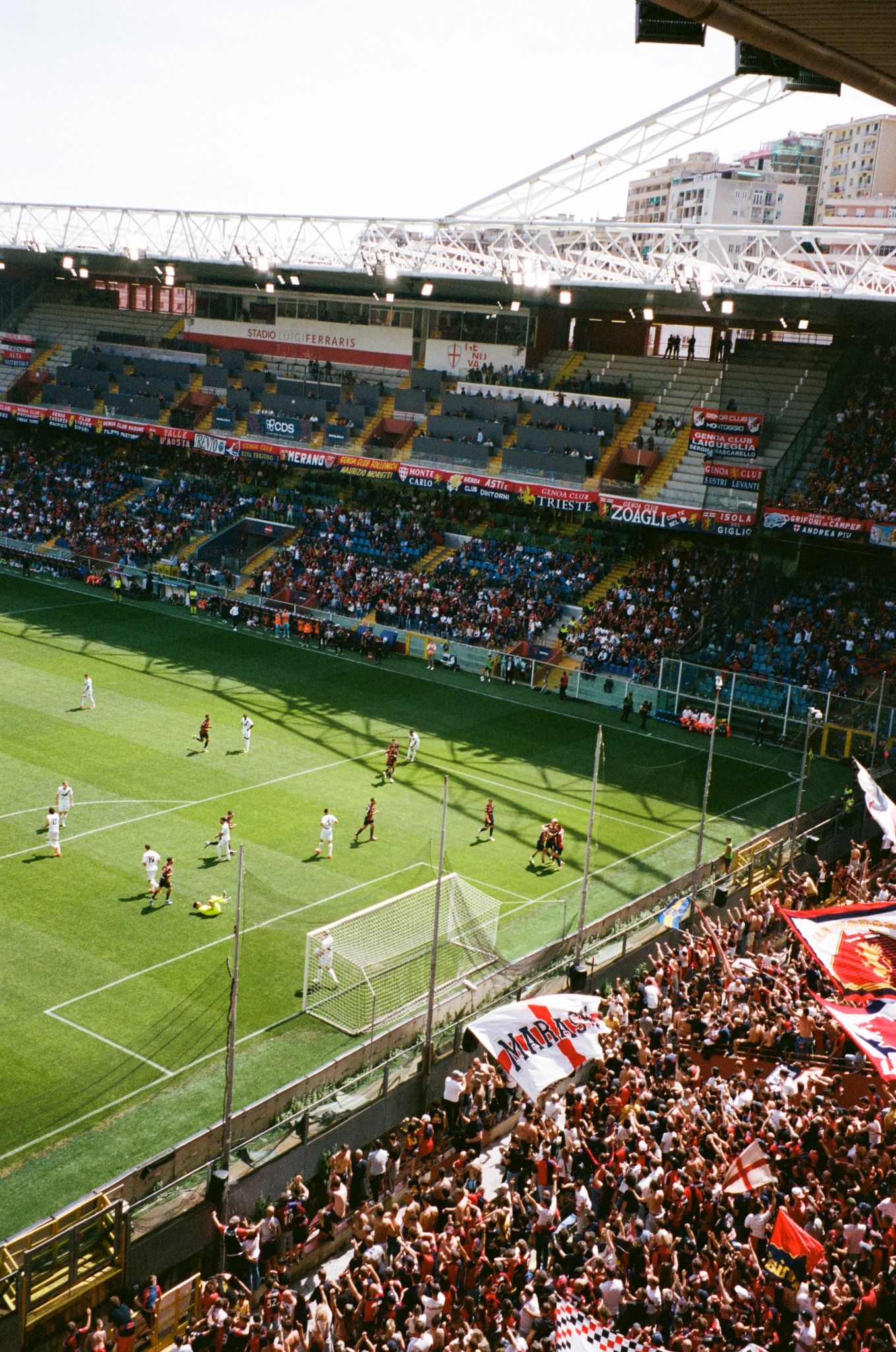
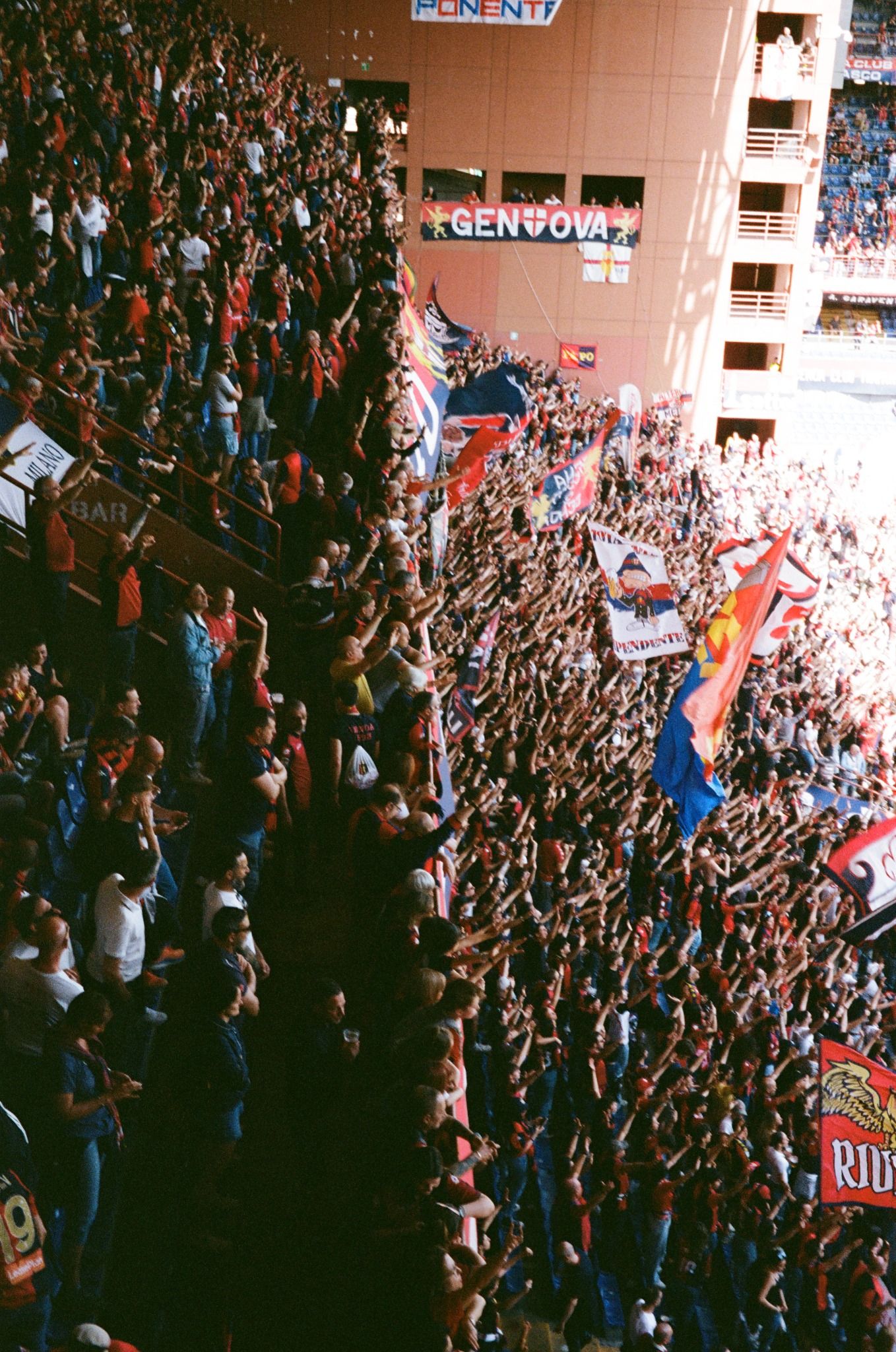
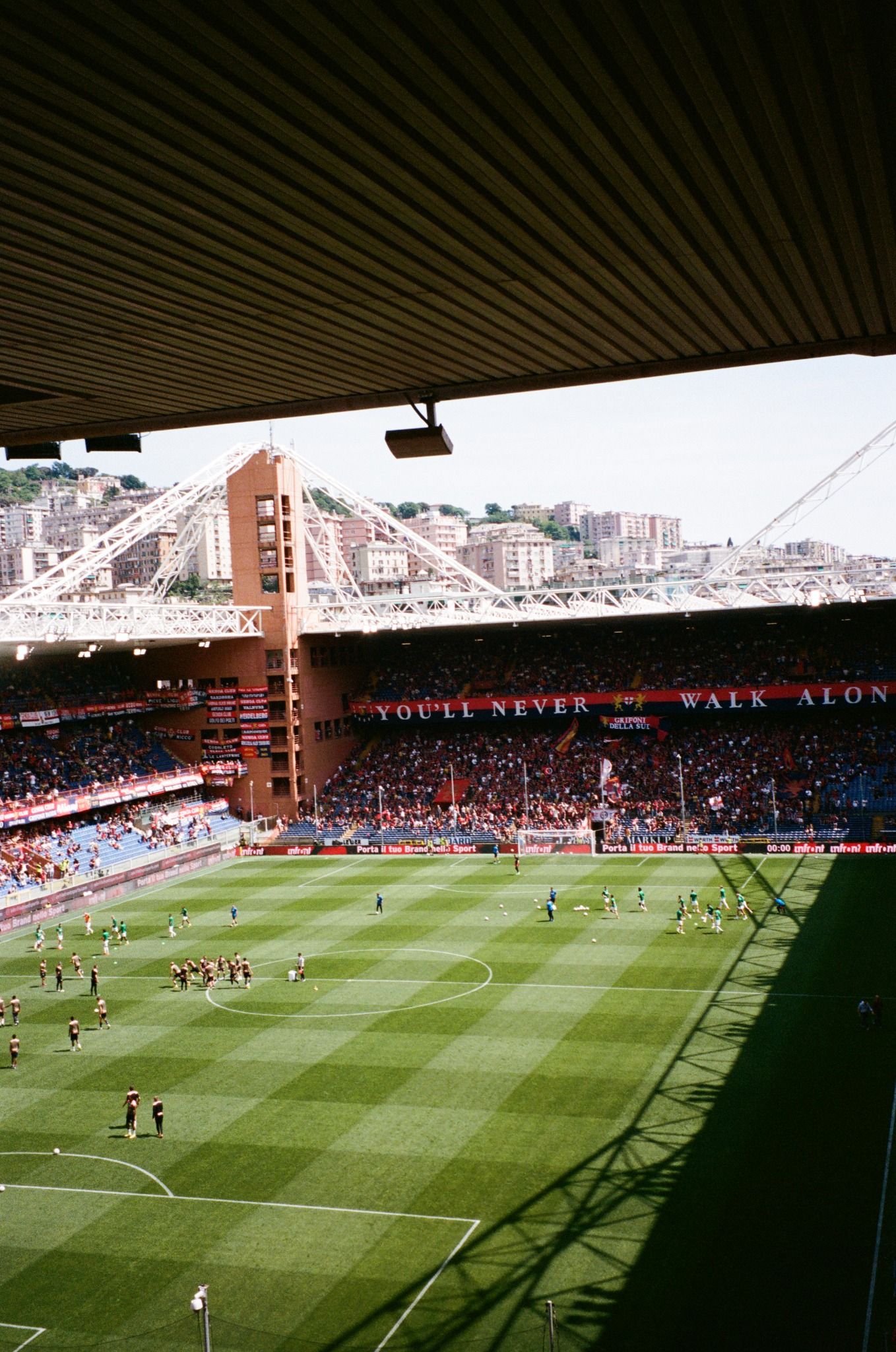
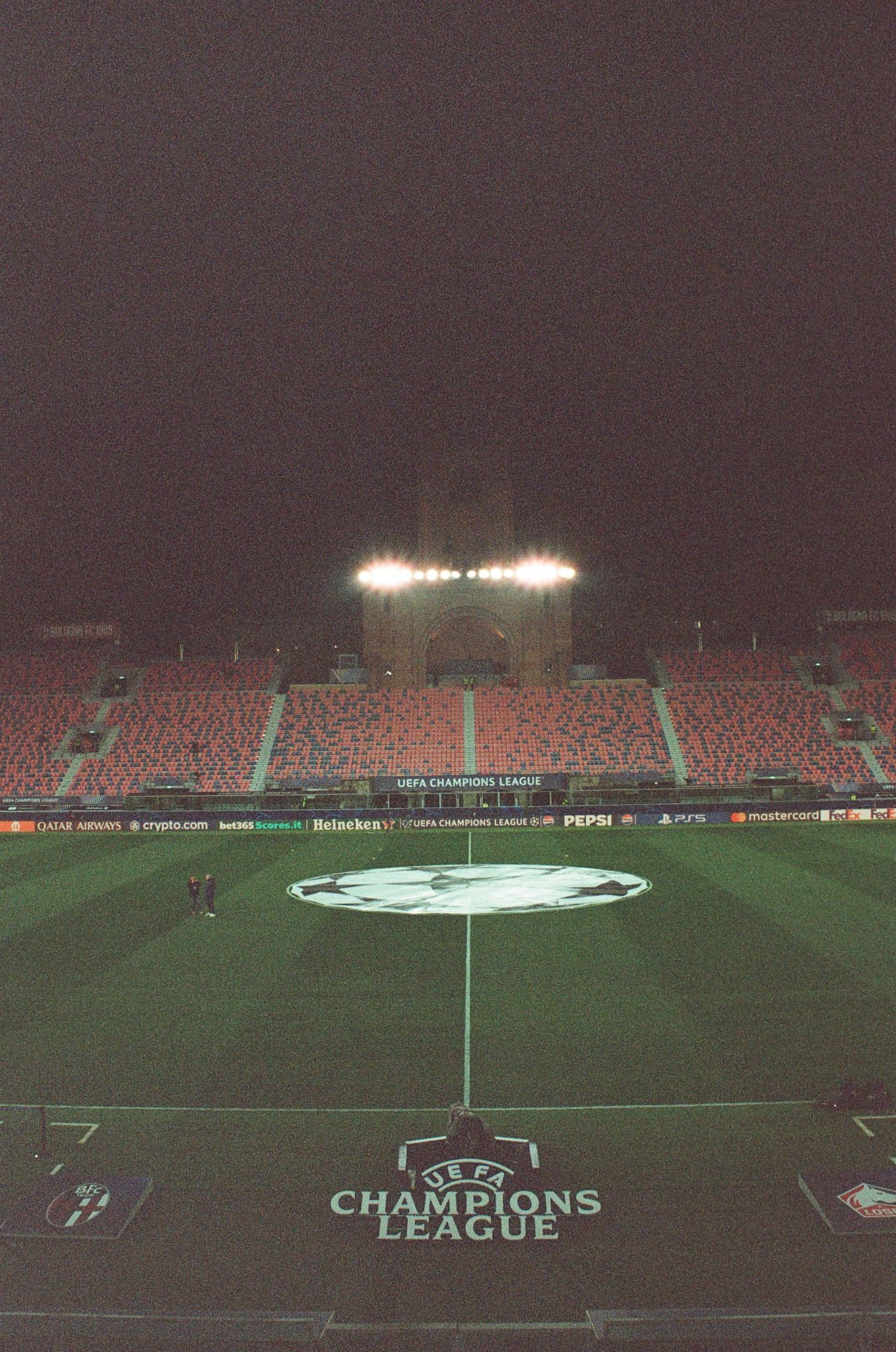
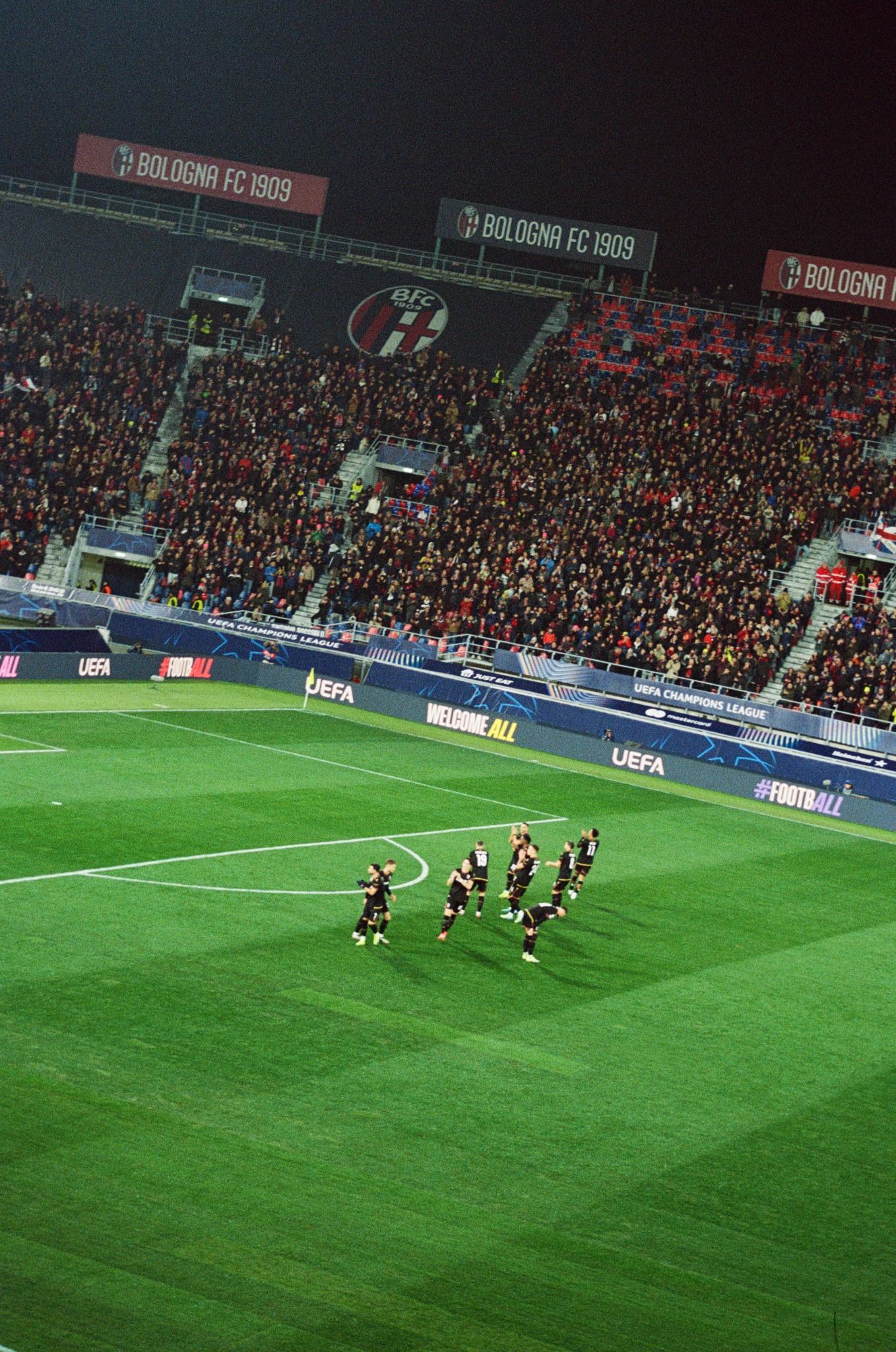
The positions of Bari, where the San Nicola would require particularly expensive work, and Salerno, whose Arechi project has encountered several administrative and financial setbacks, are more uncertain. The picture is completed by Bologna, which has shelved the redevelopment of the Dall’Ara and is working on a new stadium in the Fiera district, but is unlikely to provide sufficiently solid guarantees; Genoa, where renovation work on the Ferraris is expected to begin in 2027; and finally Verona, which only began the preliminary process for a new Bentegodi in July.
Towards Euro 2032
Once UEFA’s screening process has been completed – with an outcome that remains to be seen – the FIGC’s final decision will obviously depend not only on stadiums, projects and architectural requirements, but also on political and commercial considerations and the predictable desire to distribute the tournament across the country. If Turin, Rome and Milan appear certain, or nearly certain, to secure their places, with Florence also looking highly likely, only one spot may remain for southern Italy and the islands. That geography would not entirely reflect the idea of a nationwide European Championship, but the five-venue limit – imposed by the presence of two host countries – will inevitably require difficult choices.
The projects submitted two months ago represent an estimated total investment of around €6 billion, approximately €4.5 billion of which would come from private funding. These figures illustrate the impact of Euro 2032 and once again confirm how, in Italy, major stadium projects often depend on the prospect of hosting a major event. In any case, the process that has been set in motion extends beyond the selection of the five venues: although priority will be given to the stadiums chosen for the tournament, the public funding system may also support some of the excluded projects. This is why cities with a lower chance of hosting matches – such as Bologna and Verona – are also accelerating their plans in an attempt to make the FIGC shortlist.
Italy’s shortcomings, however, cannot be explained solely by economic factors. In fact, 82% of the country’s stadiums are publicly owned, with clubs generally operating as tenants and therefore having little incentive to invest in the facilities. This is compounded by the notoriously lengthy bureaucratic and administrative procedures, as the cases of Rome and Milan clearly demonstrate. It is no coincidence that the only stadium already considered ready is owned by a club, Juventus, or that some of the most modern and successful examples belong to Atalanta and Udinese: the former owns its stadium outright, while the latter holds a 99-year surface right. However, neither venue meets the minimum capacity of 30,000 required for Euro 2032, which is why they were not included in the list. The same applies to the new stadium planned for the Bosco dello Sport in Venice.
“It is not just a question of money, but above all of the model,” explained UEFA president Aleksander Čeferin, describing Euro 2032 as “the right opportunity to improve it.” The gap with Turkey is laid bare by the figures: over the past ten years, Istanbul, where football is benefiting from strong political backing, has begun construction on 29 new stadiums, with investments totalling almost €10 billion. As a result, the Turkish federation now has to choose between numerous venues that are already available, while Italy must prove that at least five of the submitted projects will be completed by 2031.
The challenge, then, extends well beyond the decisions that will be made over the coming months. The last collective process of stadium renewal in Italy dates back to the 1990 World Cup, and almost four decades later, it is once again a major international tournament offering the country an opportunity to make up for lost ground. The true legacy of Euro 2032 will therefore be measured not only by the five venues ultimately selected, but also by the number of projects that actually see the light of day and by Italy’s ability to turn this acceleration into a deeper transformation.