























Bosco dello Sport will take Venice to the next level A new football ground and a 10,000-seat basketball arena
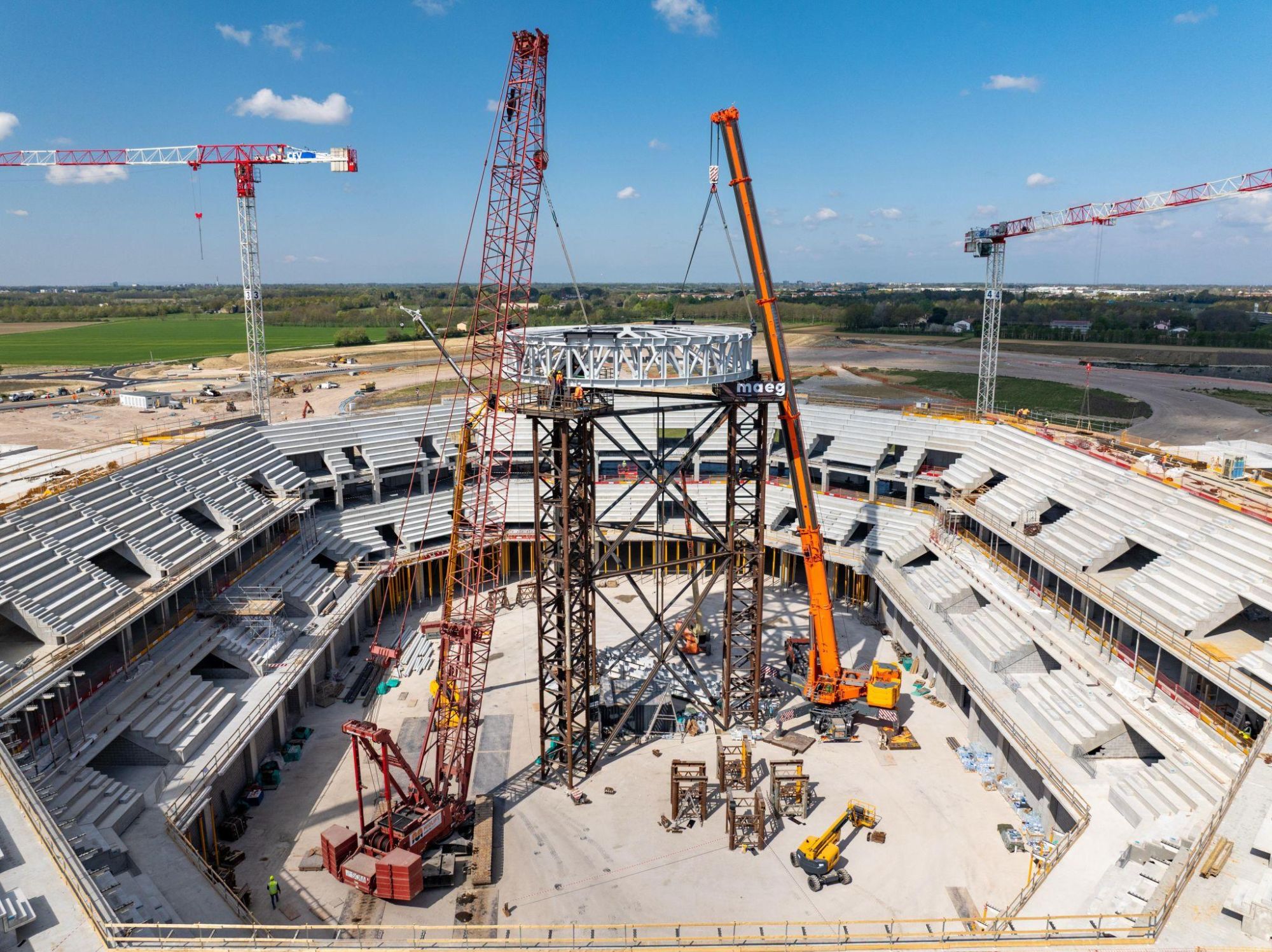
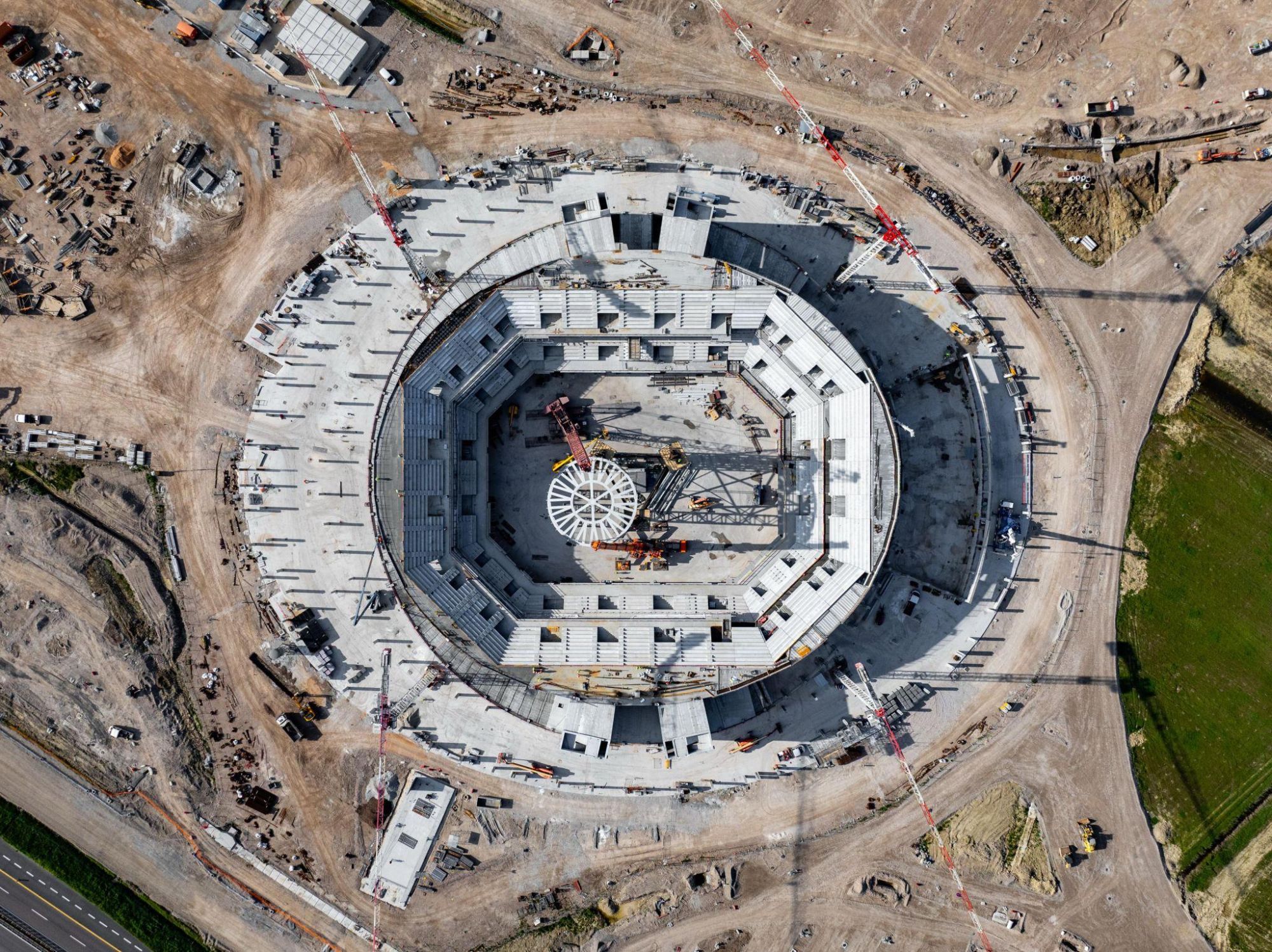
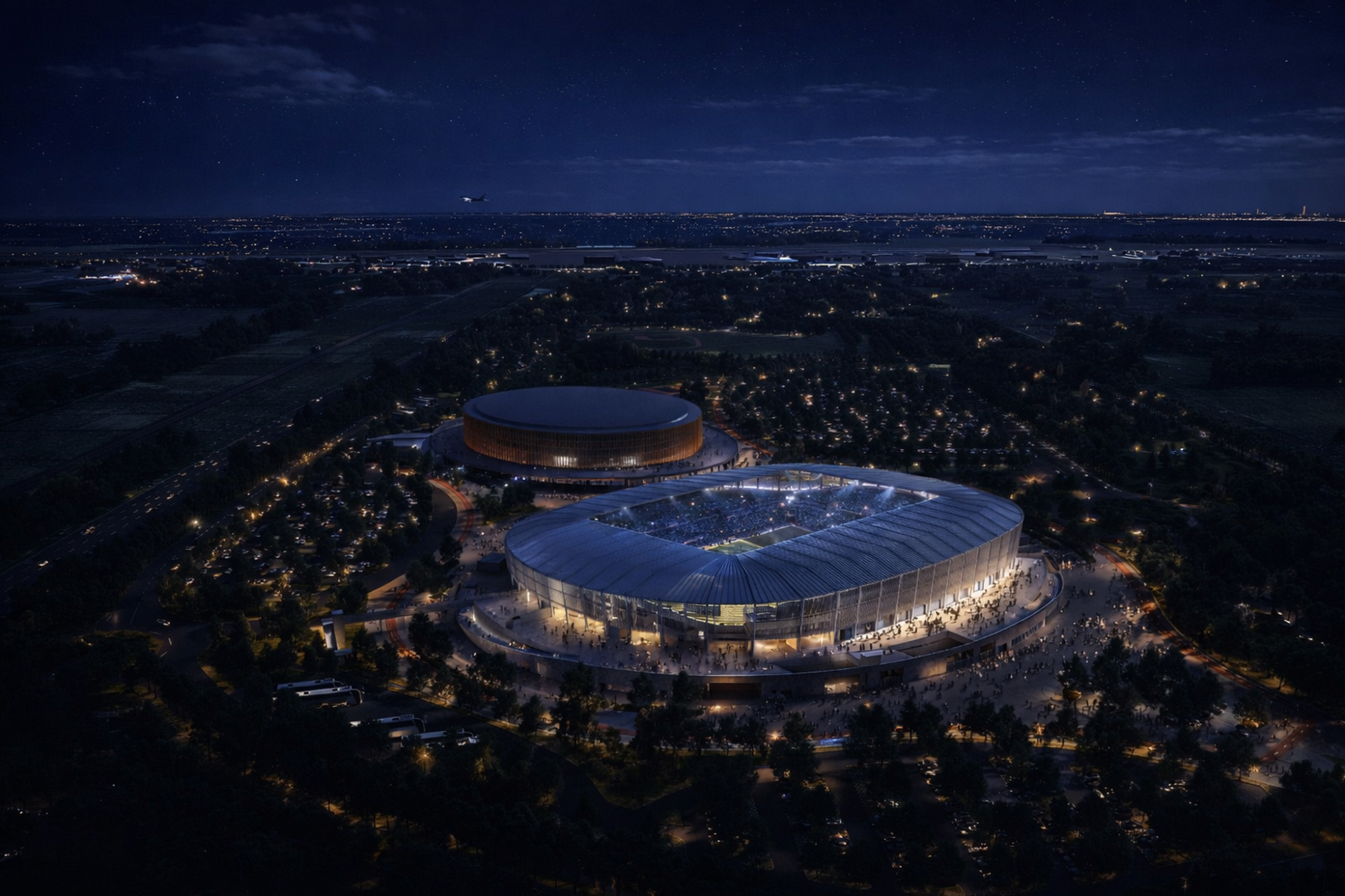
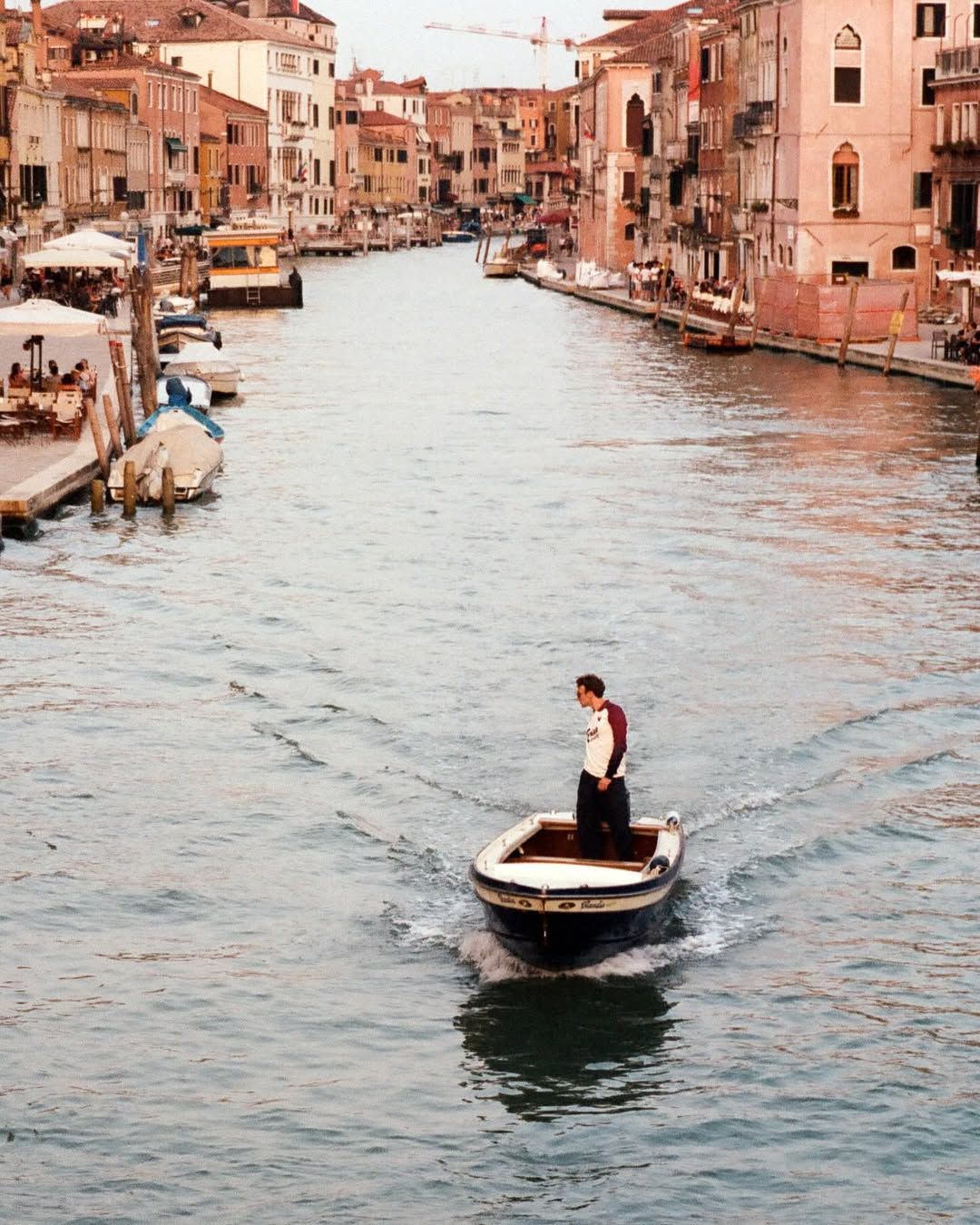
These are days of momentum in Venice’s sports landscape. The football team has been leading Serie B for nearly three months and is now just a step away from promotion to Serie A. In basketball, meanwhile, Reyer is sprinting toward a third-place finish in the regular season, ready to usher in a new era once the playoffs conclude. Those playoffs will be the last at the PalaTaliercio, before the move to a brand-new home, within a space where the new football stadium is also expected to be inaugurated in 2027. It is precisely here, on an infrastructural level, that the paths of the two clubs converge, albeit on different timelines. In the Bosco dello Sport, a project bringing the city closer to a long-awaited leap in quality—finally moving from renderings and plans into reality.
The Bosco dello Sport
The name itself already suggests the defining features of this area in Tessera, near Marco Polo Airport. Green space and sport, with much more surrounding it. The new facilities—stadium and arena—are embedded in a design rich in vegetation, with over 70 hectares of green space and a total of 80,000 trees and shrubs across the area. These elements are designed to bring together professional sports and everyday activity. The project, designed by Marazzi Architetti, envisions a sports citadel with commercial areas, services, and accessibility. In addition to facilities for football, rugby, and indoor activities (basketball, volleyball, and more), the masterplan includes a square for outdoor events, an area designed for families and younger audiences, tennis courts and padel courts, spaces for skateboarding and street basketball, as well as shops and commercial venues. In short, a large hub where sport is everywhere—located near an international airport and conceived with future rail connections between Mestre and Trieste in mind.
In a city that has long relied on historic facilities with clear structural limitations, this project represents a necessary urban renewal—an attempt to support the growth of local football and basketball while also attracting a new flow of events, concerts, and public activities. The Bosco dello Sport is built on a substantial investment: nearly €95 million in PNRR funding for the stadium, internal infrastructure, and green areas, within a broader operation that Marazzi estimates at €335 million overall. Venice is finally taking a step that has been awaited for decades, long stalled by debates, delays, and missed opportunities: equipping itself with a modern infrastructure that matches both the ambitions of its sporting realities and the international appeal of the city itself.
The New Venezia Stadium
If the Bosco dello Sport is the framework, the stadium is its focal point. Not only because it will definitively replace the Penzo as the home of Venezia FC, but also because it will redefine possibilities both on and off the pitch. Designed by Populous,the project follows a well-established approach: transforming the stadium into a space that is active 365 days a year and capable of generating value beyond matchdays. Populous, together with CAA ICON, has supported the club in its collaboration with the City of Venice on the new stadium project, following the recent award of the stadium’s management concession. With this in mind, the club has partnered with Elevate, an international sports and entertainment agency, to support its premium and sponsorship activities. The multi-year agreement with Curva, an international company specialising in merchandising and product development, is also part of this initiative.
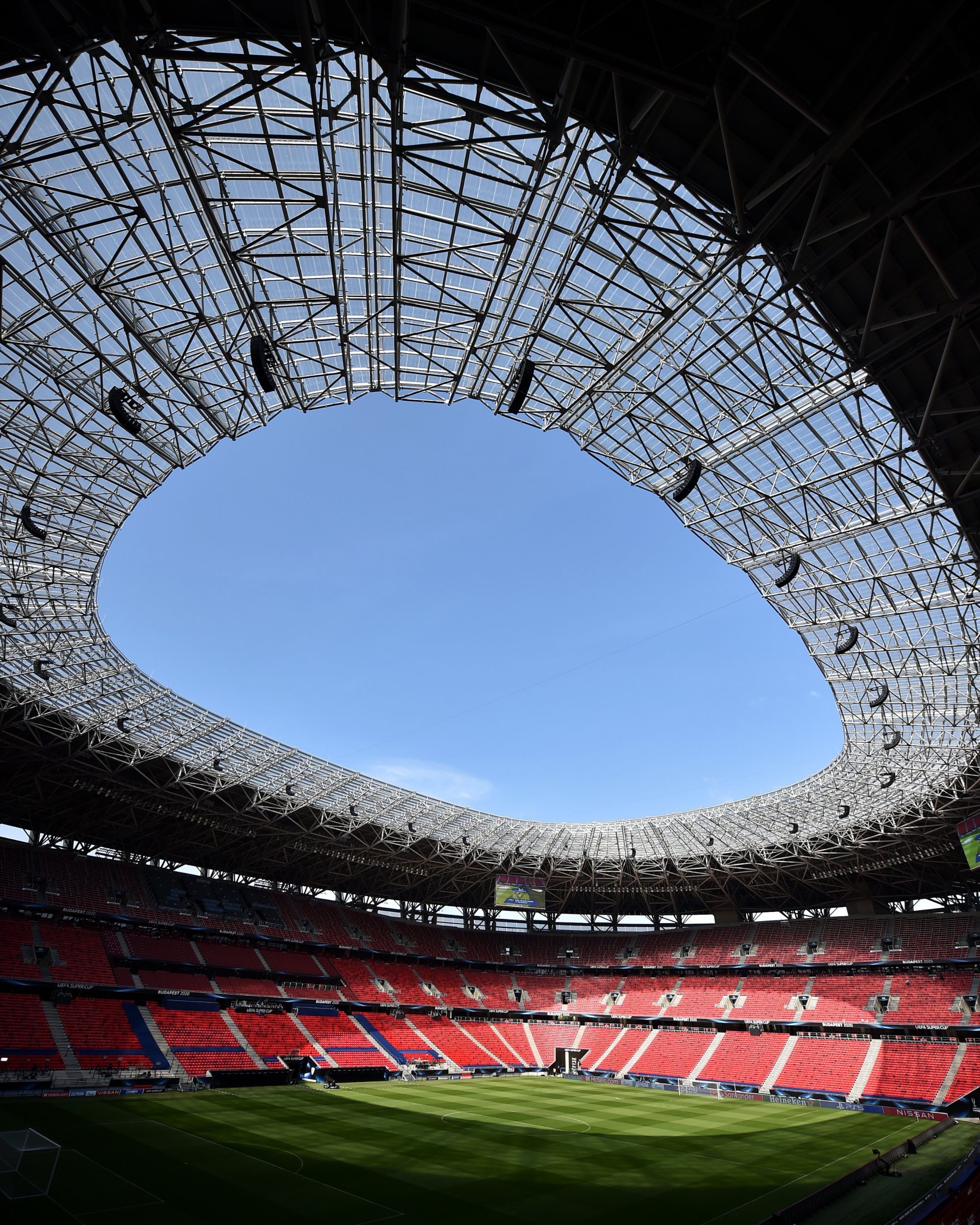
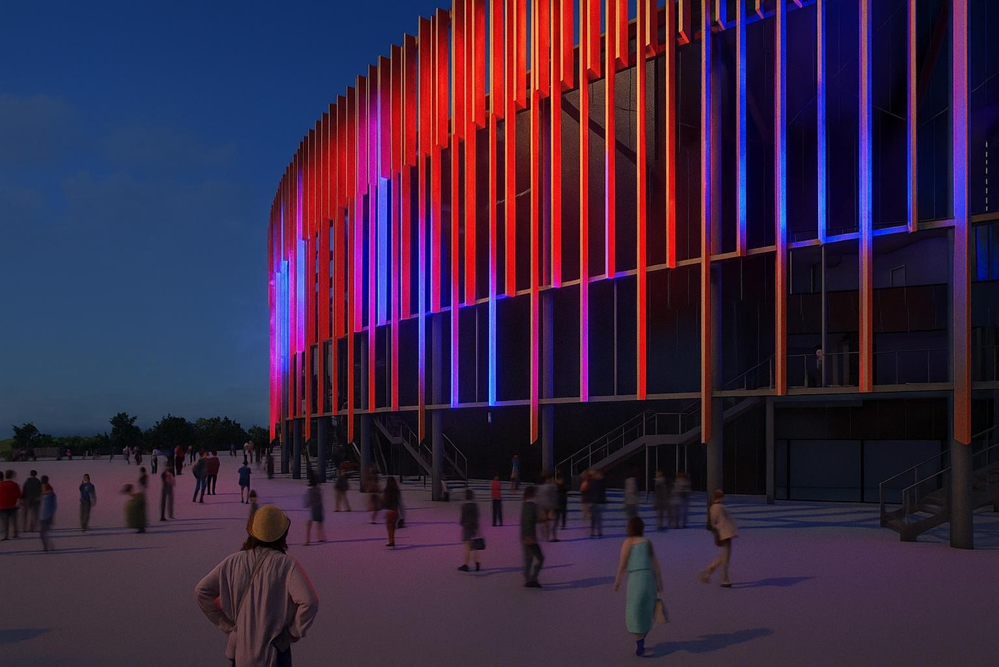
Architecturally, the structure is designed to maintain a strong connection with the lagoon context, particularly through a façade composed of vertical elements reminiscent of bricole—the wooden poles that line Venetian canals. Beyond that, the structure aligns with international standards: full roofing to ensure year-round usability, around 18,500 seats expandable to 24,000 for non-sporting events, and extensive spaces designed to enhance the overall experience—and revenue streams—including skyboxes, hospitality areas, a conference center, club museum, gym, medical facilities, kitchens, and retail outlets.
The shift in scale compared to the Penzo is evident—an iconic venue in a unique location, but no longer capable of supporting the ambitions of a club aiming to establish itself in Serie A. In modern football, a new stadium has become an increasingly essential condition for competitiveness. Venezia is directly involved in the investment, committing around €33 million to areas of specific interest and structural customization—clear evidence of a role that goes beyond simple tenancy. According to current timelines, the inauguration is expected by the end of 2027.
At the same time, as anticipated, the facility is not intended to be exclusively for football. Certification for international rugby and the ability to host concerts and major events align with the goal of broader programming, within a space capable of attracting audiences beyond matchdays. This reflects a now-common global trend: increasing usage days and functions to ensure financial sustainability and transform these venues into entertainment hubs. One question remains open: the naming, recently subject to a public poll, with “San Marco” currently leading.
The New Reyer Arena
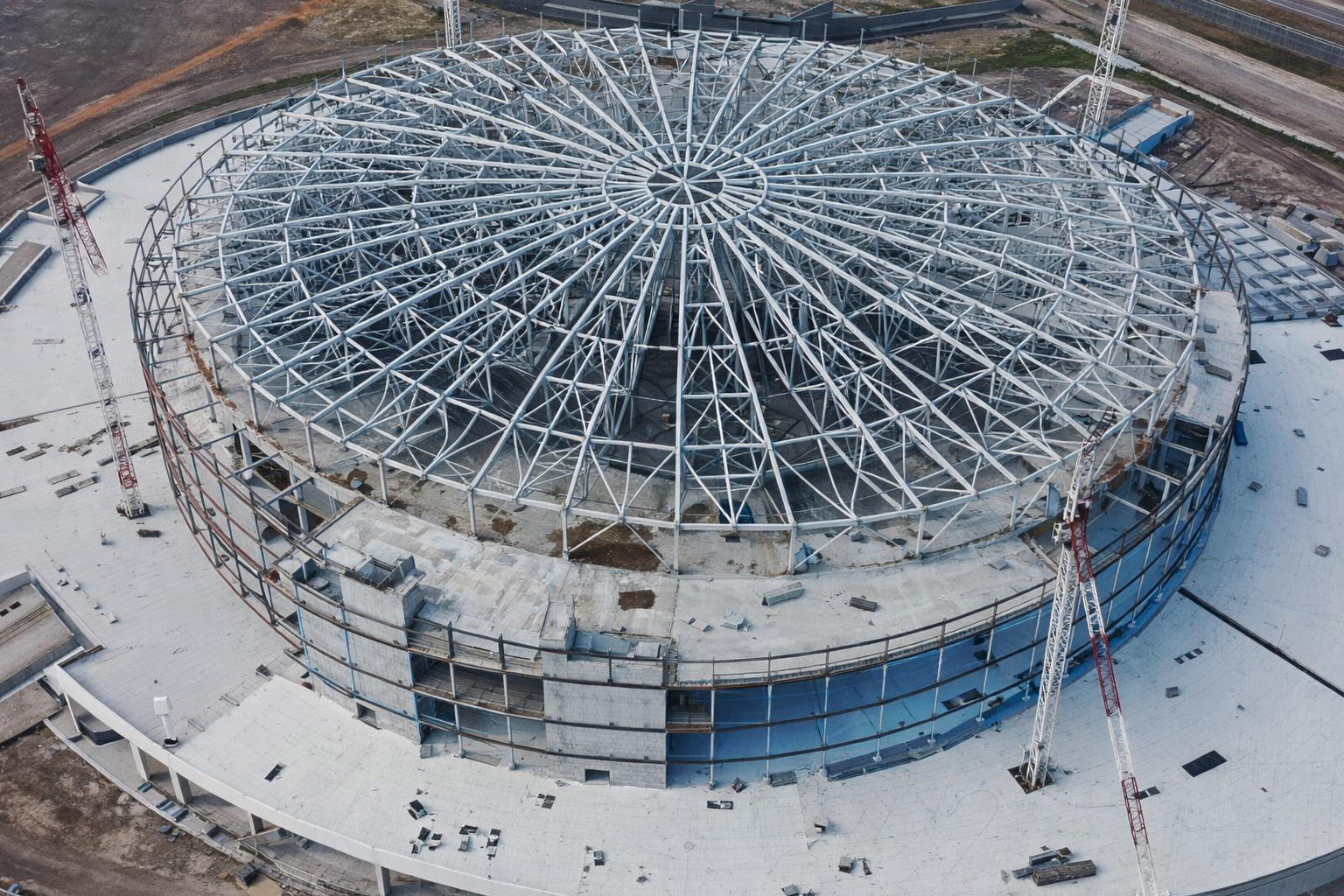
While the football project is still a work in progress, the basketball facility is nearly complete. The arena for Reyer is the most advanced component of the entire Bosco dello Sport, and the one that most clearly illustrates what this project means in concrete terms. After years spent between Misericordia, with just over 1,000 seats, and the Taliercio, with 3,500, the club is preparing to step into a completely different dimension—both in capacity and in ambition.
The arena will host more than 10,000 spectators, a figure that alone highlights the leap forward. Images from recent months show a structure that is already defined externally, with interior works in an advanced stage. The goal is to have it operational by September, with the ambition of hosting major events in Italian basketball—starting with the Coppa Italia Final Eight. As with the stadium, flexibility is key: the venue is designed to be multifunctional, adaptable to a wide range of contexts—basketball games, volleyball (Conegliano), indoor tennis events, concerts, and large-scale shows.
For Reyer, however, the meaning is all sporting. Finally having a home that meets European standards is almost a prerequisite for pursuing higher ambitions. It has been a long time coming, especially after the club has established a consistent presence in European competitions in recent years, moving from the Champions League to the EuroCup, and now targeting the ultimate milestone: the EuroLeague. A competition that first and foremost demands infrastructure of the highest level—the rest will follow. In this sense, the arena is not just a logistical upgrade, but a crucial step in the club’s growth trajectory. That said, a 10,000-seat venue does not fill itself automatically, especially in a context like Venice. It will take time, consistency, and perhaps one or two major events to attract a new audience. Ultimately, this vision encapsulates the essence of the Bosco dello Sport: opening new spaces—and with them, possibilities that simply did not exist before.