

History and aesthetics of McLaren's liveries How did we end up with papaya cars?
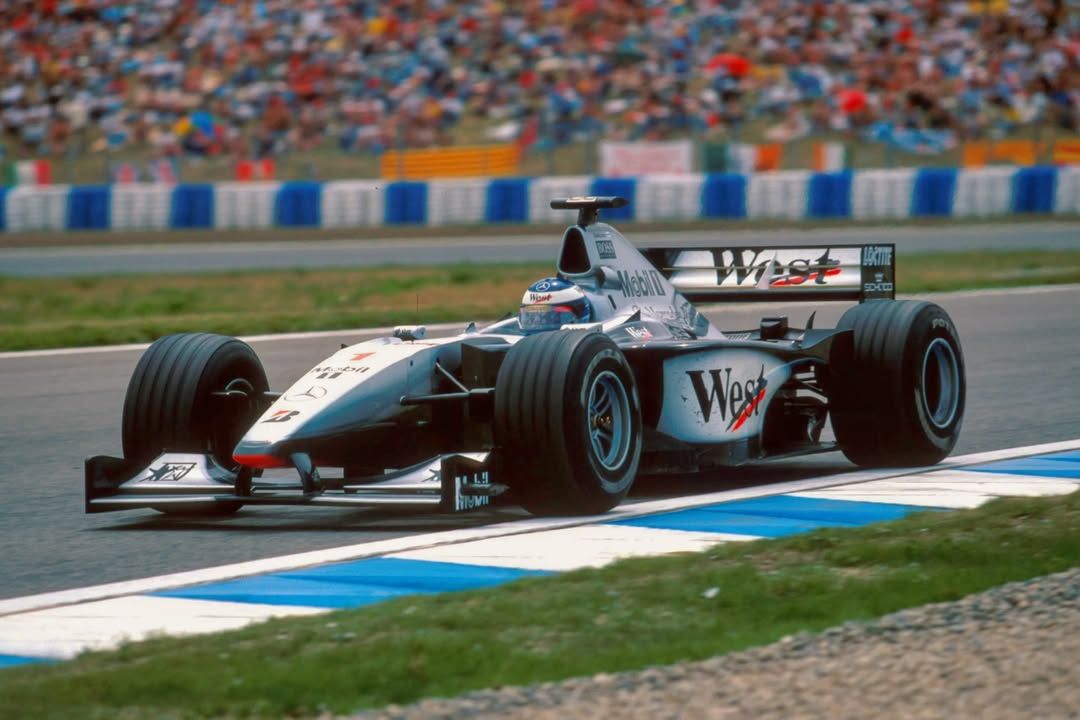
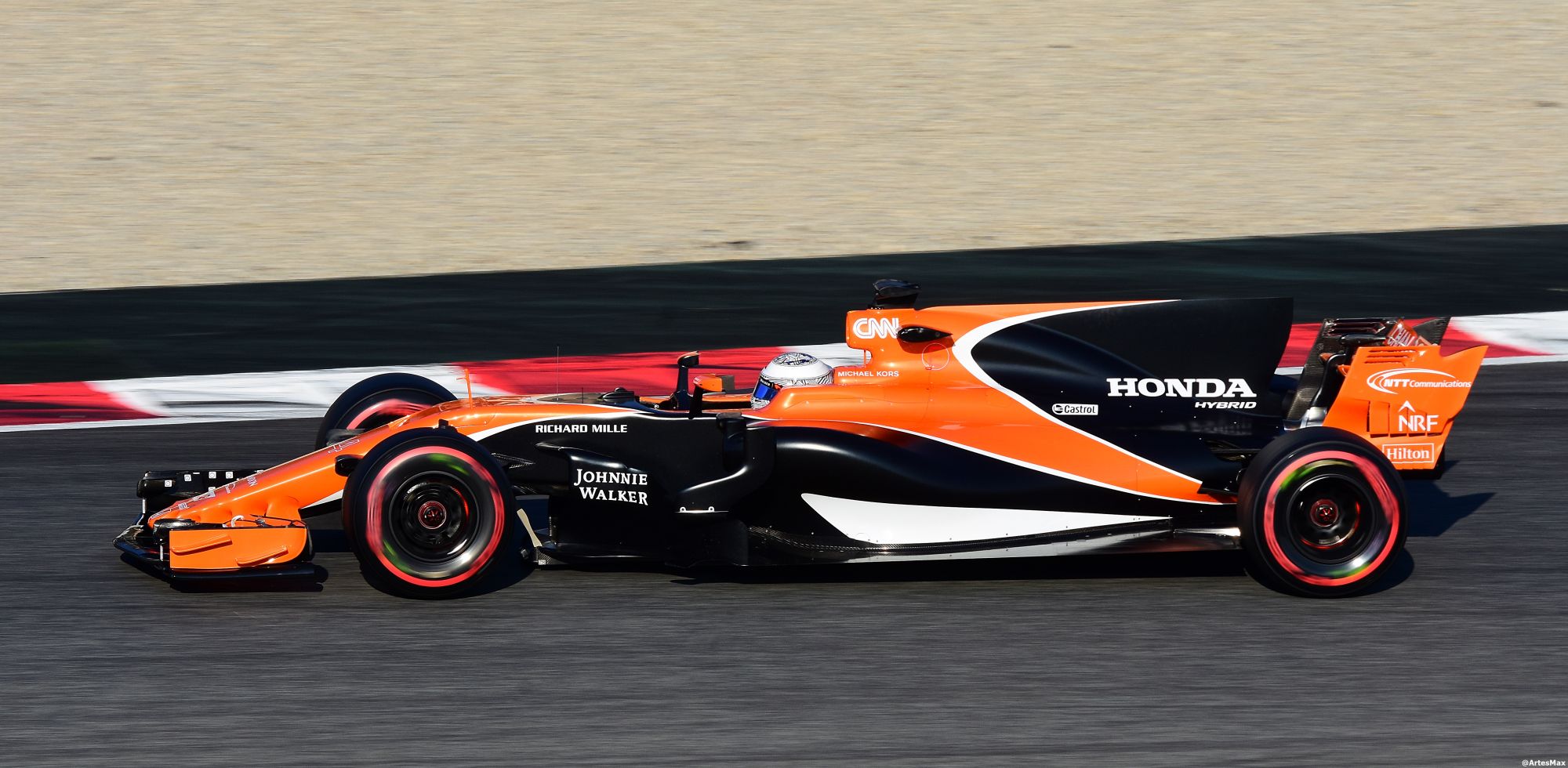
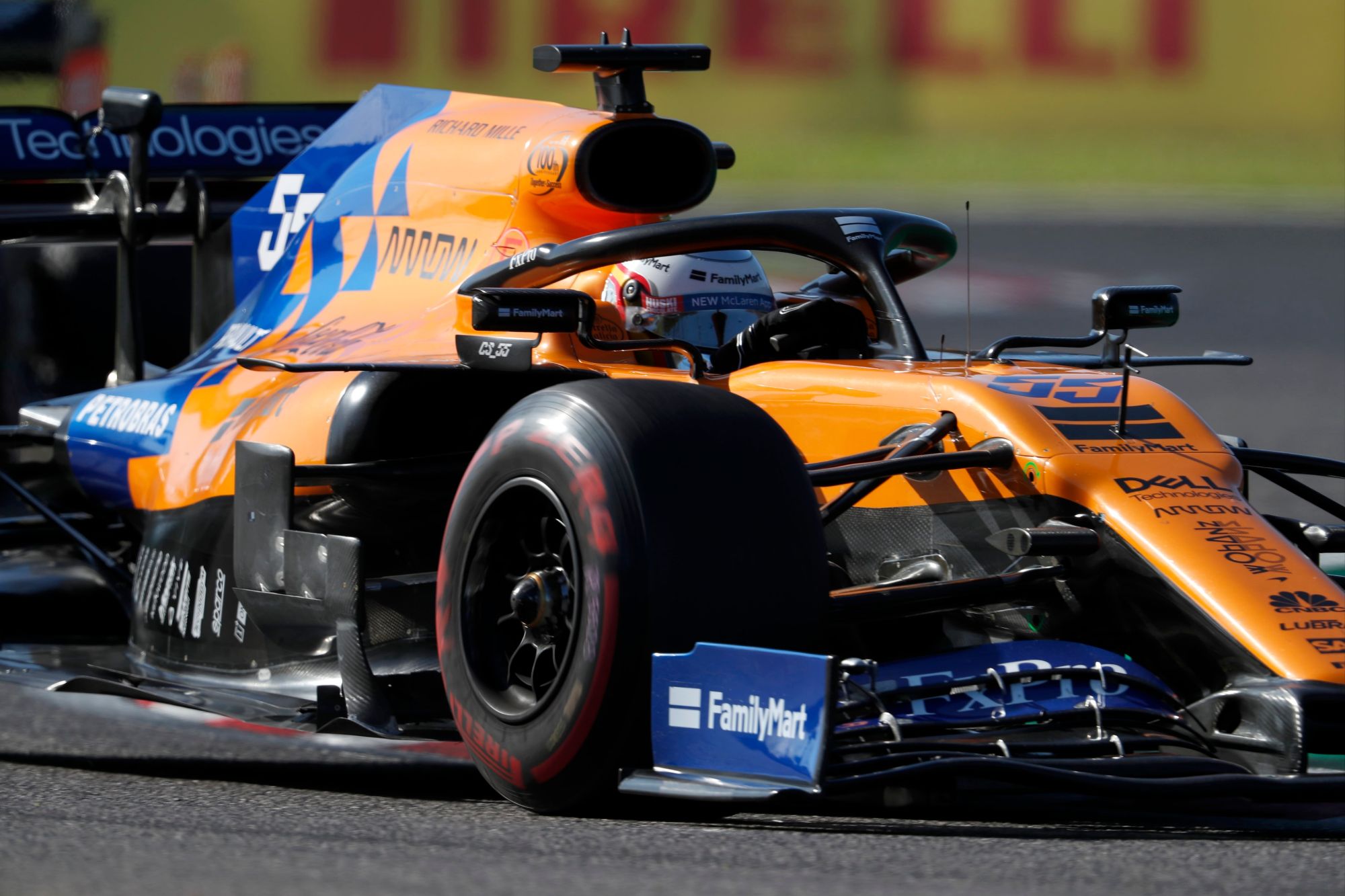
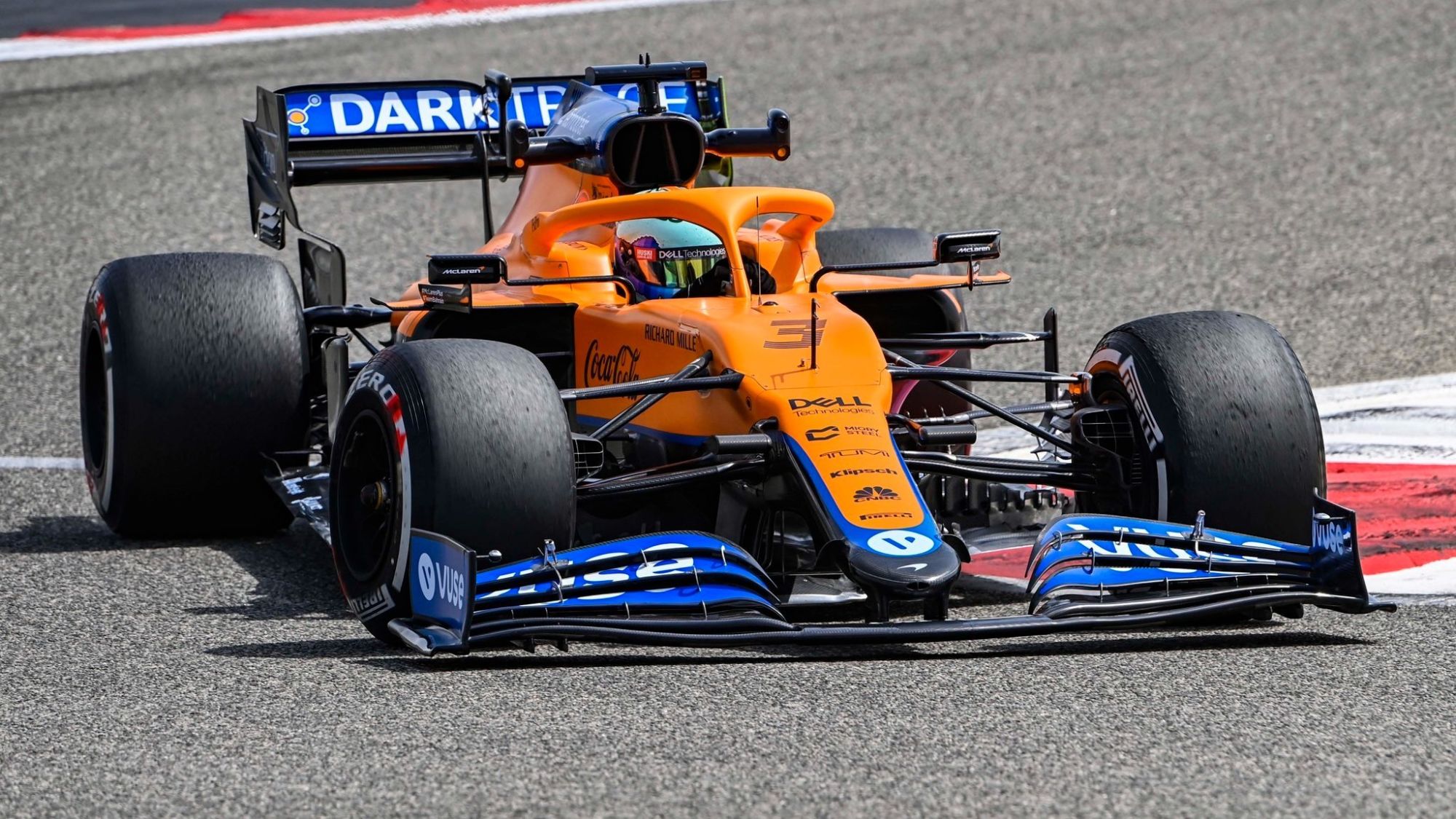
There is no F1 without McLaren. the British team is the second oldest in the paddock, competing under its original name since 1966. Not only that. Furthermore, once Sauber transitions to Audi, McLaren will be one of only four teams on the grid to bear its founder's name, joining the venerable Ferrari and Williams, and the newer Haas. The team was established by Bruce McLaren, who, despite McLaren's current British identity, was originally from New Zealand. He was a New Zealand driver who, at 22, became the youngest ever to win an F1 Grand Prix in 1959 while driving a Cooper. His engineering vision prompted him to establish McLaren in 1963, during the advent of the 'garagiste' era, when small private teams began their journey in simple garages before reaching international circuits. Its 62-year history is characterized by diverse liveries.
McLaren’s F1 beginnings
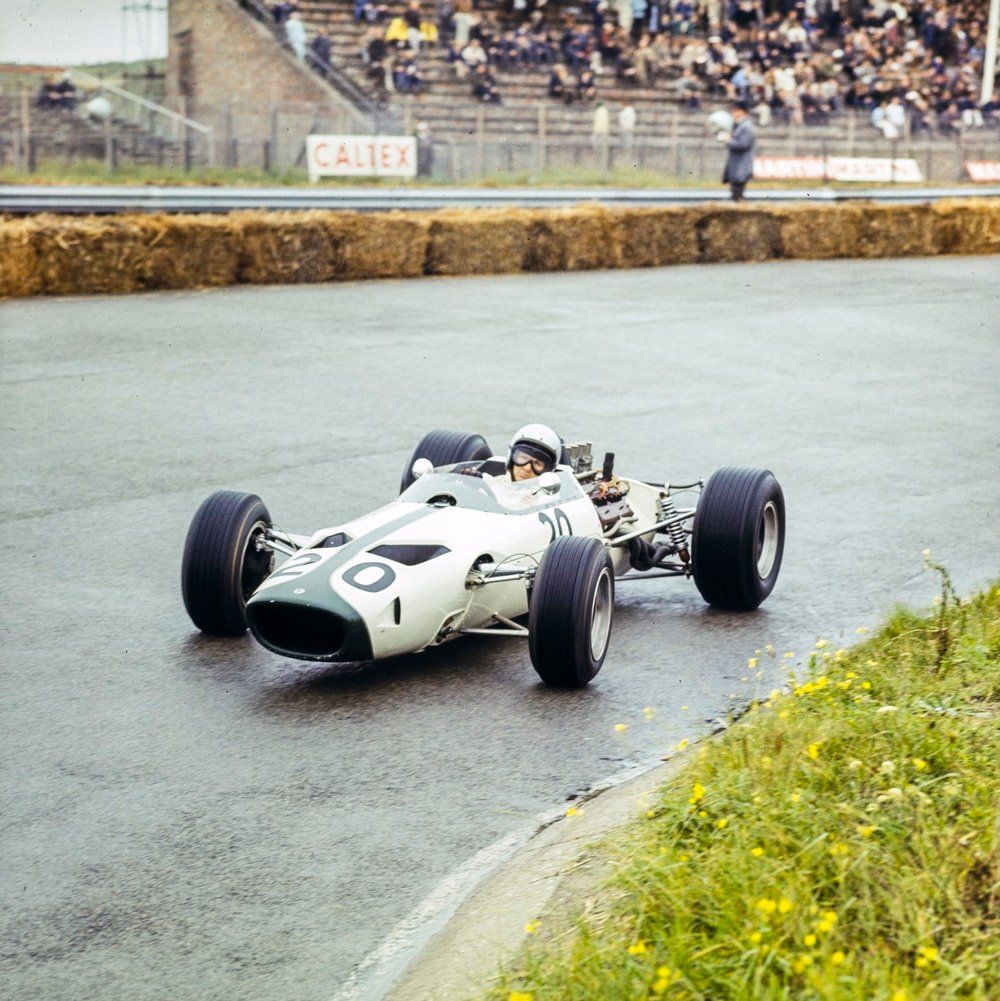
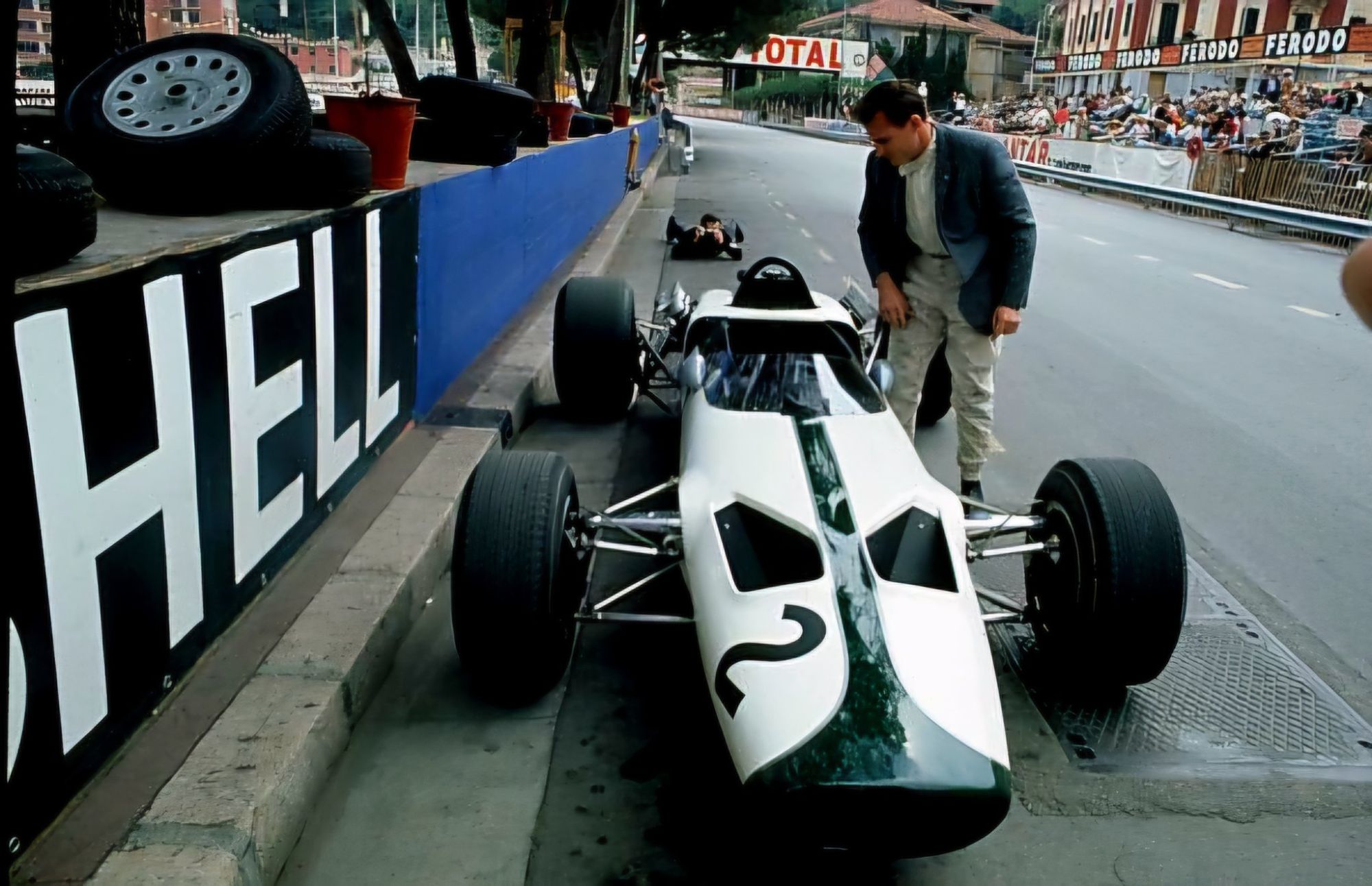
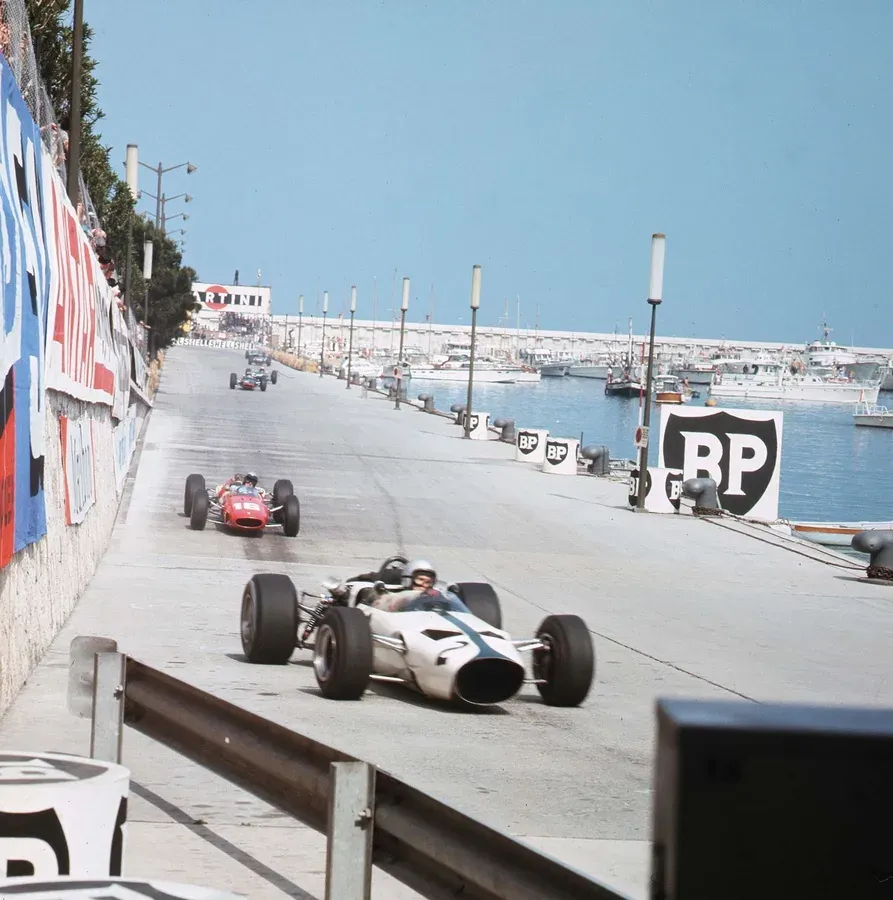
The first historic McLaren car to race in Formula 1 in 1966 was the M2B, a white car split down the middle by a green stripe: an artistic concession to the original idea of running a silver car with green details. The reason? During the Monaco Grand Prix weekend the filming of Grand Prix, a movie about F1, was taking place, and director John Frankenheimer needed a white car. In the end the choice fell on McLaren.
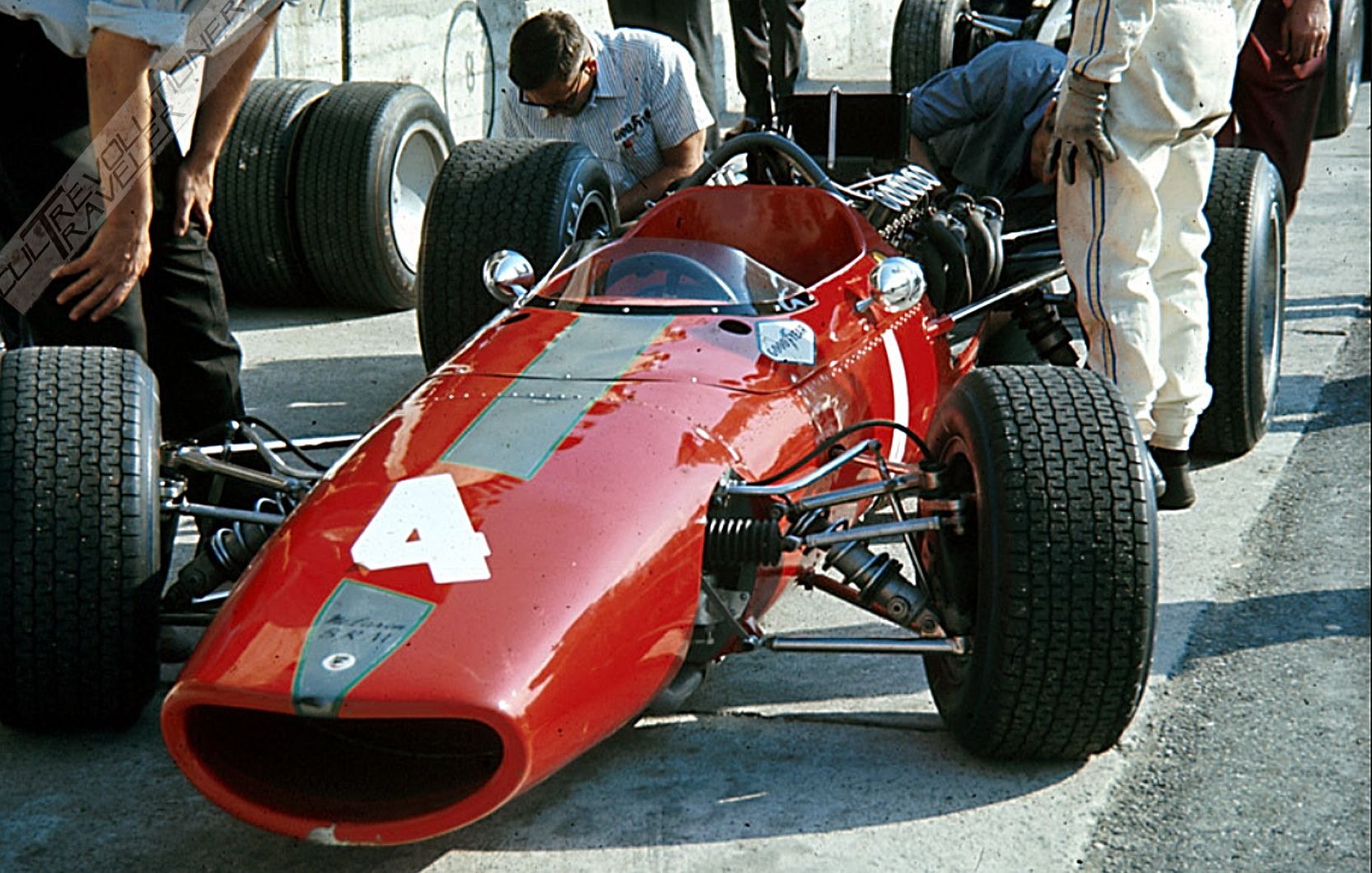
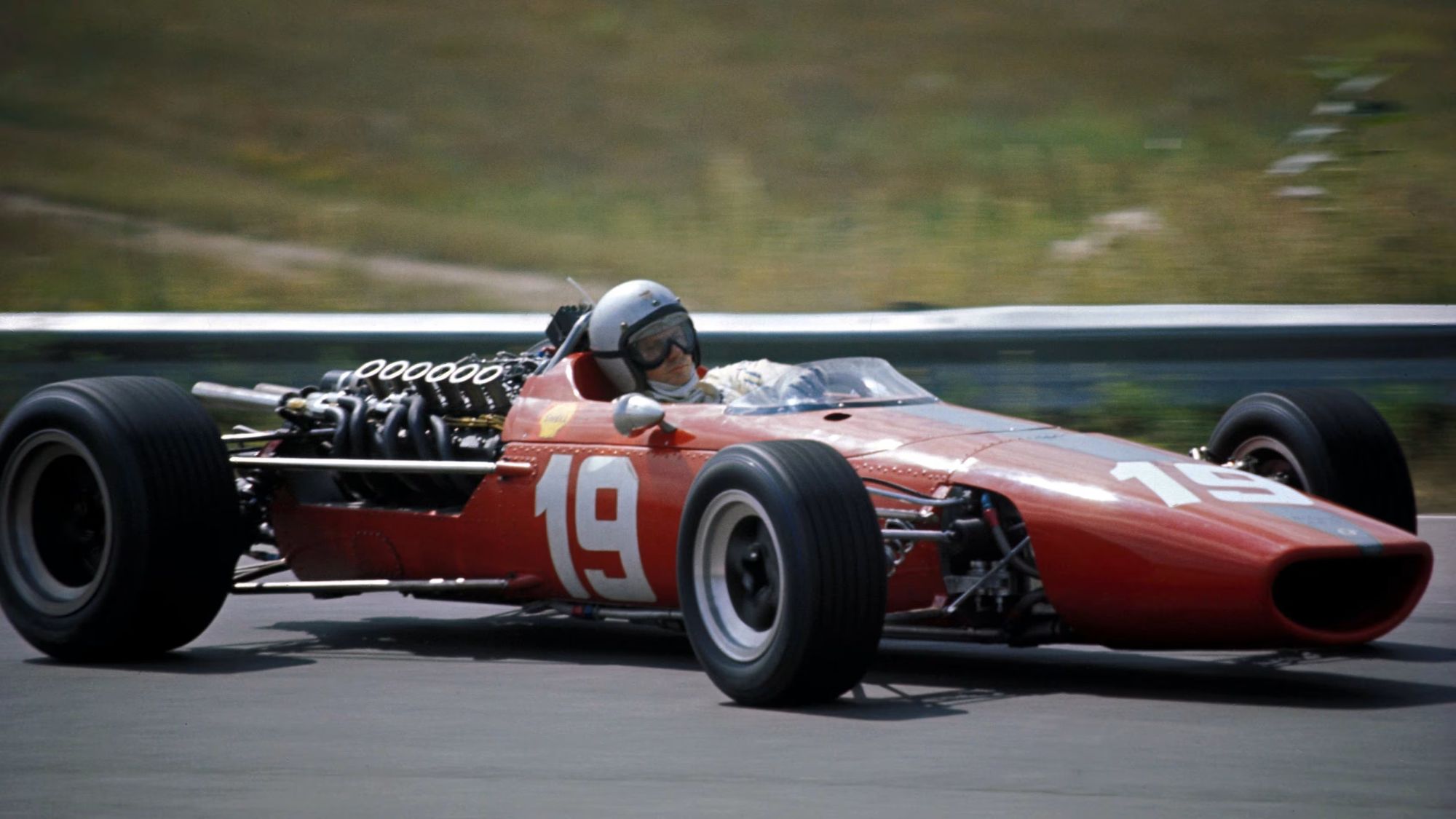
1967 marked the move to red, still with a green line drawn down the center: according to an unofficial version provided by the team itself, that was the only shade available in the workshop at the time. Curiously it was the same red used by Ferrari, and that’s why the organizers of the Italian Grand Prix at Monza asked the team to change colour so as not to confuse spectators — only to change their minds when Bruce McLaren took pole position.
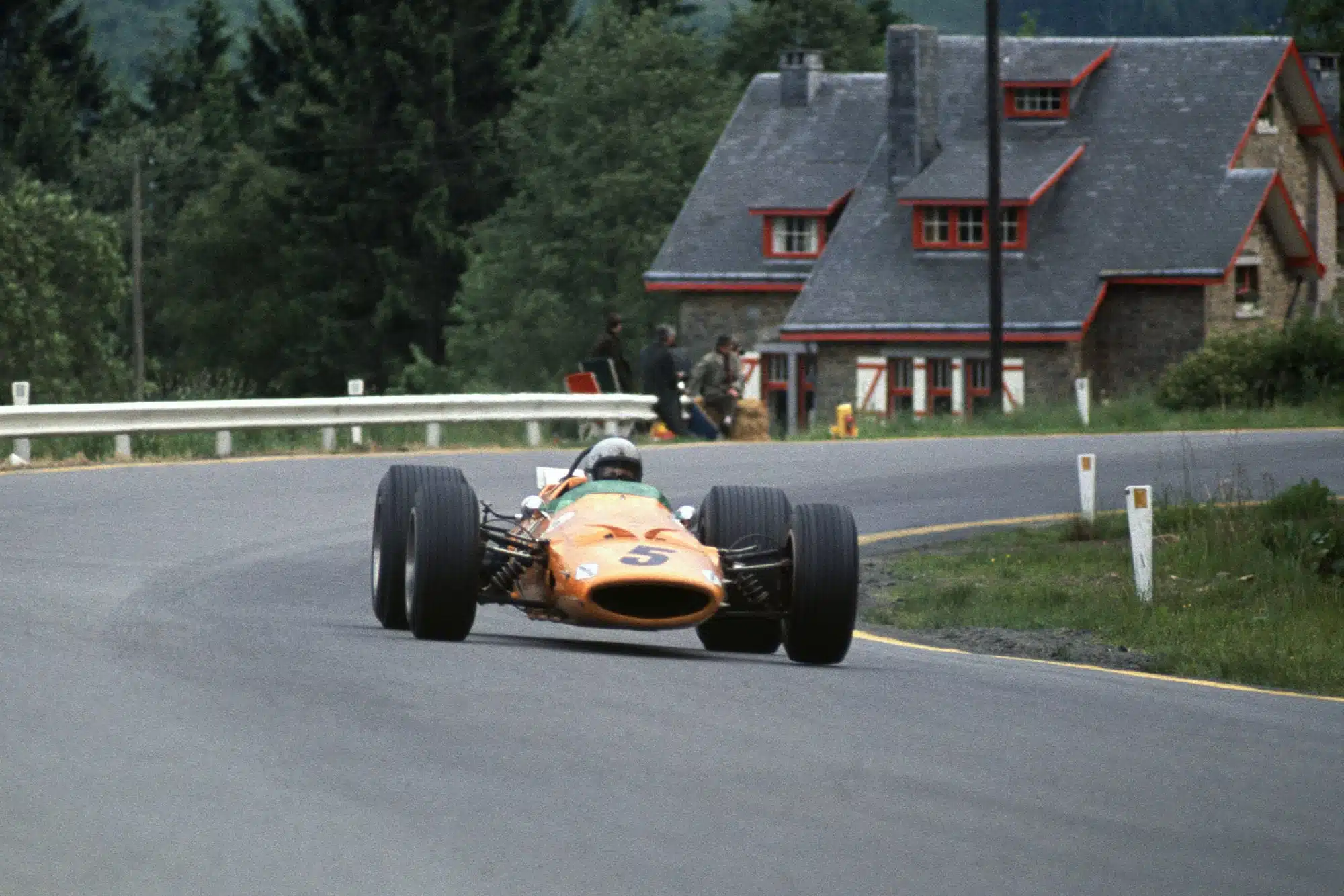
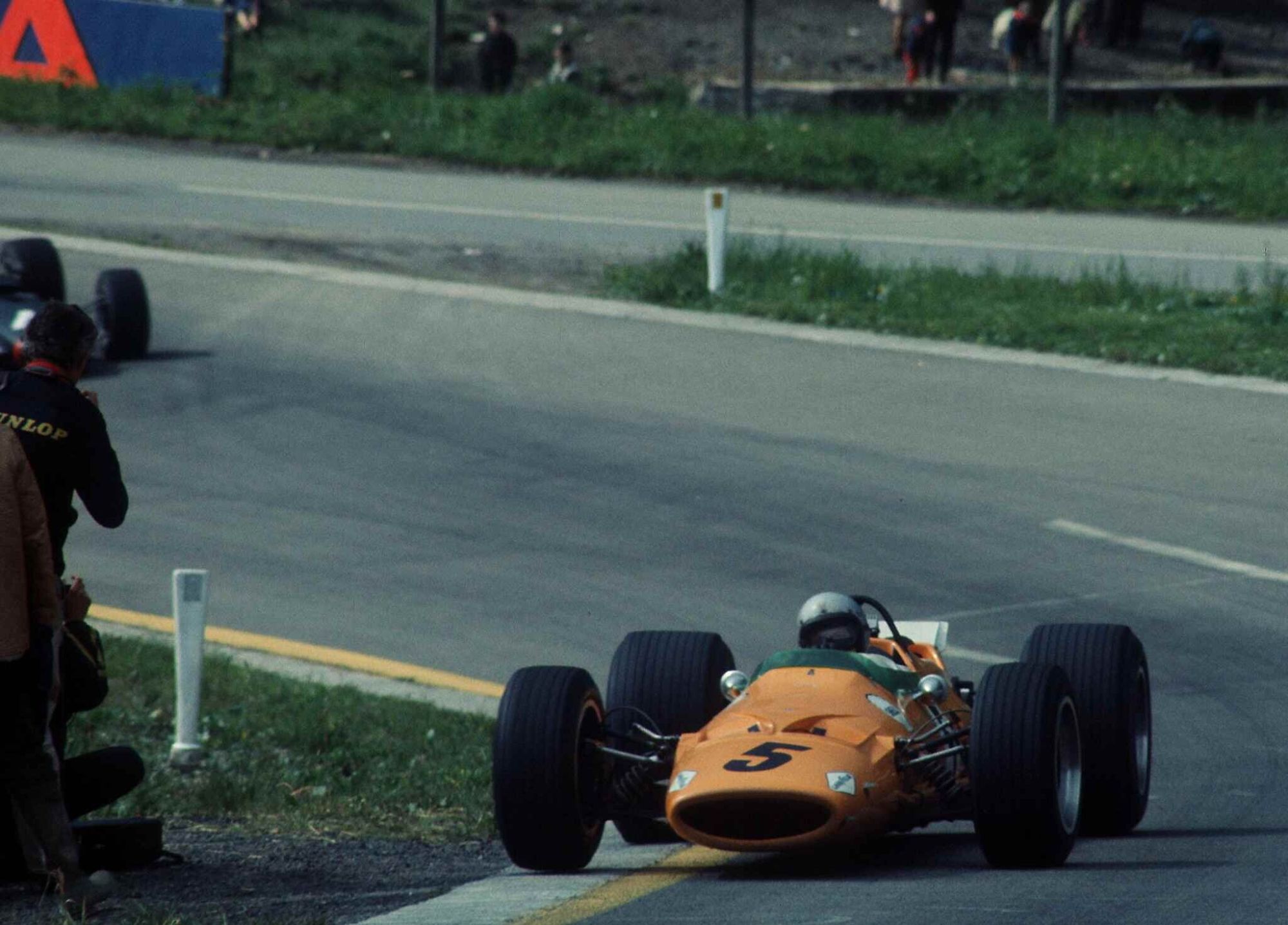
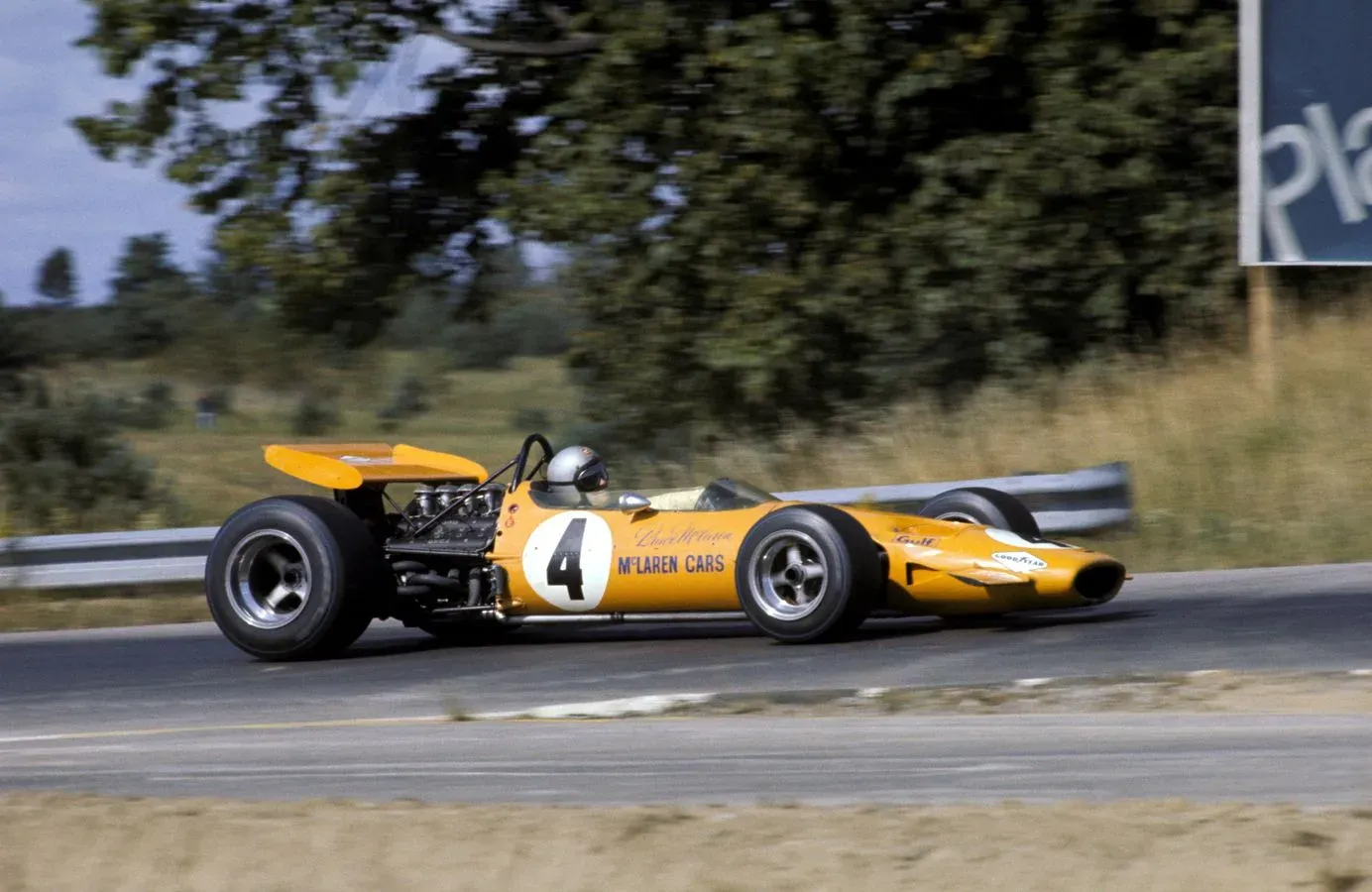
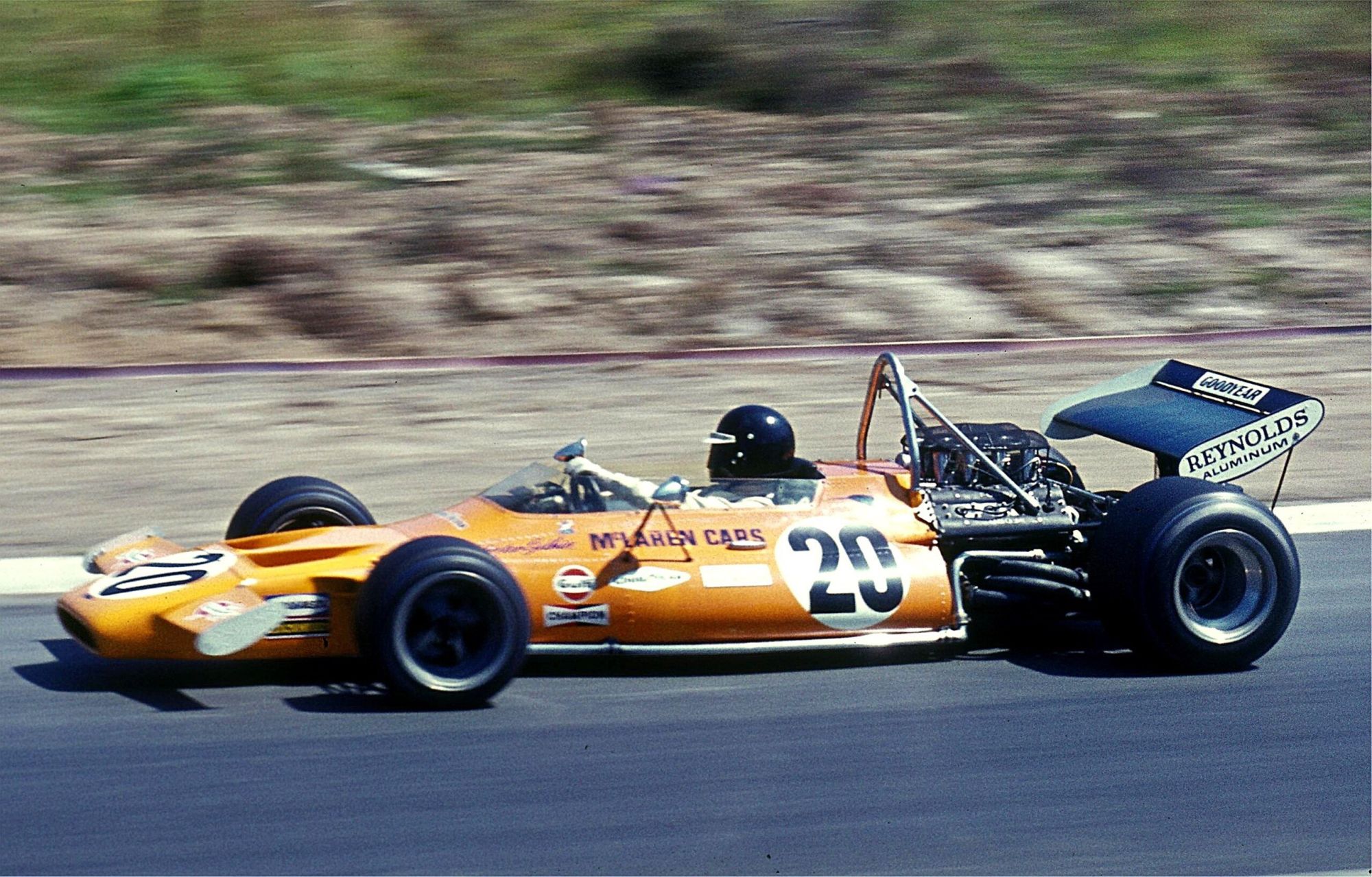
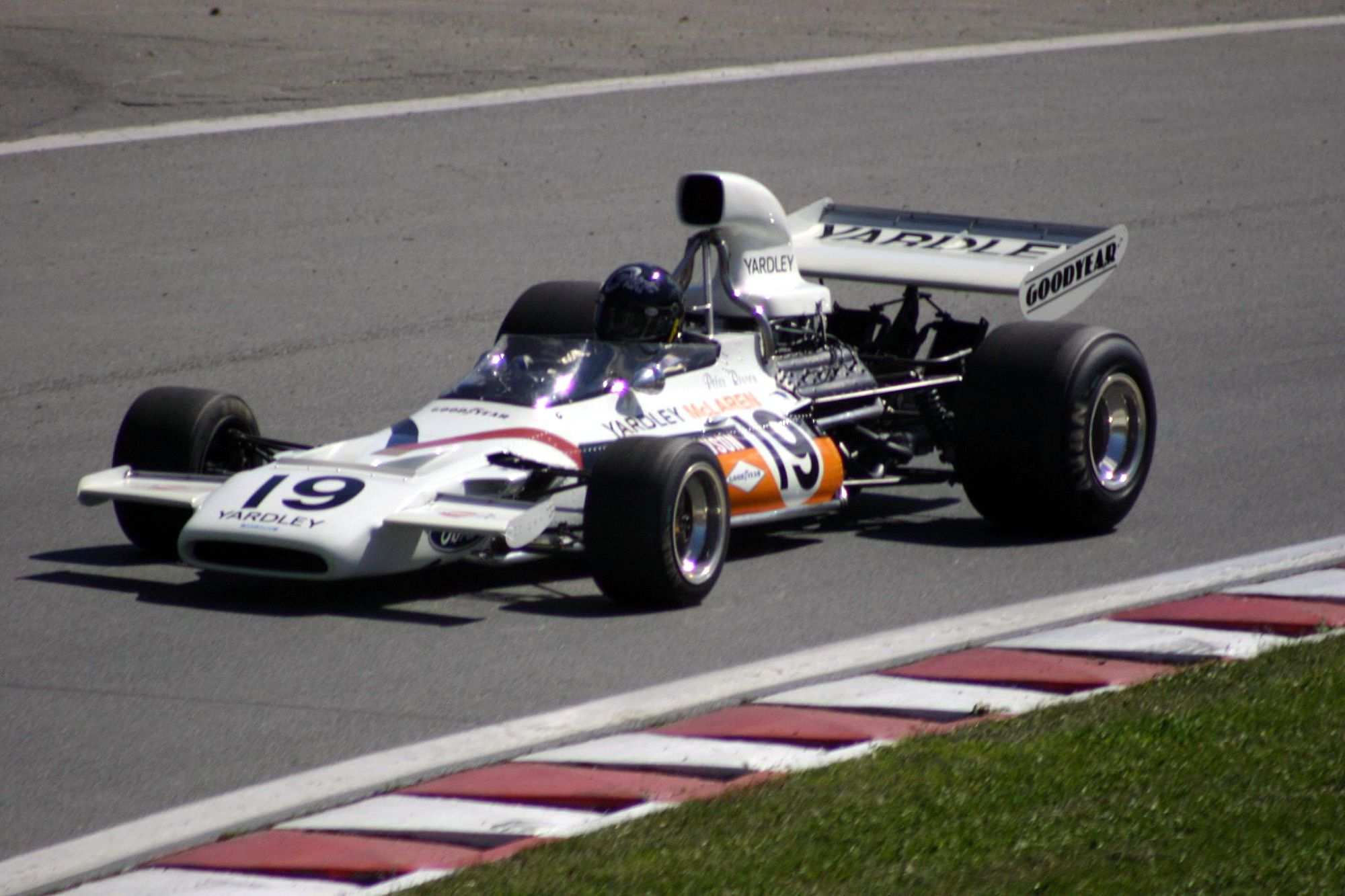
1968 is the year of the first turning point with the switch to orange. A chromatic evolution inspired by cars from the Canadian-American Challenge Cup and which allowed McLaren to stand out from the pack, making them easily recognisable both for fans in the stands and, importantly, for viewers watching the races in black-and-white on TV. The full orange lasted for a few seasons before being sacrificed when Yardley Tobacco joined as a sponsor, effectively introducing white into the livery. Orange disappeared from McLaren cars from 1974 until its reintroduction in 2017, except for one occasion: the 1997 winter tests where Mika Hakkinen and David Coulthard drove a papaya-coloured car while waiting to reveal the official livery a few weeks later.
The Marlboro era and the iconic white-red livery
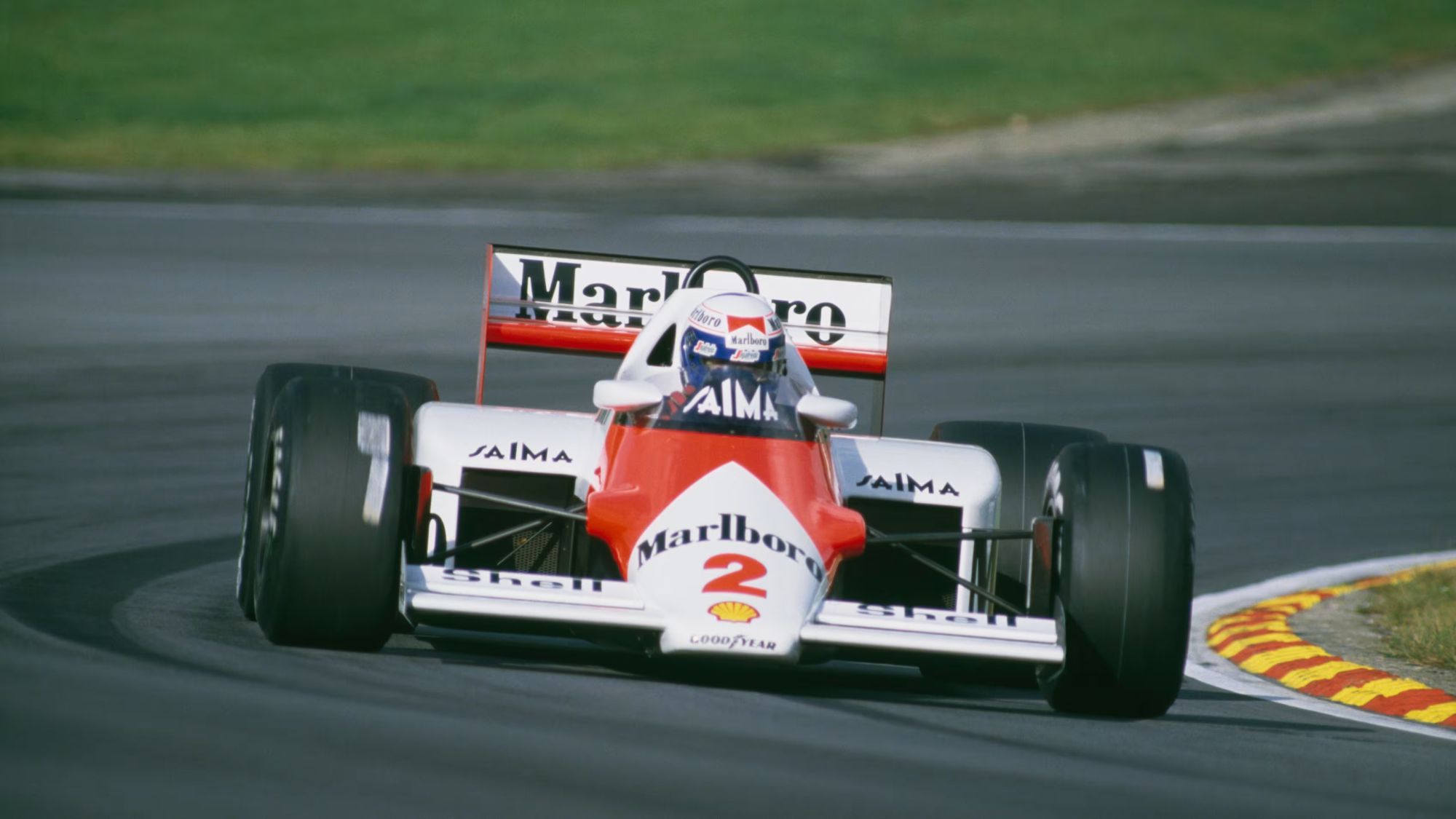
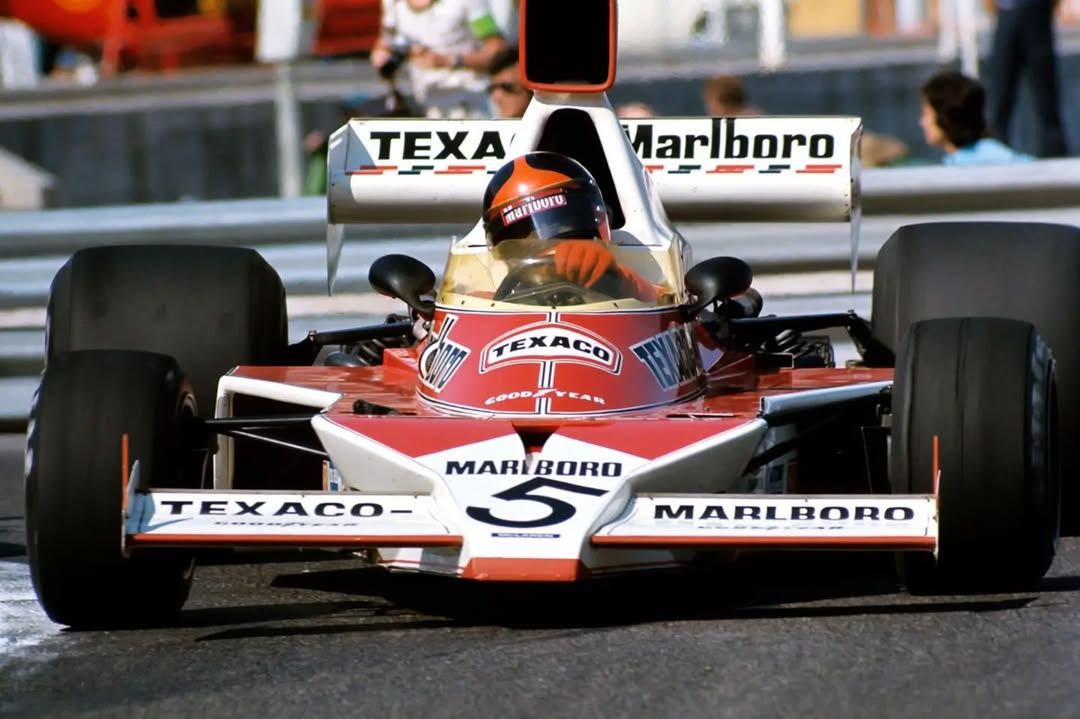
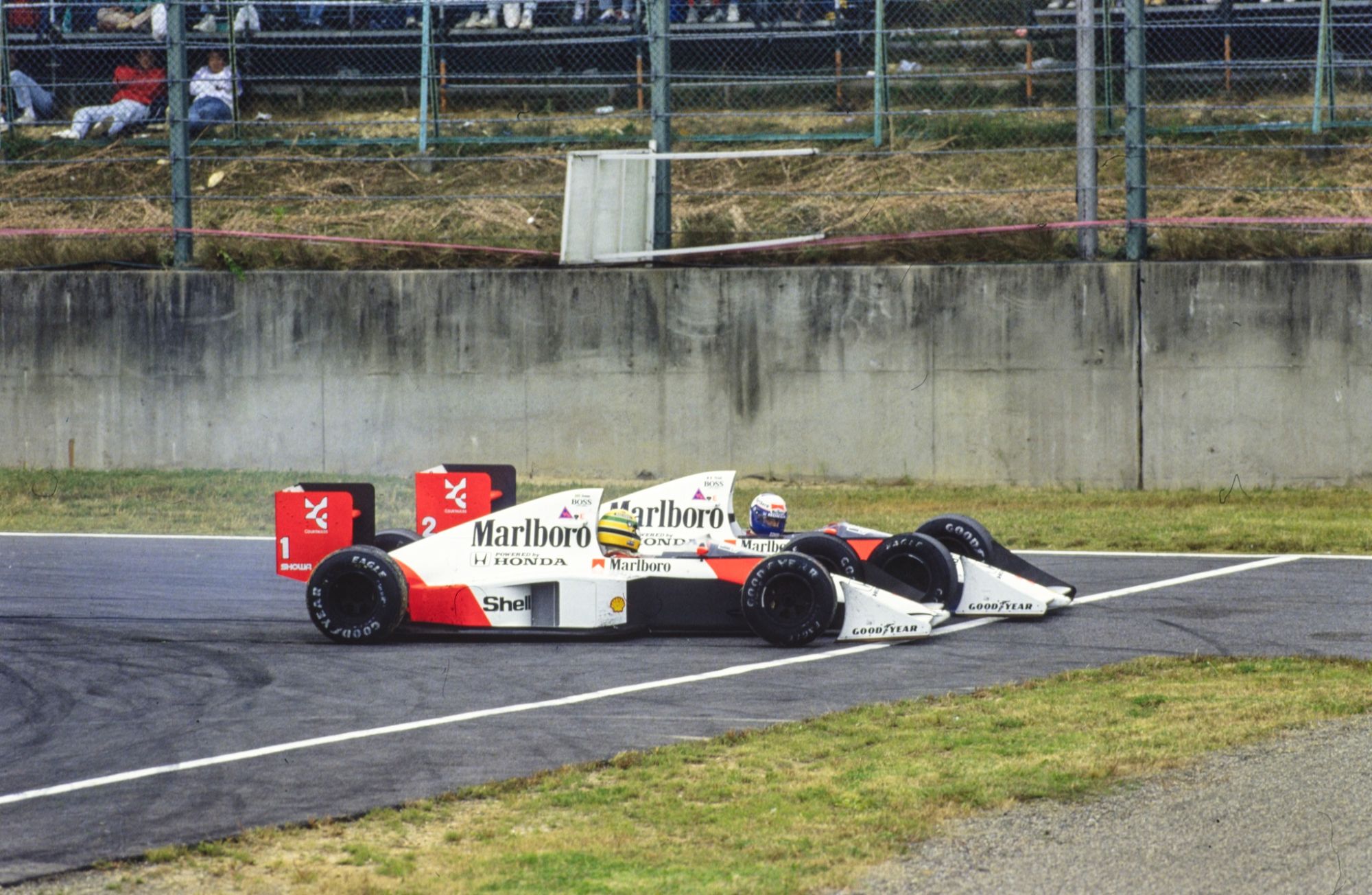
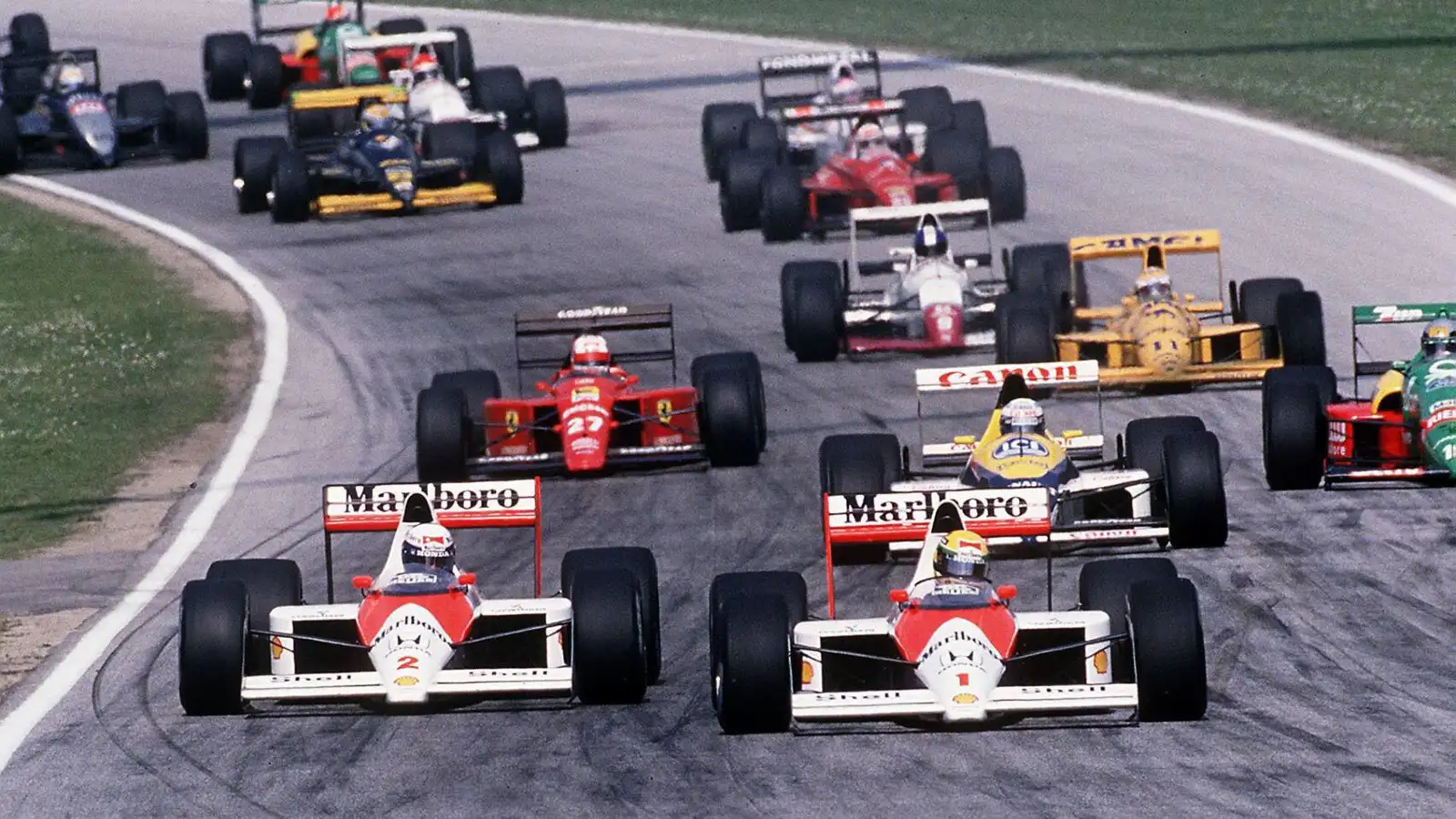
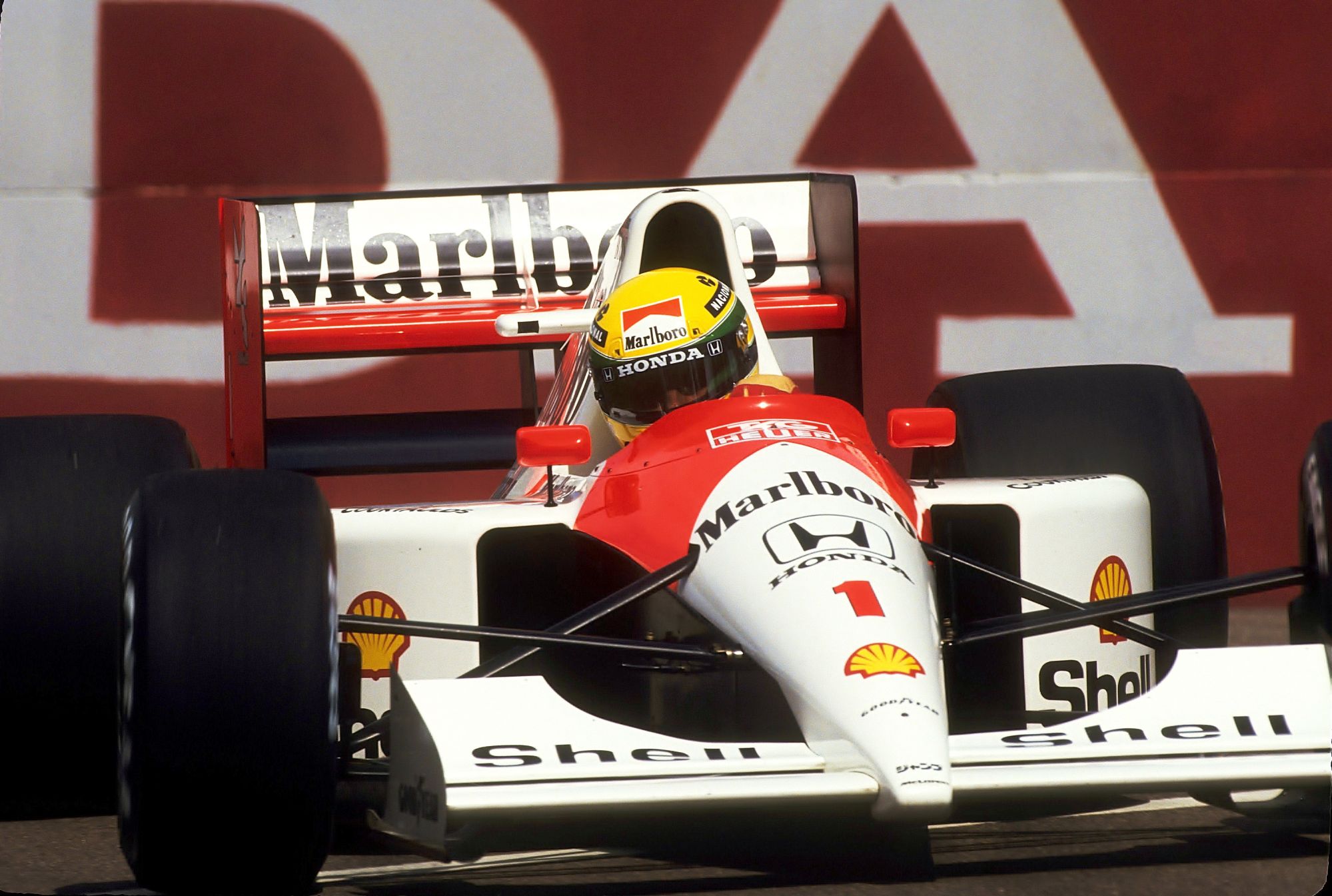
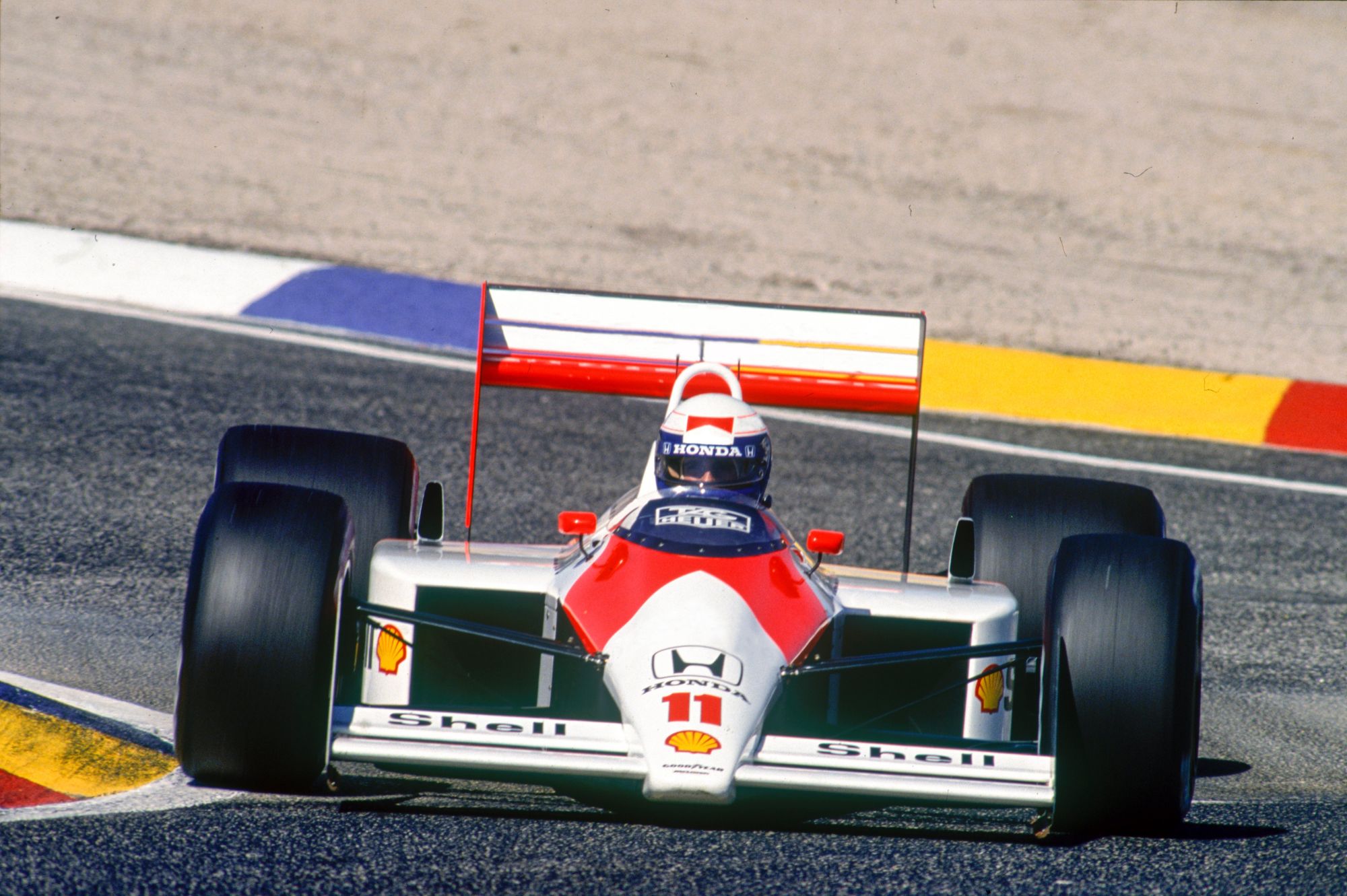
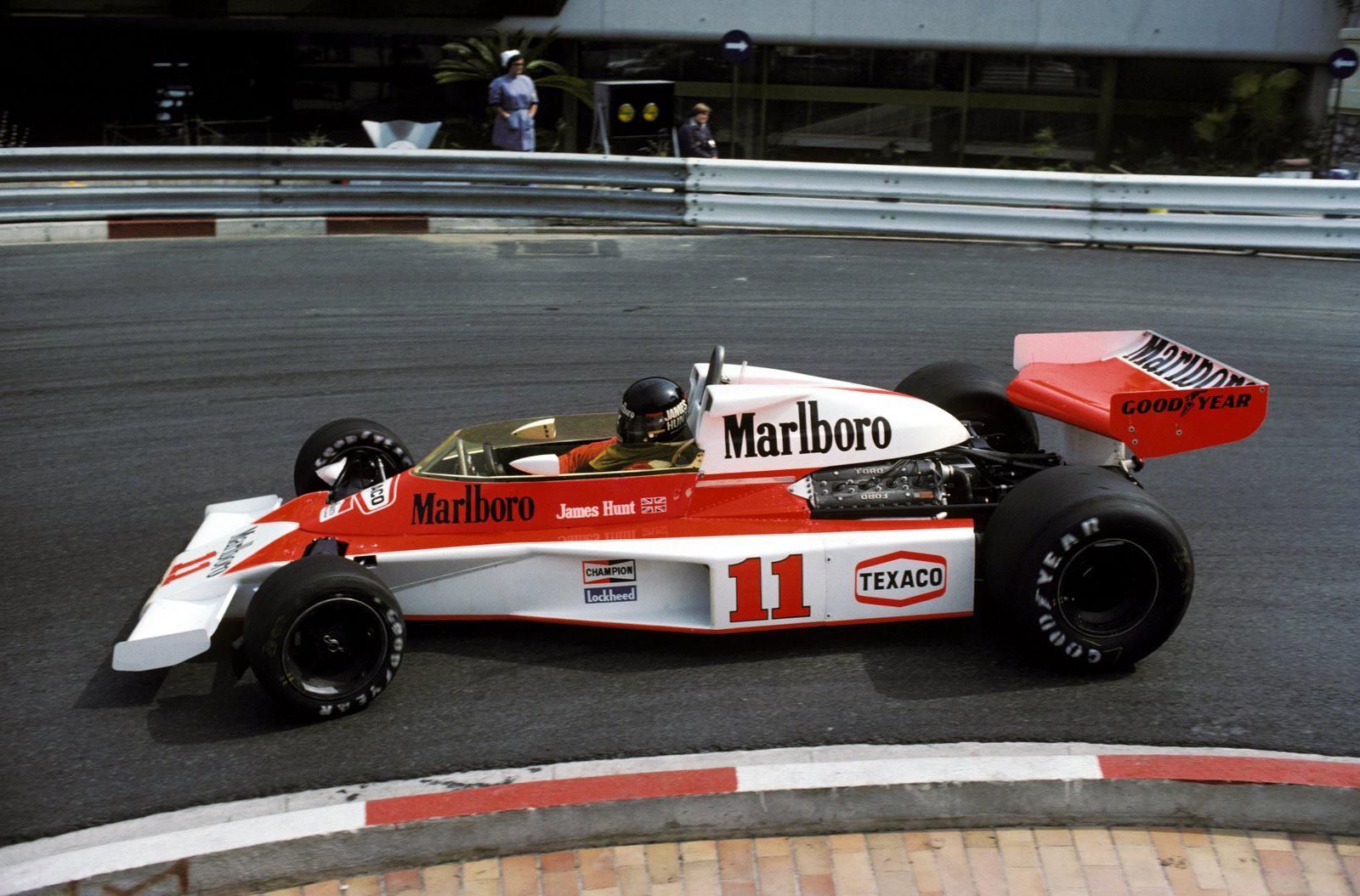
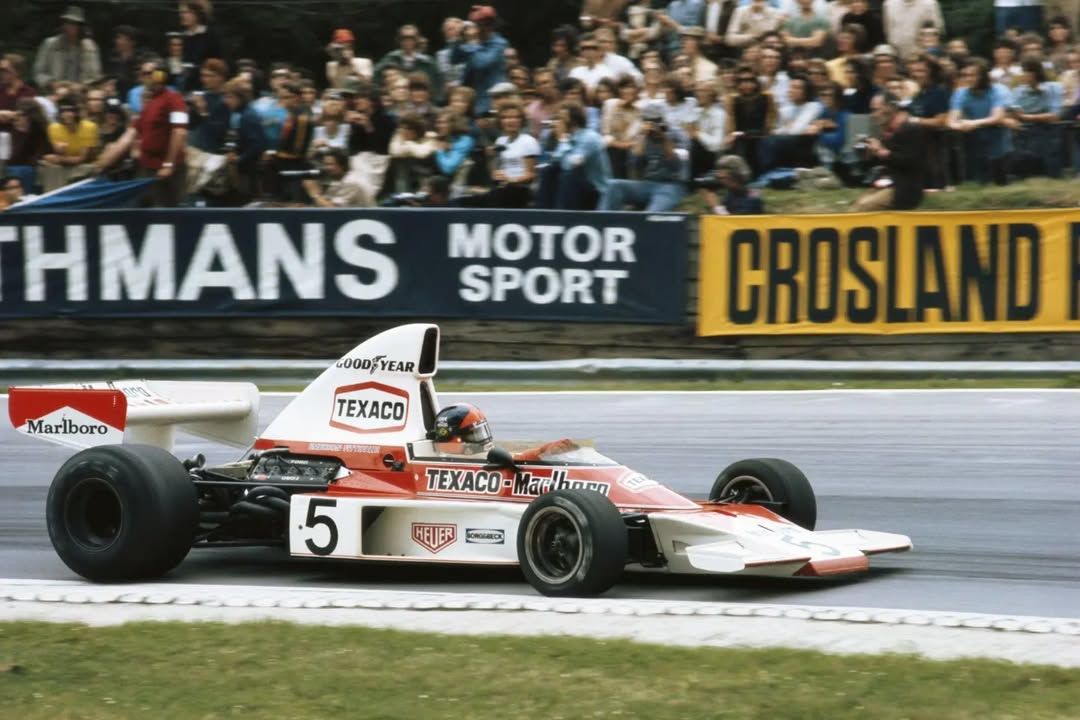
As mentioned, 1974 marked a shift from the orange livery to the now iconic white and red design, a change brought about by the then-sponsor Marlboro, who joined McLaren with Emerson Fittipaldi. This proved to be a pivotal moment for McLaren, as Fittipaldi secured their first Drivers’ Championship in the same year. James Hunt replicated this triumph in 1976, following his memorable rivalry with Niki Lauda, which was famously depicted in Ron Howard's film Rush.
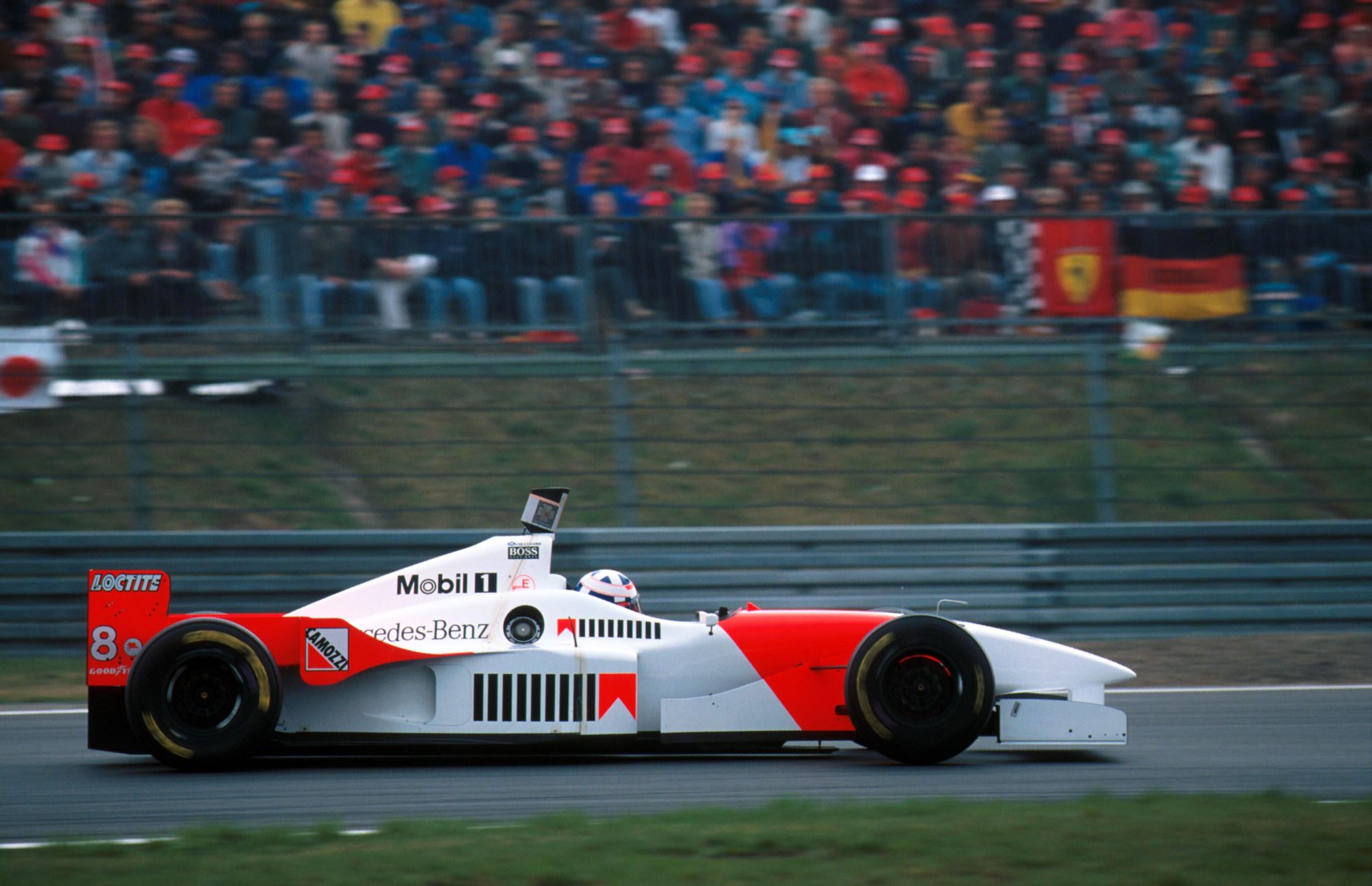
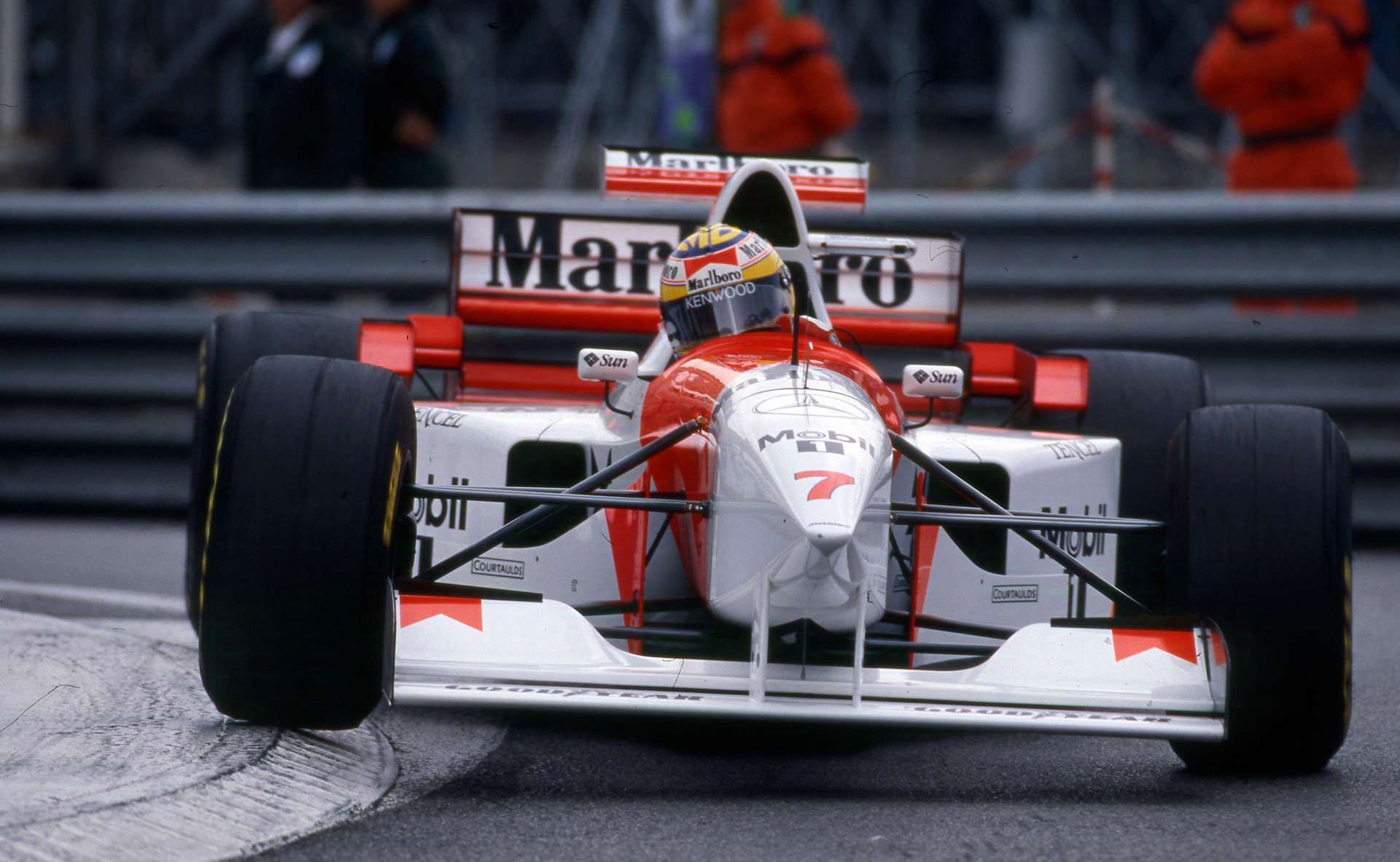
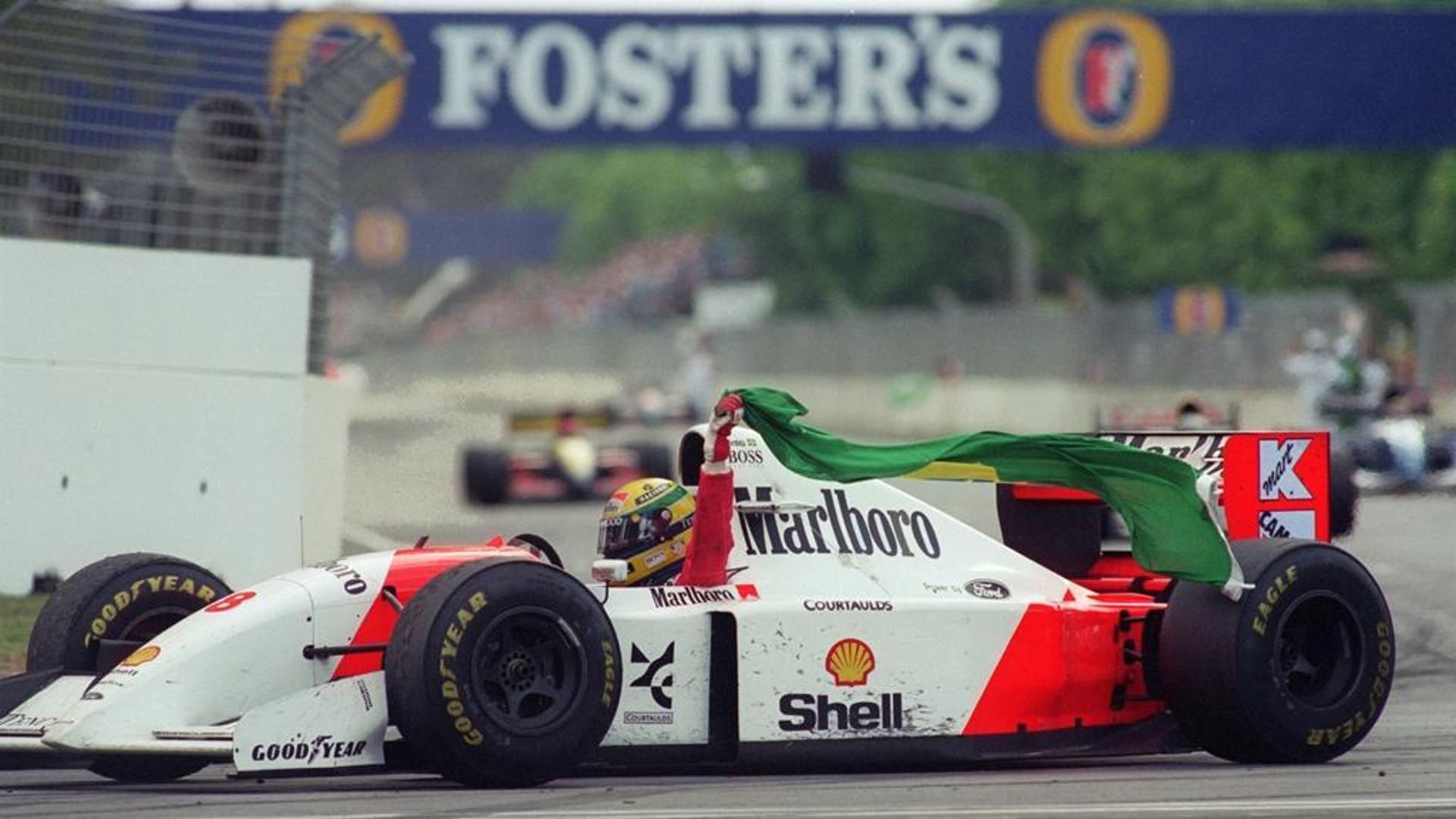
If Fittipaldi and Hunt made that livery successful, it was the rivalry between Alain Prost and Ayrton Senna that immortalised the white-and-red McLaren. From 1985 to 1991 McLaren won six Drivers’ Championships out of seven available — three with Prost and three with Senna — a statistic that rises to seven out of eight when including Niki Lauda’s 1984 title. McLaren kept that livery through the early ’90s but couldn’t replicate the glory of the ’80s, partly due to Prost leaving and later Senna leaving, and also due to a difficult relationship with Cosworth and Peugeot, the engine suppliers in 1993 and 1994 respectively. 1995 marked the switch to Mercedes for the first act of a partnership that brought new successes but also a new livery.
The Silver Arrows
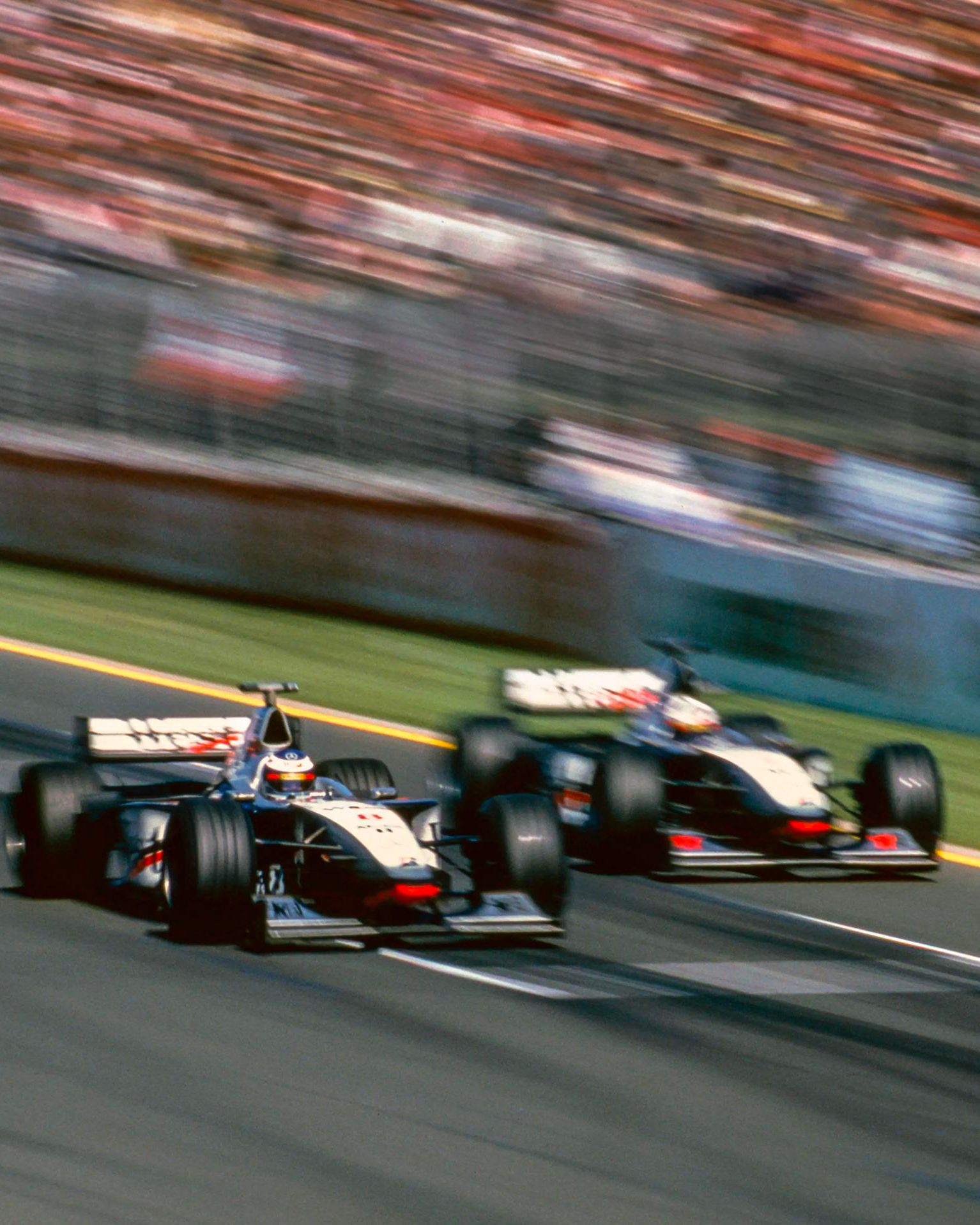
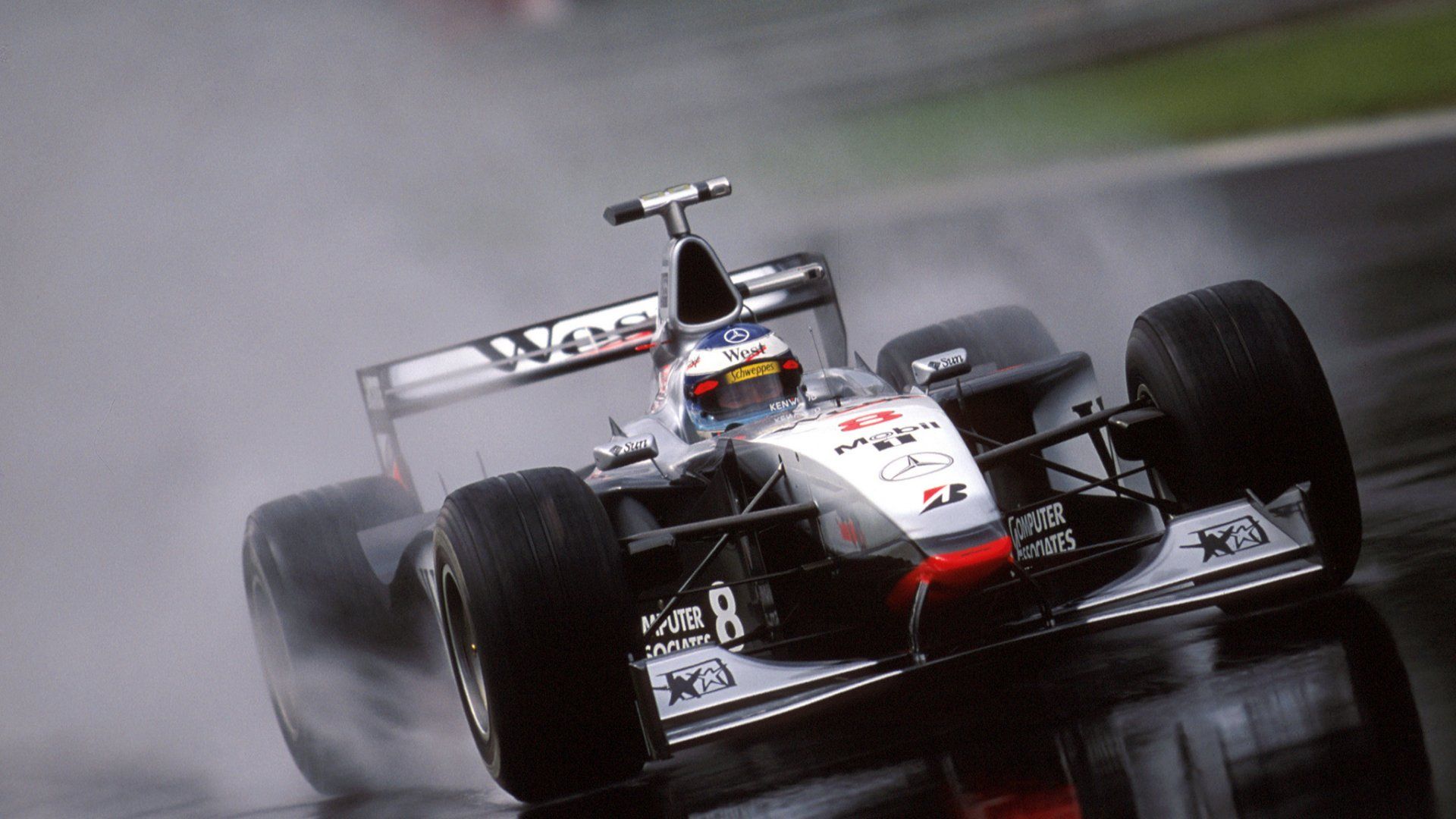
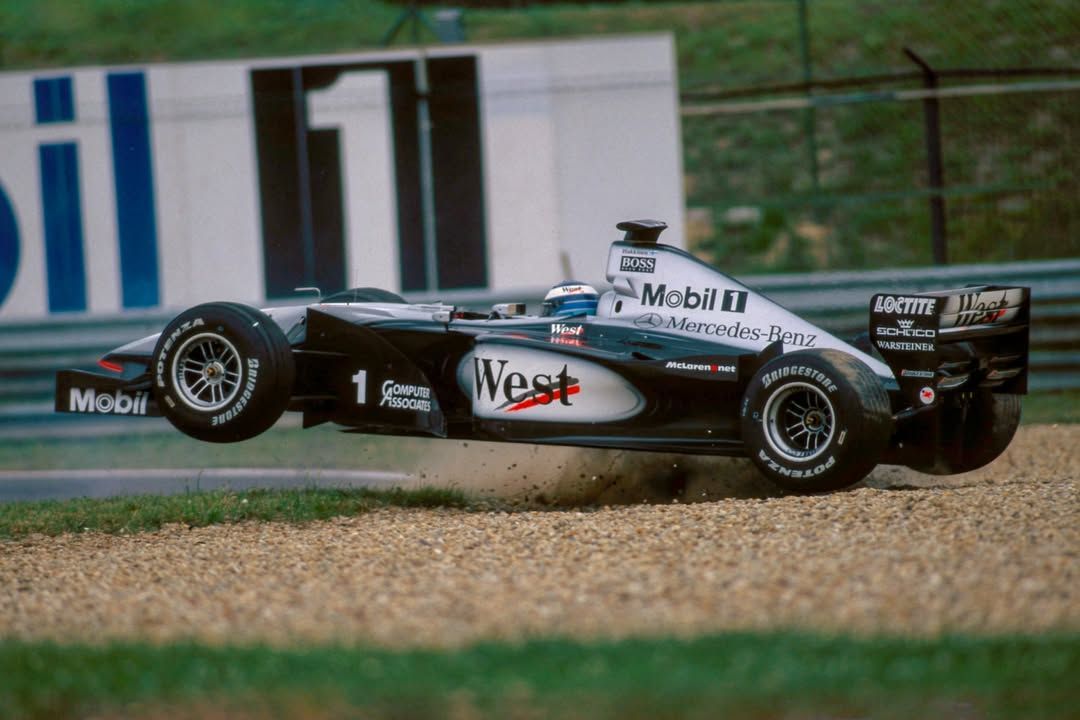
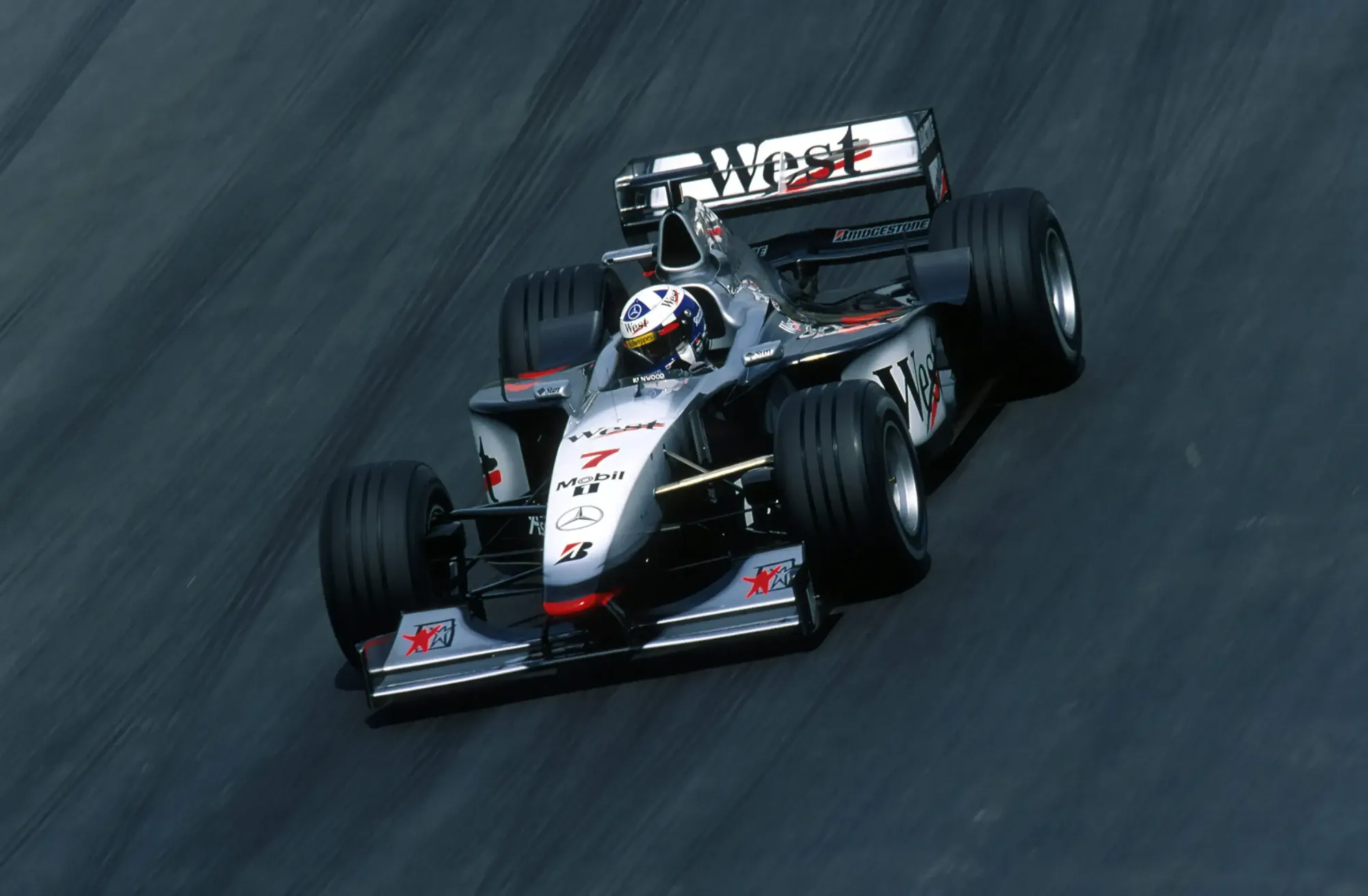
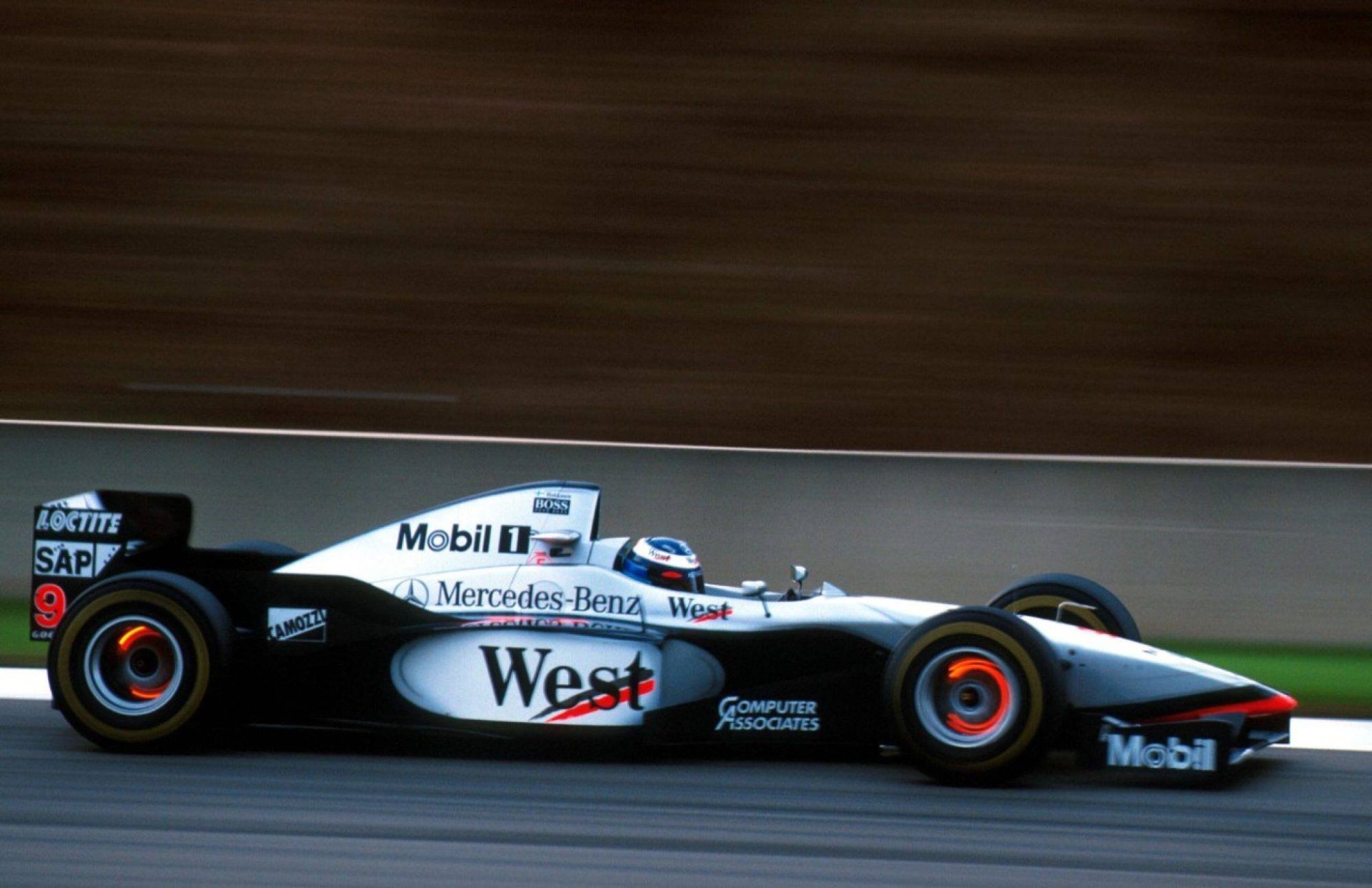
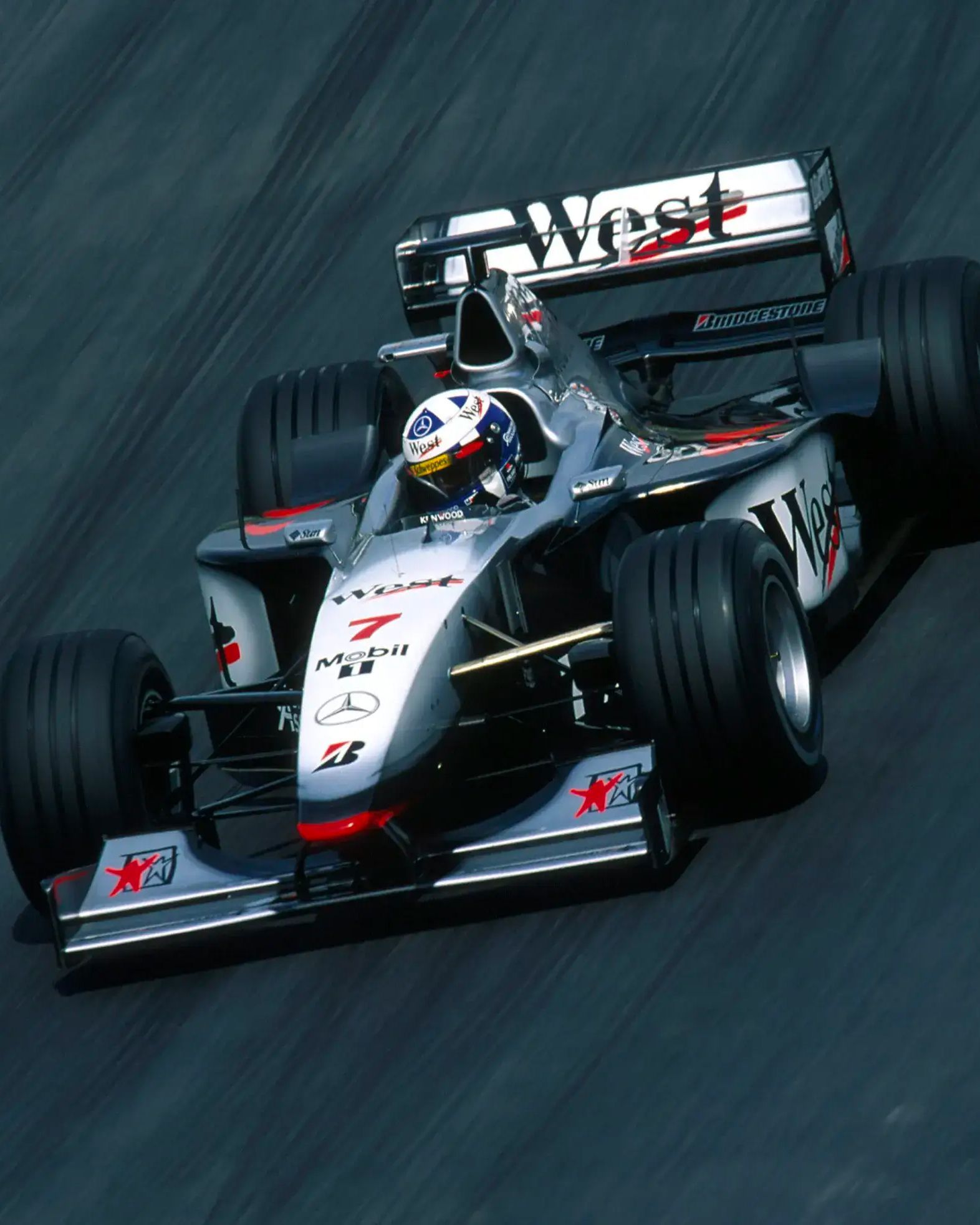
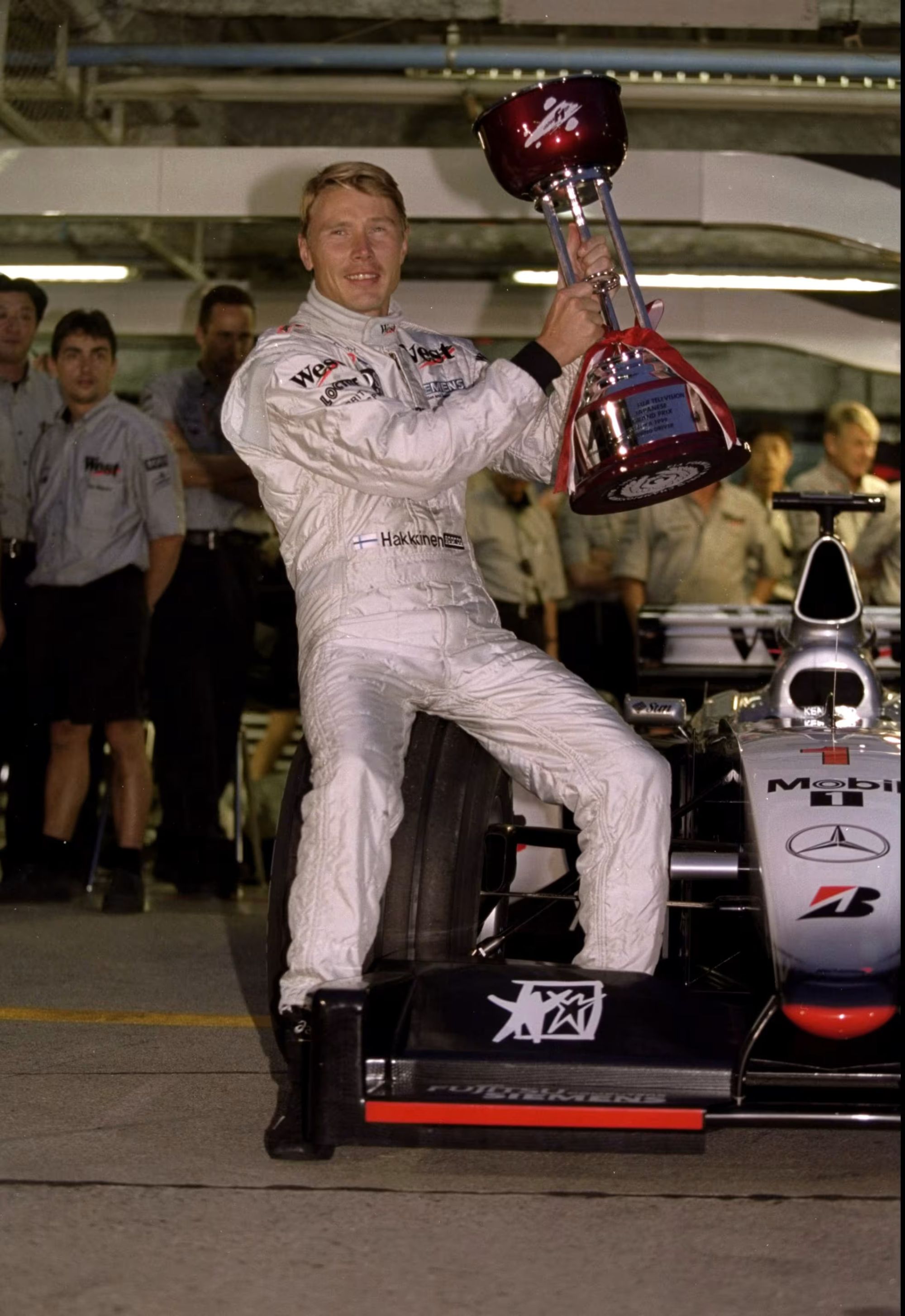
The MP4-12 is the car that earned McLaren the nickname Silver Arrows. The origin is obviously linked to the revolutionary livery introduced in 1997: a bright silver derived once again from a sponsorship contract. Specifically, it was West, another cigarette brand, whose name was prominently displayed on the sidepods. The colour choice also tied in perfectly with Mercedes’ heritage and at the same time allowed the German brand to create its own visual identity in F1 — an identity it still brings to the track today through its own team, Mercedes-AMG PETRONAS F1 Team.
For McLaren, the Silver Arrows had an immediate impact with a win in Melbourne by David Coulthard on the day the new livery debuted, ending a run of 50 consecutive Grands Prix without victory. But it was Mika Hakkinen who made that livery famous, winning the Drivers’ Championship in 1998 and 1999 and producing what is still considered one of the greatest overtakes in F1 history in 2000 — a pass on Michael Schumacher at Spa-Francorchamps.
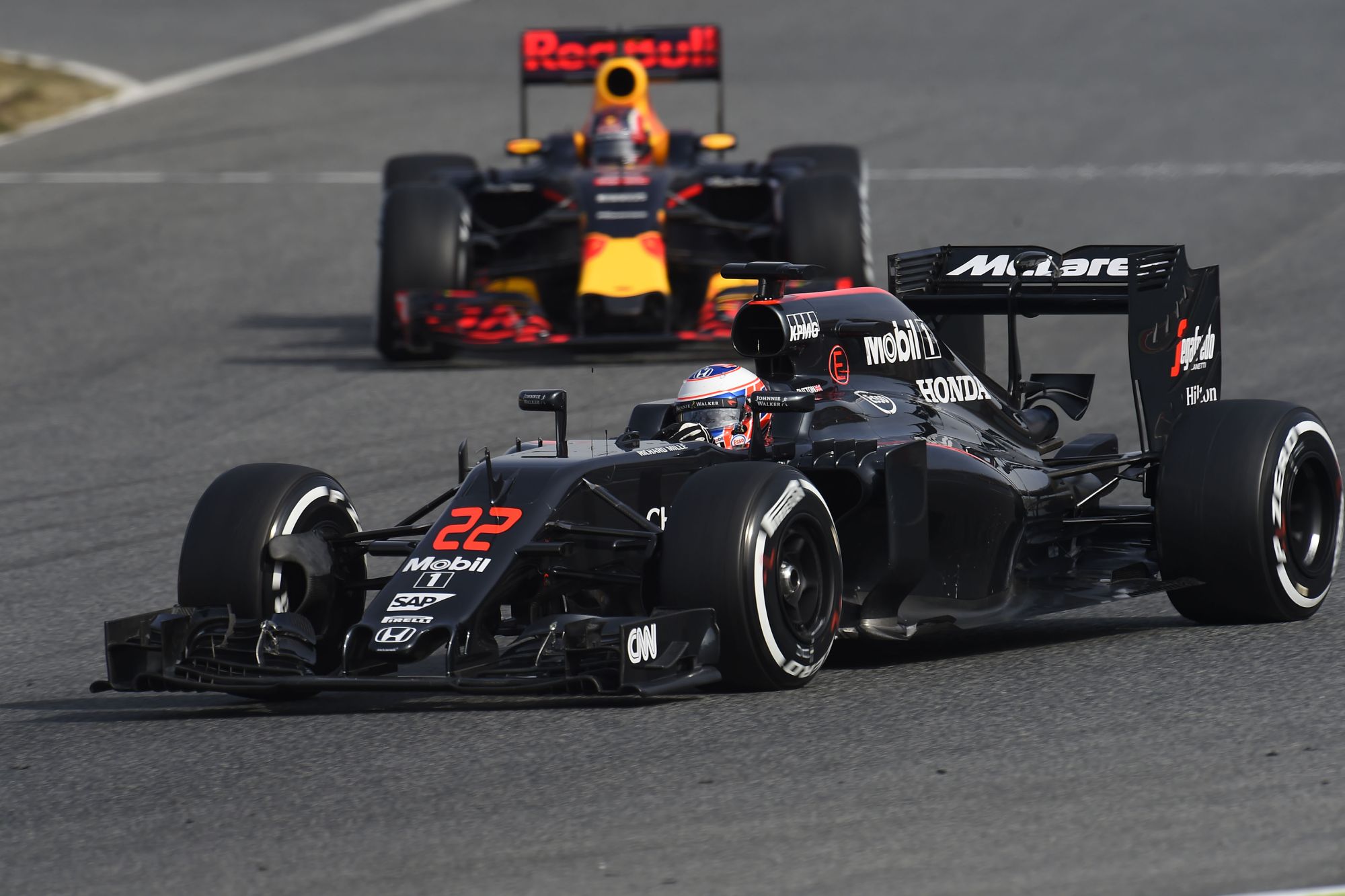
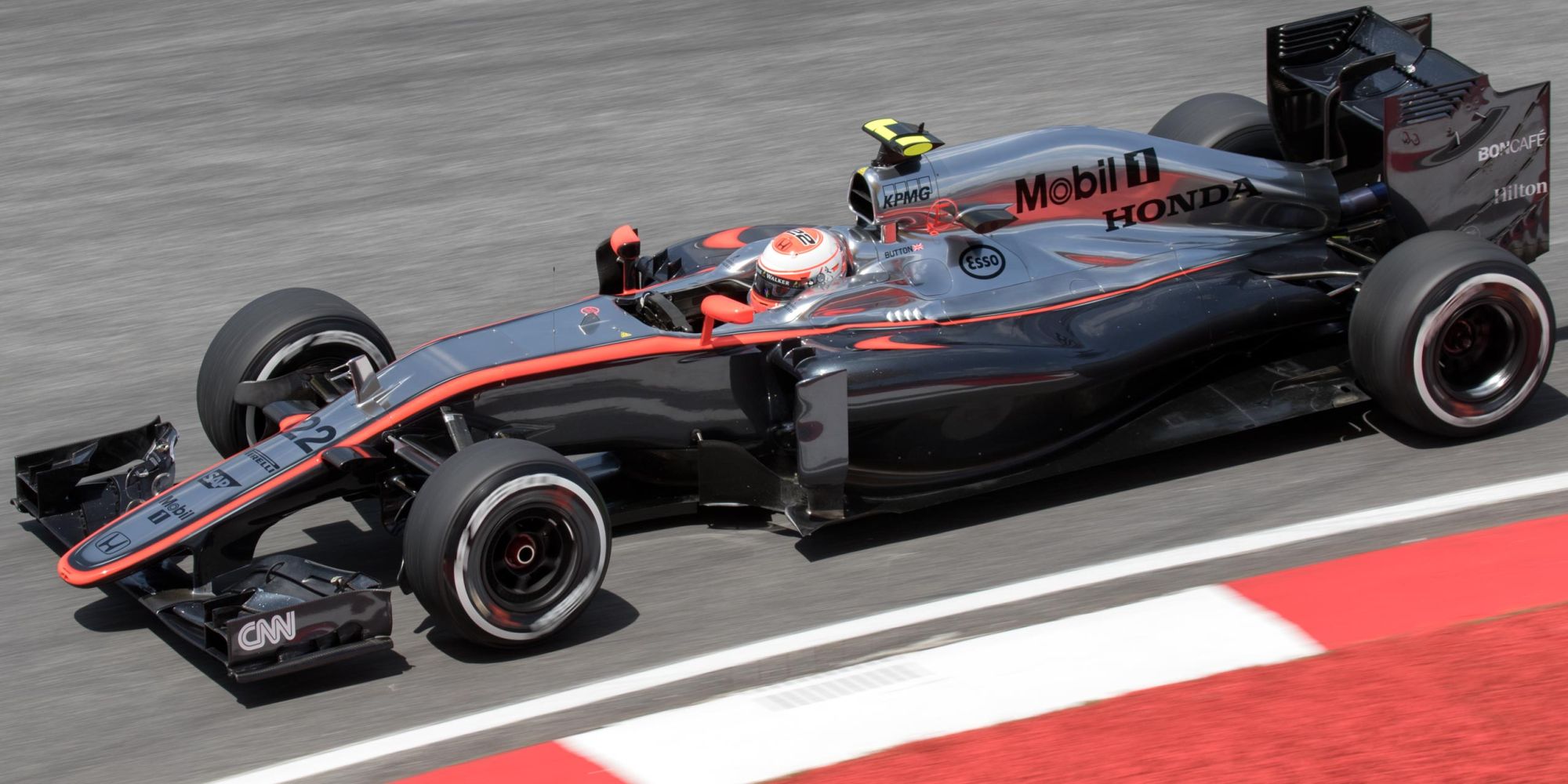
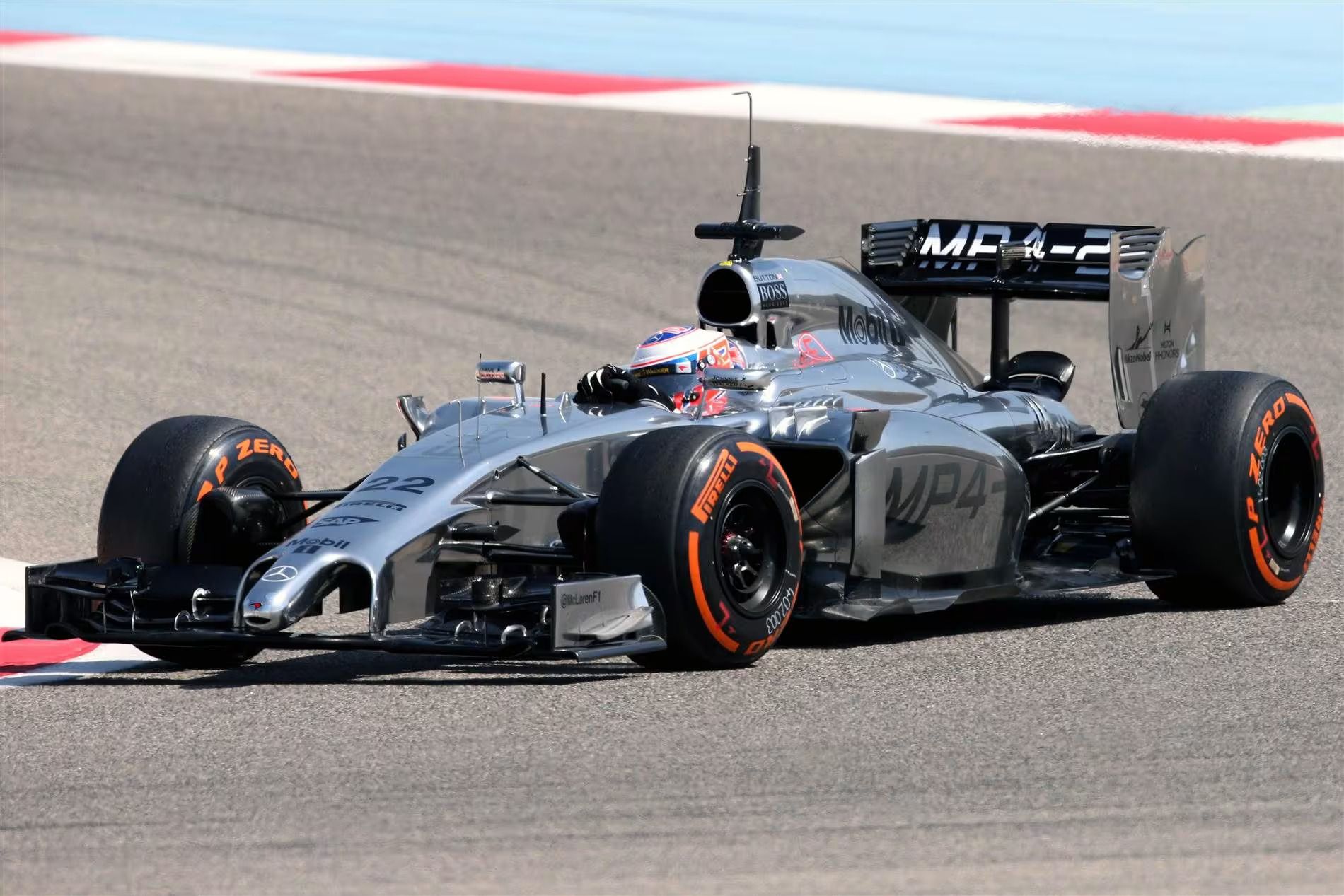
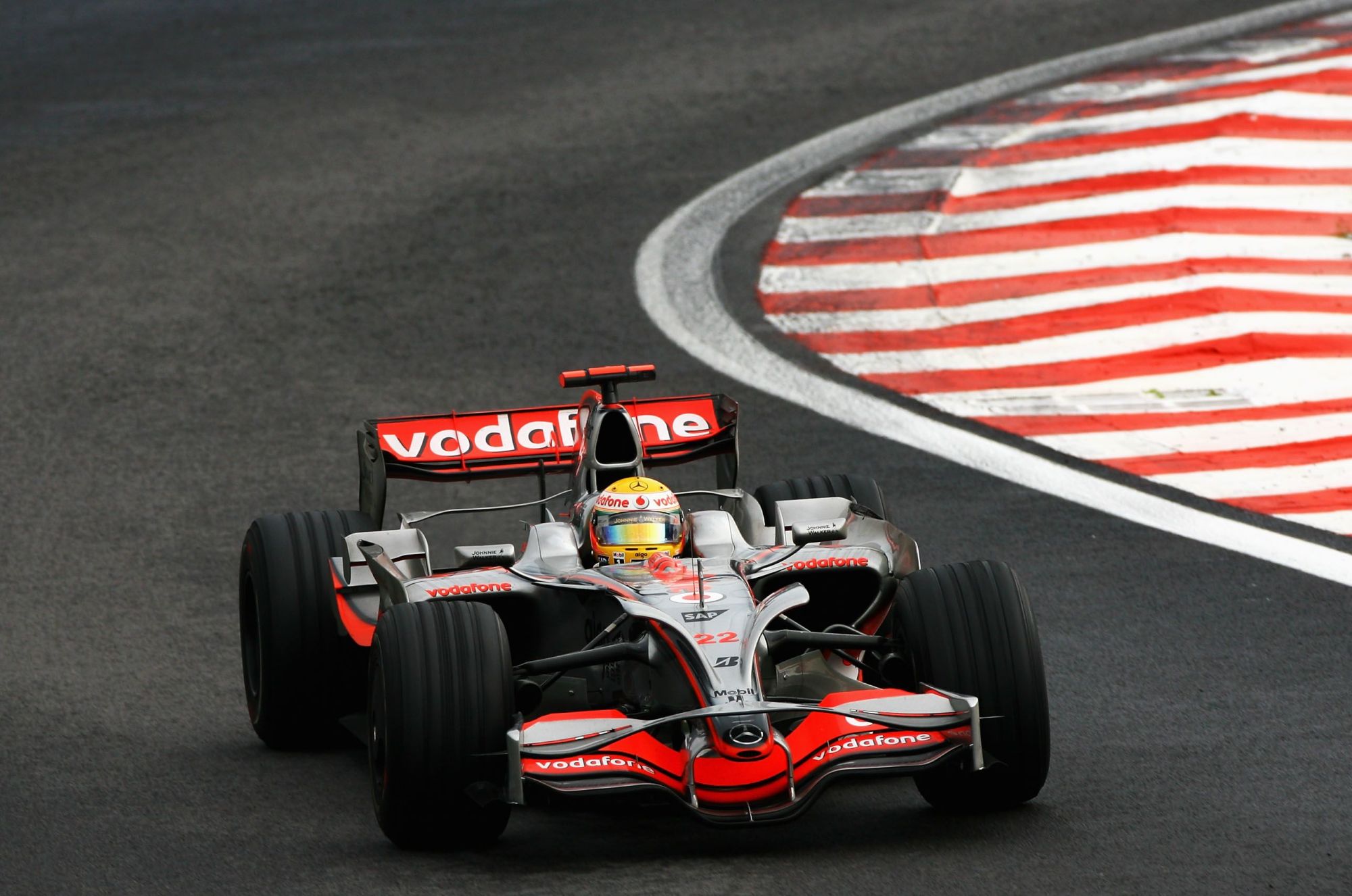
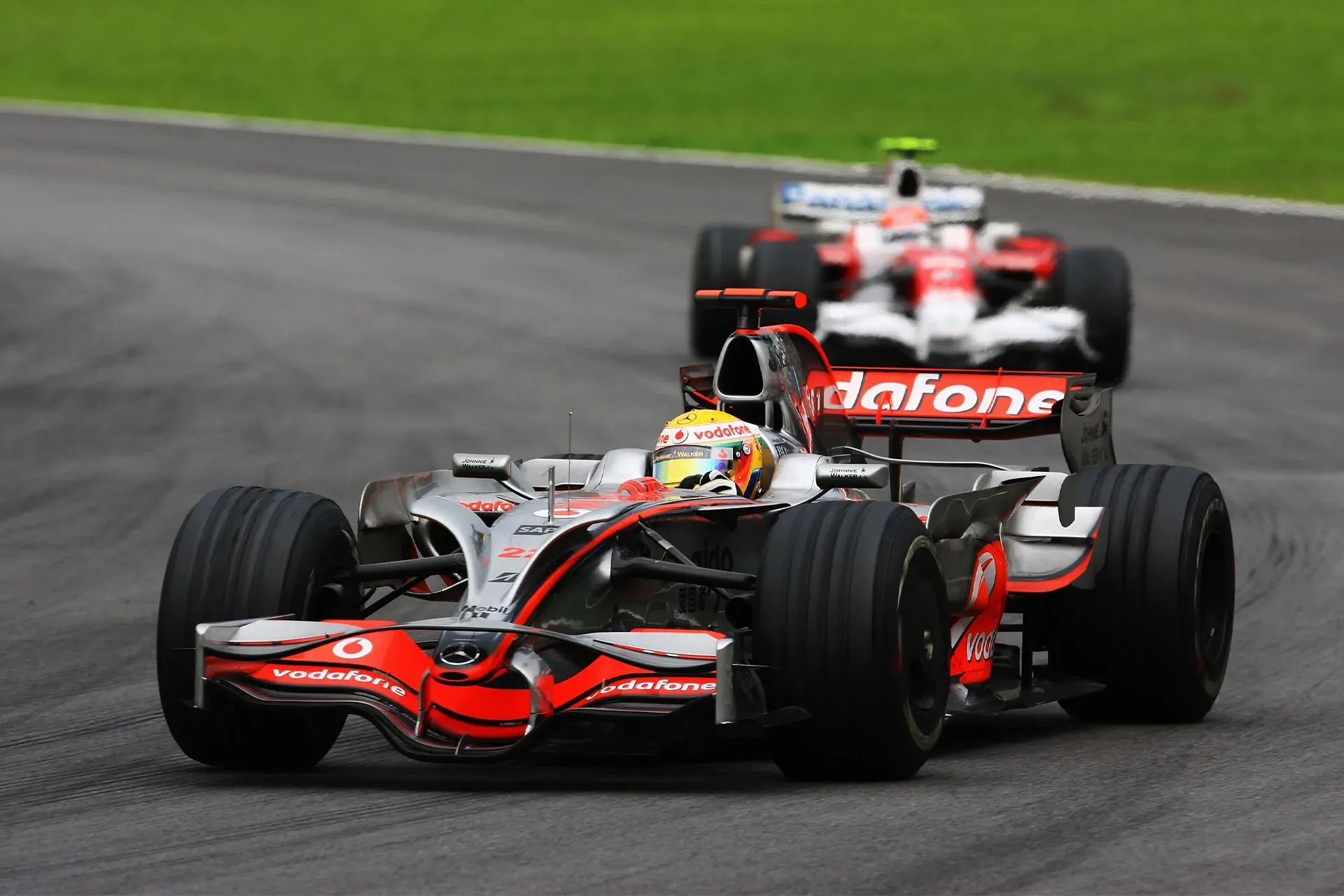
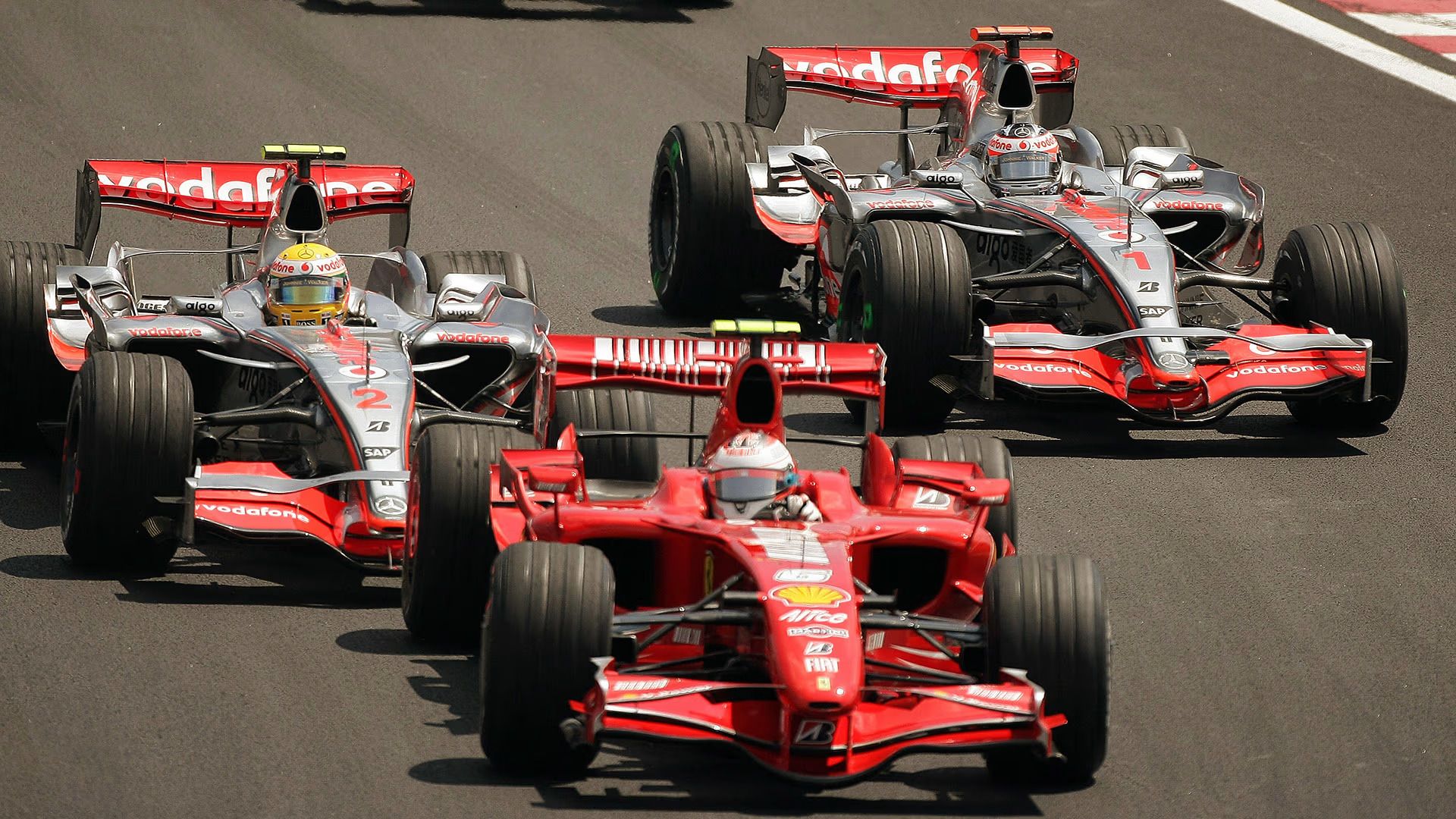
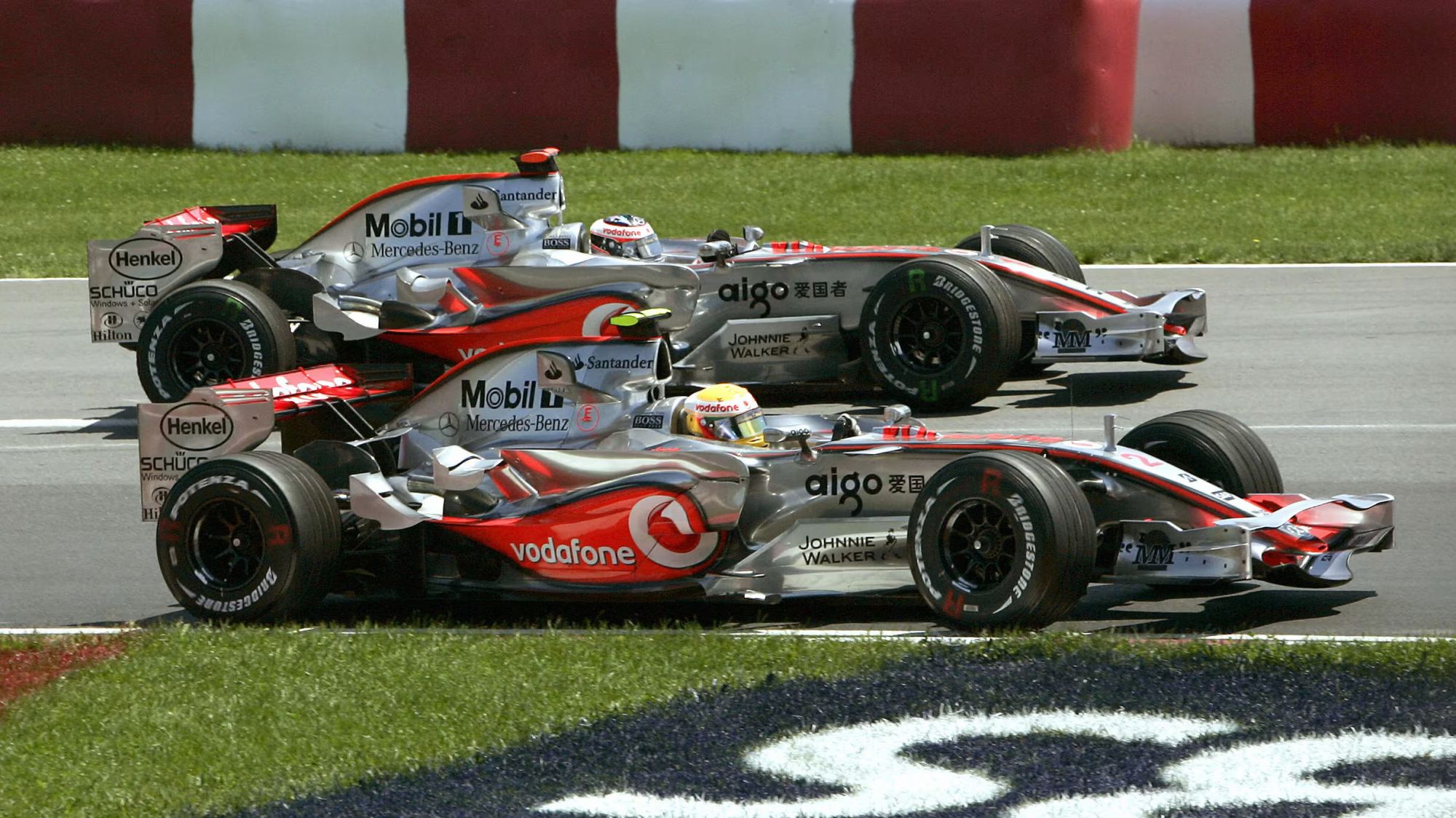
The exit of West led to another livery change but not a change in colour — silver remained McLaren’s main colour until the all-black versions of 2015 and 2016. During this period, which also included Lewis Hamilton’s first World Championship in 2008, red became McLaren’s second identifying colour due to Vodafone sponsorship, and even after that partnership ended red stripes remained visible on the cars.
McLaren today: the rise of the Team Papaya era
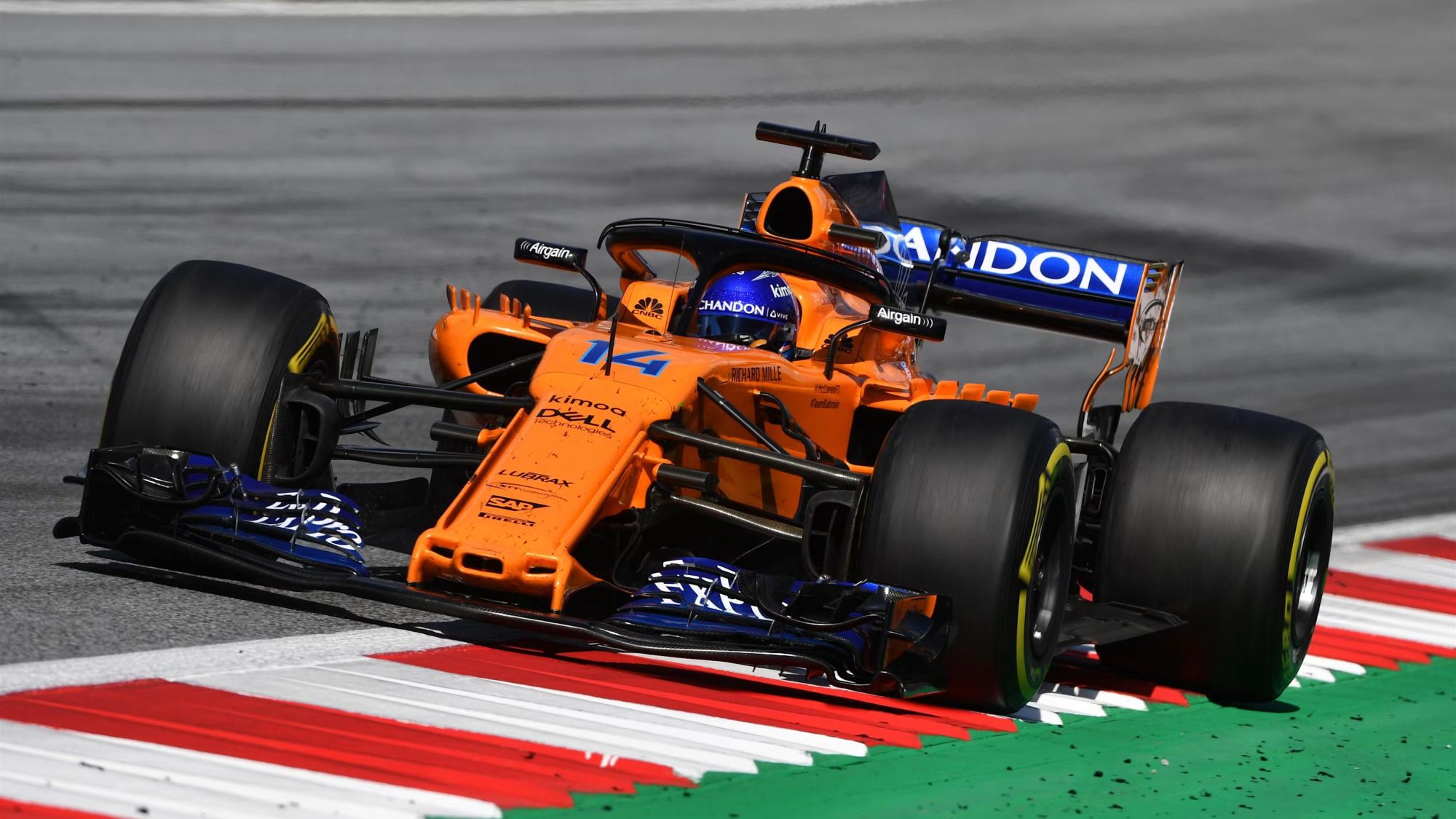
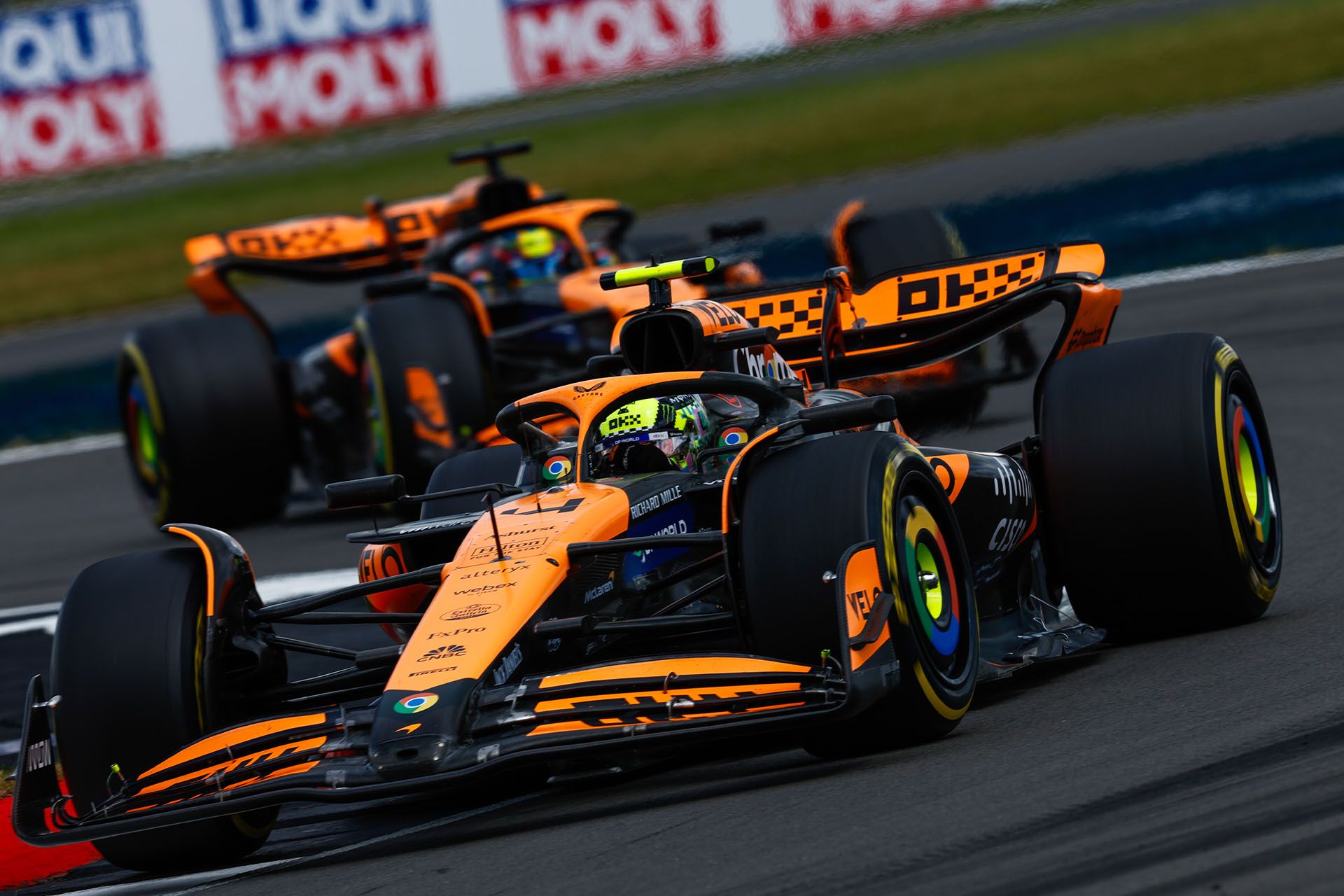
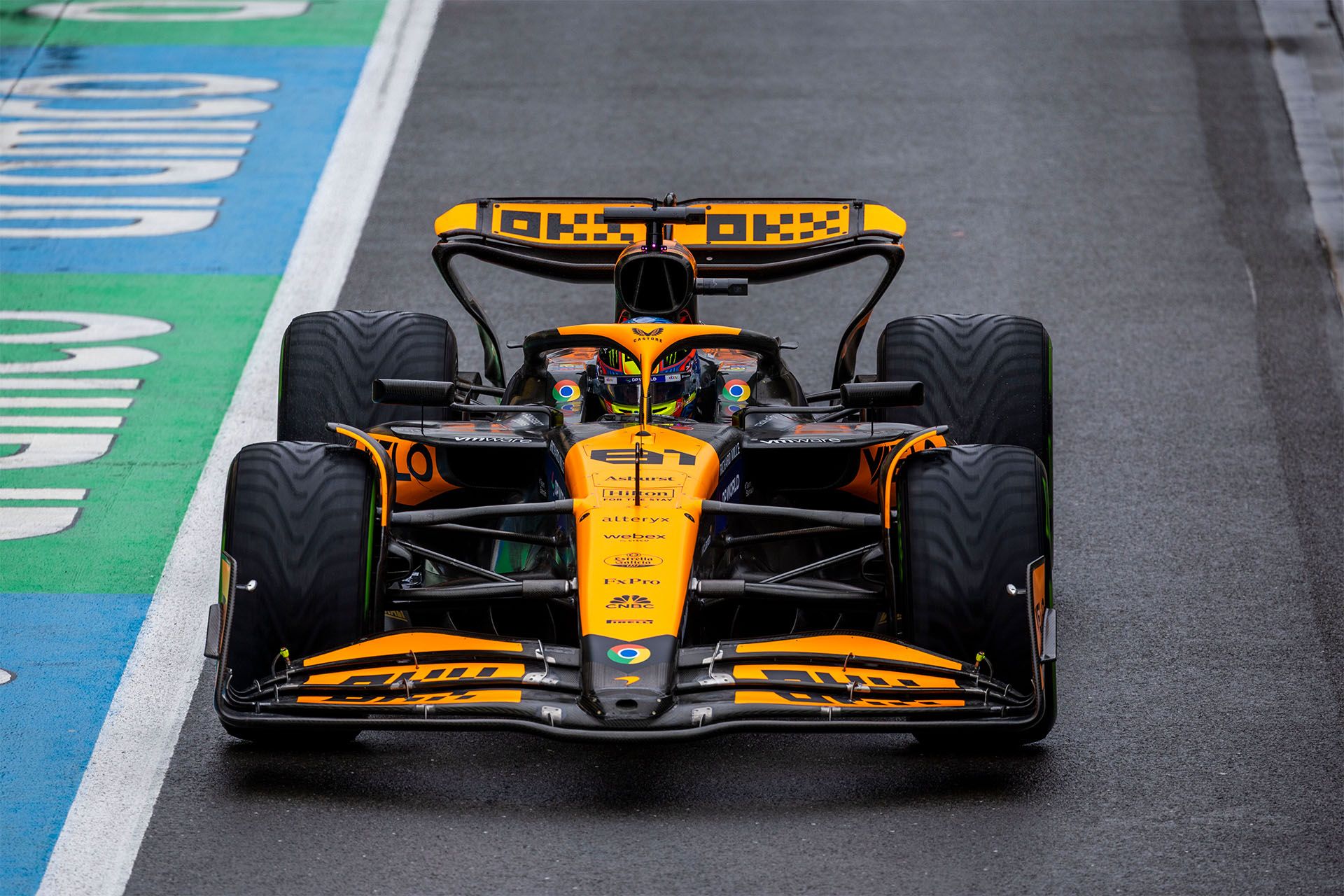
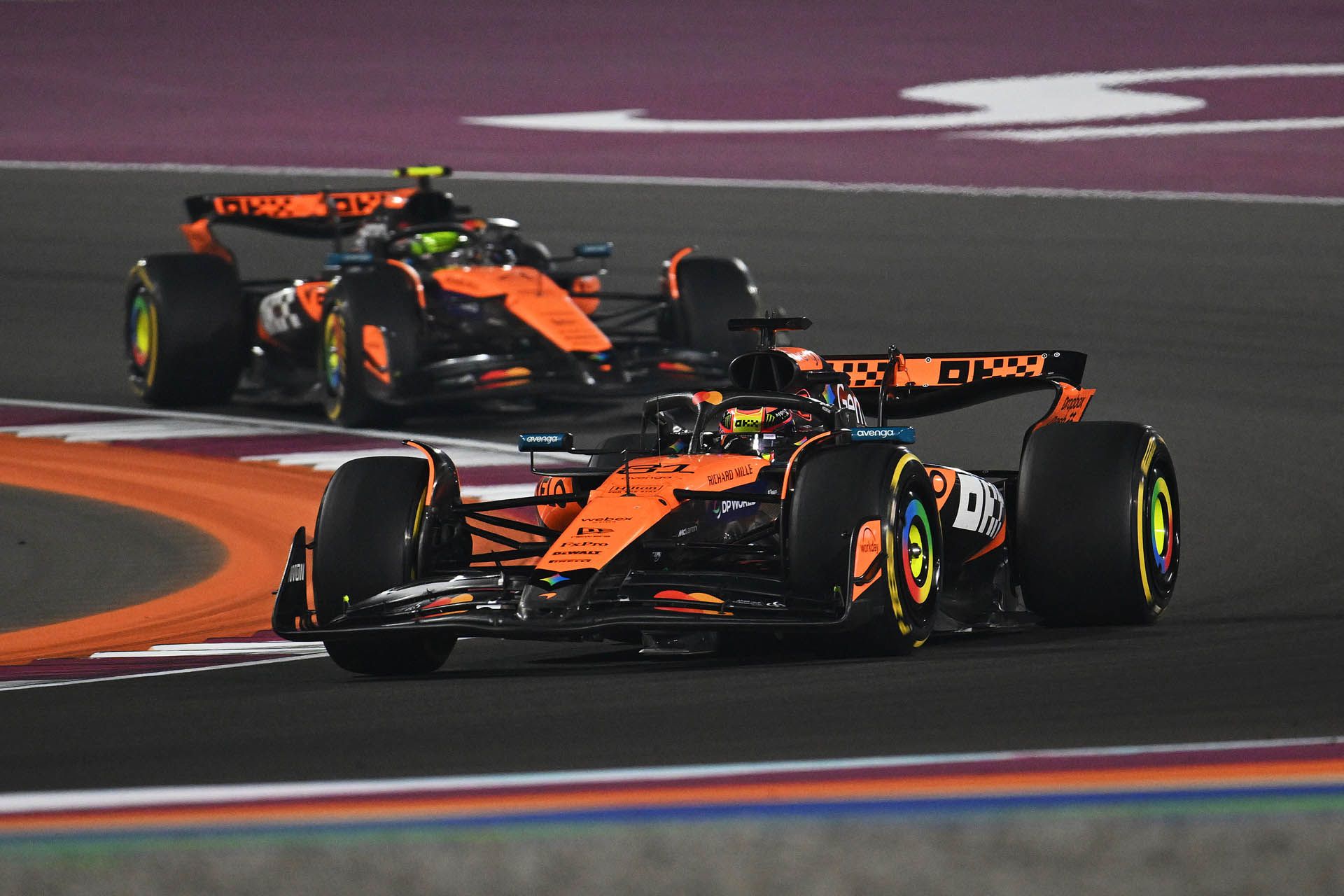
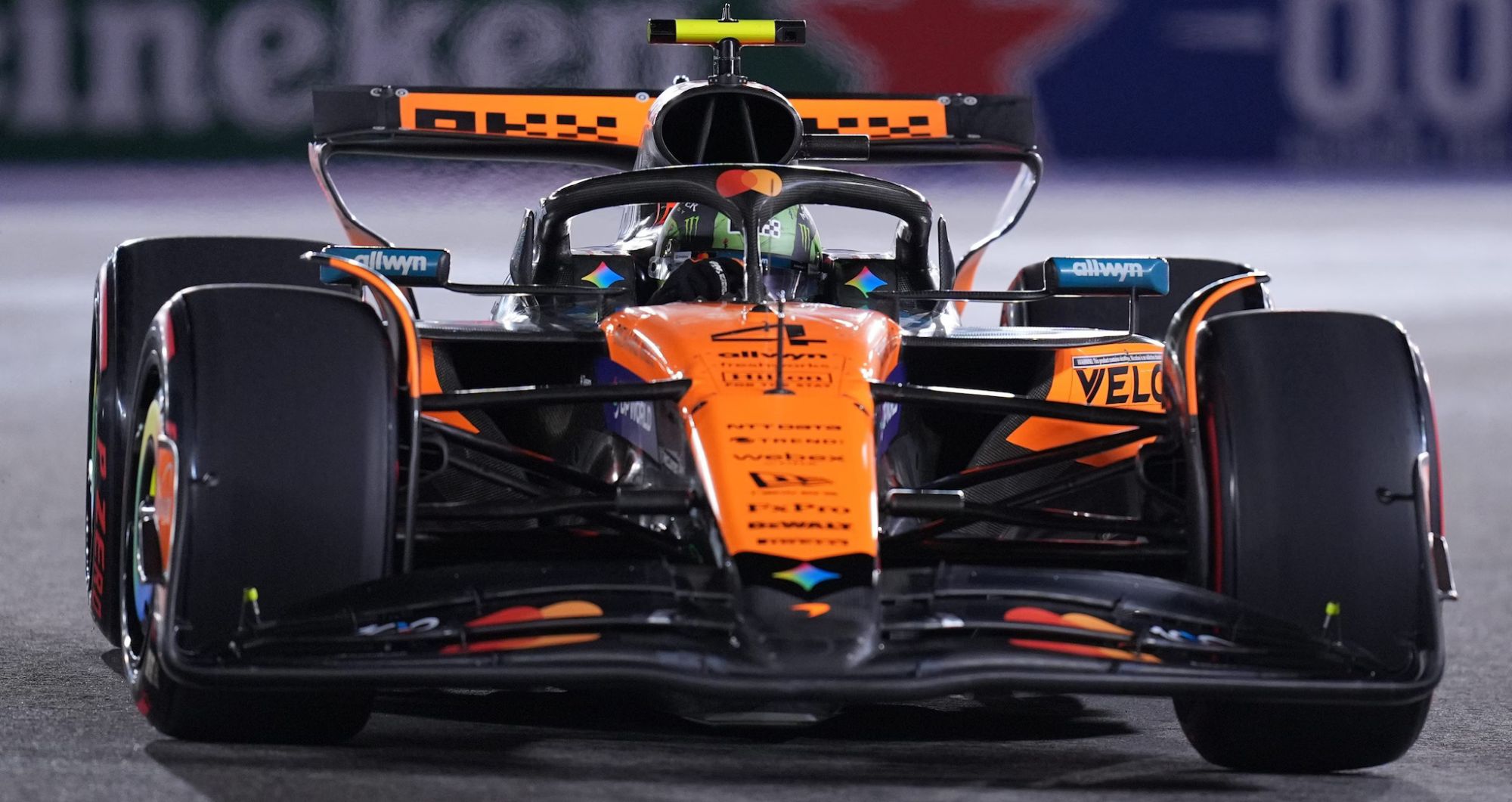
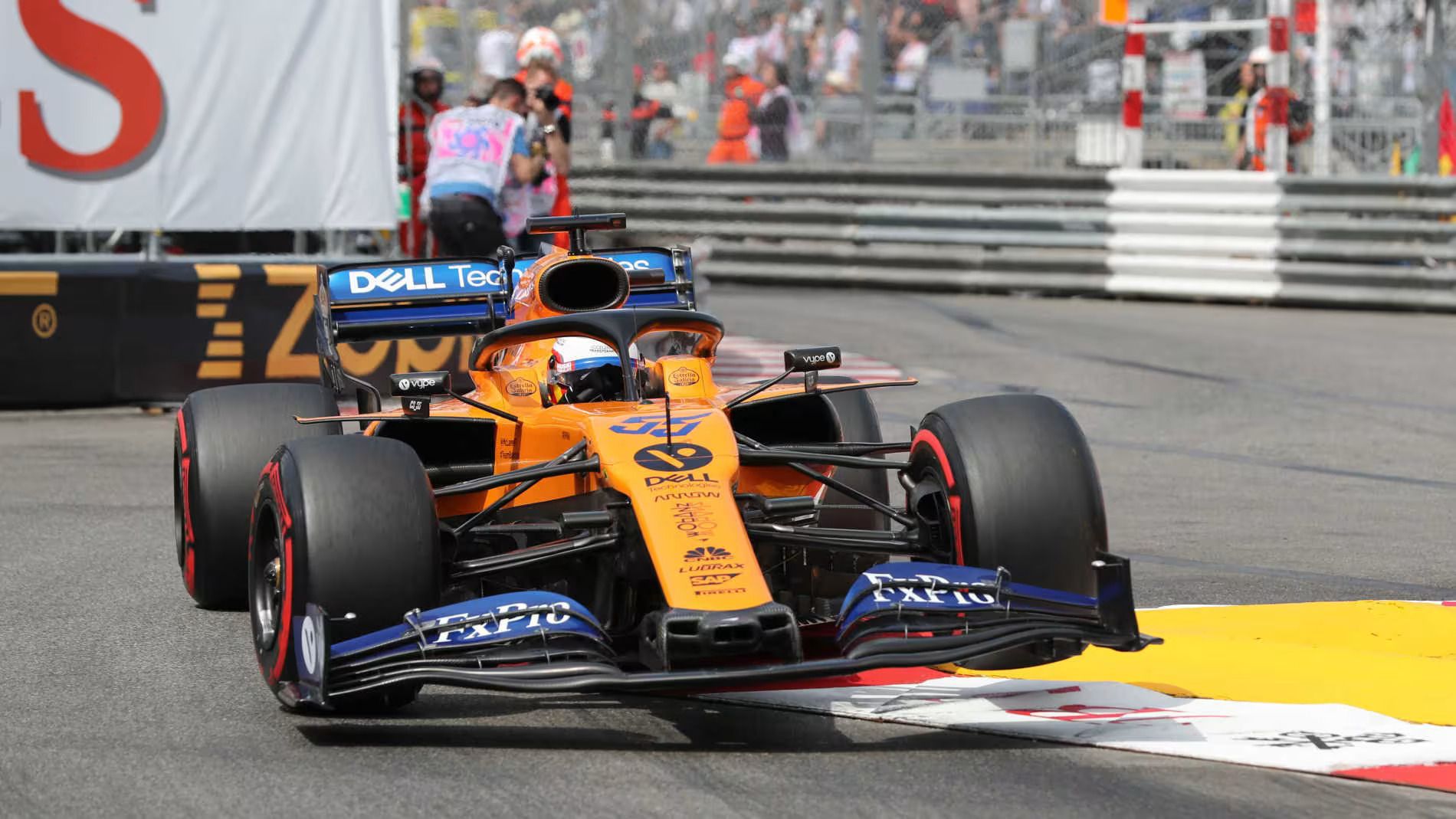
2017 marked a new chromatic turning point for McLaren with the reintroduction of orange. This change was not driven by a sponsor but had commercial objectives. As revealed by CEO Zak Brown, the choice was actually a strategic move to build a new identity that could attract new sponsors. Reintroducing an orange livery allowed McLaren to achieve three goals at once: distance itself from the negative image that had grown since 2015 due to a failed partnership with Honda that made McLaren cars something of a joke, reconnect McLaren with its heritage, and fulfill fans’ wishes as supporters had long been asking for the return of orange.
The revolution was completed in 2018 when the black sidepods disappeared and McLaren chose a lighter shade of orange — papaya. As with previous liveries, this change coincided with success: the Constructors’ Championship in 2024 and 2025, so that today McLaren is also known as Team Papaya. The rise of the term is also due to the so-called papaya rules — McLaren’s internal procedure for managing the drivers’ strategies to ensure fair treatment at every Grand Prix. This will happen again this weekend in Abu Dhabi when either Lando Norris or Oscar Piastri could become the first McLaren driver to win the Drivers’ Championship since Lewis Hamilton in 2008. Max Verstappen permitting.