
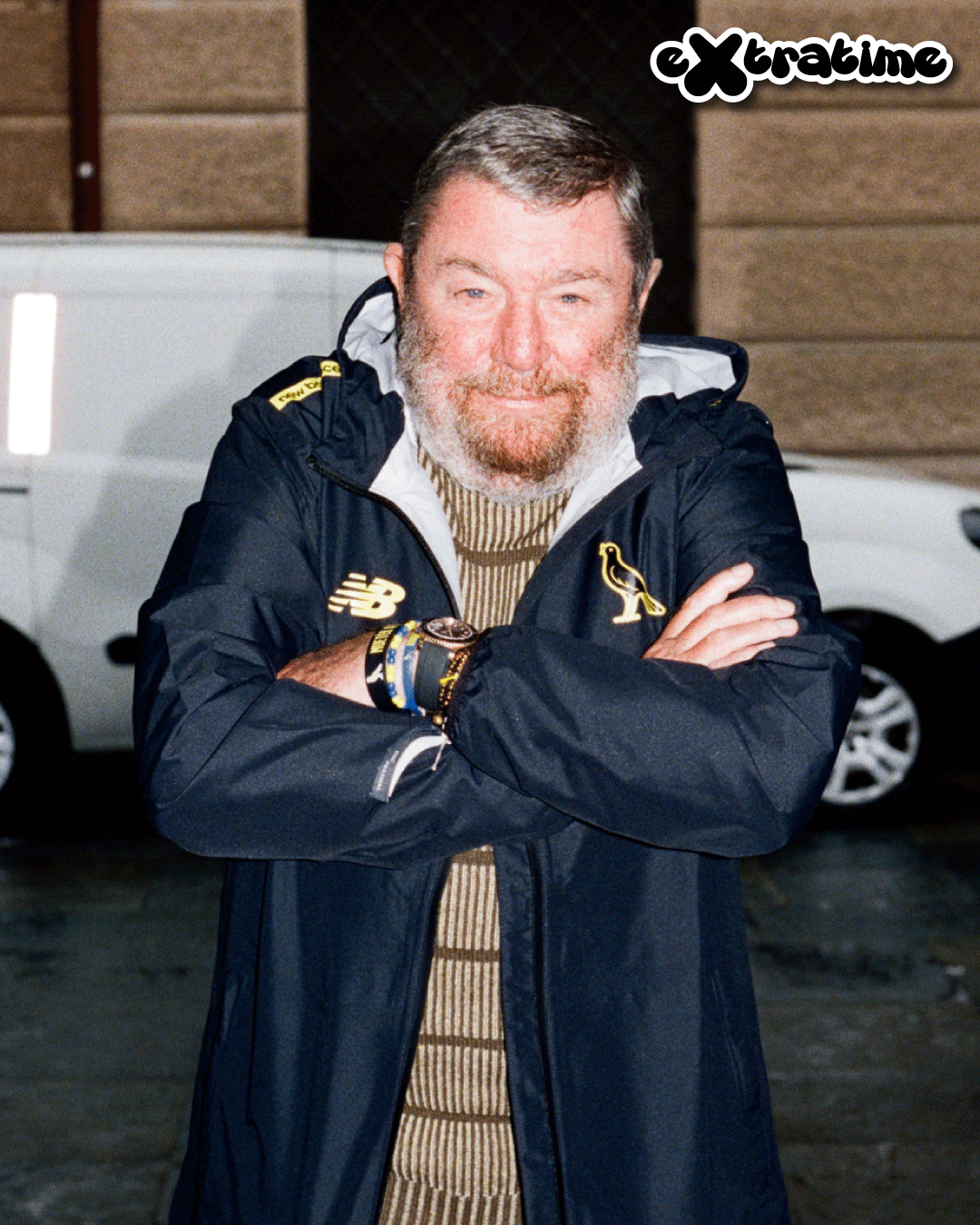






















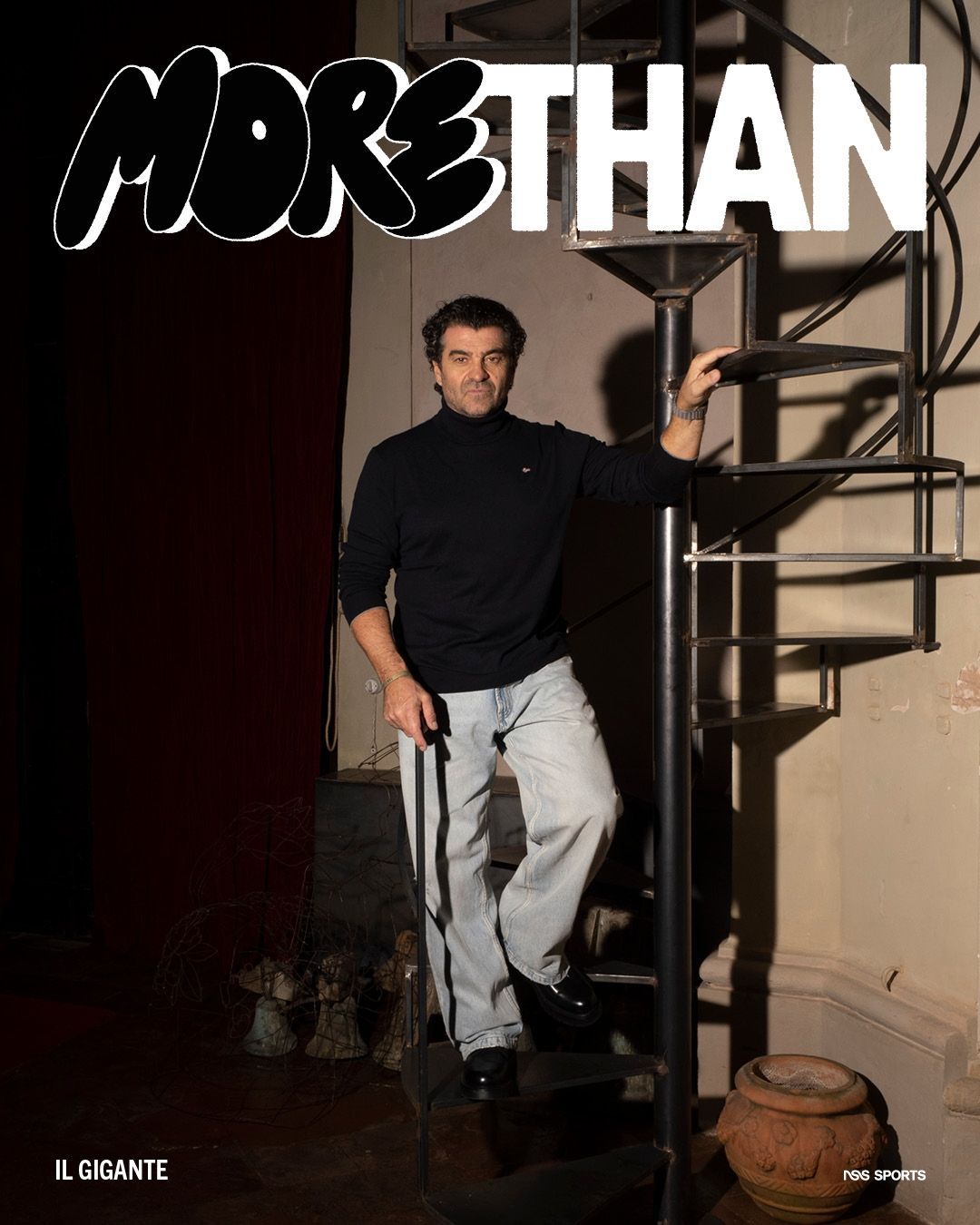
Max Sirena and the obsession behind Luna Rossa's America's Cup dream We spoke to Luna Rossa's CEO
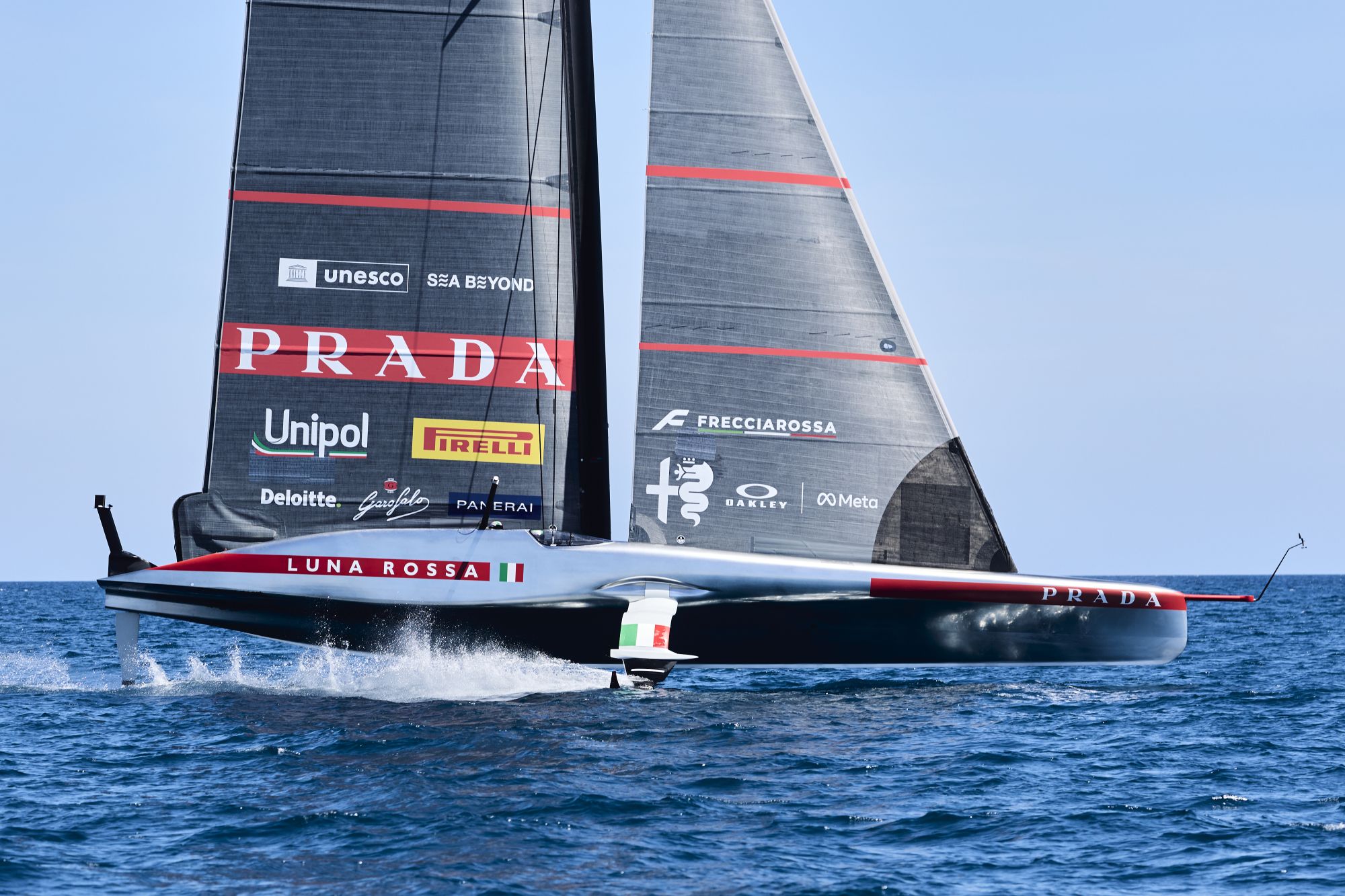
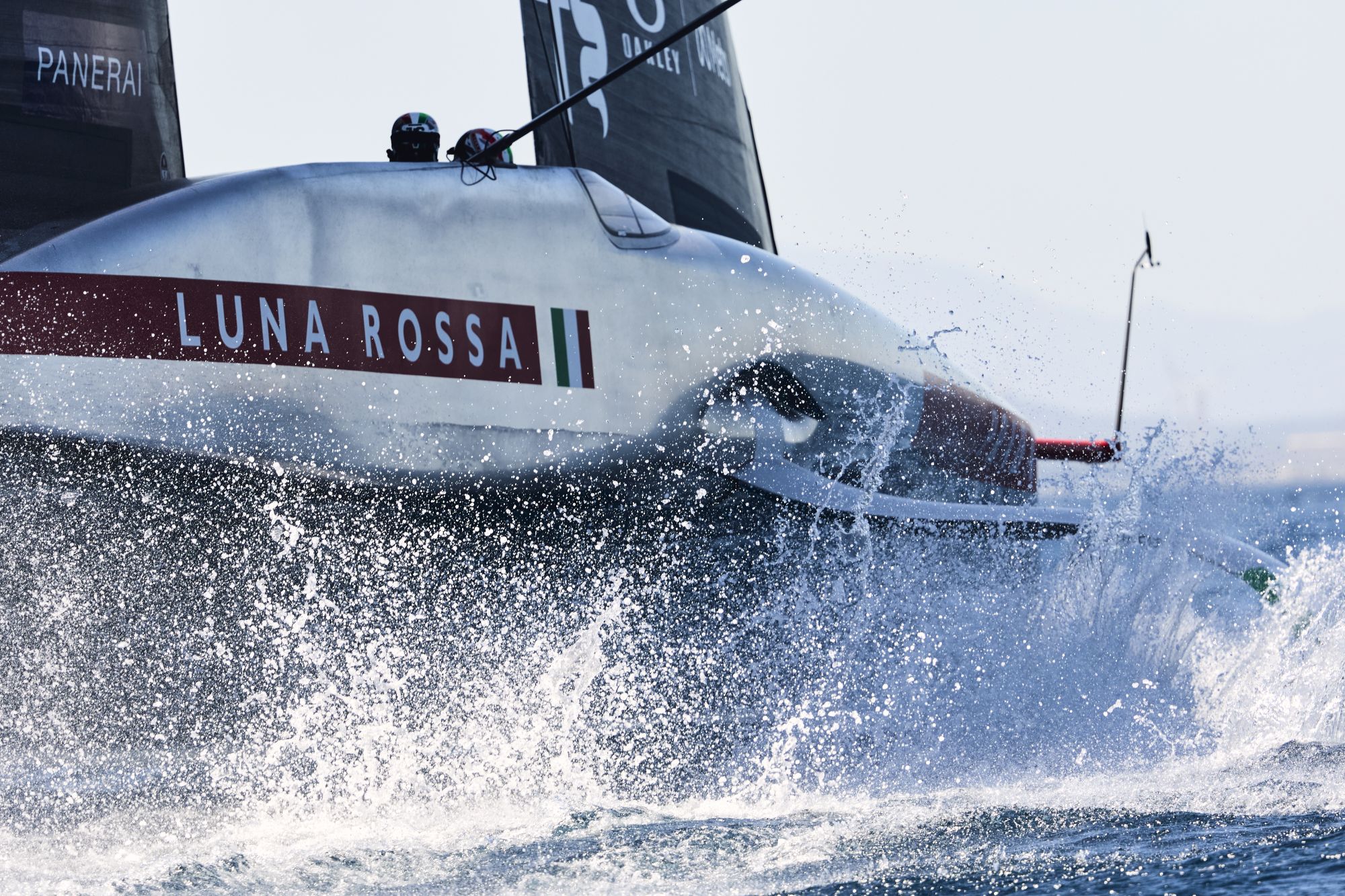
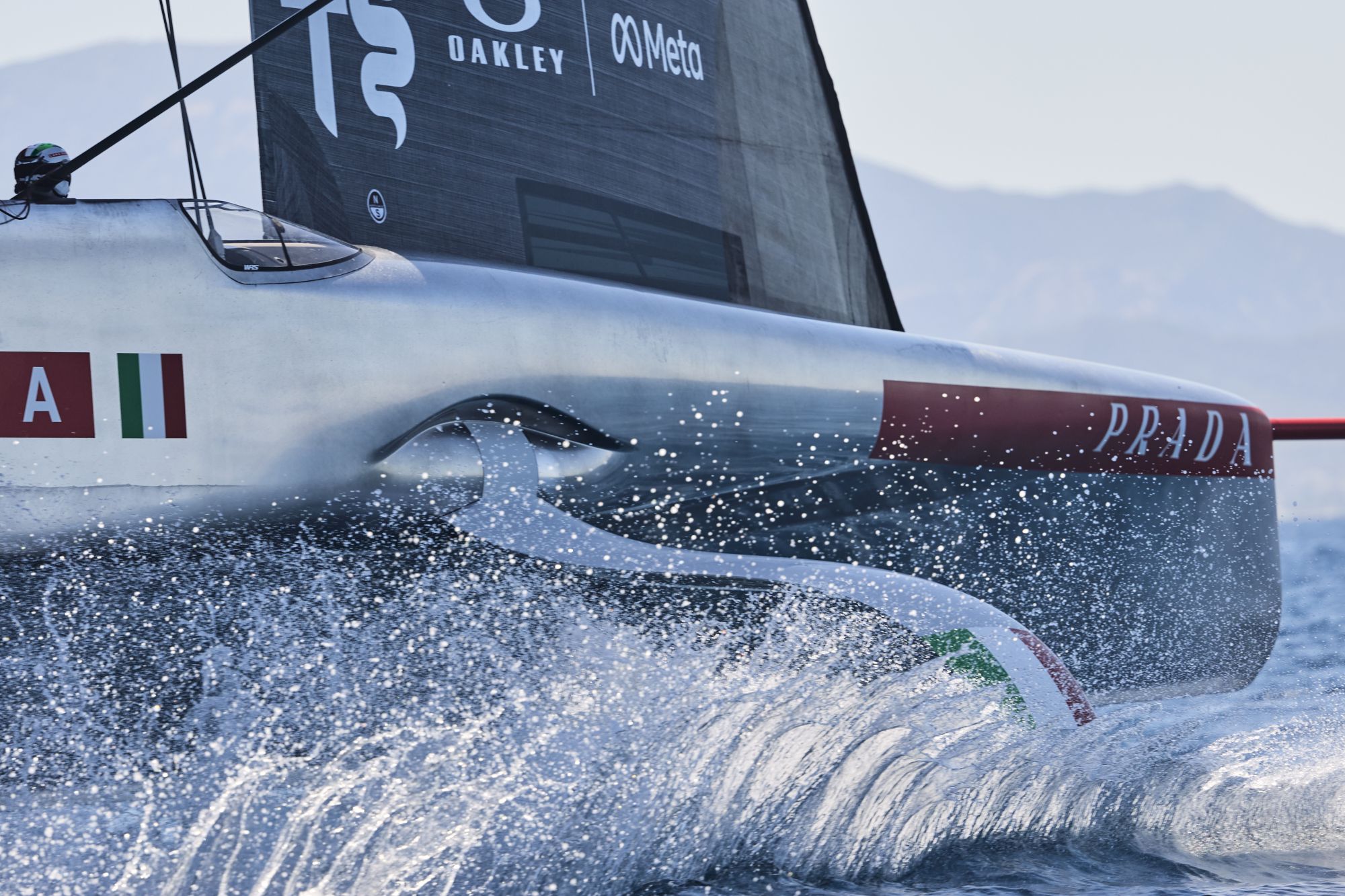
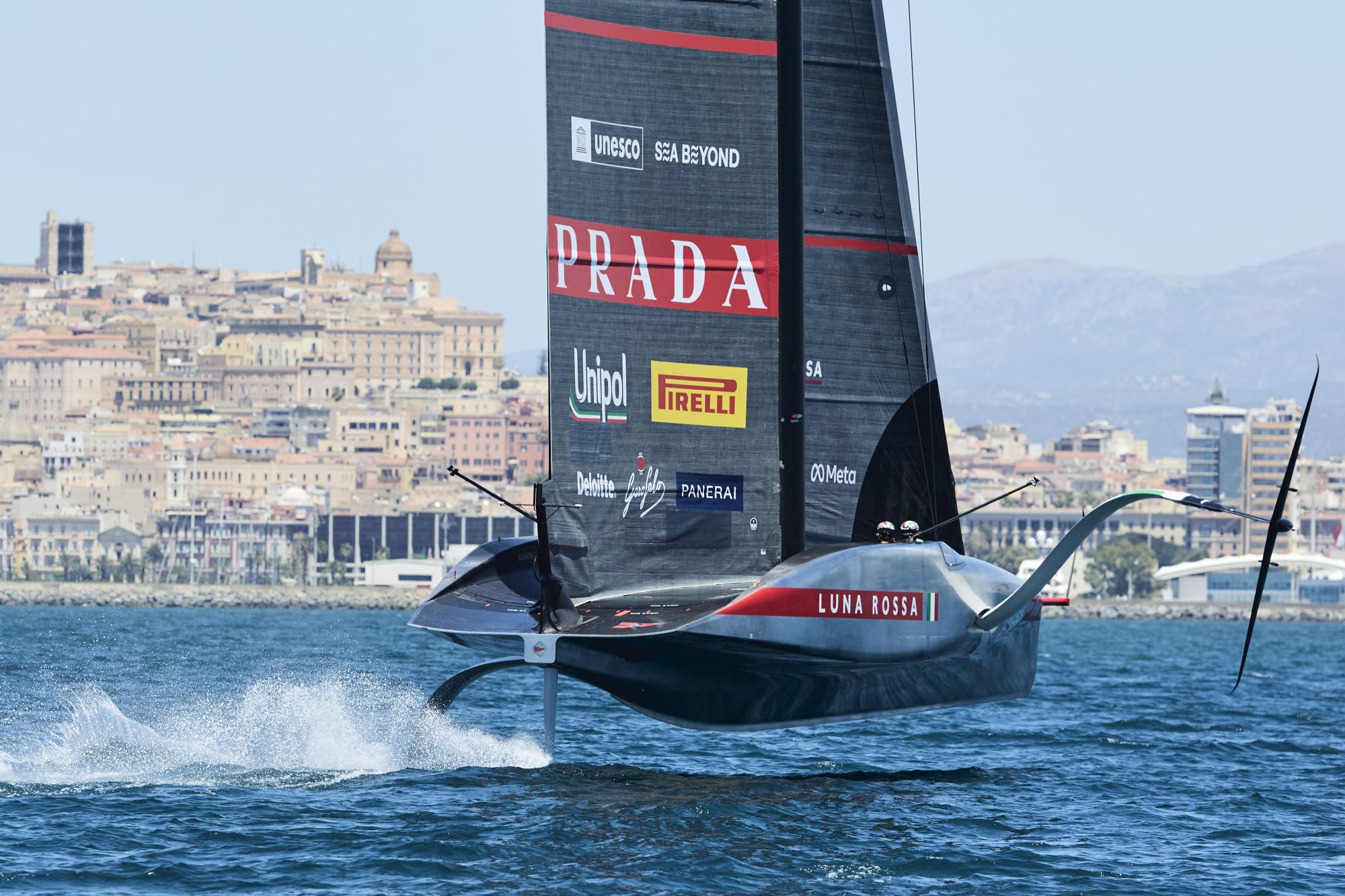
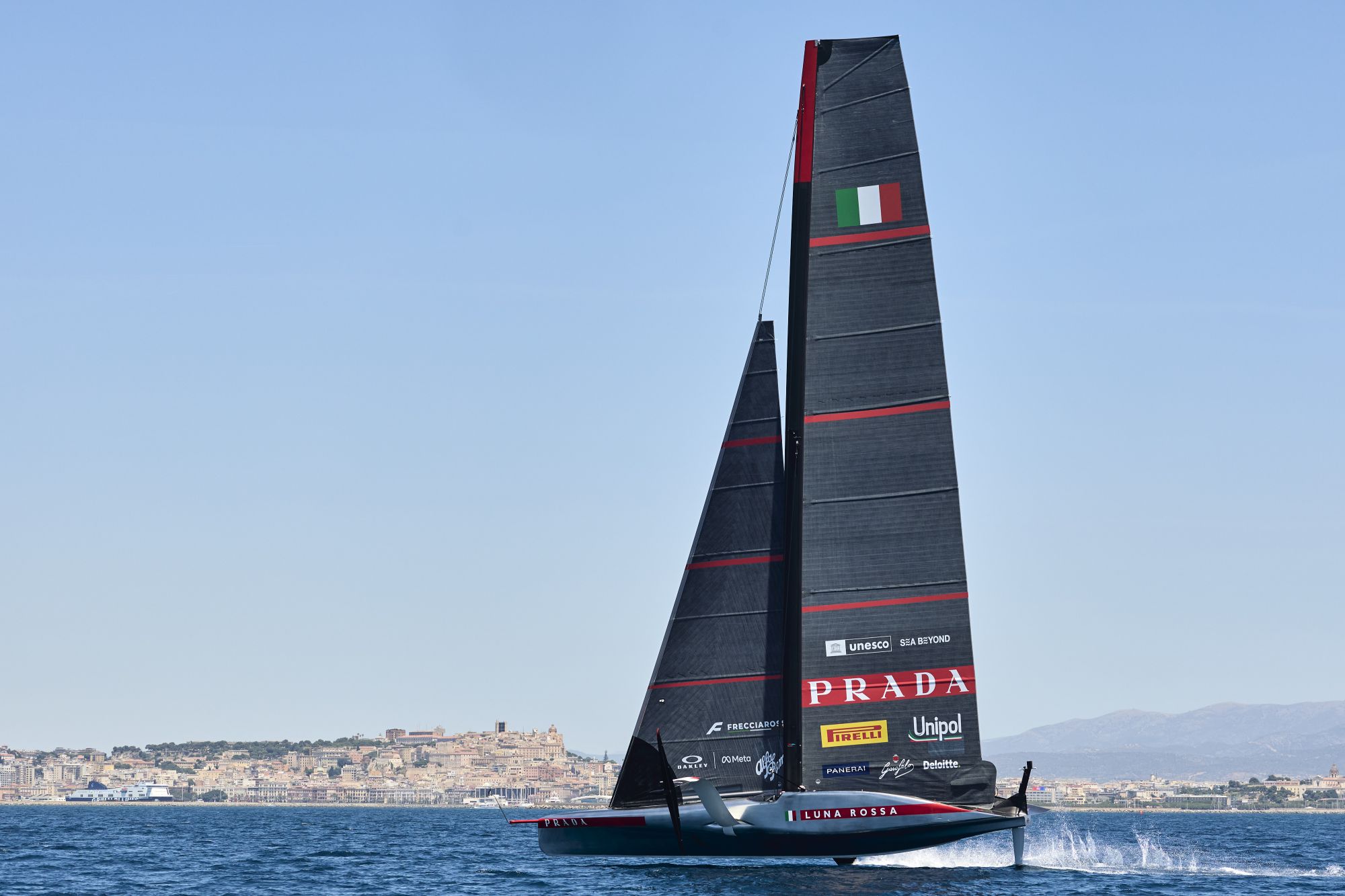
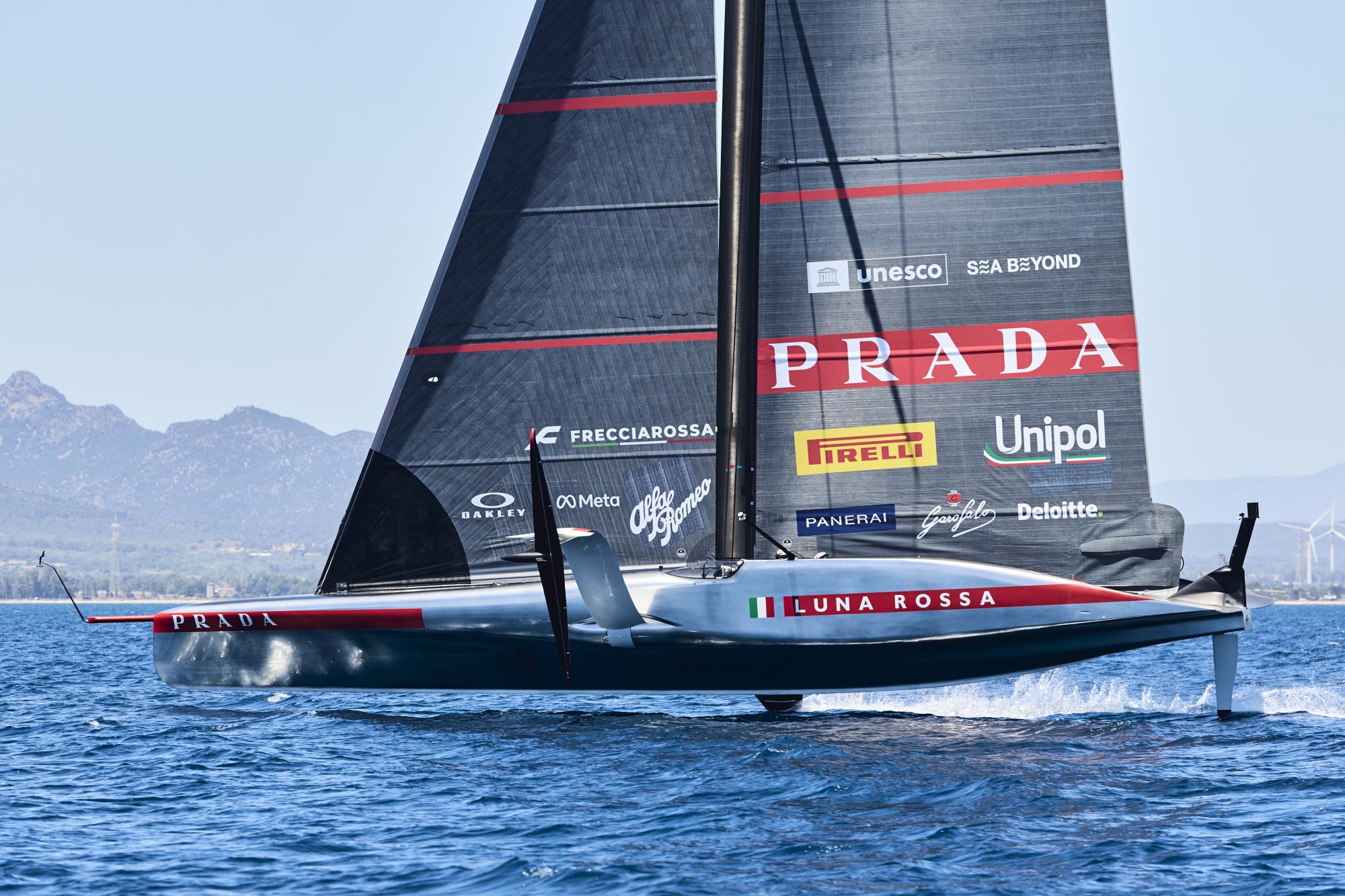
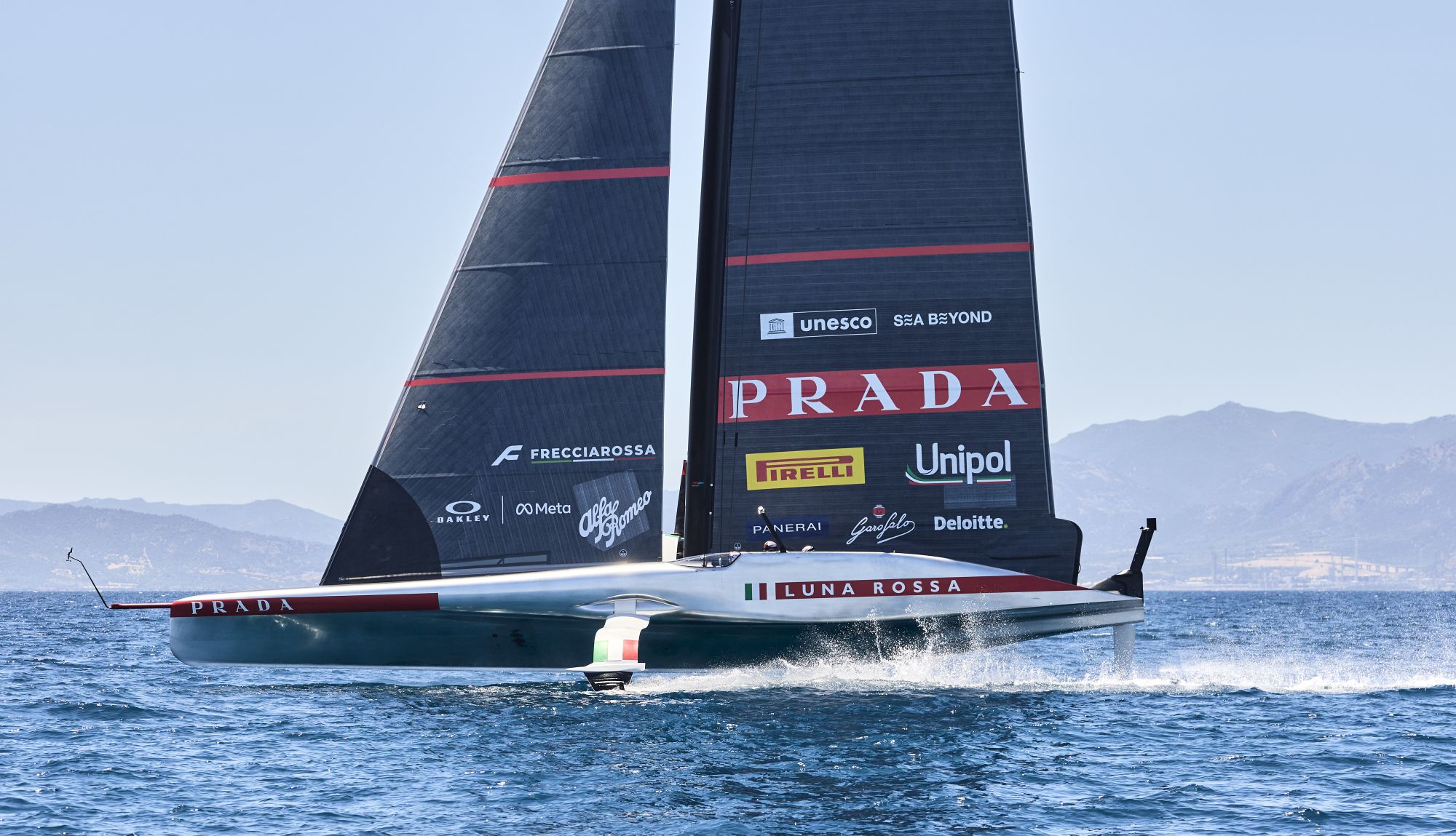
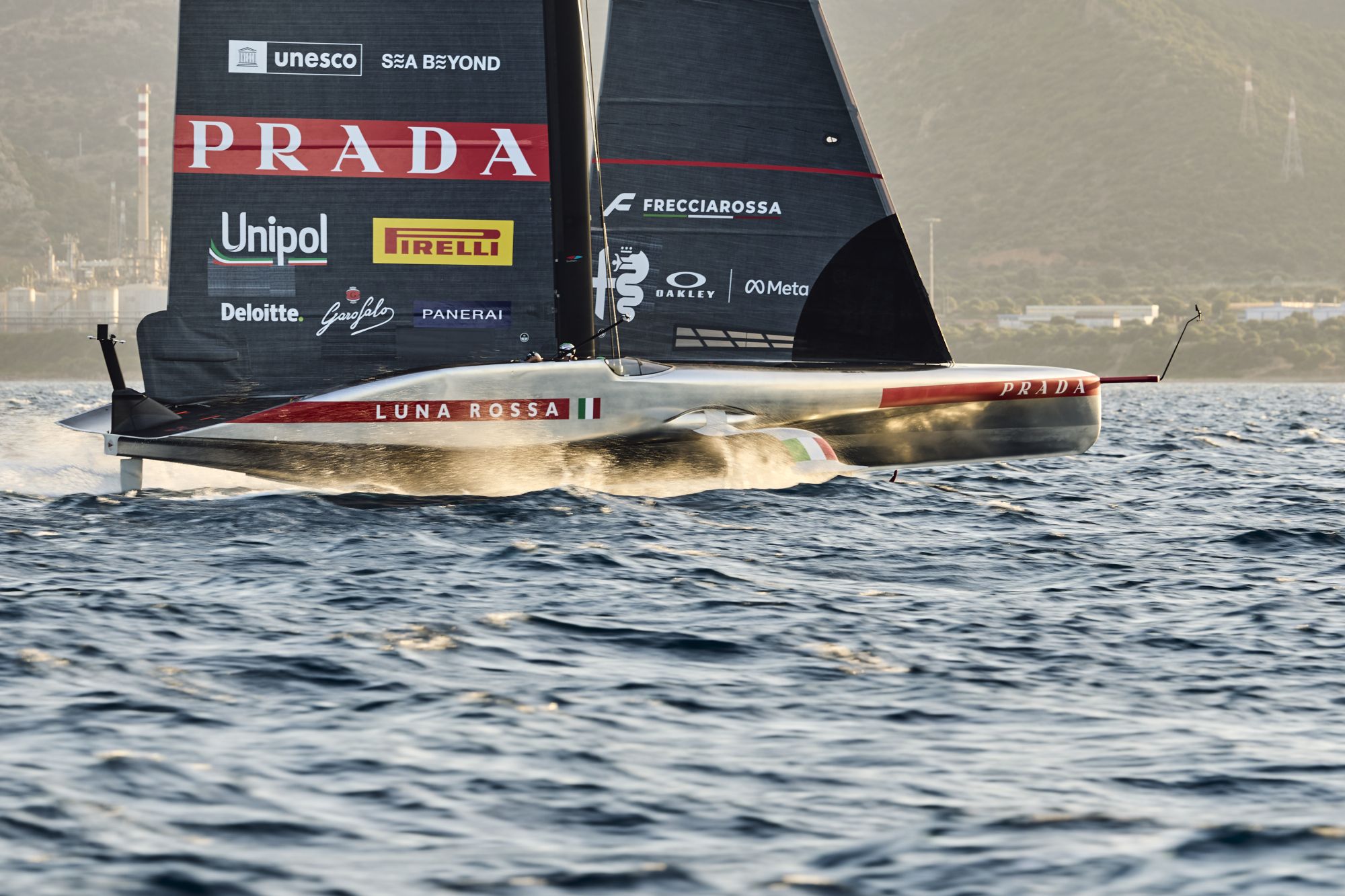
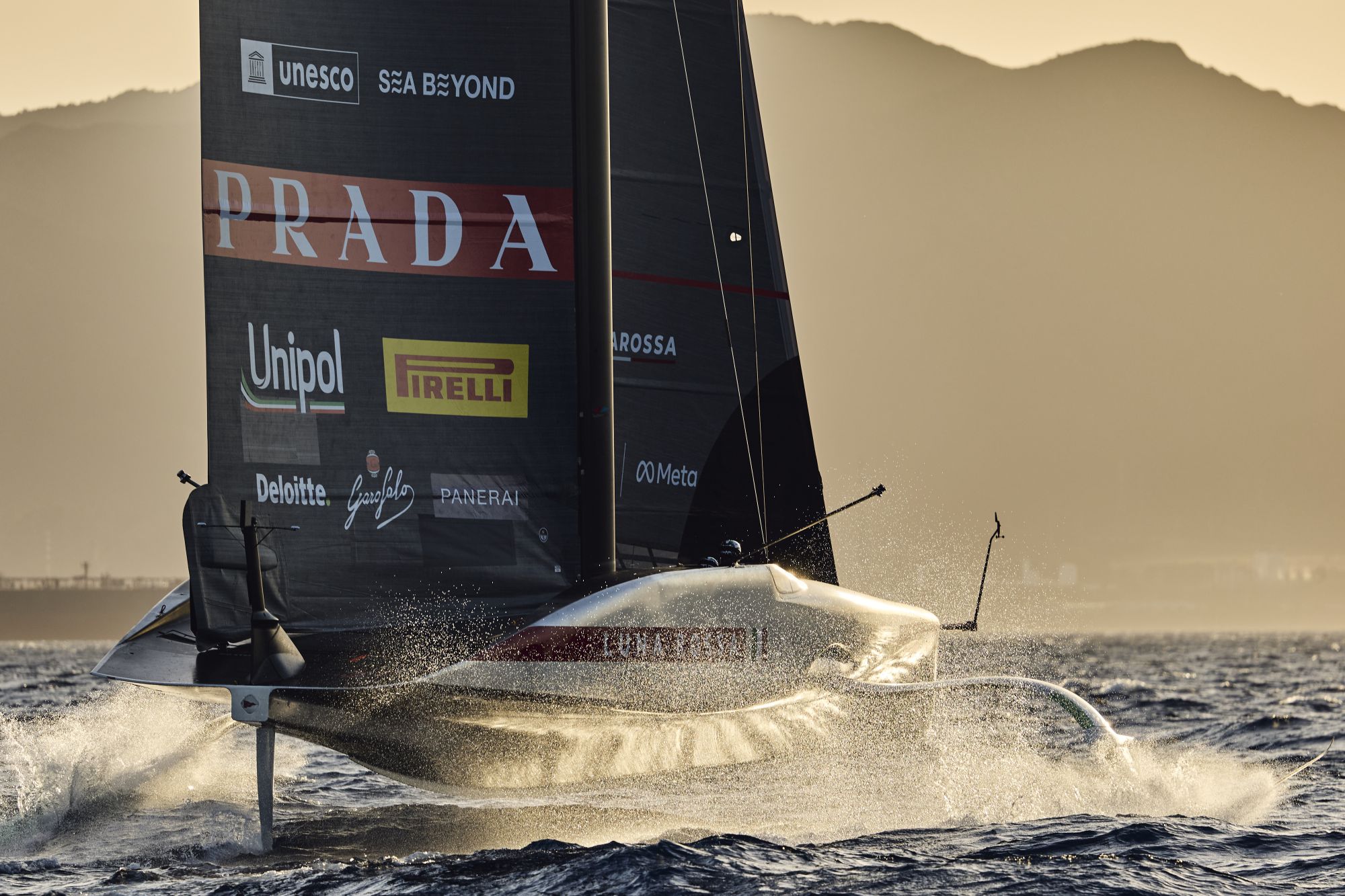
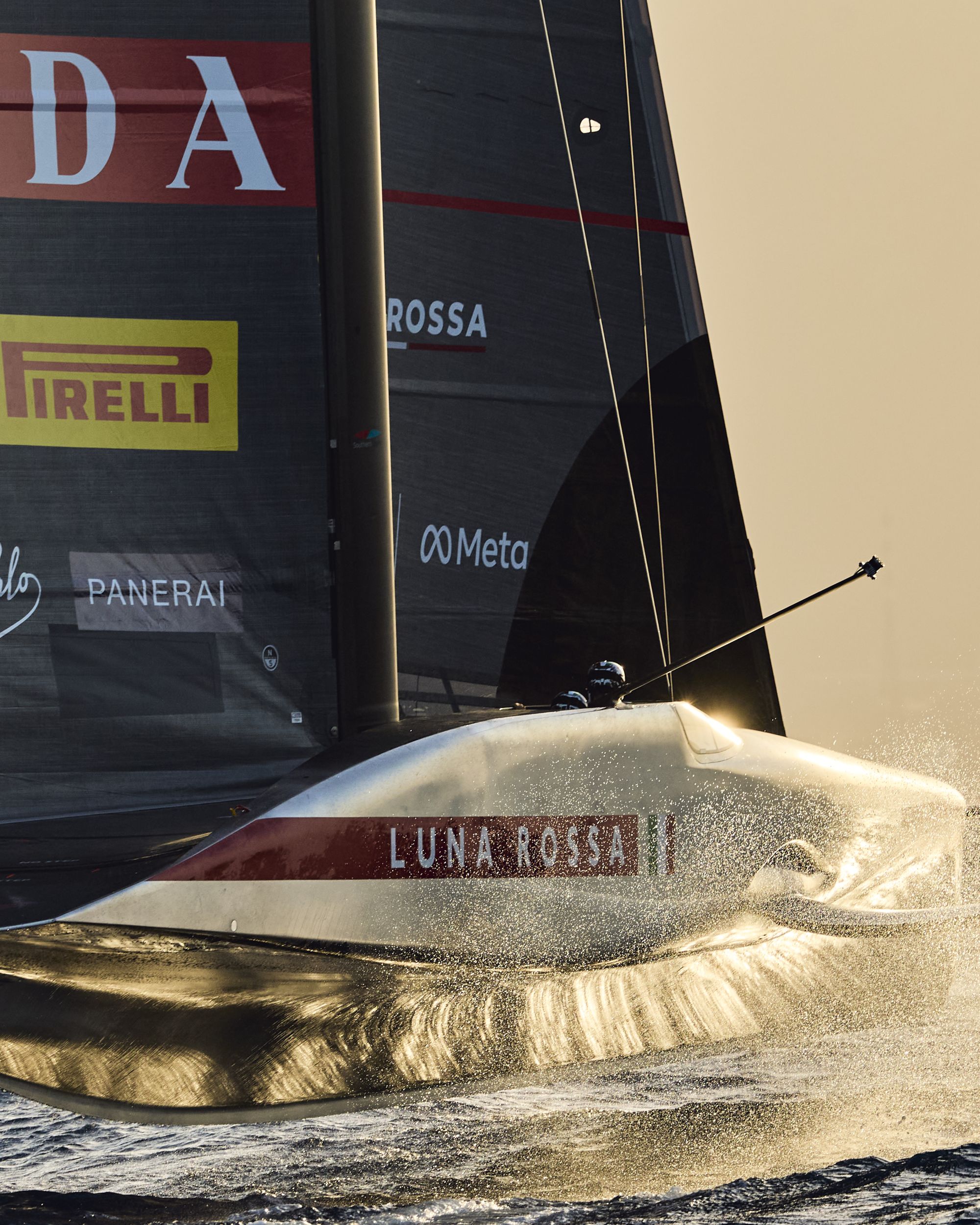
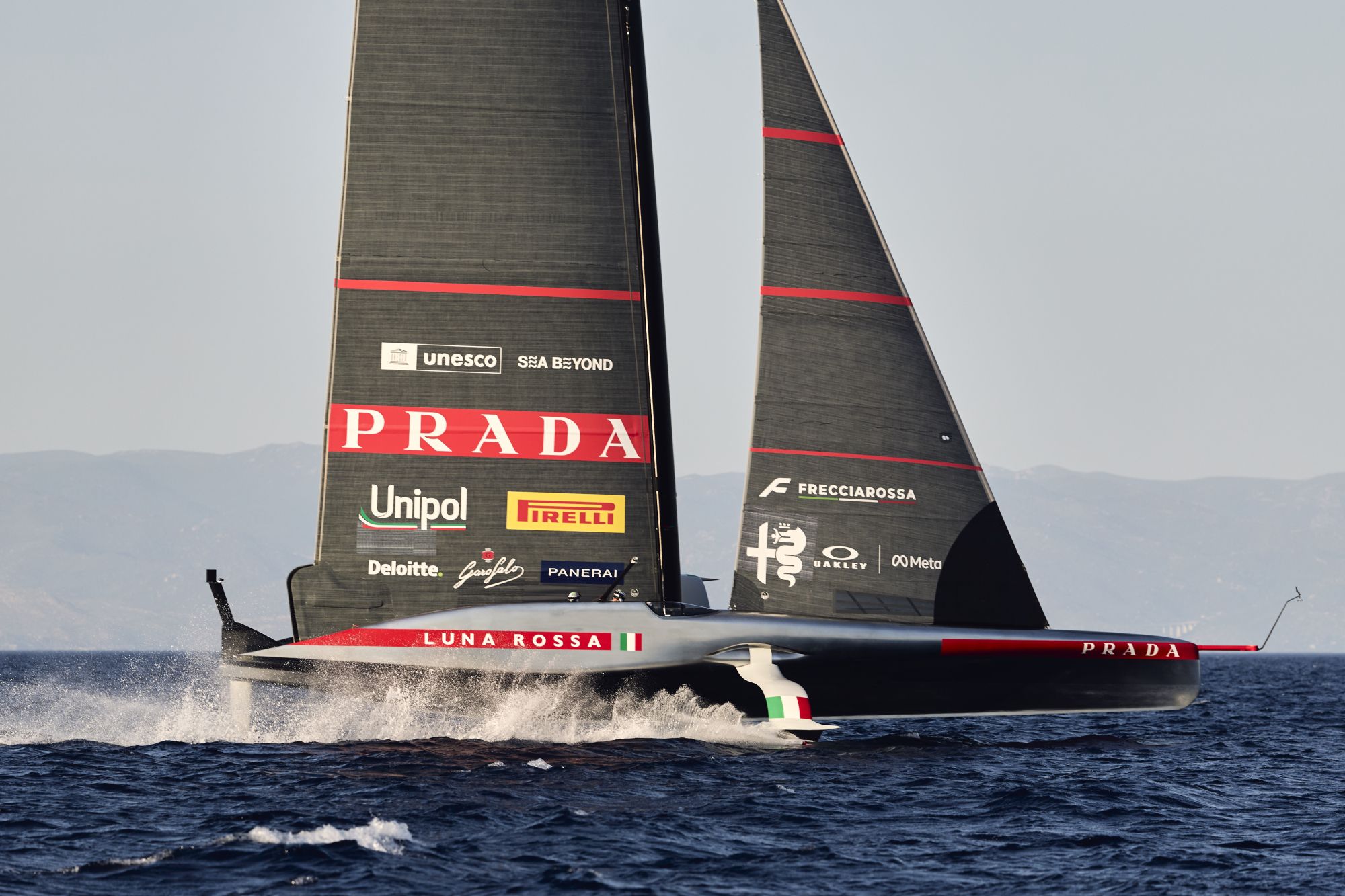
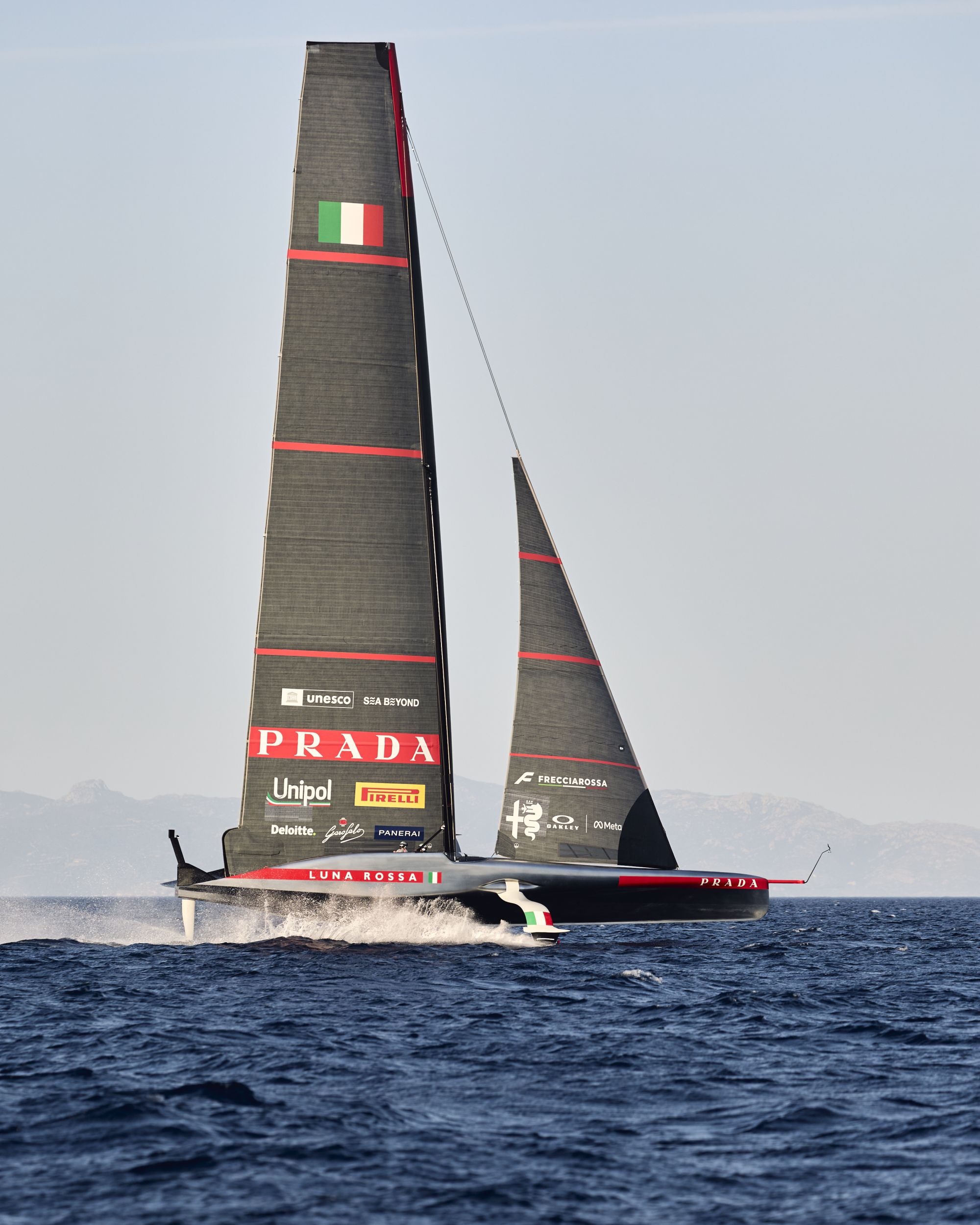
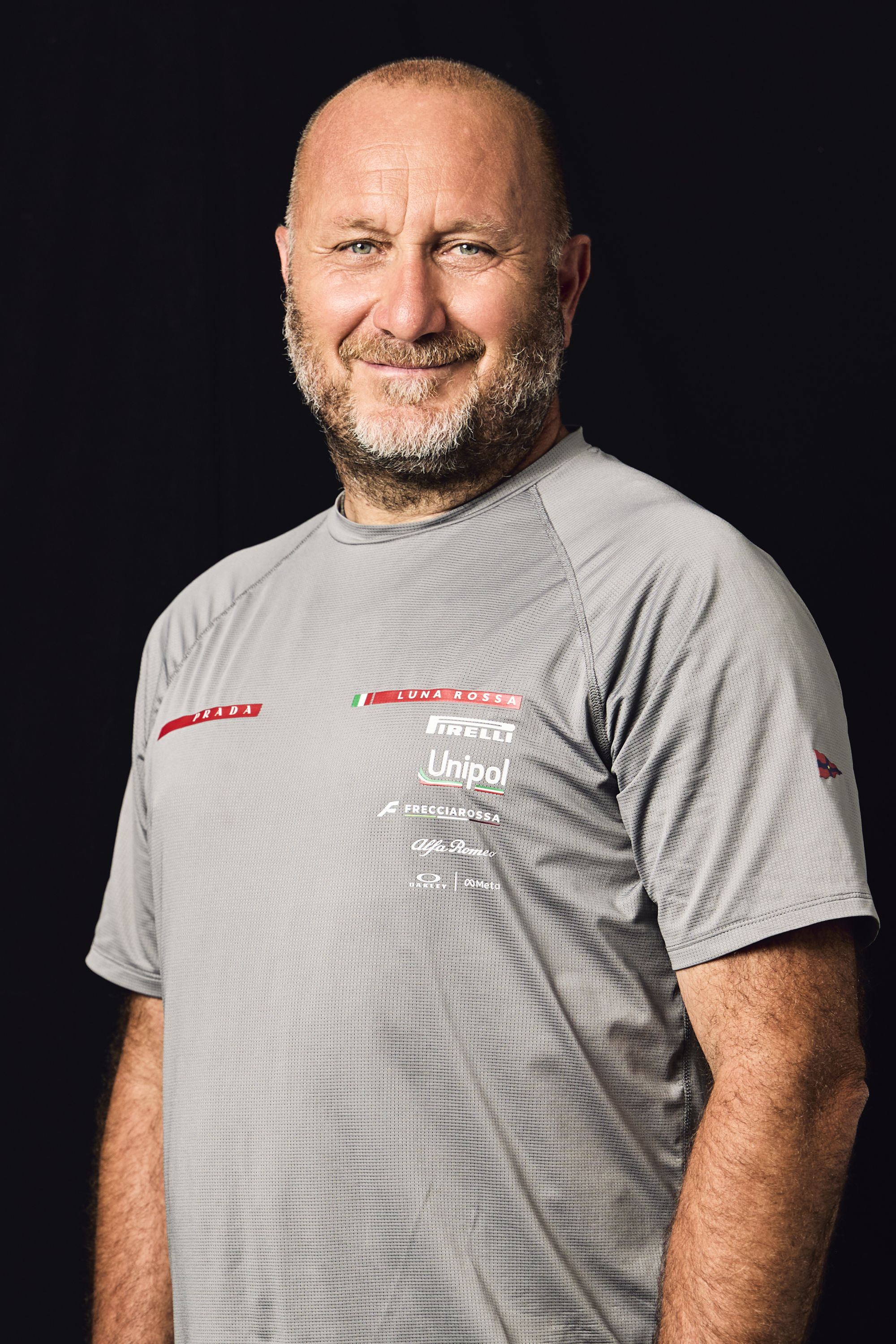
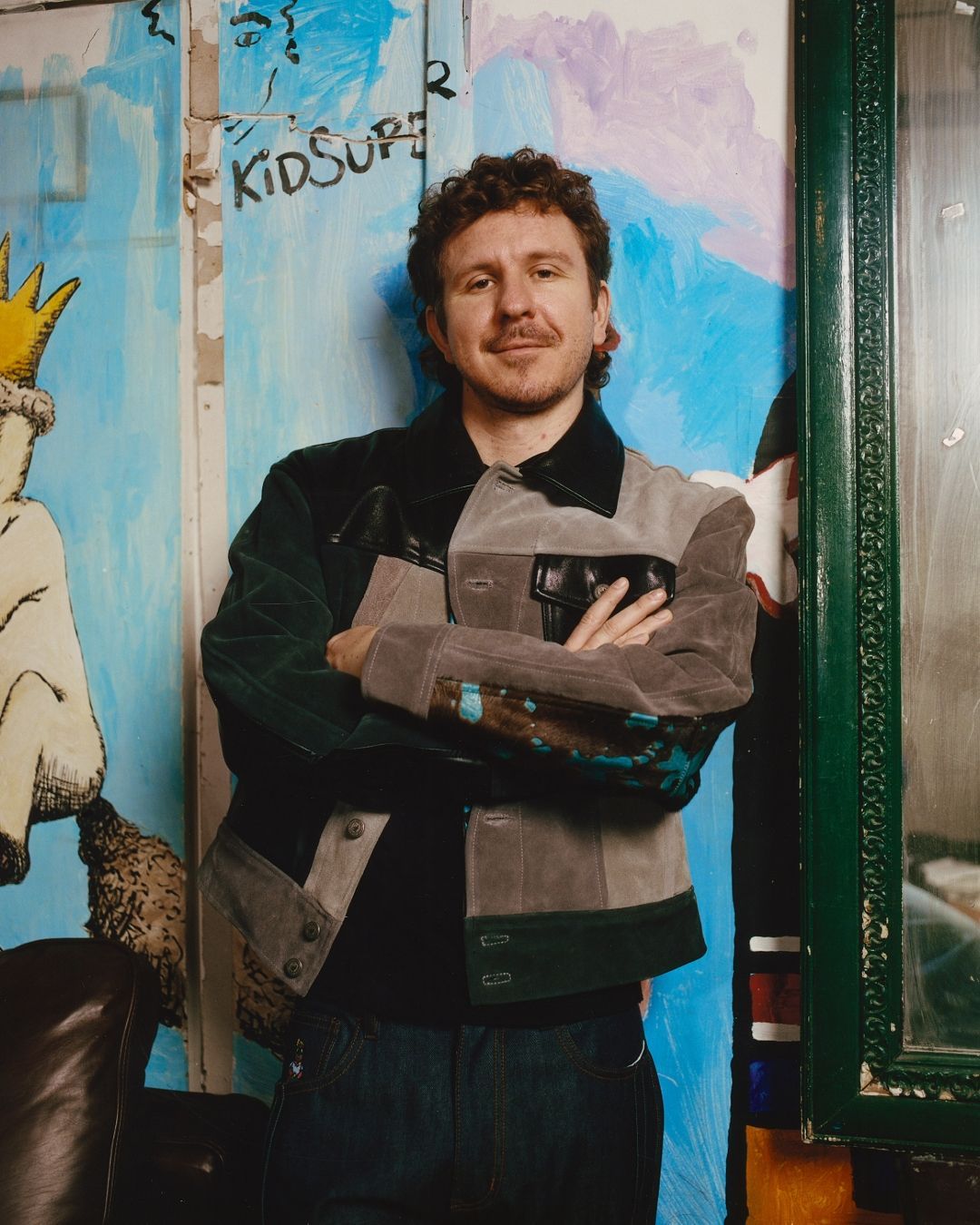
For Max Sirena, CEO of Luna Rossa, the America's Cup set to take place in Naples in 2027 cannot be just another edition of the competition. It will be the ninth of his career, following two victories with other teams and a long pursuit alongside Luna Rossa. Most importantly, it will mark the first time the America's Cup is held in Italy.
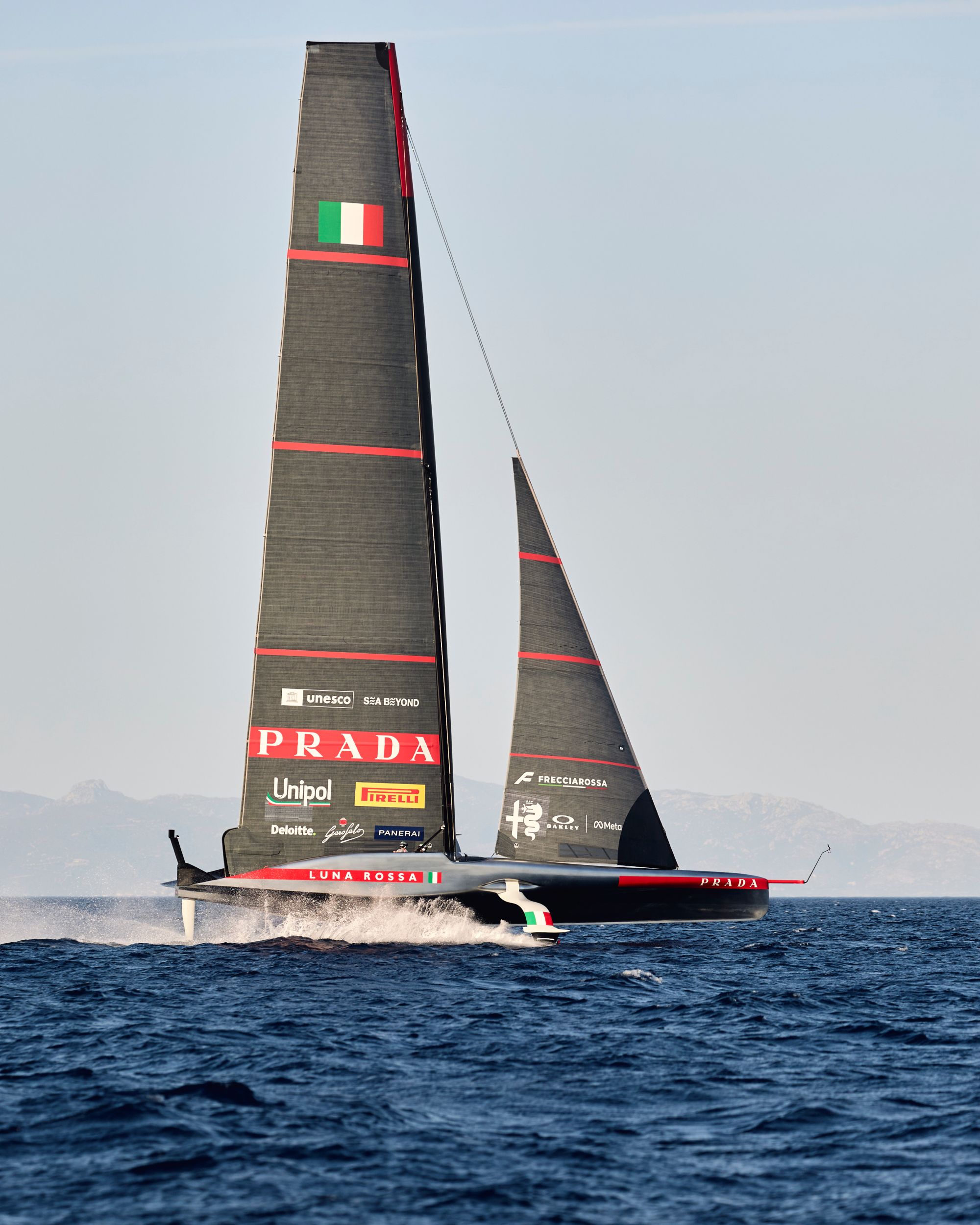
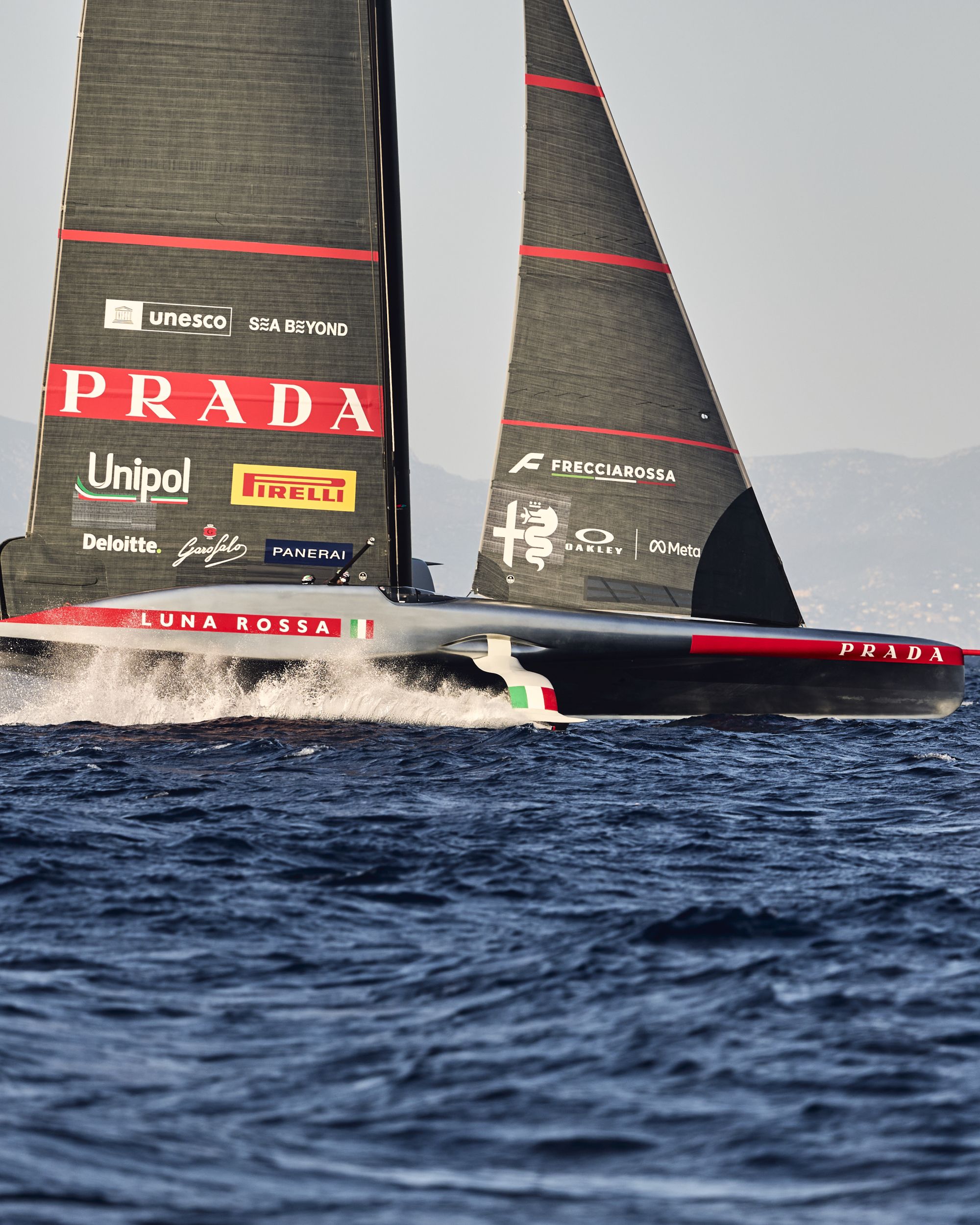
We spoke with Max via video call last week, with the sound of the wind and the sunlight reflecting off the waves in the background. Unsurprisingly, we found him at sea, training alongside the team. It is an image that perfectly captures the moment Luna Rossa is living through: with less than a year to go before the 38th America's Cup, every day matters in the pursuit of the ultimate goal. Every minute counts when preparing for a competition "where only winning matters" and chasing what Sirena himself describes as "an obsession."
In his words, Naples represents something far greater than a sporting event. Max speaks of "an obligation to win," of responsibility towards Italy, of technology, industry, the country's international image, and of a project that extends well beyond sailing itself. At one point, the conversation reveals just how deeply personal this mission has become. "For me, this job and the pursuit of these goals are like a drug."
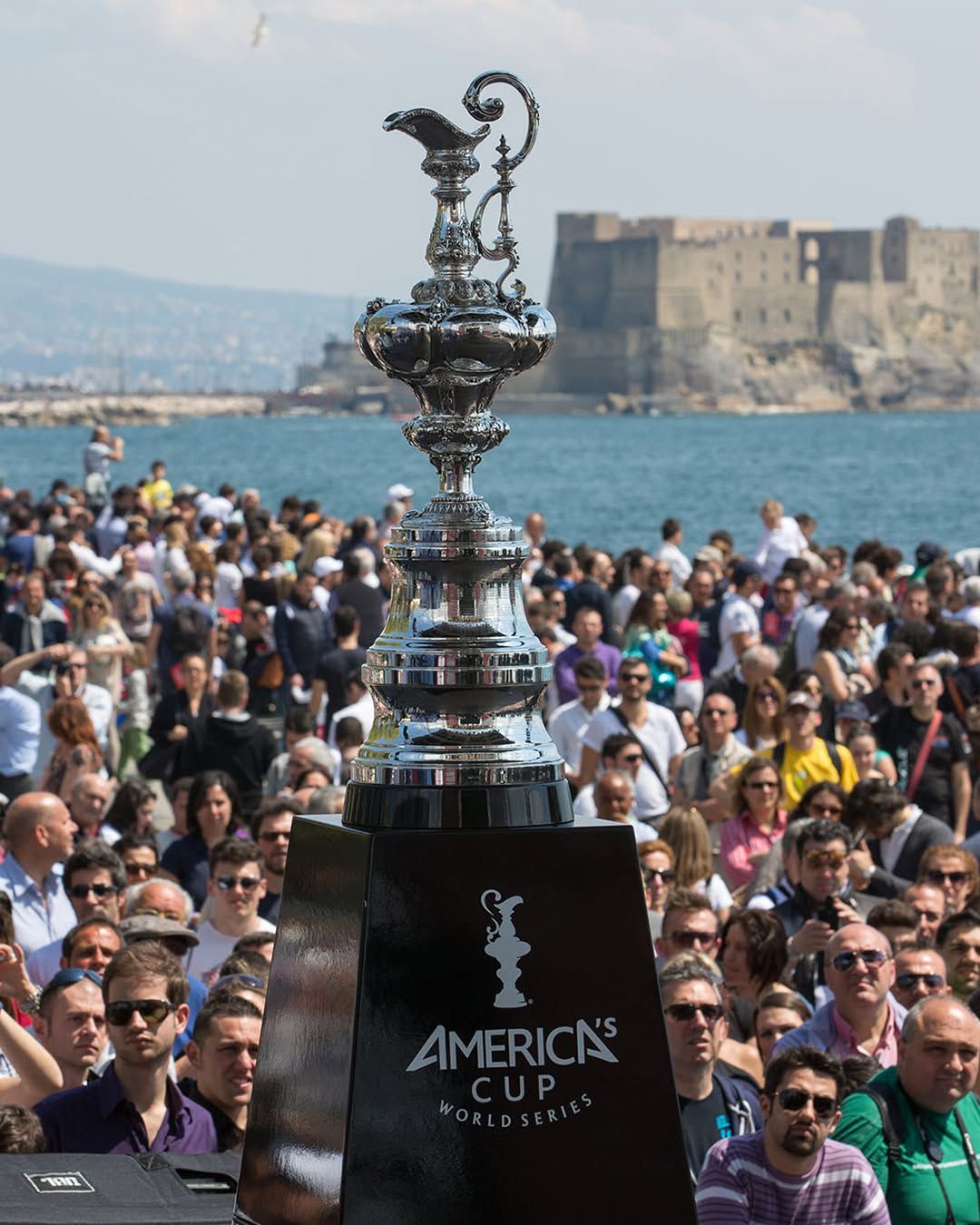
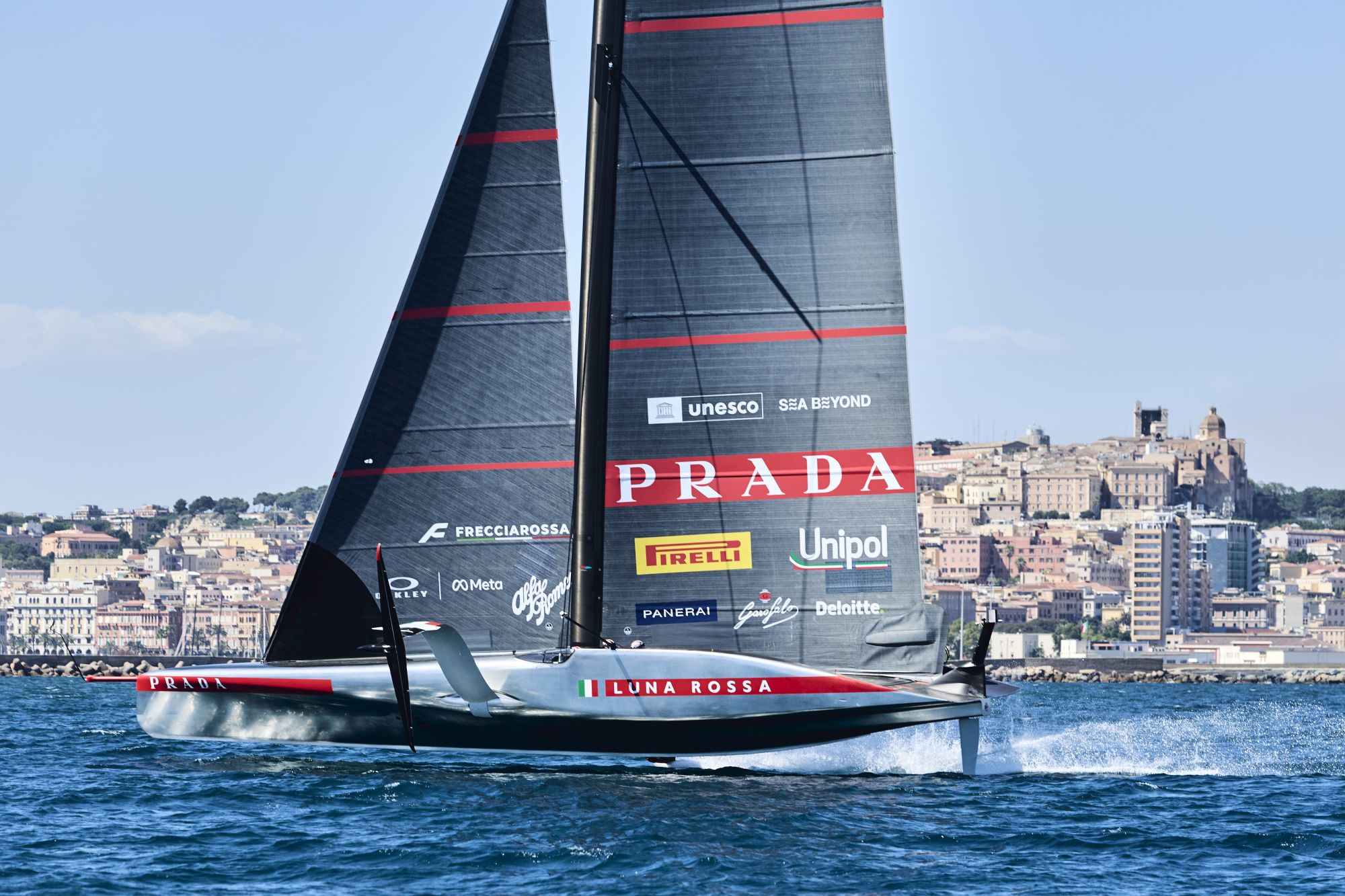
There is still a year to go, but the Road to Naples 2027 is already well underway. The journey has already included last month's encouraging victory at the Preliminary Regatta Sardinia in Cagliari and is destined to culminate next year in the Gulf of Naples, where Luna Rossa will attempt to claim the Silver Ewer for the first time after nearly three decades of pursuit. "I dream of seeing Patrizio Bertelli's reaction the day he finally gets to hold it in his hands." Before that, however, there is still another year of work to turn that obsession into victory.
The Road to Naples
The Preliminary Regatta in Sardinia was the first real test of the new America's Cup cycle and, above all, the first glimpse of what awaits Luna Rossa in front of a home crowd. "Cagliari was hugely important for us, for several reasons. It was the first regatta of the cycle, and we were racing at home. There were high expectations from both the public and the media, and we did a good job of turning all of that into positive energy."
Expectations are a recurring theme throughout the conversation—not as a burden, but as confirmation of the project's strength. "People never build expectations around a team or an athlete they wouldn't even bet a dinner on," he says. "If so many people believe in us, including the media, it means we're in a position to win. The real challenge—and the exciting part—is turning that belief into extra motivation."
Cagliari also offered an exciting preview of what could surround the racing in the Gulf of Naples. "The turnout was incredible, far beyond anything we expected. I knew there would be plenty of people, but not tens of thousands, and certainly not that level of passion. The atmosphere was unlike anything we'd ever experienced in Cagliari—or perhaps at any sailing event. There were more people at the prize-giving ceremony of the Cagliari Preliminary Regatta than at the 2024 America's Cup prize-giving in Barcelona. We can only imagine the incredible atmosphere that awaits us in Naples."
Racing at home, however, is about more than the setting. It also changes the relationship with the crowd. "As they say in football, when you play at home it's like having a twelfth player. If we manage to build a strong connection with the fans, we'll have an extra sailor on board—and the best way to create that connection, of course, is by winning." But he quickly brings the conversation back to reality. "Once the racing begins, though, the crowd stays ashore. On board, it's just us, and everyone has a specific job to do."
For Luna Rossa, the bond with its supporters has long been a central part of the project. "We carry an important name. Even though we've never won the America's Cup, we're probably the most popular team in the world, alongside Team New Zealand. We must always remember that being part of Luna Rossa is a privilege—there's a long line of people who would love to be here. We're living a unique opportunity, and we have to make the most of it, because chances like this don't come around often in a professional career."
That is precisely the feeling that will accompany Luna Rossa all the way to Naples 2027: the awareness that an opportunity like this may not come again anytime soon.
The Obsession
The America's Cup also has a ruthless side. Max Sirena comes back to the point several times during our conversation: "It's an ultra-competitive world where only winning matters." There is no second place worth celebrating, and perhaps that is why the defeat in Barcelona in 2024 still lingers in his thoughts as he looks ahead to 2027.
"In sport, 99% of the time you lose. That's simply the reality, whether you like it or not. Even if you look at the greatest careers in sporting history—Michael Jordan, or the greatest tennis players—they lost far more often than they won. But Luna Rossa isn't a team that lines up simply to take part. We always aim for the highest possible goal. And when you have the chance to work for an organization that does everything it can to perform at the highest level and win, you inevitably spend a lot of time reflecting on defeats, making sure you don't repeat the same mistakes and constantly looking for ways to improve."
Over the past few months, Sirena has never shown any intention of lowering expectations. Quite the opposite. "I'll say it again: we have an obligation to win. We must win. Because we're racing in Italy, and because we've never managed to bring this Cup home. I believe it's important from a sporting, historical, social, economic and political perspective. We're living through a rather difficult period, and Italians have always needed heroes to rally behind, whether they're athletes or public figures. And now that Italy isn't even playing in the Football World Cup—which has always been such an important social occasion for the country—we feel an even greater sense of responsibility. It's another source of motivation."
For Sirena, that responsibility extends well beyond the racecourse. Luna Rossa also represents Italy's industrial and technological excellence. "The America's Cup is a competition between nations; it's much more than a regatta between yacht clubs. It's one of the world's greatest technological challenges, involving an entire country. Ninety percent of what's on board our boat is made in Italy, so in many ways it's a showcase for Italian technology around the world. Italians have always been very good at talking about what doesn't work, but we also have countless examples of excellence that receive far too little attention. It's not just our art, style, fashion, architecture or food. Italy is also incredibly advanced technologically. That's why I say we have a responsibility towards our fellow Italians—not only as a sailing team, but also for what we represent as an industrial project."
The conversation then shifts onto a more personal level. After nine America's Cup campaigns, two victories and an entire career spent chasing the Silver Ewer, Sirena explains that none of this would be possible without an overwhelming inner drive. "You can only do this if you're deeply motivated. There's no salary or bonus that can justify the commitment required to try to win the America's Cup. We're fortunate enough to do something we love, but it also demands enormous personal and family sacrifices. Every single day, all day long, we're working to make a boat just one tenth of a knot faster than it was yesterday. It's one of those professions where, without extraordinary motivation, you simply don't last. That's how it becomes an obsession. There are days when nothing goes the way you'd hoped, and there's only one thing you can do: keep working, keep pushing, and keep chasing what could become the greatest achievement of your life. I've been fortunate enough to win the Cup twice and to come close on two other occasions, but I've never won it with Luna Rossa and under the Italian flag."
As Sirena had already admitted earlier in the conversation, "this job and the pursuit of these goals are like a drug." Yet when asked what image he dreams of most, his answer isn't about himself. "I dream of seeing Patrizio Bertelli's reaction on the day he finally gets to hold that Cup in his hands. That's my dream, truly. Because of everything that's gone into this project, because of all the effort behind it. Italian sailing has achieved incredible success in recent years, and every top team in the world includes people who have come through Luna Rossa. Winning would mean writing another unforgettable chapter in that story."
The Legacy
Beyond the competitive aspect, Naples is set to host one of the world's most iconic sporting events, against a backdrop that promises to be unlike anything the America's Cup has seen before, thanks to its unique combination of passionate crowds and extraordinary natural scenery. "It will be an incredible opportunity for Naples," Max says. "I always tell people that they have no idea what they're about to witness. There's simply no real perception of the scale of the crowds that will be here. And Naples will have the chance to showcase itself for what it truly is: one of the most spectacular stages in the world, and one of its most culturally distinctive and historically important cities."
In recent weeks, Sirena has had the opportunity to see first-hand the redevelopment work taking place in Bagnoli, the area that will become the beating heart of the event. "First of all, credit must be given where it's due. People are working around the clock in Bagnoli because everyone wants to make this a success. In Italy we're used to leaving things until the last minute, partly because we care about doing them properly, but this represents a tremendous opportunity—not just for Naples, but for the whole country. It will be an important showcase, much like the Winter Olympics were, which proved to be a success from every point of view."
The event's legacy, however, will be measured by far more than its international image. "The redevelopment of Bagnoli—both architecturally and industrially—will be something truly unique. It will leave behind infrastructure, jobs, and new opportunities for tourism, industry and the marine sector. We should also remember that the Mediterranean, and particularly Sardinia and Italy's Tyrrhenian coastline, is home to a large portion of the world's superyacht fleet."
A similar long-term impact, Sirena believes, could also be felt across Italian sailing as a whole. "The America's Cup is an extraordinary platform in terms of global media exposure, comparable to the biggest sporting events on the planet. Of course, a great deal will depend on the sporting result, but regardless of that, it represents a unique opportunity to introduce new generations of people—from every background and every age—to the sport of sailing."
When we ask him what comes after 2027, Sirena once again shifts the focus away from himself. "My dream is to win this America's Cup. That's it. I've never liked making long-term plans, and what matters isn't what I'll do next—it's what this team will achieve. I truly believe the time has come for Luna Rossa to claim the success that has eluded us for so long. We came incredibly close in 2021, and now I believe we have everything it takes to achieve the most important result of all. As for what comes afterwards, I'm not thinking about it."
For now, all we can do is wish Max Sirena and everyone at Luna Rossa fair winds, end our conversation, and leave them to the sea. Because between now and Naples 2027, every training session, every tack and every minute of preparation could make all the difference.