
















SailGP: how the Formula 1 of the seas is taking over fashion and luxury The business plan covers adrenaline, finance and content
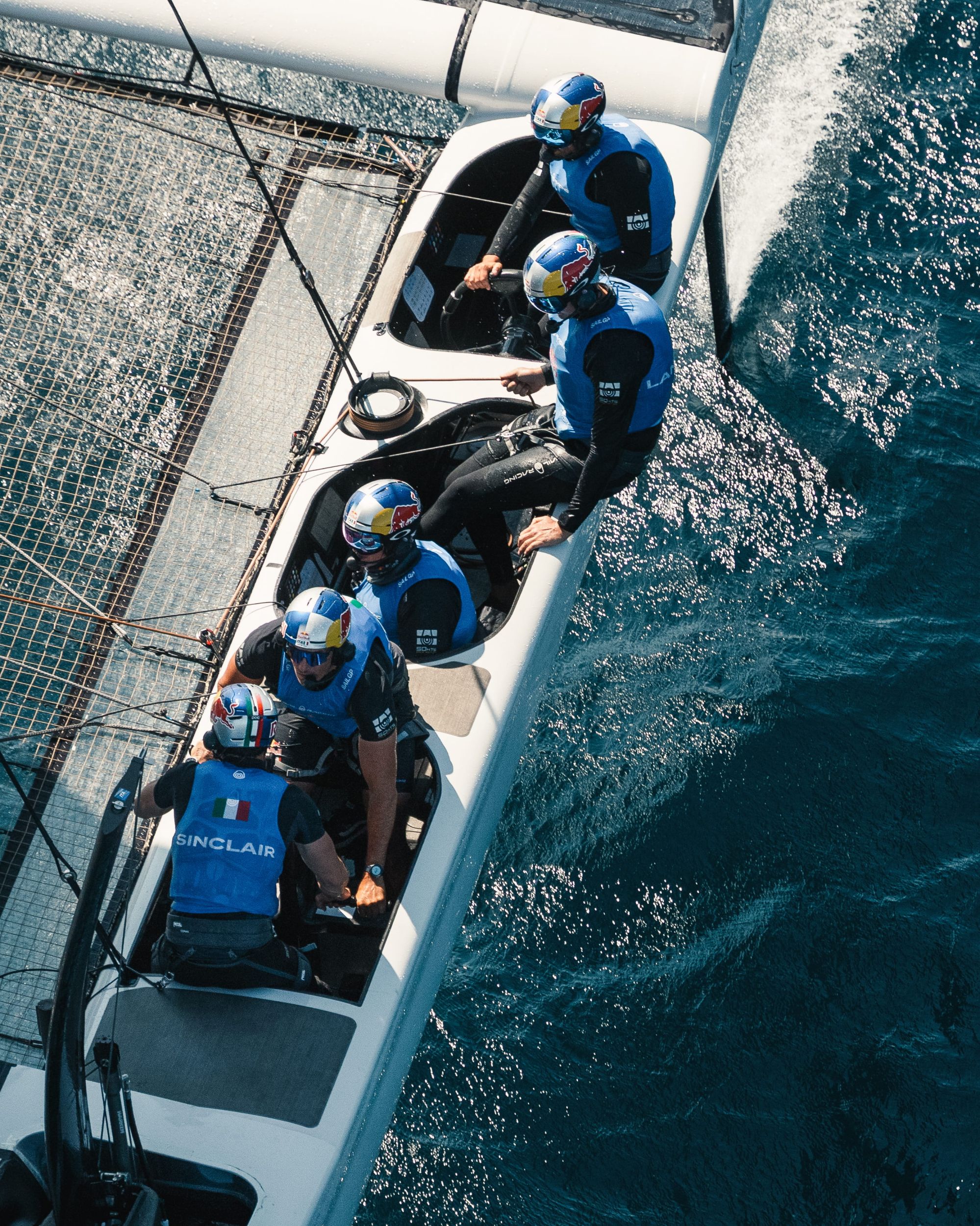
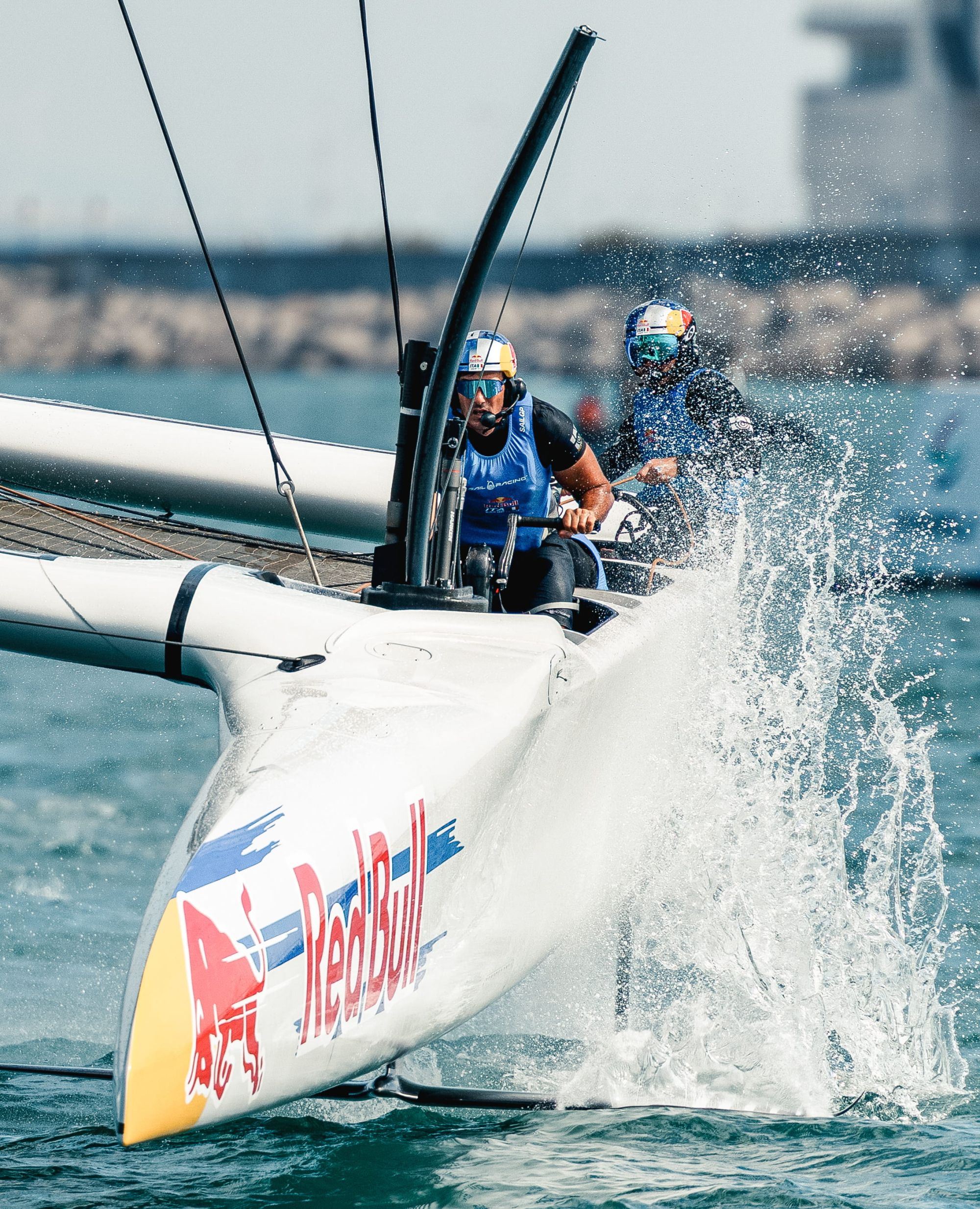
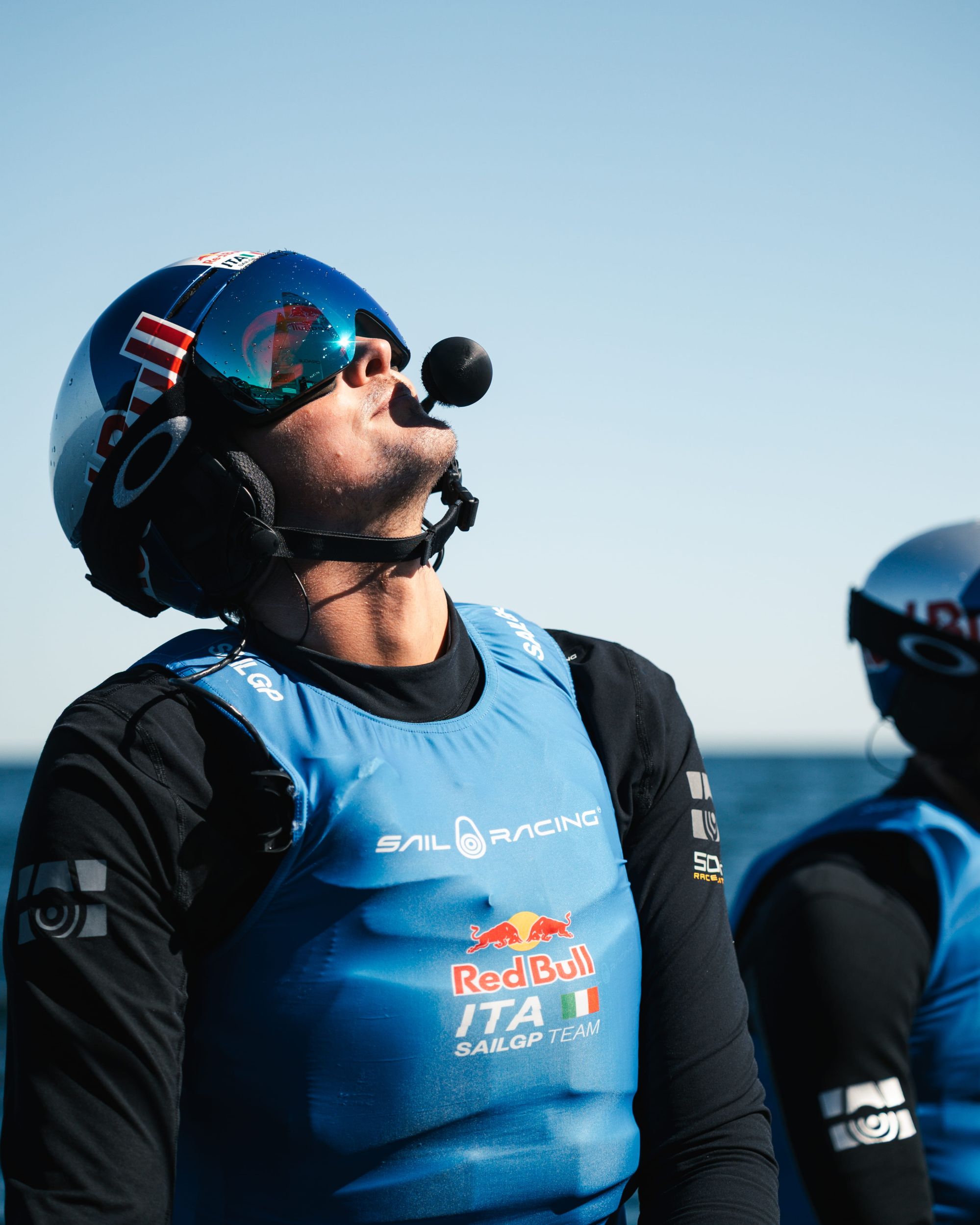
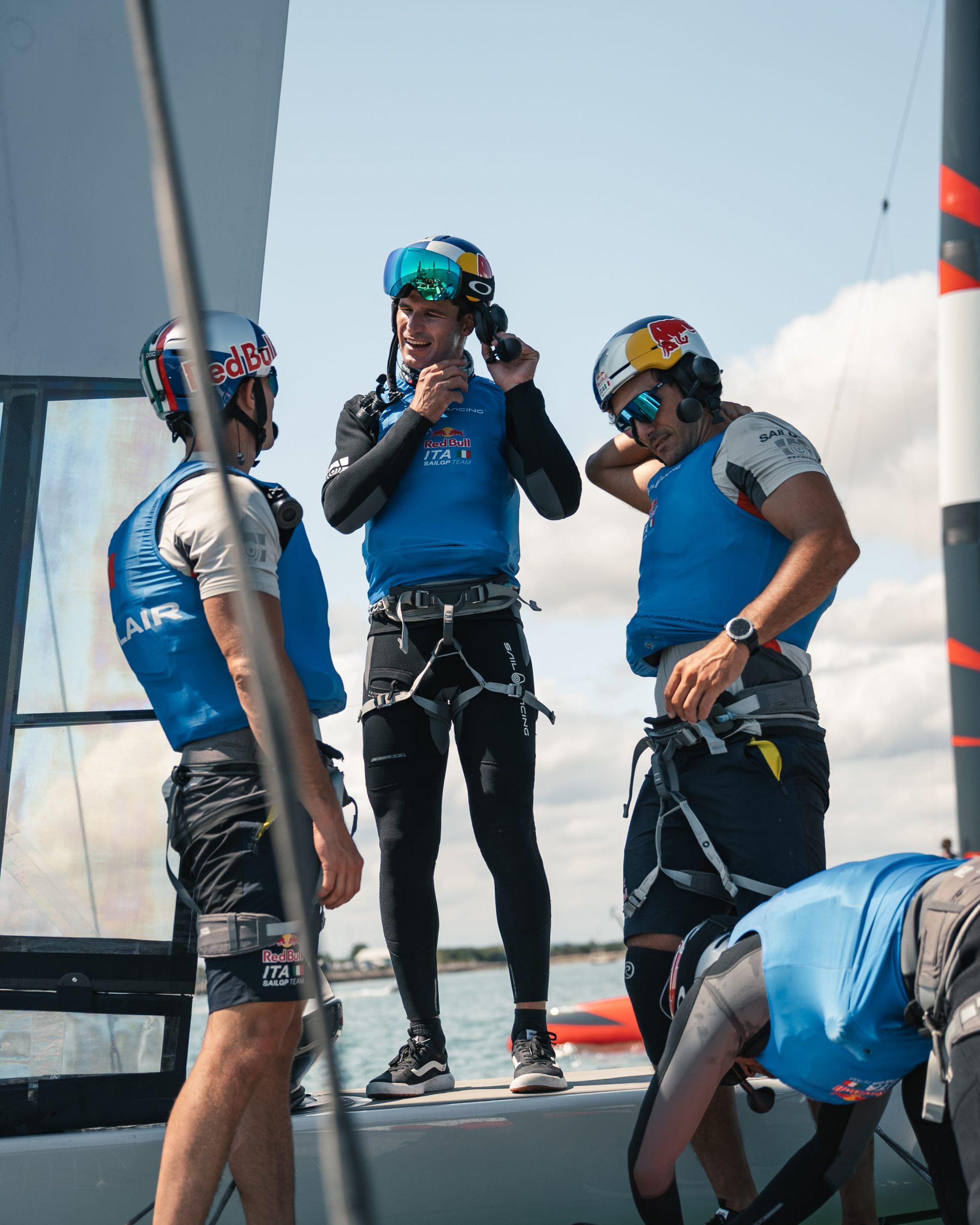
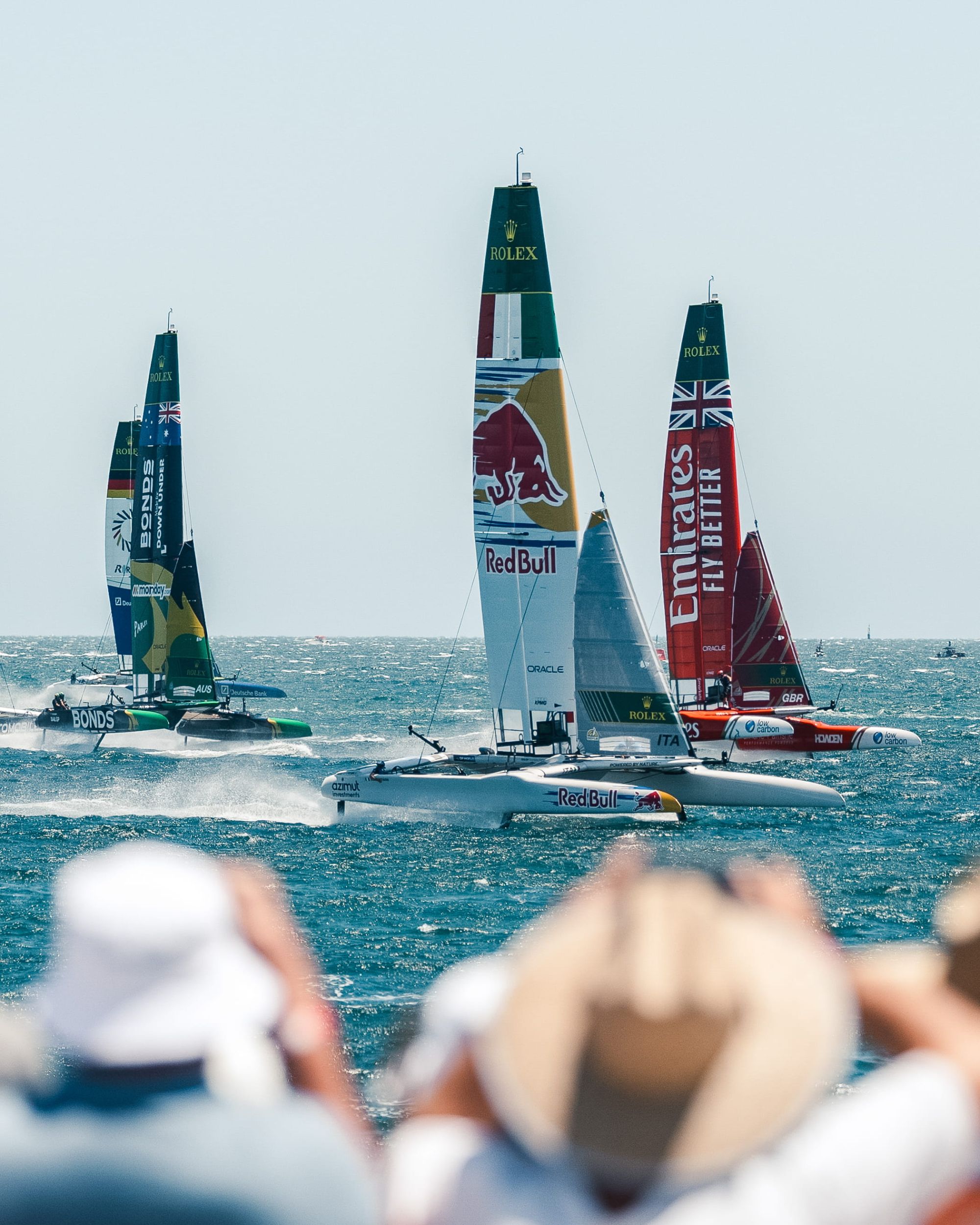
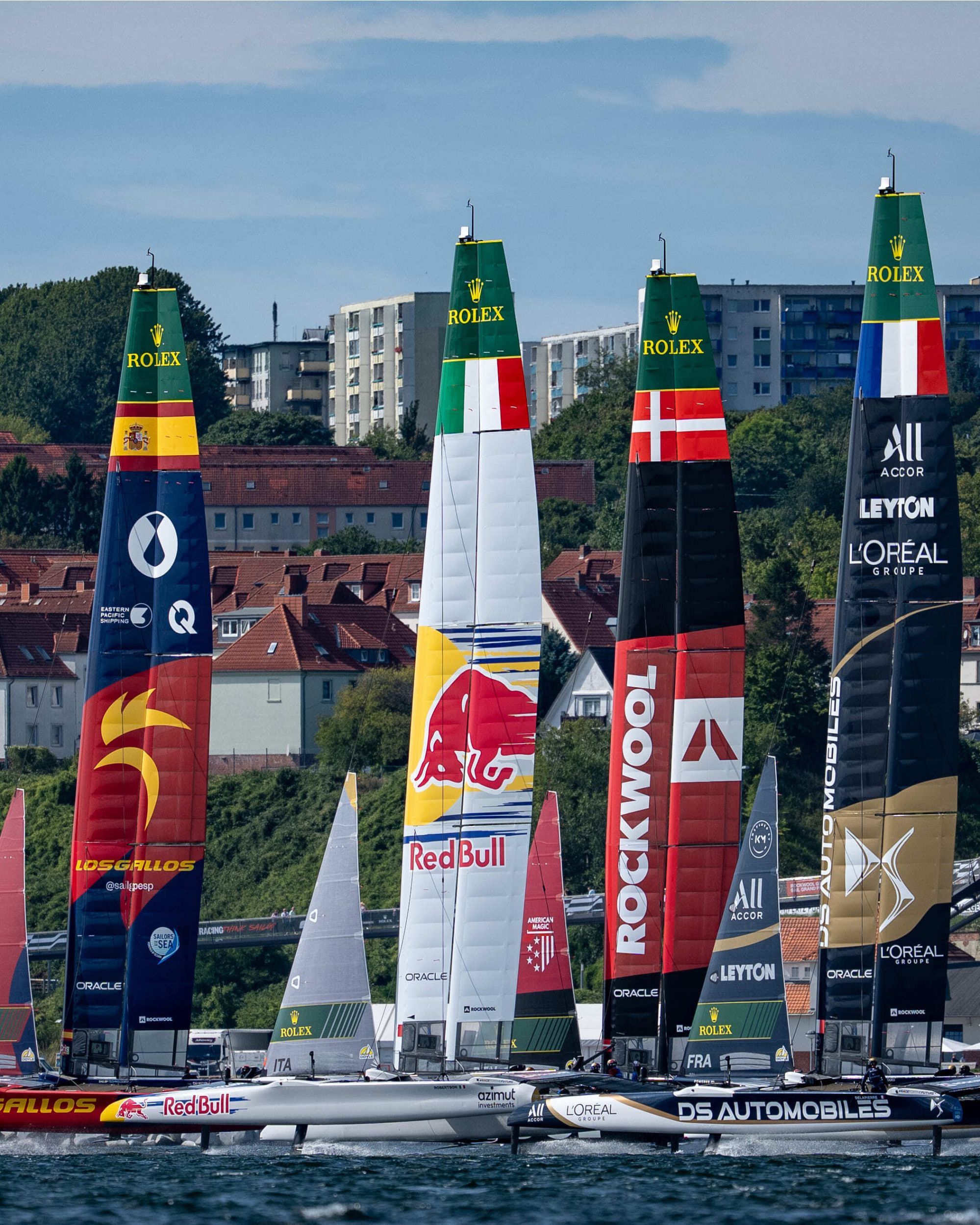
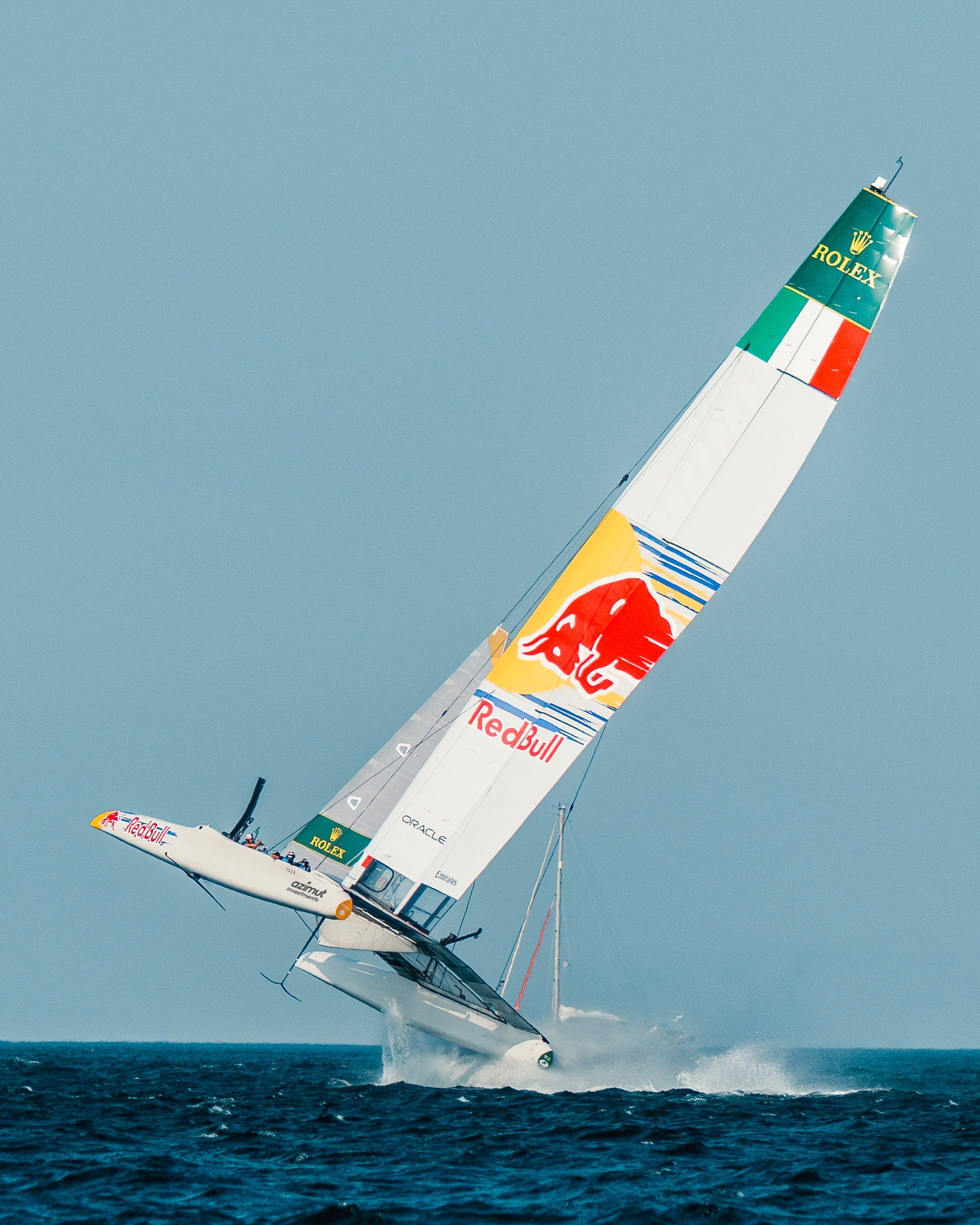
Watching thirteen boats literally fly over the water and brush past each other at nearly 100 kilometers per hour is a striking sight, even for those who have never cared about sailing. Between spectacular overtakes and dramatic collisions, the sixth season of SailGP has kicked off in the waters of Perth, Western Australia. The competition aims to become the Formula 1 of the seas, with a declared mission to overturn stereotypes about sailing as an inaccessible and boring sport. Instead, it bets on spectacle and a radically new aesthetic: adrenaline-fueled racing and a business model powered by venture capital and cutting-edge technology that allows boats to fly above the water. Add the right dose of celebrities—better yet, celebrity investors—and the formula is complete: quiet luxury meets Silicon Valley, a blend of technical performance and sartorial flair that pairs Loro Piana with Oakley x Meta Glasses.
A traveling waterborne circus that moves from Saint-Tropez to San Francisco, via Dubai and Europe, with a current turnover exceeding $200 million—a 68% increase compared to the previous year. While Formula 1 is entering its post-Netflix era and grappling with market saturation, SailGP positions itself as both a sporting and commercial alternative: a niche ecosystem made up of luxury brands and global tastemakers, betting on turning harbors into paddocks and shifting from engines to wind. The claim "Powered by Nature" is no coincidence.
What SailGP Is and How It Works
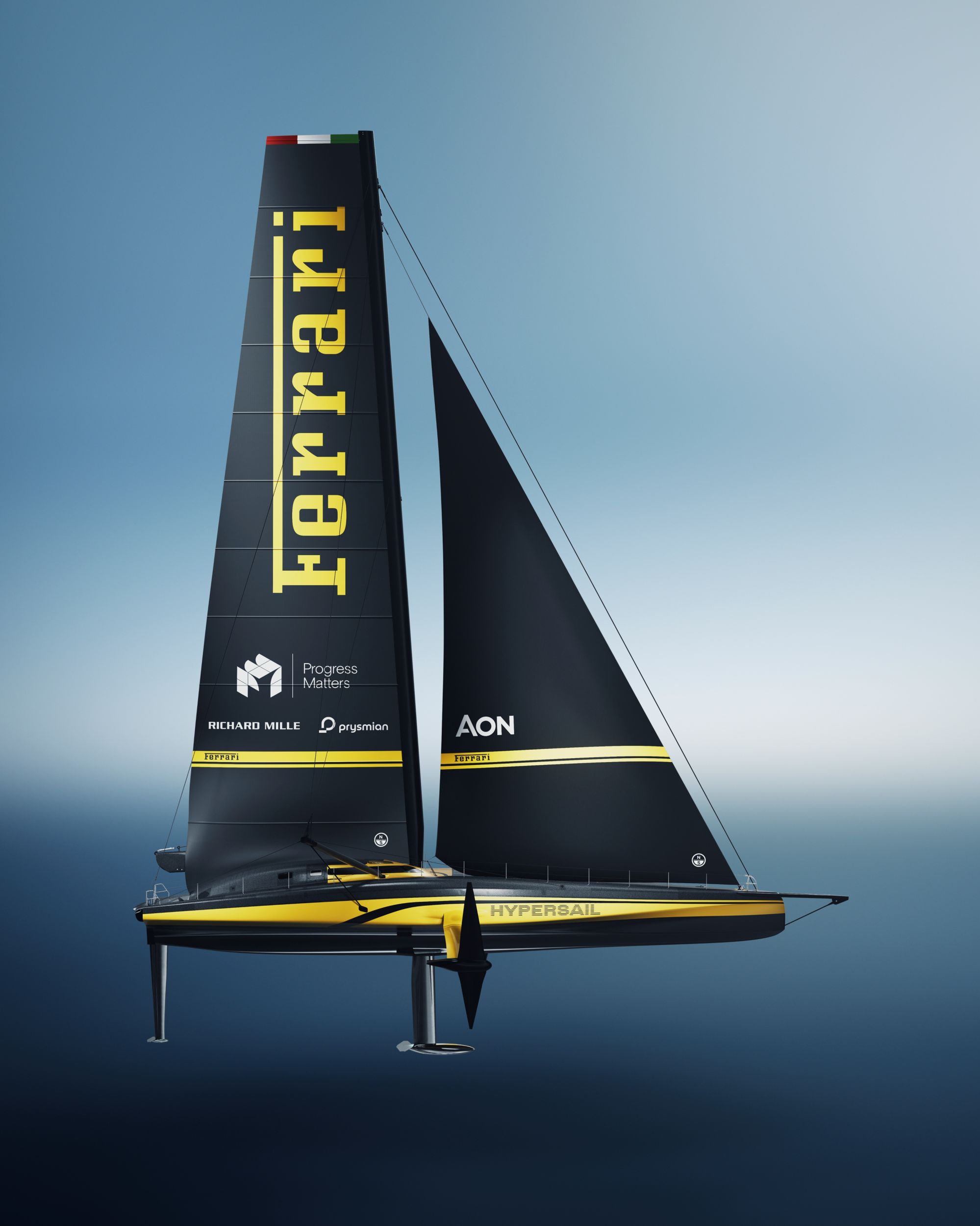
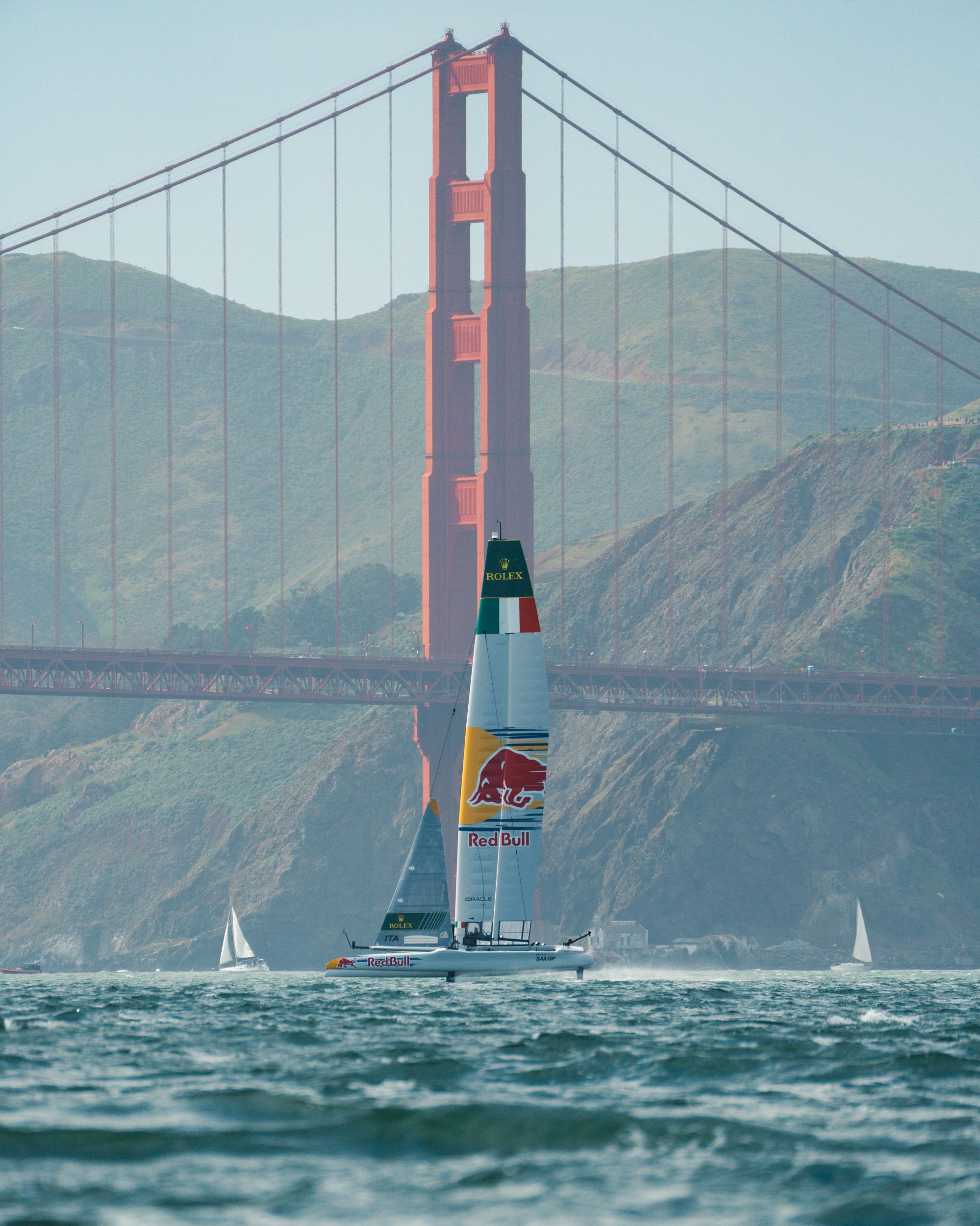
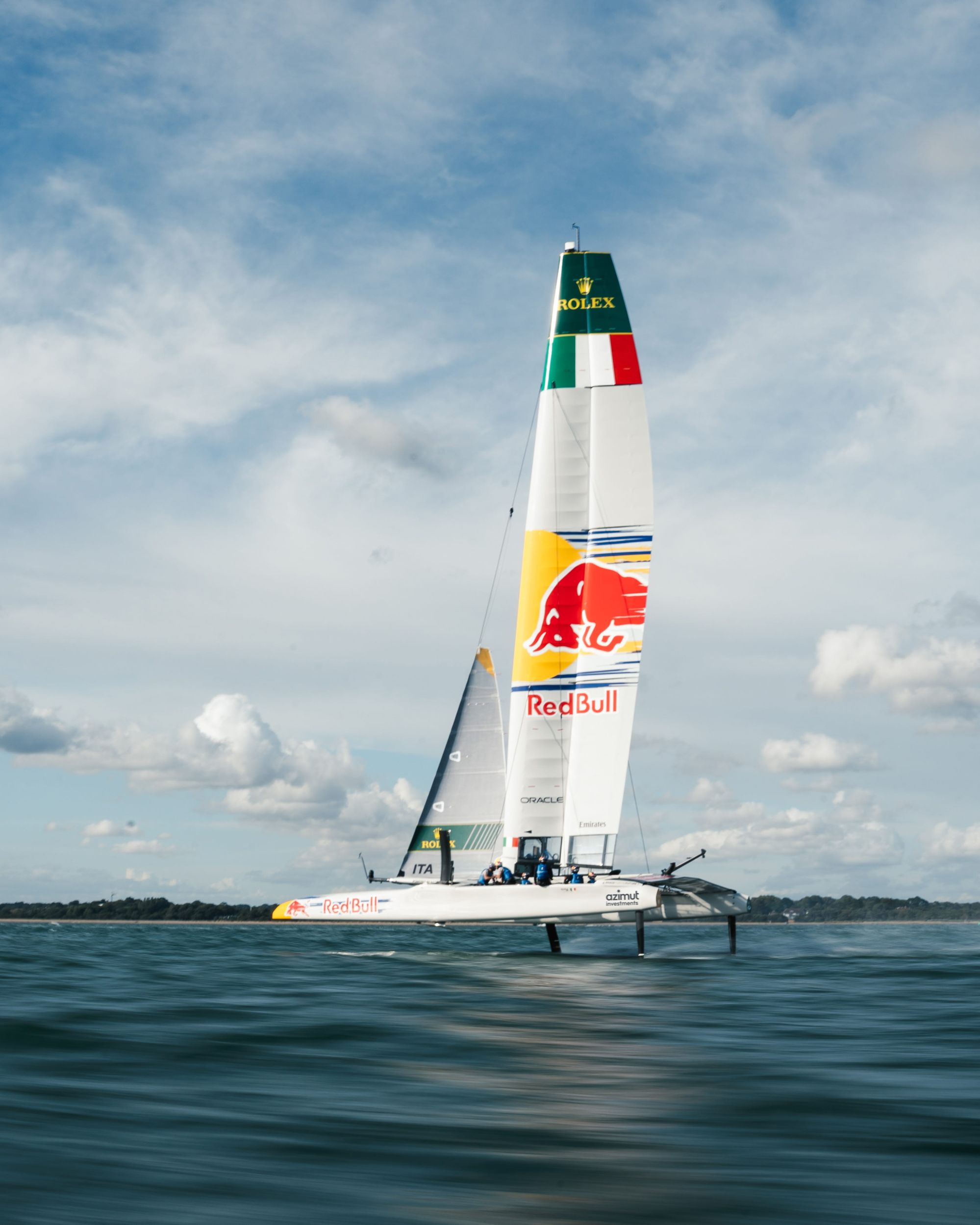
Founded in 2018 from the vision of Larry Ellison — Oracle founder and American software magnate — and legendary sailor Russell Coutts, SailGP was created with a clear mission: to bring sailing to a broader audience while ensuring continuity, spectacle, and elite-level competition. The league races with F50 catamarans, spectacular 15-meter-long carbon-fiber boats designed to fly. Thanks to their T-shaped or L-shaped hydrofoils, the hull lifts entirely out of the water at relatively low speeds, dramatically reducing drag. This allows F50s to “take off” and reach speeds exceeding 50 knots (around 100 km/h), often faster than the wind itself.
The result is a series of short, high-intensity fleet races, comparable in duration to MotoGP and in competitive dynamics to Formula 1 — where a strong start often determines the winner. A crucial detail is that every boat is identical: 13 national teams compete on standardized F50 catamarans, all developed by a single technology hub in London (SGP Technologies). Data access is fully open-source: every onboard sensor transmits real-time performance metrics that are shared across teams. If the Australian driver finds a better racing line or more efficient foil setup, the Italian team can see exactly how it was done. The goal is to ensure that victory depends not on financial power or engineering resources, but on pure sailing skill.
The season spans approximately 13–14 race weekends across all continents — from Saint-Tropez to Dubai, from New York to Perth — following a Stadium Racing model: the boats never disappear over the horizon, remaining fully visible from shore. This makes SailGP a visually dense, spectator-friendly event, whether watched from the waterfront, premium hospitality lounges, or a smartphone screen. The league features 13 privately owned but nationally branded teams. In May last year, a new ownership structure was announced for the Red Bull Italy SailGP Team, following its acquisition by Muse Sport Consortium, a sports advisory platform led by a group of high-profile investors and industry leaders. The new ownership brings together figures from sport, venture capital, and entertainment, united by a long-term vision to elevate Italian sailing on a global scale. The leadership team includes Assia Grazioli-Venier, Co-Owner and Board Director; Jimmy Spithill, America’s Cup legend and former Luna Rossa helmsman, now Co-Owner and CEO; and Gian Luca Passi de Preposulo, Co-Owner and Chairman of the Board.
"Within SailGP, Italy has always been seen as an inevitable presence: the history, passion, and cultural depth with which our country lives sailing made the creation of an Italian team almost unavoidable," says Francesco Francavilla, Head of Marketing & Communications for the team. "From there came the vision to build a team that would be more than just a sports squad — a consortium of investors deeply rooted in the worlds of luxury, finance, and sport."
In its early years, SailGP teams were largely funded by the league itself. However, from 2023 onward — thanks to the championship’s growing popularity and the arrival of major new sponsors — most teams have become financially independent. This evolution has transformed them into fully fledged sports franchises, increasingly attractive to investors and celebrities alike, creating a virtuous cycle in which owners also serve as ambassadors for the league: "SailGP’s business model is drawing growing interest from high-profile celebrities and elite athletes, captivated by a format that blends technology, sustainability, and ultra-high-speed competition. The Australian team is co-owned by Ryan Reynolds and Hugh Jackman, Sebastian Vettel has invested in the German squad, and Kylian Mbappé in the French team. Figures of this caliber recognize SailGP as a platform that speaks to a young, conscious, high-spending audience with a deep passion for racing." Francavilla continues, noting the championship’s rapid audience growth. Some figures from the most recent season: 215 million global TV viewers, over 1.65 billion social media views, 1 million YouTube subscribers, 2.7 million total social followers, and more than 112,000 live spectators. "What Liberty Media did for Formula 1, SailGP is now doing for sailing. The league has turned sailors into elite athletes and drivers. This is no longer slow, elitist sailing. SailGP is sailing as you’ve never imagined it before.”Fashion and the New Maritime Aesthetic.
Fashion and the new nautical aesthetic
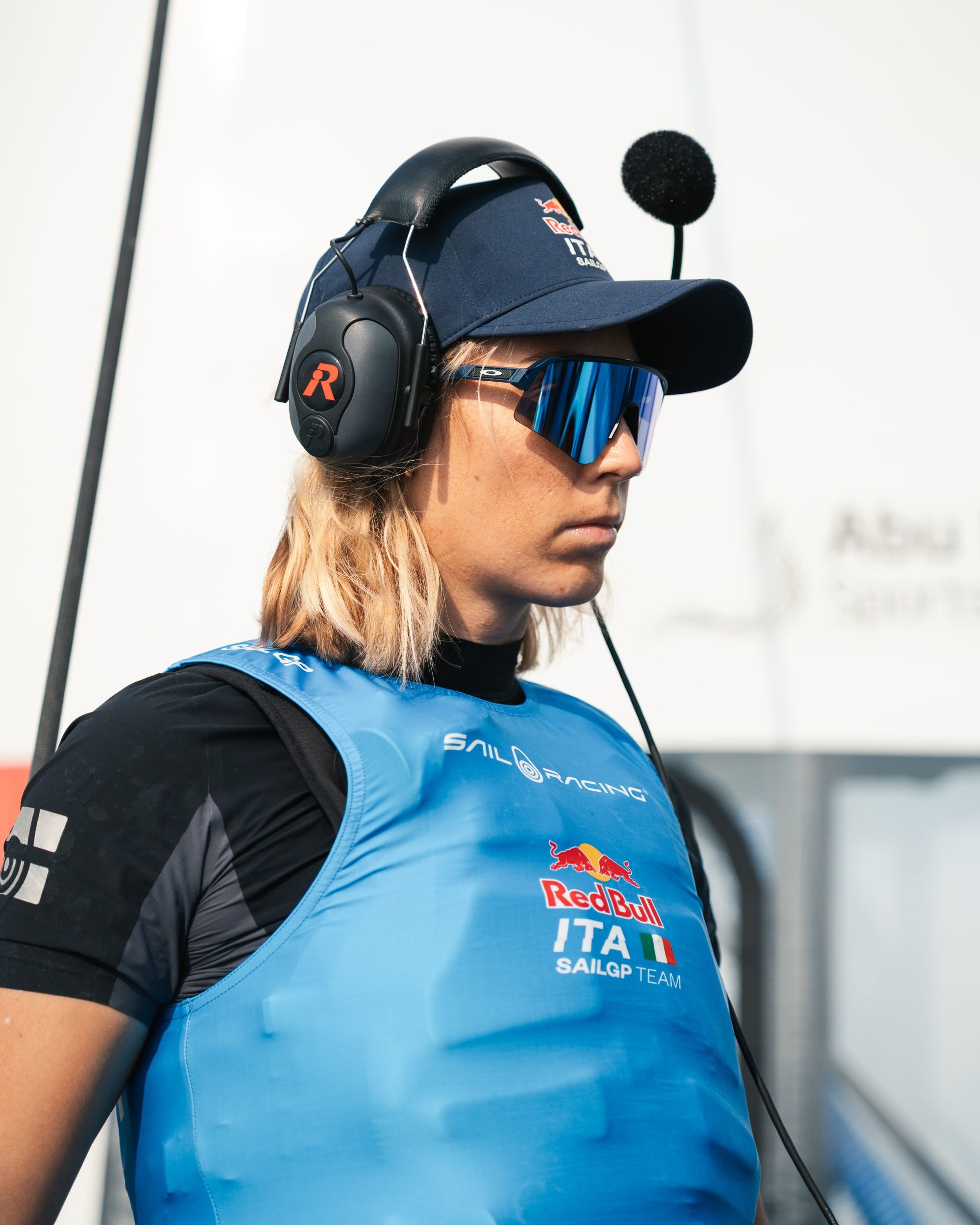
The transformation SailGP is bringing to sailing is not only technical but also aesthetic. Far from the old-school yacht club look, this new visual language draws inspiration from technology: lightweight fabrics, racing caps, and mirrored sunglasses. Part Silicon Valley, part quiet luxury—perfectly embodied by its most prominent sponsor, Rolex, which has left combustion-engine sports behind in favor of high-tech sailing. “There’s always extra attention on Italian teams when it comes to style, luxury, and aesthetics. Our boat is currently very minimal and clean, but we’re open to future fashion partnerships,” Francavilla says, discussing the Italian team’s future, which—alongside Red Bull—has recently welcomed the financial group Azimut as a new sponsor for the season.
SailGP is therefore building its own universe and visual identity, and all indicators point toward success. Yet this might also be its only weakness: everything can feel almost too carefully engineered, from Instagram reels to investors to style. Formula 1’s real turning point during its downturn was the release of Drive to Survive on Netflix, which revealed the human—sometimes raw and imperfect—side of a world that had lost touch with its fans. SailGP’s real challenge will be the same: finding an authentic emotional connection with its audience.