

































The history of black jerseys at the World Cup From Italy in 1938 to Norway in 2026










Among the reasons why we will remember the 2026 World Cup is also the invasion of black kits. Having definitively abandoned the idea that an Away jersey had to be white, and with Third jerseys becoming even more widespread at the World Cup, black kits have become one of the tournament’s defining stylistic features across the United States, Mexico, and Canada. Their prevalence is nowhere near that of other aesthetic trends, such as the rise of pink football boots. At the same time, the smaller scale of this phenomenon certainly does not make it any less impactful. Quite the opposite. Just think of the number of photos shared across social media feeds of the all-black kit worn by Norway during its second group-stage match against Senegal.
The First Black Shirt in World Cup History: Italy 1938
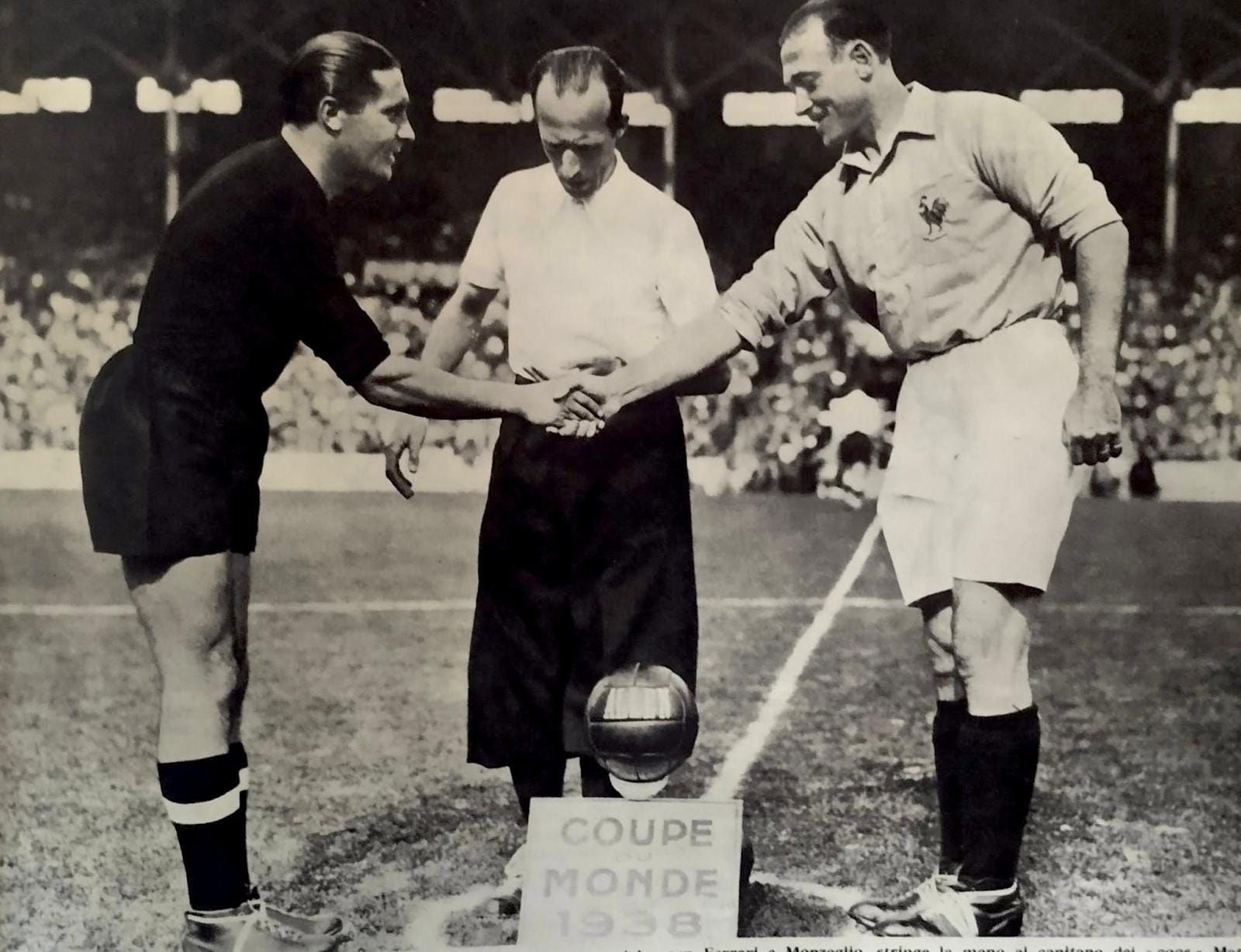
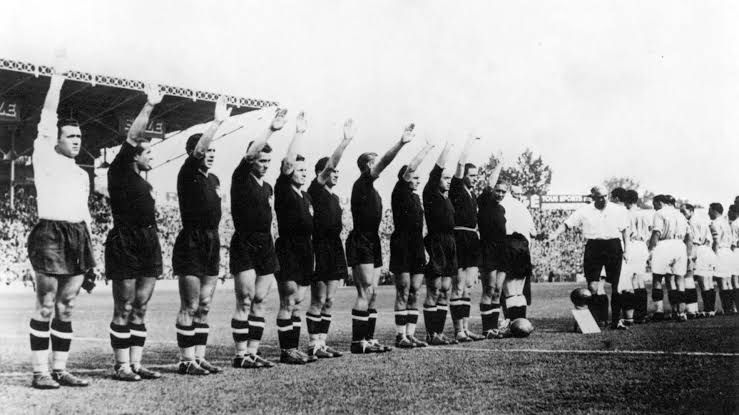
The first time a national team played a World Cup match wearing a black shirt, it did so for the wrong reasons. The reference is to Italy at the 1938 World Cup held in France. For the quarterfinal match against France, Italy was formally the away team and therefore should have worn a white jersey. Instead, according to the most widely accepted version of the story, Benito Mussolini ordered the national team to play in black shirts, the color associated with Fascism and the Voluntary Militia for National Security.
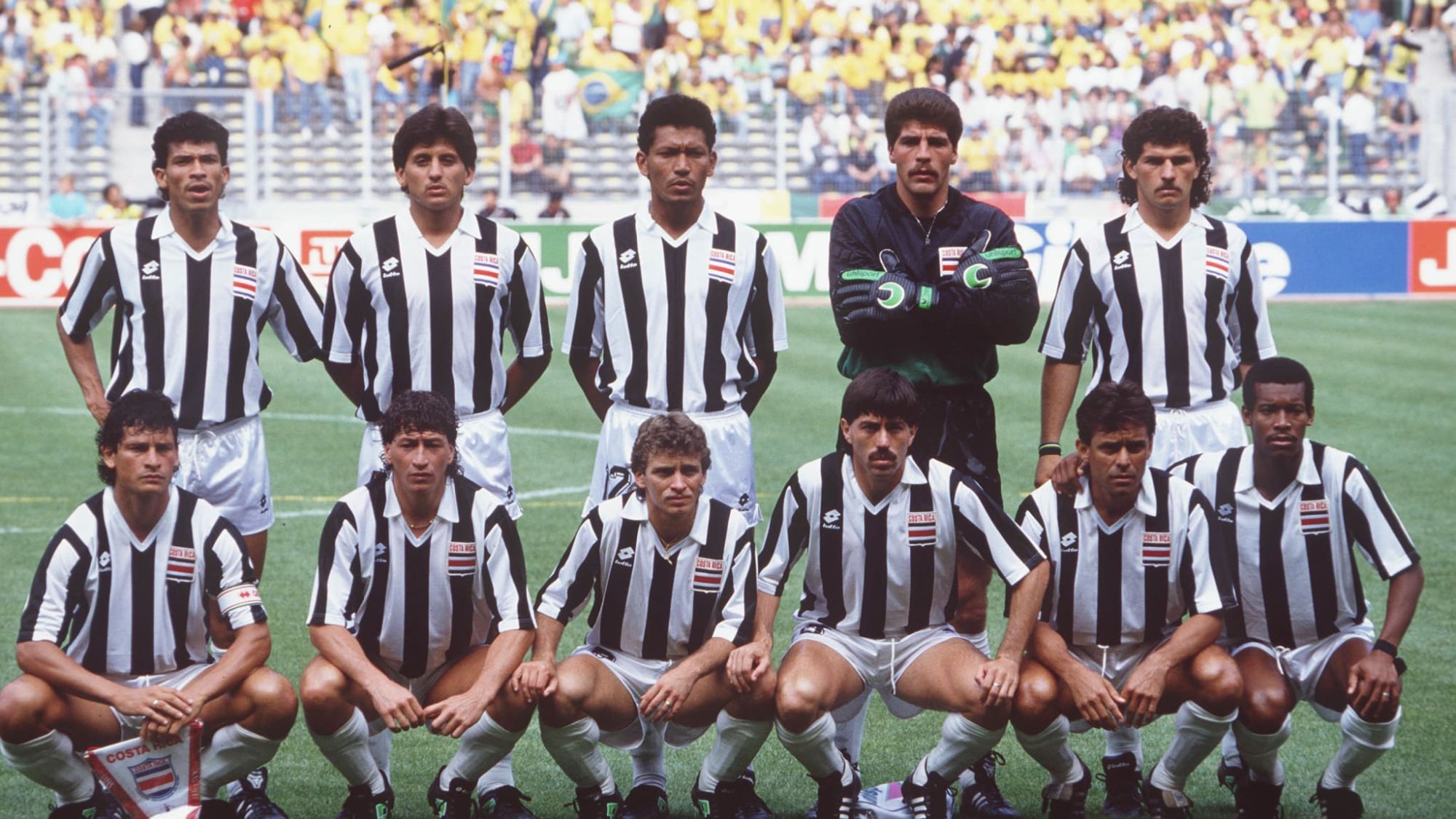
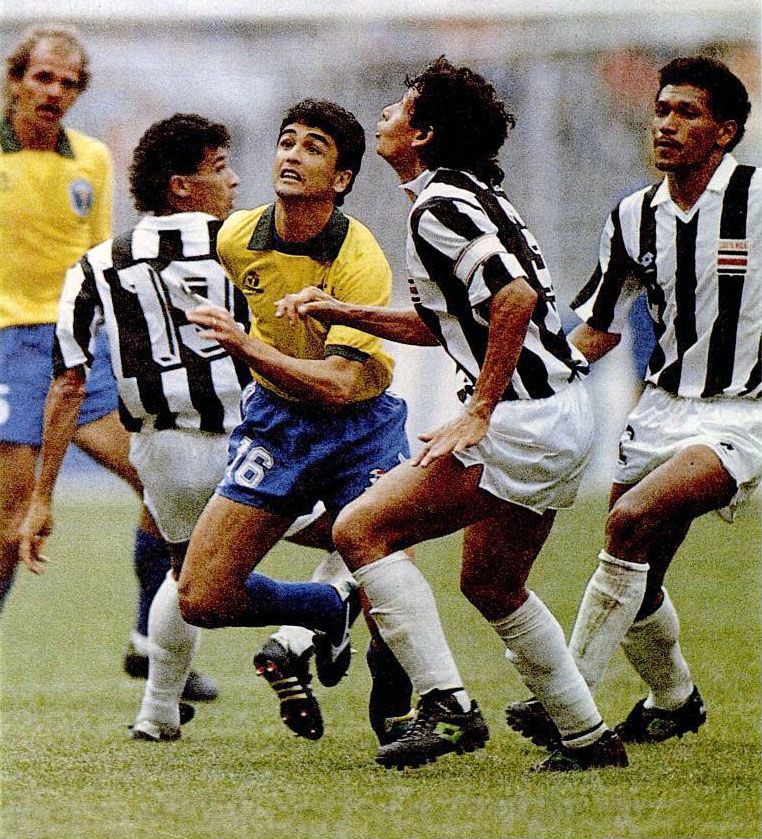
After that match, it would take until 2010 to see a national team play a World Cup game wearing a full black kit again. The team that came closest was Costa Rica, which at Italia '90 wore a striking Lotto away jersey featuring black-and-white vertical stripes. Otherwise, black remained a color that frequently appeared throughout World Cup history, but mainly in two specific categories: referees and goalkeepers. Looking through the archives, it is possible to find examples of kit suppliers producing black jerseys over the years, such as Kappa’s design for South Africa in 1998 or Nike’s for Belgium in 2002, but these shirts were never actually worn on the pitch during their respective World Cup tournaments.
From South Africa 2010 to the Mainstreaming of Black Kits
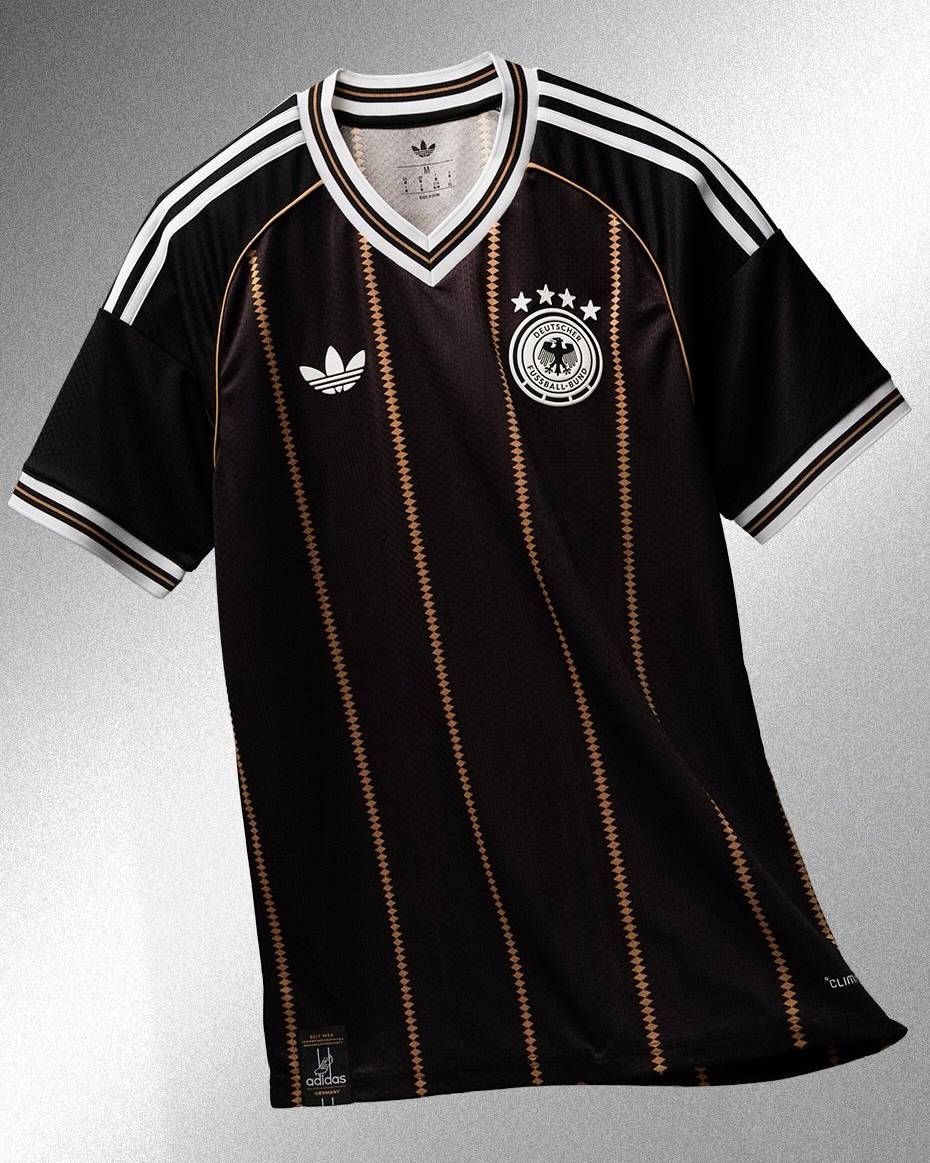
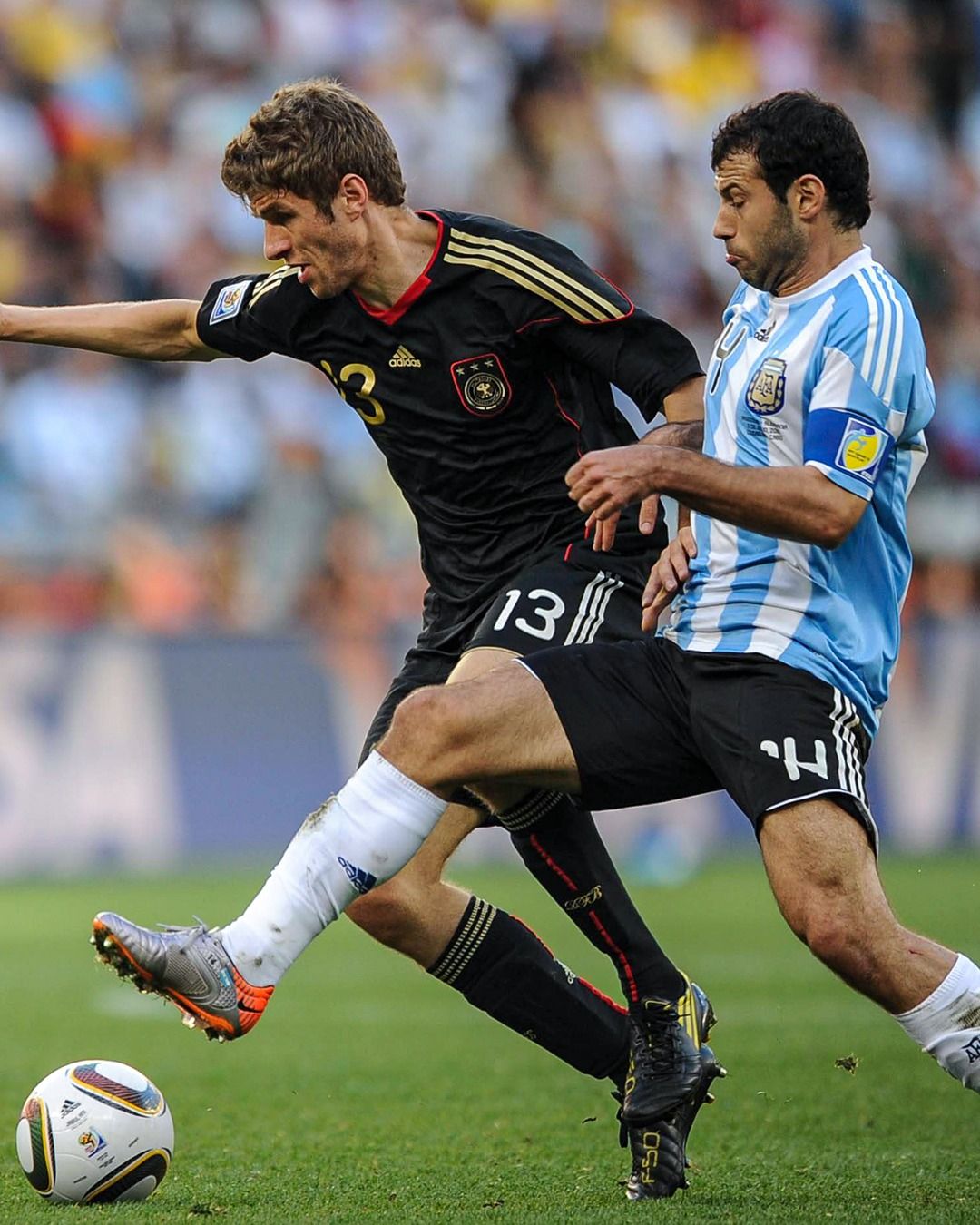
As mentioned, the edition that marked a turning point was South Africa 2010, when adidas produced two highly impactful black away kits: one for Mexico and one for Germany. In addition, New Zealand also took part in that World Cup and, echoing the aesthetics of rugby’s All Blacks, wore a completely black Nike kit in its final group-stage match against Paraguay. It was the point of no return: from then on, black kits became fully accepted. While only two teams arrived with a black kit in both 2014 (Spain and Germany) and 2018 (Argentina and Croatia), the landscape changed dramatically from Qatar 2022 onward, with five full-black kits appearing at the tournament.
The Seven National Teams Wearing Black at World Cup 2026
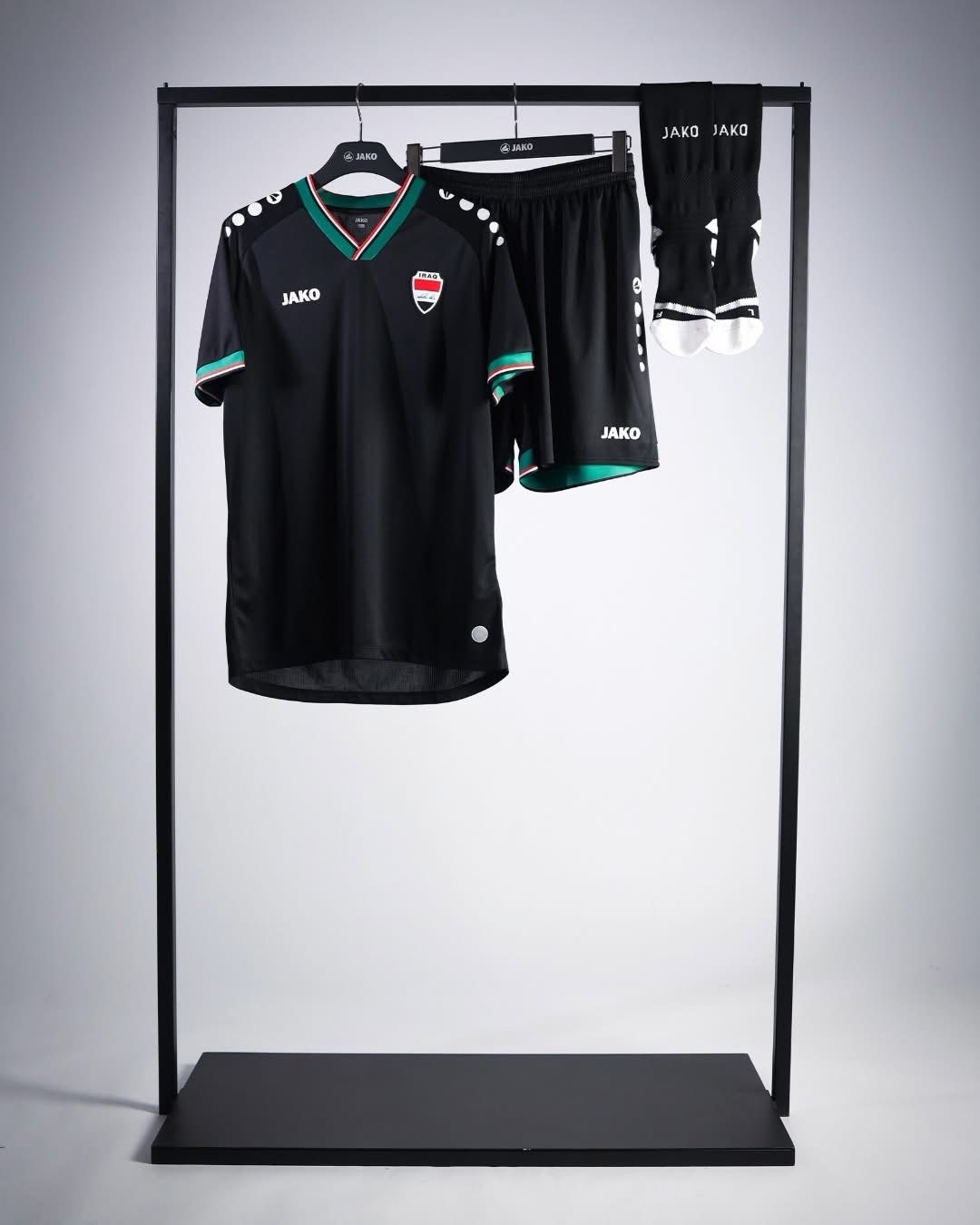
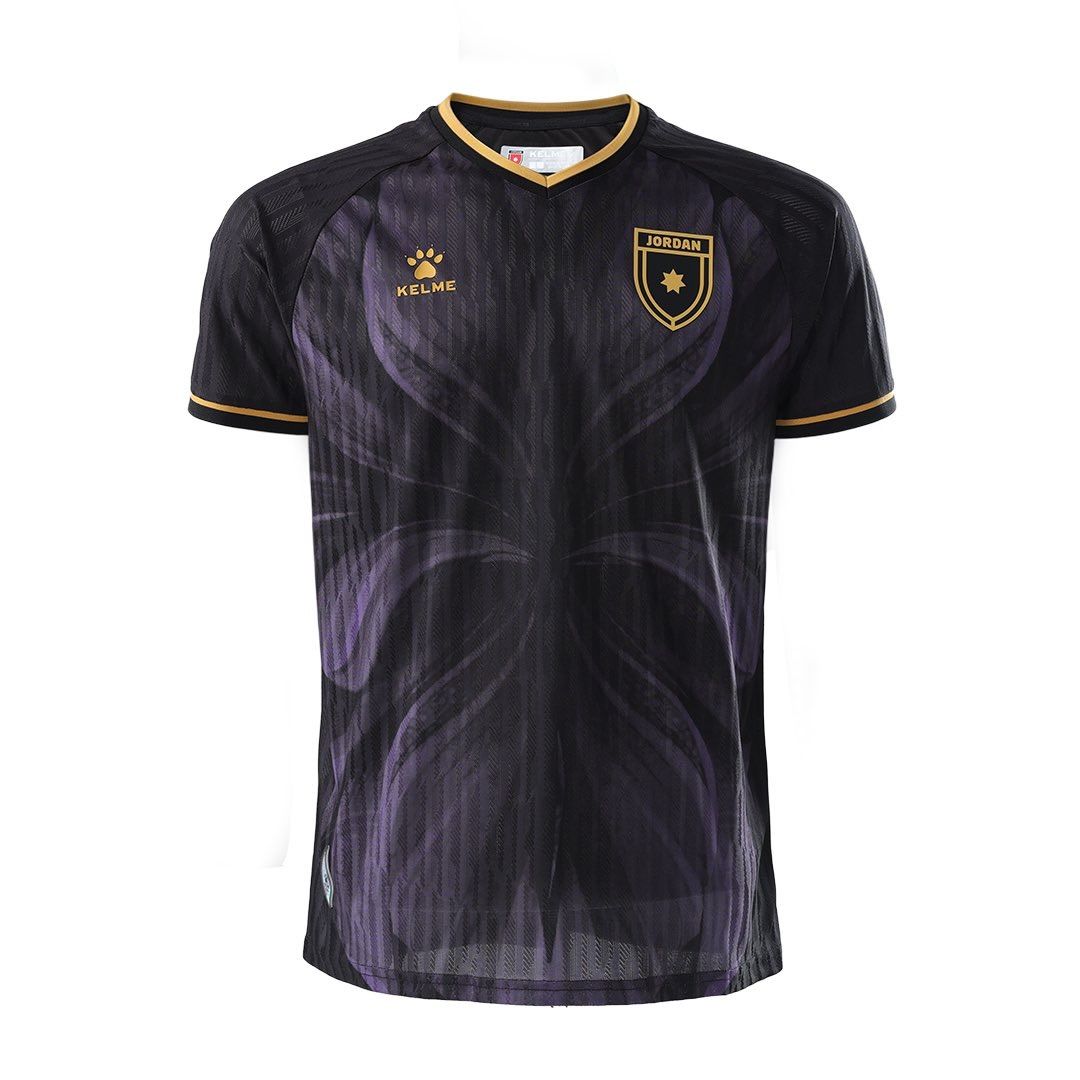
At the 2026 World Cup, seven national teams can rely on a full-black kit. Besides Norway, Nike has also produced a black jersey for Canada, while PUMA has (unsurprisingly) created black shirts for both New Zealand and Paraguay, although in the latter case adding a blue gradient. adidas opted for black with Mexico’s third jersey, the same color choice adopted by Kappa for Tunisia. Completing the list are Jako for Iraq and Kelme for Jordan.
