Patches are FIFA and UEFA's new obsession There will be a new collection for the Champions League
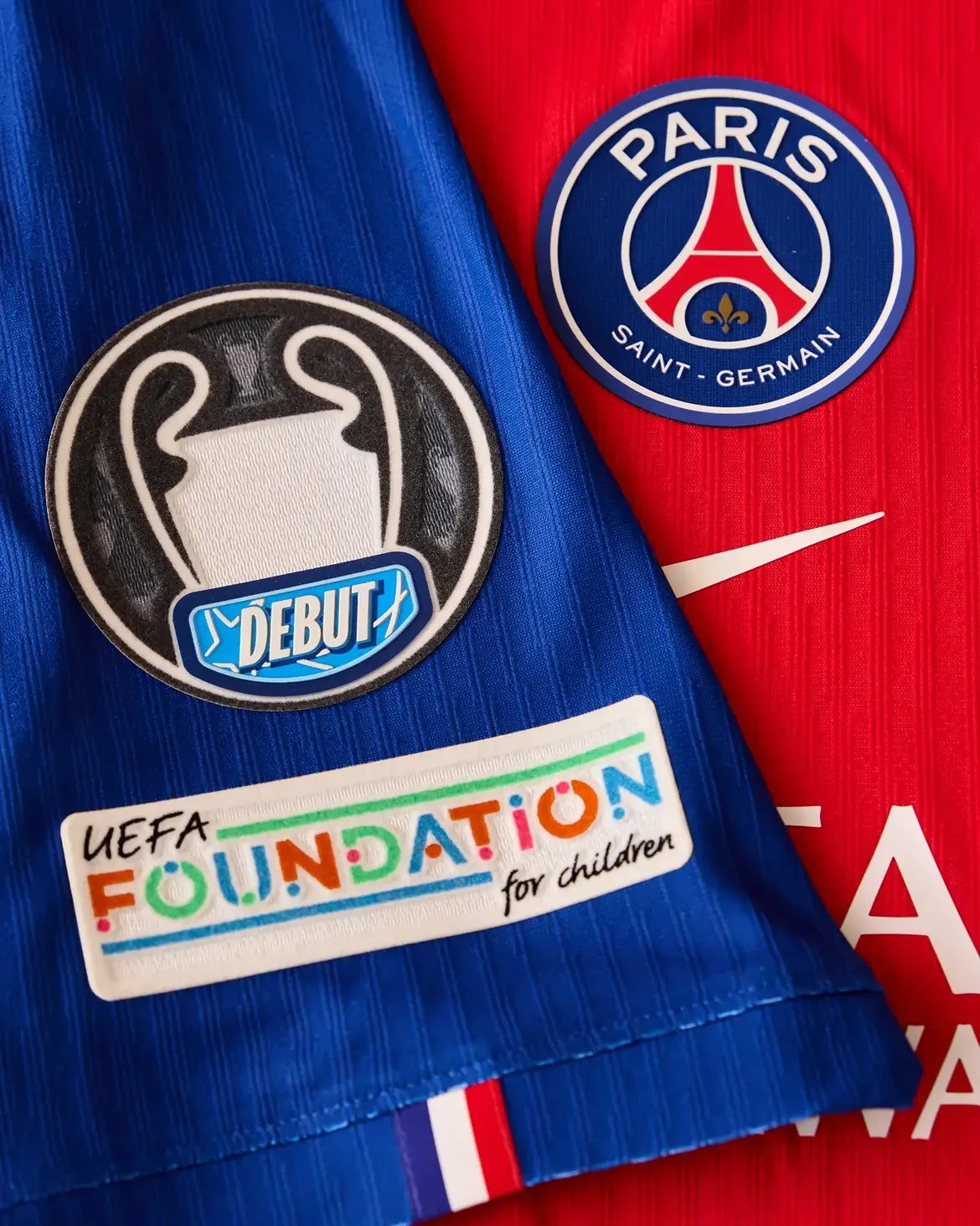
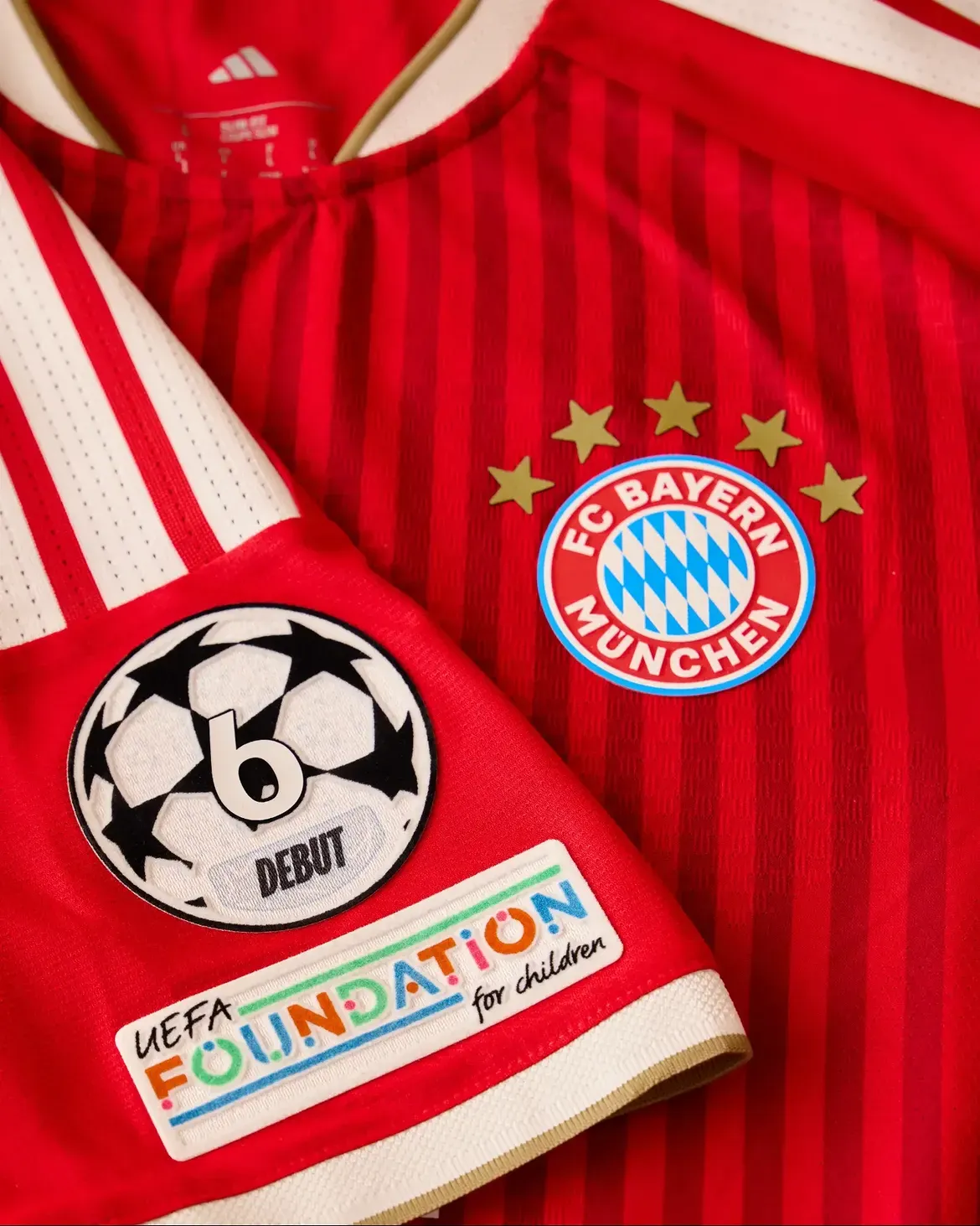
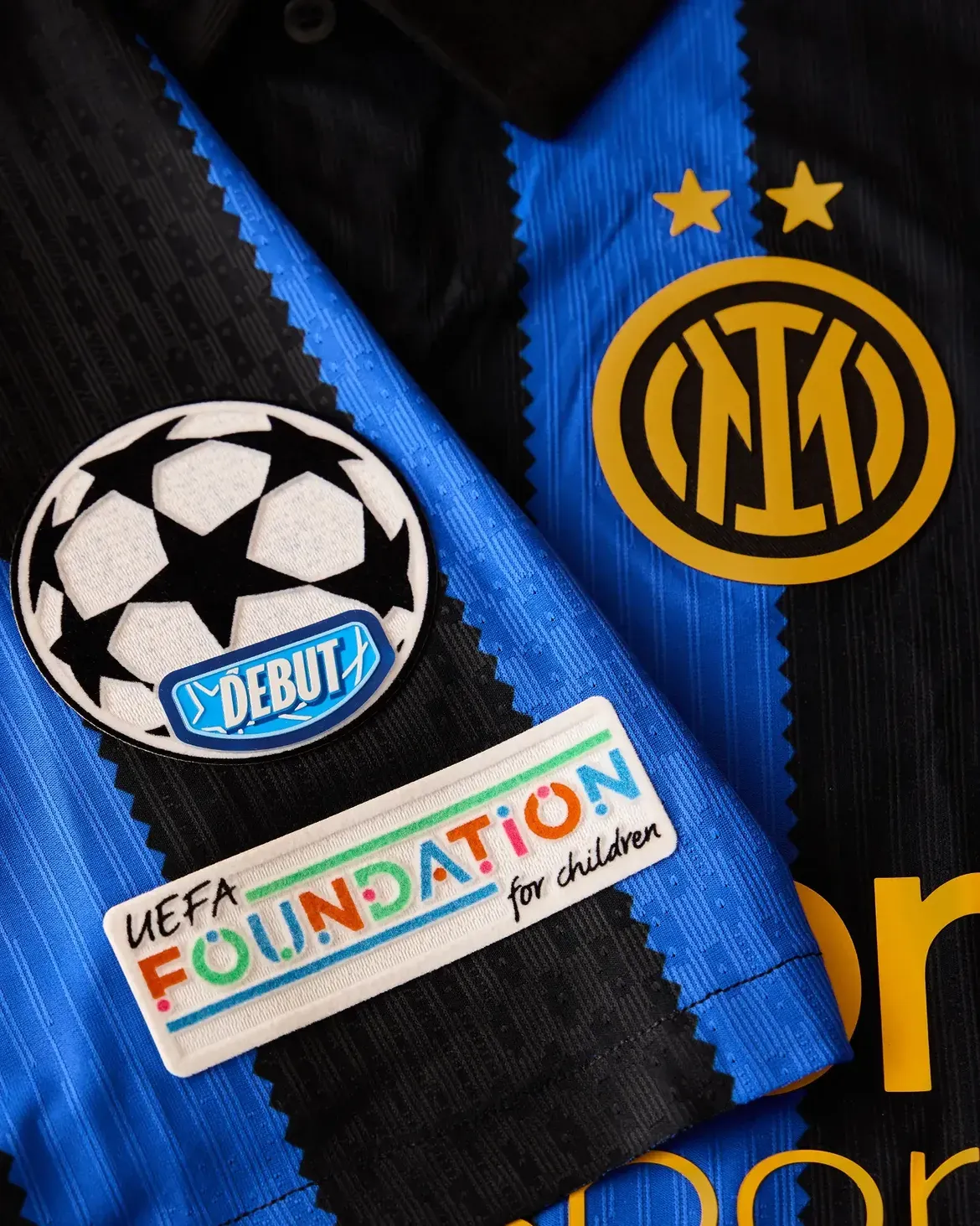
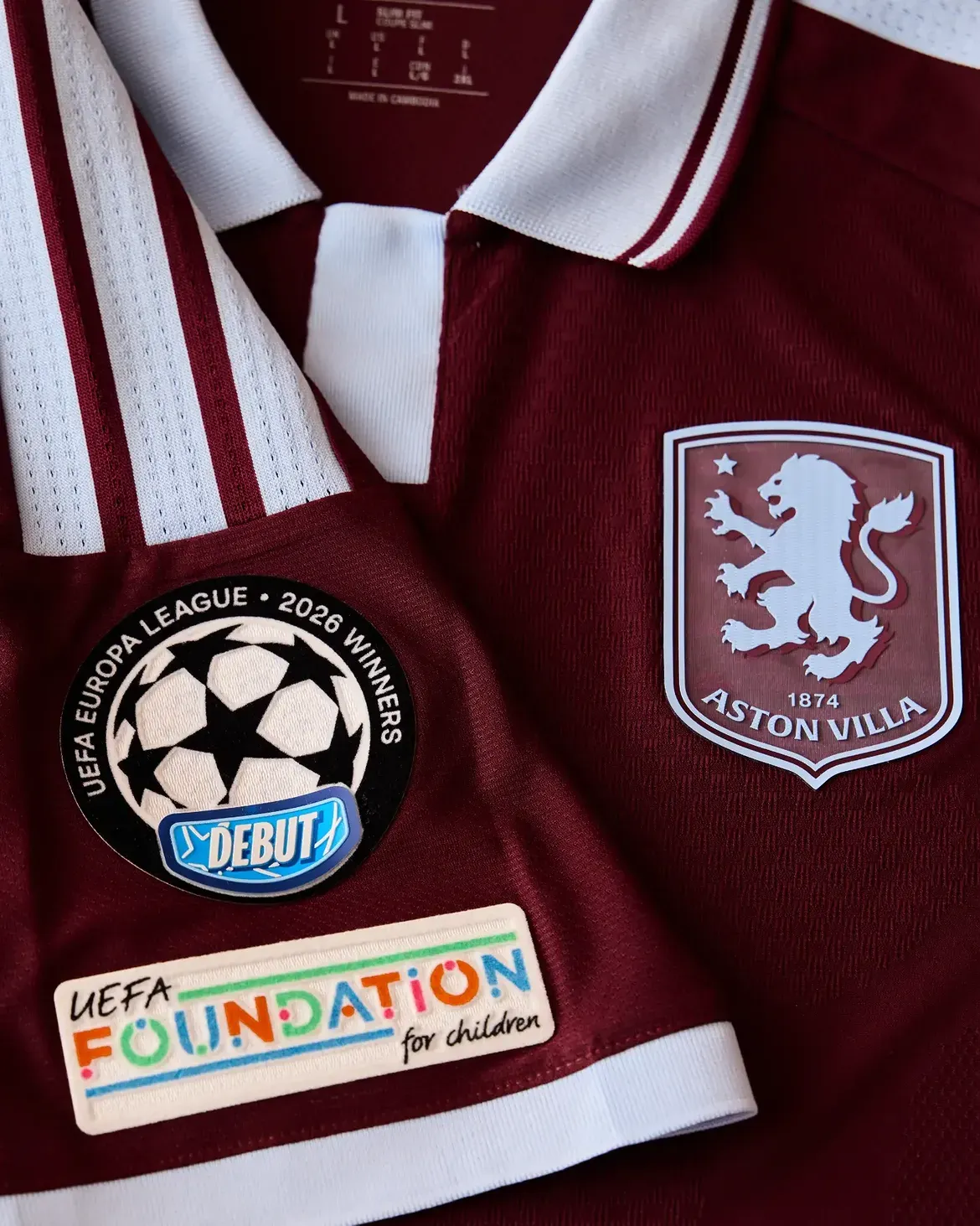
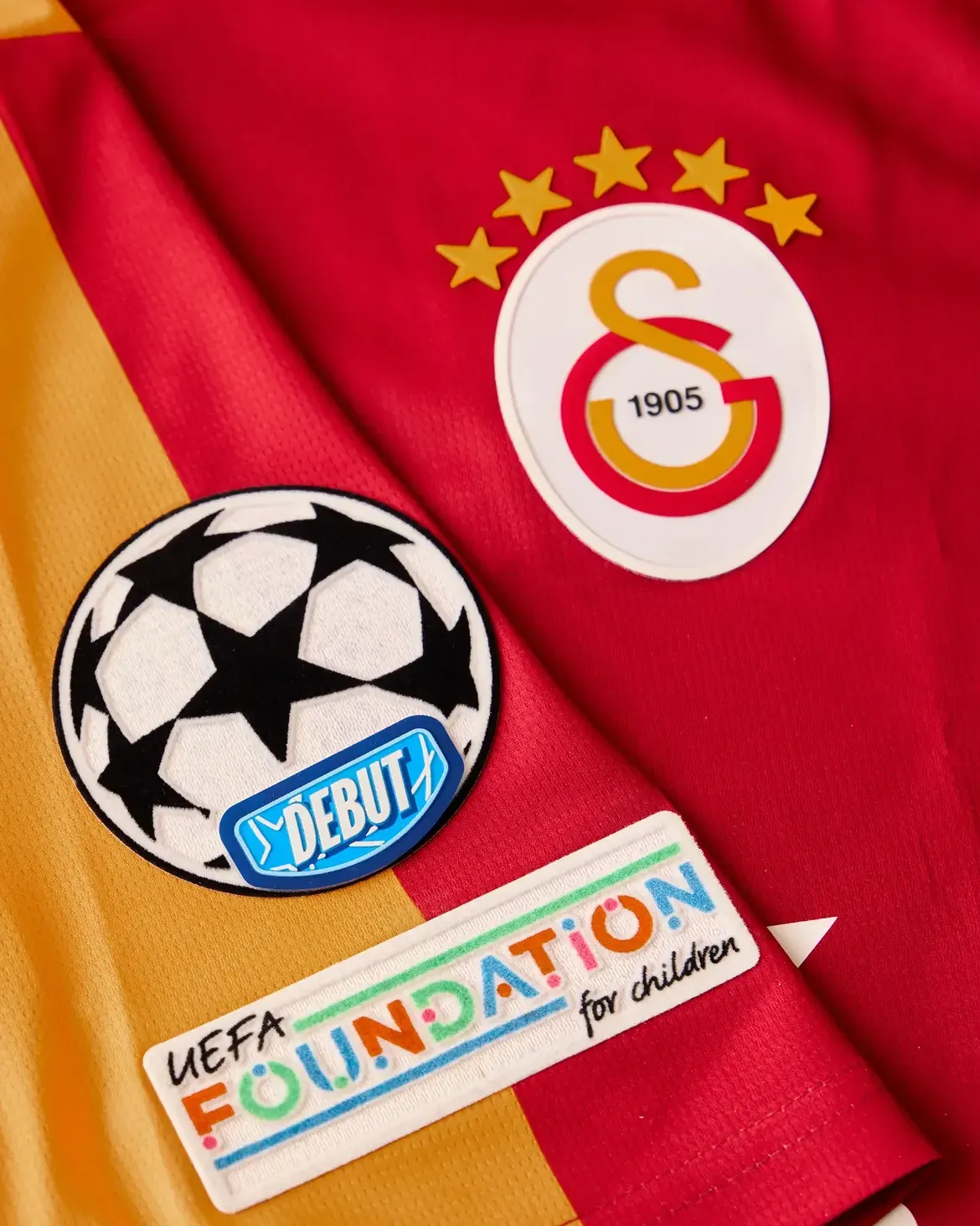
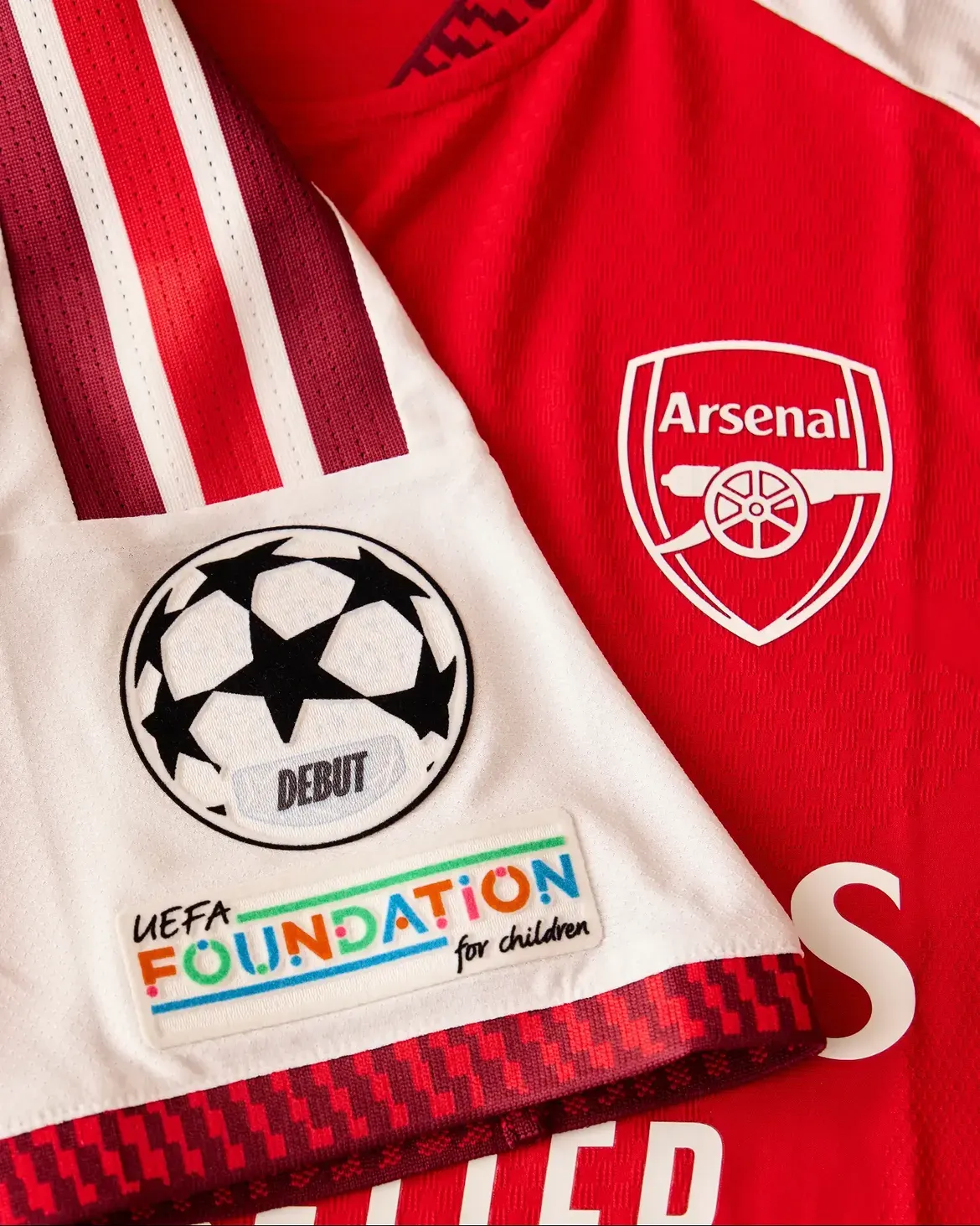
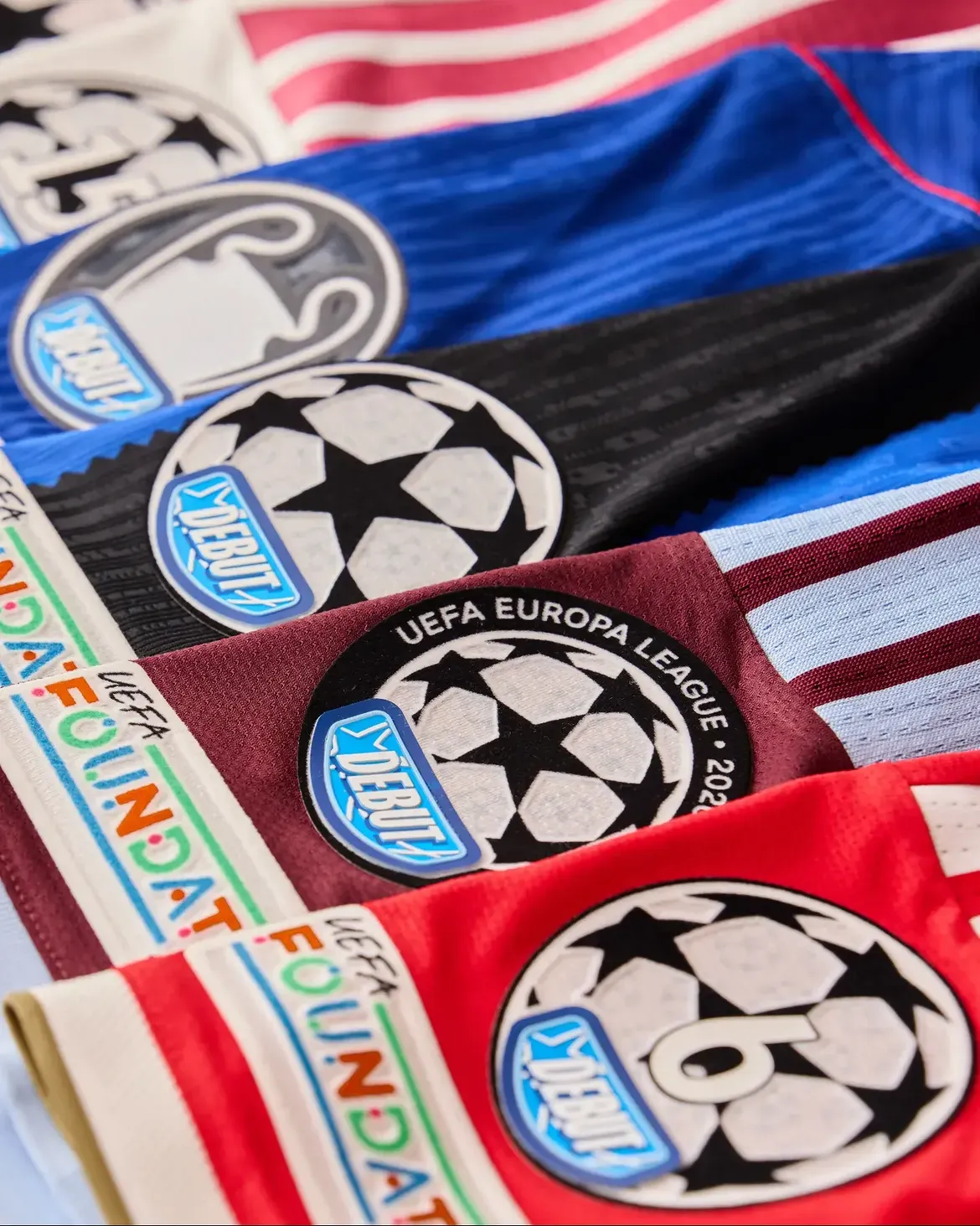
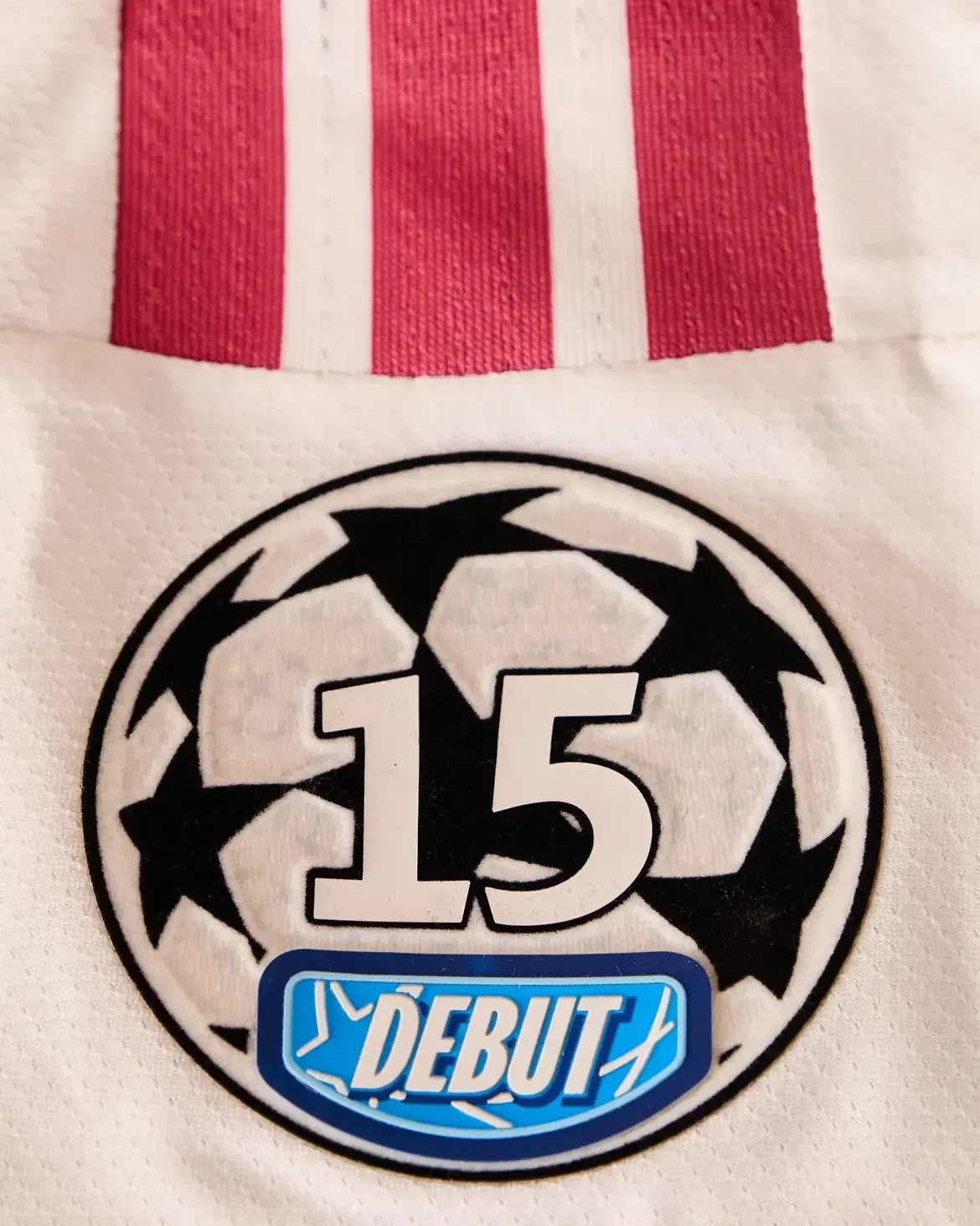
On the eve of the start of the next Champions League campaign, Fanatics and UC3, the joint venture between UEFA and EFC, the body representing European clubs, have extended their partnership from 2027 to 2033. Great news for avid collectors of cards and sports memorabilia, especially because the agreement will see debut patches introduced across all UEFA competitions, adding to a trend widely popularised by American sports leagues and already embraced more extensively by international football at the recent World Cup.
How do UEFA sleeve patches work?
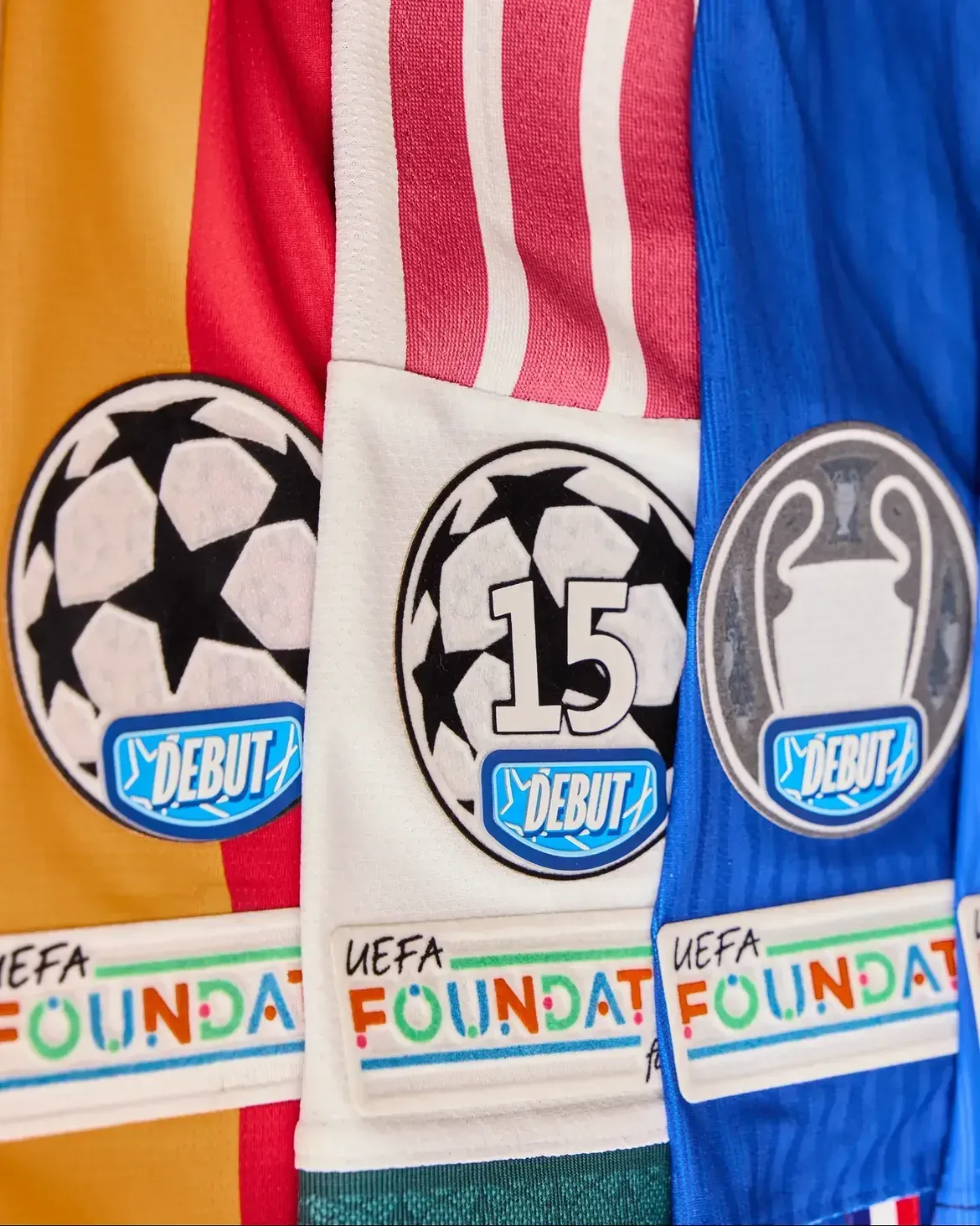
This stylistic trend in European competitions has a fairly long history. In the Champions League, for example, the first rectangular patches appeared on the right sleeve as early as 1992, featuring the competition logo, before gradually evolving into the iconic circular Starball in its many different iterations. Alongside this more traditional version, however, the new millennium also brought an elite patch reserved for the most decorated clubs: the so-called Patch of Honour. This special badge is awarded to clubs that have won the Champions League at least five times or three times consecutively, with the exact number of titles displayed on a bespoke logo distinct from the others – for many years, this was represented by a white silhouette of the trophy on a black or dark blue background. At present, only Real Madrid, Milan, Bayern Munich, Liverpool, Barcelona and Ajax (three consecutive titles) can wear it in the Champions League, while Paris Saint-Germain could join the group with a potential third consecutive title.
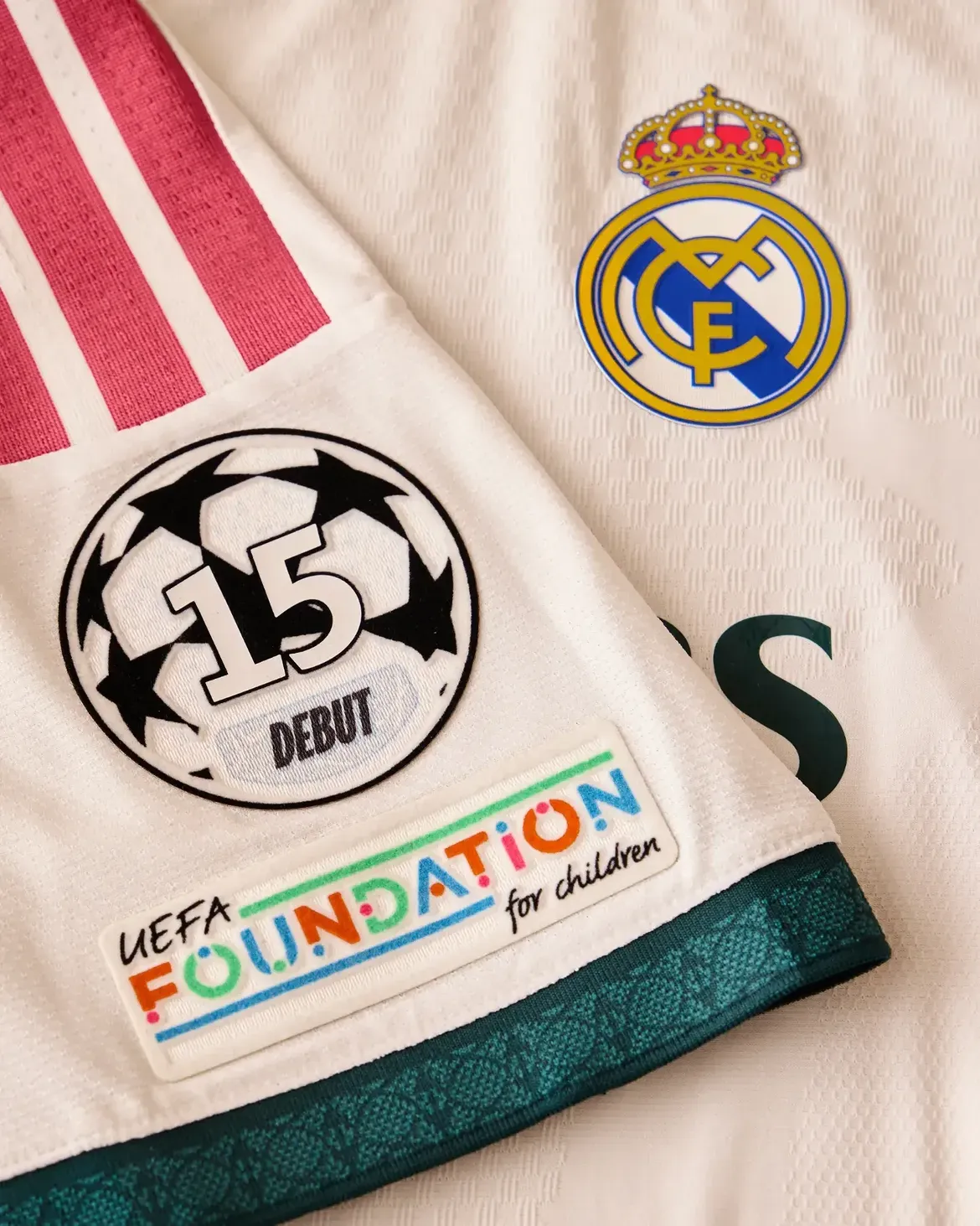
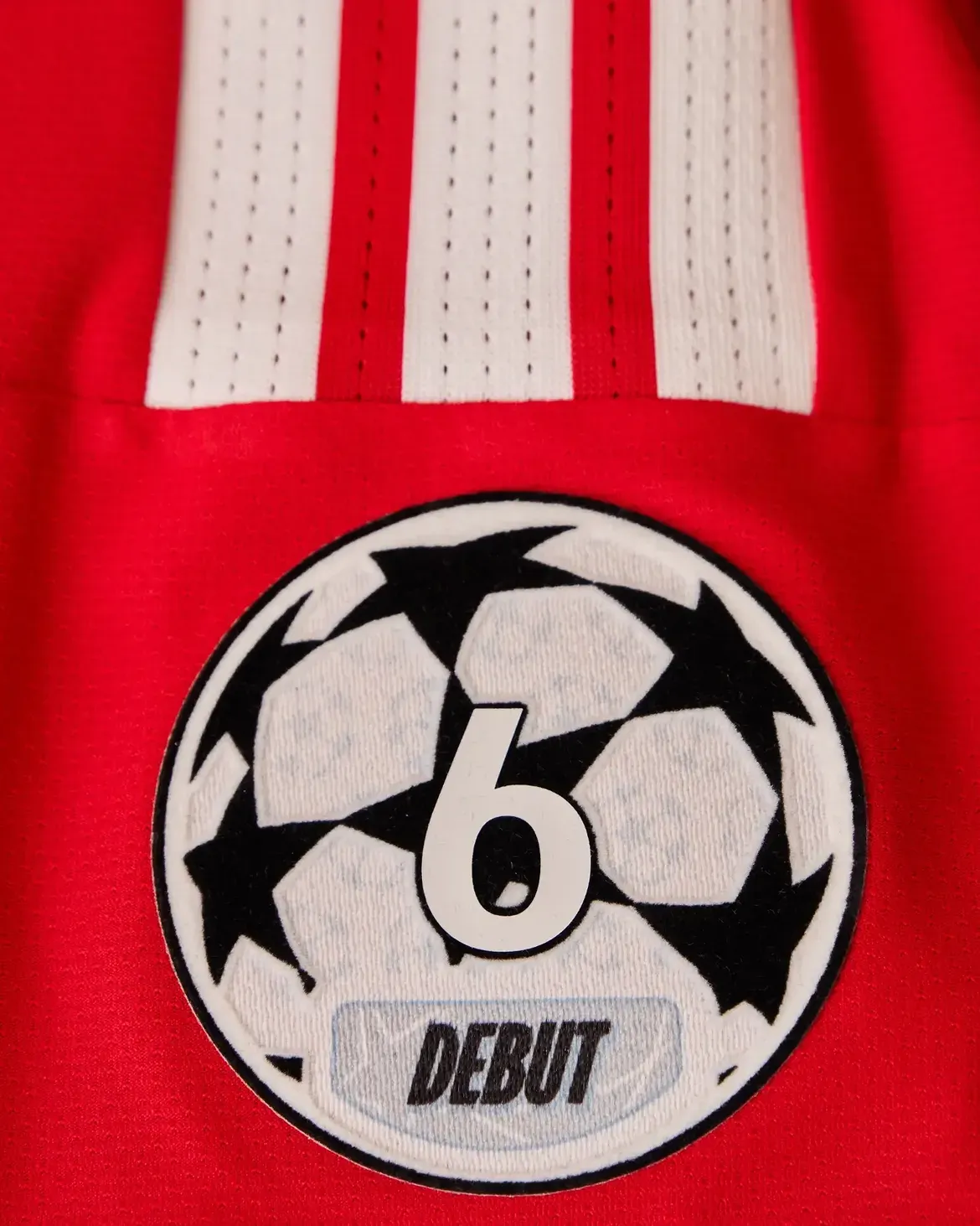
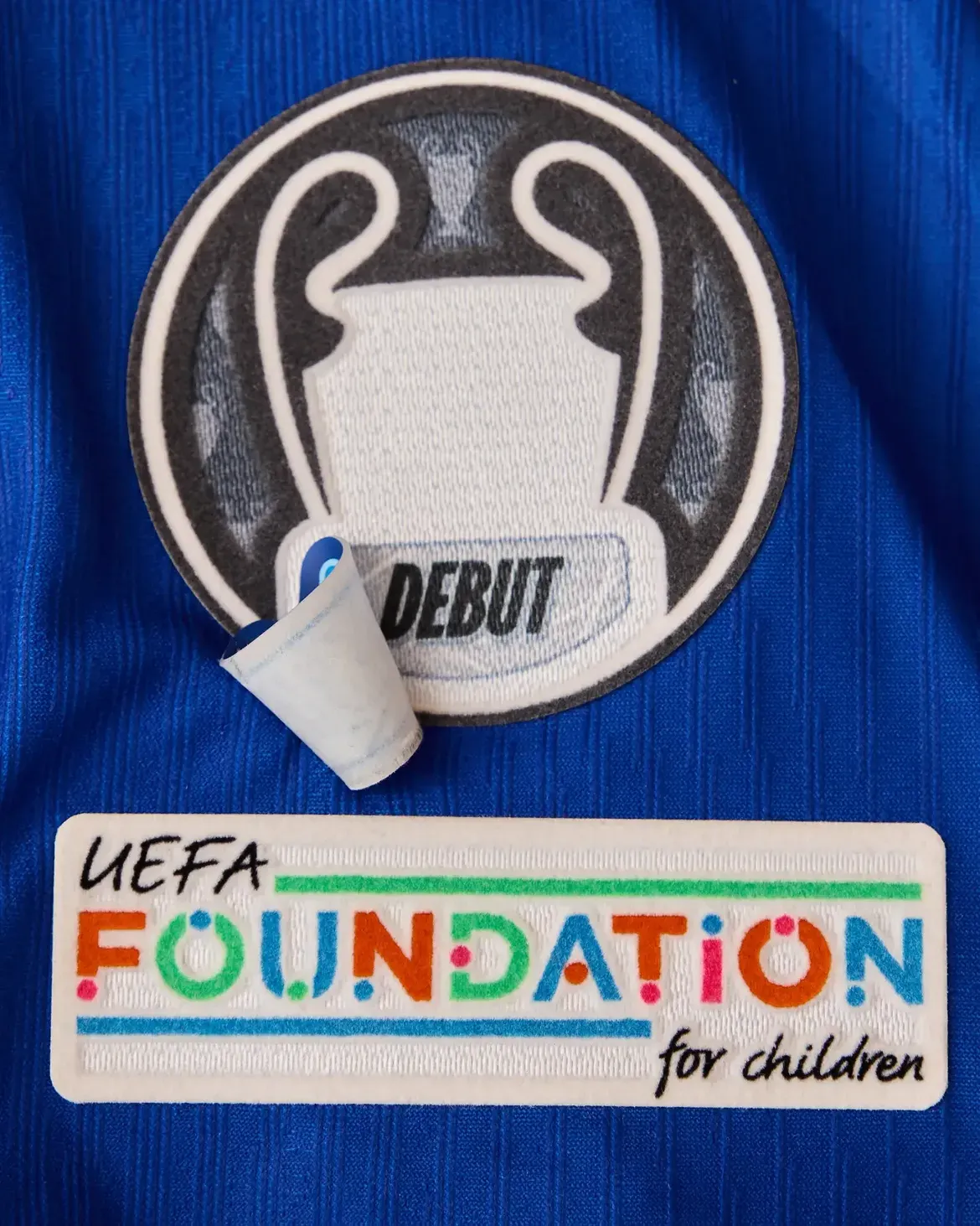
In its most recent versions, UEFA has instead opted for a more streamlined approach, placing the number of competition victories directly on the Starball logo, with another patch underneath representing the UEFA Foundation for Children. As a new variation, starting with the upcoming European football season, patches worn by players making their debut in UEFA competitions will feature a small blue insert bearing the word debut. The reigning champions will also have a different patch, as is the case with the club that won the previous edition, PSG, whose badge will feature a white trophy outlined in black, overlaid on a dark background decorated with the shapes of several smaller silver trophies.
How do debut patches work?
FIFA had already introduced two special sleeve patches for players at the World Cup: the Debut patch and the Legacy patch, the latter reserved for players making their fifth World Cup appearance. UEFA competitions will follow the same concept, with the goal of creating two unique collectibles: the jersey worn by the player making their debut, and a collectible featuring the blue Debut insert.
The insert is adhesive and will be removed after the player’s first match, before being turned into a collectible card signed by the player making their Champions League debut, or their debut in whichever UEFA competition they are appearing in. The process will still leave a trace on the original jersey. On the Starball, for example, the word debut will remain, but in black and white to better match the visual identity of the classic logo, creating a single patch with a more cohesive design.
The special patch will be worn only on Matchday 1 by players making their Champions League, Europa League or Conference League debut, even if they come on as substitutes. It is a one-time opportunity that will not be repeated, even if the player later moves to another club, making these jerseys genuine one-of-a-kind pieces.
Everyone is going crazy for patches
Debut patches have also been adopted by the Bundesliga, where they recognise players making their first start with a patch reading 1st start. While the trend is relatively new in European and international football, it has become increasingly popular across some of the biggest sports in the United States, sparking a genuine gold rush in recent years. MLB was the first league to introduce them in 2023, turning them into a full-blown trend in baseball before they quickly spread to MLS, UFC, NBA, WWE and, finally, the NFL, which is introducing them starting with the current Week 1. Beyond American leagues and European football, Formula 1 has also embraced the trend, introducing debut patches on drivers’ helmets towards the end of 2025.
It is a relatively new market, but one that is growing at remarkable speed, with million-dollar sales already becoming part of the landscape. The most famous example is the debut-patch card belonging to Pittsburgh Pirates pitcher Paul Skenes, which was sold at auction in March 2025 for more than one million dollars to Dick’s Sporting Goods, the largest sporting goods retailer in the United States. In the coming weeks, an auction will also be held for the debut card of Cooper Flagg, the first overall pick in the 2025 NBA Draft by the Dallas Mavericks.
The card’s current owner, a private collector named Jason Williams, acquired it during a break – the term used for livestreamed events where collectors can purchase a portion of a sealed box of trading cards before it is opened live – paying just over $500 for his share. Williams has since turned down offers of $1.5 million, as well as a package from the Mavericks that included two premium season tickets for 32 years (Flagg’s jersey number), a game-worn jersey signed by the player and other fan experiences. His goal is to push the card’s value even higher at auction, with simulated auctions on other platforms already approaching $4 million.
Considering that FIFA will have to wait until 2031 before it can resell the World Cup patches, when its agreement with Panini expires, it will be interesting to see just how far this new collectible culture takes hold in football. For now, the closest comparison is the NBA, where the growing popularity of the market has already led to an all-time record of more than $5 million being paid for Victor Wembanyama’s rookie card. There have also been auctions running alongside Flagg’s for fellow members of the 2025 Draft Class Dylan Harper and Kon Knueppel, while basketball cards continue to dominate the market, accounting for twelve of the twenty highest-value trading card sales of all time.
What to read next

The Champions League was all about elegance last night
Liverpool and PSG debuted their Tommy Hilfiger and Dior looks
Why are Shakhtar Donetsk playing their Champions League games at Stamford Bridge?
They have been forced into footballing exile by Russia’s invasion of Ukraine

Why Barcelona will wear its 2025/26 Third kit against PSG?
It's due to UEFA's kit clash rules