








The history of podium caps in Formula 1 From laurel wreaths to the latest collections designed by Denis Dekovic
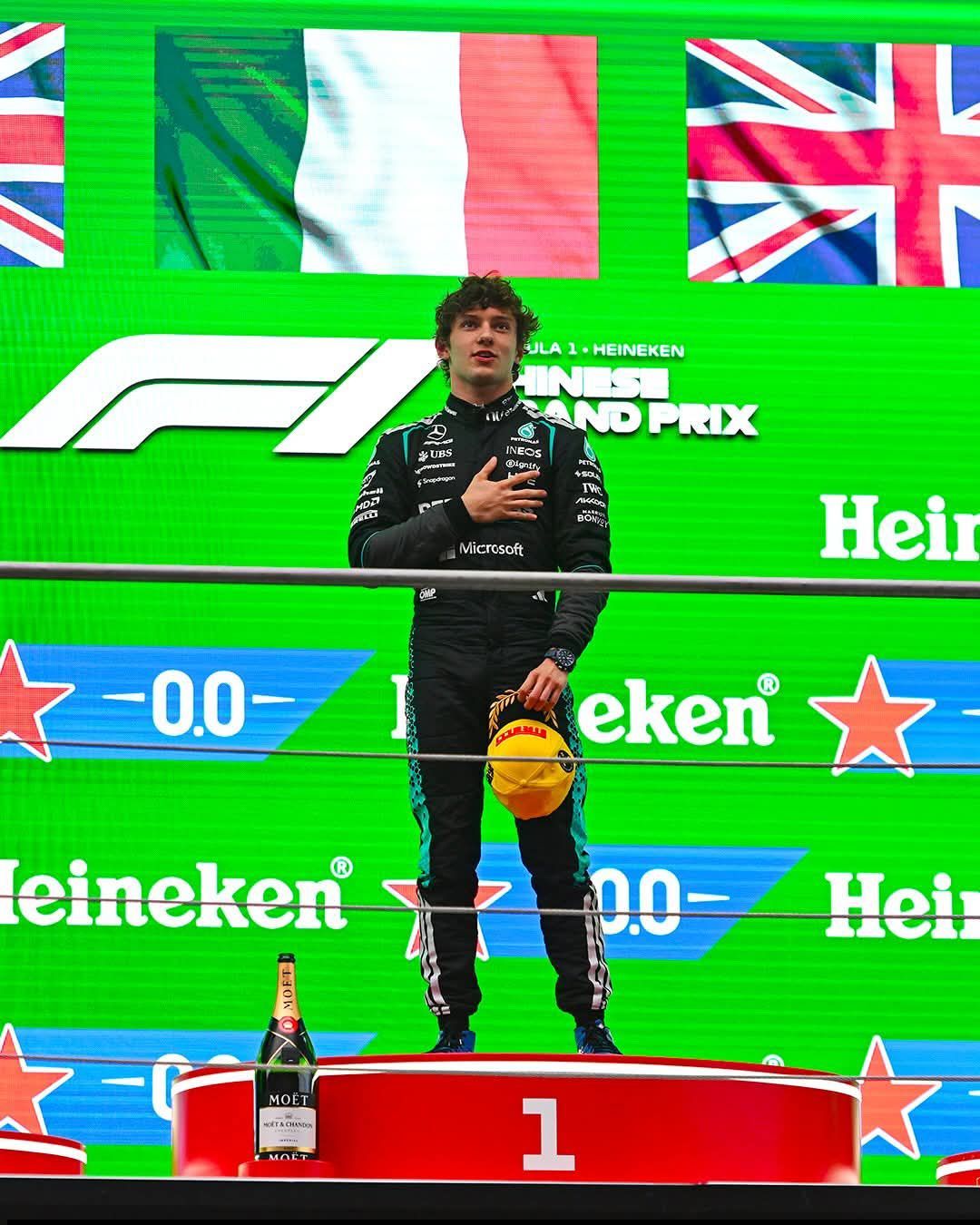
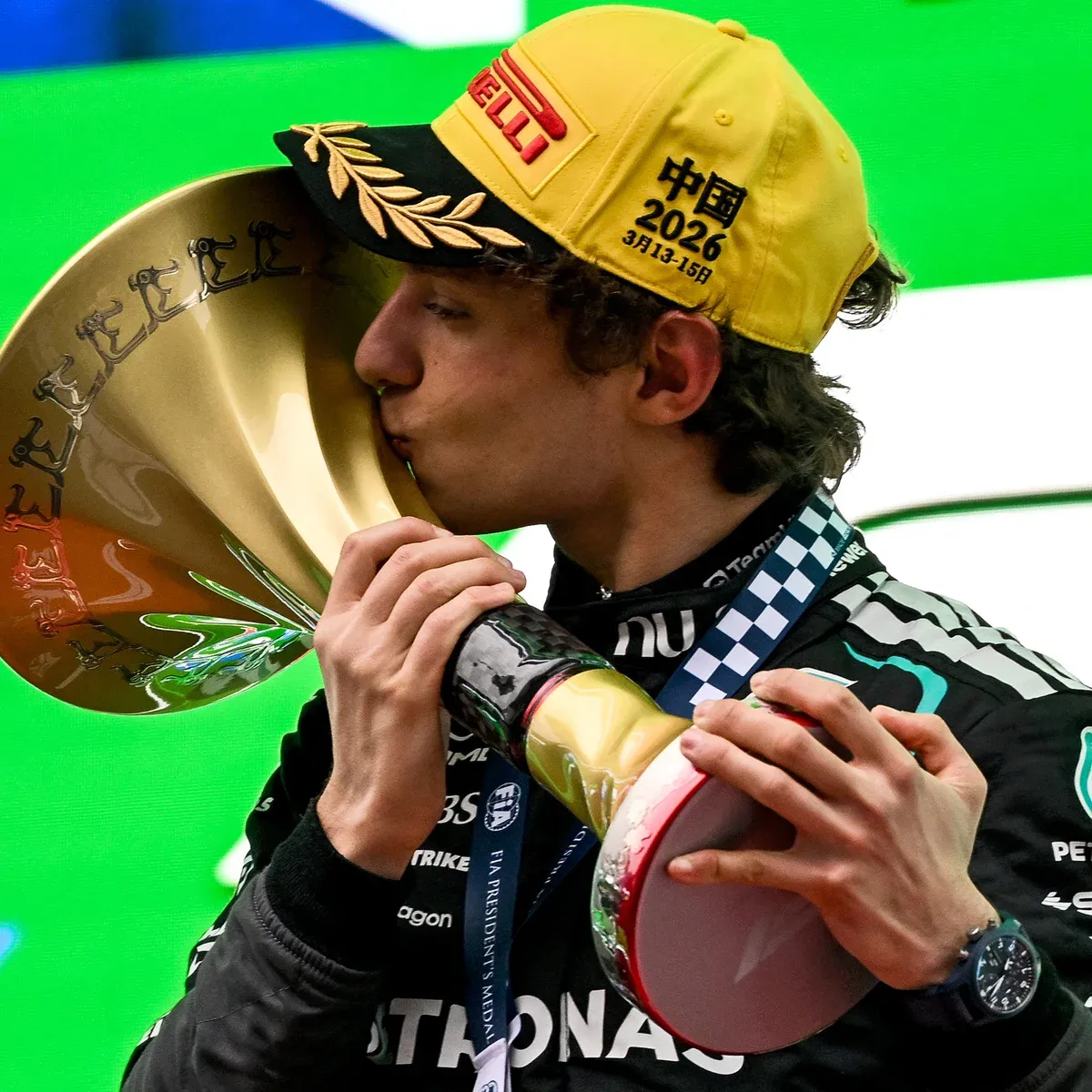
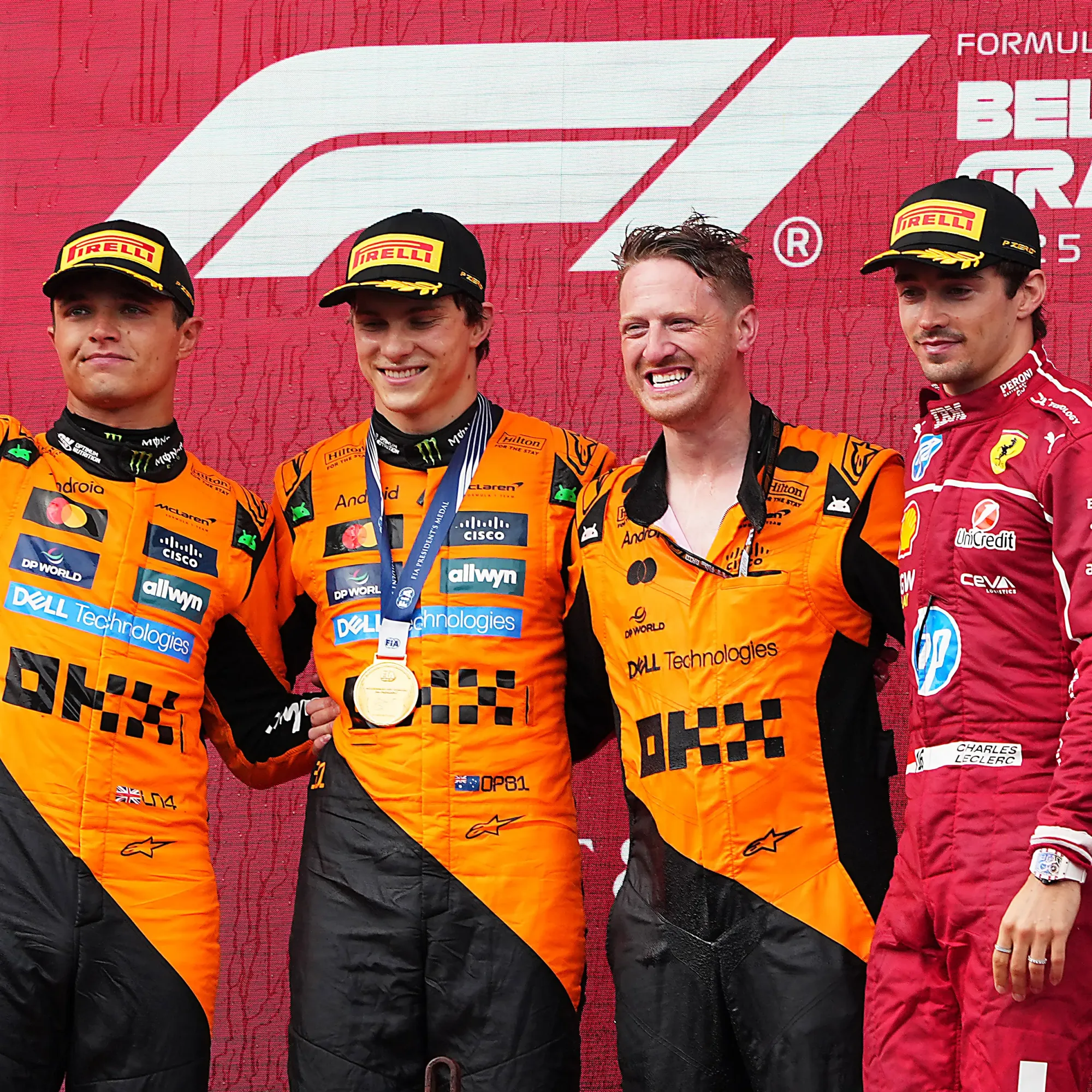
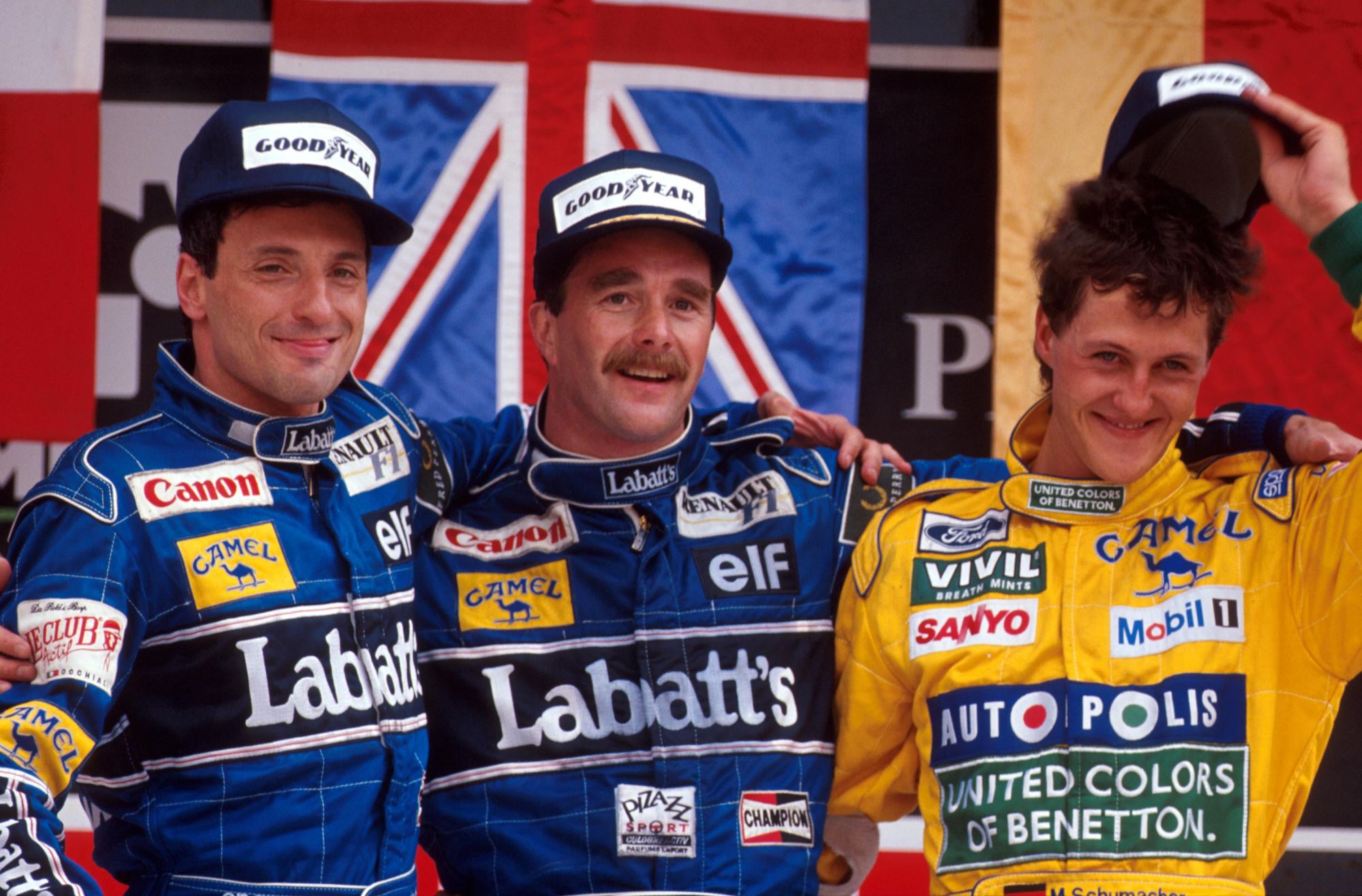
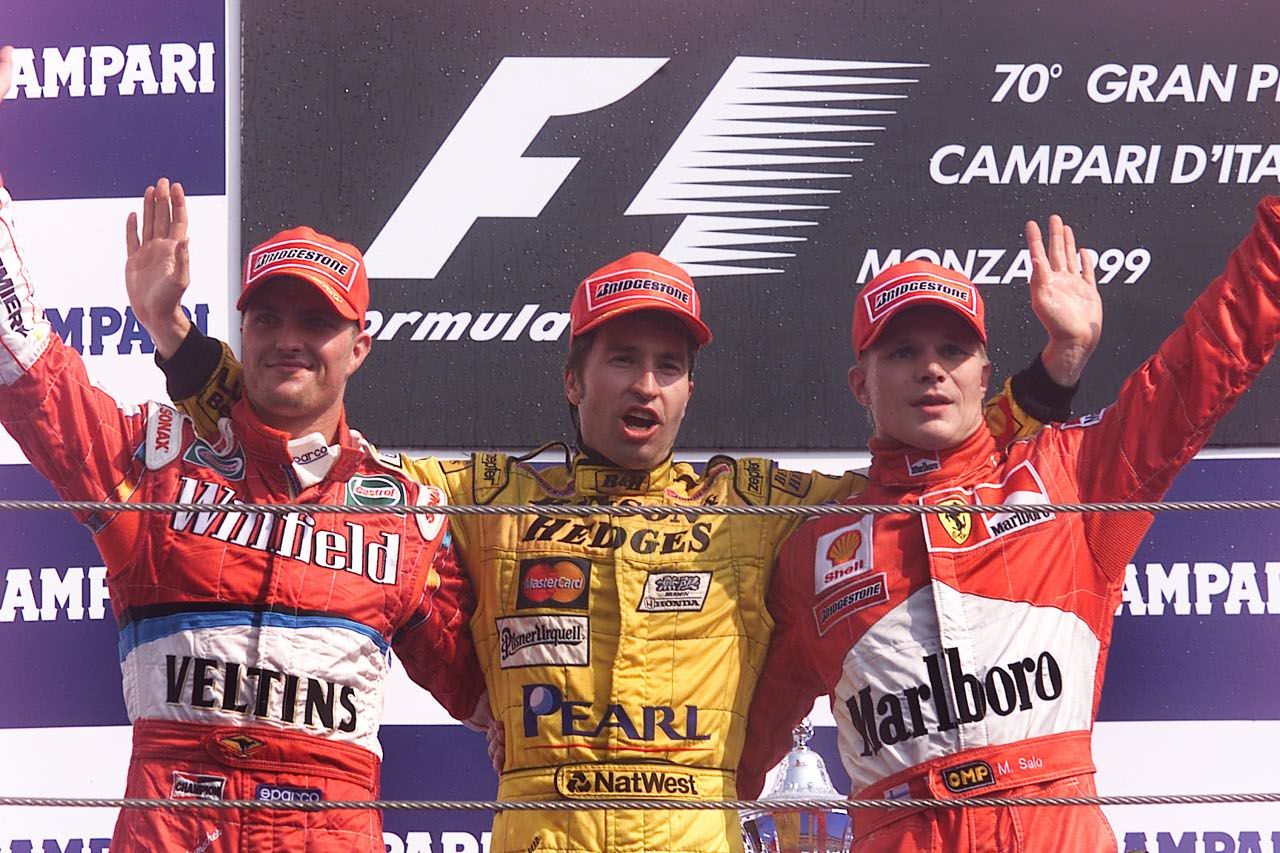
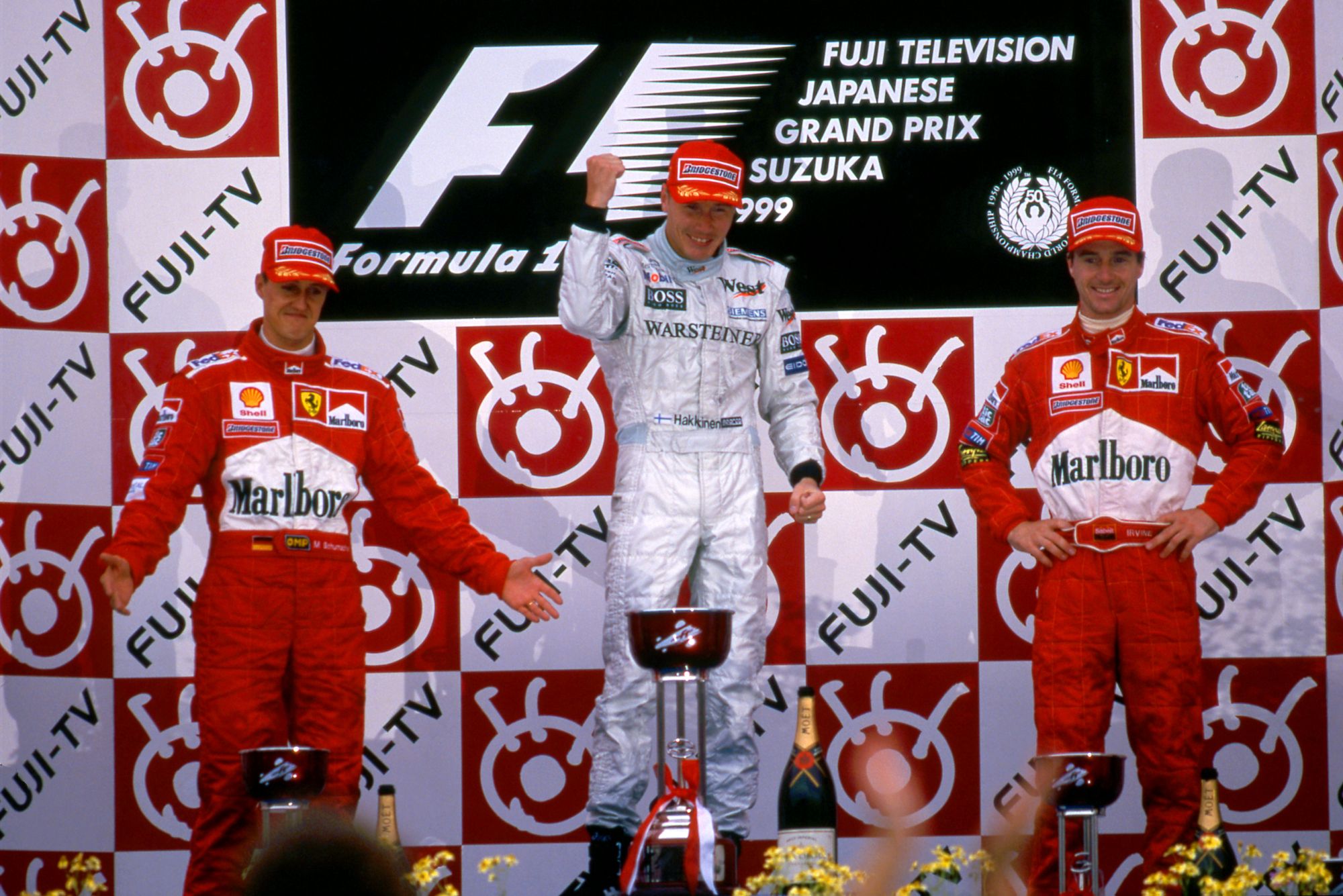
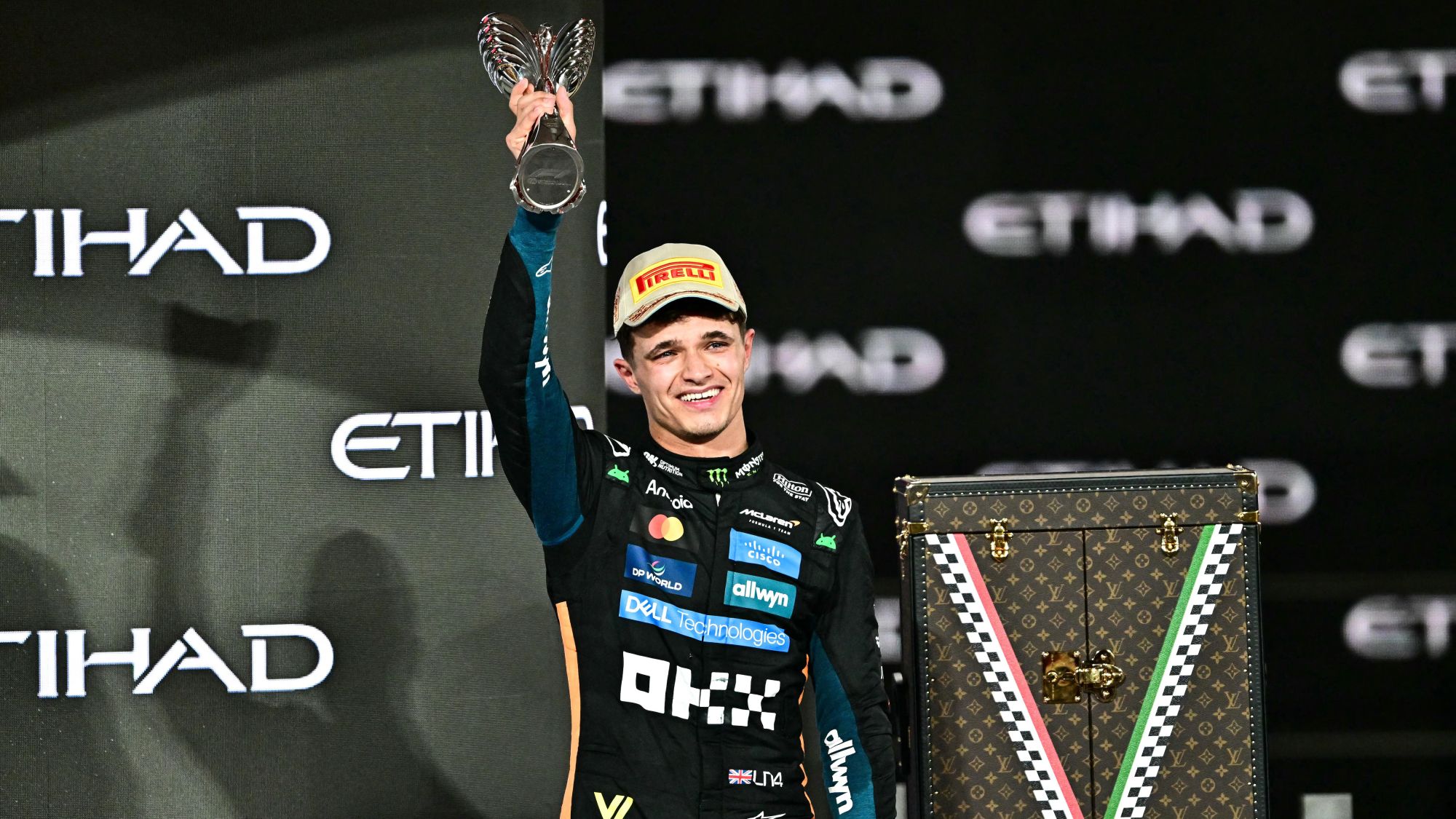
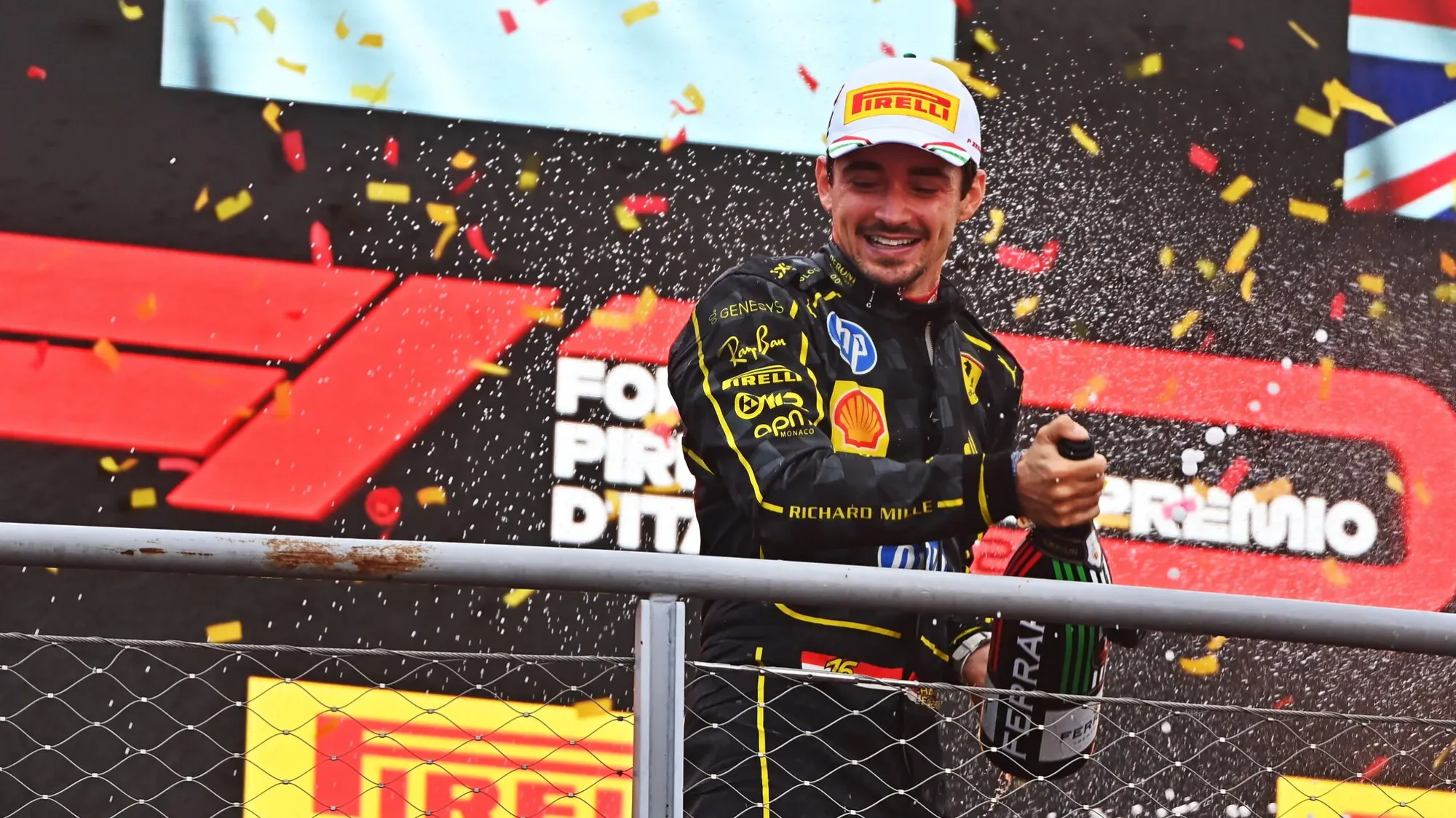
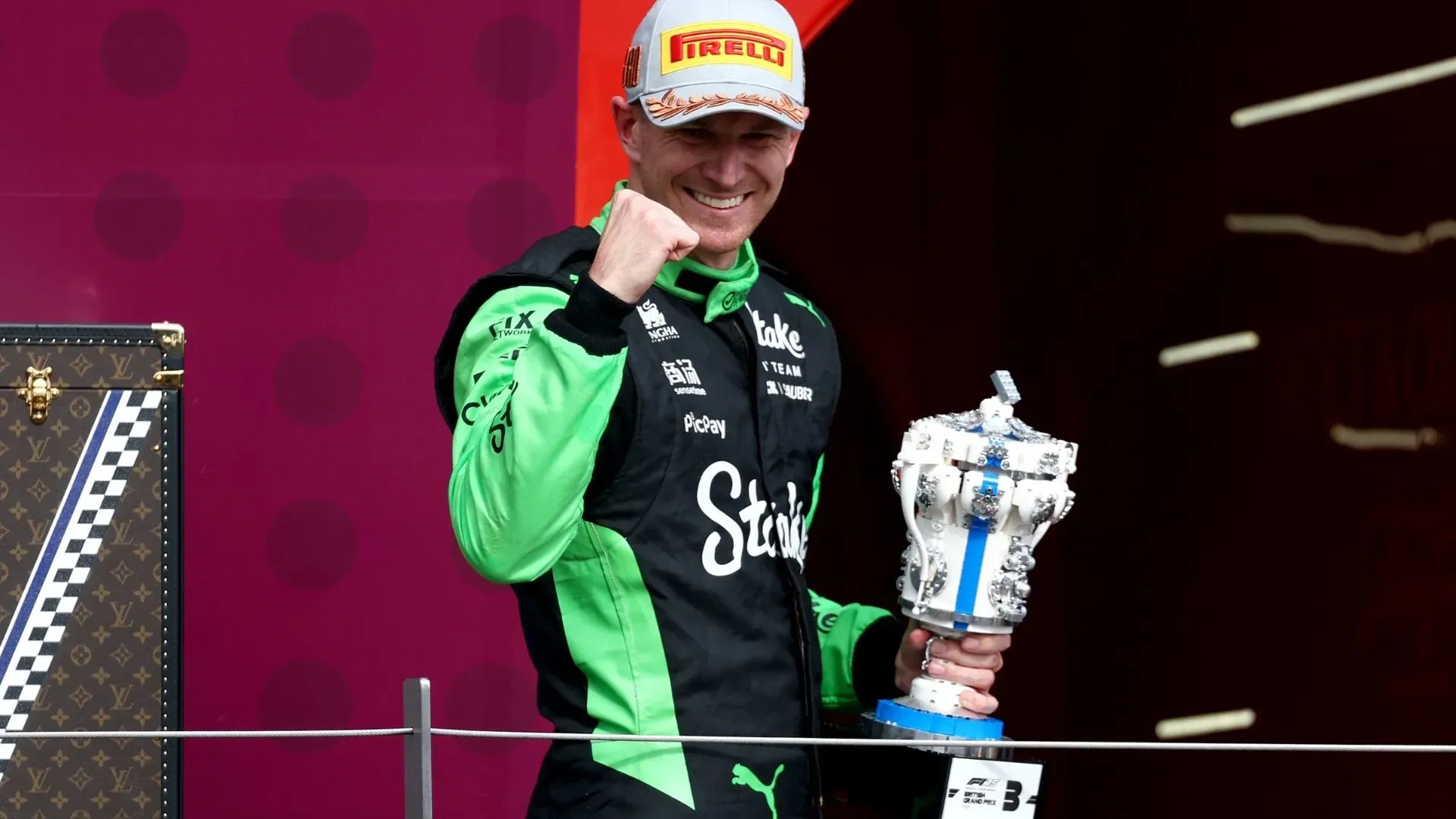
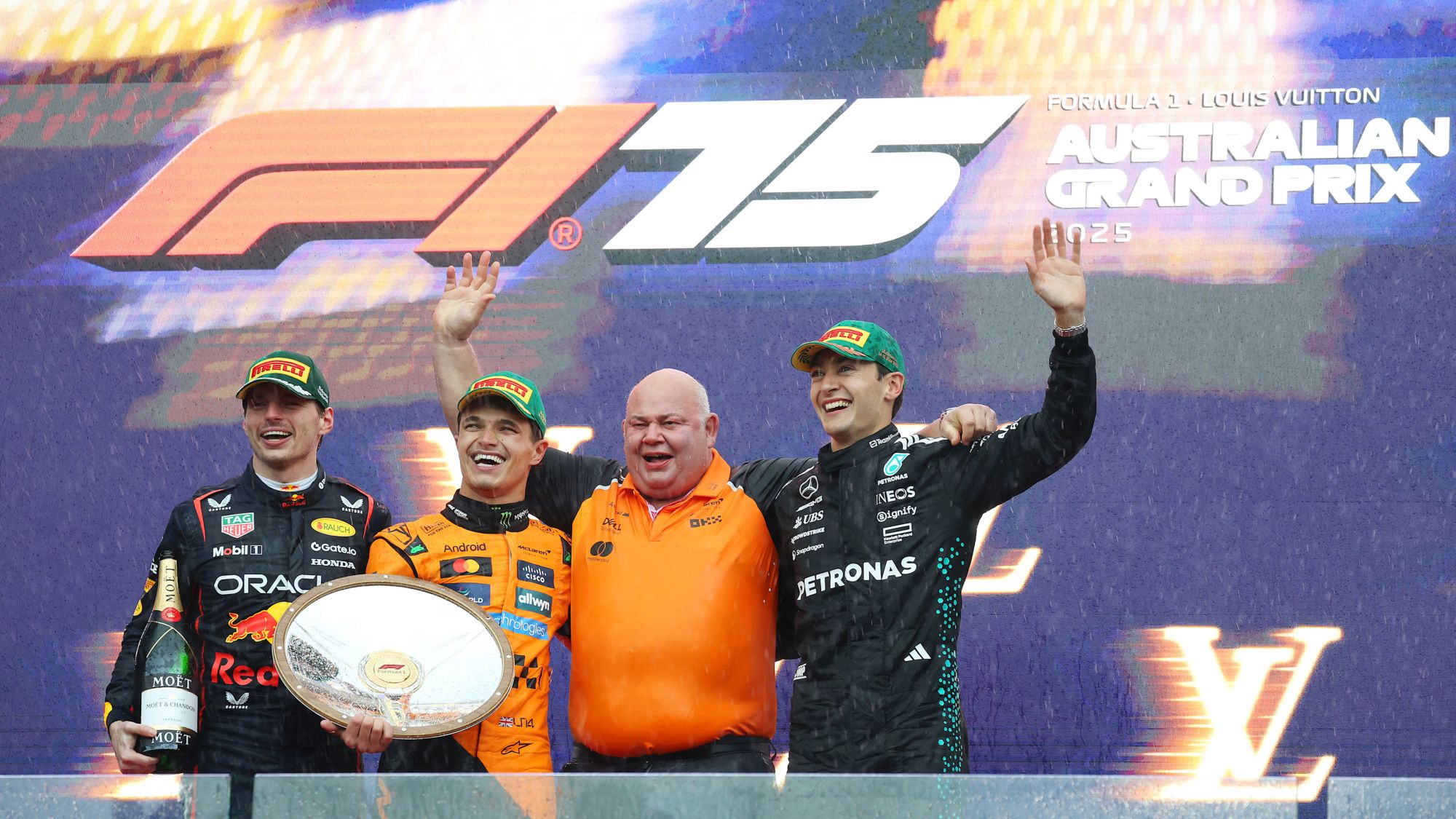
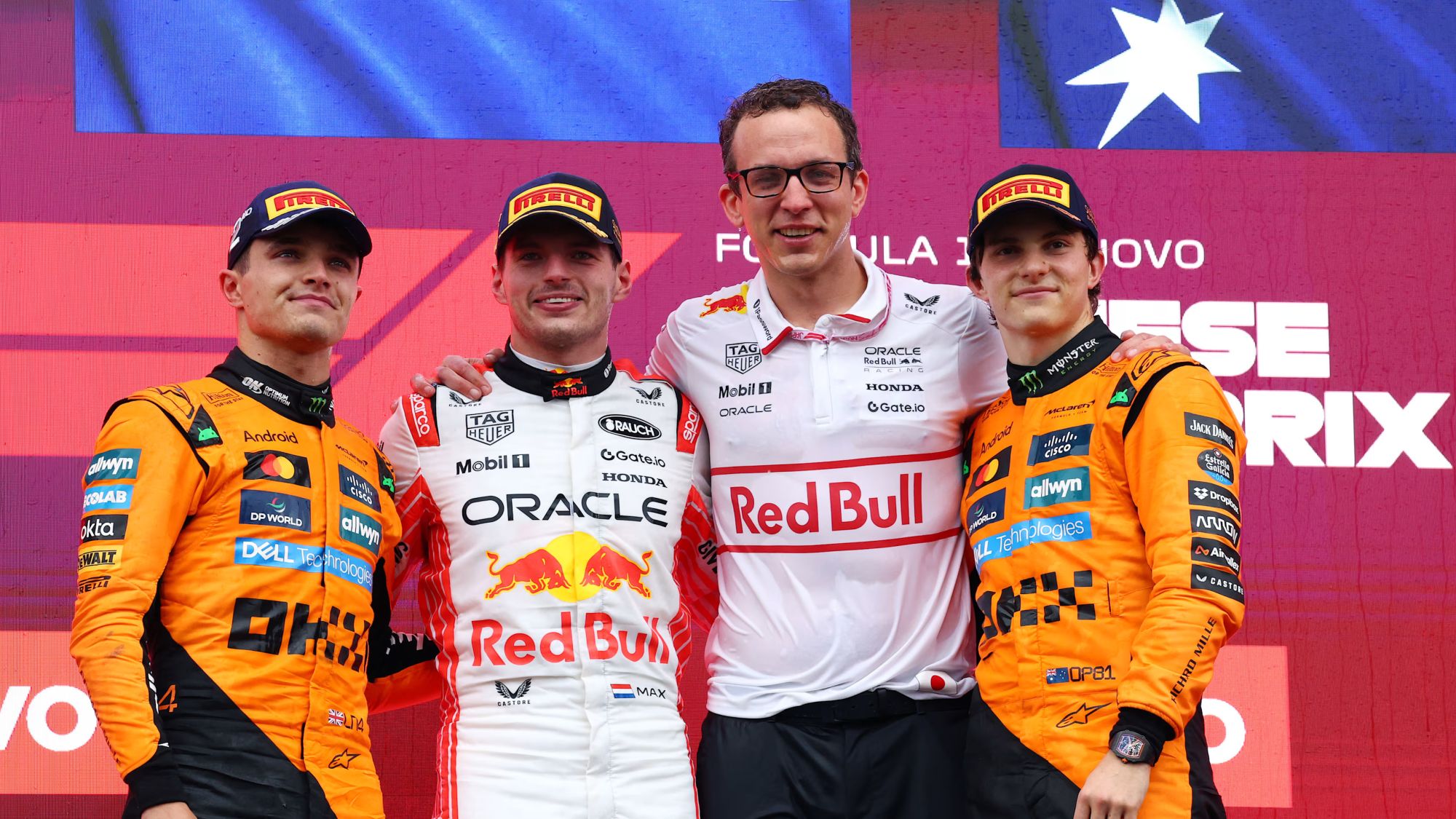
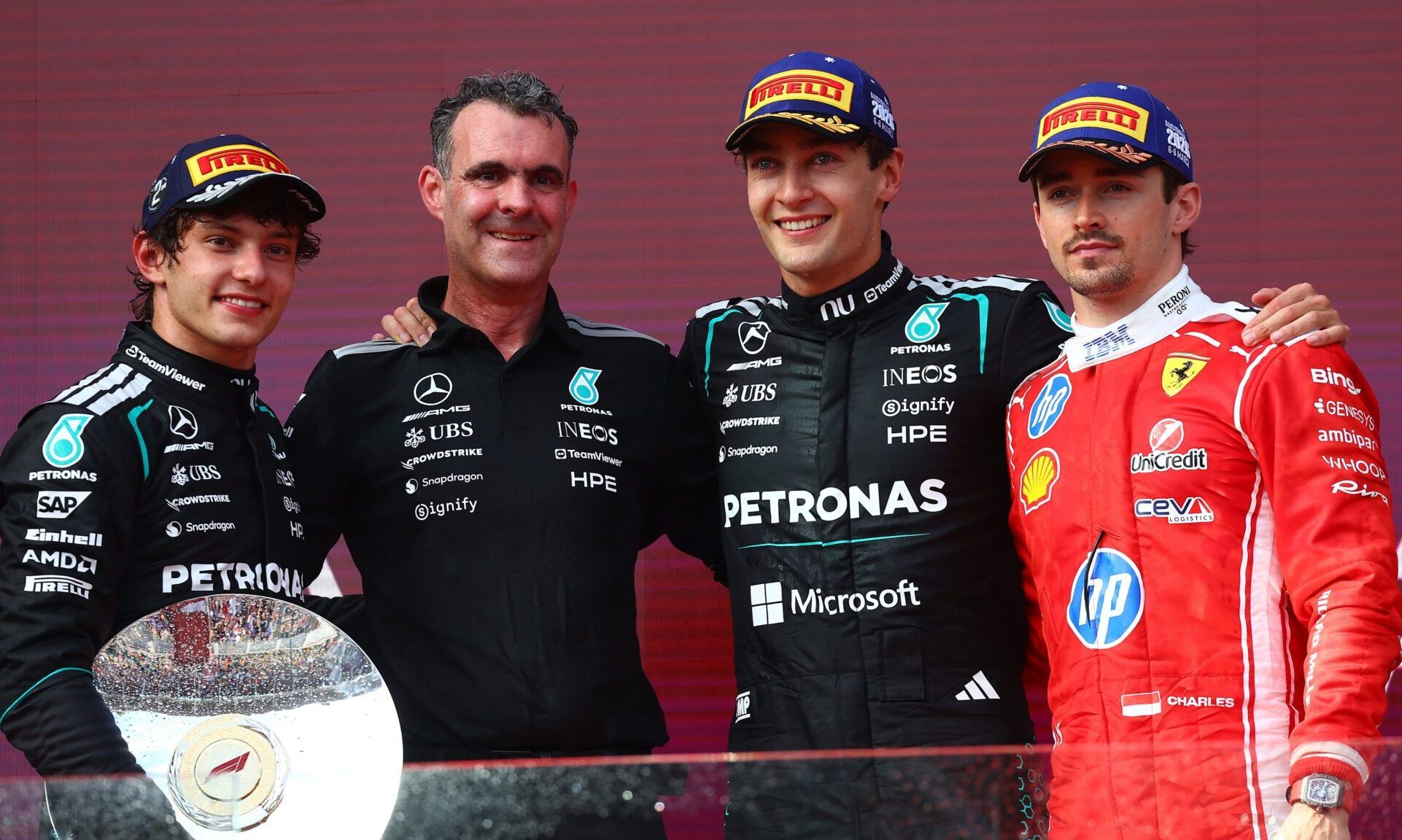
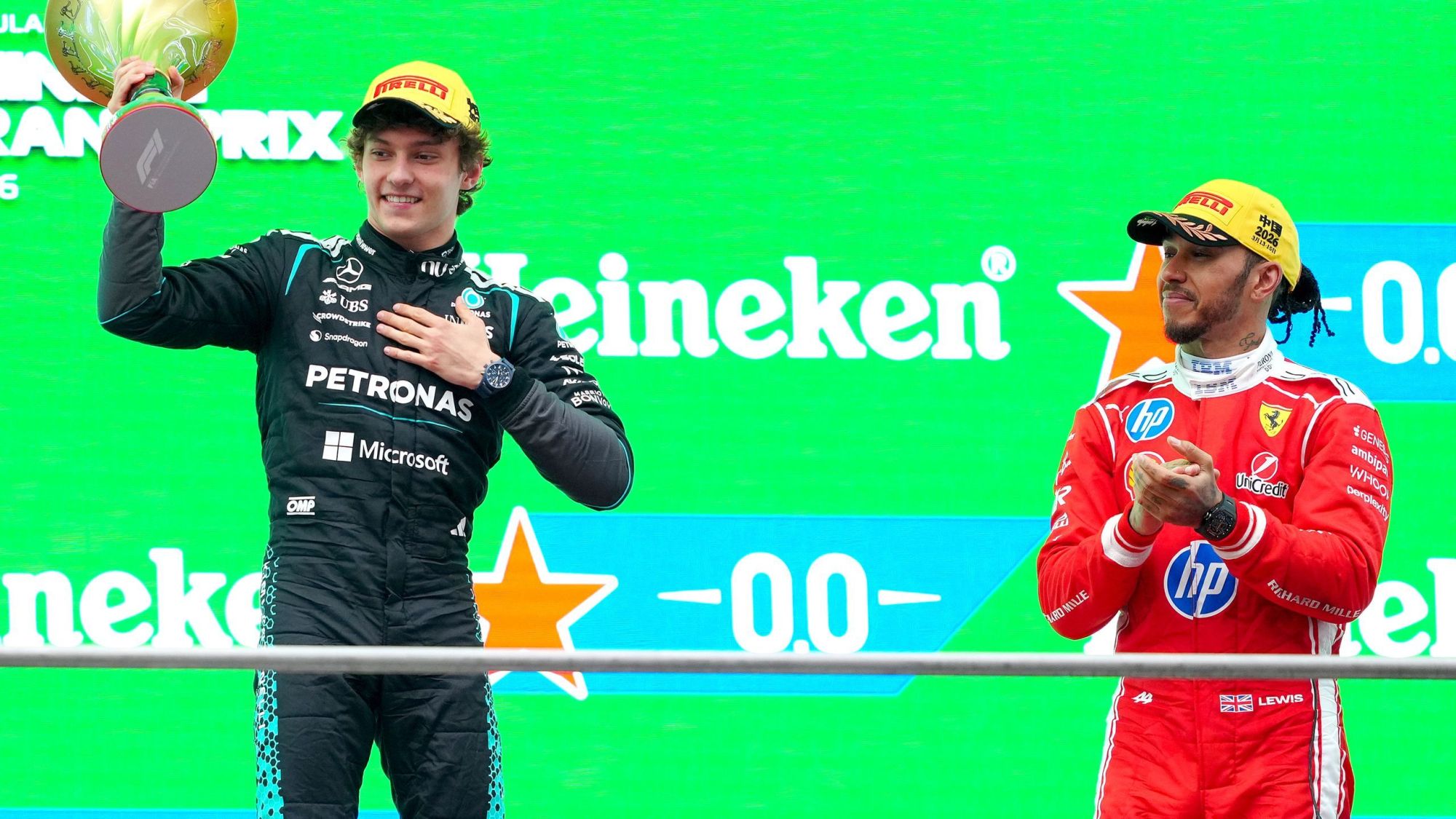
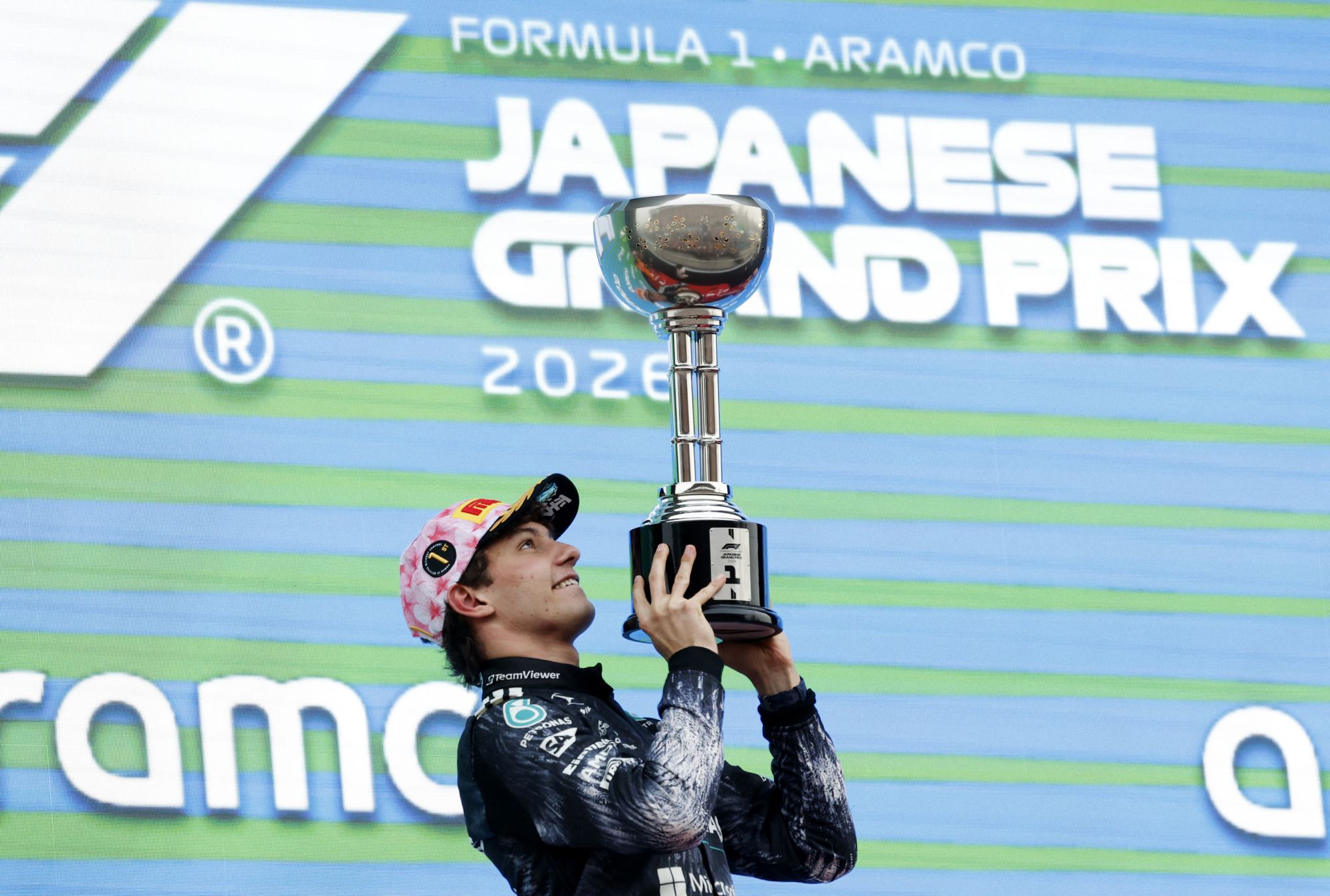
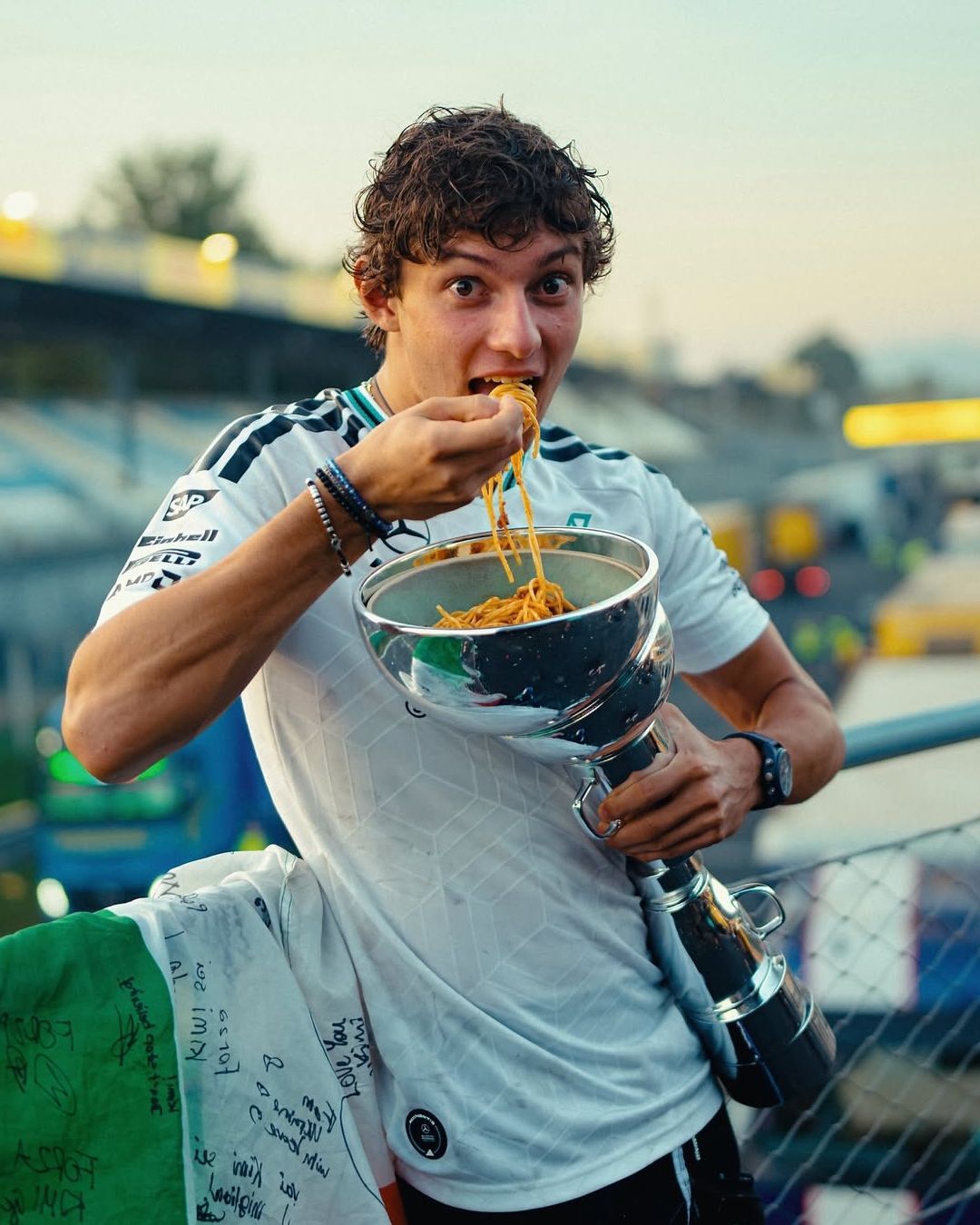
Kimi Antonelli is collecting, one after another, all the podium caps — the hats worn at the end of a race by the top three finishers — in these early stages of the 2026 World Championship of Formula 1. The young Mercedes driver has so far secured three podium finishes in as many races — the only one to do so at this stage — finishing second in the Melbourne Grand Prix and winning in Shanghai and Suzuka back-to-back. After this second victory, he became the first Italian driver to win two consecutive races since Alberto Ascari in 1953, and the only one after Giancarlo Fisichella with more than one Formula 1 win. The difference is that the latter needed an entire career, while Antonelli has just begun what is only his second season in the top tier of motorsport, reaching this historic milestone in just fifteen days.
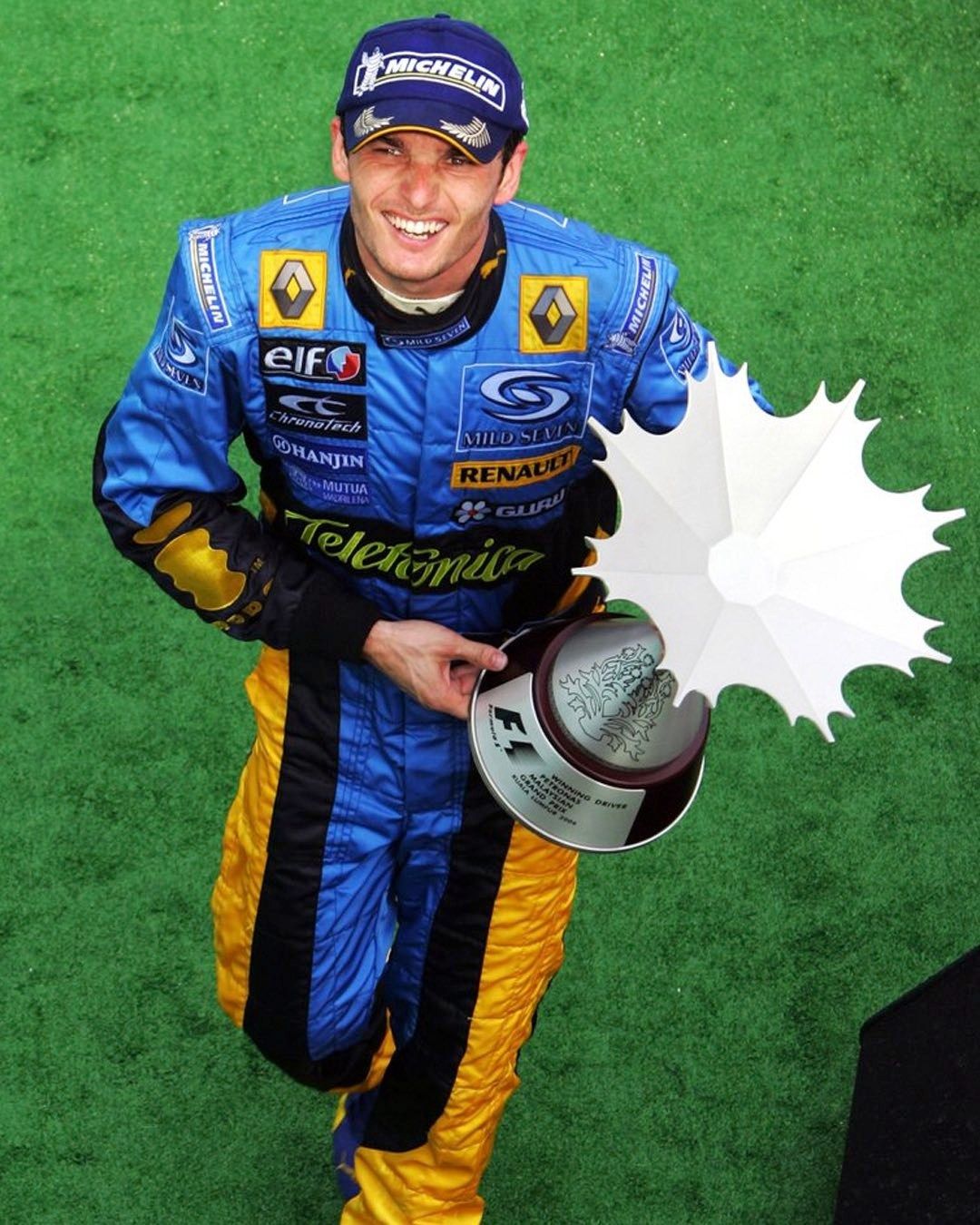
Already in China, his victory had broken several records. At just 19 years and six months old, he established himself as the youngest driver ever to take a pole position in Formula 1, surpassing Sebastian Vettel, who in Italy in 2008 secured pole position in torrential rain at Monza driving his Toro Rosso. The young prodigy from Bologna also closed a historical loop, becoming the first Italian to win a Formula 1 Grand Prix exactly twenty years after Fisichella’s triumph in Malaysia.
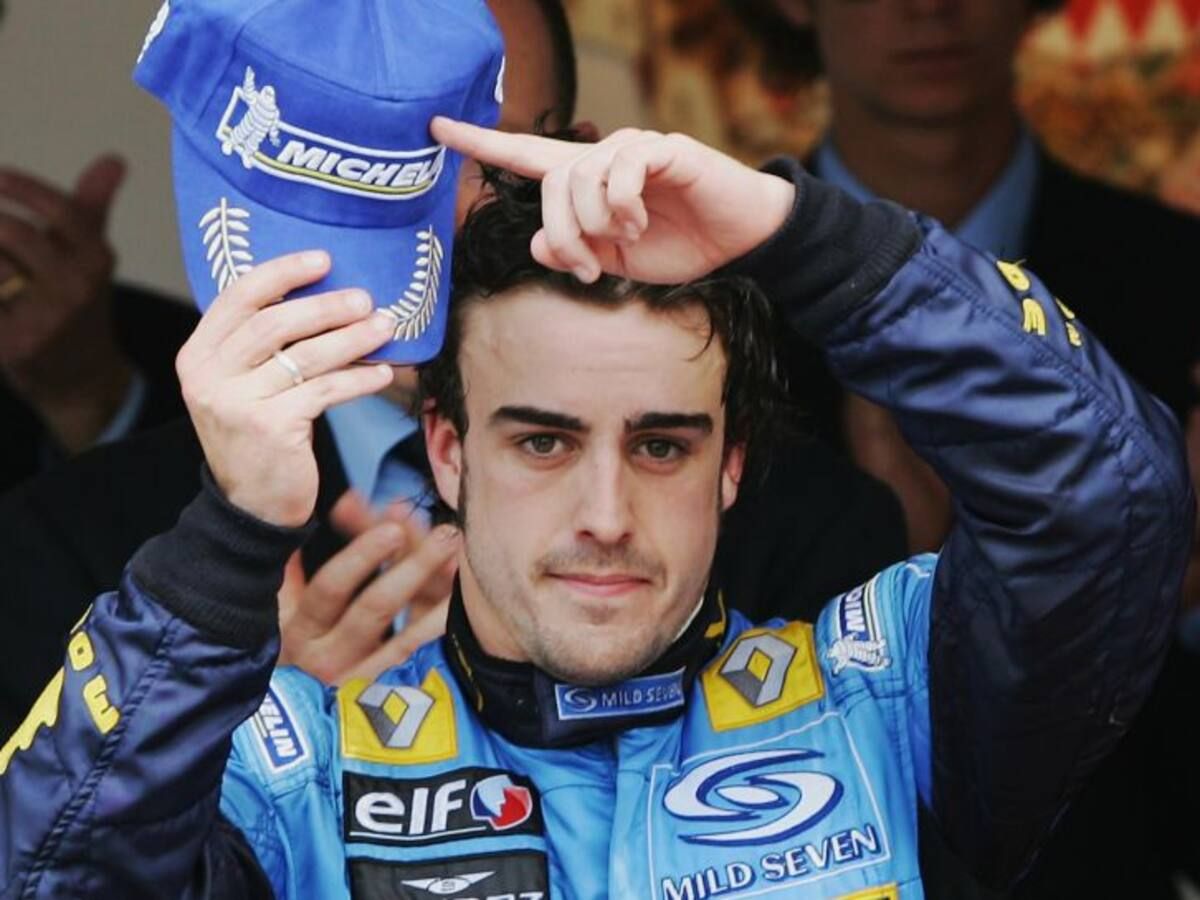
The differences compared to the all-Italian podium of 2006 are numerous. First of all, Fisichella was driving a Renault at a time when Mercedes had yet to return to Formula 1 as a full works team. Secondly, Antonelli had not even been born. Beyond that — and the sponsors sewn onto the suits — the aesthetic component twenty years later appears significantly reduced to one specific detail: the Pirelli logo on the podium caps, an all-Italian exclusive that over the years has replaced every other brand, including Michelin, clearly visible on the caps in 2006.
From laurel wreaths to podium caps: the origins
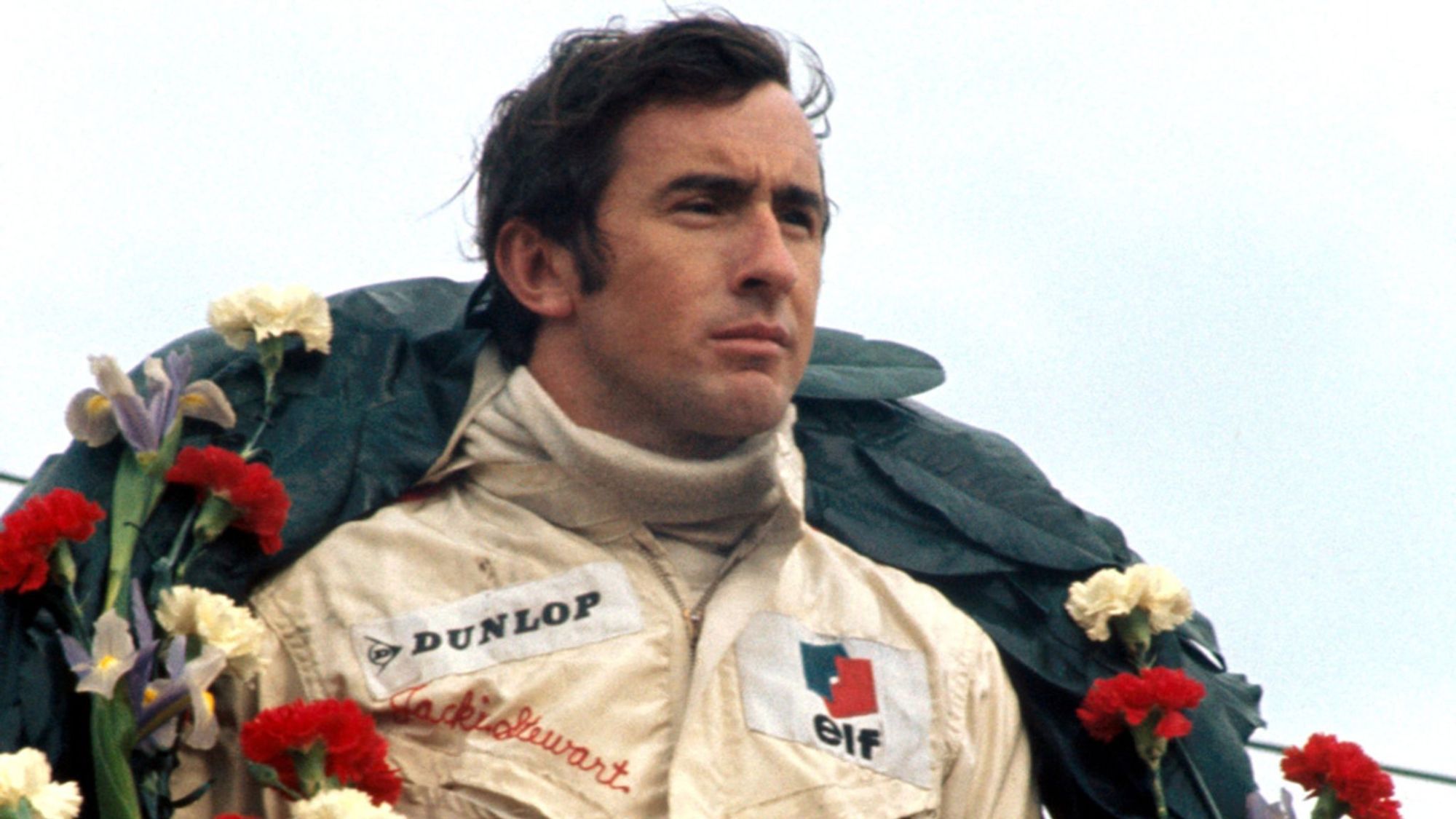
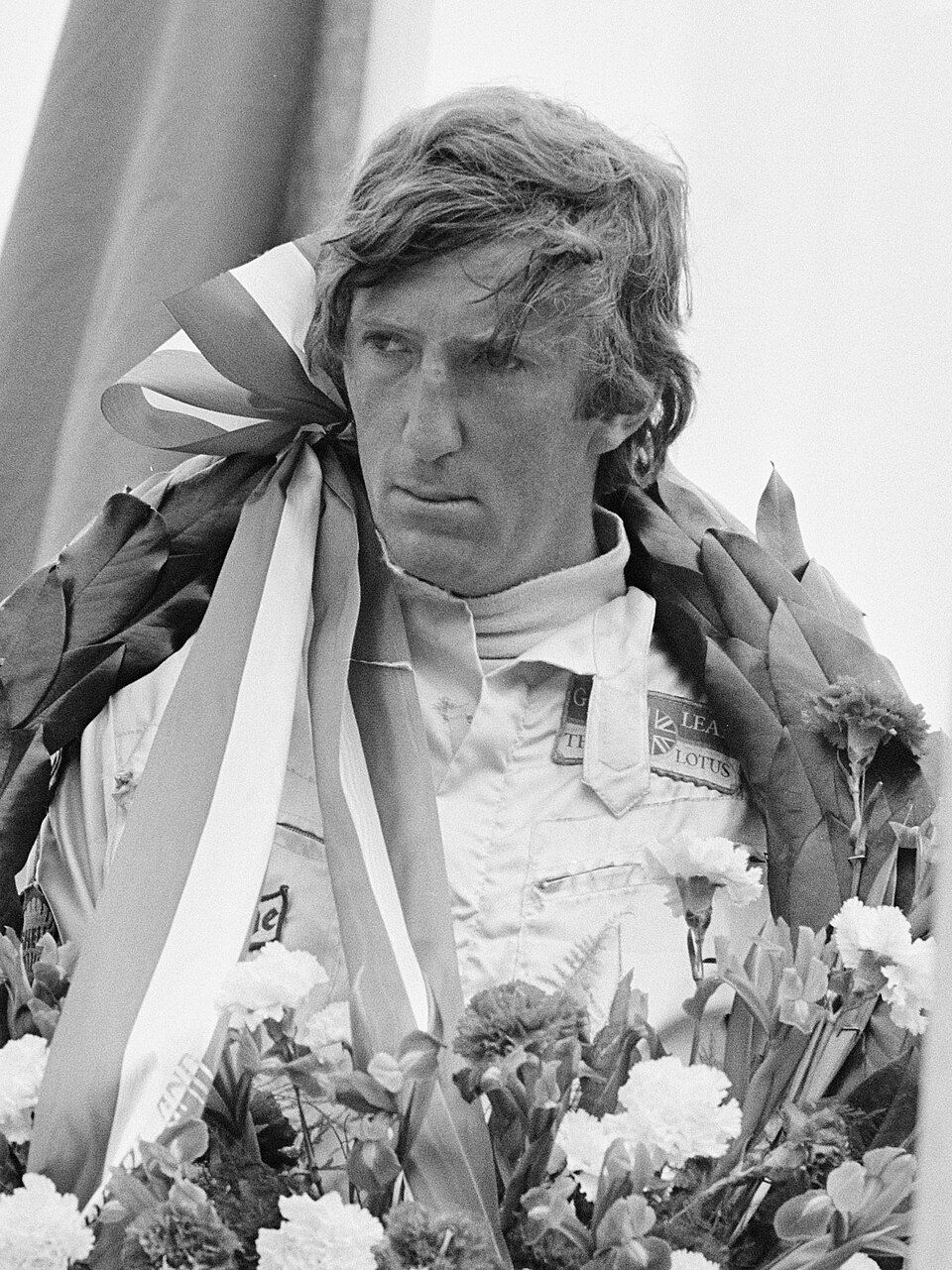
The further back you go, the more you can see how traditions have changed. After all, the first Grand Prix recognized as such in Formula 1 was held in 1946 in Turin, on a temporary circuit set up in Parco del Valentino. The competition, as a World Championship, dates back to 1950. In nearly eighty years of history, equipment, engines, cars, uniforms, teams and, among many other things, post-race customs have changed. For over three decades, until the mid-1980s, winners on the podium were awarded a laurel wreath decorated with flowers. This choice traces its roots back to Greek epic tradition, particularly the myth of Apollo and Daphne, where Daphne is transformed into a laurel tree, becoming sacred to the god and a symbol of wisdom. For this reason, over the centuries, laurel was first used as a prize in poetic contests — the art that best represents Apollo’s attributes — and later as an ornament for triumphs in Roman times, both athletic and military.
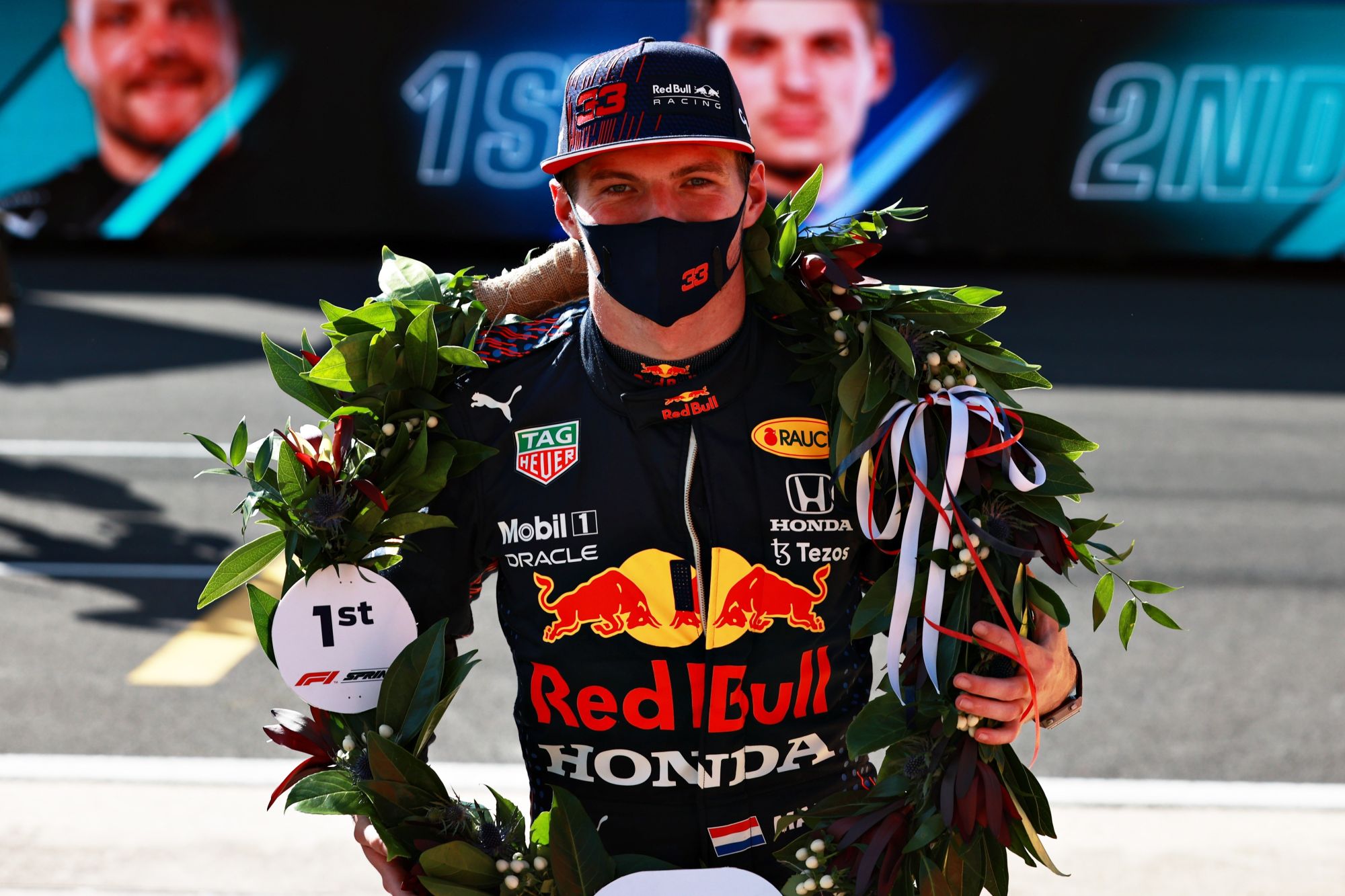
Today, this tradition has almost completely disappeared, surviving only in occasional tributes. In 2021, for example, floral crowns were brought back for the debut of the Sprint Race format, while in 2024 a creative idea came from Lenovo and Pininfarina, who collaborated to create a circular trophy for the winner of the Chinese Grand Prix as a tribute to the old laurel tradition, albeit with a modern, robotic design.
The podium as a showcase, the cap as a symbol
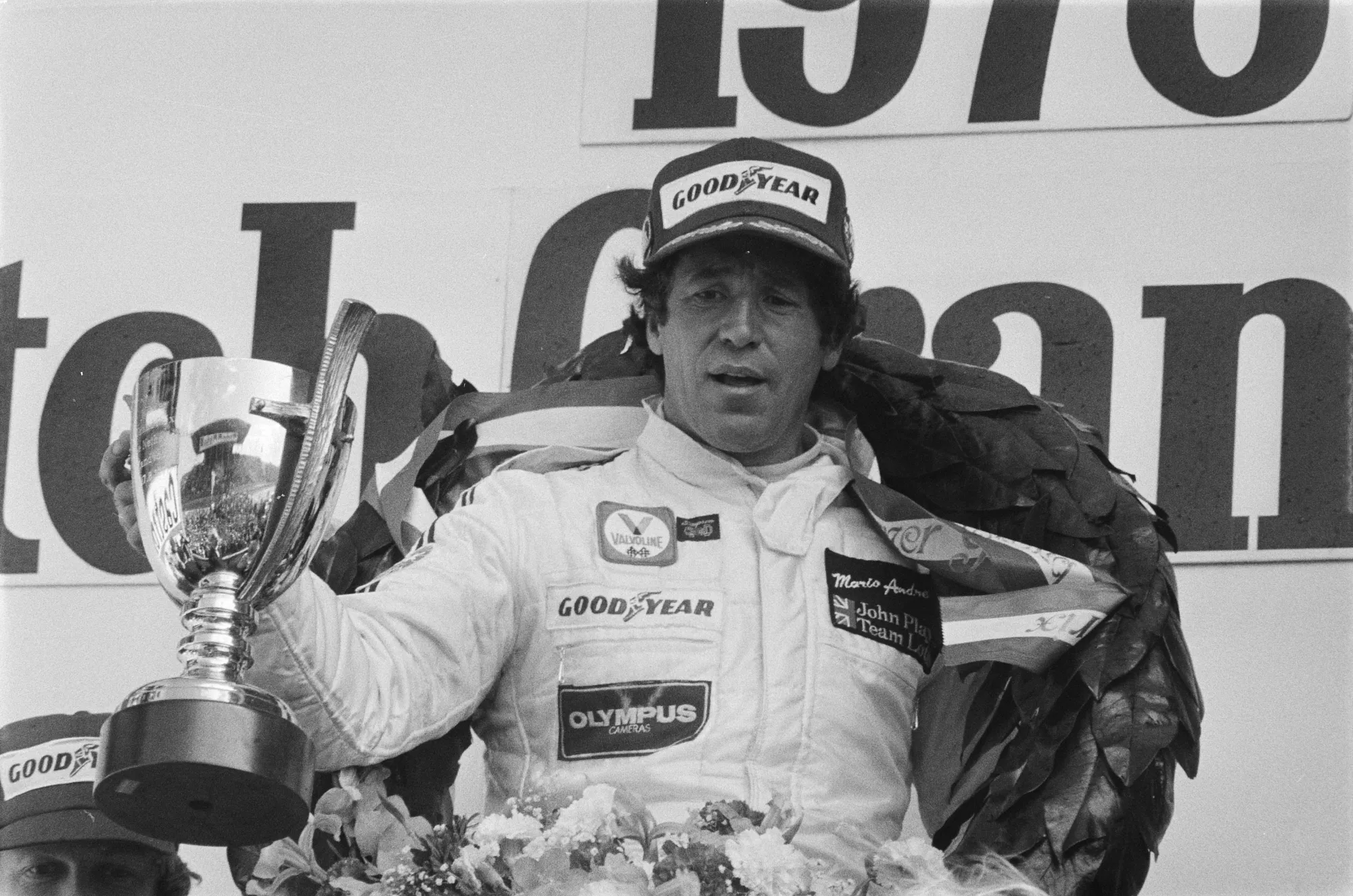
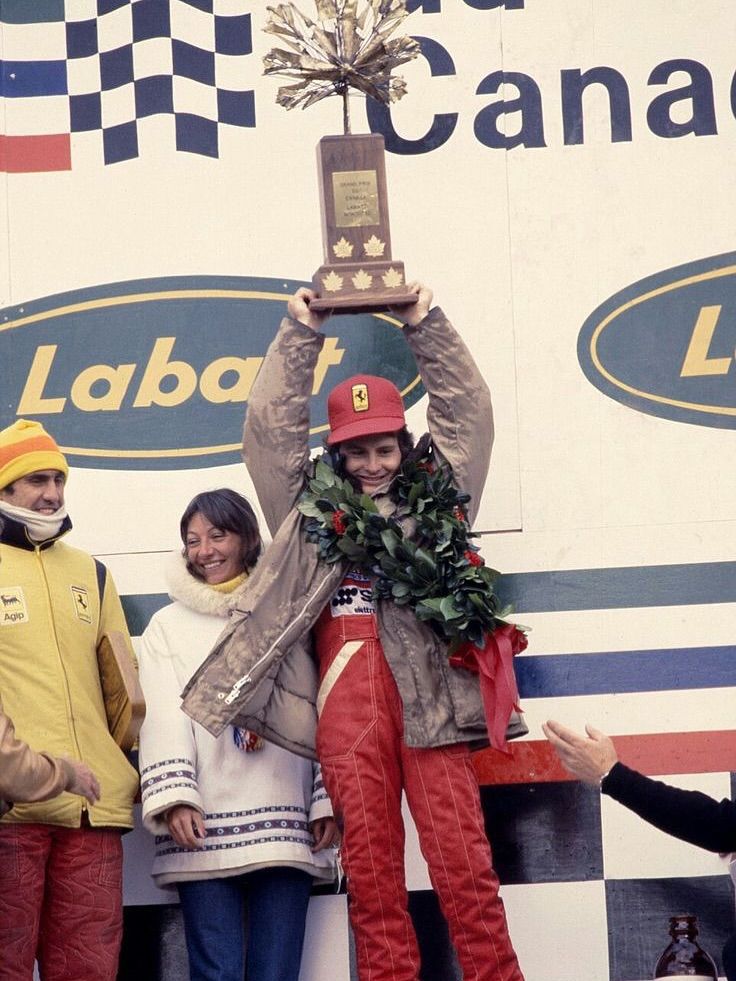
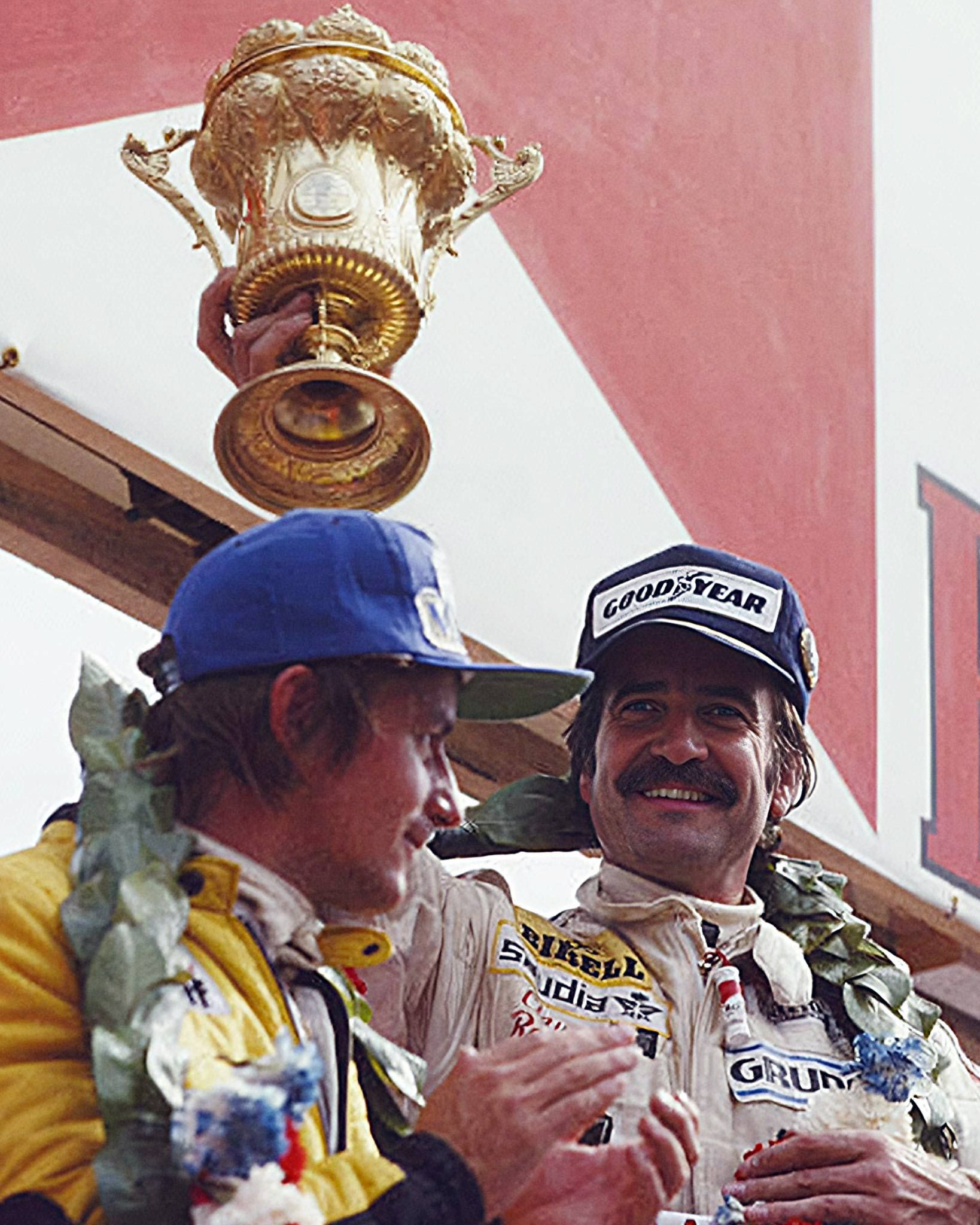
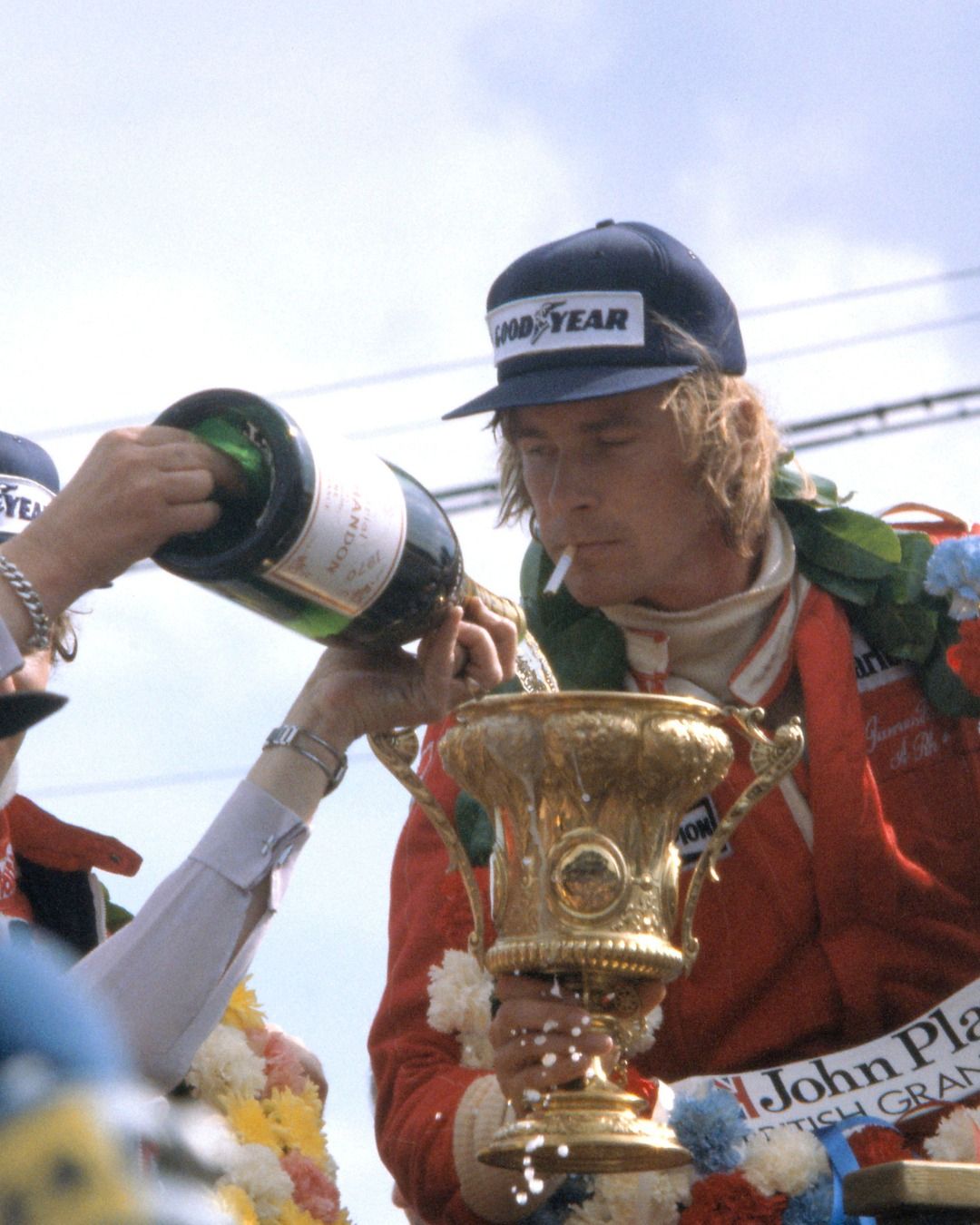
The very last appearances of laurel wreaths on Formula 1 podiums date back to 1985, particularly in Italy and South Africa. By then, caps were already a well-established tradition, but still secondary to the laurel prize, as shown by early photographic evidence of podium caps dating back to the early 1970s — although they likely existed even earlier. The reason is easy to understand: the laurel wreath covered not only the drivers but also the suits with sponsors and the car manufacturers’ names, obscuring the branding and making it less recognizable. With the rise of photography and multimedia, the need for a promotional showcase became increasingly important.
With hands free, for example, the podium became an opportunity to promote champagne brands, sparking a competition among labels won in 2025 by Moët & Chandon, which replaced Ferrari Trento for the first time since 2021. Above all, the drivers’ foreheads became the equivalent of a mobile billboard on the highest step of the podium, mainly promoting Formula 1’s Global Tyre Partners — the official tyre suppliers.
How have podium caps changed?
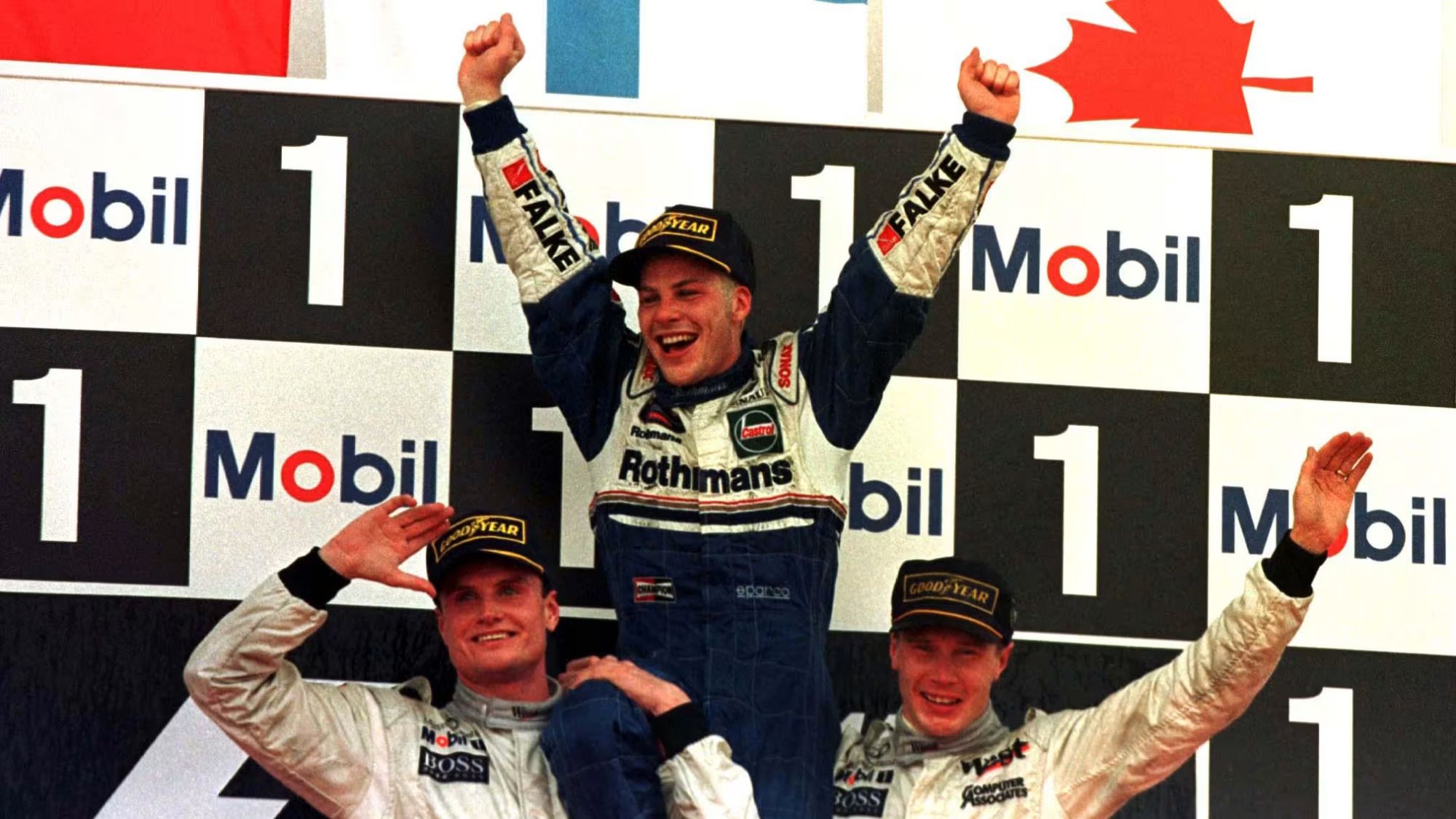
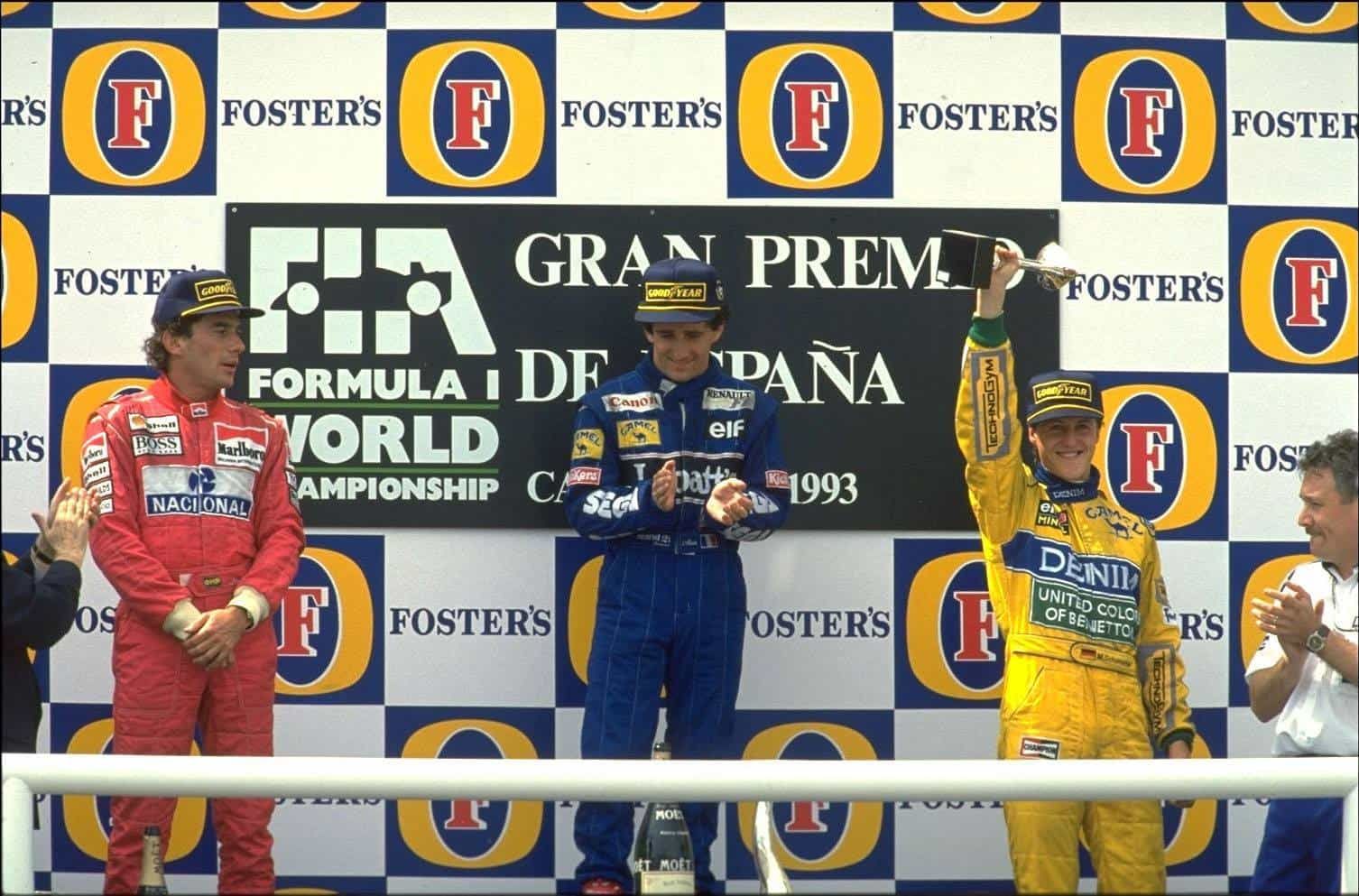
In the 1960s, the most lucrative partnership with Dunlop resulted in a yellow podium cap with black details, including the brand name embroidered on the front panel — a model that influenced all subsequent designs. The visor was already a key feature, with black laurel decorations on top and additional elements underneath, such as logos or repeated branding. From 1973 to 1997/1998, absolute dominance — aside from occasional competition from Michelin, Dunlop, Firestone and Pirelli — belonged to Goodyear, whose most recognizable cap was blue with gold stitching across the front panel, visor and side panels, which were also used to indicate the Grand Prix location.
This long-standing monopoly was only broken starting from the 1999 season, when Bridgestone took over, introducing a red podium cap with the brand name on a white front patch and the logo on one of the side panels, while the opposite panel displayed the driver’s finishing position — first, second or third — indicated by the corresponding number. Between 2001 and 2006, the Japanese company alternated podium appearances with Michelin, eventually emerging as the dominant supplier until the end of the decade. From 2011 onwards, Pirelli became the official and exclusive Formula 1 tyre supplier, offering multiple variations of a fixed and recognizable model: a yellow patch with a red logo on the front panel, the driver’s position on one side panel, the date and location of the Grand Prix on the other, and laurel leaves on the visor. What changes are the colors and crown details — originally black — which have been significantly reimagined in recent years.
Modern design: Denis Dekovic and the Pirelli era
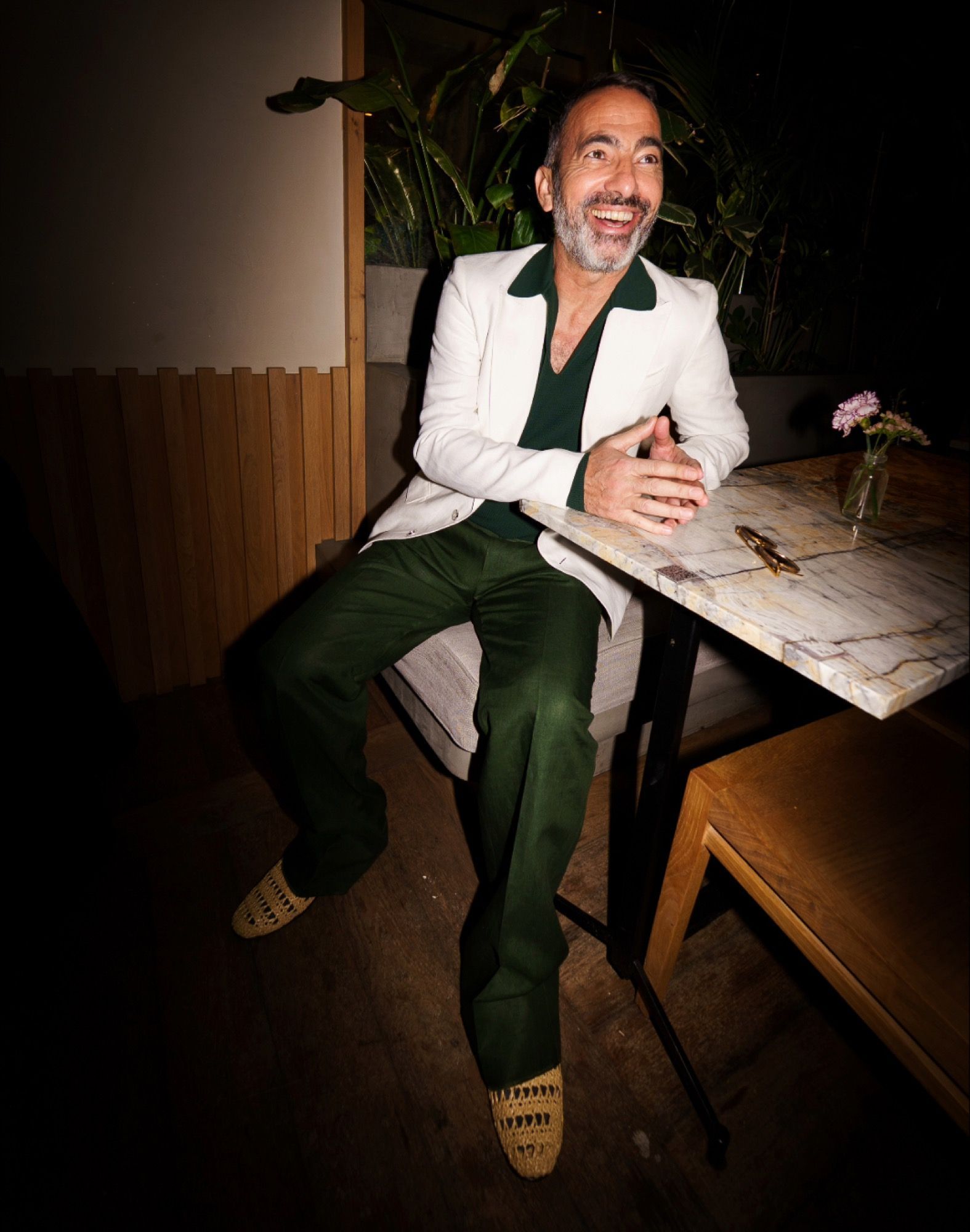
The Pirelli Lifestyle Collection unveiled its highlights starting with the podium caps designed for the 2025 Formula 1 World Championship, created in collaboration with Denis Dekovic and his creative agency DKVC. Founded in 2022, the agency marked the Croatian designer’s move after twenty years of collaborations — from Lotto and Fila to his role as senior design director for Nike footwear starting in 2005, and later global creative director at adidas, which he joined in 2016. Among his many iconic works, such as the Nike Hypervenom and Magista, are also the boots designed for Michael Schumacher during his time at Fila between 2002 and 2004. That was his first collaboration with the world of Formula 1, a sport he deeply loves, especially its classic and traditional aspects.
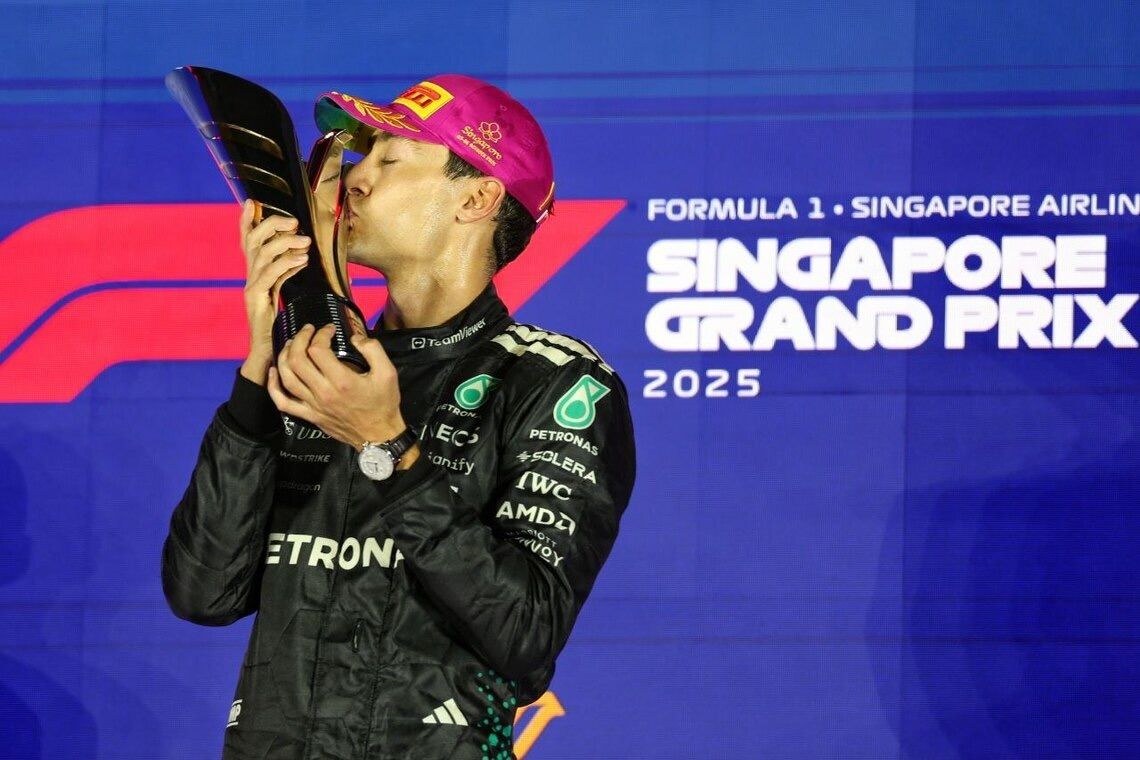
The design of the 2025 Pirelli podium caps maintains the classic structure — patch, logo and side panels — while highlighting the interwoven laurel leaves on the visor and introducing contemporary variations in the details. Color becomes the main protagonist, changing according to the host country, such as green and gold for Brazil or magenta for the Singapore Grand Prix, inspired by the neon lights of the night circuit. A true collector’s item is the cap designed for the 2025 edition of the Monza Grand Prix, featuring a tricolor “500GP” inscription on the side panel to celebrate Pirelli’s 500th Grand Prix as Formula 1 supplier. The crown is blue, while the position number appears in a golden shield — a departure from tradition. For the occasion, the concept of the podium cap was even celebrated with a statue gifted to the Italian company.
In this early phase of the 2026 season, however, Dekovic’s creativity is going even further. The cap has become a true flag of the host nation: in Melbourne, the Southern Cross constellation was stitched onto the blue crown, perfectly reproducing Australian symbolism. In China, linguistic elements took center stage, with Hanzi characters on the side panel and under the visor. The same approach was applied in Japan, where the standout feature was the tribute to Sakura — woodblock-style cherry blossom prints — on a pink background. The concept is now clear: the podium cap is no longer just a reference, but an active cultural symbol. Another novelty is the position number, now displayed on a black circular patch with gold stitching and the white slogan “Power is Nothing Without Control”.
The most iconic and unusual caps
Pirelli’s creative direction over these fifteen years has also produced unique pieces. The Monza podium cap from last year is one example, echoing the concept used for the 1000th Formula 1 Grand Prix held in Shanghai in 2019, where the event logo and number were embroidered on the side panel beneath the Chinese flag. More extravagant variations also exist. The first major departure dates back to 2012, when a young Lewis Hamilton, then driving for McLaren, celebrated his win at the Austin Grand Prix wearing a cowboy hat with the Pirelli logo.
The British driver has in fact been a recurring figure in Pirelli’s creative experiments. In 2017, again in Texas, he became the face of the Drive For The Cure campaign, wearing a bright pink cap to raise awareness for breast cancer research. After his dominant victory at the Sochi Grand Prix in 2015, he was instead awarded a Pirelli Ushanka — the traditional Russian fur hat — which he wore during the celebrations, even accidentally spraying champagne on Vladimir Putin. Equally iconic was the Pirelli sombrero worn on the podium at the Mexico City Grand Prix in 2015. On that occasion, Hamilton was present but only on a lower step than his Mercedes teammate Nico Rosberg. Despite finishing second, the British driver can boast an impressive collection of special Pirelli podium caps. And soon, if he keeps this pace, Kimi Antonelli will have nothing to envy.