






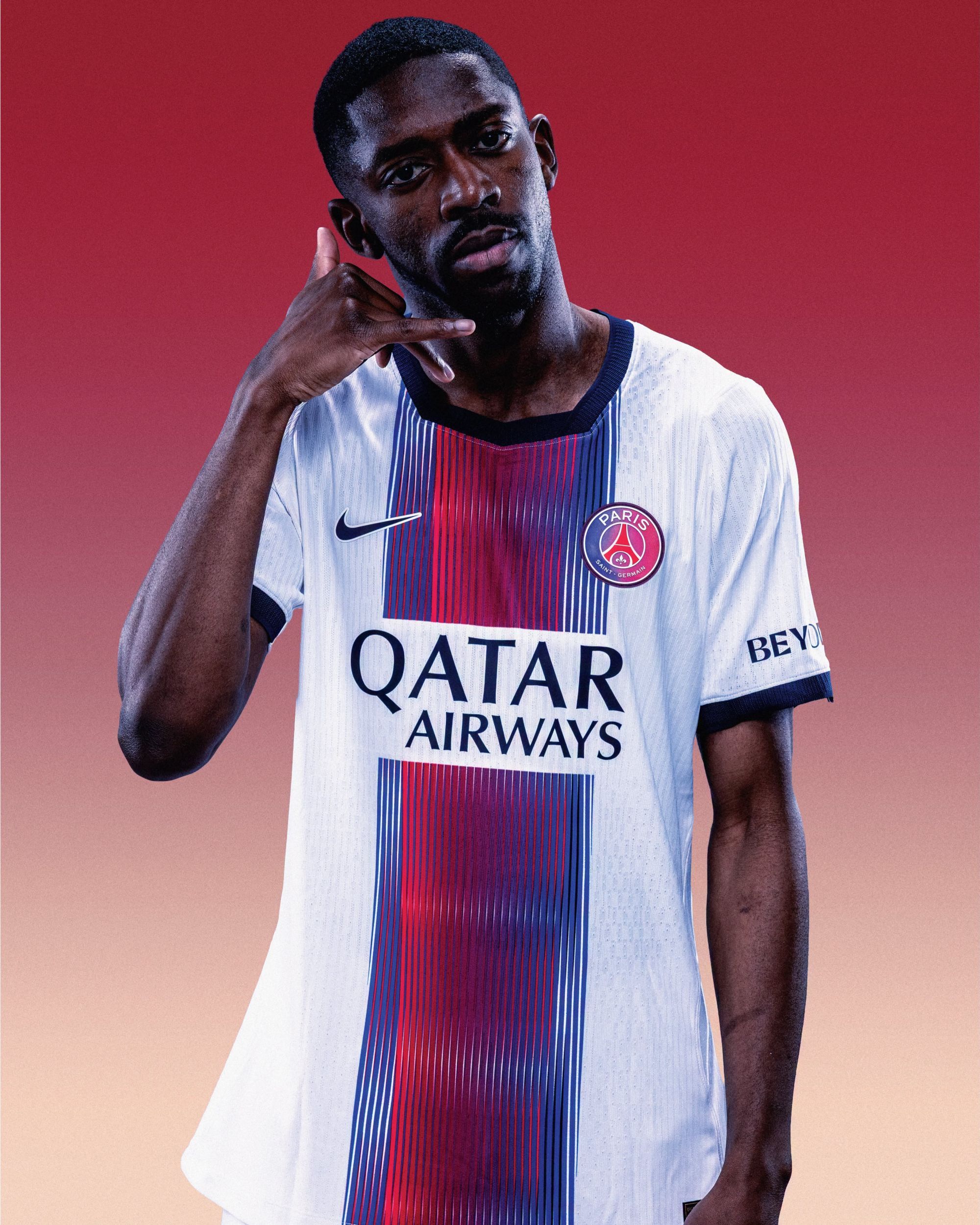
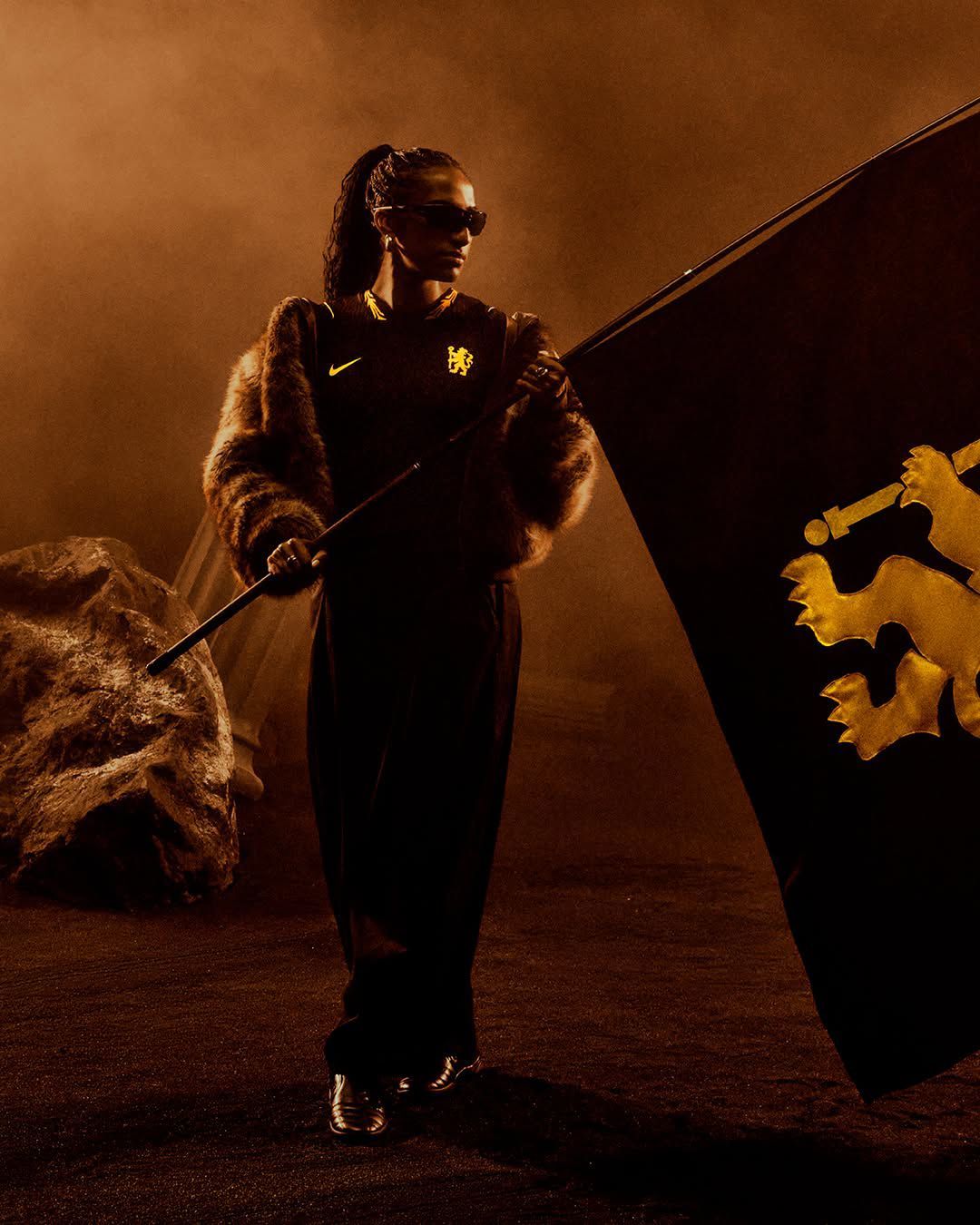


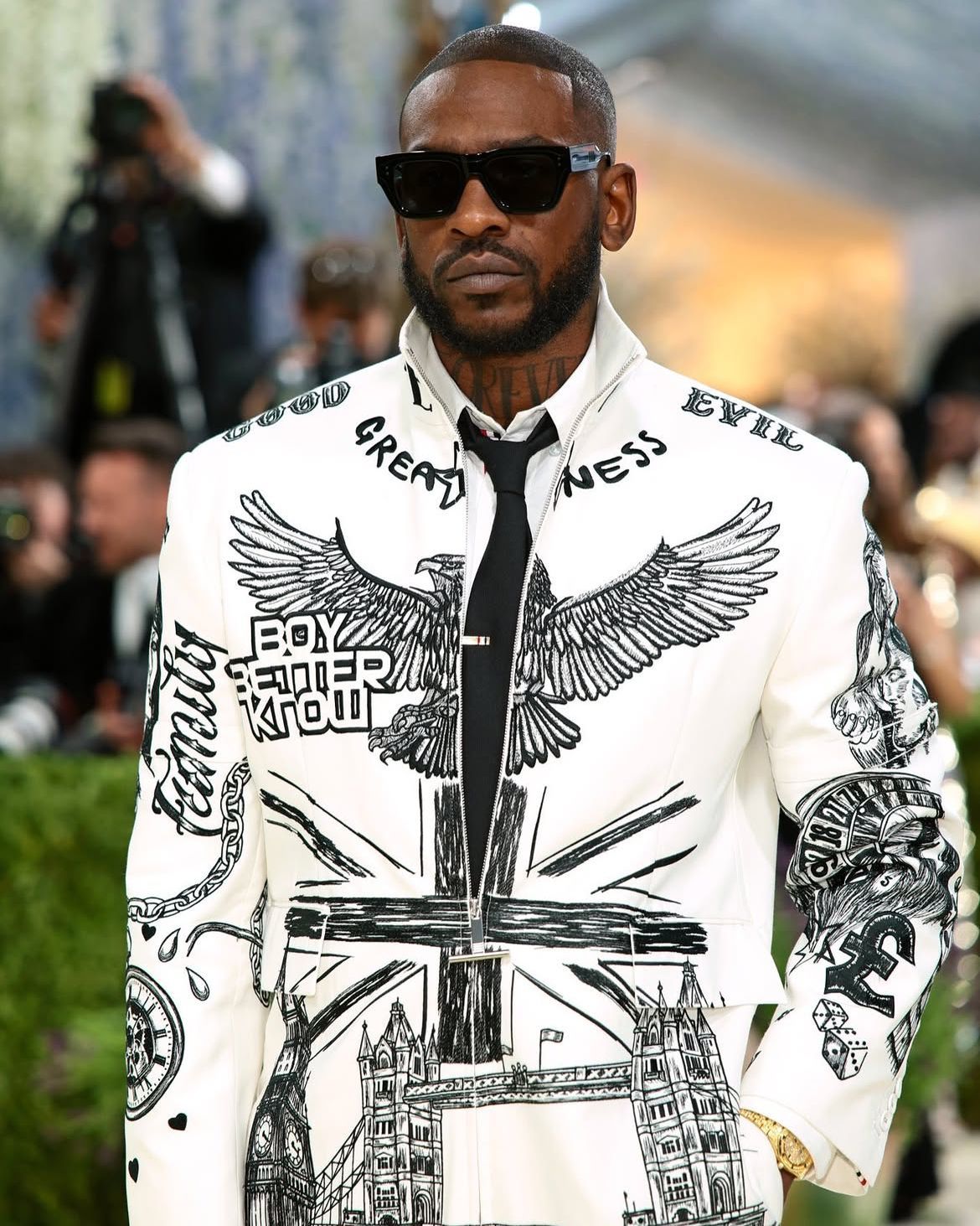




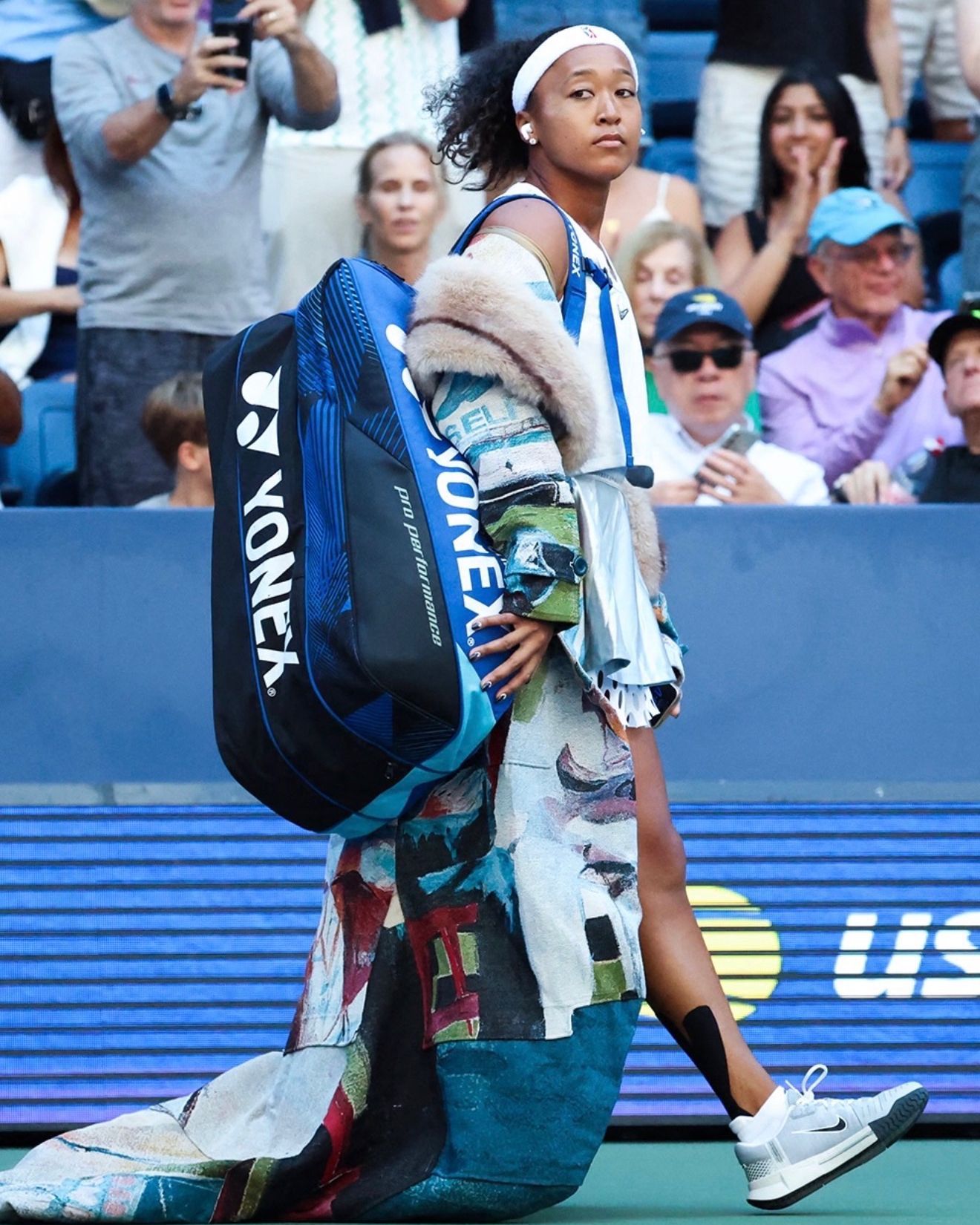






Football herstory Exploring the future of fashion in football through the voices of the most talented female football designers
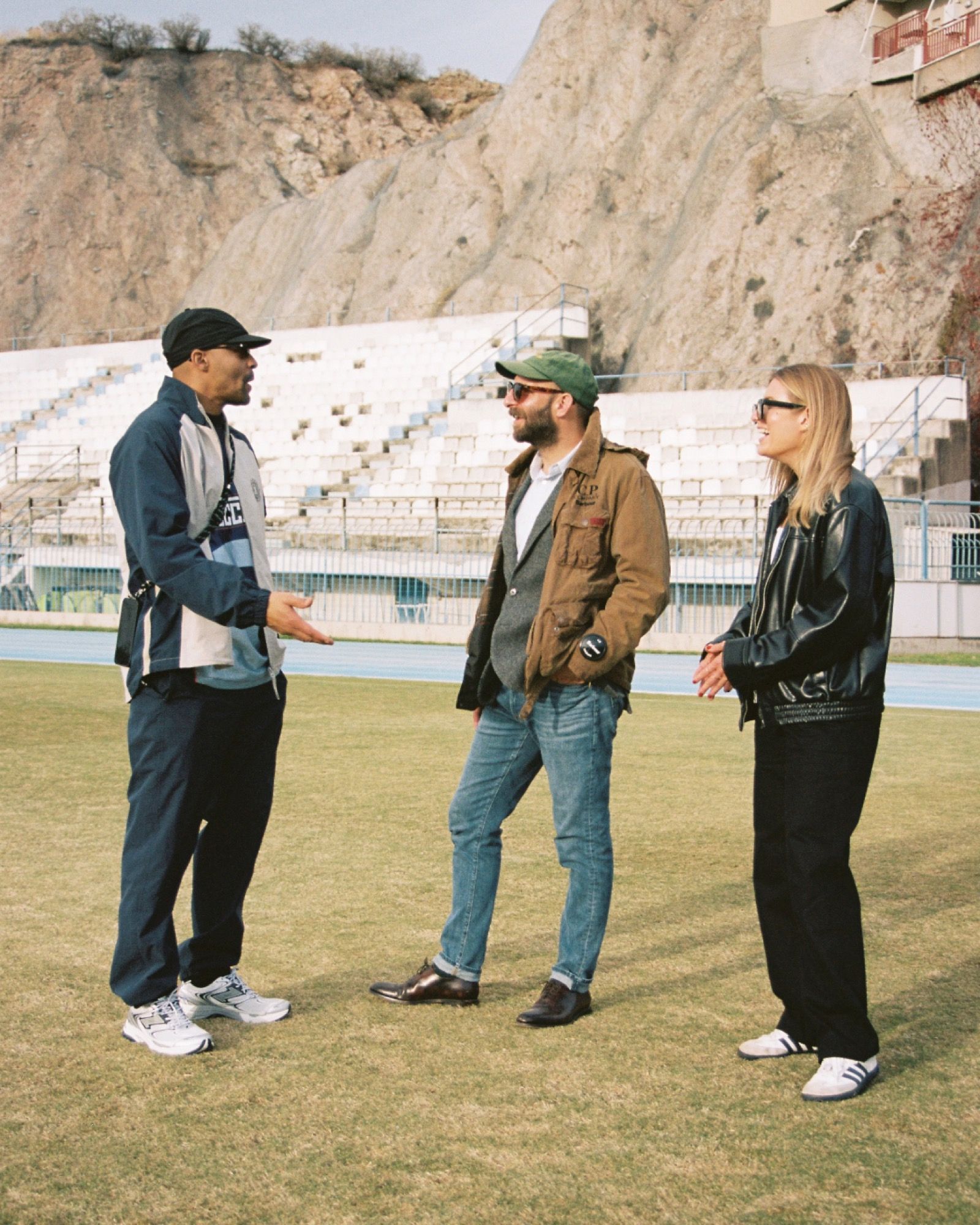
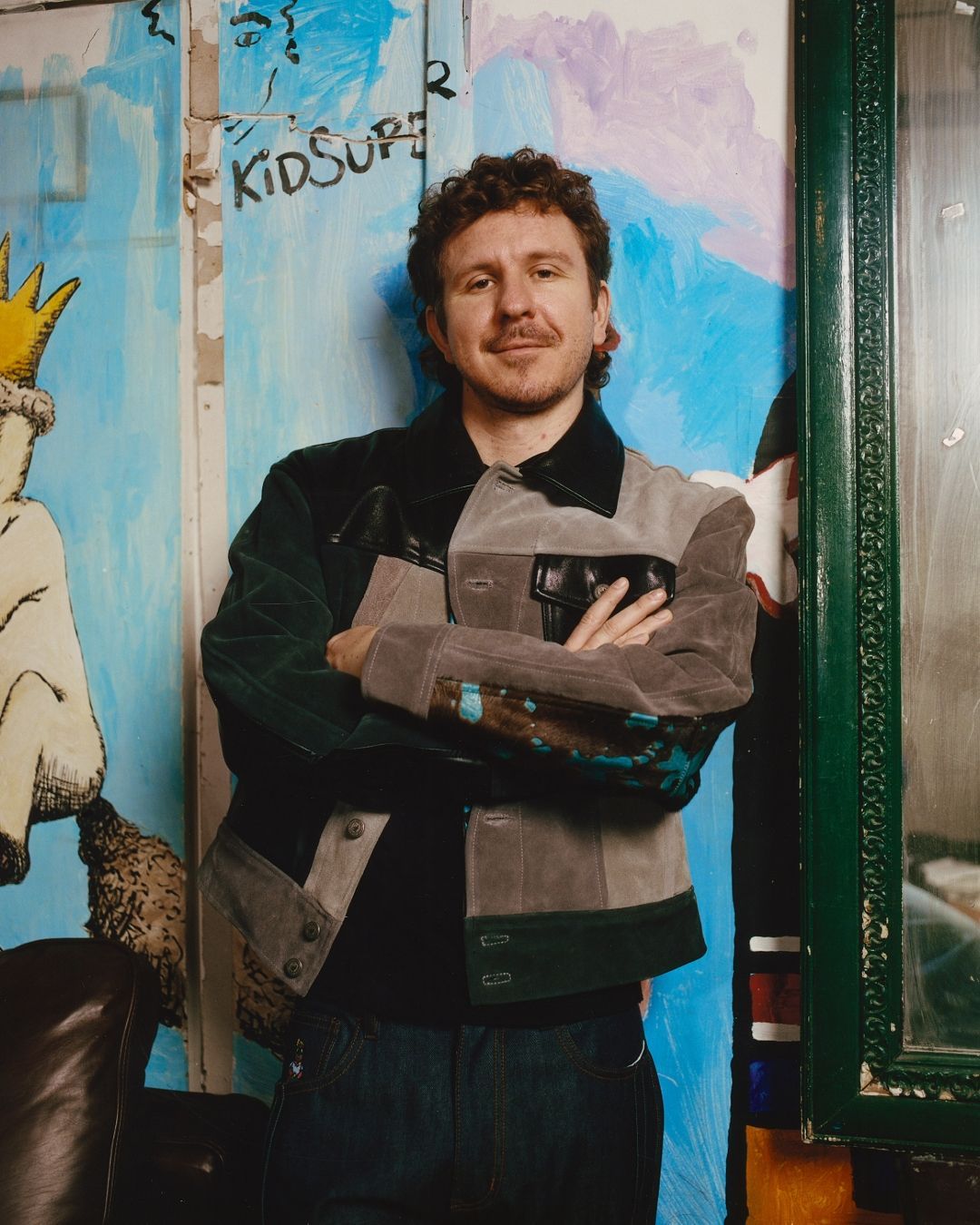
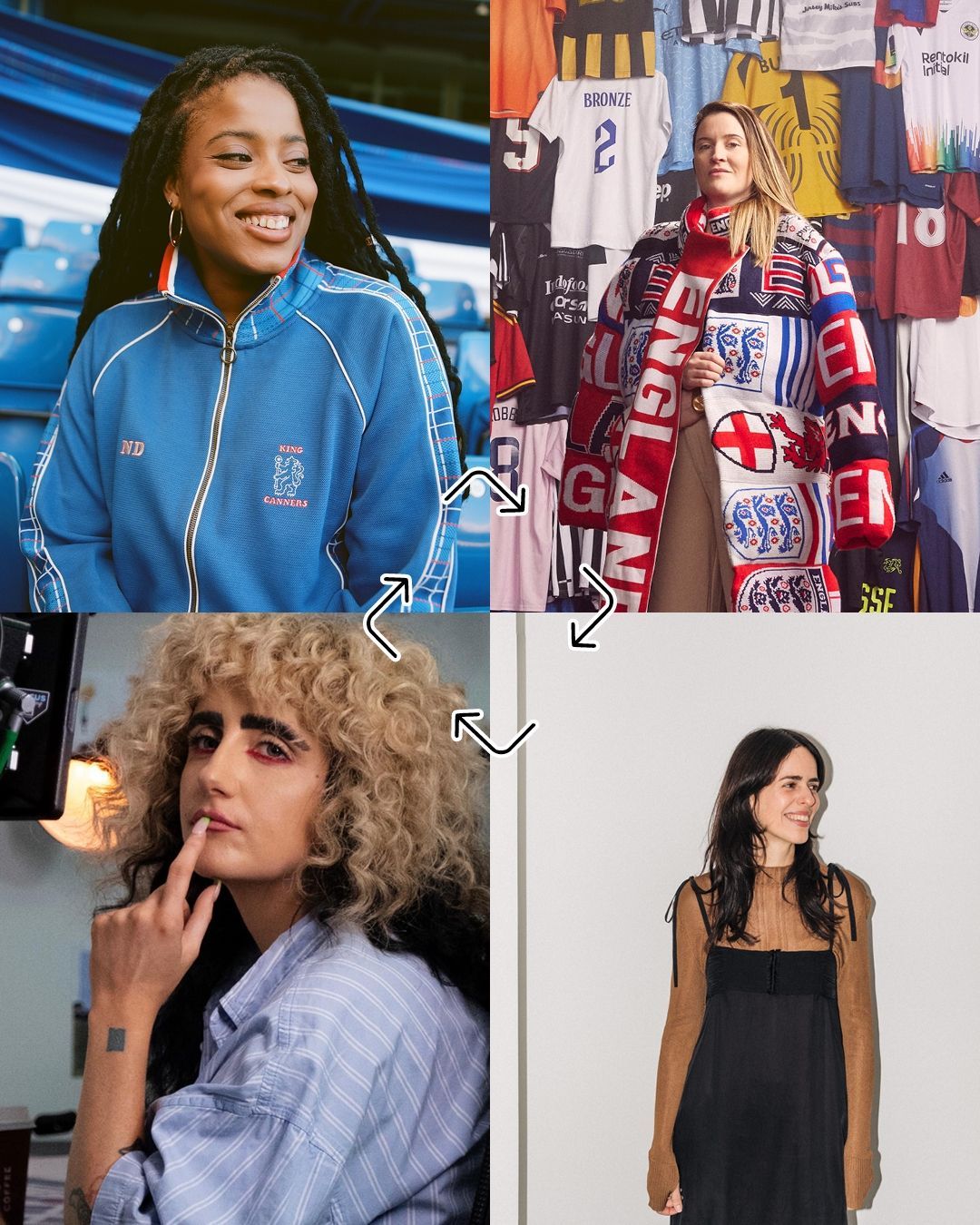
«Keira Walsh Chelsea shirts will fly for the next 24 to 48 hours,» predicts Helen Hardy, the Manchester-based football jersey collector (about 350) who launched the world’s first women’s football retail platform Foudys. As we speak over Zoom hours before the January 2025 transfer window slams shut, Hull-born, London-based fashion designer and university lecturer Hattie Crowther and London-based Brazilian fashion designer Renata Brenha complete the quartet. We spend over two hours discussing where football jerseys fit into and disrupt the football and fashion landscape. In recent years, the explosions of women’s football and football fashion collaborations have validated their groundbreaking work (and mine) in a male-dominated sport and elevated their businesses to new heights. Being the London-based founder of SEASON zine and a football and fashion creative storyteller who’s either worked with or admired them from afar, I’m the mutual connection and buzzing to bring these visionaries together for the first time.
On what a football jersey is
Helen Hardy: They’re memories and multifaceted. The women's football fan base crosses over into playing, so I love seeing the diversity of football jersey use – the Emirates stands, nights out, and what my mates come to football training in. It's not always a Man United fan wearing a Man United jersey.
Hattie Crowther: I teach sportswear at UAL and Kingston, so we dive into and teach students the performance element. Working with the needs of the athlete, especially women's athletes at the moment, and then there's the fashion aspect. It's the jersey’s life on and off the pitch.
Renata Brenha: They have a badge, a logo, a sponsor, a name, and a number on the back. When you look at 200 kilos per season, the colours are pretty uniform: red, blue, stripes, or white. They represent the culture of that time, almost like an anthropological artifact, and capture passion. The collectiveness of the group uniform that the team and supporters wear is beautiful.
On whether they’re fashion or merch
Helen Hardy: I'm football, not fashion. My email address has ‘women's football merch’ in it, and I lean into mass consumerism. But what I love about the NWSL is their home and away jerseys stay on for two seasons, and that's unique in the football landscape as a retailer. This product is relevant for longer, which creates a better ecosystem.
Felicia Pennant: The football jersey feels like the bridge. If you look at the people referencing football in their fashion designs, the football jersey is among the easiest ways to communicate that. Whether that’s Martine Rose designing a new jersey, the football drill top neckline on Prada SS25 menswear knitwear, or you two upcycling them.
Hattie Crowther: Fashion [for my football jersey designs] because to me, merch is something mass-produced, and nothing I do is mass-produced. It’s political and points the finger. My Euro 2024 “Fuck the Fans” England drop with Bukayo Saka, Marcus Rashford and Jadon Sancho flew out fast and Sancho bought one. It’s quite overwhelming how fast-paced things are. Are we just churning out things to be part of this fashion cult?
Renata Brenha: [My designs are] football DIY, I could call it football art, never merch. It's fashion because we're playing with cultural codes and a strong Brazilian cliché, ironically, proposing something for people to think about and wear. It's about identity, a love of football, consuming products, and our relationship with clothes. But I never want to be too serious either. It's just become so commercial, trying to sell so hard at a crazy pace, generating crazy amounts of waste.
On gendering football jerseys
Hattie Crowther: It’s the environment that they're placed in. We've all gone to men's and women’s games, and it's a completely different environment. That's how the jerseys speak in a certain context. You feel super safe at a women's match, and there's none of that toxic masculinity.
Renata Brenha: It’s context, not function. My work has been all about destroying gender ideas, and we're just talking about a regular tee with the same properties. Maybe a man has a stronger, wider shoulder, and a woman has more breasts.
Helen Hardy: I'm so passionate about this topic, and it was one of the primary reasons I launched Foudys in 2020. We know that five percent of our customers don't identify as male or female, so we'd be isolating them by saying women's fit and men's fit. We call it a curved cut and a straight cut. We talk about product fit in a fashion sense, not a body sense. I wear a curved cut when playing football because it hugs underneath my boobs and a straight cut going to the stadium because I want to move with more freedom.
On customising the fit
Hattie Crowther: I've done non-binary [football jersey] corsets, working with the LGBTQIA+ community. Some of my friends have transitioned, and it's about adapting pattern cutting for all body types. I started back in 2019, shooting at The Glory with my friends. I’m constantly challenging myself and redeveloping new techniques and textiles. I was hired as Creative Director by VERSUS and Adobe to readapt the Camden Town Women FC kits to better suit the female body. How far can we push reworking the football jersey with the beer and pit stains we get when we receive them?
Renata Brenha: As an upcycler, you're trying to give this object a second life. I originally designed pleated trousers made from eight different football jerseys for the women's wardrobe, only because of the womenswear proportions. When we launched, it was such a big hit that our customers in Japan asked me to do extra large because they were selling for men. I made these really small shorts because, when you cut the jerseys out, you don’t have a lot of room. There are Instagram pictures of guys in Ibiza wearing them.
On the best football jerseys right now
Helen Hardy: I might be biased because we work with them, but I love some of the recent Admiral stuff, leaning back into retro culture. There is a desperation from brands at the moment to be relevant, and they see relevance as being retro.
Hattie Crowther: The resurgence of Umbro is one to watch, and the Slam Jam collaboration stuff is hard.
Renata Brenha: I always like Umbro, but I think collabs can be reinvented. We're still using the same material – how many times can you do the same poly t-shirt? It could be ultra thin, thicker, seams glued or stitched, but there's nothing really different.
On blokecore
Helen Hardy: I am so sorry. I've never heard of this.
Hattie Crowther: The terminology is bullshit. Why can't it be WAG-core or something more feminine? I don't understand why it always has to derive back to this white, cisgendered, laddish culture. It was refreshing to see the resurgence of jerseys living in non-traditional wardrobes, but everything has become so surface-level because of TikTok and social media. The football jersey lost its heritage and storytelling meaning.
Renata Brenha: I've seen it, but it's a marketing tactic.
On technical innovation
Hattie Crowther: Everything is polyester. If you look at the materiality, it’s just made with different technical elements, warps, and wefts. The most interesting jersey is the Shakhtar Donetsk 22/23 away jersey by PUMA. It's super thin, lightweight, with sonic bonded seams, and I would want to wear something like this if I played.
Renata Brenha: I don't know why we use polyester for something that needs to be breathable. I understand the lightness, but you're putting plastic on top of a sweaty body. The best breathable fibre is cotton, natural stuff. I question myself a lot because I’m washing jerseys and cutting them up again. Is this really more sustainable? I suppose it's more sustainable than starting with something fresh that has this whole new carbon footprint, but when I'm heat pleating, I see how the material melts. The biggest innovation would be working with something more environmentally friendly that actually works with your body.
Le Vêtements de Football – The Golden Age of Football Jerseys is a project by nss sports, dedicated to the golden age of football jerseys.
The book is available for purchase on our e-commerce site at this link.
