


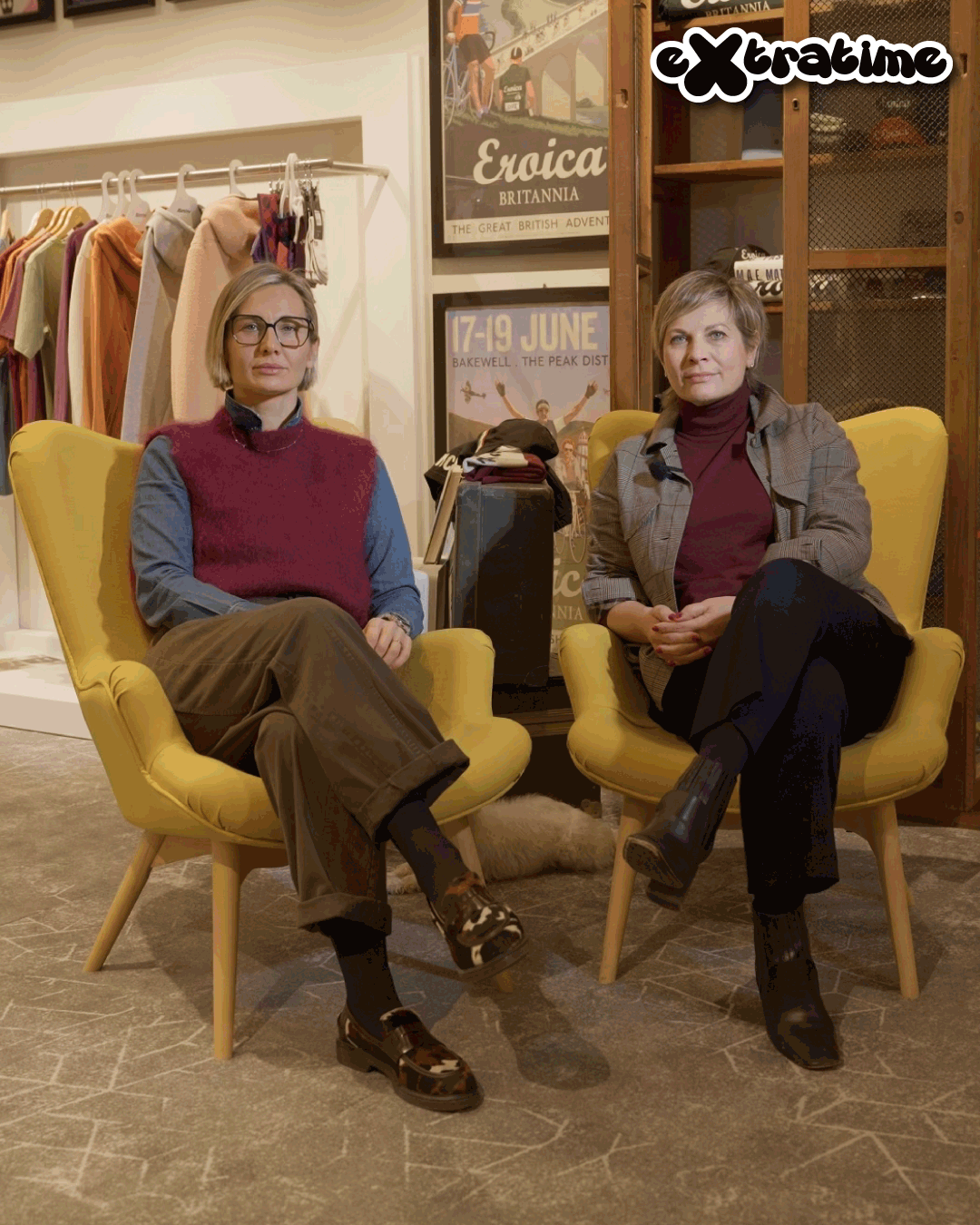
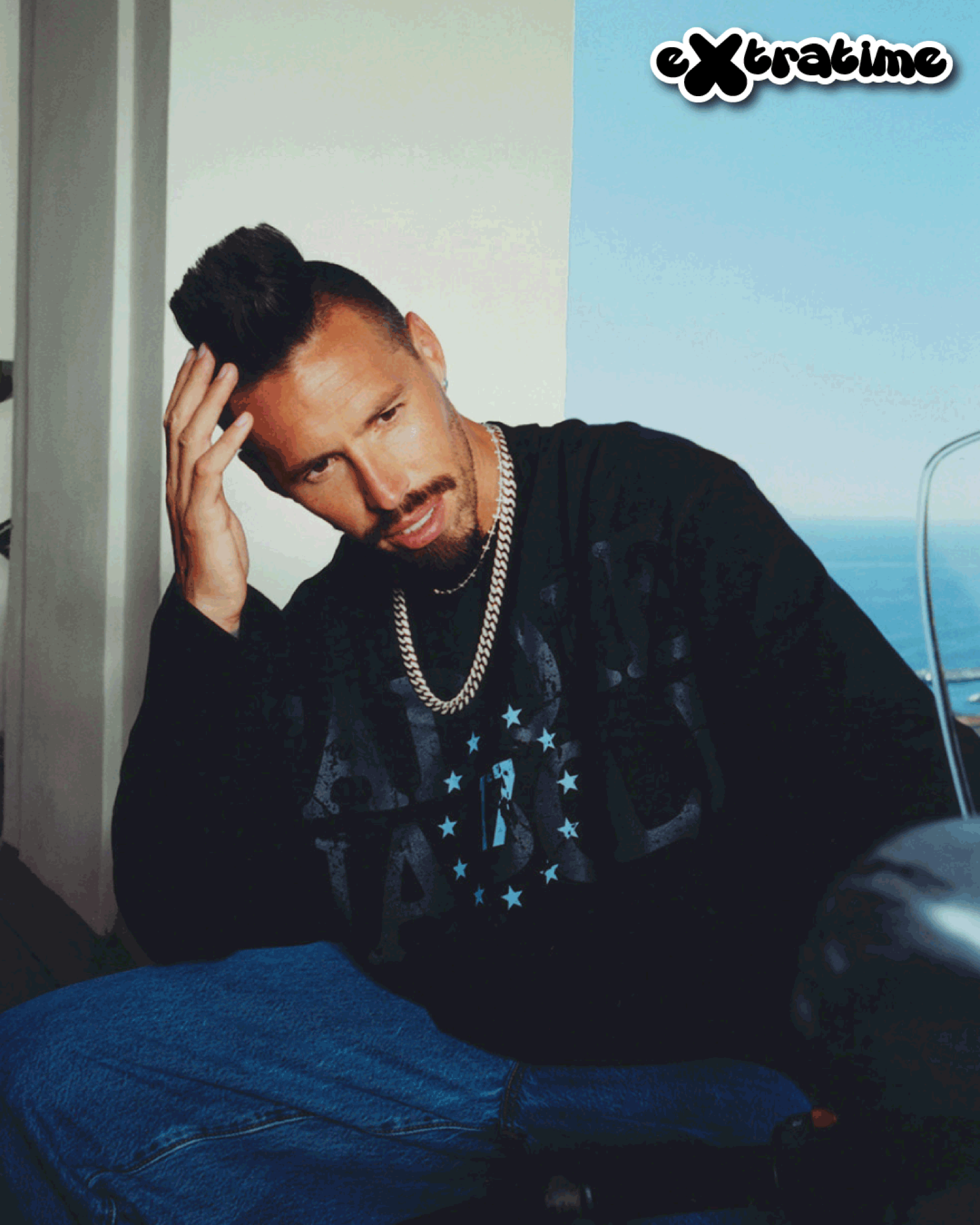


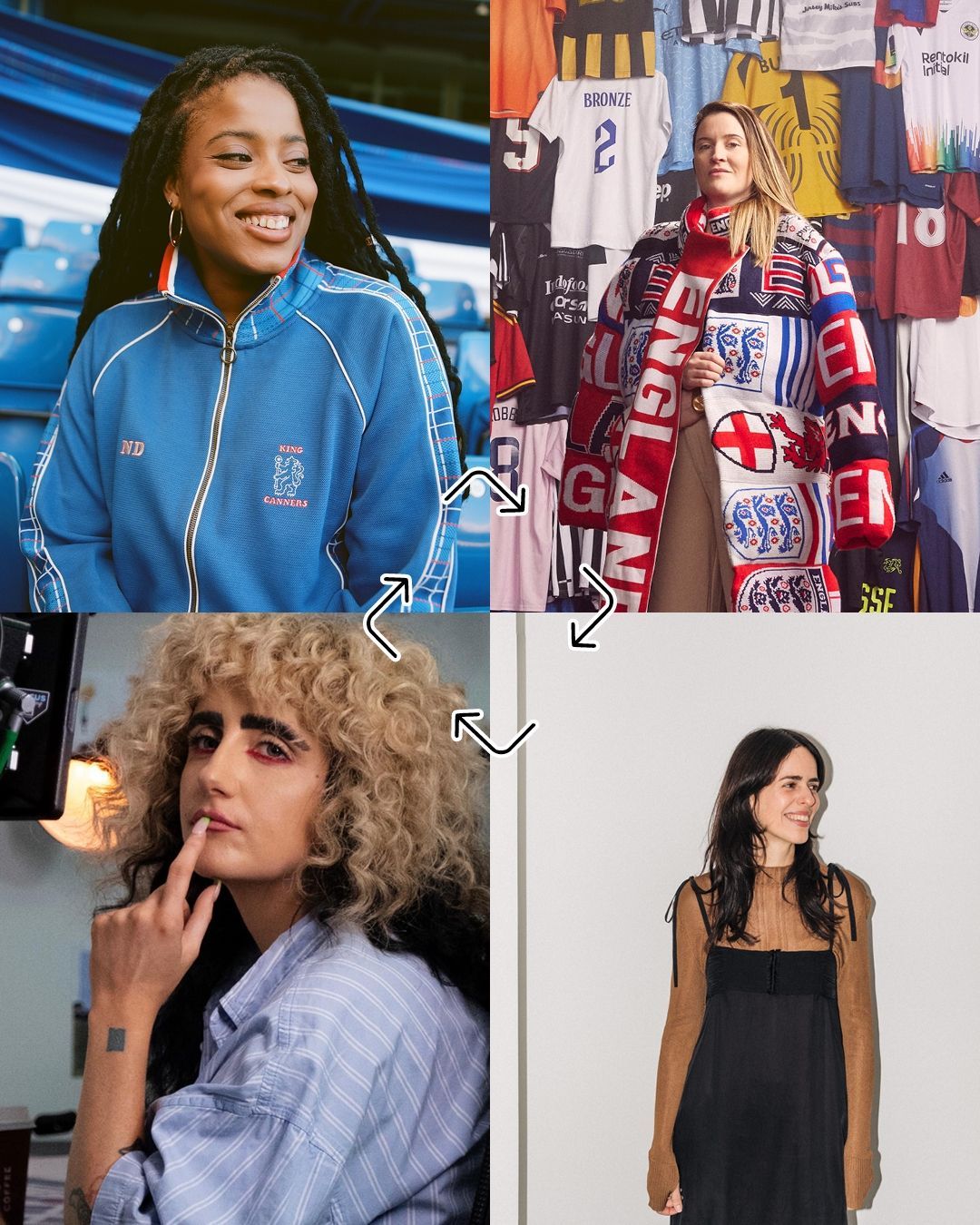
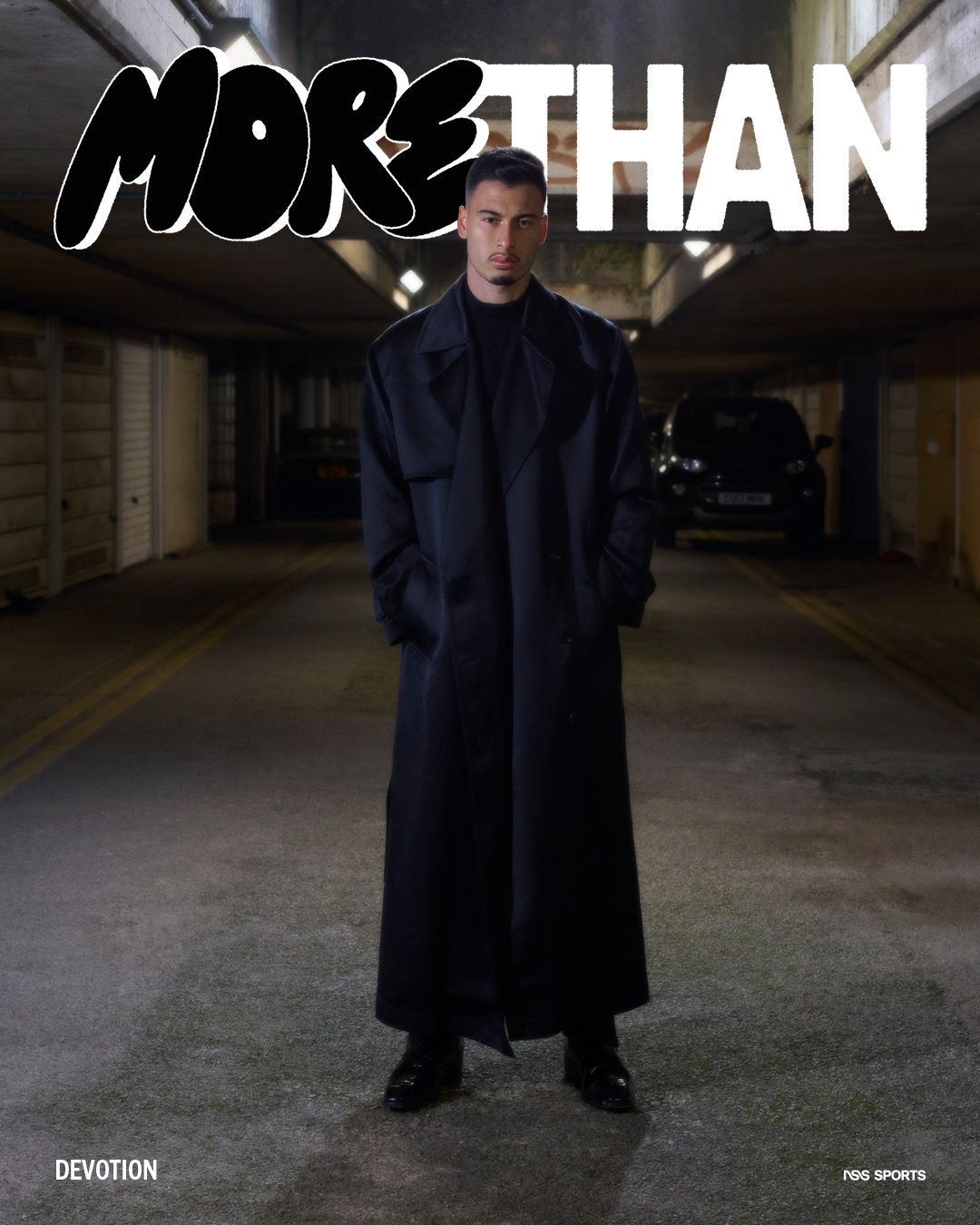
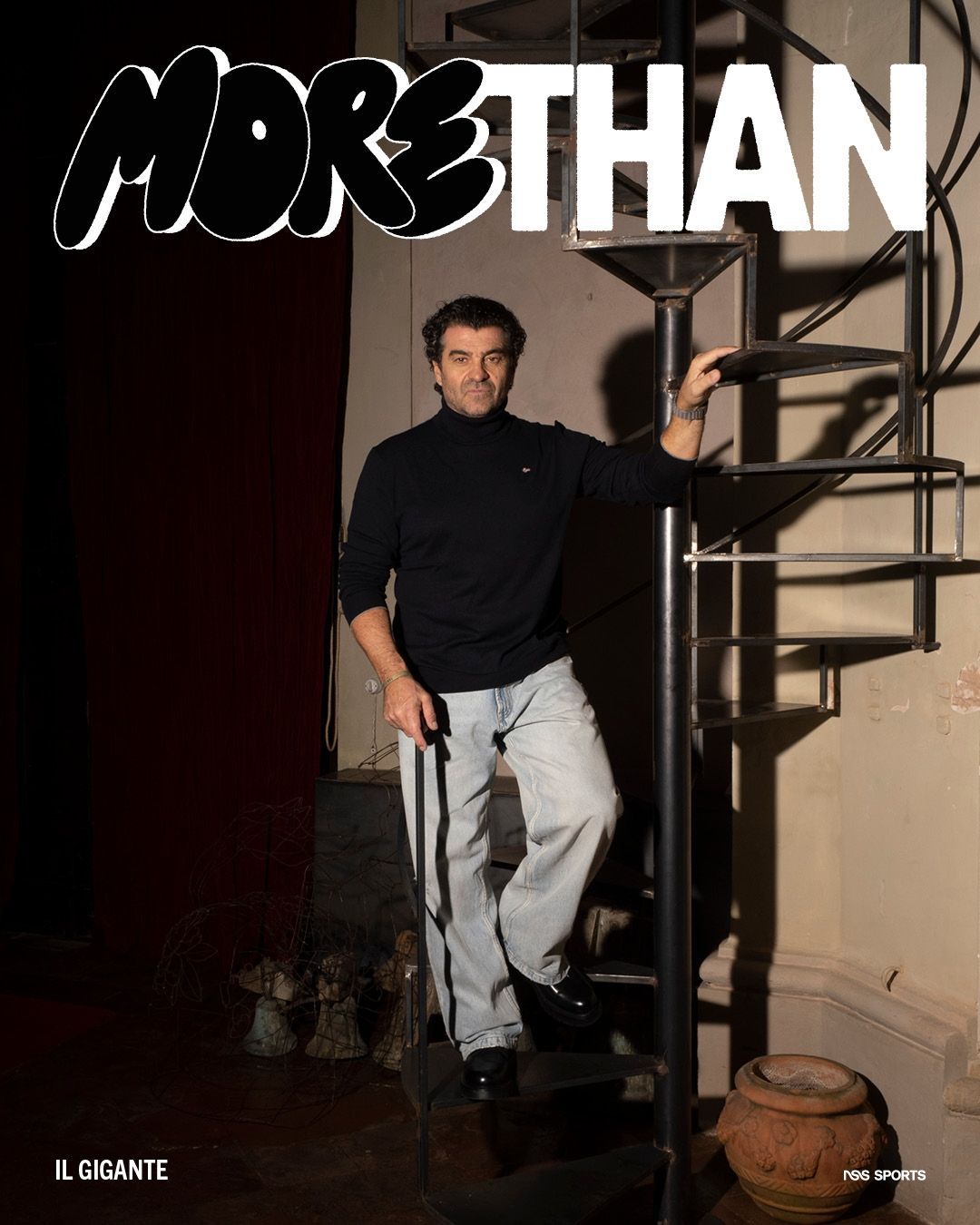
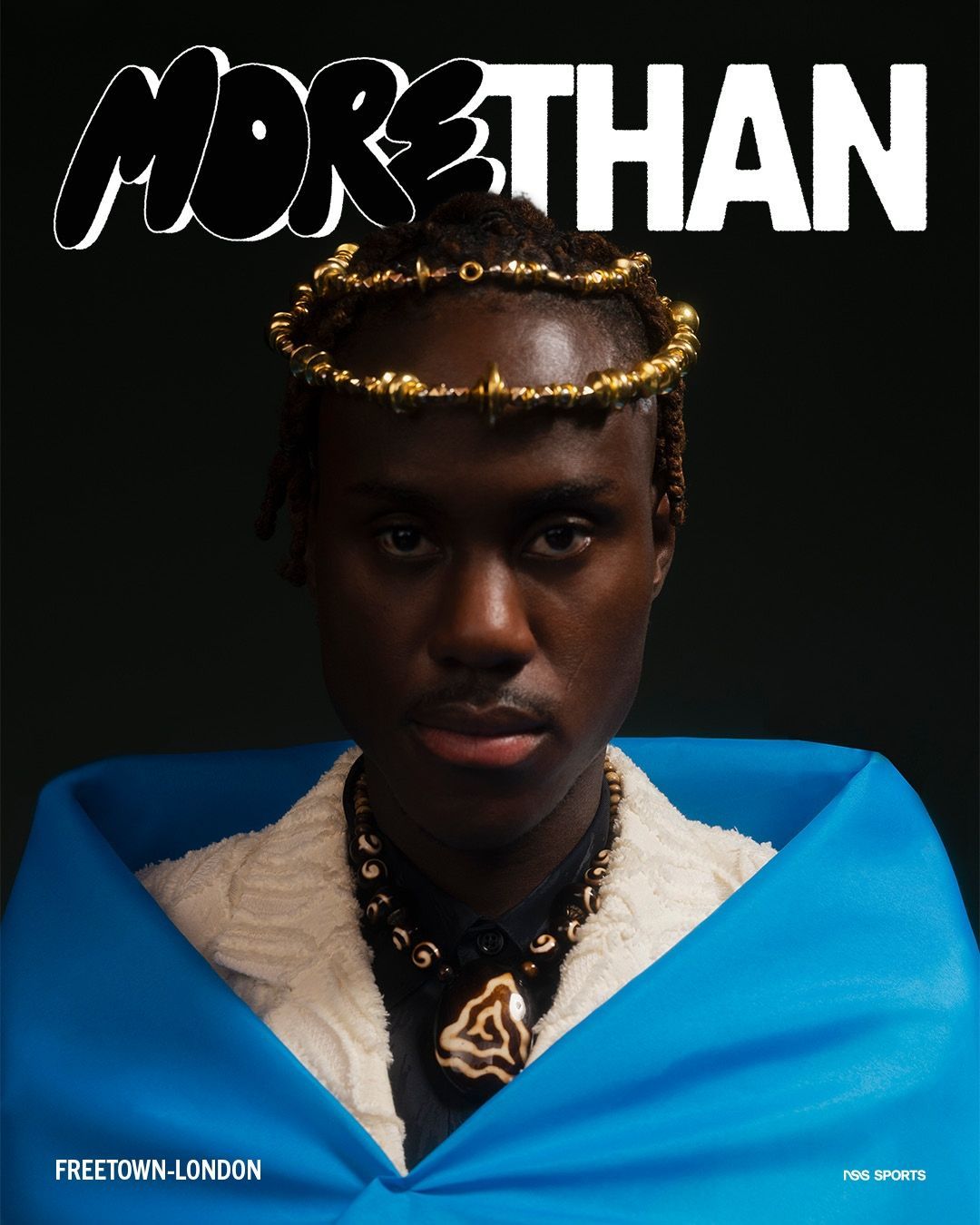
From bootleg to branding A conversation with David Bellion, Sonya Kondratenko e Ted Philipakos
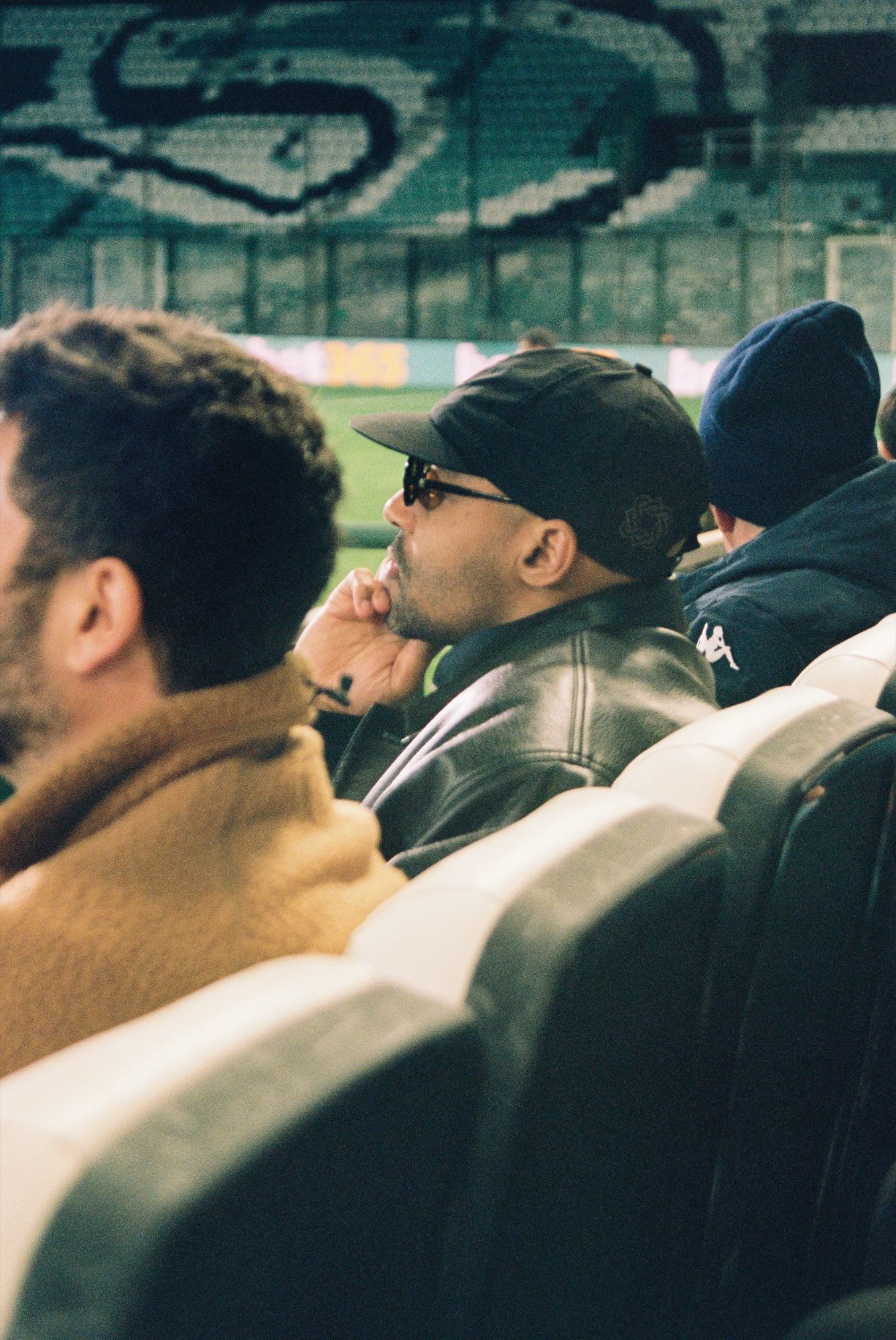
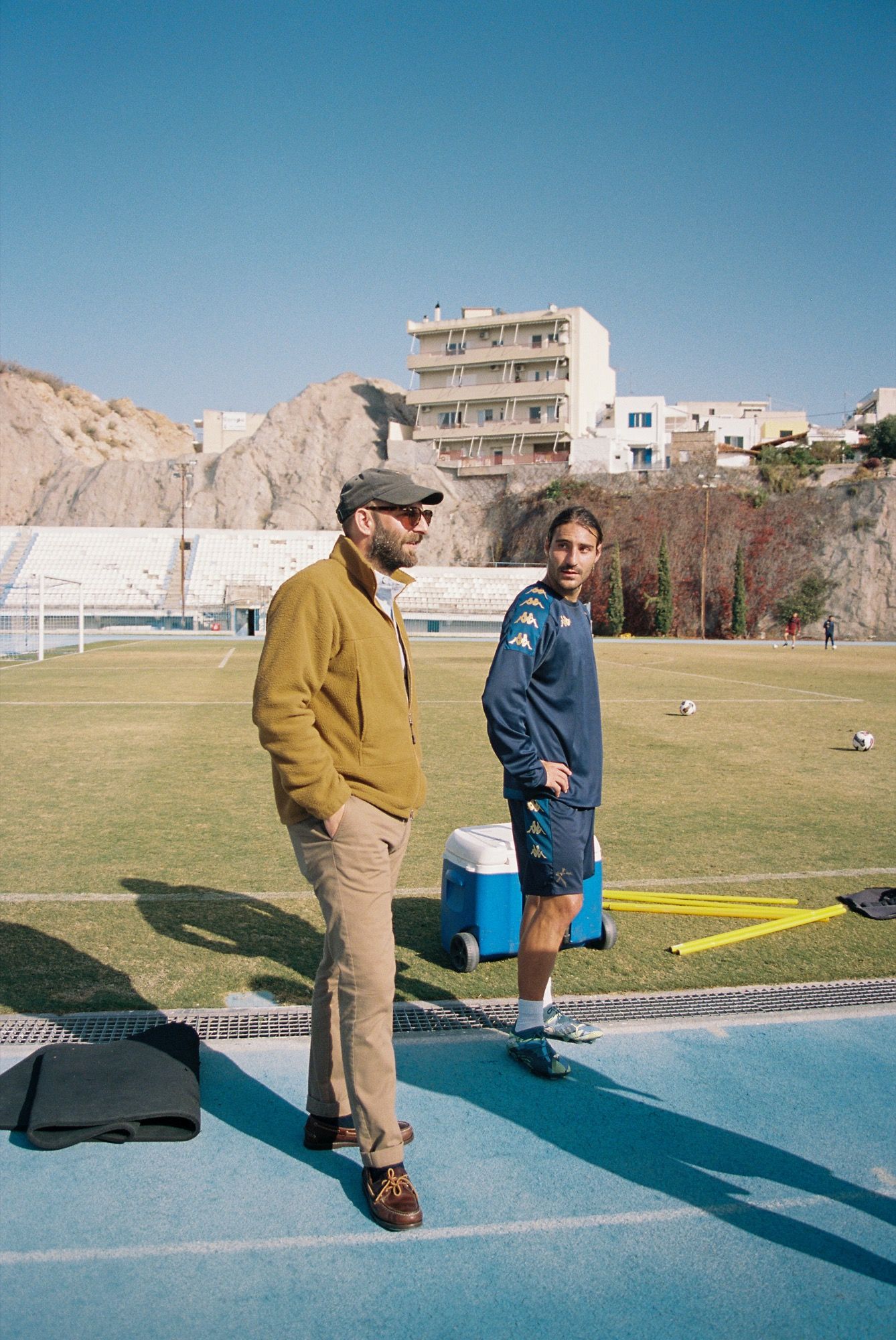
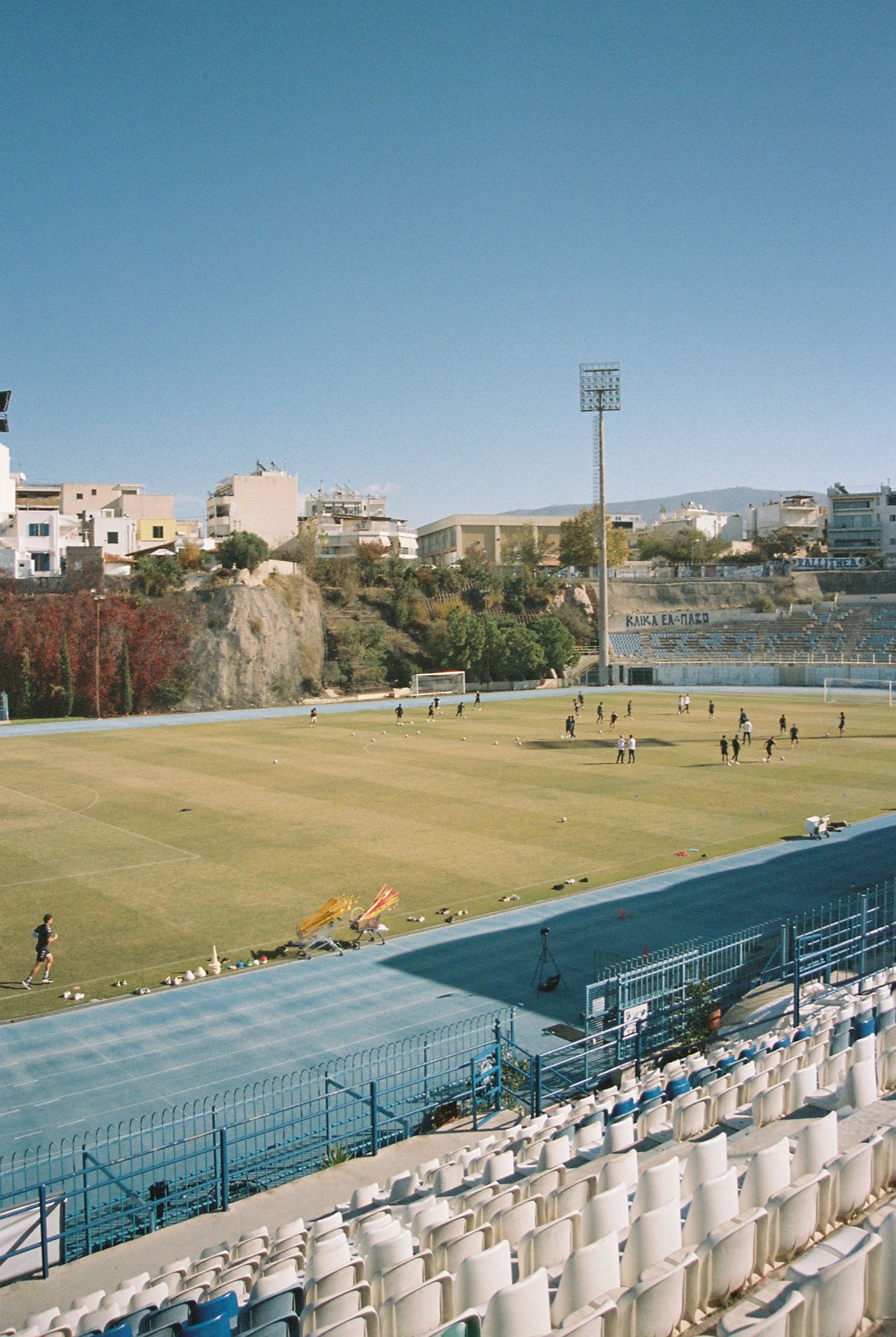
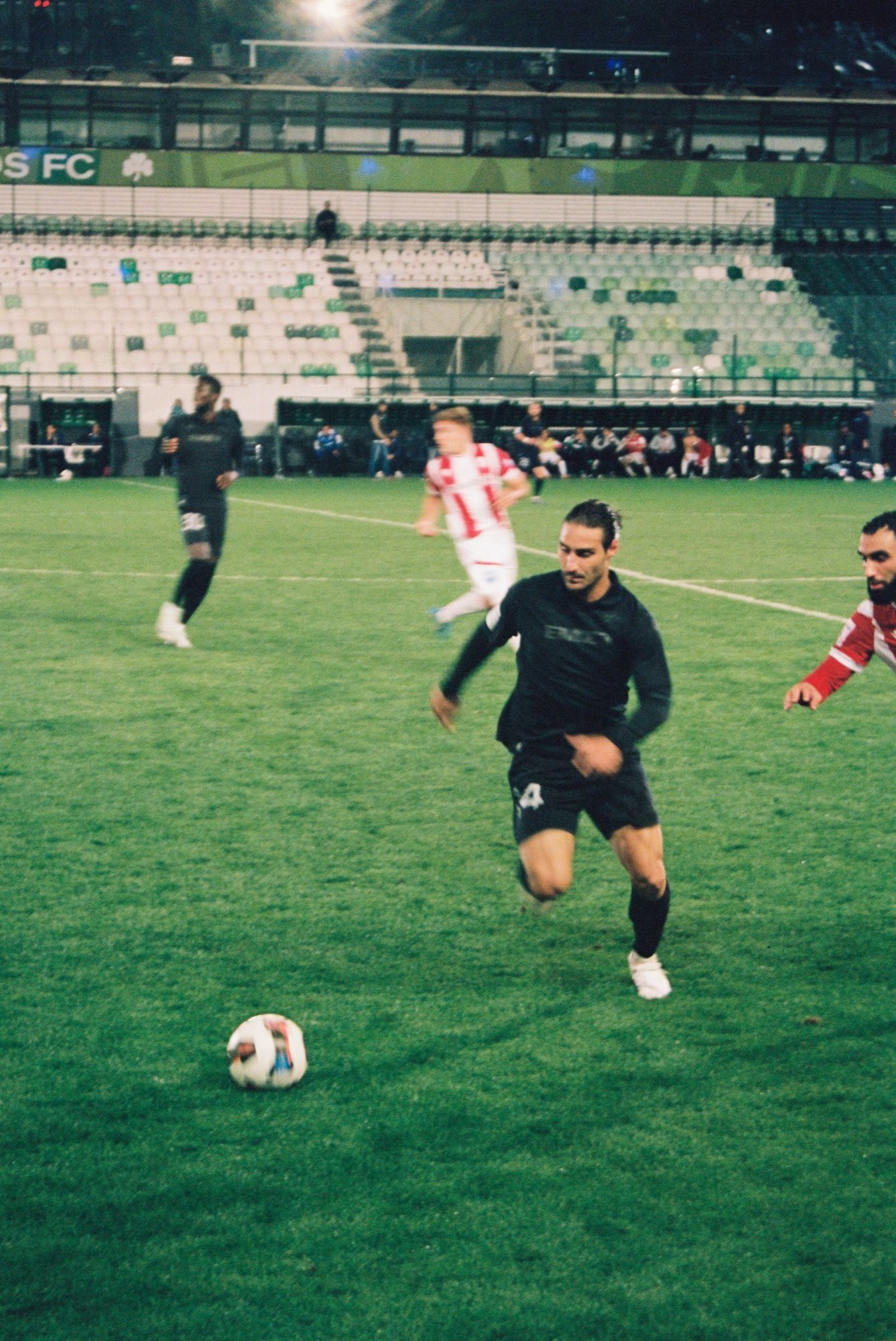
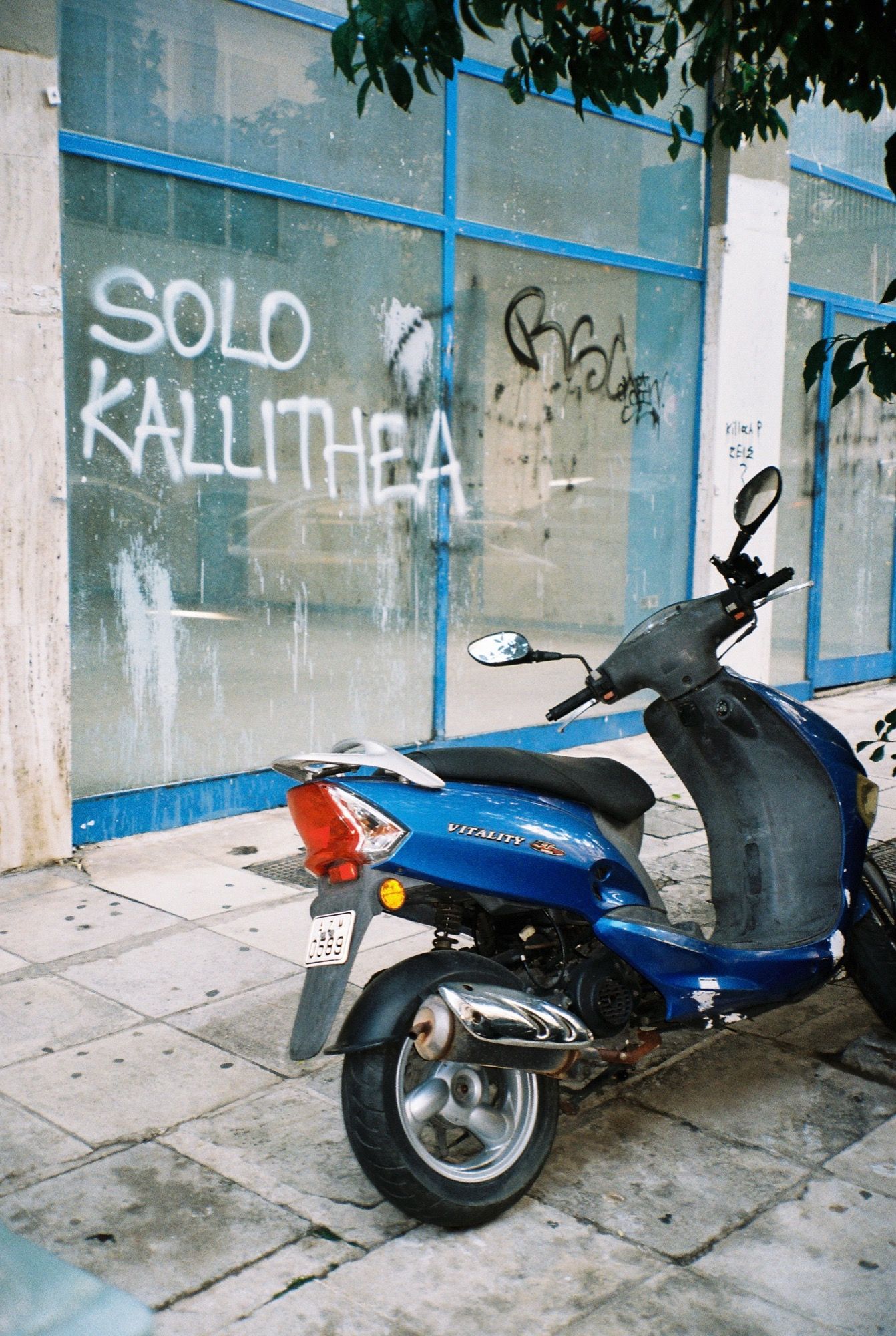
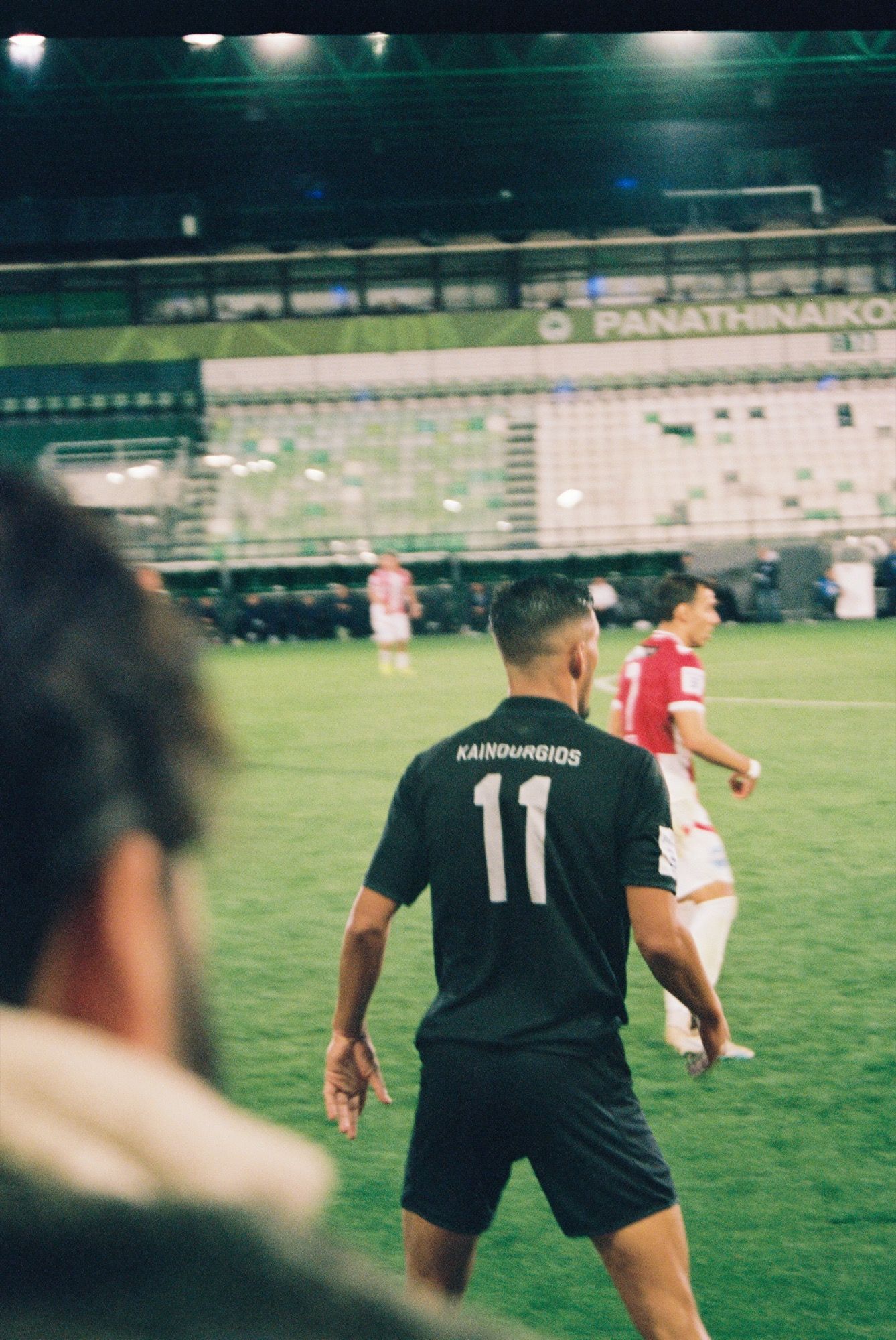
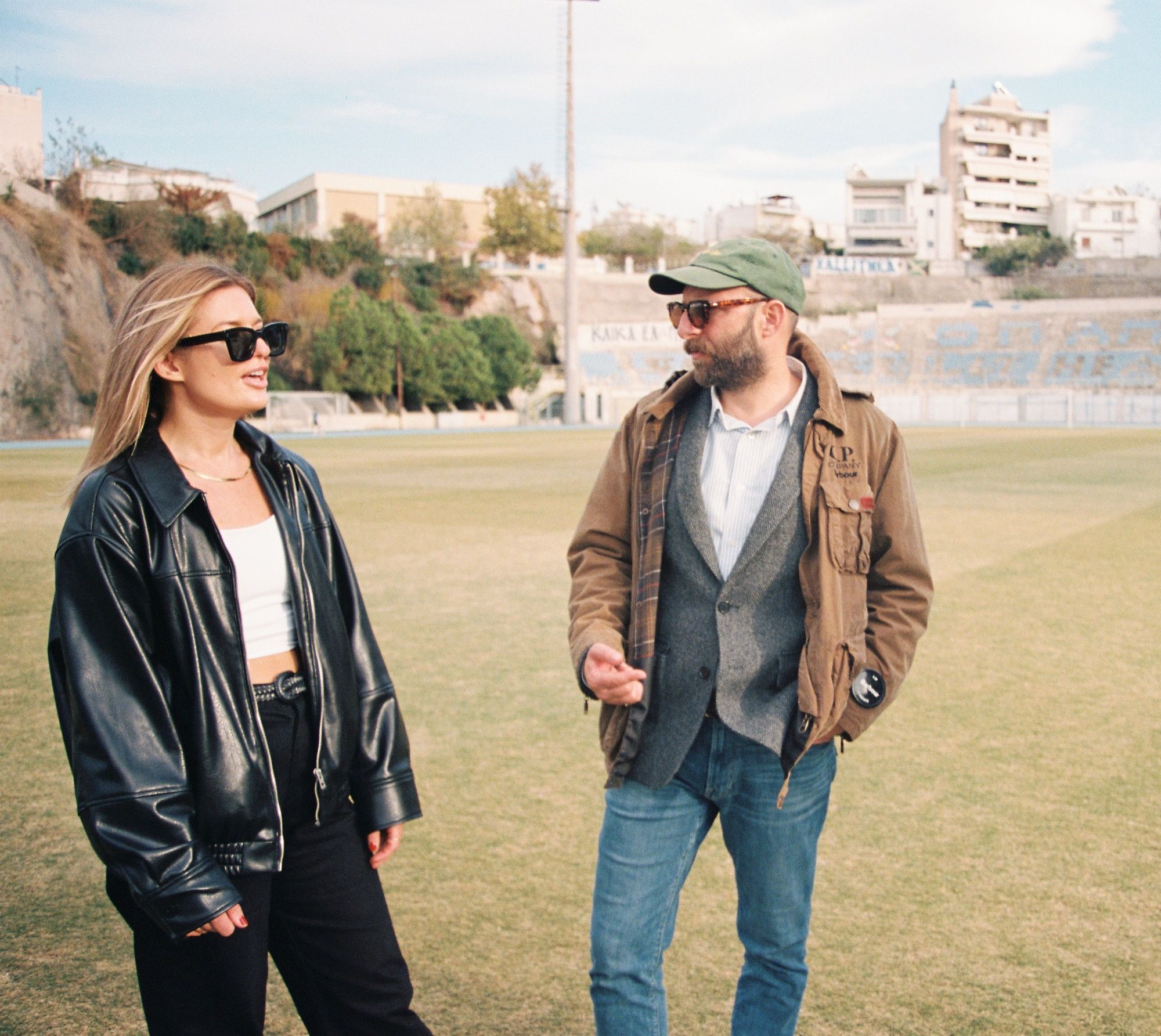
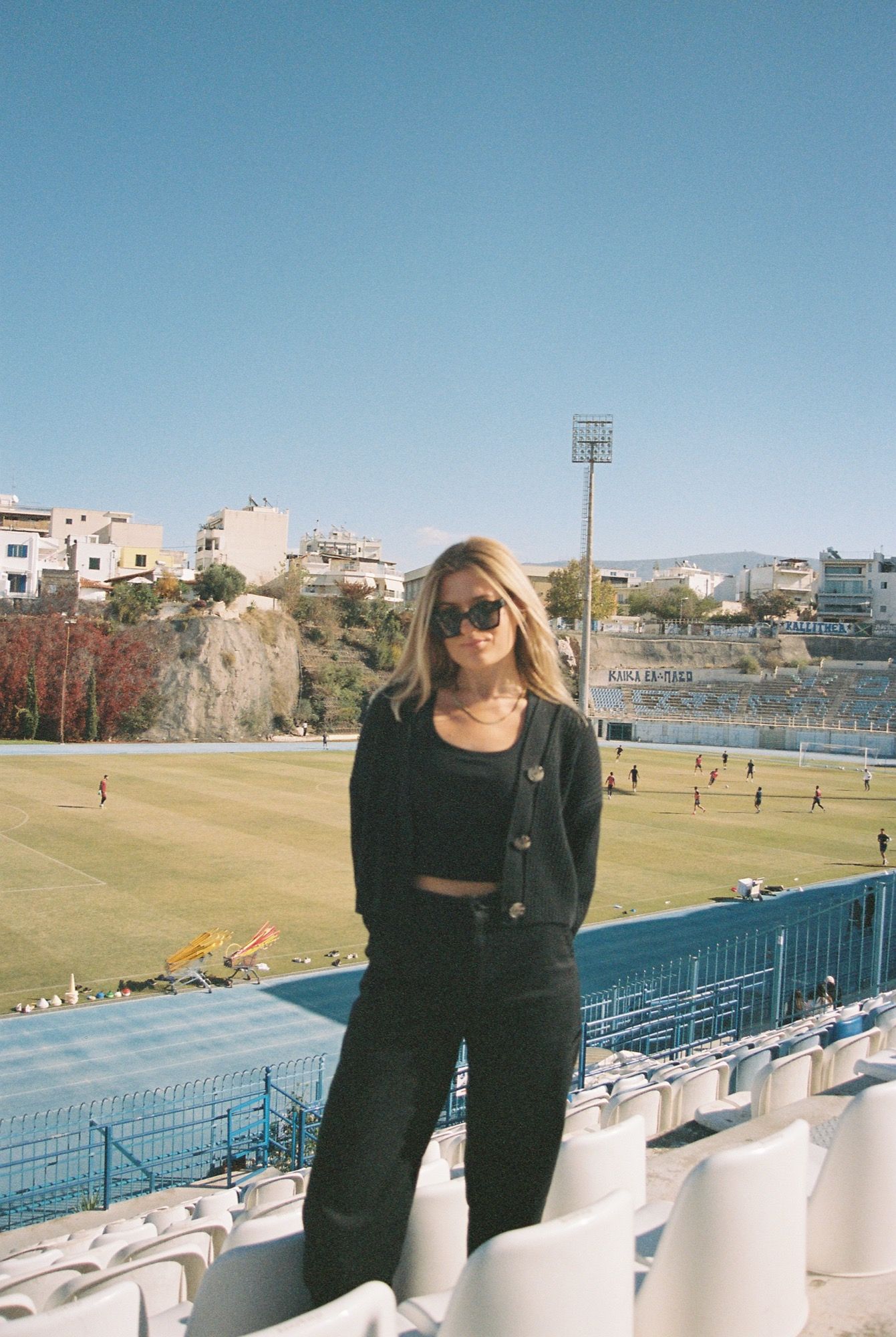
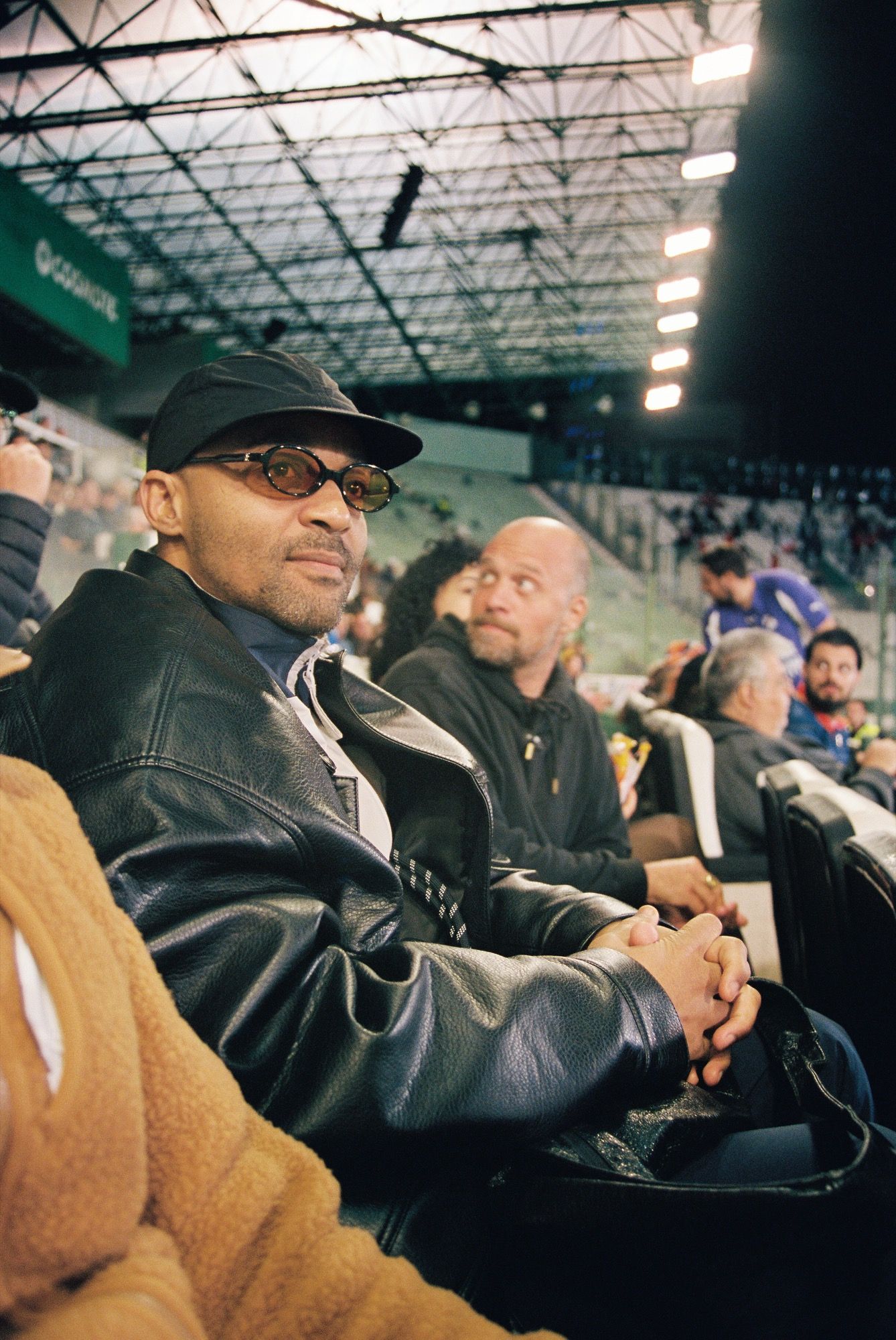
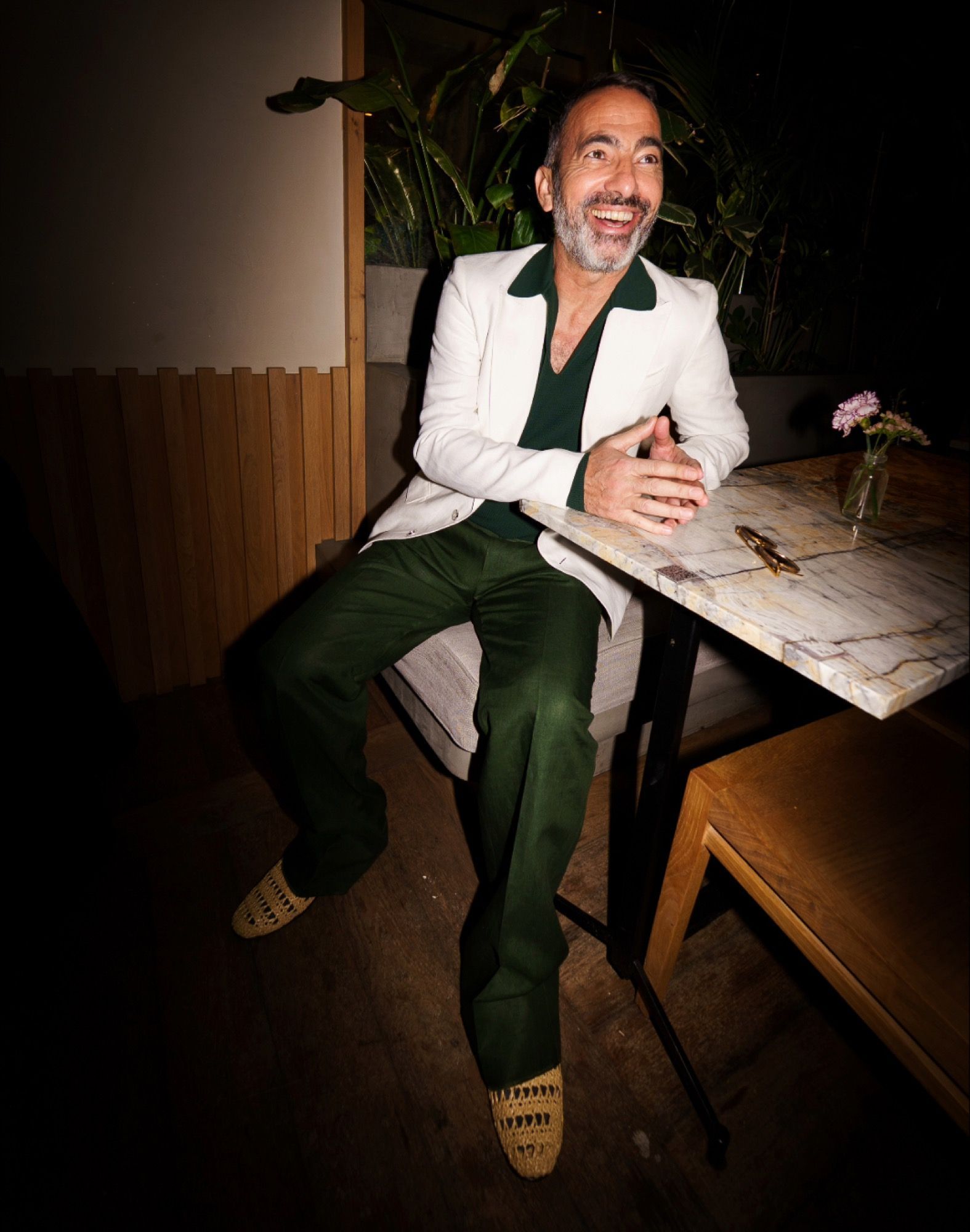
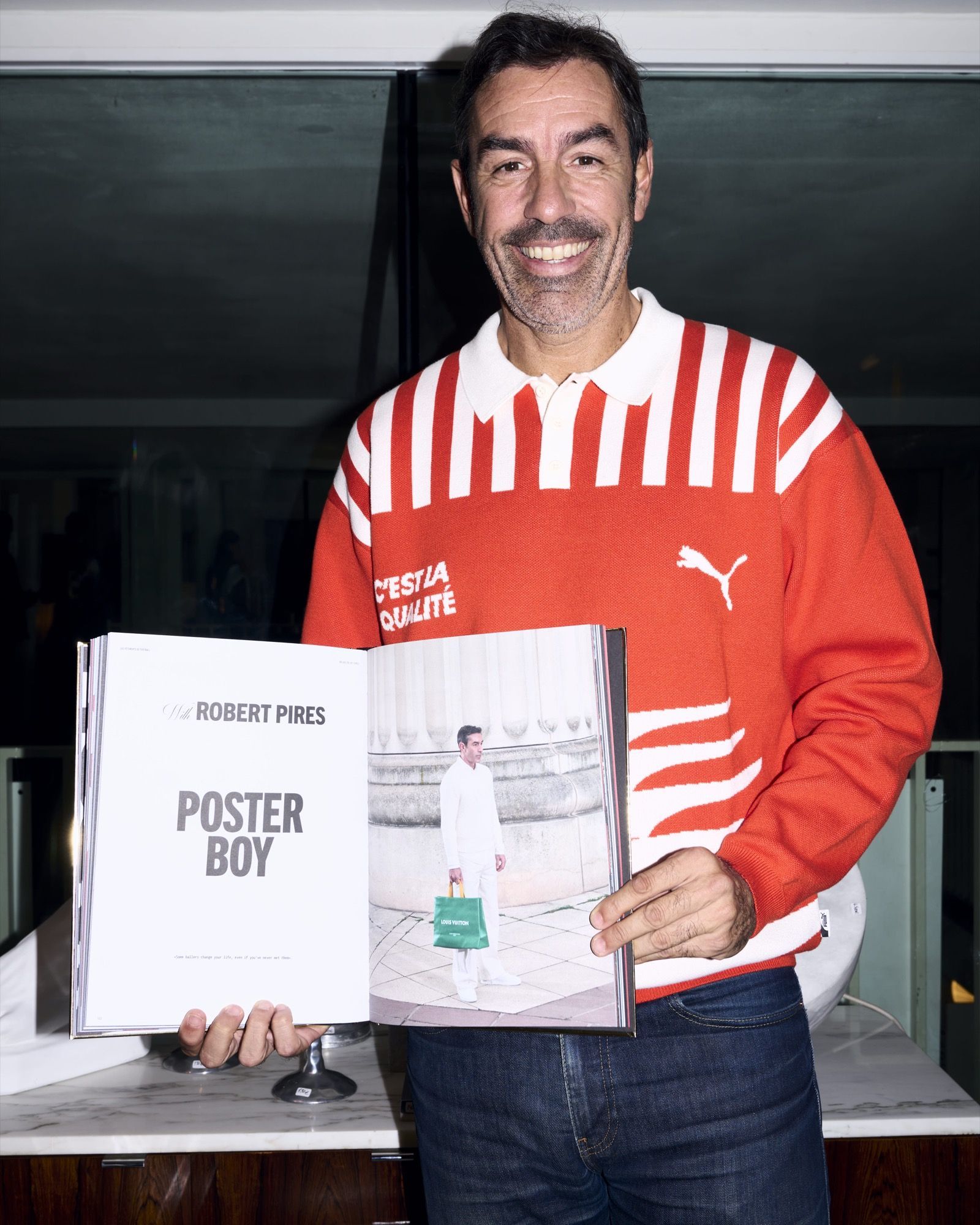
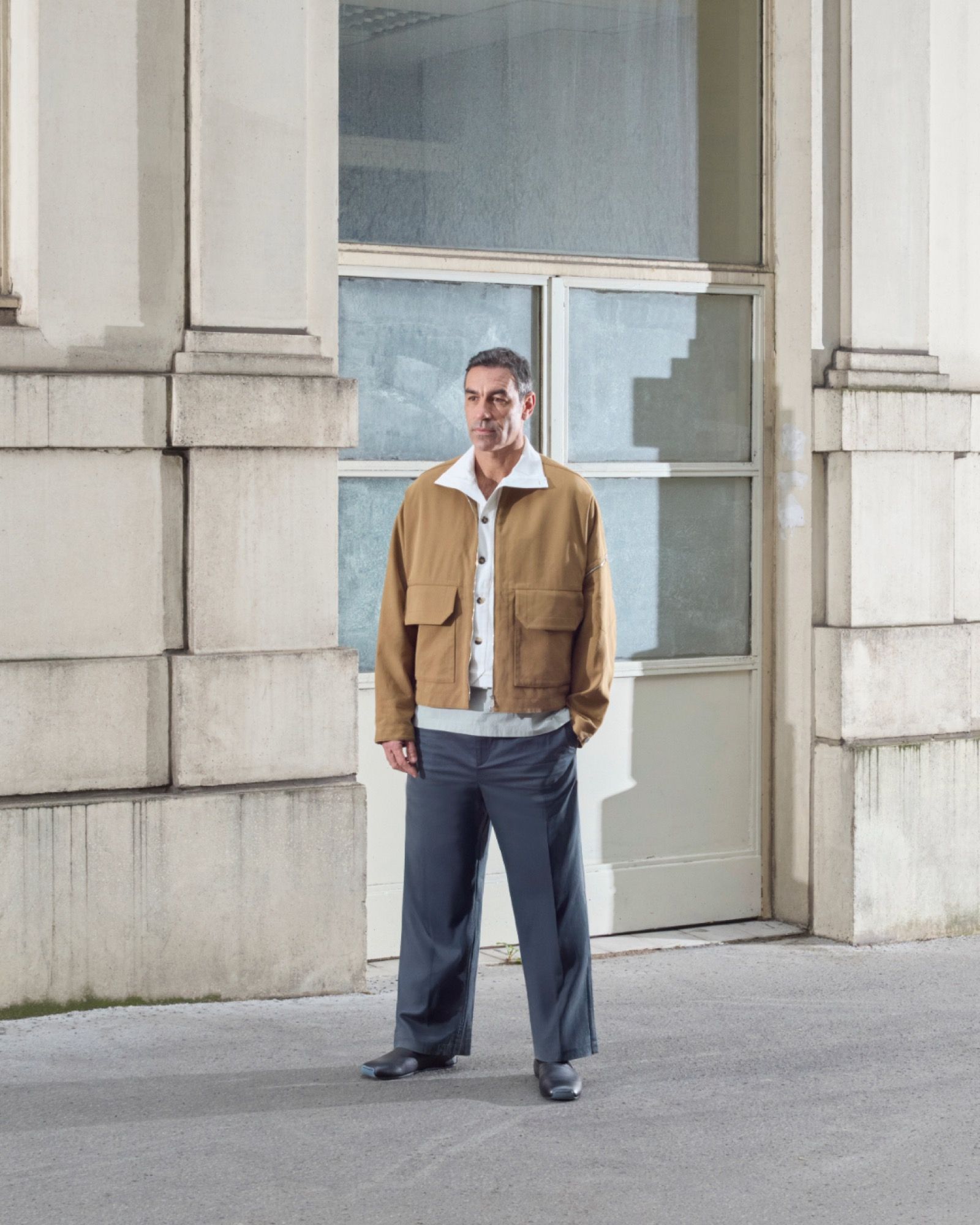
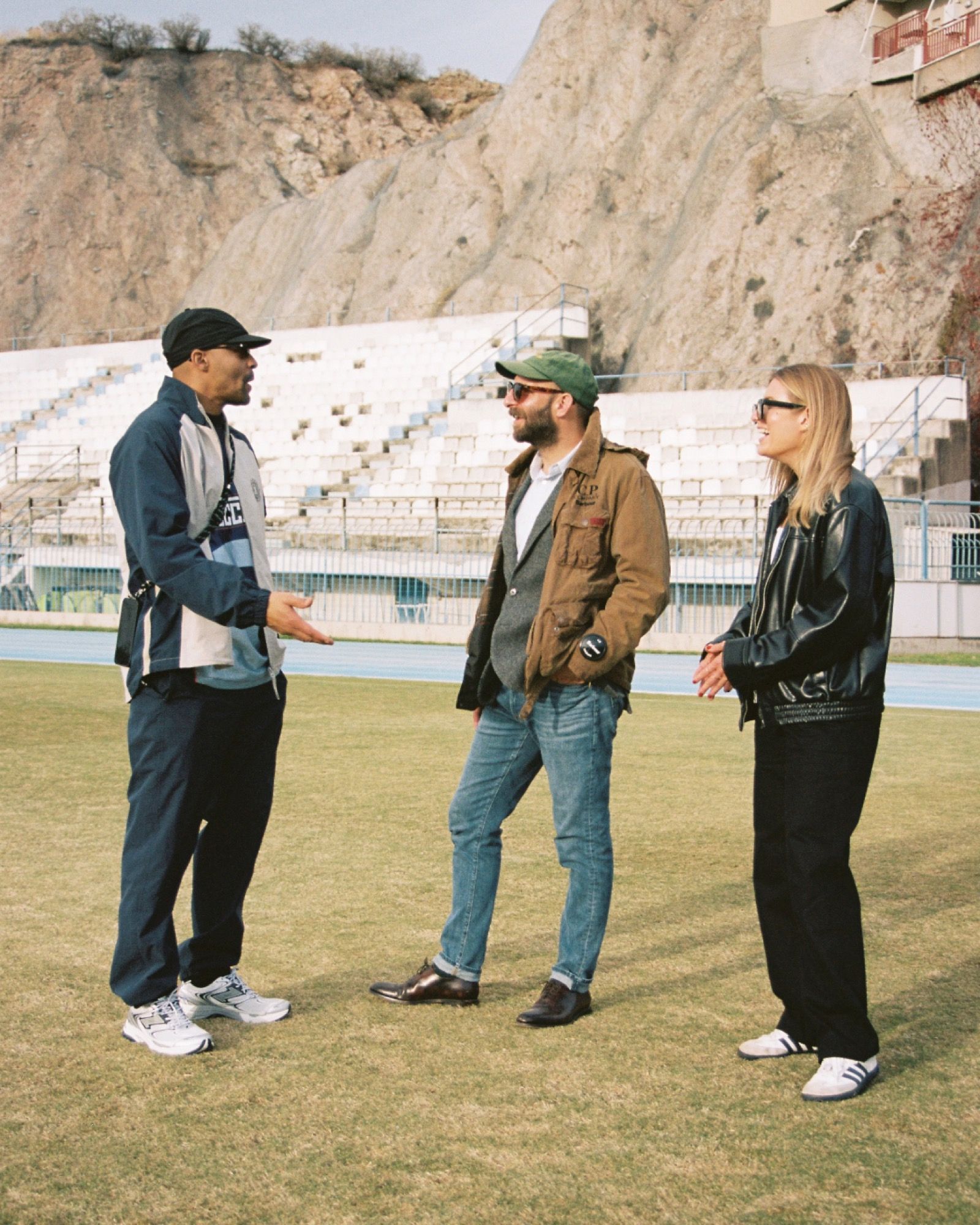
Everybody calls it El Paso, a reference to the classic spaghetti western movie For a Few Dollars More, for the craggy side quarry that encloses the playing ground. We’re at the Grigoris Lamprakis Stadium, the home ground of Athens Kallithea, to meet with Ted Philipakos and Sonya Kondratenko, Branding Creative Director and Marketing Director of the club recently promoted to the Super League. This journey aims to get Ted and Sonya together with David Bellion, creative consultant and former footballer, three like-minded people that never met and who’d love to chat and compare their point of view on football and fashion.
As we sit down in the empty stands, a rather natural conversation starts touching upon topics like the role of small clubs, the importance of storytelling, and what’s more compelling in their working experiences.
Ted: I was in New York, I was fine, I wasn't looking to change my life. Being the Branding Creative Director of Venezia FC sounds like a glamorous job today, but back then, who would change their lives, leave their city and country, and everything to work in a Serie D Italian football club for a bankrupt football club? The only reason to do it is if you have something to express.
David: Everything I did for Red Star, I envisioned in my mind while playing football. Because every time I was travelling, I was looking at suits, I was looking at pictures, jerseys, and food at the stadium. It’s very strange because even in the big clubs, they do not take care of their image very deeply.
Ted: You said that you were developing a vision even when you were playing, meaning you encountered who you are naturally, your real sensibilities, and your personal taste as you resolved problems you encountered in your career, realigning with yourself through your life experience. I can relate exactly the same. You don't have to be Manchester City or PSG in your neighborhood, you have your neighborhood club. I want to carry the torch for a small club.
David: I talked to the team like I would talk to myself. It was the beginning of the social media era, so I went to the club’s Instagram page, and I used it as my own Instagram. And my Instagram was full of memes, with many videos of comedians like Dave Chappelle and Ricky Gervais. I love this type of dark humor, where we will carry on the same things even if we win or lose.
Ted: Yeah, you were trying to pass your values through the team and try to reposition minds and sensibilities, and that’s very important.
David: Yeah, sometimes people are too serious about it, just relax. It’s third division football.
Ted: This is pretty unique, a pretty unique story and success within the industry. It’s pretty risky what you did. You have to be of the culture, you have to be of the place, you need to have the context, and know the audience. People who are truly authentic and understand their culture and their place are actually surprisingly rare in the sport, we can kind of relate because one of the reasons that Athens Kallithea FC has resonated with the people here it comes from my sensibility for this city and I think when Sonya and I really go on a roll with Venezia FC was because we we were living in that city every day.
Sonya: You could experience football in your own way, and that is crucial. But we've created a safe space, a culture where everybody is welcome, and in the long run, that's extremely important. A kind of haven where values are aligned with the organization.
David: I think if you're good, you’re good. Before we met, I knew who you were, but at the same time, when I saw the Greek side, I didn’t know the whole story. The first time I saw the pictures, I said “Wow, something is happening there, at least in terms of culture and image”.
Sonya: As humans, we inherently crave community on some level, so having these smaller places with meaning is immensely significant. Every town and every city in Europe has a football team, maybe multiple, so we’re quite spoiled. In America, we were not at a point where MLS is in every city, so you have smaller teams up and becoming touchpoints for the community, and it's not so much about the football. It's about coming together to support something. Finding people who share your interests and being able to socialize.
Ted: Unfortunately, the success of a club like Venezia FC has triggered endless efforts to copy. And that would normally be fine if we want to inspire changes in how local clubs are positioned to promote. But the mimic was too often commercially driven. They were looking at Venezia now making money from jerseys, and thinking, “we have to grab that money too”. If you show up at work on Monday, and “How do we get global?” is your first thought, just go home, you’re not fit for this job. Venezia FC gained the reputation of being “the world’s most fashionable club”. But that wasn’t our goal, I don’t remember ever saying that word to you.
Sonya: We woke up, and that was written.
David: I want to jump in because fashion is an easy world. Sometimes people compare fashion and image. I want to buy not the Kallithea Jersey but the emotions in it: the kit is just the final product of a story. For me, the jersey is not the most important asset of a club. I know it’s a selling point, but I’m not the one who needs to sell. I’m bringing the emotion into the Jersey; if the jersey’s story is good, it will sell.
Ted: It’s the presentation and what it represents. You’re buying into a world, a place, a culture. Not everyone in the industry understands. They might see Kallithea as a 10/10, and try to replicate that in their work, and the end product won’t be that bad, like a 7/10. That might trigger them to think that the main difference between ours and theirs is something extra in set design, a bit more attention on the art direction. But they don’t understand that the difference between a seven and a ten is obsession; it is like a lifetime of thinking about details and culture.
Sonya: Also, this plays into the authenticity. Because our growth was not scripted, it was a product of something that we believed in so strongly, and that was reflected in the way we executed our work, with purpose and meaning. It was something purely part of the story in a very authentic way. We are now at a moment where there is so much clutter, too many collaborations, and jerseys – it’s overcrowded. Consumers are not stupid. They don’t want to spend their money on every football jersey from every team, but rather on something meaningful.
David: With Red Star, I refuse to do collabs. It just doesn’t make sense. I find it scary when someone says we want to reach an influencer or a certain audience, trying to get a certain class of people to the stadium, fully disregarding the actual respect for the club’s values. Sometimes, clubs are ready to do things against their own culture to get new fans. If you're pushing and pushing, desperation is a killer. The moment somebody perceives you as desperate, you are killed.
Ted: Going off what David was saying about the jersey specifically, I feel the same way. There are a couple of reasons why I think we are at a point where continuing to do that with so much emphasis is quite risky. First, the football jersey trend in fashion and street style could eventually die down, and that might be happening sooner than we thought. Secondly, there is so much overproduction, over saturation, over exaggeration, so inevitably there will be a sort of fatigue regarding the product. If you are a medium-sized to smaller club pushing jerseys, you better start thinking soon about diversifying your story and what you are doing.
Sonya: When Venezia’s jerseys become fashionable, that puts a magnifying glass on everything we were already doing. That was a little piece of the puzzle, all the other details, and you have people come in and try to copy what you’re doing.
David: Because hiring a graphic designer and saying we want the same as Venezia is easy, but when you told me yesterday, “we want to change the blue a little bit,” you have the story behind that change and a vision to support it.
Ted: It has a soul behind it. We avoided using that word so far, but our club has a soul that people could sense, it humanized it in a way that people want to touch. These things develop so slowly. You must love what you do and have some mission for it, and most importantly, believe in that mission with patience and love. Venezia FC was successful enough that Sonya and I, if we had wanted, would have taken a job in some Premier League club, taken a salary, and lived a comfortable life. But personally, working for Manchester City or United looks incredibly boring. What kind of personal growth could I get from that?
David: They cannot say to people like us, “you can do whatever you want” at a club like that.
Ted: I don’t want to romanticize this too much. There are days when I think I’m gonna quit. I’ll go to an island and escape this because that is unbelievably hard. There are days when I’m asking myself if the suffering, the sacrifice, and the stress are worth it. Because of the down days, you have to believe in the mission and love the little things. The human connections have to fulfill you. If not, this life is too hard for you.
Sonya: You can’t give up, and you have to keep pushing forward, and you have to protect your vision. The people who are attracted to it will eventually come. It certainly doesn't happen overnight, but it was something we believed in so much. At some point, the vision came true.
David: What did you say before? Creative direction is not a democracy?
Ted: I said creative direction has to be a unique point of view; it is not a democracy. I can’t take credit for it, it’s from Alessandro Simonetti.
David: Exactly, I will remember this for a long time. When there’s a cultural clash, I’m not saying I’ll do what I want, but trying to discuss a creative point with someone with a different point of view just does not work for me.
Ted: But there are subtle differences. Collaborations are super important with the right people, the right sensibilities. What I'm not going to do is debate and turn into a democratic process of creative things with commercial and operational people, or the president and shareholders. That doesn't work.
Sonya: We cannot share a tutorial on how to replicate this.
