










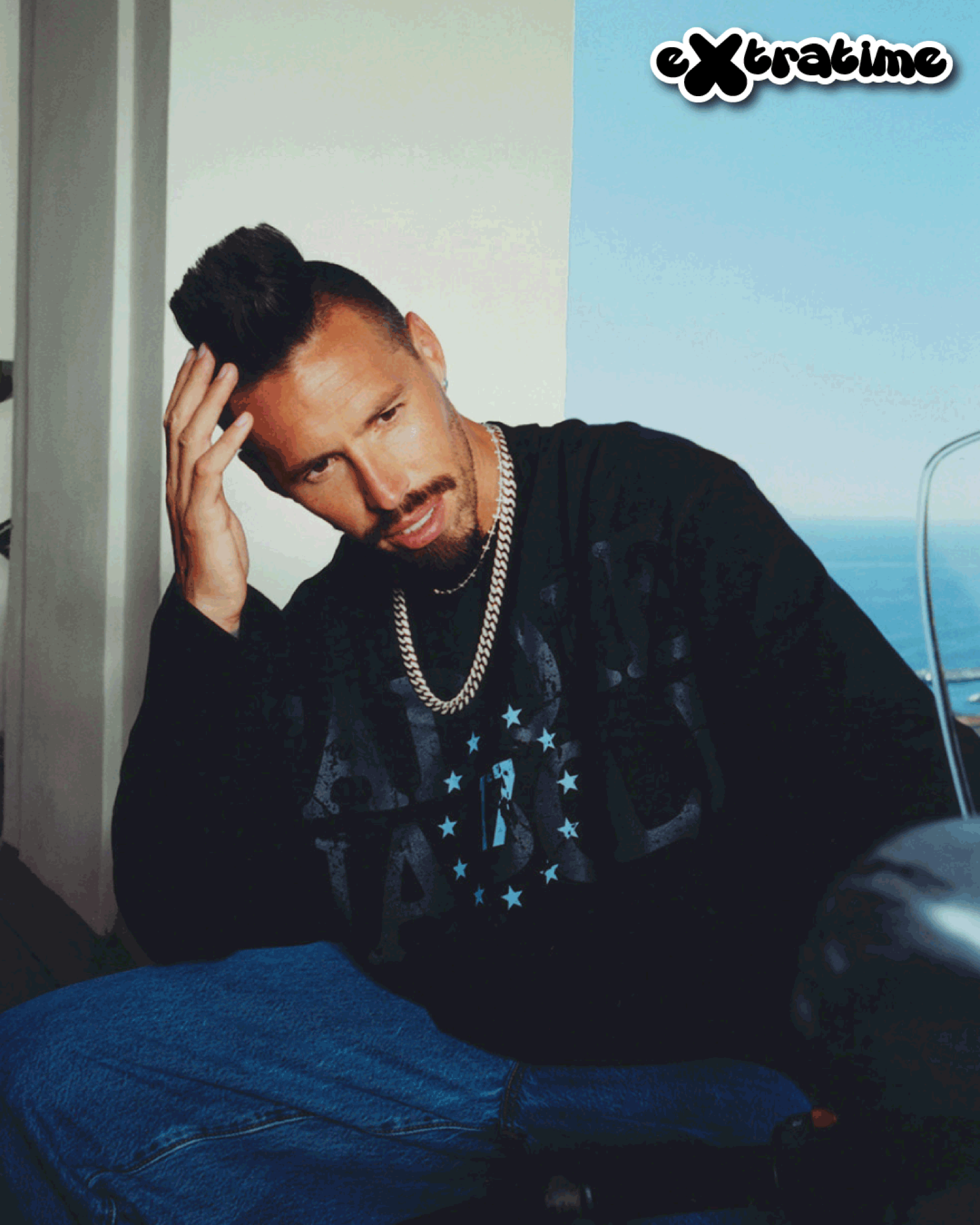
«You can’t separate Marek Hamšík and his mohawk» - Interview with Marek Hamšík A journey into Marekiaro’s mind
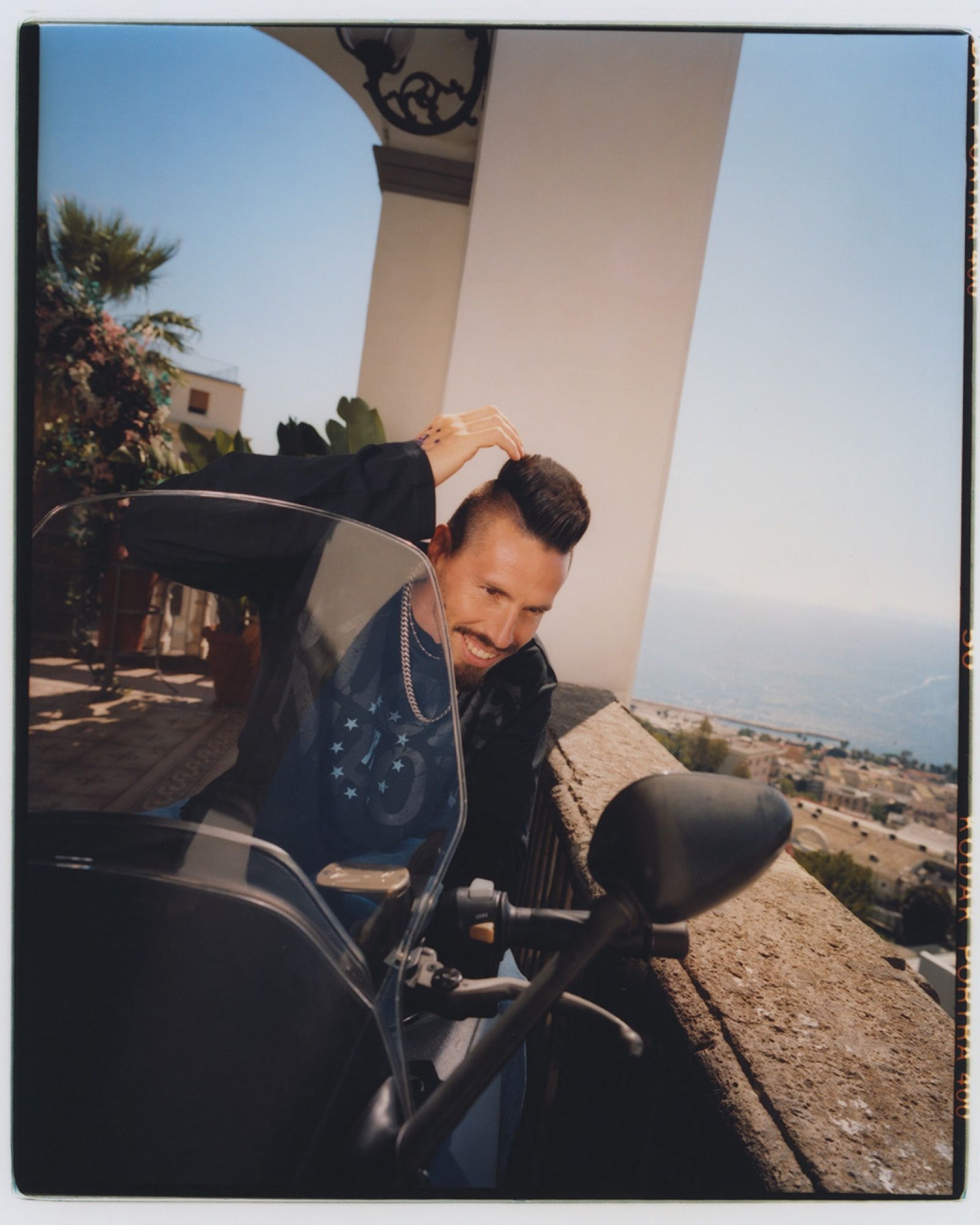
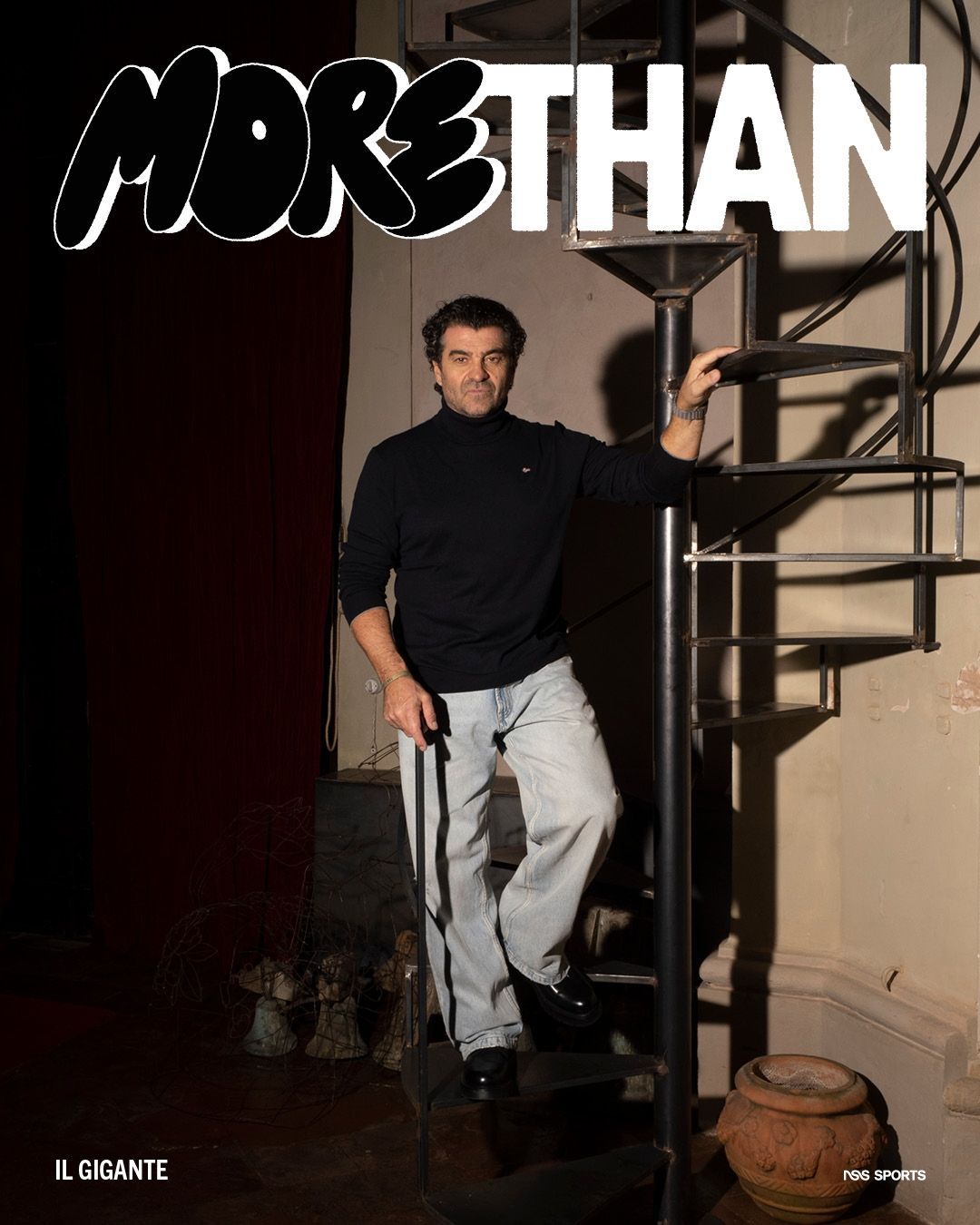
Sweater MAREK HAMSIK 17, jeans LEVI'S, shoes CAMPER, necklaces NOVE25
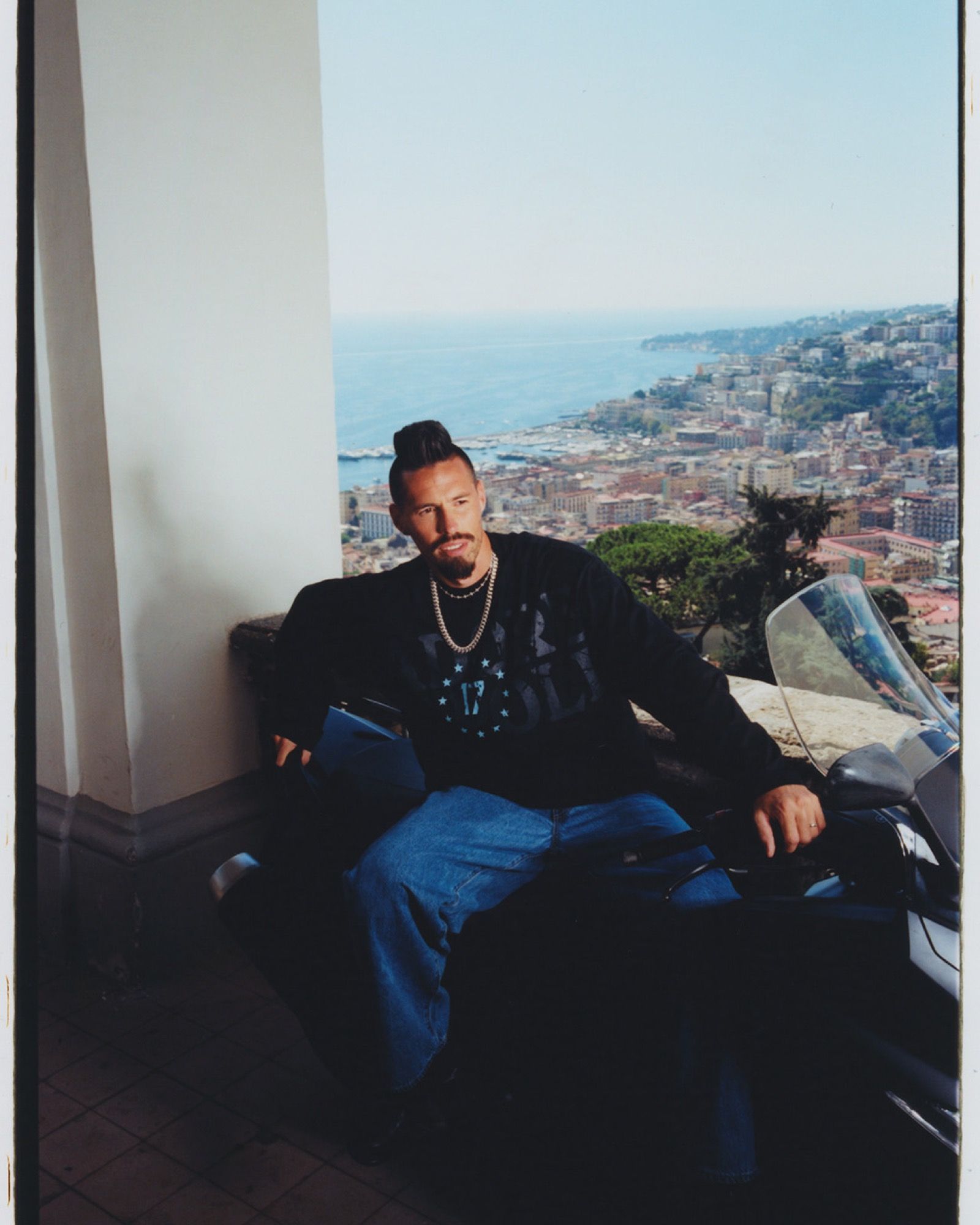
Sweater MAREK HAMSIK 17, jeans LEVI'S, shoes CAMPER, necklaces NOVE25
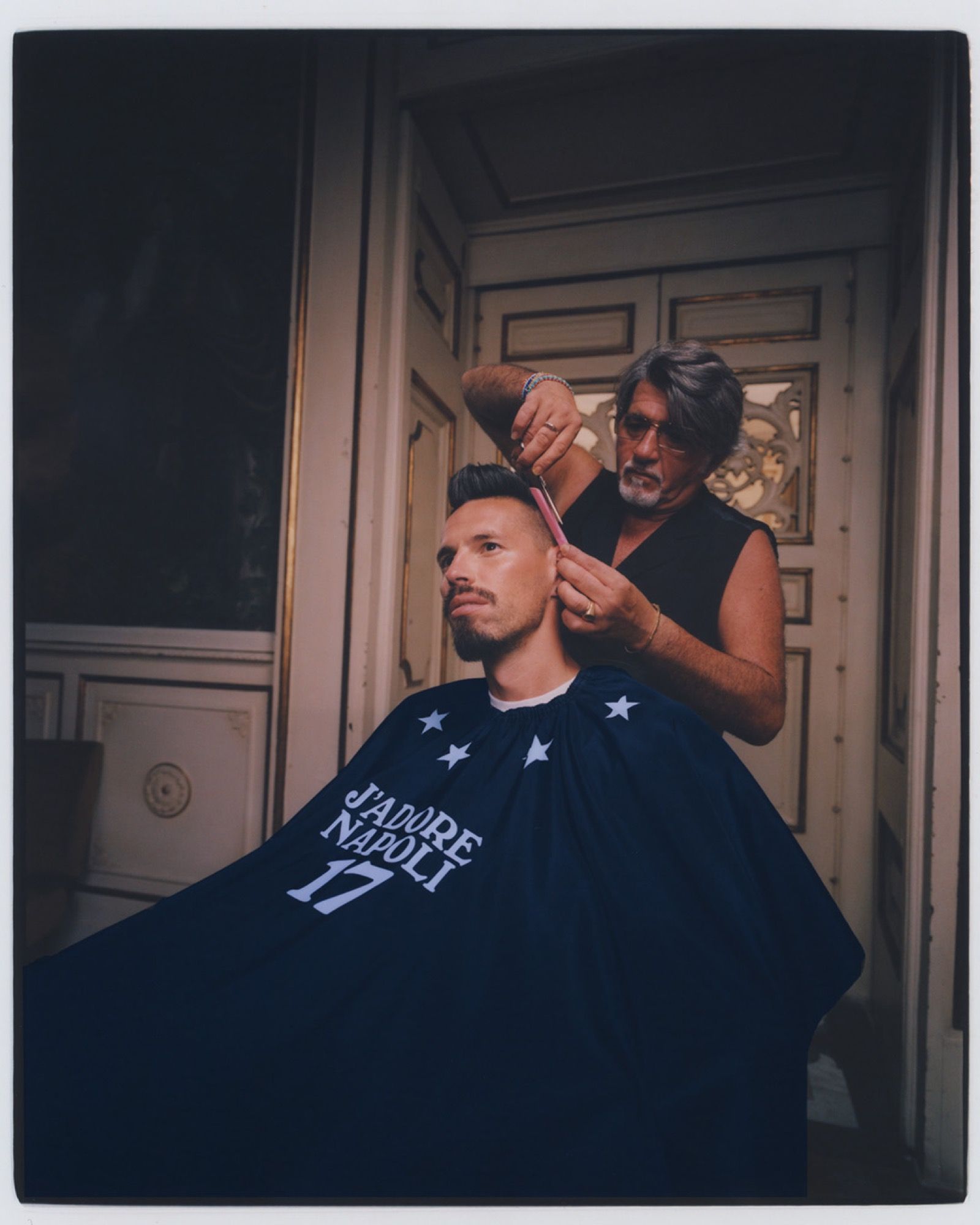
Vest MAREK HAMSIK 17, necklace NOVE25, shoes ASICS
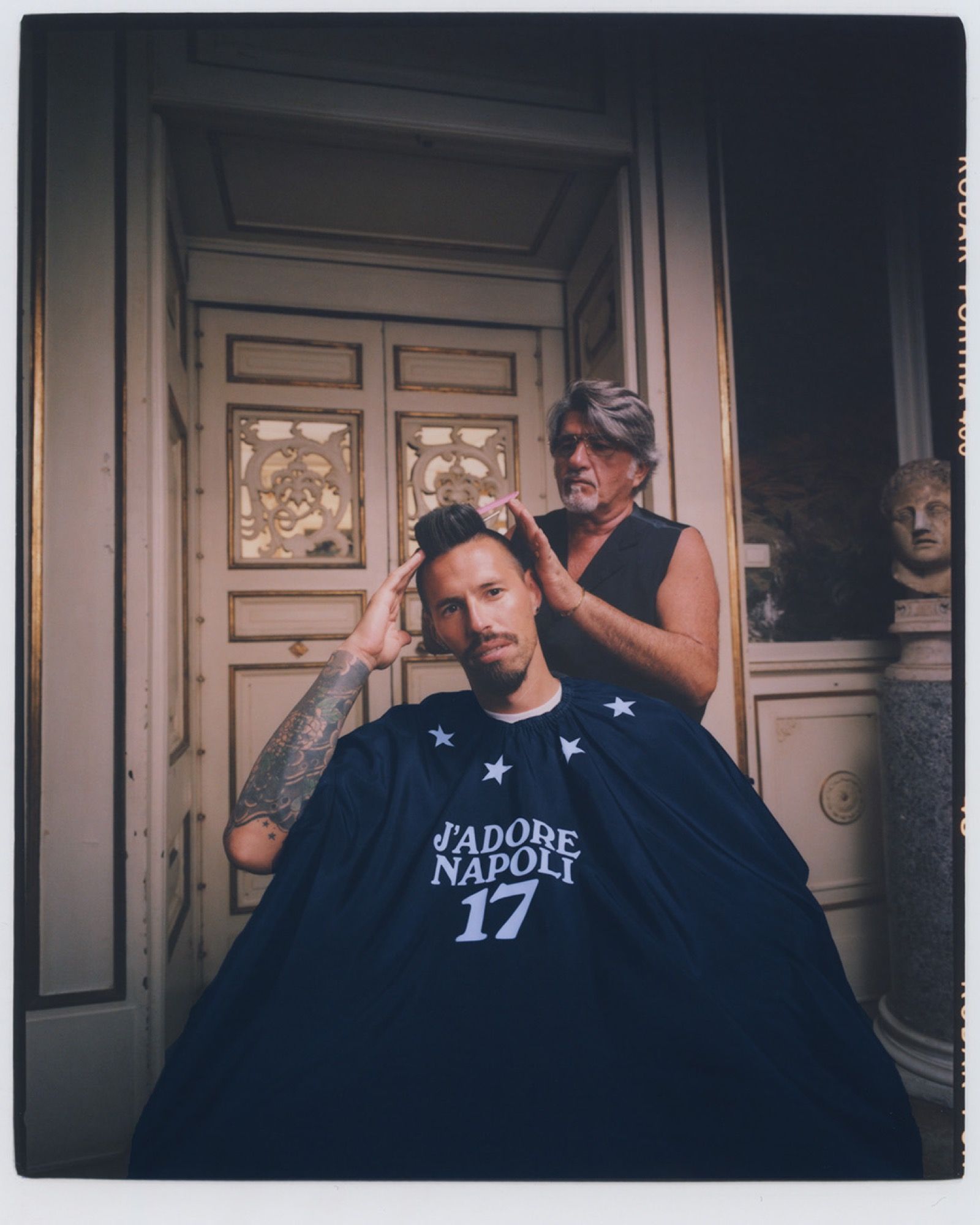
Vest MAREK HAMSIK 17, necklace NOVE25, shoes ASICS
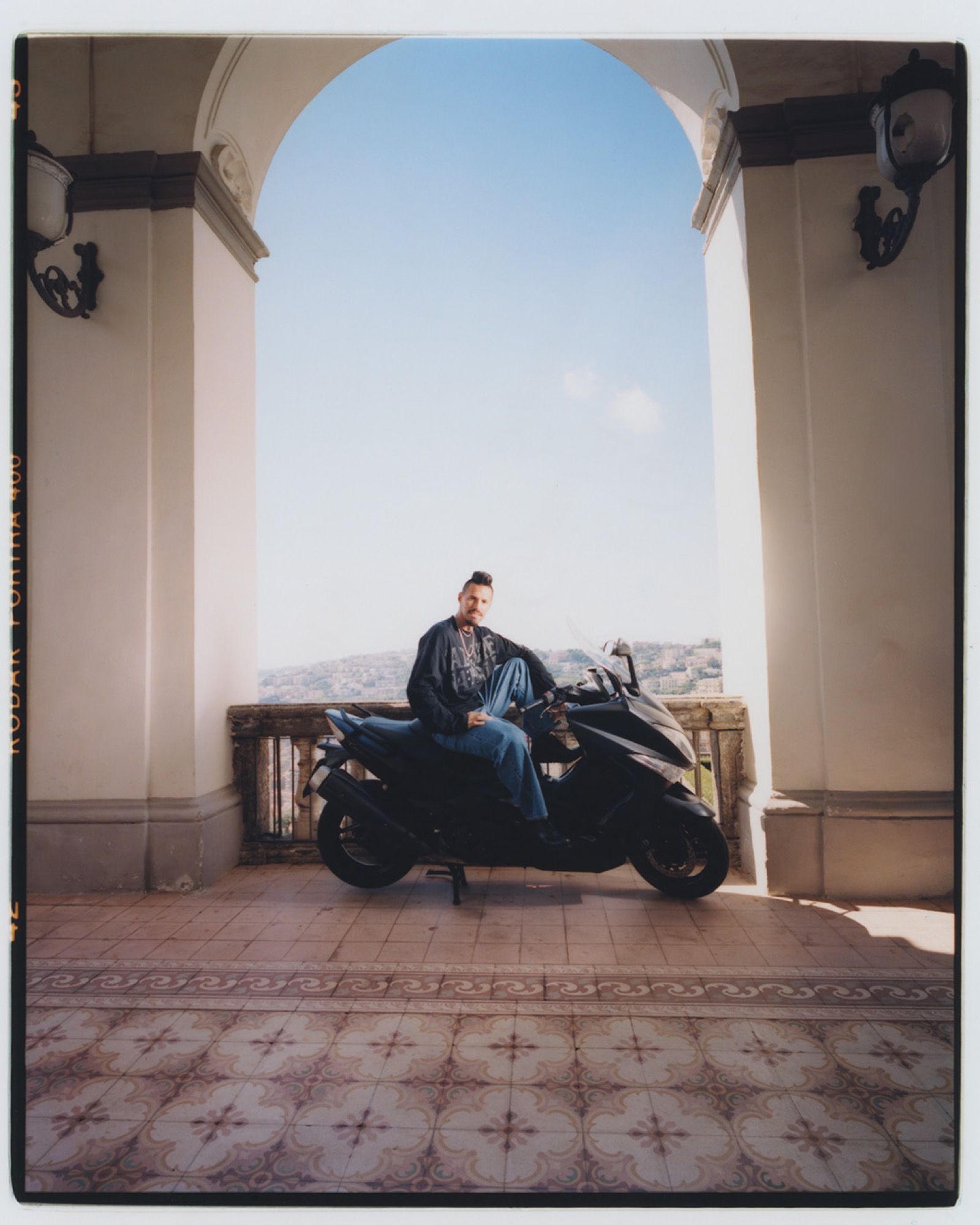
Sweater MAREK HAMSIK 17, jeans LEVI'S, shoes CAMPER, necklaces NOVE25
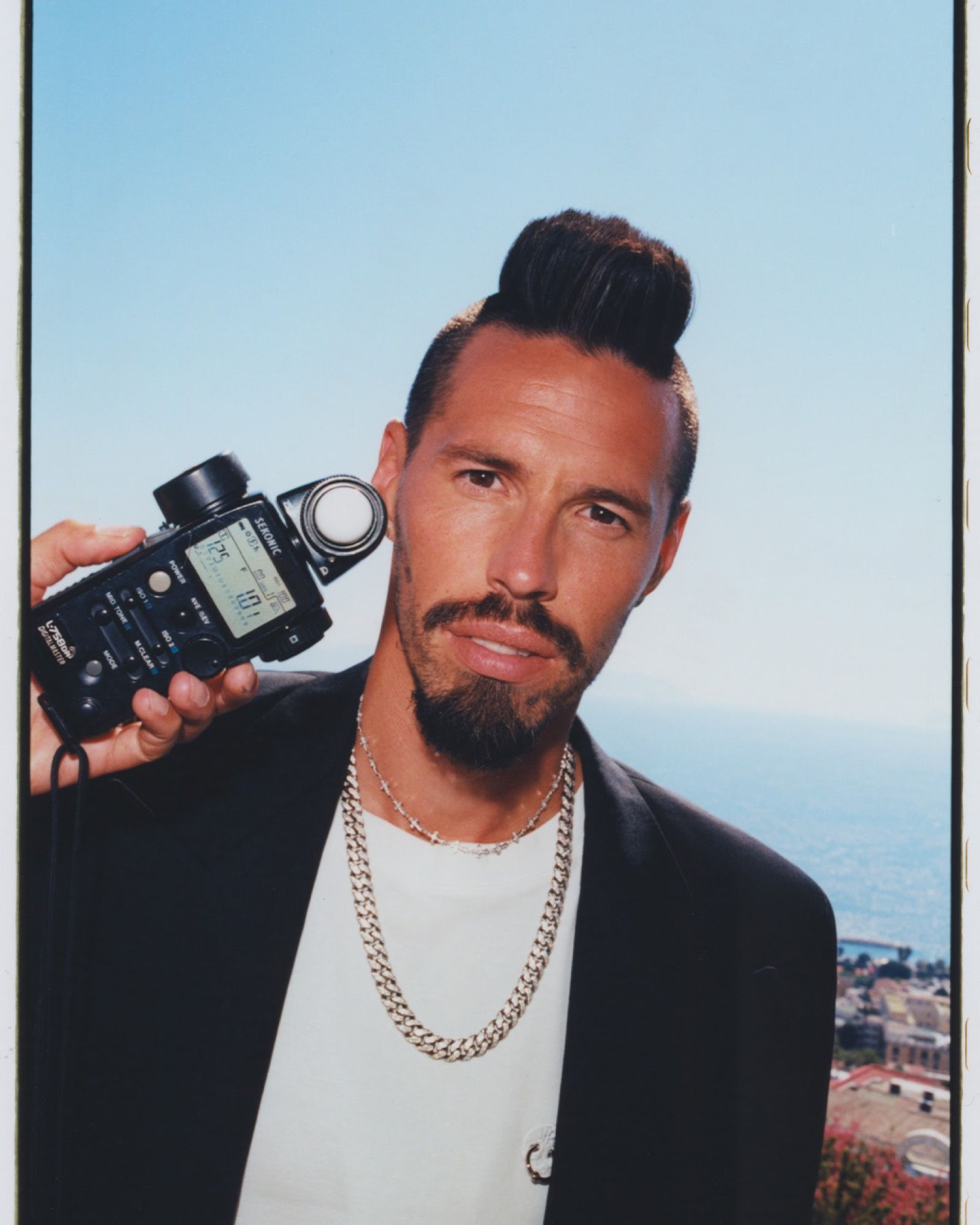
T-shirt JOHN RICHMOND, jacket MERIISI, necklaces NOVE25
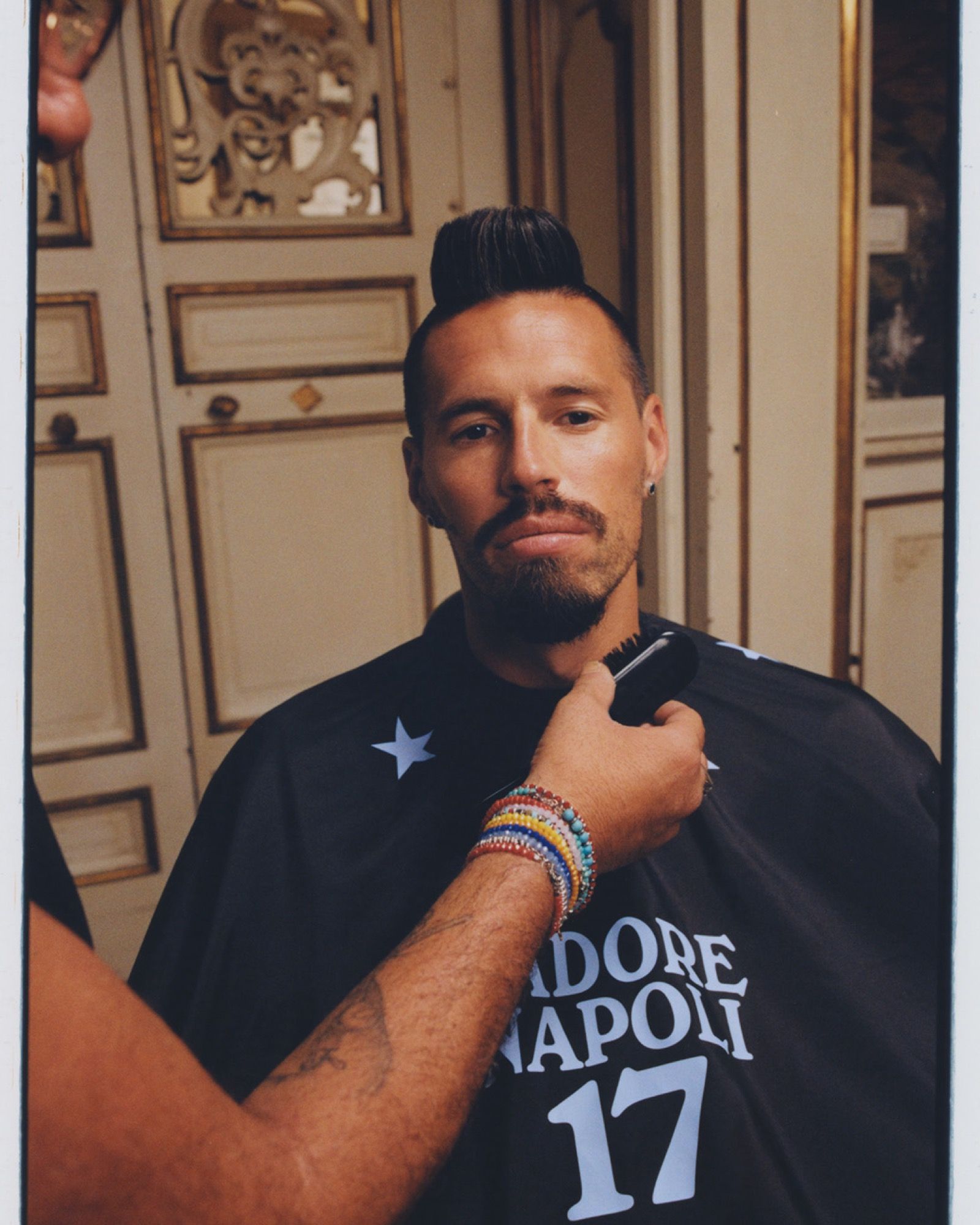
Vest MAREK HAMSIK 17, necklace NOVE25, shoes ASICS
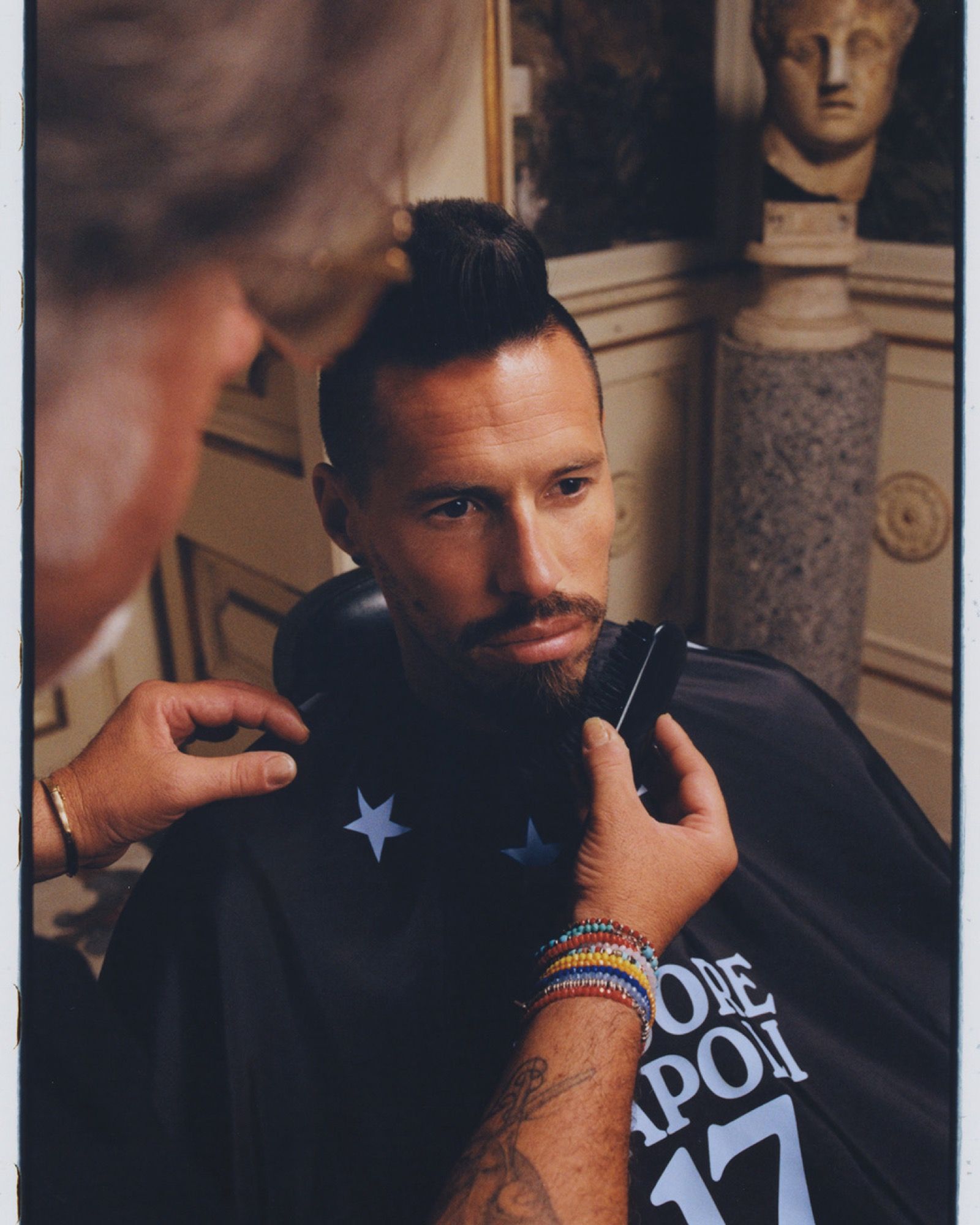
Vest MAREK HAMSIK 17, necklace NOVE25, shoes ASICS
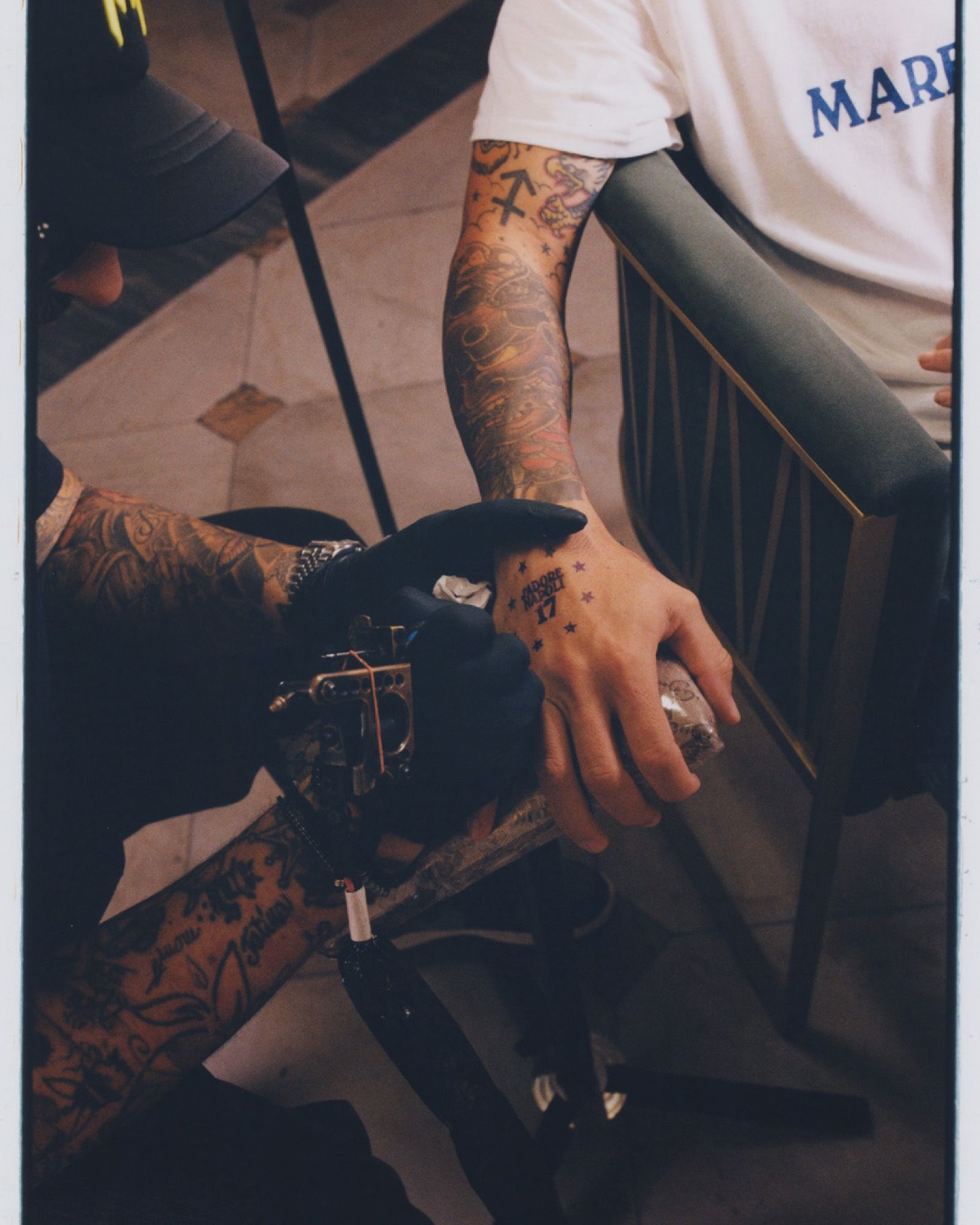
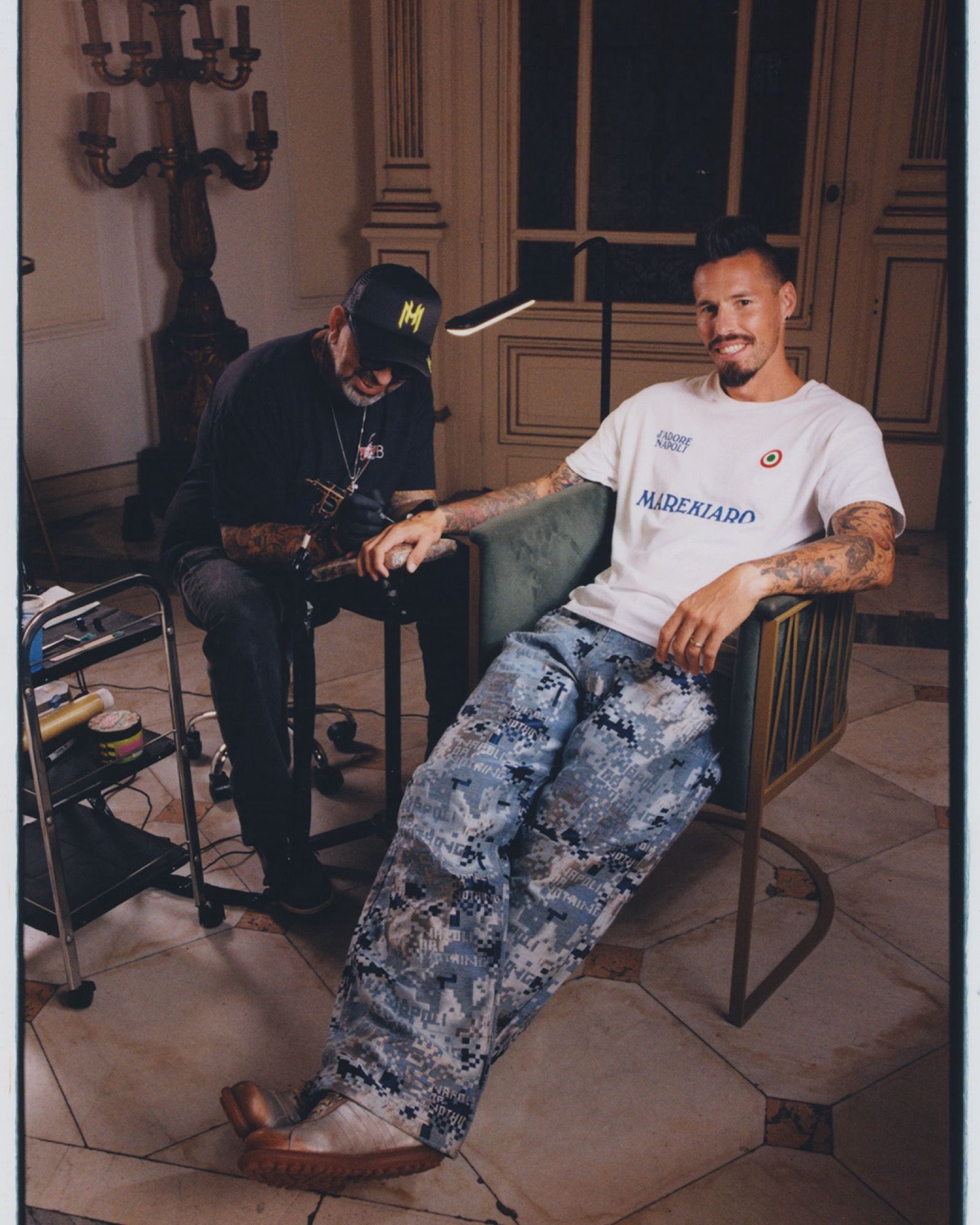
T-shirt MAREK HAMSIK 17, trousers VIENMNSUONNO1926, shoes CAMPER
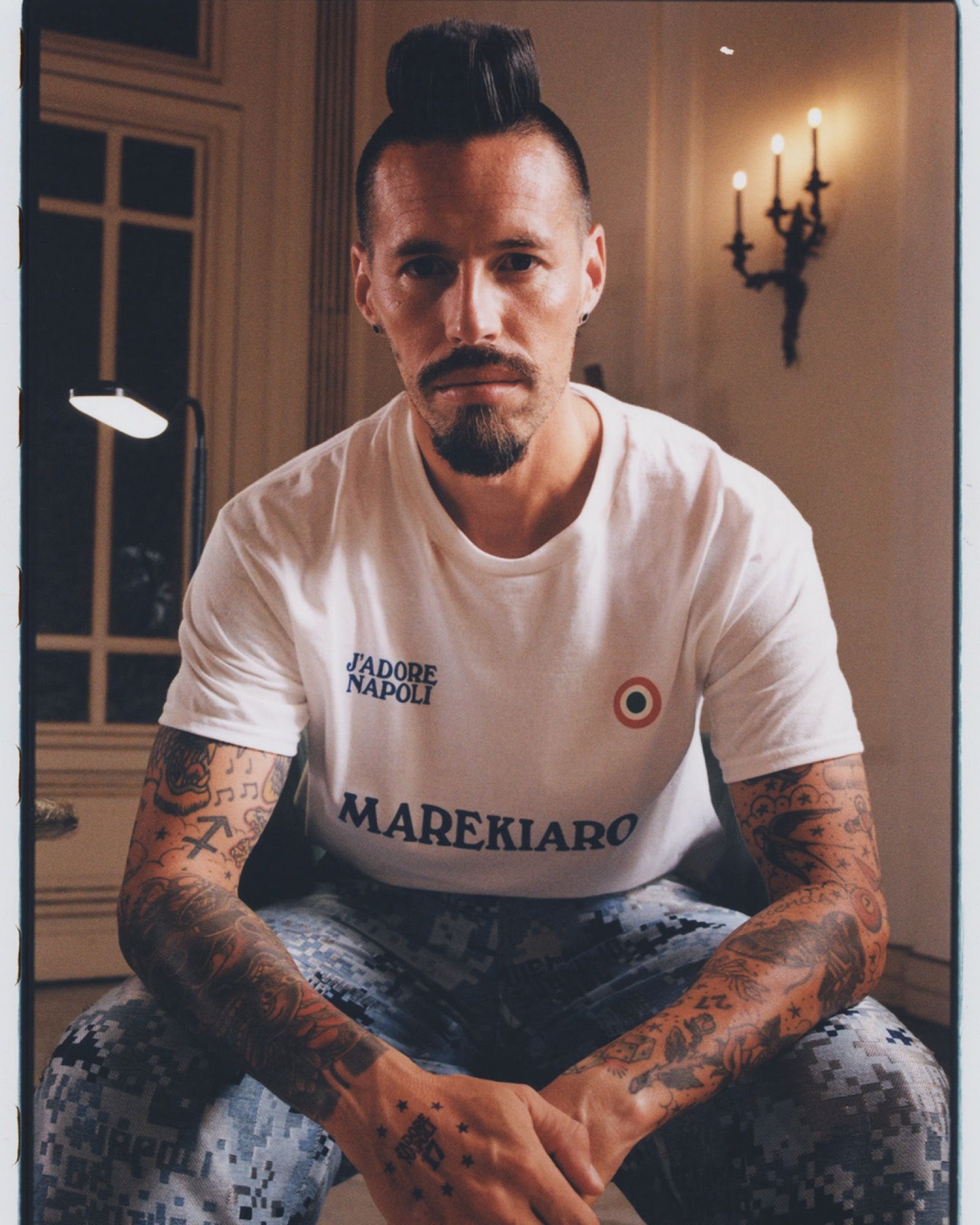
T-shirt MAREK HAMSIK 17, trousers VIENMNSUONNO1926, shoes CAMPER
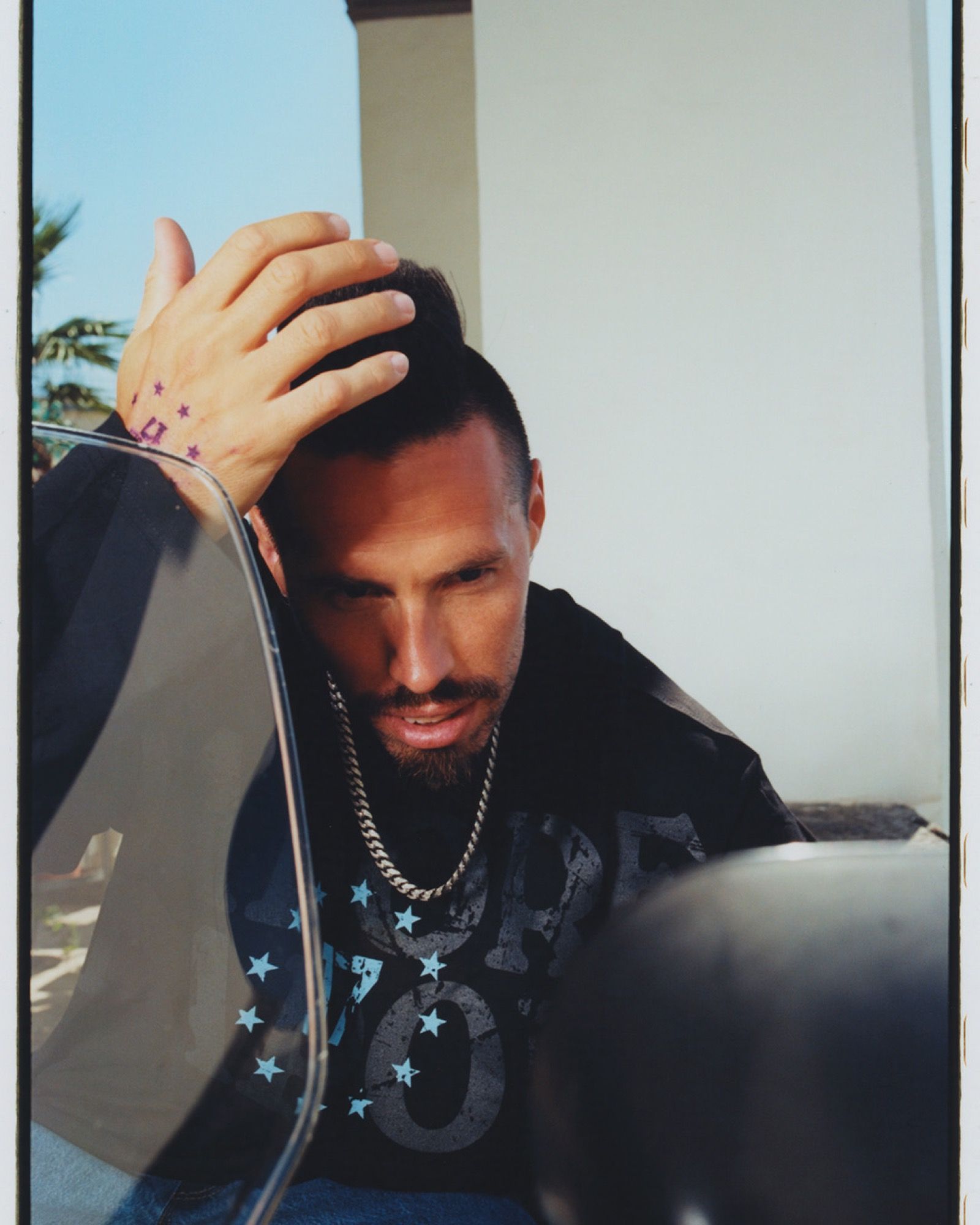
Sweater MAREK HAMSIK 17, jeans LEVI'S, shoes CAMPER, necklaces NOVE25
Some players, inevitably, leave a different kind of mark than others. There are footballers who manage to adapt to an environment that seems geographically and culturally distant with remarkable ease. Naples, for example, perfectly represents this concept: it’s a city and a football hub that tends to divide opinions. History offers countless examples — just think of Dries Mertens, José María Callejón, and, above all, the most emblematic case of all, Marek Hamšík. All of them forged an unbreakable bond with the city and its people, embodying a spirit that resonated perfectly with that of Neapolitans. But above all, they became part of the city’s “Hall of Fame” because they never betrayed, in any way, the same people who loved them.
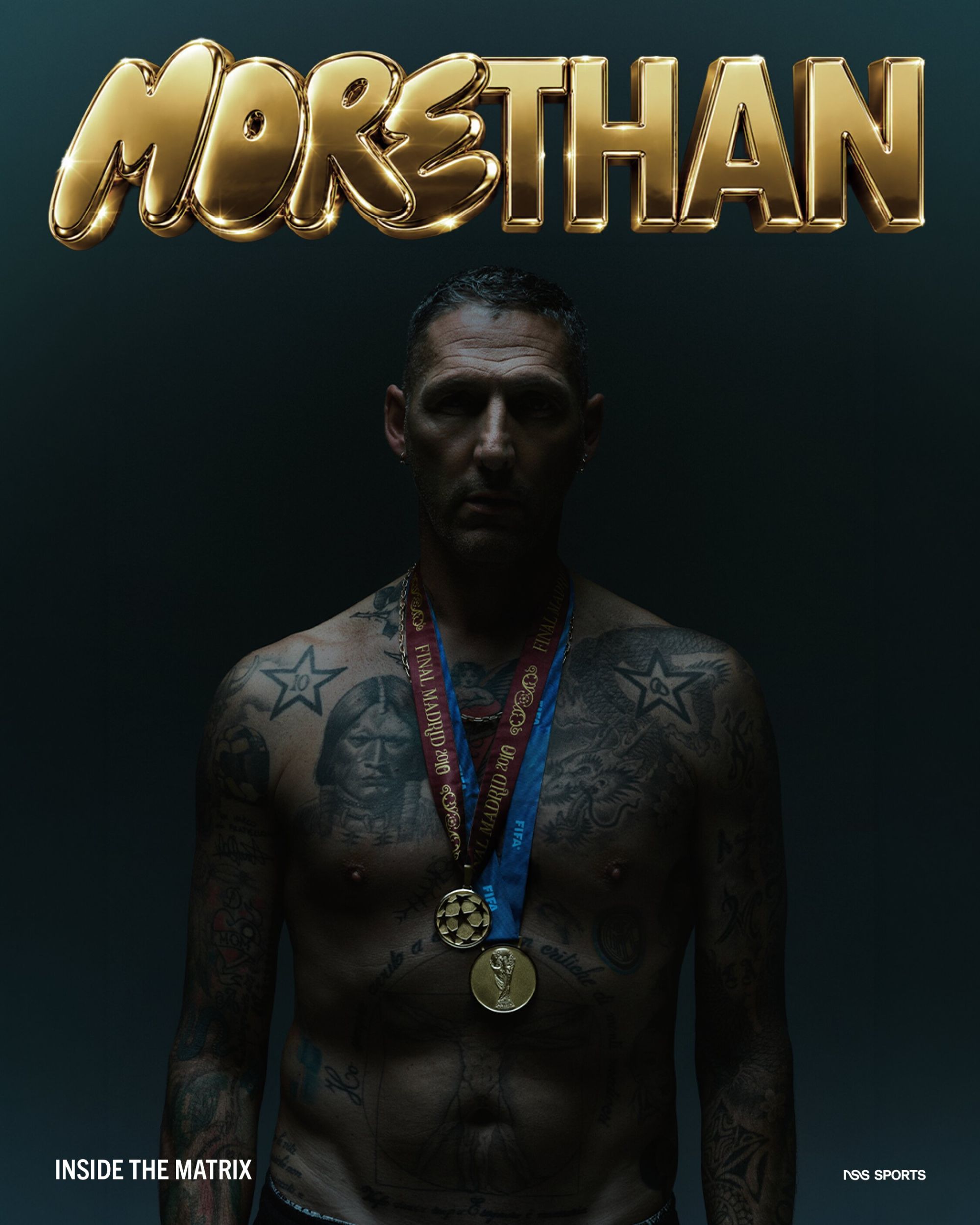
Marek Hamšík’s presence in Naples was always deeply felt. He was one of the most important captains in the club’s recent history (from 2014 to 2019, before passing the armband to Lorenzo Insigne). With his 121 goals, he even surpassed Diego Armando Maradona in scoring. Yet his impact went far beyond the pitch: Hamšík managed to fuse his personal identity and aesthetics with that of the city itself. His tattooed arms, his iconic number 17 — turned into a true personal brand — and his unmistakable mohawk became lasting symbols of his era in the blue shirt.
Sweater MAREK HAMSIK 17, jeans LEVI'S, shoes CAMPER, necklaces NOVE25
Sweater MAREK HAMSIK 17, jeans LEVI'S, shoes CAMPER, necklaces NOVE25
Vest MAREK HAMSIK 17, necklace NOVE25, shoes ASICS
Vest MAREK HAMSIK 17, necklace NOVE25, shoes ASICS
Sweater MAREK HAMSIK 17, jeans LEVI'S, shoes CAMPER, necklaces NOVE25
T-shirt JOHN RICHMOND, jacket MERIISI, necklaces NOVE25
Vest MAREK HAMSIK 17, necklace NOVE25, shoes ASICS
Vest MAREK HAMSIK 17, necklace NOVE25, shoes ASICS
T-shirt MAREK HAMSIK 17, trousers VIENMNSUONNO1926, shoes CAMPER
T-shirt MAREK HAMSIK 17, trousers VIENMNSUONNO1926, shoes CAMPER
Sweater MAREK HAMSIK 17, jeans LEVI'S, shoes CAMPER, necklaces NOVE25
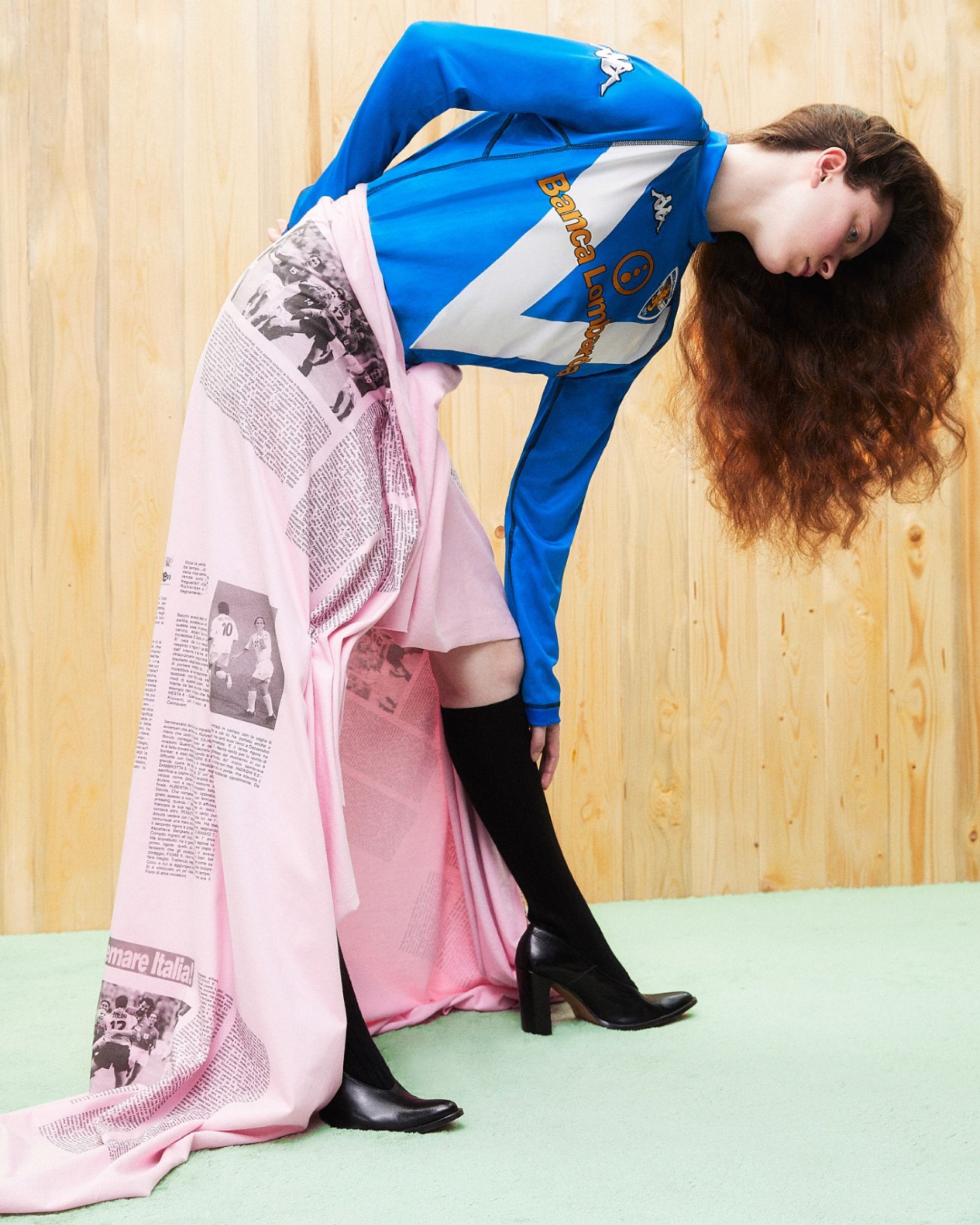
To honor the Slovak champion, nss, in collaboration with Marek, has created a special collection — available on our website — as part of JAN2500, the J’Adore Napoli initiative celebrating 2,500 years of the city’s history. The collection draws inspiration from the imagery and legacy Hamšík left behind in Naples and the football world: from his iconic number 17 to his unmistakable hairstyle. Among the standout pieces are two football jerseys inspired by some of Marekiaro’s most memorable kits, including the famous camouflage version from the 2013/14 season. But that’s not all — the capsule also includes a polo shirt, a tank top, and a t-shirt, all designed to celebrate Marek Hamšík’s unique imagination and unmistakable style.
Marekiaro was also among the many players who lived through the golden era of Aurelio De Laurentiis — let’s call it that — the period when Napoli’s president unleashed his creativity, giving life to some of the most eccentric jerseys ever made, from the famous camouflage design to the denim one. Marek Hamšík perfectly embodies the nss aesthetic, which is why we decided to interview him for a new episode of the nss sports editorial series, Extratime.
How has your relationship with the city of Naples evolved over the years since you left the club?
I actually understood what my relationship with the city of Naples would become from the very first day I arrived. Eleven years can’t just be erased — nor did I ever want to erase them. Instead, I’ve always tried to integrate them into the character of Marek Hamšík, who is still very much alive.
When you decided to stay in Naples for so many years, was it more because of your family settling in or your daily connection with the people?
I always say that the first time you see Naples, you might not like it — but the second time, it’s the one that convinces you to stay and love it. Even though I grew up according to a different culture, somewhat distant from the Italian one, the quality of life this city offers helps smooth out all cultural differences. Above all, there’s an enormous passion for football here, and of course, a footballer loves to play where that passion can be felt so strongly. In fact, if the offer from China — which was an incredible challenge for me — had never arrived, I would have stayed in Naples forever.
Your image has always been important — both to you and to how fans perceived you. Would Marek Hamšík be the same without the mohawk and tattoos?
Marek Hamšík and the mohawk are one and the same. The mohawk is my good luck charm, but also my passport. It’s a way to reach beyond borders, to make an impact abroad, to bring something eccentric to other countries. The tattoos, on the other hand, are just a personal passion — and, even if it sounds strange, I still don’t have one dedicated to Naples. My children are the main subjects of my tattoos: not only do I have their names tattooed, but also the number of the hospital room where they were born. All three were born in the same room — number 109.
Speaking of aesthetics and “image”: starting from the 2013/14 season, you wore some truly unique Napoli jerseys, often the result of De Laurentiis’ creativity — the camouflage one, the denim one... What did you think the first time you saw them in the locker room?
I’ve always gone against the grain on this. I absolutely loved those jerseys, and to me, Aurelio De Laurentiis was a real visionary. If those designs came out today, I’m sure they wouldn’t cause the same kind of uproar — let’s call it that. The ones you mentioned are all incredible, in my opinion.
Do you remember if any of your teammates complained about having to wear them? And weren’t they a bit too tight?
There definitely were a few — but I can’t name names (laughs).
-