
The AIK model in European football How the Swedish club built the most distinctive brand in Allsvenskan


During the Easter weekend, the 102nd Allsvenskan season kicked off. The Swedish league features 16 teams and typically runs from late March/early April to early November, adapting to the most favorable weather conditions for playing. While the hierarchy on the pitch is still to be determined—with reigning champions Mjällby coming from a village of fewer than 1,500 inhabitants—there is one club that stands above all others in terms of identity and communication. It is Allmänna Idrottsklubben, better known as AIK. No one has been more forward-thinking in building a truly recognizable and cohesive brand, capable of drawing global attention to a club from a minor league with virtually no international pedigree. This is the result of a journey developed over the past twenty years, with crucial turning points such as the creation of its own typographic style and the arrival of Nike. Today, AIK leads a growing movement, with other clubs attempting to replicate a similar identity-driven process.
From black kits to Erik Holm’s font
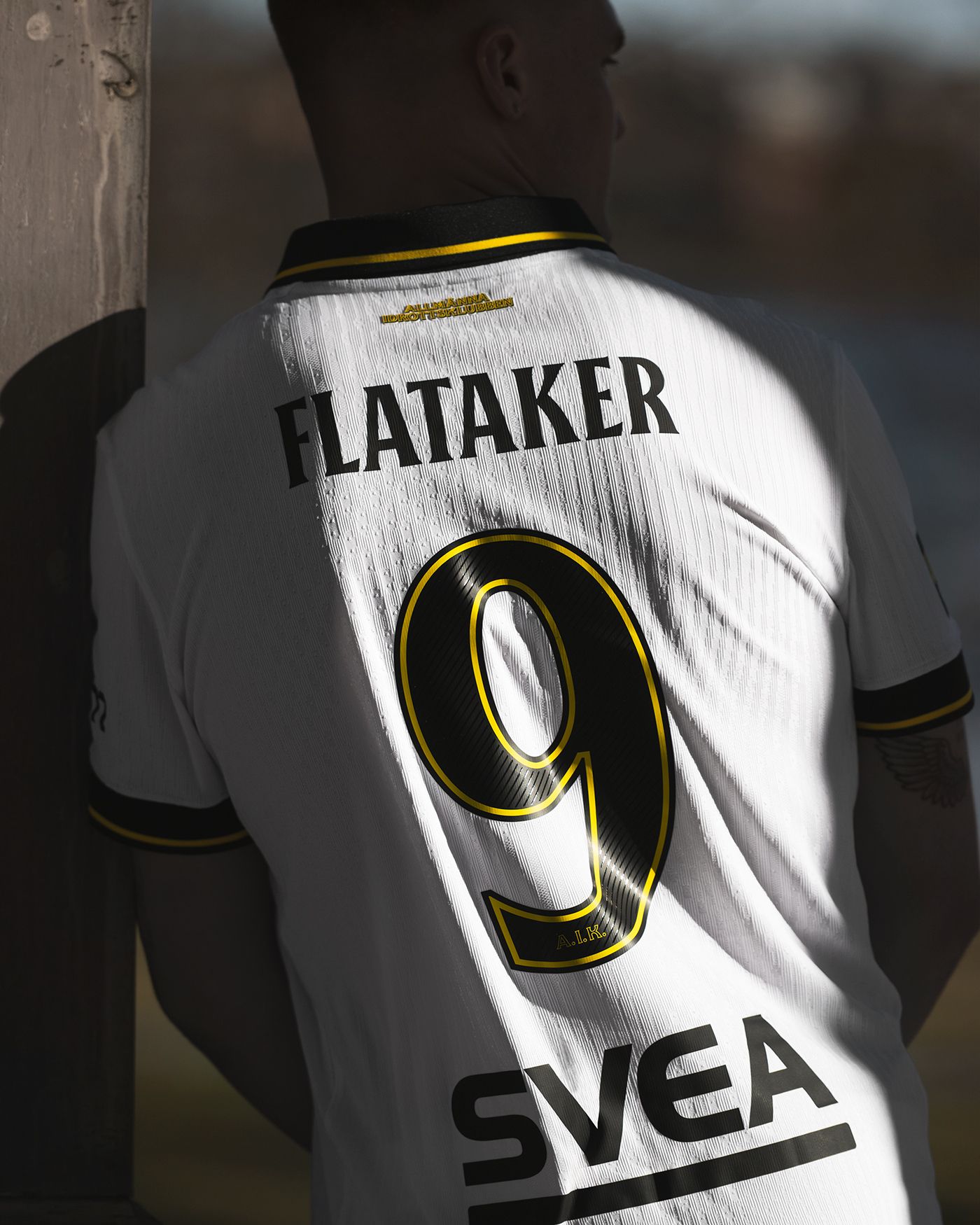
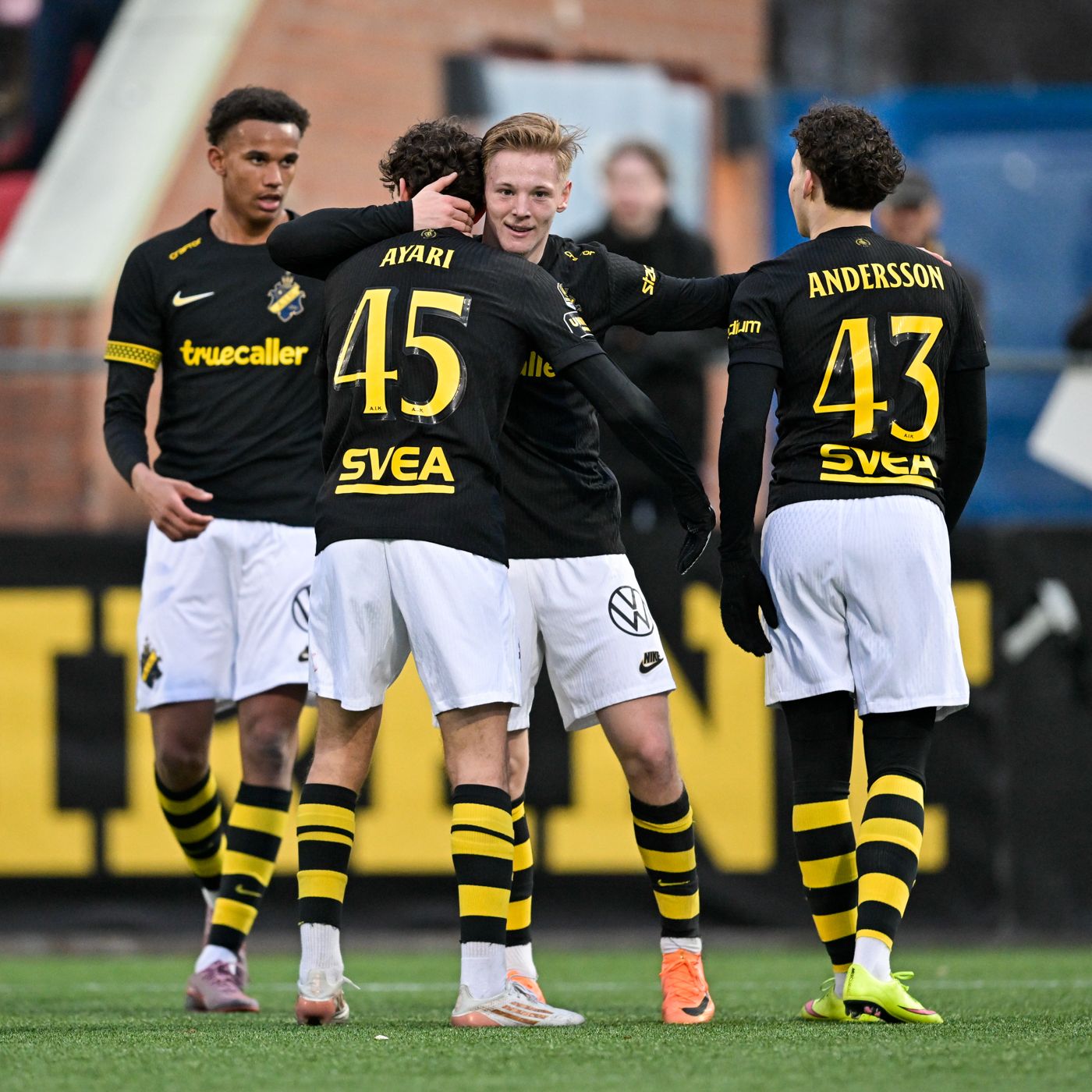
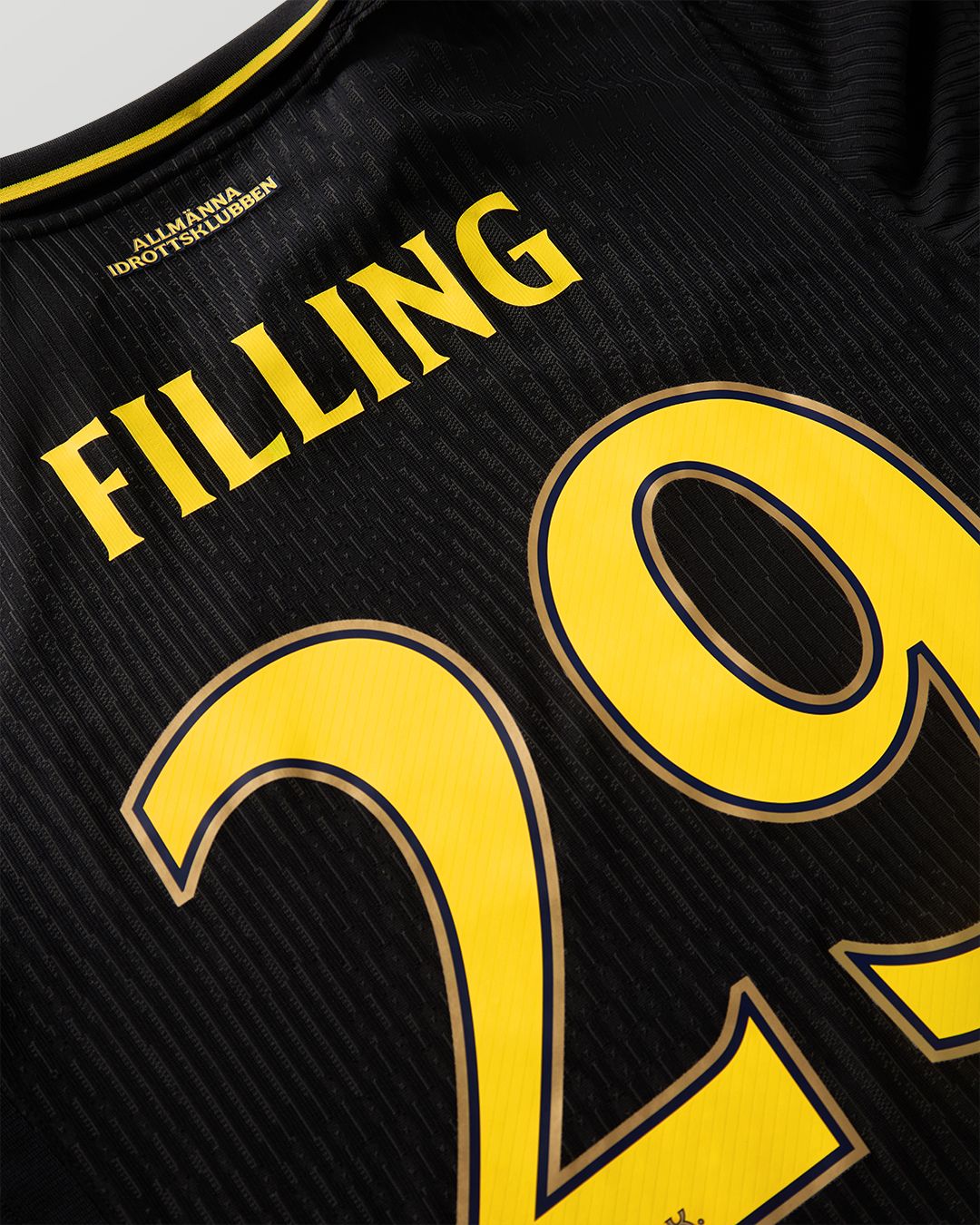
The development of a distinctive communication direction came in several phases. The first dates back to 2005–2006, when AIK definitively adopted black, previously alternated with dark blue or navy, along with yellow details on the home jersey. Once a consistent palette was established, it was time to create the now-famous font. In 2013, Erik Holm, then head of the club’s social media, created a highly recognizable typeface with thin, stylized lines. Its resonance was such that it became the center of a dispute in June 2025 involving Al-Ittihad, the Saudi club where Benzema played, accused of producing a kit using Holm’s font without any license and replicating an AIK anniversary jersey.
The Nike partnership and kit evolution
Another fundamental shift came in 2018 thanks to the agreement with Nike as supplier. The American giant not only began updating kits annually (which had not happened before), but also immediately released limited-edition jerseys that became cult objects for collectors. In 2023, the club introduced a strategic framework aimed at strengthening internal alignment. This document, updated over time, is built on four elements: identity, vision, principles, and strategies. The club aims to become the most elegant club in the world, also through the AIK style—a blend of five key principles emphasizing values such as respect for rules and humility.
On the kits, references to the city of Stockholm are constant, highlighting the club’s desire to be identified with the Swedish capital. This sometimes overshadows Solna, the city within Stockholm’s metropolitan area where the club moved in the 1930s and where the National Arena stands—the current home of AIK and the Swedish national team. This distinction is even noted officially, stating that referring to the team as AIK Solna is incorrect; at most, AIK from Stockholm is acceptable.
The connection with Stockholm and visual storytelling
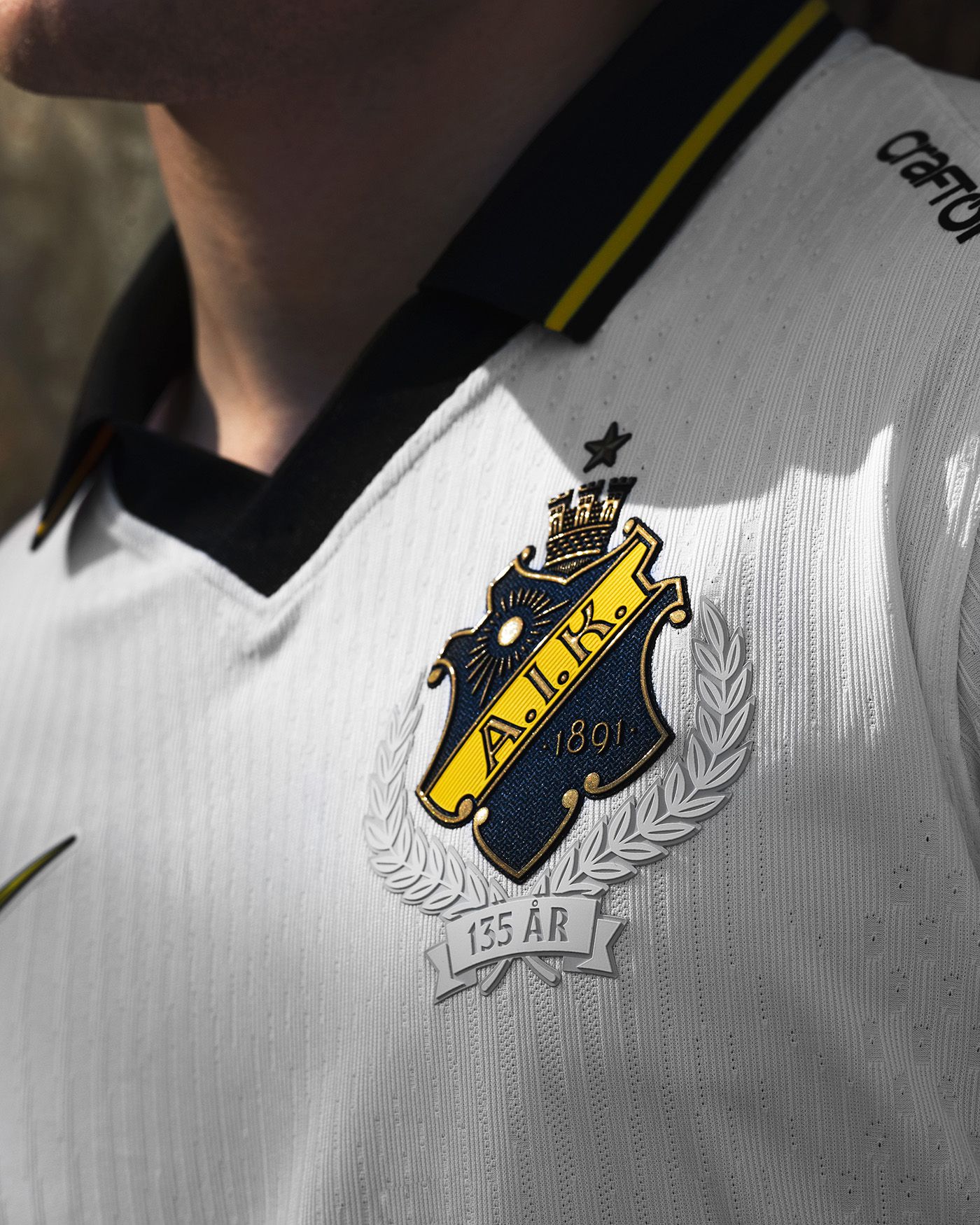
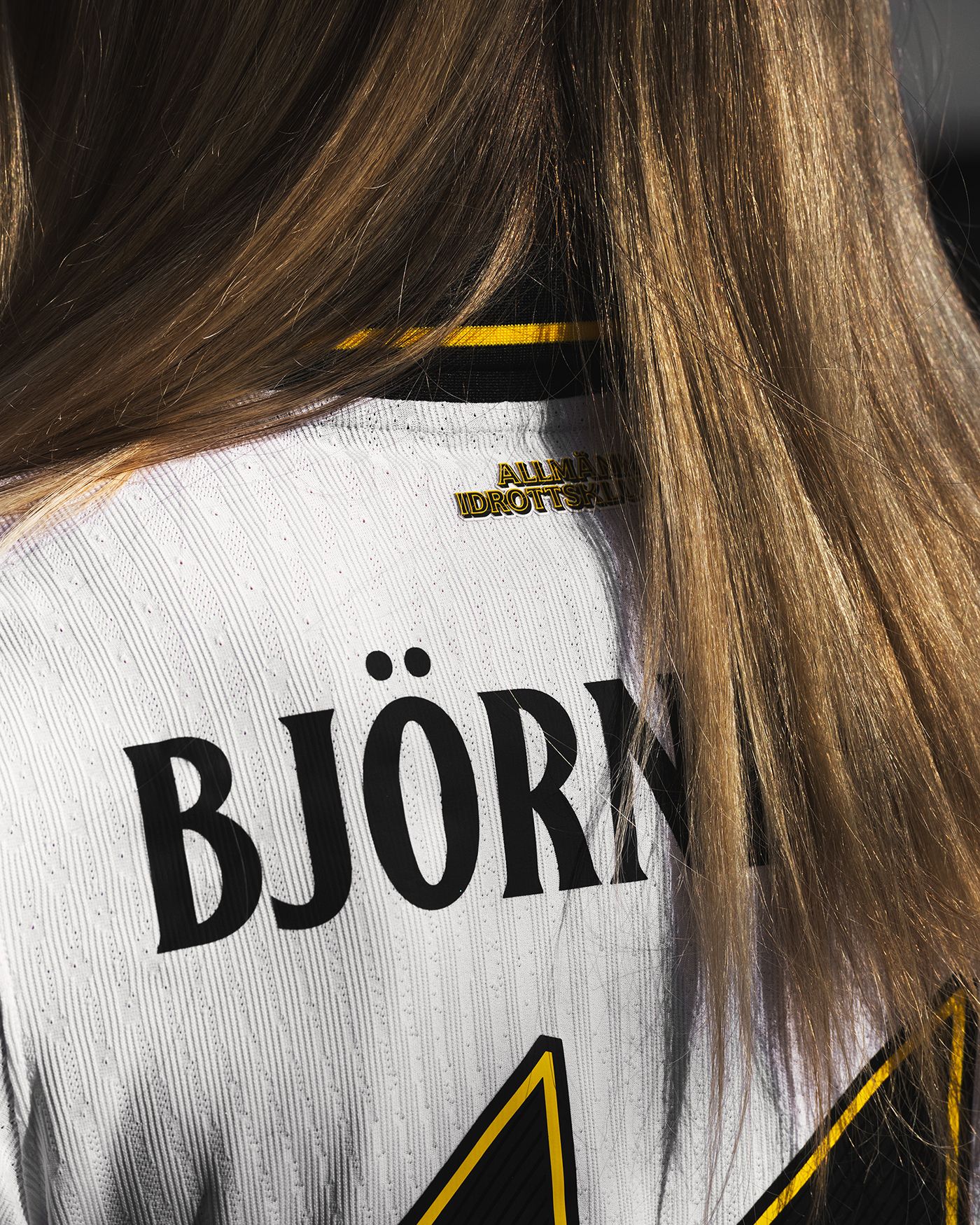
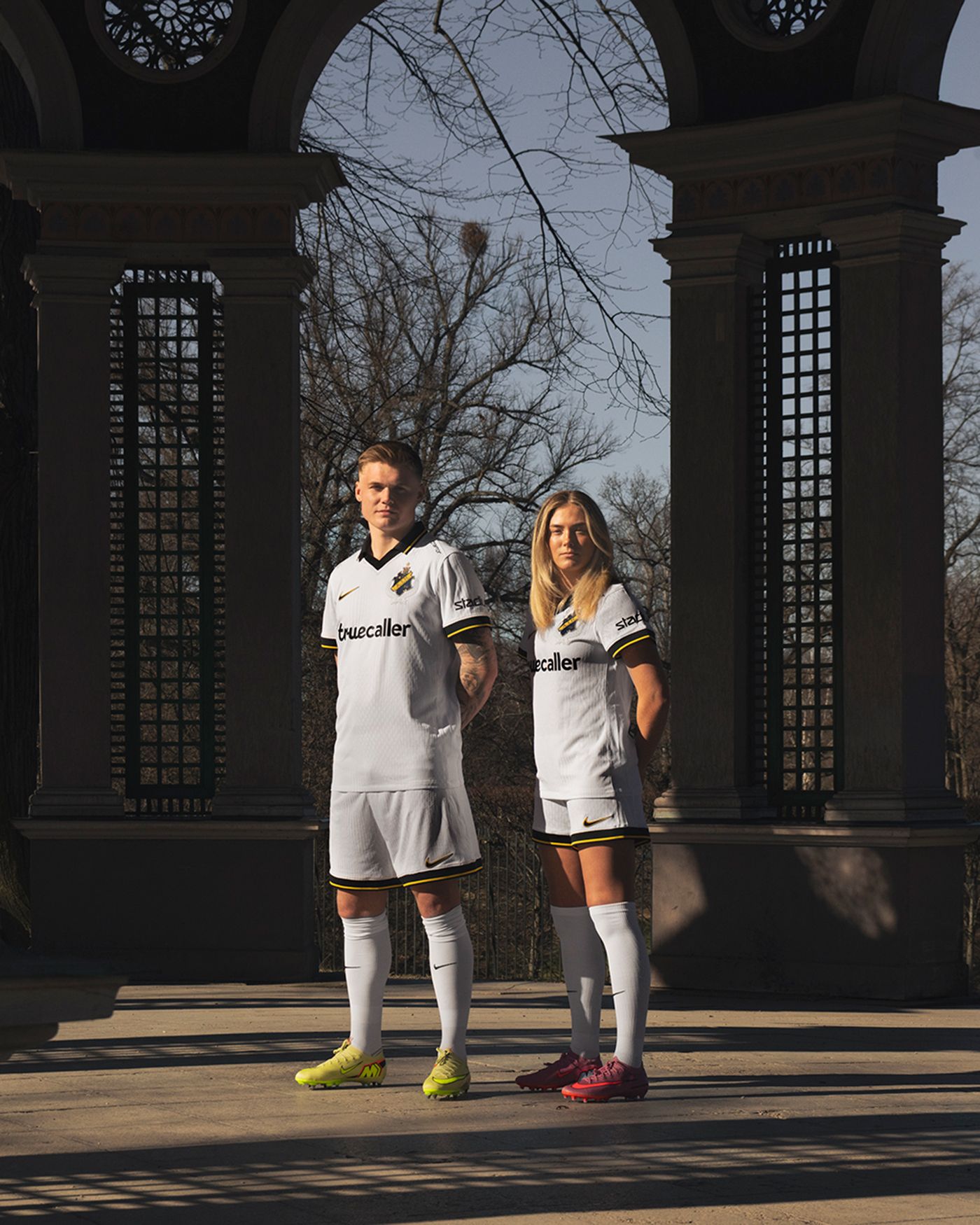
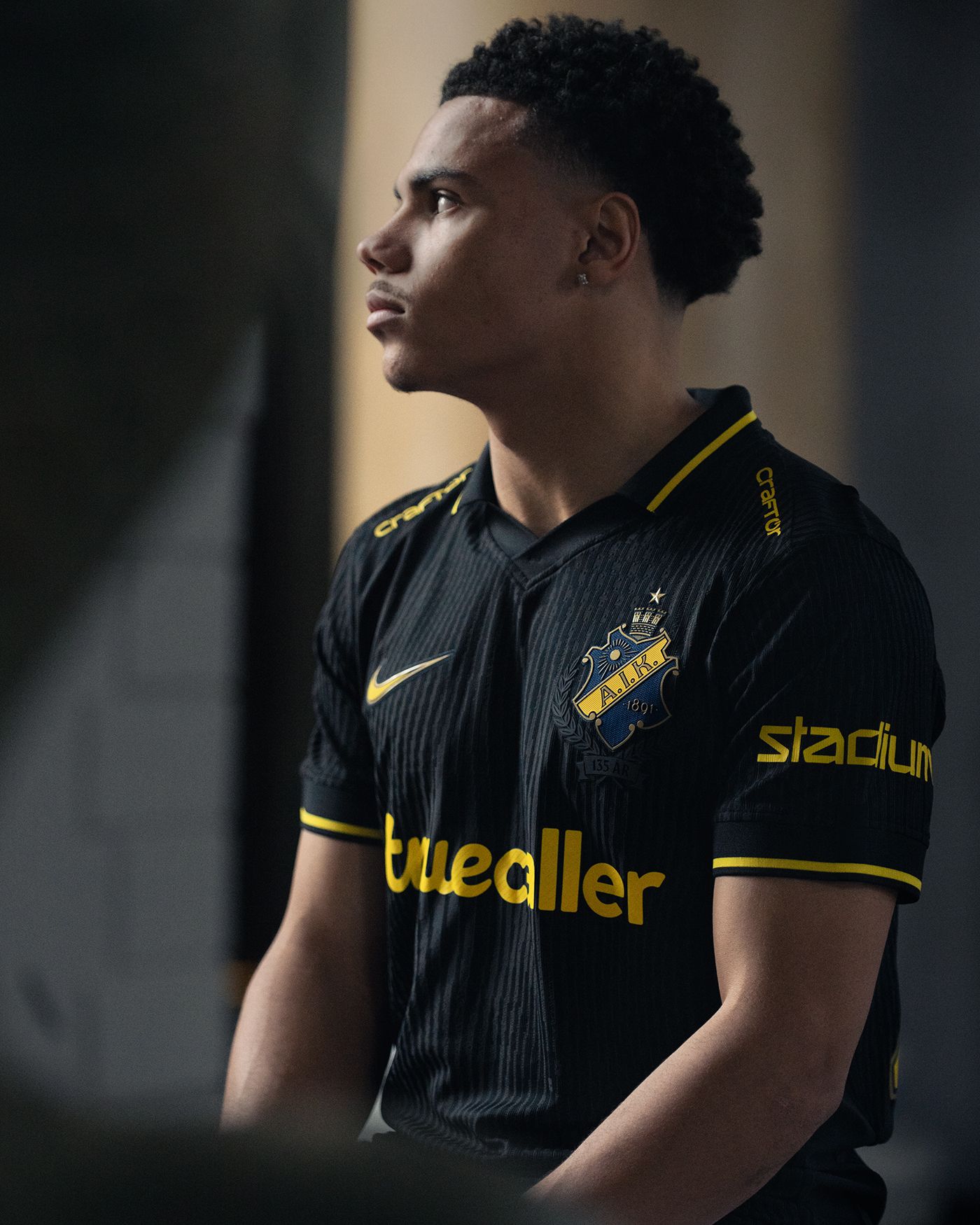
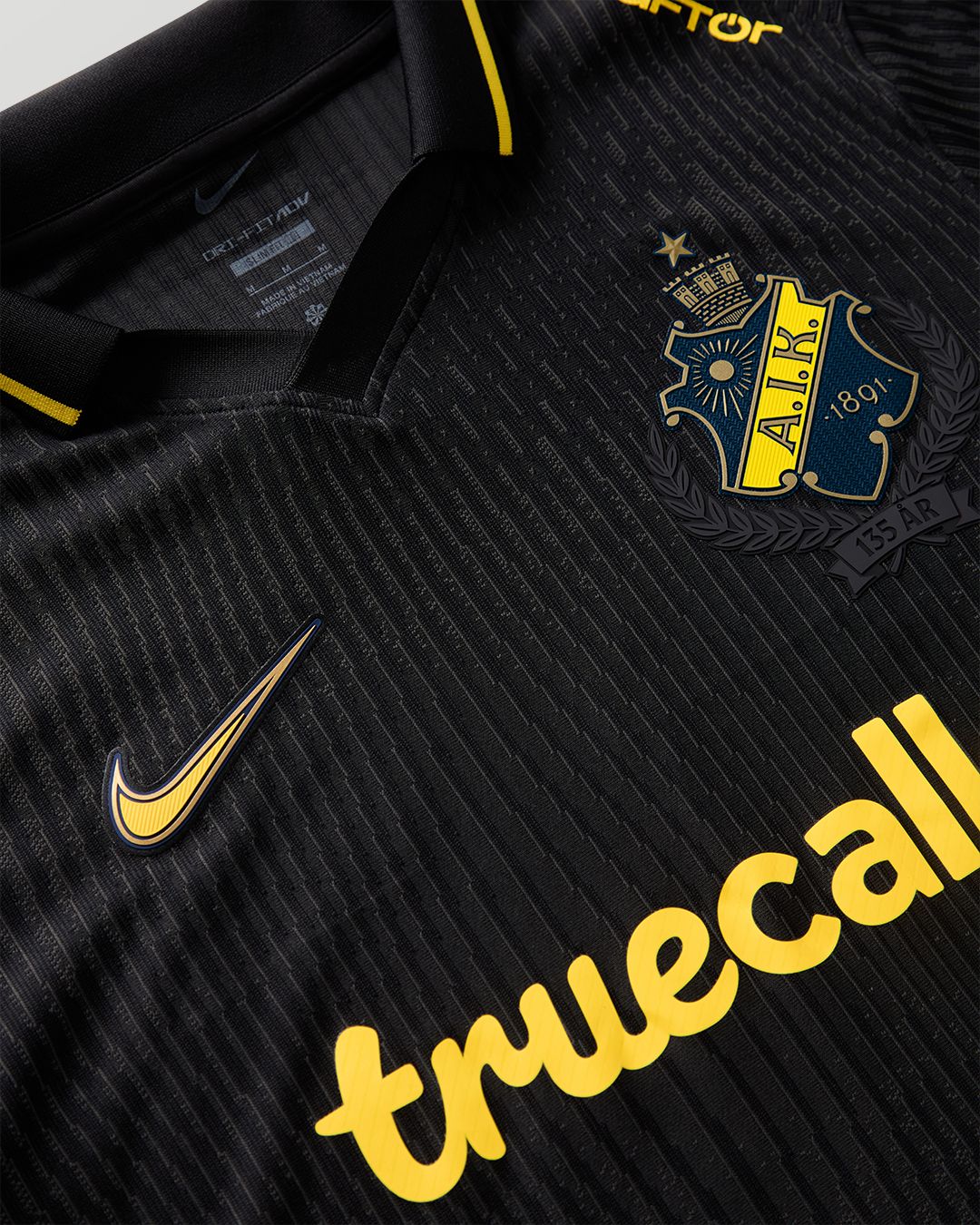
This season’s kit is particularly significant as it celebrates the club’s 135th anniversary. AIK presented it with its usual originality, publishing social media visuals in which four different artists painted four sections of separate jerseys that together form a complete kit. Each used techniques popular in 1891 (the club’s founding year): oil painting, collodion photographic process, a Belle Époque-style poster, and ink drawing. The new jersey reflects the elegance expressed in all Nike collaborations. It features a polo-style design with yellow trim on sleeves and a V-neck collar, a gold-lined logo, and embossed tone-on-tone laurel wreath details with the inscription “135 år.” On the back, the club’s full name appears alongside the traditional font for names and numbers.
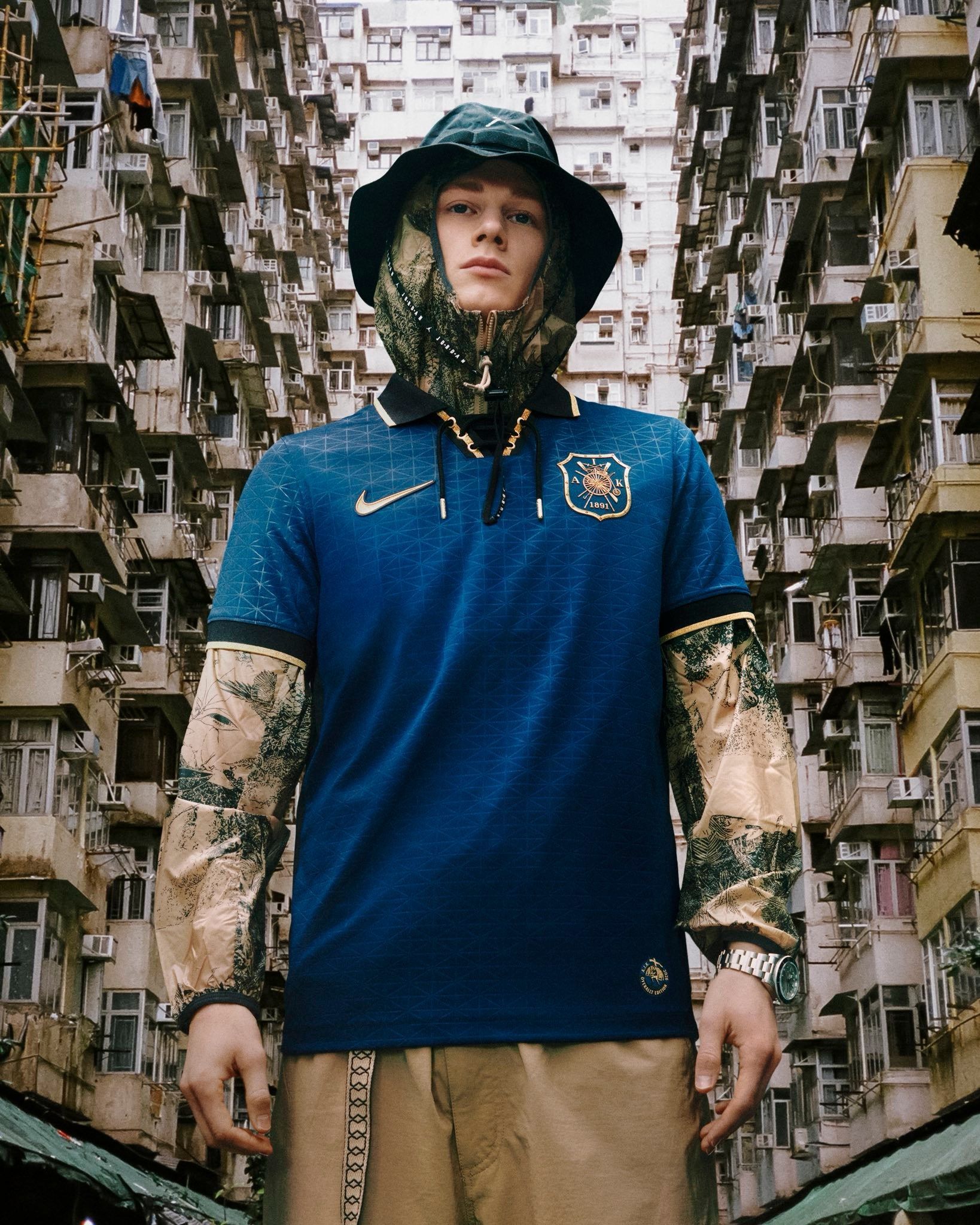
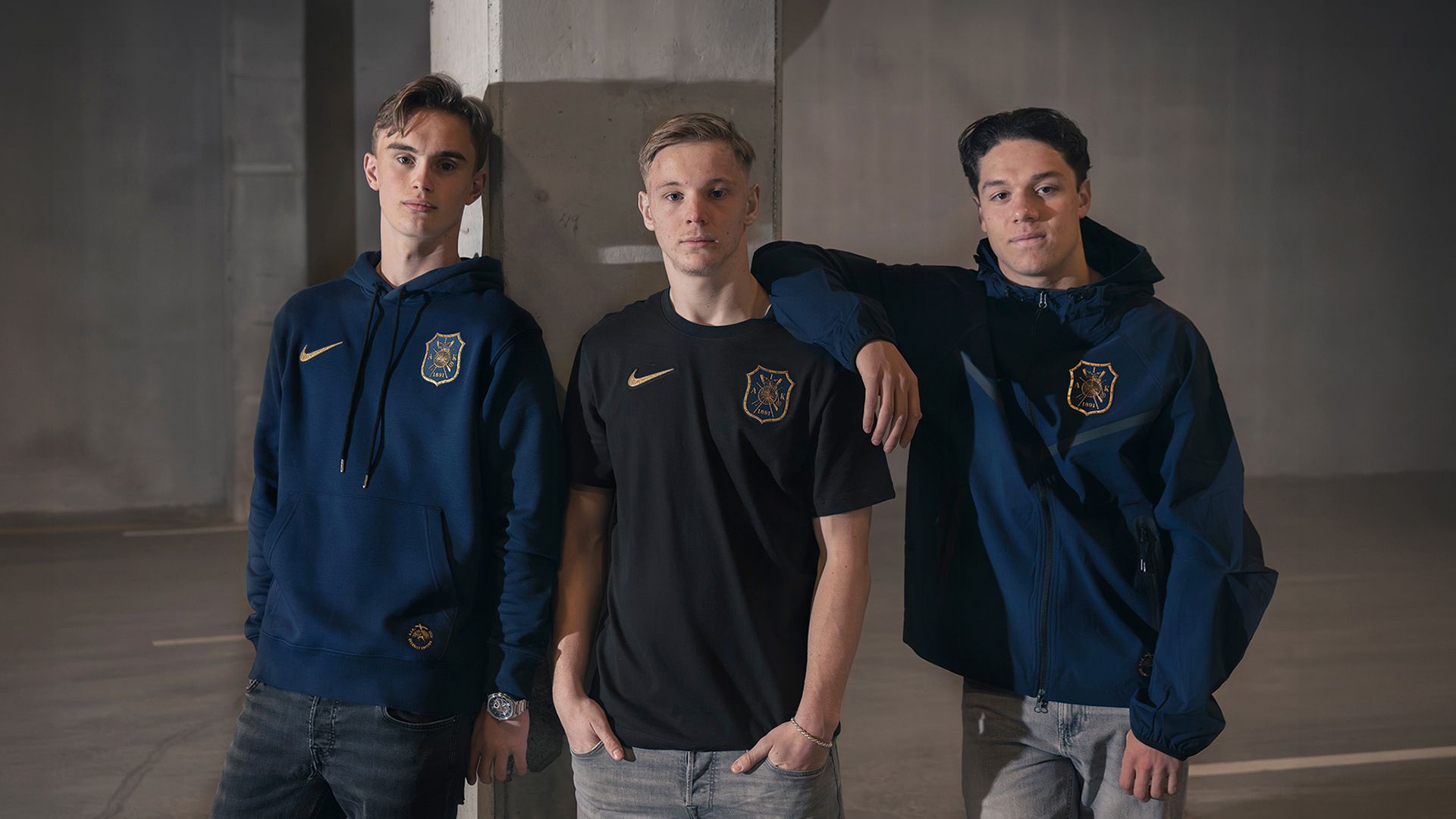
But the 2026 production does not stop at just one home kit. For the Swedish Cup, AIK had already unveiled a special jersey worn in only four matches between late February and mid-March. For its launch, a treasure hunt was organized, ending at the Solna Public Library, referencing the club’s birthplace: Biblioteksgatan 8 in Stockholm. The winner found a book-shaped box containing a collector’s item: the Överallt Edition, a jersey rich in dark blue and gold details, the club’s first embroidered logo, a lace-up collar, and the founding address on the back. The geometric pattern recalls the façade of the National Arena, a 50,000-seat stadium inaugurated in 2012.
Marketing, fans, and visual culture
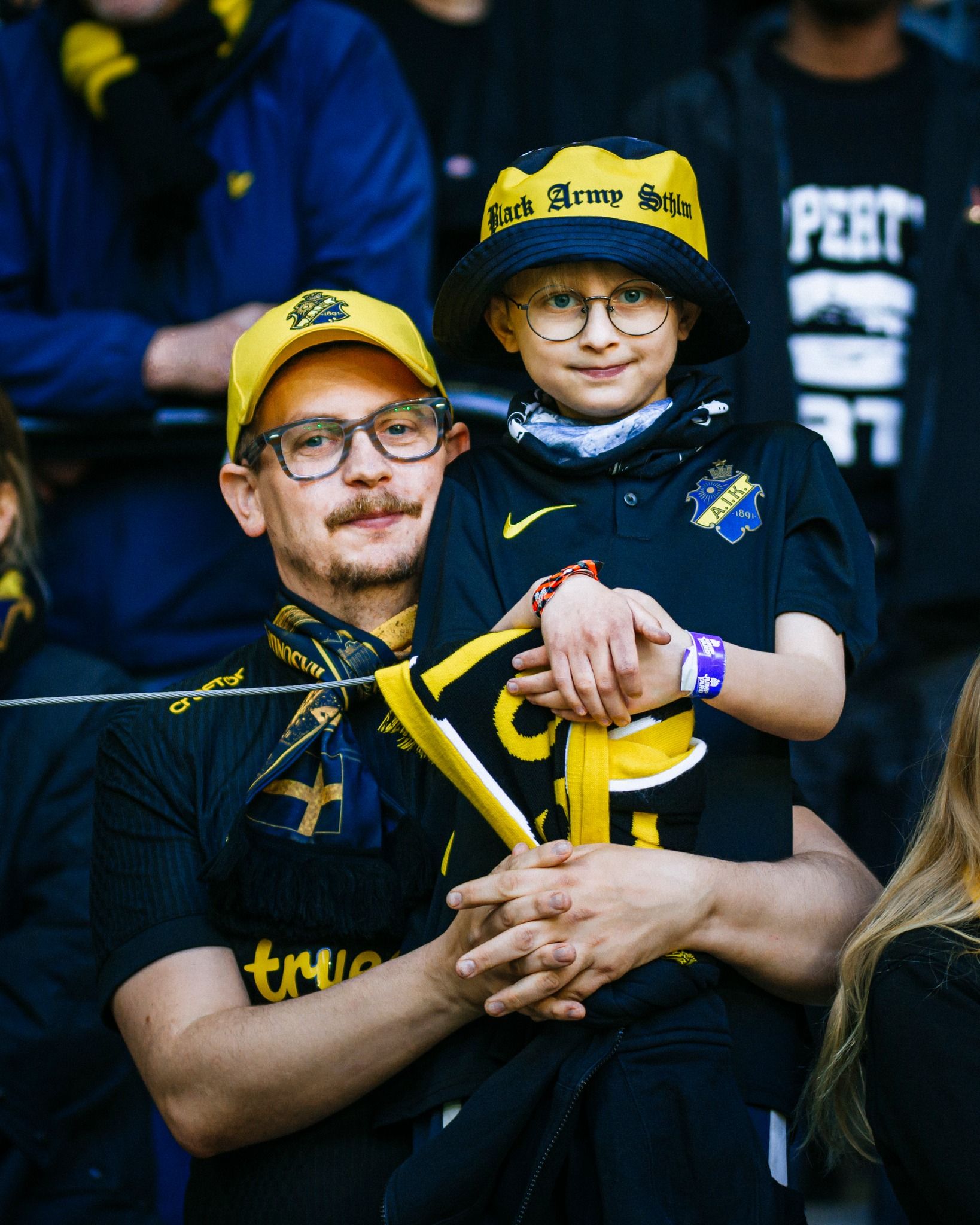
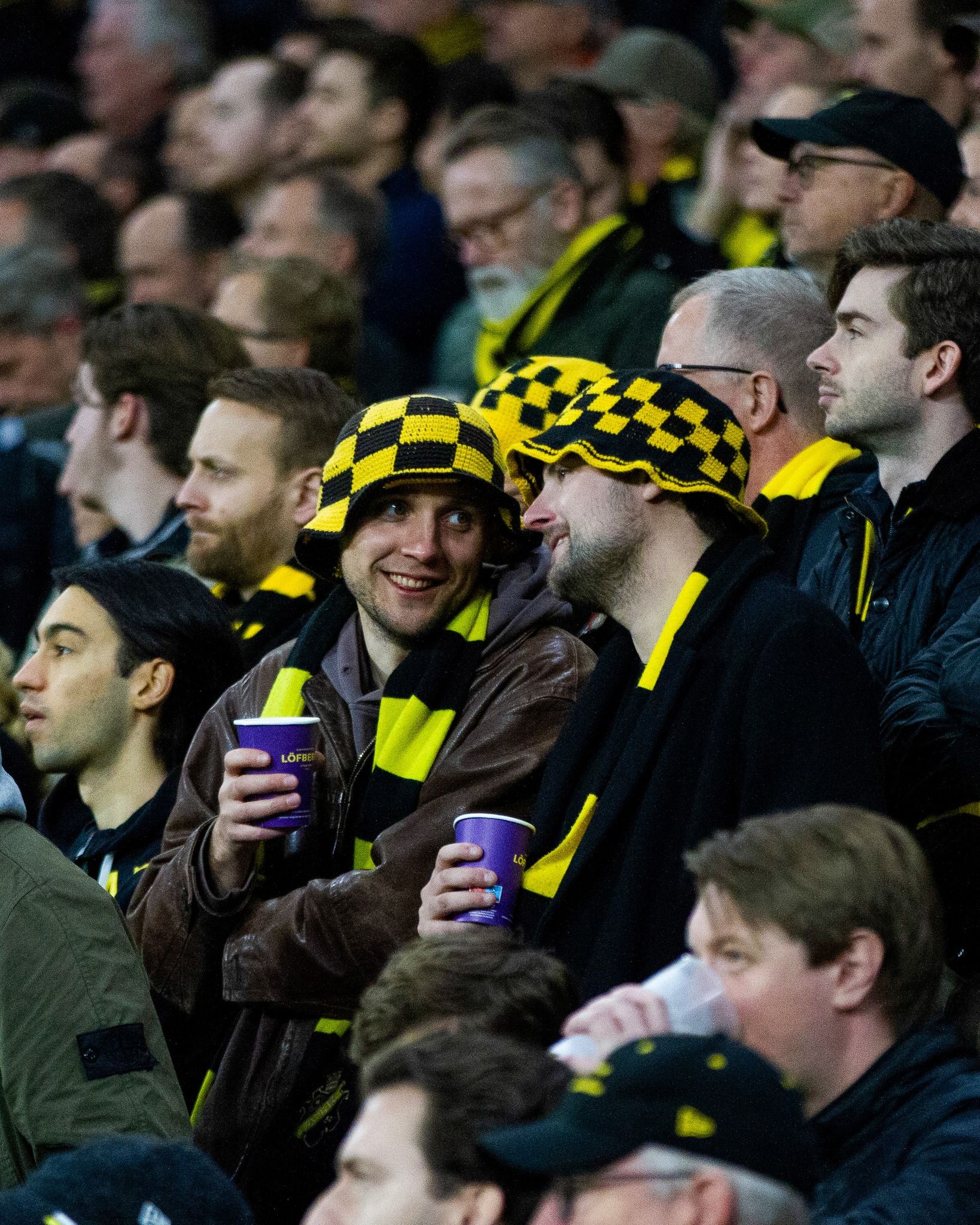
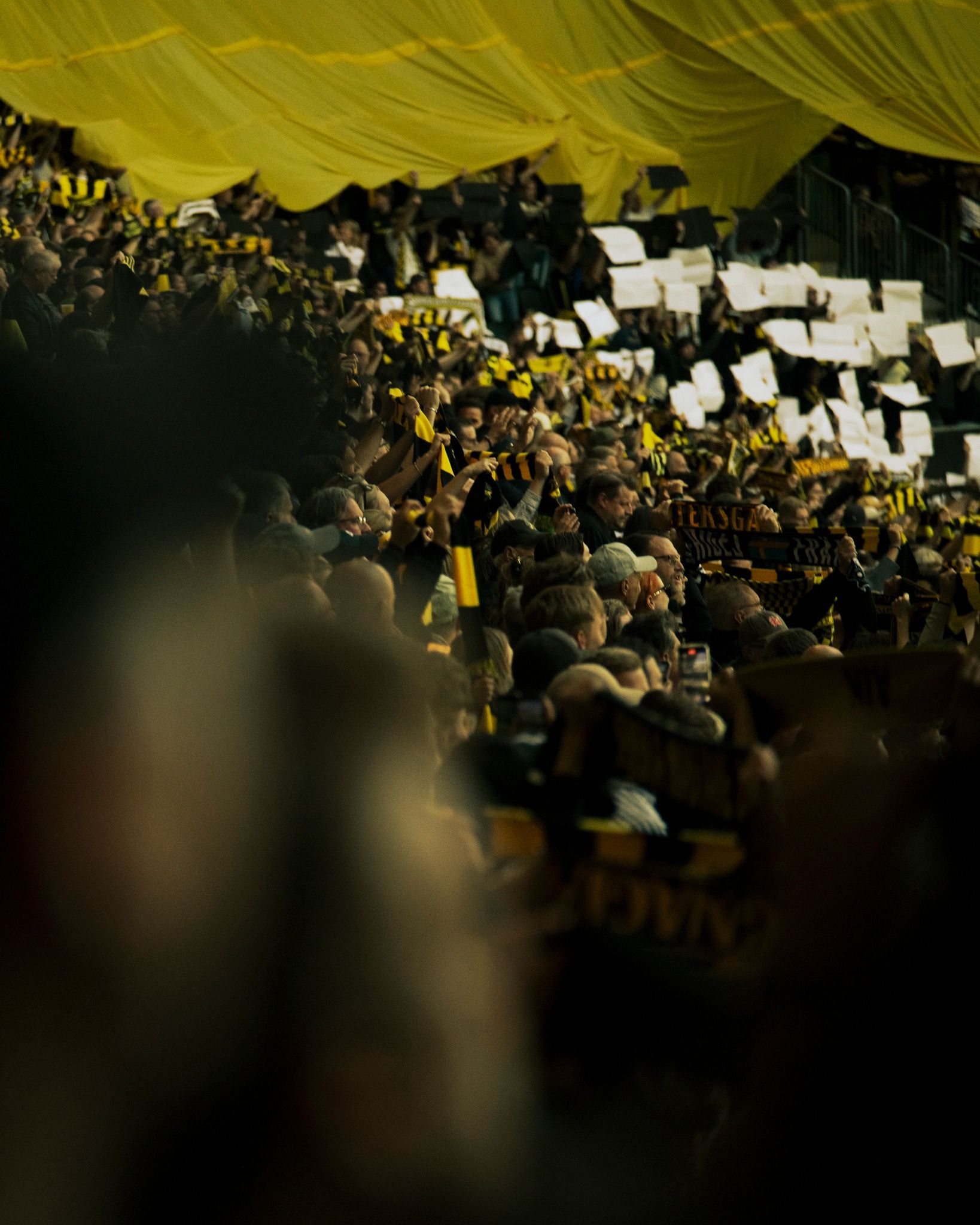
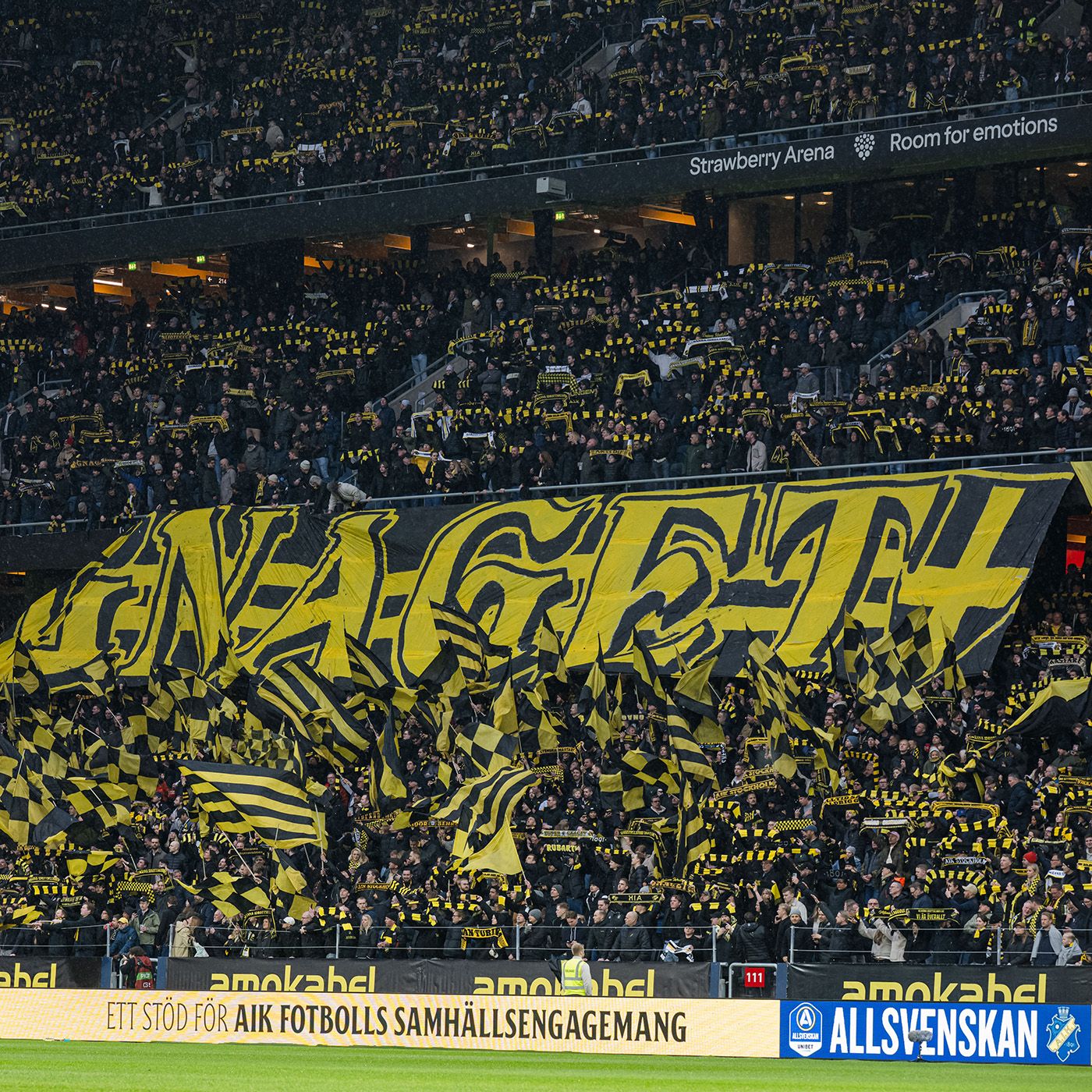
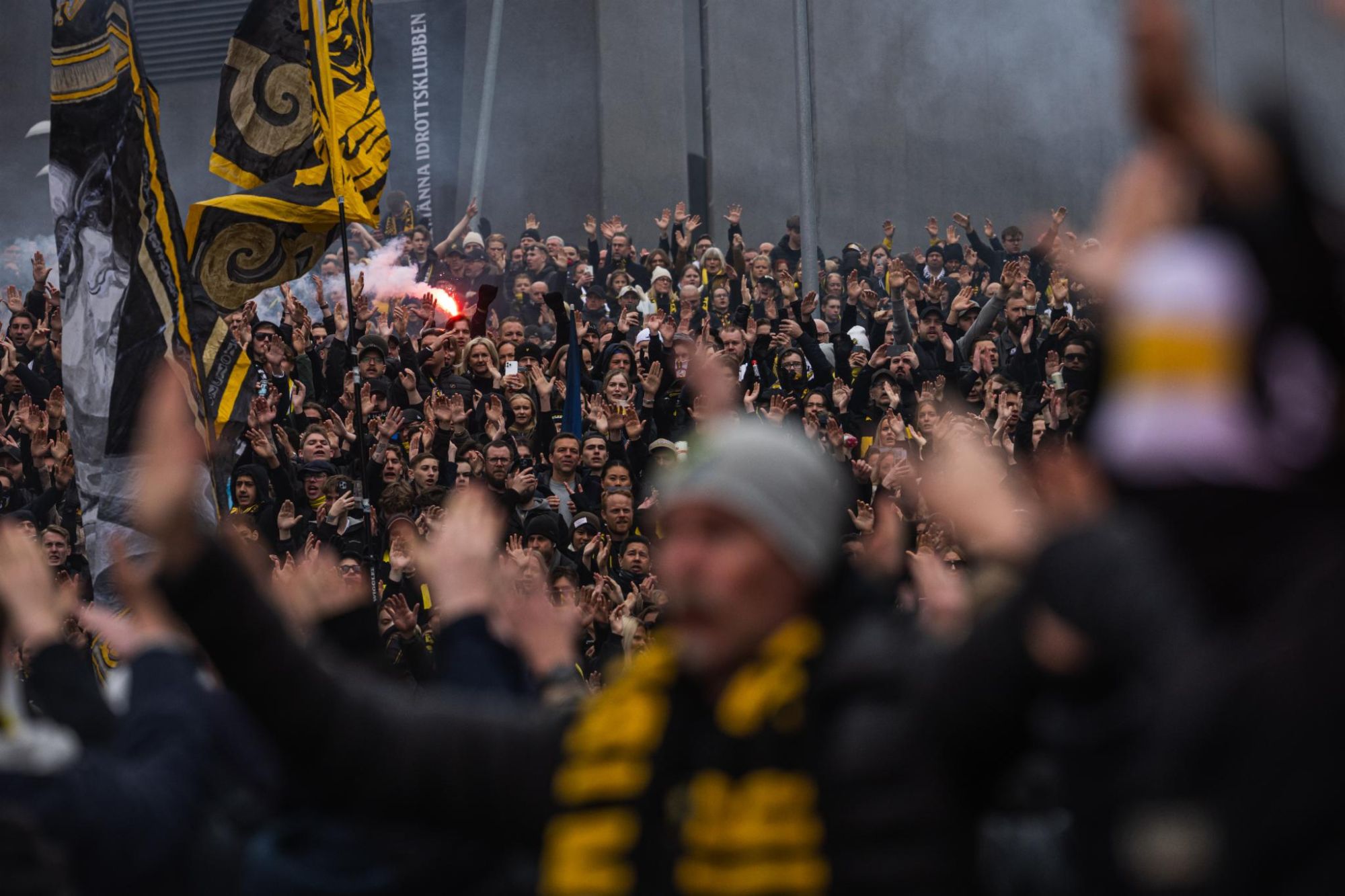
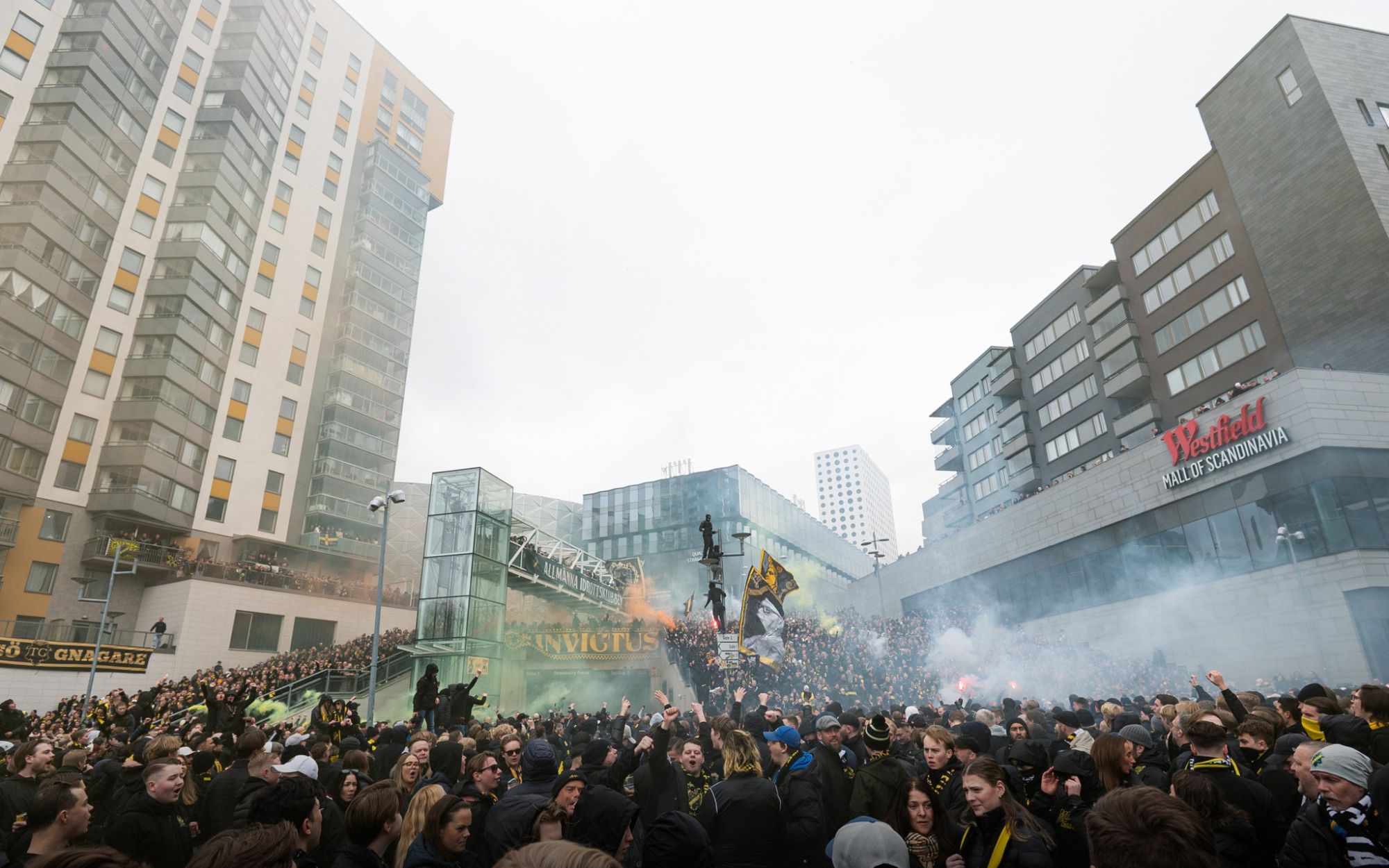
The visual identity extends beyond players to fans, creating a unique cohesion that strengthens the bond between both sides. Supporters are constantly featured across social media, from close-ups of young fans to choreographies and pre-match gatherings outside the stadium. AIK has led the league in attendance for three consecutive years, with nearly 32,000 fans recorded in 2025. For the opening match of the 2026 Allsvenskan season, more than 39,000 supporters attended, and season ticket holders received a unique gift: an AIK-branded passport, nominated alongside a youth team-signed jersey at Guldagget, Sweden’s top creative communication competition.
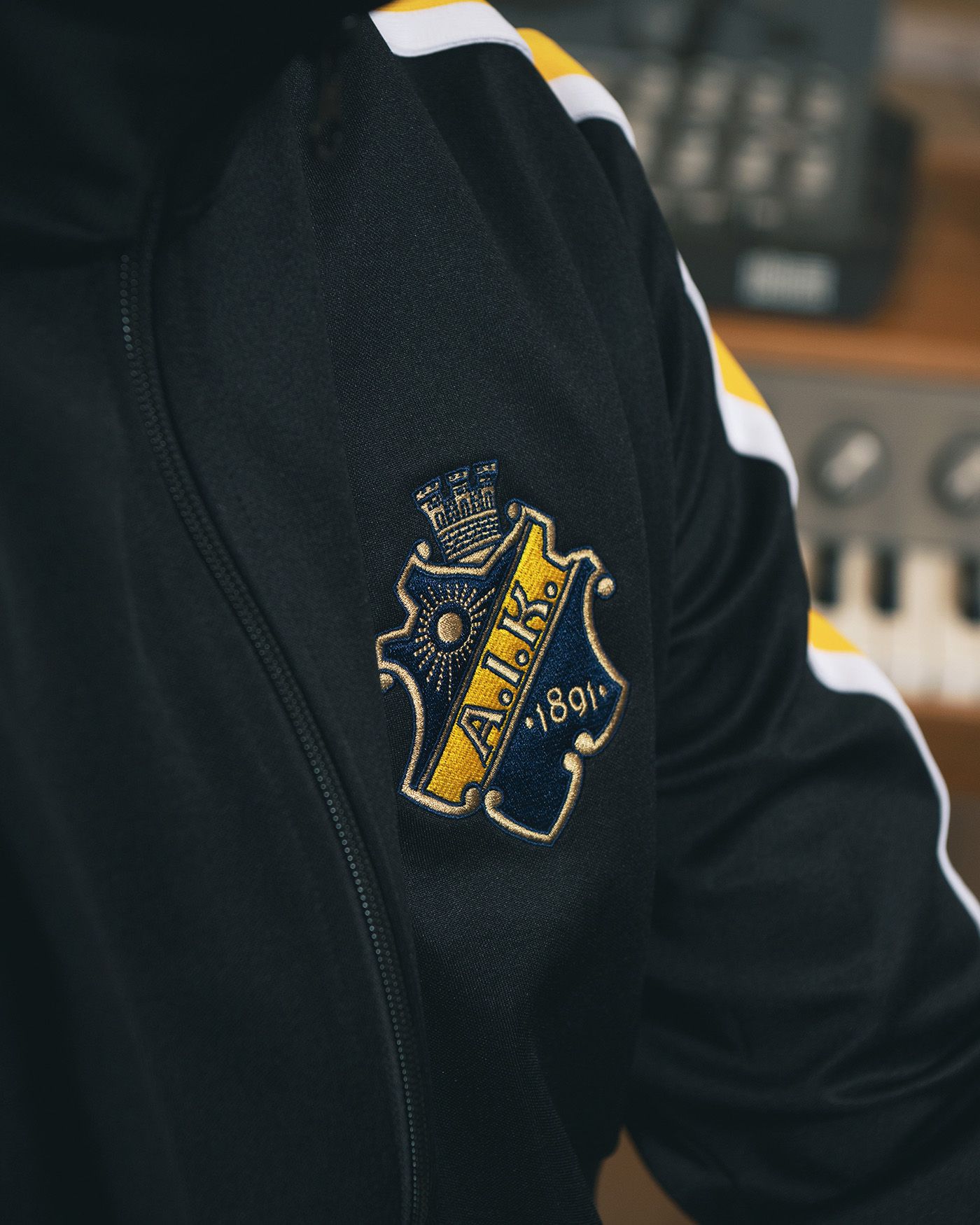
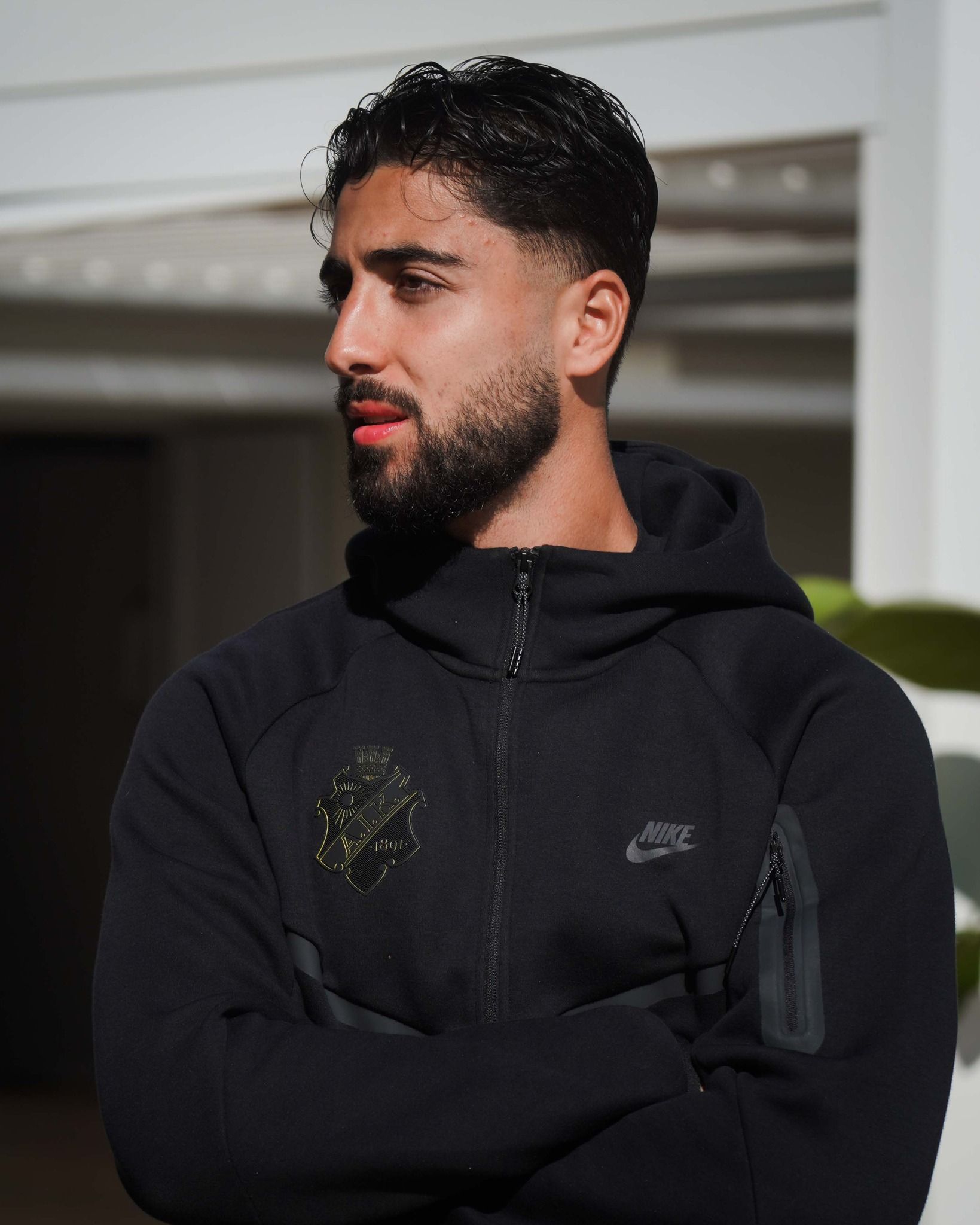
The commercial side is expansive, carefully engaging with events and trends, branding even Easter eggs and Christmas letters. In apparel, the work with Nike is extensive. A wide off-pitch collection highlights an unusual level of attention for a club with limited international sporting success, determined to establish its own aesthetic. The real achievement has been breaking the standardization typically applied by major suppliers like Nike and adidas to smaller clubs. From winter collections to customized techwear, AIK continues to lead in this field.
Finally, another element that removes barriers between club and supporters is its identity as a multi-sport organization, with strong dedication to women’s sections. Alongside football, there is hockey, floorball, boxing, handball, basketball, wrestling, athletics, wheelchair basketball, and even golf. Across these disciplines, the same typographic style is maintained, even when the supplier is adidas in most cases.
Comparing Djurgården and other Swedish clubs
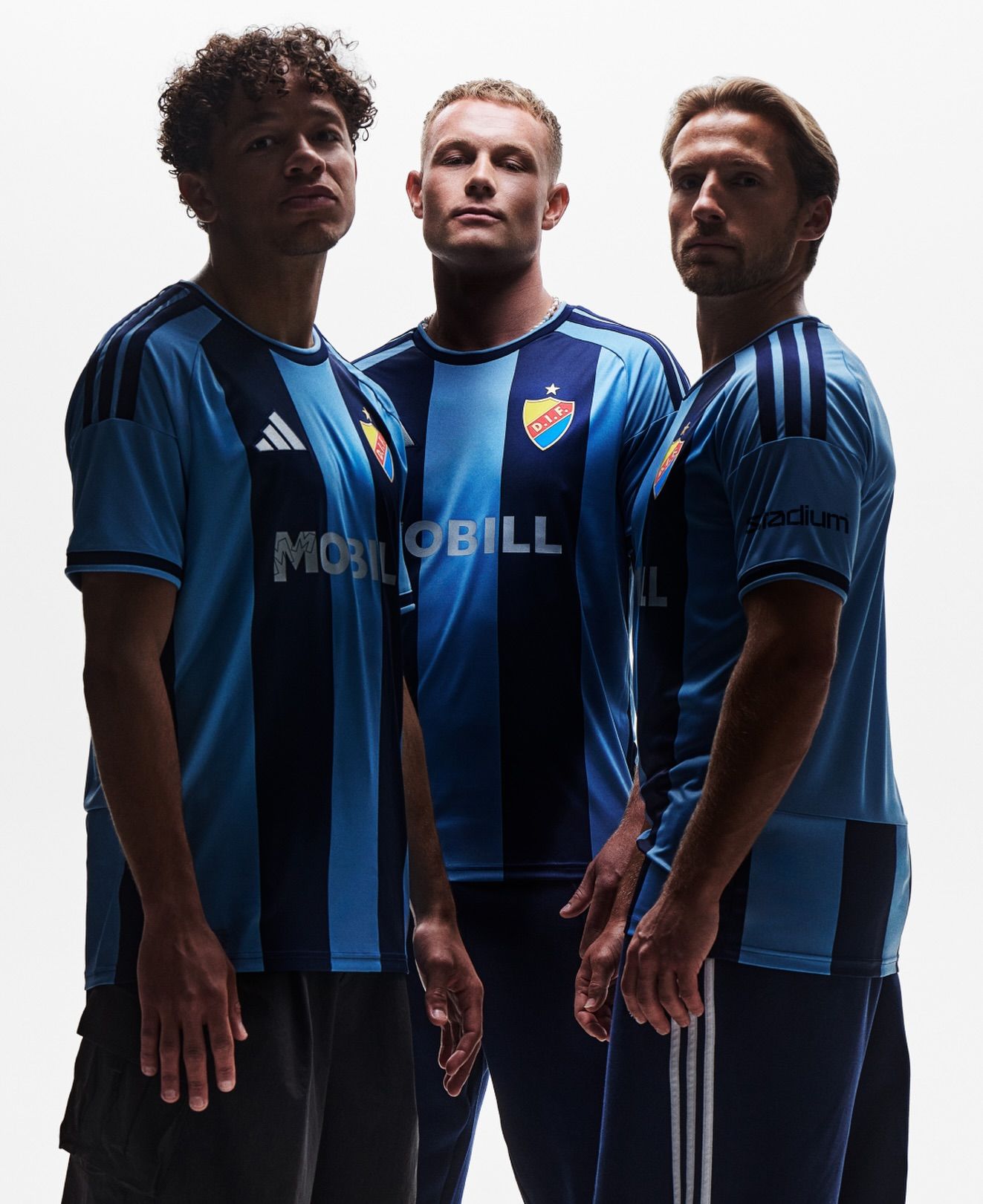
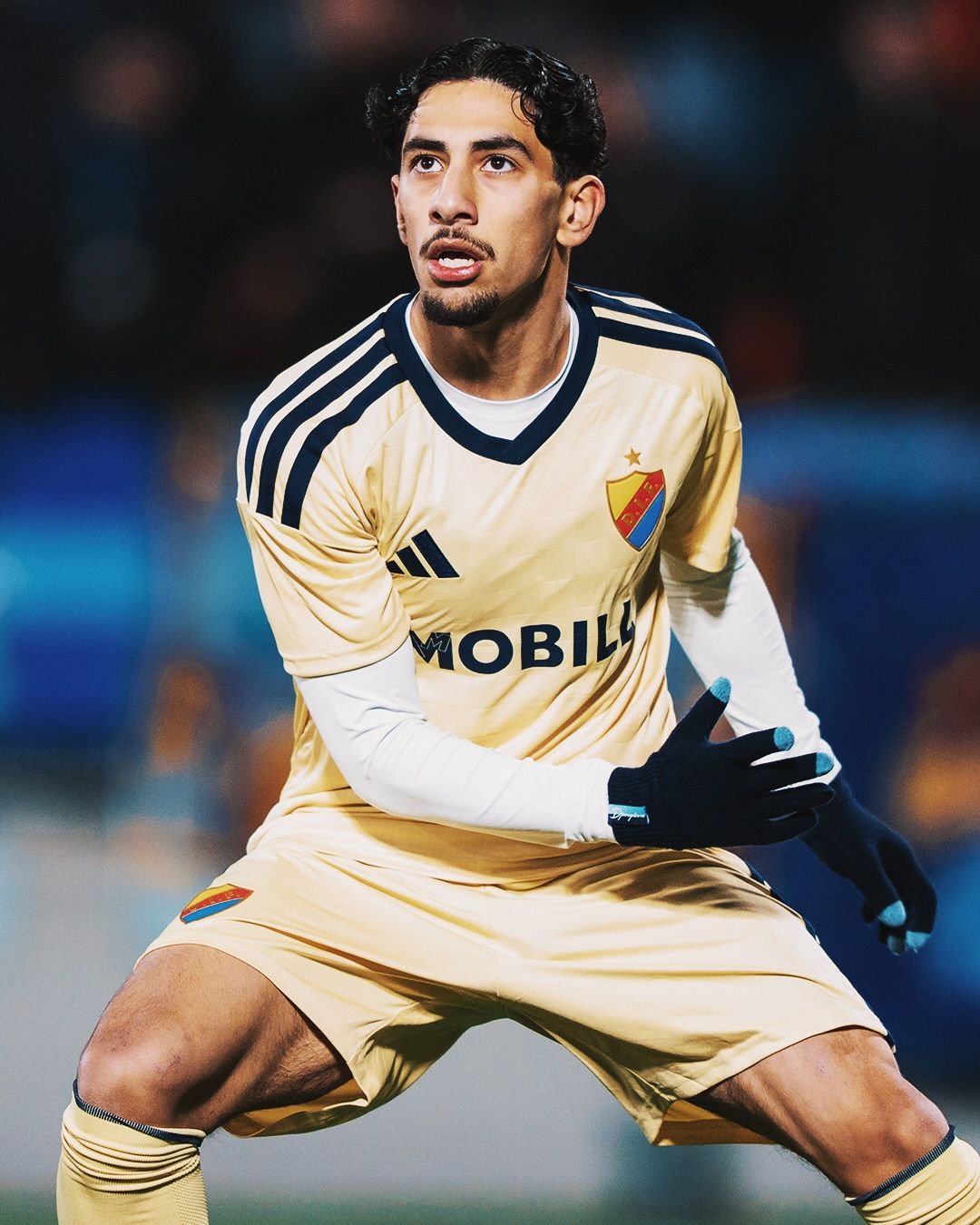
The club that, alongside AIK, stands out most for its strong brand identity is its biggest rival: Djurgården, a Stockholm-based club that reached the Conference League semifinals last year. Founded just 25 days after AIK, the two contest the Tvillingderbyt, the “twin derby.” While Nike sponsors AIK, adidas outfits Djurgården. Their new kits were presented through a structured group photo, blending home, away, and third designs. The club also stands out for apparel collaborations, including custom Adidas Spezial sneakers, and consistent visual communication across all media.
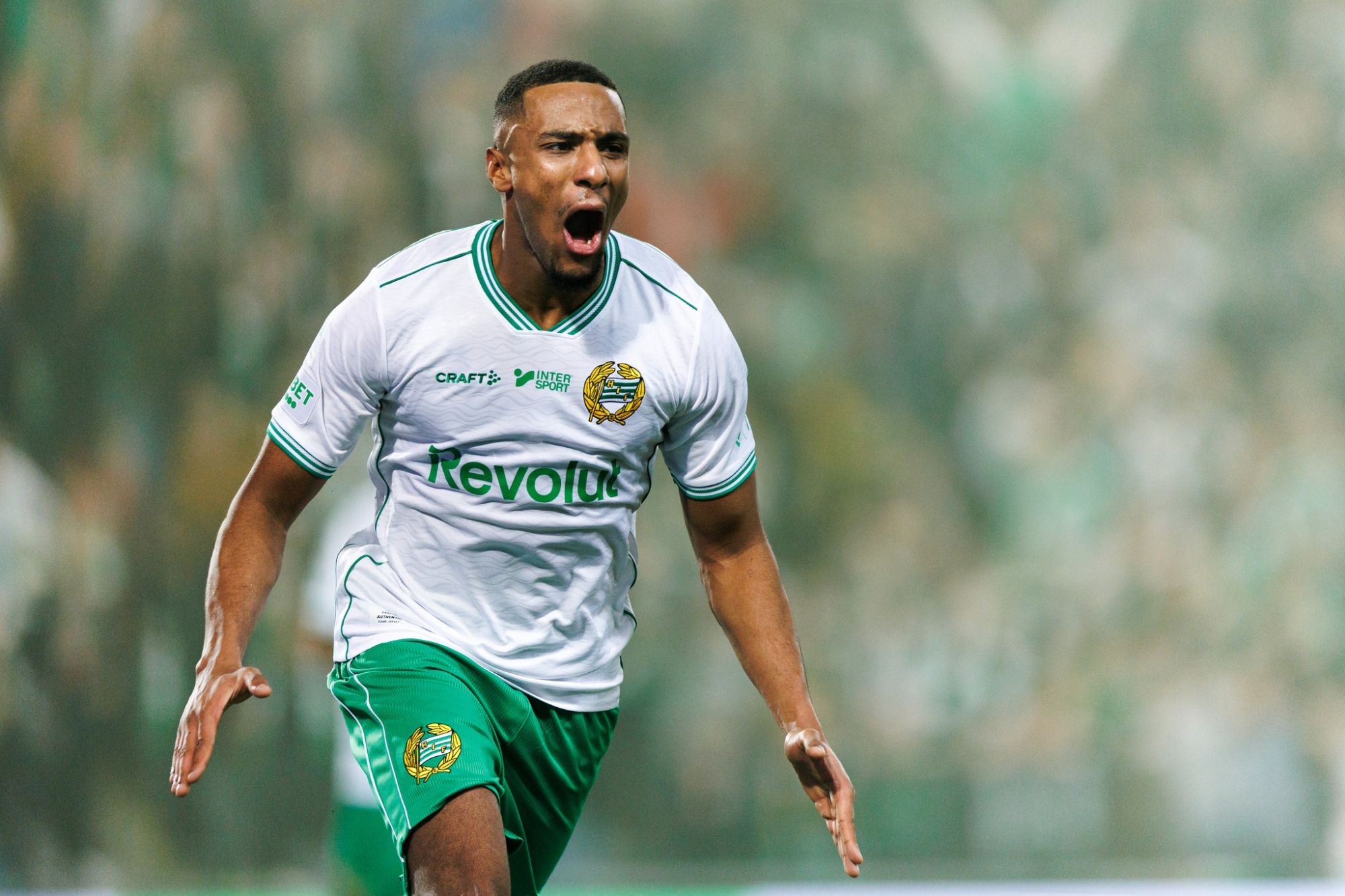
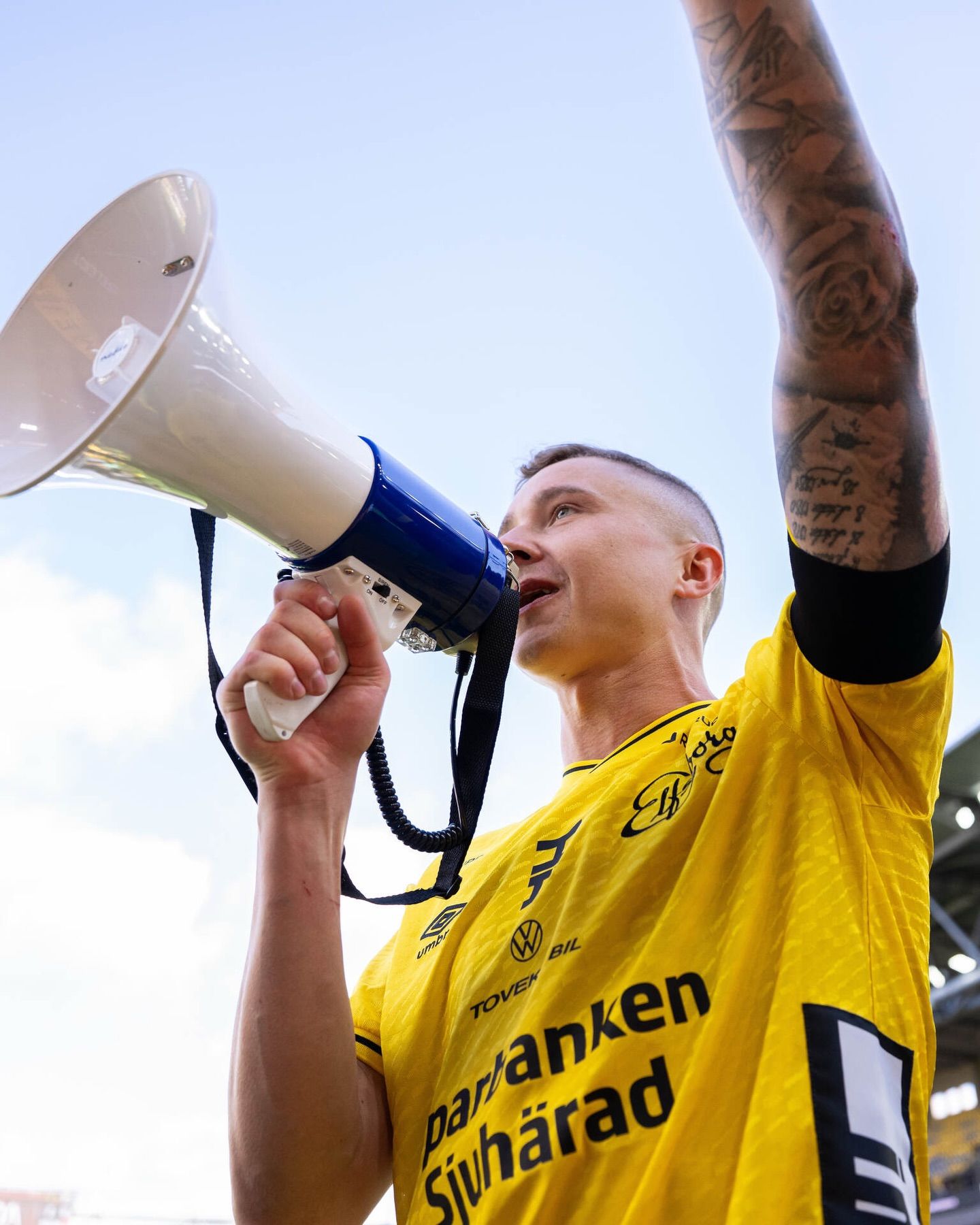
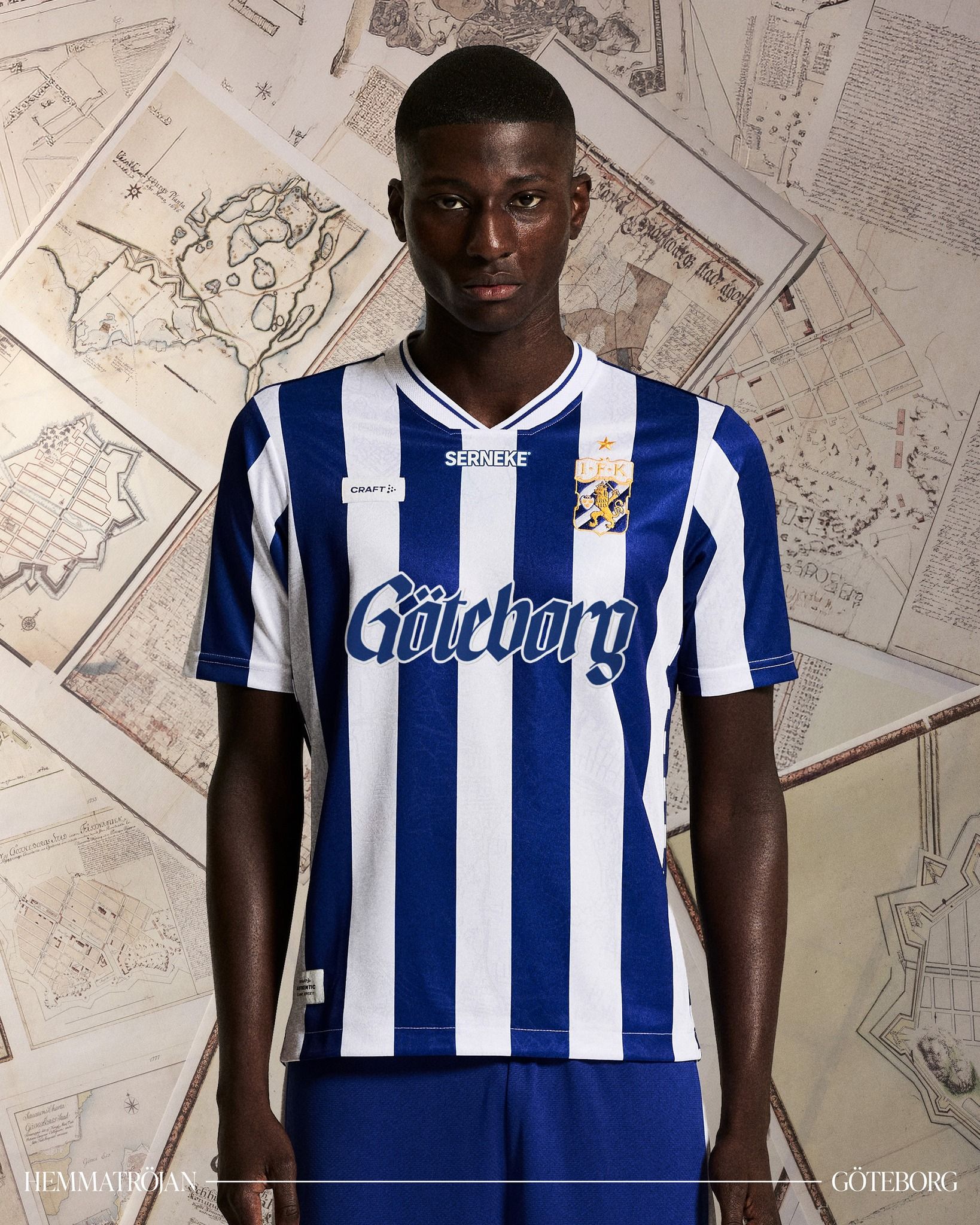
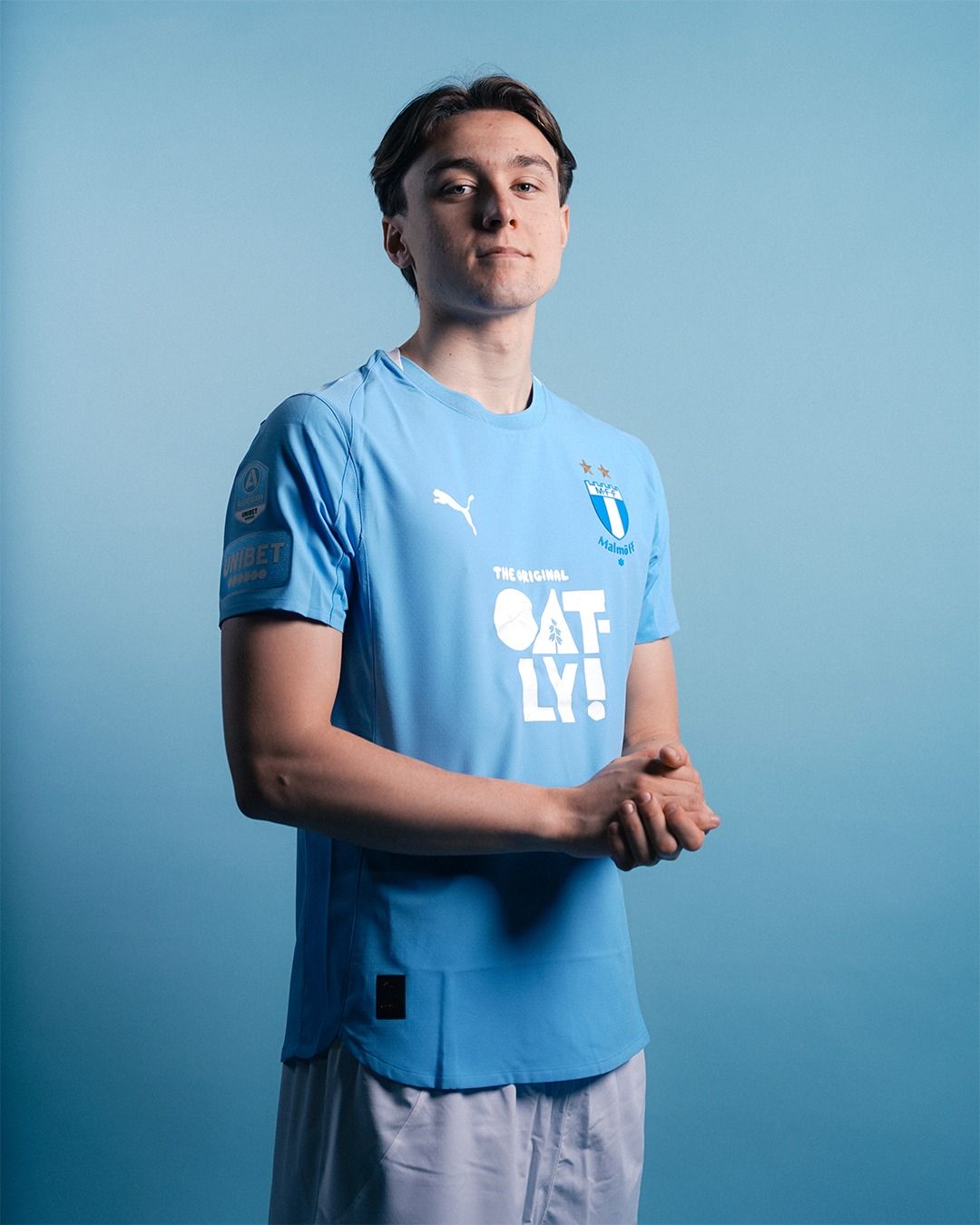
Hammarby follows, with solid work by supplier Craft across the 2026 collection, featuring wave-inspired patterns referencing Lake Hammarby. Elfsborg is moving toward a stronger visual identity through collaboration with Borås Textile Museum. Göteborg introduced a unique concept, replacing the central sponsor with different neighborhood names across 15 home kits. Malmö maintains a clean identity with Puma, while Umbro delivered an impressive away kit for Örgryte, Sweden’s oldest club.