

























Basketball in Rome has entered a new era From NBA Europe to the relocation of Vanoli Cremona: everything you need to know

Basketball in Rome is no longer what it once was. Memories of the titles won in the 1980s, as well as the more recent championship finals in 2008 and 2013, are beginning to fade from the collective memory of younger generations and feel increasingly distant. Especially after the bankruptcy of Virtus Roma in 2020, which for the past six years has pushed the Italian capital to the margins of elite basketball. Today, however, the landscape appears to be changing rapidly. Not only — and not primarily — because of Virtus’ possible return to Serie A2, with the club currently competing in the Serie B playoffs, but because of the movements that have been stirring behind the scenes for months. American funds and investors, former NBA executives, new entrepreneurial groups, even Luka Doncic: all united by an interest in creating a new basketball club in the Eternal City. Or, as they would say overseas, a new franchise, with NBA Europe — the league Adam Silver and company aim to launch by 2028 together with FIBA and perhaps even the EuroLeague — looming in the background.
For now, there are many theories and very few certainties surrounding the new NBA-backed competition. Only the broad outlines of the project and a handful of fixed points are clear — among them, the desire to make Rome one of its initial outposts. The capital represents one of the most attractive and, at the same time, most untapped markets in European basketball: a global city with strong international appeal, a basketball tradition, yet currently without a club ready to be integrated into such a system. It is within this framework — and on this fertile ground for expansion — that several dynamics are unfolding: the transfer of Vanoli Cremona’s sporting license, the consortium led by former NBA executive Donnie Nelson, the still unclear competition from another American figure, Paul Matiasic, and the race for the PalaEur arena. At the same time, there is the resistance of Virtus Roma, which Serie A results are gradually bringing closer to relevance again, and the infrastructure issue that is set to dominate discussions in the coming months. A fluid mosaic still far from complete, from which the renewed geography of Roman basketball will emerge.
Why Rome is strategic for NBA Europe
The NBA Europe model has been envisioned by league executives as a semi-open competition designed to rival the EuroLeague, importing parts of the American system: permanent markets and investors, centralized commercial operations, modern infrastructure, and a globally-oriented product. Over time, however, and thanks in part to mediation from the EuroLeague and its new CEO Chus Bueno, the project has moved closer to the existing ecosystem. Today, the most realistic scenario appears to be a coexistence between the two worlds rather than an outright fracture. What remains certain is that when the NBA and FIBA began concretely shaping the project, Rome was immediately identified as one of the strategic cities from which to launch the expansion. For sporting reasons, but also because of image, commercial potential, demographics, and long-term prospects. And because building from scratch, after all, comes with its own advantages.
Unlike Milan, Athens, or Istanbul, Rome does not currently have a club firmly established within the EuroLeague orbit, with a consolidated structure and European identity — and therefore no entrenched stakeholders to convince. It is precisely this vacuum, paradoxically, that makes Rome so attractive. It is no surprise that the Italian Basketball Federation (FIP) looks favorably upon the return of a major club to the capital, also with an international perspective in mind. Time, however, is short. The goal is to bring Rome back to Serie A immediately by building a financially solid organization already designed for international growth, between continental wild cards and future NBA Europe opportunities. Given the urgency of the situation, the most practical route is the transfer of a sporting license from another city, an operation that would dramatically accelerate the process compared to climbing back up through results on the court.
And this is where Cremona enters the picture. After months in which Trieste seemed the most likely option, attention has now shifted toward Lombardy, where the historic Vanoli project appears to be reaching its final chapter. In recent days, the club officially announced its relocation to Lazio, a move approved by the FIP. The transition will simultaneously mark the birth of a new Roman team and the end of one of the most distinctive models Italian basketball has seen in recent decades.
Donnie Nelson and the American Investors
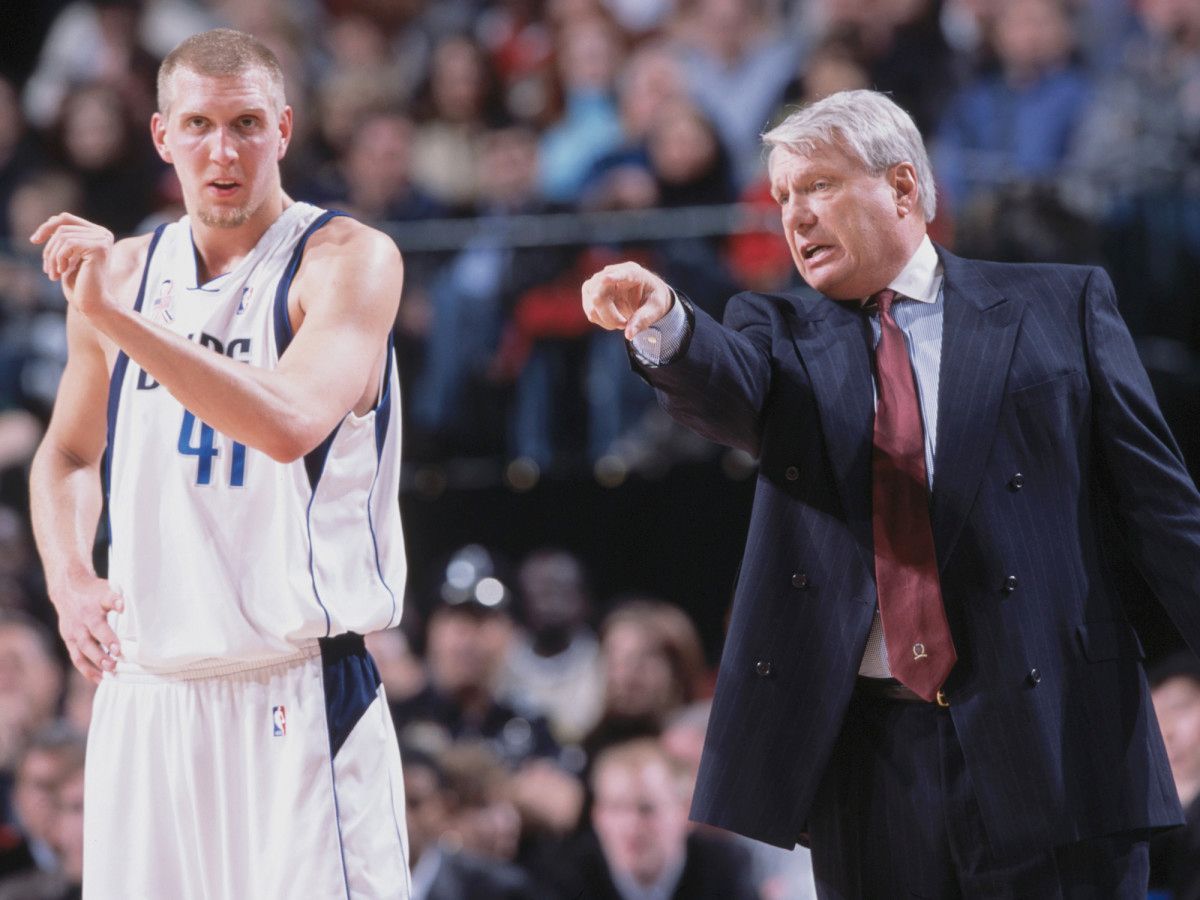
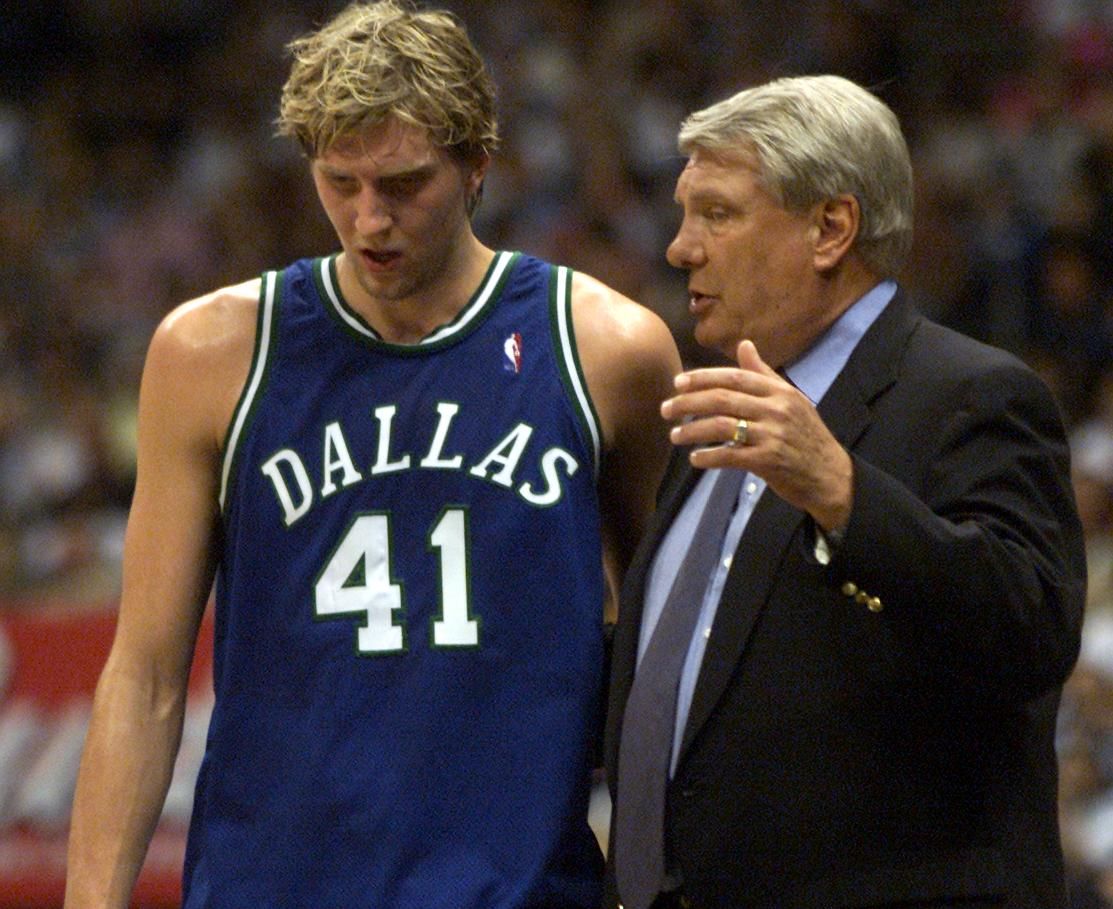
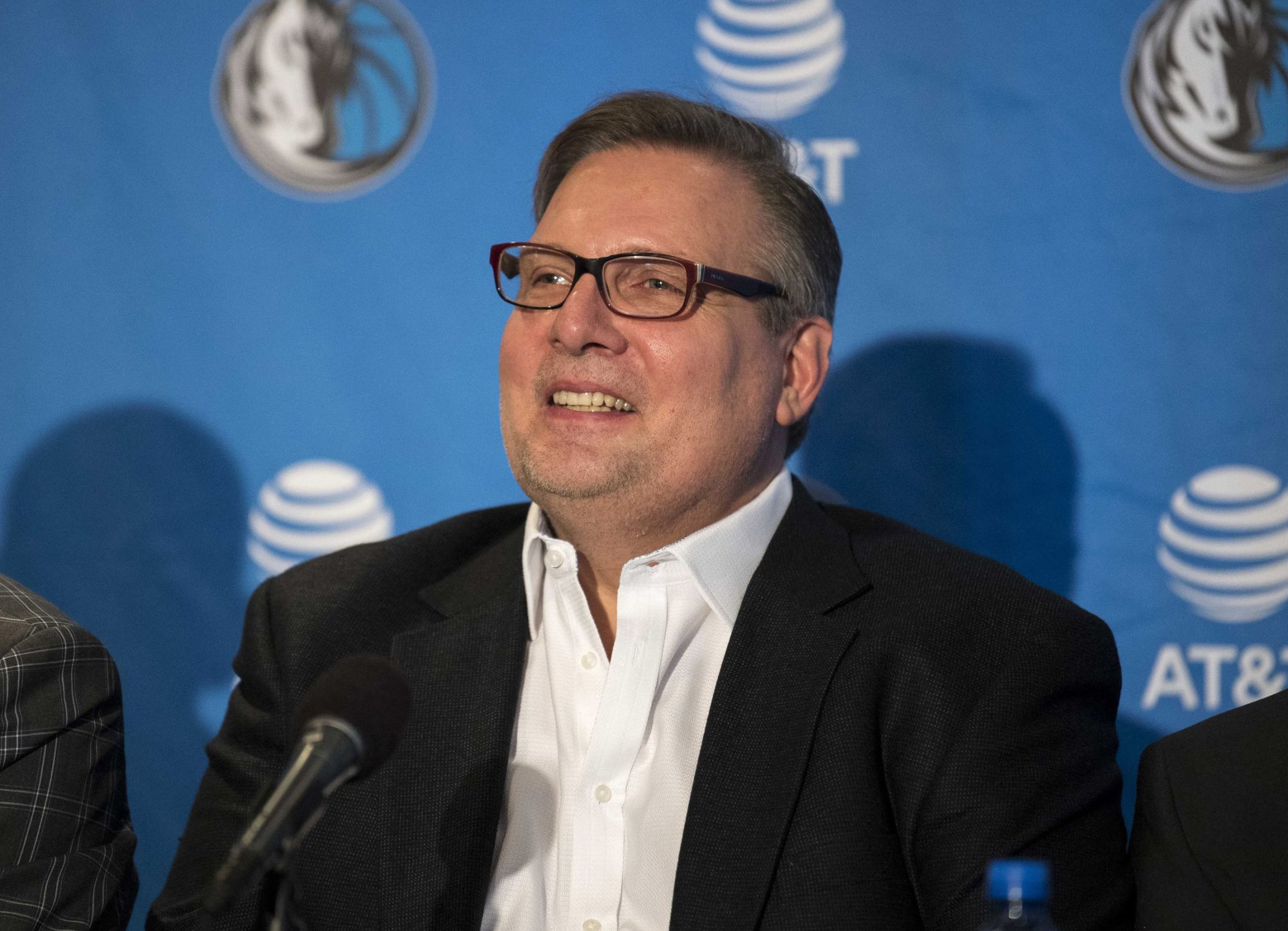
Leading the new Roman project is Donnie Nelson, son of Don Nelson, one of the winningest coaches in the history of American sports. A longtime NBA executive, Nelson spent more than twenty years as a central figure within the Dallas Mavericks, where he played a key role in bringing both Dirk Nowitzki and later Luka Doncic to the franchise. Around him, a consortium has taken shape that also includes Rimantas Kaukenas, former Siena player and member of the Lithuanian national team, while Doncic himself is reportedly involved as a minority shareholder — and, inevitably, as a name that has amplified attention around the operation well beyond the boundaries of Italian basketball. The path to bringing Rome back to the top division by 2026 runs through the acquisition of Vanoli’s license, laying the groundwork for a club with far broader ambitions. The horizon is NBA Europe, via continental competitions — first step: a wild card in the EuroCup — in order to establish itself within the European ecosystem.
The relocation of Vanoli Basket Cremona to Rome
As mentioned, while one new entity is being born, a historic chapter of Lombard basketball is simultaneously coming to an end. Cremona, a club built around the figure of Aldo Vanoli, spent the last twenty years steadily growing into a Serie A mainstay, eventually winning the Italian Cup in 2019. It was always a project with an almost family-like dimension, supported largely by Vanoli himself and far removed from the budgets of Italy’s wealthiest clubs; indeed, reluctant to approach that level, as demonstrated by the club’s decision to forgo European competitions after its surprising second-place league finish in 2019.
In recent years, as Vanoli himself explained in the farewell statement, maintaining Cremona at a high level had become increasingly difficult. Efforts to find new investors willing to keep the club in the city — “unfortunately,” he added — failed to produce a breakthrough, and the move to Rome is described as the only viable option left. A changing of the guard that carries not only sporting implications, but also symbolic value. It tells the story of a provincial reality struggling to sustain modern basketball, giving way to the arrival of international capital and global projects: like them or not, this is the direction the times are moving in.
The PalaEur Arena Battle
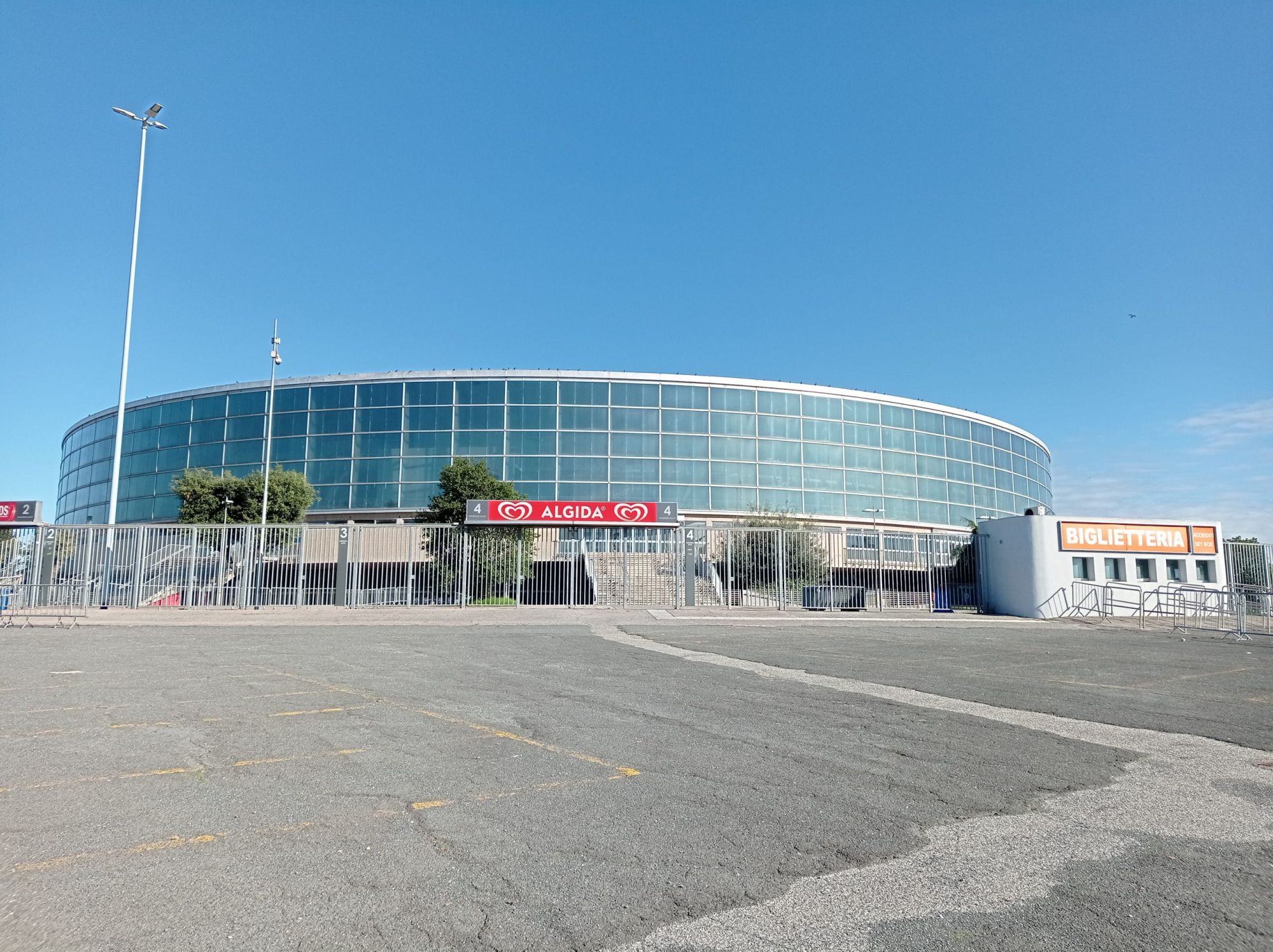
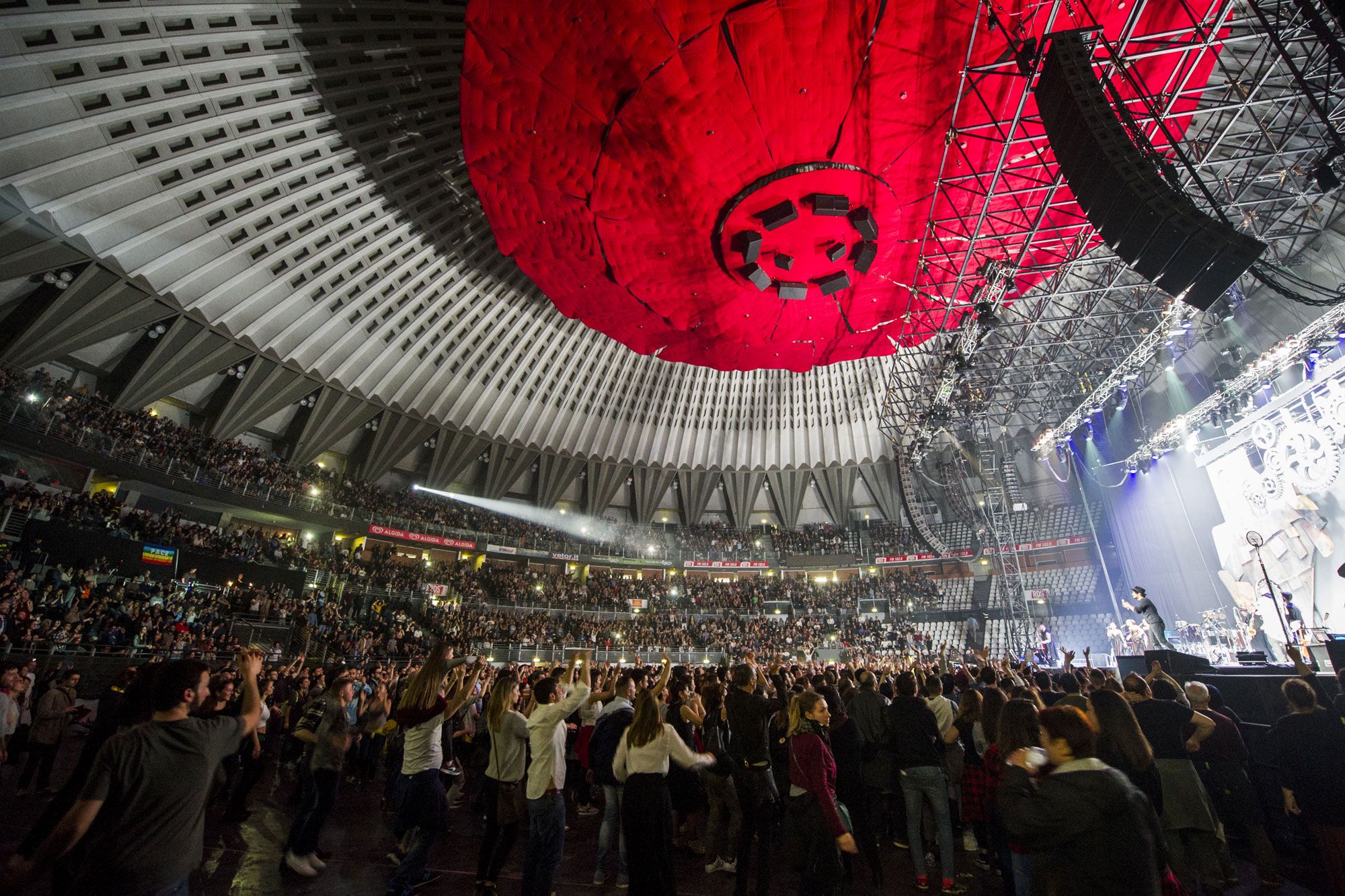
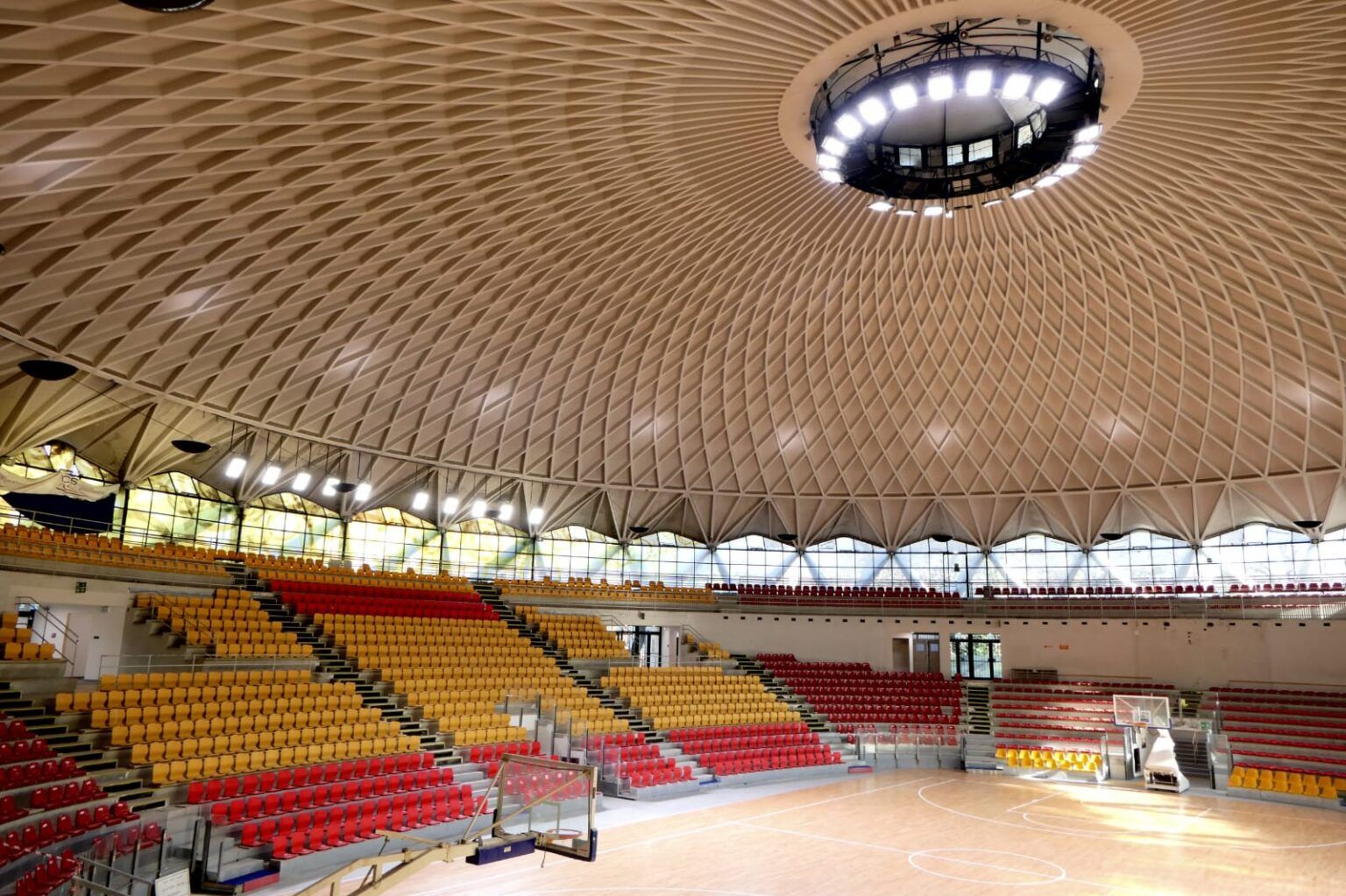
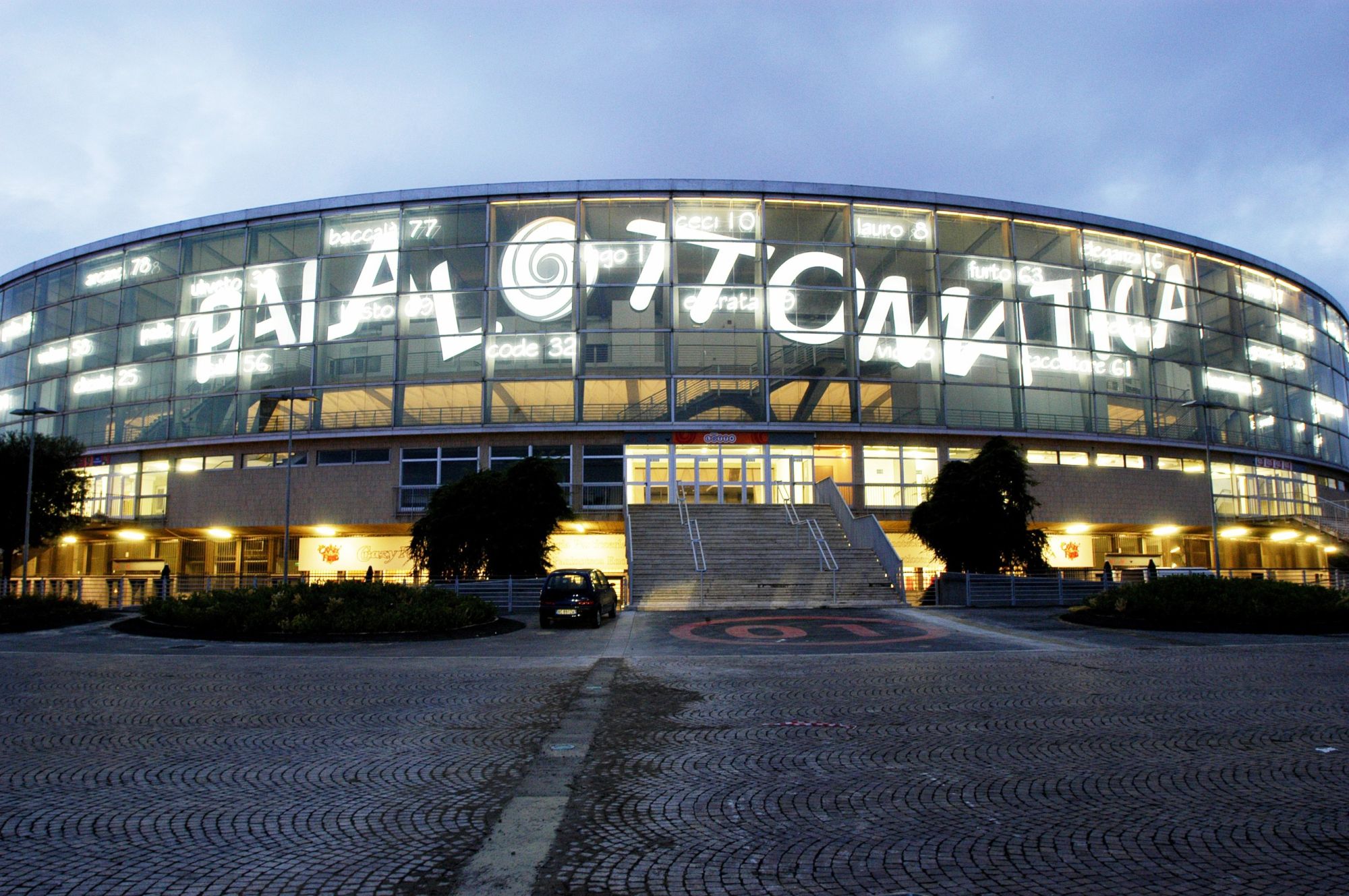
The return of top-level basketball to the capital depends first and foremost on the issue of venues. Not only because NBA Europe views modern, multifunctional arenas as a conditio sine qua non, but because in recent months the city’s arenas themselves have become one of the main battlegrounds in the fight for the new local balance of power. At the center of the dispute stands the PalaEur, an arena with more than 11,000 seats that has become central to the strategies of all parties involved. Nelson’s consortium had identified the venue as the ideal home for the project, but at the same time Paul Matiasic also entered the picture, quickly becoming the first major obstacle to overcome.
Who is Paul Matiasic?
An American lawyer-entrepreneur already active in European basketball through Cotogna Sports Group, Matiasic owns Pallacanestro Trieste, the club long rumored as a possible candidate for relocation to Rome before running into strong resistance within its own board of directors. Cotogna Sports Group nevertheless submitted a very significant financial offer to secure the PalaEur for the 2026/27 season, aggressively inserting itself into Rome’s emerging basketball landscape, even if Matiasic’s true intentions remain difficult to decipher.
The €5 million bid – €4 million for the lease and €1 million for refurbishment, totalling ten times the amount put on the table by Nelson and his partners – has attracted attention and raised questions. Sources close to Cotogna Sports Group explain that the decision to make a substantial financial offer is intended to send a clear signal of the project’s strength, financial solidity and credibility, demonstrating a concrete intention to build a long-term initiative that is competitive and high-profile for Roman basketball. The same sources also emphasise that the investment aims to contribute to the enhancement and modernisation of the PalaEur, providing resources to make the venue more functional and increasingly competitive when compared with major international sports arenas.That said, the arena issue does not end with the PalaEur.
The local administration has stated that whichever group loses out will still have access to the PalaTiziano, a venue historically linked to Roman basketball but limited to around 3,500 seats — barely enough to meet Serie A minimum requirements. Hardly an appealing long-term solution, except perhaps as a temporary bridge. On the horizon lies the project to cover and modernize the Foro Italico Central Court, which is expected to become a modern multifunctional arena capable of hosting 13,000 spectators. A venue that would transform Rome’s indoor sports landscape. Even from an infrastructure standpoint, therefore, the puzzle remains incomplete, especially considering that the incoming outside projects must still find their place within a local ecosystem already occupied by existing organizations, even if none currently aspire to capture the mainstream spotlight.
Virtus Roma and the battle for the future of basketball in Rome
Alongside the international projects and new investment groups, the historic undercurrent of local basketball continues to move throughout the city. Virtus Roma 1960, founded from the ashes of the original Virtus after its bankruptcy, is trying to rebuild through sporting merit and gradual progression on the court; while Luiss Roma Basketball has established itself in recent years as one of the most distinctive organizations in the national landscape, blending university sports, education, and professional basketball. The arrival of foreign investors and the NBA Europe horizon therefore intersect with a city that, despite years spent on the margins at the highest level, has never truly stopped producing and breathing basketball.
Virtus president Massimiliano Pasqualini continues to defend the value of earning success on the court, distinguishing it from dynamics based on acquiring sporting licenses and relocating franchises. It is a theme that has accompanied Italian basketball for years — now more than ever — and inevitably resurfaces in this new Roman phase. “We are the history, and we want to honor it on the court,” he explains. “I don’t understand the logic behind certain choices, especially because we are about to announce the arrival of an important foreign shareholder and a project aimed at bringing Virtus back to Serie A, where it belongs. The rest is not sport, but a business transaction far removed from the tradition and sense of belonging we are trying to revive in Rome.” Even when confronted with rumors of a possible takeover of his club, which surfaced in recent months, the president responded categorically: “Virtus Roma will never become a satellite of other organizations, whether Cremona or Trieste. It is more than a basketball team — it is part of the city’s history.”
The dimension in which the capital now finds itself moving, however, appears fundamentally different from the past — not only the recent past. The interest of international investors, the involvement of NBA-linked figures, and the growing importance of Rome within the NBA Europe project are gradually changing the scale of basketball in the city. The process is still very much underway, but after years of emptiness it is impossible not to feel a new energy, one that is bringing the city and its basketball community back to the center of fascinating possibilities. Even if, in order to truly take flight, this new era may have to crush the beautiful story of Cremona — and perhaps also the dreams of Virtus Roma or Pallacanestro Trieste’s hope of staying home.