


























FIFA lowers 2026 World Cup ticket prices thanks to Zohran Mamdani Now they cost 50$ in New York
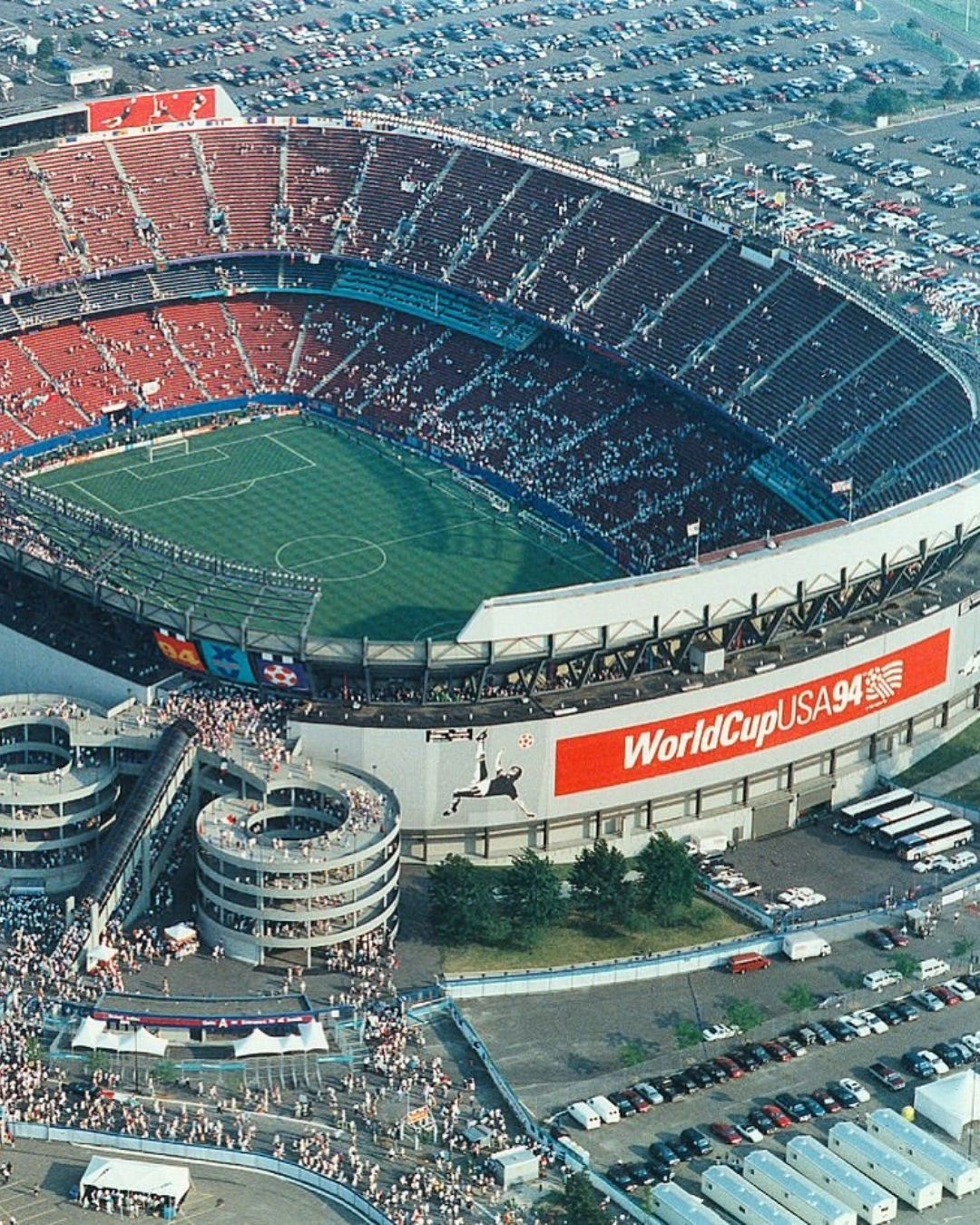
New York City mayor Zohran Mamdani has kept his promise by lowering ticket prices for the 2026 World Cup. Specifically, an agreement was reached with FIFA to make 1,000 tickets available at a price of 50 dollars each. As reported by The Athletic, the tickets will be distributed through a lottery system and will only be available to New York City residents. The tickets apply to matches played at the MetLife Stadium in New Jersey: specifically, five group stage matches, one Round of 16 match, and one quarter-final. The final, which will take place at MetLife Stadium on July 19, is not included.
Free fan zones in New York versus FIFA’s elite business model
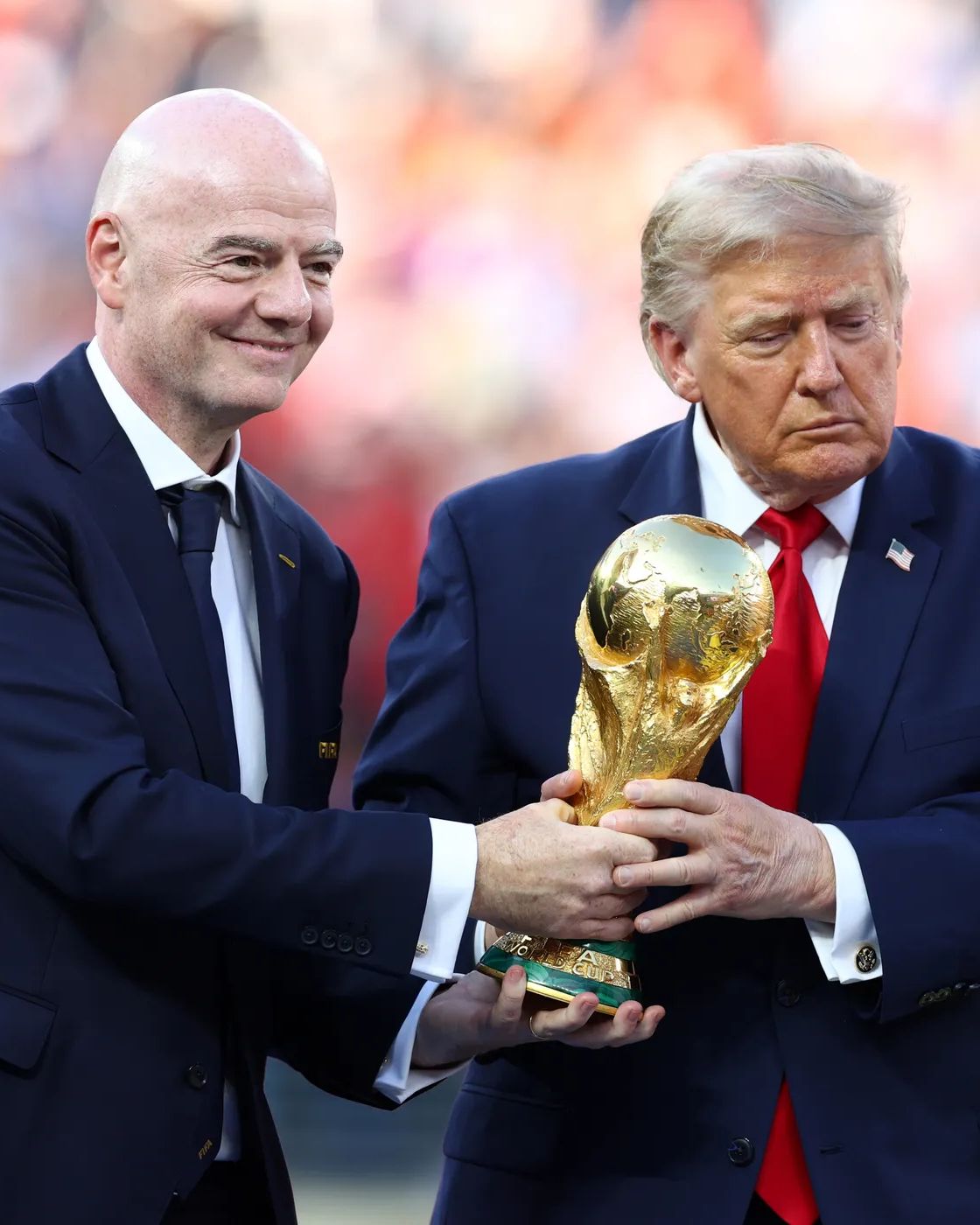
It is a symbolic victory, involving only one of the cities hosting the 2026 World Cup. At the same time, it marks the first official concession FIFA has made regarding ticket prices. For this very reason, the result achieved by Mamdani carries even greater significance. Since his election, Mamdani has been seen as the only real opponent to FIFA and its president Gianni Infantino, and incidentally Donald Trump, in the management of the 2026 World Cup. The costs of attending the event have reached nearly prohibitive levels, so much so that Mamdani himself stepped in over the past few weeks to establish free fan zones across the city, despite FIFA originally planning for those areas to require paid access.
Why 2026 World Cup tickets are the most expensive ever
Tickets for the 2026 World Cup are the most expensive ever due to a sales model based on dynamic pricing, meaning ticket prices fluctuate according to demand. While prices initially skyrocketed during the first rounds of public sales, the opposite trend is now beginning to emerge. It is a situation partly reminiscent of what happened during the summer of 2025 with the Club World Cup. As the tournament approaches, interest in some matches from the massive group stage involving 48 teams is starting to fade. The lack of interest has become so significant that, according to Forbes estimates, ticket prices on the resale market have dropped by 23%, with some extreme cases seeing tickets sold for less than 7 dollars. Of course, prices are expected to rise again once the tournament begins, especially after the knockout stage bracket is finalized.
Can the 2026 World Cup really make soccer mainstream in the United States?
Against this backdrop, Mamdani’s initiative deserves to be highlighted emphatically. It does not feel like the usual political and populist operation aimed at gaining approval within the community. Or at least, from behind a keyboard thousands of miles away from the center of the action, that is not the impression that comes across. What we perceive instead is a genuine desire to make football in the United States a tool for inclusion, accessible to every social class. Not an elite product that would crush any ambition for growth before it even begins. If the World Cup is truly meant to become the turning point that makes football as popular as any other sport in the United States, then more initiatives like this are needed in order to influence future generations and help develop the grassroots game.