All the kit suppliers for the 2026 World Cup There are 13 in total
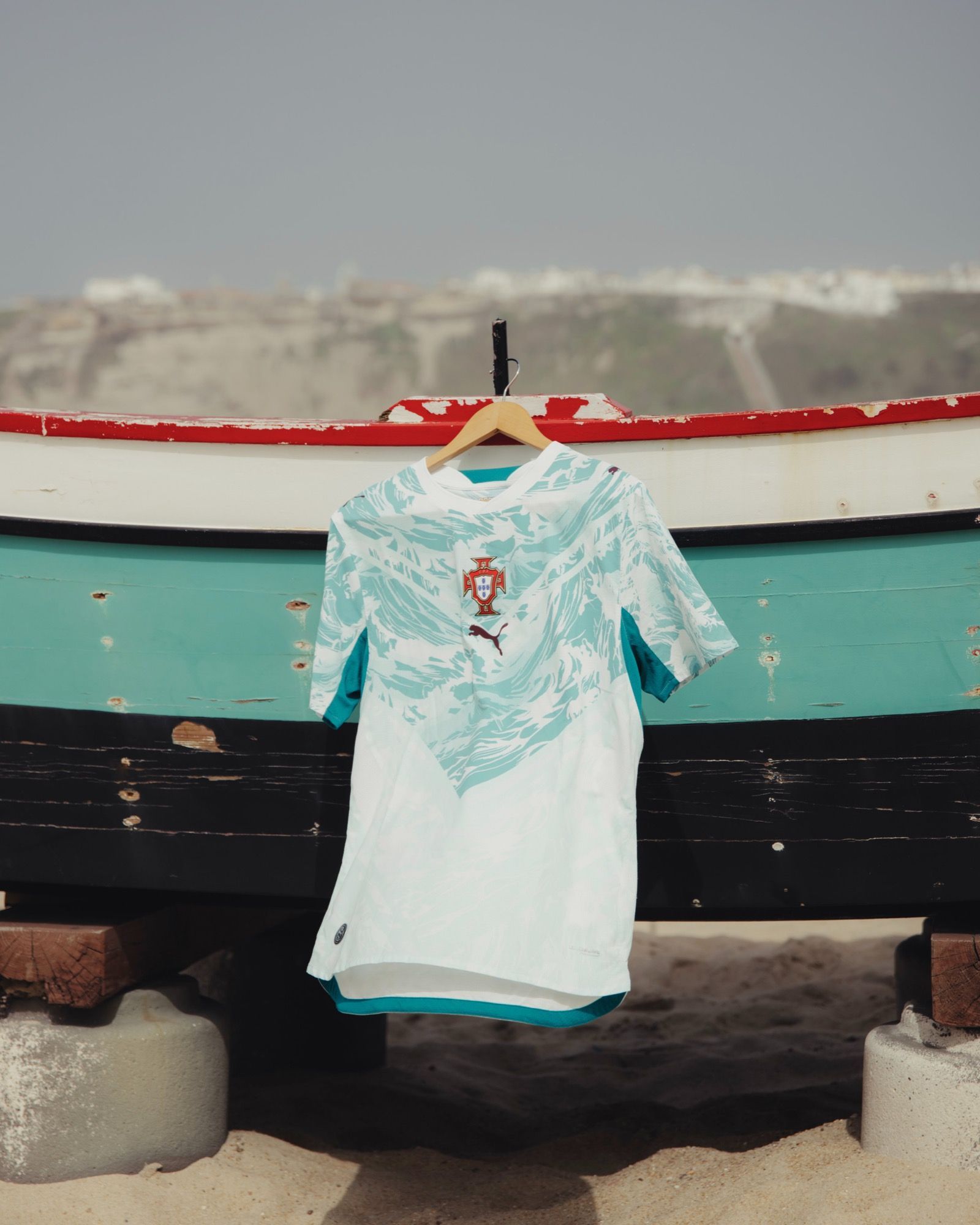
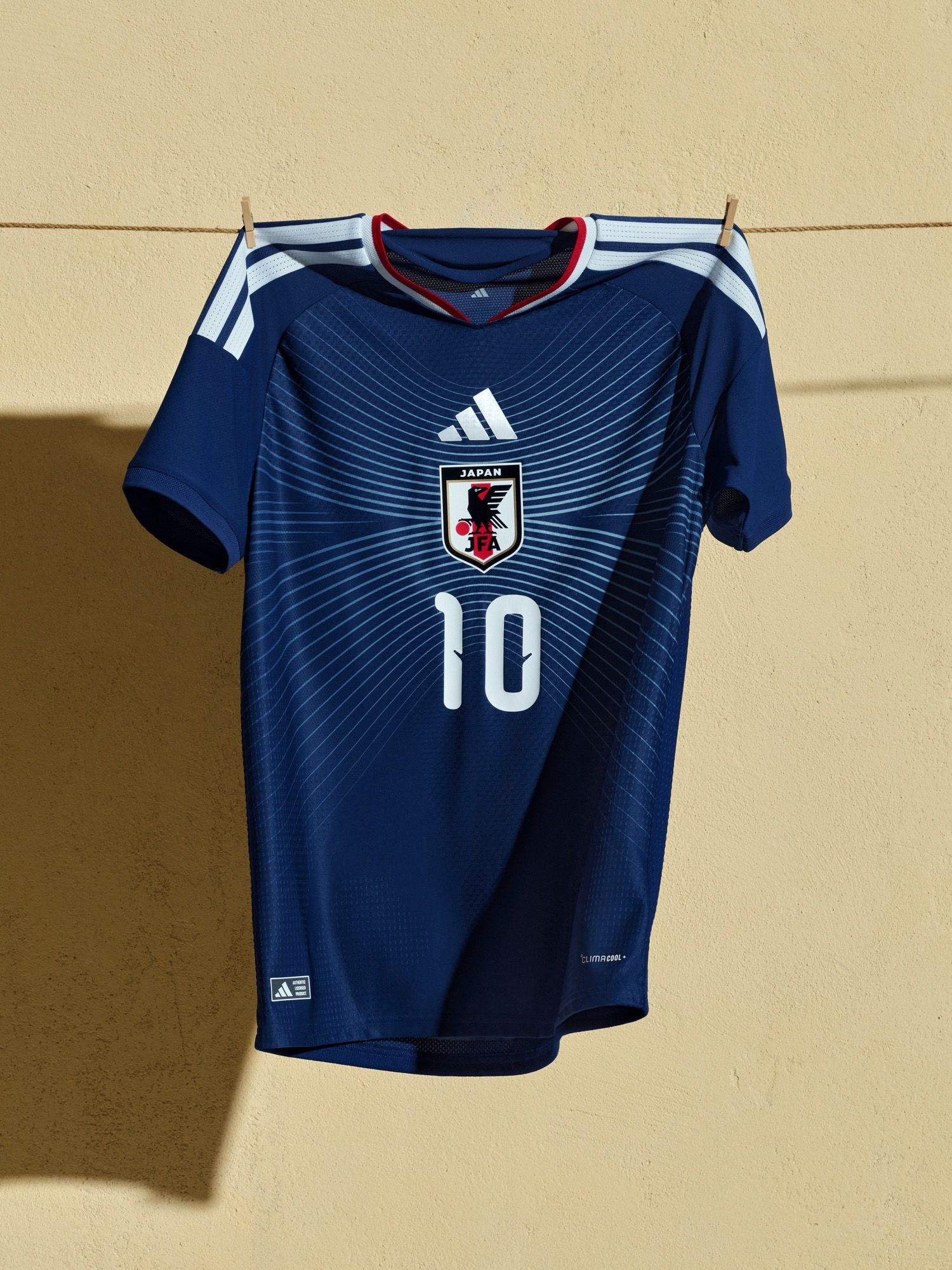
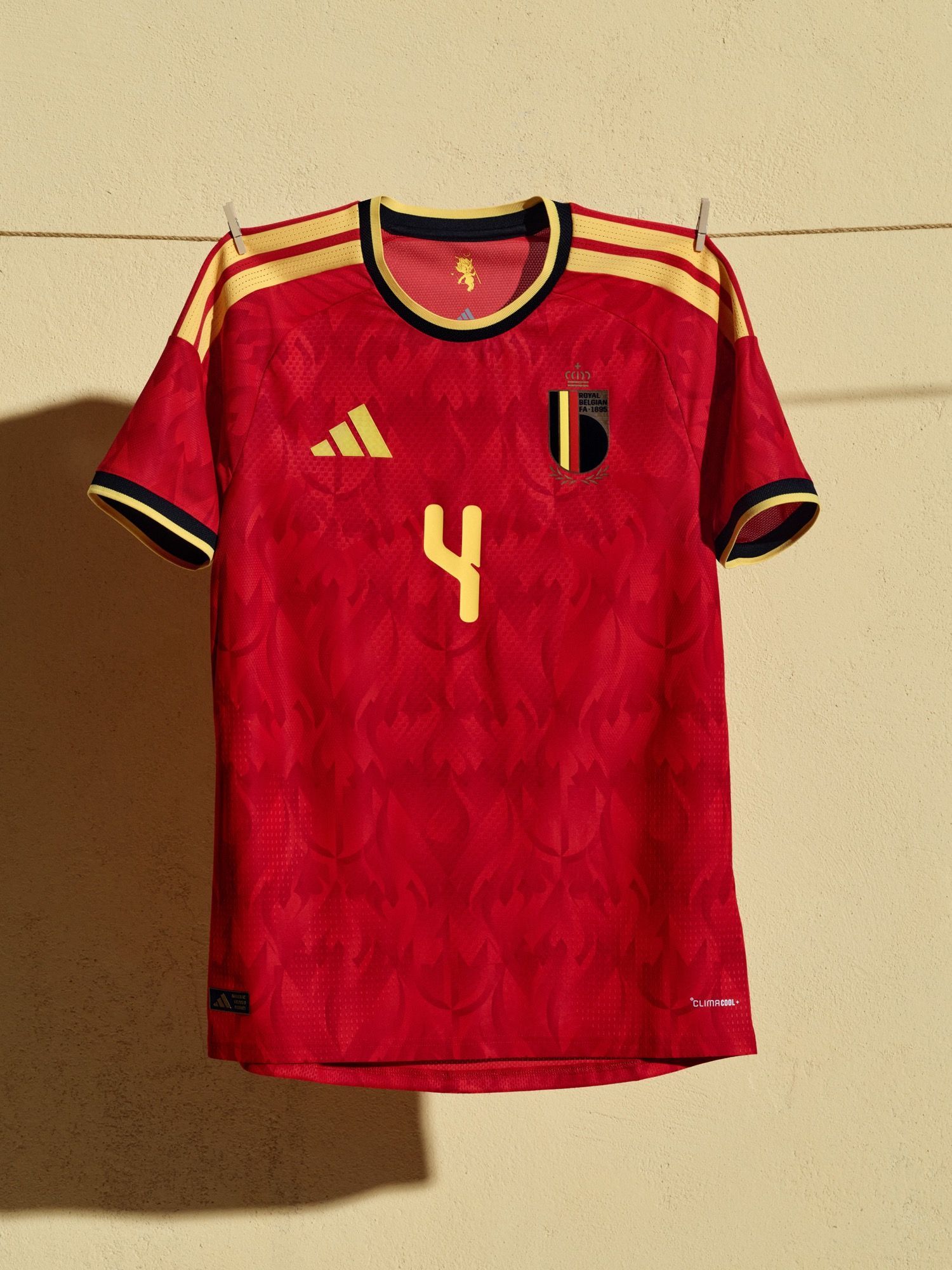
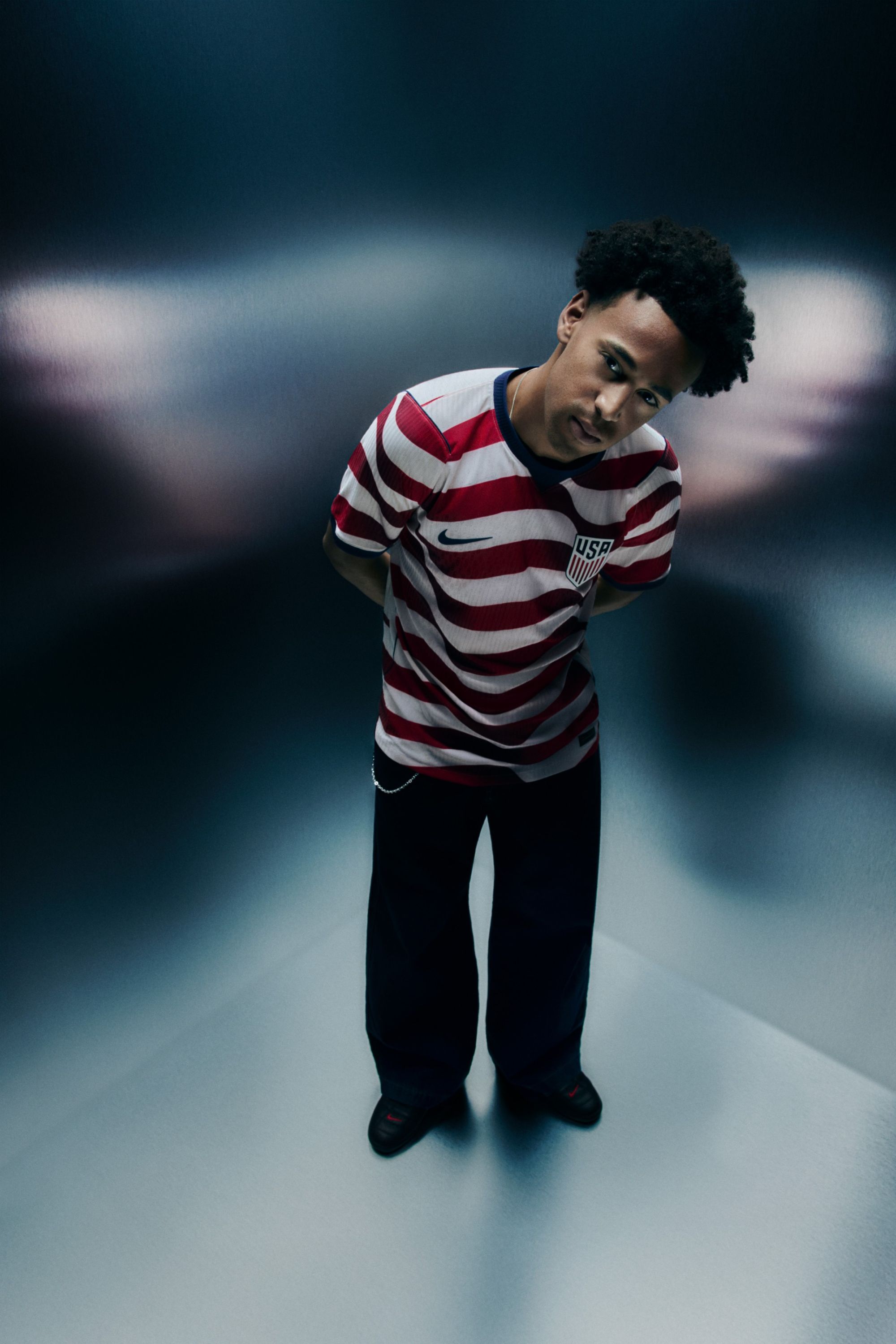
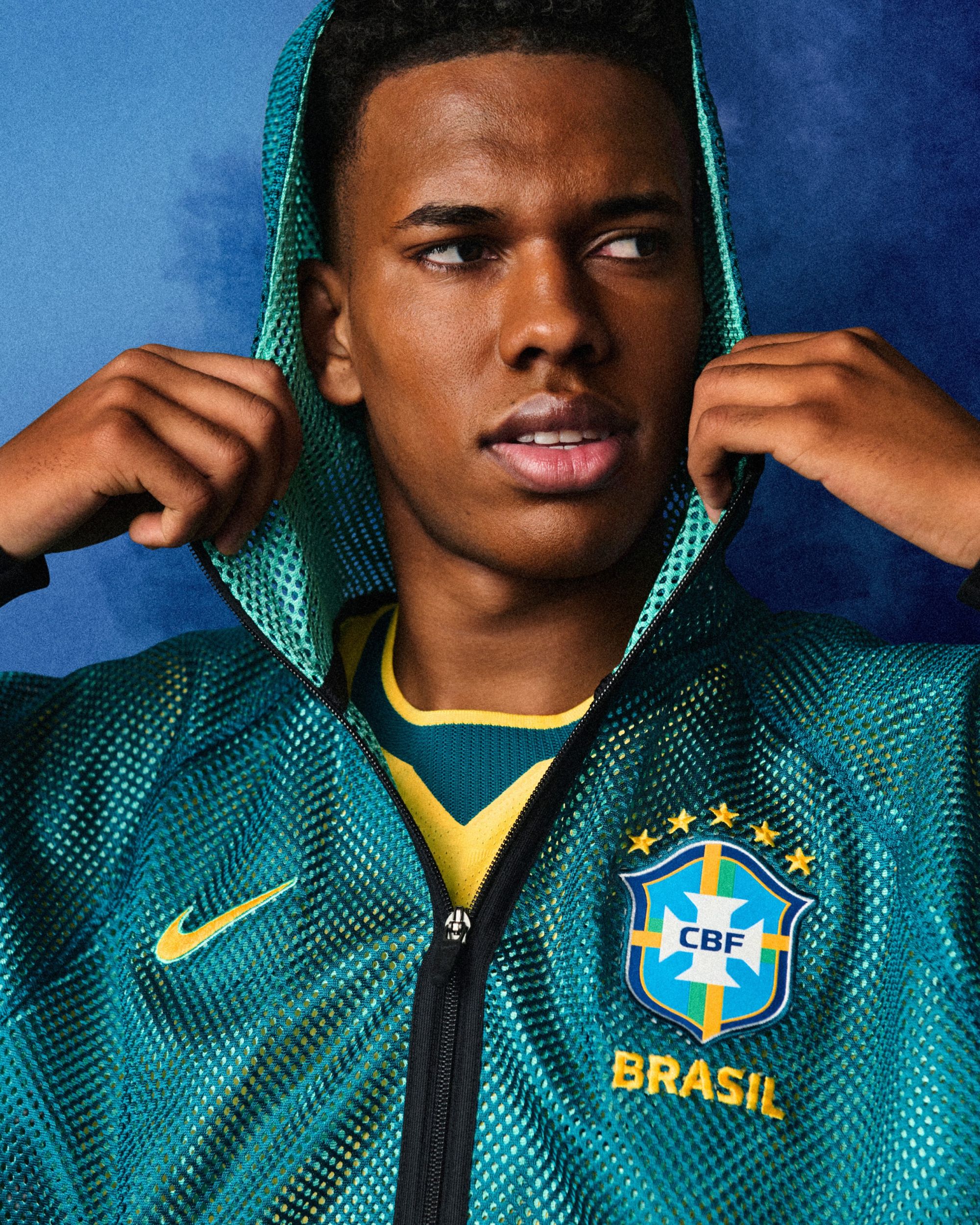
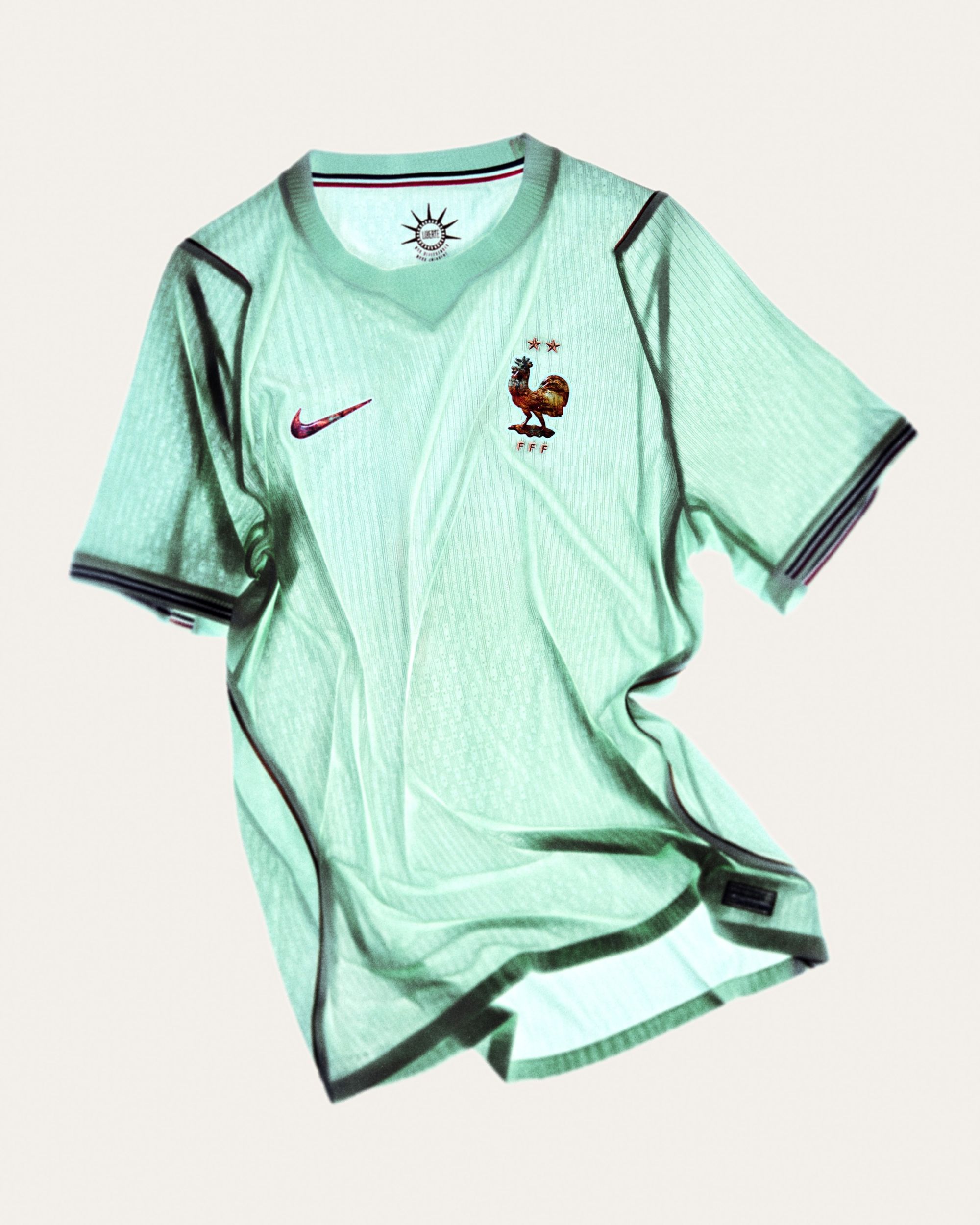
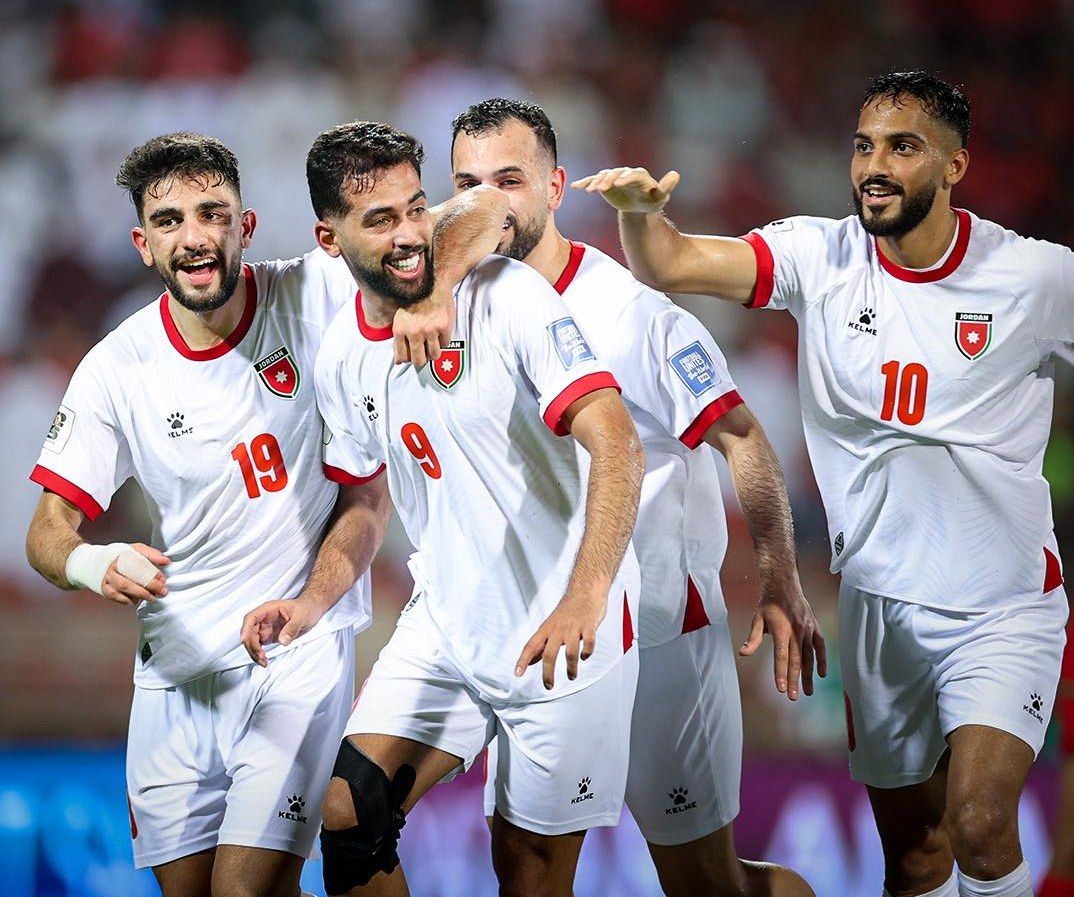
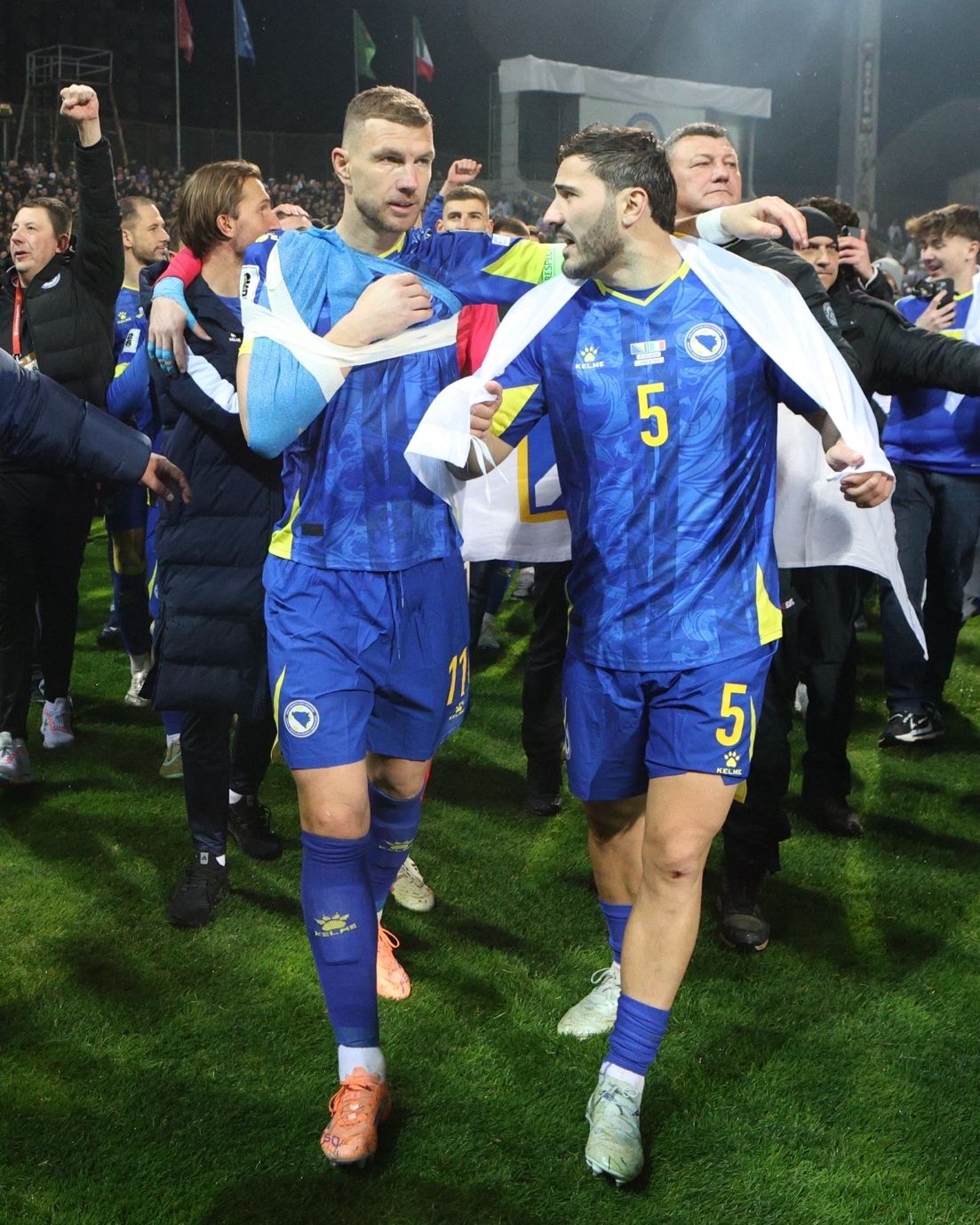
The bracket for the 2026 World Cup is now complete: we know all 48 participating teams and, as a result, all the technical sponsors we will see this summer across Canada, the United States, and Mexico. As expected, the major brands dominate the scene, but there are also notable returns, debuts, and a few surprises.
Nike, adidas and PUMA
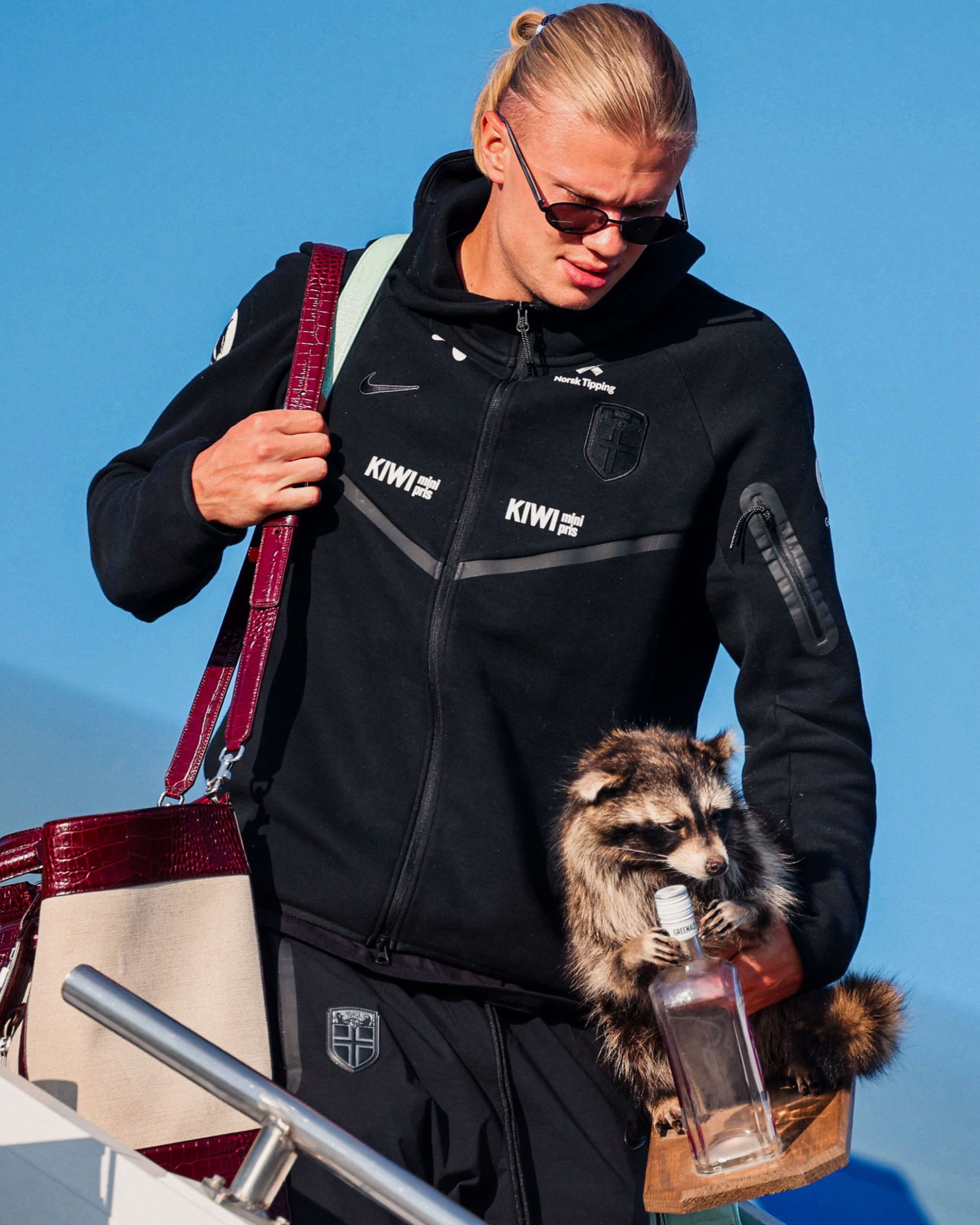
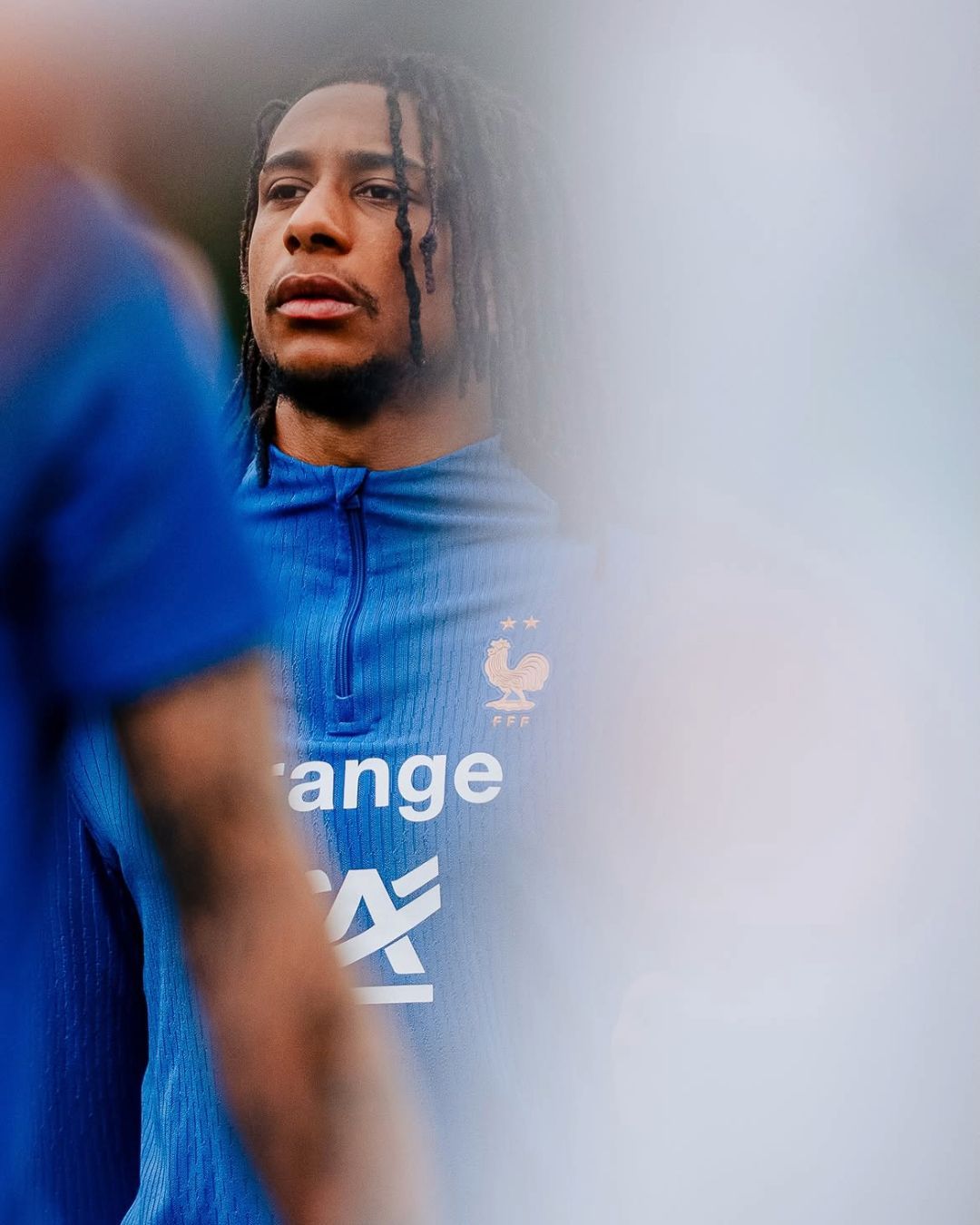
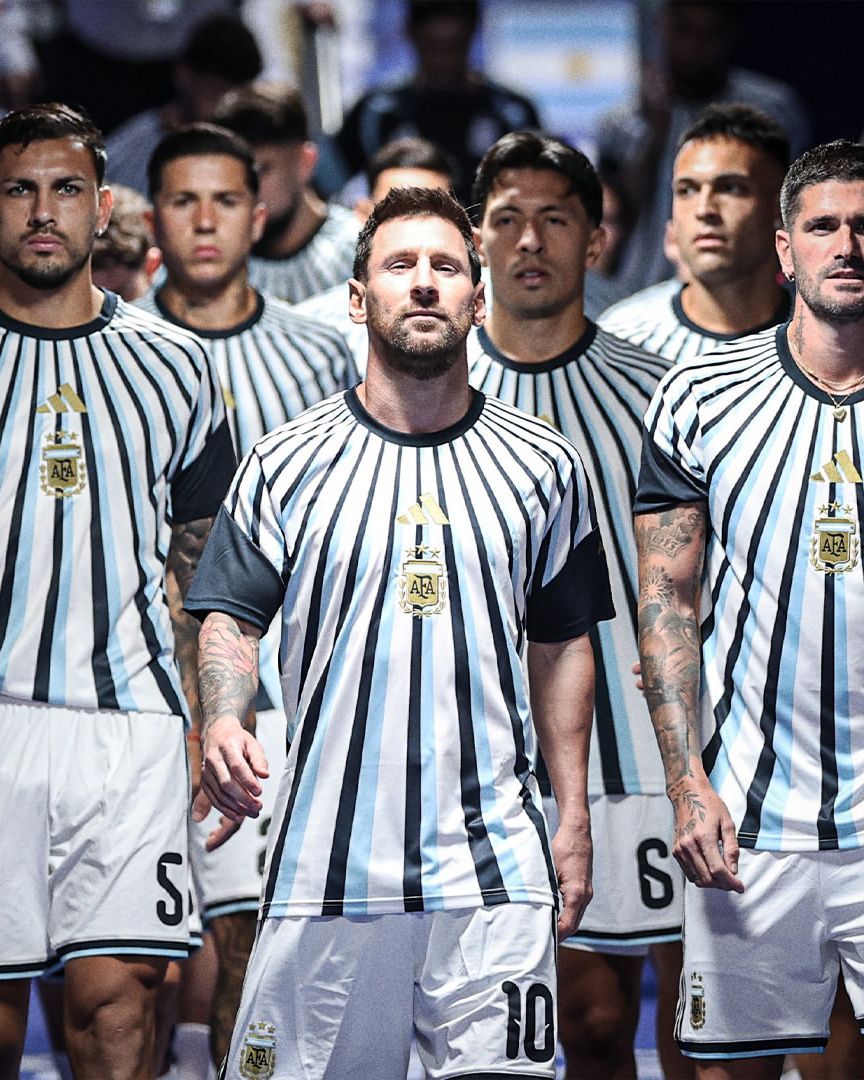
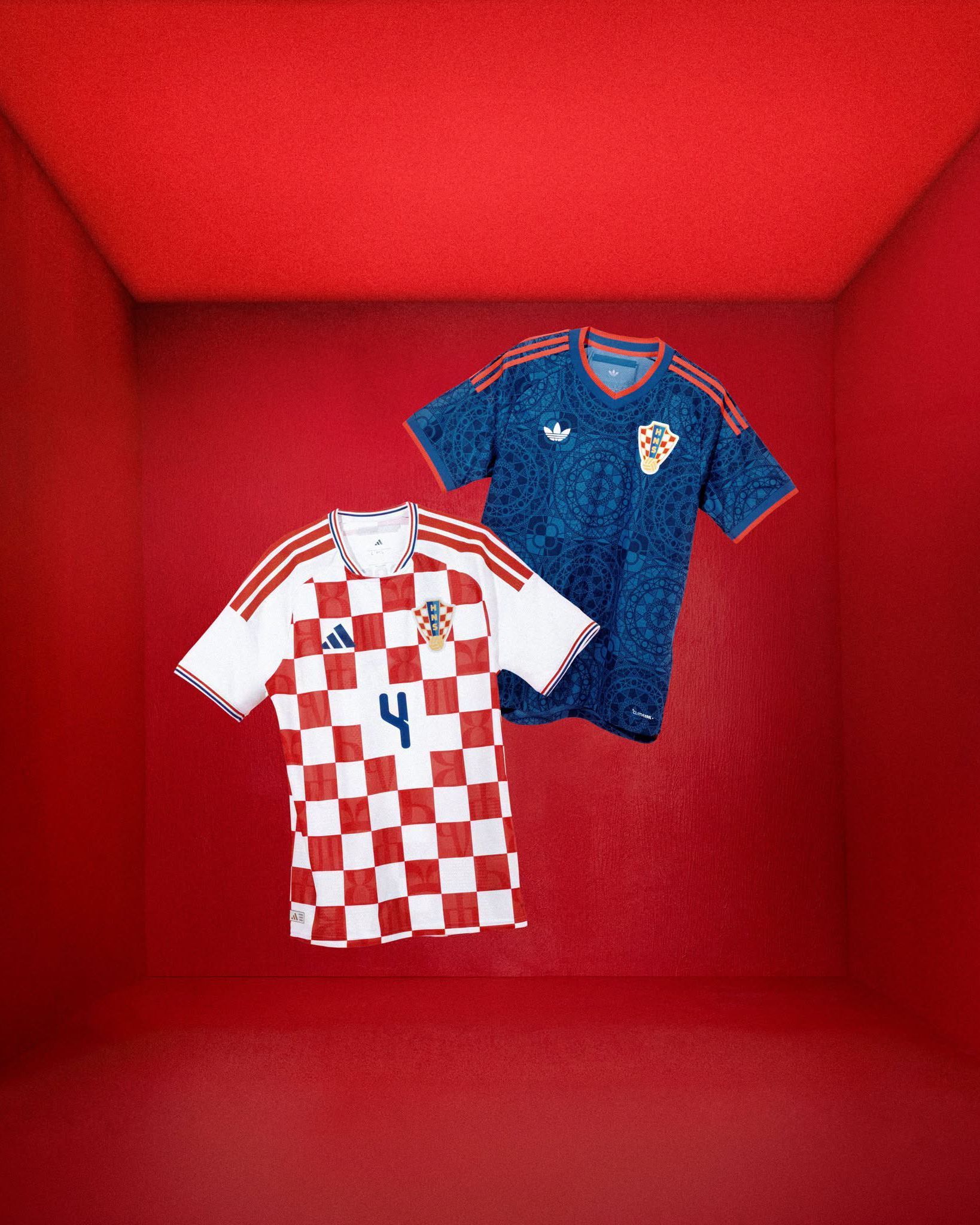
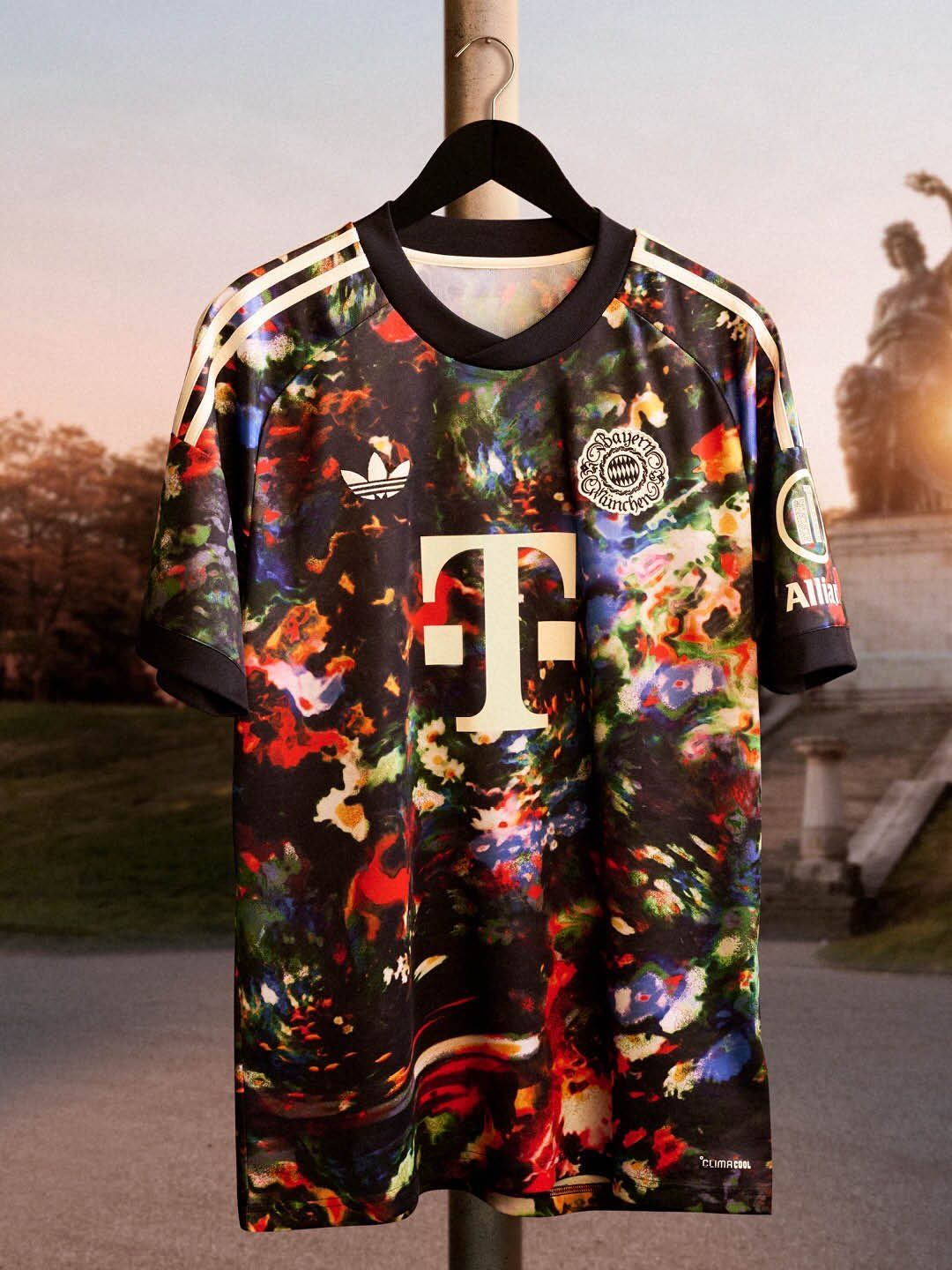
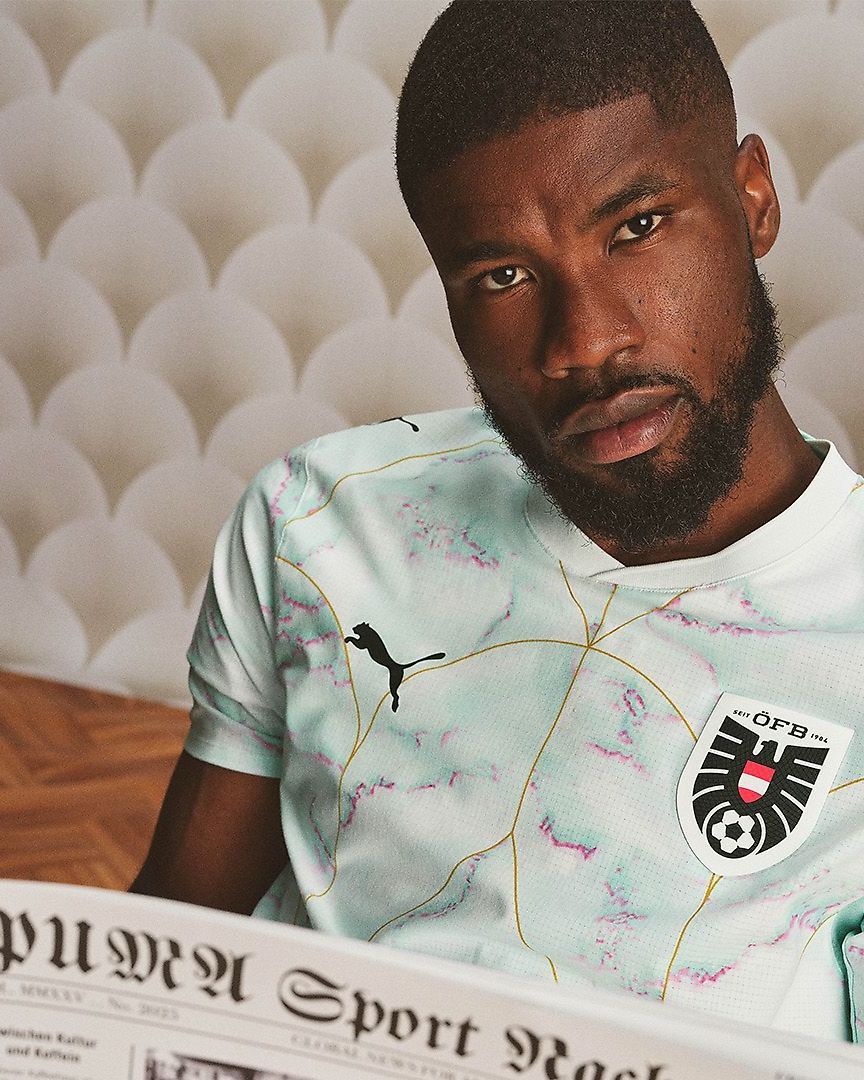
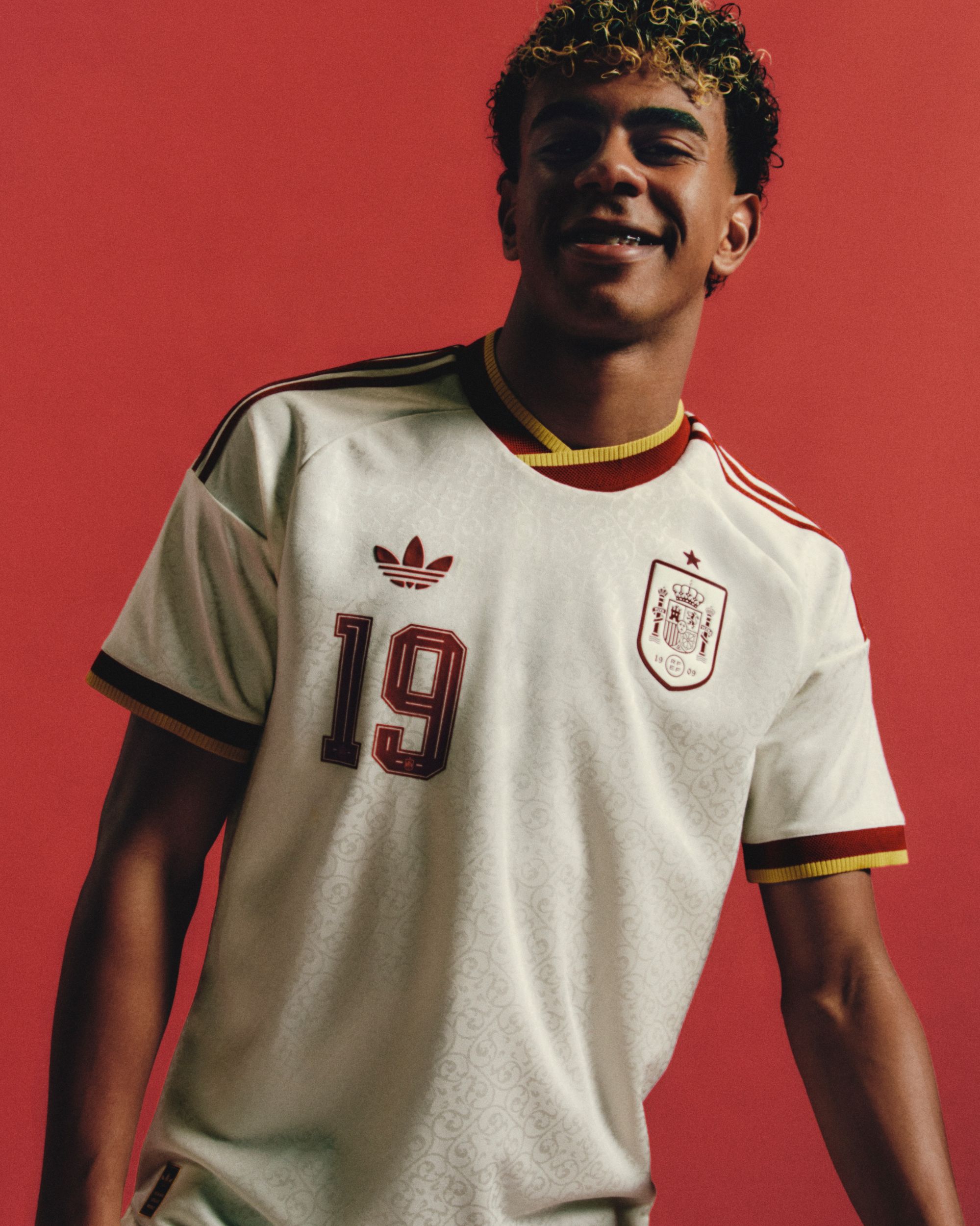
It comes as no surprise that the three biggest sportswear brands in the world dominate the landscape, sponsoring 37 of the 48 participating teams, or 77%. Despite Italy’s failure to qualify, leading the way is adidas with 14 national teams (Algeria, Saudi Arabia, Argentina, Belgium, Colombia, Curaçao, Germany, Japan, Mexico, Qatar, Scotland, Spain, South Africa, Sweden), followed by Nike with 12 (Australia, Brazil, Canada, South Korea, Croatia, France, England, Norway, Netherlands, United States, Turkey, Uruguay), and finally PUMA with 11 national teams (Austria, Ivory Coast, Egypt, Ghana, Morocco, New Zealand, Paraguay, Portugal, Czech Republic, Senegal, Switzerland).
The Kelme case
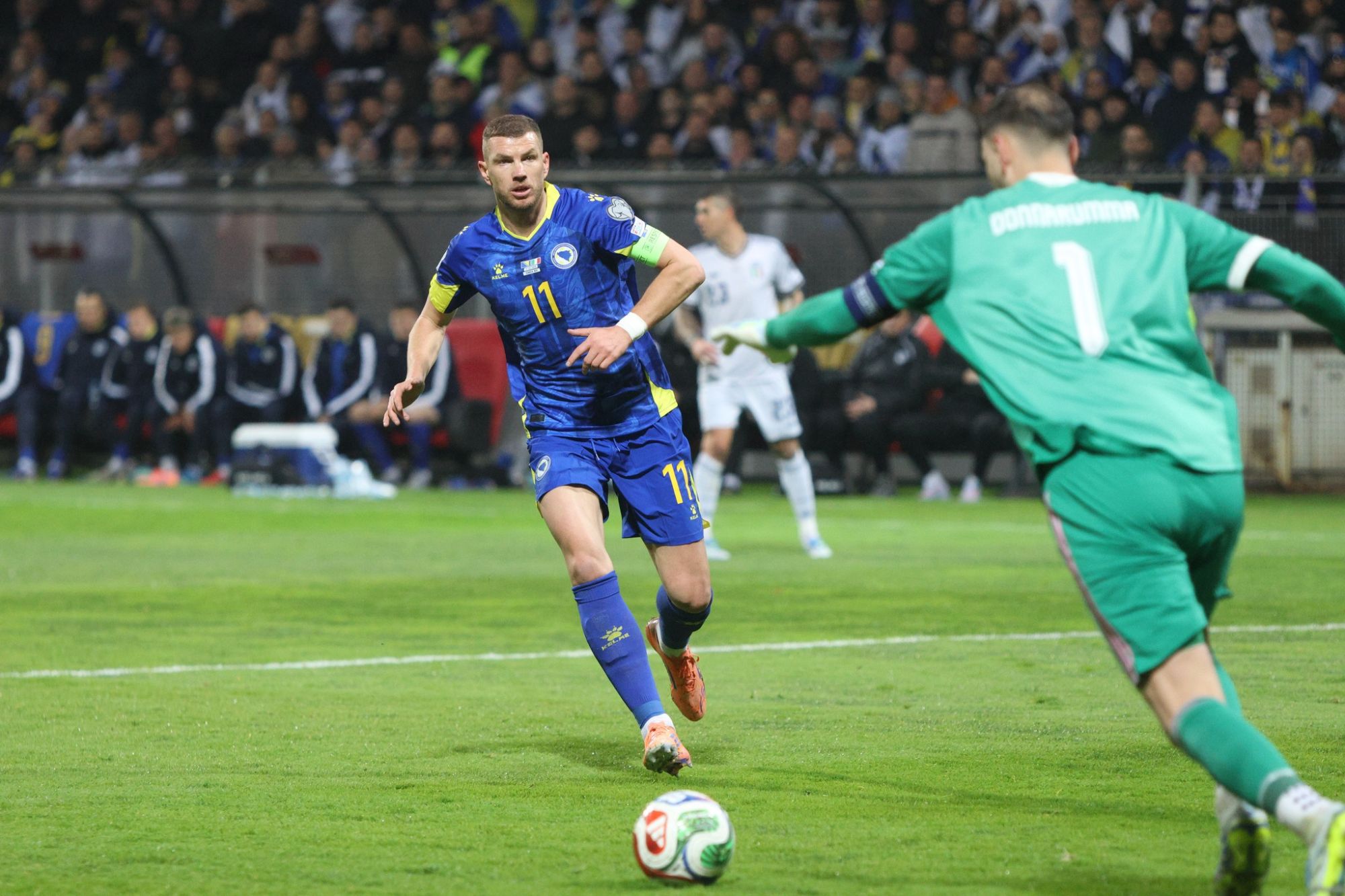
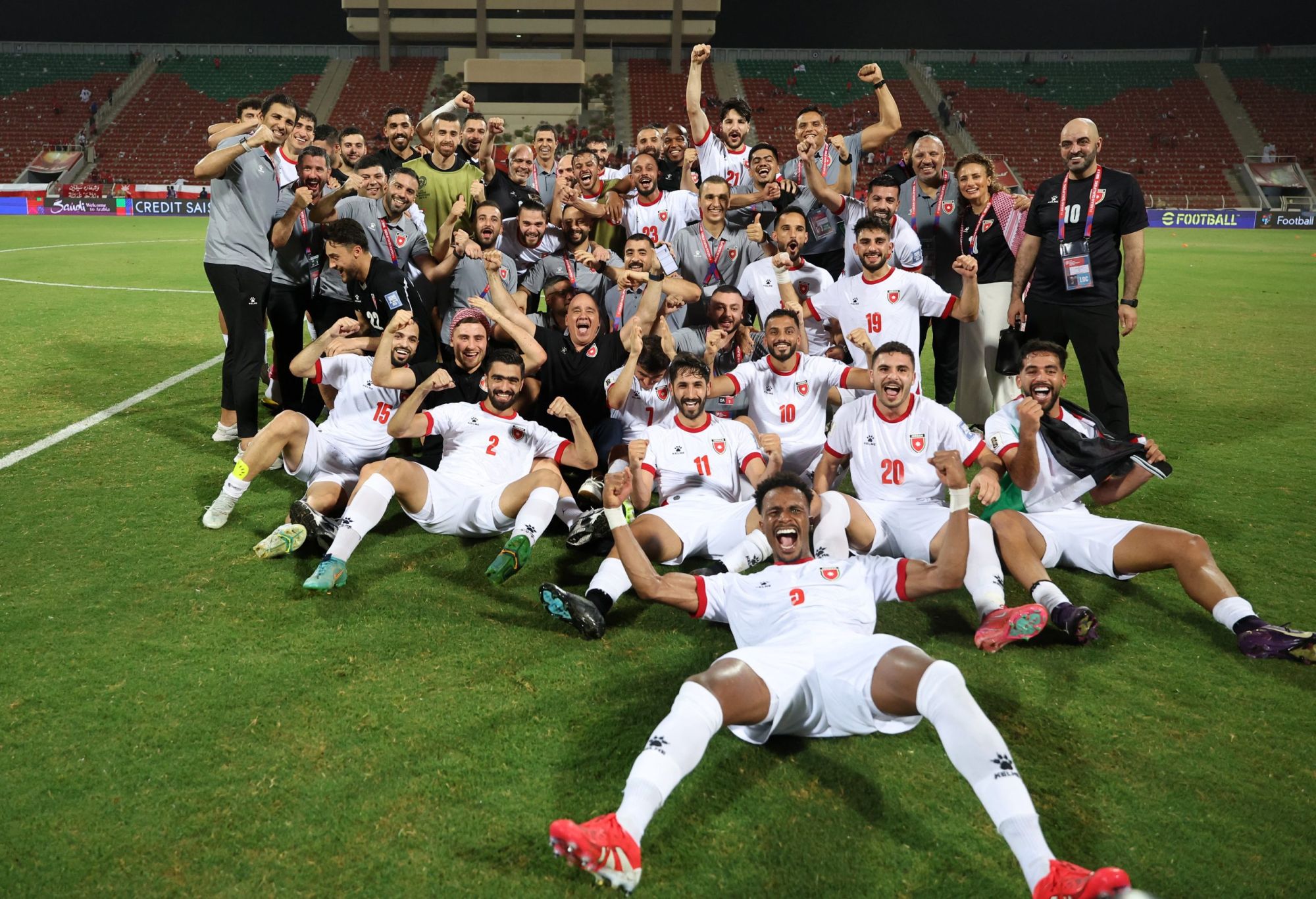
Once these three brands are set aside, the picture becomes more varied, with only one other brand sponsoring more than one national team. That brand is Kelme, which will accompany Bosnia’s return to the World Cup while also designing the kits for Jordan as they make their tournament debut. The Spanish brand came close to a hat-trick, having also sponsored Suriname, a national team that narrowly missed qualification after losing in the playoff semifinals.
Reebok, Umbro and Kappa
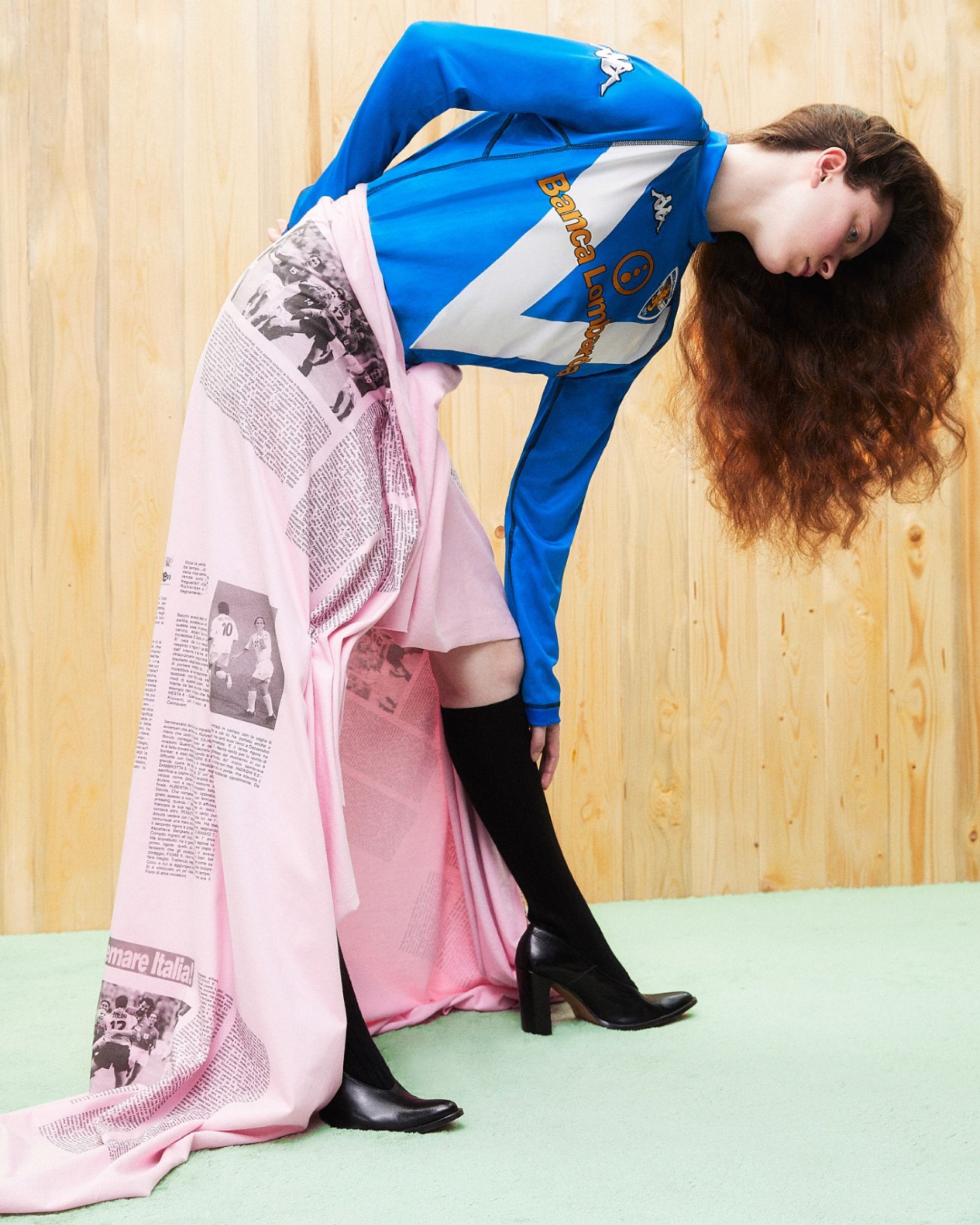
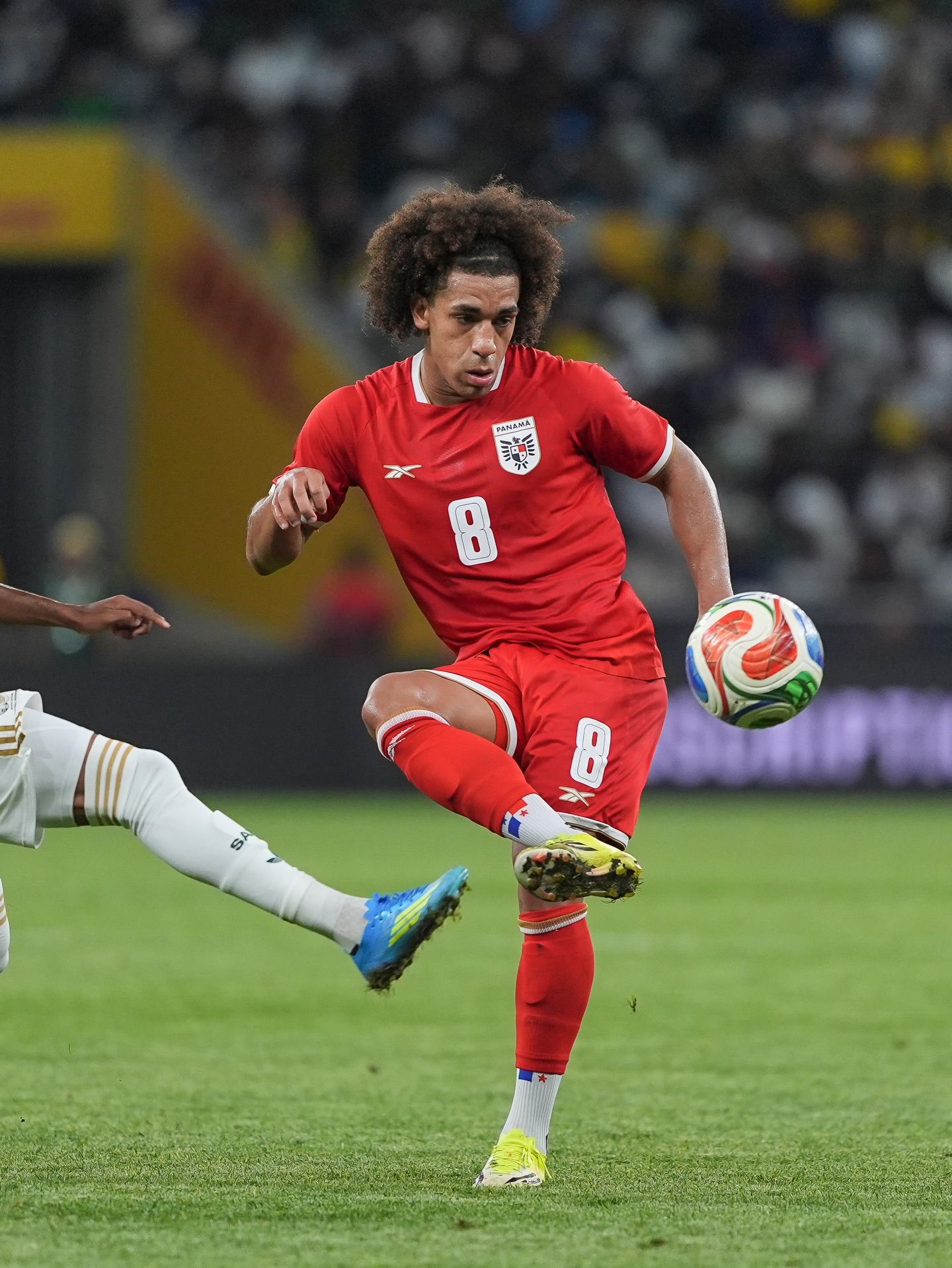
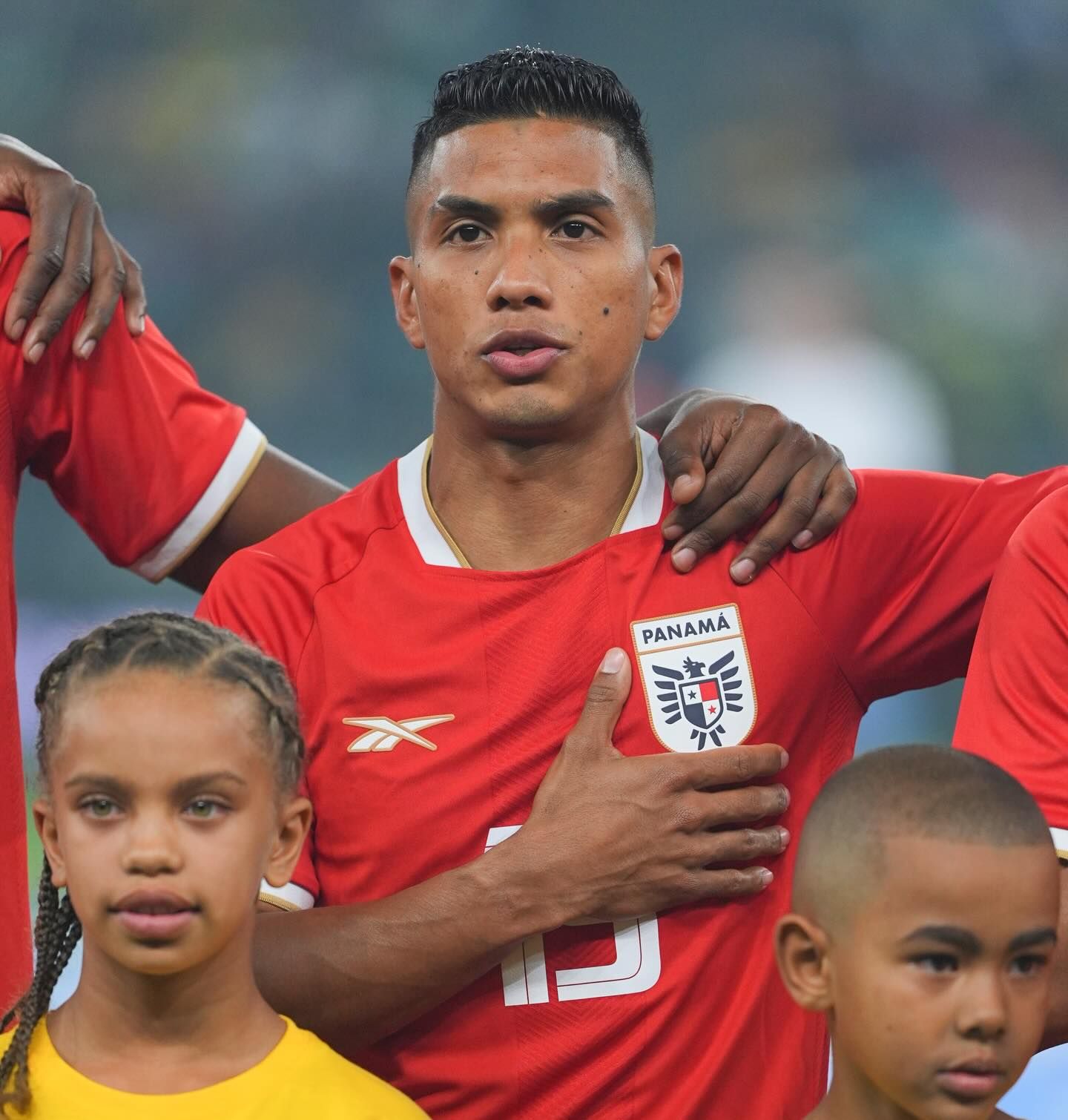
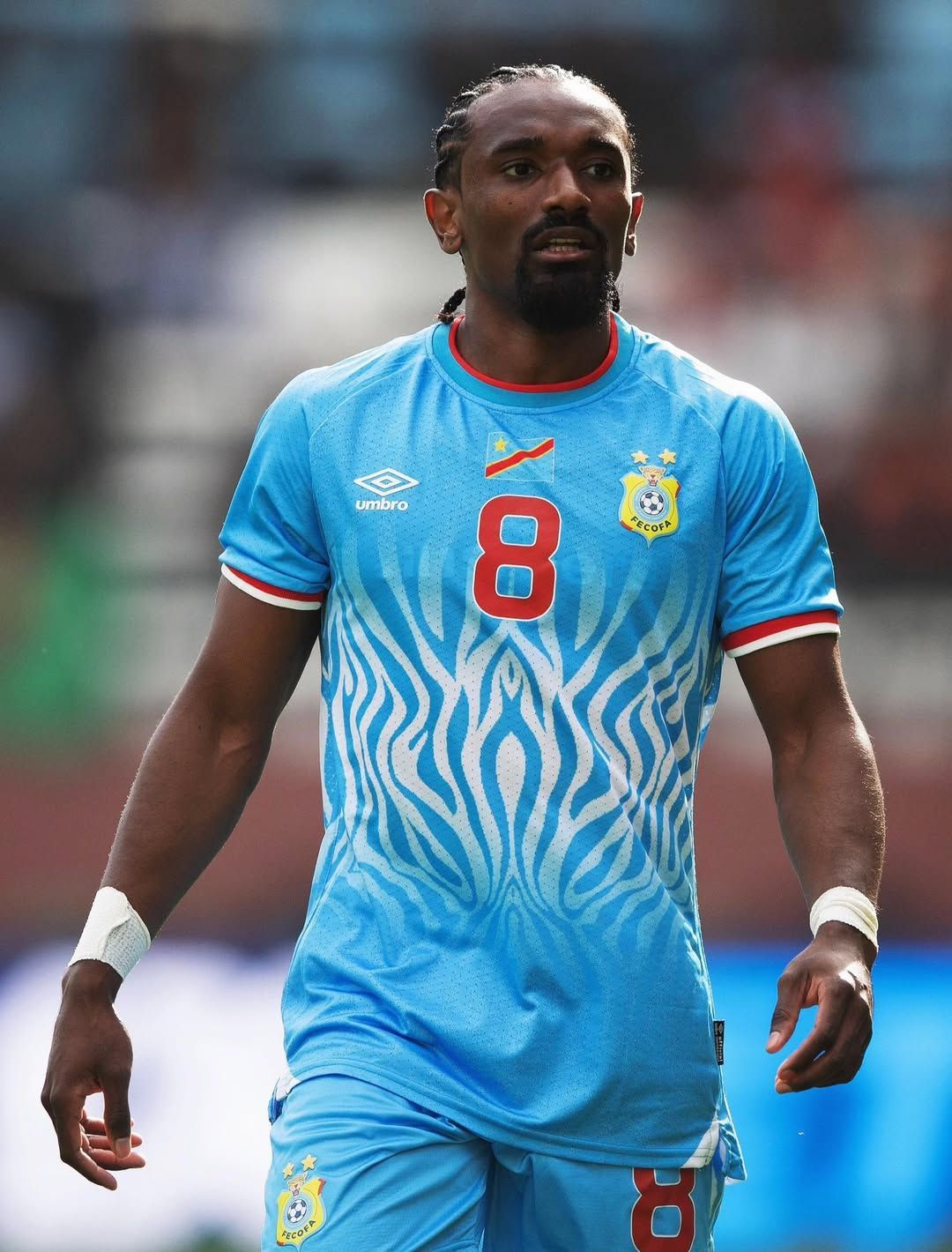
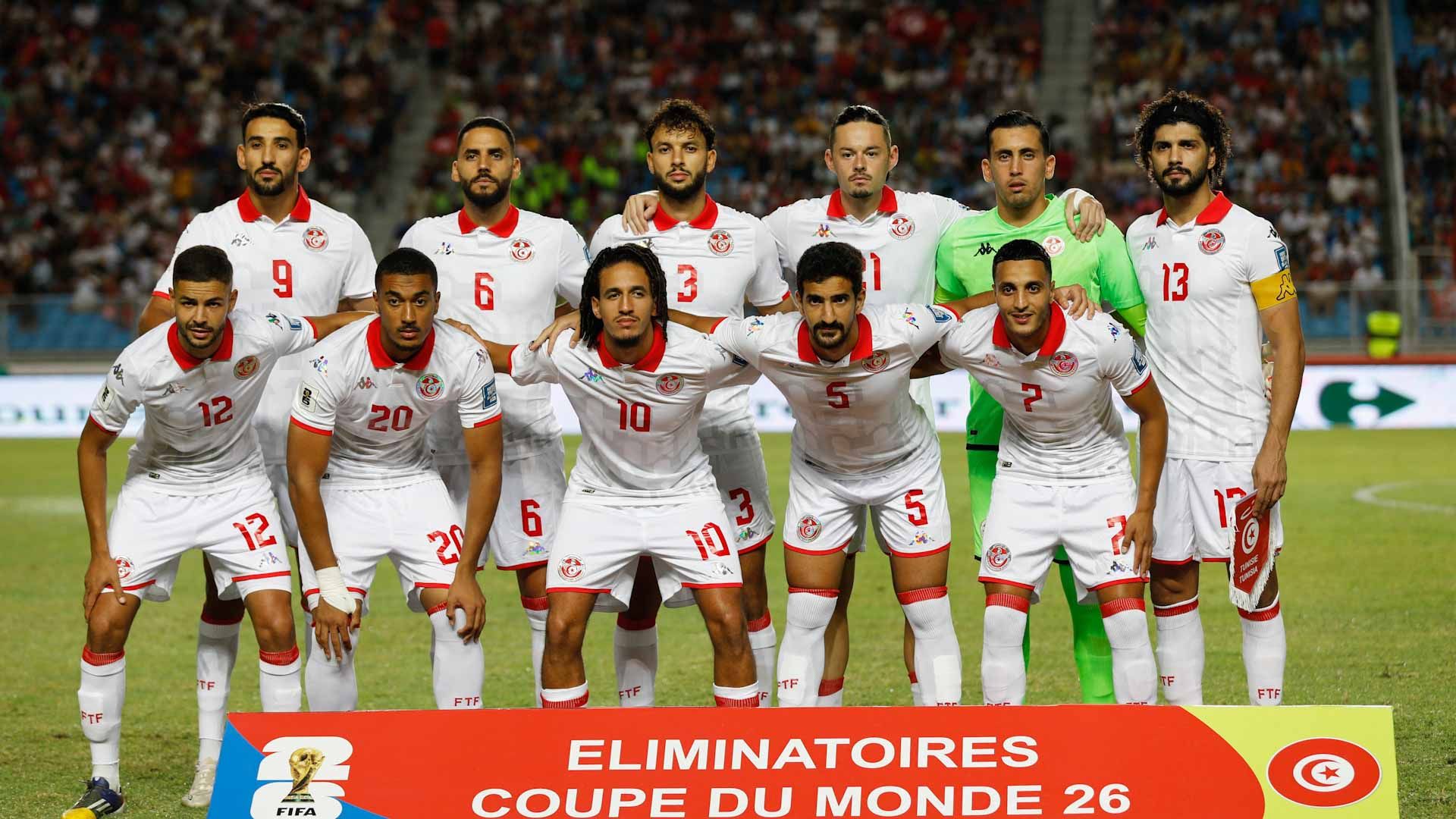
The 2026 World Cup will also mark the return of the Vector for the first time since 1998, as Reebok will appear on Panama’s kits. Kappa will dress Tunisia for the second consecutive World Cup, while the qualification of the Democratic Republic of Congo marks Umbro’s return to the tournament for the first time since 2018.
Other Emerging Brands
The 2026 World Cup will also introduce audiences to lesser-known brands such as 7Saber, the technical sponsor of Uzbekistan, and Majid, which has produced Iran’s kits. The list is completed by Saeta (Haiti), Capelli (Cape Verde), Marathon (Ecuador), and Jako (Iraq).