
What can we expect from Reebok at the 2026 World Cup? Blending heritage and innovation
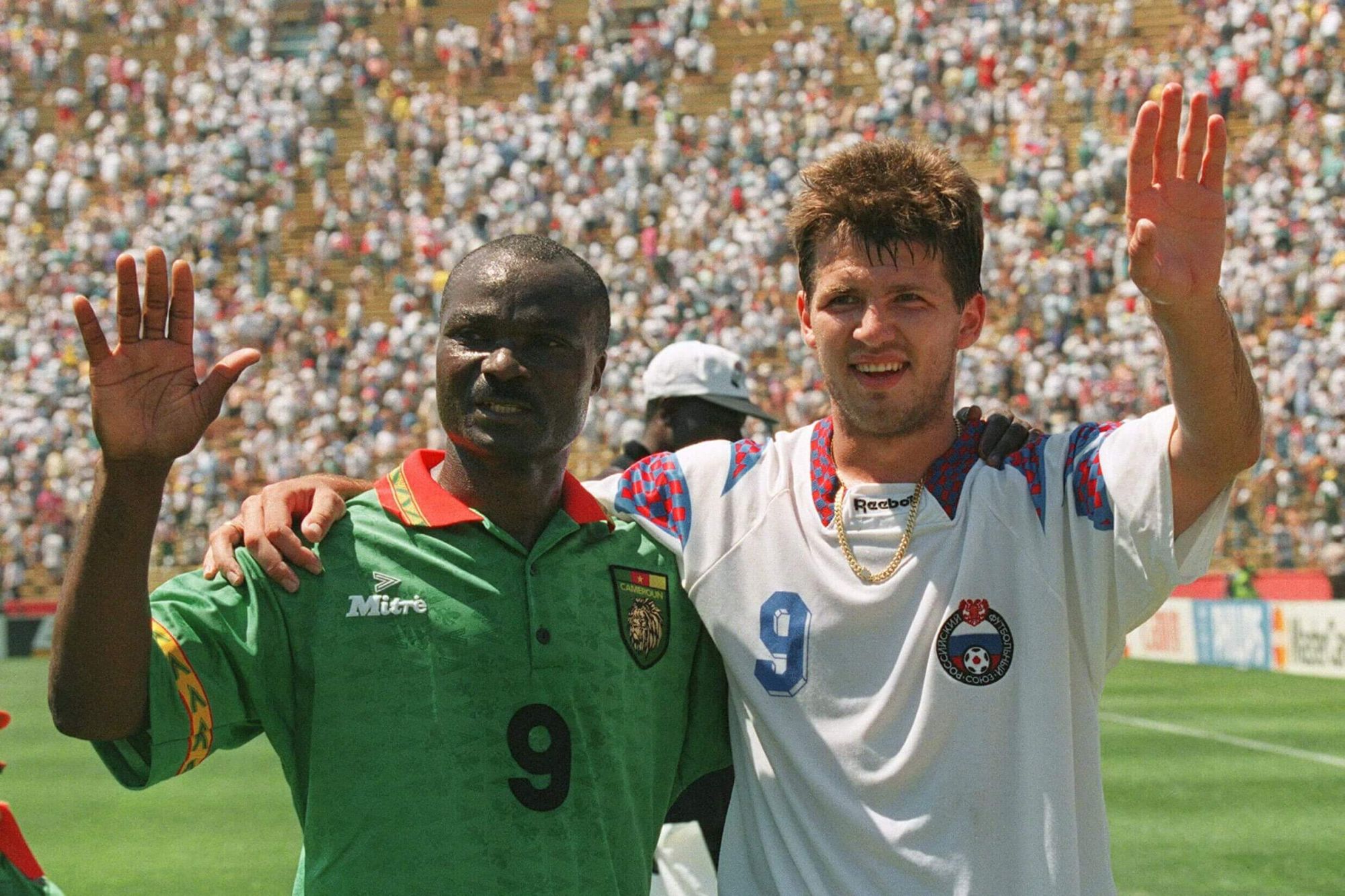
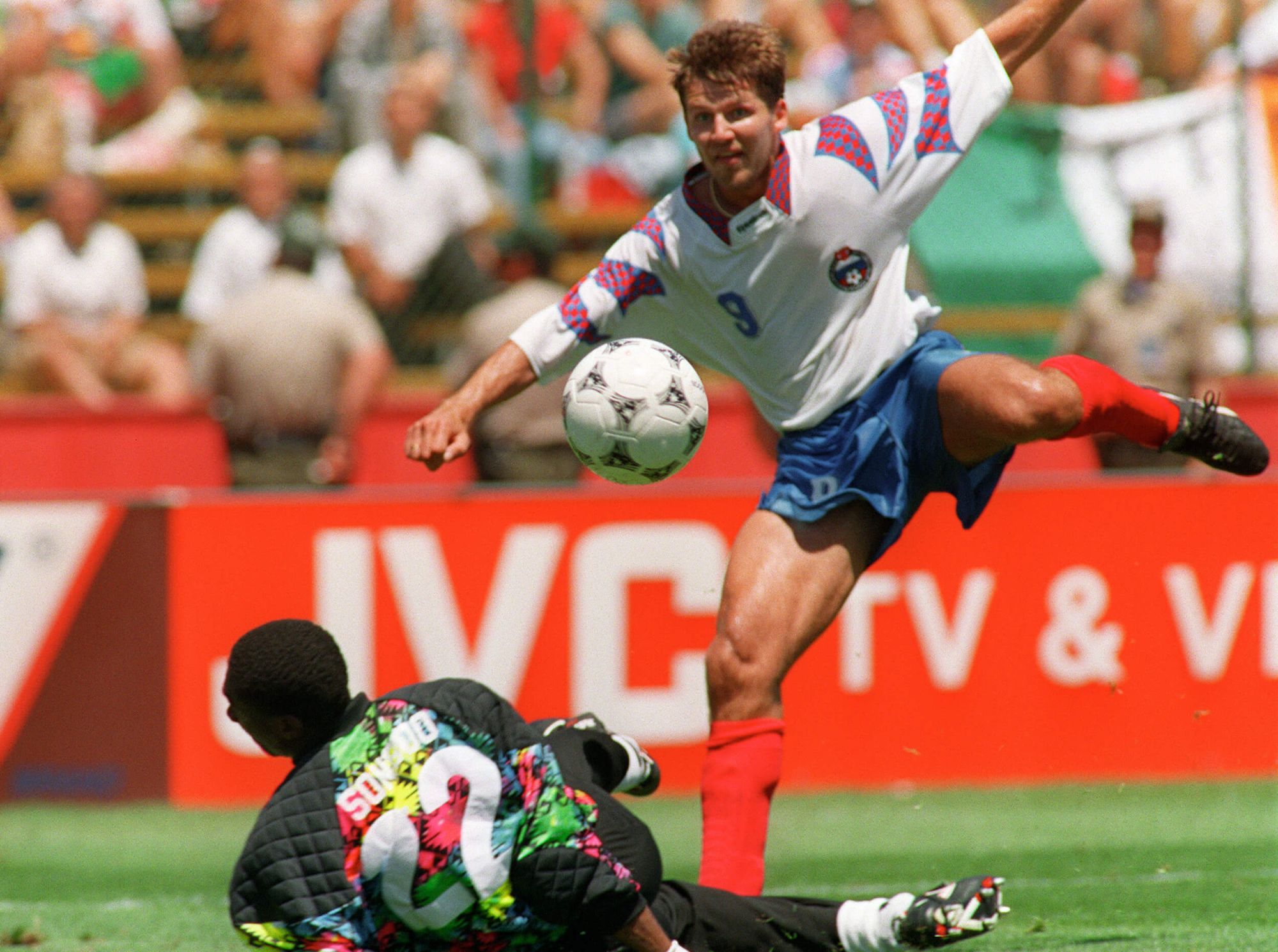
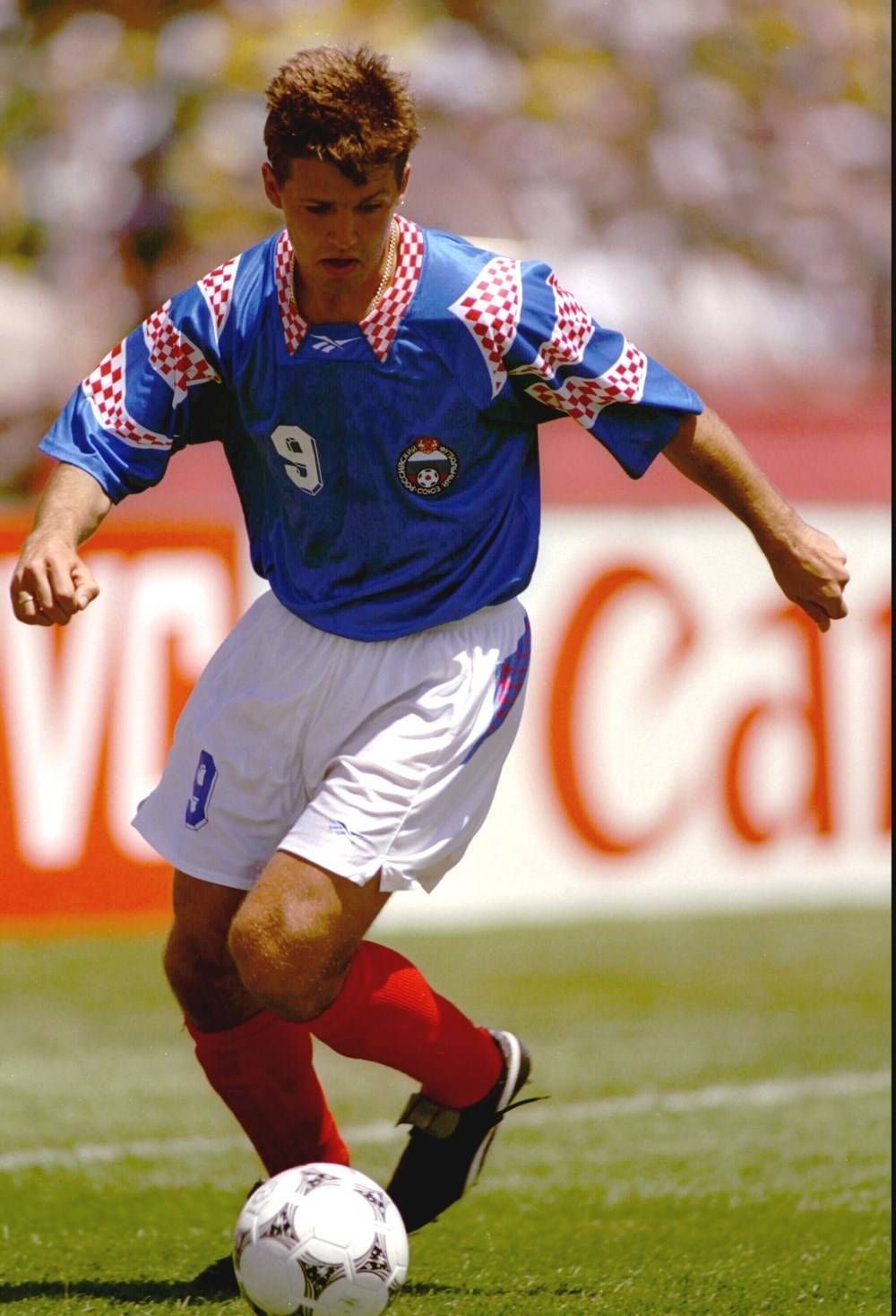
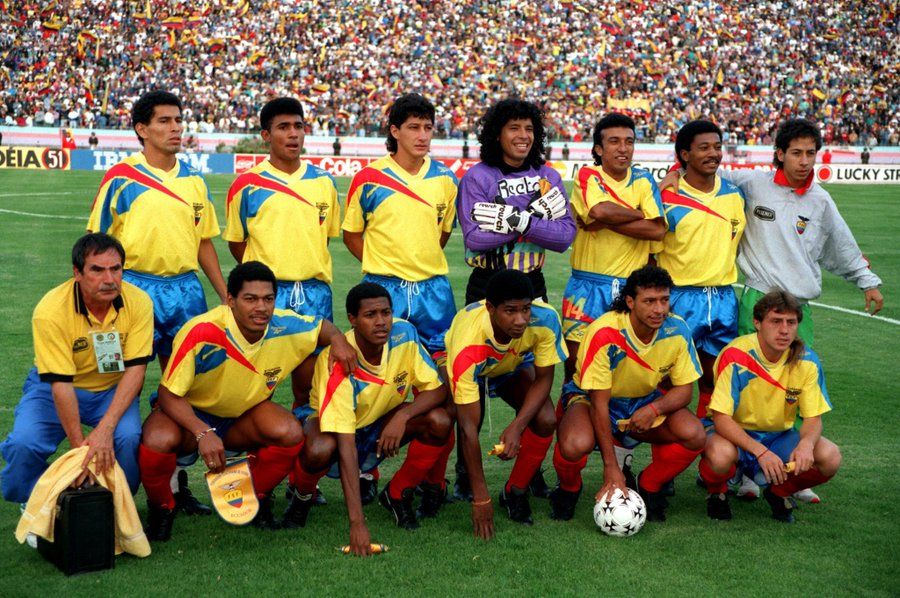
Among the many storylines surrounding the 2026 World Cup, there is also the return of Reebok. The brand is the official sponsor of Panama and has unveiled its first jerseys featuring the Vector at a World Cup since 1998. This move is part of a broader strategy in which Reebok has been steadily working to re-establish itself in the United States and relaunch its presence in the world of football.
The cult kits of France '98 and USA '94
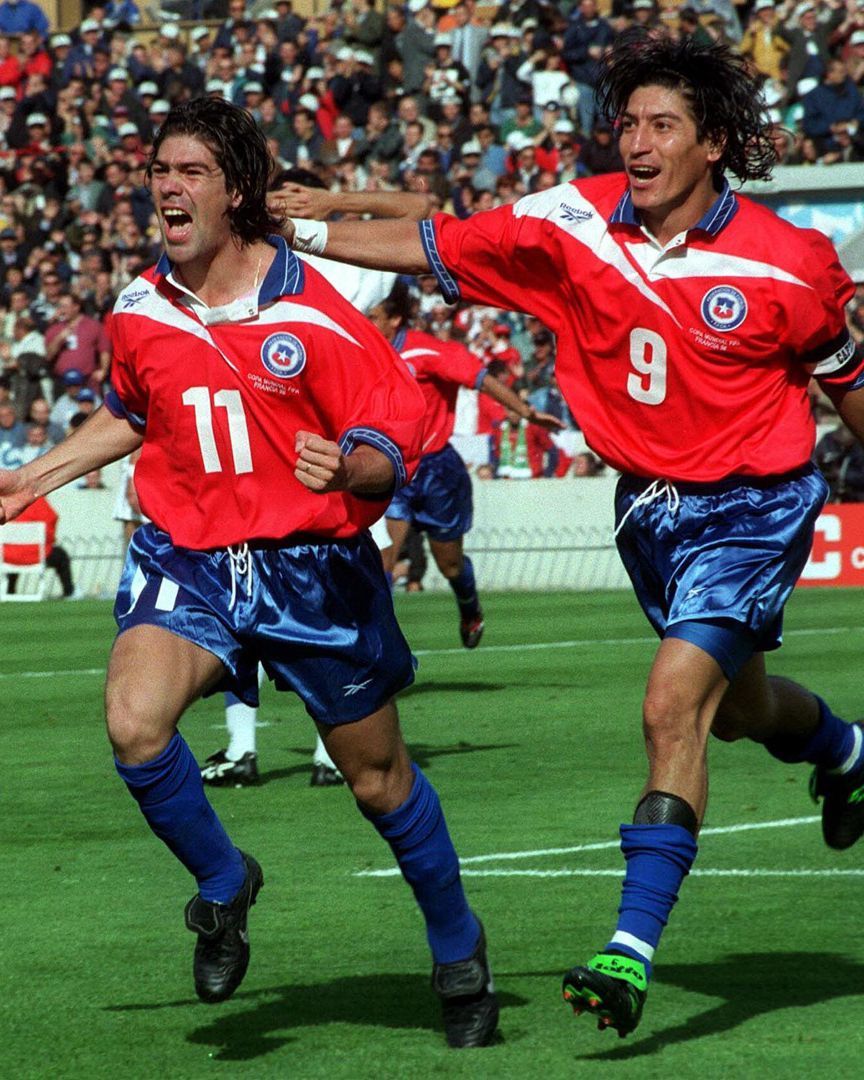
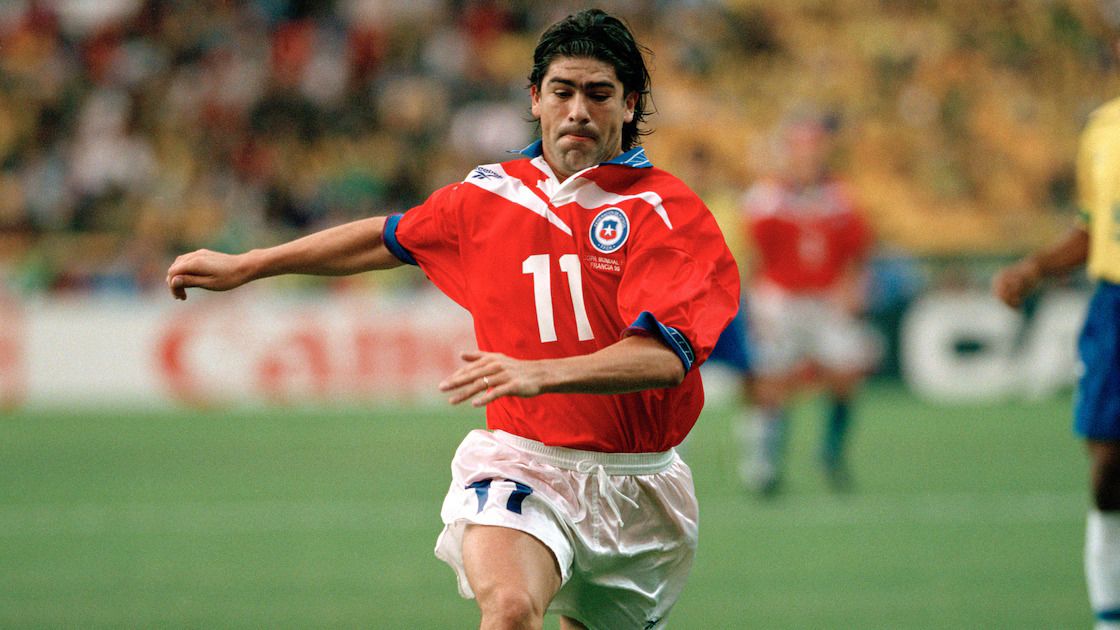
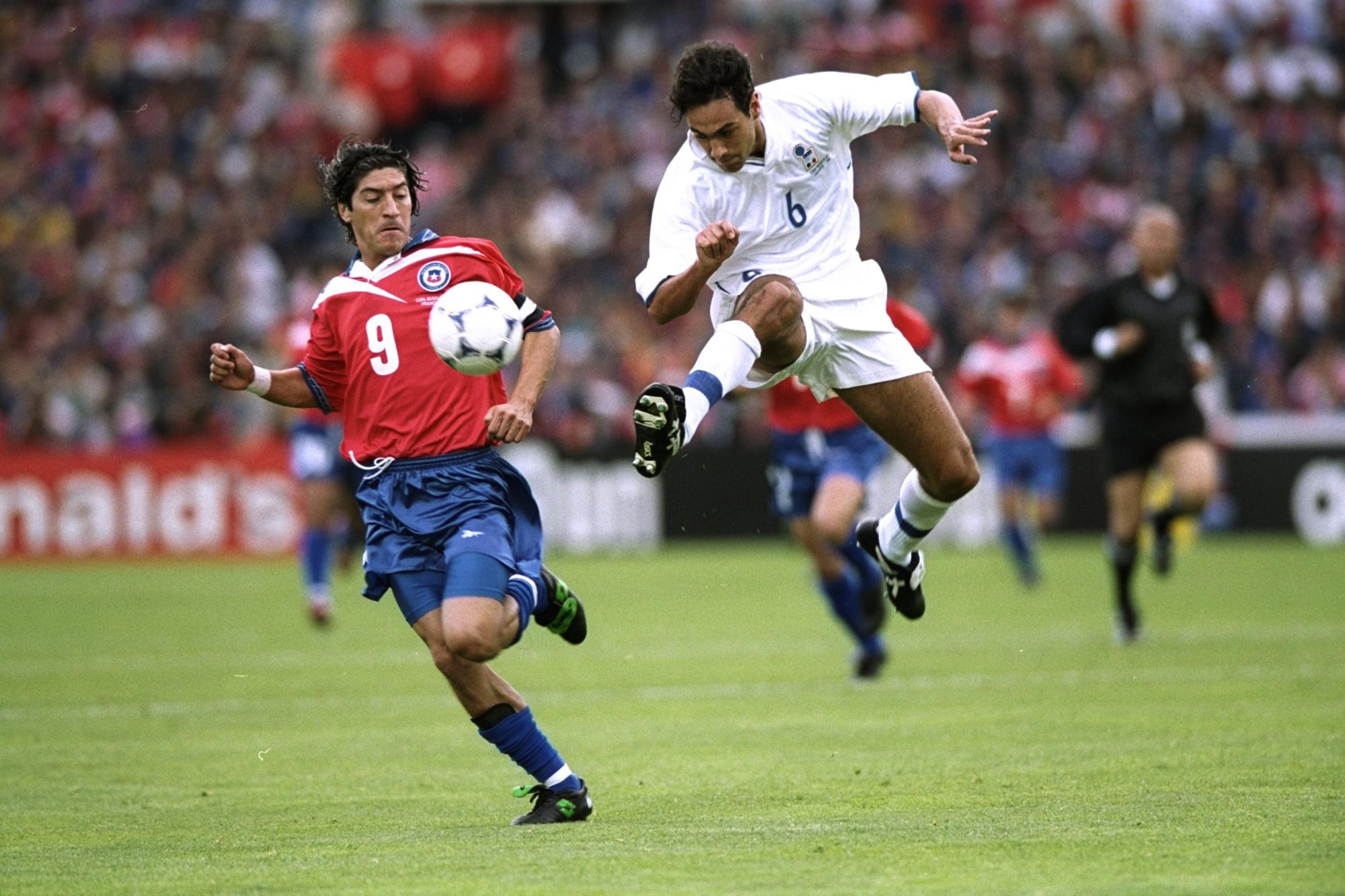
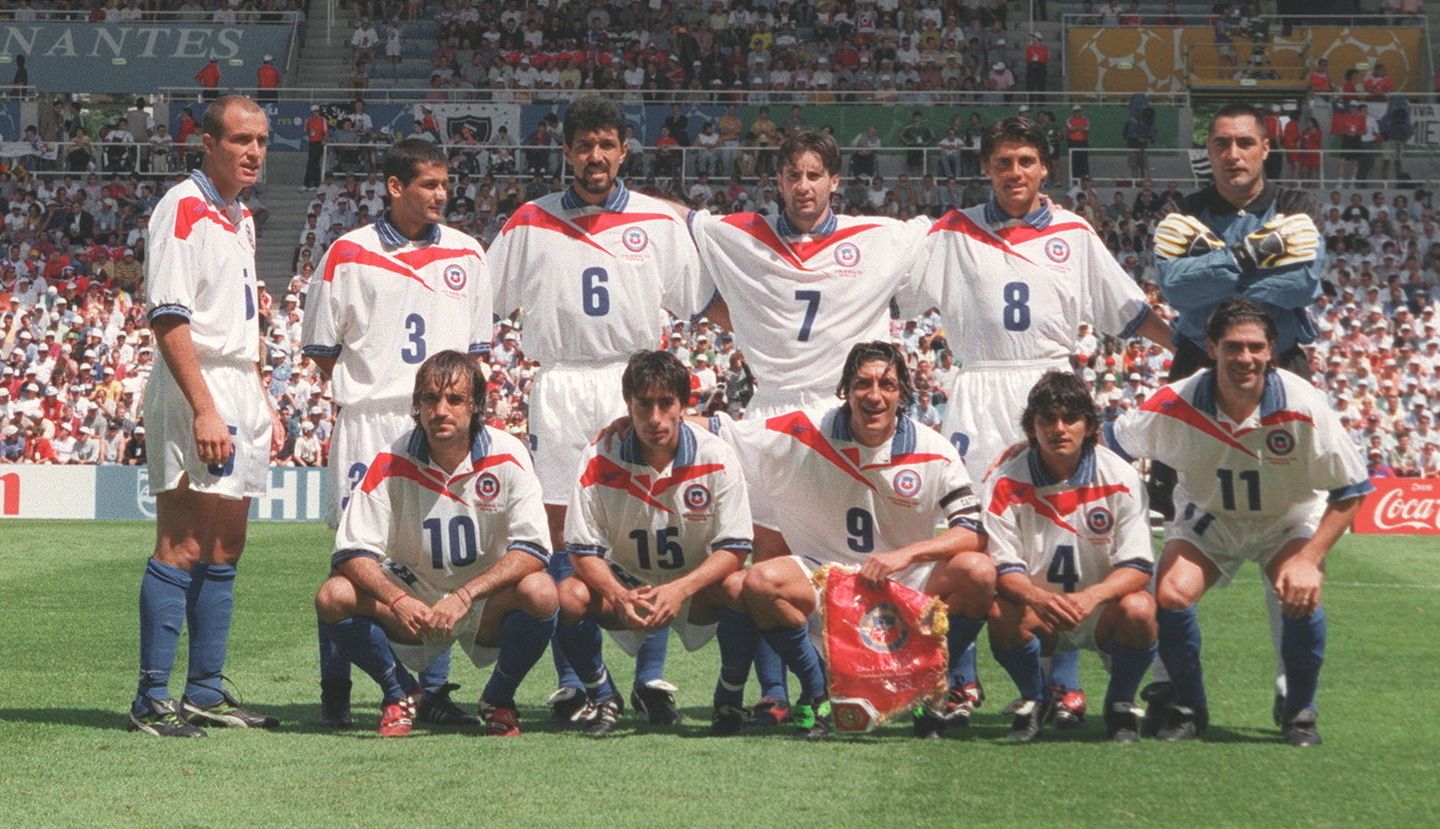
Reebok’s World Cup aesthetic picks up from two kits that can hardly be described as anything less than iconic. The first reference is the jerseys created for Chile at France '98. In that edition, Reebok also sponsored Paraguay and Colombia, but it was La Roja's kits that captured attention. This is because the Vector became an integral part of the design, appearing in white on a red background on the Home kit and in red on a white background on the Away, stretching across the upper section. A visual concept Reebok had already explored a few years earlier, and arguably one of the rare cases where a brand logo becomes a core element of the creative direction.
The second reference goes back to the previous edition, USA '94. On that occasion, Reebok sponsored only Russia, and in a landscape dominated by geometric patterns, the brand doubled down by introducing a brutalist collar. A trapezoidal shape enhanced by a checkered pattern that extended onto the sleeves, with the logo subtly placed at the center of a narrow horizontal band. It was a forward-thinking design that would later inspire other brands.
Reebok’s comeback in football boots
Reebok’s return to football, however, is not limited to kits. A key step involves football boots: in early March, Dušan Vlahović made a surprise appearance on the training ground with Juventus wearing a pair of white boots with black details and, most notably, a clearly visible Reebok logo. A striking image that, in many ways, signaled the brand’s intent to make a strong comeback in this segment as well.
As the 2026 World Cup approaches, the growing hype feels almost like a historic moment in the making. It will shape the aesthetic direction of football for years to come—something we’ll look back on in 10 or 20 years with appreciation for the innovation brought to the pitch. Within this narrative, Reebok’s boots could play a role, especially if developed with enough boldness to move beyond the niche appeal they once held on the feet of Thierry Henry and Ryan Giggs. Reebok has a golden opportunity to regain its relevance in football by using the 2026 World Cup as a springboard to embrace the groundbreaking aesthetic that has always defined its heritage.
What to read next

Erling Haaland gained almost 30 million Instagram followers during the 2026 World Cup
It's all about goals, viking row and memes
The ultimate 2026 World Cup Glossary
In ten years' time, we'll still be talking about the hydration break and the Viking row