
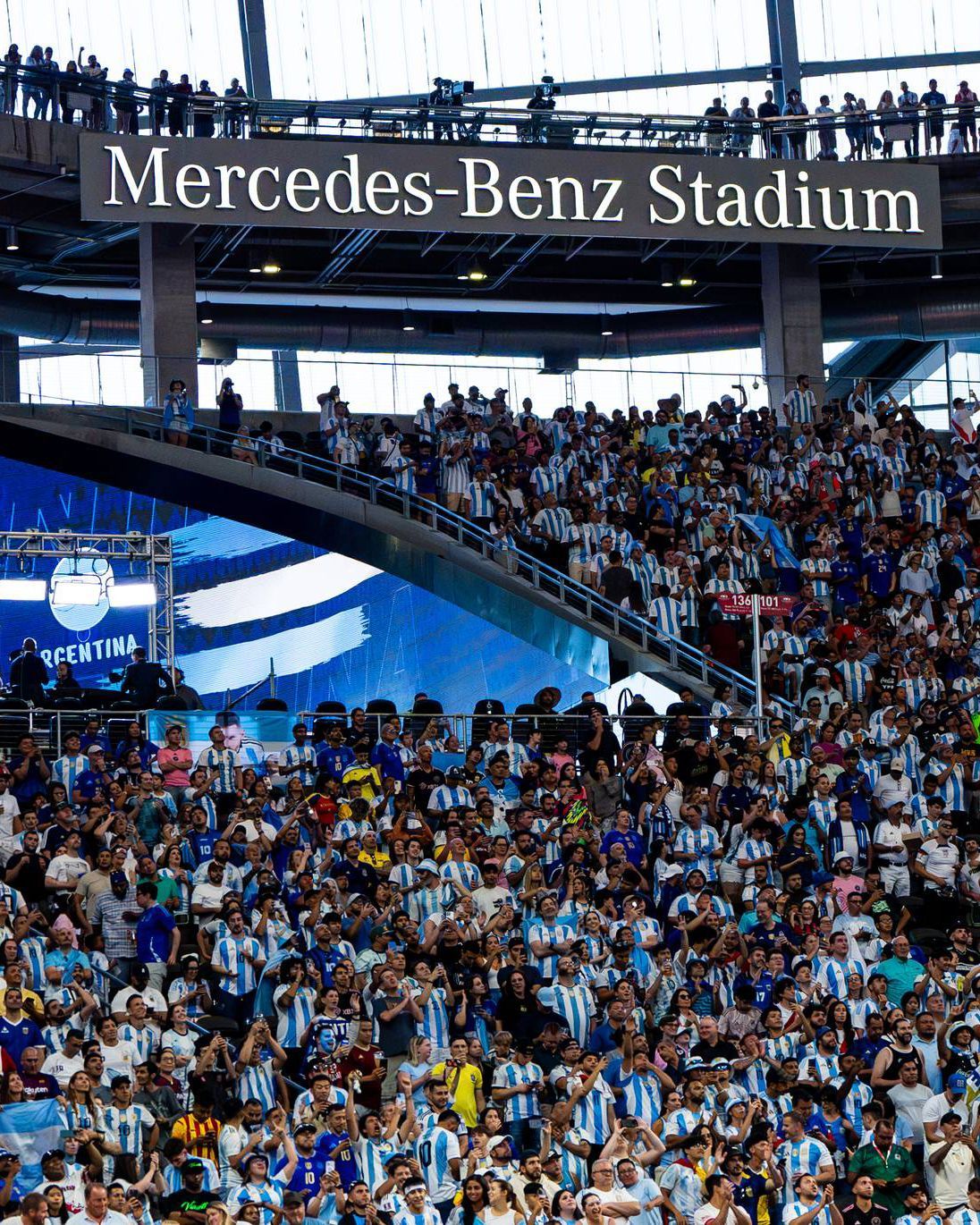
The Mercedes logo has caused a problem for FIFA Atlanta's stadium is the only one to have been granted an exemption for the 2026 World Cup
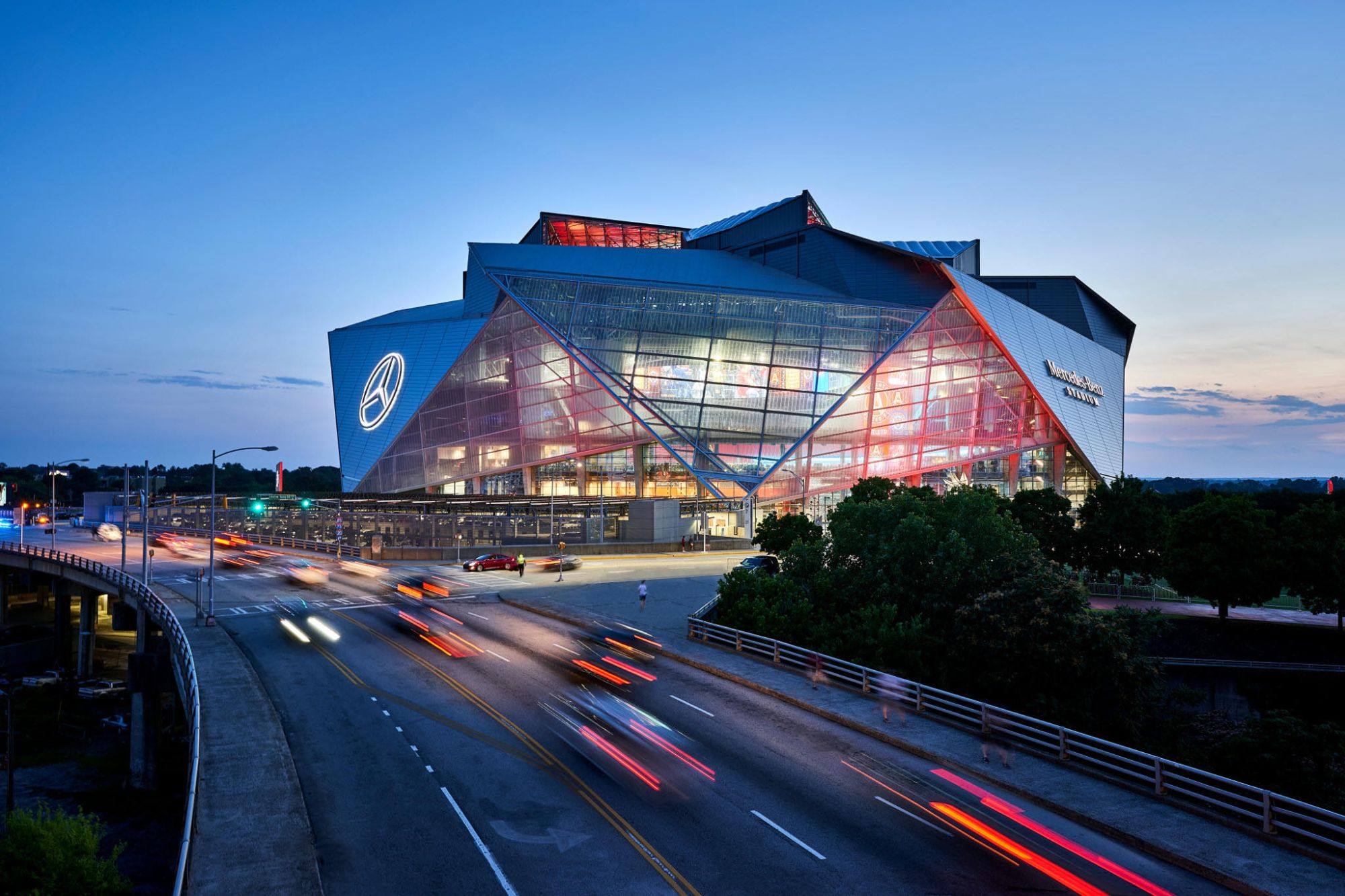

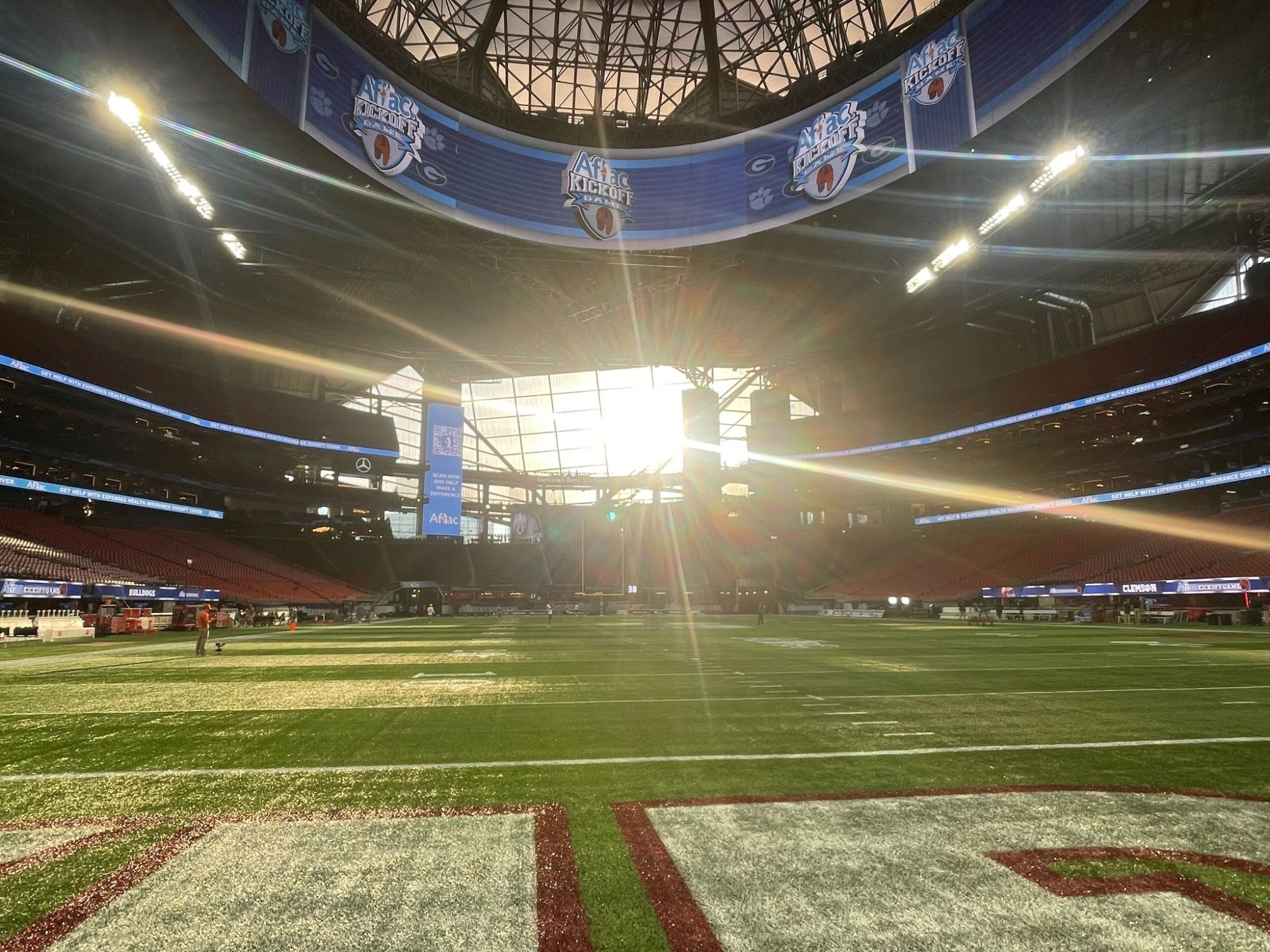
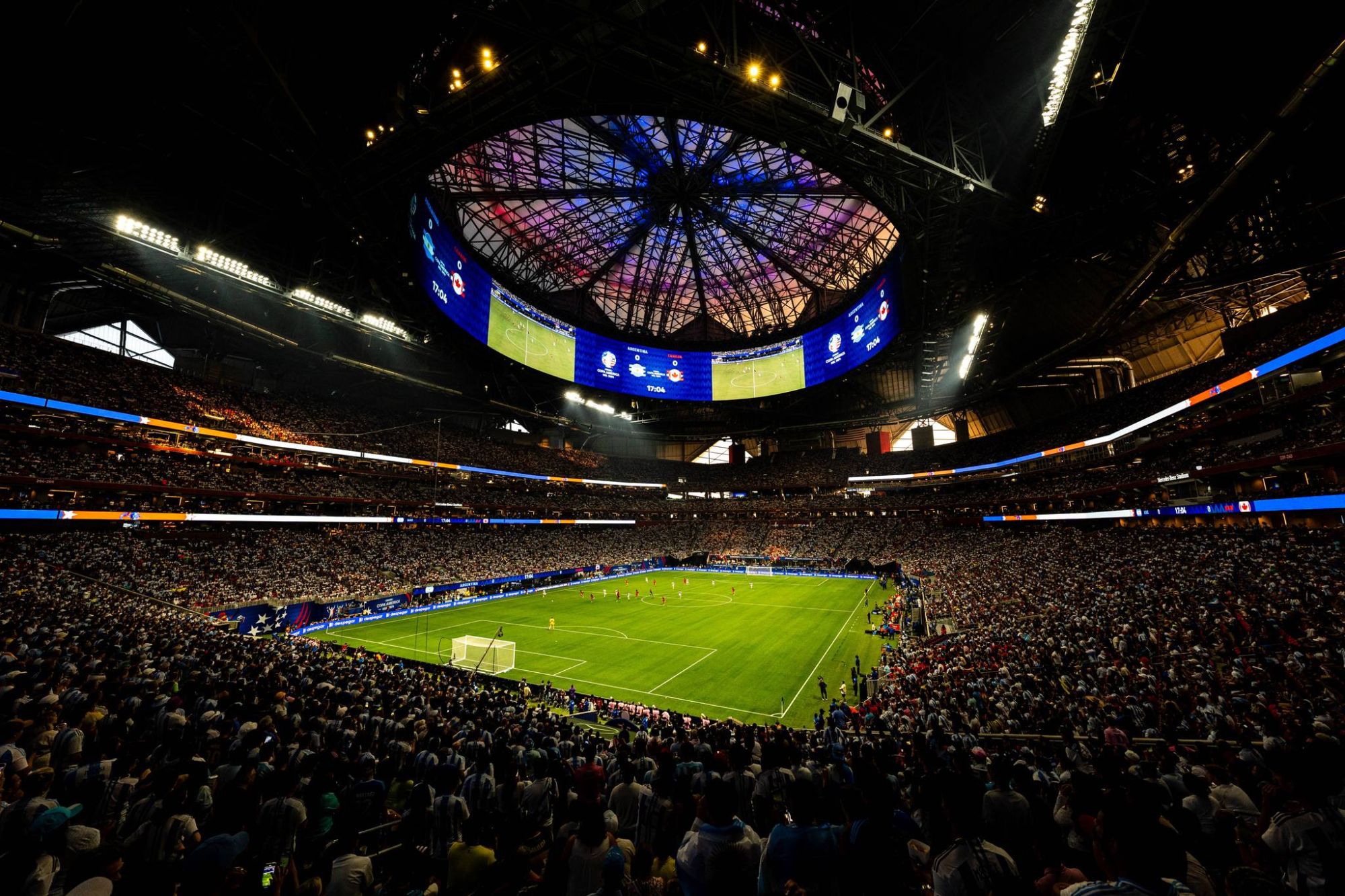
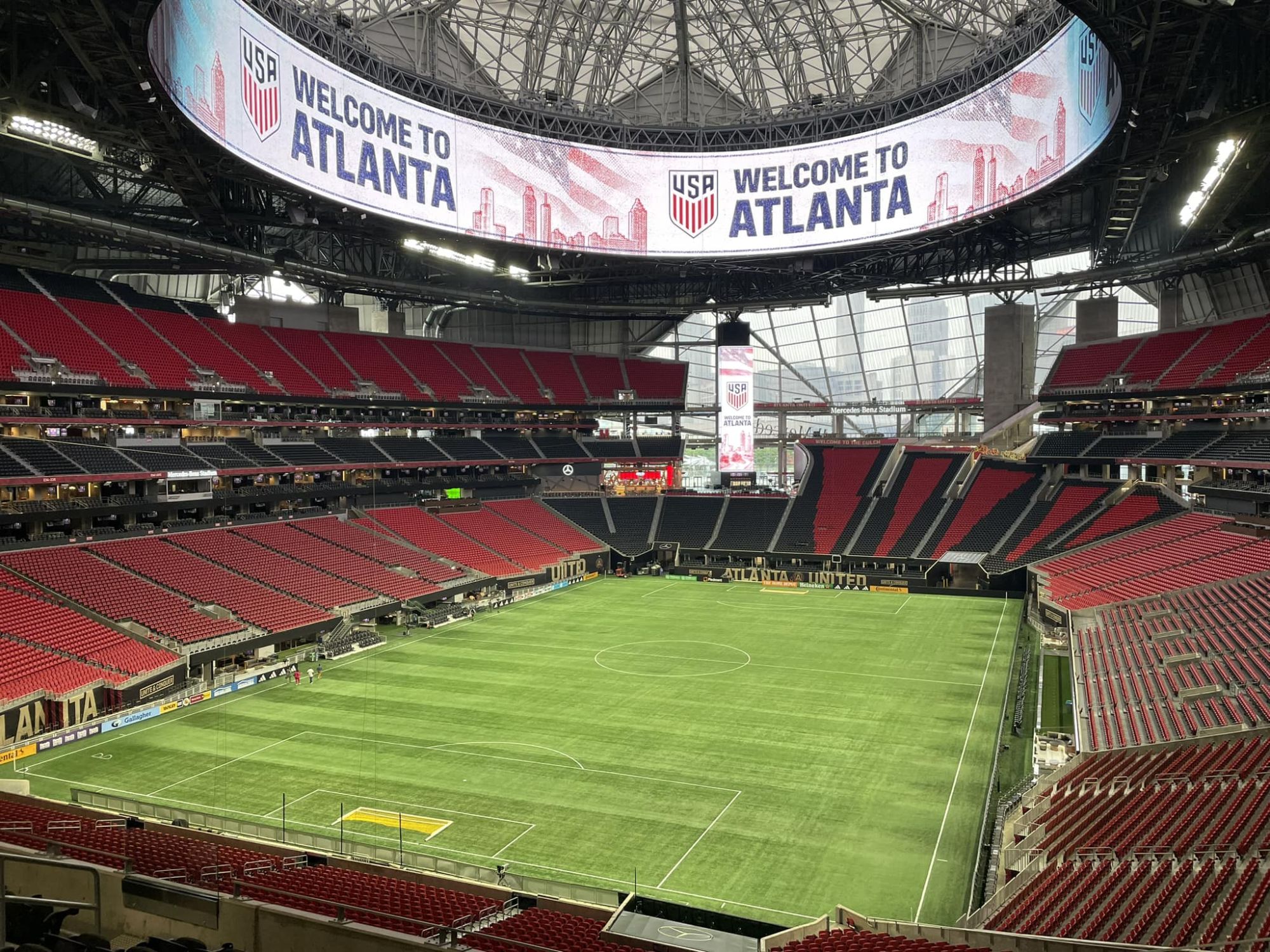
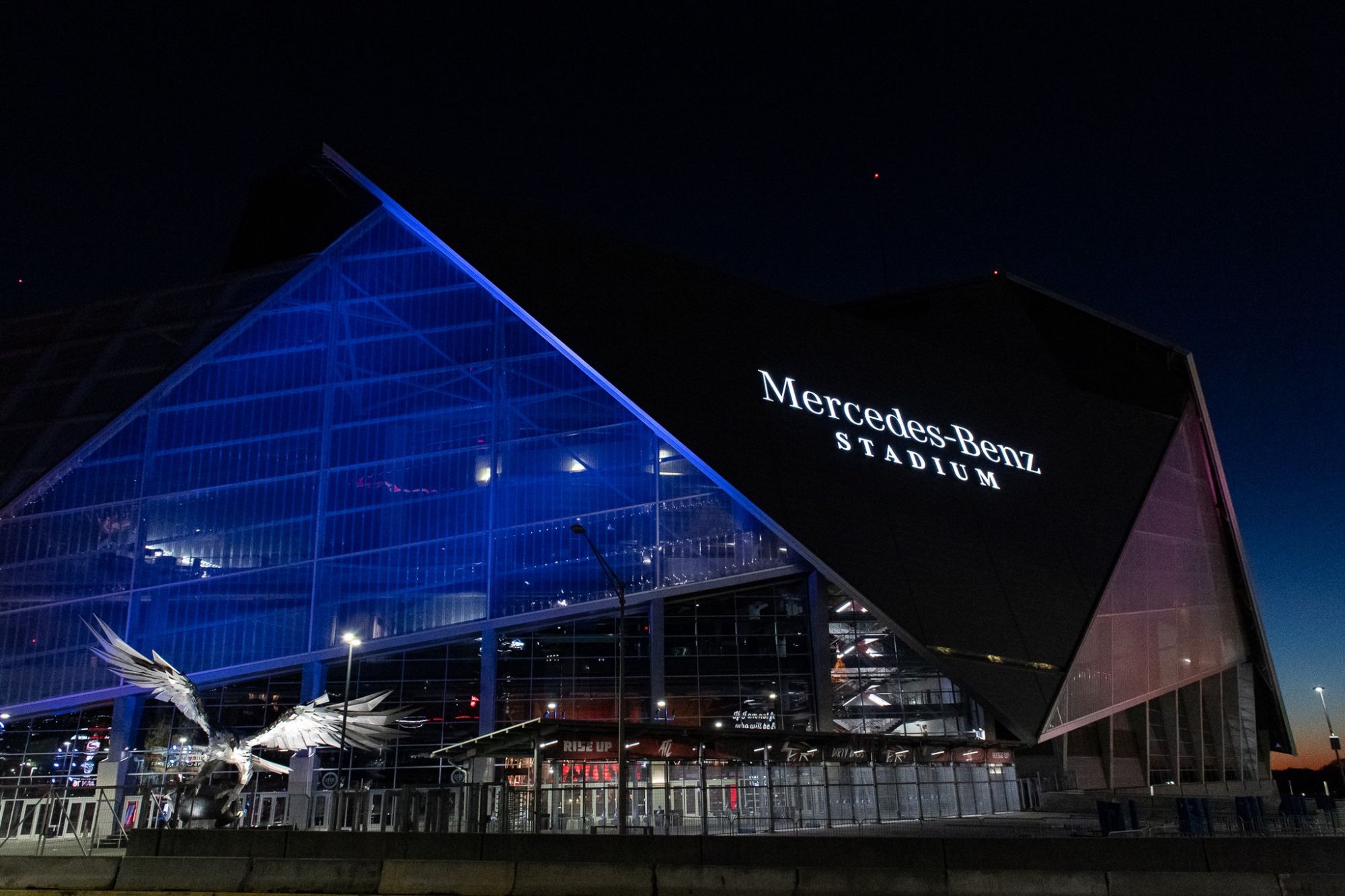
The Atlanta Stadium is one of the 16 stadiums selected by FIFA across the United States, Canada, and Mexico as venues for the 2026 World Cup. If the name doesn’t ring a bell, it’s because FIFA—just like UEFA—requires that during official competitions all commercial references be removed from stadiums, including their names. This is a relatively recent practice, made necessary in the era of naming rights, whereby stadium owners or tenants effectively sell the naming rights of a venue to a company, thus avoiding conflicts of interest with official World Cup sponsors. In the case of Atlanta Stadium, the company in question is Mercedes-Benz, which in 2015 signed a deal worth $324 million for exclusive naming rights through 2042.
Atlanta Stadium: features and details
Opened in 2017, Atlanta Stadium replaced the Georgia Dome as the home venue of the Atlanta Falcons, an NFL franchise, and is also used by Atlanta United, an MLS franchise. Its capacity ranges between 71,000 and 75,000 seats depending on the event. It will host eight matches during the 2026 World Cup, including the historic debut of Cape Verde against Spain and one of the two semifinals. While no official figures have been released, the most reliable estimates suggest that $1.7 billion was spent on constructing this state-of-the-art venue, which features several striking architectural elements.
For example, inside the stadium just beneath the roof sits the Halo, a circular videoboard that runs along the entire structure, covering an area of 5,793 square meters. The façade is made of insulated metal panels alternating with ETFE panels, inspired by the shape of a falcon’s wing. And speaking of falcons, visitors approaching the stadium are greeted by a massive steel statue created by Hungarian artist Gabor Miklos Szoke, depicting a falcon grasping a football in its talons.
The retractable roof and Italian inspiration
The stadium’s standout feature is its retractable roof made of eight triangular panels that move simultaneously, creating the visual effect of a camera aperture opening and closing. The inspiration, as confirmed by Bill Johnson—the architect behind the project—comes from Italy, specifically the Pantheon. However, this is where issues with FIFA begin: when the roof is closed, the exterior displays the three-pointed star enclosed in a circle, representing the Mercedes logo.
As reported by The Athletic, FIFA drafted a contract exceeding 100 pages in which, as mentioned earlier, the removal of all commercial references is explicitly required. The term used is clean-site—essentially a blank slate. This represents one of the most complex challenges for many U.S. venues hosting the 2026 World Cup, particularly NFL stadiums repurposed for soccer. These venues often integrate commercial branding into their architecture, which is then highlighted by aerial broadcast shots typically shown before or after commercial breaks.
The Mercedes logo exception
It should be noted that the cost of covering or removing such signage falls on the stadium owners. In recent months, several negotiations have taken place between owners and FIFA to determine what violates the clean-site concept—and therefore must be removed—and what does not. Concealing signage on a roof is more complicated than it might seem, as it involves altering a structural element of the venue. In the case of Atlanta Stadium, various solutions were considered to cover the Mercedes logo, including vinyl graphics. However, due to the material used for the retractable panels—a flexible plastic inflated with air—it would not have been possible to cover the logo without risking damage to the structure. For this reason, FIFA granted an exception, making Atlanta Stadium the only venue at the 2026 World Cup allowed to display a logo.