
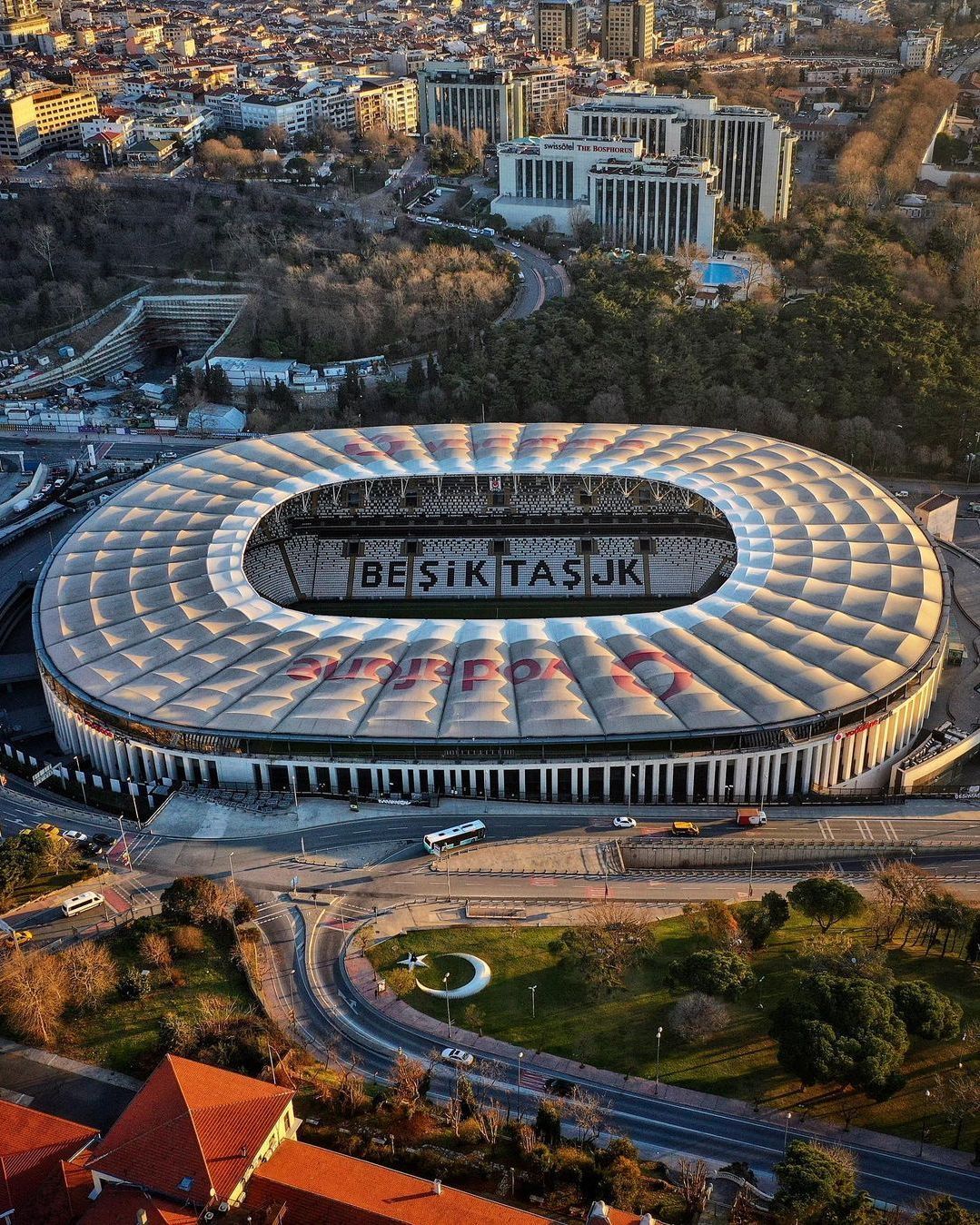
Why is the Europa League final stadium shaped like an amphitheatre? Everything you need to know about the Beşiktaş Park
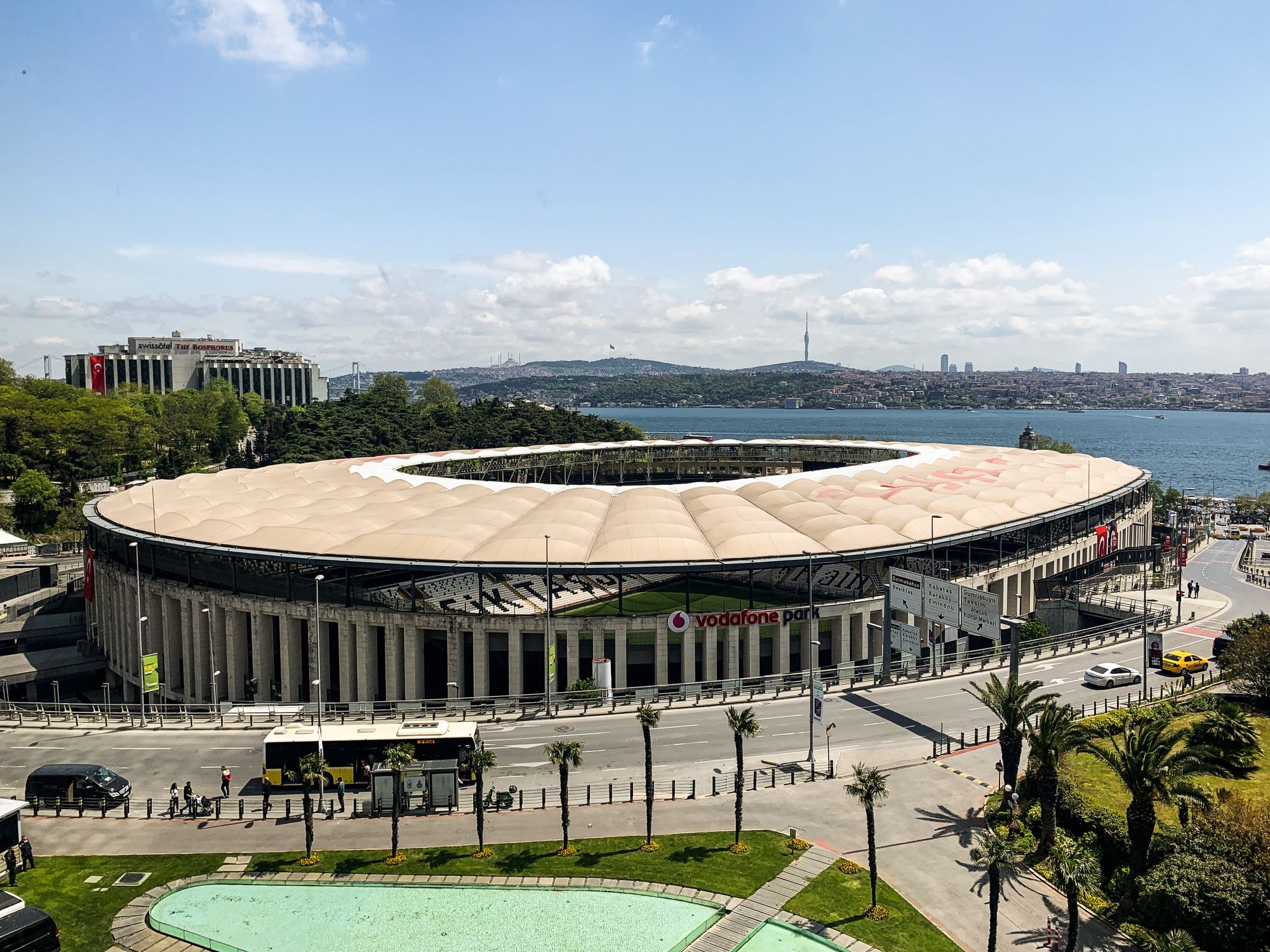
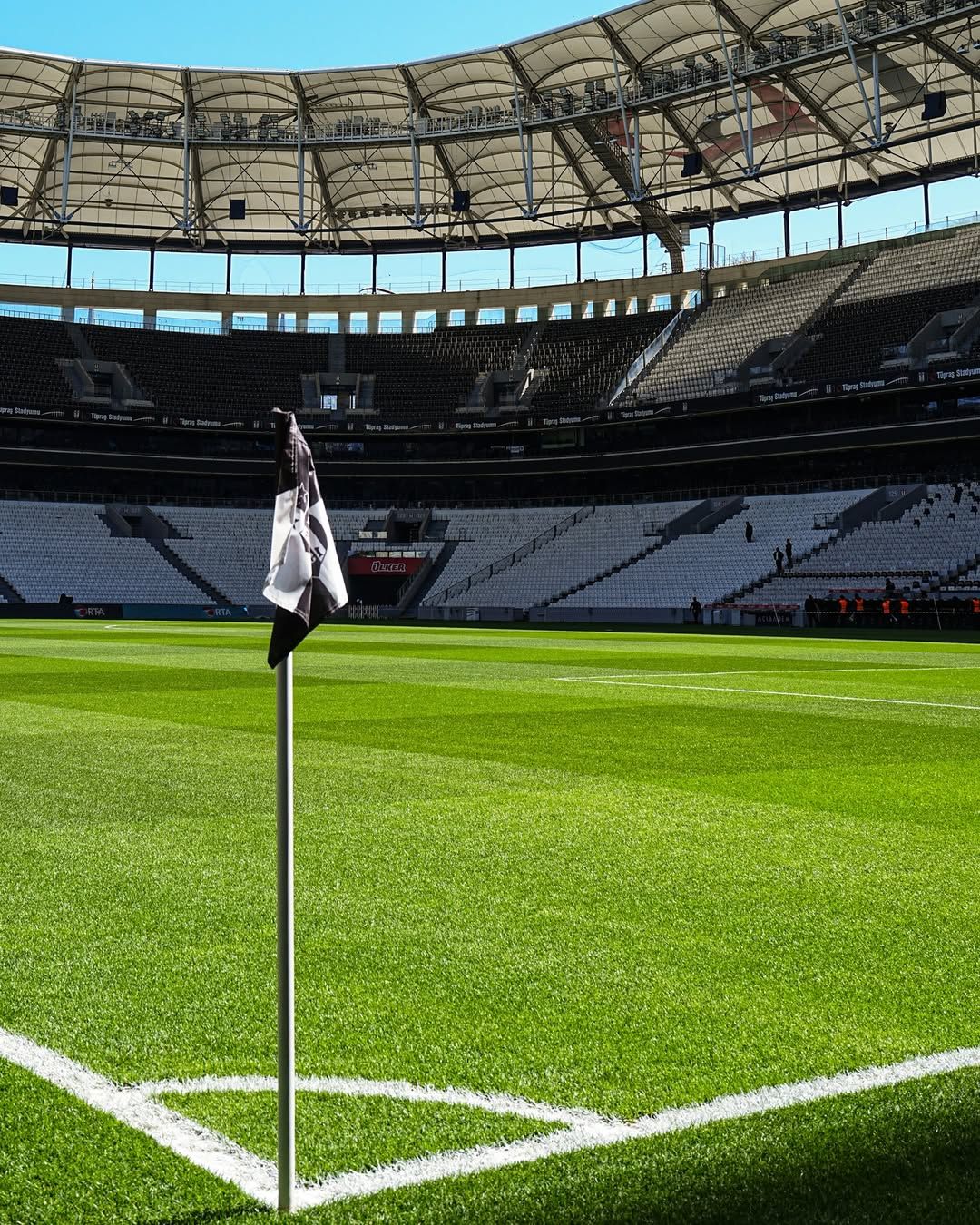
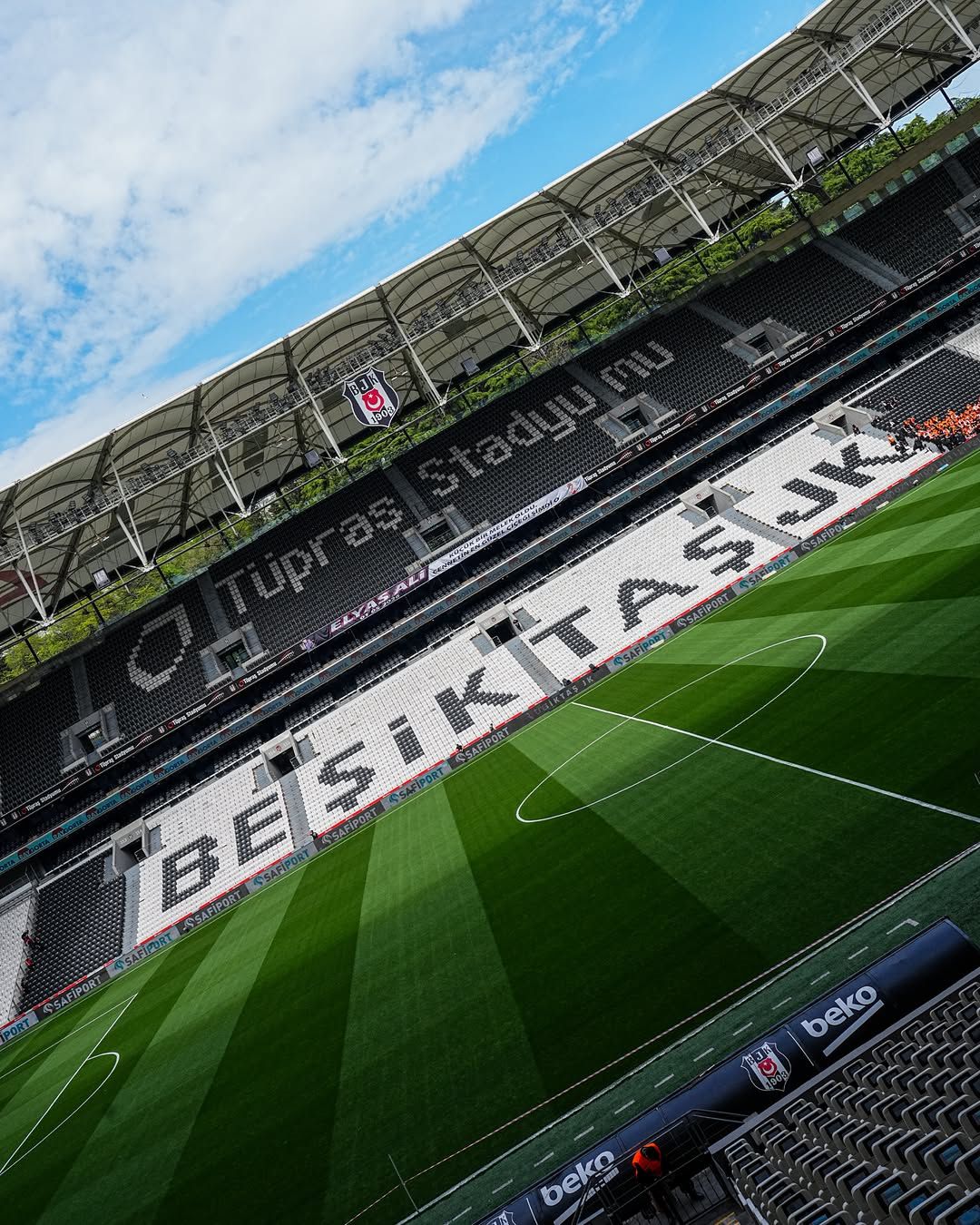

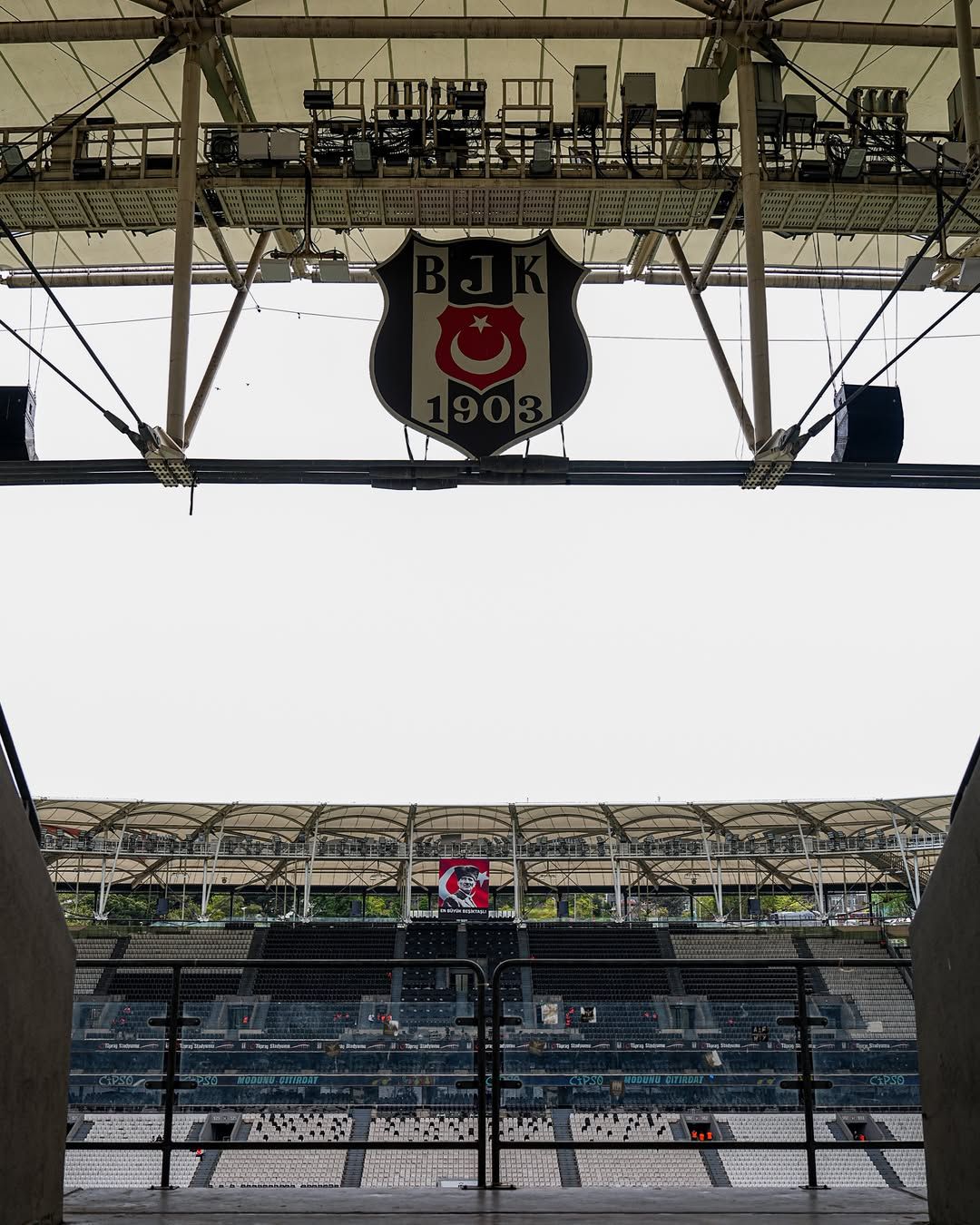
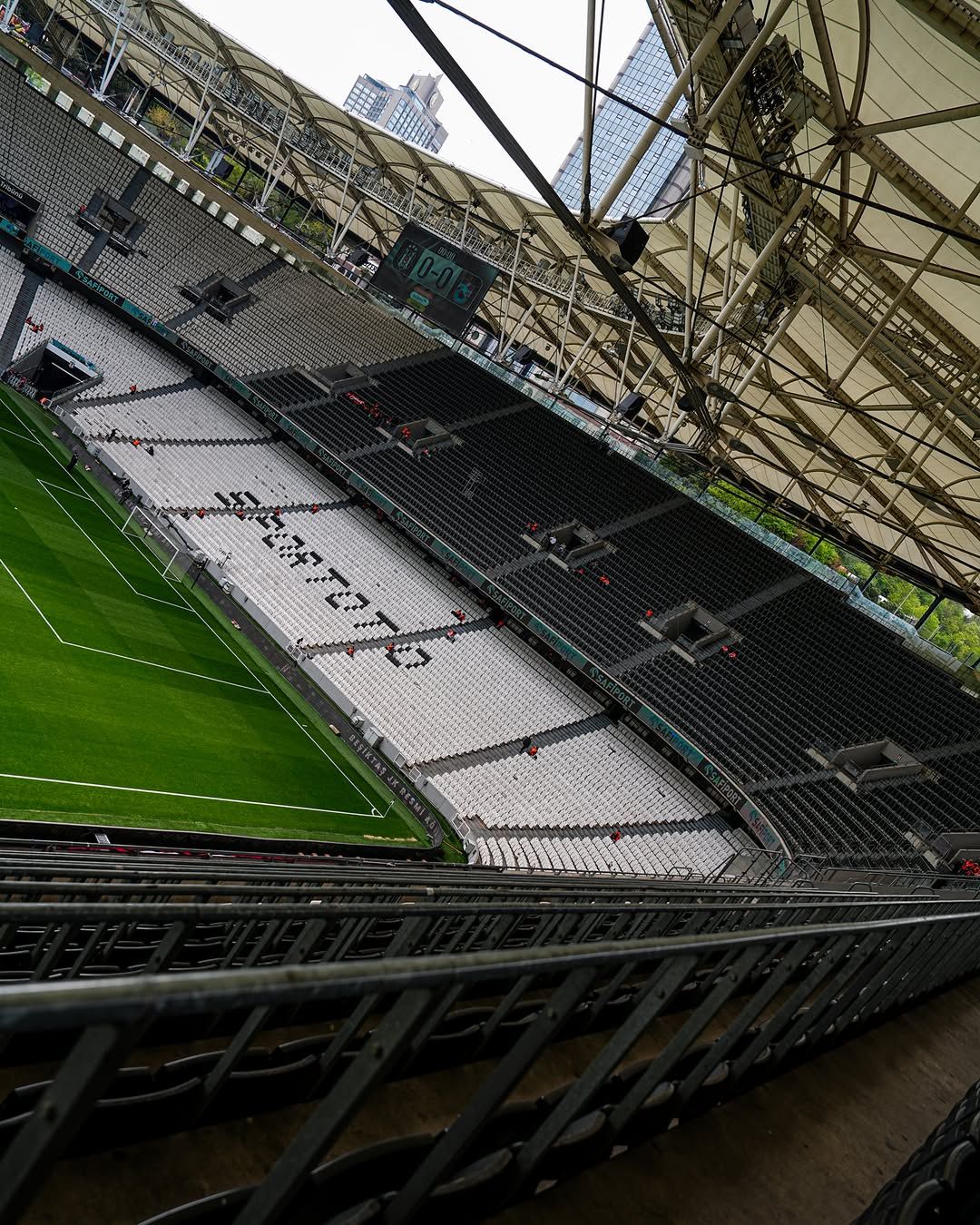
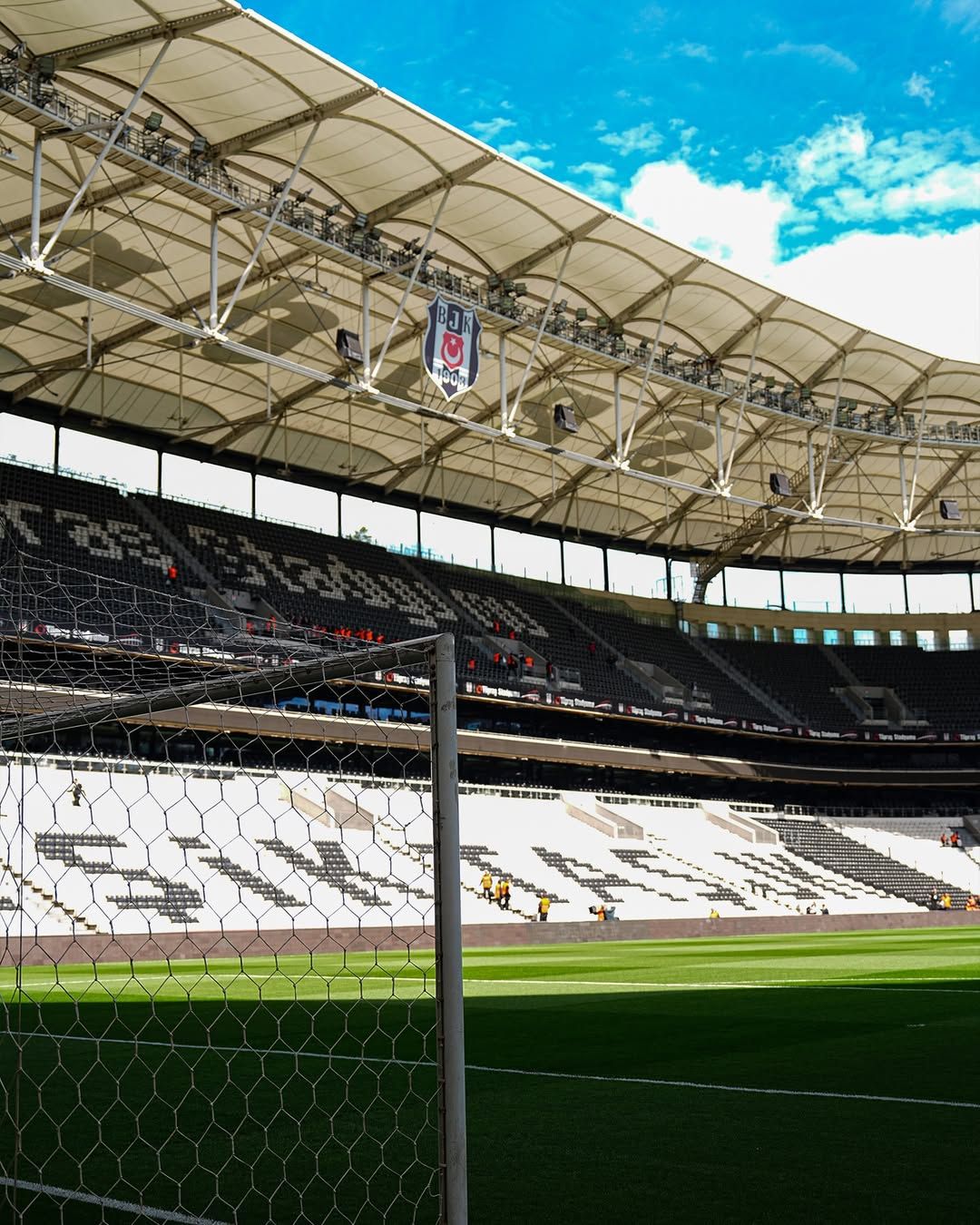
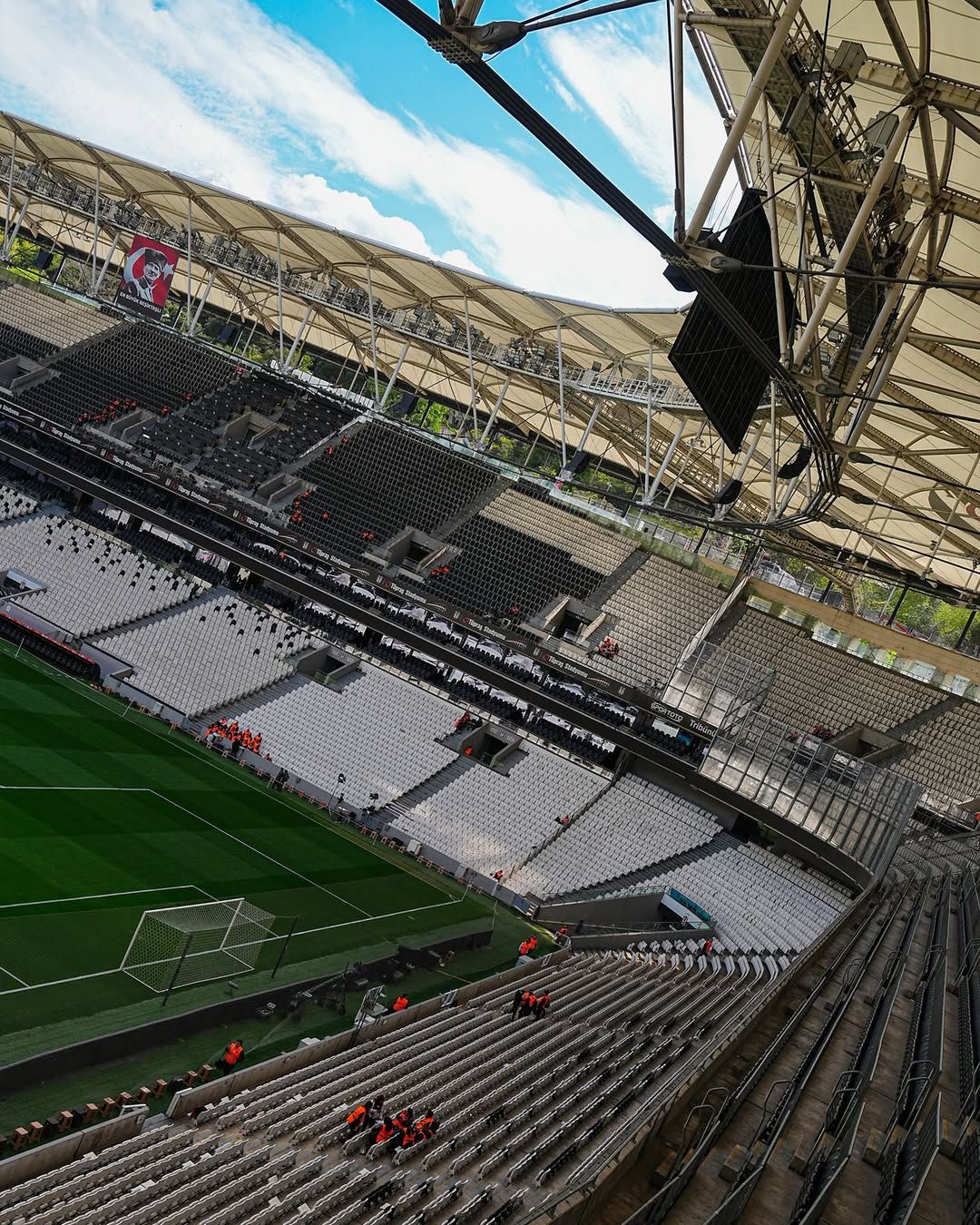
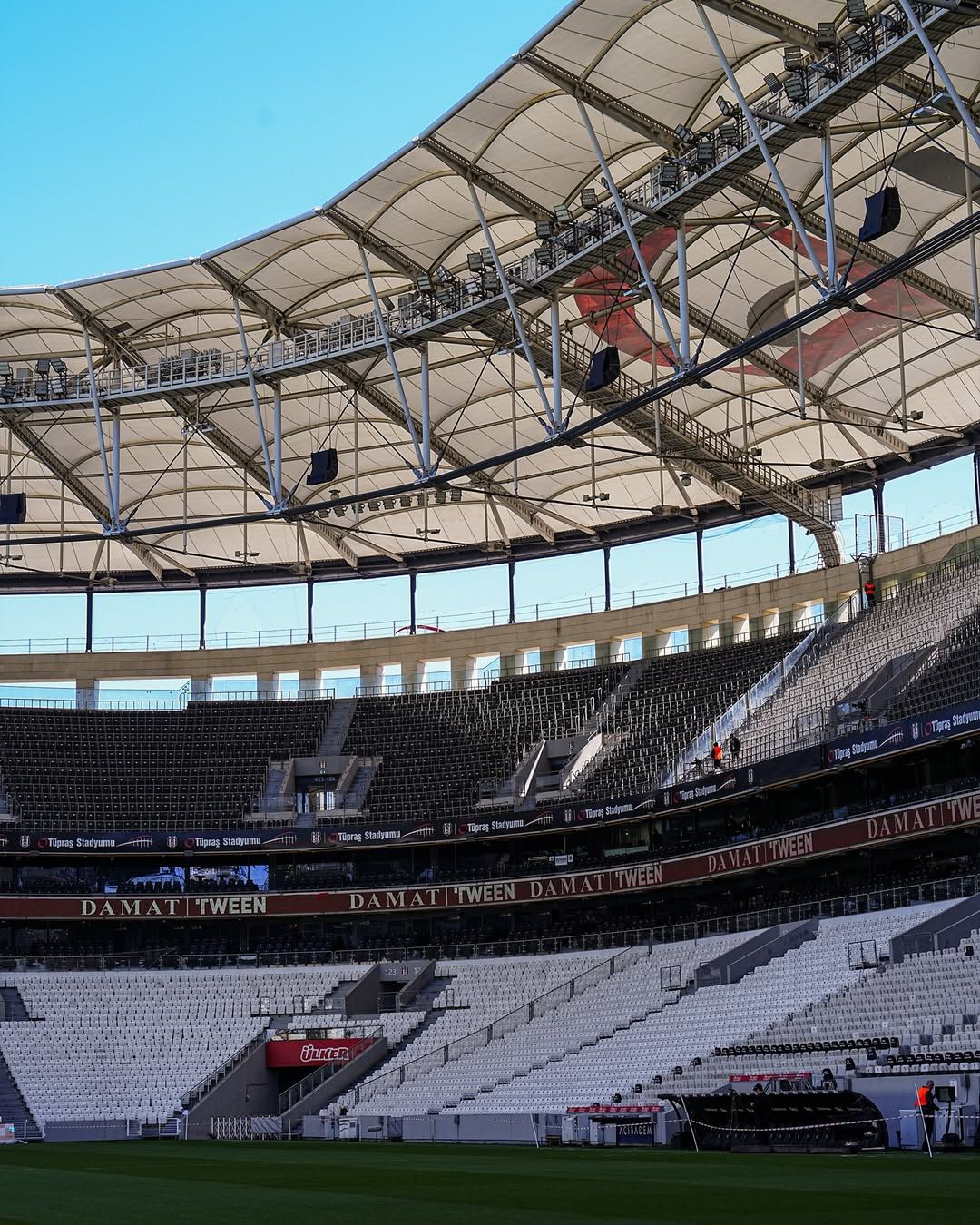
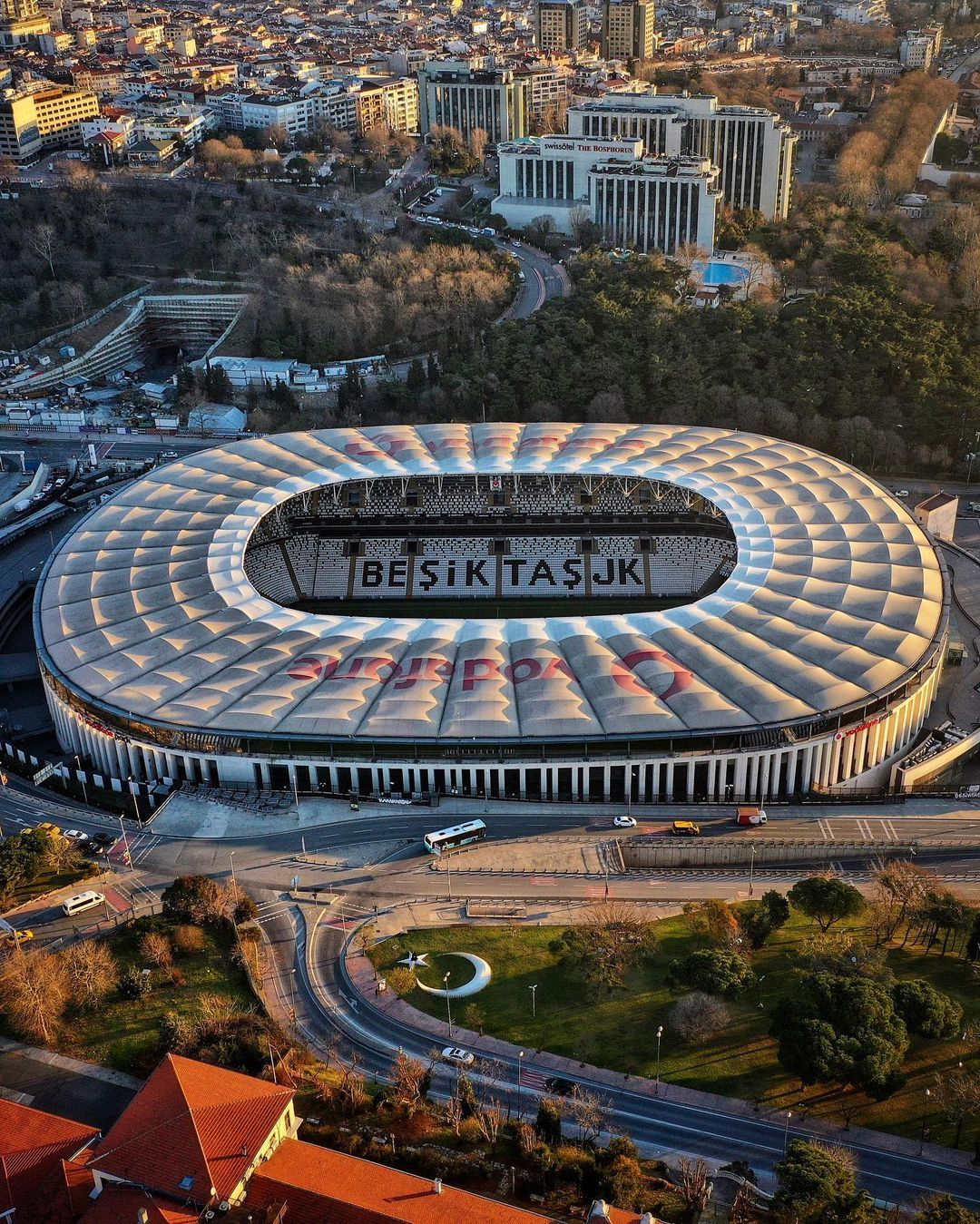
The 2026 Europa League final between Aston Villa and Freiburg will be played in Istanbul at Beşiktaş Park. As the name suggests, it is the home stadium of Beşiktaş, although the venue officially has a different name derived from a naming rights agreement: Tüpraş Stadyumu. The name change is, of course, temporary and stems from a UEFA requirement linked to commercial reasons. The match scheduled for May 20 will be the second European final hosted at this stadium after the 2019 UEFA Super Cup, in which Liverpool defeated Chelsea on penalties. In 2027, meanwhile, the venue will host the Conference League final.
The History of Beşiktaş Park and the Former İnönü Stadium
Beşiktaş Park has an official capacity of 42,684 seats, some of which offer breathtaking views of the Bosphorus. The stadium was inaugurated in 2016 and stands on the same site as the former BJK İnönü Stadium, the previous home of Beşiktaş, whose design was created by Italian architect Paolo Vietti-Violi. Several historic elements, such as the towers and the monumental gate, were preserved and integrated into the new venue. Beşiktaş Park itself was designed by DB Architects, while the total cost of the construction works, which lasted around three years, amounted to approximately €100 million.
The stadium’s first official name was Vodafone Arena. However, Turkish president Recep Tayyip Erdoğan later ordered the removal of the term “arena” from all sports venues across the country, considering it too closely associated with gladiatorial combat. As a result, the stadium was renamed Vodafone Park, a name it retained until 2023, when the naming rights agreement expired. On December 10, 2016, the venue was also the site of a terrorist attack in which two explosions killed at least 46 people.
The Undulating Stands and the Stadium’s Acoustics
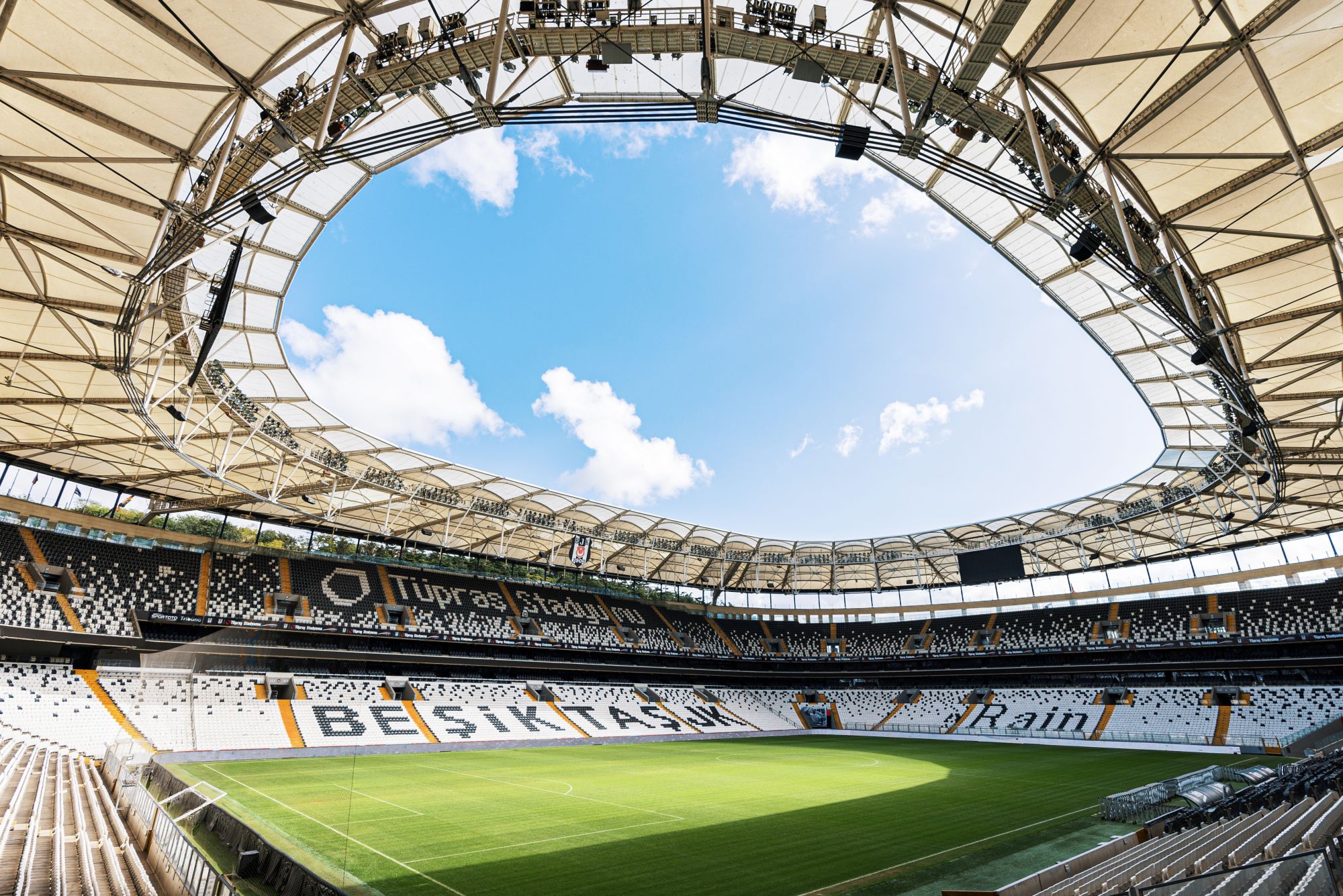
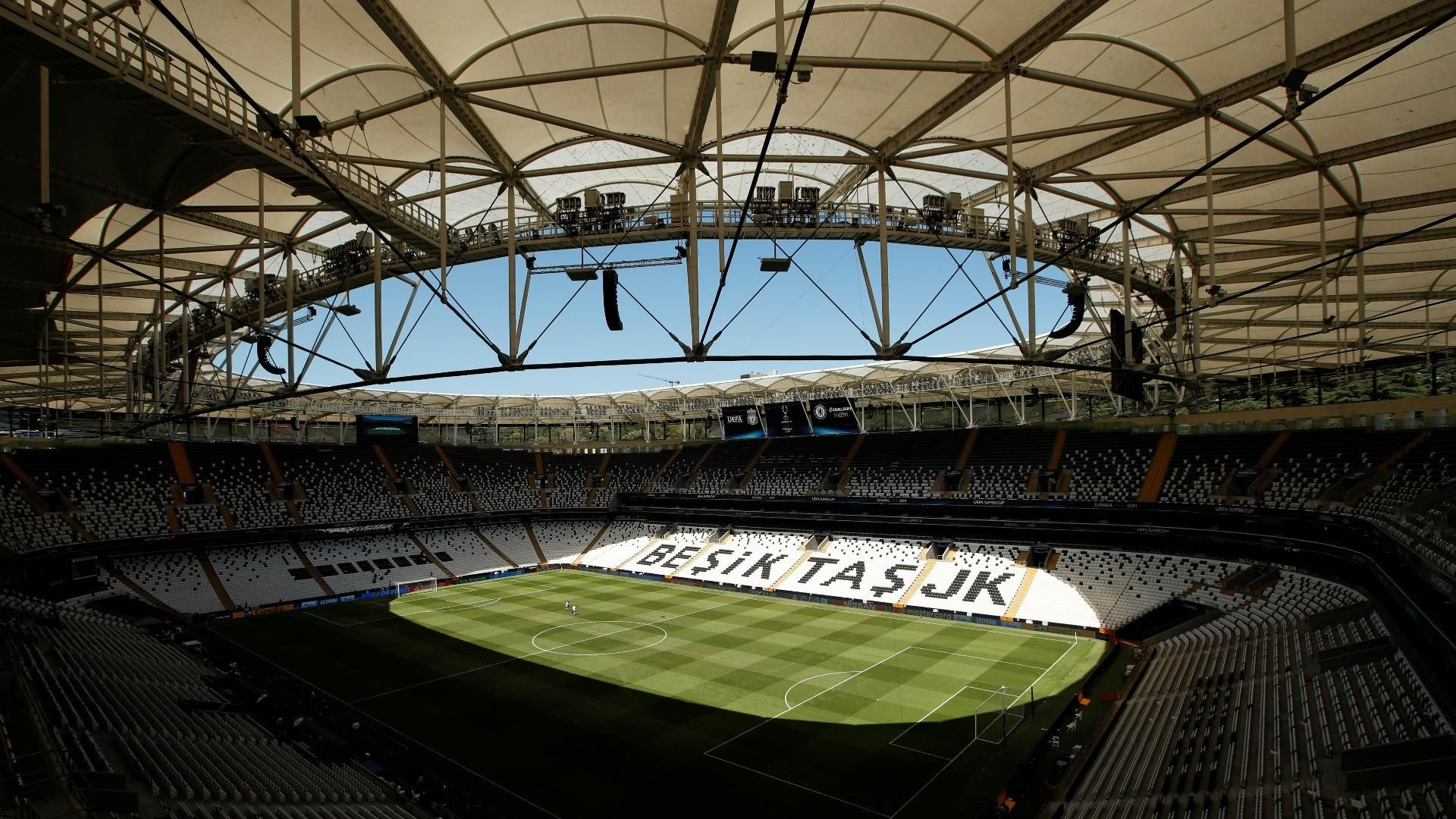
Externally, the stadium is characterised by an elliptical structure, while inside its defining feature is the undulating design of the stands surrounding the pitch, all appropriately coloured black and white in reference to Beşiktaş’ club colours. In order to accommodate more than 40,000 seats, the two tiers making up the stands were built with different inclinations: 23.4° for the lower section and 38.7° for the upper section.
The stands are naturally positioned very close to the pitch in order to create an intense atmosphere. This effect is further amplified by the roof structure, which enhances the noise level through a reverberation effect. The roof consists of a radial cable structure combined with a peripheral compression ring, central tension rings and a lightweight PTFE textile membrane supported by steel pillars and beams.
Istanbul to Host the 2026 Europa League Final
The stadium’s unique location required several modifications to the original project as well as strict architectural constraints. For example, the venue could not exceed a certain height so as not to spoil the surrounding panorama, while excavation beyond a specific depth was impossible due to the waters of the Bosphorus. For all these reasons, the stadium stands 41.5 metres tall. It also could not extend too far horizontally because of the roads surrounding the site.
Furthermore, when approving the project, the Supreme Council for Immovable Monuments and Antiquities required the new stadium to comply with traditional aesthetic standards in order to blend harmoniously with nearby landmarks such as Dolmabahçe Palace, the Dolmabahçe Clock Tower and the Dolmabahçe Mosque. This requirement led to the creation of the current façade, inspired by an amphitheatre, featuring tall vertical concrete pillars that define the perimeter of the building and give the stadium an elegant and distinctive appearance.