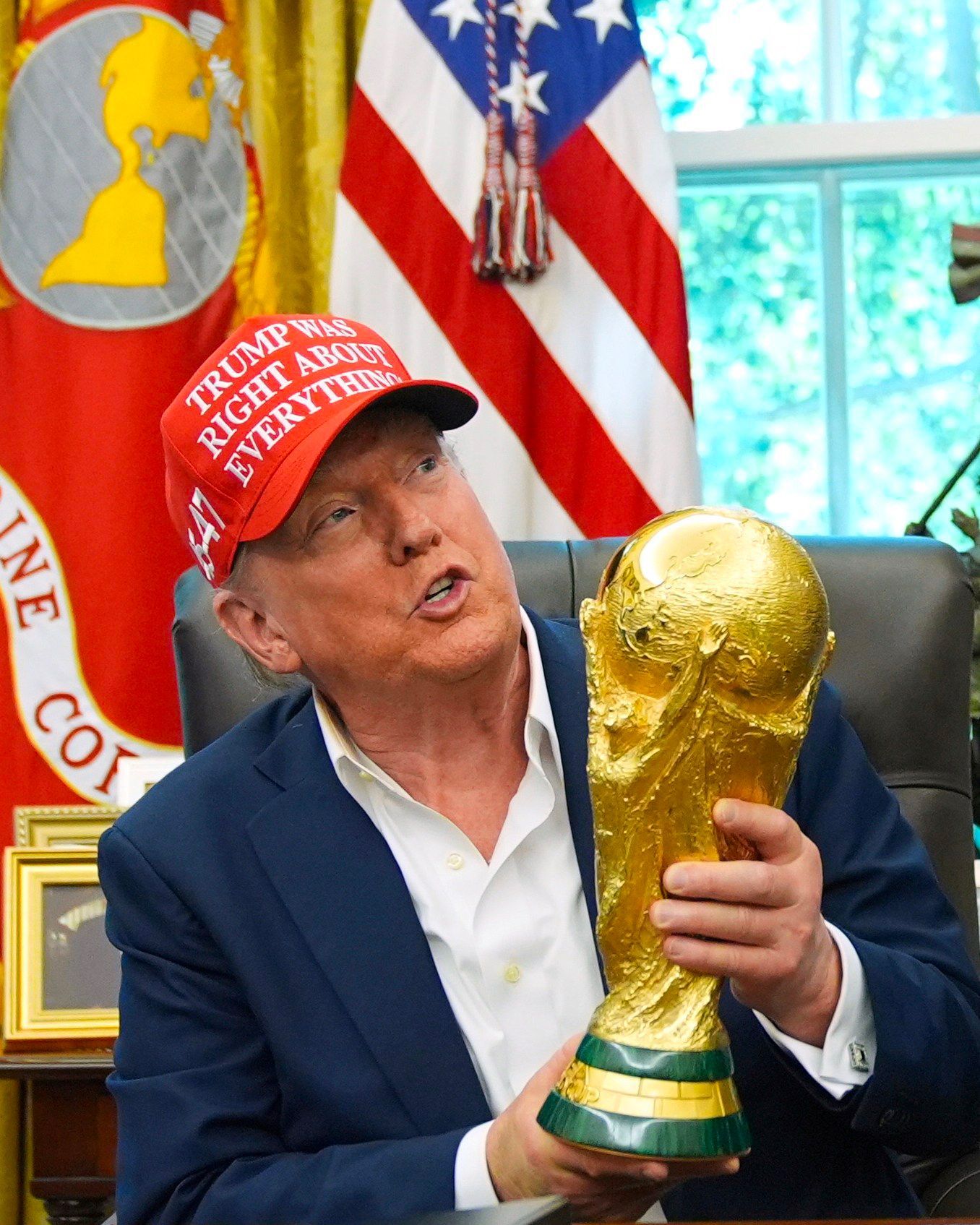
In the end, Donald Trump successfully took over the 2026 World Cup The war in Iran could disrupt the tournament
The military attack carried out by the United States and Israel against Iran could potentially impact the 2026 World Cup, scheduled for next summer across the United States, Mexico, and Canada. Put simply: will Iran be able to take part in an event organized by the very nation that bombed it? And furthermore: is it appropriate for the World Cup—one of the most widely followed sporting events in the world—to be held on the soil of a country that, beyond adopting one of the most intolerant and segregationist anti-immigration policies in its history, has in less than a year violated the territorial sovereignty of Iran and Venezuela and bombed Nigeria?
The Olympic Truce and why sanctions against the US are unlikely
Let us begin with the second question. Technically, the attack took place during the Olympic Truce, a largely symbolic appeal approved by the United Nations which, in essence, calls for the suspension of hostilities in conjunction with an Olympic event. For Milano Cortina 2026, the Olympic Truce has been scheduled from January 30 to March 15, 2026, covering the seven days preceding the start of the Winter Olympic Games, the duration of both the Olympic and Paralympic Games, and the seven days following the closing ceremony. It is highly unlikely that the United States will face sanctions from the Olympic Committee—especially considering that the next Summer Games (Los Angeles 2028) will be held in the U.S., and that the Winter Games will return to Utah in 2034.
FIFA, Trump and Infantino: political balances
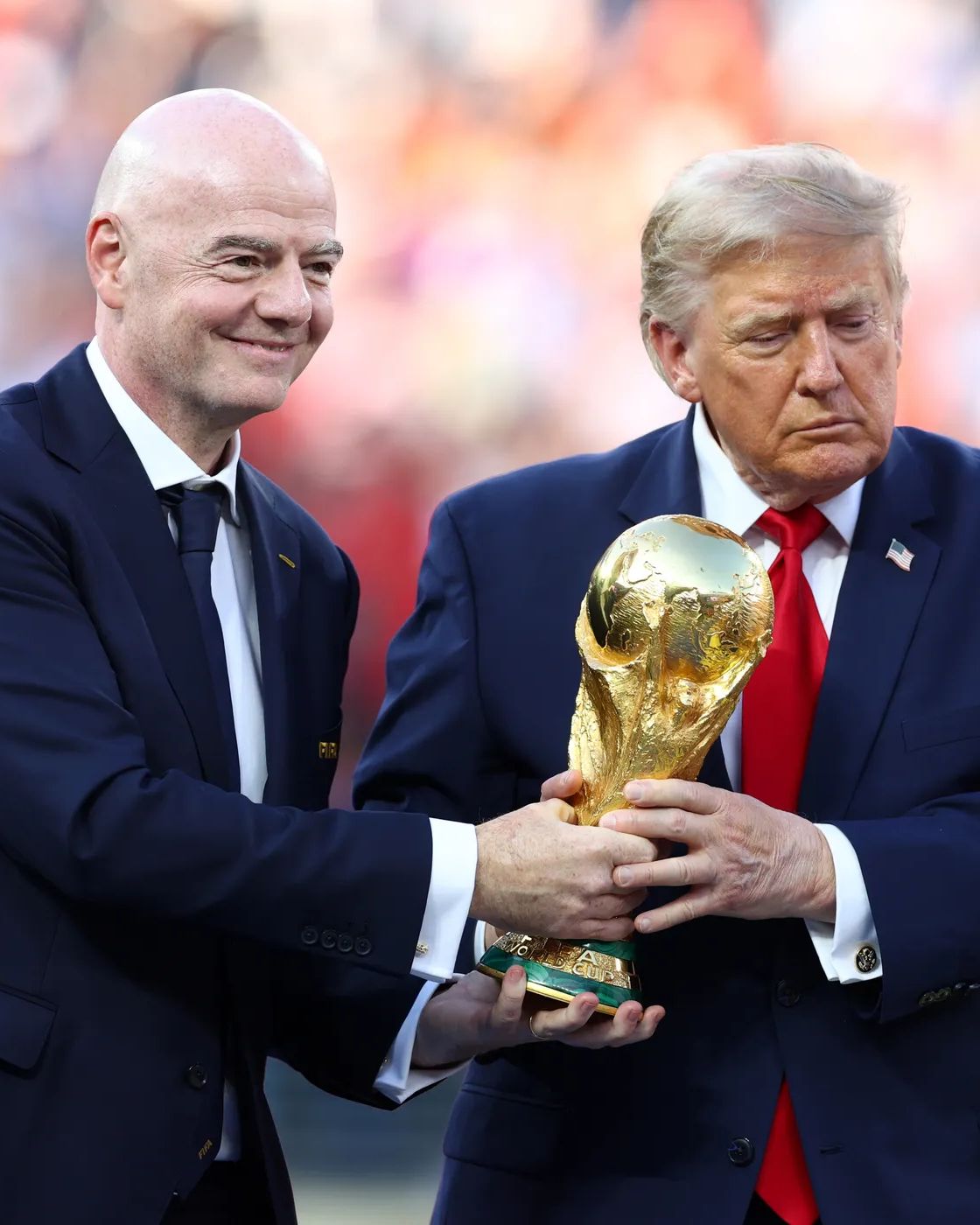
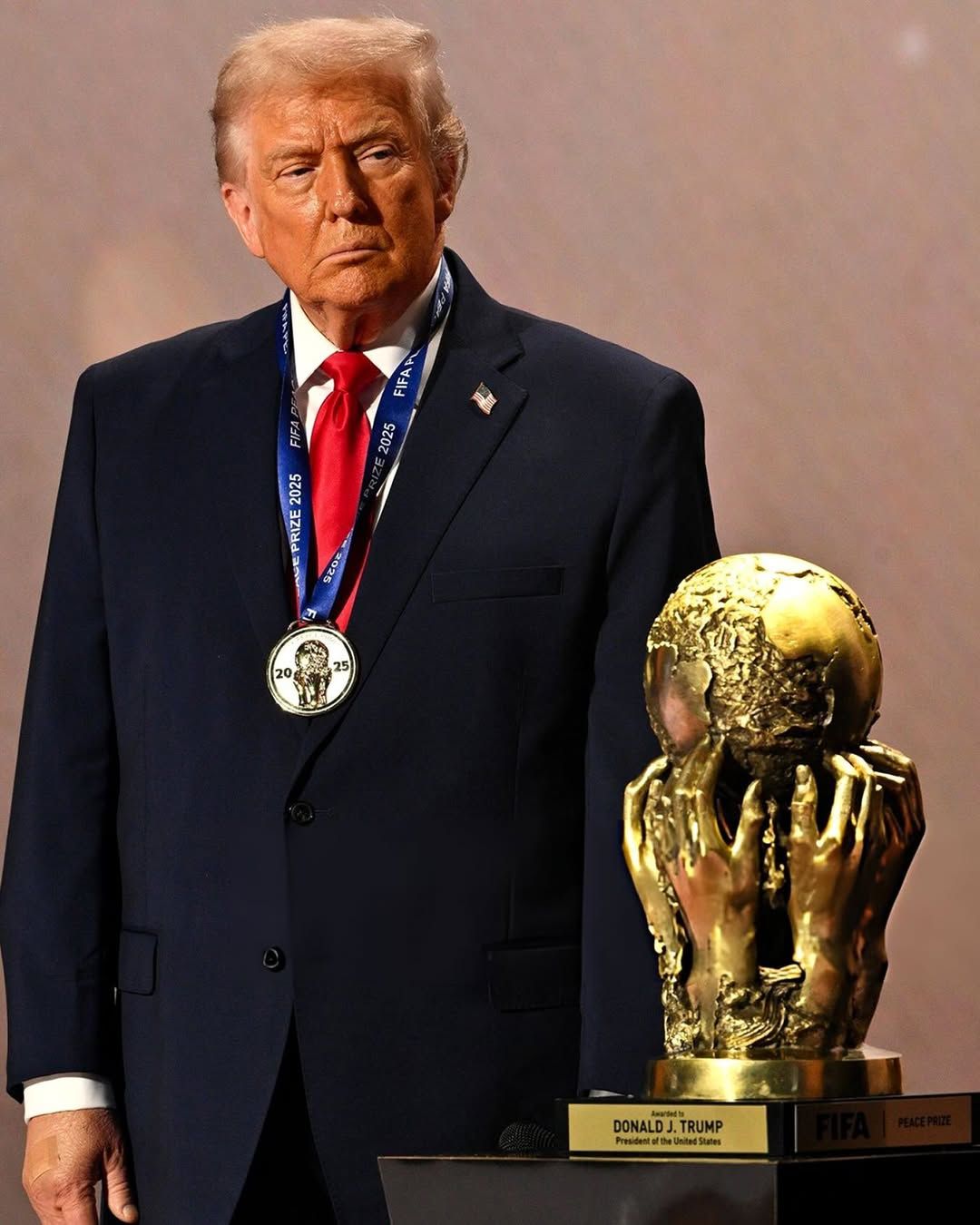
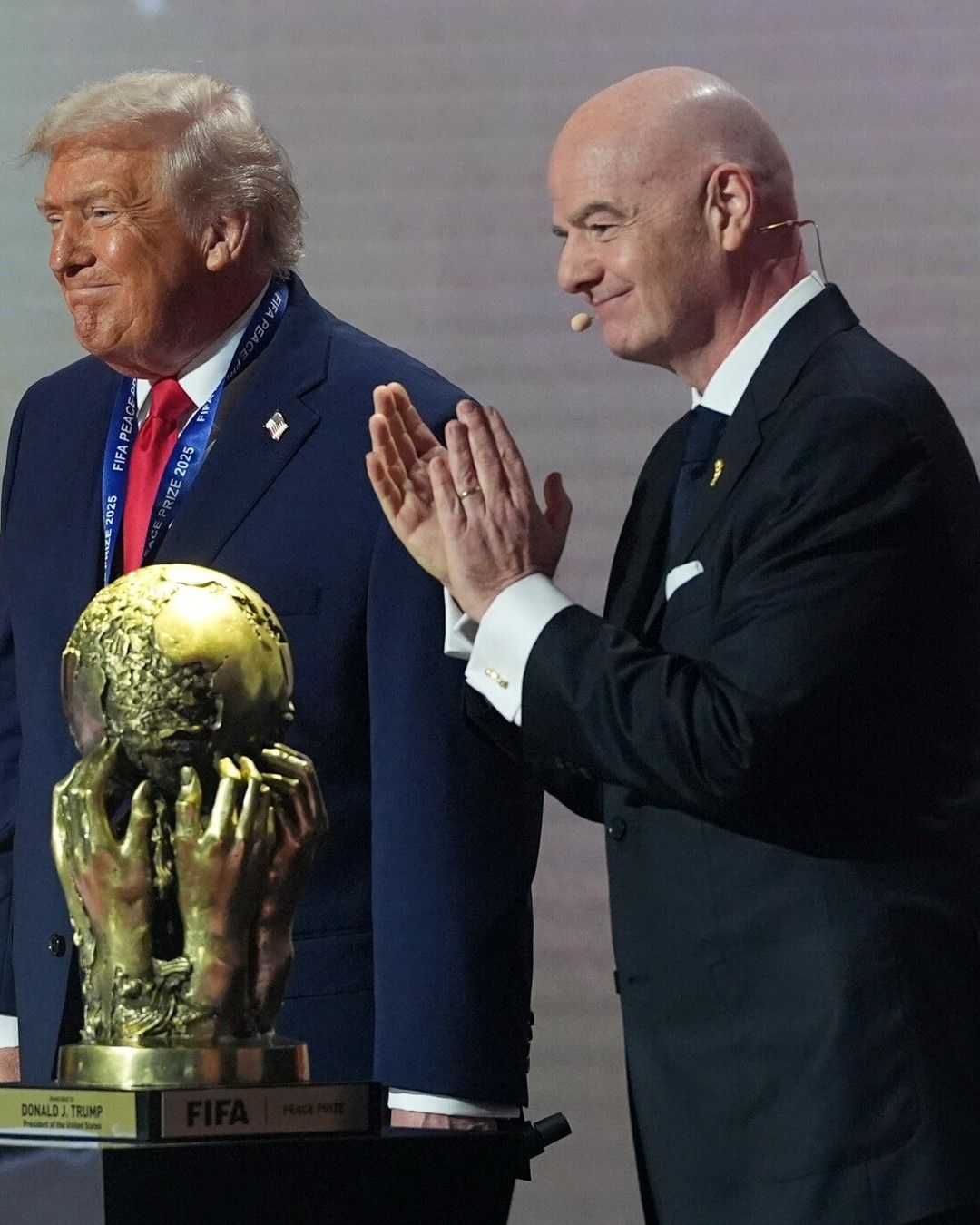
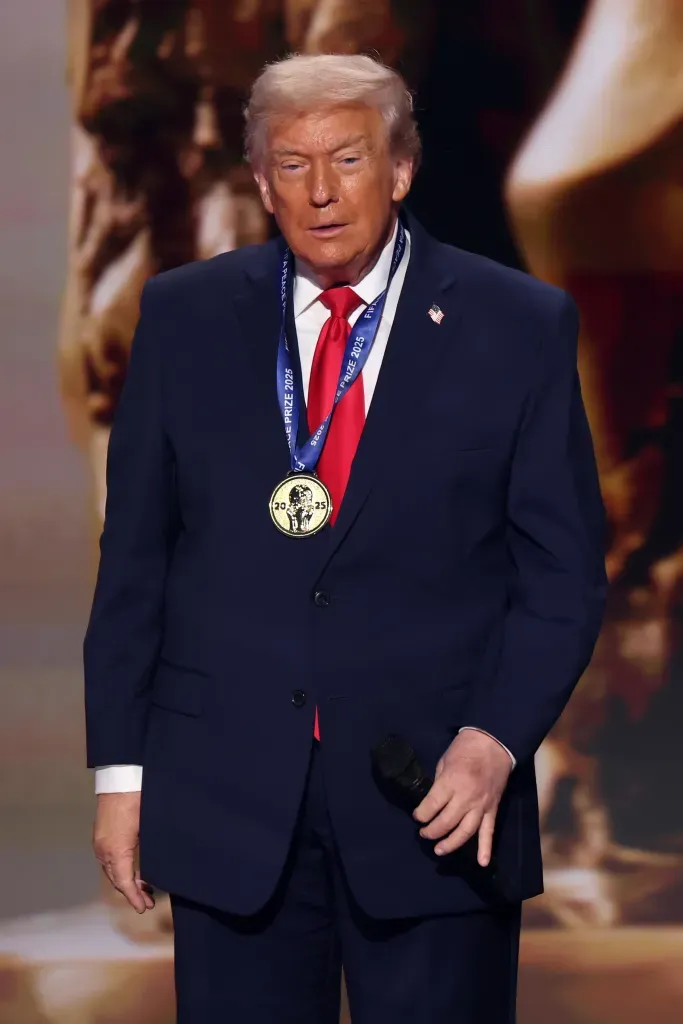
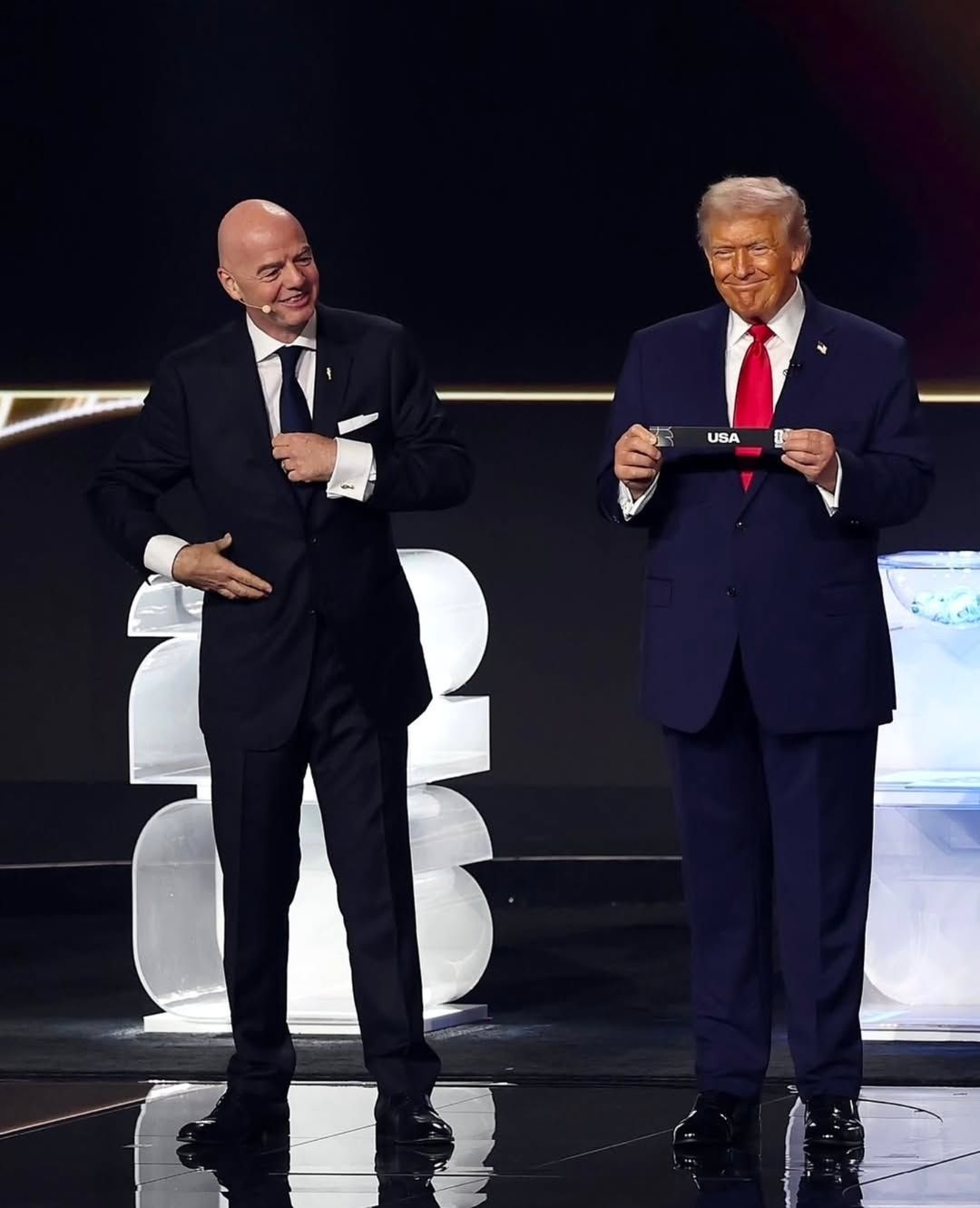
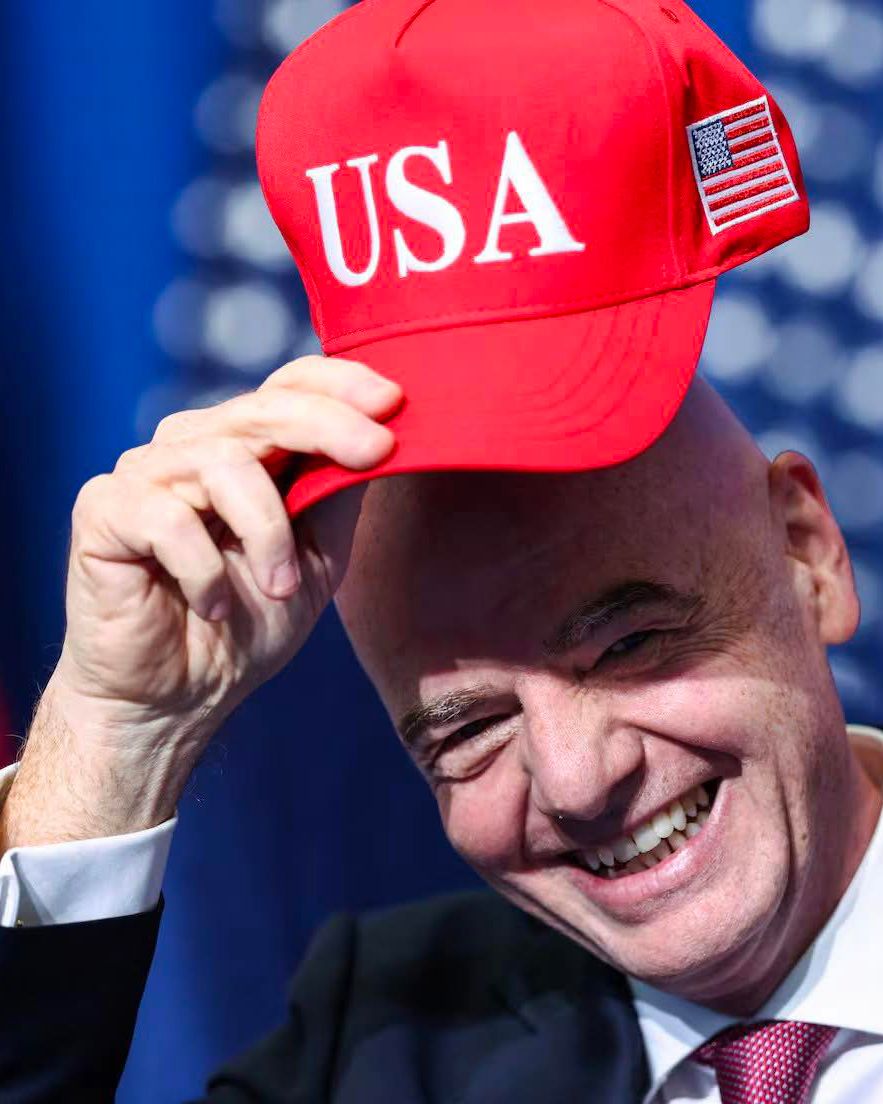
To be fair, there are any realistic possibility that FIFA would strip the United States of hosting duties, whether for economic reasons—given the revenue already generated through ticket sales and broadcasting rights—or for political ones, considering the close relationship between U.S. President Donald Trump and FIFA President Gianni Infantino. A relationship that has so far resulted in a series of symbolic gestures: Infantino awarded Trump the FIFA Peace Prize last December 5, a surrogate for the Nobel Peace Prize, while Trump decided to include FIFA in the Board of Peace, the organization he founded to promote peace in conflict zones.
Iran has qualified: what happens next?
Iran is one of the 42 teams, out of 48 in total, that have currently secured qualification for the World Cup. Team Melli has been drawn into Group G alongside Belgium, Egypt, and New Zealand. Their opening match is scheduled for June 16 against New Zealand at SoFi Stadium in Inglewood. In their second group match, Iran will face Belgium on June 21, again in Inglewood, while their final group-stage game against Egypt is set for the night of June 26 in Seattle. At present, there is a scenario in which Iran and the United States could meet in the Round of 32 should both teams finish second in their respective groups.
Beyond this scenario, the issue must be examined from multiple perspectives. The first, if we may call it that, is bureaucratic. Even before the bombing that began overnight between Friday and Saturday (Italian time), Iranian citizens were not authorized to enter the United States due to the travel ban imposed by President Donald Trump. Although the order provides for entry exemptions for those participating in sporting events, The Athletic reported that in December 2025, during the World Cup draw, several officials from the Iranian Football Federation were denied the necessary visas. Now the federation itself, through comments from its president Mehdi Taj, has suggested that at present it is difficult to foresee Iran’s participation, but that "it will be up to the leaders of the sporting world to make a decision." Meanwhile, FIFA has reiterated its intention to stage the tournament with the teams currently qualified.
Will 2026 be the most politicized World Cup ever?
The second reflection is more humanistic in nature. Until now, we had written that the 2026 World Cup would be decisive for the United States insofar as the tournament could mark a turning point for the definitive expansion of soccer in the U.S., elevating the sport from a secondary pastime to a mass phenomenon akin to what it represents in Europe. Yet the new geopolitical developments alter this perspective, placing the 2026 World Cup on the same plane as the fascist World Cup of 1934 and the Argentine edition of 1978: tournaments organized in such a way as to serve as instruments of propaganda, overshadowing the political actions of the government. On the horizon, there appears to be no change of course for the Trump administration, which seems destined to continue pursuing an aggressive policy across all fronts. In that context, few can dismiss the argument that the 2026 World Cup will be the most politicized in history. It was a sentiment already felt in the summer of 2025 during the Club World Cup, and one that has only intensified in light of the very real possibility that a national team duly qualified for the tournament may ultimately be unable to participate due to the consequences of military actions carried out by one of the host nations.
What to read next
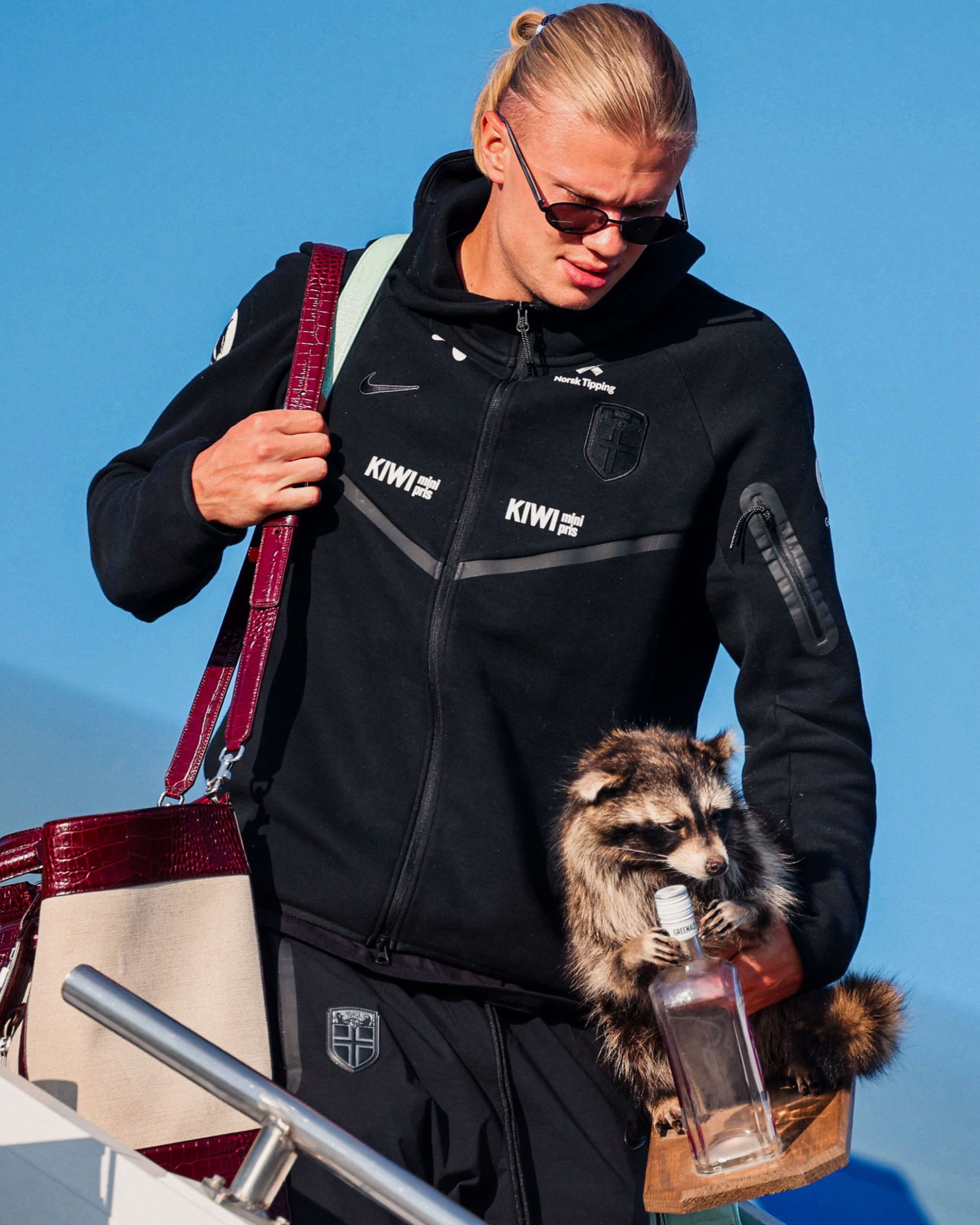
Erling Haaland gained almost 30 million Instagram followers during the 2026 World Cup
It's all about goals, viking row and memes
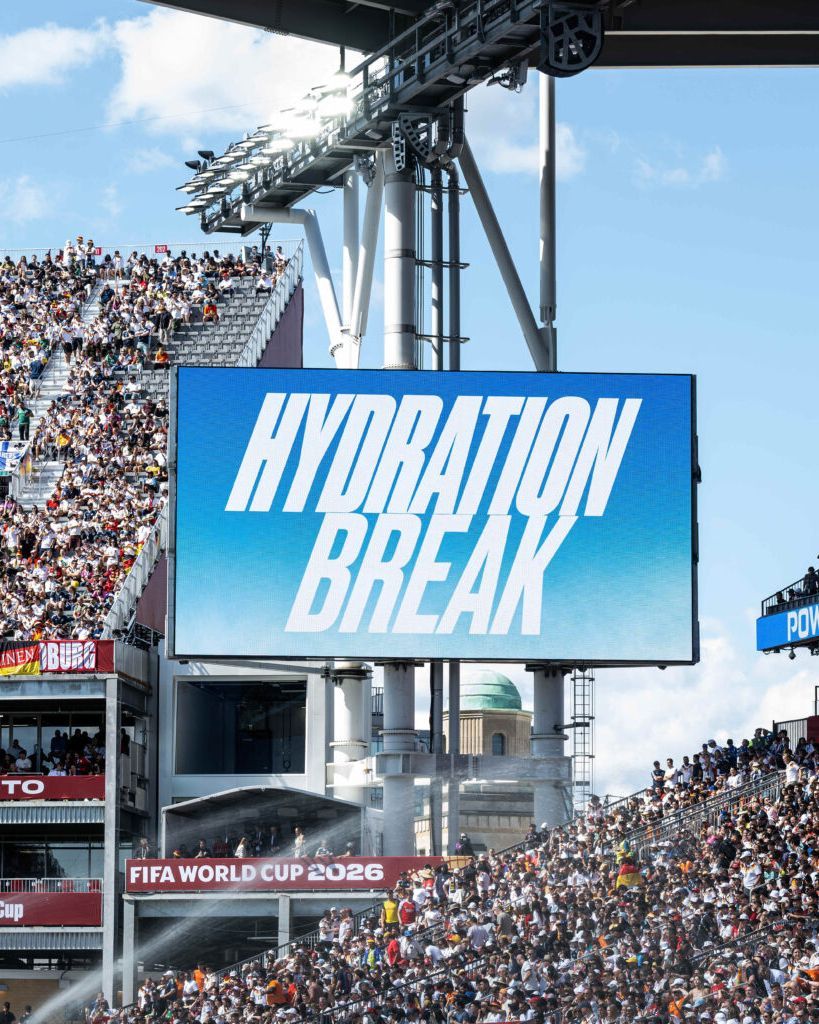
The ultimate 2026 World Cup Glossary
In ten years' time, we'll still be talking about the hydration break and the Viking row