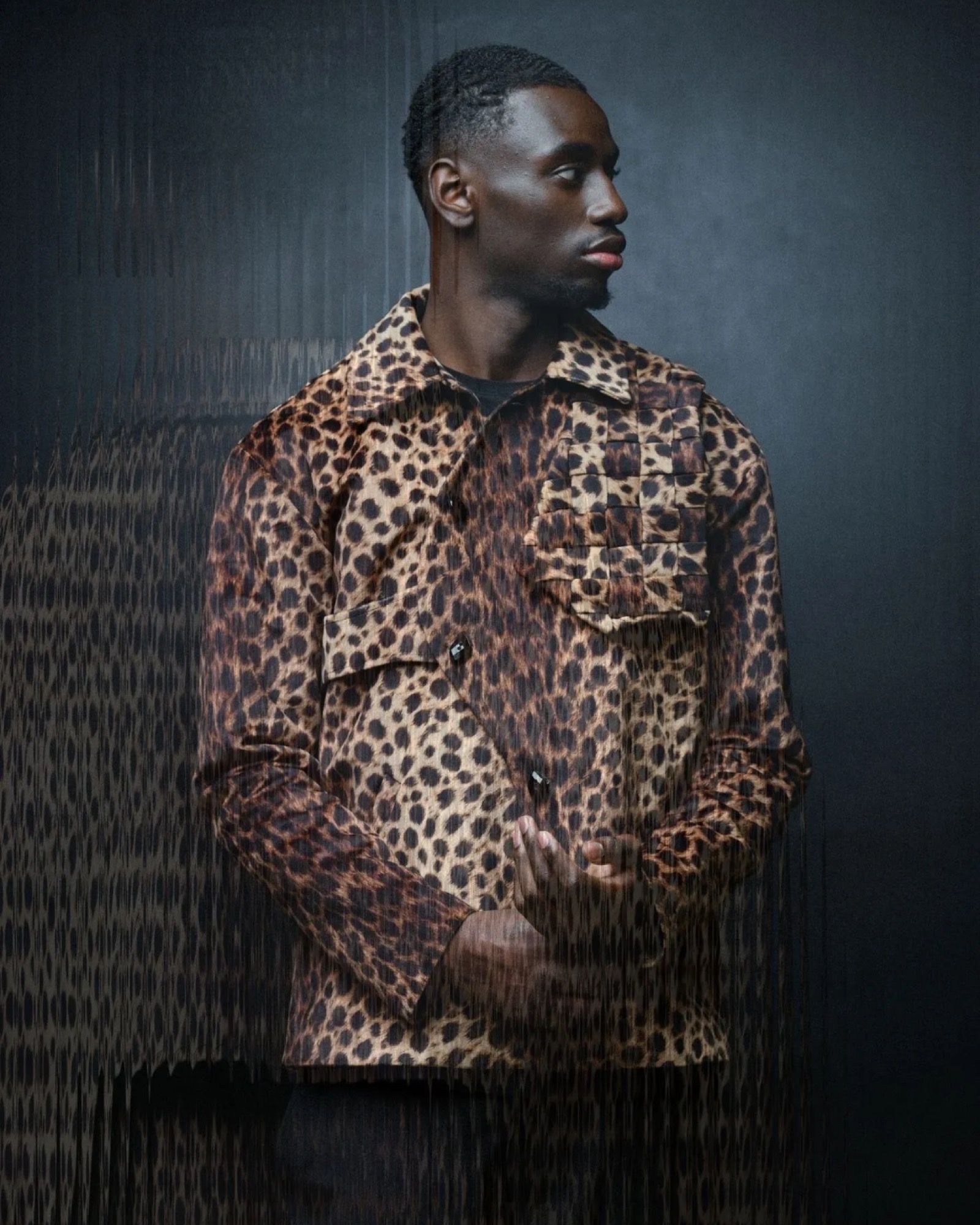
The Congo’s formalwear is the surprise of the AFCON A creation by Alvin Junior Mak
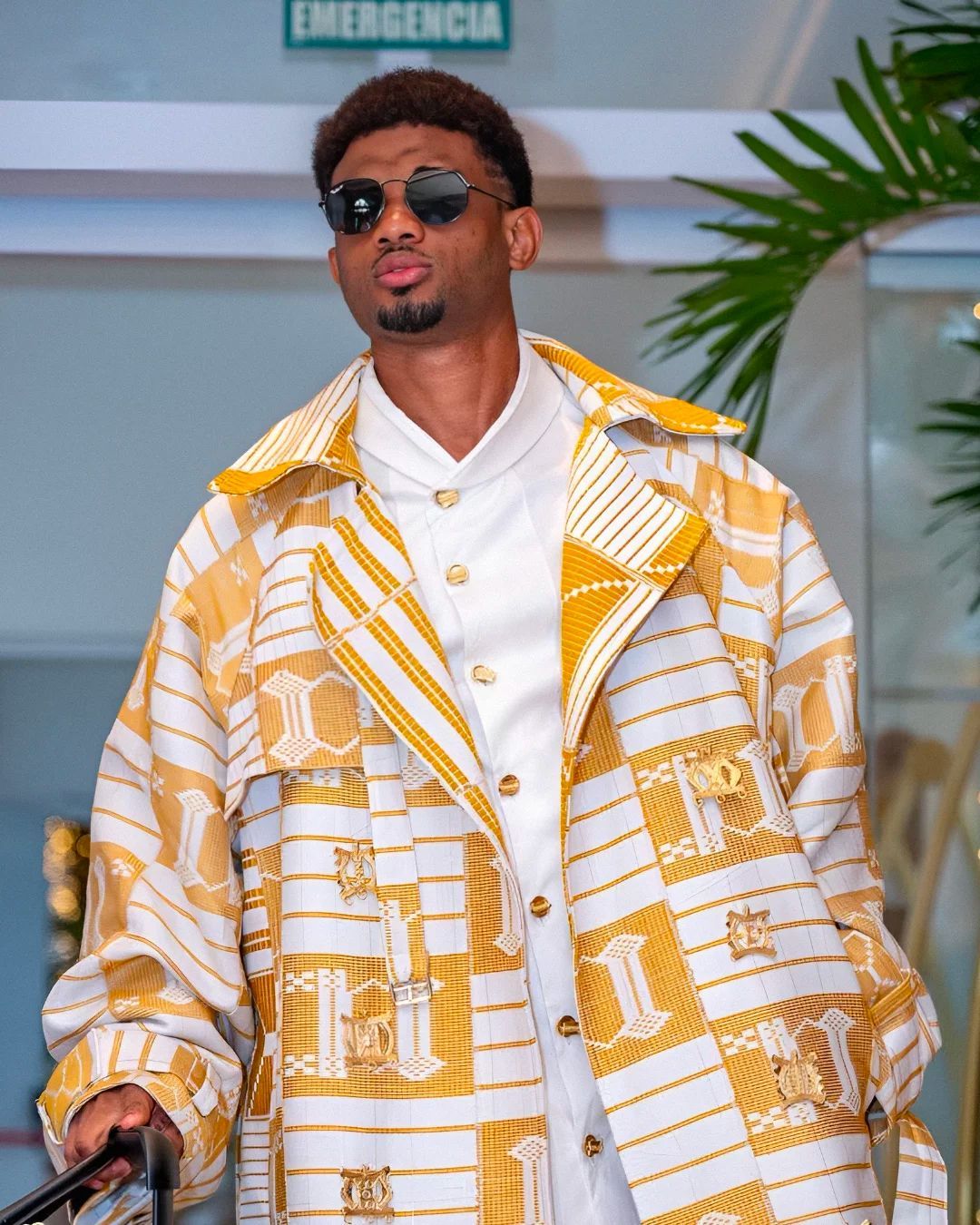
So far, the 2025 Africa Cup of Nations has captured attention mainly for the kits worn by the national teams—both those still in the tournament and those eliminated during the group stage. Less space, however, has been devoted to the formalwear looks in which players from the various teams arrived at the stadiums in Agadir, Mohamed V, Moulay Abdallah, Tangier, Fez, and Marrakech.
There is, however, one exception—and that exception is the Congolese national team, eliminated in the group stage due to a 90th-minute goal by Algeria. The Congo national team in fact “rejected” the traditional lines of their country’s attire, opting instead for classic silhouettes reinterpreted with an all-over leopard velvet pattern, applied to a buttoned jacket with an asymmetrical closure designed by Alvin Junior Mak.
Just to give a sense of the Congolese team’s choice, the national teams of Ivory Coast, Benin, and Senegal instead showcased tunics and boubous during the first week of the competition.
Who is Alvin Junior Mak?
Alvin Junior Mak, of Franco-Congolese origin, is the founder of the brand JmakxParis, and he chose to work with a pattern that could perfectly convey the DNA of the national team. In an interview with GQ, he said he was disappointed by the look worn by the national team at the last Africa Cup of Nations in Ivory Coast. “In 2023 the players showed up wearing Dutch wax fabrics, a cotton textile with vibrant motifs whose name comes from the hot-wax production process, but which does not fully represent our culture,” he said, continuing: “The Congo is known for football, music, and fashion—the three cultural pillars of the country. The goal was to highlight a love of beauty, the elegance of garments, and a taste for opulence through clothing.”
Designers and formalwear
Alvin Junior Mak’s creation represents a one-off in the global landscape of national football teams: most of them, in fact, rely on major designers or large fashion houses to define their looks. Some examples include the Italian national team with Armani and the French team with Dior. Looking back, Euro 2024 was instead an excellent example of promoting smaller brands: from Portugal with Sacoor Brothers, to Croatia with Heraldi, and Albania with Altin Mici Atelier. Even Poland’s head coach, Michał Probierz, had a dedicated fashion partner, Lancerto.
Congo, with Alvin Junior Mak, opted for a truly custom-made choice. Certainly, the status of the Congolese national team made it possible to take this freedom—a choice that would be difficult to adopt for heavyweight national teams such as Italy or France.
What to read next
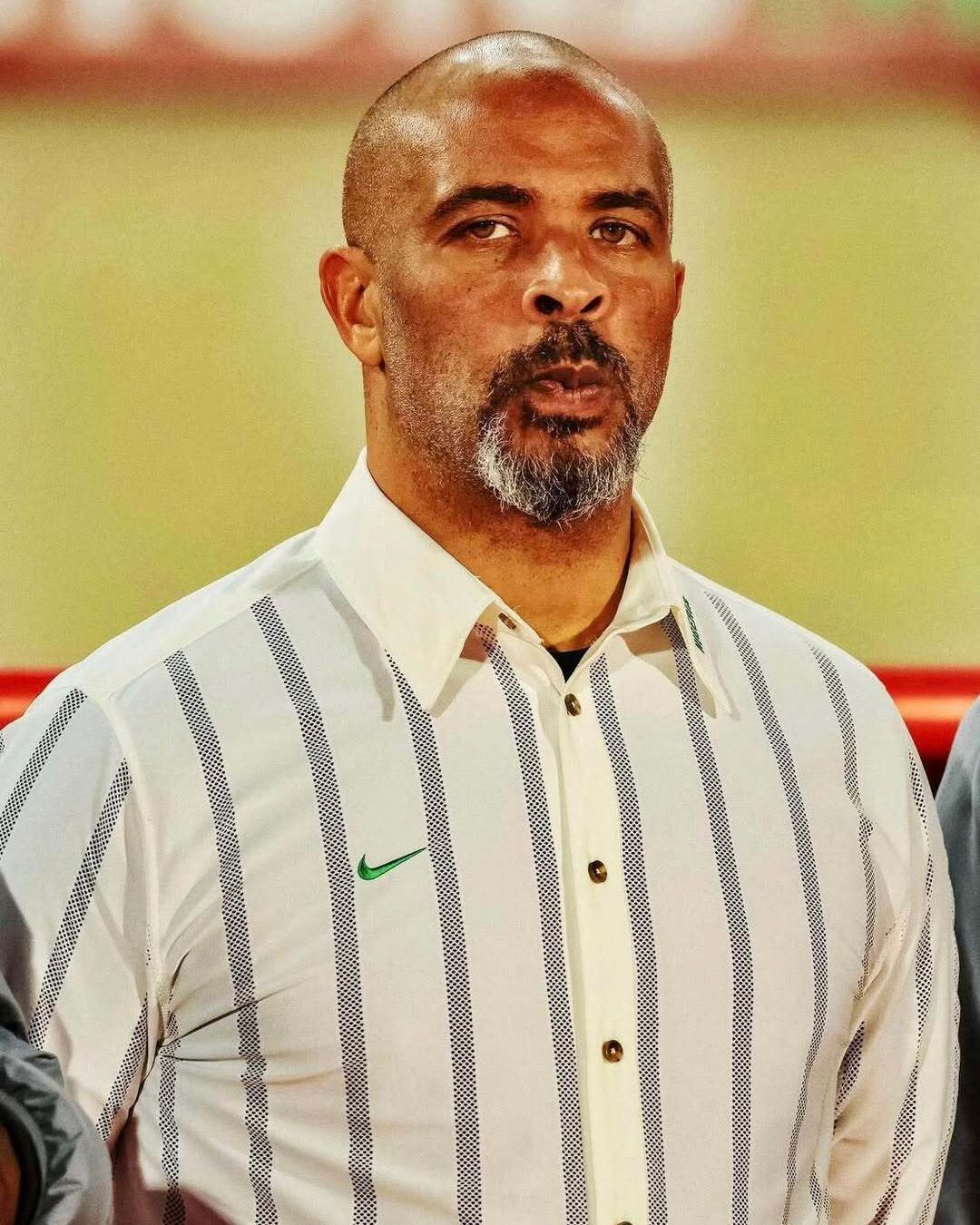
How Éric Chelle redefined style at AFCON 2025
Nigeria's head coach stole the show thanks to his impeccable outfits