





























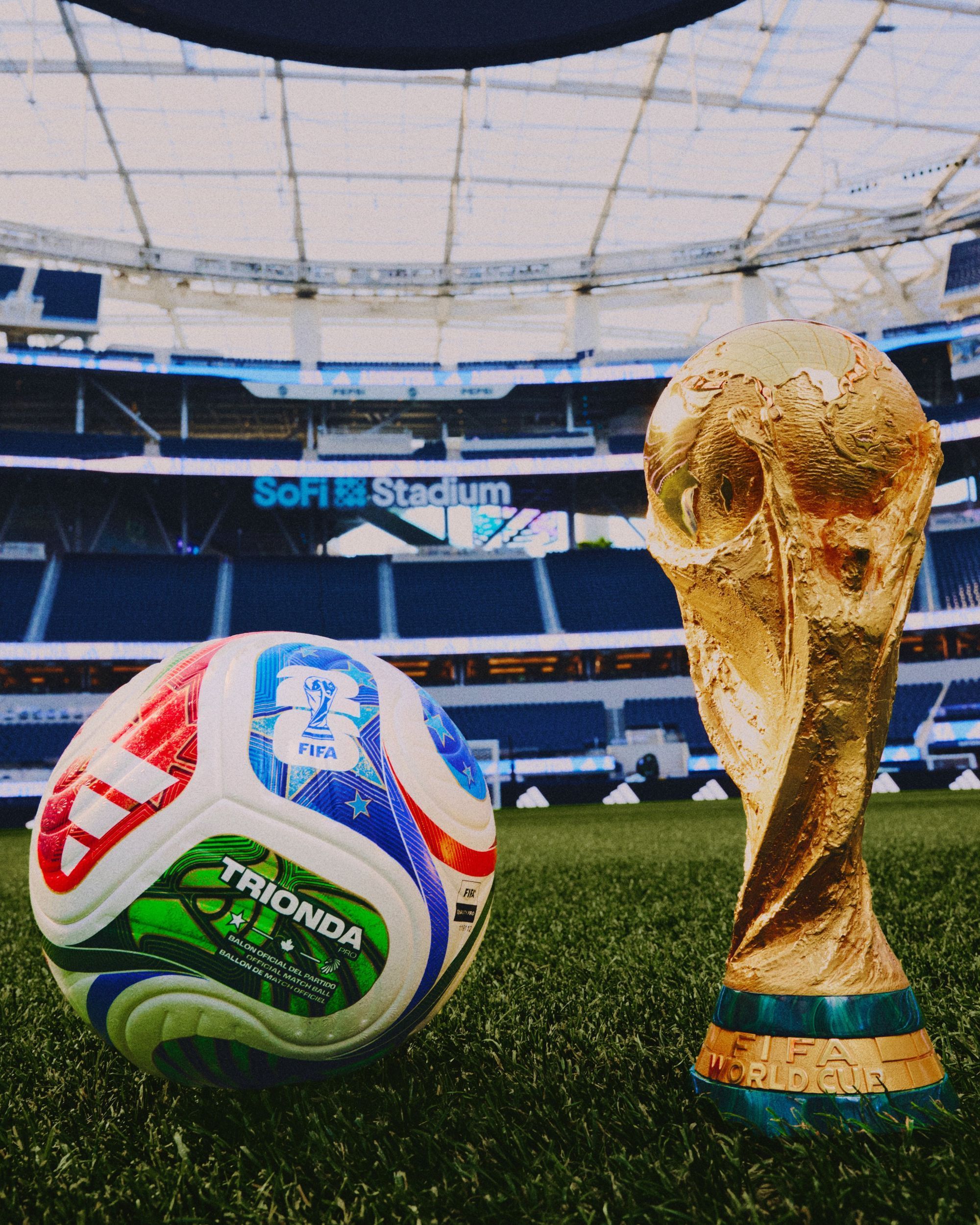
We can watch the 2026 World Cup 2026 on YouTube But only 10 minutes per game
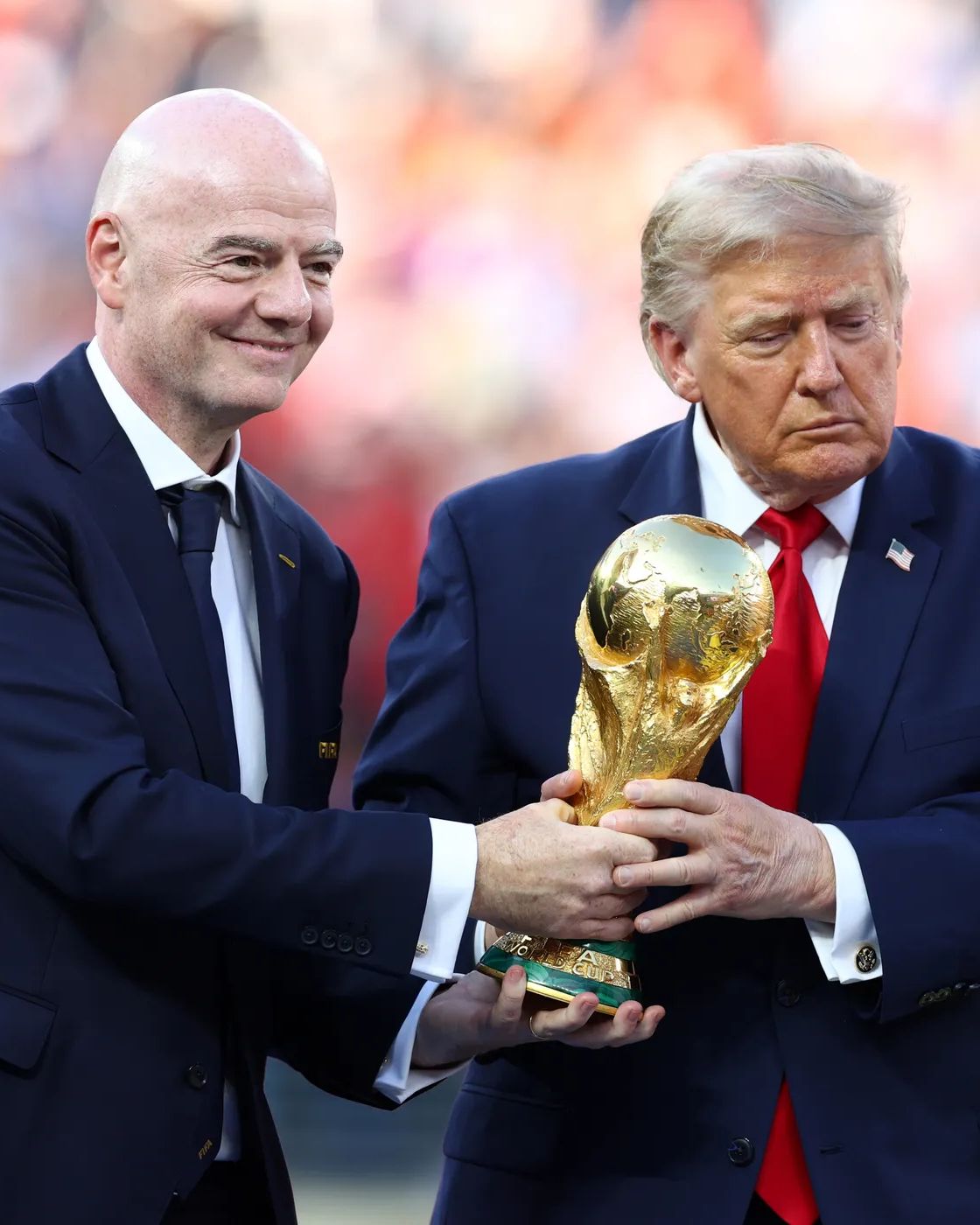
FIFA is finalizing the last commercial agreements for the sale of TV rights for the 2026 World Cup, set to take place next summer across the United States, Canada and Mexico. Within this context, on March 17 a surprising piece of news arrived: president Gianni Infantino closed what the official statement described as an innovative agreement with YouTube, which will become the Preferred Platform for the next edition of the FIFA World Cup.
How to watch the 2026 World Cup on YouTube
The most important detail of the agreement between FIFA and YouTube allows all Media Partners — meaning the broadcasters holding the television rights — to live stream the first 10 minutes of every match on their YouTube channels. As stated in the official release: "Media Partners will be able to stream a select number of matches in full on their YouTube channel, engaging global audiences and promoting where to watch more of the competition." In addition to that, Media Partners will also be able to publish highlights, extended highlights, behind-the-scenes content and shorts on their channels, monetizing these formats alongside other premium content made available during the tournament.
Who will broadcast the 2026 World Cup in USA
According to estimates provided by FIFA, the organization expects to generate just under $4 billion from the sale of television rights for the 2026 tournament. The most lucrative deal, according to figures circulating on specialized outlets, is the one signed with FOX Sports in the United States, worth a total of $480 million. As for Italy, Repubblica reports that DAZN spent between €35 and €50 million, while Rai paid between €110 and €120 million, although the agreement includes a clause that would reduce the figure to around €70 million in case Italy fails to qualify.
How much the 2026 World Cup TV rights are worth
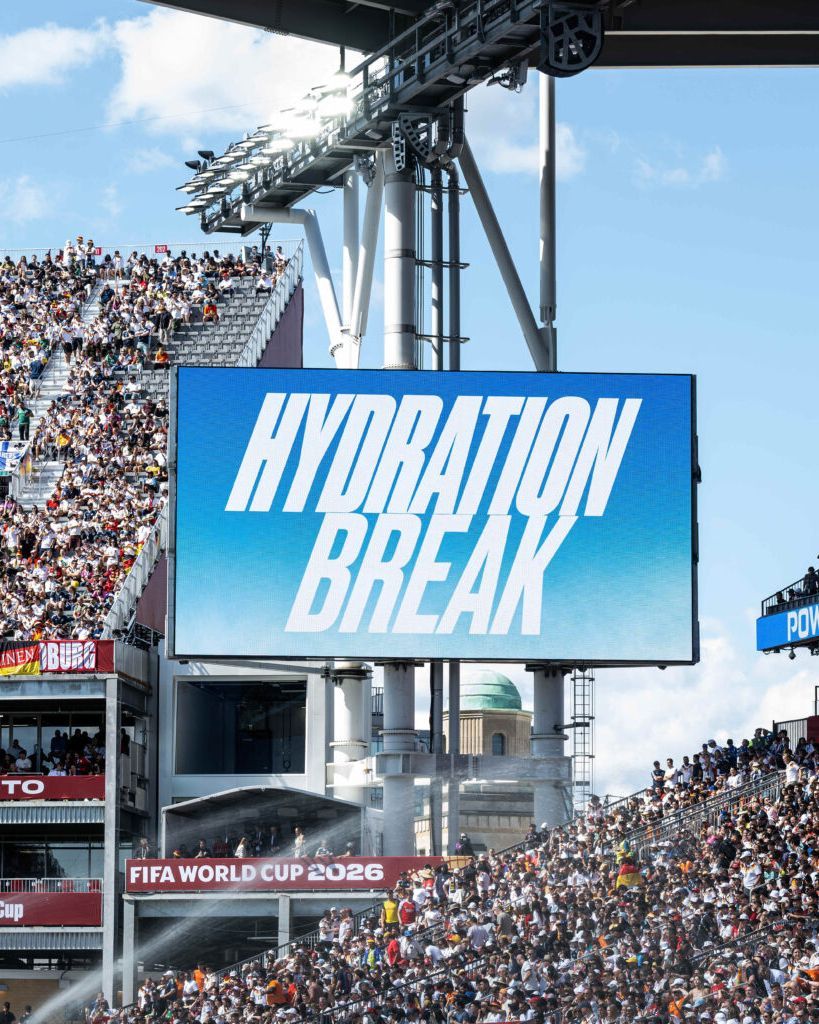
As repeatedly emphasized by president Gianni Infantino, FIFA’s goal is to generate more than $11 billion in revenue from the 2026 World Cup. Beyond TV rights, the biggest revenue streams will obviously include ticket sales and commercial partnerships. This also connects to another interesting development: in December 2025 FIFA confirmed that all 104 matches of the tournament will feature a stoppage of play in both the first and second half, essentially the cooling break already seen in recent competitions. These interruptions will allow both Media Partners and FIFA to sell additional advertising slots — the equivalent of commercial breaks disguised as time-outs, similar to what happens in the NBA and the NFL.