

The marathon is run with your head An interview with Yeman Crippa
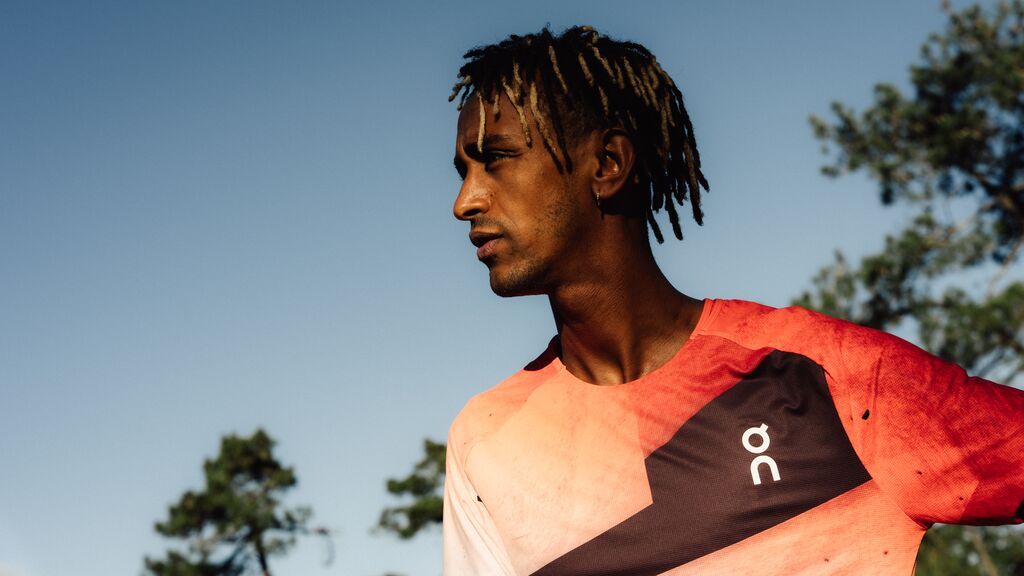
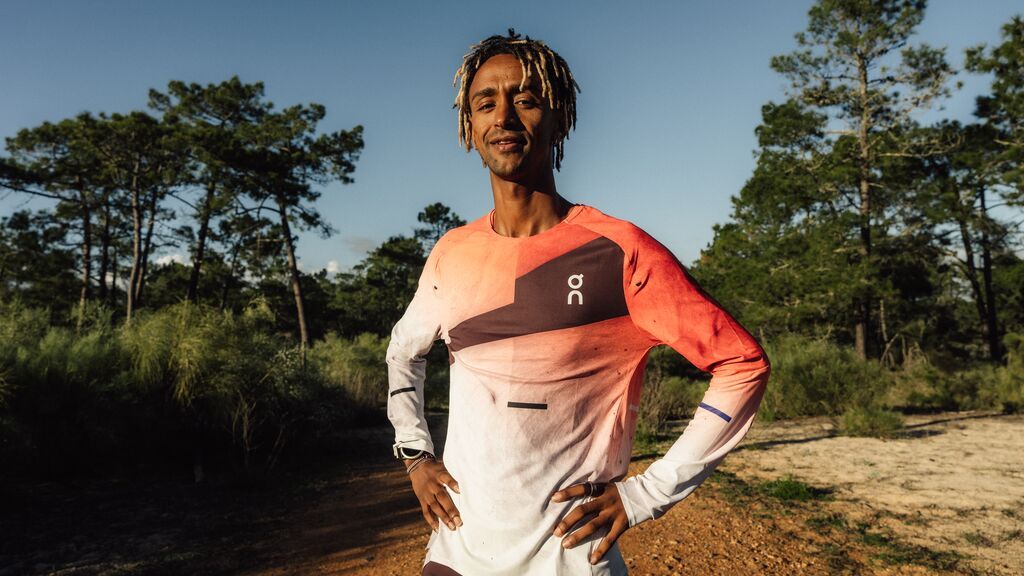
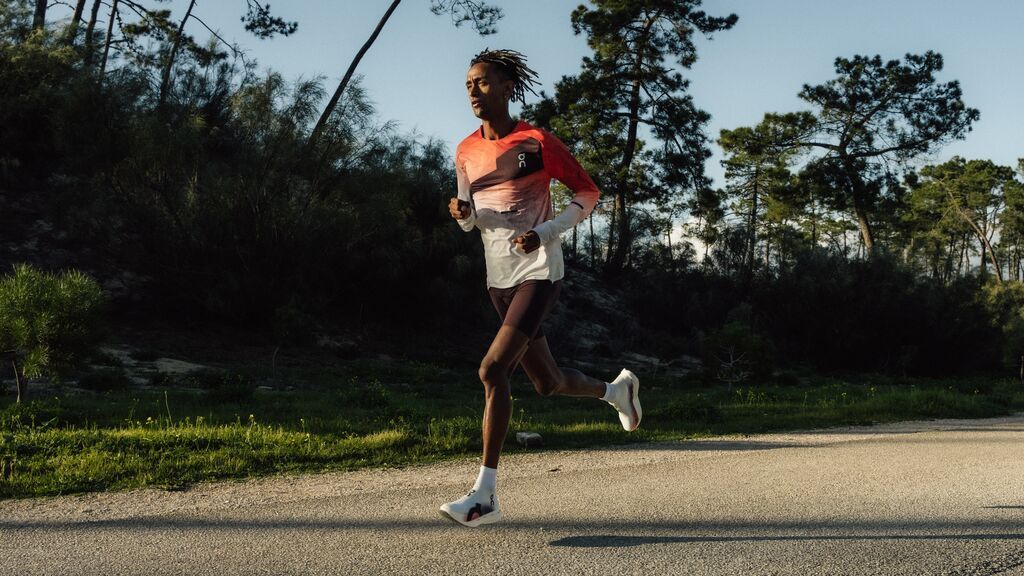
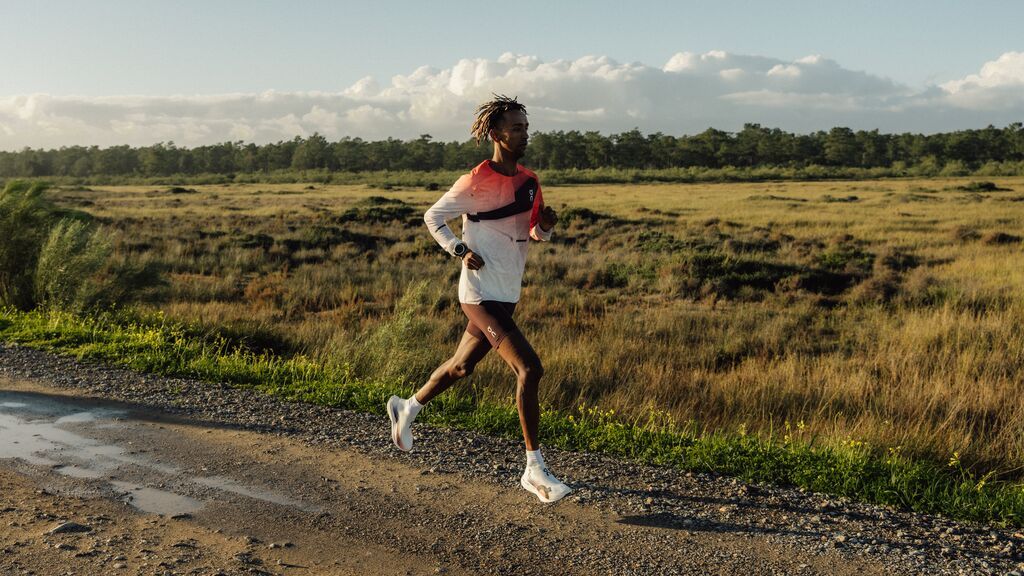
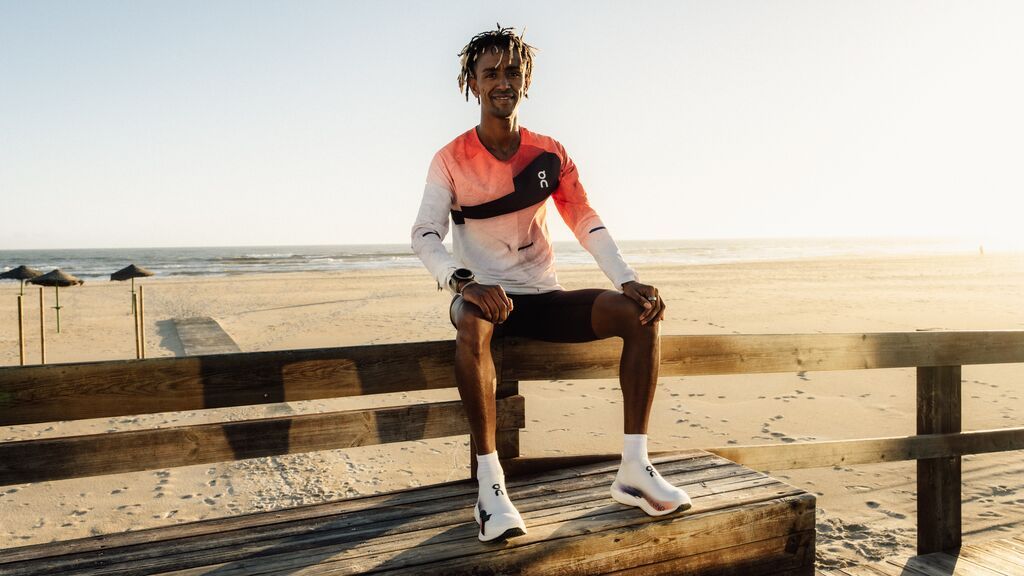
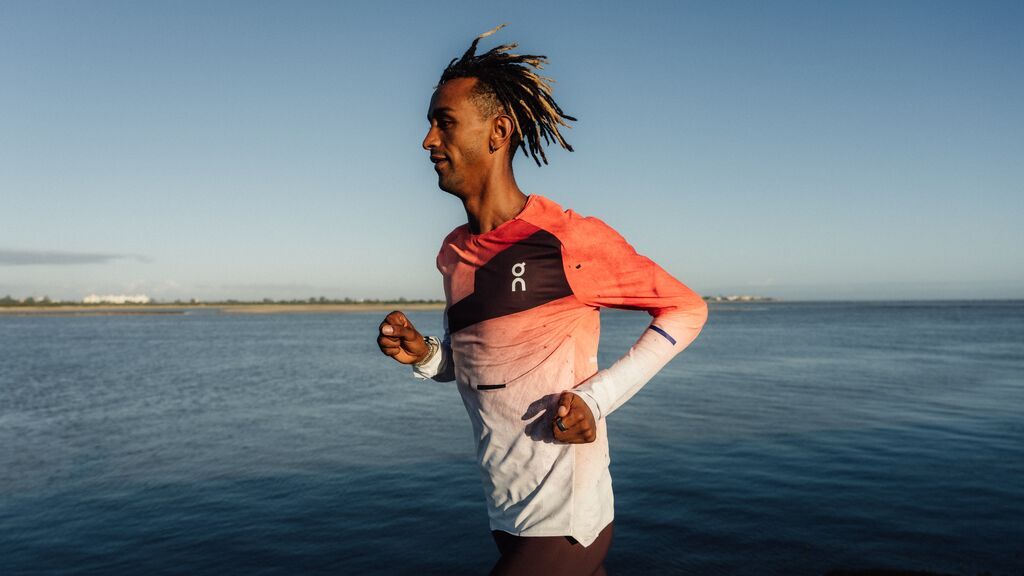
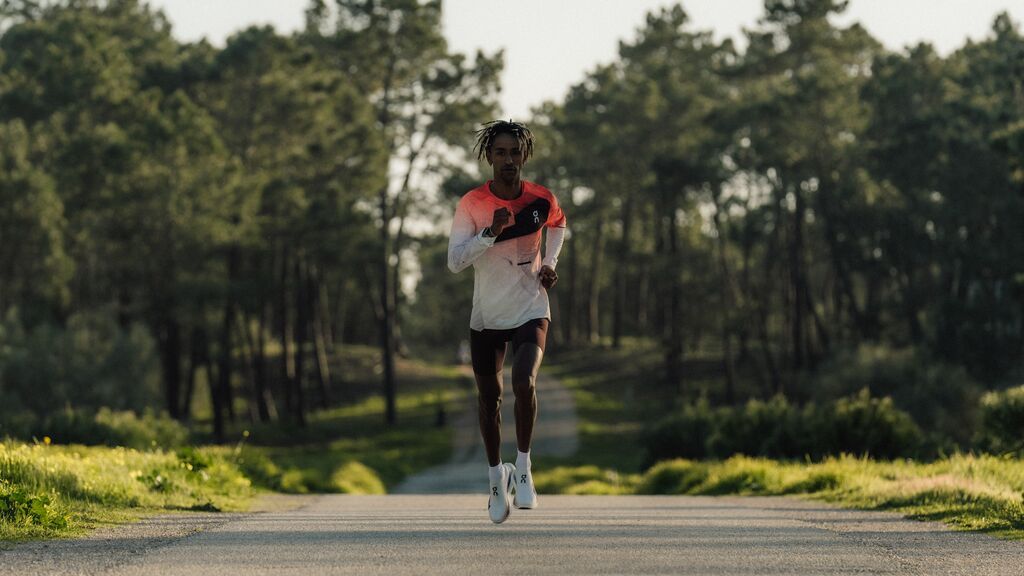
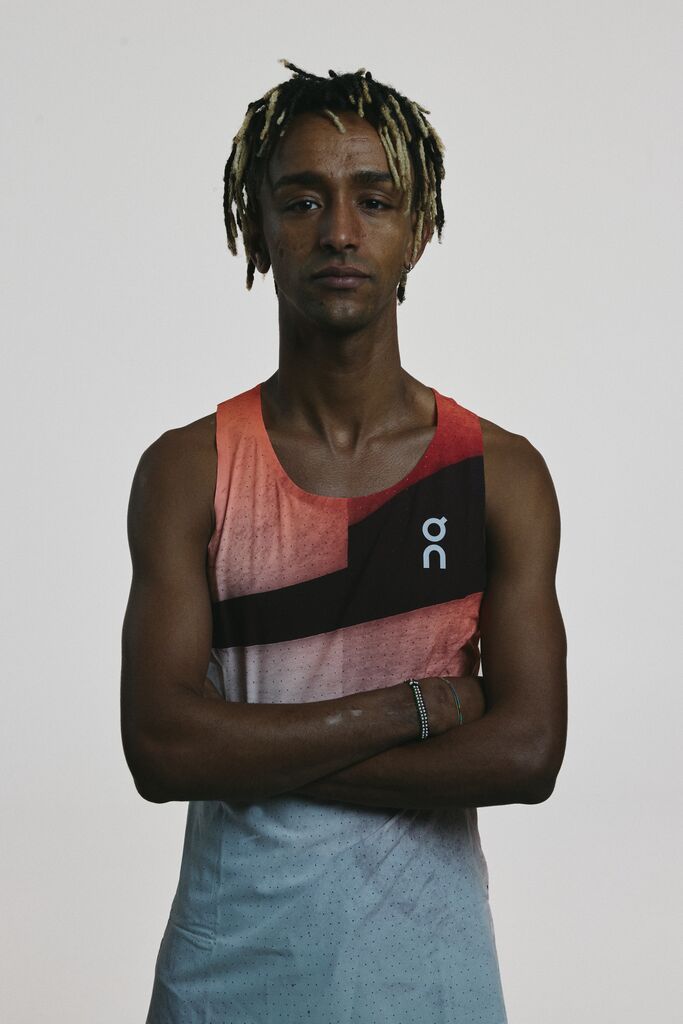
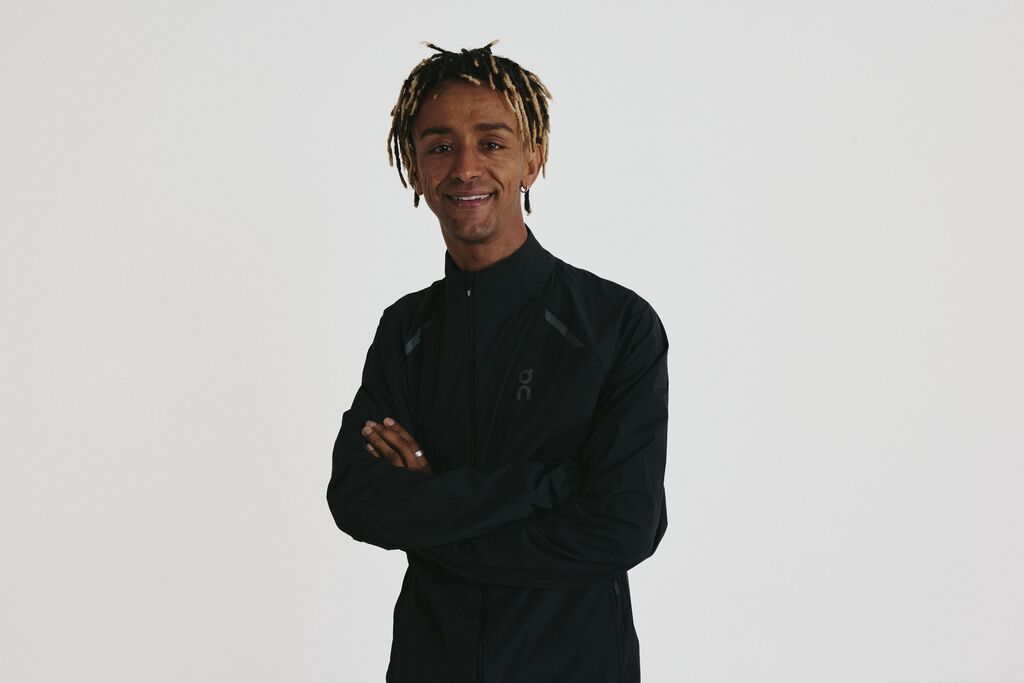
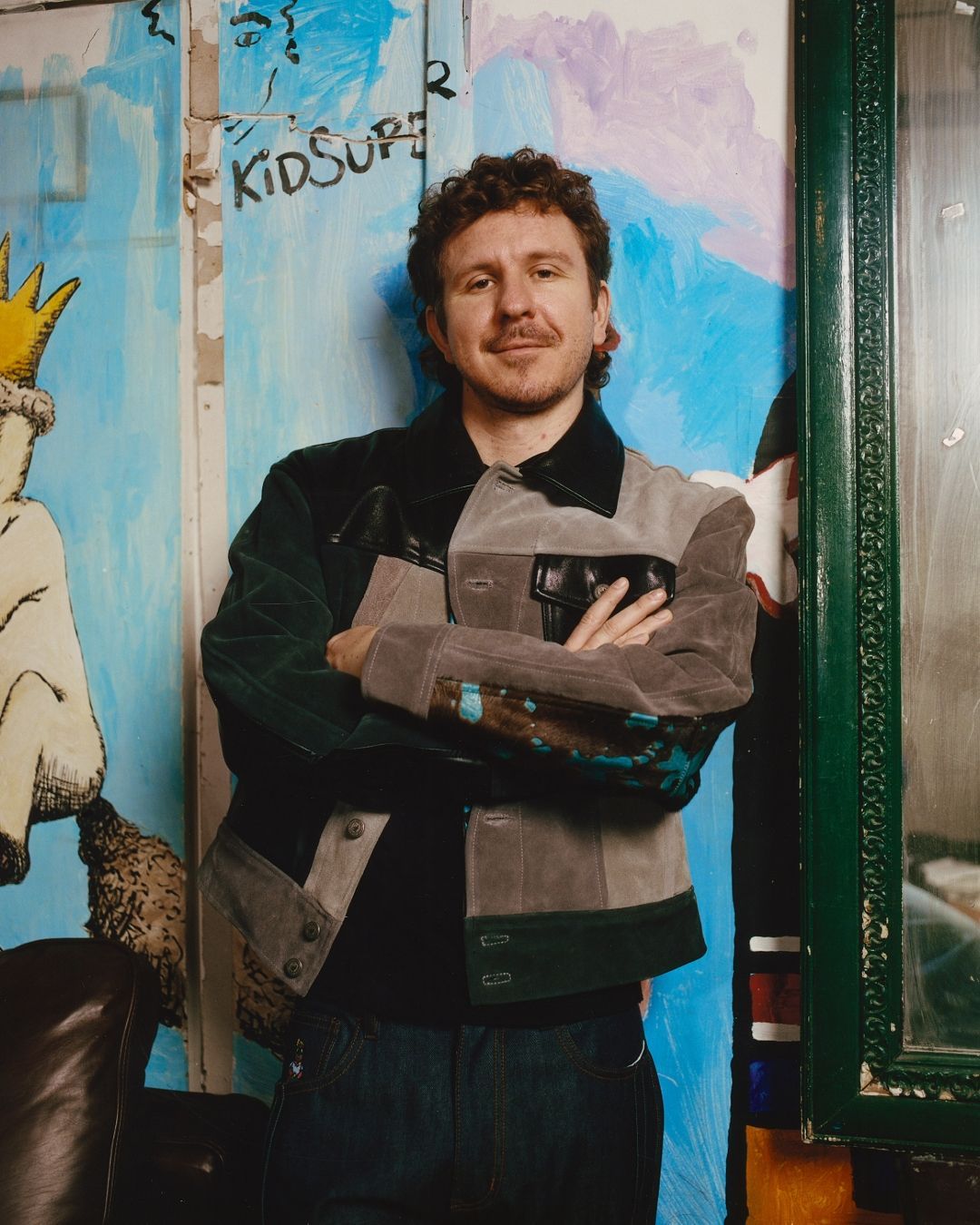
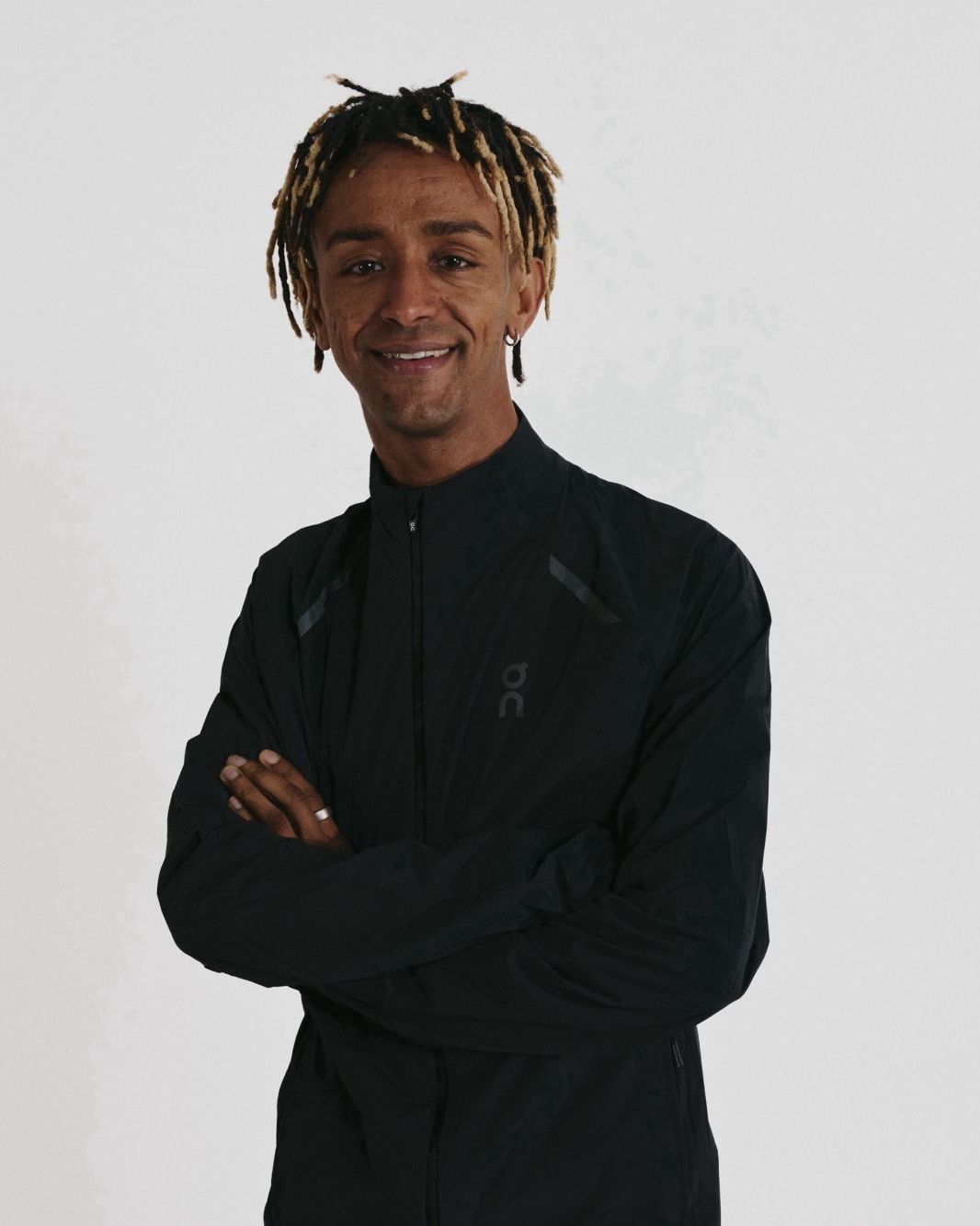
After his victory in the marathon in Paris, a historic result for Italian distance running, Yeman Crippa took some time off. A week in Yucatán, Mexico, before returning to Trento, to training and to a daily routine that, in his case, remains inevitably extraordinary. Because the success of April 12 in Paris is not only the story of the crowning of one of the finest marathon runners in the world, but is also intertwined with a personal narrative that Crippa himself feels he carries far beyond races, medals, the stopwatch, and performance.
Born in Ethiopia and adopted by a family from Trentino, Yemaneberhan Crippa does not reduce his journey to that of a simple athlete. He knows he represents something more. “I receive so many messages from people who were adopted, who have gone through the same difficulties as me, asking: how did you manage to turn your life around like that, to rebuild it, to chase your dreams despite everything, and achieve them?” These questions and moments, as Yeman himself explains, bring him back with pride to his story and the path that led him here. “I could have been in Ethiopia, never studied and never seen the world. Instead, fate decided that I would be one of the few lucky ones given a second chance to build a different future.” It is also from this that the strength was born that led him to win in Paris, sweeping away doubts, withdrawals, and questions about his future in the toughest distance.
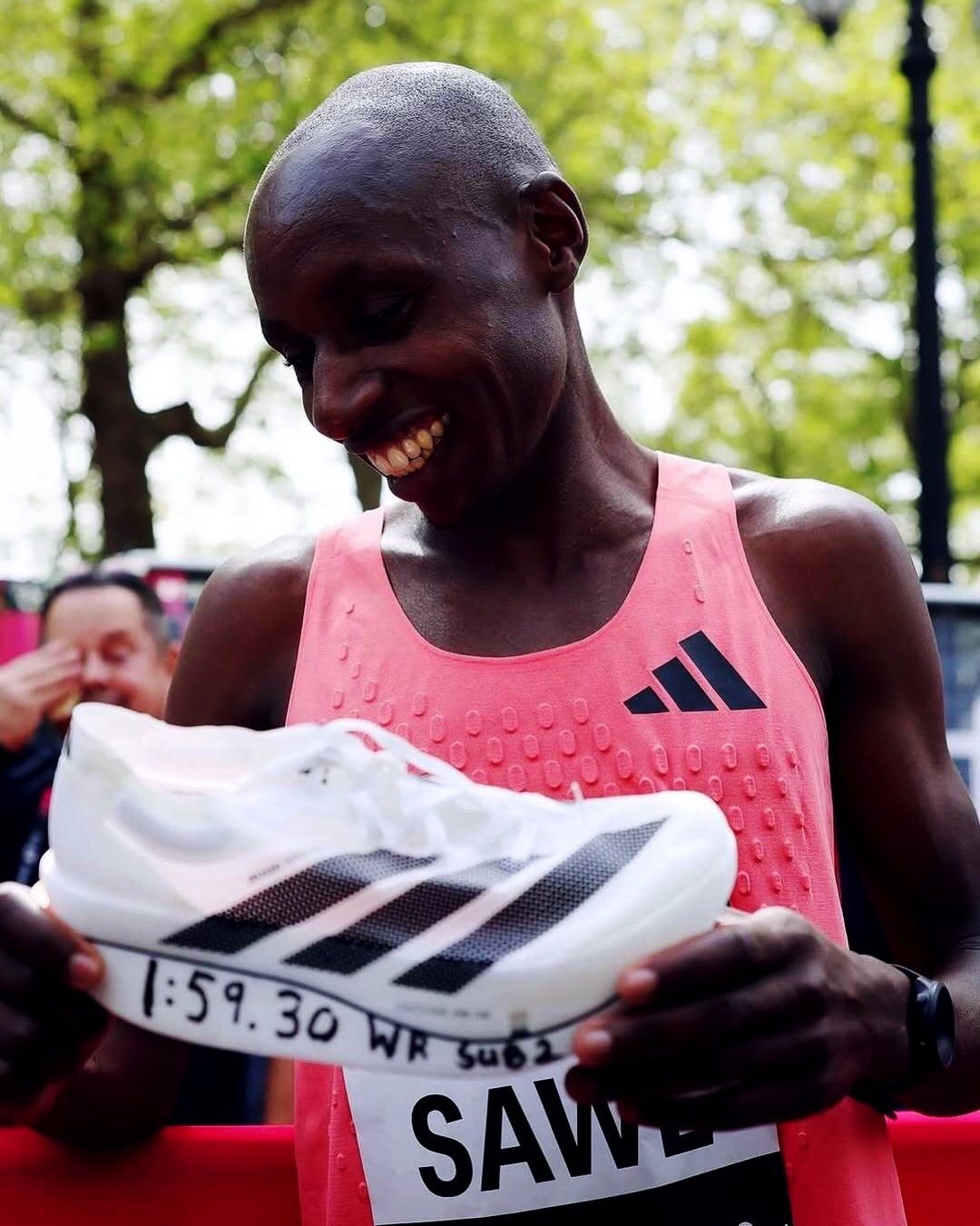
We met Yeman Crippa just after his return to Italy, the day after a historic Sunday for the global marathon scene—the timing revolution in London last weekend. “The start list was incredible: Sawe, Kejelcha, Kiplimo,” he says, “we expected something special, and it happened. For a few years now people have been trying to run under two hours—no one had ever managed it, but in London two athletes did. Truly unbelievable.”
Does it scare you at all?
“Scare me? No. Of course I’m very surprised, especially by Kejelcha (second place, ed.), who on his debut broke the old world record and achieved the lifetime goal of someone like Eliud Kipchoge, who tried for years and won so many marathons in 2:00, 2:01, but never under two hours. We’re entering a new era.”
Your new era, meanwhile, began on April 12 in Paris.
“Yes, it was a special day. I really wanted redemption and finally felt ready, both physically and mentally. Previous marathons hadn’t gone the way I wanted: two consecutive DNFs, two 2:12 finishes. I couldn’t wait for another opportunity.”
What were you thinking during the final kilometer?
“I was extremely emotional, incredibly pumped about what was happening. I was thinking: today a great race is unfolding, this is who I am, all the sacrifices I’ve made. And beyond the happiness, at the end, there was an emotion almost too strong—it was blocking me. My legs were moving, but I had this lump inside…”
The classic tightening up?
“Maybe, yes. I told myself: you’ve come this far, you’ve run a great race, you’re winning, you’re in front… and you freeze because you can’t handle the emotion? I quickly pulled myself together, and at the finish I was the happiest man in the world, because for me it’s a dream. I’m very happy and proud.”
What kind of confidence did it give you?
“It gave me reassurance. I wanted to redeem my previous marathons and prove something. Achieving this result and finishing strong, setting my personal best, confirmed that I’m on the right path—that the marathon is my distance. I can definitely improve a lot, but I needed that confidence. Because when people—even insiders—tell you ‘maybe you should change distance, run the 10,000, do this, do that,’ it can affect you. The result in Paris swept away those doubts. There’s still a lot of work to do, of course, but my body is suited to this distance, and I’ve proven it.”
At the finish line you celebrated by taking off a shoe and using it like a phone.
“A playful idea we came up with with my friends in Kenya last month while we were training. They told me: ‘If you win, celebrate like Remco Evenepoel in Paris’ (cycling, Olympics 2024, ed.). It was partly for fun and partly as a tribute to an athlete I really admire.”
By the way, what shoe was it?
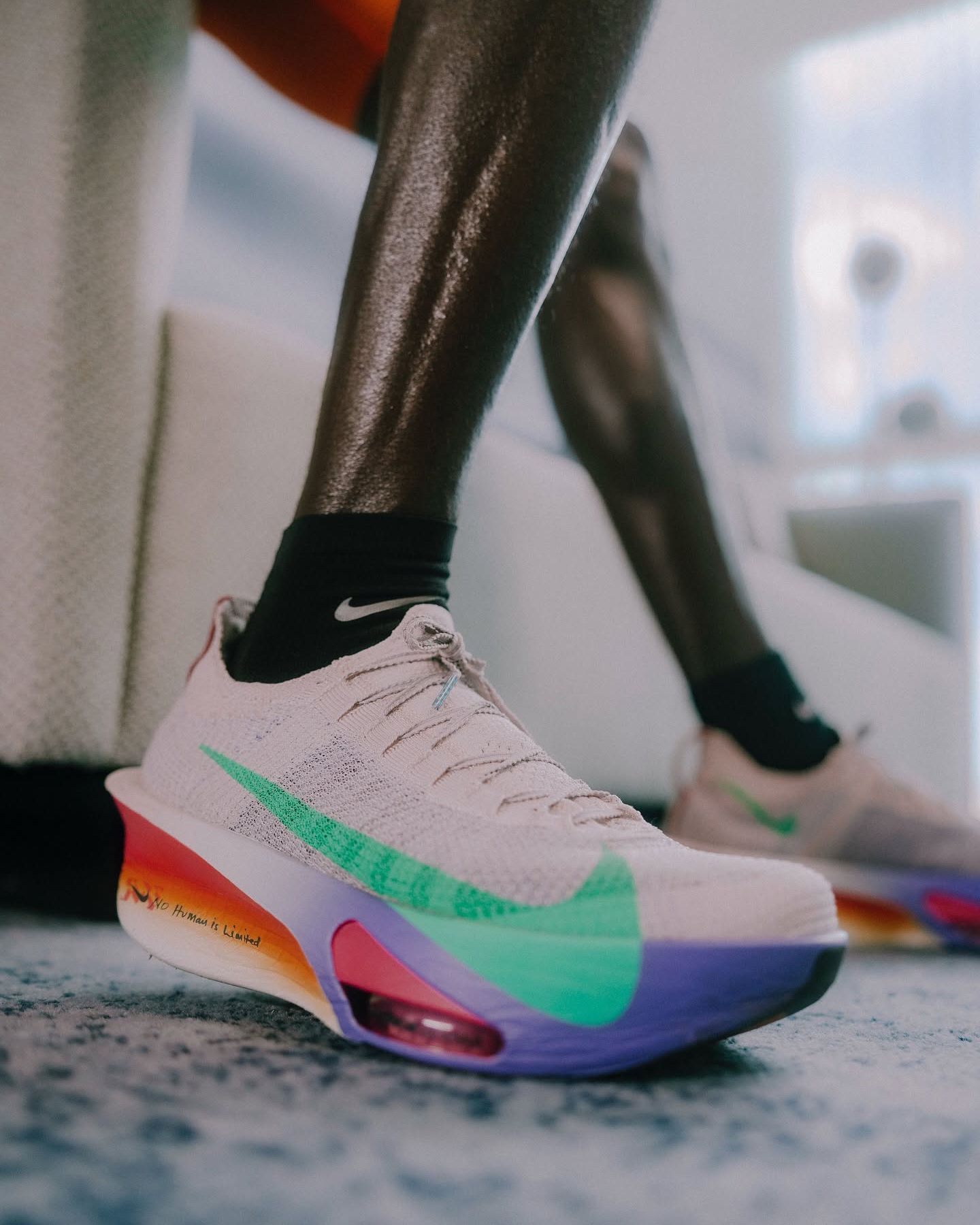
“It was a prototype of the On LightSpray Cloudboom, which I had the chance and honor to test in a race, even though testing is usually done in training. I felt very good in them, even better than previous shoes, which were already top-level in terms of performance.”
What’s your relationship with On like?
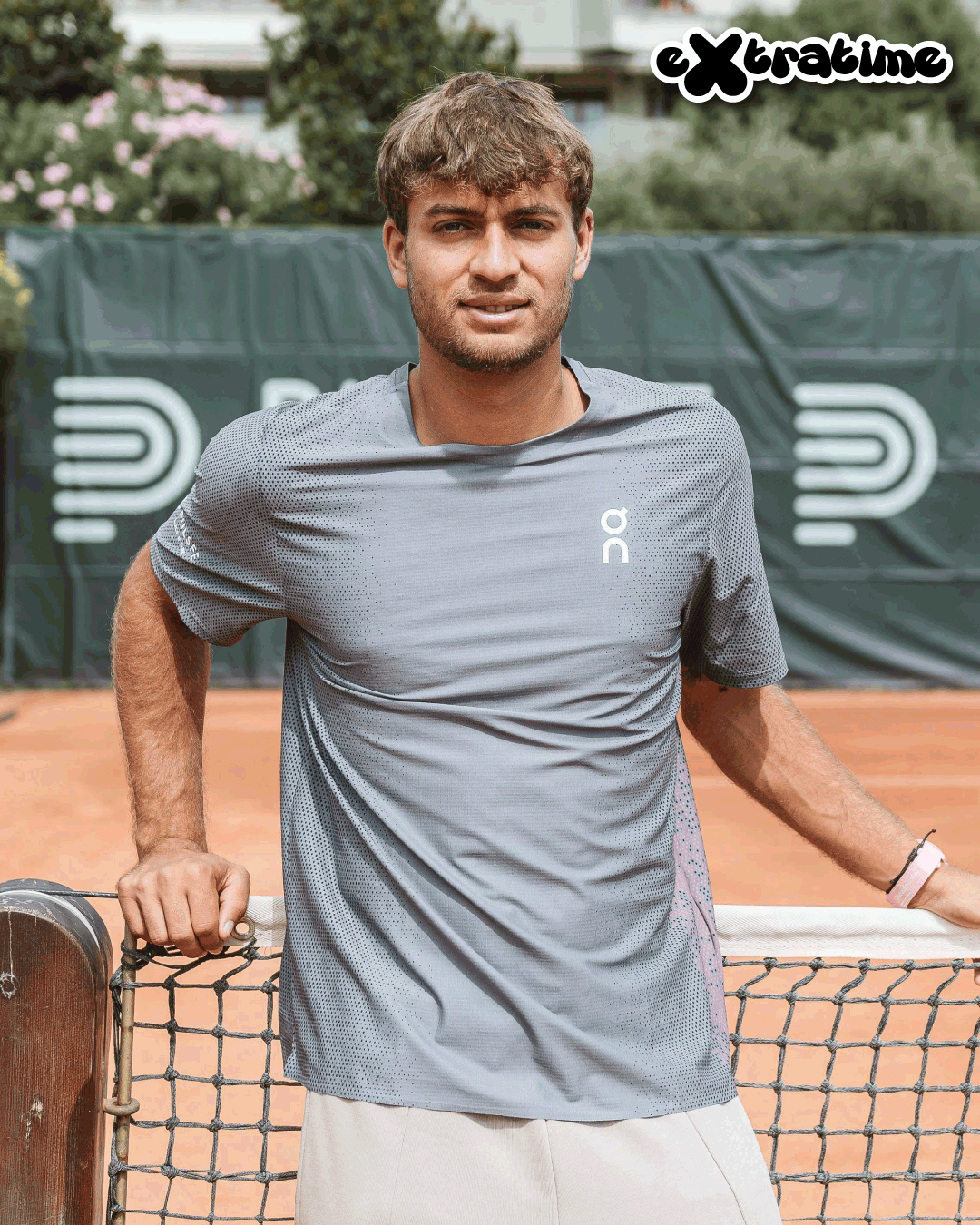
“On believed in me a lot—they really wanted me on the team, and from the start we had great chemistry. It’s a young, European company with a strong desire to grow. I think in the running world today it’s among the very top brands, both in terms of products and the elite athletes on the team.”
Is there collaborative work behind the scenes?
“Yes, there’s a constant exchange of feedback on new models. When a prototype comes out, we’re always asked for our opinion; tests are organized, results are evaluated, and possible adjustments are considered. In short, we work together to refine the shoe. After Paris, for example, I explained in detail how I felt, what sensations I had during the race, and for them that feedback is invaluable.”
And in your everyday life, how do you dress—what’s your style?
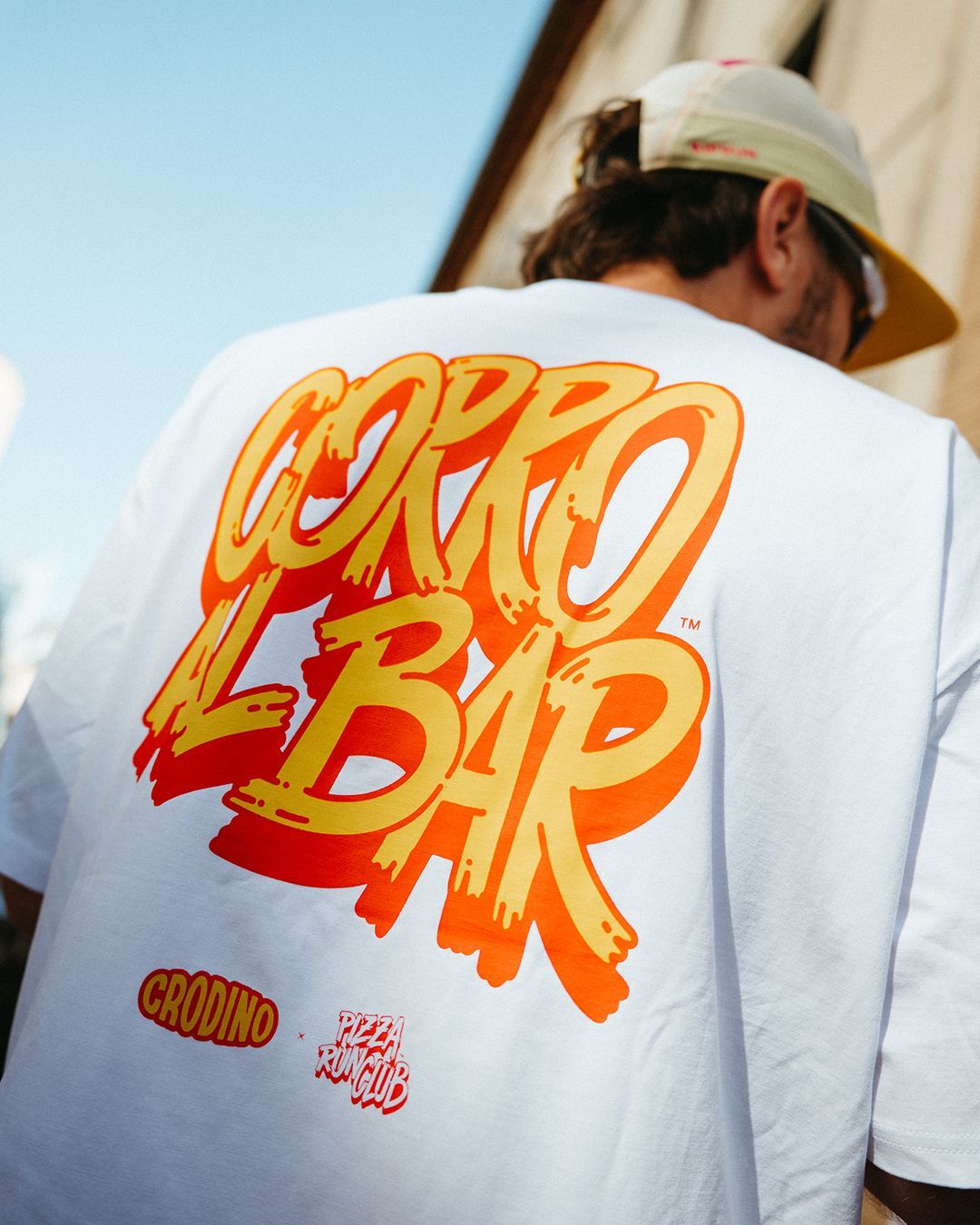
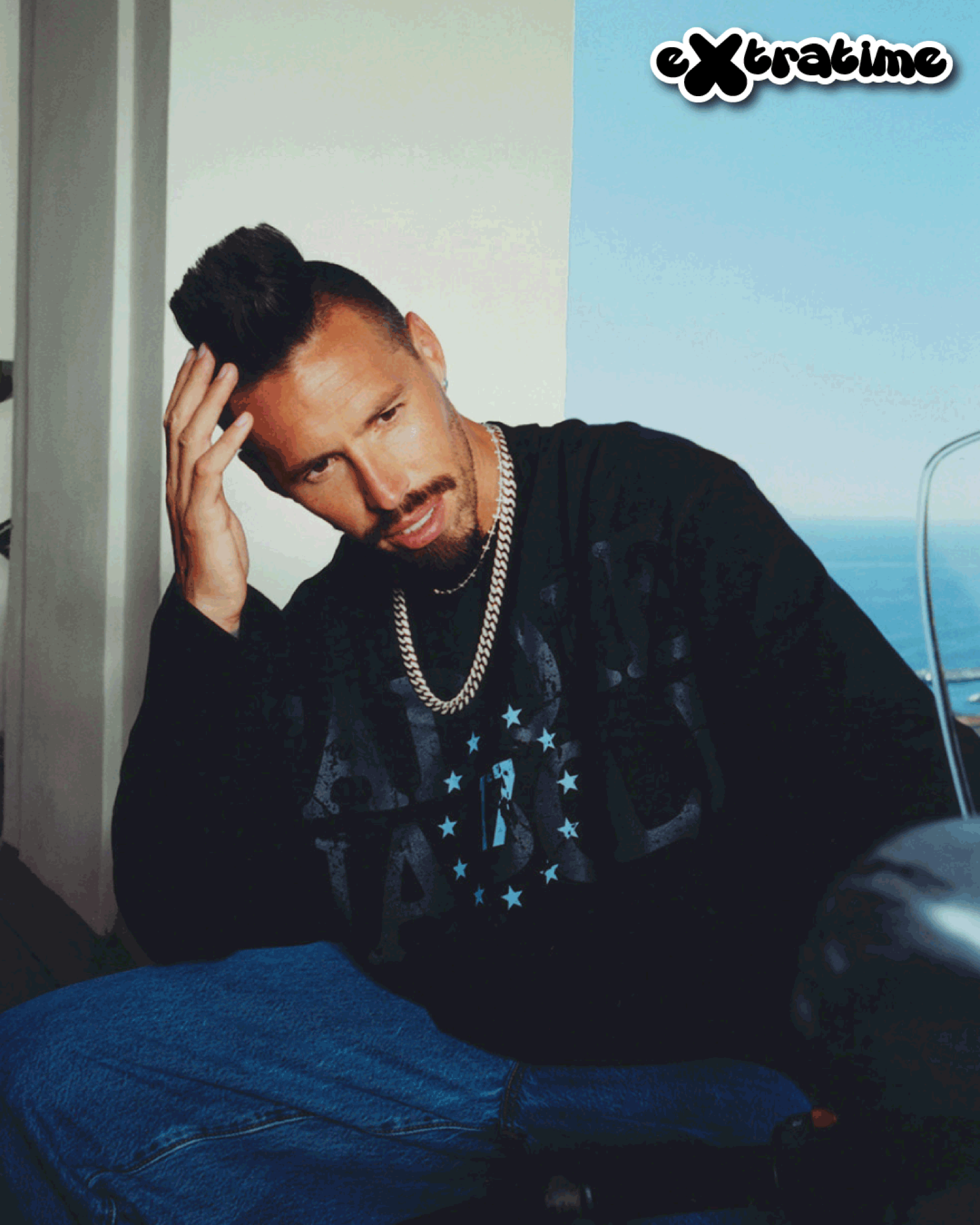
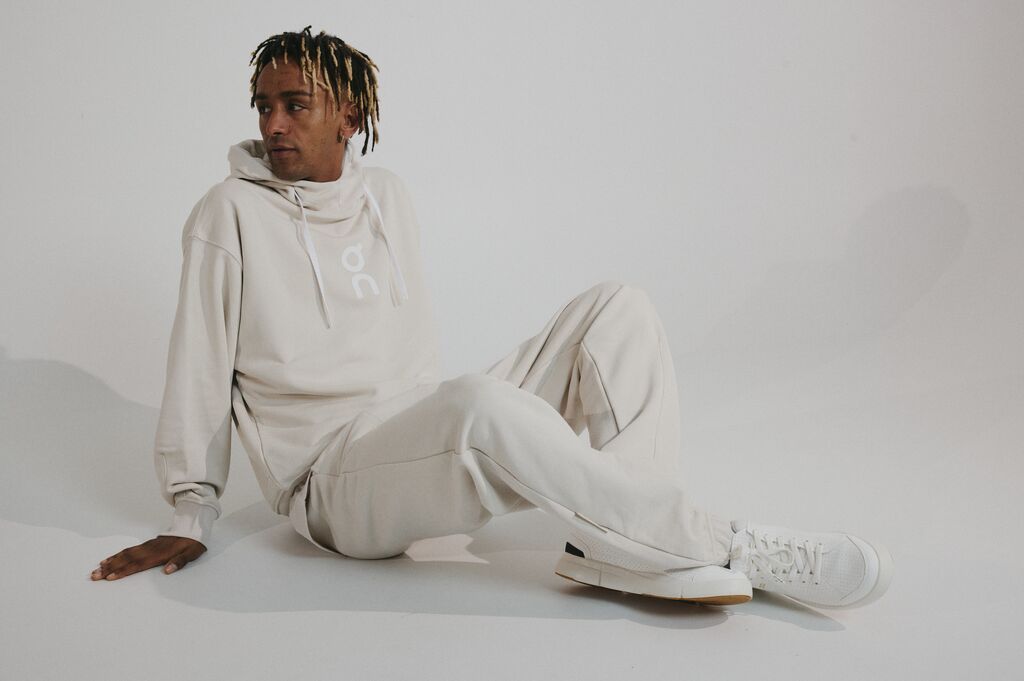
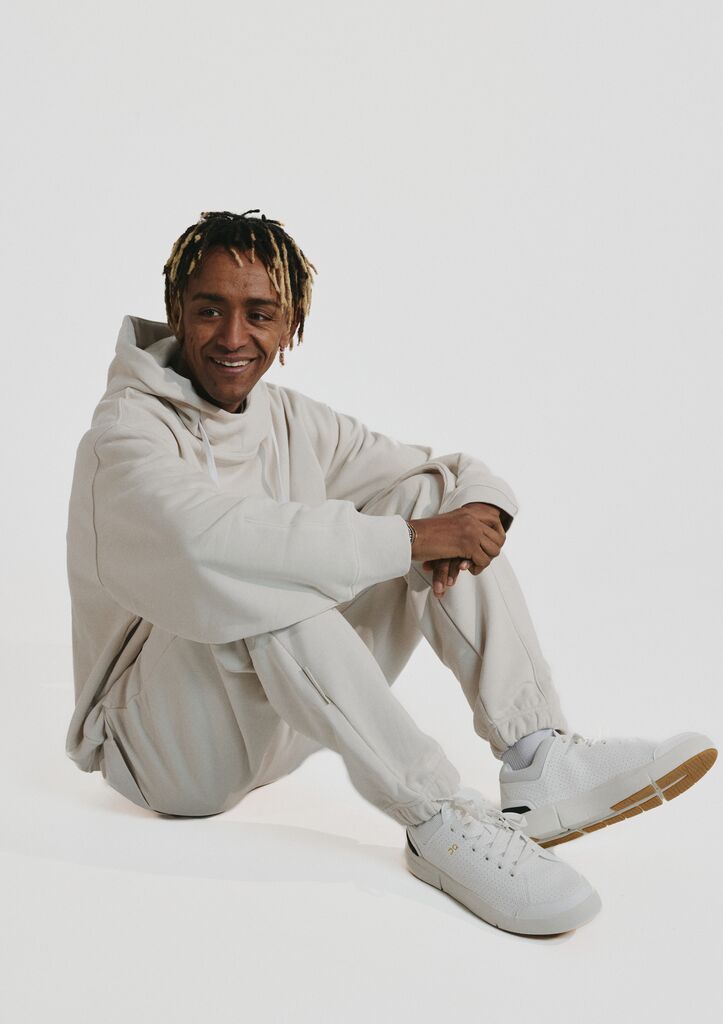
“I like dressing a bit differently, wearing uncommon pieces. In general, I like oversized clothing. I’m slim, I don’t feel comfortable in tight or fitted clothes. So baggy jeans, loose T-shirts, everything a bit oversized—and, coincidentally, On also has a slightly loose fit, which is another reason I felt comfortable with them. That said, I change often, I don’t have a fixed style. The one thing I always wear is a cap.”
Your major future goal is LA 2028. What do you have in mind?
“To enjoy that day and achieve a strong result. I’ve already competed in two Olympics, Tokyo and Paris. The first, for various reasons—Covid, humidity, legs not responding—I didn’t experience the way I would have liked. In Paris, on the other hand, I really enjoyed the Olympic atmosphere, it was beautiful, but I finished twenty-fifth. Now I want more. I’ll arrive in Los Angeles at 32, with more experience and confidence, physically more prepared. I want to compete with the best in the world, to try and run for a medal.”
In the past you’ve often spoken about the importance of the mind in races like this, even more than the legs.
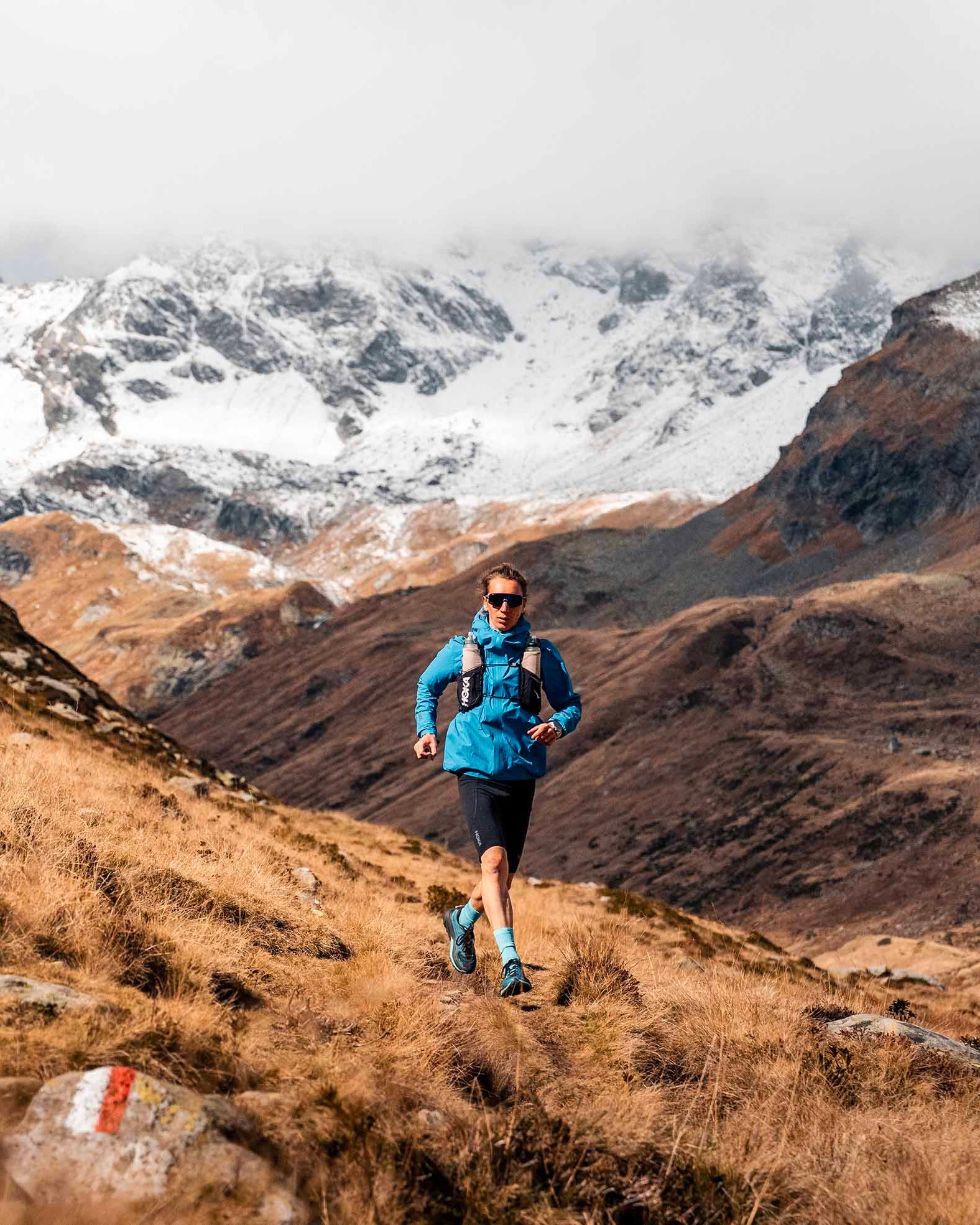
“For me that’s true. I come from two marathons where I dropped out, especially the second one, at the World Championships in Tokyo, entirely because of my mindset. At some point in every race, suffering comes for everyone, but that day I wasn’t mentally ready to face it. Racing is different from training, and in Tokyo there were no pacemakers, plus heat and humidity that were hard to manage. But everyone had the same problems—only I wasn’t able to cope at that moment. At the thirtieth kilometer we were all there, I could have fought for a medal, but I froze. I started thinking: why am I doing this, why am I here suffering? I can’t take it anymore, I’m struggling twice as much as the others. And I stopped. Then I crossed paths with my coach, and I couldn’t even give him a reason. It wasn’t that I was out of breath or out of energy—it was all in my head. I threw away a World Championship because I wasn’t ready to face such a tough race. Sometimes, when there’s a lot of pressure, training goes well, you feel physically good, but on race day it’s like the desire to compete disappears. Exactly on the day you should be the best version of yourself. From that point on, I told myself: now you know where the problem is. It’s not about training, it’s not physical—you need to start working seriously on this.”
And how did you do that?
“I put myself back on the line, found a mental coach who has helped me a lot. Since October I’ve started a process that’s helping me manage the emotional side of racing. The Valencia Marathon, where I ran 2:12, was important to prove to myself that I could finish a marathon. Even with a disappointing time, I had to cross the line. I fought against my mind, which was telling me to stop, but I kept repeating: a third DNF, no! You’re doing good work, don’t throw it away. I managed to keep the promise I made to myself, to stay true to my word, and that helped me. To everyone else it looked like a poor result, but for me it was a turning point. From there I truly began to solve the problem I felt in my head, arriving in Paris calm, with the desire and above all the joy of running. The result showed it.”
You also mentioned a change in nutrition that helped you a lot.
“There was a problem there too: I couldn’t take in the carbohydrates needed for a marathon because I felt sick. It happened that I vomited in the second half, after the thirty-fifth kilometer, so I took in fewer carbs—but that meant less energy and put my body under stress. I also had stomach issues with caffeine. I had to change everything, starting with the nutritionist. I worked well with the previous one, but now I’ve found someone with whom I have great chemistry. We found the right solutions to support my body, after testing during the months I trained in Kenya, and then a final test at the Naples half marathon, where I also set a personal best.”
One last curiosity: in terms of experience and aesthetics, which races and cities do you enjoy running in the most?
“I enjoy racing in Italy because I feel the support from people. When I run in my city, Trento, where everyone knows me, I feel a lot of encouragement. I also remember my marathon debut in Milan—beautiful, I could hear the crowd cheering for me. The same in Naples at the half marathon. But there are also cities: the London Marathon was amazing, because we ran through iconic areas, with crowds everywhere—it was special. Just like Paris at the Olympics, for the course we ran, truly spectacular.”
And in the days before and after the race, do you do any sightseeing?
“Before the race, definitely not—and I’m not the only one. Even if the race is on Sunday and you arrive on Wednesday, you could easily go for a walk on Thursday or Friday without getting too tired, but there’s too much fear that something might go wrong physically. We prefer to stay in the hotel, even doing nothing, just scrolling on our phones. After the race, though, we always do something. Once the finish, press conference, and anti-doping tests are done, I spend time with my friends. A lot of people always come to see me—there’s a ‘friend club’ of about twenty people who follow me everywhere. We enjoy ourselves together, and after such an effort, that’s important too.”