


























How much do 2026 World Cup jerseys cost? Yes, sadly the price has gone up
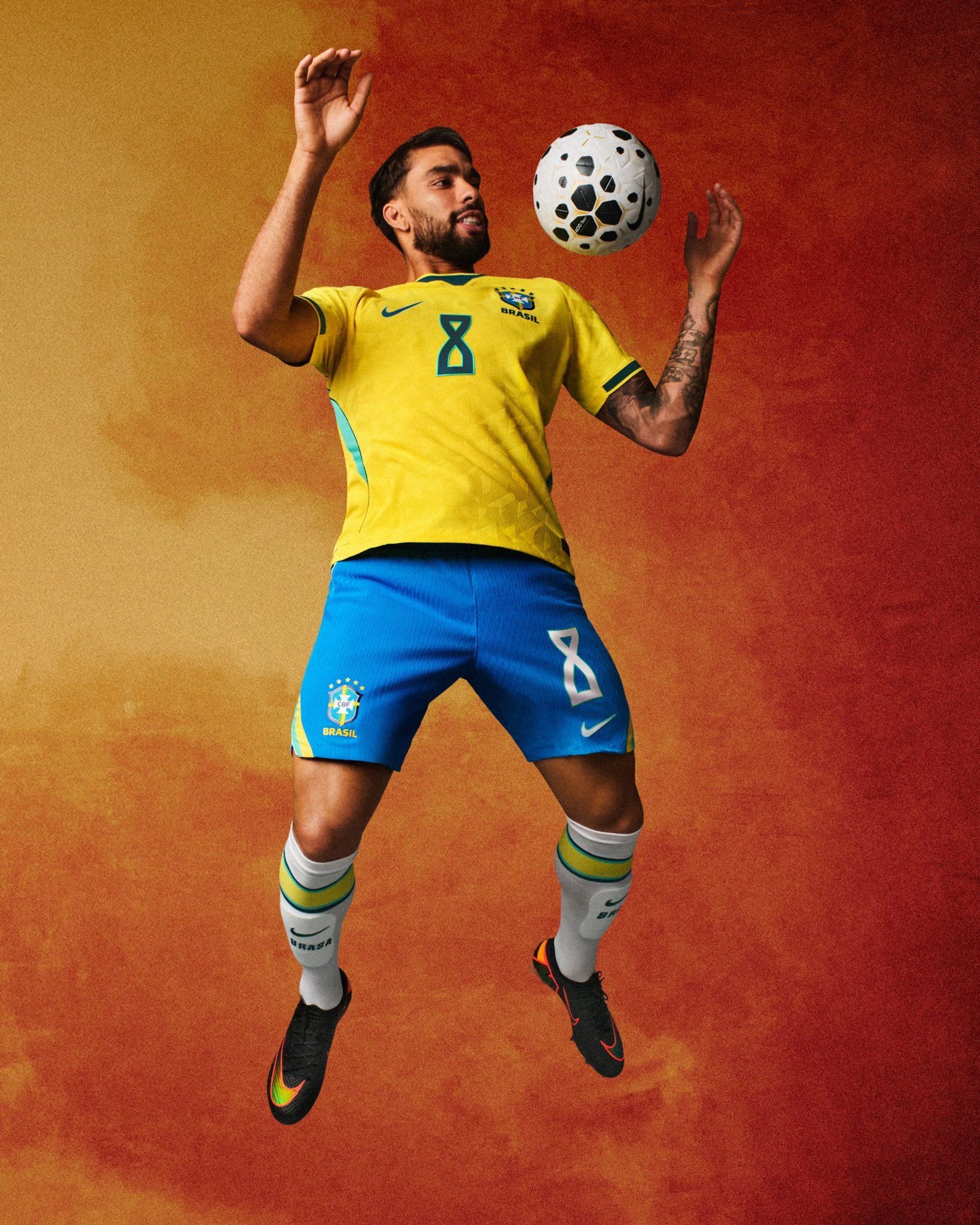
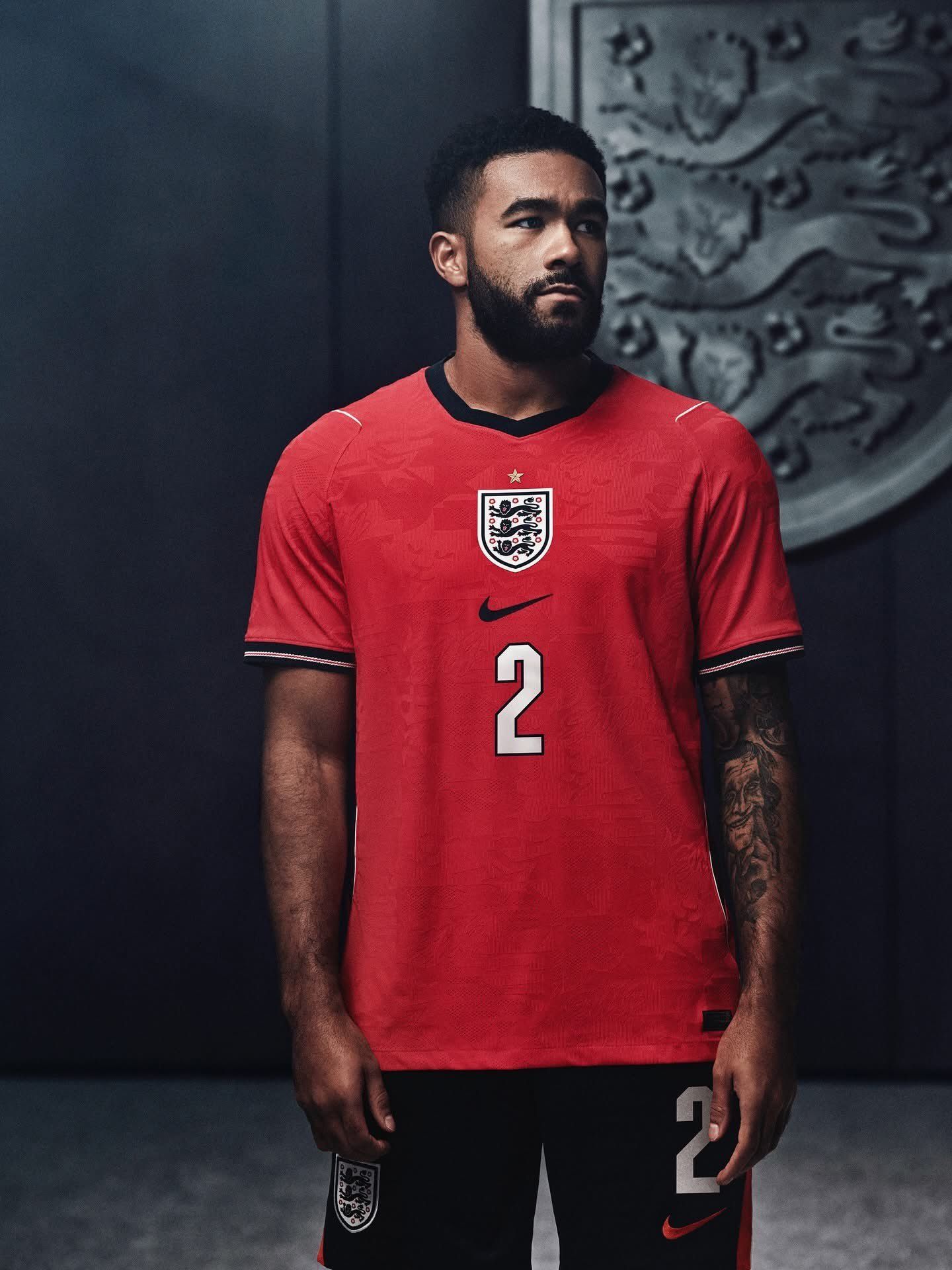
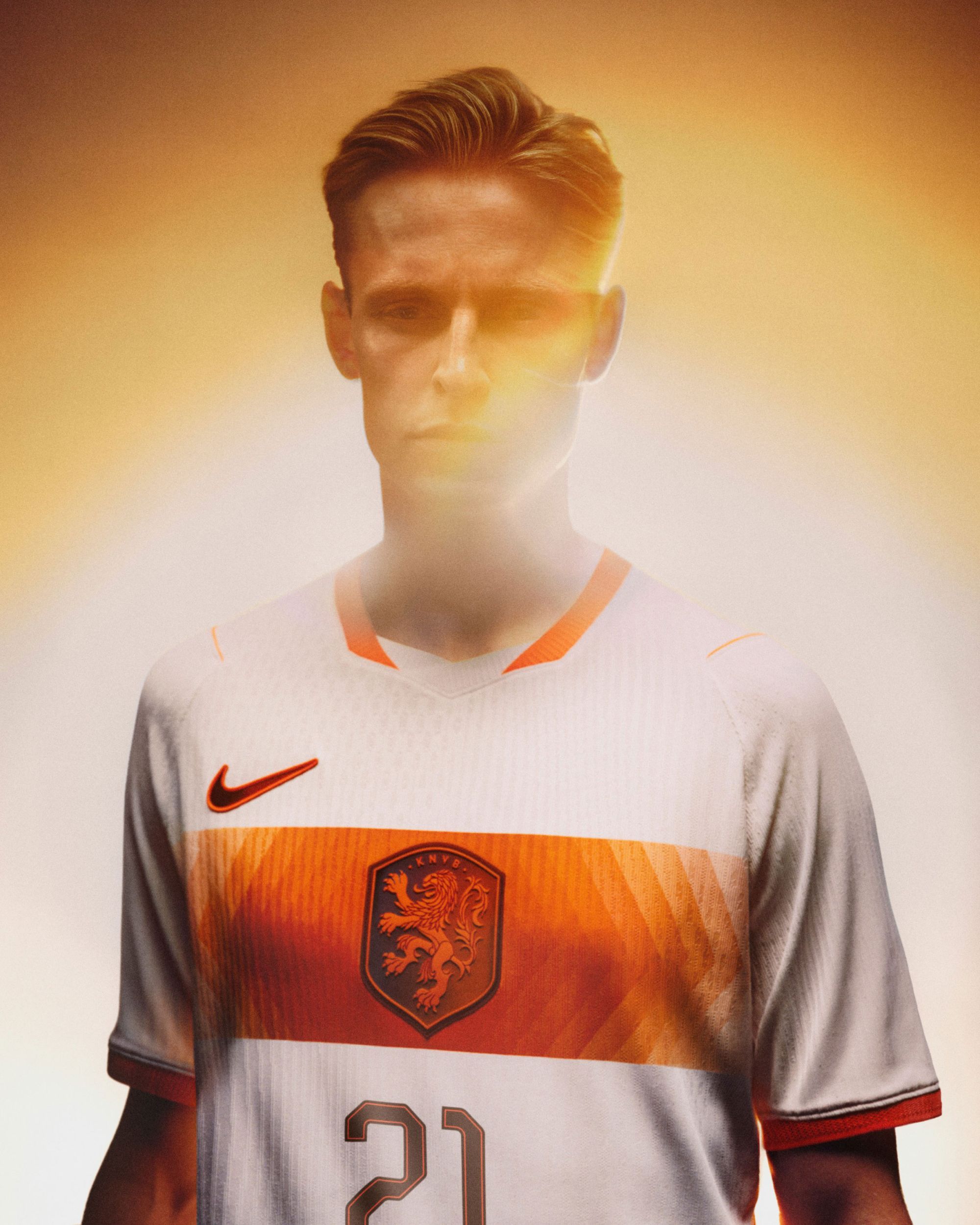
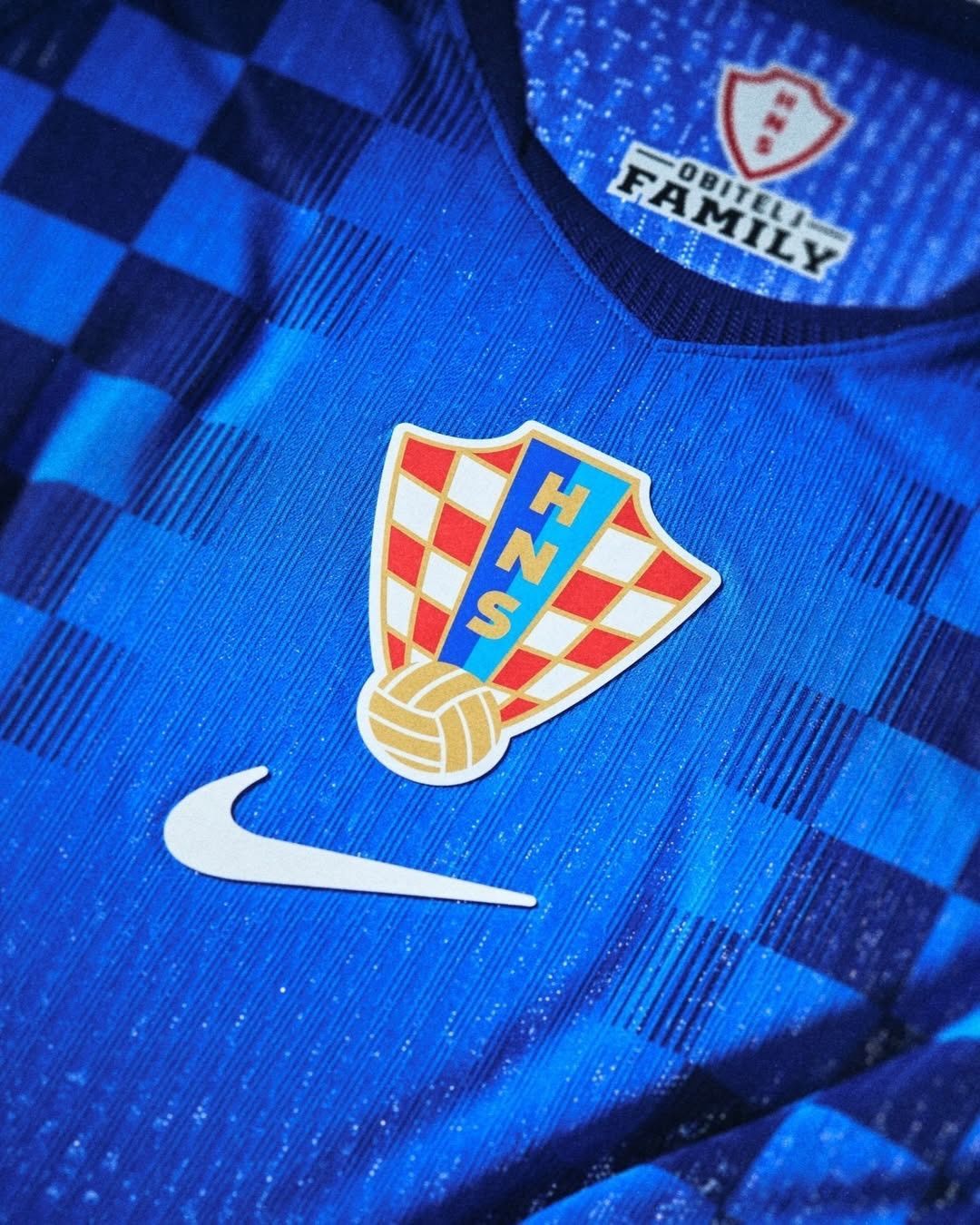
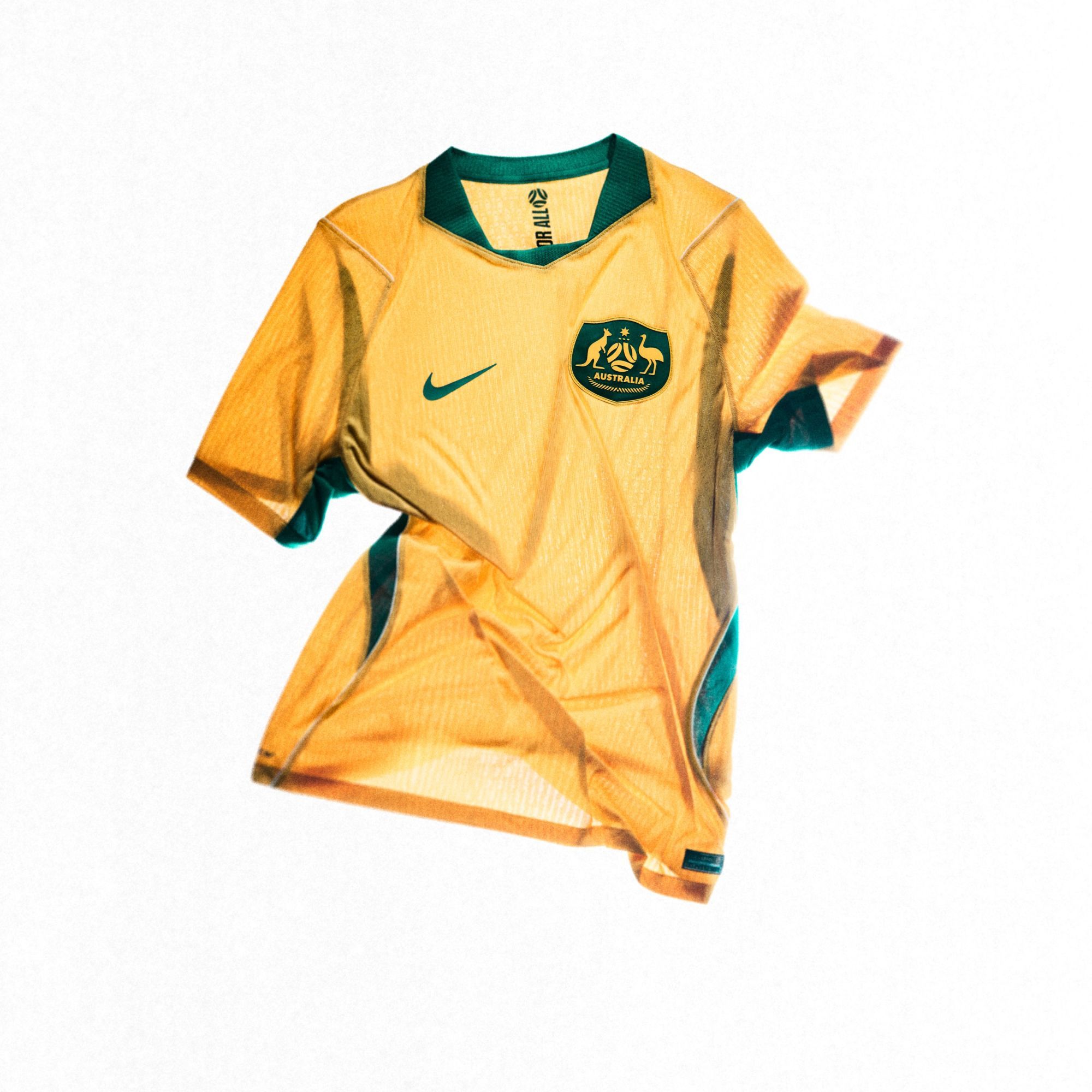
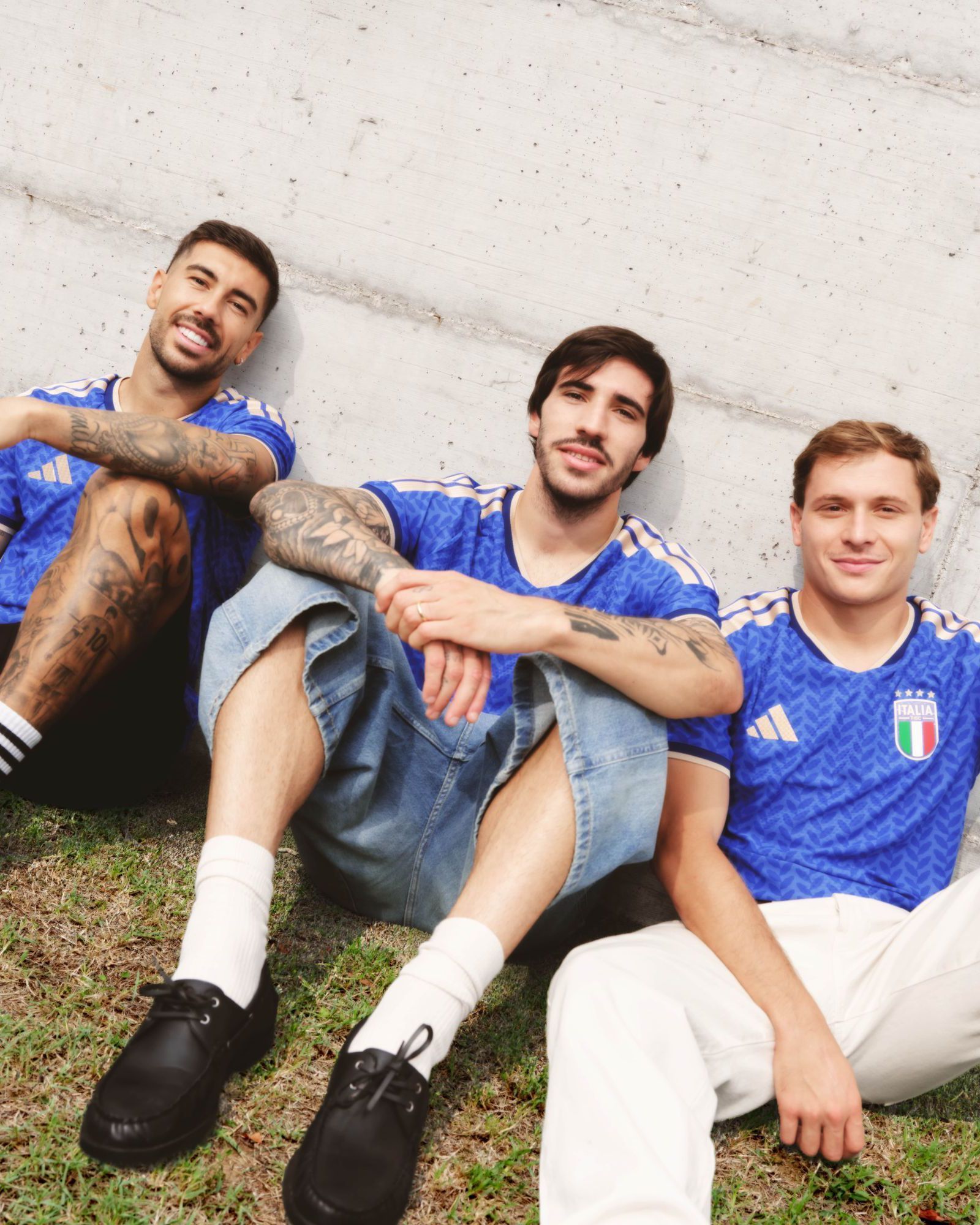
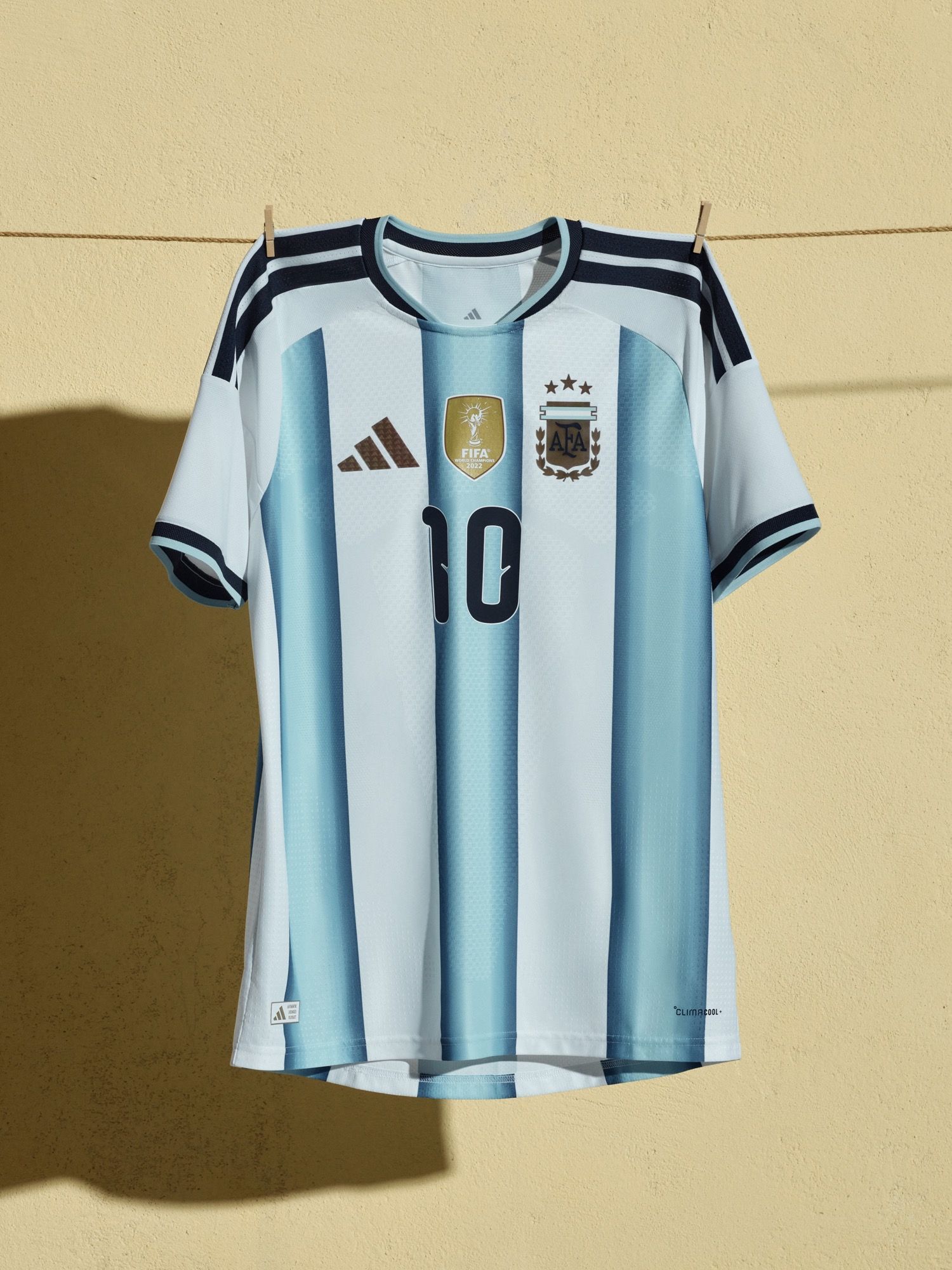
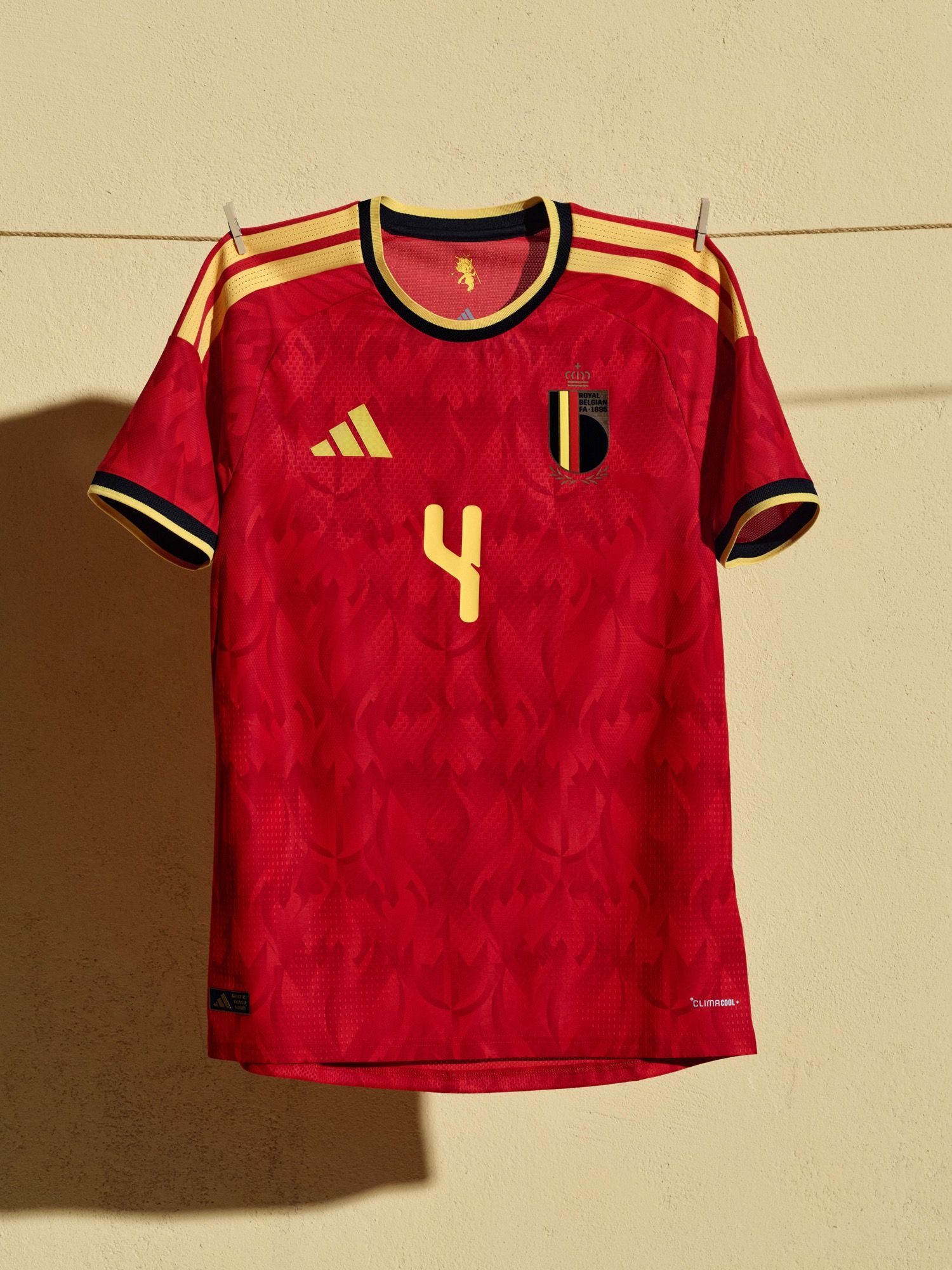

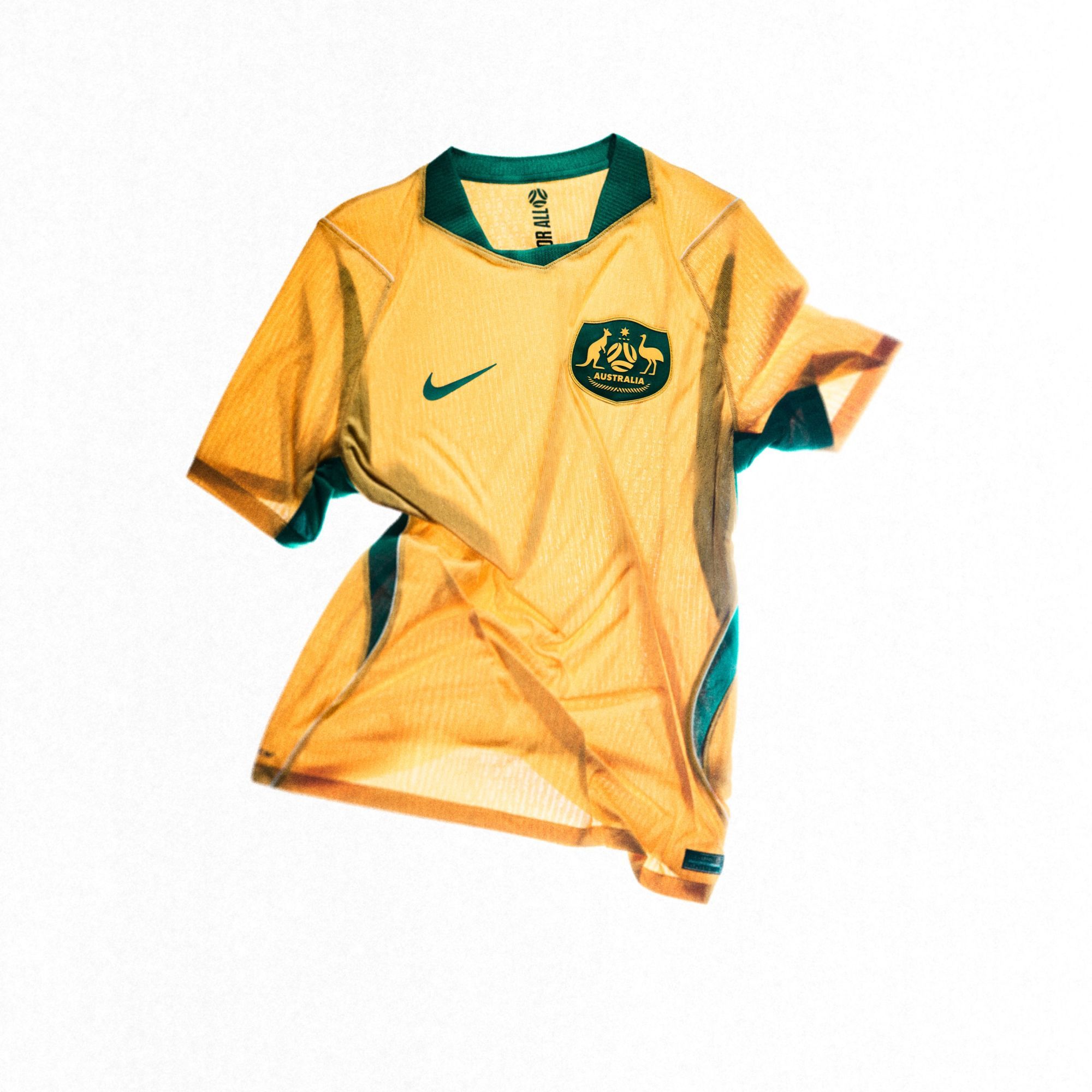
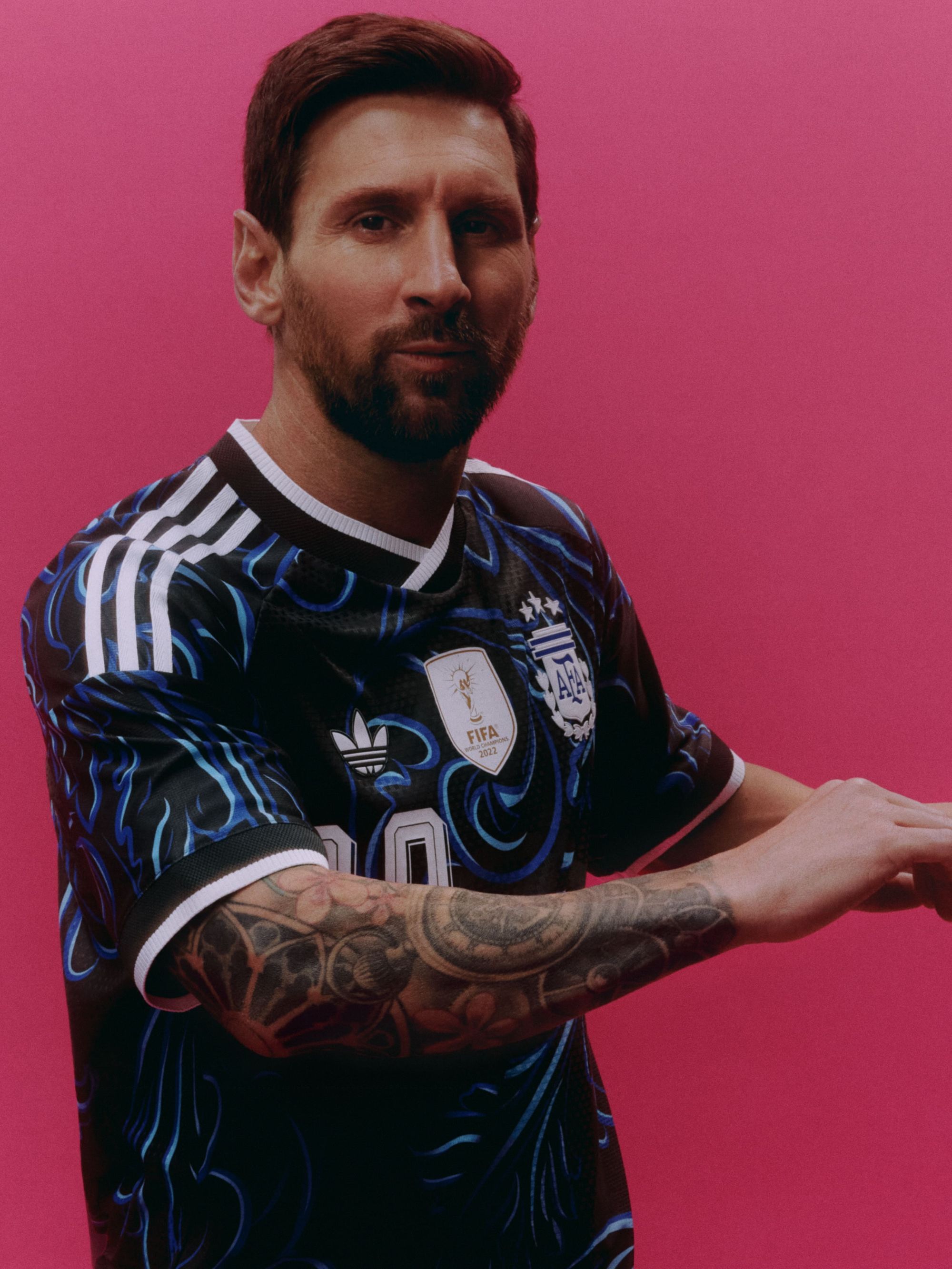




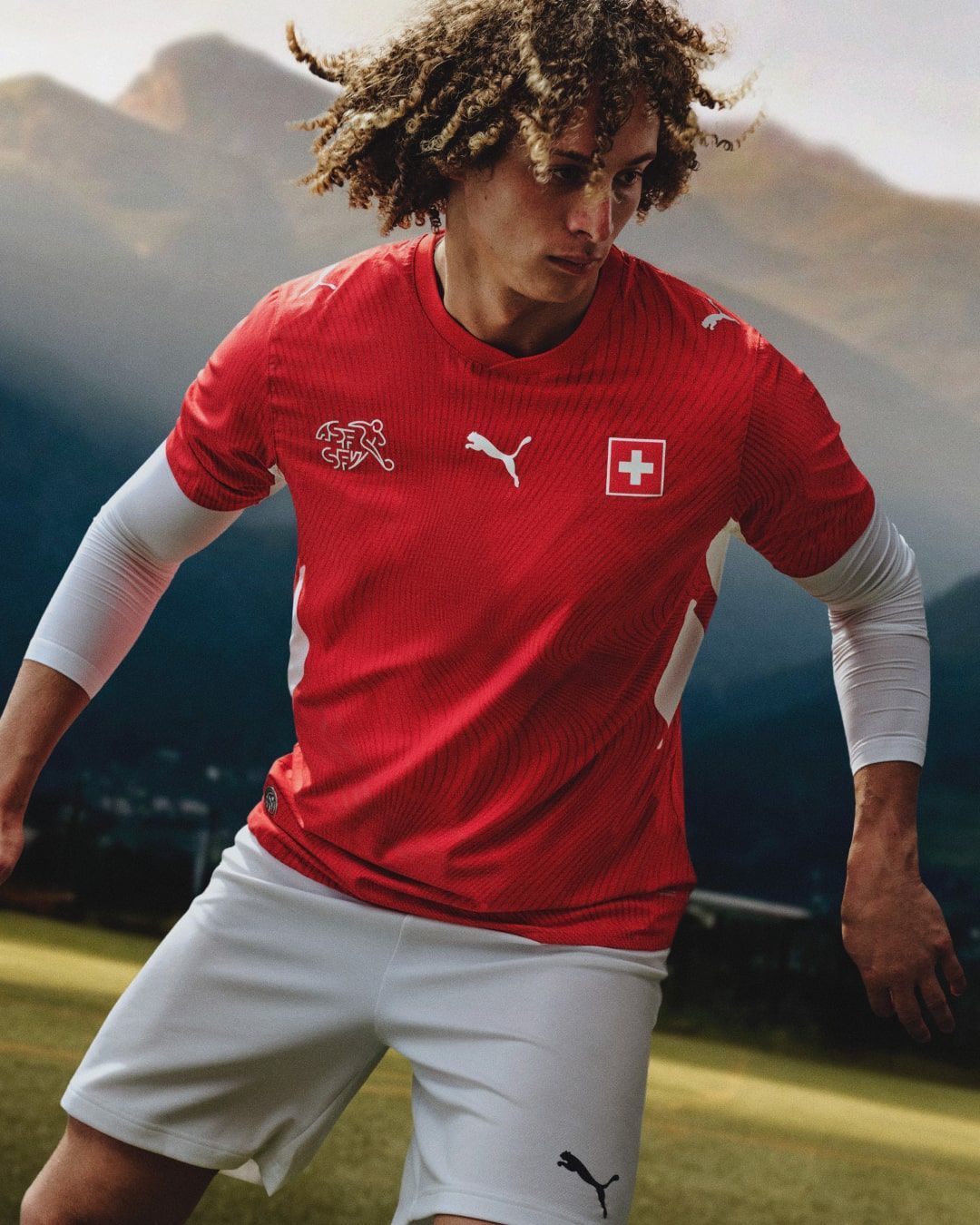
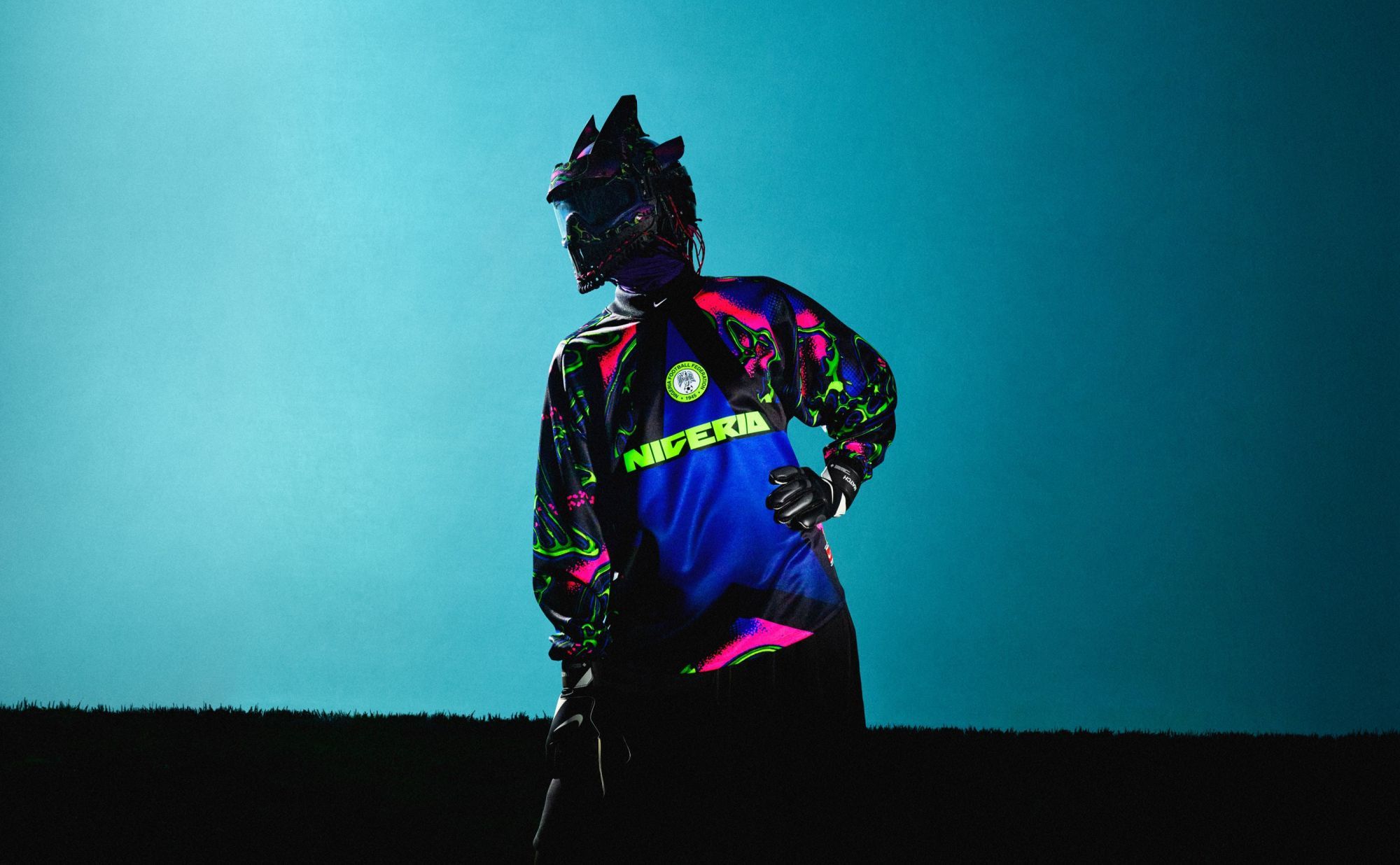
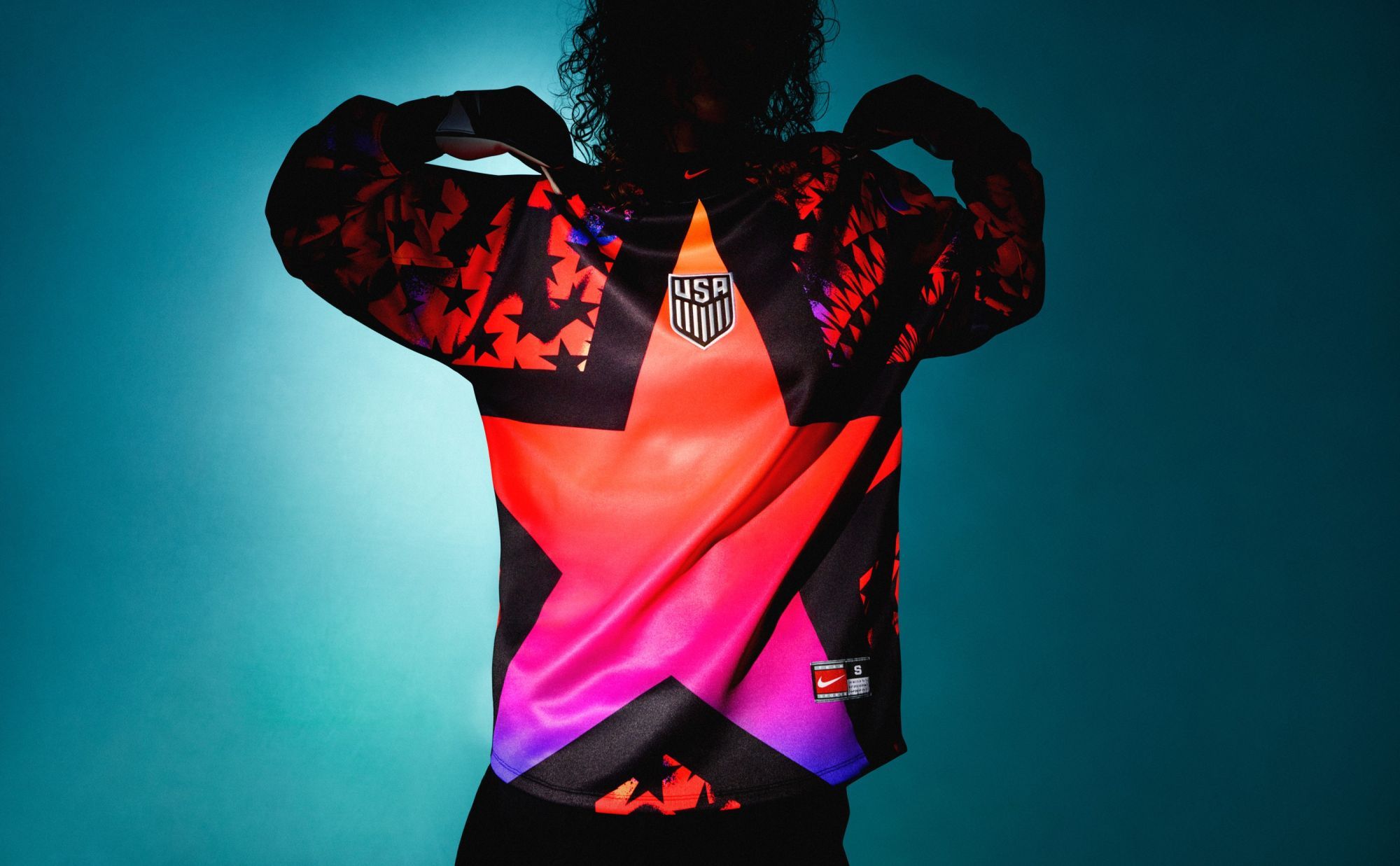
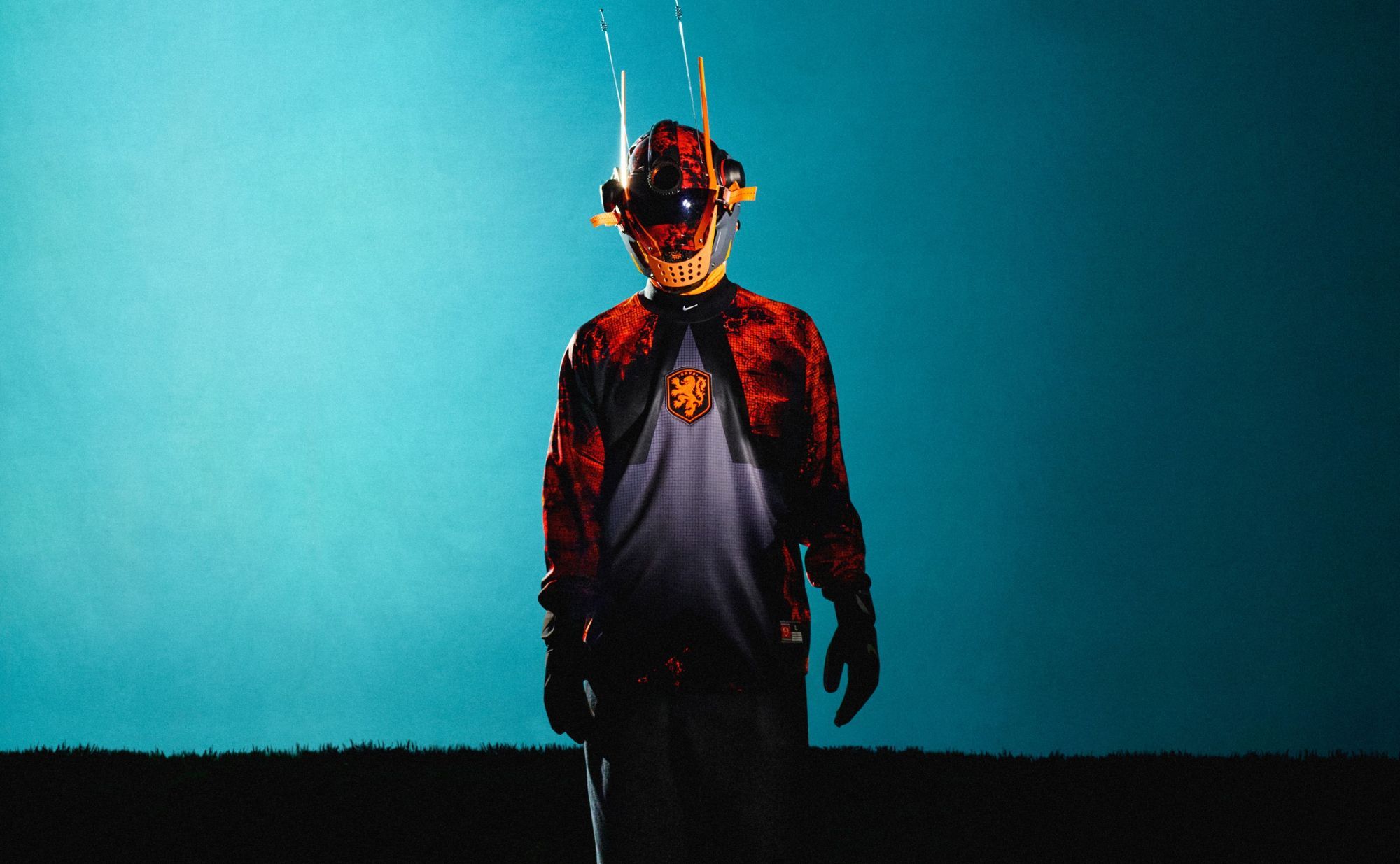
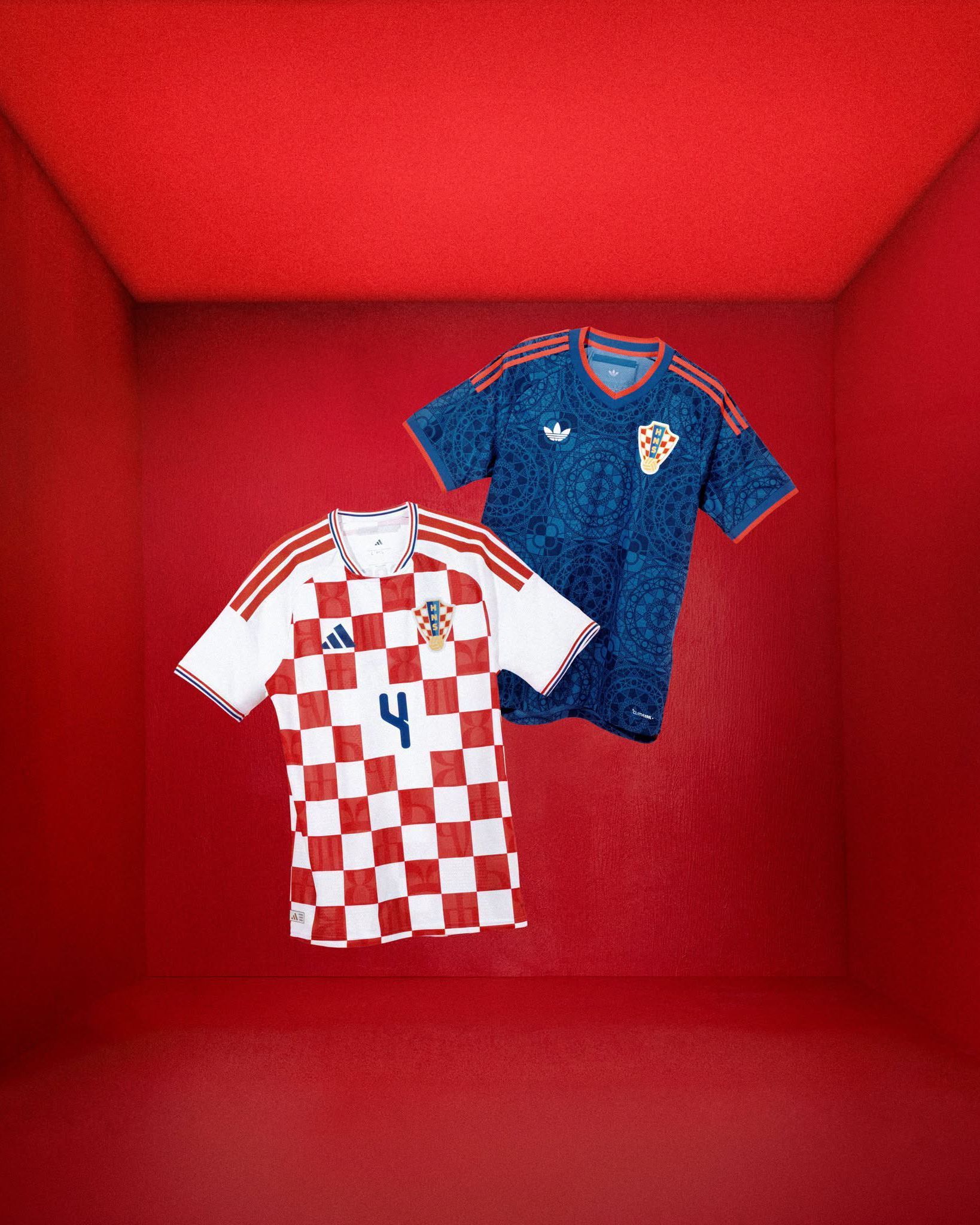
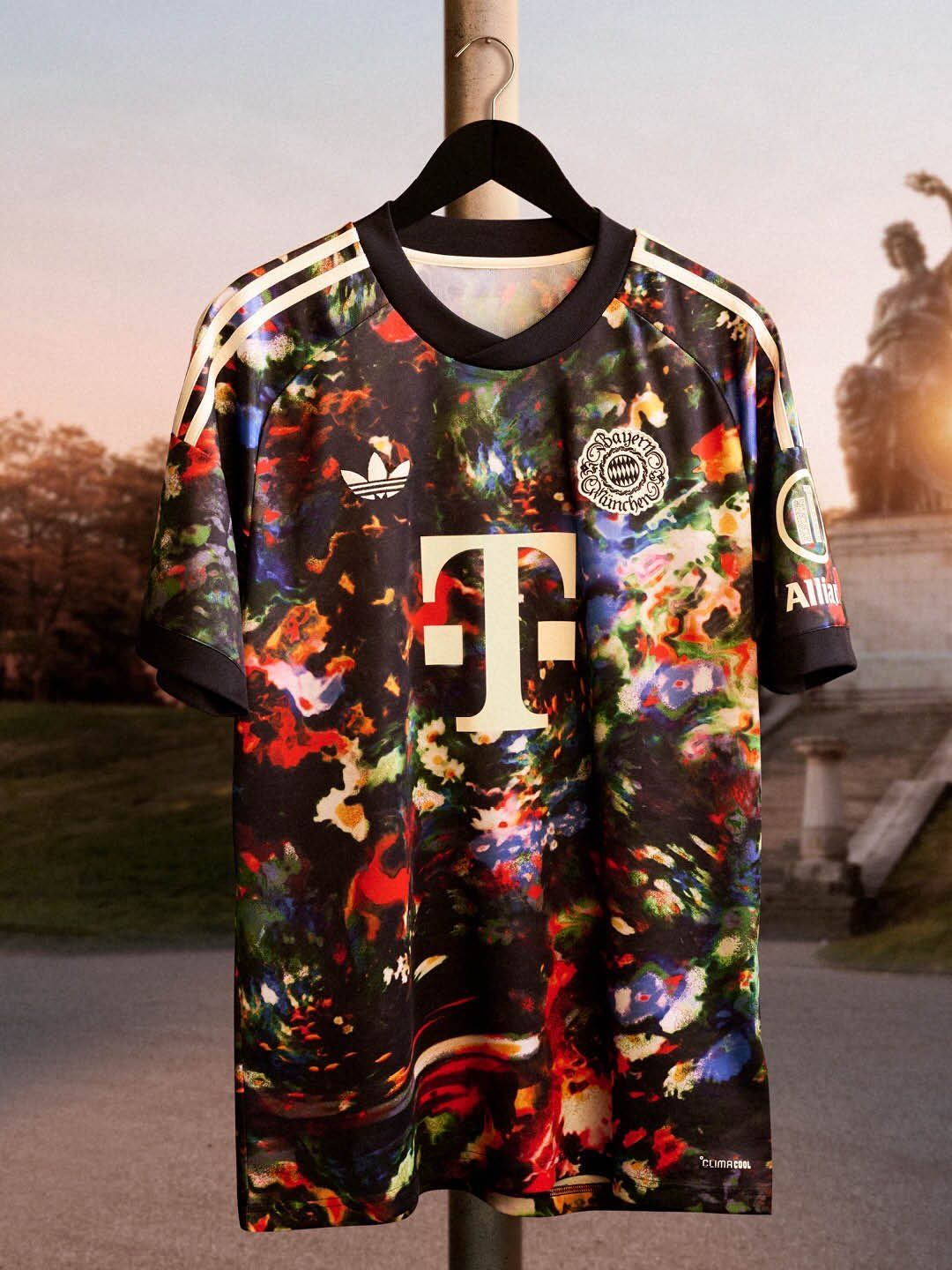
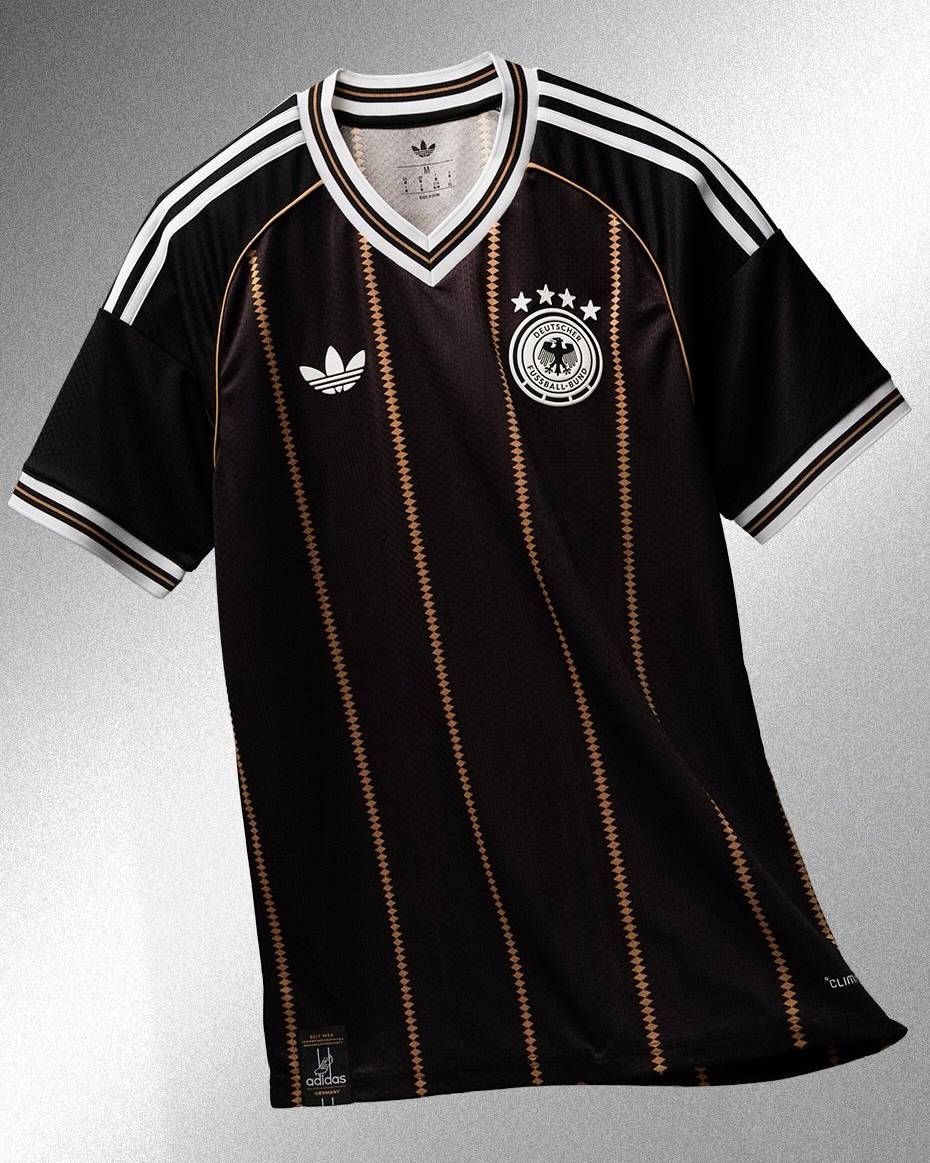
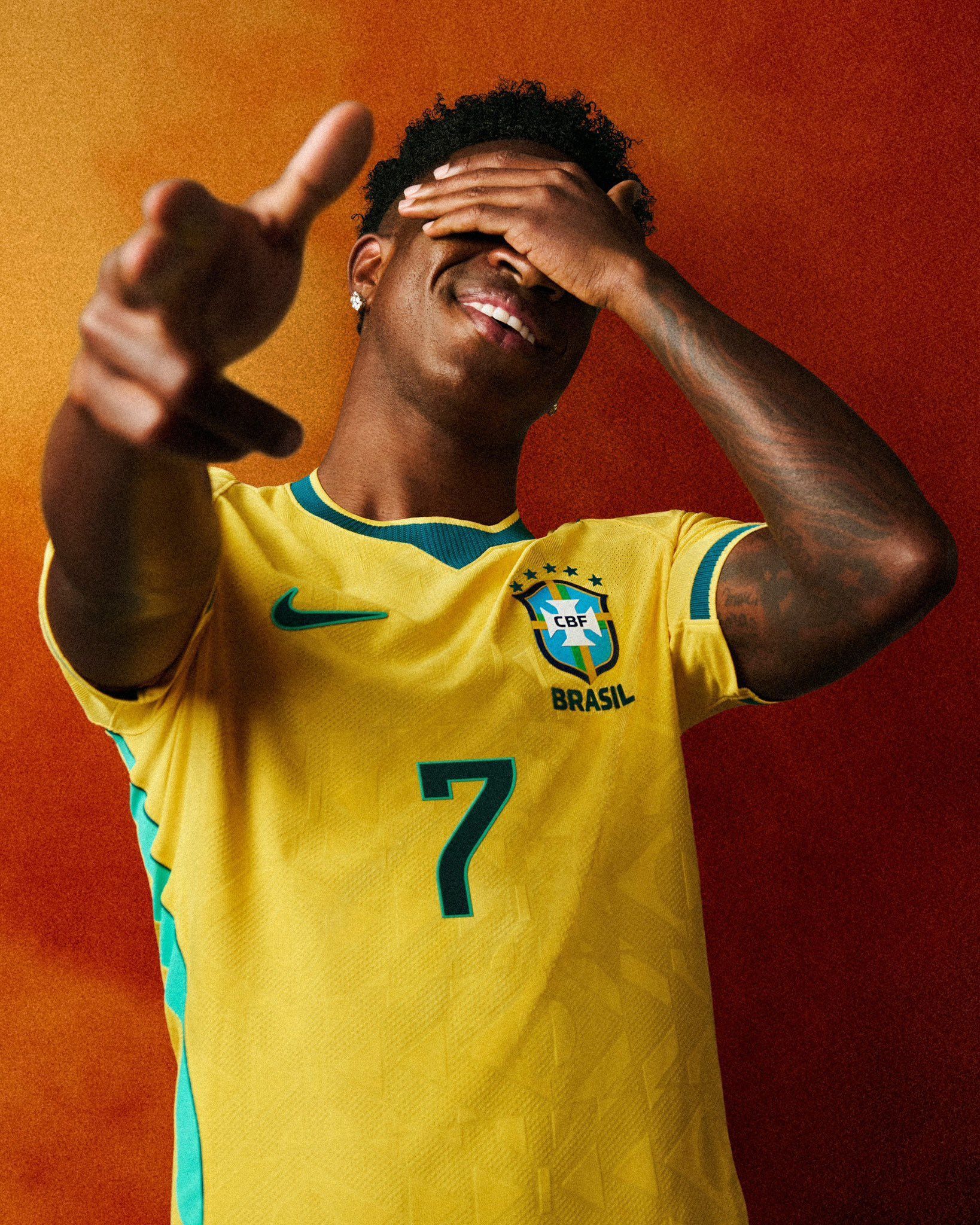
The 2026 World Cup is getting closer, as confirmed by the presentations of the kits we’ll see on the pitch this summer across the United States, Canada, and Mexico. Bold colors, daring graphics, unexpected patterns. It’s likely we’ll remember the 2026 edition of the World Cup as the one with the best kits ever. Certainly the best goalkeeper jerseys. But once the initial excitement over their aesthetic fades, another question comes into play: how much do they cost?
How much do World Cup jerseys cost?
Nike, on its official store, sells authentic jerseys at €159.99, while the replica version is priced at €109.99. The women’s replica comes at the same price, while the kids’ version is available for €89.99. As for adidas, the authentic version retails at €150, while the performance version, for both men and women, is listed at €100. Kids’ performance jerseys cost €75. Additionally, some national teams also offer a long-sleeve version: €160 for authentic and €110 for performance.
As for PUMA, authentic jerseys retail at €150, while replica versions—both men’s and women’s—cost €100. The youth version is priced at €80. Regardless of the brand, these prices do not include shipping costs (often waived with memberships) or customization fees, which average around €20.
Price increase compared to 2022
Driven in part by a completely reshaped geopolitical landscape compared to four years ago—especially considering that one of the host nations is currently bombing a country qualified for the tournament—the cost of World Cup kits has increased since the 2022 edition. According to analysis by the BBC, an adult jersey by Nike now costs 16.7% more than in 2022. For the same product by adidas, the increase is 12.5%, while PUMA has raised prices by 25% for adult jerseys.
Why football jerseys are so expensive?
The rising cost of national team kits is part of a broader trend affecting the entire football jersey market—especially new releases. On one hand, the increase reflects a combination of stacked production costs that inevitably impact retail pricing.
On the other, brands and federations are clearly aiming to maximize the emotional and cultural power of an event like the World Cup. This is why they produce detail-rich jerseys that are harder to replicate, reinforcing the now well-established idea that football shirts are not just for matchday, but lifestyle garments meant to be worn anywhere.
The almost inevitable result is that modern football jerseys are becoming an elitist product. Stunning, but expensive. This shift has fueled two parallel subcultures: the vintage scene, where it’s possible to buy jerseys without spending a fortune, and the collectors’ world, where fans are willing to invest significant amounts for pieces with deep sentimental value.
