

When athletes enter the world of WWE From Muhammad Ali to Jason Kelce
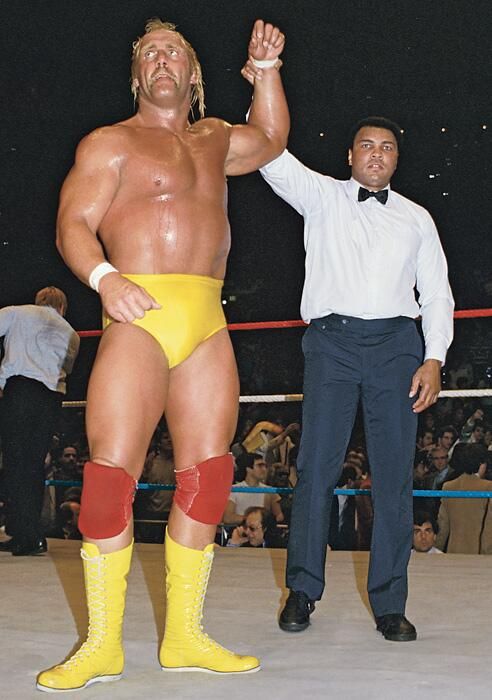
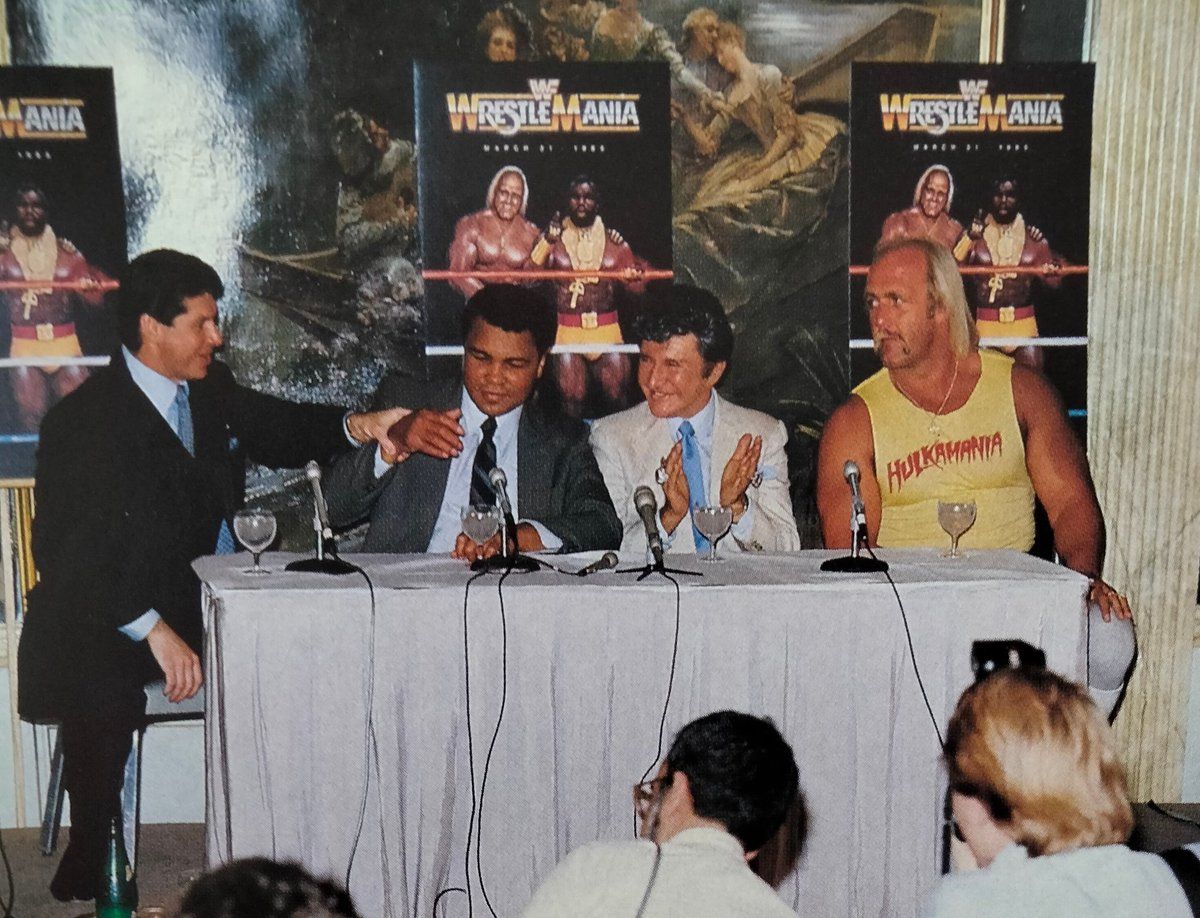
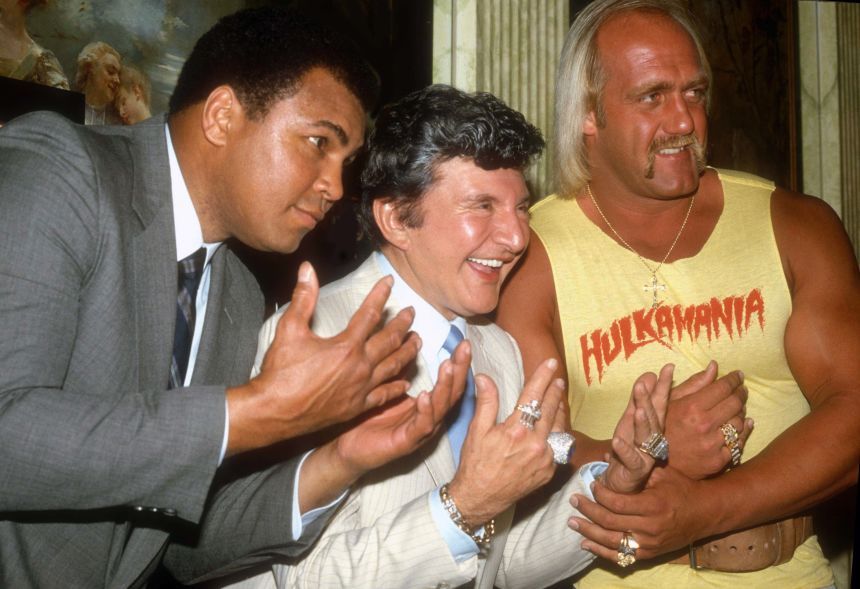
In the beginning, there was Muhammad Ali. On March 31, 1985, at Madison Square Garden in New York, the greatest boxer of all time wore a light blue shirt, black bow tie, and blue trousers to take on the role of referee for the main event of WrestleMania 1—the WWE event that would forever revolutionize professional wrestling. By 2026, it has reached its 42nd edition, shaping entire generations of fans and influencing their memories in much the same way as the World Cup, the Super Bowl, and the World Series. WrestleMania 42 is scheduled for April 18 and 19 in Las Vegas at Allegiant Stadium and will be the first Premium Live Event to be streamed in Italy on Netflix.
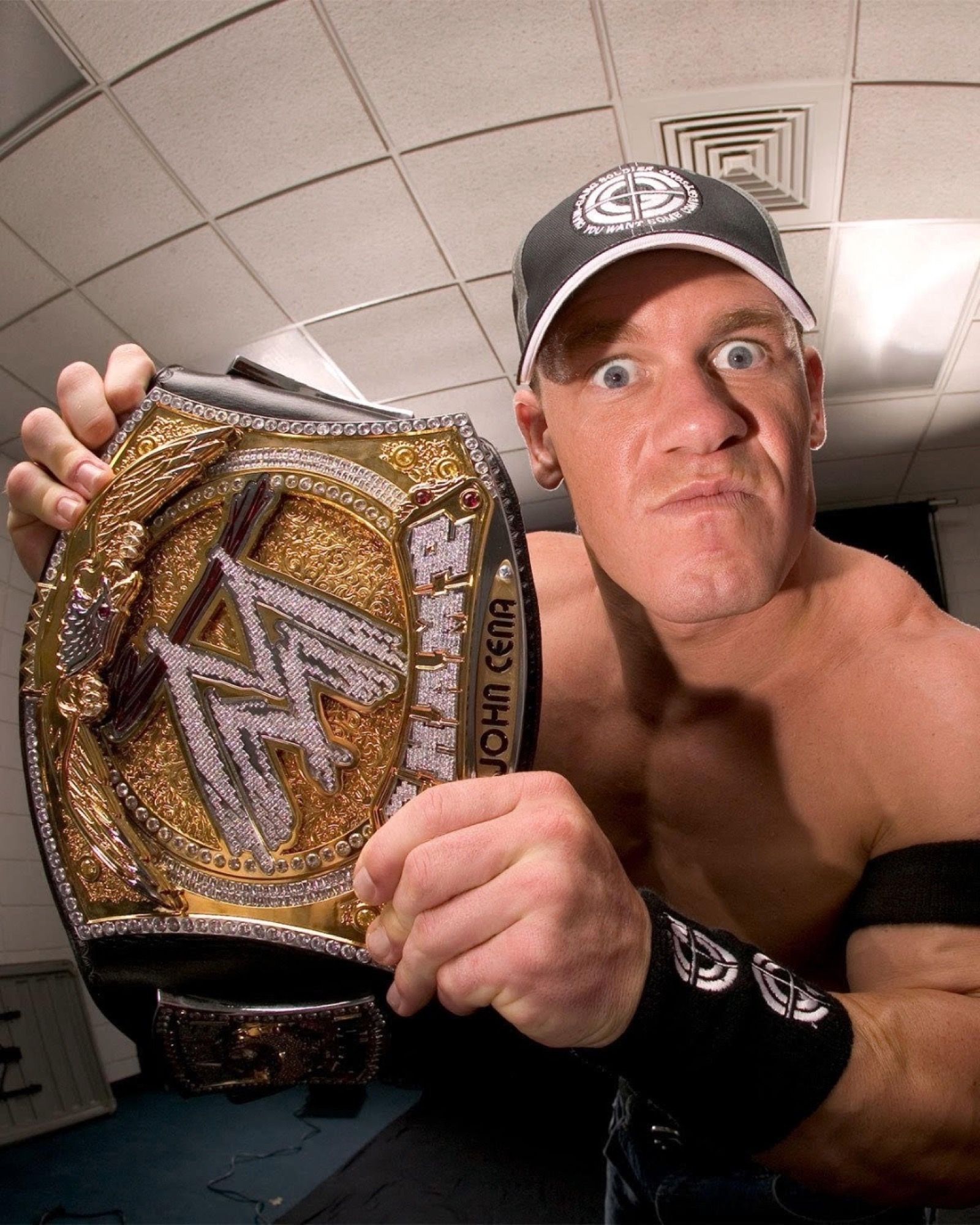
They call it The Grandest Stage of Them All for a reason. There has never been a sports entertainment event bigger than WrestleMania, and never one as packed with superstars as WrestleMania 42. From IShowSpeed, teaming up with Logan Paul and Austin Theory to face LA Knight, Jey Uso and Jimmy Uso, to the involvement of Jelly Roll and Pat McAfee in the Undisputed WWE Championship match between Cody Rhodes and Randy Orton. There will also be the return of John Cena as host, as well as a performance by Joe Jonas, who will sing The Star-Spangled Banner to open night two. All of this comes alongside one of the most stacked match cards ever, featuring CM Punk, Roman Reigns, Rhea Ripley, Jade Cargill, Brock Lesnar, Becky Lynch, Liv Morgan, and dozens of WWE’s top superstars.
But let’s take a step back. Because without that moment—without Ali stepping into the ring to raise Hulk Hogan’s arm in victory after the tag team match won alongside Mr. T against Paul Orndorff and Roddy Piper, all under the curious and enthusiastic gaze of Cyndi Lauper—wrestling might have remained confined to the circus-like perception often imposed on it by outsiders. WrestleMania 1 instead marked the definitive introduction of entertainment into wrestling, encouraging other athletes to embrace kayfabe and become part of the spectacle.
The Attitude Era and the Impact of Mike Tyson
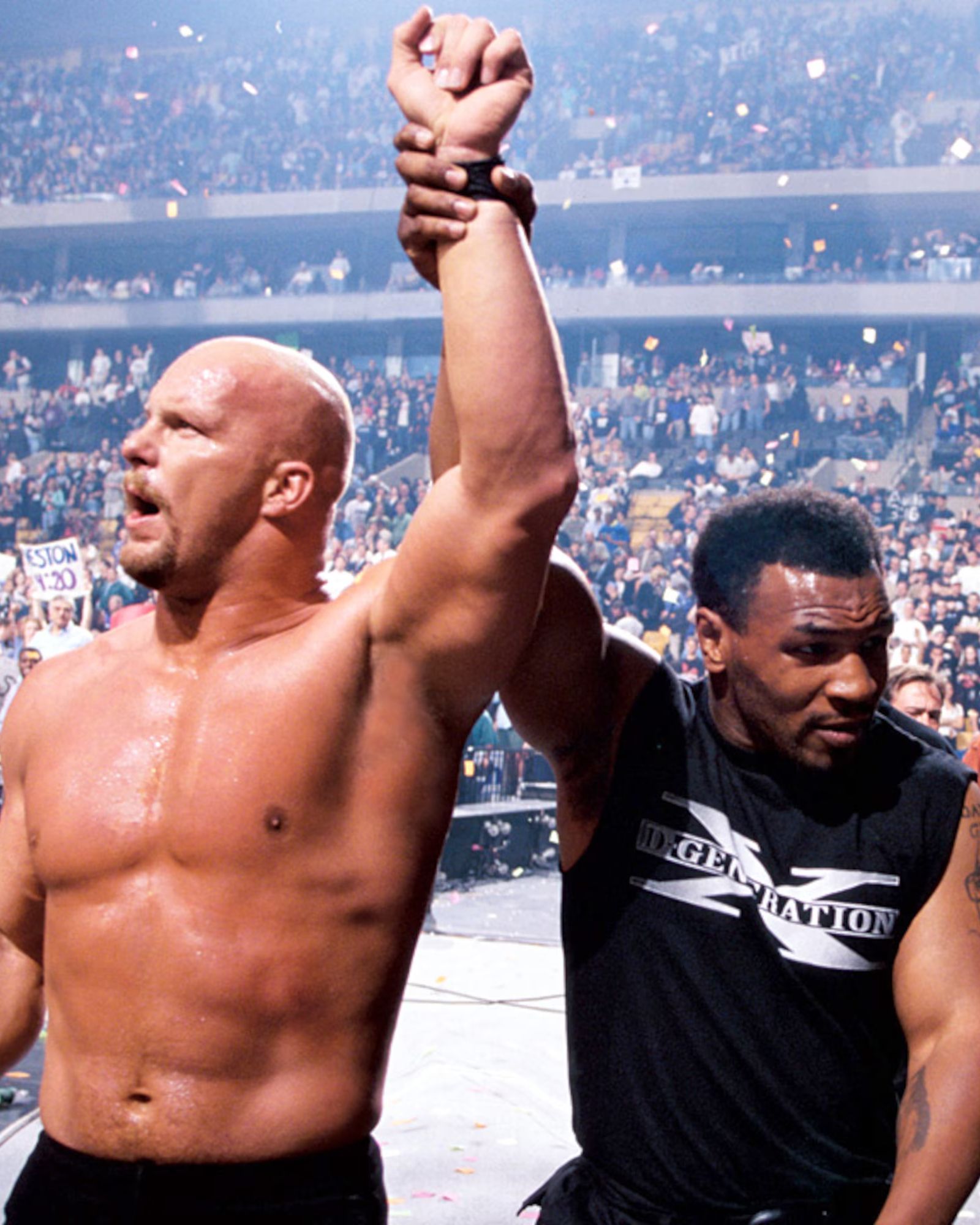
The role of enforcer is the easiest one to tailor around a professional athlete, as it allows them to be part of a match’s narrative without having to perform moves that could endanger themselves or the wrestlers involved. This is how Mike Tyson came to appear at WrestleMania 14 as special guest referee in what is widely regarded as the main event of the first Attitude Era edition of the Showcase of the Immortals.
It was 1998, and at that point Tyson had earned the nickname The Baddest Man on the Planet. An aura built inside the boxing ring that reached its peak when he bit off a piece of Evander Holyfield’s ear during their WBA heavyweight title fight—an incident that led to the revocation of his boxing license. The perfect profile for that era of wrestling, when heels and rule-breaking characters were celebrated more than traditional babyfaces.
Bringing Tyson into the storyline between Shawn Michaels and Stone Cold Steve Austin proved to be a masterstroke, allowing WWE to deliver a decisive blow to WCW during the so-called Monday Night Wars—the ratings battle between the world’s two leading wrestling promotions, whose flagship shows aired head-to-head every Monday night. Tyson’s involvement signaled WWE’s dominance not just in wrestling, but across the broader entertainment landscape.
Floyd Mayweather Jr. vs Big Show
While the referee role may be the simplest to execute, that doesn’t mean professional athletes haven’t stepped into the ring as competitors. The first example came at WrestleMania 2, with a Battle Royal featuring WWF wrestlers against a group of NFL players. The first true one-on-one match involving an athlete took place at WrestleMania XI, when New York Giants linebacker Lawrence Taylor defeated Bam Bam Bigelow.
@chris.vanvliet Big Show actually told Floyd Mayweather to break his nose! #wwe #wrestling #bigshow #floydmayweather original sound - Chris Van Vliet
Another iconic WrestleMania moment was the match between Floyd Mayweather Jr. and Big Show at WrestleMania 24. Officially billed as a No Disqualification match, it presented a more extreme version of a boxing bout, allowing Mayweather to win by knockout after a flurry of punches—replicating his real-life boxing style while maintaining his undefeated reputation. Years earlier, at WrestleMania 21, Big Show had also competed in a sumo match against Akebono Tarō, a legend of the sport and, unsurprisingly, the winner of that contest.
More recently, Shaquille O’Neal participated in the André the Giant Memorial Battle Royal at WrestleMania 32, while Rob Gronkowski appeared in two consecutive editions—first helping Mojo Rawley win the same Battle Royal at WrestleMania 32, and then capturing the WWE 24/7 Championship at WrestleMania 33, the edition held behind closed doors due to the COVID-19 pandemic. Jason Kelce also had his moment at WrestleMania XL, teaming up with Lane Johnson to help Rey Mysterio and Andrade defeat Dominik Mysterio and Santos Escobar.
From the NBA to WWE: modern crossovers
The line between reality and kayfabe has become increasingly blurred and interconnected. For this reason, professional athletes are drawn to the idea of taking part in a wrestling show. The relationship is mutual, as WWE has long upheld the tradition of gifting a customized WWE Championship title belt to professional teams that win major titles. Not to mention that having non-WWE athletes present ensures the promotion receives media coverage from channels that don't usually cover wrestling.
As recently as last March, Joe Mazzulla, head coach of the Boston Celtics, was seen playfully throwing strikes at Derrick White during an episode of Raw. Trae Young, in September 2021—just weeks after eliminating the New York Knicks with his Atlanta Hawks in the NBA playoffs—appeared at Madison Square Garden mimicking a wrestler’s entrance, earning a full heel reception complete with boos. A few years later, Jalen Brunson and Tyrese Haliburton brought their on-court rivalry into WWE at the same venue, echoing what Karl Malone and Dennis Rodman did in 1997, with Rodman set to be inducted into the WWE Hall of Fame as part of the class of 2026.
Sometimes it’s adrenaline that drives athletes into the ring, allowing them—if only for a moment—to recreate the moves of their childhood heroes and relive those intense emotions. Other times, the desire is simply to try something different, to embrace a lighter side without taking themselves too seriously and without interfering with their primary careers. More broadly, it’s about the aspiration—and the satisfaction—of taking part in a generational event like WrestleMania, further cementing their status as global superstars.