



Behind the Scenes of the 2026 Giro d'Italia Inside the Race Caravan
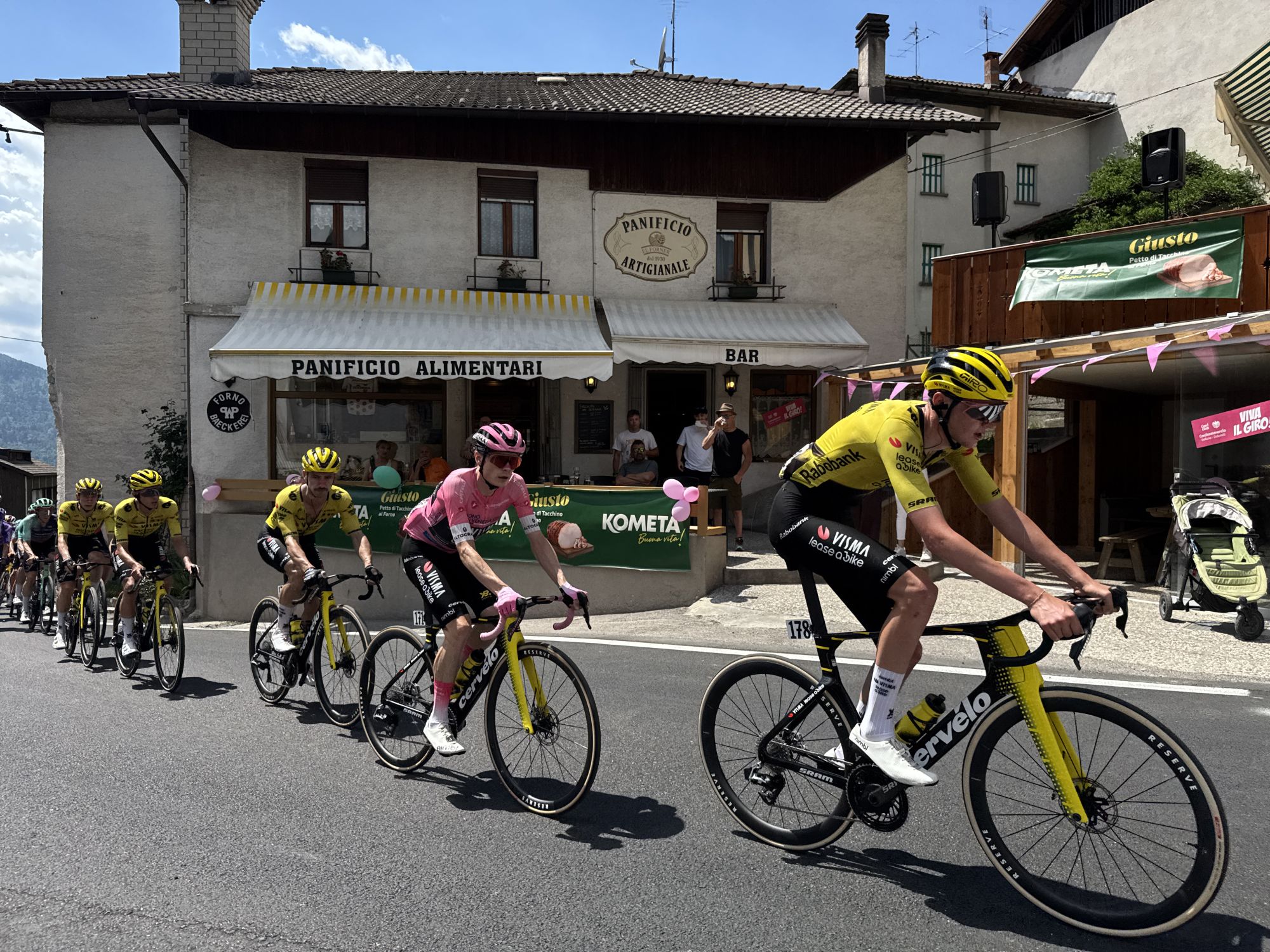
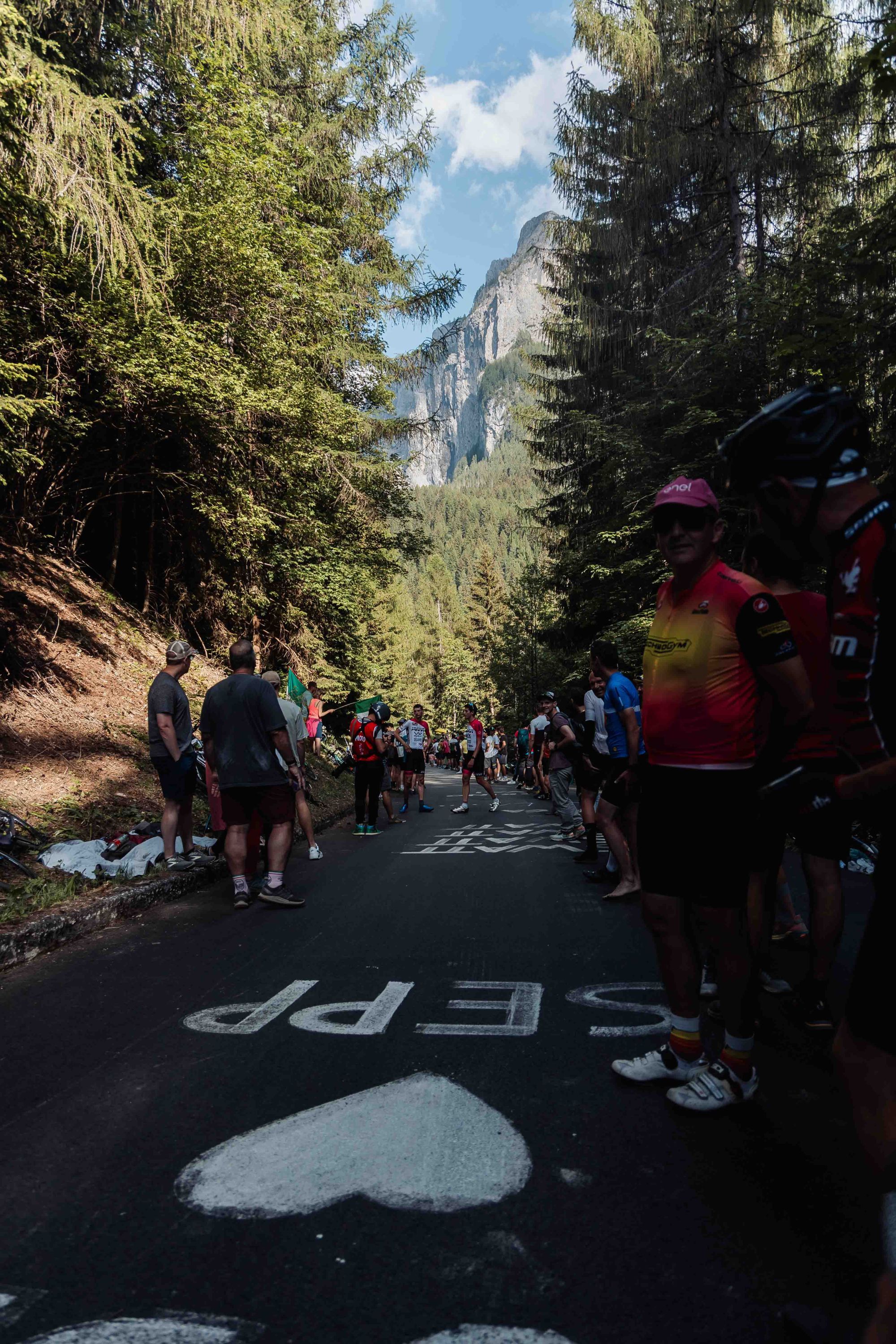
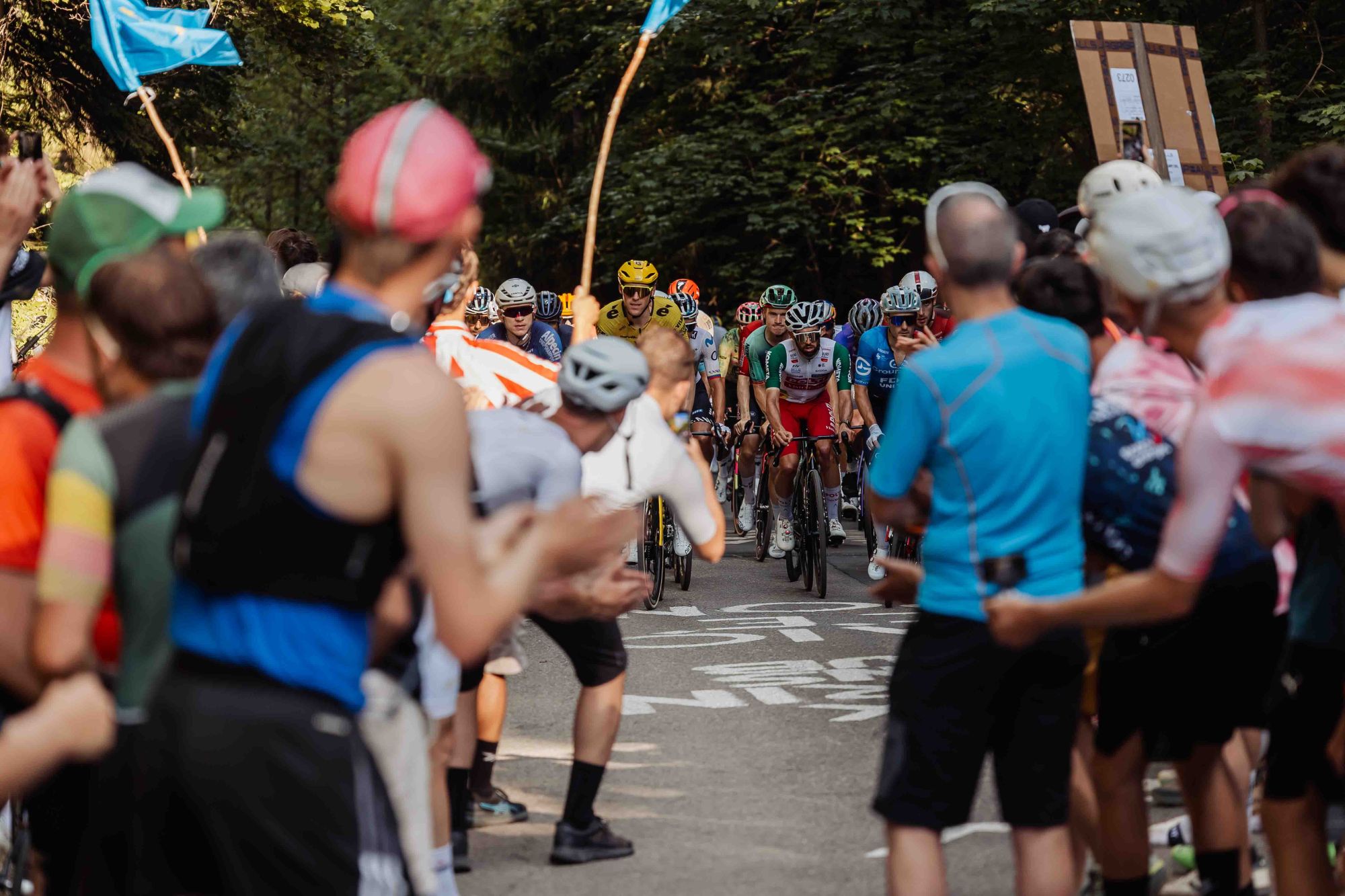
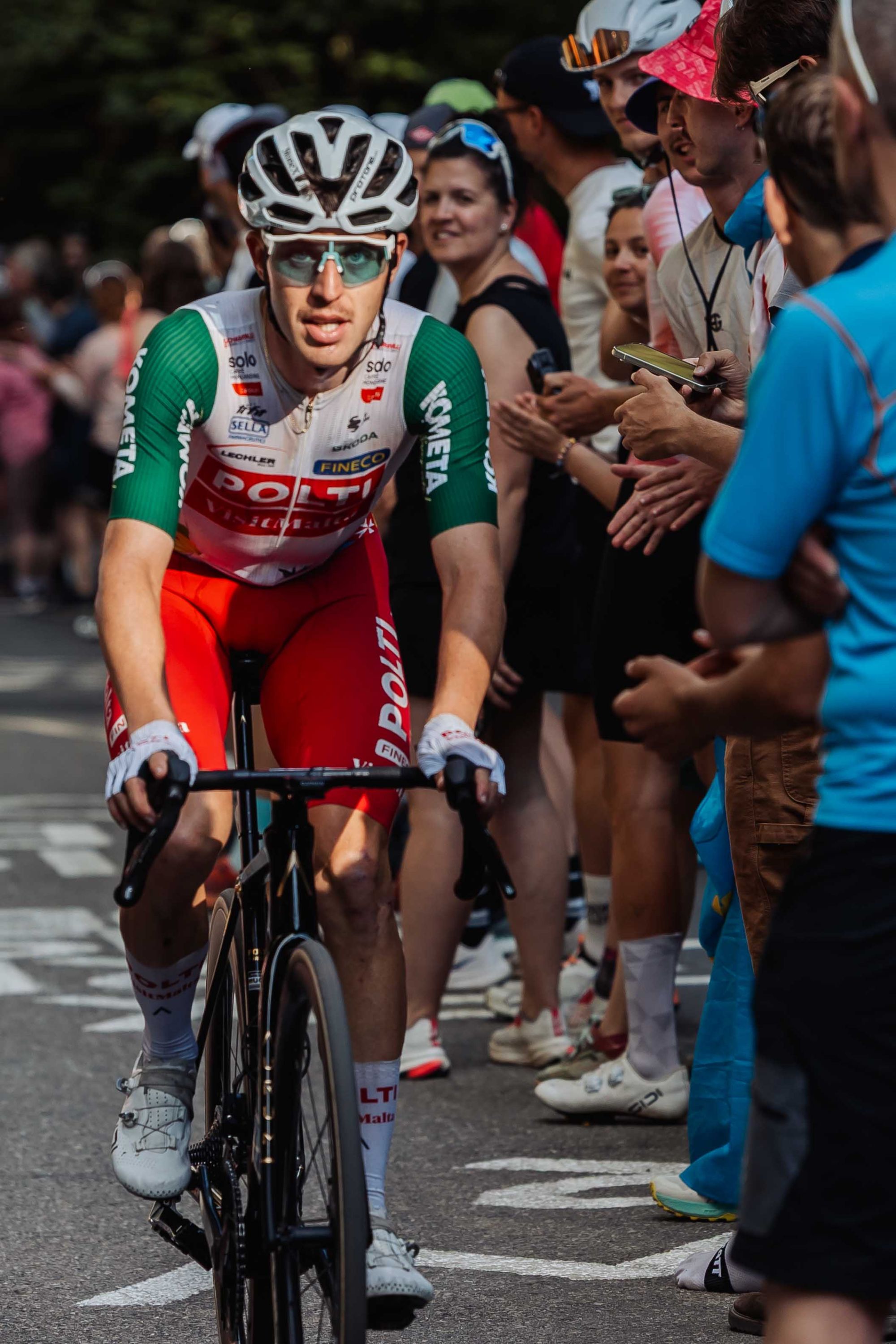
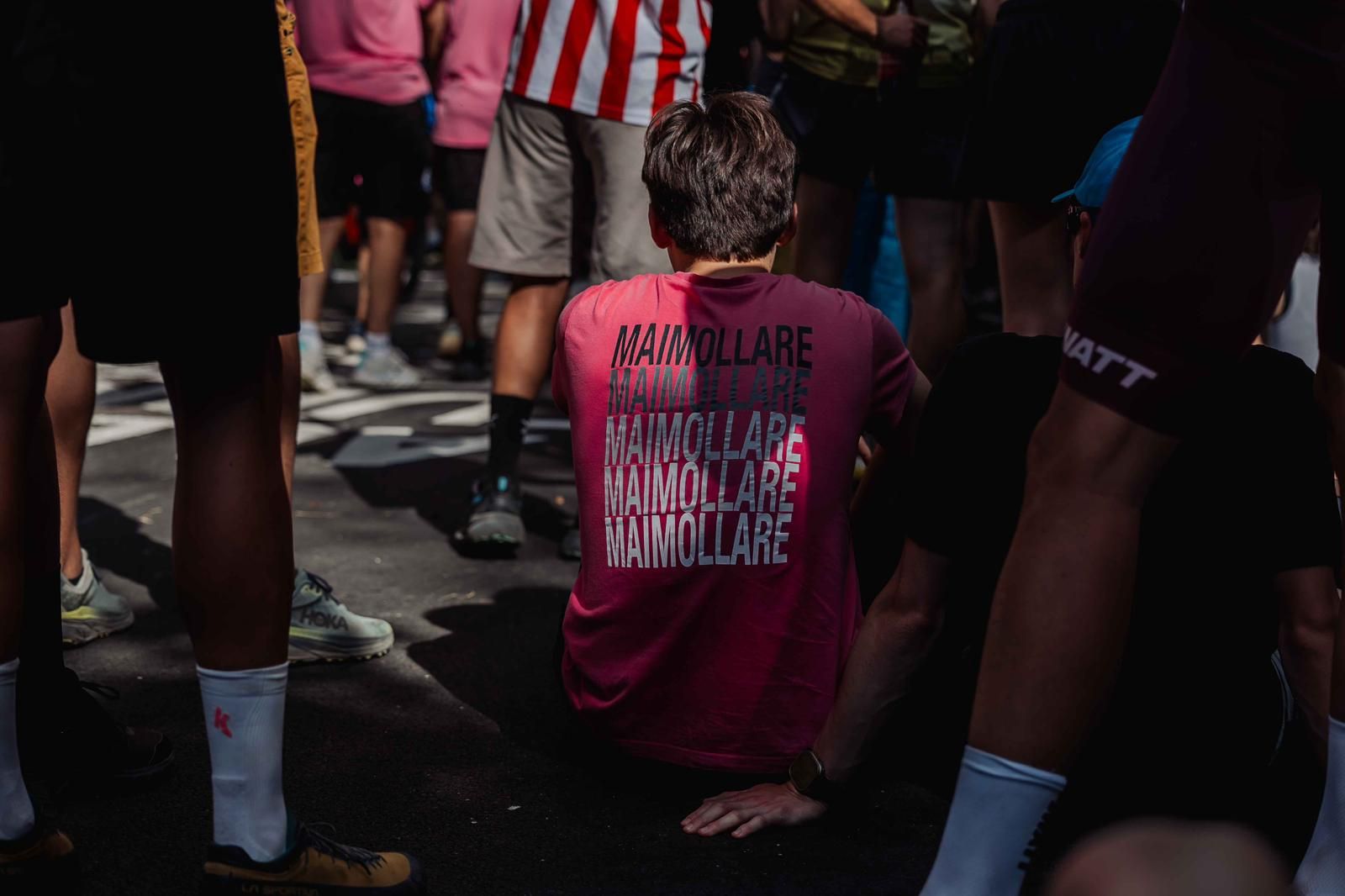
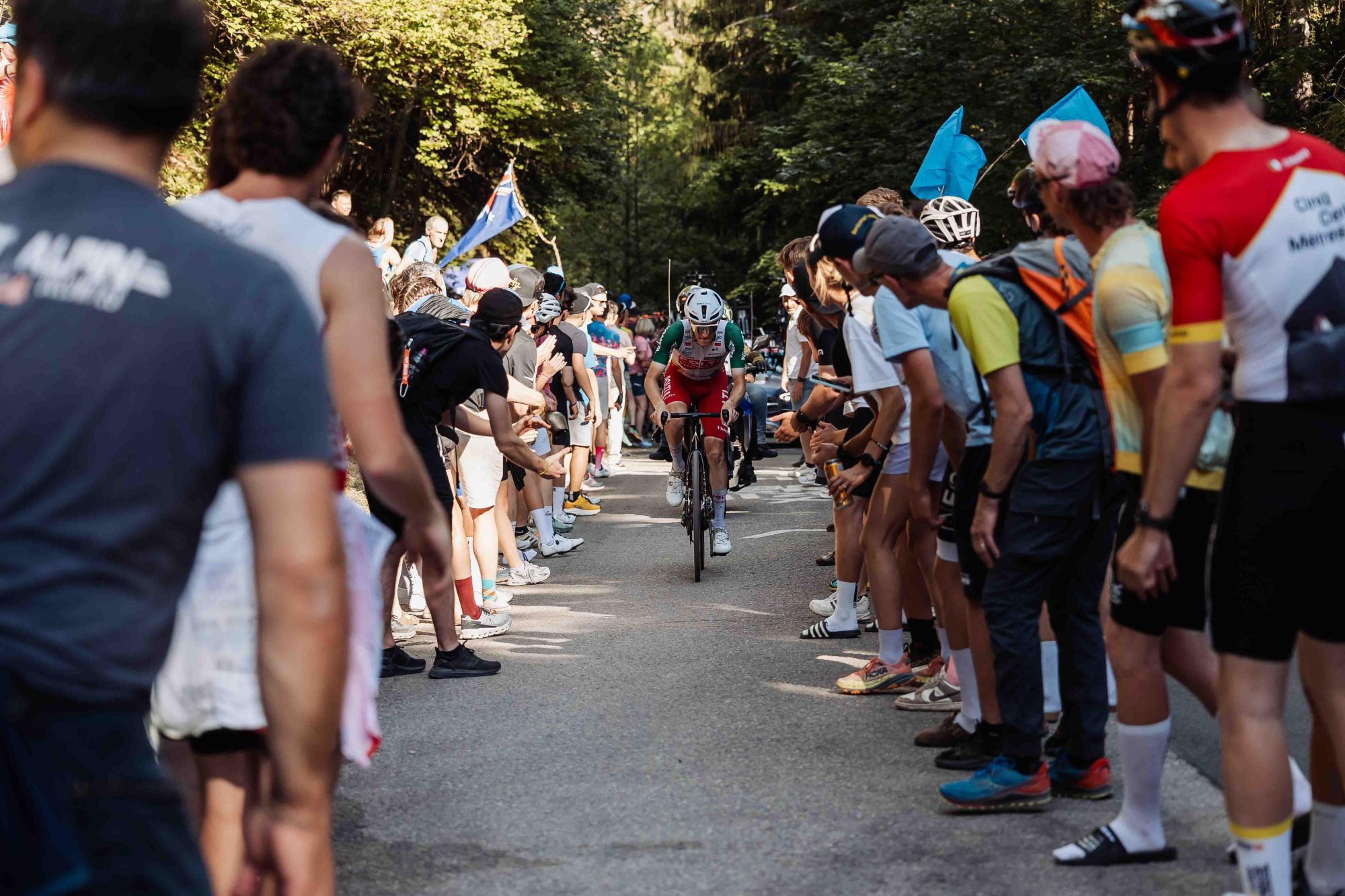
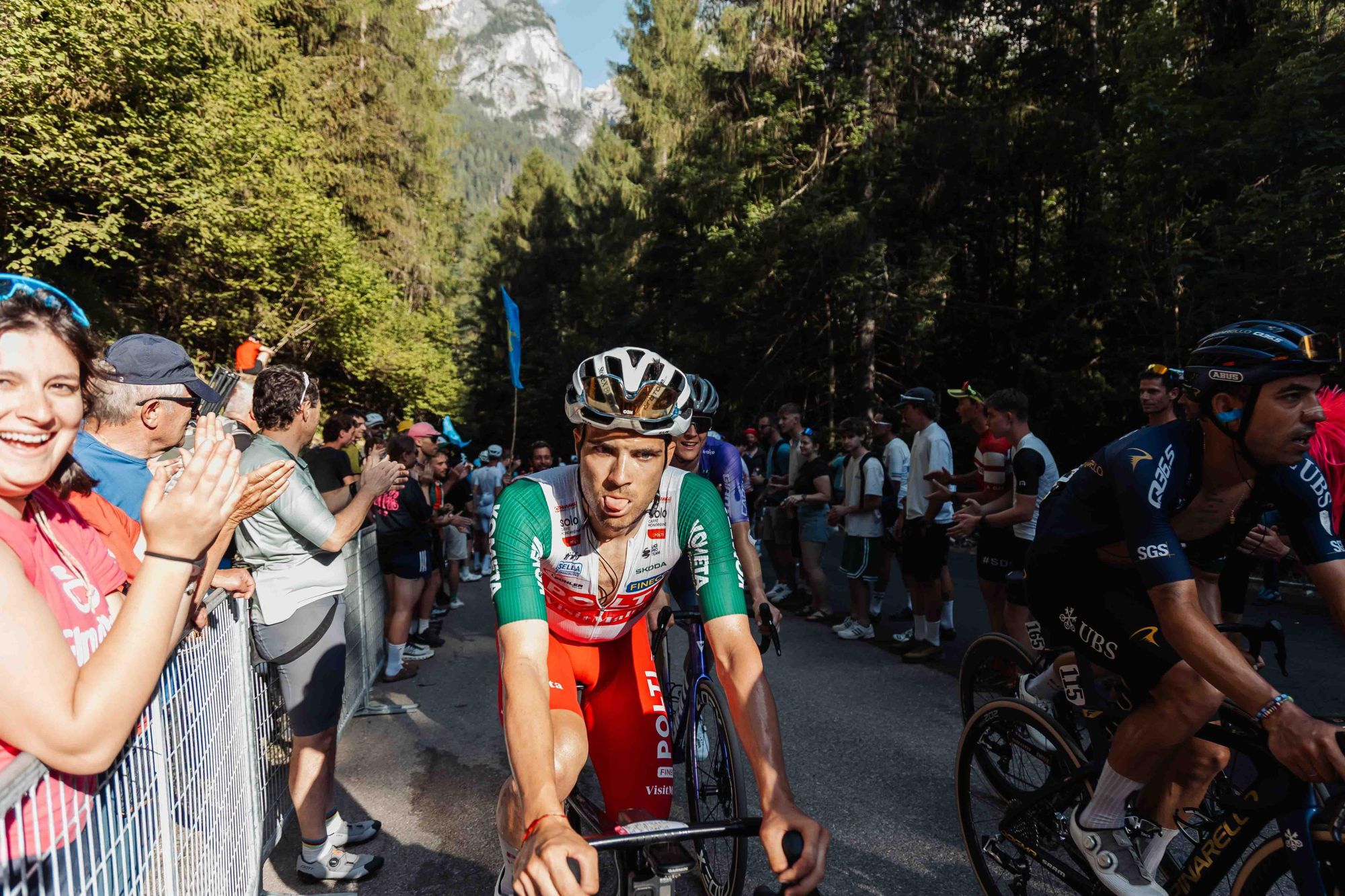
When we arrive in Feltre in the morning, it’s just after ten o’clock. The town centre and surrounding area are awash in pink; children gather outside schools wearing caps and holding balloons, bars are already crowded with people raising glasses. Not far from the ancient walls—the very same walls beneath which the 24 Hours race is held—the team buses are lined up alongside vans and vehicles belonging to staff, sponsors, and race personnel. There are only a couple of hours left before the start of Stage 19 of the 2026 Giro d'Italia.
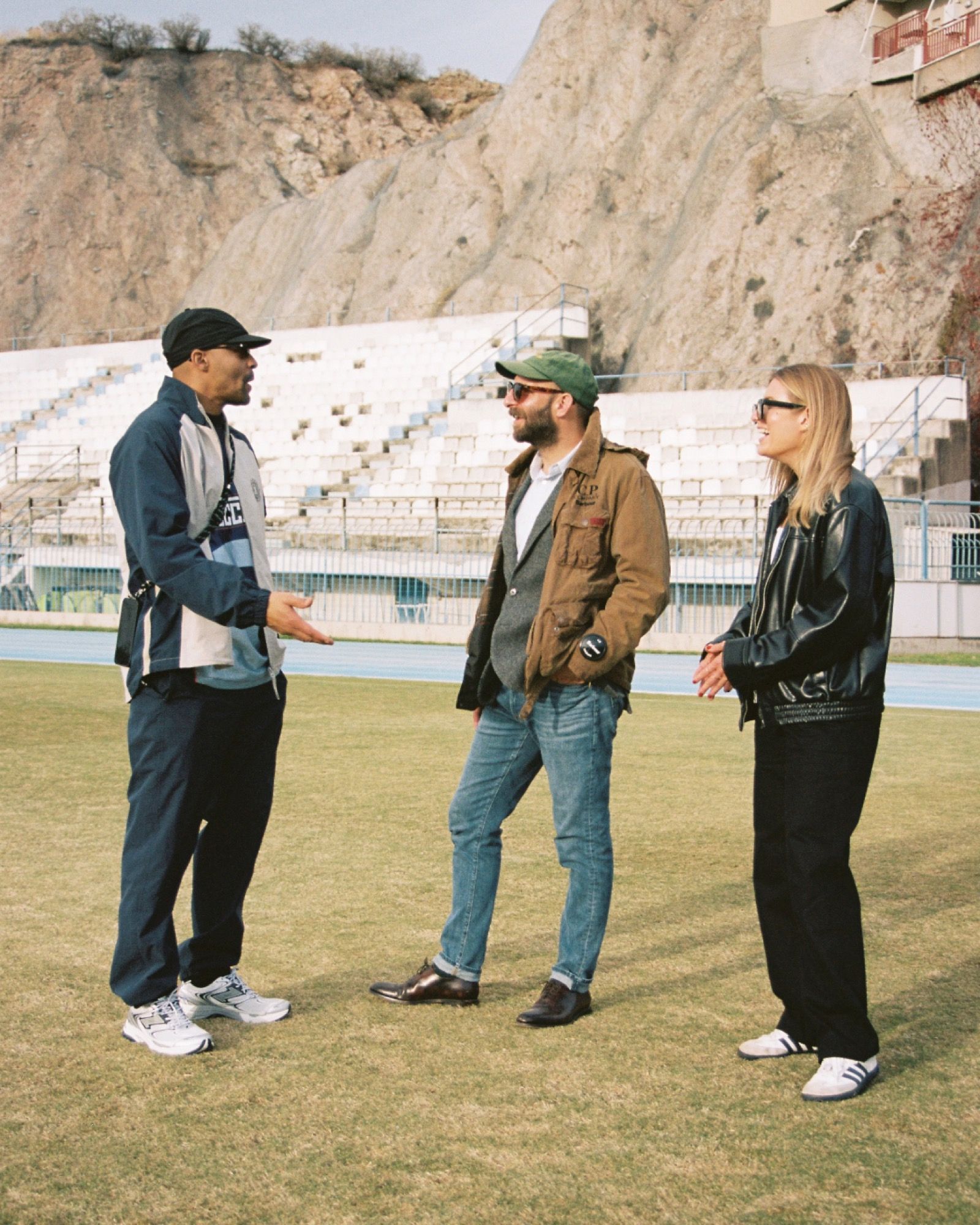
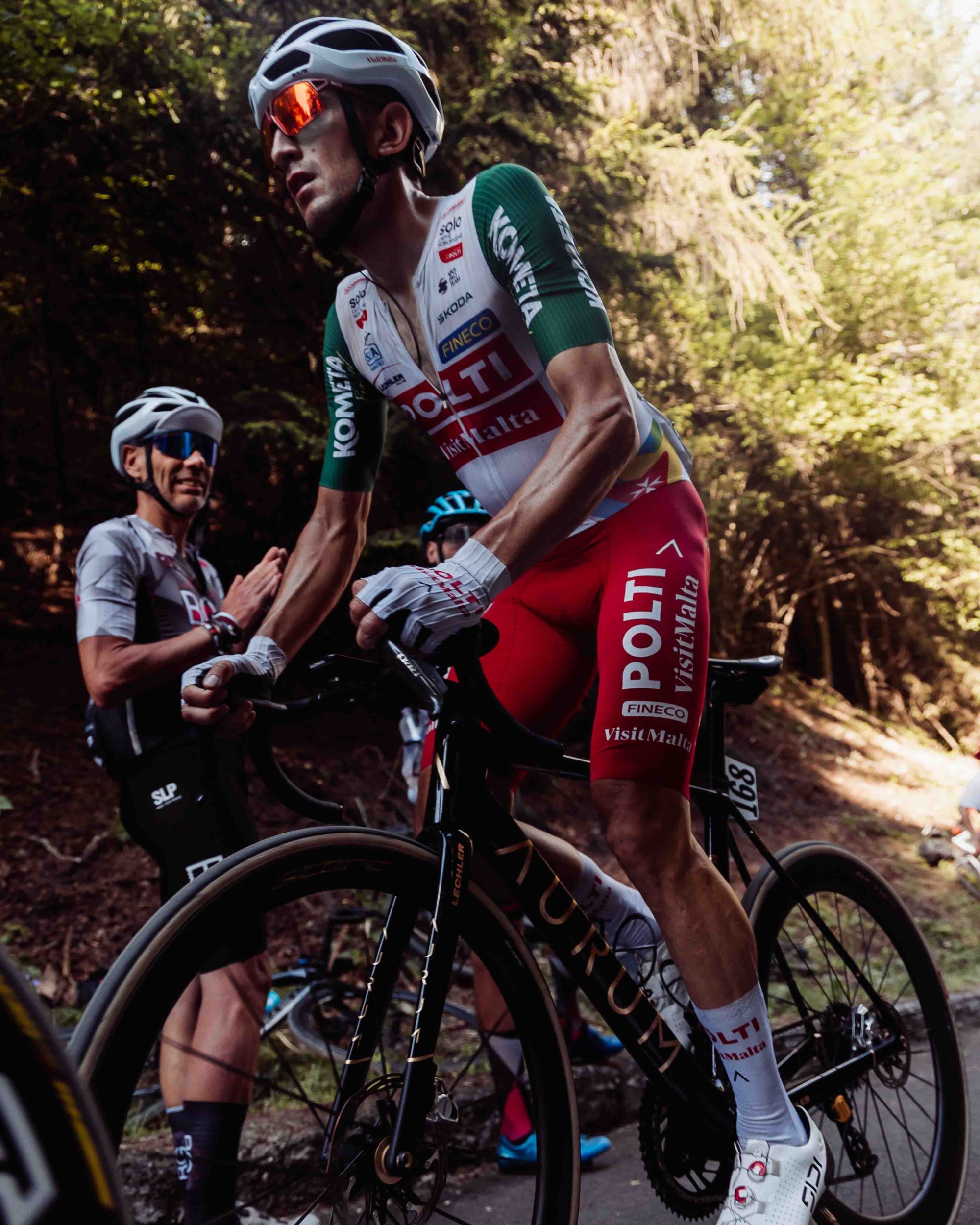
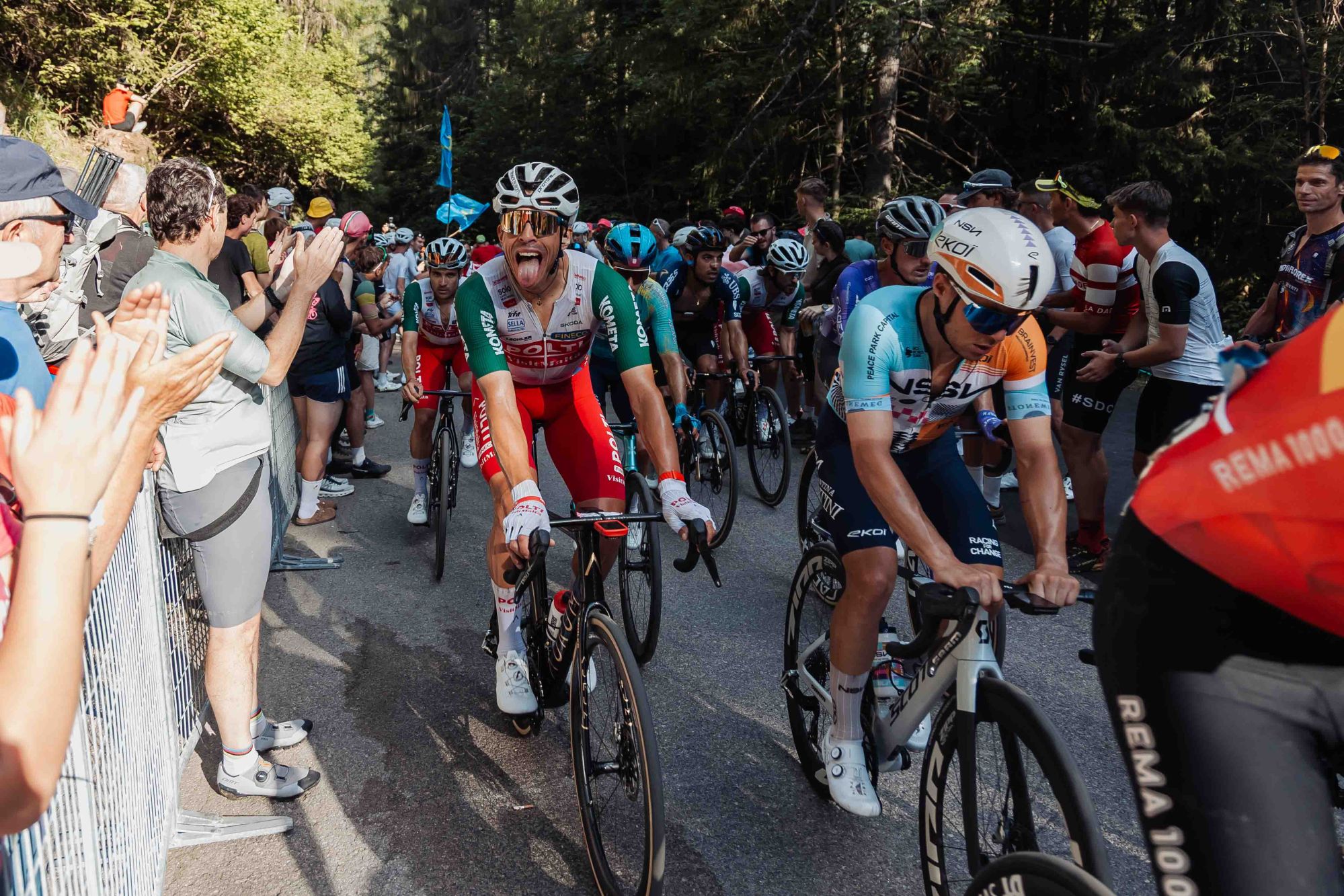
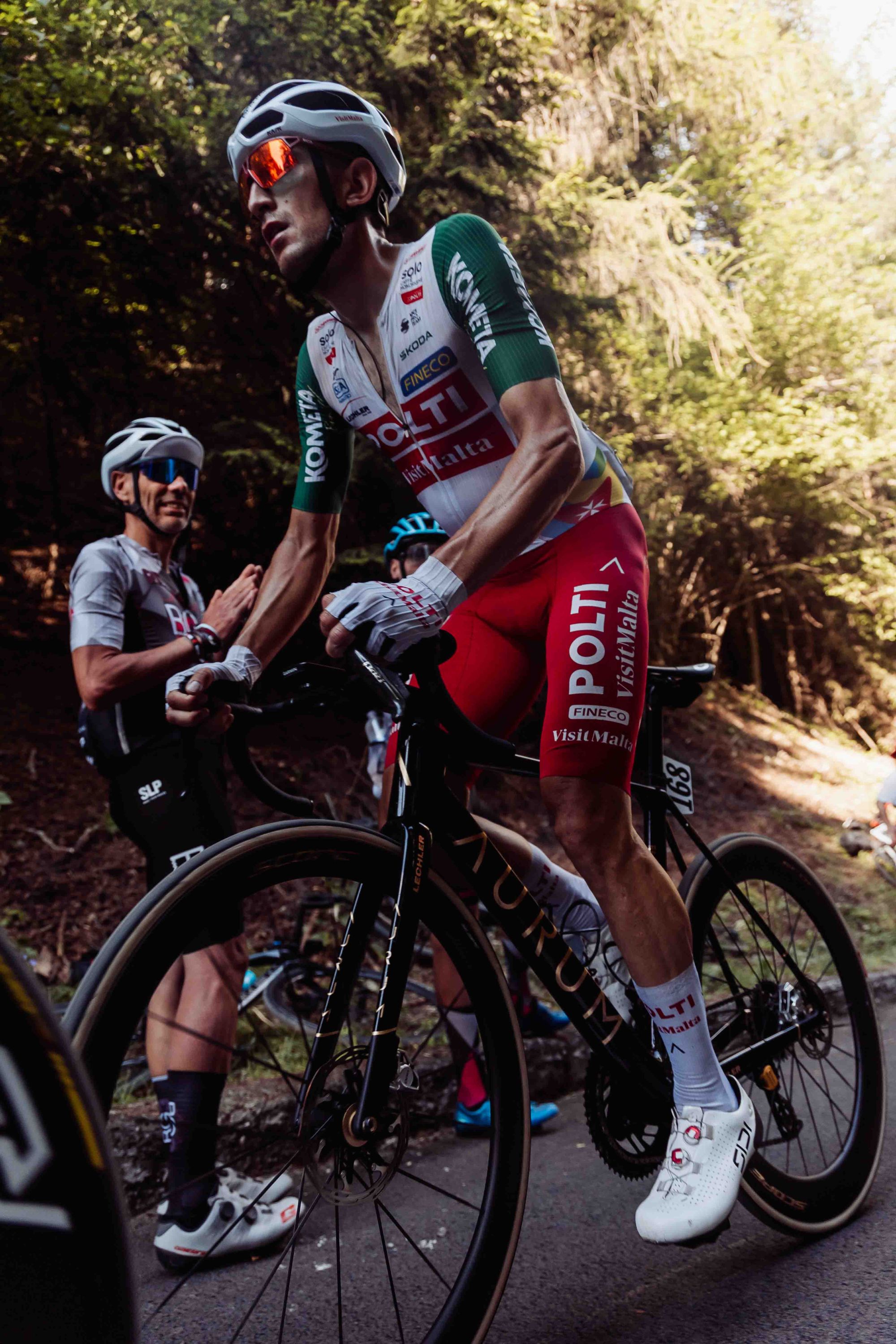
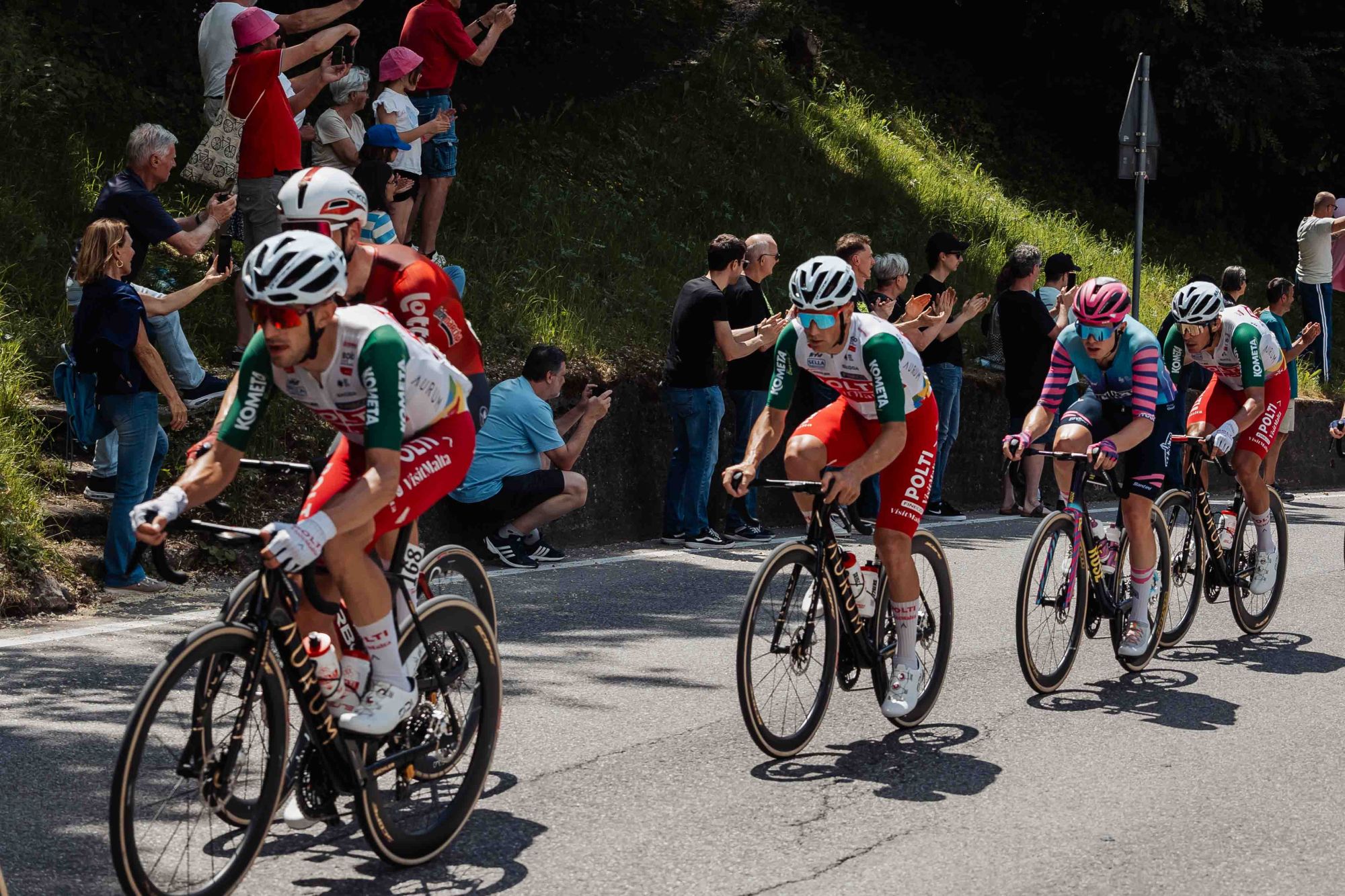
The stage from Feltre to Alleghe, finishing at Piani di Pezzè, has been one of the most anticipated of this year’s Corsa Rosa. We had the opportunity to experience it alongside Kometa, a food company specialising in the processing of pork and poultry products, which is a partner of the Giro d'Italia (as well as Tirreno-Adriatico and Milan–San Remo) and sponsor of Team Polti VisitMalta, the squad founded by Ivan Basso and Alberto Contador. Sharing the van with us are two special guests: former Olympic champion Igor Cassina and snowboarder Lucia Dalmasso, bronze medallist at Milano Cortina 2026.
The most exclusive part of the experience lies in everything that revolves around the riders, beyond the race itself. What we see on television is only one part of the story—the sporting contest—but around it exists an entire universe known almost exclusively to insiders. For three weeks, the Giro travels across Italy with a moving army. Every day means setting up, dismantling, and moving on again, involving more than two thousand people between teams, staff, sponsors, journalists, technicians, and law enforcement, along with around 150 vehicles including team cars, motorcycles, medical units, and race marshals, not counting the Giro-E and the Caravan, which move ahead of the race. For one day, we are part of this whirlwind too.
How the Giro d'Italia Machine Works
Feltre had already been living and breathing the Giro since Thursday evening, when the Notte Rosa filled Piazza Maggiore with events and late-night celebrations. Among the guests was Peter Sagan, a local favourite in these parts, as well as a Sportful ambassador, who also took part in a social ride with Team Tudor. By morning, the atmosphere and excitement are still very much alive.
When we reach the Kometa hospitality area, Ivan Basso is standing in front of the Team Polti VisitMalta bus—a man who has won the Giro twice. These days he follows the race and oversees his team’s work, sometimes personally from the team car. In front of the bus, the team’s bikes are on display, drawing plenty of attention from spectators and photographers alike. They are AURUM MAGMA AU109s, developed together with StoneX Bullion and featuring details crafted from 24-carat gold leaf.
The day unfolds according to its usual ritual. First comes the start of the Giro-E, the race reserved for electric bicycles, followed by the Caravan, the promotional convoy that precedes the riders while distributing gadgets and entertainment. Dozens of partners take part as sponsors, suppliers, or licensees, in addition to those backing the race jerseys. At 11 a.m. sharp, the sign-on podium officially opens, and from that moment the race is only a short step away from its start, scheduled for around 12:30 p.m.
After leaving Feltre, our van follows the peloton for a brief stretch before beginning a long parallel pursuit. While the riders tackle the route, we take alternative roads to reach key points ahead of them: Passo Duran, Forcella Staulanza, and the final climb. And it is here that one of the Giro’s most iconic objects comes into play: the Garibaldi.
The Garibaldi: Cycling's Most Famous Road Book
Inside the van, a small screen keeps us updated on the race. But when it comes to navigating around the course, the document consulted constantly is the Garibaldi. Calling it simply a road book would be an understatement: it is the Bible of the Giro d’Italia. A guidebook, a route manual, a historical archive, and for many, a collector’s item. An institution.
The opening pages contain organisational charts, accreditation details, practical information, and contacts; then come maps, team information, classifications, sponsors, and the addresses of stage headquarters. After that comes the true heart of the Garibaldi: around twenty pages dedicated to each stage, featuring route descriptions, elevation profiles, road access information, maps, and estimated passage times.
The origin of the name Garibaldi adds to its folklore. The most popular explanation is that journalist Nando Martellini was the first to call it that, after asking a colleague to hand him “that book with Garibaldi on the cover.” The figure of Giuseppe Garibaldi appeared in the opening pages of the 1961 edition, published during the centenary of Italian unification. There is also a more romantic interpretation: just as Garibaldi helped unite Italy, the Giro continues each year to traverse the country from north to south, connecting regions, cities, and communities.
Race Radio, the Nervous System of the Giro
If the Garibaldi is the Giro’s map, Race Radio is its nervous system. We hear it for the first time before the start, and from then on it is omnipresent in the Kometa van, just as it is in every team car and support vehicle. It is not a radio channel for the public; it is the race’s internal communication network, with announcements delivered first in Italian and then in English.
It continuously updates everyone on the progress of the stage: who is in the breakaway, how many seconds separate them from the chasers, where the Pink Jersey group is positioned, whether there has been a crash, a withdrawal, or a mechanical issue. It also coordinates the movements and activities of the entire race convoy. Maintaining order are the official race marshals, four of them at the 2026 Giro d’Italia, all former professional riders: Paolo Longo Borghini, Enrico Barbin, Damiano Cima, and Salvatore Puccio. Riding motorcycles, they intervene whenever necessary to manage race traffic, prevent dangerous situations, or correct the positioning of vehicles.
Then there are the team cars, probably the most recognisable symbol of cycling after the bicycles themselves. On board are the sporting directors, who monitor the race on screens and communicate with riders, while behind them sit the mechanics, surrounded by spare wheels, replacement bikes, nutrition supplies, and everything needed to react to changing weather conditions—from rain jackets and extra jerseys to thermal bottles and bags of ice. They start the day at the back of the convoy, but their position can change depending on the race situation, particularly when breakaways form. Alongside them operates a secondary team car for each squad, strategically positioned at designated feeding zones.
The Logistics Behind a Grand Tour
Stage 19 was widely regarded as one of the standout stages of the 2026 Giro. One hundred and fifty-one kilometres and nearly five thousand metres of elevation gain spread across Passo Duran, Coi, Forcella Staulanza, Passo Giau—the Cima Coppi of this year’s race—Passo Falzarego, and the final ascent to Piani di Pezzè. The unprecedented finish also brought back memories of 1992, when a very young Marco Pantani produced one of his earliest great performances here during the Giro d’Italia Dilettanti.
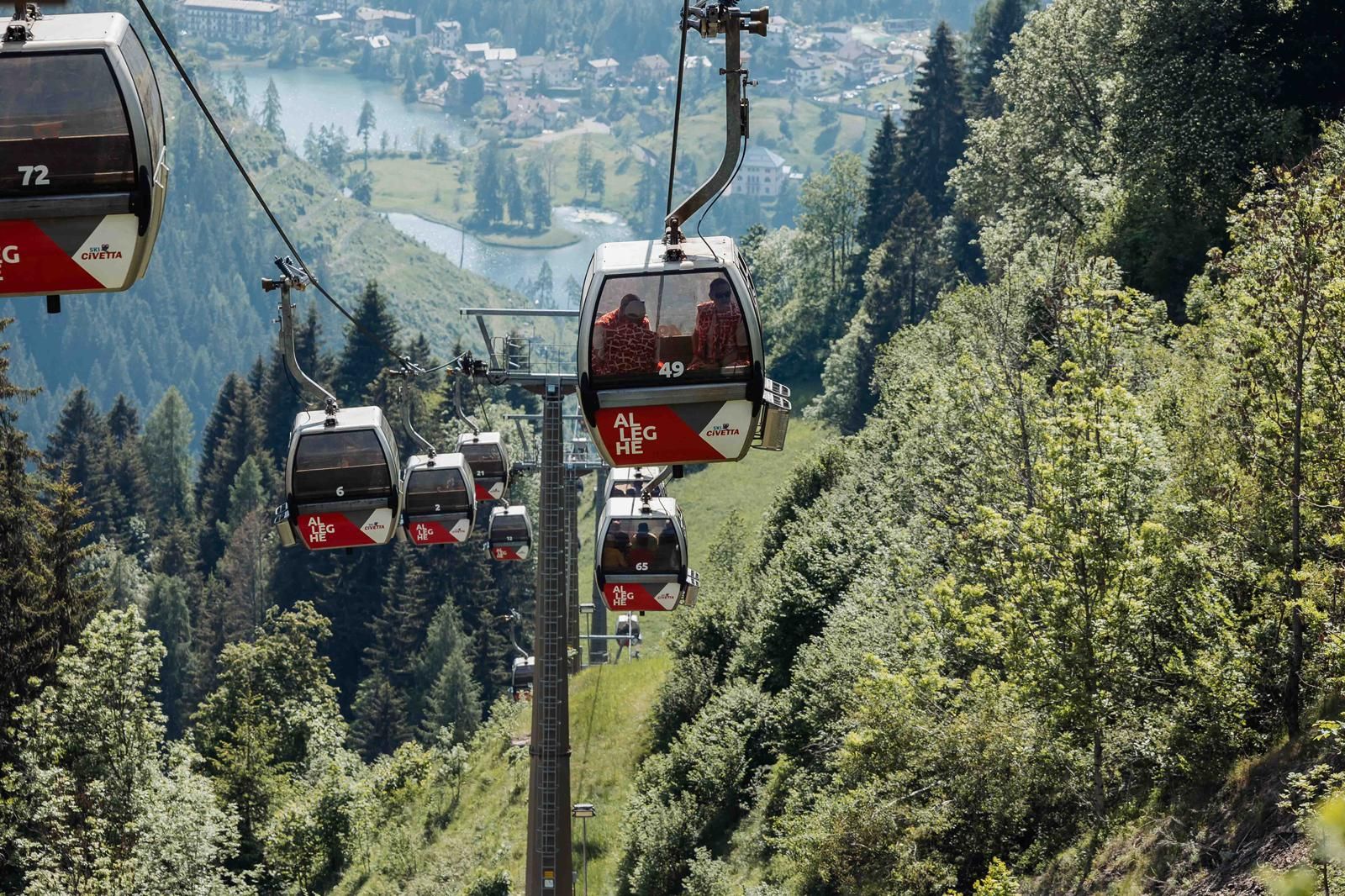
By the time we arrive in Alleghe, the decisive phase of the stage is just around the corner. We leave the van and take the cable car up to Piani di Pezzè. Below us lies the lake; all around, mountains fill the horizon, while the helicopter overhead signals the riders’ imminent arrival. The stage has been animated by a long breakaway and by Giulio Ciccone’s pursuit of the Blue Jersey. The rider from Abruzzo, racing for Lidl-Trek, is undoubtedly the day’s protagonist, relentlessly sprinting for points at every King of the Mountains summit while also engaging in a heated confrontation with Rubio. His efforts ultimately secure the mountains classification, wresting it away from Jonas Vingegaard.
In the closing kilometres, however, Ciccone begins to fade, and from behind emerges Sepp Kuss (Team Visma | Lease a Bike), who goes on to claim the stage victory. Once the stage is over, the Giro quickly returns to being a vast logistical operation. Race Radio delivers its final updates, vehicles begin to disperse, and eventually the End of Race motorcycle passes through—the final vehicle in the travelling circus. As we descend back into the valley, we cross paths with several riders who, their efforts finally behind them, are pedalling calmly back towards the team buses, chatting with teammates and fellow competitors. Within a few hours, most of the temporary structures will have been dismantled, and the entire organisation—along with the riders and their teams—will move on to the next destination, Gemona del Friuli. And so it goes, stage after stage, as it has for more than a century.