
There's a whole world behind Tadej Pogačar's million-dollar watch How the Slovenian star and Richard Mille are redefining the relationship between cycling and haute horlogerie
Over the weekend, the 2026 Tour de France kicked off, and once again, everything starts with Tadej Pogačar. Because he is the favorite, the defending champion, the Yellow Jersey of four of the last six editions, and because by now, each of his Grande Boucle appearances feels like a new milestone in a career already carved into legend. In recent days, however, his name has not been linked solely to the race, his physical condition, or potential rivals. What also got people talking was something that, at least on the surface, has little to do with what the Slovenian does in the saddle—namely, the watch on his wrist during training sessions. A new model by Richard Mille with an estimated value of around one million dollars.
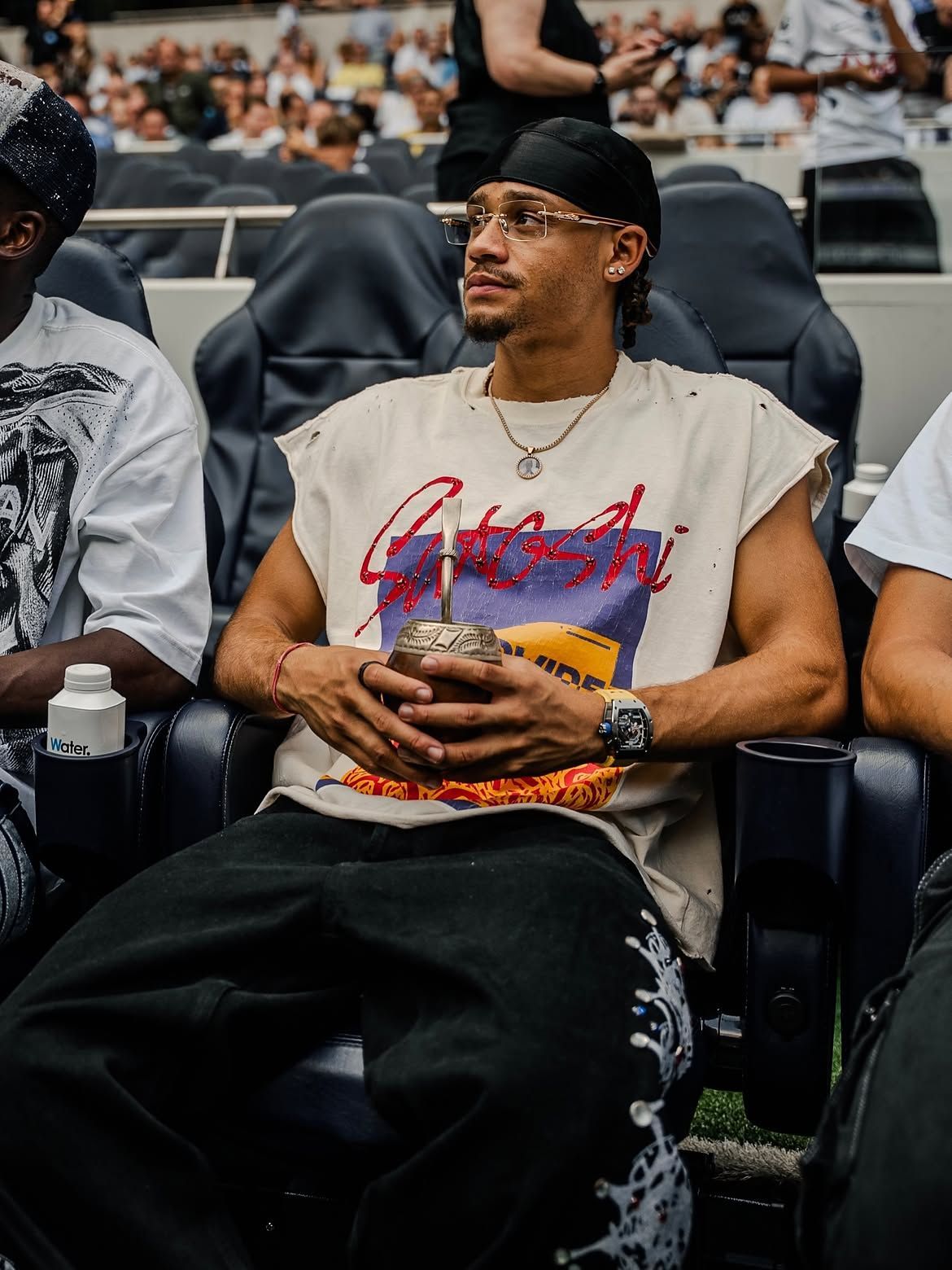
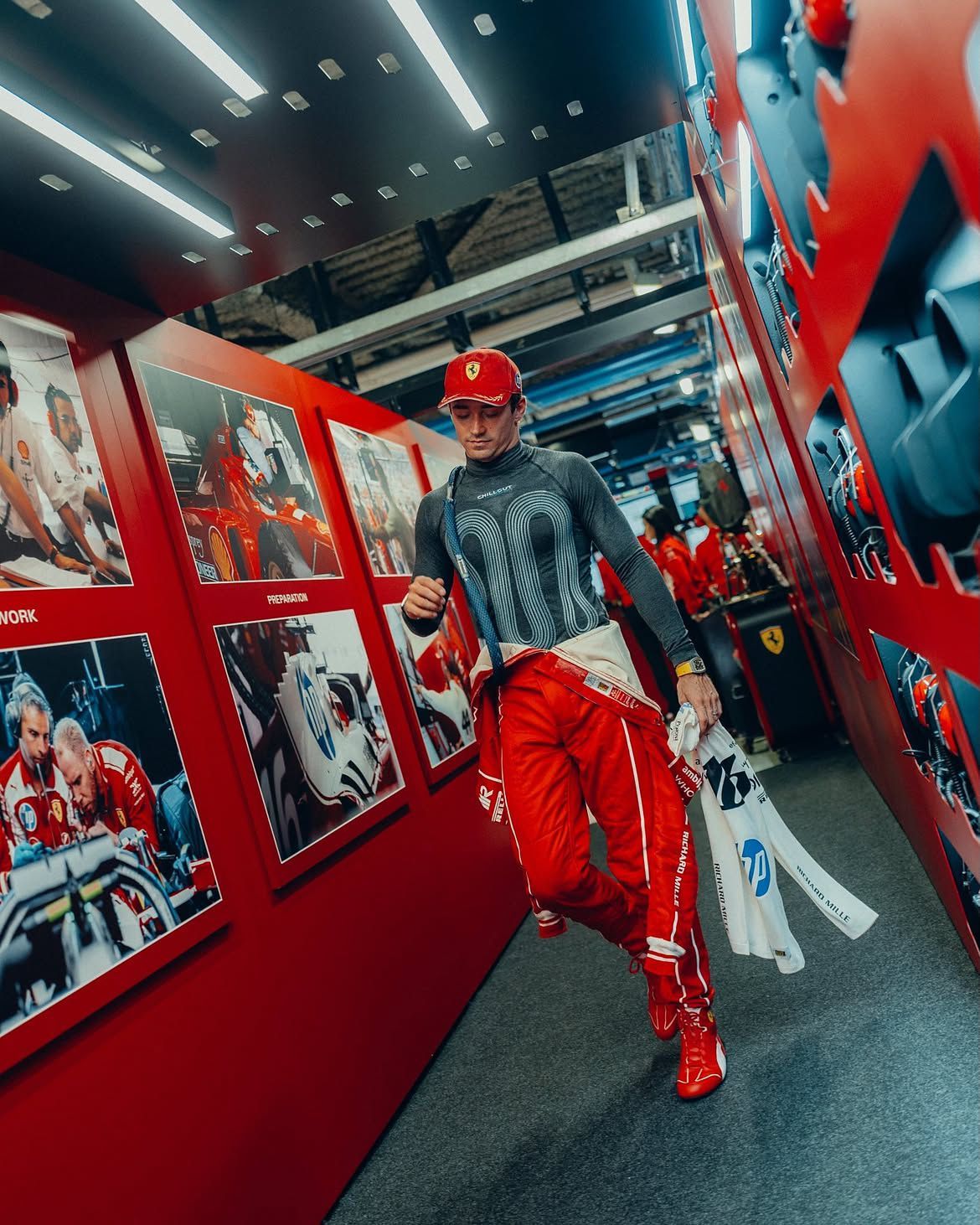
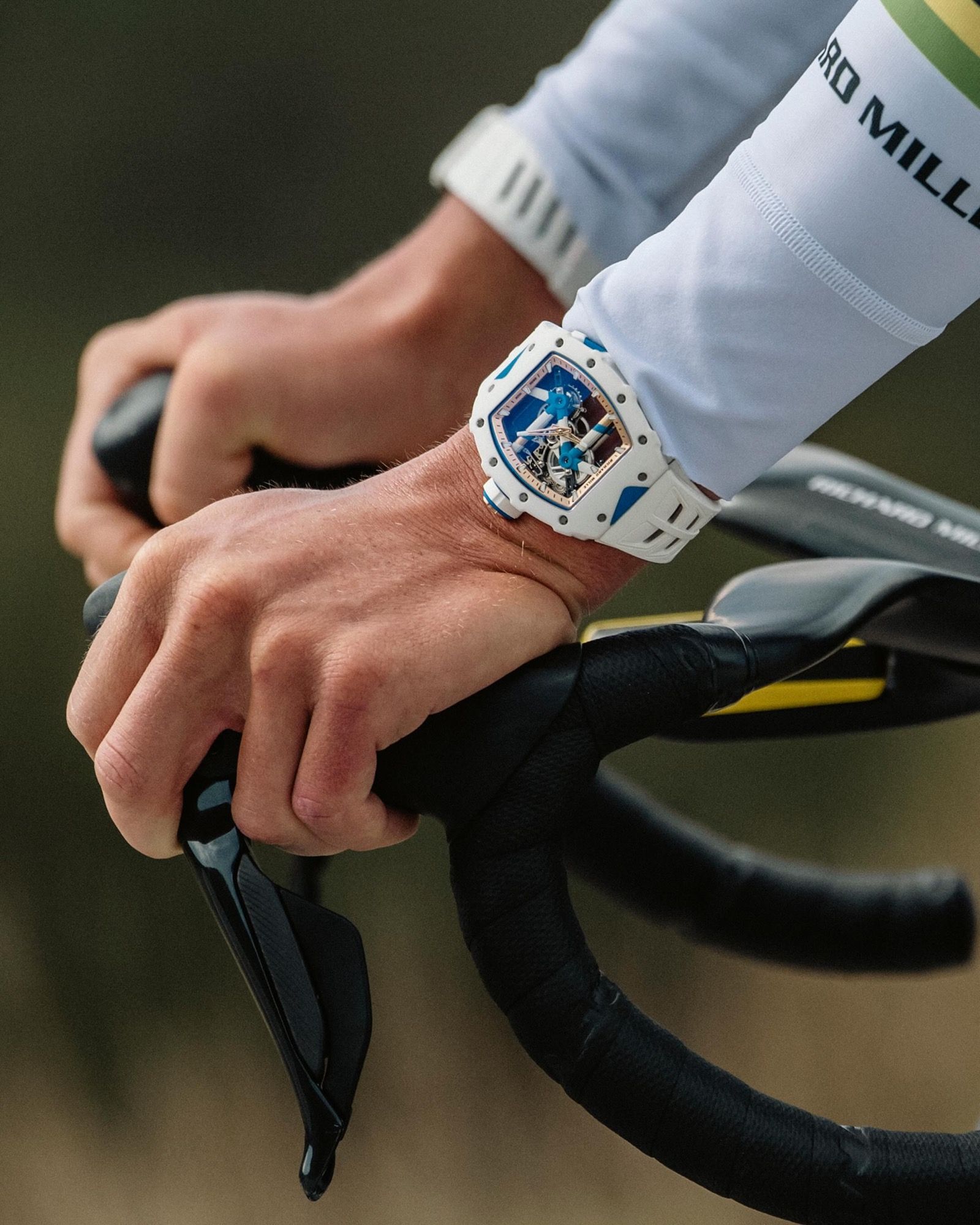
This is the RM 64-01 Tourbillon Colnago, unveiled just before the start of the Tour: a special edition, limited to 50 pieces worldwide, created by Richard Mille in collaboration with the Colnago bicycle brand and Pogačar himself. Images of its very first public appearance went around the world on the web and social media within a few hours, but in all likelihood, they will be the only ones in which we will see the new gem on Pogačar's wrist during these weeks. Indeed, for safety reasons, the Slovenian is not expected to wear it during races or in the immediate post-race moments.
Beyond the exceptional value of the model, the bond between Pogačar and Richard Mille is nothing new, nor is it an isolated case. For some time, the Slovenian has been racing with a piece from the Swiss maison on his wrist, just like his rival Mathieu Van der Poel, and together they represent the tip of the iceberg of a broader phenomenon, which sees more and more luxury watch brands investing in cycling, and in a different way compared to the past.
Pogačar and Richard Mille
The relationship between Pogačar and Richard Mille began in 2021, when the brand entered the sector by becoming a partner of UAE Team Emirates and choosing the Slovenian as an ambassador. From that moment on, his victories have been accompanied by the same watch: an RM 67-02 Automatic Extra Flat, developed specifically for professional athletes and made of carbon composite and titanium, weighing just 32 grams—a non-negligible detail in a sport where every single gram matters. Since then, Richard Mille has become part of Pogačar's image: while climbing the Tourmalet, under the rain of the Liège-Bastogne-Liège, on the top step of the Tour de France podium, in every photograph that told the story of his feats. Not as an accessory for afterwards, but to accompany him during.
The episode that contributed most of all to making people talk about it, guaranteeing visibility but also generating some discussion, dates back to the 2025 Paris-Roubaix. On the continuous and violent jolts of the cobblestones that day, the watch crown ended up digging into the Slovenian's wrist, leaving a clear wound on the white of his rainbow gloves. The images inevitably triggered a question in the minds of onlookers: why wear a watch—let alone a piece worth over €300,000—in a race like that? Aside from the inconvenience, resolved twelve months later by wearing the watch higher up on the forearm, the answer is simple: because for Richard Mille, the race conditions of the Paris-Roubaix, hellish by definition, represent an ideal commercial. And this brings us to the brand's second major ambassador in cycling.
Not Just Pogačar
If Pogačar has become the face of Richard Mille in stage races, Mathieu Van der Poel represents the perfect testimonial for the spring classics. The Dutchman has been part of the Swiss family since the beginning of 2025, and among other occasions, he showed off his RM 67-02 when he conquered his third consecutive Paris-Roubaix, after five hours of cobblestones, rain, and wind. Arriving at the velodrome for the final straight, the watch was still there on his wrist, covered in dust and mud, fresh off hours of shocks and vibrations, yet perfectly functioning. It was the most valuable object in that TV shot and probably in the entire velodrome, carrying the same marks of the Roubaix just won by Van der Poel, having endured right alongside him. Exactly the type of image Richard Mille is looking for.
The Swiss brand, moreover, has built a good part of its identity by partnering with athletes in high-intensity disciplines, from tennis with Rafael Nadal to Formula 1 with Felipe Massa, passing through track and field and motorsports. In cycling, the strategy found fertile ground first with a generational sprinter like Mark Cavendish, then with Pogačar and Van der Poel, the two riders who embody this sport more than any others due to their spectacular style and international recognizability. As well as, obviously, for their results, which ensure wide exposure.
Richard Mille, however, is only the most visible logo at the moment. For some time, haute horlogerie has been looking at professional cycling with interest, and if for decades this relationship passed mainly through competitions (for example, Tissot, official timekeeper of the Tour de France) and teams (such as the Tudor Pro Cycling Team), something has now changed. There are brands that choose to link their image directly to the riders and their performances, as also demonstrated by Breitling, which on the eve of the Tour de France announced the enfant prodige Paul Seixas as its new ambassador.
Cycling and Haute Horlogerie
But how can cycling, a sport obsessed with weight and efficiency by definition, be penetrated so deeply by watchmaking? It is natural to wonder, where every detail is studied to gain a few watts or save a few grams, in a universe where millions are invested in the aerodynamic development of bicycles and helmets, shoes and clothing are lightened, and where before climbs, you even happen to see a rider empty part of their water bottle to eliminate the weight of excess water. Everything seems to go in the opposite direction of the idea of wearing a watch during a race, and yet.
It is precisely this apparent paradox, however, that makes a partnership like the one between Richard Mille and its ambassadors so effective. The question for those watching is: doesn't it bother them, doesn't it weigh them down? And the answer to this question—in short: no—is the message the brand wants to convey. The RM 67-02 worn by Pogačar and Van der Poel weighs less than a gel, an energy bar, or a sip of water: little enough to be irrelevant even in a super-weight-conscious sport. And not only that, it is also designed to absorb continuous vibrations, shocks, and stress—in other words, what its ambassadors do: endure. Few sporting events, after all, subject equipment to stress comparable to that of a Paris-Roubaix, and its mere presence in such races certifies the qualities of the watch, without the need for a narrator to explain them in a commercial. And that is how the images of Van der Poel raising his arms to the sky with his Richard Mille covered in mud, or Pogačar attacking on a climb in the rain, become far more powerful than any campaign.
To this is added an element that few other sports can offer: time. A stage of the Tour de France, just like the Giro d'Italia or the Vuelta a España, translates into five or six hours of live broadcasting, with cameras just a few meters from the riders and continuous close-ups. The wrist remains in the shot for most of the day, and all of this is repeated for three weeks. No other major event guarantees such close, frequent, and prolonged exposure—not to mention images of the podium, interviews, and celebrations, which multiply the media return.
For this reason, cycling is becoming increasingly interesting for haute horlogerie. Certainly not because the riders need a watch during the race—by the way, today the stopwatch is in the bike computer fixed to the handlebars—but because that small object on the wrist, in that context, speaks of innovation, resilience, exclusivity, and performance. Transforming cyclists' arms into precious real estate for brands in the sector. Thus, we have gone beyond the habit of seeing champions wearing a watch only after the victory. The added value today is being a part of it.