


The ultime guide to Giro d'Italia's history Anecdotes, figures and symbols
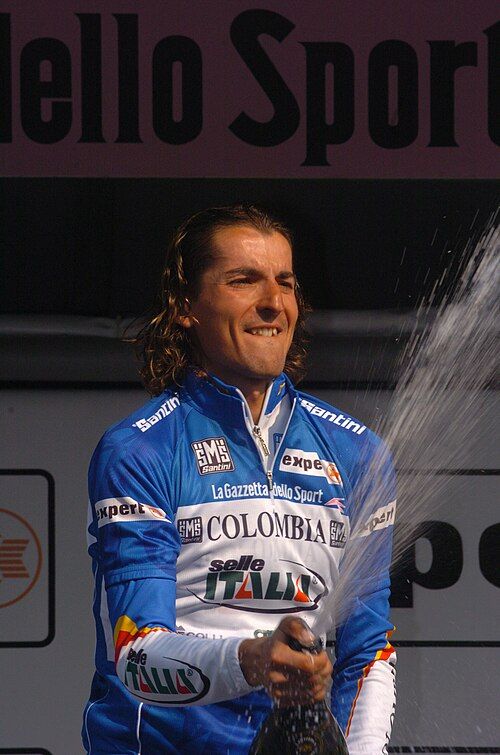
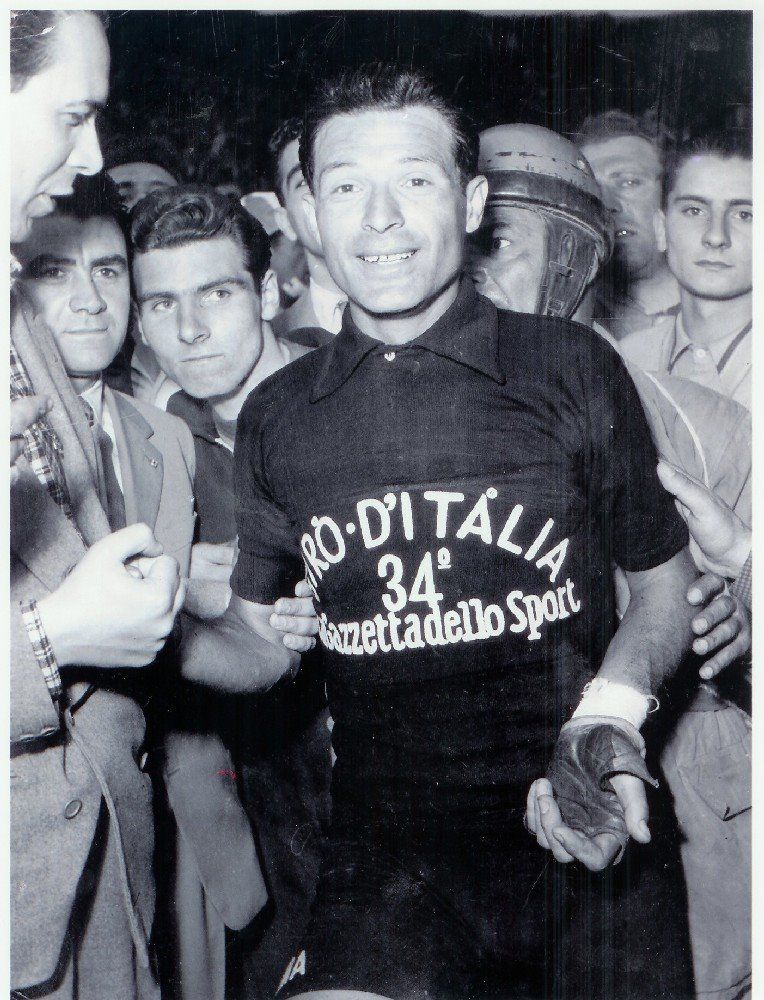
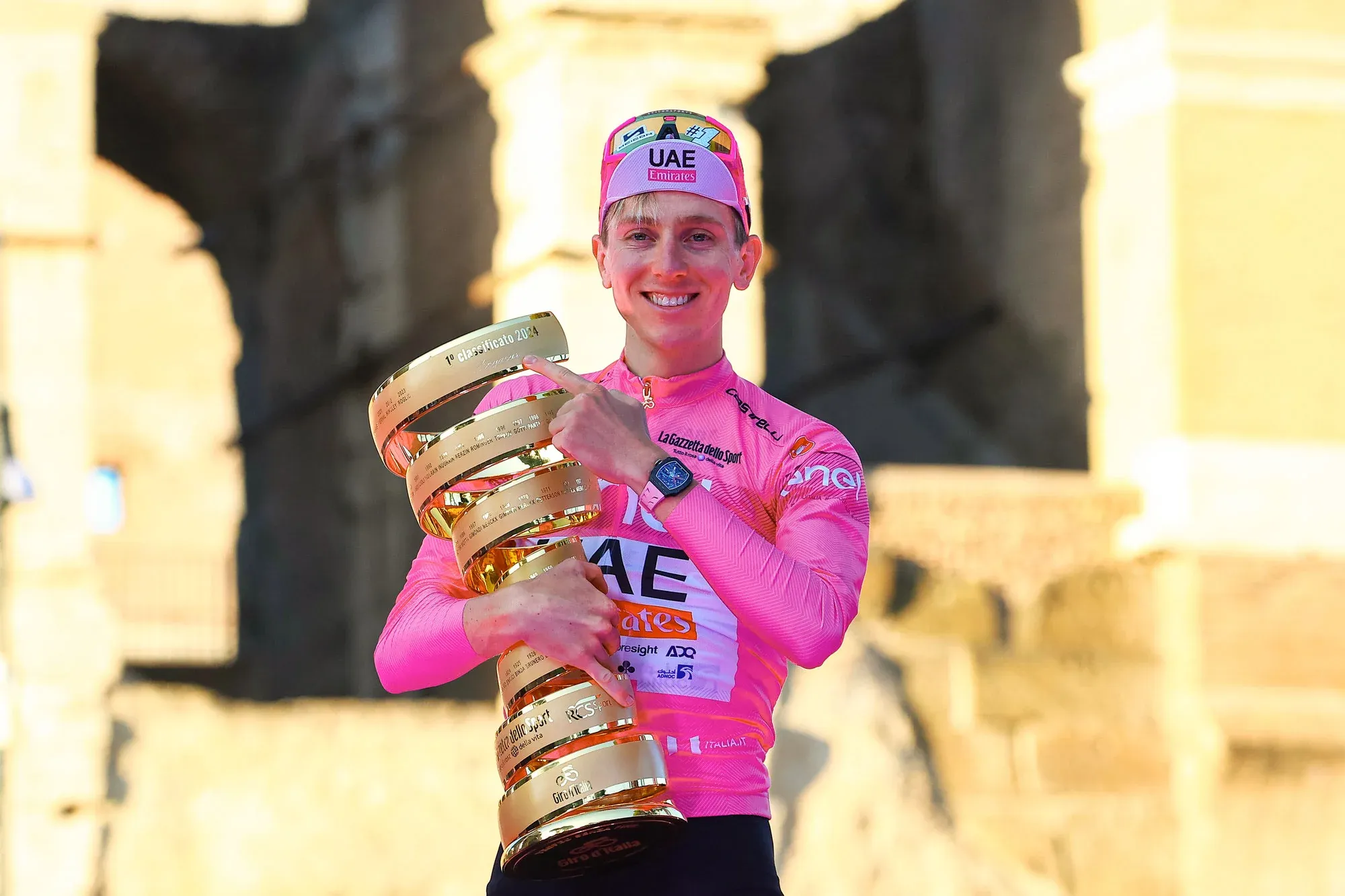
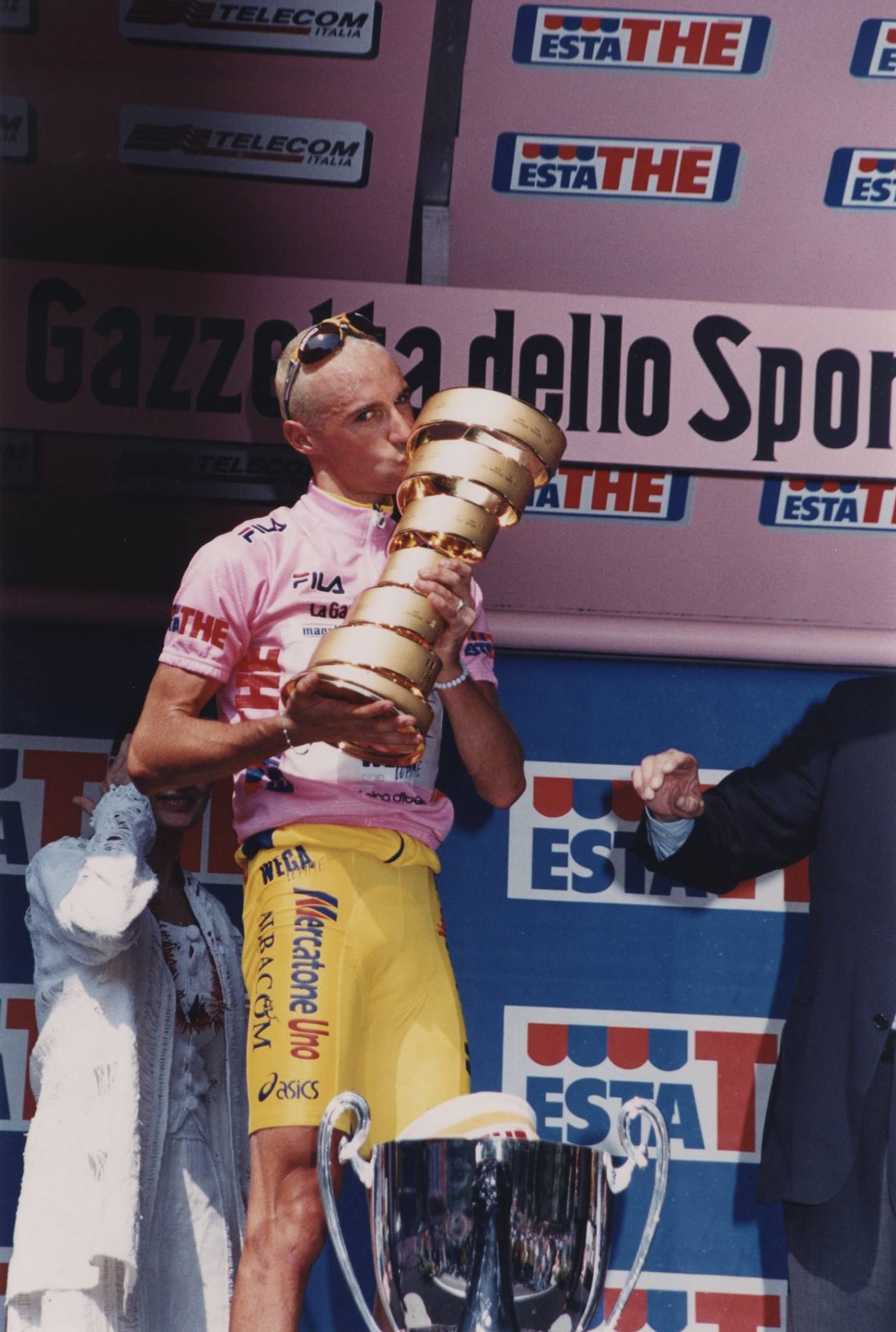
For the world of cycling, May has always been a special month. The Giro d’Italia captures the eyes and hearts of fans eager to follow what is considered the most prestigious stage race in the world after the Tour de France. Founded in 1909 from the idea of a group of journalists from La Gazzetta dello Sport who wanted to create a cycling competition that would bring prestige to Italy, at a time when bicycles were more popular than football, this event has been the stage for legendary figures and unforgettable achievements. Today, now in its 109th edition, it has become an established brand thanks to a modern symbolism that still respects tradition.
The birth of the Pink Jersey
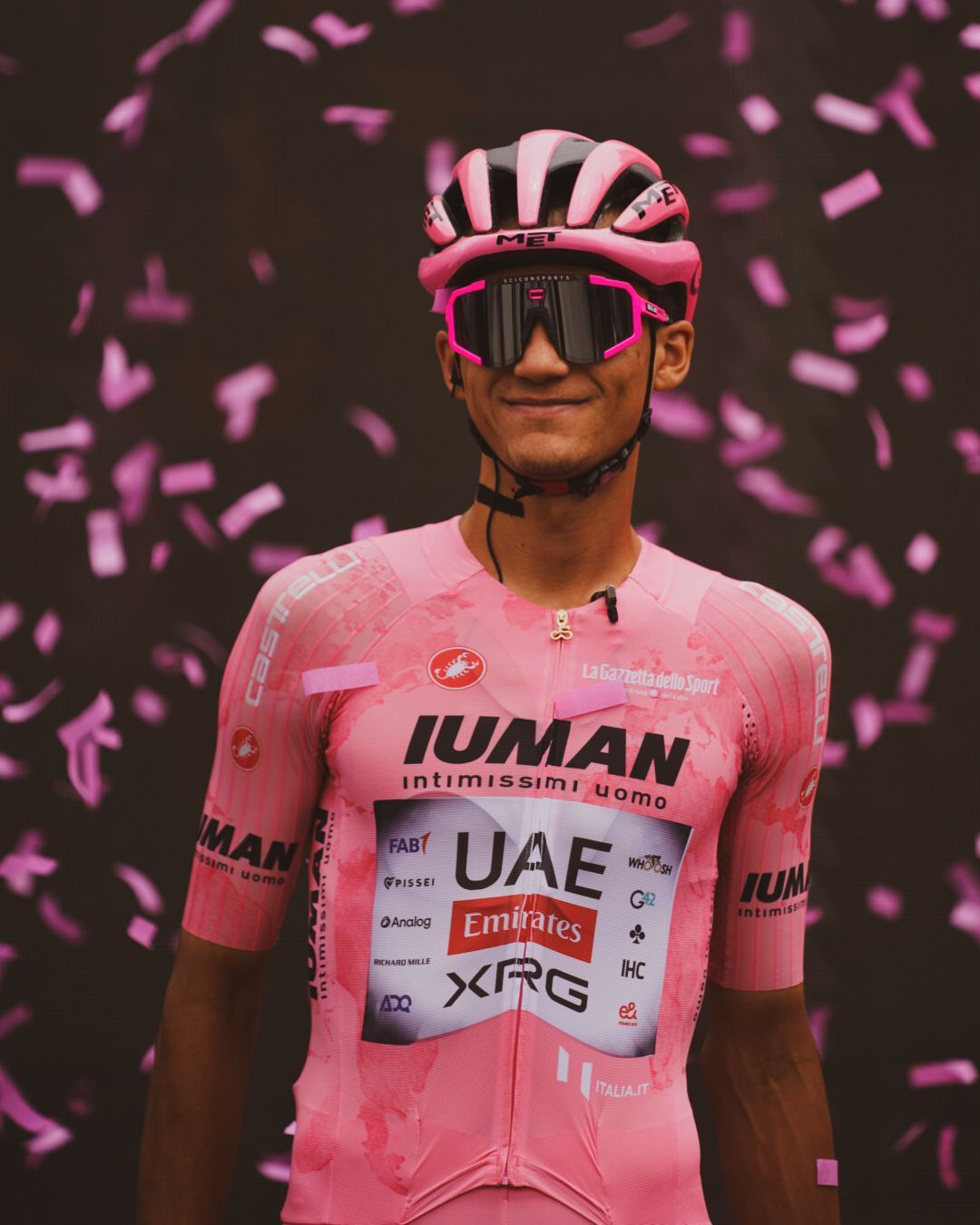
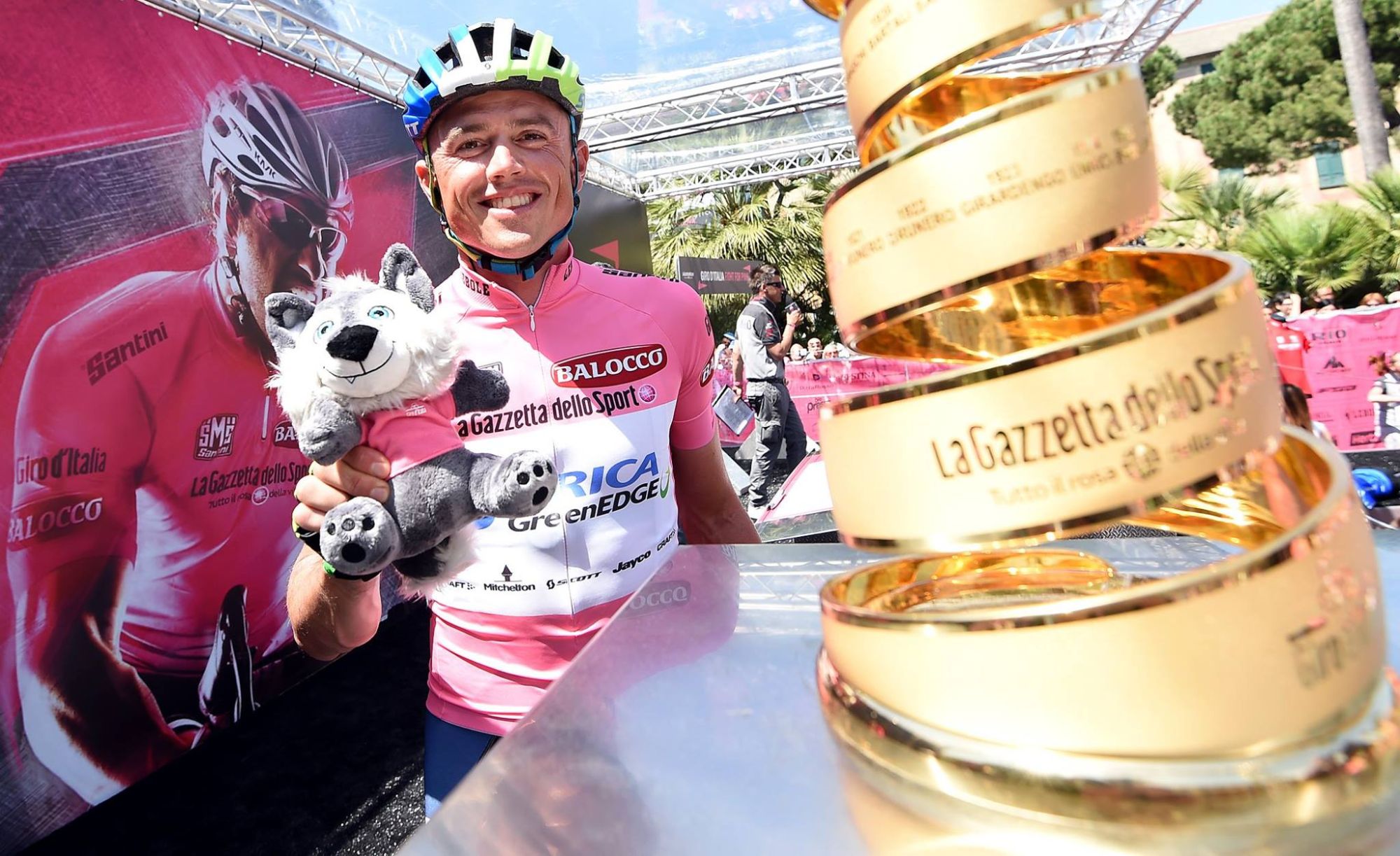
The unmistakable pink jersey, the green jersey, even the black jersey: the Giro d’Italia offers a wide range of colors to distinguish the leaders of the various classifications, where winning one is a symbol of prestige and defending it a matter of responsibility. The Maglia Rosa was introduced in 1931 at the initiative of Armando Cougnet, a journalist for La Gazzetta dello Sport who sought a way to make the cyclist leading the general classification recognizable stage after stage, exalting their values. The choice of color clearly referred to the color of the newspaper’s paper, inspired by the yellow jersey of the Tour de France, which echoed the color of the paper used by L’Auto, now L’Équipe. This color choice was considered bold and was criticized by Fascist Party leaders, who viewed pink as unrepresentative of the strength of the Italian people. During the Fascist years, the Maglia Rosa was produced using Lanasel fabric made of rayon and viscose, inevitably Italian-made. The first jersey weighed 300 grams, but by the 1970s lighter fibrous materials had significantly reduced its weight.
The Historic Jerseys of the Giro d’Italia
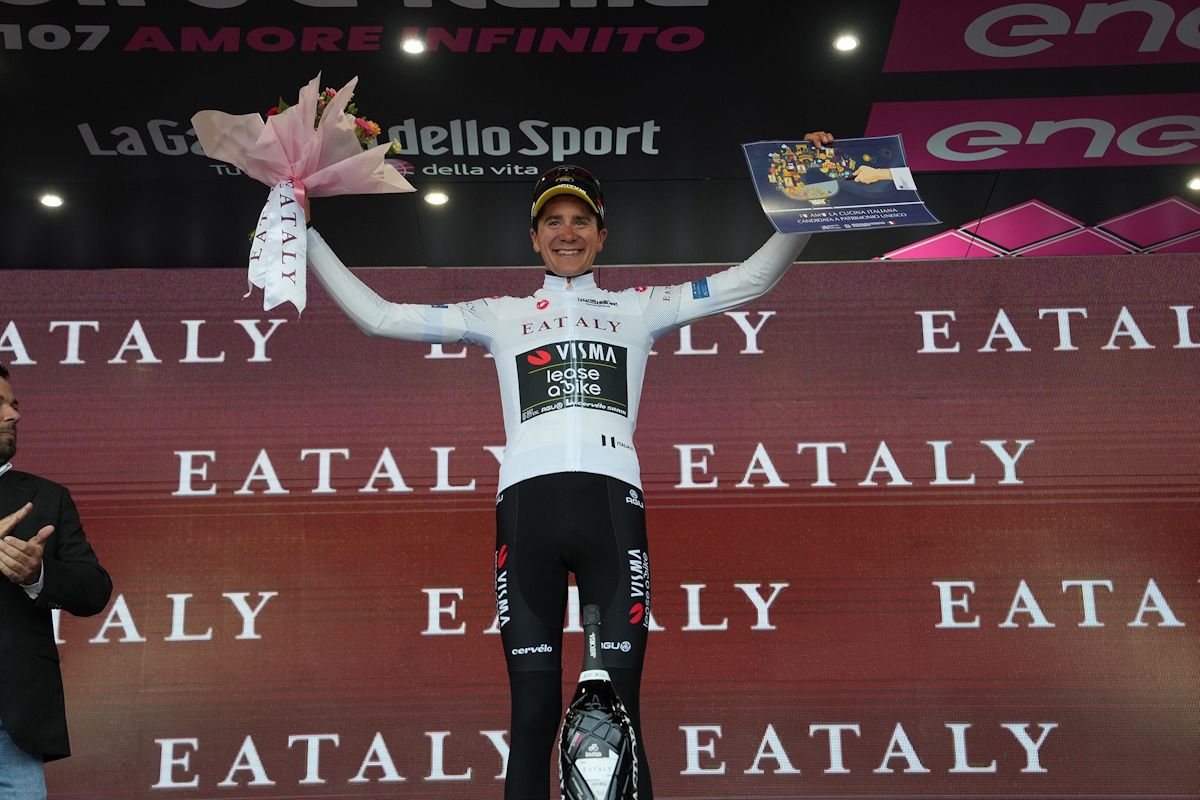
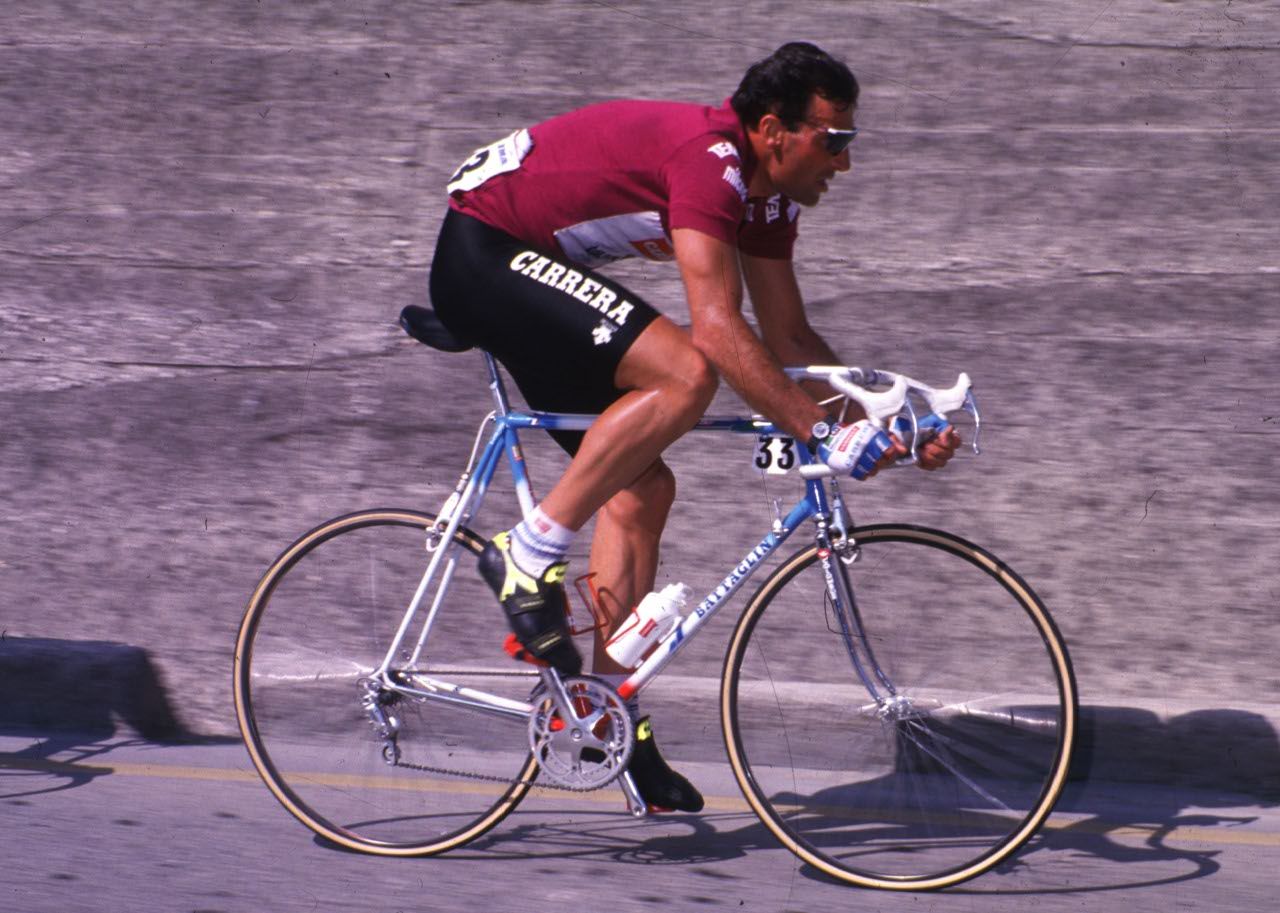
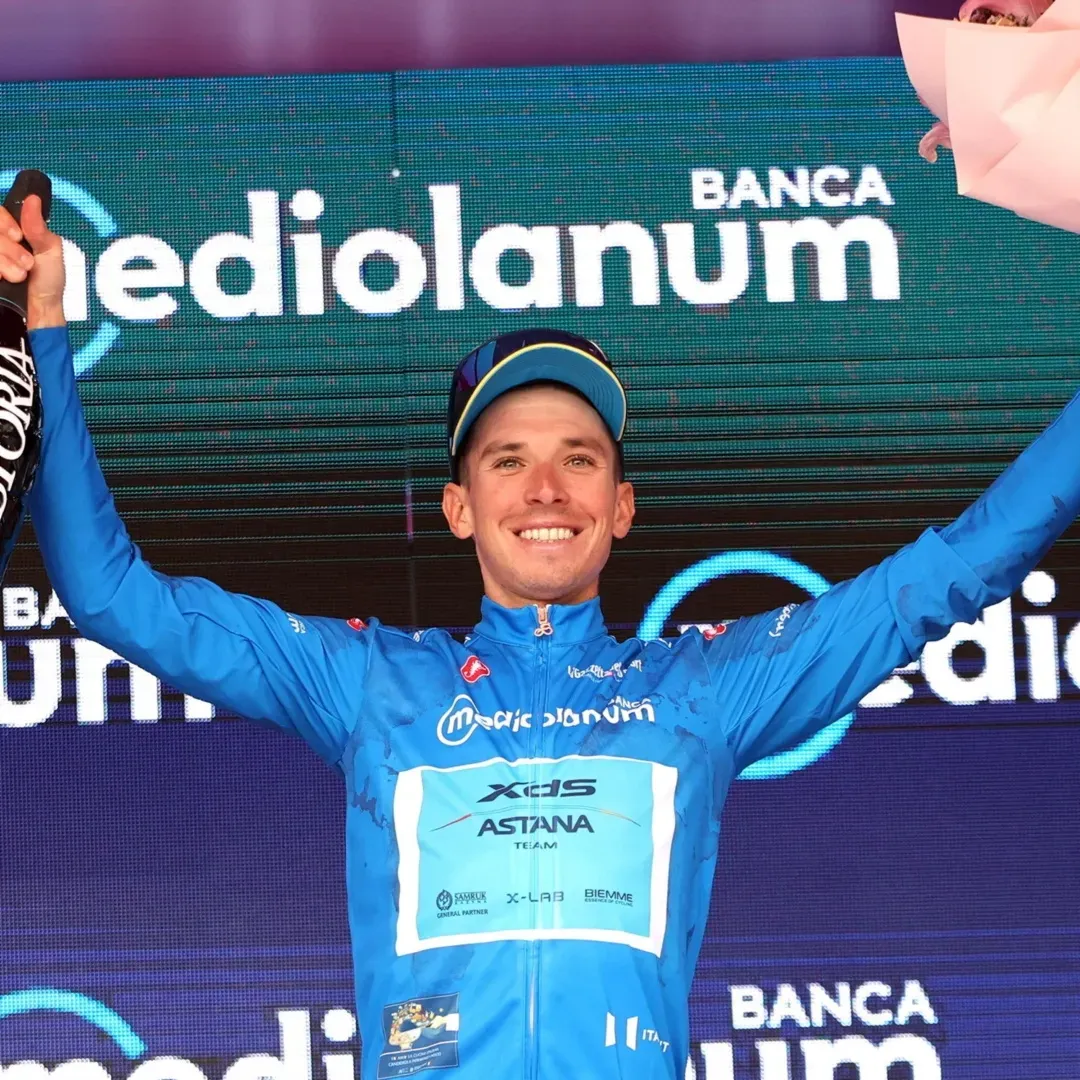
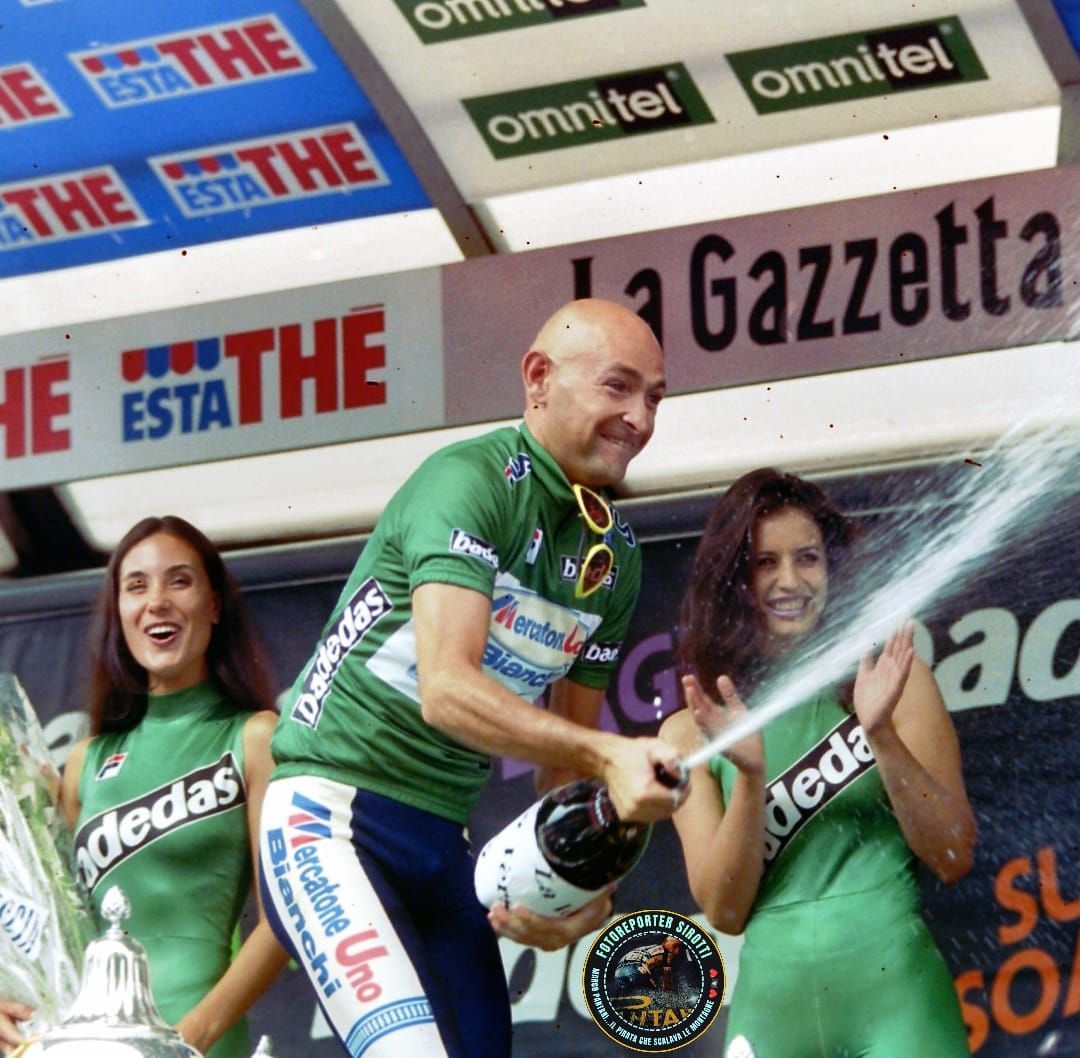
The green jersey was introduced in 1974 to honor the leader of the King of the Mountains classification, namely the best climber in the mountain stages characterized by demanding uphill sections. Due to sponsorship reasons with Mediolanum, in 2012 it was replaced by the blue jersey, which was not new to Giro history. Introduced in 1989, this jersey color had previously been awarded to the leader of the combined classification and later to the Intergiro classification leader until 2006. The red jersey, introduced in 1966 with sponsor Dreher, was awarded to the daily leader of the points classification. When the brewery sponsorship ended and the new sponsor Termozeta arrived, the jersey became cyclamen-colored. After alternating between these two colors over the years, it has now definitively taken on the shade of the flower it is named after. There is also the white jersey, introduced in 1977 for the leader of the youth classification for riders under 26 years old, awarded until 1994 and reintroduced in 2007.
The legendary Black Jersey
Among those no longer awarded is the legendary Black Jersey, present between 1946 and 1951, which was worn by the last rider in the standings. Winning it became the object of humorous battles among riders at the bottom of the rankings, who competed fiercely to claim it and collect its prize money, sometimes more substantial than that awarded to the sixth-place finisher. The idea for the color came from Giuseppe Ticozzelli, a footballer with appearances for the Italian National Team who entered the 1926 Giro on a bet. Riding among the isolati — riders not registered with any team — he competed wearing the black-starred jersey of Casale, the club he played for at the time. Without anyone to support him with food supplies during the race, during one stage at lunchtime he stopped to eat in a restaurant, resuming the race only after the peloton had already crossed the finish line.
Another link with football came during the 1946 Giro, which featured the cycling section of AC Milan under the team name Milan-Gazzetta. Among its riders was Luigi Malabrocca, who won the very first Black Jersey. Abolished after protests from riders, it was exceptionally reintroduced during the 1967 Giro, while in 2008 the black race number identified the last rider in the standings. Finally, the blue jersey with the Italian tricolor was worn by the champion of the region crossed by the race for six years until 1981, while the red-and-black jersey, honoring the colors of Valle d’Aosta, was awarded to the winner of the Preludio held in Saint-Vincent, where cyclists not participating in the Tour de Romandie competed.
Trophy, Logo and Mascot of the Giro d’Italia
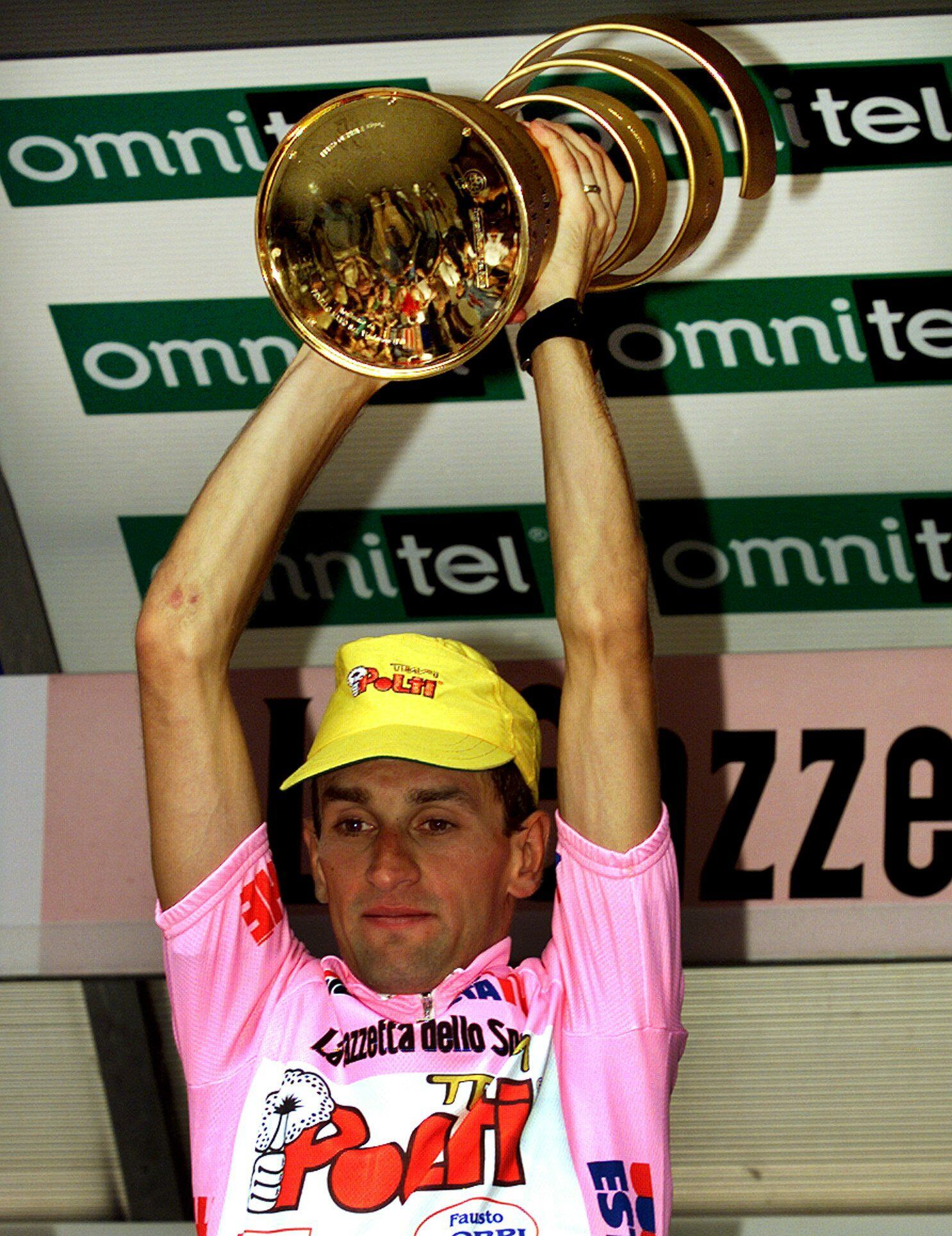
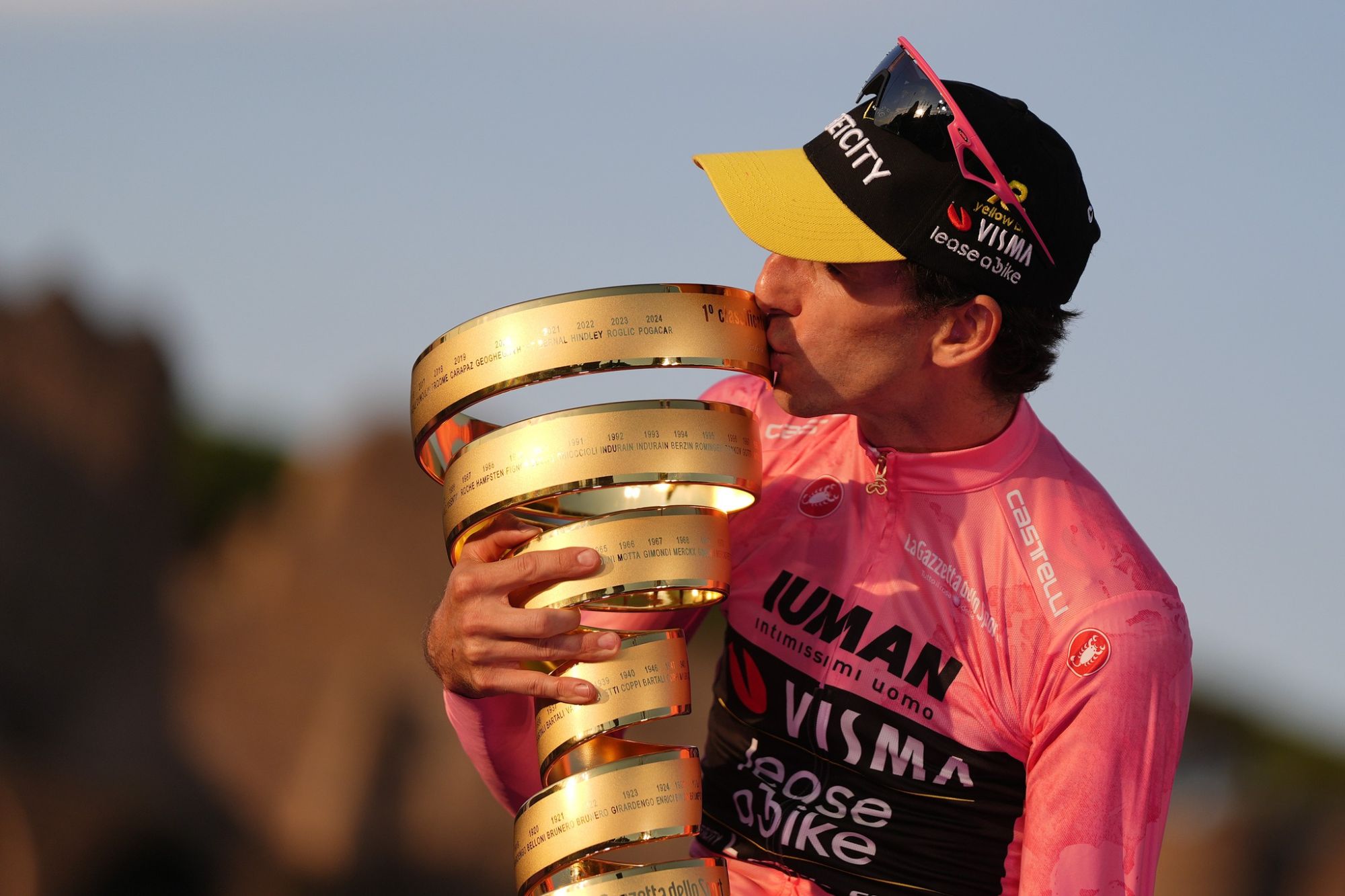
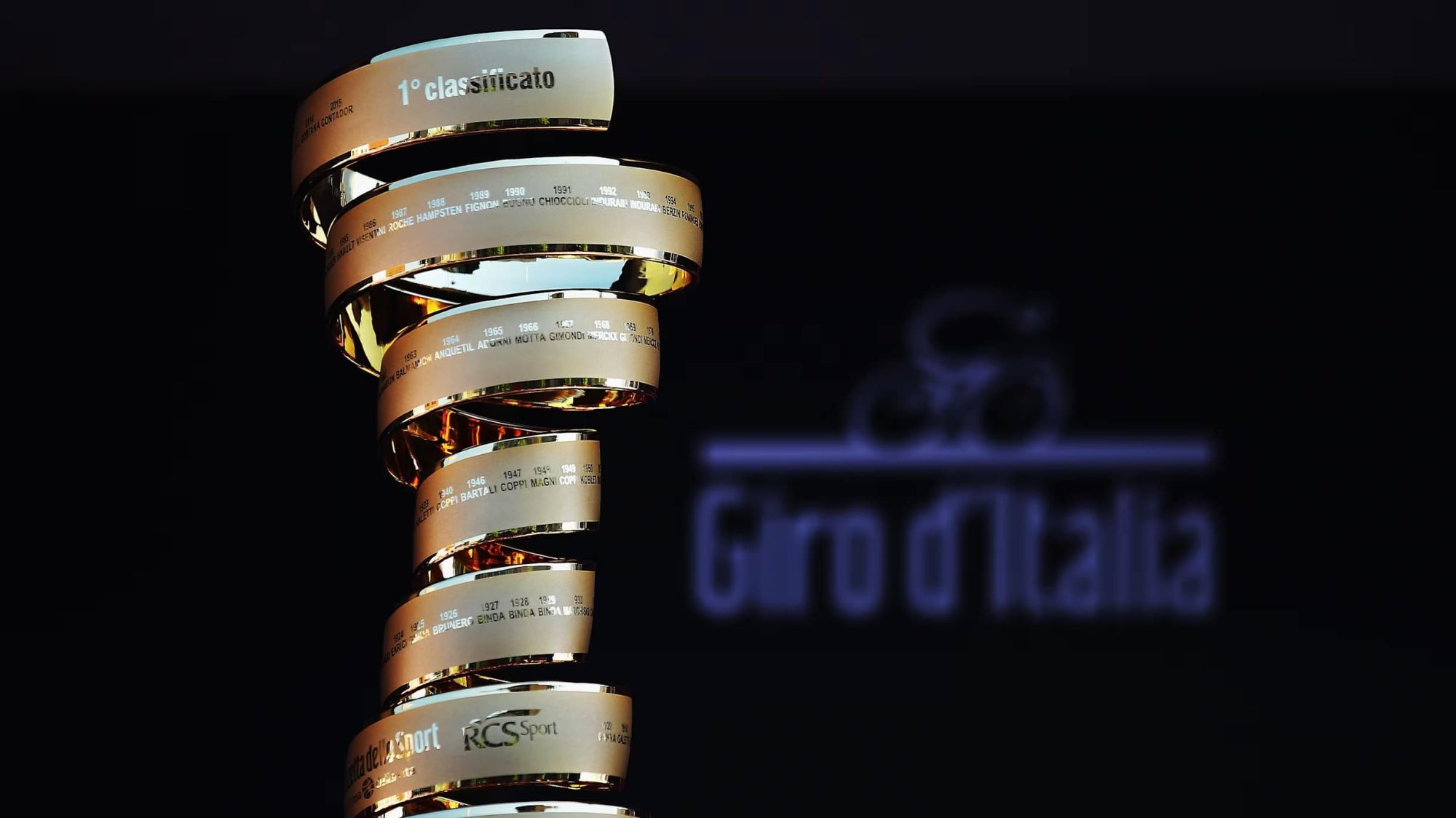
Other symbols have strengthened the Giro d’Italia brand in the new millennium. The Trofeo Senza Fine was first created in 1999 at the suggestion of patron Carmine Castellano and has rewarded the winners of the Pink Race since the 2000 edition. Champions receive a prestigious trophy shaped like a spiral, symbolizing the physical and metaphorical climb athletes must undertake to achieve victory. Made of 18-carat gold-plated copper, it weighs around 10 kg and stands 53 cm tall, crafted by the artisan workshop of Mario Penello. For those who won the Giro before the trophy’s introduction, a Hall of Fame was created, through which a different former winner receives the award each year, with their name engraved on the spiral alongside the other champions.
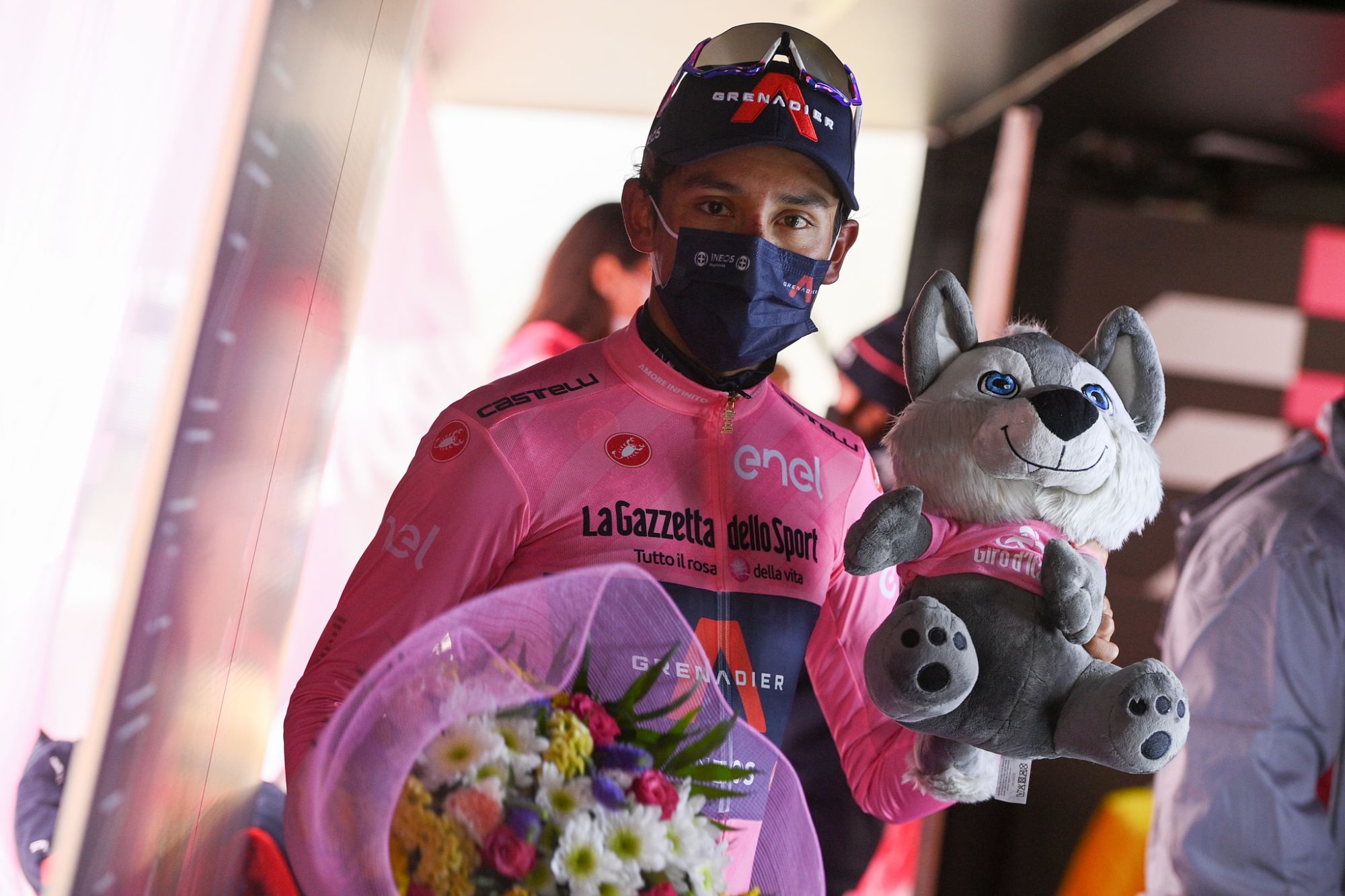
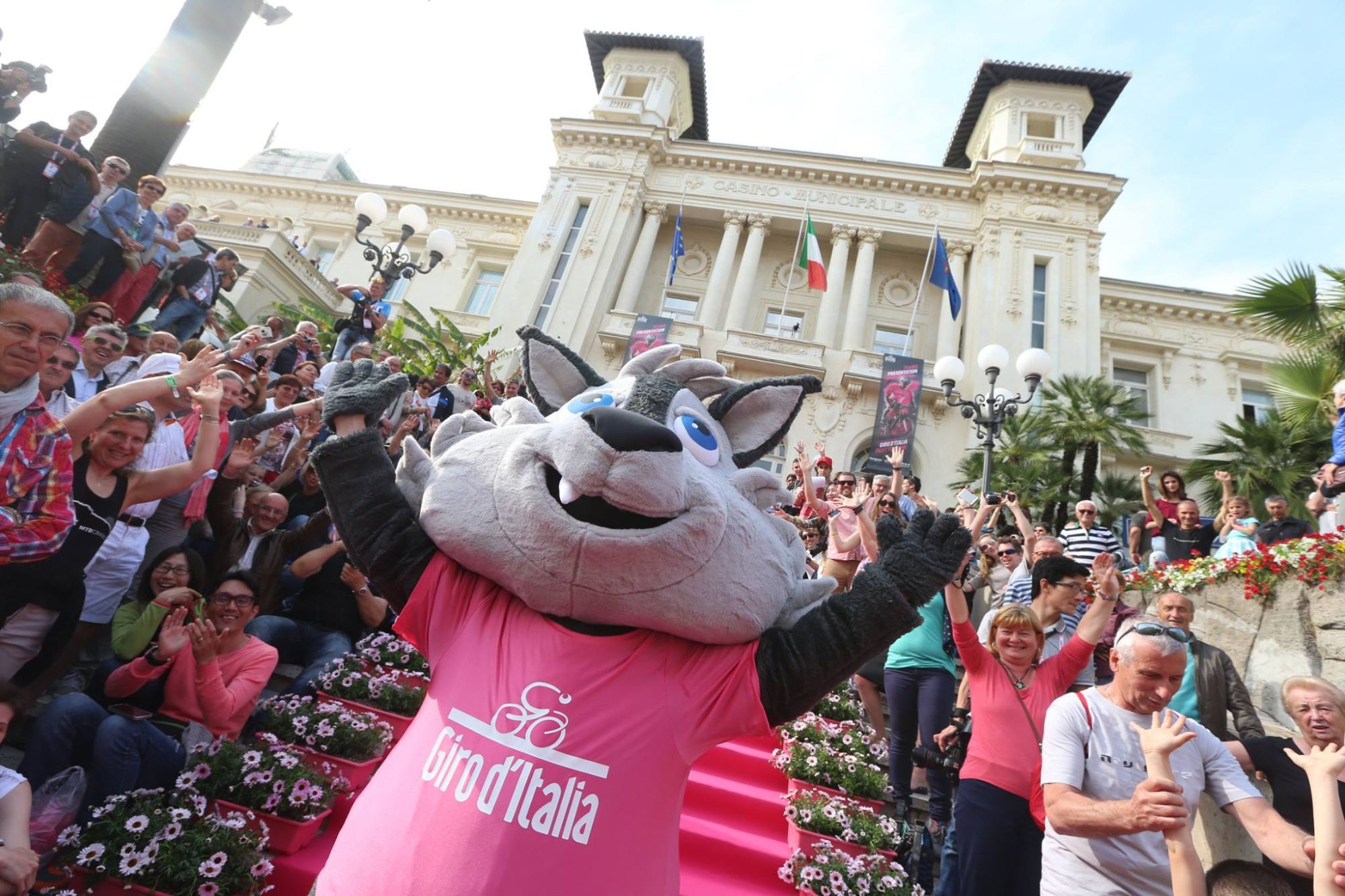
The official logo of the Giro was introduced relatively recently and underwent an intelligent restyling in 2017 for the 100th edition. Since then, it has featured a pink little man whose lines recall the trophy, riding a black bicycle whose wheels form the infinity symbol. Previously, the cyclist and bicycle formed the shape of a “G” racing along a tricolor road. The graphic style of the Giro d’Italia lettering remains the same as that of La Gazzetta. The mascot, meanwhile, has existed for several decades, with various animals succeeding one another. Before the current mascot, there was the famous Ghiro d’Italia, later replaced by Girbecco, an ibex introduced for the Centenary Giro. Since 2015, the mascot has been the wolf Wolfie, created as part of a Giro d’Italia Social Responsibility project with the WWF Alpine Programme aimed at promoting the protection of this species. For the past three editions, Wolfie has also been produced in collaboration with Trudi as a plush toy and keychain wearing the Maglia Rosa, and is awarded to classification leaders during podium ceremonies at the end of each stage.
Legendary Cyclists and Stages
Countless cyclists belong among the champions of the Giro d’Italia, though some have left a deeper mark than others, becoming true legends. Costante Girardengo, two-time Giro champion, was probably the first icon to blend sporting feats with unique behavior: in 1921, during an unfortunate stage, he stopped and stepped off his bike to draw a cross in the dust of the road, swearing he would never pass there again. Then there was Alfredo Binda, one of only three cyclists to win the Pink Race five times between 1925 and 1933. The Unbeatable was so dominant during those years that in the 1929 edition he was booed during the awards ceremony and even excluded from the following Giro due to his overwhelming superiority. The first rider ever to wear the Maglia Rosa was Learco Guerra on May 10, 1931, in Mantua. Nicknamed the Human Locomotive, he went on to win the 1934 Giro. Then came those who perhaps more than anyone else made the sport famous in Italy: Gino Bartali and Fausto Coppi. Impossible to mention one without the other, these rivals of the 1930s and 1940s together collected eight Giro titles (five for Coppi, three for Bartali). If Hugo Koblet became the first foreign rider to win the Giro in 1950, Eddy Merckx was the first non-Italian dominant force, becoming a five-time champion between 1968 and 1974. Gimondi, Hinault, Moser, and finally Marco Pantani, whose 1998 victory reignited Italian passion for cycling before the doping scandals. Finally, though not a rider, Vincenzo Torriani must also be mentioned, the historic patron and sole director of the Giro from 1949 to 1992. Without the modern ideas of the “Father of the Giro,” this event would not have been the same.
Equally numerous are the stages that have made the history of this competition thanks to the athletes who faced them with extreme physical effort. Most correspond to steep climbs where decisive attacks by champions often occur. These include the great Dolomite passes such as Tre Cime di Lavaredo and Passo Pordoi, the Stelvio Pass (long nicknamed Cima Coppi), Mortirolo, and Gavia in the Rhaetian Alps. There is Monte Zoncolan in the Carnic Alps, known as the monster, and the Sanctuary of Oropa in the Biellese Alps, also famous as Pantani Mountain after the Pirate’s feat in 1999, as well as Colle delle Finestre in the Cottian Alps. Traditionally, the Giro finished in Milan, though from the 1960s onward this began to vary: the Velodromo Sempione was the race’s finishing venue from 1921 until the early 1930s before being replaced by the legendary Vigorelli velodrome. During the Jubilee year of 1950, the race ended in Rome; in 1981 the finish line was set in the magnificent Arena of Verona; and in 1985 on the walls of Lucca.
Today it has become common for the race to cross borders for certain stages, though the first time this happened was as early as 1920 with the climb of Monte Ceneri in the Swiss canton of Ticino. San Marino, Monte Carlo, Austria, then in 1973, in honor of the European Community, the race started in Belgium and included the Netherlands, Luxembourg, Germany, and France. After the Vatican and Slovenia, in 1996, on the occasion of the centenary of the first modern Olympic Games, the first three stages took place in Greece. In 2002 the Giro visited the six countries that signed the Treaty of Rome in 1957, followed by Croatia, Denmark, Ireland, Israel, Hungary, and Albania last year.
Giro d’Italia Through Culture, Music and Television
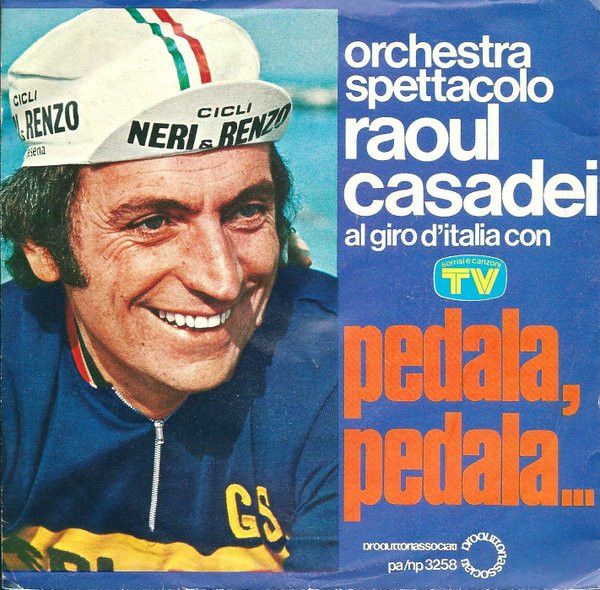
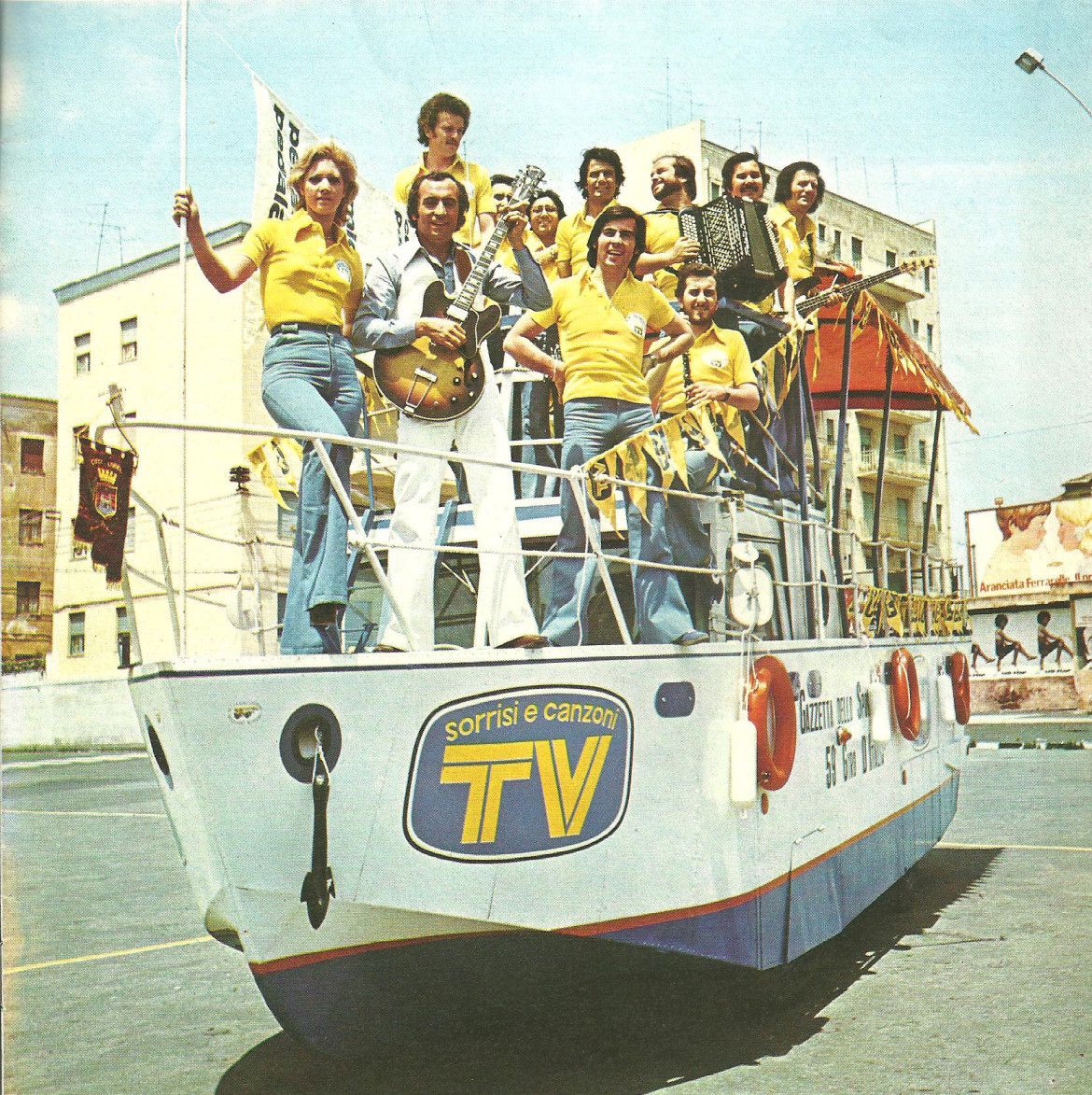
The popularity of the Giro has long served to promote Italy’s tourism heritage, inspire songs, and launch popular television programs. In music, already in the 1930s a song titled Chi sarà la Maglia Rosa? was recorded. Music continued to accompany the Giro on television with the Girofestival hosted by Mike Bongiorno, a song contest that followed the stages of the race from 1966 onward. In 1976 Raoul Casadei and his orchestra followed the entire Giro and performed at the end of every stage. The great Giro legends are also protagonists of famous songs from the Italian singer-songwriter tradition: just think of Bartali by Paolo Conte and Il Bandito e Il Campione by Francesco De Gregori, dedicated to Costante Girardengo and his anarchist friend Sante Pollastri, who took part in the 1913 Pink Race. Other references to Marco Pantani, Eddy Merckx, and Bernard Hinault can be found in rap lyrics, even by a Polish artist.
First radio, then television, and even cinema screenings: the Giro has often been a vehicle for communication. In 1921 the race was experimentally filmed for the first time by Sport Film, with the footage later shown in movie theaters. In 1932 the first live radio commentary of a finish line was broadcast, while in 1947 the evening program Il girino innamorato was introduced. In 1953 came the first experimental live television broadcast outside the studio, with Giro a Segno and L’Italia in Bicicletta among the most famous programs of that decade. “Il processo alla tappa” by Sergio Zavoli changed the way audiences experienced the Giro in the 1960s, while in 1976 time trial stages featured riders’ times displayed live on-screen for the first time. In 1993 came another turning point: television rights passed from RAI to RTI, the network owned by Silvio Berlusconi, which further transformed the Giro into a spectacle, leading to today’s global broadcasting of the event. The Giro and tourism have long symbolized a close relationship. During the lengthy stage broadcasts, commentators now describe landscapes and local traditions, while the official website provides in-depth information about each stage’s departure and arrival cities. The pioneer of this storytelling style was the aforementioned Vincenzo Torriani, who in 1962 began giving imaginative names to stage locations to make them more attractive.
Historical Anecdotes and Curiosities About the Giro d’Italia
At the first Giro in 1909, four riders were disqualified for taking the train during the Bologna-Chieti stage, while in 1914 some cyclists were pulled by a car for several hundred meters. In 1924 a woman also took part in the race, but the isolationism of the Fascist era later resulted in only Italian riders participating for a considerable period.
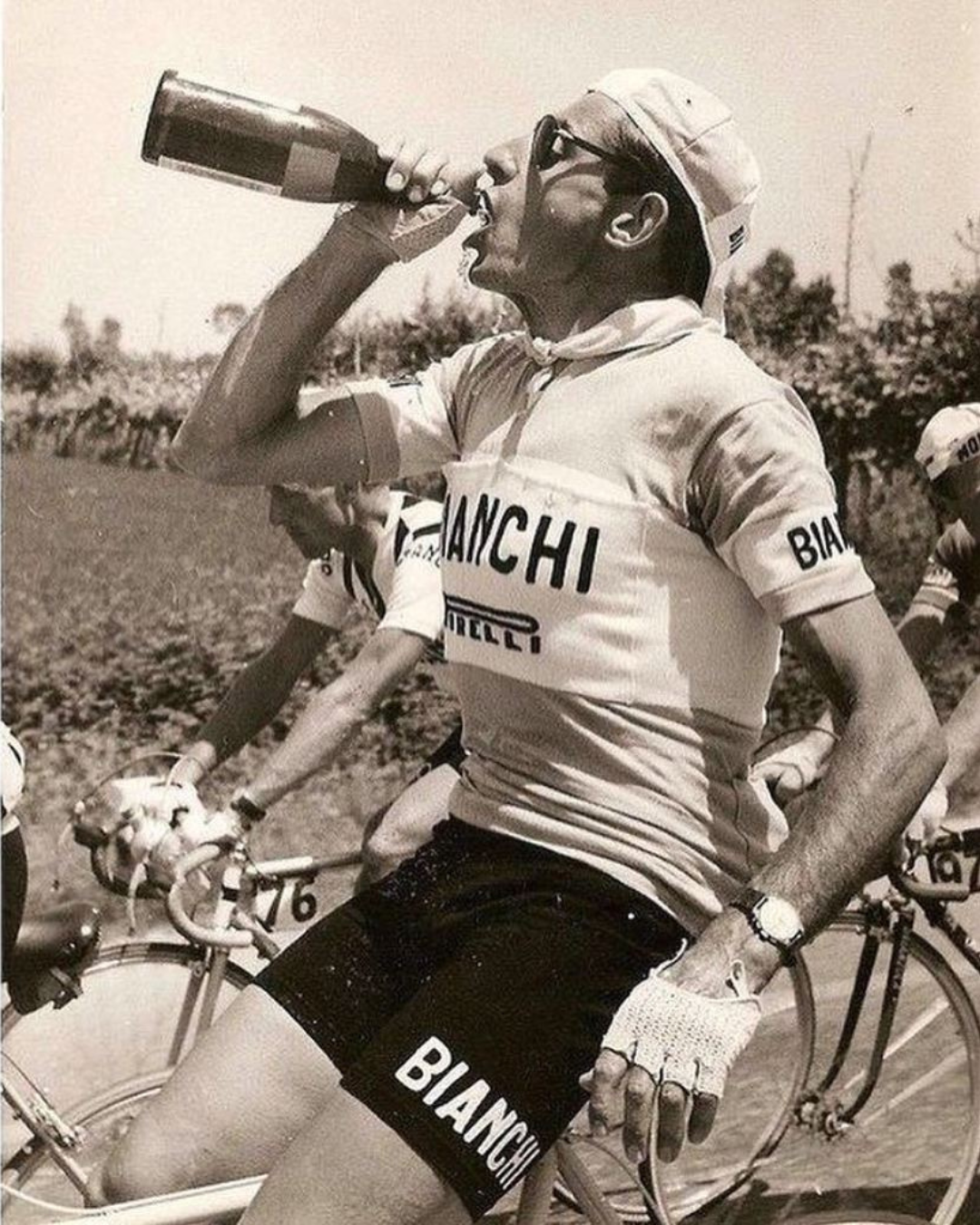
The mishaps on the road are equally incredible. In the immediate post-war years, conditions were disastrous, with damaged roads and collapsed bridges: thus, the Tagliamento River, dry at the time, was crossed on foot during one stage. Luigi Marchisio was forced to race the entire 1930 Giro wearing a bandage after being struck by volcanic debris during the Catania stage, and in 1946 pro-Yugoslav demonstrators blocked the race in Pieris, even leading to gunfire. In 1956 the snowstorm on Monte Bondone devastated the peloton, with only 47 riders reaching Milan, while in 1997 a cat crossing the road caused a massive chain crash. The Pink Race has also been a laboratory for innovation: water bottles, which until 1927 had been made of glass, were replaced with aluminum ones because discarded glass bottles created hazards along the roads. The 1958 edition introduced the first photo finish designed by Longines, while 1968 saw the first anti-doping tests. In 1983, Saronni discovered an attempted sabotage against him involving a laxative mixed into his soup.
Giro d’Italia 2026: Route, Favorites and New Features
The 2026 edition, number 109, features 3,469 km across 21 stages. It begins on May 8 in Bulgaria, where the first three stages will take place from Nessebar to Sofia. The race will then travel up the Italian peninsula from south to north, touching both the Tyrrhenian and Adriatic coasts, embracing the Apennines and the Ligurian Sea before facing the challenges of the Alpine arc. The Grand Finale on May 31 will once again take place in Rome for the fifth consecutive year, in a spectacular stage passing through the Imperial Forums, the Colosseum, and finishing on Via del Circo Massimo. A total of 184 riders from 23 different teams will take part, including Danish star Jonas Vingegaard, competing in the Giro for the first time after winning two Tours de France and the latest Vuelta a España.
There are also several notable absences: Portuguese rider João Almeida withdrew due to physical problems, defending champion Simon Yates announced his retirement in January after reaching the peak of his career in 2025, while phenomenon Tadej Pogačar chose to focus on the Tour de France. Among the Italian time-trial specialists will be Filippo Ganna, while Giulio Pellizzari will lead the Red Bull-Bora-Hansgrohe team. The Giro will be broadcast in 200 countries by 29 different broadcasters. Among the most interesting initiatives is undoubtedly the FantaGiro d’Italia, the fantasy game organized by Gazzetta dello Sport, along with a collaboration with the famous video game Fortnite, where players will be able to enjoy a customized game mode on a map specially dedicated to the Pink Race. The stages will also be animated by several initiatives such as Giroland, the Giro d’Italia village, and the long advertising caravan preceding the riders.