




























History and aesthetics of Bilino Polje Stadium The stadium in Bosnia where Italy will play for a place in the 2026 World Cup
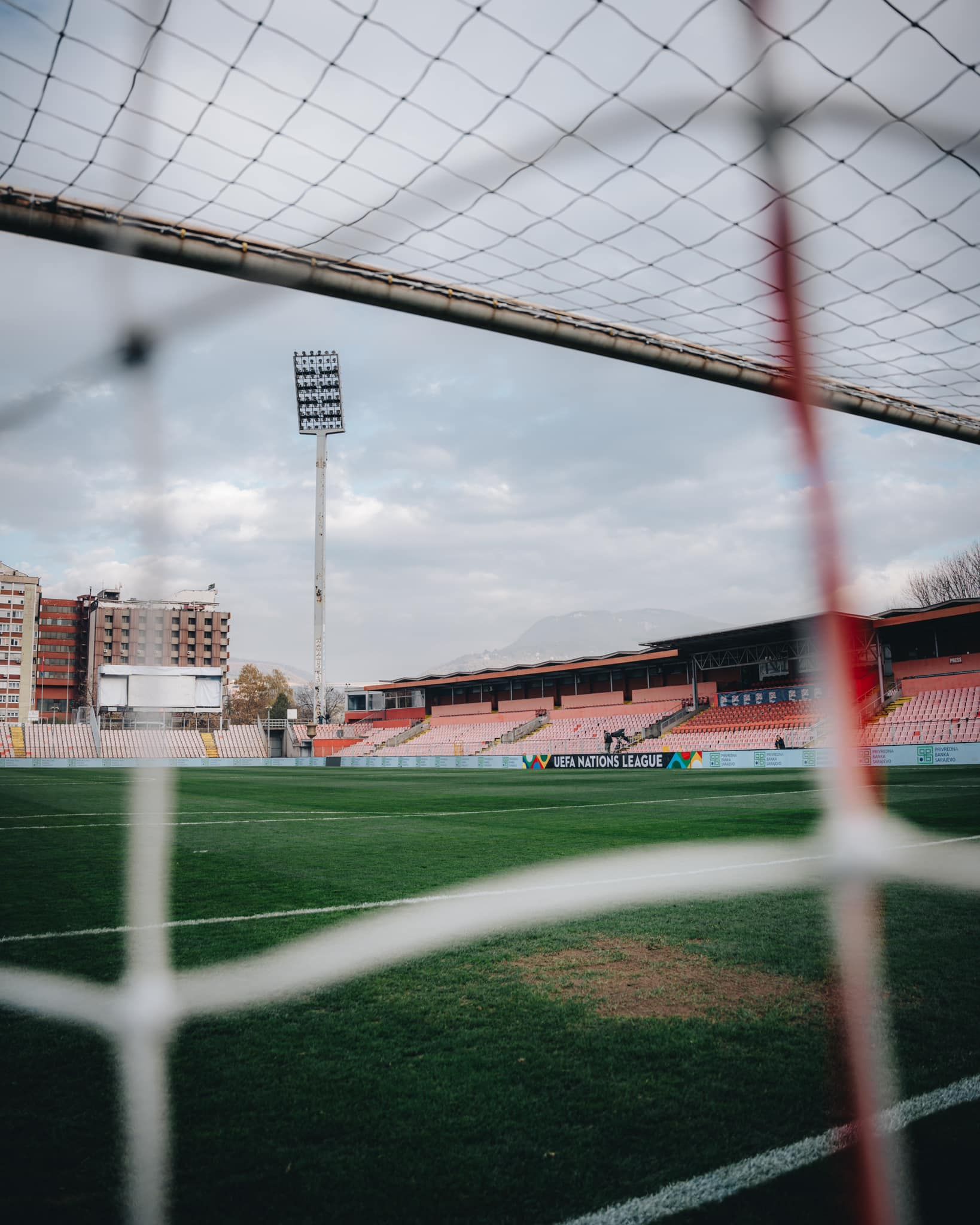
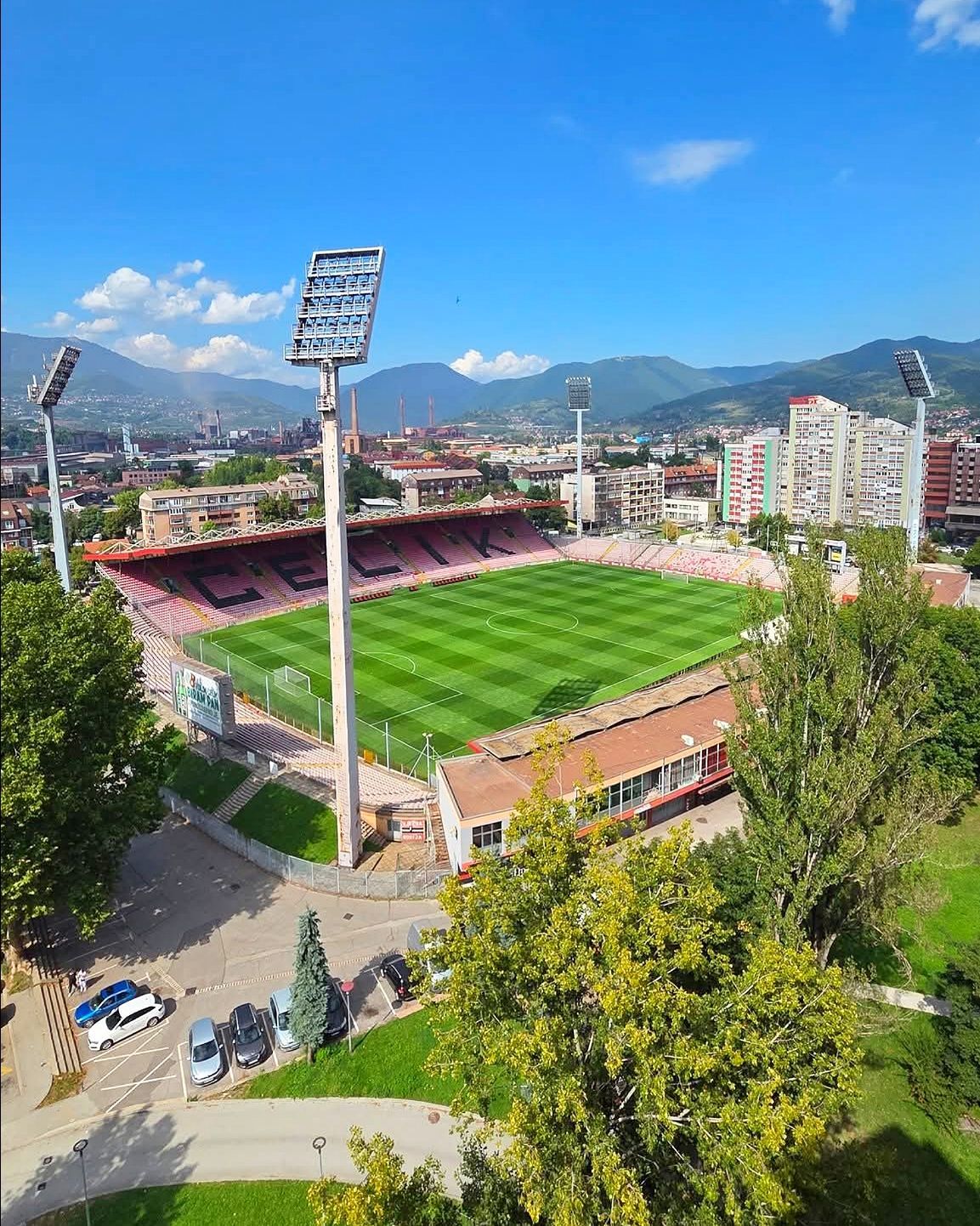
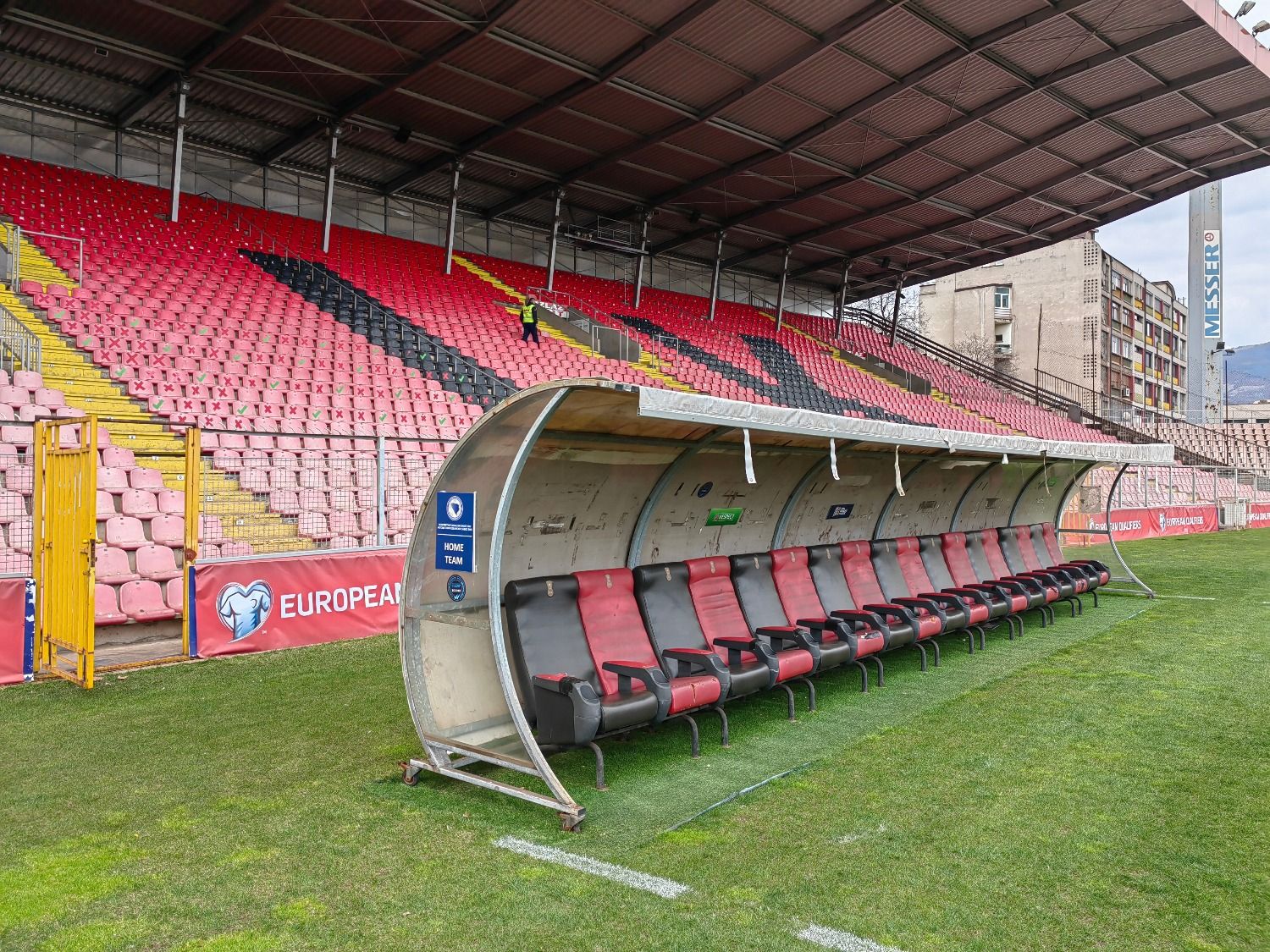
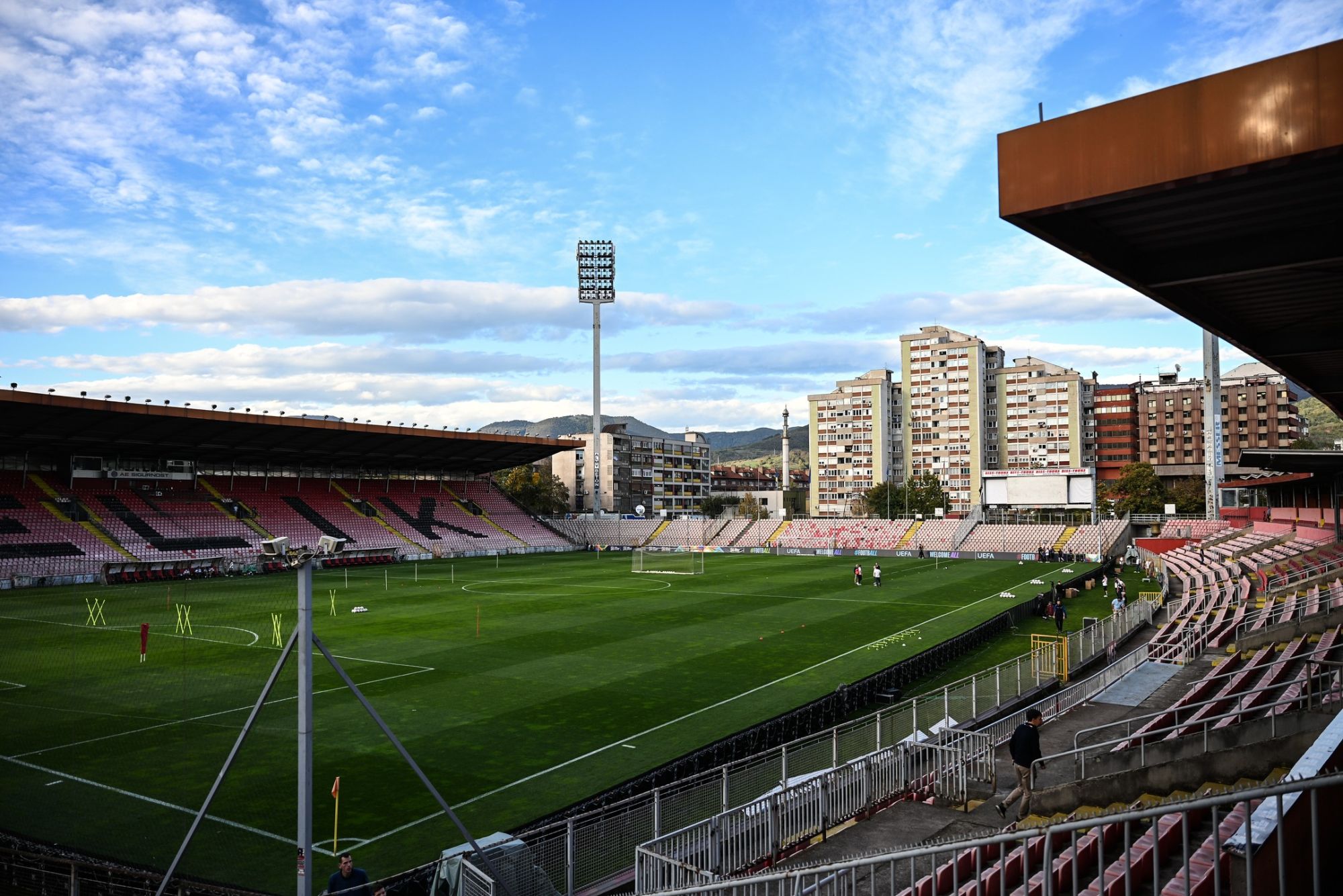
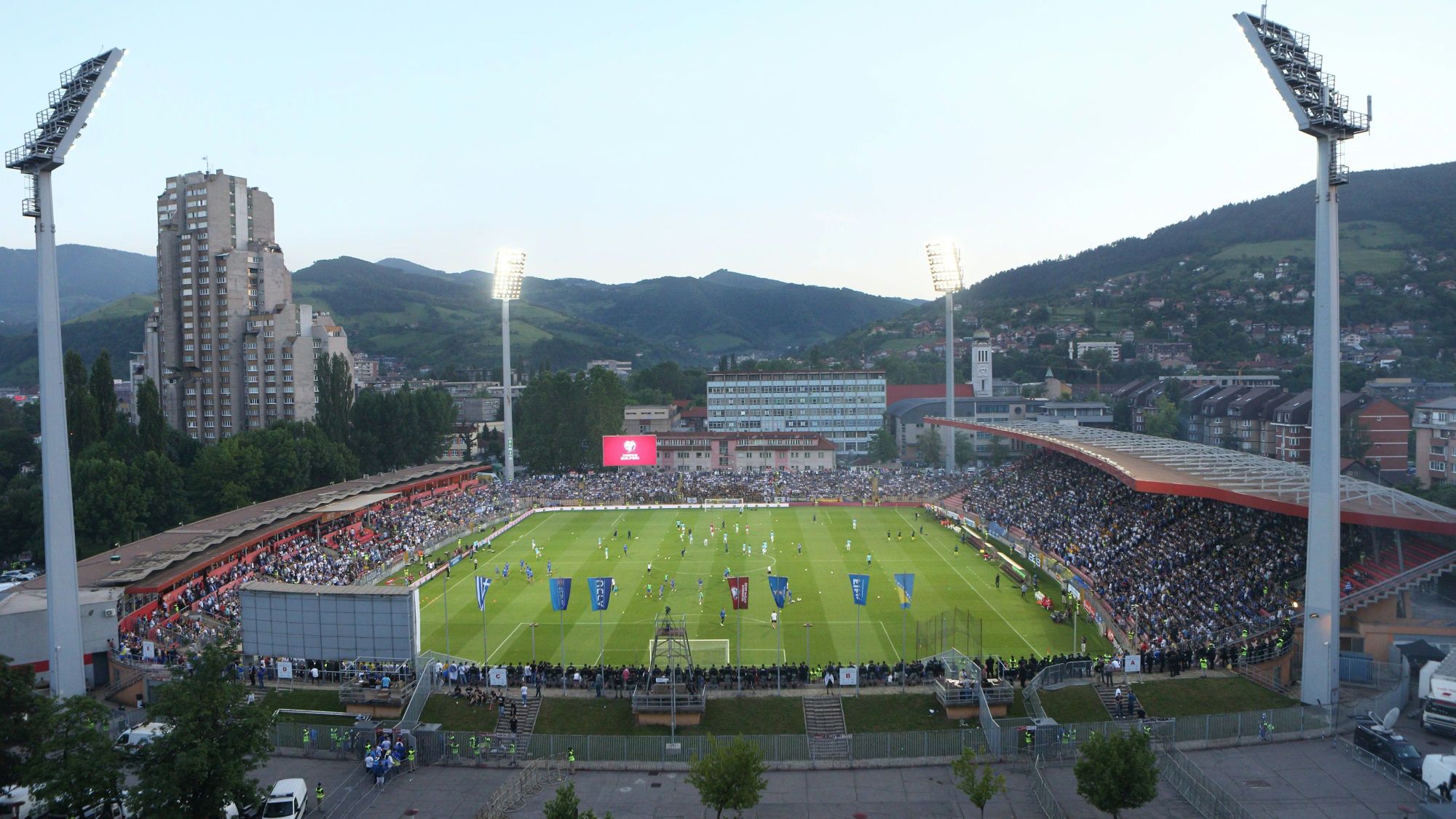
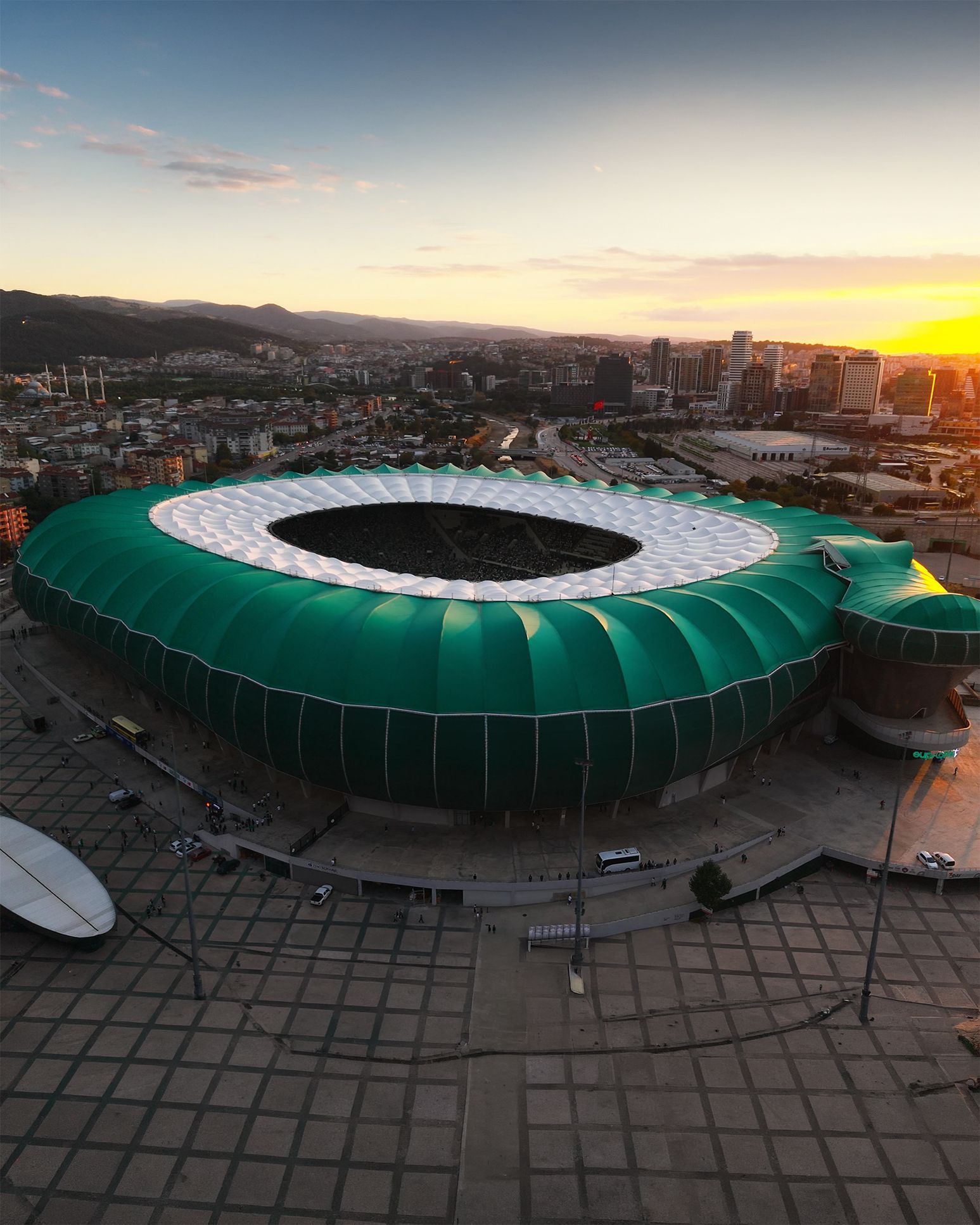
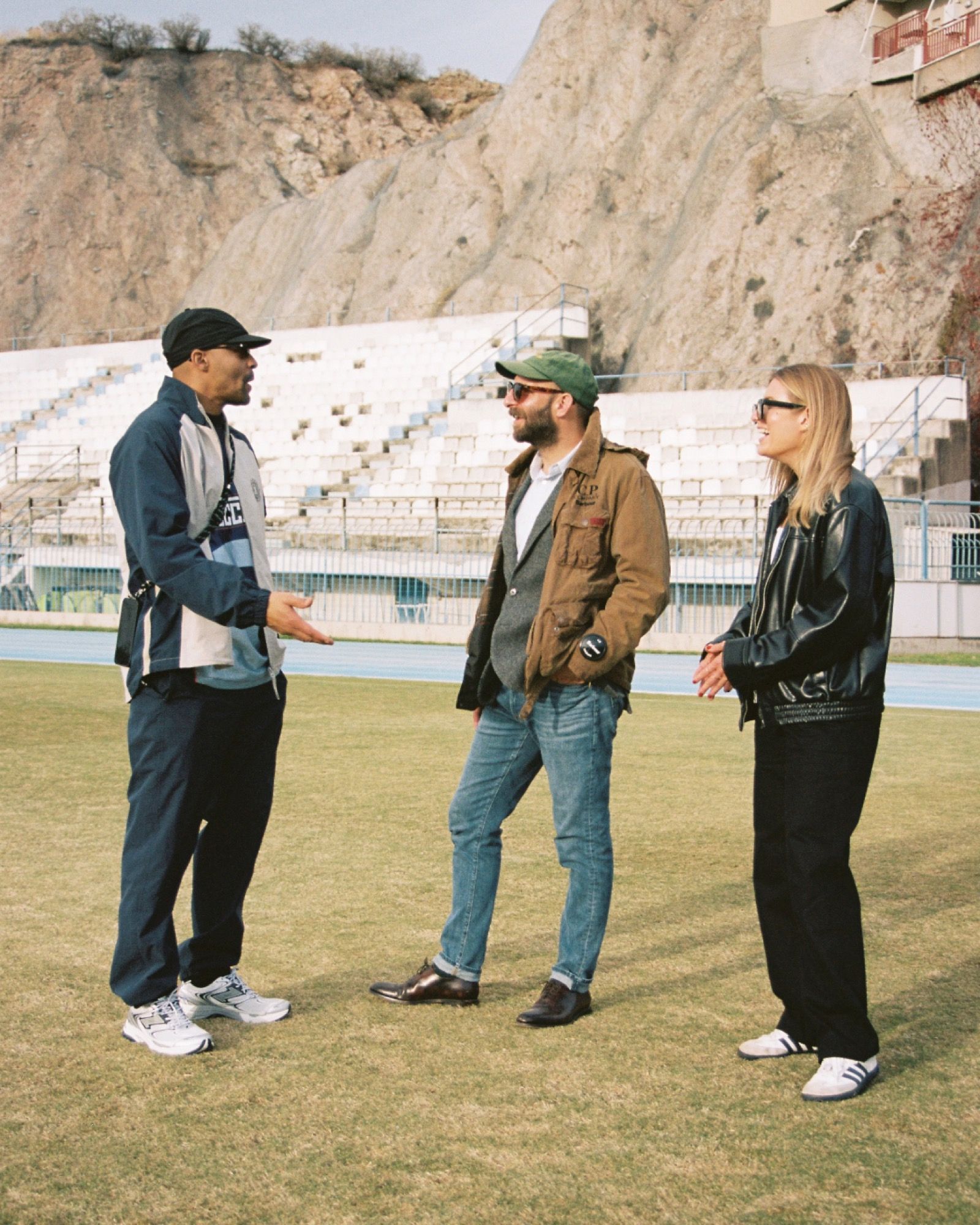
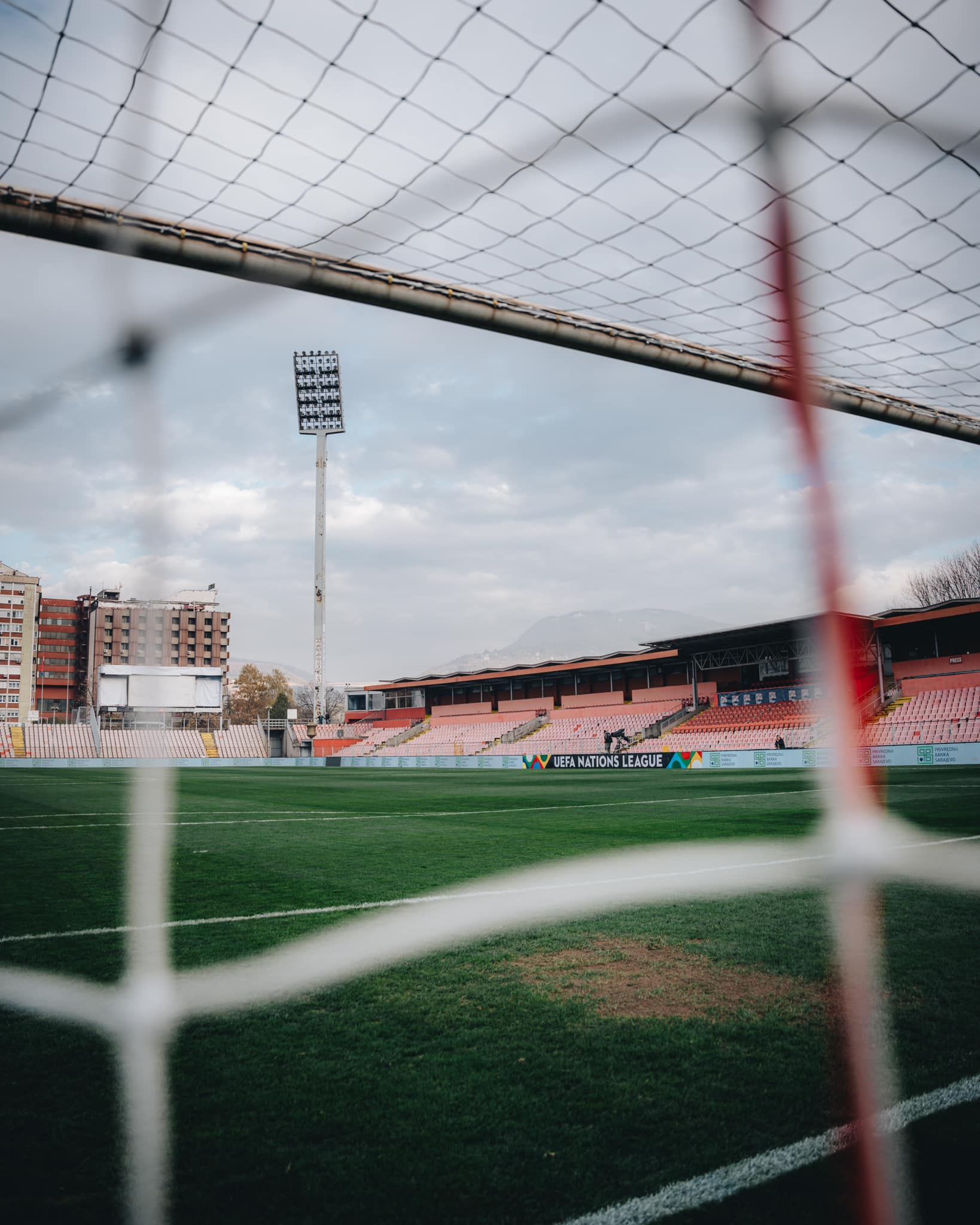
Italy, after the victory against Northern Ireland, now knows its opponent for the playoff final, which will determine access to the 2026 World Cup: it is Edin Džeko’s Bosnia and Herzegovina, who surprisingly emerged victorious from the battle in Cardiff against Wales. Now the Zmajevi, dragons in Bosnian, will be able to rely on their home advantage at the Bilino Polje Stadium, a true cauldron during matches of this young national team. Historically considered the most beautiful stadium in the country, it is located in Zenica, thus characterizing Bosnia’s choice to play home matches away from the capital Sarajevo. A facility with a renowned legacy, it has undergone several renovations while maintaining its atypical rectangular layout with stands close to the pitch, in a British-style design. The Football Federation and the government, supported by UEFA funds, have chosen the structure as the definitive hub of national football, which will undergo further upgrades.
History of the stadium
The Bilino Polje is a stadium located in the area of the same name in the city of Zenica, home of NK Čelik and the Bosnia and Herzegovina national team. For years regarded as a gem of former Yugoslavia, it was built in 1972 in about 8 months on the site of a previous ground, just in time to host the return leg of the Mitropa Cup final between Čelik and Fiorentina, in which the Bosnians repeated their victory from the previous year. Those were years when the Zenica club stood out as one of the best teams in the Balkans, achieving glory on the European stage as well. The construction of the stadium was driven precisely by the club’s need for a new ground in response to its growing popularity, as the previous 15,000-seat stadium was constantly sold out.
At its opening, Bilino Polje could host double the spectators of the previous stadium, making it a rare example in Bosnia: an English-style ground with a rectangular shape and stands close to the pitch, very different from Sarajevo’s stadium, which still has an oval layout. Even today, despite Čelik playing in the Bosnian second division and having lost its former glory, the club still boasts the second-largest fanbase in the country, with an average of over 5,000 spectators, creating a fiery atmosphere around the pitch.
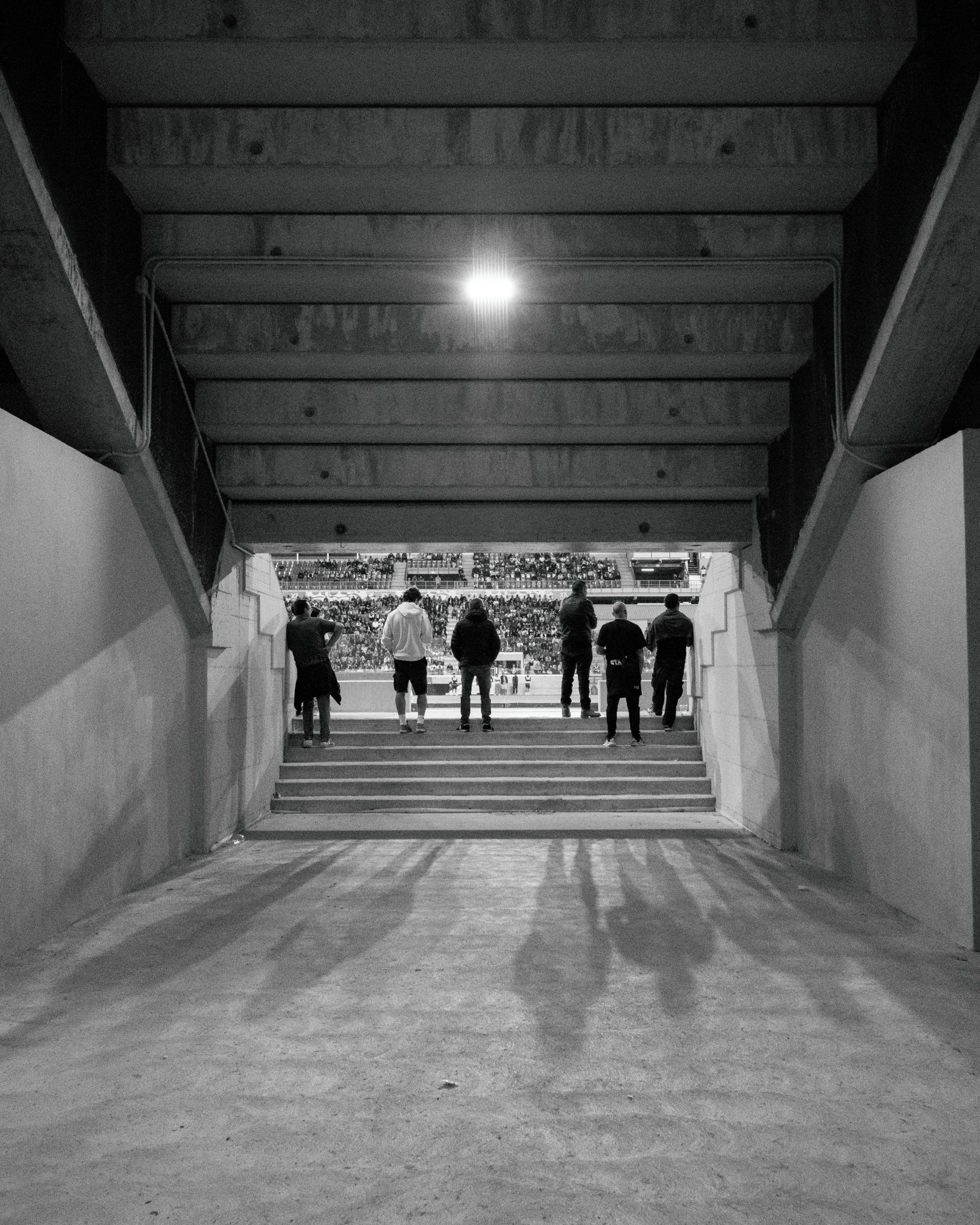
The Zenica stadium is now considered a fortress which, after several structural interventions (the most recent major one in 2012) and the introduction of seating, currently has a capacity of around 14,000 seats, with two covered stands. The main stand is the largest, while the other three sections are built on the same level, forming a continuous arrangement of seats and spaces. The grass pitch features heating cables beneath the surface, and floodlights stand at the four corners of the stadium. The tunnel leading from the locker rooms to the pitch is undoubtedly one of its most distinctive features, entirely covered with graffiti by Čelik fans, somewhat reminiscent of Belgrade’s Marakana. Near the stadium, alongside the Bosnia River, stands the national team’s training center, the equivalent of Italy’s Coverciano. Meanwhile, last December, a further renovation project was approved, including full roof coverage of all sections and numerous upgrades.
The bond between stadium and national team
The national team and the Zenica stadium are closely linked, as it is the venue where Bosnia played its first home match in 1996 and the majority of its games, earning it the nickname Dragon’s Nest. Until 2006, it was a feared ground for Bosnia’s opponents, maintaining a 10-year unbeaten streak there. To date, in 73 international matches hosted, the national team has won 38 times, with over 72% of matches without defeat. Remarkable results for a relatively young country with fewer than 3 million inhabitants, which celebrated a historic qualification in 2013 for the 2014 World Cup held in Brazil.
Bilino Polje is historically preferred over Sarajevo’s stadiums, where the last match dates back to 2021. This is because, despite having a smaller capacity, it is the only Bosnian stadium that meets UEFA standards for hosting international matches. Moreover, Zenica remains the fourth-largest city in Bosnia and Herzegovina, with around 110,000 inhabitants. Located about 70 km north of the capital, it is known for its steel industry and for a famous document written there recounting the medieval Kingdom of Bosnia. Today it is considered the temple of Bosnian football, but in the past it also hosted other events, including a Yugoslavia national team qualifier for the 1986 World Cup in Mexico, several matches of the Yugoslav rugby team, and a famous boxing bout in 1979 between Balkan star Marijan Beneš and Puerto Rican Sandy Torres.