




How Peroni became a symbol of Italian football The story of a timeless bond
There are brands that follow sport, and others that, over time, become part of the collective imagination until they are inseparable from it. Peroni is one such brand. For more than a century, it has been part of Italians' everyday lives, and in football it has found one of its most authentic forms of expression. More than just a story of sponsorships, the relationship between Peroni and the beautiful game is a narrative built on identity, local roots, shared celebrations, and moments destined to become part of the nation's collective memory.
The Bond with the Italian National Team: From the 2006 World Cup to UEFA Euro 2021
Among its most significant partnerships is undoubtedly the one with the Italian national football team. Its collaboration with the Azzurri has helped strengthen the association between the brand and one of the most recognizable symbols of Italian identity, turning every major international tournament into an opportunity for collective participation. Over the years, Peroni has successfully told the story of football through values such as conviviality, belonging, and togetherness, creating campaigns that go beyond sporting results to celebrate the social ritual of supporting the national team. A recent example is Peroni’s limited-edition can collection: 22 designs in total, featuring 11 female and 11 male archetypes, created to capture the diverse personalities that emerge within every group of friends and celebrate the unique dynamics that make each one special.
If there is one moment that perfectly encapsulates the relationship between Peroni and Italian football, it is undoubtedly the 2006 FIFA World Cup. The triumph in Berlin remains one of the emotional high points in the country's recent sporting history and coincides with a period in which the brand was deeply embedded in the Italian cultural imagination, helping to tell the story of the enthusiasm of an entire generation.
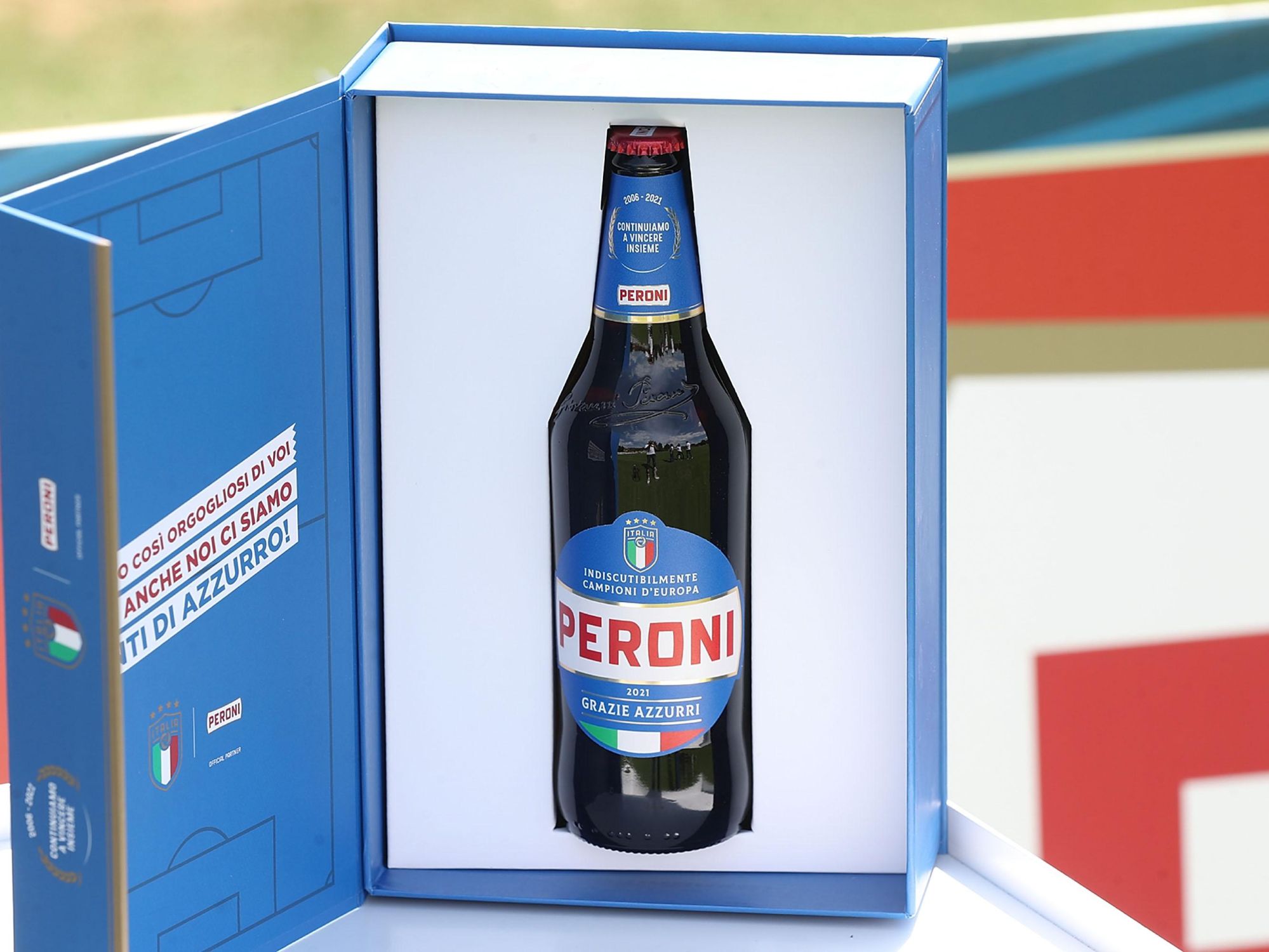
Years later, the renewed partnership with the FIGC and the journey that culminated in victory at UEFA Euro 2021 marked a new chapter in this relationship. Fan-focused initiatives and activities developed around Casa Azzurri reinforced a clear idea: football is not just competition—it is also a shared experience, a meeting place, and a celebration. From this perspective, Peroni has successfully interpreted the contemporary language of sport, increasingly shaped by the concepts of community and lifestyle, helping create a narrative in which the match extends far beyond the final whistle.
The Present with the FIGC: A Partnership Looking to the Future of Italian Football
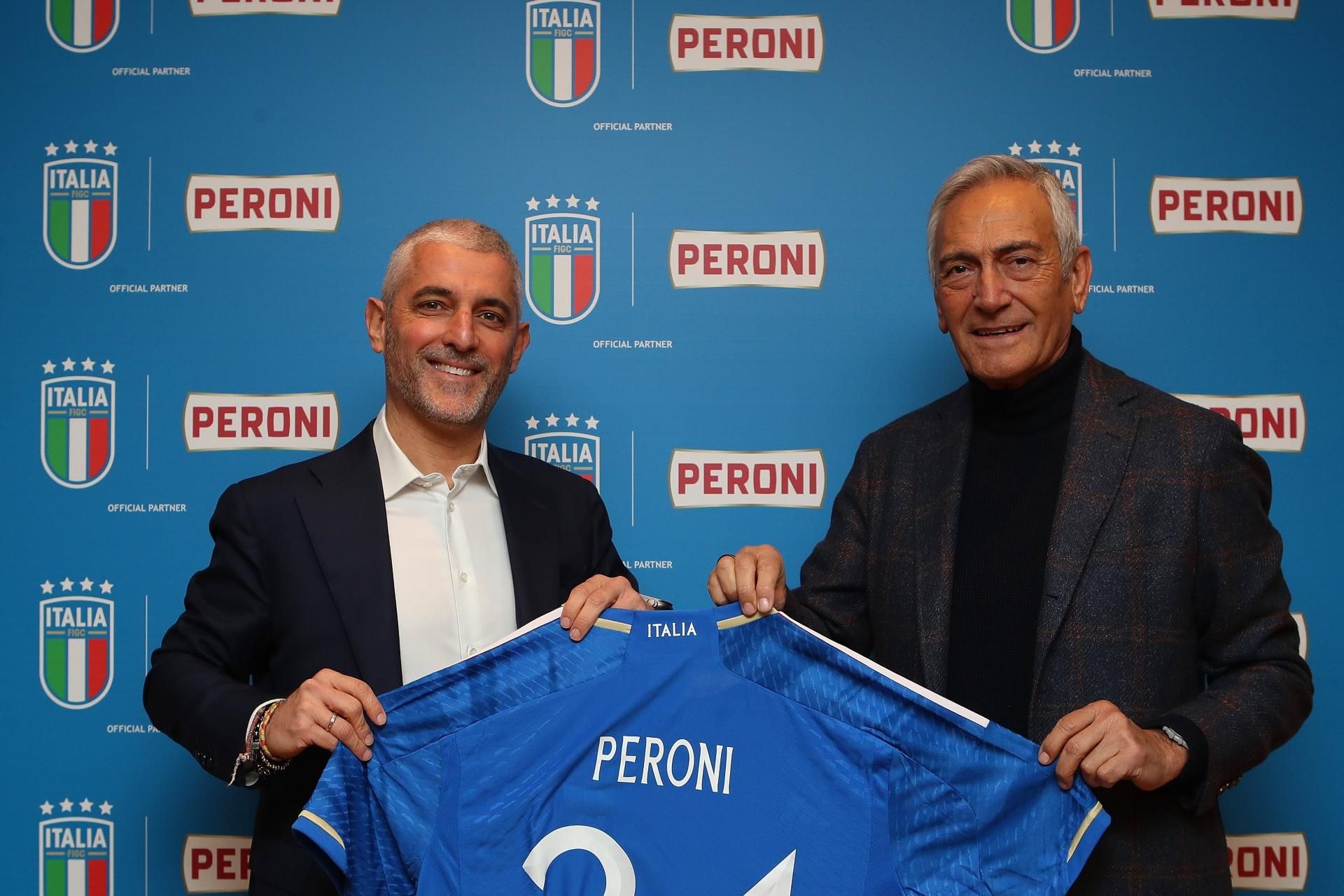
Today, Peroni's relationship with the FIGC represents one of the most significant pillars of the brand's communication strategy in the world of sport. A partnership that extends beyond the men's national team to embrace the entire Azzurri movement, with an increasingly strong focus on the Italy women's national team, whose visibility, engagement, and cultural relevance have continued to grow.
Over the past two years, women's football has become one of the key pillars of Peroni's storytelling, with the brand supporting its development through campaigns, fan-focused initiatives, and activities designed to promote values such as inclusion, authenticity, and participation. In this context, the collaboration with the FIGC takes on a meaning that goes beyond traditional sponsorship: it represents a commitment to supporting Italian football in all its forms.
Bari and Peroni: a sponsorship rooted in local identity
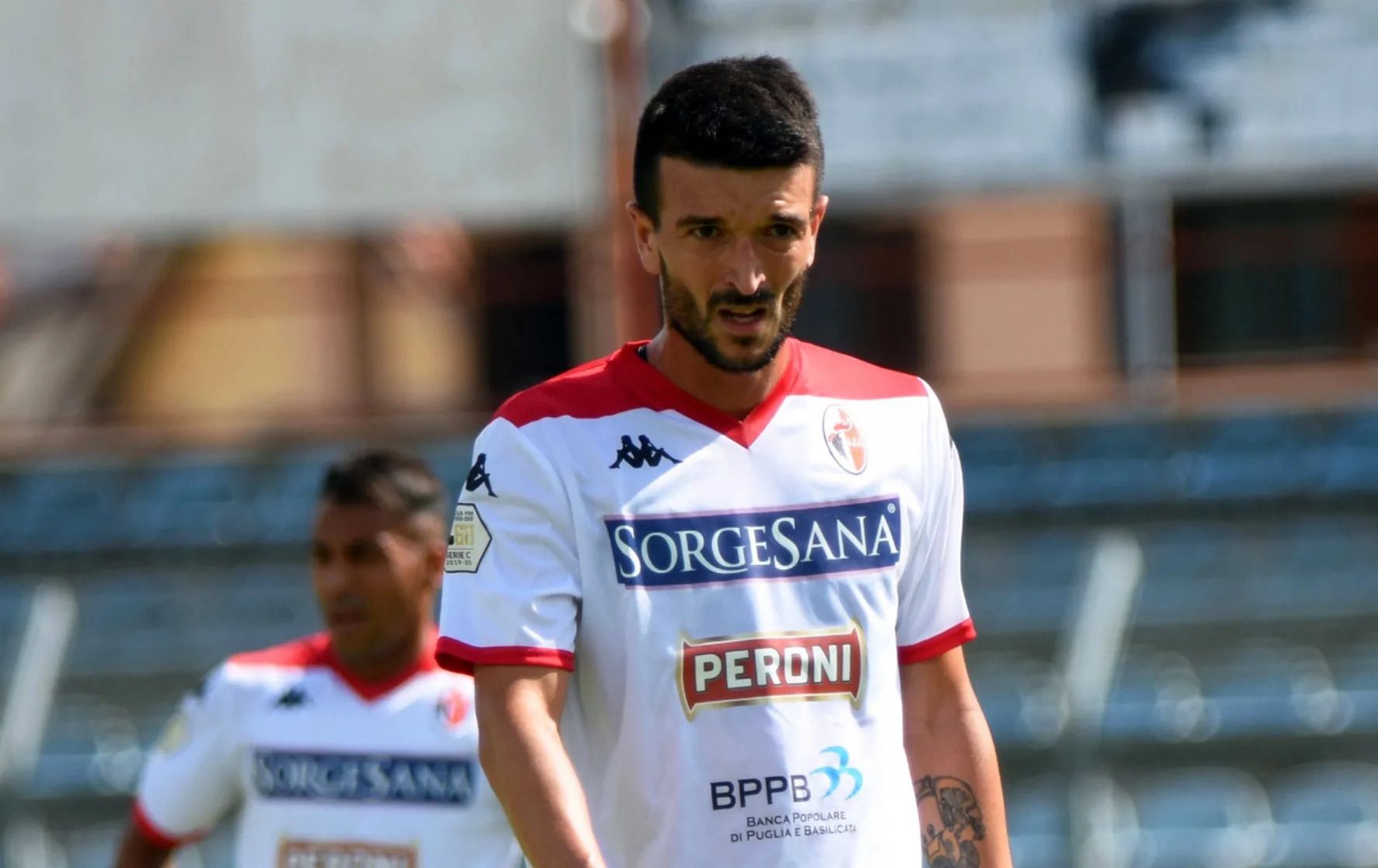
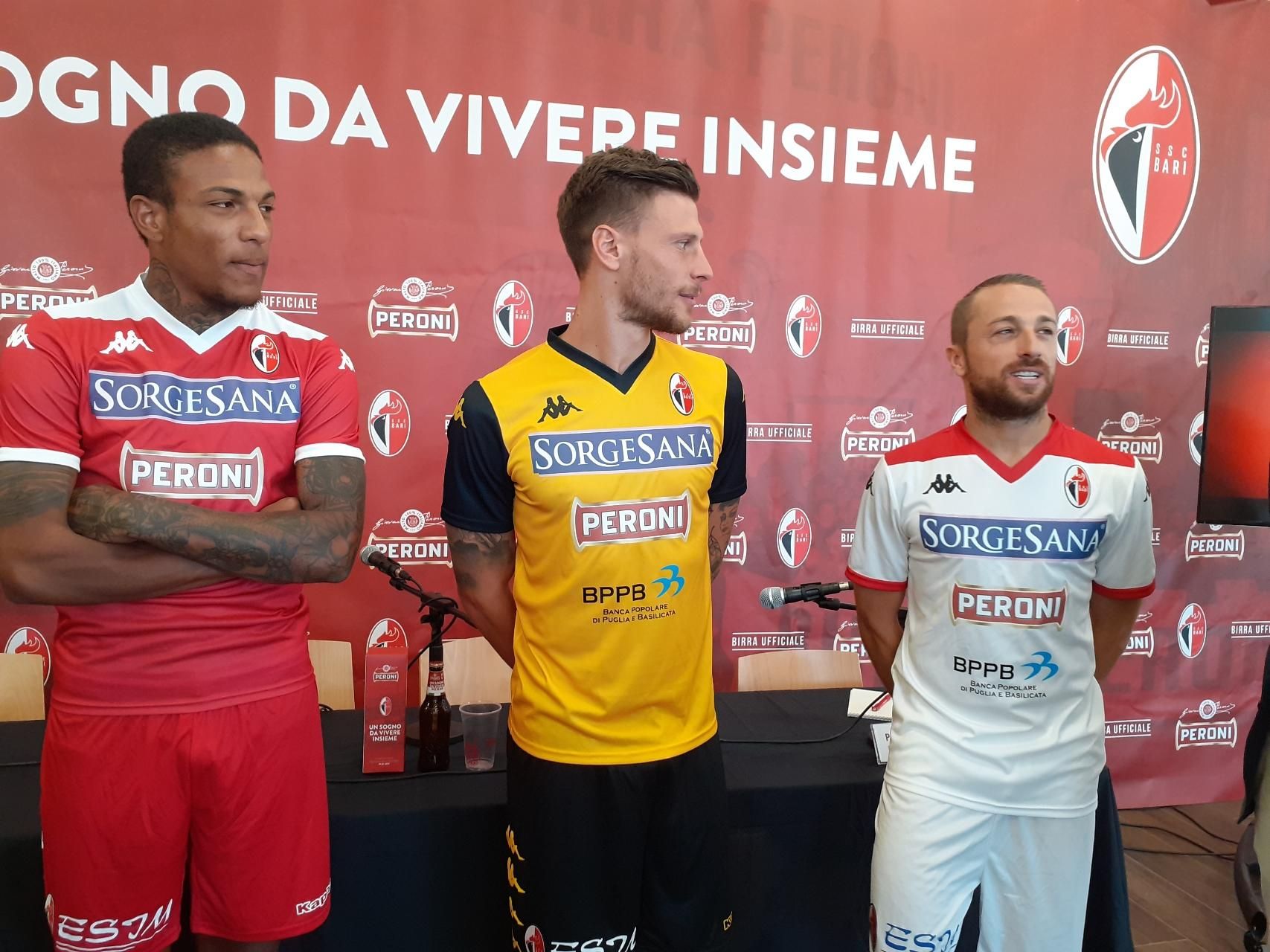
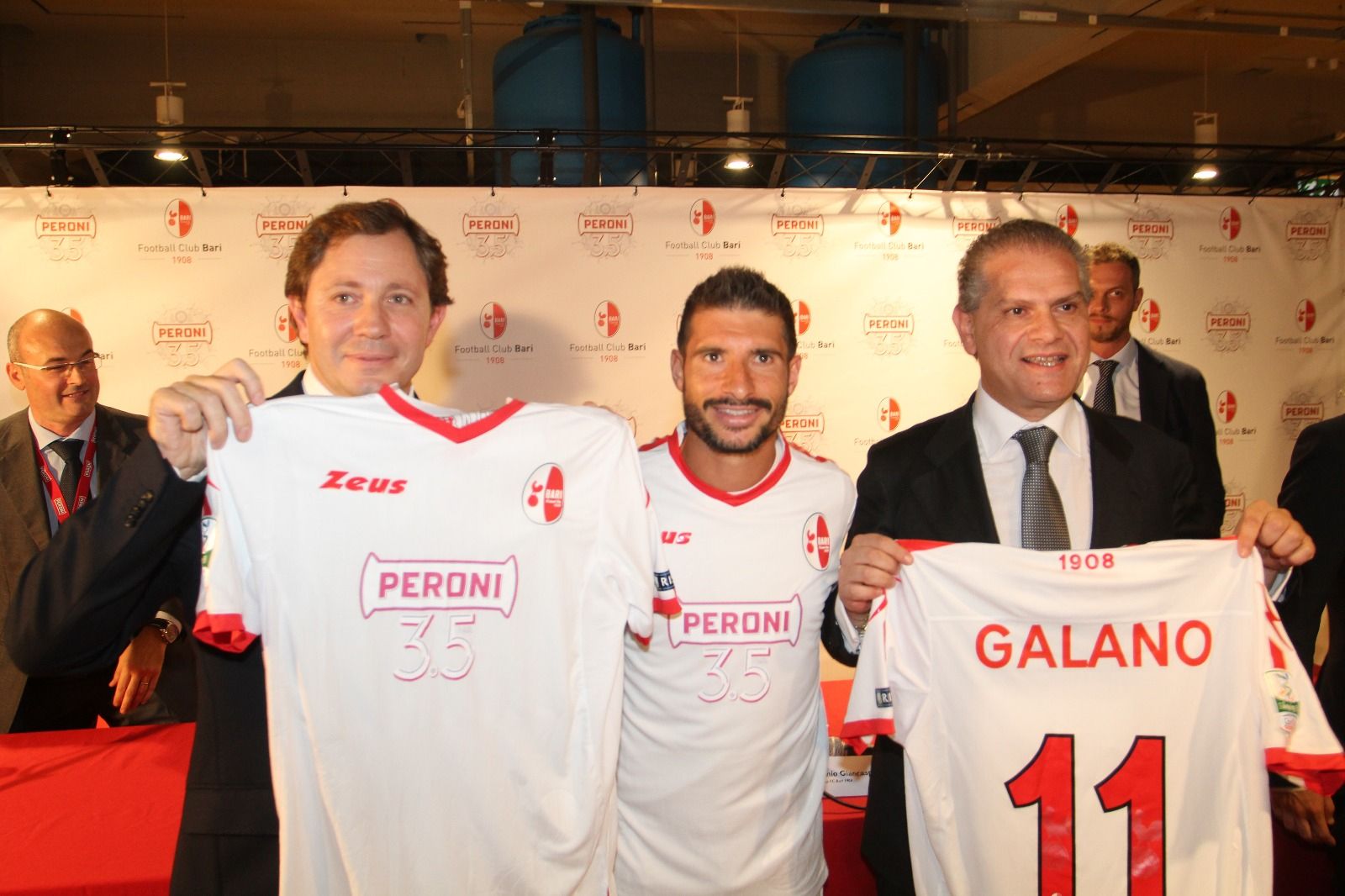
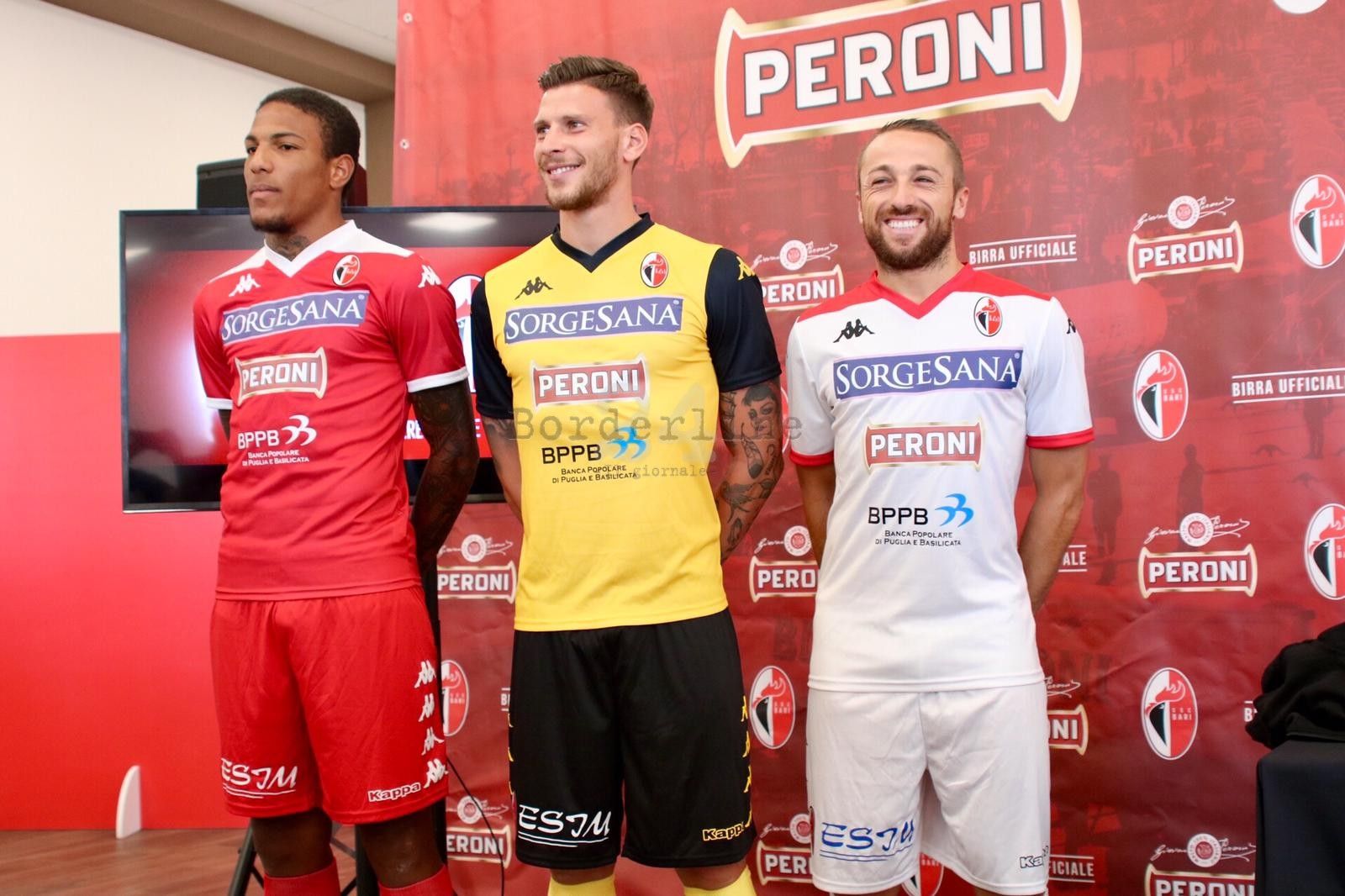
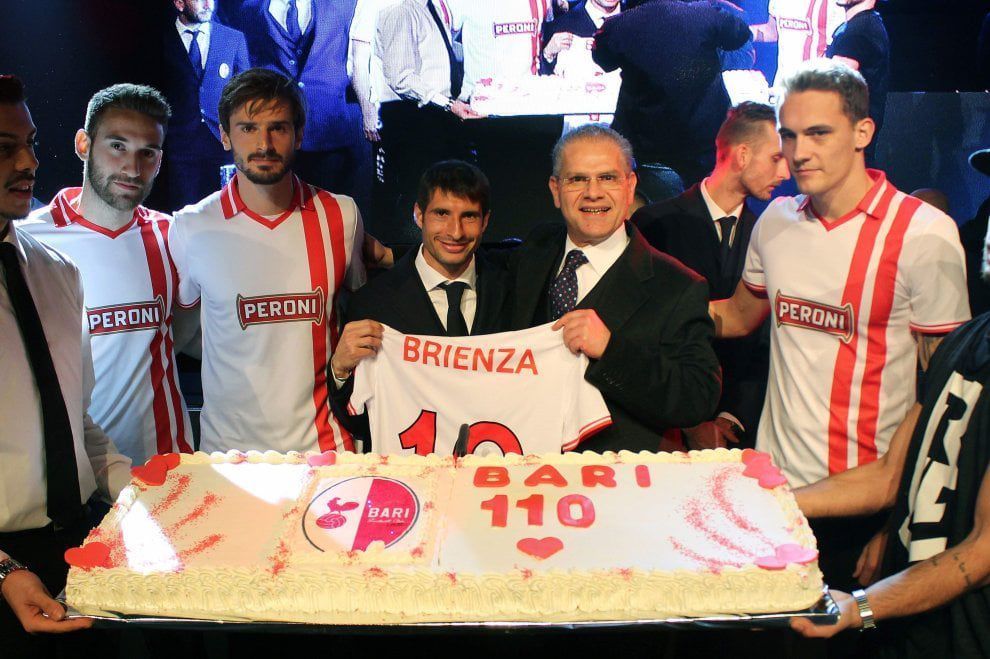
If there is a sponsorship that truly reflects Peroni's relationship with its local roots, it is the one with Bari. More than simply appearing on the club's shirts, the partnership accompanied one of the most delicate and symbolic moments in the club's recent history, becoming a reflection of a city constantly evolving while remaining deeply connected to its own symbols. During the 2017/18 Serie B season, Peroni 3.5 became the club's main sponsor in an initiative unveiled at the city's historic brewery, operating since 1924, sealing what was described as a true "historic marriage" between two local institutions.
The relationship did not end with the club's corporate difficulties. On the contrary, in the 2019/20 season, following the club's bankruptcy and restart from Serie D before returning to professional football, Peroni chose to support Bari's new era during its Serie C campaign as well, reaffirming the partnership's symbolic value by once again unveiling the official kits at the Bari brewery alongside the club's new ownership led by Luigi De Laurentiis.
The collaboration continued through the 2020/21 season, confirming a level of continuity rarely seen in sports sponsorships: not an initiative driven solely by results or league status, but a long-term commitment built on a shared sense of belonging, industrial roots in the local community, and an emotional connection with the people of Bari. In this sense, the Bari case represents perhaps one of the most authentic expressions of Peroni's philosophy in Italian football, where the value of the relationship transcends the simple visibility of the brand.
Napoli 1999–2003: four unforgettable seasons
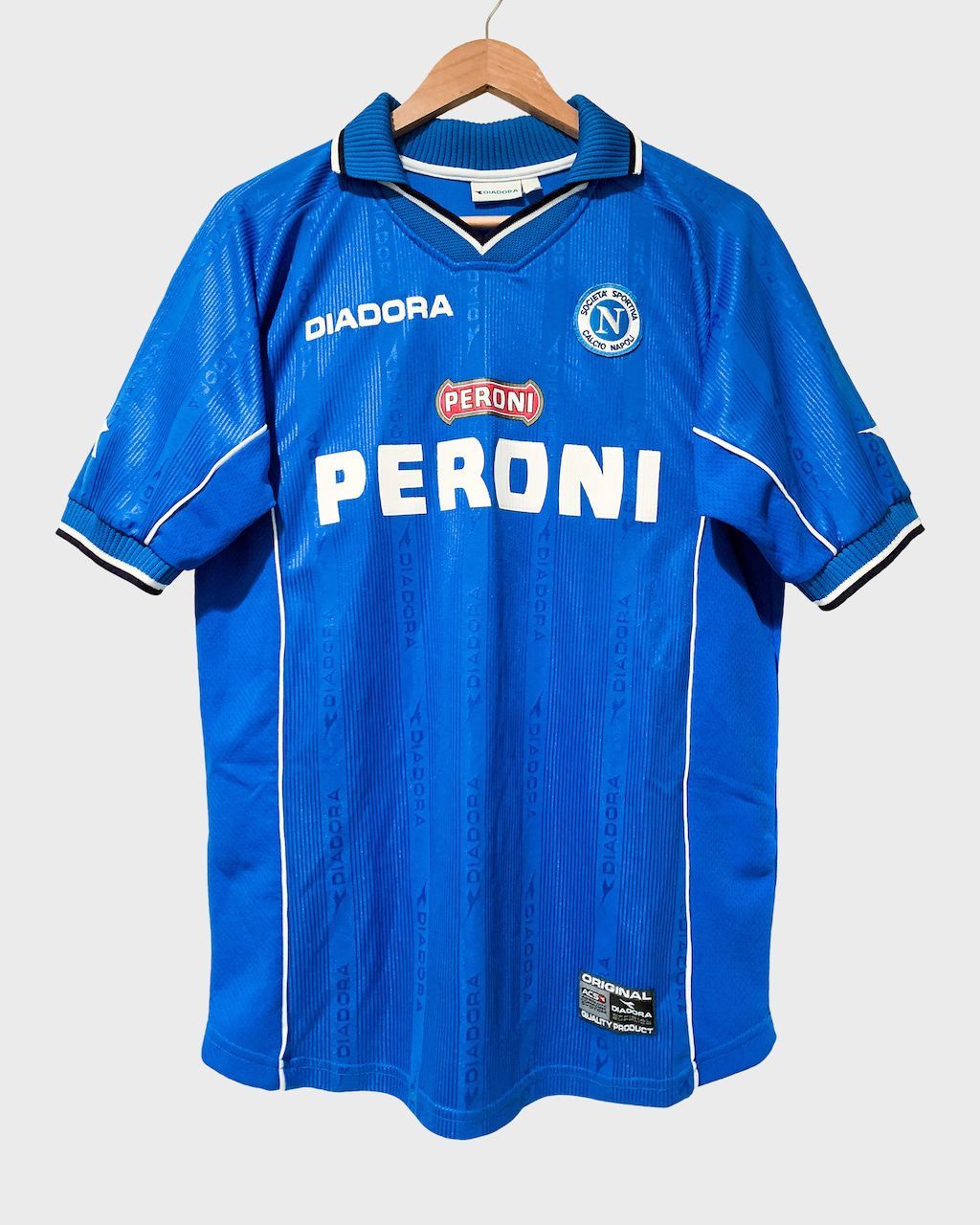
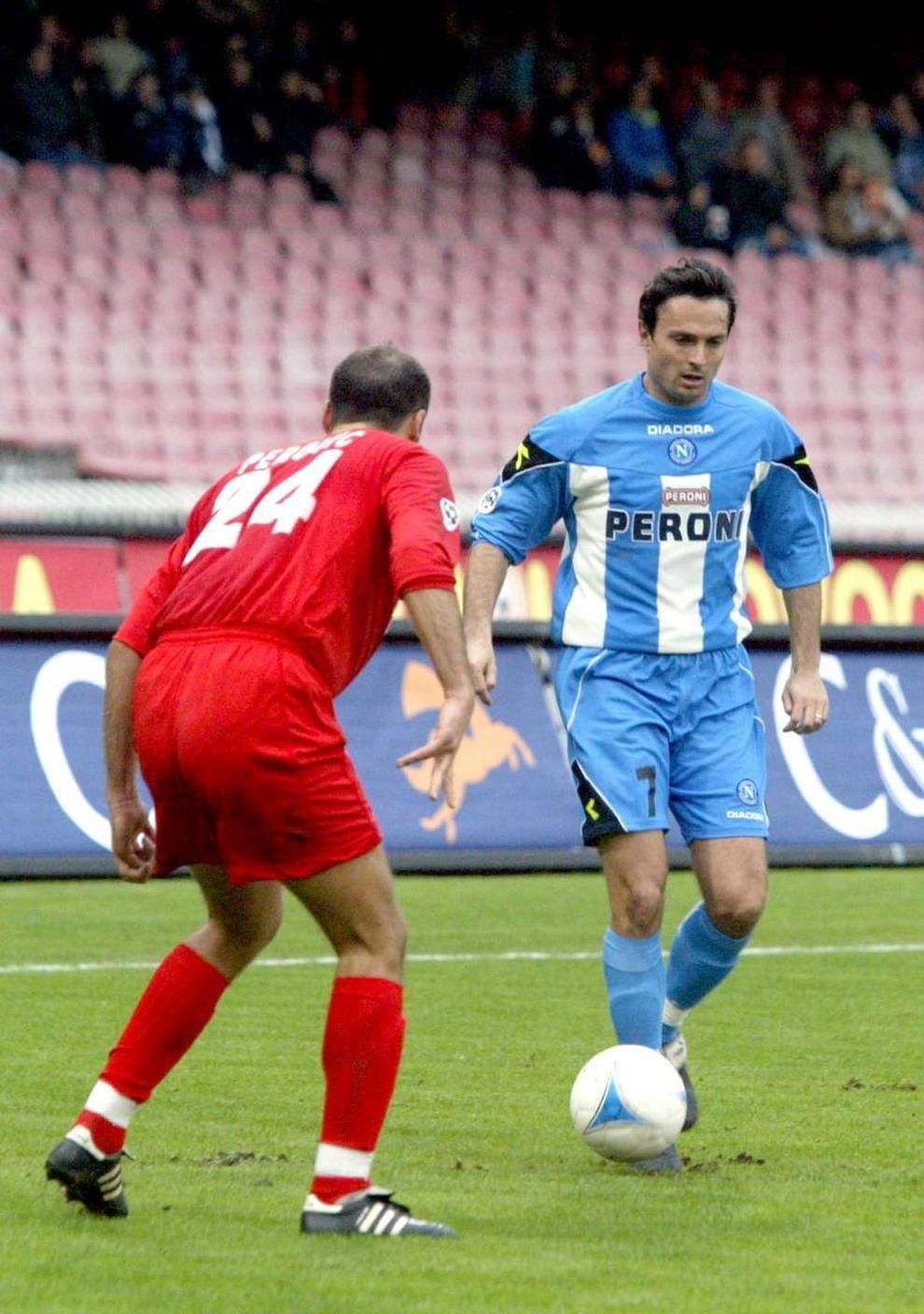
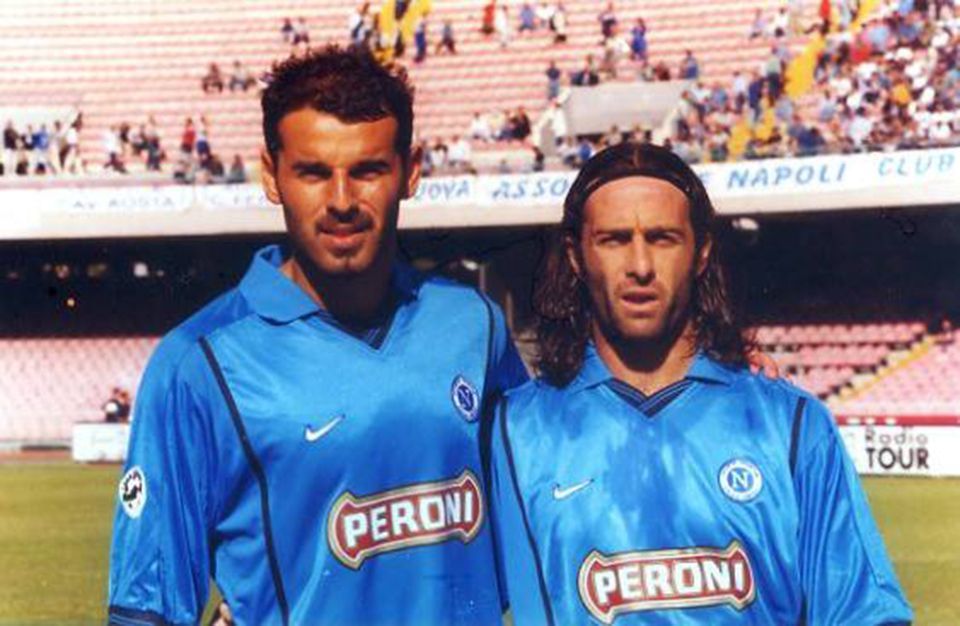
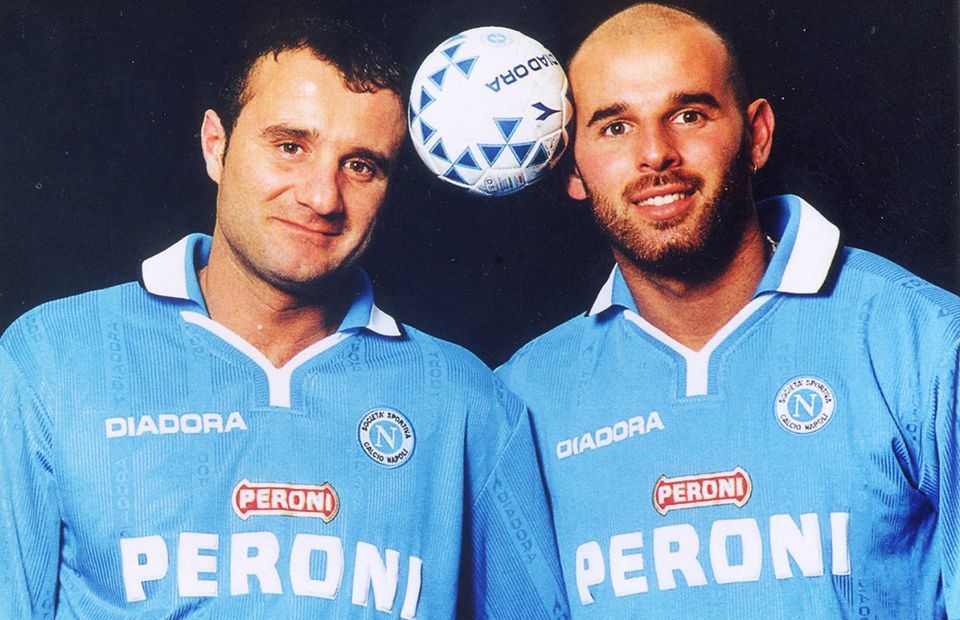
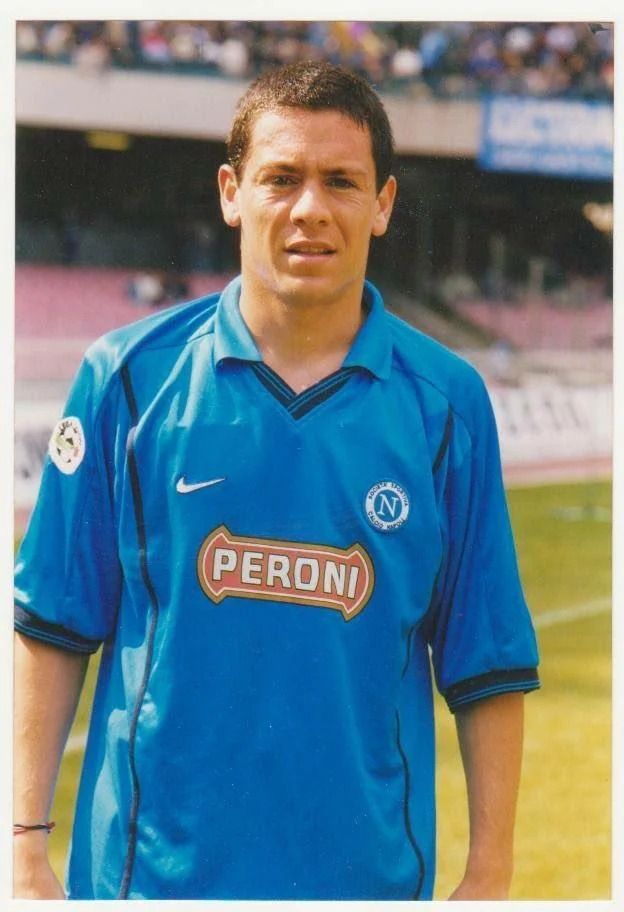
If the partnership with Bari tells the story of local identity, the one with Napoli represents one of the most iconic chapters in Peroni's presence in Italian football. From the 1999/2000 season until the end of the 2002/03 campaign, the brand accompanied the Neapolitan club through a four-year period that, regardless of sporting results, remains deeply etched in the visual memory of an entire generation of supporters.
During those years, the Peroni logo featured prominently on Napoli's shirts, becoming part of an aesthetic that has successfully transcended its own era. Over time, those jerseys have become true collectors' items. The growing interest in vintage football shirts and memorabilia has brought renewed attention to a period when sponsors played a decisive role in shaping the visual identity of clubs. In this context, the Peroni brand is remembered not merely as a commercial partner, but as an integral part of a distinct visual memory, instantly evoking a specific chapter in the history of Italian football.