



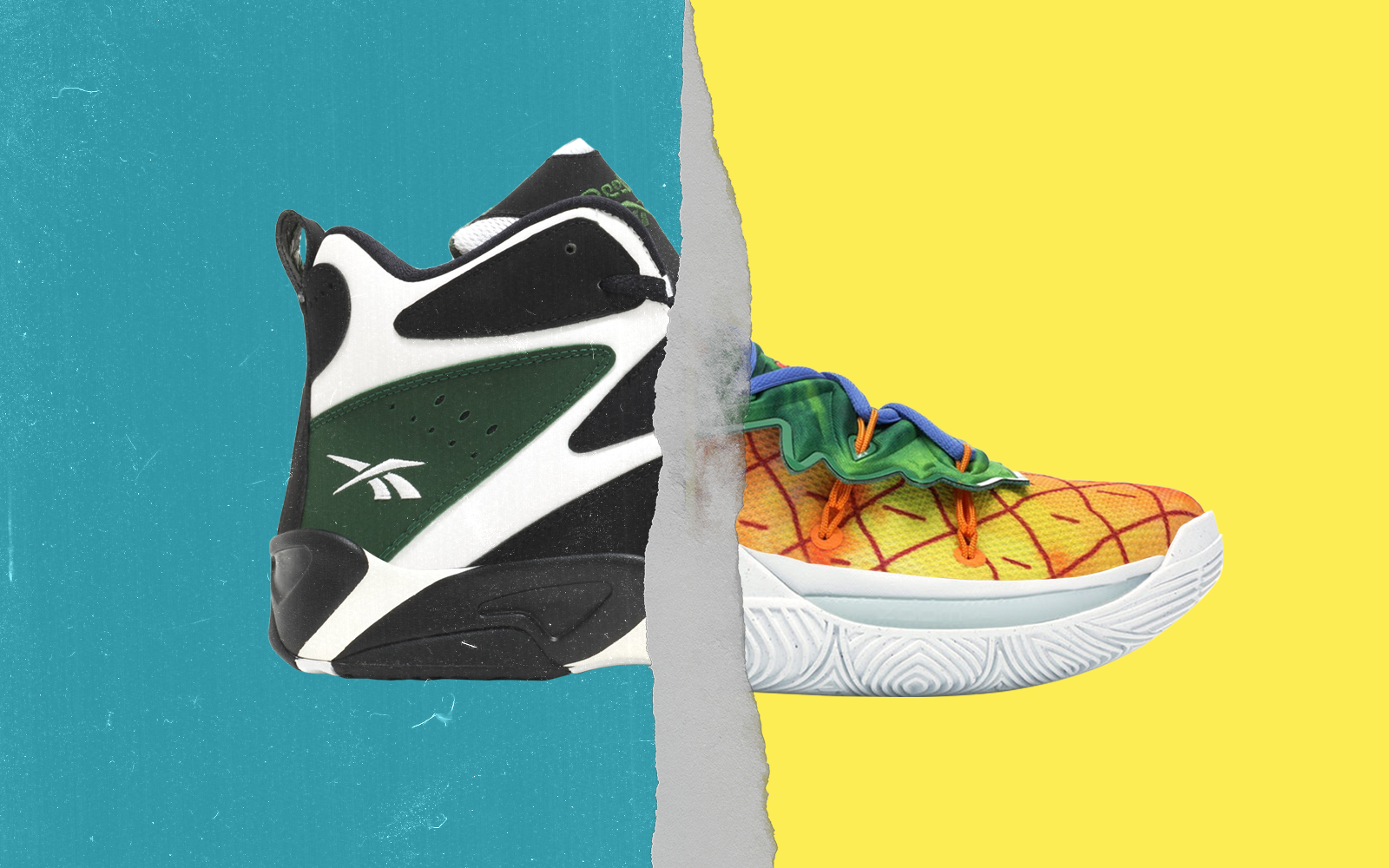
How did sneakers evolve in NBA? fcsfcfvA long journey through the history of the best signature shoes ever
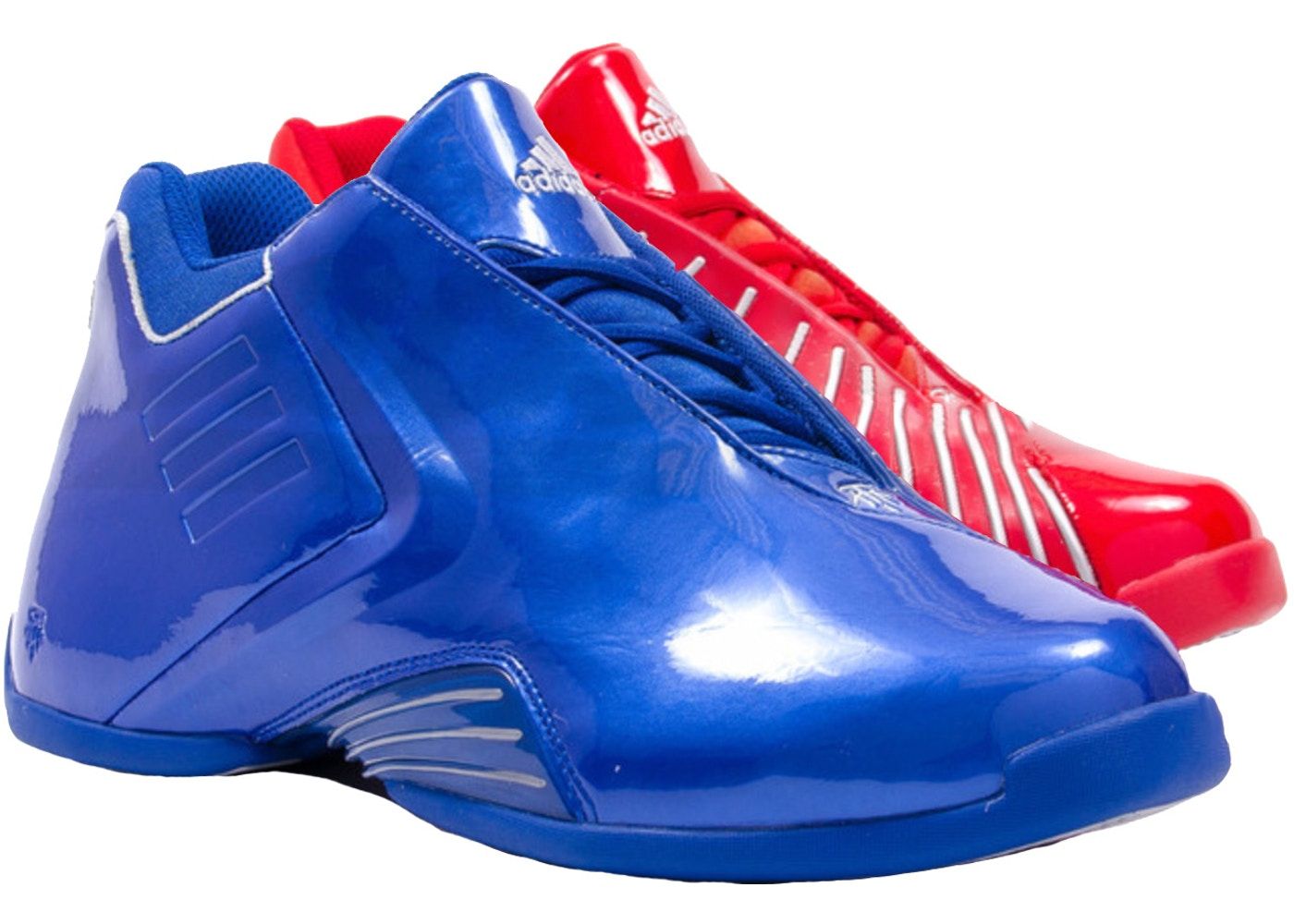
adidas T-Mac 3 Packer
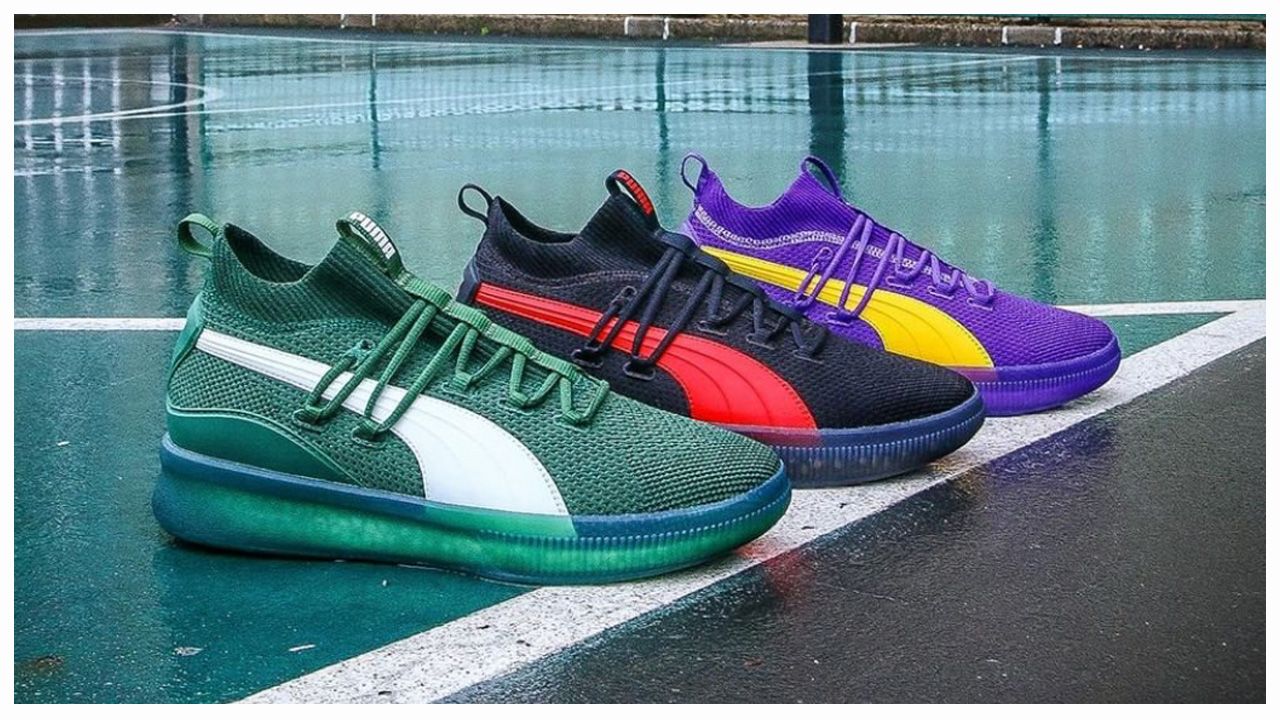
Clyde Court Disrput by Puma
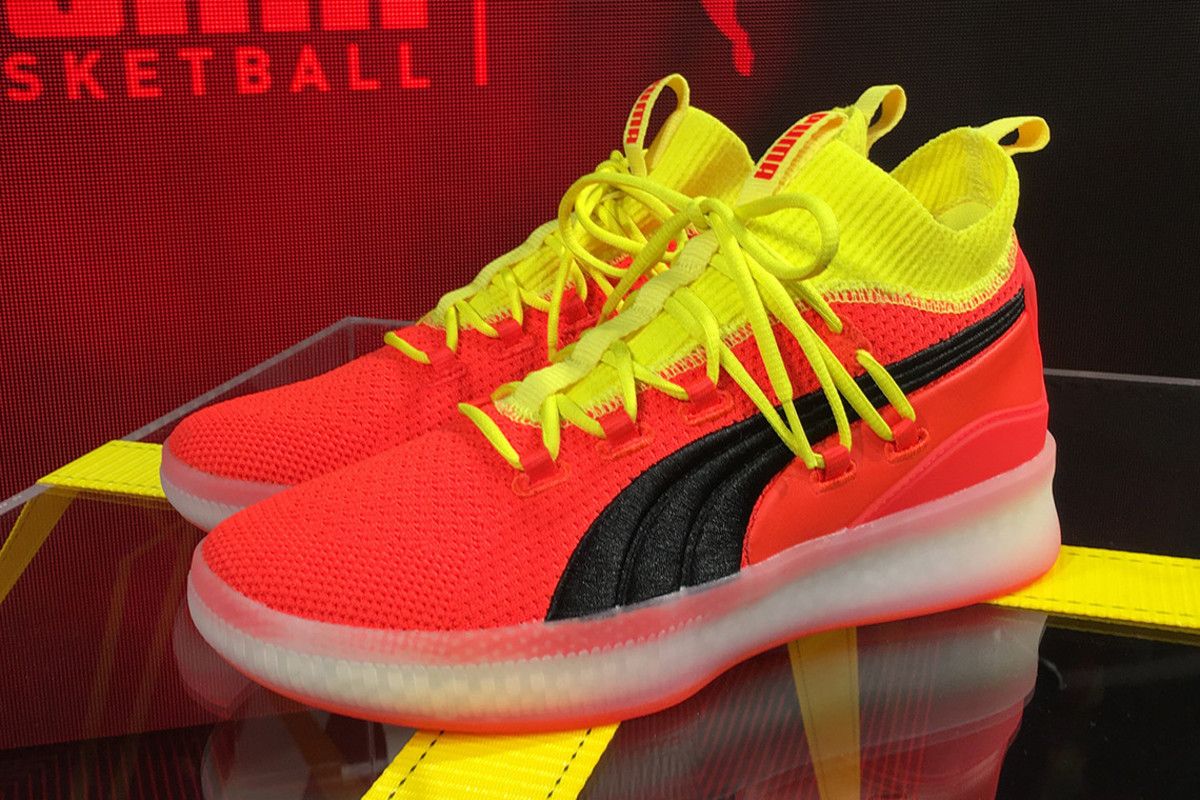
Clyde Court Disrput by Puma
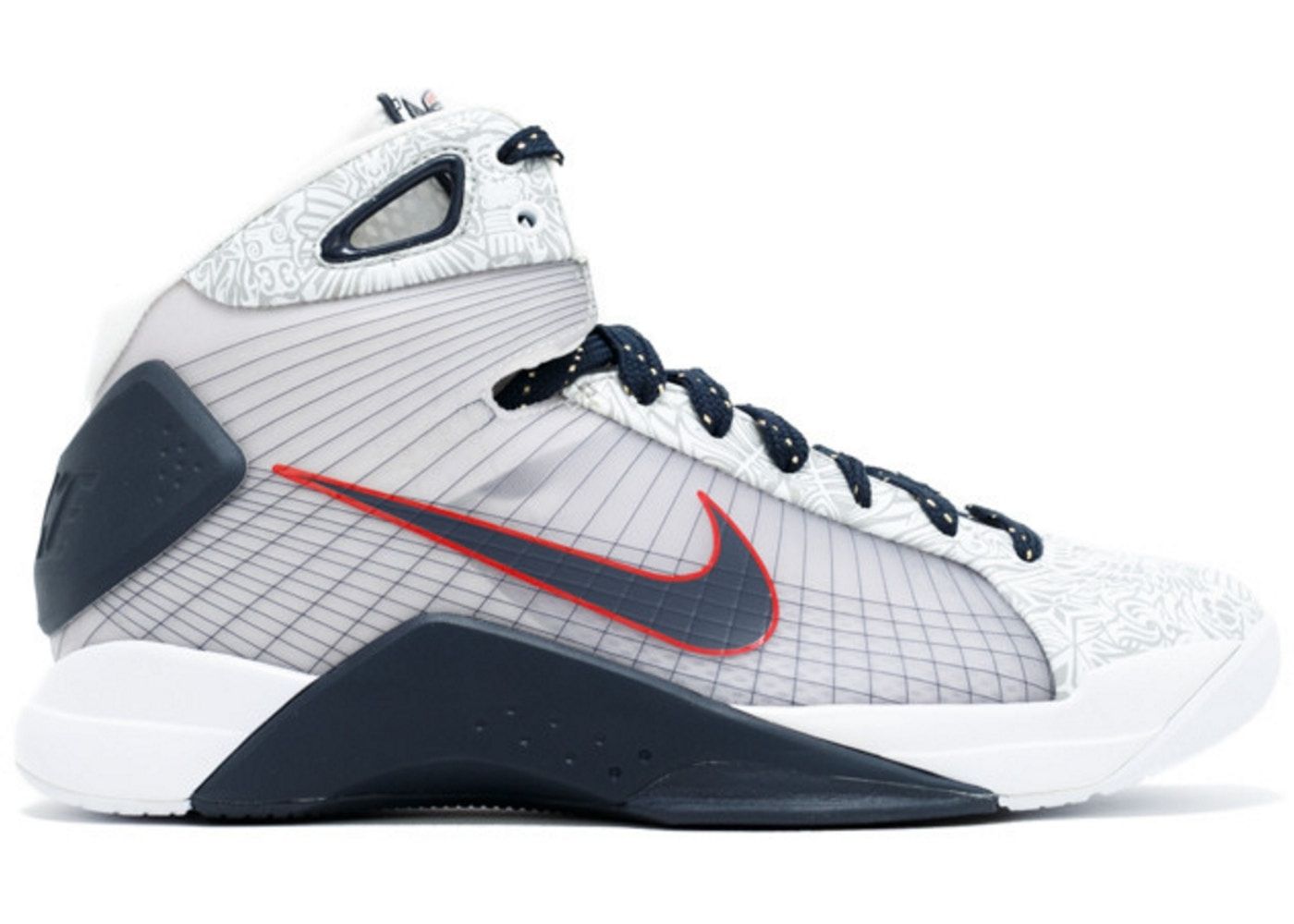
Nike Hyperdunk 2008
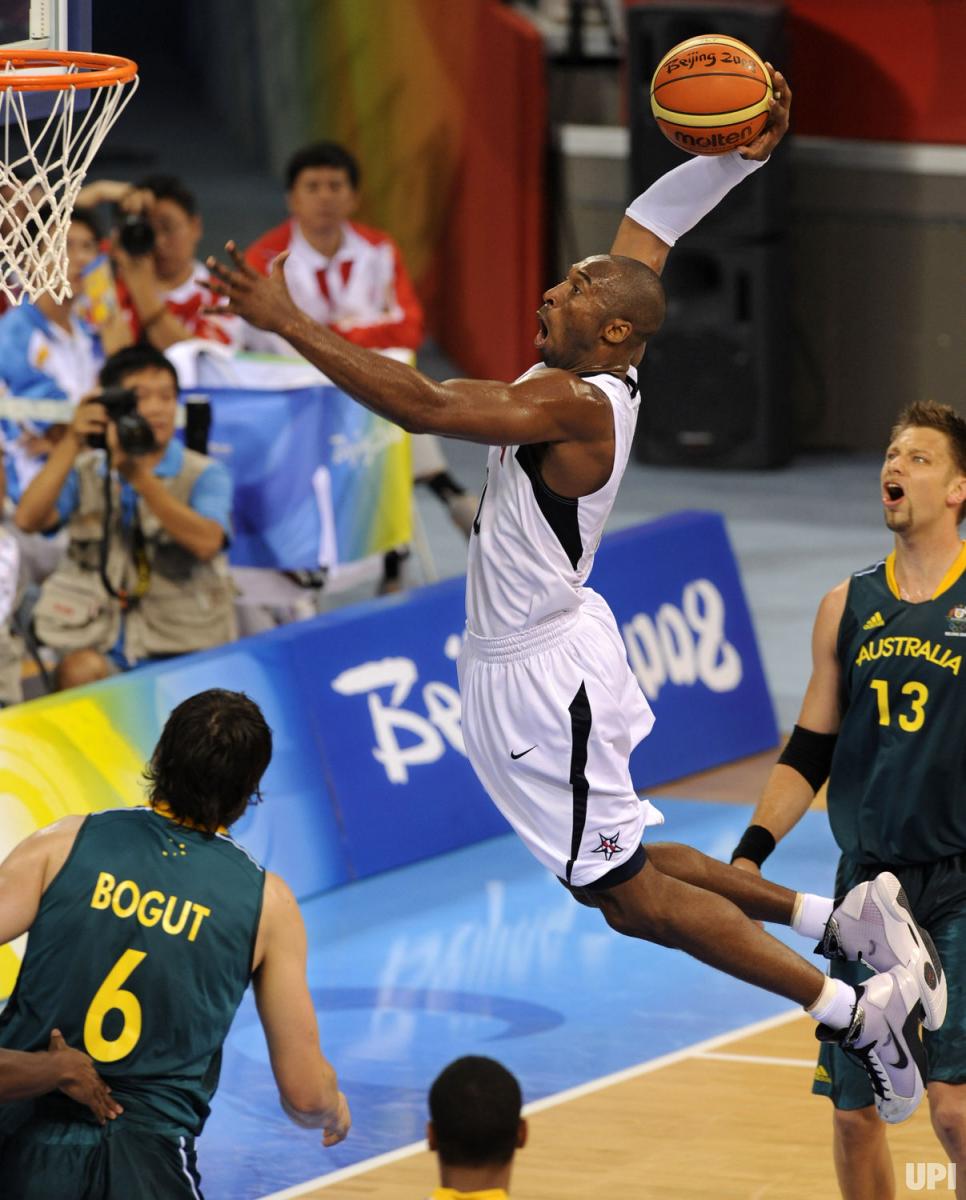
The Black Mamba on one of its flights to Beijing 2008
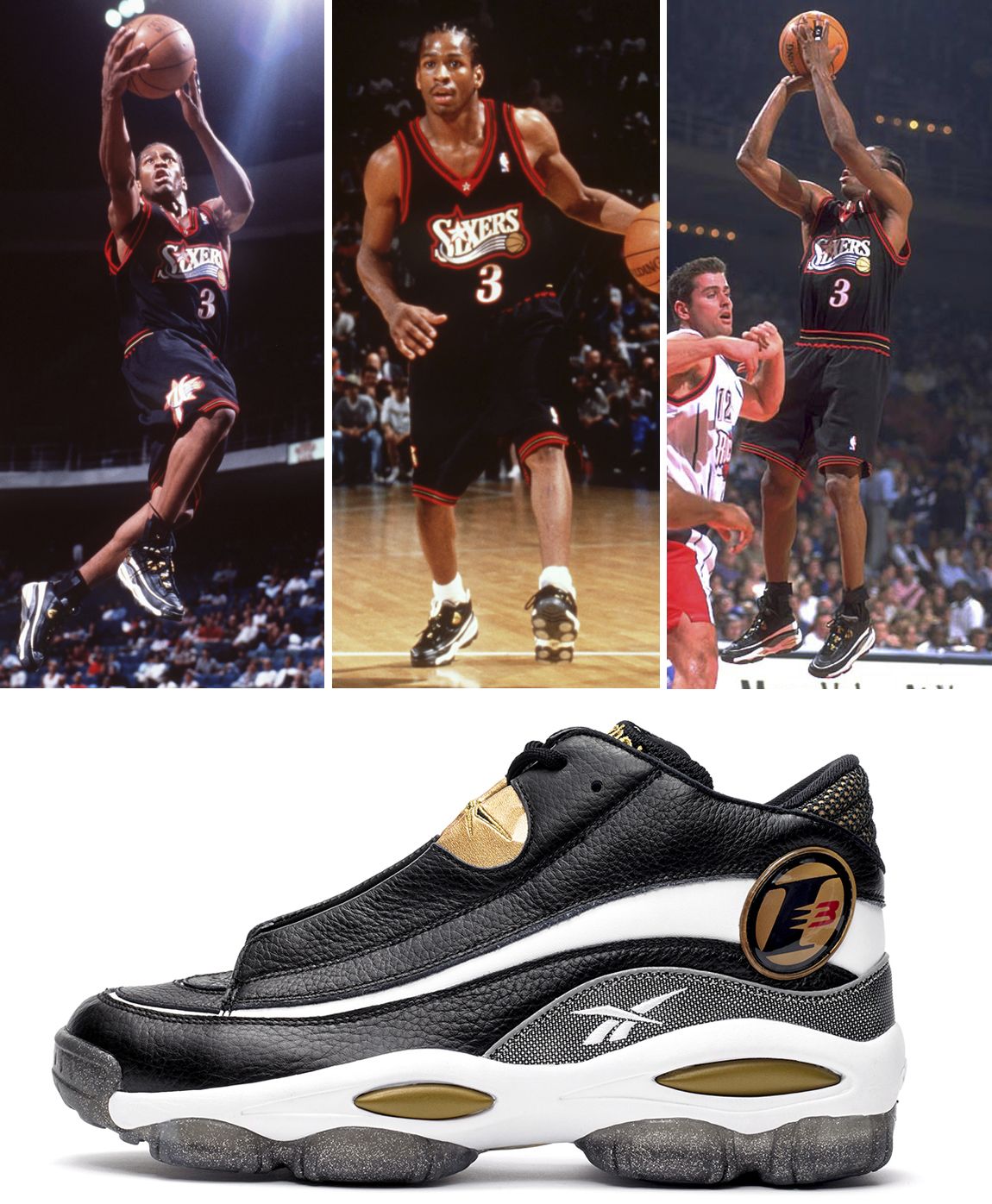
Allen Iverson and his Reebok signature shoes
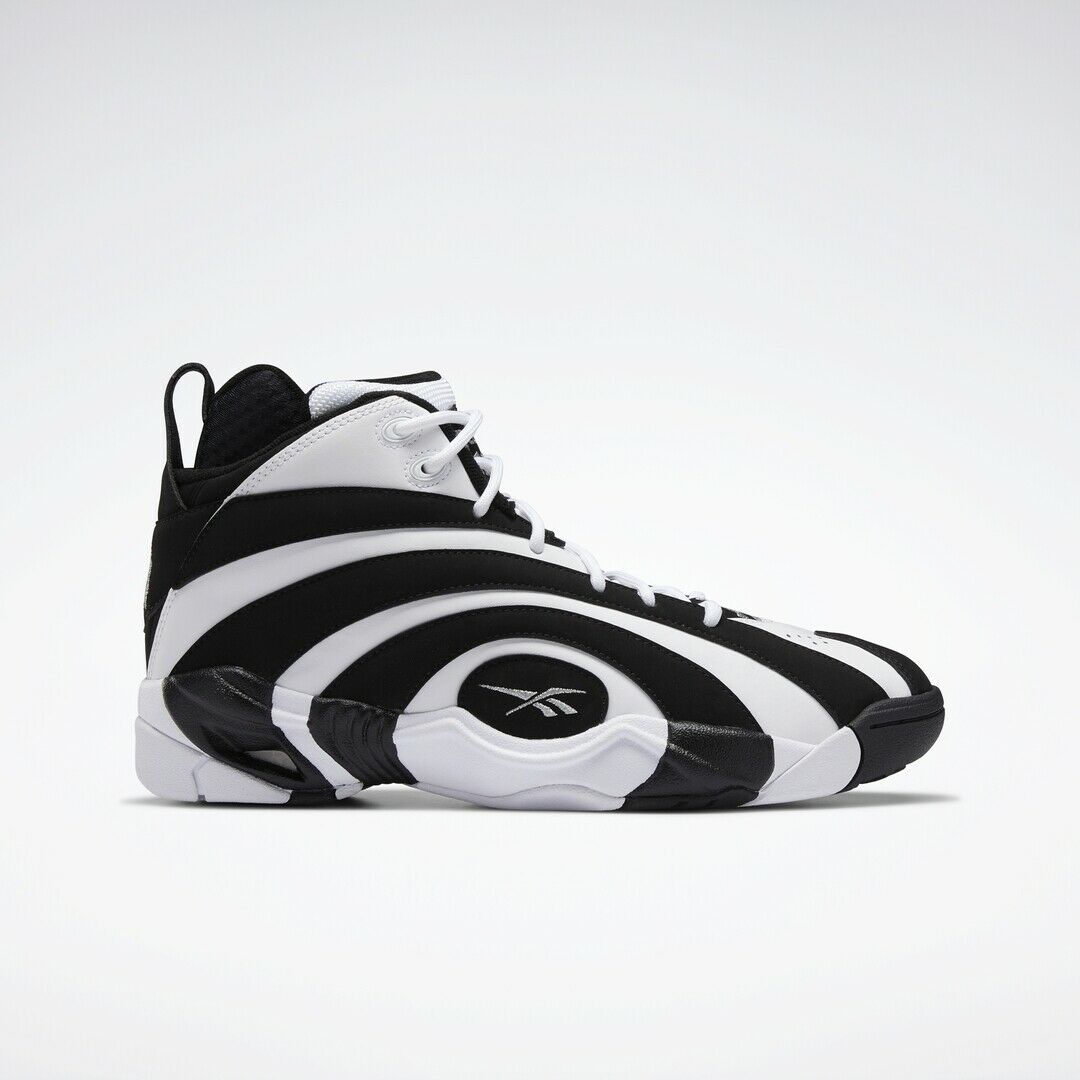
Reebok Shaqnosis, 1995
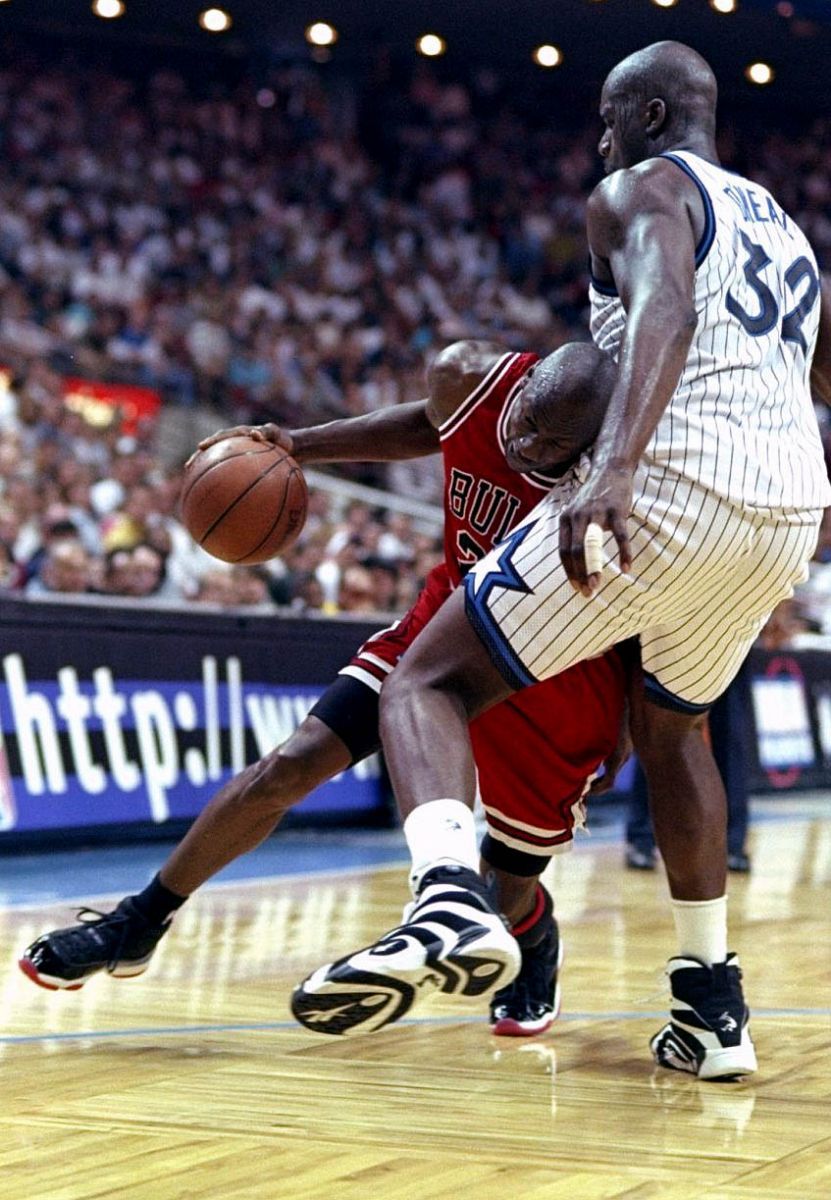
A young Shaq against His Airness
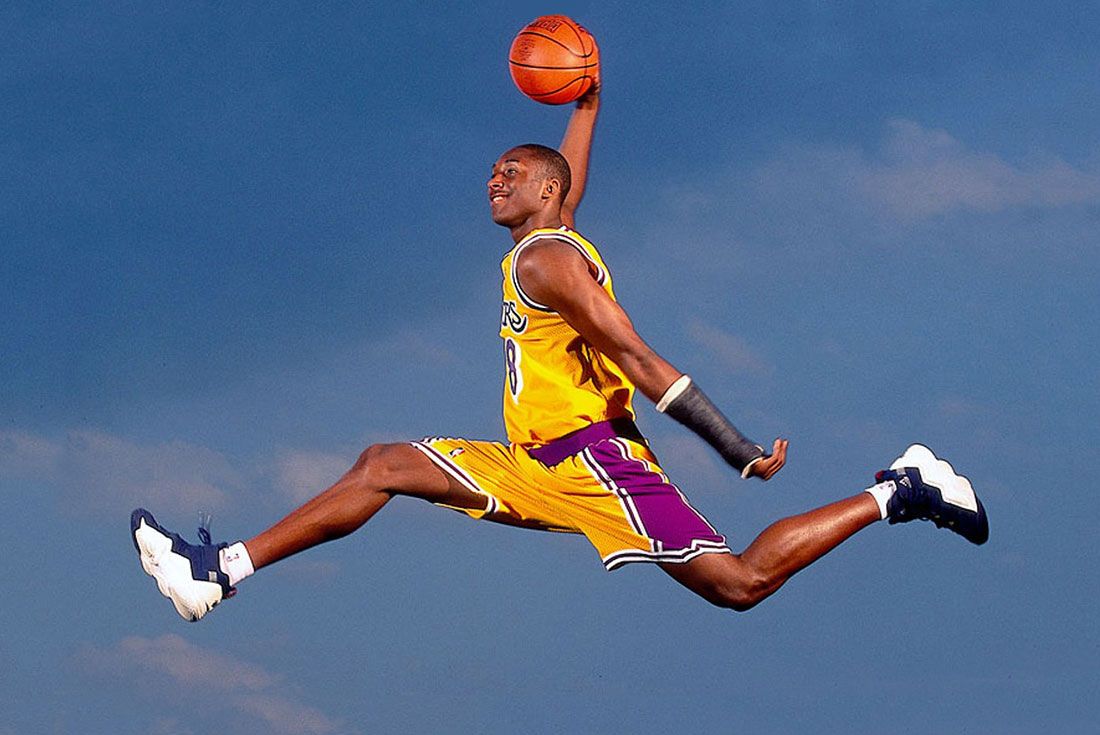
Kobe Bryant x adidas
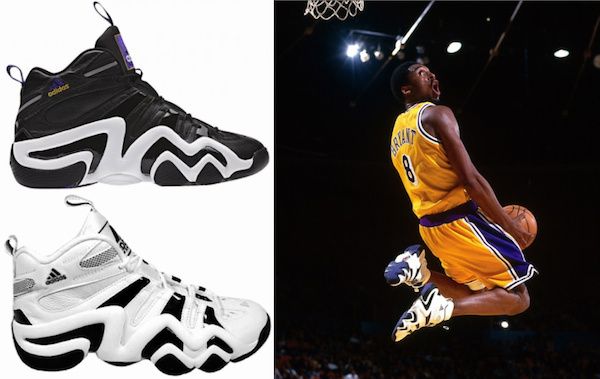
The adidas KB8 of Mamba
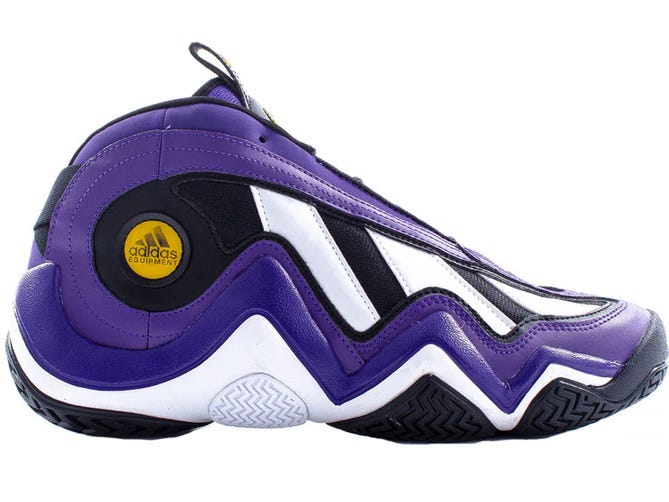
Crazy 97 EQT Elevation Retro 'Kobe Bryant'
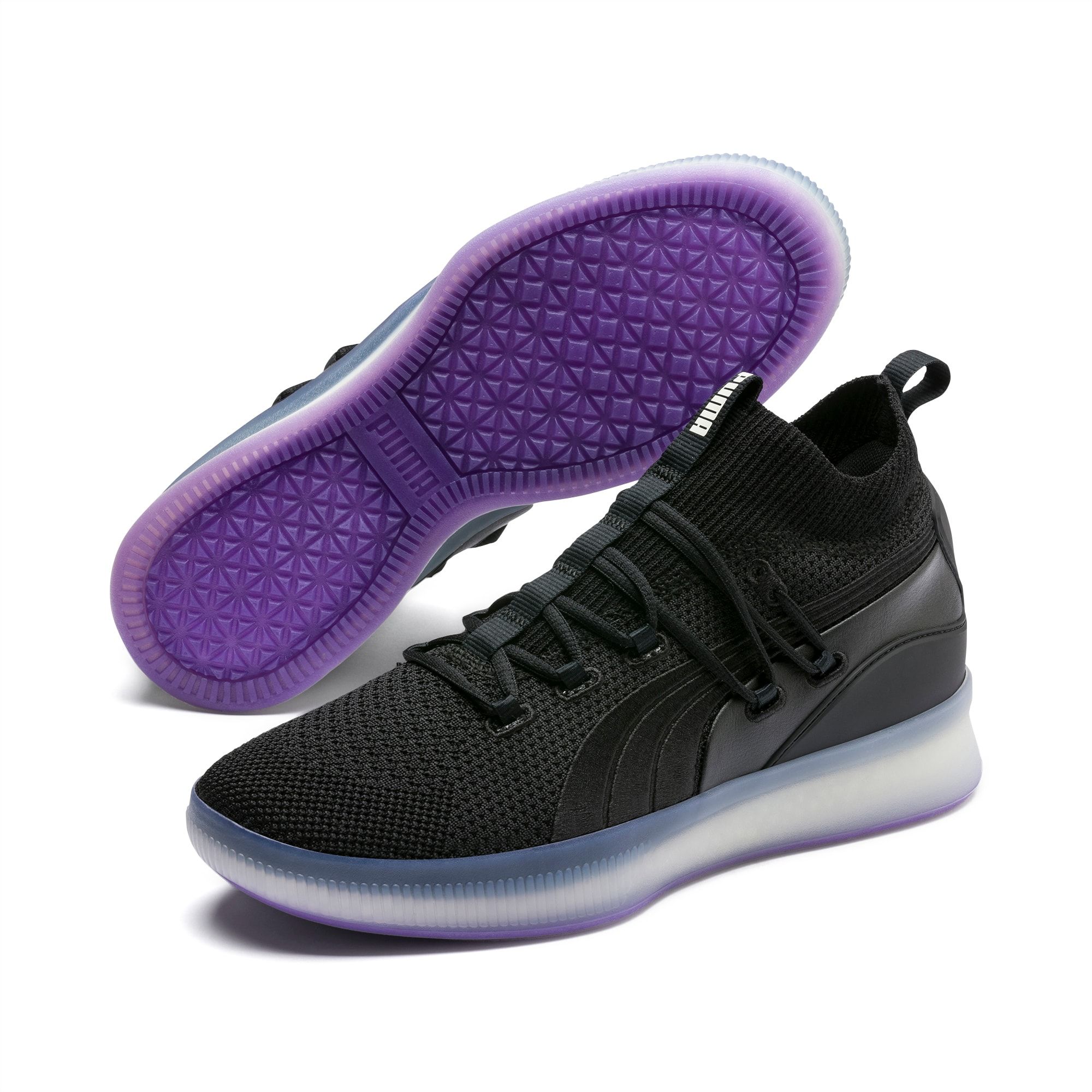
Clyde Court Disrput by Puma
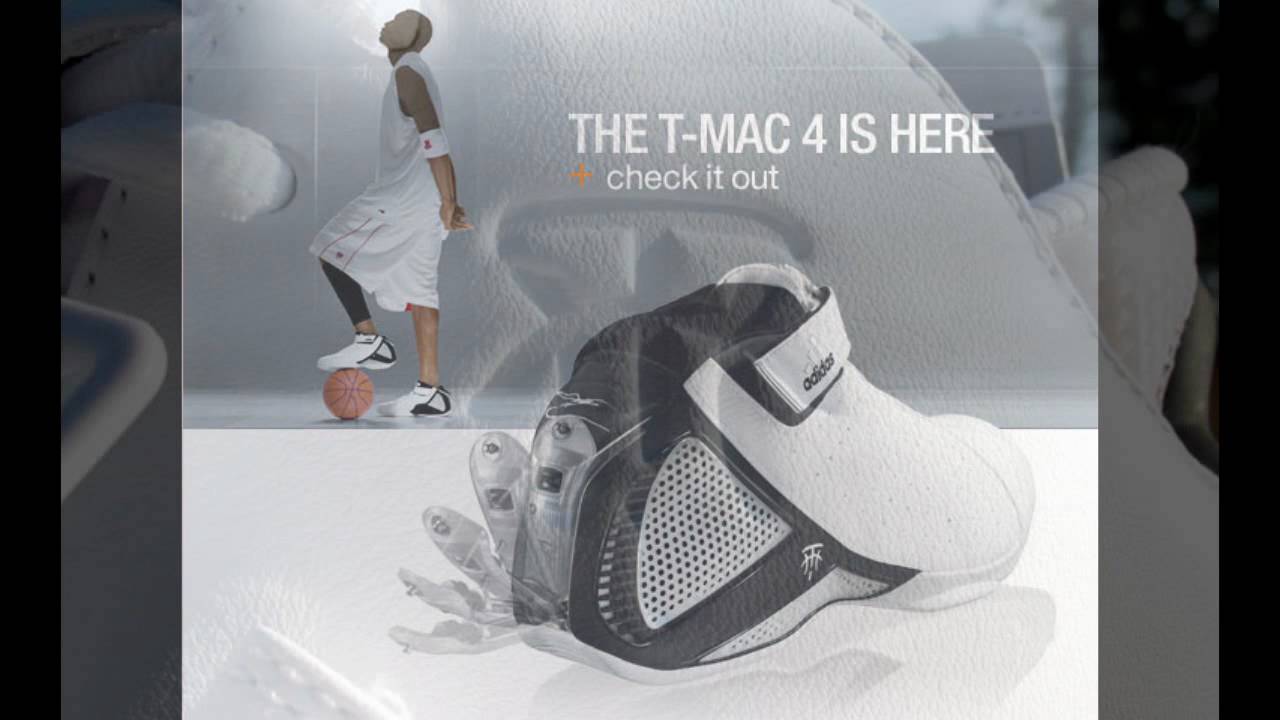
T-Mac x adidas
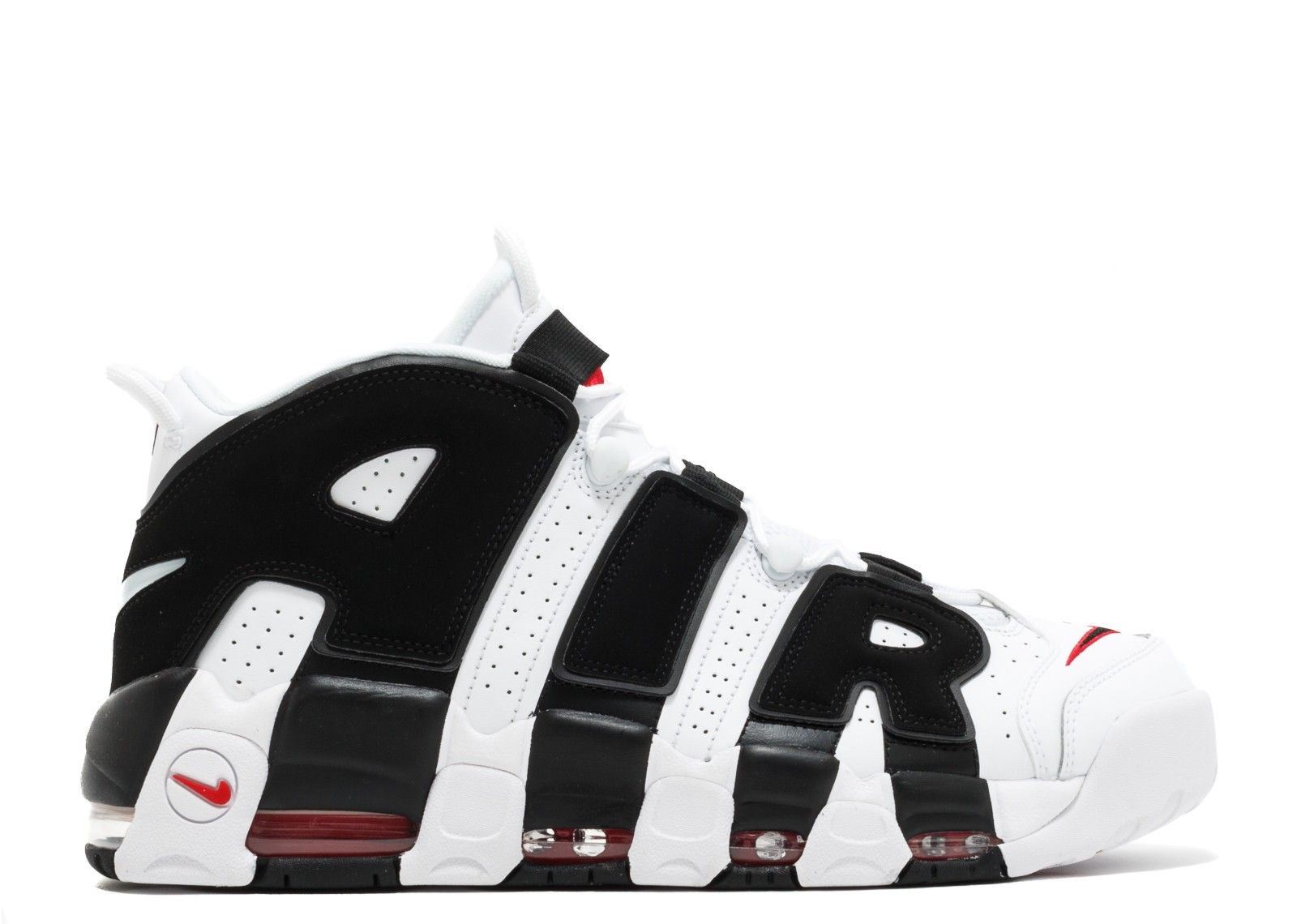
Nike Air More Uptempo
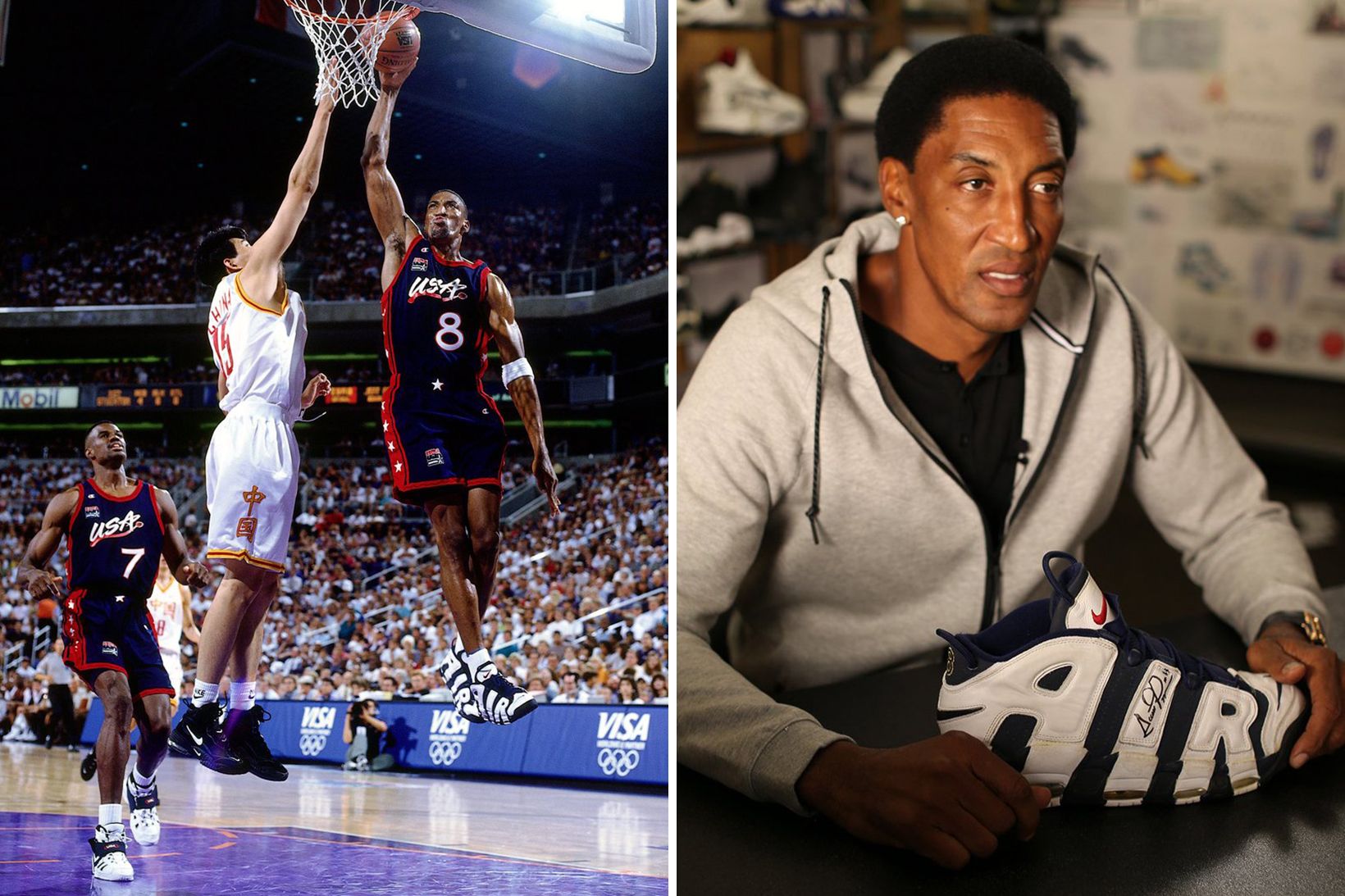
Scottie Pippen and his Air More Uptempo
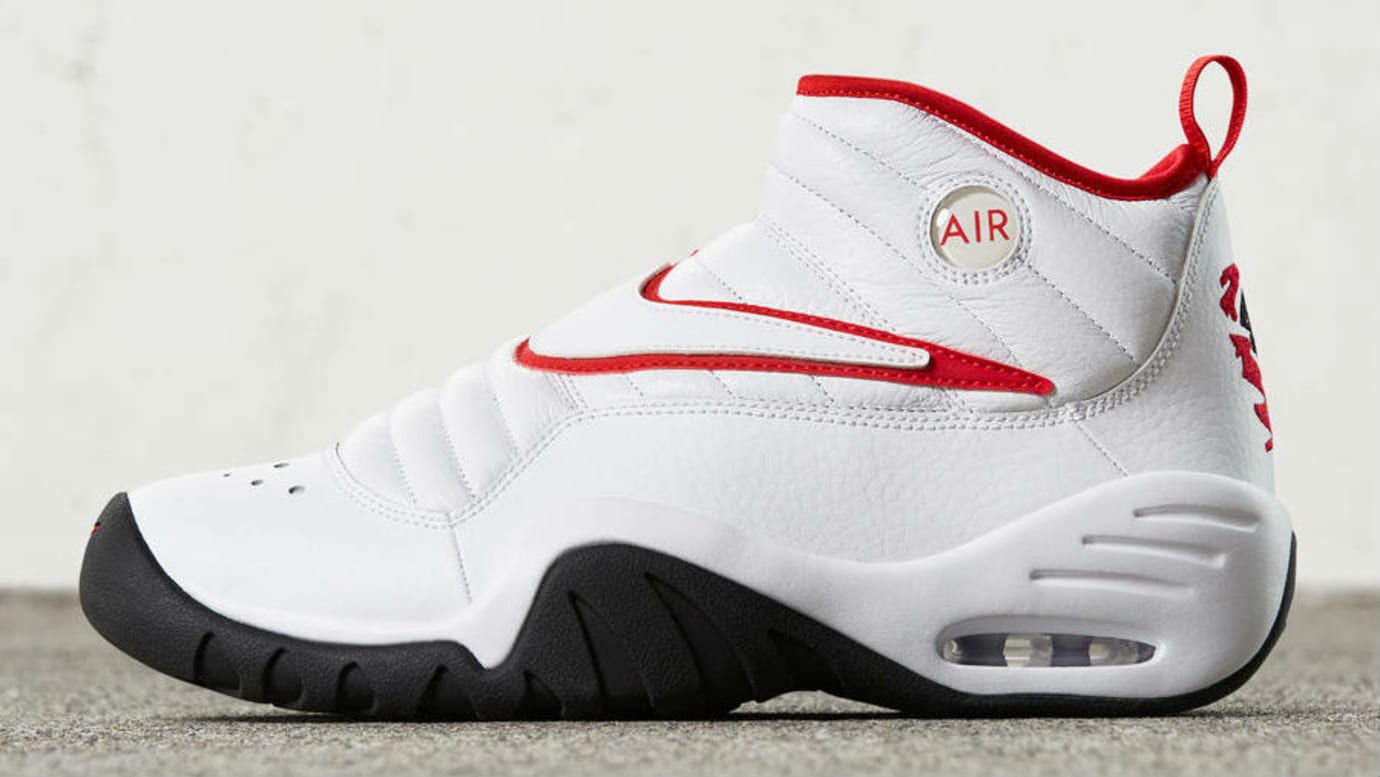
Nike Air Shake Ndestrukt
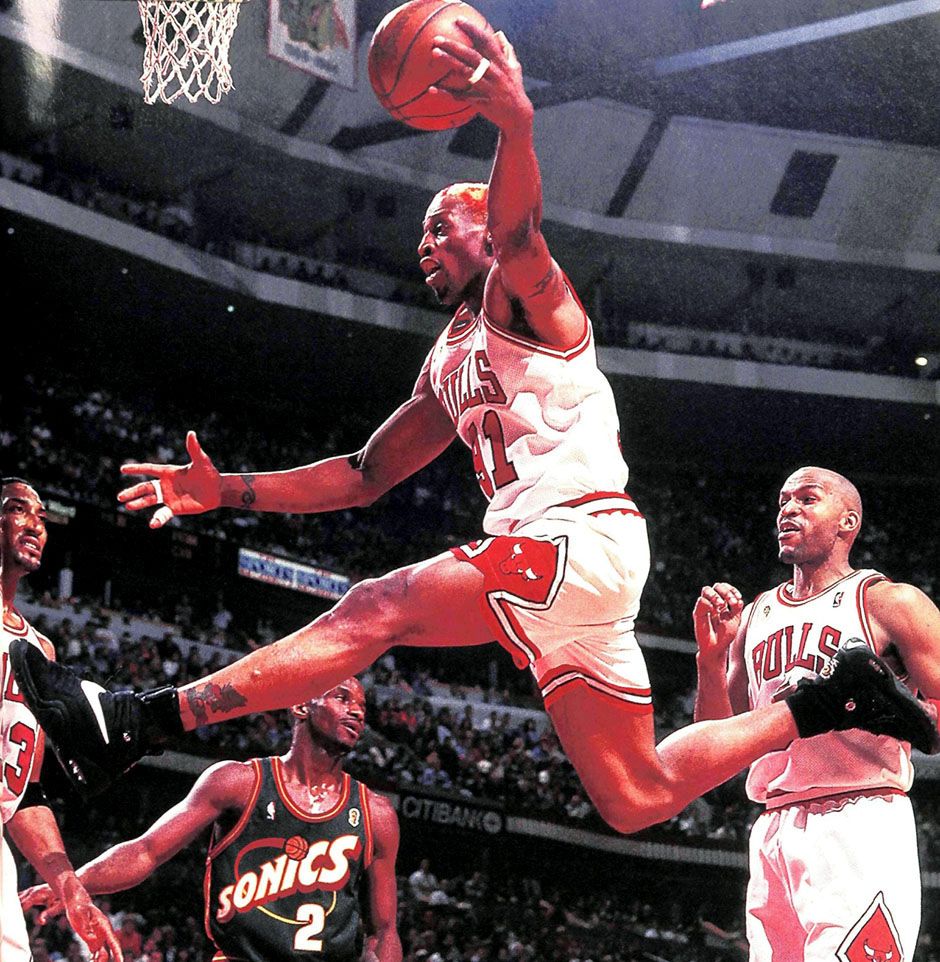
The Worm and his Nike Air Shake Ndestrukt
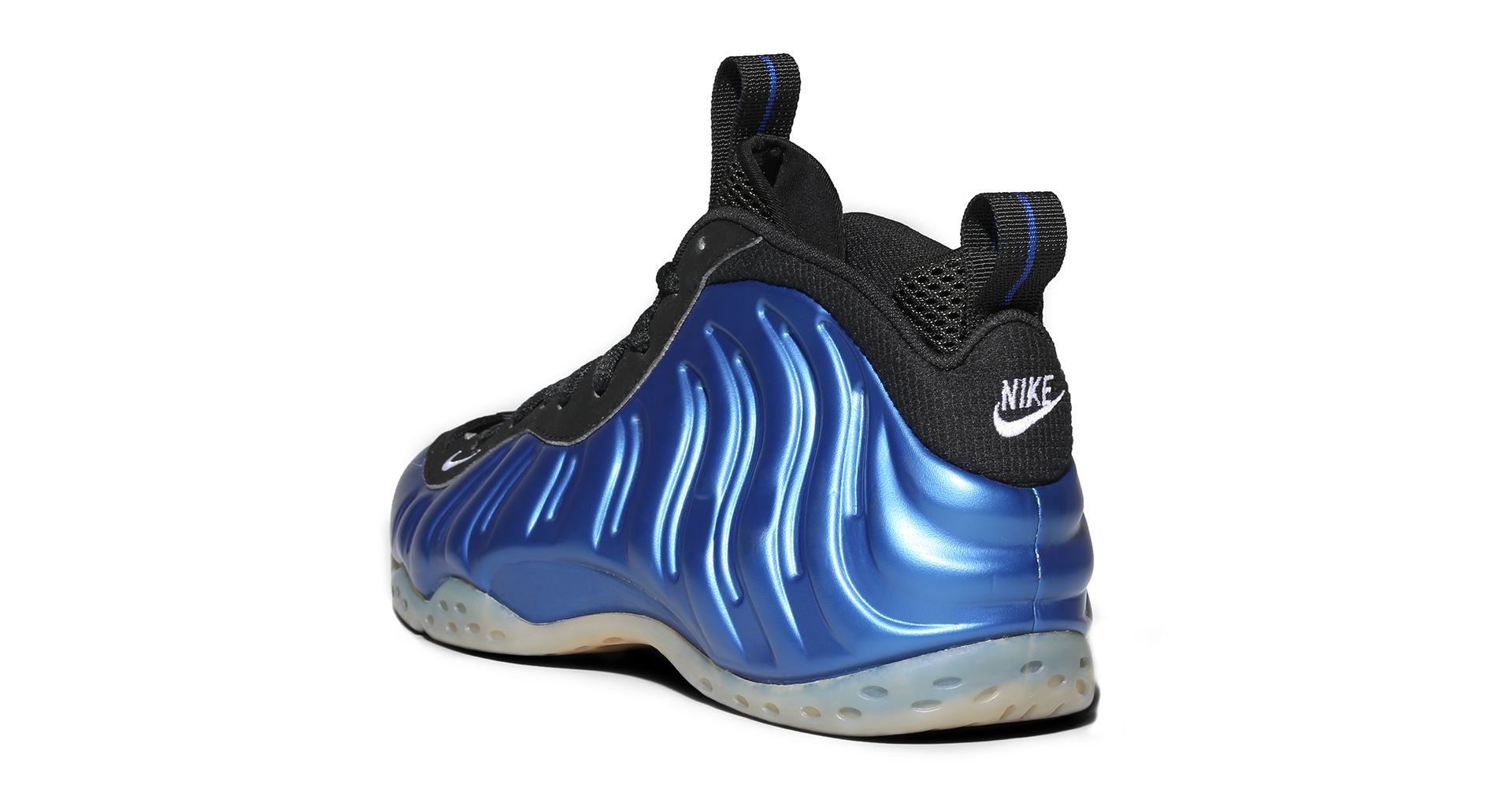
Nike Air Foamposite One
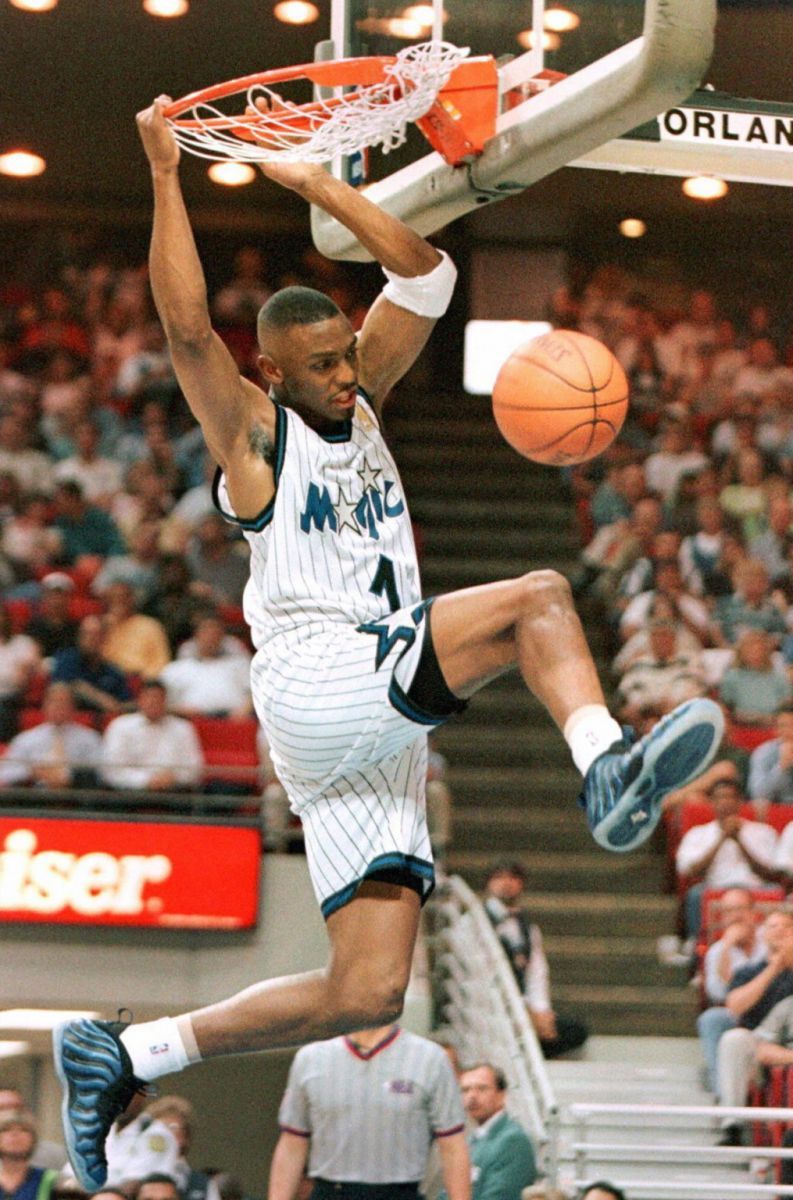
Anfernee Deon "Penny" Hardaway with the Air Foamposite One
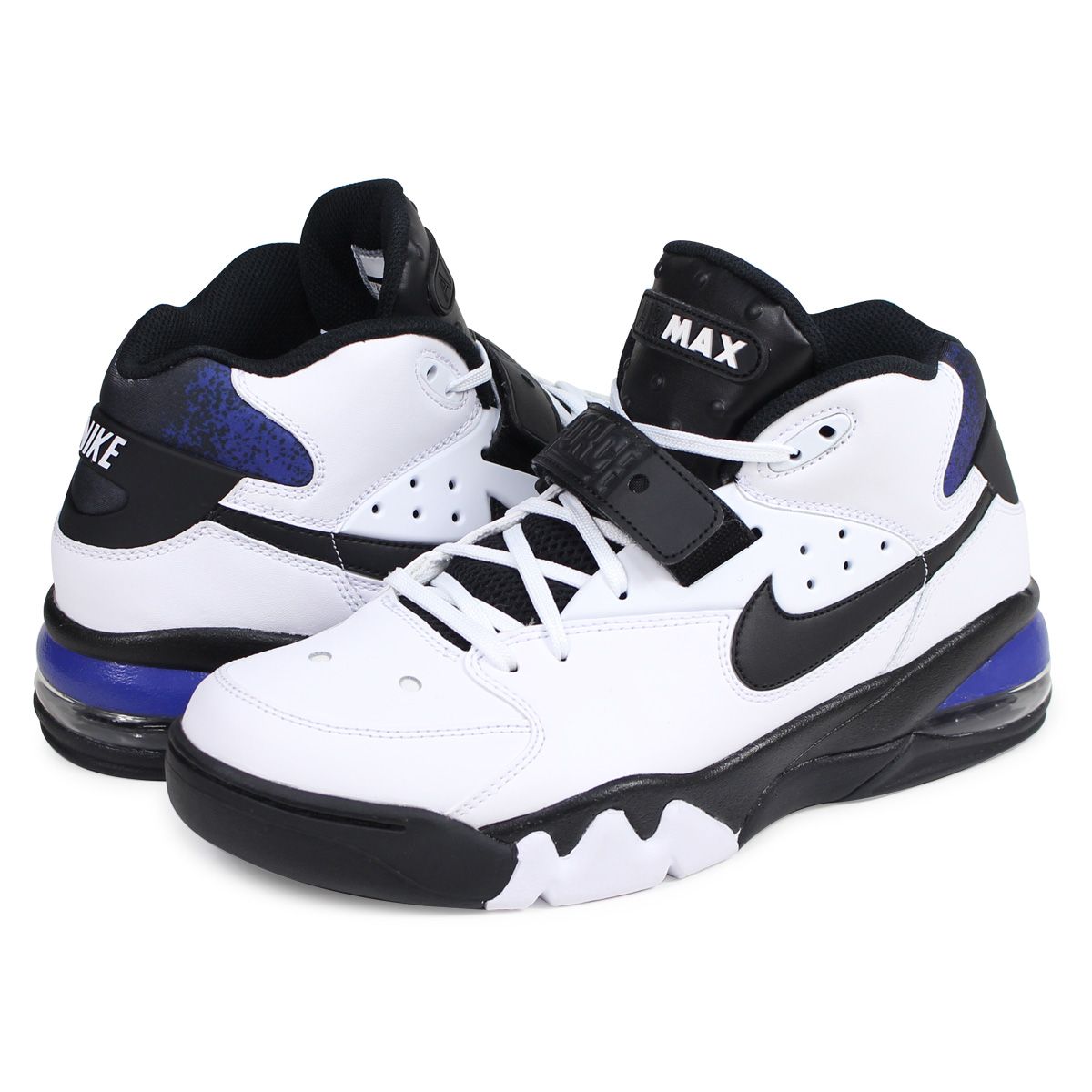
Nike Air Force Max
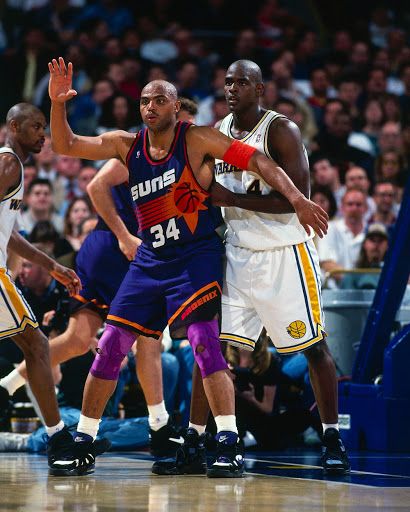
Sir Charles Barkley in post against Chris Webber
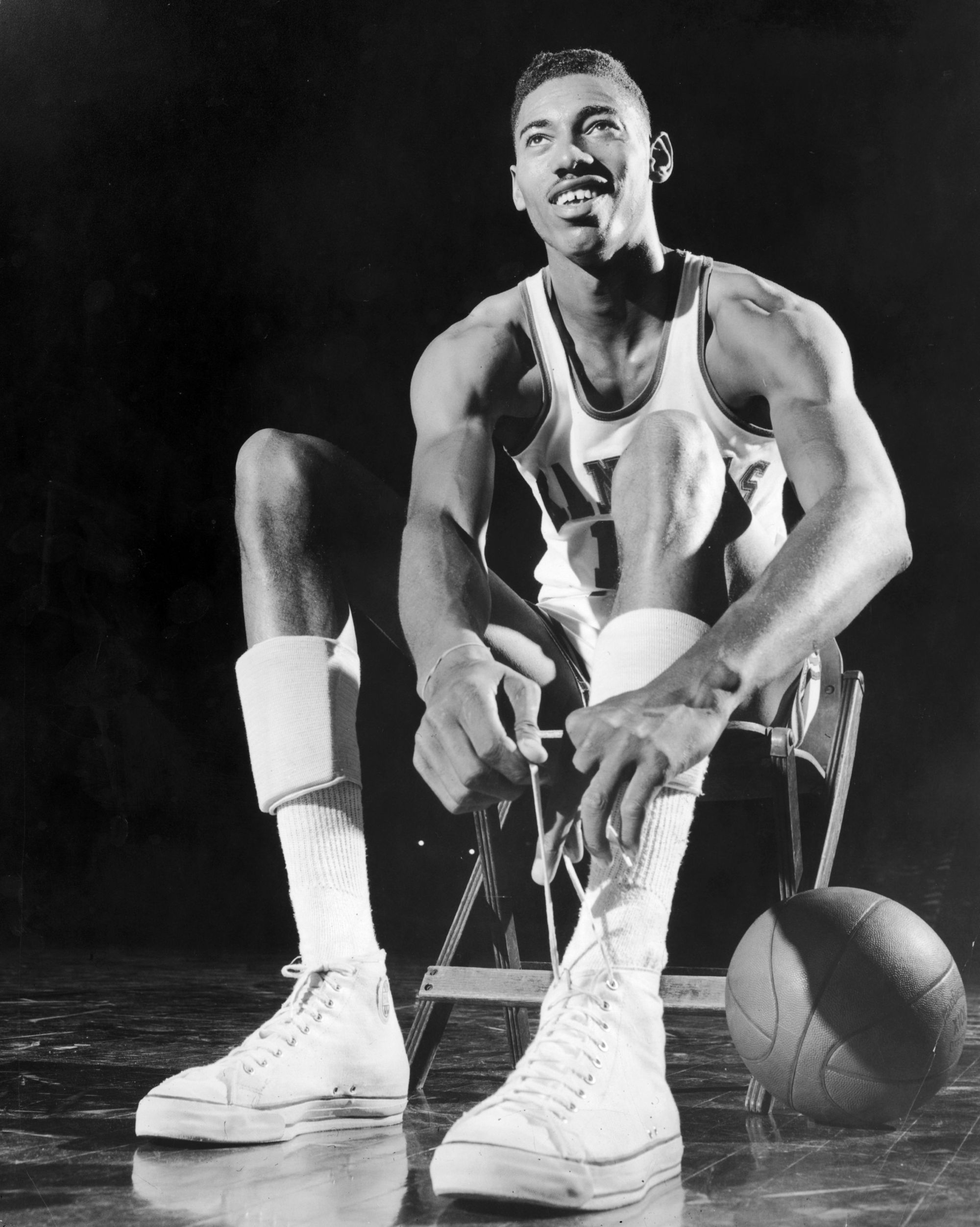
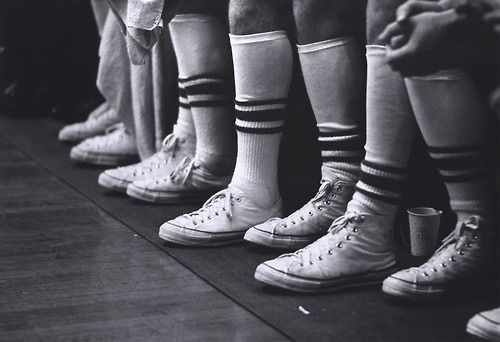
Even Wilt Chamberlain wore the legendary "Chuck Taylor"
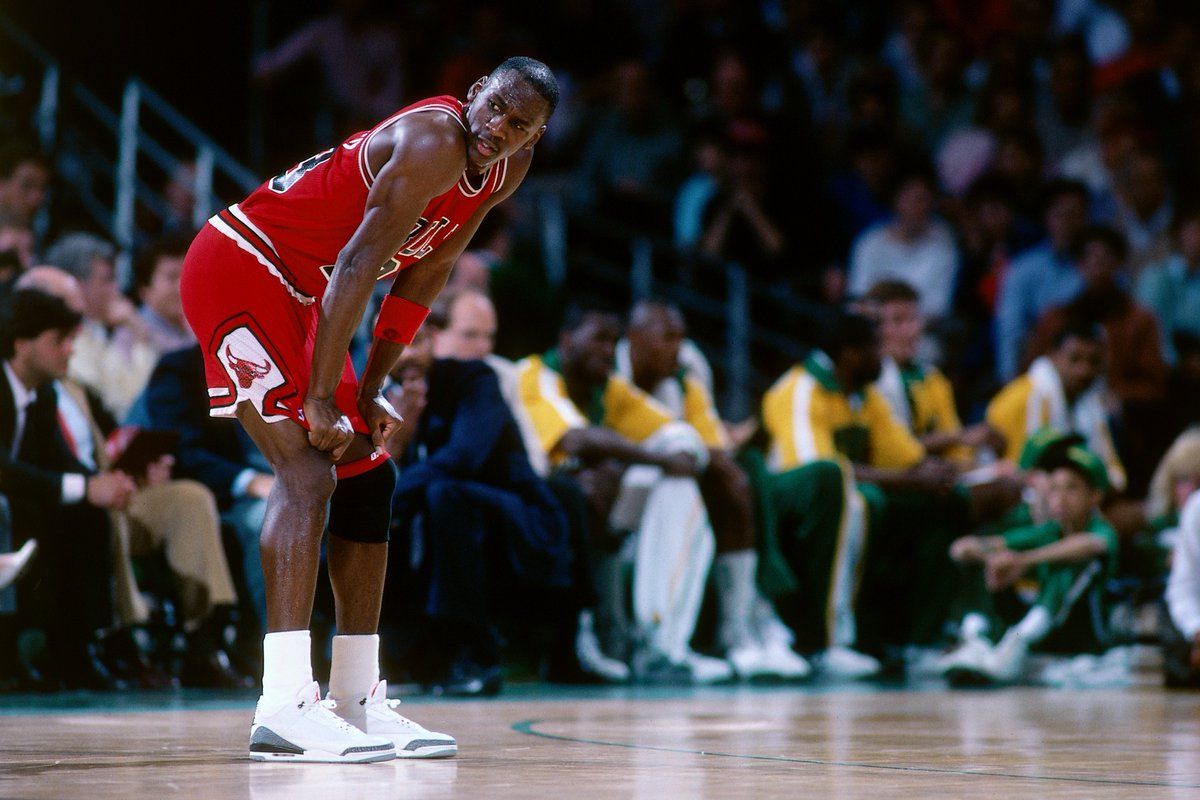
The GOAT with Jordan III
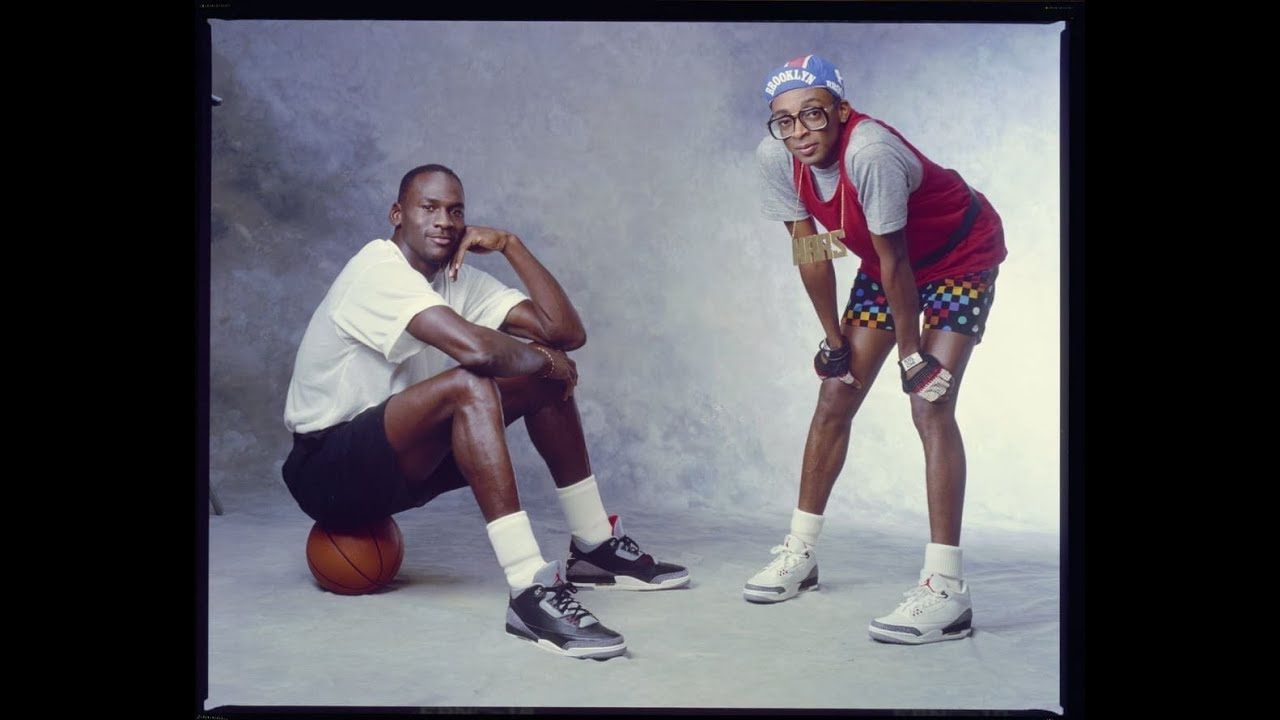
Historic collaboration between Jordan and a young Spike Lee
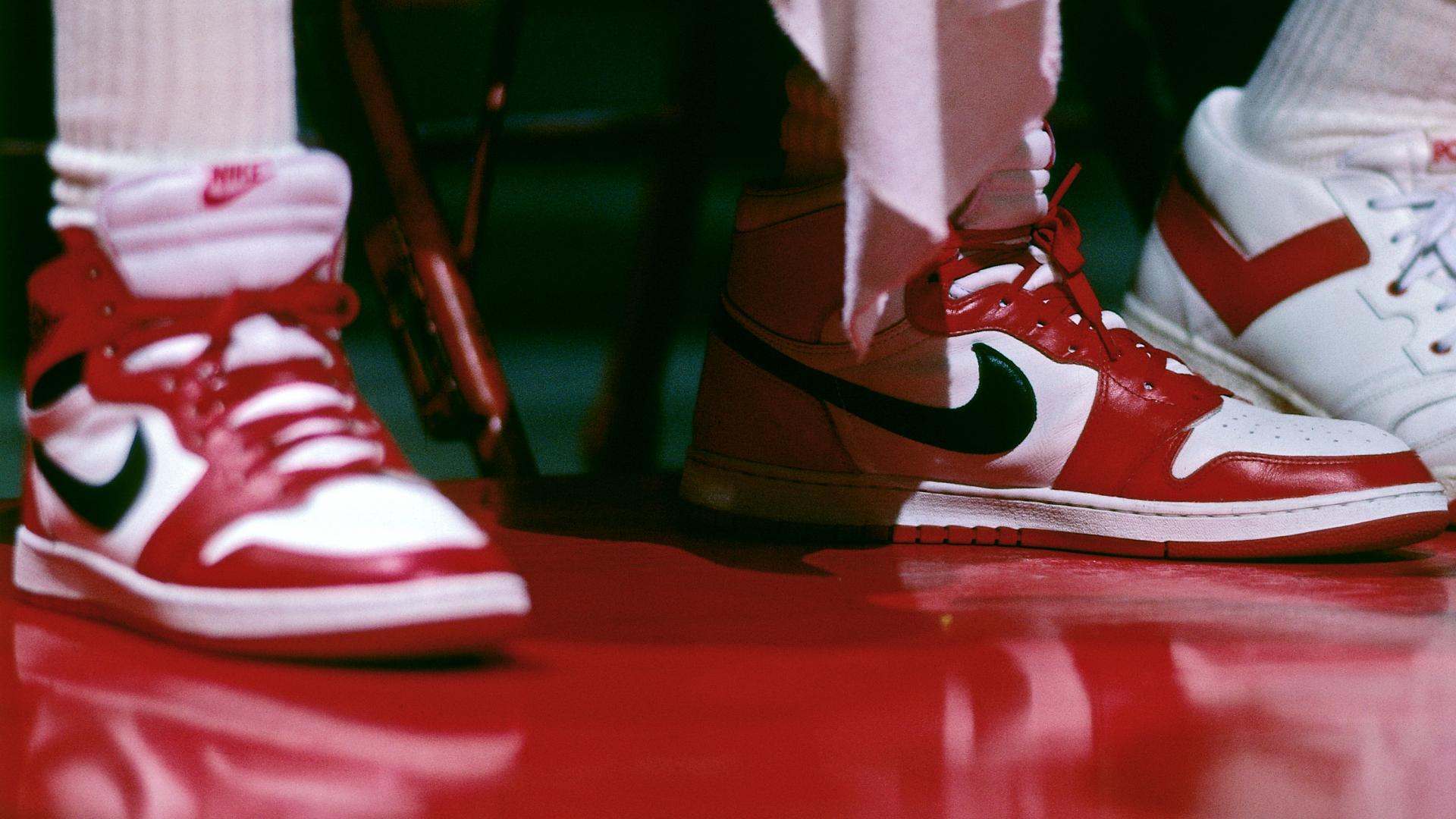
Air Jordan I
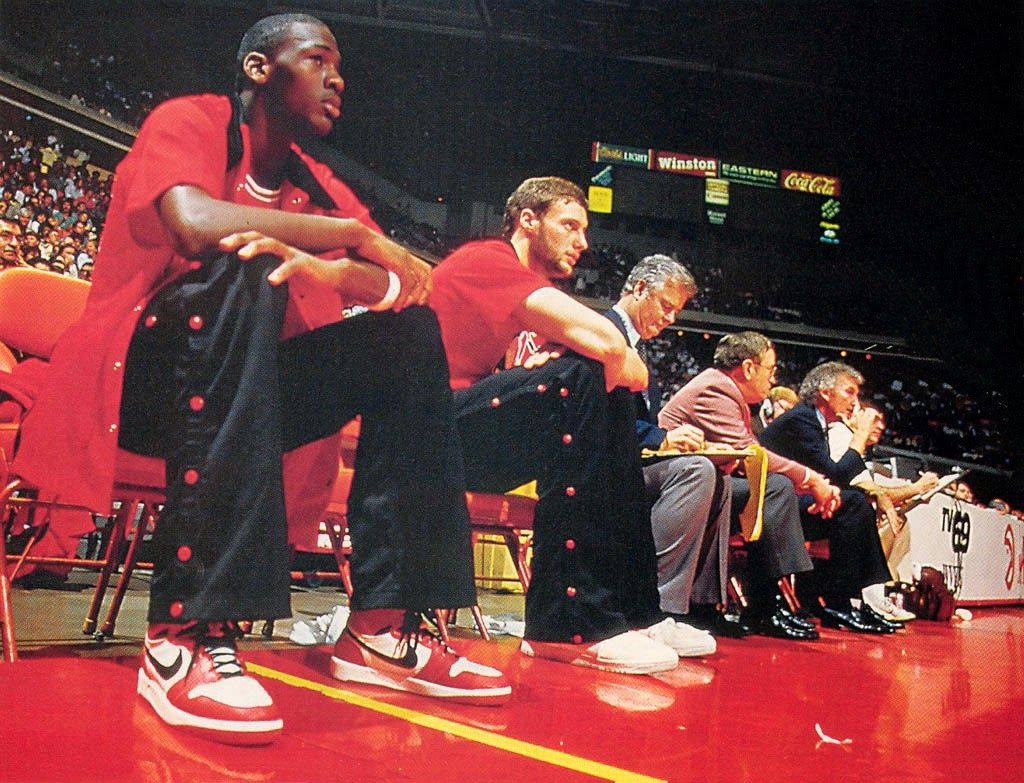
Young GOAT
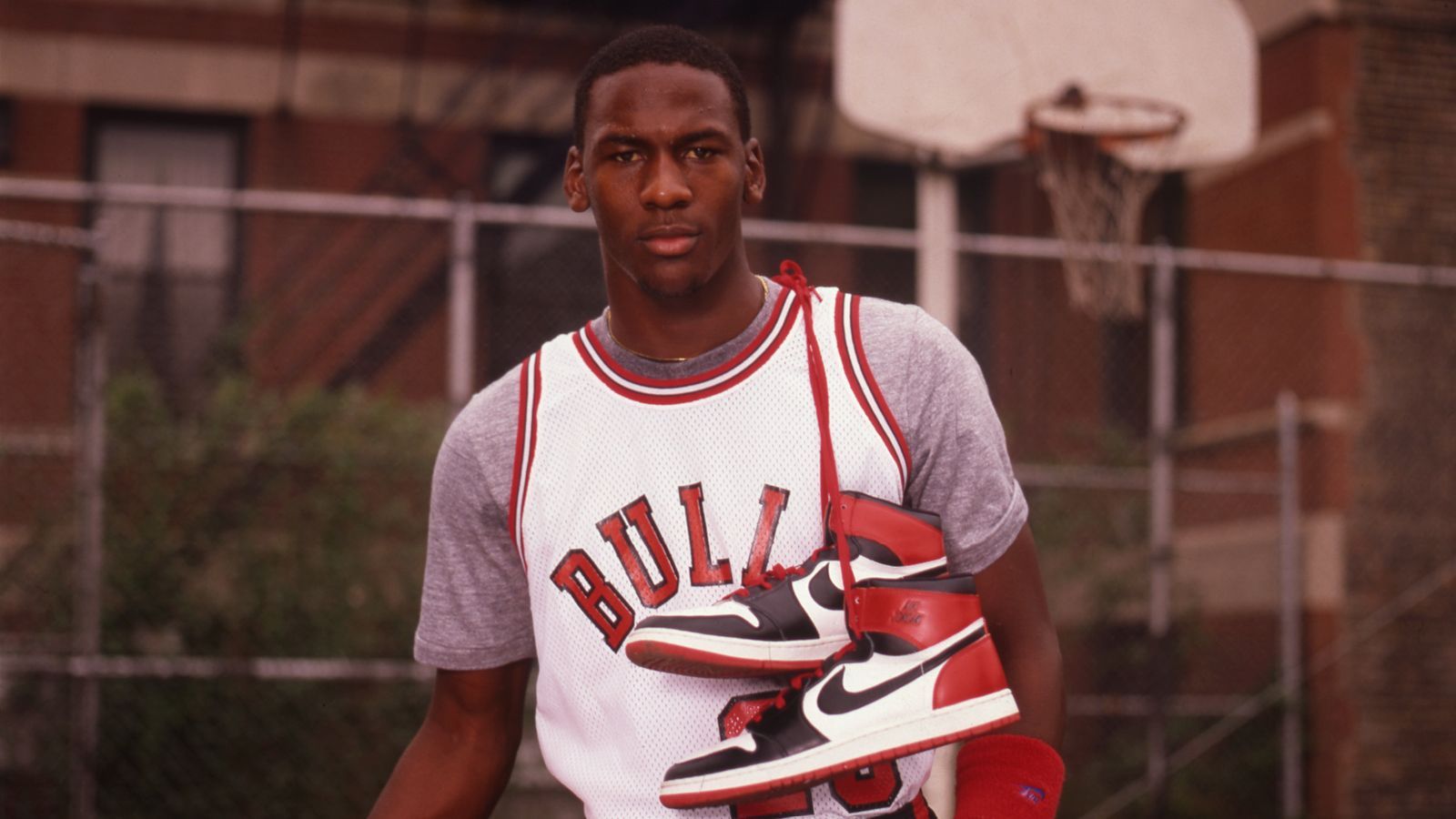
The first images of the Jordan I
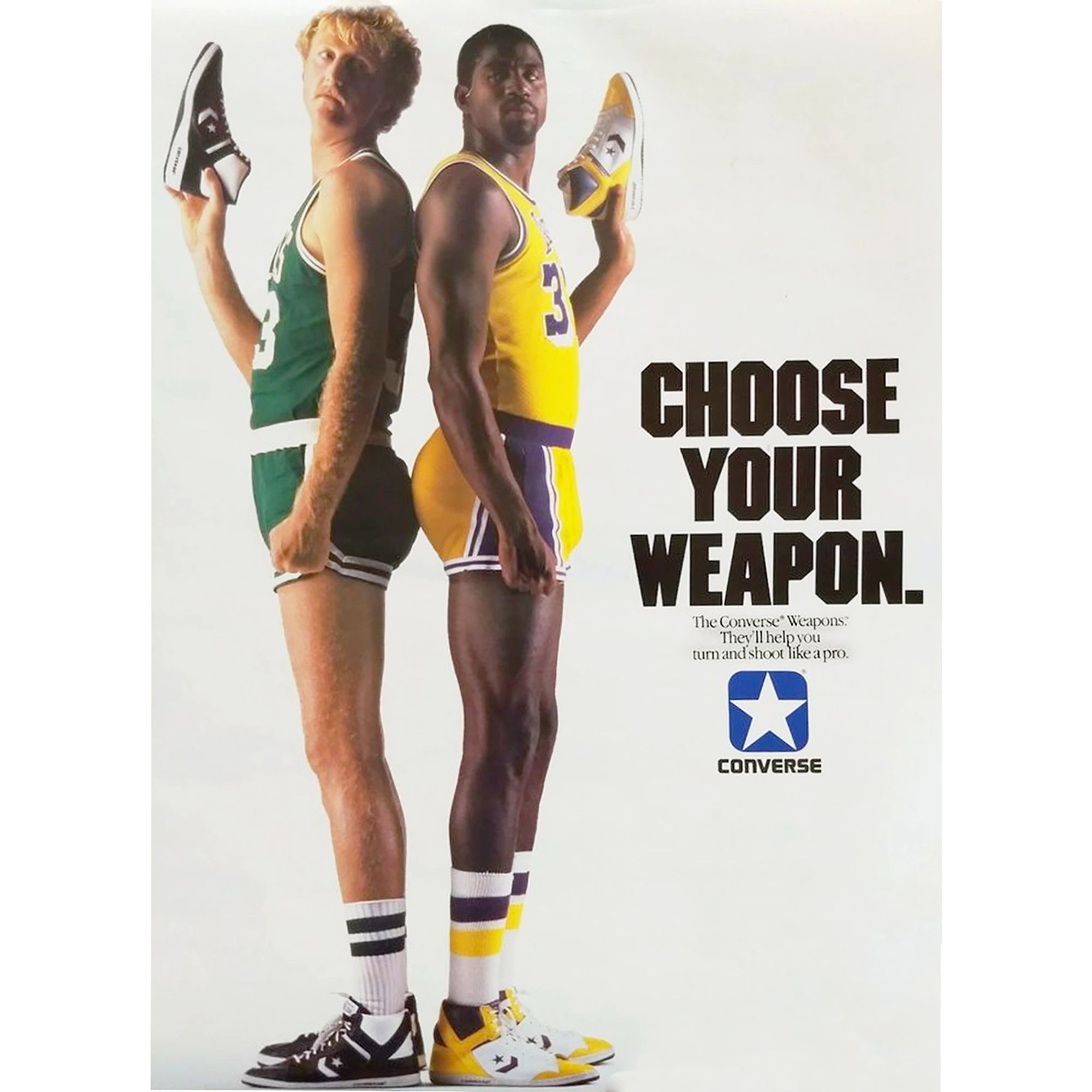
The first contact between two testimonials that will make the history of Converse and the NBA: Larry and Magic
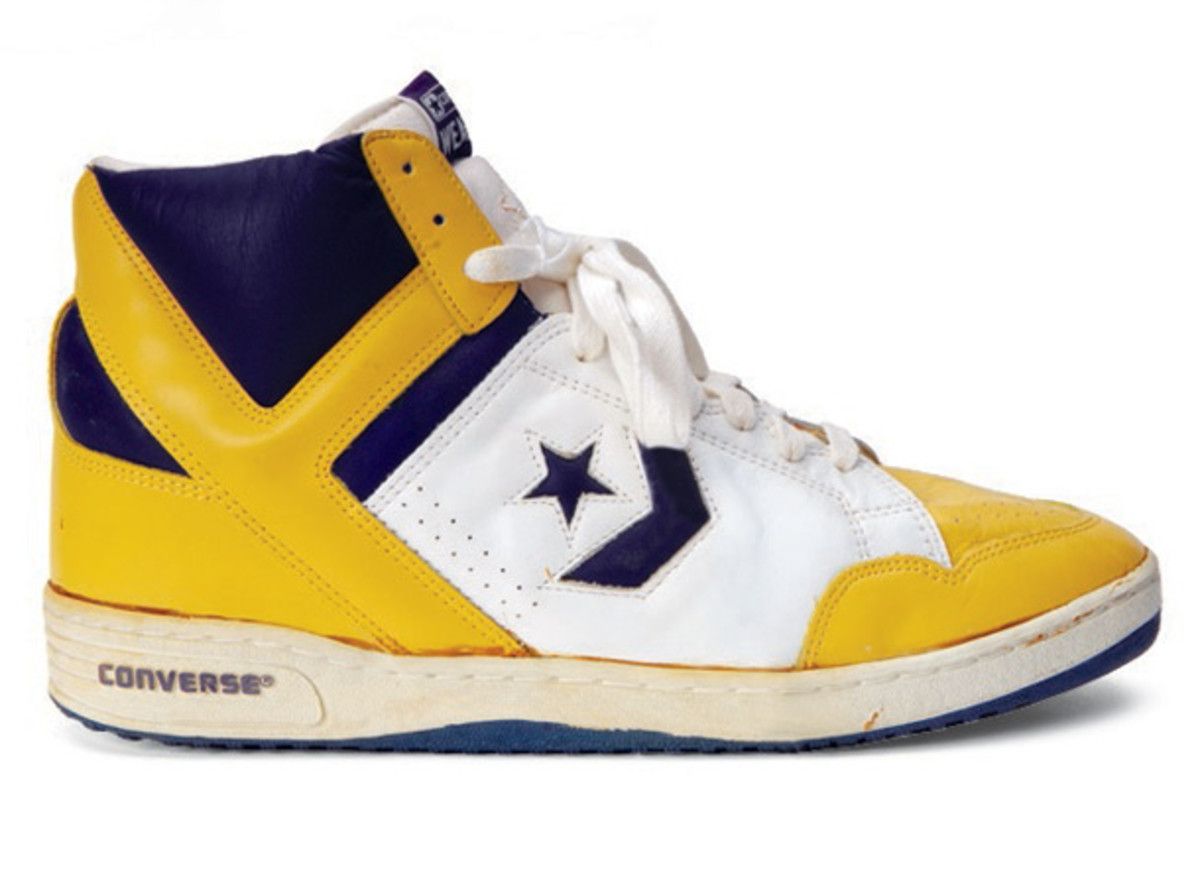
Converse "Weapon"
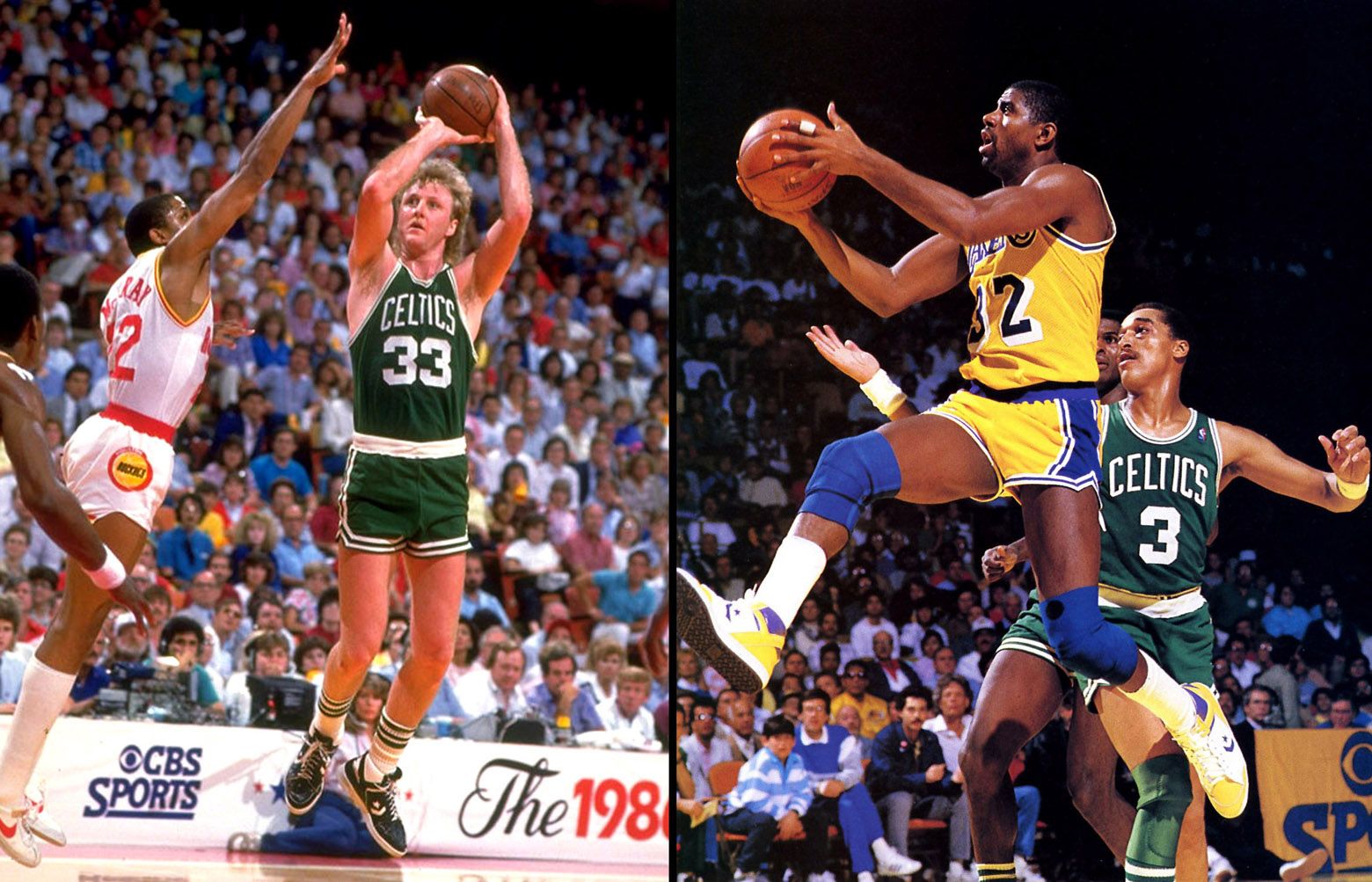
The two versions of the Weapon at the feet of the undisputed masters of the NBA of those years
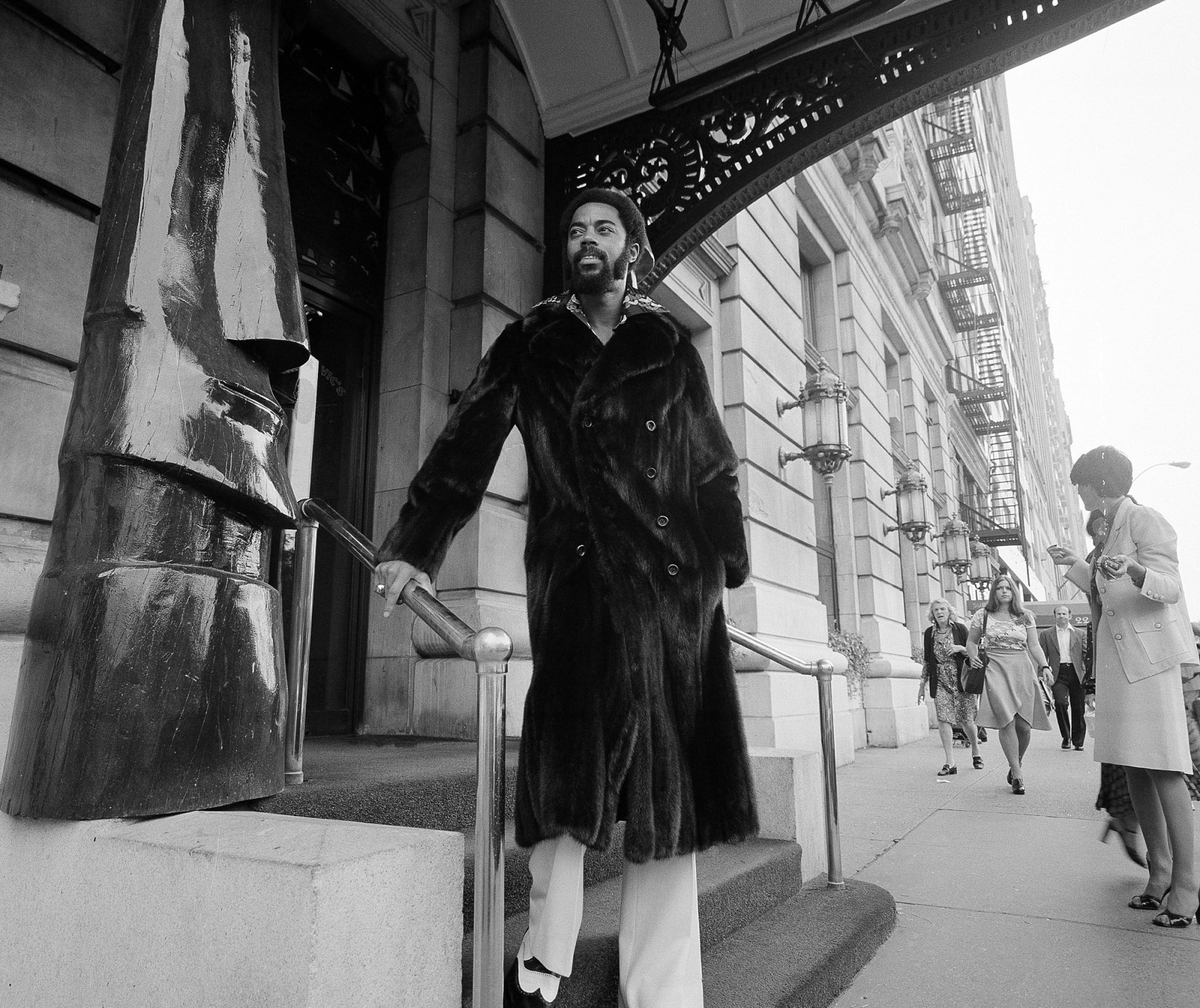
The concept of "swag" according to Walt Frazier
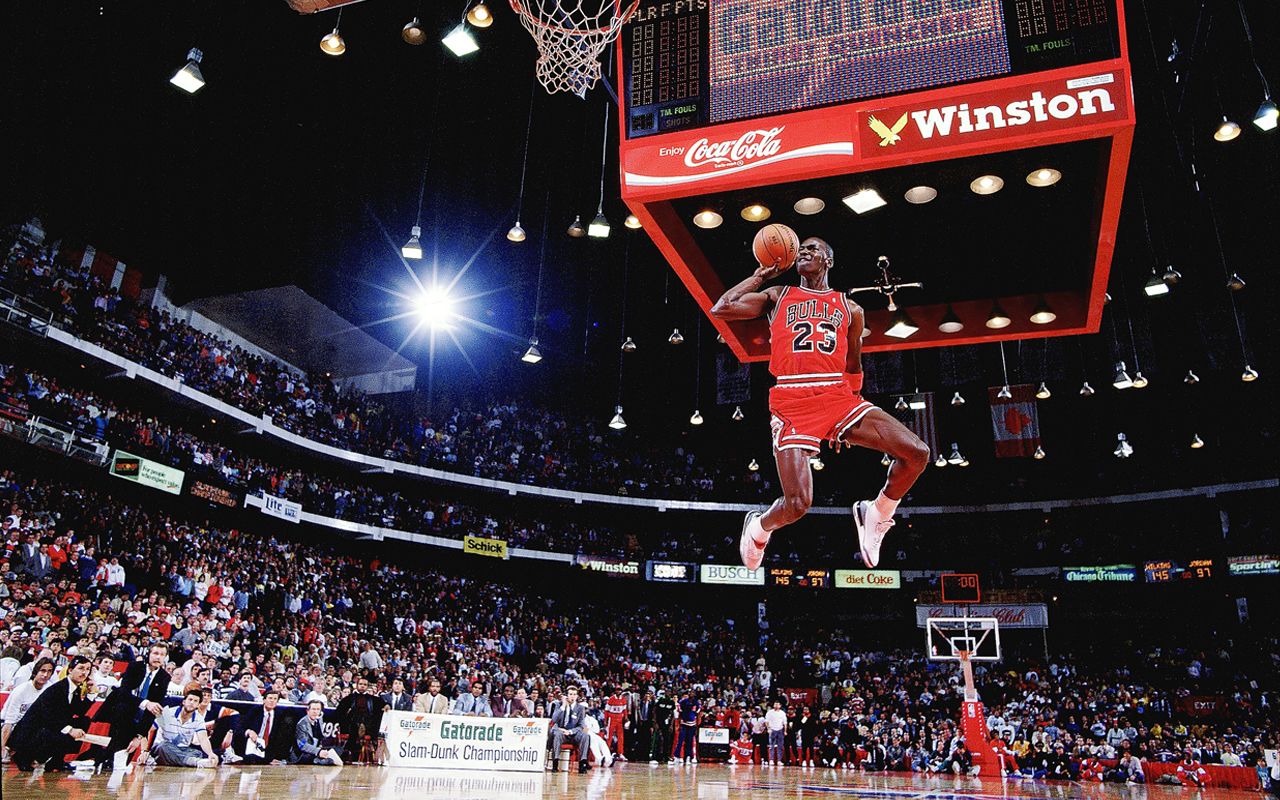
MJ with his Jordan III during the 1988 Slam Dunk Contest
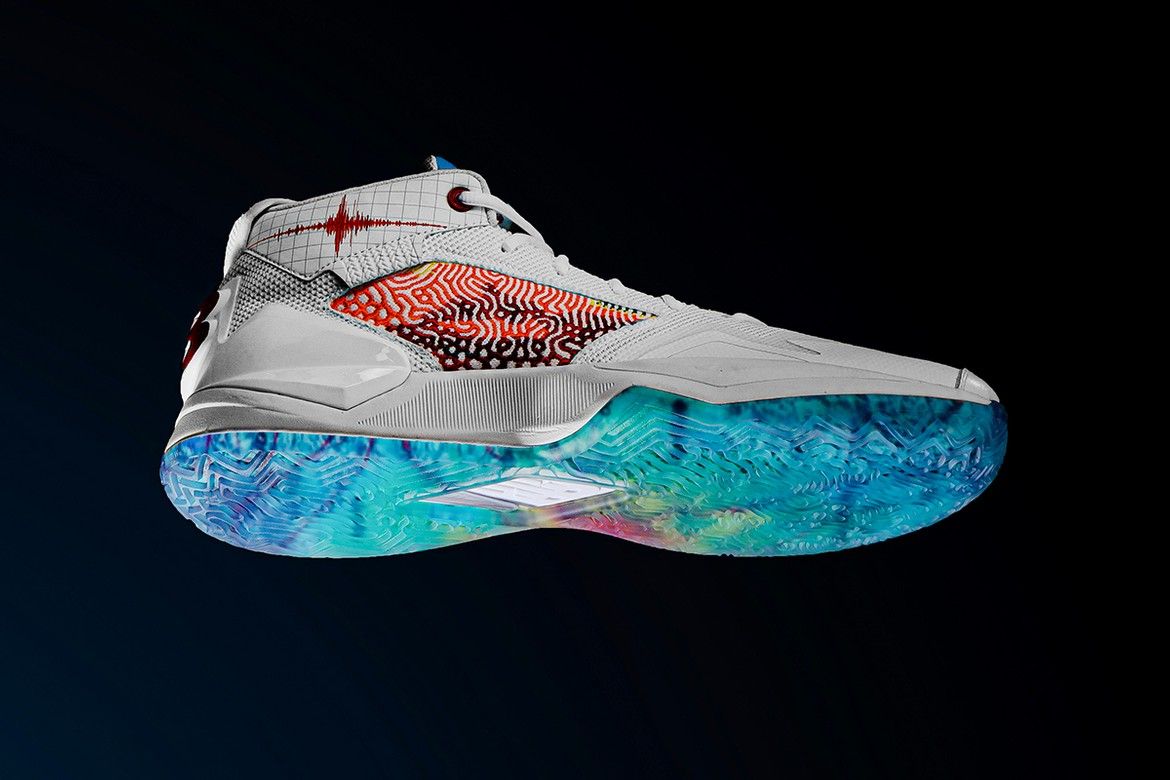
The new NB signature shoes by Kawhi Leonard
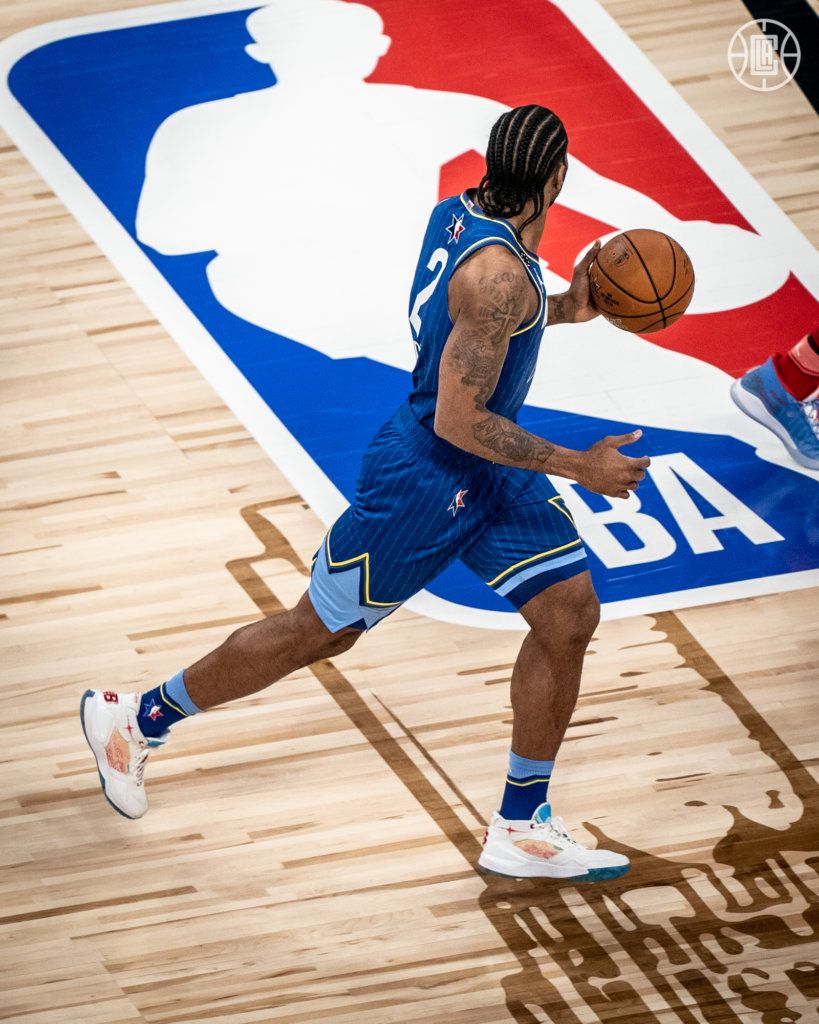
The new NB signature shoes by Kawhi Leonard
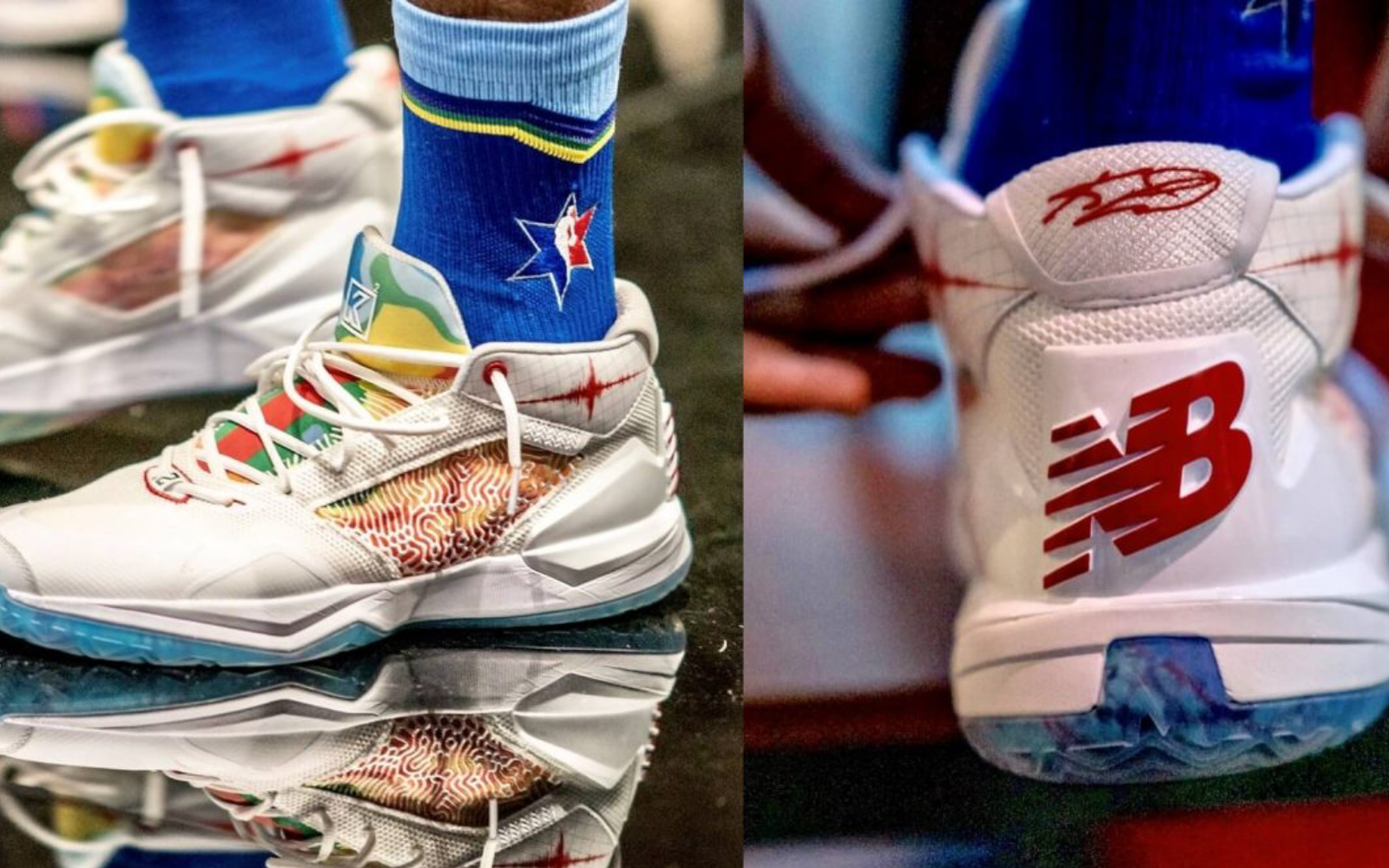
The new NB signature shoes by Kawhi Leonard
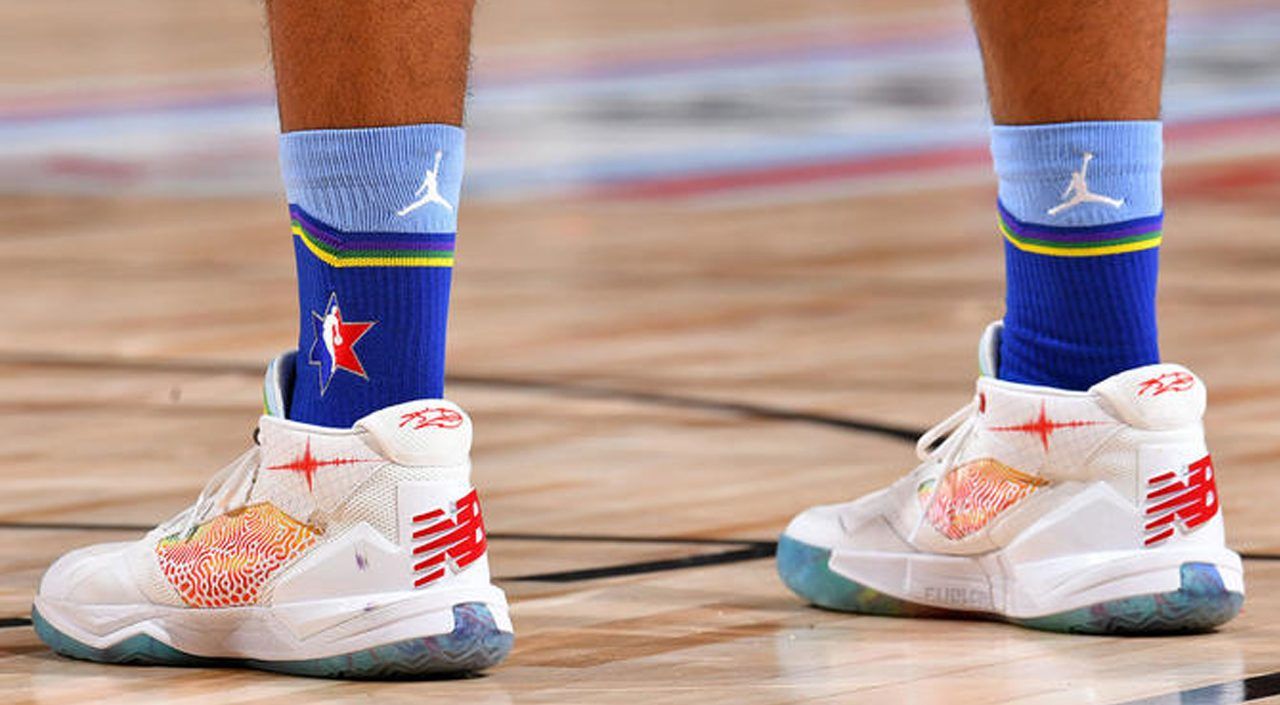
The new NB signature shoes by Kawhi Leonard
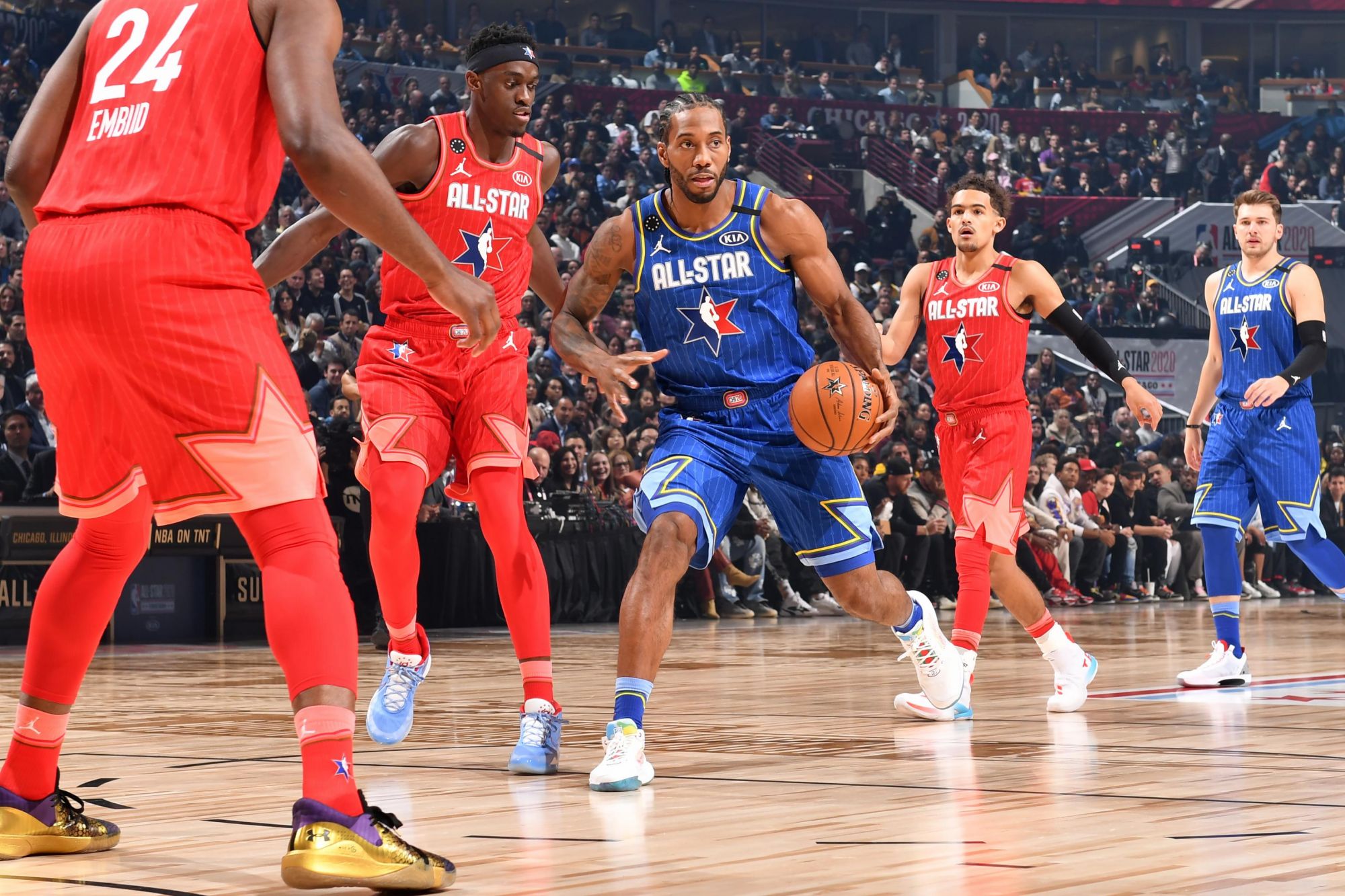
The new NB signature shoes by Kawhi Leonard
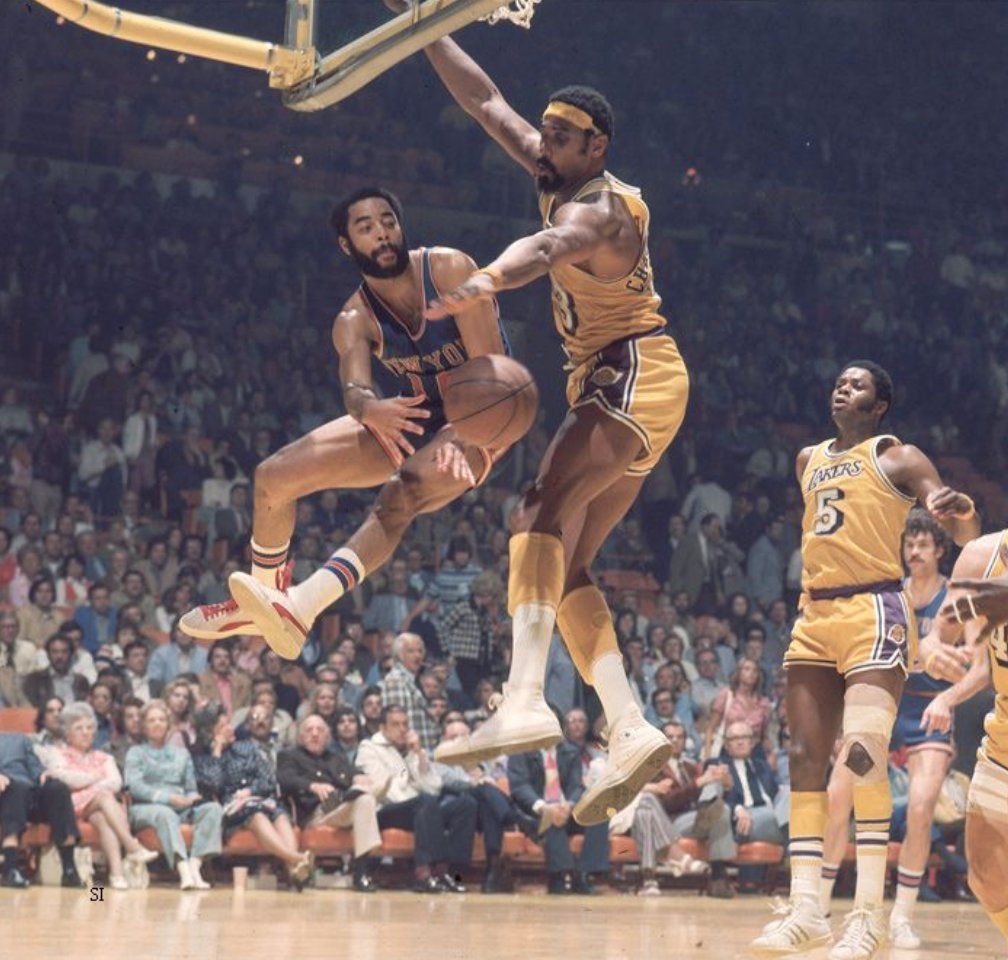
Puma's answer to Walt "Clyde" Frazier's feet
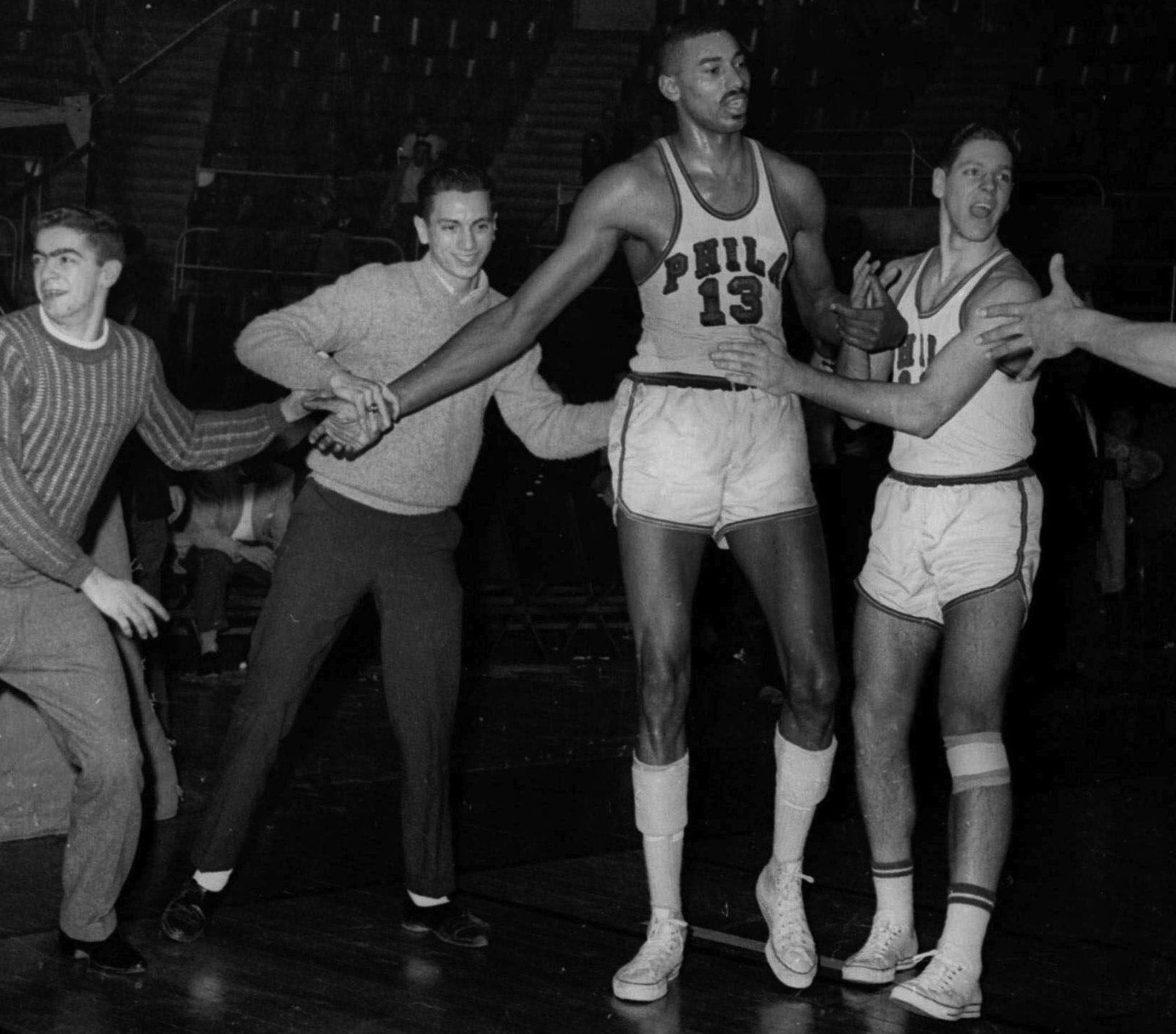
Even Wilt Chamberlain wore the legendary "Chuck Taylor"
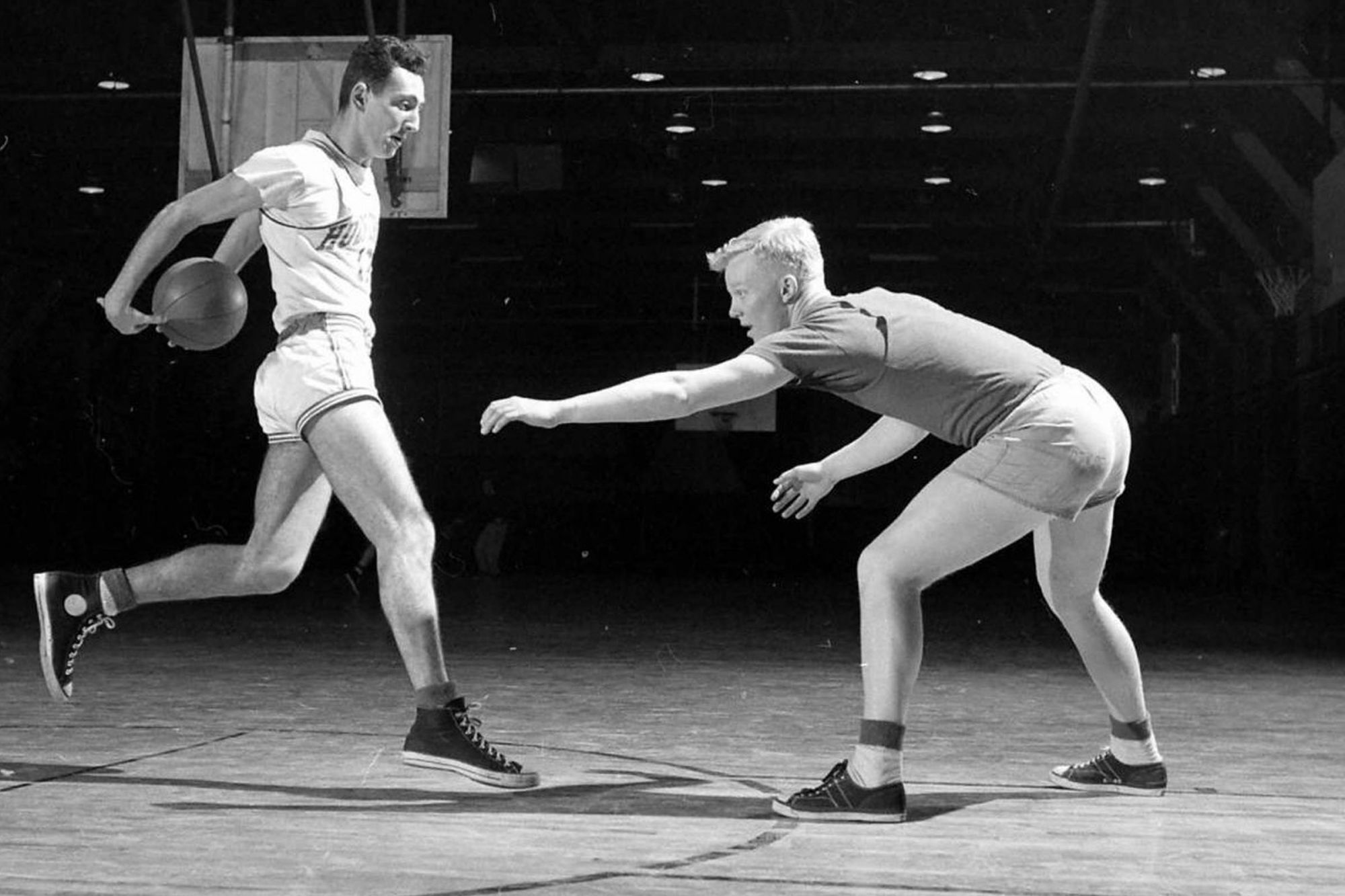
Charles "Chuck" Hollis Taylor (1923)
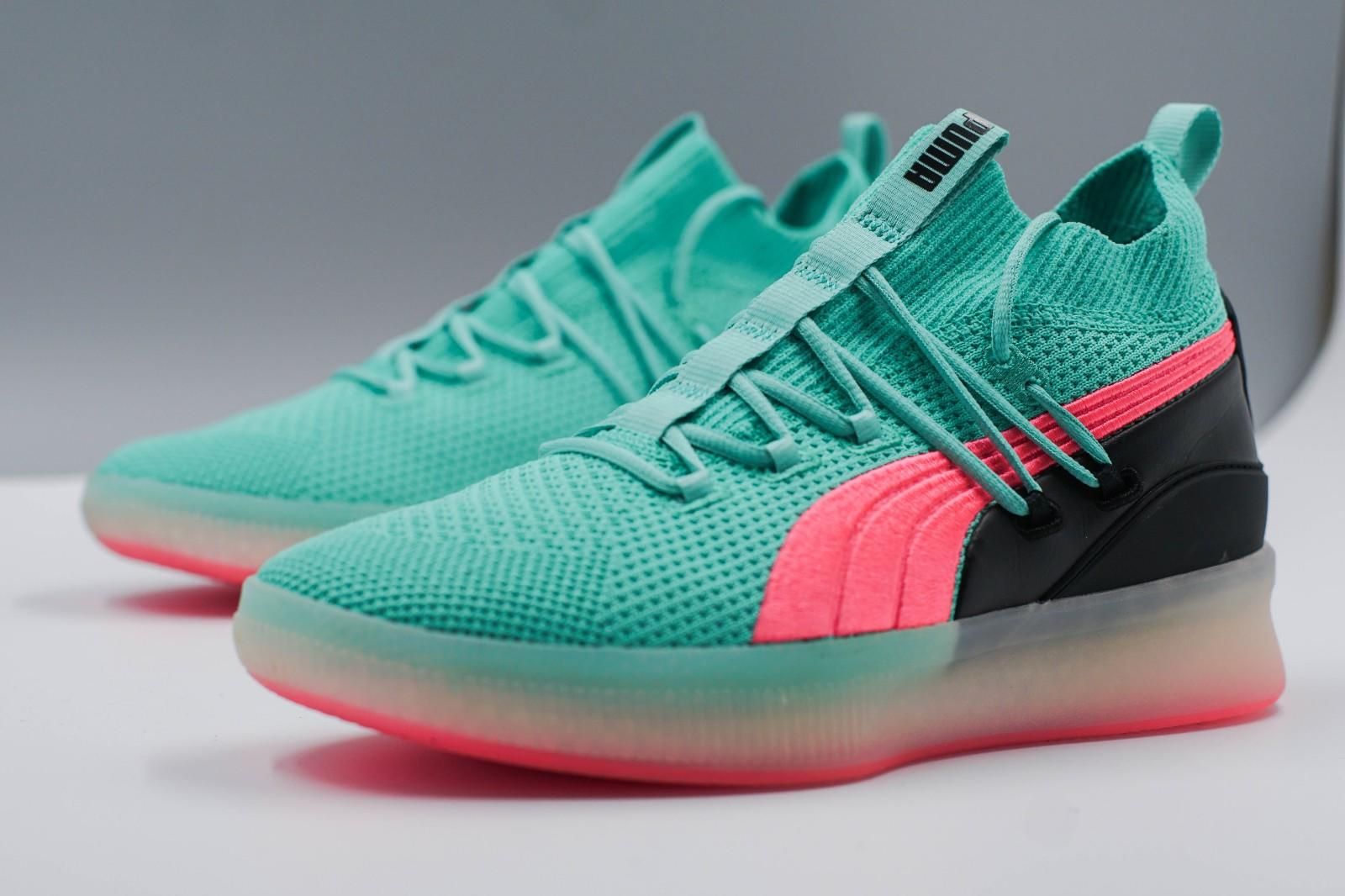
Clyde Court Disrput by Puma
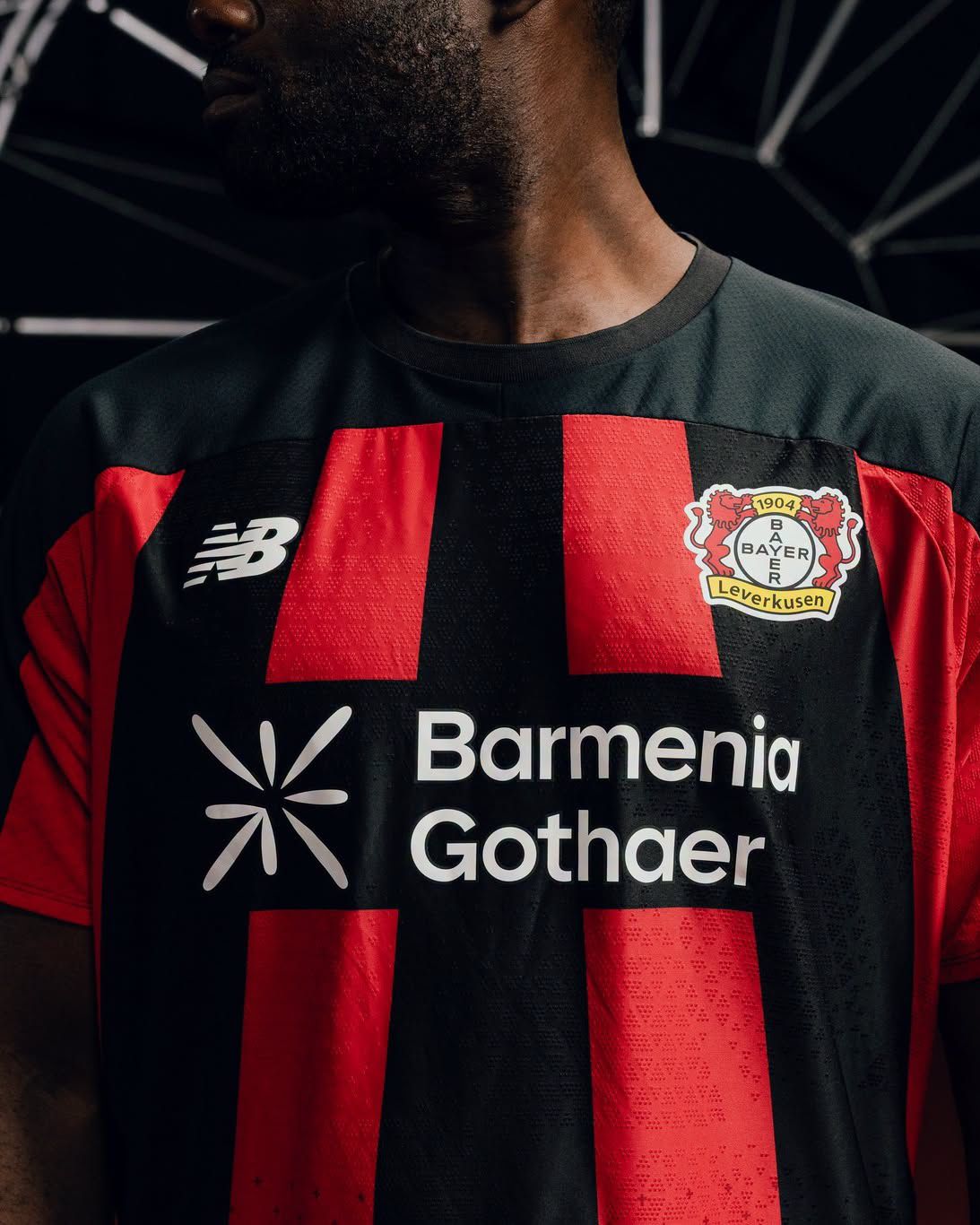
The launch of Kawhi Leonard’s first signature shoe during Chicago All Star Game was just last step on the road of New Balance’s new significative role into sneakers market. A business that you thought saturated by Nike and adidas and that revealed, instead, new spaces.
The new NB signature shoes by Kawhi Leonard
The new NB signature shoes by Kawhi Leonard
The new NB signature shoes by Kawhi Leonard
The new NB signature shoes by Kawhi Leonard
The new NB signature shoes by Kawhi Leonard
Most important year was 2013 when Under Armour, associated to gym clothing until then, signed Steph Curry. In those day Warriors superstar was not very regarded due his frequent ankle injuries. Meanwhile the franchise that choose him in 2009 Draft with #7 pick continued to believe in him also at the end of his rookie contract, Nike offered a 2.5 million dollars deal compared on the 4 proposed by Baltimora company: becoming main man of a new rampant brand was easy. A strategy that New Balance is trying to replicate, signining one of the NBA most global icon to attract other superstars.
Same way as Puma in 2018, when come back in business after 20 years: first of all hiring Jay Z as sneakers creative director, after signing DeAndre Ayton and Marvin Bagley - the first two picks of 2018 Draft -, so getting a contract to players like DeMarcus Cousins, Danny Green, Kyle Kuzma and Marcus Smart. Without create a lot of signature shoes but focusing on a single model - the “Clyde Court Disrupt” - available in various color combinations.
Clyde Court Disrput by Puma
Clyde Court Disrput by Puma
Clyde Court Disrput by Puma
Clyde Court Disrput by Puma
The reason is simple: in a era when we have an Instagram account totally dedicated to the sneakers of NBA players, it’s absolutely important making them fashion icons off the court, making attention at that part of streetwear become a pop-culture integral part also outside US. For this reason today it’s important that “LeBron XVII” are purchased not only by basketball players but also by common people, used to using them all day long: target is changed because today you don’t buy a product but an experience, as instructed in advanced marketing courses.
It’s the evolution of a business progressively increasing. In the 60’s Converse “Chuck Taylor” - total black or total white - were the first sneakers in history and a symbol of rebellion and unconventionality before it were worn by rock bands like AC/DC, Ramones and Nirvana. Things changed in the 70’s when Puma created “The Clyde” for Walt “Clyde” Frazier, New York Knicks legendary point guard and the first NBA player that teased out the idea of excess in off the court clothing, associating him “swag” term before it was invented. A shoe with a suede upper and a wider sole for a better stand, designed on the preferences of a great player: from Madison Square Garden to Harlem and Brooklyn (and not only), the road was drawn.
Charles "Chuck" Hollis Taylor (1923)
Even Wilt Chamberlain wore the legendary "Chuck Taylor"
Even Wilt Chamberlain wore the legendary "Chuck Taylor"
Puma's answer to Walt "Clyde" Frazier's feet
The concept of "swag" according to Walt Frazier
And other followed it. Carefully first - during Laker-Celtics and Magic-Bird rivalry years, Converse launched “The Weapon” with color combinations inspired to franchise jerseys - so more pushingly. Until 1985 when Nike thrashed the competition launching Michael Jordan signature shoe: first “Air Jordan I” commercial, challenging NBA dress code about sneakers on the court, was tipping point in the terms of fashion associated to players and performance. All 80’s Jordans become a sneakerheads cult. The absolute excellence was reached with “Jordan III”: designed by Tinker Hatfield using “Air Max” technology, was the first shoed thaht associated the final product to the player who was redefining style and rules of the game. Launched in february 1988, capitalizing on Slam Dunk Contest victory against Dominique Wilkins, would become most famous “Jordan” ever.
Converse "Weapon"
The first contact between two testimonials that will make the history of Converse and the NBA: Larry and Magic
The two versions of the Weapon at the feet of the undisputed masters of the NBA of those years
The first images of the Jordan I
Young GOAT
Air Jordan I
The GOAT with Jordan III
Historic collaboration between Jordan and a young Spike Lee
MJ with his Jordan III during the 1988 Slam Dunk Contest
And the basis of Nike’s monopoly that would last until 2010’, thanks to the success of “Hyperdunk” line - born in 2008, just in time to be wore by some players of “Redeem Team” at the Olympic Games in Beijing - and despite Reebok and adidas were able to sign players like Allen Iverson, Shawn Kemp and Shaquille O’Neal or Kobe Bryant and Tracy McGrady. The principle was the same: a shoe like to make iconic thanks to to player who wore it. So we had Scottie Pippen’s “Air More Uptempto”, Dennis Rodman’s “Air Shake Ndestukt”, Penny Hardaway’s “Air Foampsite One”, Charles Barkley’s “Air Force Max”, using the connection between basketball and hip-hop culture.
Nike Hyperdunk 2008
The Black Mamba on one of its flights to Beijing 2008
Allen Iverson and his Reebok signature shoes
Reebok Shaqnosis, 1995
A young Shaq against His Airness
Kobe Bryant x adidas
The adidas KB8 of Mamba
Crazy 97 EQT Elevation Retro 'Kobe Bryant'
adidas T-Mac 3 Packer
T-Mac x adidas
Nike Air More Uptempo
Scottie Pippen and his Air More Uptempo
Nike Air Shake Ndestrukt
The Worm and his Nike Air Shake Ndestrukt
Nike Air Foamposite One
Anfernee Deon "Penny" Hardaway with the Air Foamposite One
Nike Air Force Max
Sir Charles Barkley in post against Chris Webber
Today things are radically changed, not only because design and creativity - from that point of view we’re having a substantial levelling about range of models - but also on the brands approach to changes imposed by socio-cultural context. Despite adidas was able to compete with Nike on athletes’ leverage under contract - Dwight Howard and Derrick Rose in the past, James Harden, Damian Lillard and Trae Young today - choose to bet on a single shoe and on restricted number of players is not so disadvantageous. Because now the competition is moving off the court. And there wins the one that manage to guess new tendences first, turning them into sneakers: having James or Curry it’s just a surplus.