






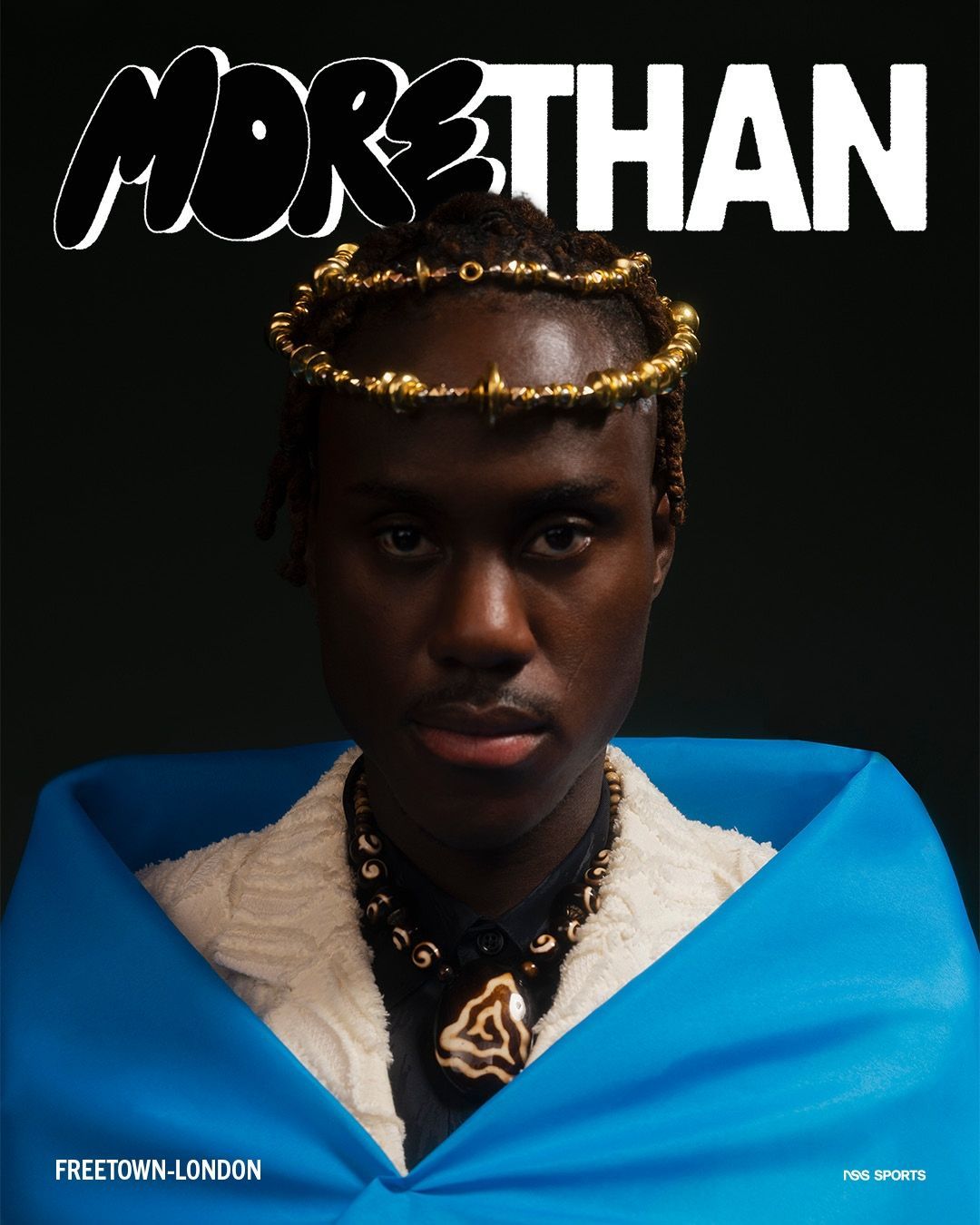
WNBA never ceases to be cool Revenues, expansion, tunnel fits: the new era of women's basketball in the US shows no sign of stopping
Franchises forced to shut down, negative finances, half-empty arenas: that was the WNBA just ten or fifteen years ago, with more doubts than certainties about its future. Today, however, the landscape has completely changed: the conversation is no longer about survival, but about which new markets should enter, how many teams to include in the expansion, and how far the growth curve can go. A few numbers are enough to understand the scale of the phenomenon: the newly formed Golden State Valkyries made their debut in 2025 with a record valuation of $500 million, while the upcoming franchises in Cleveland, Detroit, and Philadelphia each paid $250 million to join the league between 2028 and 2030. And these are not isolated cases. Forbes and Sportico now estimate the average WNBA franchise value at just under $300 million, about three times what it was in 2022 ($95 million) and ten times the 2015 figure ($25 million).
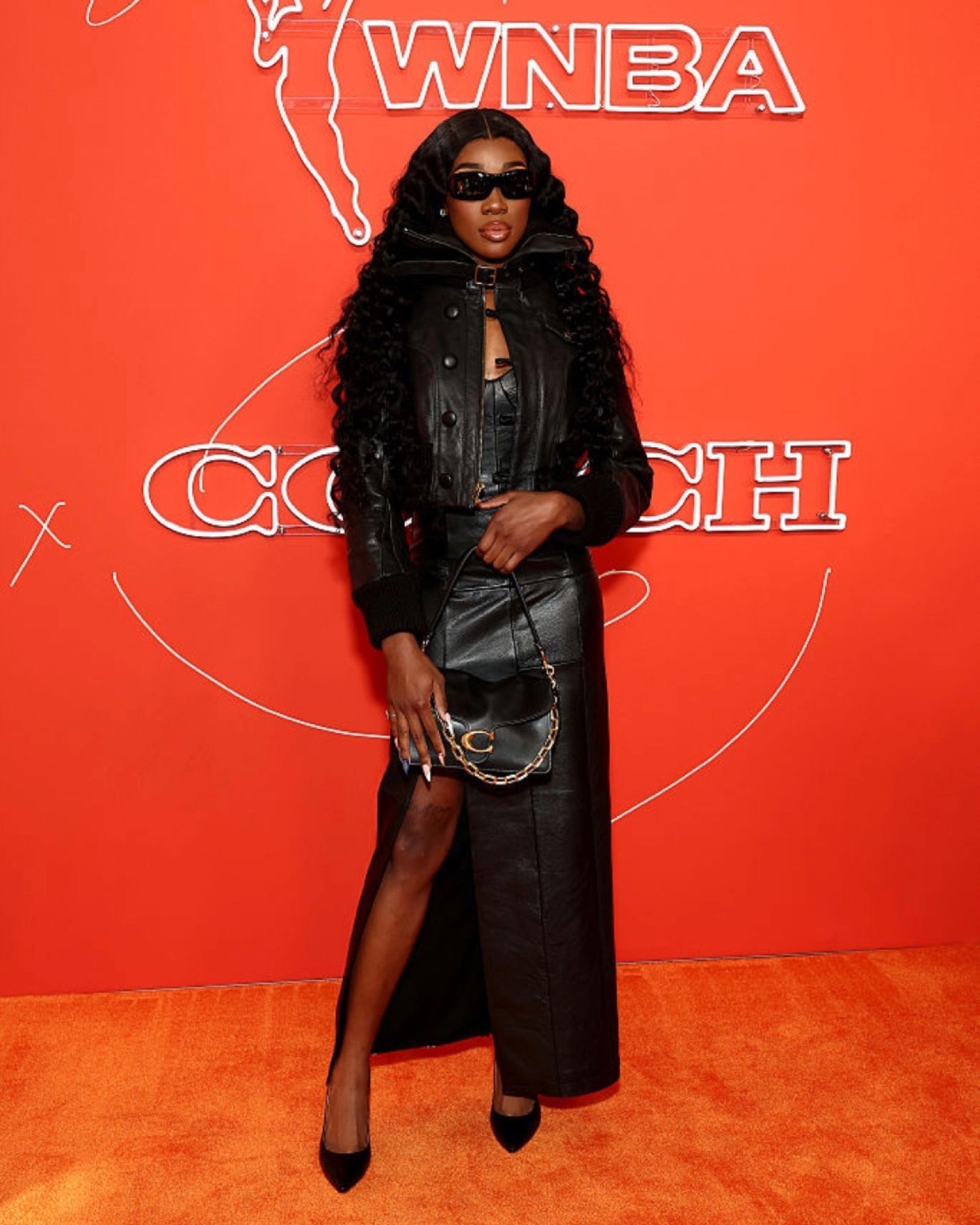
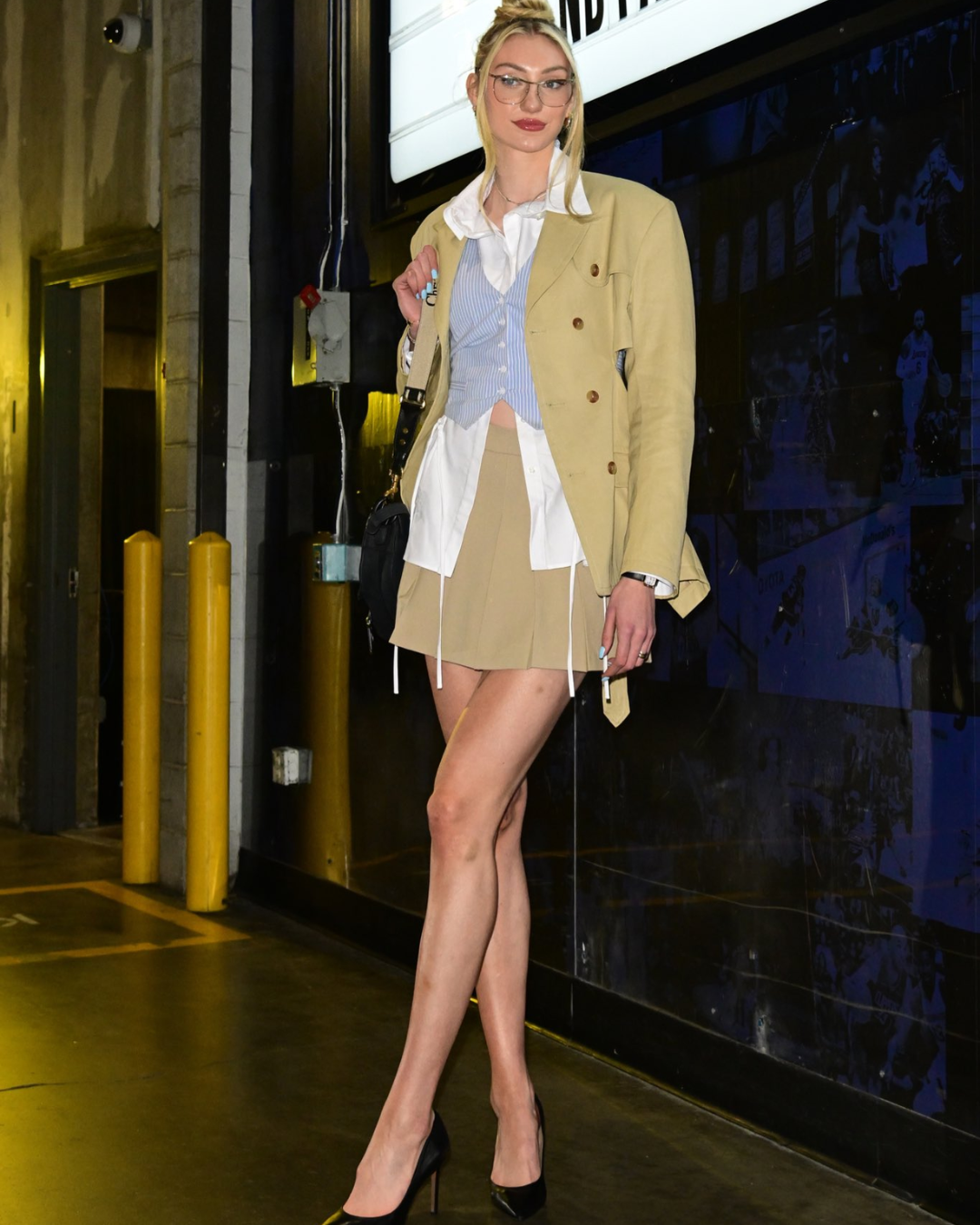
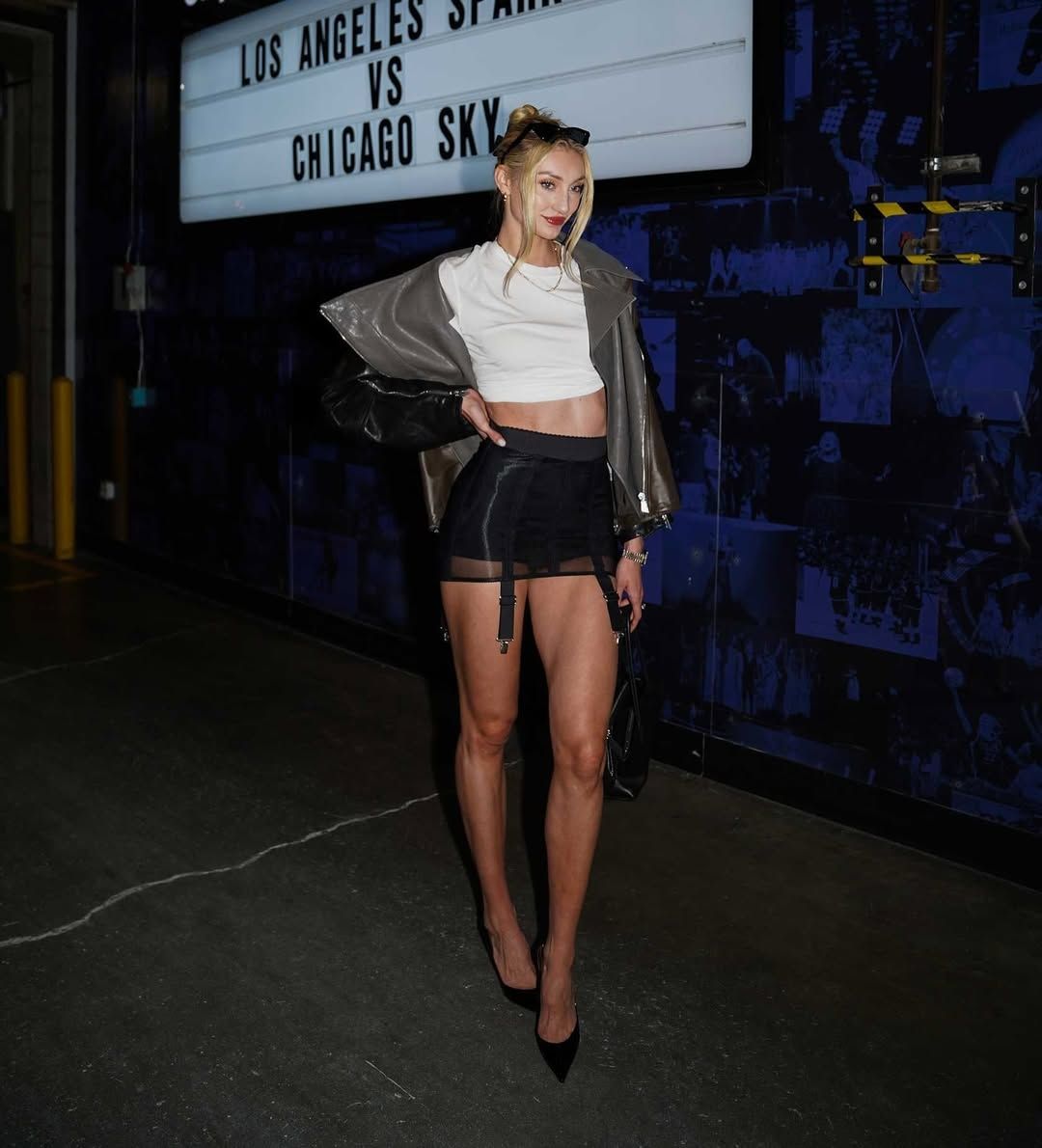
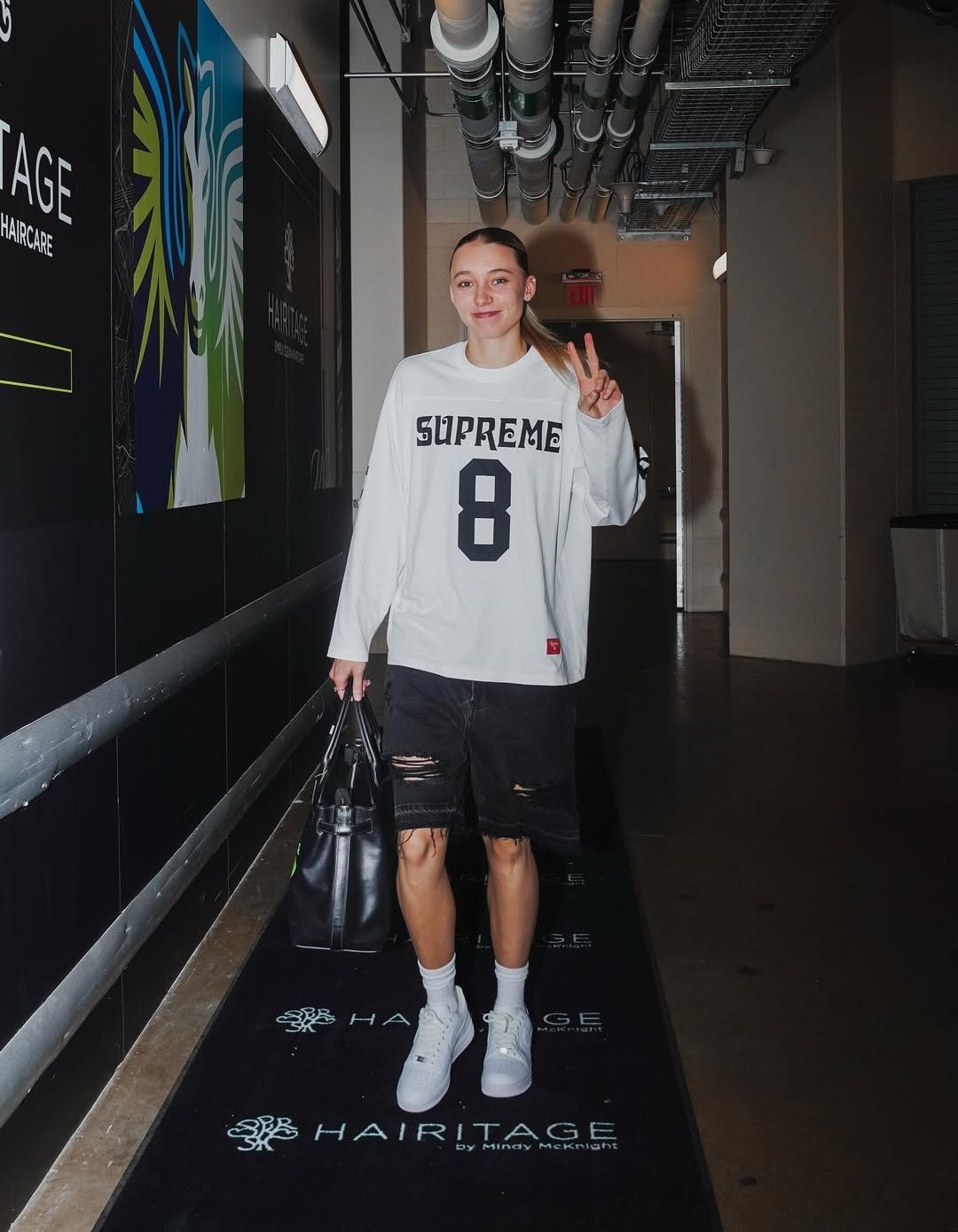
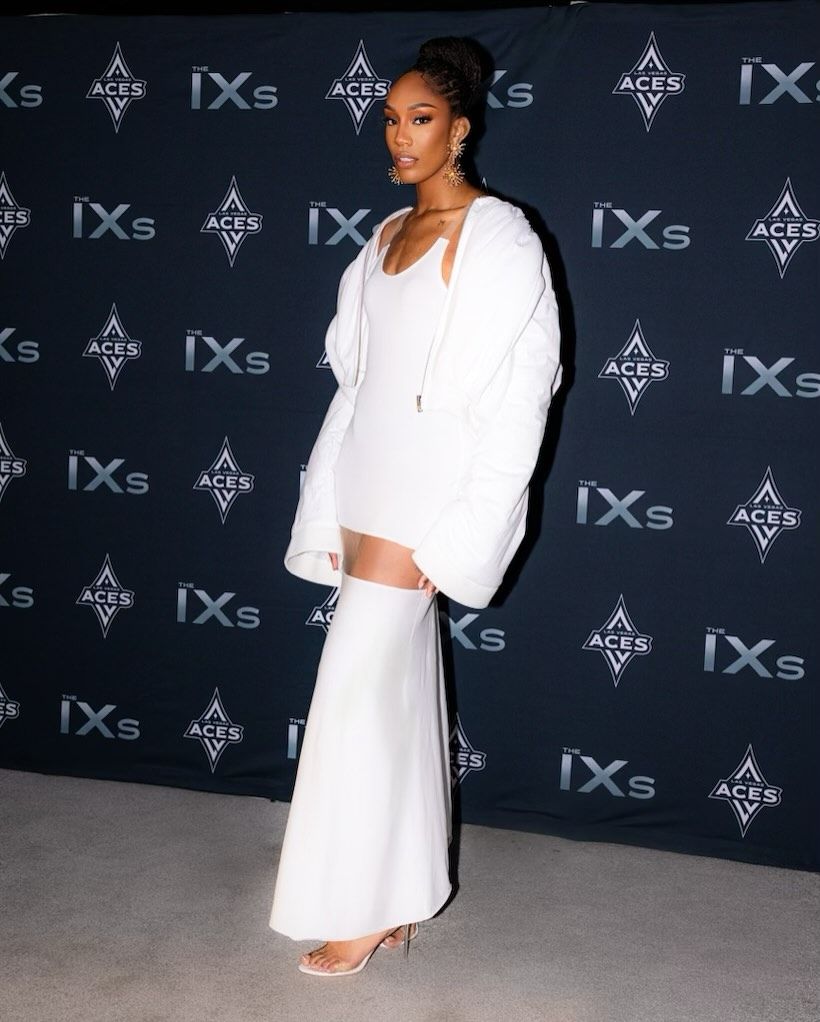
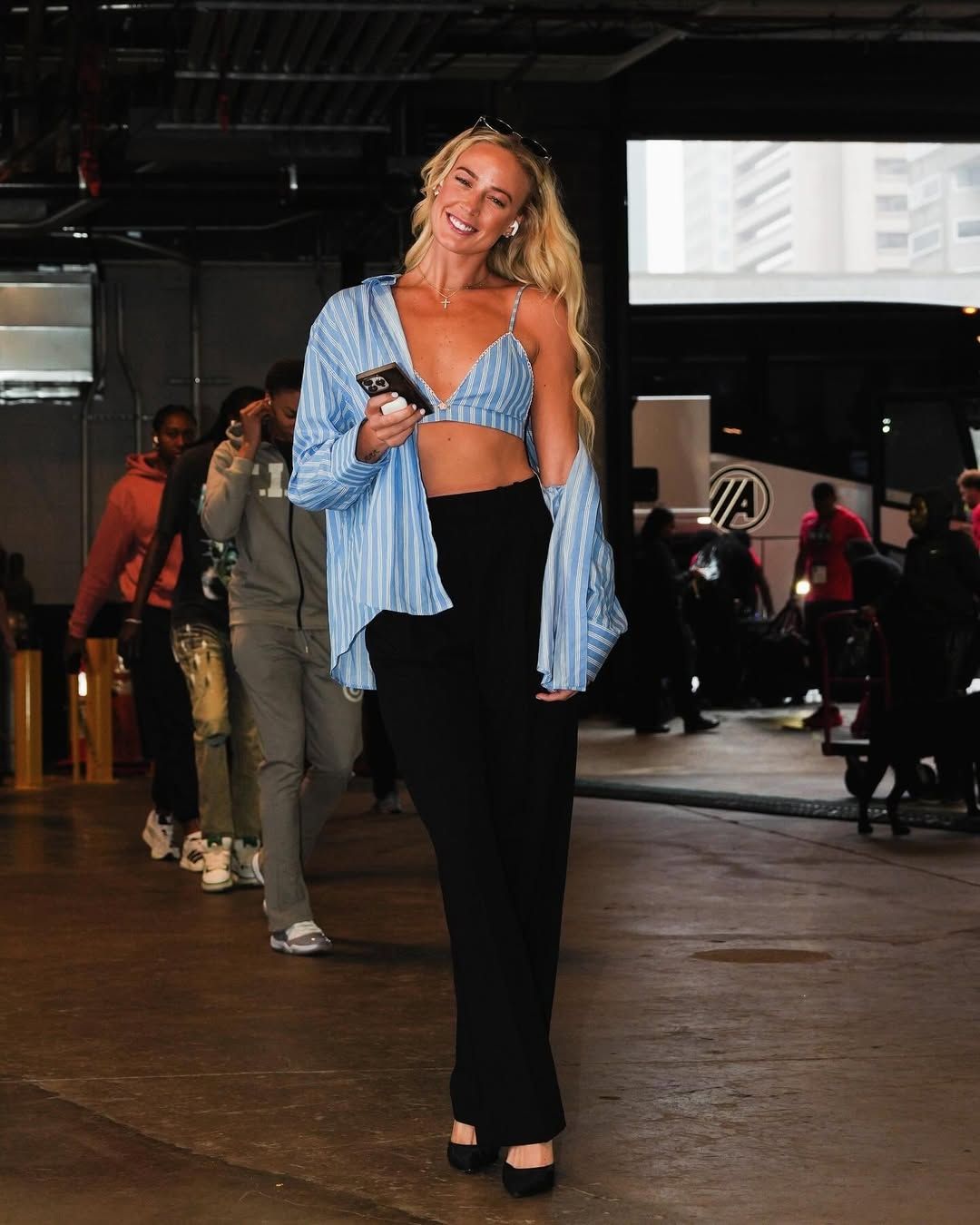
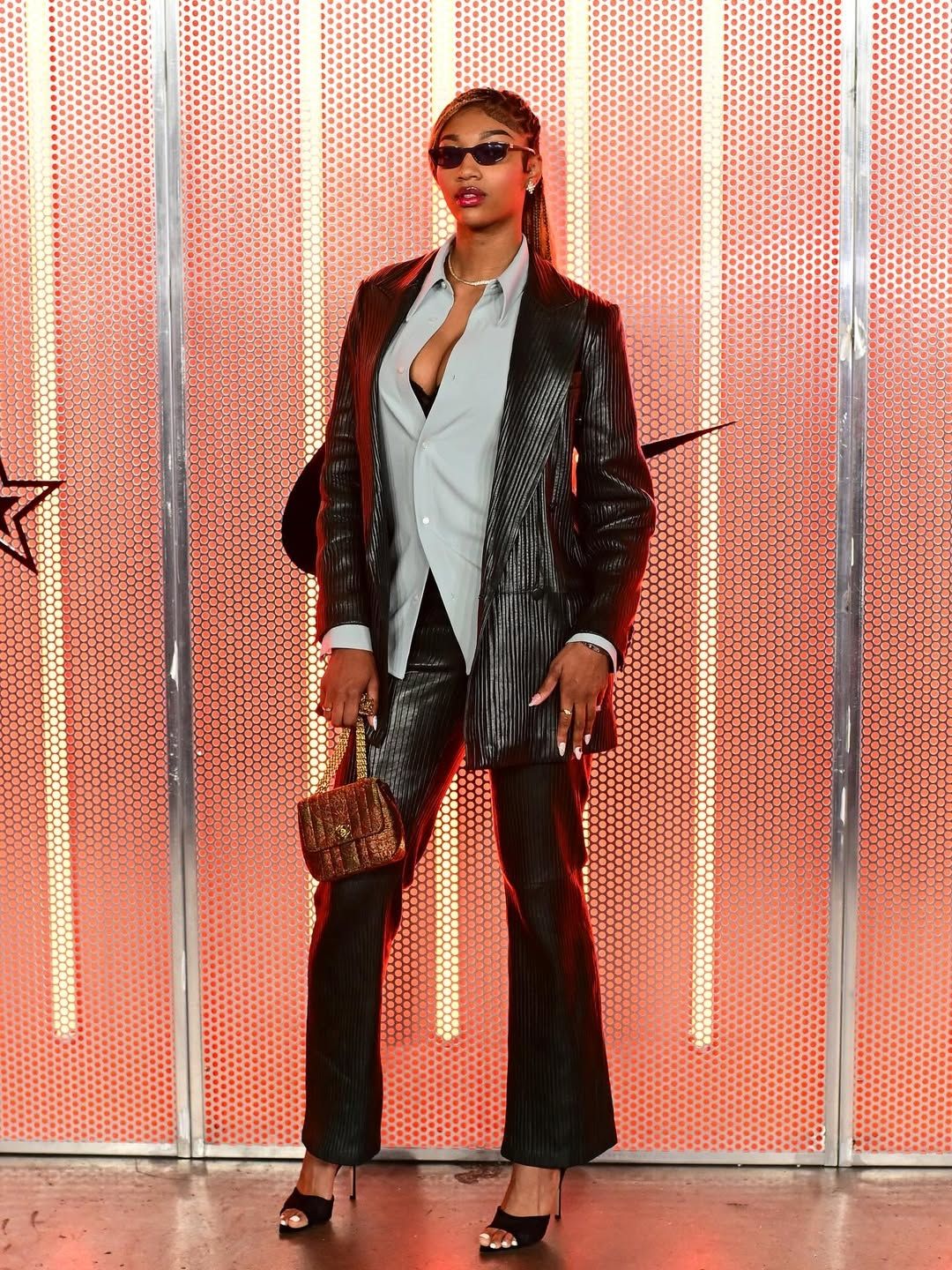
The main driver of this surge is the new TV rights deal, effective from next season, but the media deal itself reflects a broader trend. Revenue, viewership, arena attendance, sponsorships, and player visibility have all grown at a rapid pace, especially in the post-pandemic era. And the spotlight isn’t only on the court — it’s also shining on the pregame walk-ins. "The hottest catwalk of the year isn't in Paris, but in the WNBA tunnels,” wrote Harper’s Bazaar, as major luxury and sportswear brands now dominate the pregame corridors and players like Sophie Cunningham are becoming icons.
Let’s talk about money
This shift can already be seen in how Forbes now evaluates organizations. The average franchise price equals 14.4 times its annual revenue, nearly double the multiplier from just two seasons ago. From the flagship case of the Valkyries — a Joe Lacob-led team based in San Francisco and tied to the Golden State Warriors — to the next two most valuable franchises, the New York Liberty and the Indiana Fever valued at $400M and $370M respectively, the effect has spread to mid-markets as well, such as the Seattle Storm ($330M), Phoenix Mercury ($300M), and Minnesota Lynx ($225M).
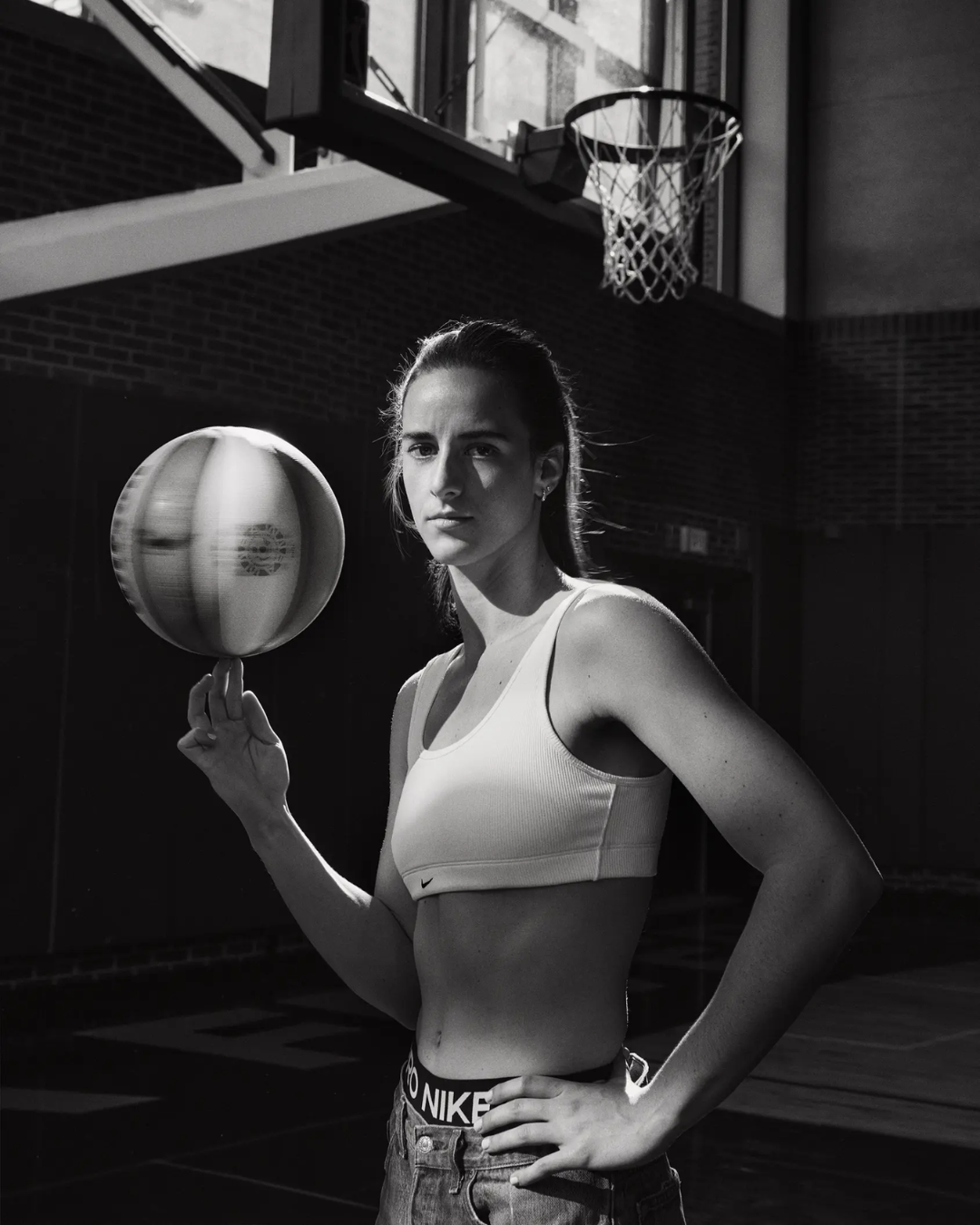
The 10-year, $2.2 billion deal signed with broadcasters (Disney/ESPN, Amazon, and NBC Universal), announced in 2024 and effective next season, "marks a monumental chapter in WNBA history,” in the words of commissioner Cathy Engelbert. And it has already triggered a virtuous cycle, with ESPN reporting about a 23% increase in current-season viewership compared to last year. The Indiana vs. Chicago game on May 17 — fueled by the Caitlin Clark vs. Angel Reese rivalry — set a new record with 2.7 million viewers. Around the same time, NBA playoff games posted only slightly higher national ratings — a sign that true competition is no longer a dream.
The stands reflect this surge as well, which began years ago. In 2015, average regular season attendance was 7,600 fans, dropping to 6,500 in 2019 and bottoming out during the pandemic. Today the average has passed 11,000 — a +15% increase over 2024 — with over 150 sold-out games compared to 45 just two seasons ago. The average ticket price on secondary markets follows suit: from $85 in 2019 to $173 this year, a 43% jump from last year. This wave of attention and visibility has not gone unnoticed by brands. The Changemaker tier, reserved for top-tier league partners, recently welcomed Ally Financial alongside Nike, AT&T, and Deloitte. Jersey patch sponsorships, launched in 2021 with an average value of $1 million, are now worth $2–3 million annually, with banks, healthcare, and insurance companies filling most of the spots. Overall, sponsorship revenue has grown from $40 million in 2018 to $60 million in 2022, reaching $76 million in 2024 and projected to hit nearly $100 million in 2025, combining national and local partners.
Relentless expansion
@nba Ice in @Sabrina Ionescu veins
The WNBA expansion race speaks volumes about the current excitement. The entry fee has risen from the $50 million paid by the Valkyries to join in 2025, to $250 million for upcoming licenses. On the court, the impact is immediate: the league will expand from 13 to 18 teams by 2030, with Cleveland, Detroit, and Philadelphia already scheduled to debut, and Nashville, Atlanta, and Miami dossiers already on Cathy Engelbert’s desk. Reaching 20 teams — giving the league national coverage similar to the NHL or MLS — no longer seems like a fantasy.
The winning model is often the same: new markets that mirror existing NBA franchises, benefiting from arenas, training centers, local sponsors, and pre-built fanbases. That’s true for the upcoming Portland Fire and Toronto Tempo (expected in 2026), as well as for established teams like the Los Angeles Sparks, Washington Mystics, and the aforementioned Liberty, Fever, Mercury, and Lynx. According to internal league sources, the money from the expansion fees is split — 50% goes to the NBA (a 50% stakeholder in the WNBA), 16% to the investor consortium that joined in 2022, and the remaining 34% is distributed among the existing franchises. A virtuous system where everyone benefits.
The league’s expansion and the movement’s growth aren't just visible in financials — they’re also reflected in the more pop-cultural aspects of its exposure. Just walk the few meters of tunnel separating team buses from arena locker rooms and you’ll see how the league’s economic boom is translating into image. That’s where the WNBA is winning new fans — through flashbulbs and viral outfits — and attracting an ever-growing army of fashion brands.
Tunnel Fits
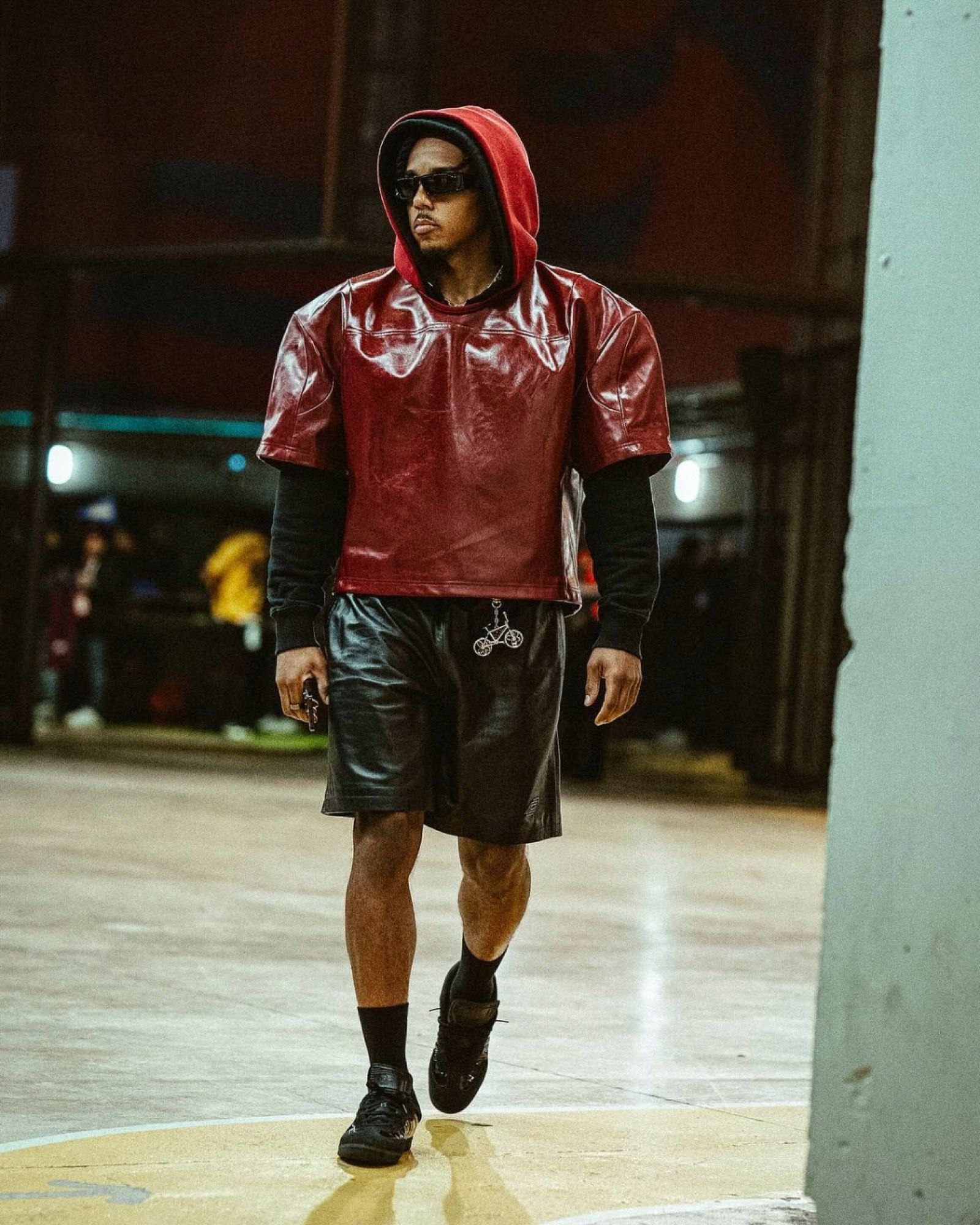
What was once a utility hallway is now the most clicked digital runway in the league. Pregame arrival videos saw a 28% increase in views on Instagram and TikTok in 2025 compared to 2024 — sometimes even surpassing game recaps. This new audience has convinced luxury and sportswear brands — from Prada and Dior to Balmain and Versace — to invest in visibility opportunities comparable to classic sponsorship models.
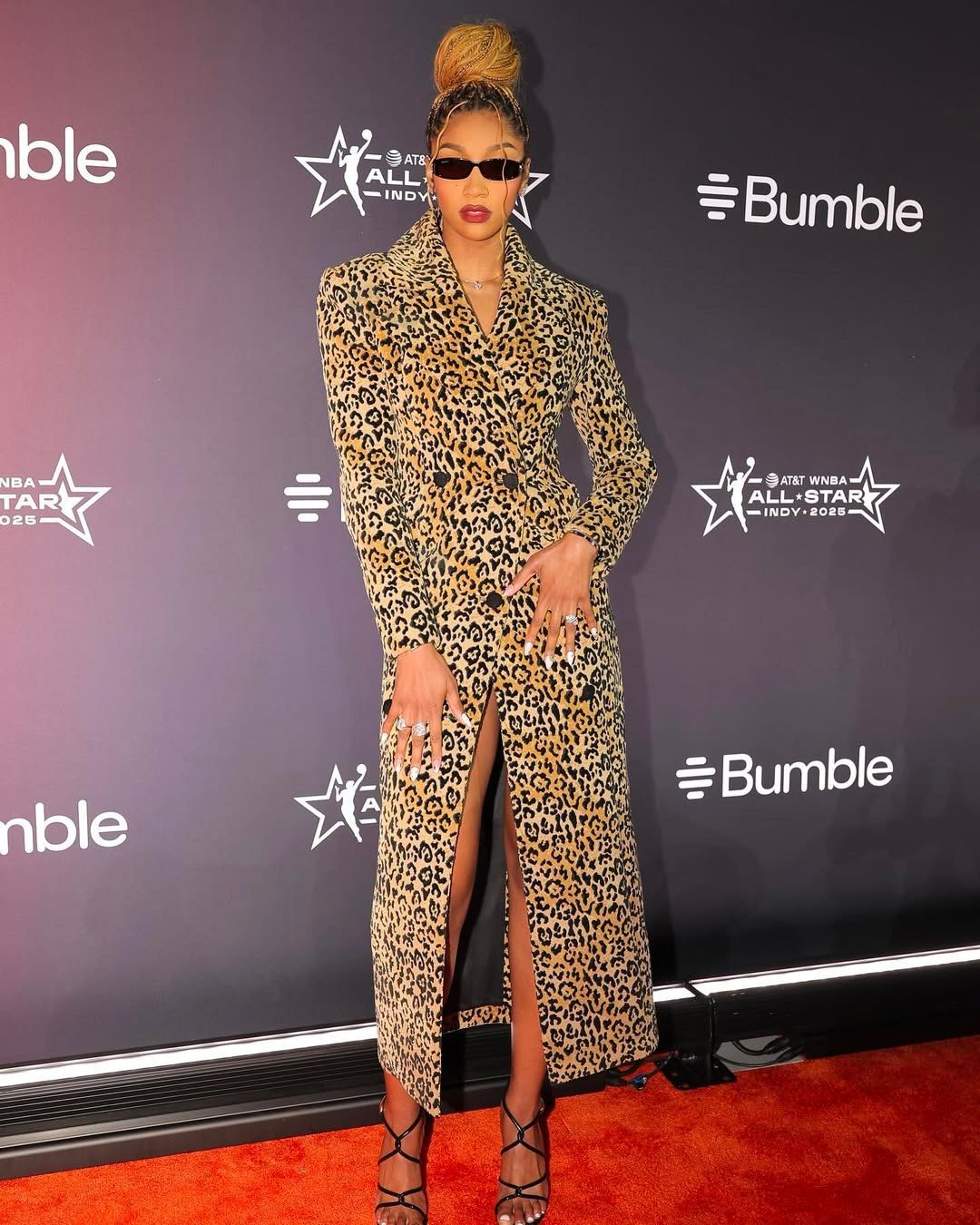
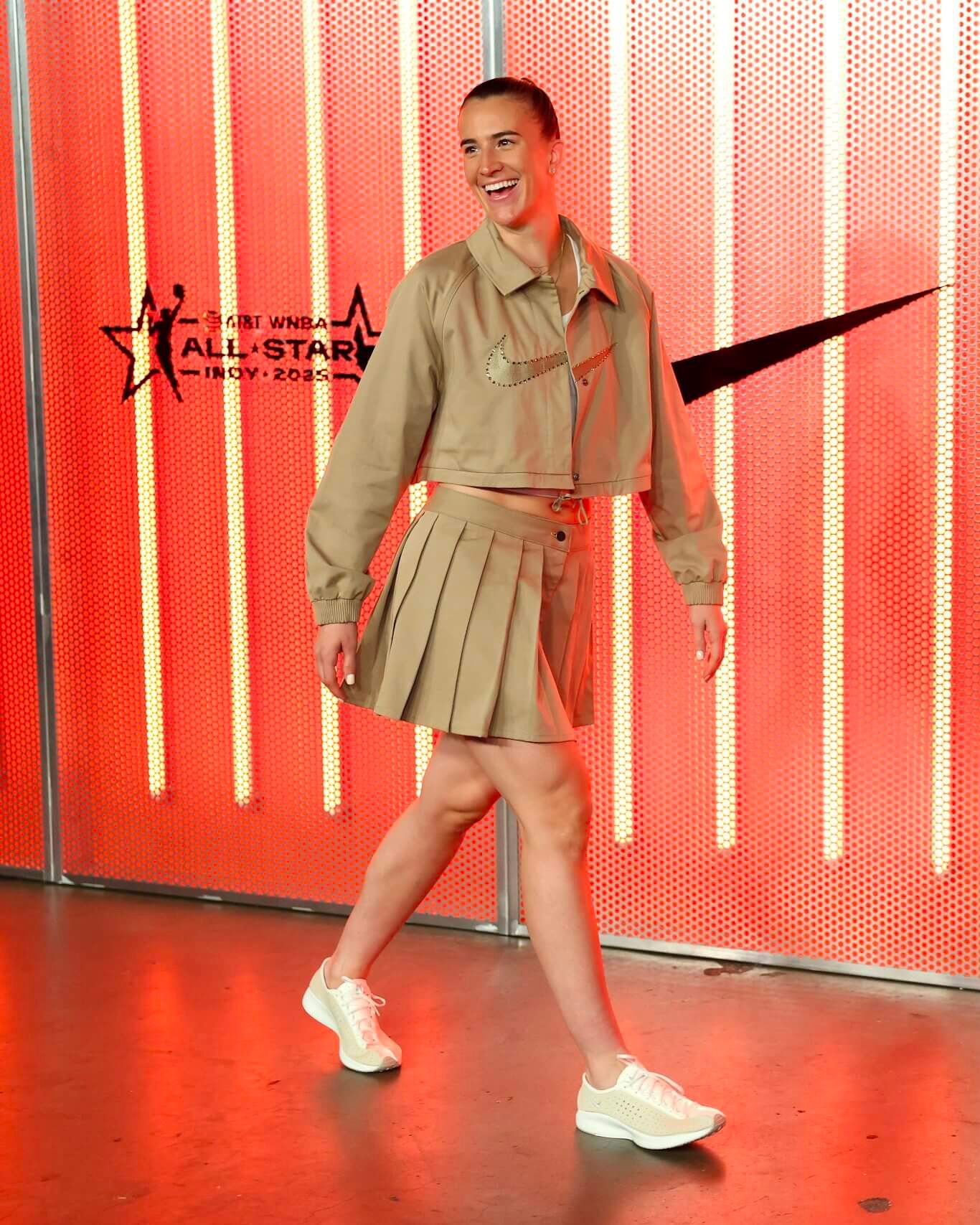
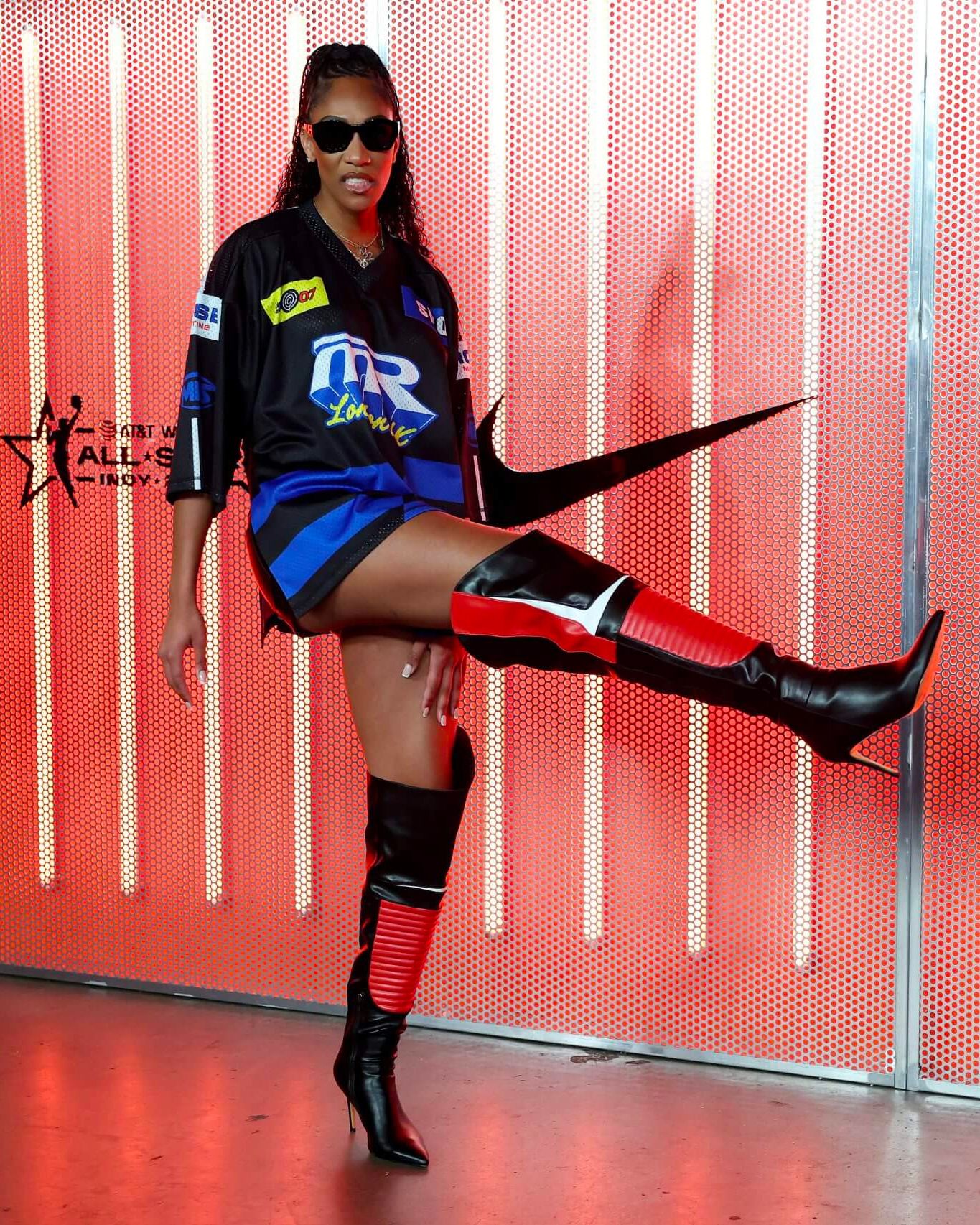
Several pregame outfits have gone viral — both in number and in style. From A’ja Wilson opening the season in all-white with personalized jewelry, to Caitlin Clark bringing Prada into the game tunnel, and Angel Reese reimagining the Barbie-core trend in a custom Dior jacket. Paige Bueckers, first overall pick in the 2025 WNBA Draft, opts for a sporty, blokecore-inspired look. All snapshots that helped transform basketball into a lifestyle — no official runway needed. The latest All-Star Game proved it too, as arena arrivals turned into fashion shows filled with elegant suits, tennis-inspired skirts, sneaker-derived tops, and NASCAR-themed prints.
@yahoosports Sophie Cunningham showed out in her tunnel fit #wnba #basketball #indianafever #sophiecunningham original sound - Yahoo Sports
One standout figure in this context is Sophie Cunningham. Having joined the Indiana Fever in January and become Caitlin Clark’s on-court enforcer, Cunningham has emerged as a western-chic icon off the court. Denim, cowboy boots, leopard-print tops, and an adidas Basketball × Damian Lillard commercial earned her over a million new followers in just five months — proof that tunnel fits today can be as valuable as a full-scale marketing campaign. This aesthetic reflection is the visual counterpart of the economic boom detailed in the first sections of this article — another asset on which the WNBA is building its identity, laying the foundation for a bright new era in women’s basketball.