Why do we need more footballers like Edon Zhegrova? A pivotal figure in Italian football culture
We need more footballers like Edon Zhegrova, period. Especially in Serie A, but the argument extends to European football in general. If we narrow the analysis to Italy’s top league, it becomes even clearer: today, Zhegrova represents a fundamental asset for Serie A. Despite his age distancing him from other young talents like Kenan Yildiz, Matías Soulé, Nico Paz, or, for instance, the Como player pool, the Kosovar fits perfectly into that line of pure footballers, both in terms of technique and attitude. Players who captivate fans, who give people an extra reason to turn on the TV and relax on the couch.
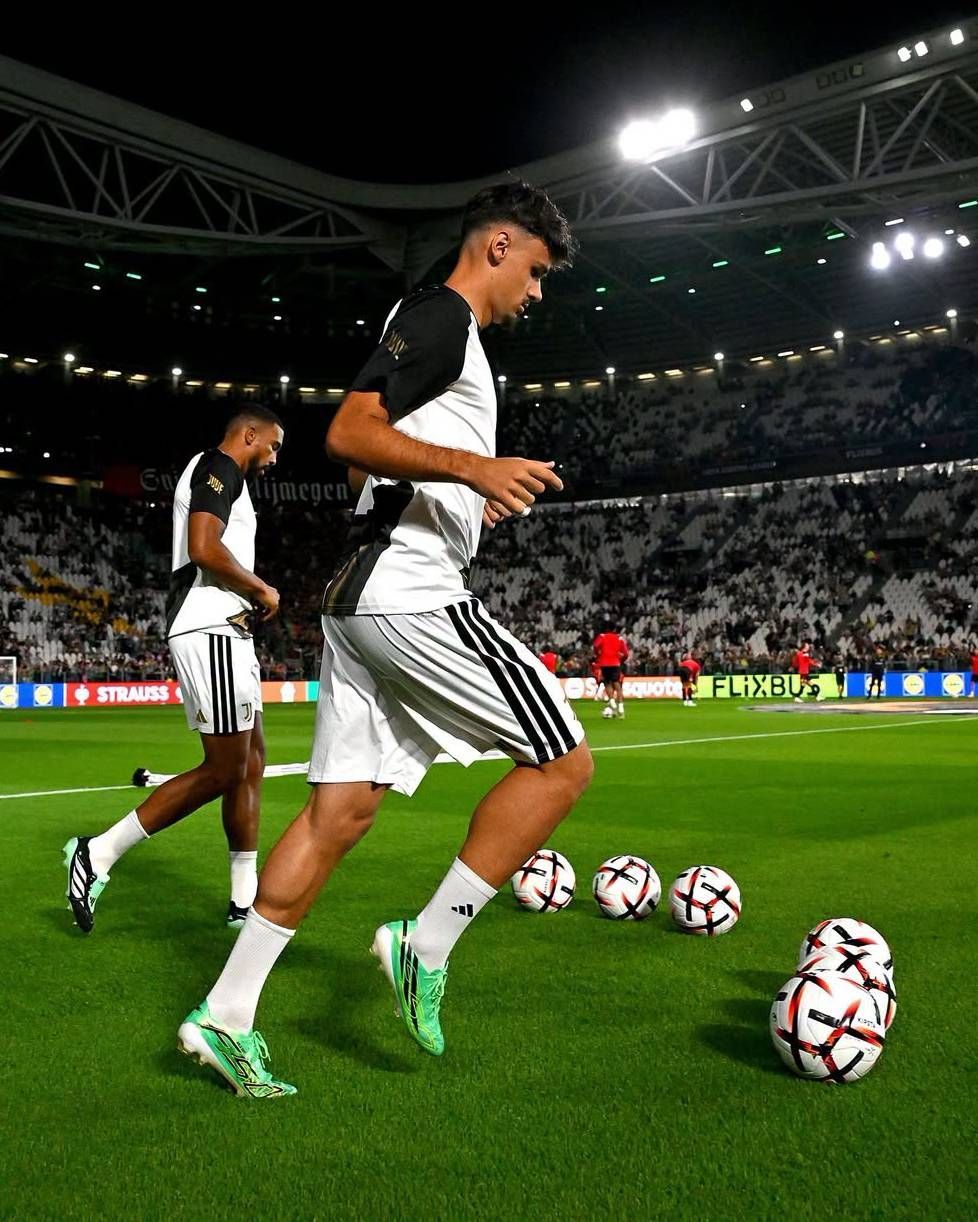
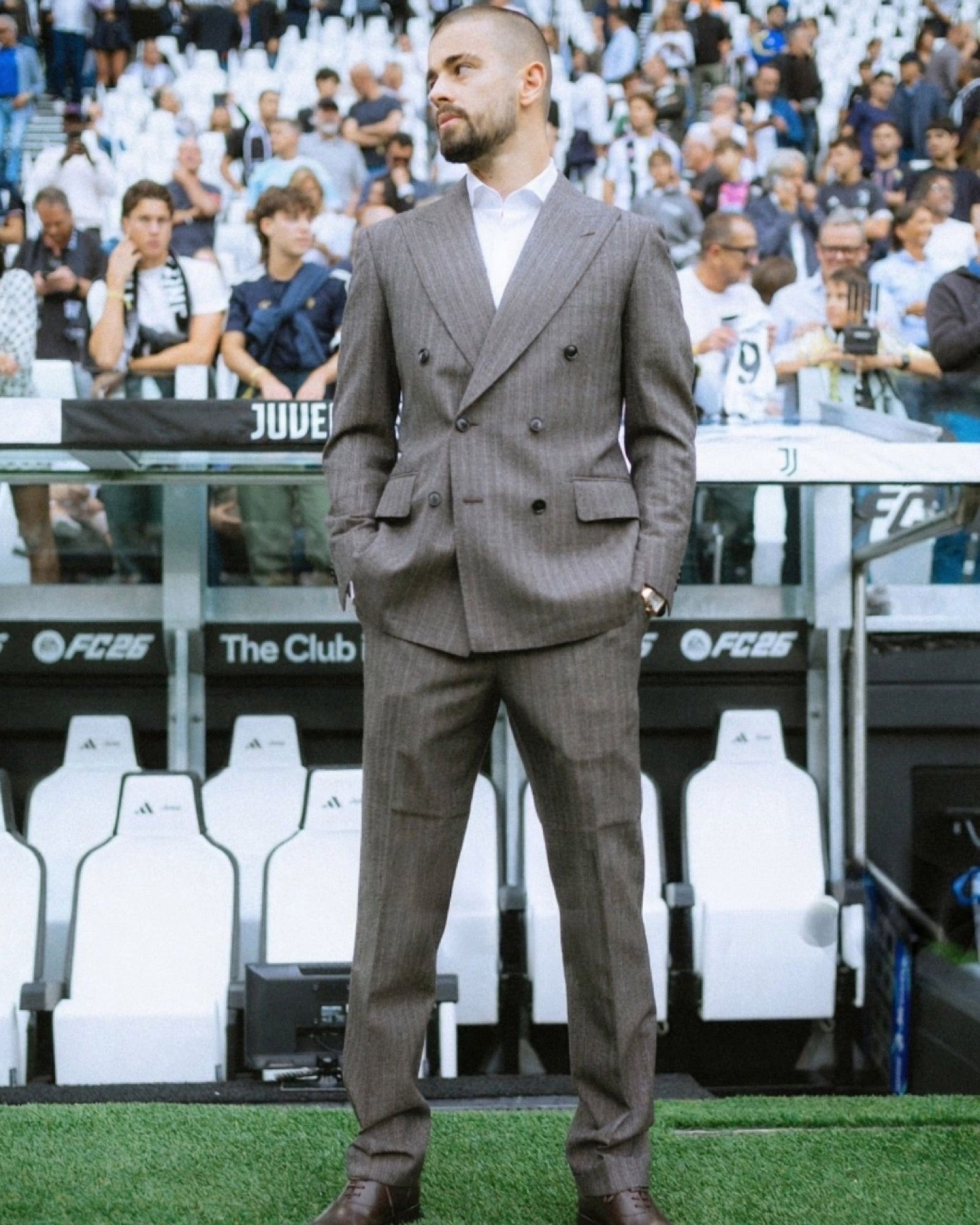
In yesterday’s thrilling Juventus debut against Borussia Dortmund, Zhegrova made his first appearance in black and white: Igor Tudor brought him on in the 87th minute, and he carried the ball in the move that led to Vlahović’s pass, which set up Lloyd Kelly’s header for the 4-4 equalizer. That run will remain etched in the memories of Juventus fans and beyond: the slow but focused pace, the shorts worn like Calvin Bassey and the socks pulled up like Martín Cáceres. A body language that highlights the natural ease of a player who wants to enjoy himself—and knows how to. But Edon Zhegrova cannot be told only through his technique or those nine minutes against Borussia Dortmund. He is much more. The image he posted in his Instagram stories just before the warm-up is simple but telling: his first black-and-white jersey hanging on a hanger during his first call-up with Juventus, or the fit pic with The Godfather soundtrack posted during pitch inspection for the match against Inter. Edon Zhegrova is (also) this.
Edon Zhegrova can be a boost for Italian football
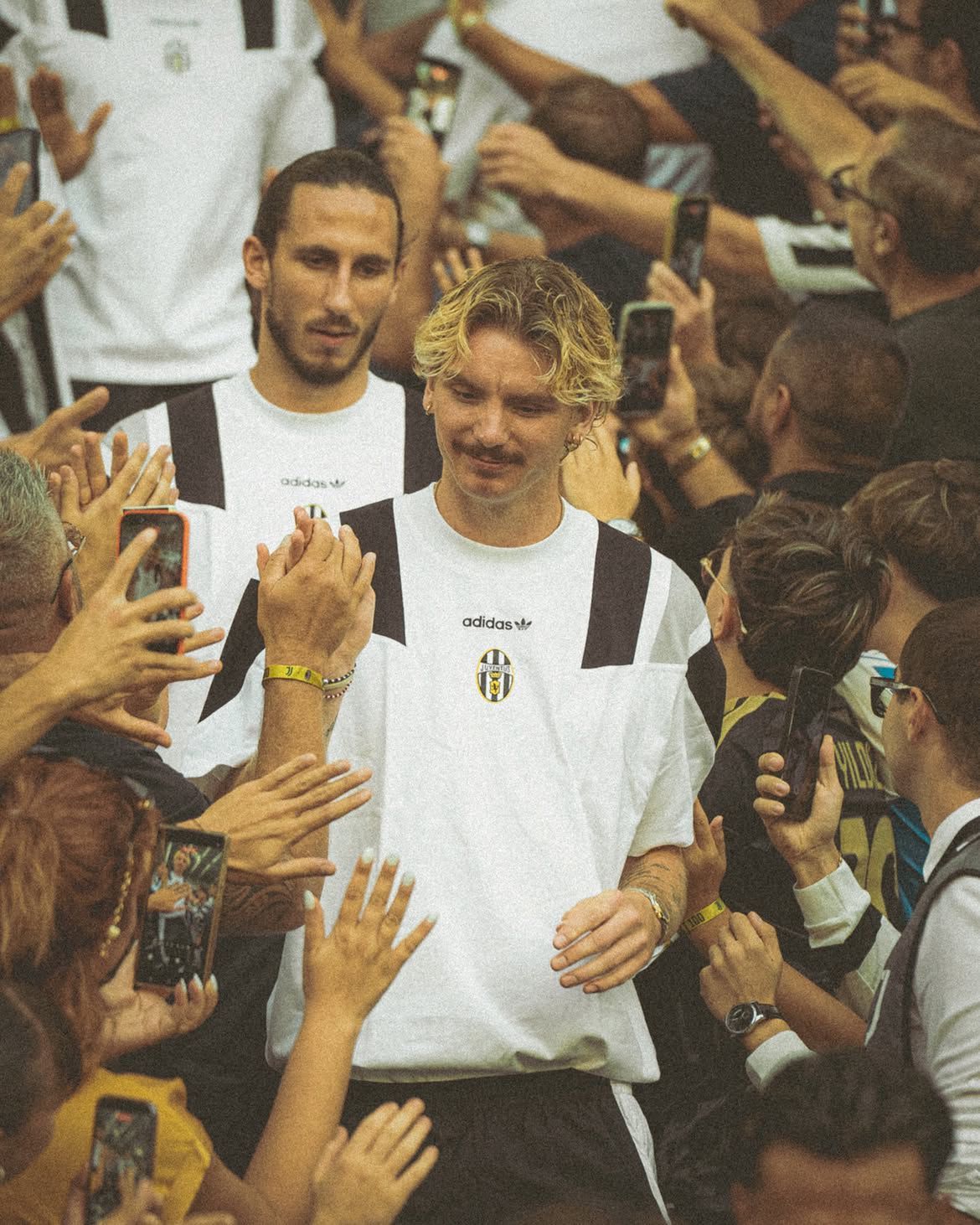
A spontaneity that stands out even more because he arrived at Juventus, a club where maintaining one’s personality is far from guaranteed. In fact, style often tends to get lost. Perhaps the most emblematic example remains Maurizio Sarri: after years as a revolutionary at Napoli, he arrived in Turin on a private jet and with a Rolex on his wrist, as if Juventus imposed a forced change, a standard to conform to. Zhegrova, however, has done none of that so far. He showed up in Turin with a unique look, and in his first days as a Juventus player, he did nothing but share everywhere the video of the song dedicated to him by Swedish rapper Kidda and the French-Moroccan artist ZKR. In the track, titled Zhegrova, the Kosovar talent poses with children, cars, scooters, and Lille jerseys, the club from which he arrived at Juventus: not something to be taken for granted, especially in a club that exercises such meticulous control over its players’ communication and aesthetics. And with that, we hope that Yildiz and Zhegrova can continue to rock their eyebrow slit forever.
In short, even though he arrived in Italy at 26, already in a later stage of his career, Zhegrova has all the credentials to establish himself both as a footballer and as a significant personality, especially in the Italian context. In a country where the footballer is the ultimate public figure, it’s natural for fans to expect to relate to him: in his ideas, in his personality. At the same time, it’s equally natural for fans to desire figures who can stand out with strong opinions, gestures, event participation, outfits, and unique ways of expressing themselves. All elements that are hugely needed today—and Zhegrova has the potential to become a standard-bearer for this concept.
Edon Zhegrova—and players like him—could have (and we use the conditional because a player’s personal style can be limited or stifled at any time, depending on the context) the role of restoring depth to what it means to play football. A concept that seems simple but is significant, especially considering the recent trend in Italy: a possible generational disinterest in the sport. On one hand, due to the lack of truly relevant personalities, on the other, because of disappointing sporting results, particularly for the national team. And yes, we must consider that there’s a risk Italy may not qualify for the 2026 World Cup. Precisely for this reason, should that happen, Italian football urgently needs Edon Zhegrova—or "players like him": footballers who seem almost anti-establishment, yet for this reason are tremendously captivating, free, and deserving of idolization by the younger generations.