Juventus red numbers through the years A story that begins as far back as 1957
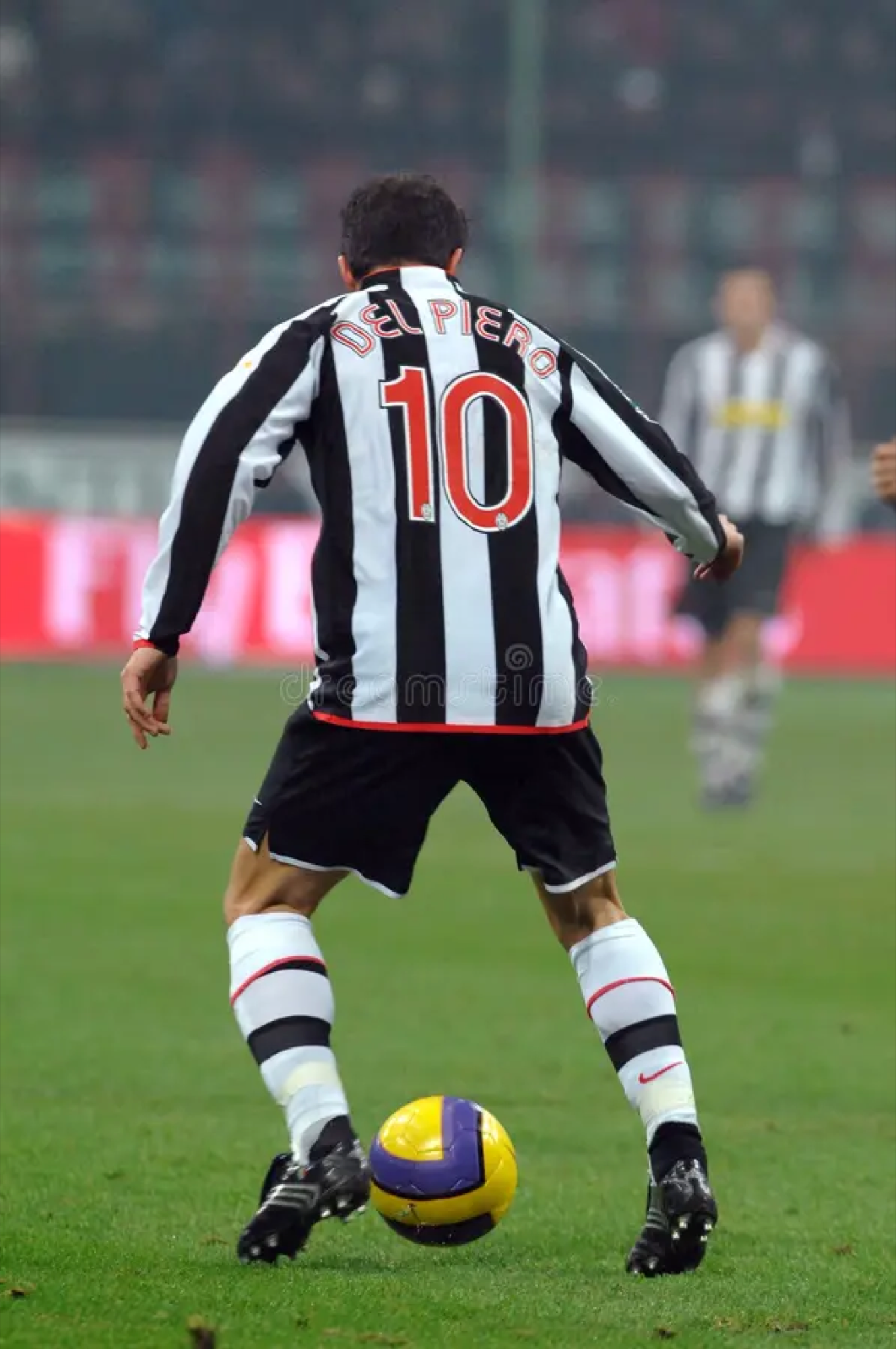
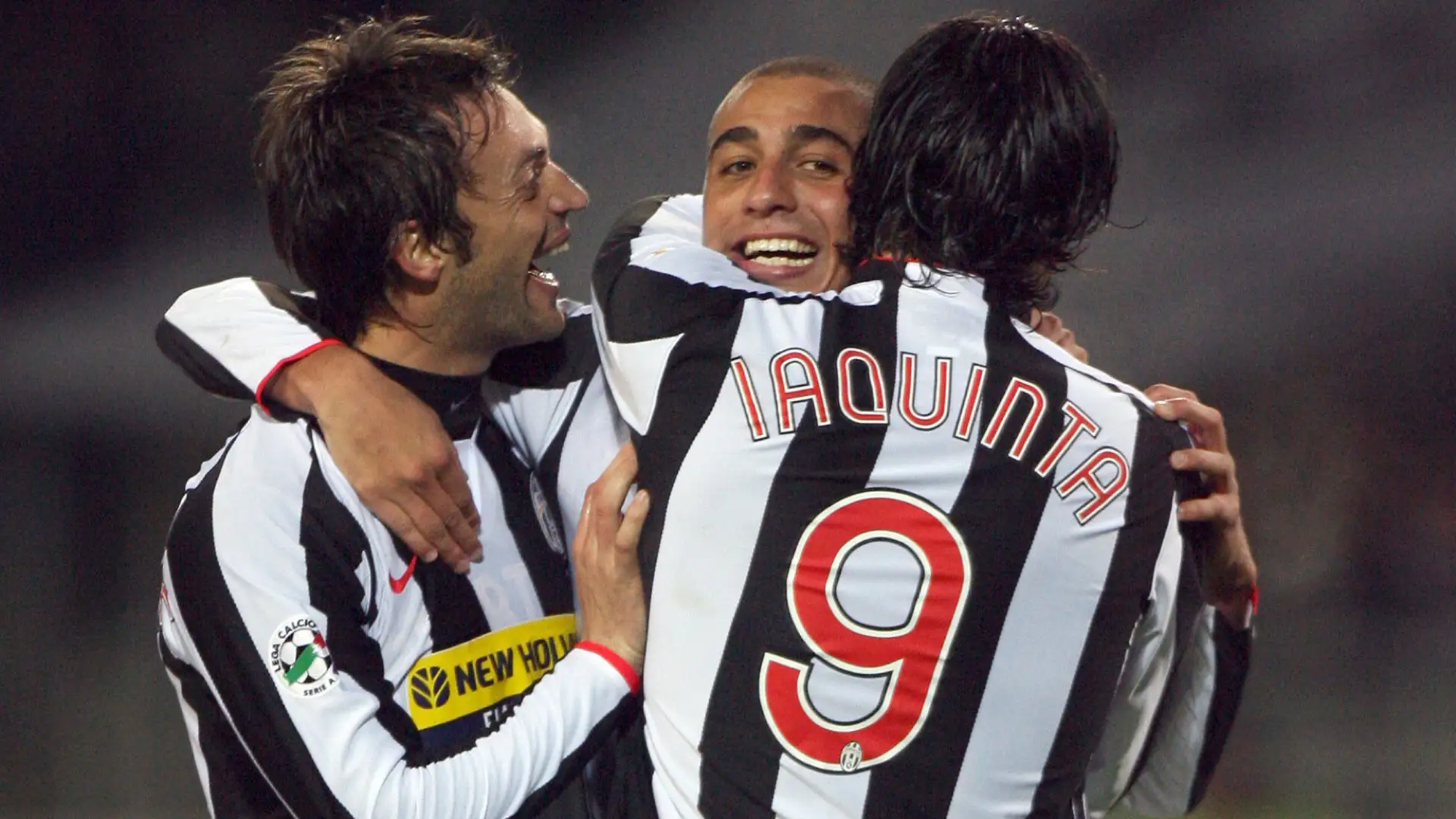
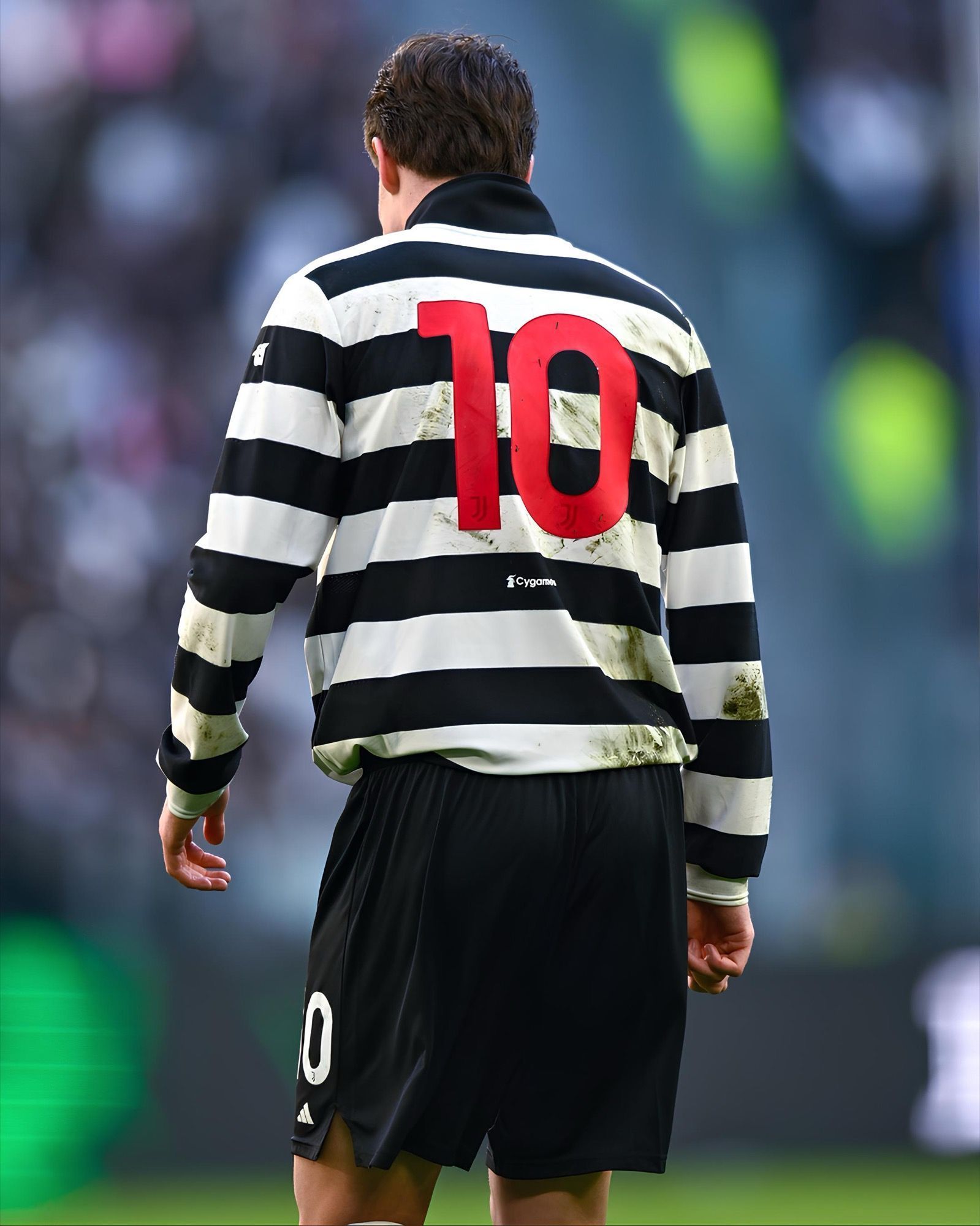
On the occasion of the last matchday of Serie A 2025/26, in the home game against Como, Juventus unveiled its fourth kit of the season: a true re-issue of the concept kit designed by Kappa dating back to the 1996/97 season. A kit that divided the Juventus fanbase (and beyond) because of its horizontal stripes instead of vertical ones, but also because the back, in addition to not showing players' surnames, displayed red numbers. Both features, in reality, were not unique for the Piedmontese club, yet the criticism was not lacking. In fact, as mentioned, the shirt was inspired by a concept kit with horizontal stripes from the 1996/97 season and featured the red numbers last worn in the club's first Serie A season after returning from Serie B, in 2007/08.
Today, it is certainly easier to criticize something you don’t like and have it spread quickly, but it is clear that special kits and their reception—often controversial or simply different from the classic Home, Away, and Third kits—go hand in hand with the team's performance. Essentially, if Juve had beaten Como, the criticism received for the kit would have been much less. In light of this, let’s recall the other occasions when Juventus sported red numbers on their backs.
1957/58
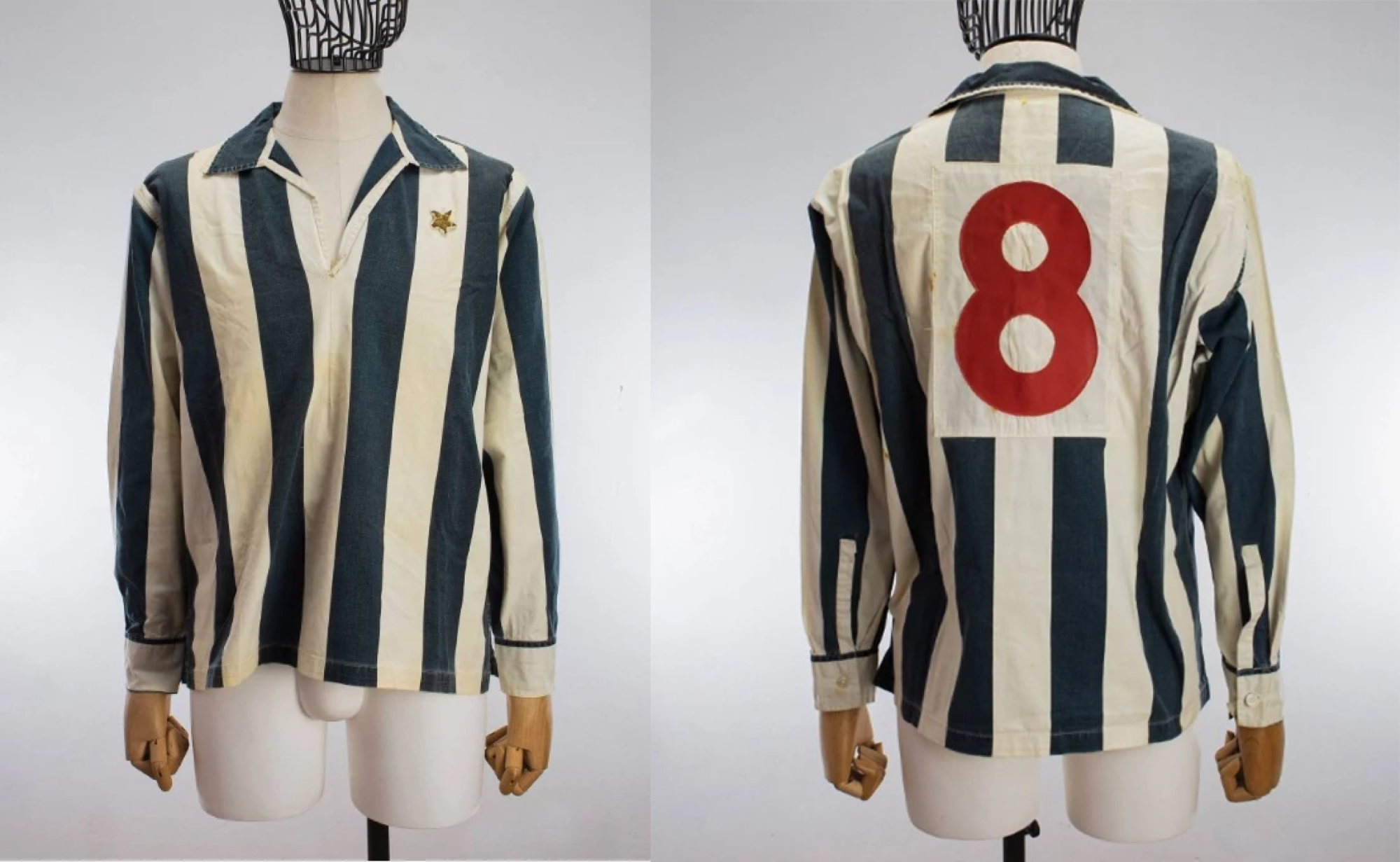
According to what is read online, the legend tells that the idea to put red numbers on a Juventus shirt was born in 1957 from an idea by Umberto Agnelli; almost a declaration of assertion, to shout to the world that the president had brought two champions to Turin: Omar Sivori and John Charles. It was a true revolution, as it was the first time an unprecedented color appeared alongside the club's traditional colors.
1966/1967
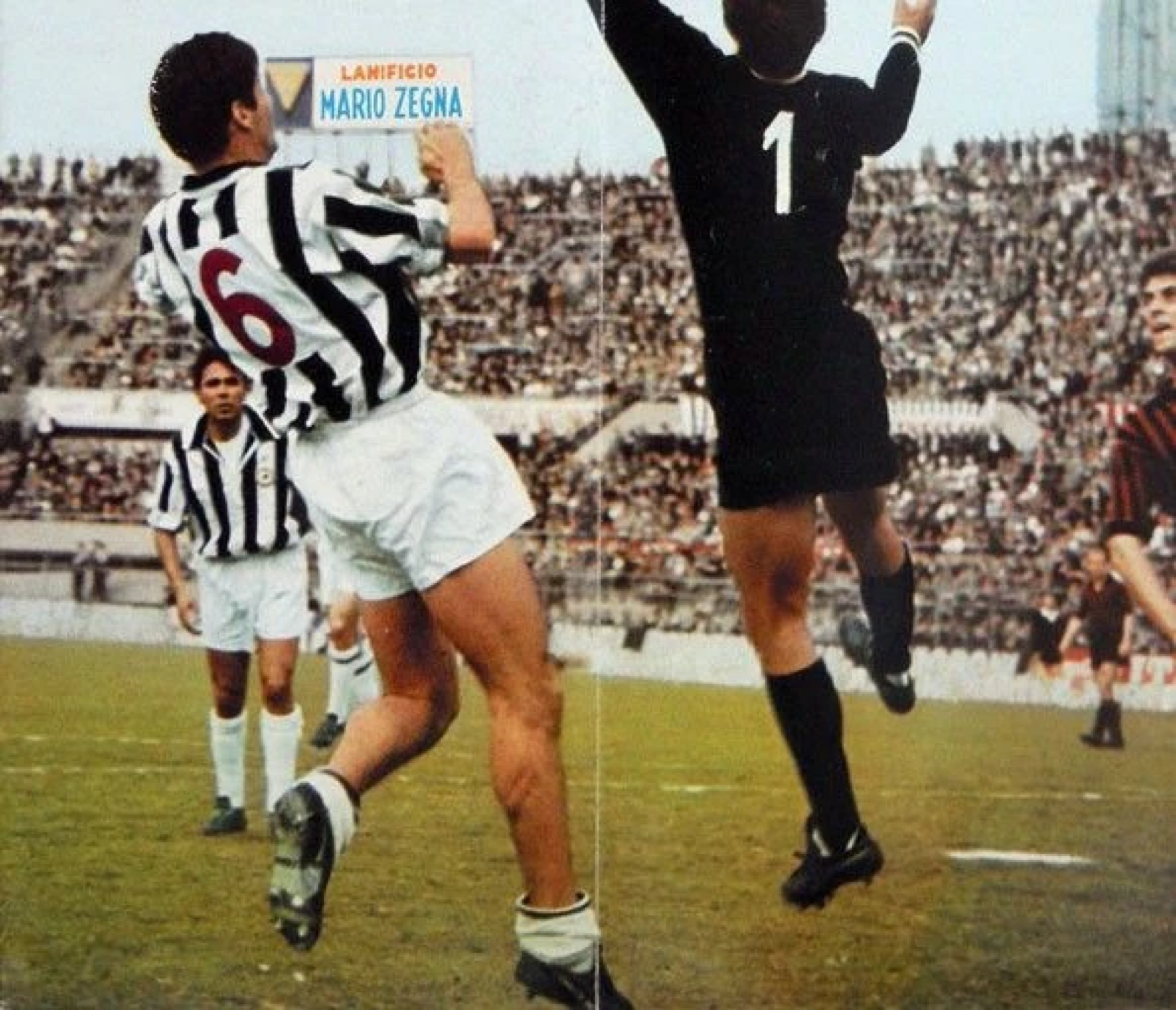
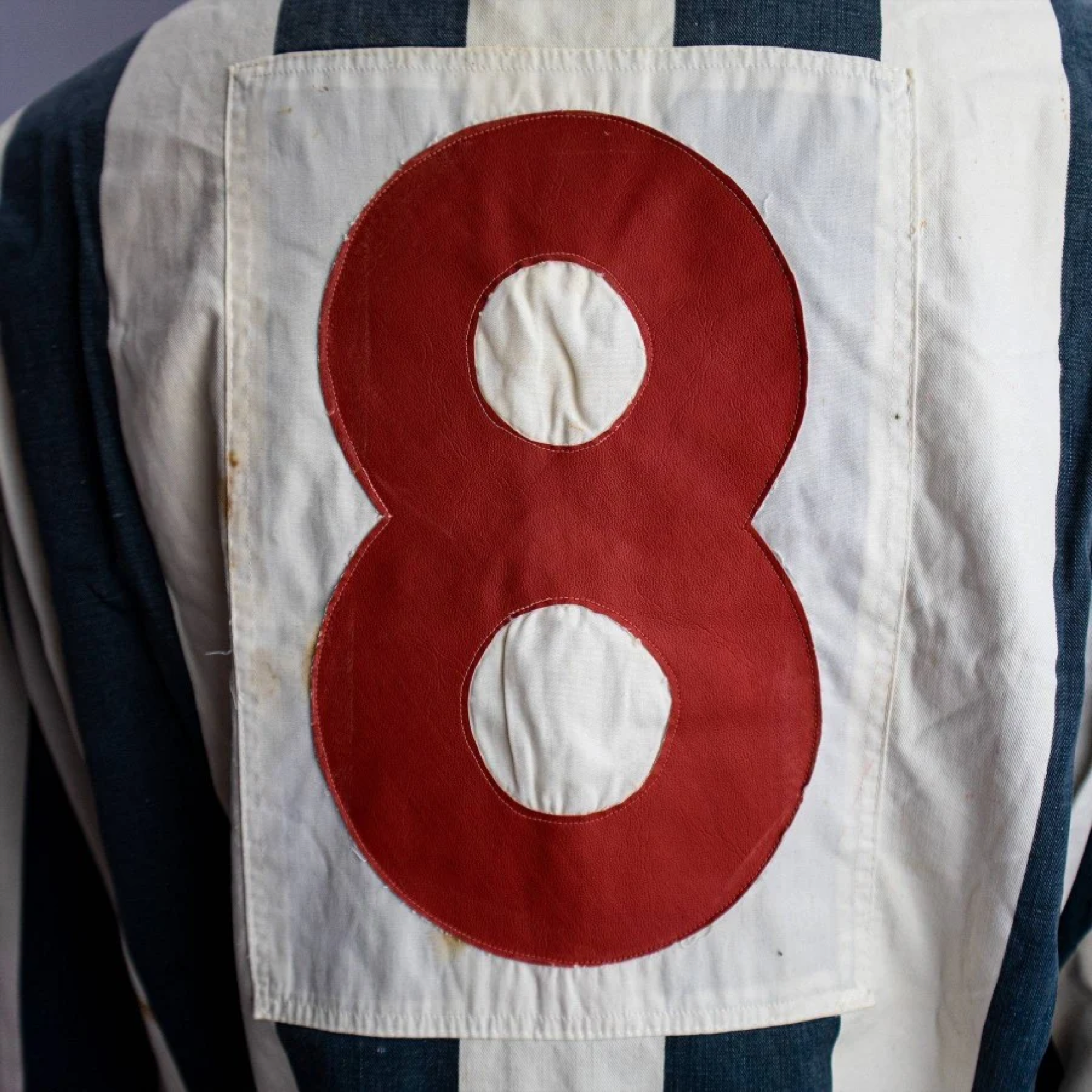
After the 1957/1958 season, red remained on the Bianconeri shirt until 1970, when white numbers were introduced. However, the most interesting season stylistically is 1966/1967, because the red numbers were placed on a white square background to make them stand out more.
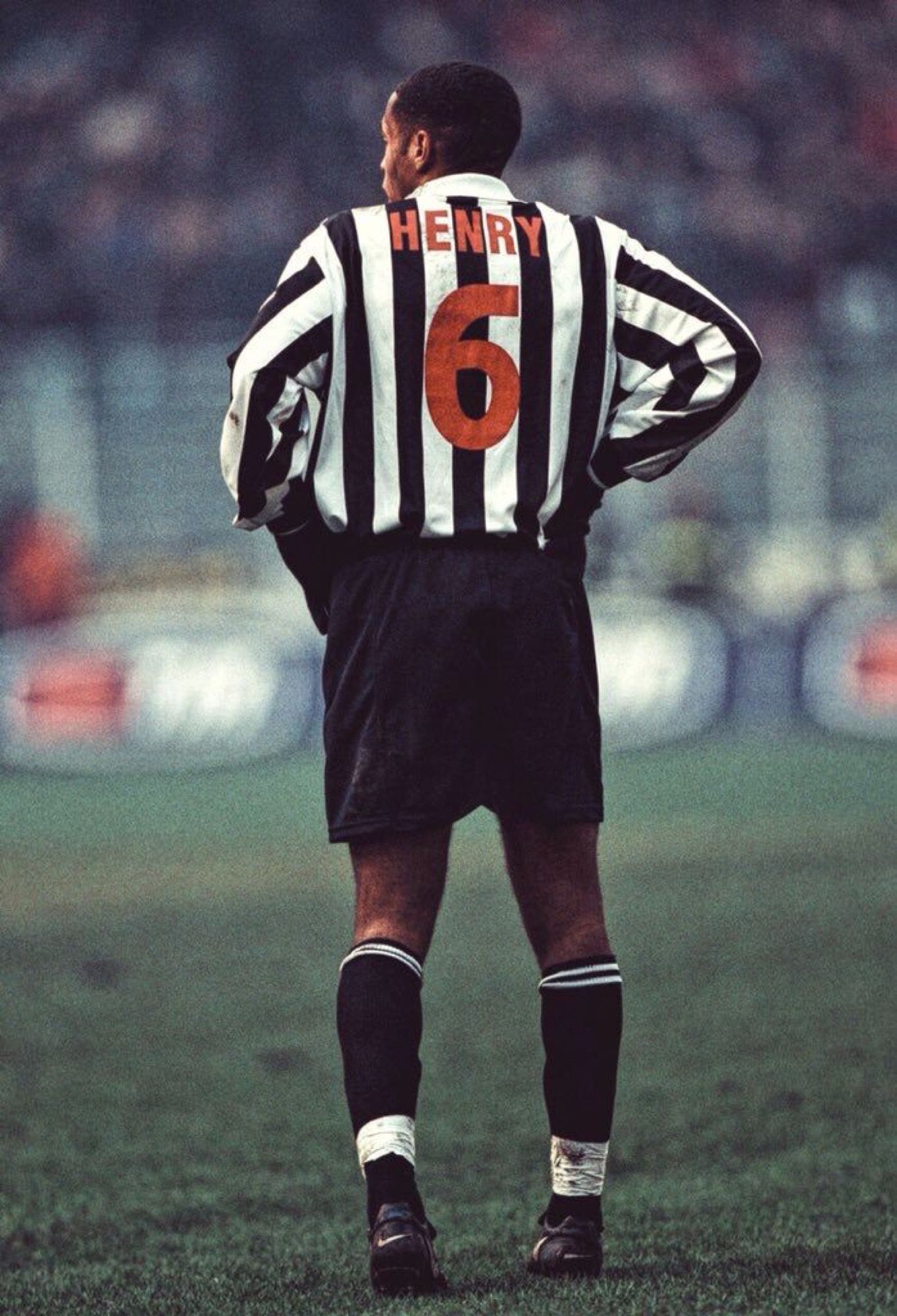
1998/1999
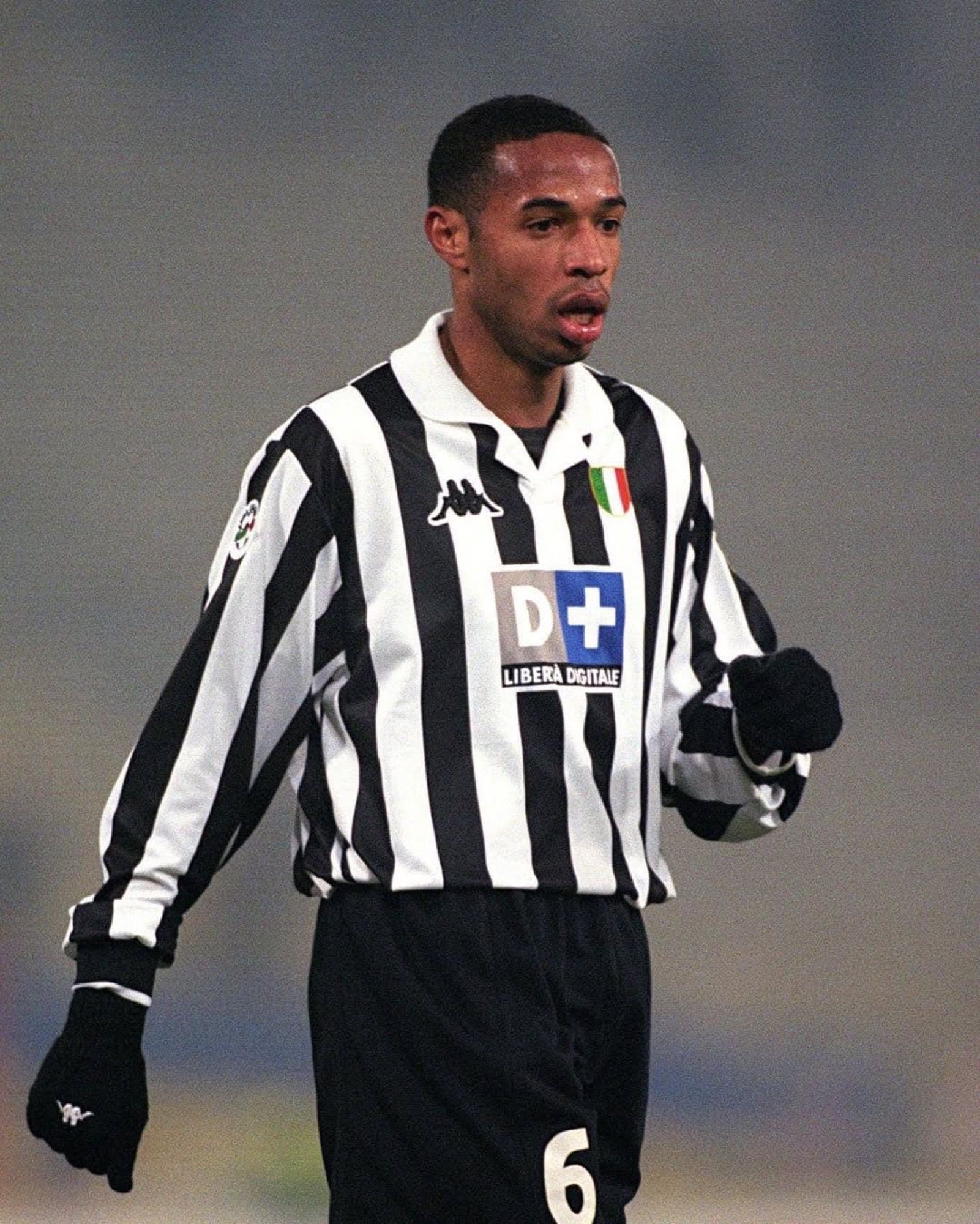
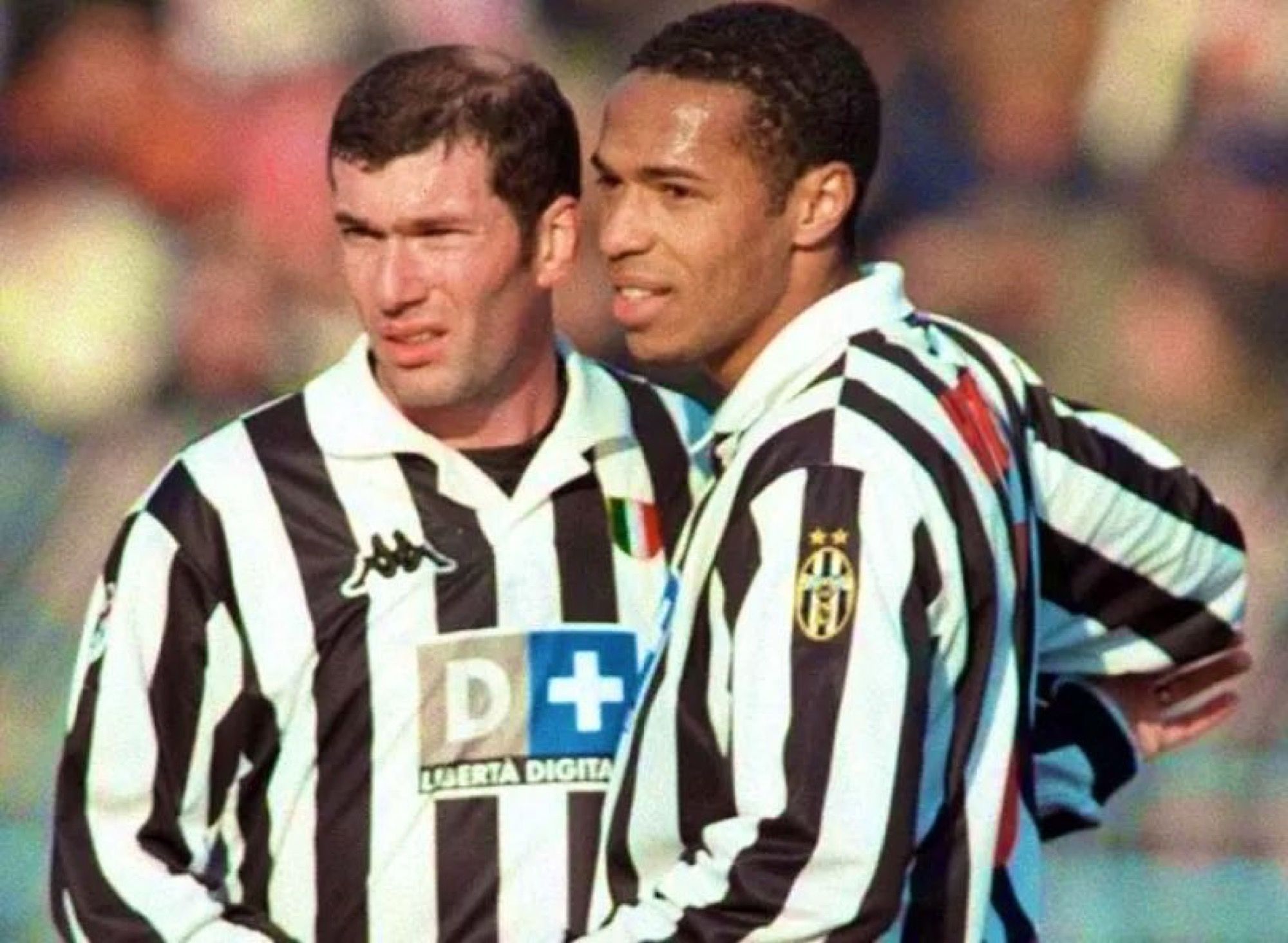
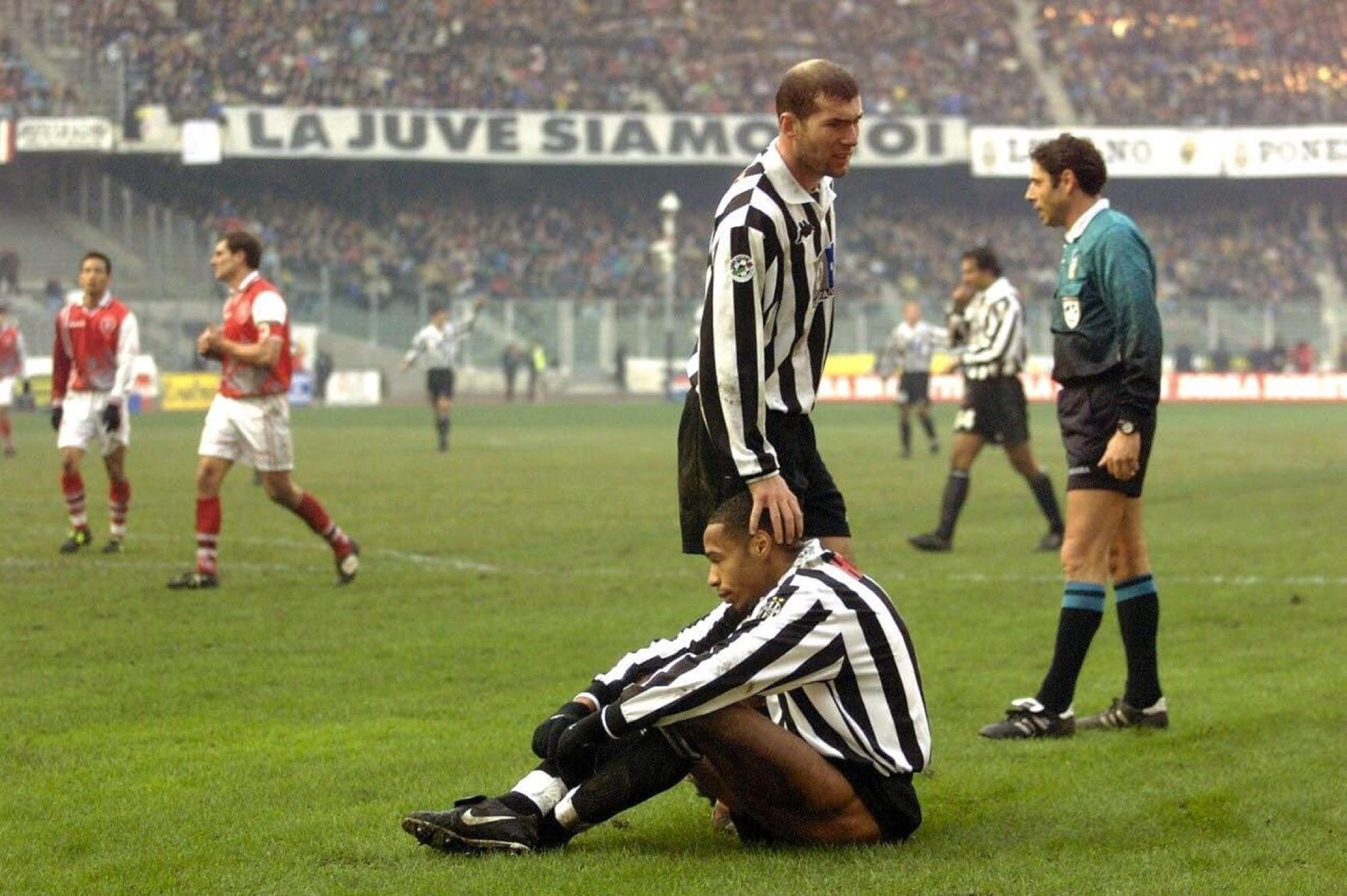
After decades of "absence," the 1998/1999 season is the first in which Juventus actually wears a red font for the numbers on the back of the shirt, specifically on that year’s Kappa Home shirt. The 2000s are yet to come, and the quality of TV broadcasts is certainly not comparable to today, so the idea of using red numbers on the back was to improve visibility, for both viewers and the match officials—or even the fans in the stands. It is Marcello Lippi’s last year on the bench, and Juventus keeps almost the entire roster from the previous season, including the Del Piero–Inzaghi attacking pair. It’s also the year when Zinedine Zidane lifts the Ballon d’Or in front of a packed Delle Alpi, and when jokes about Thierry Henry as a fullback begin. However, it was a rather poor season for the Bianconeri, who inexplicably finished 7th.
2007/2008
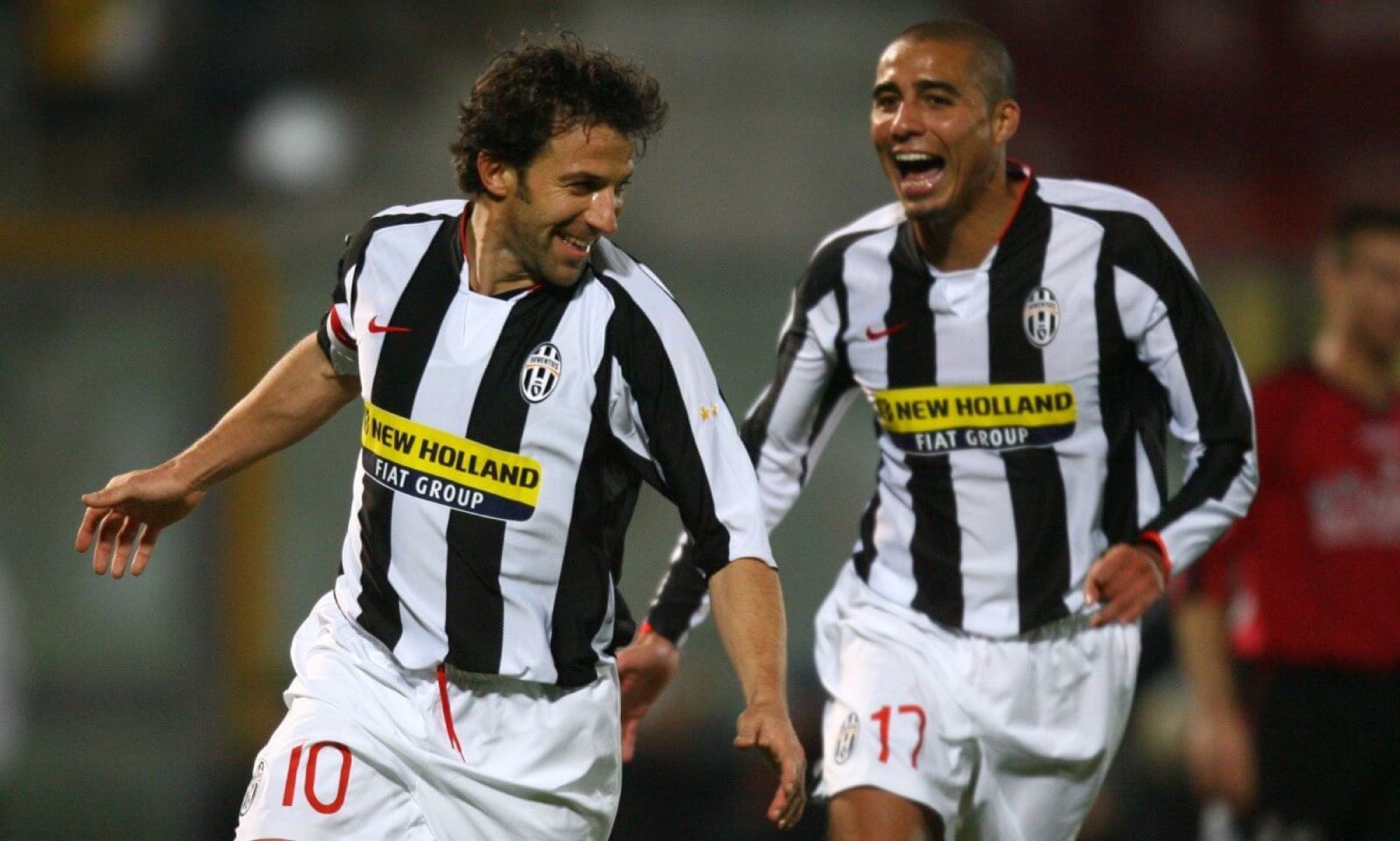
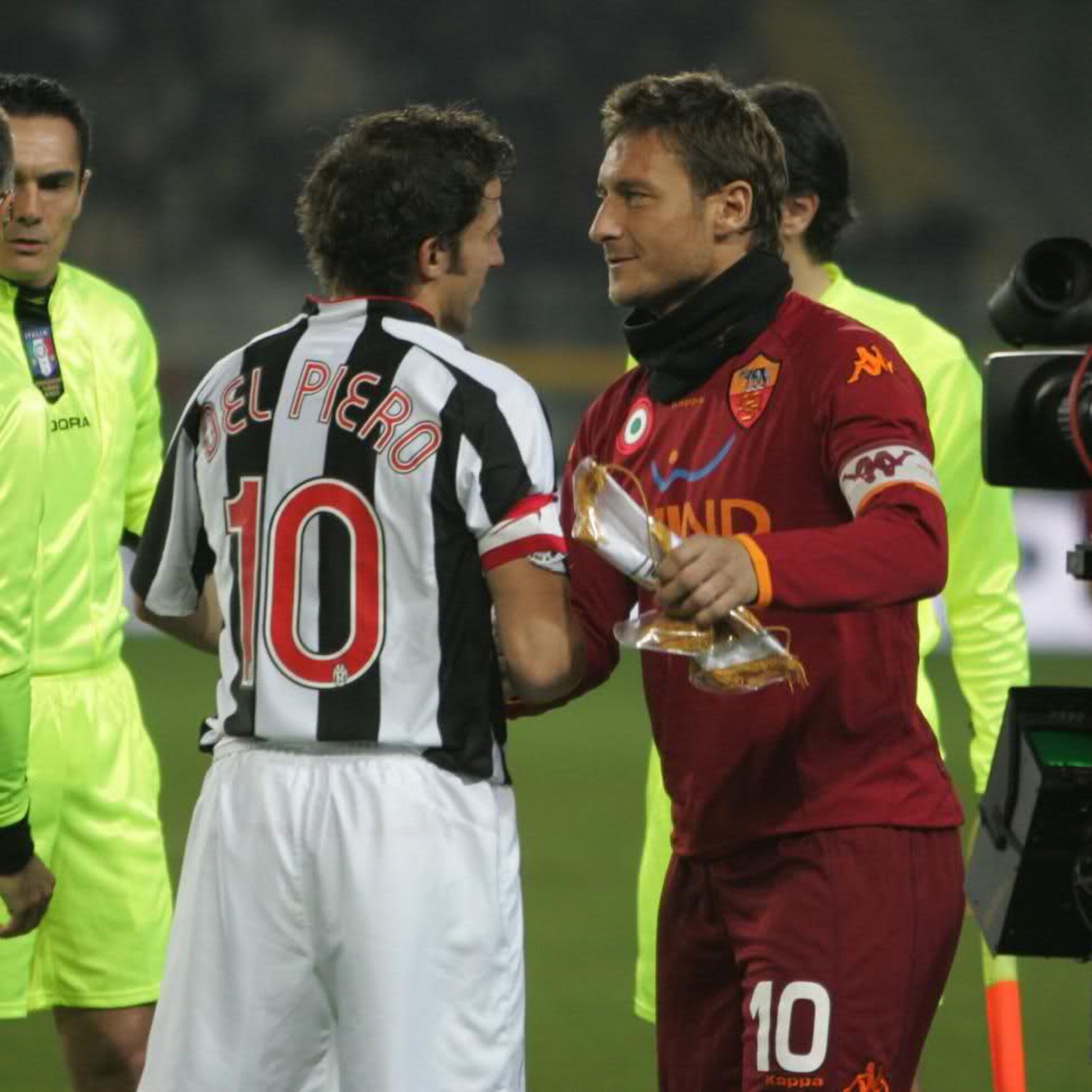
It was the first season after the promotion from Serie B, and despite the team that had dominated the second division being of very high quality, few would have imagined that Juventus would finish second. The sense of revenge, however, was very strong. It is also the only season where a red font appears on a Nike Juventus shirt, paired with the yellow commercial sponsor New Holland. That miraculous second place marks not so much the start of a supposed banter era for the Bianconeri, but the beginning of a true revival that soon leads to a run of 9 consecutive championships.
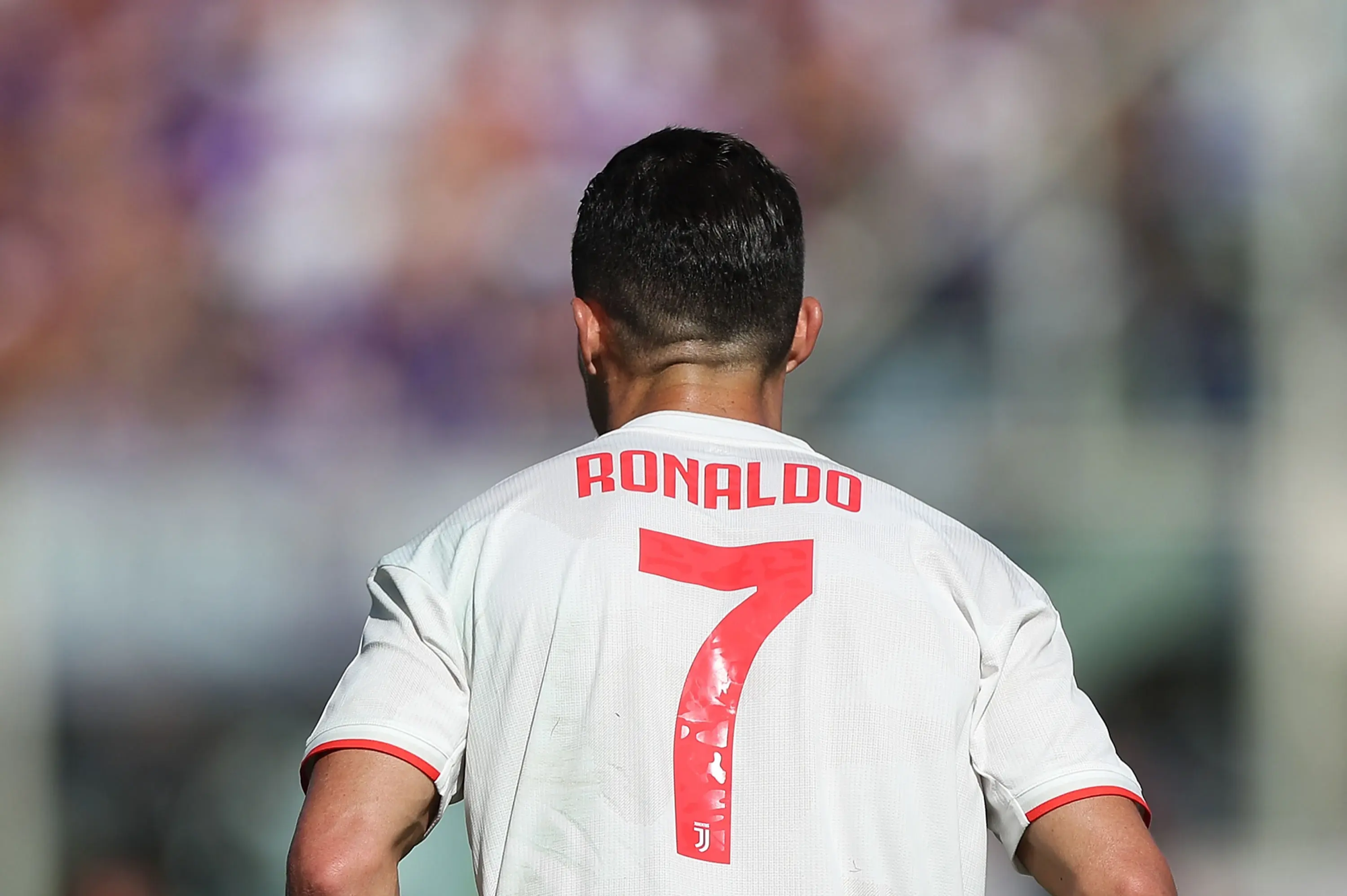
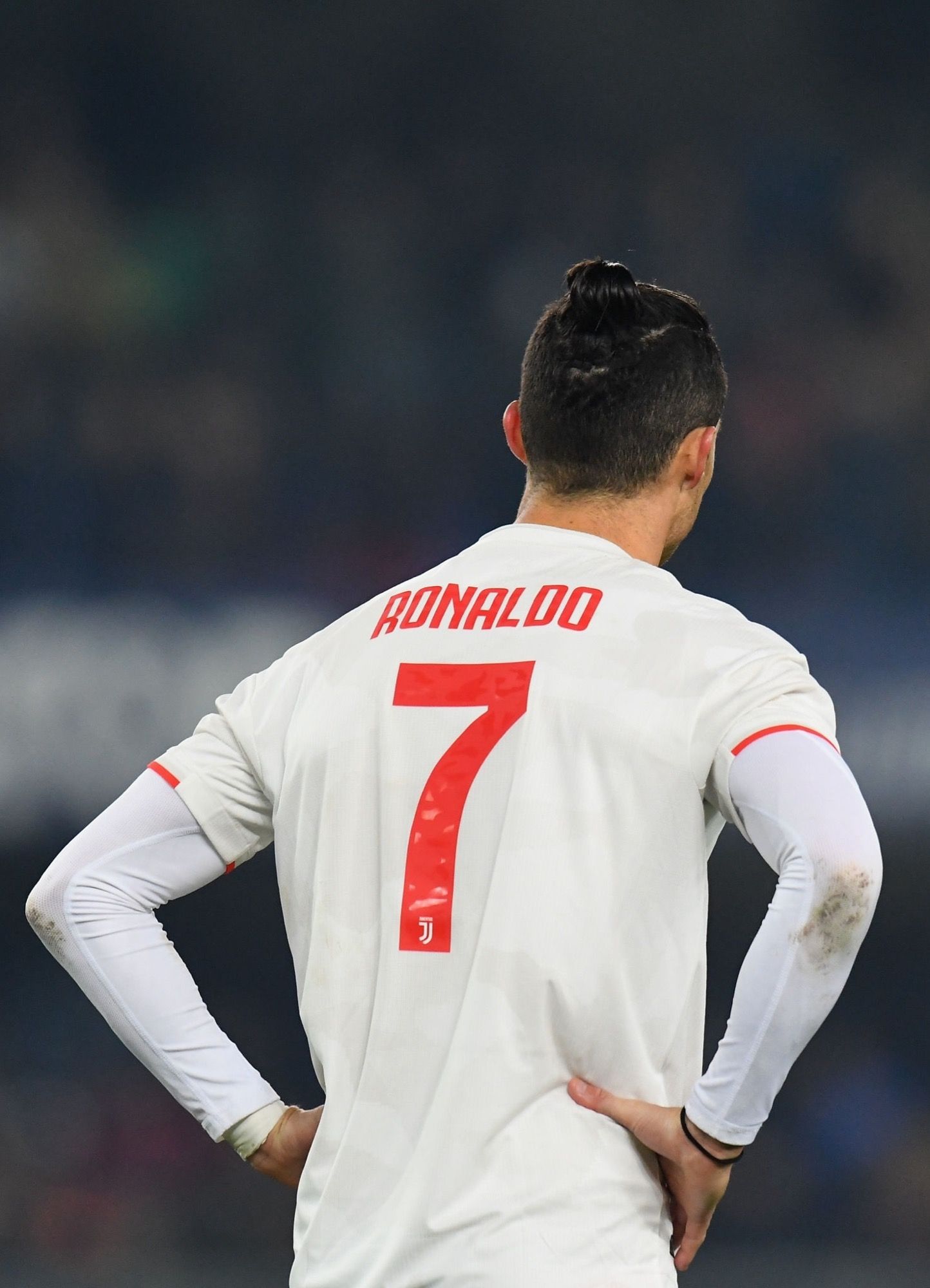
2019/2020
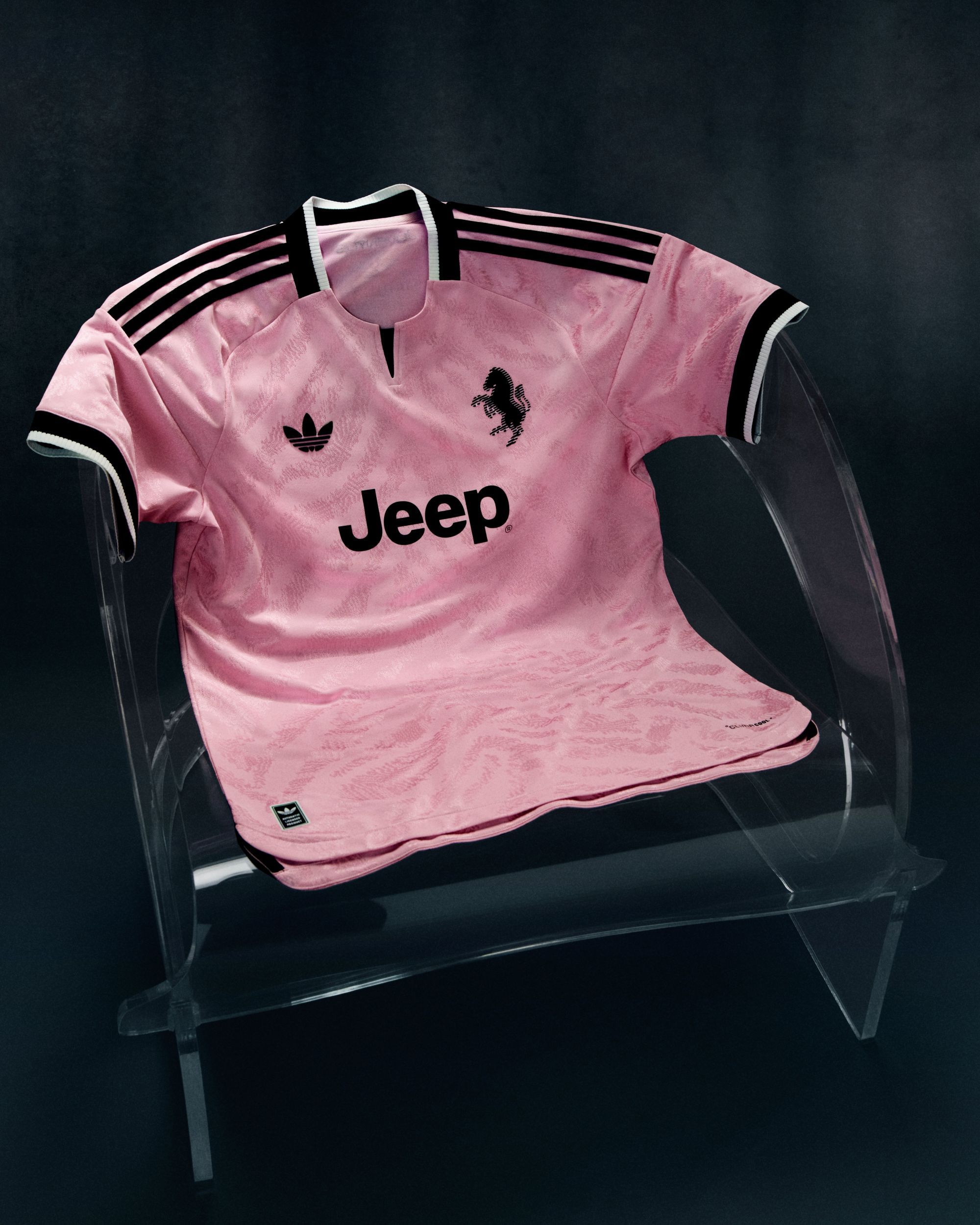
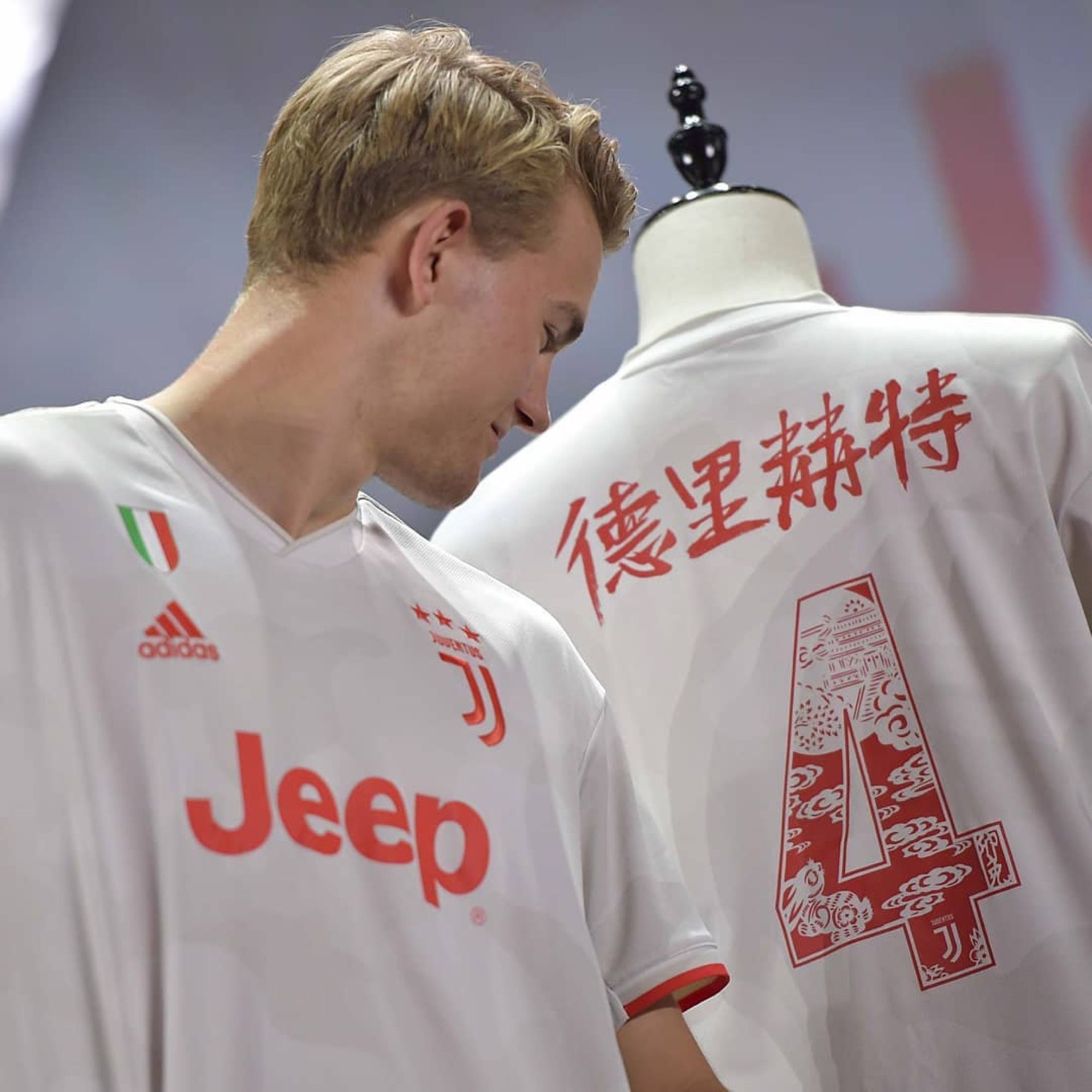
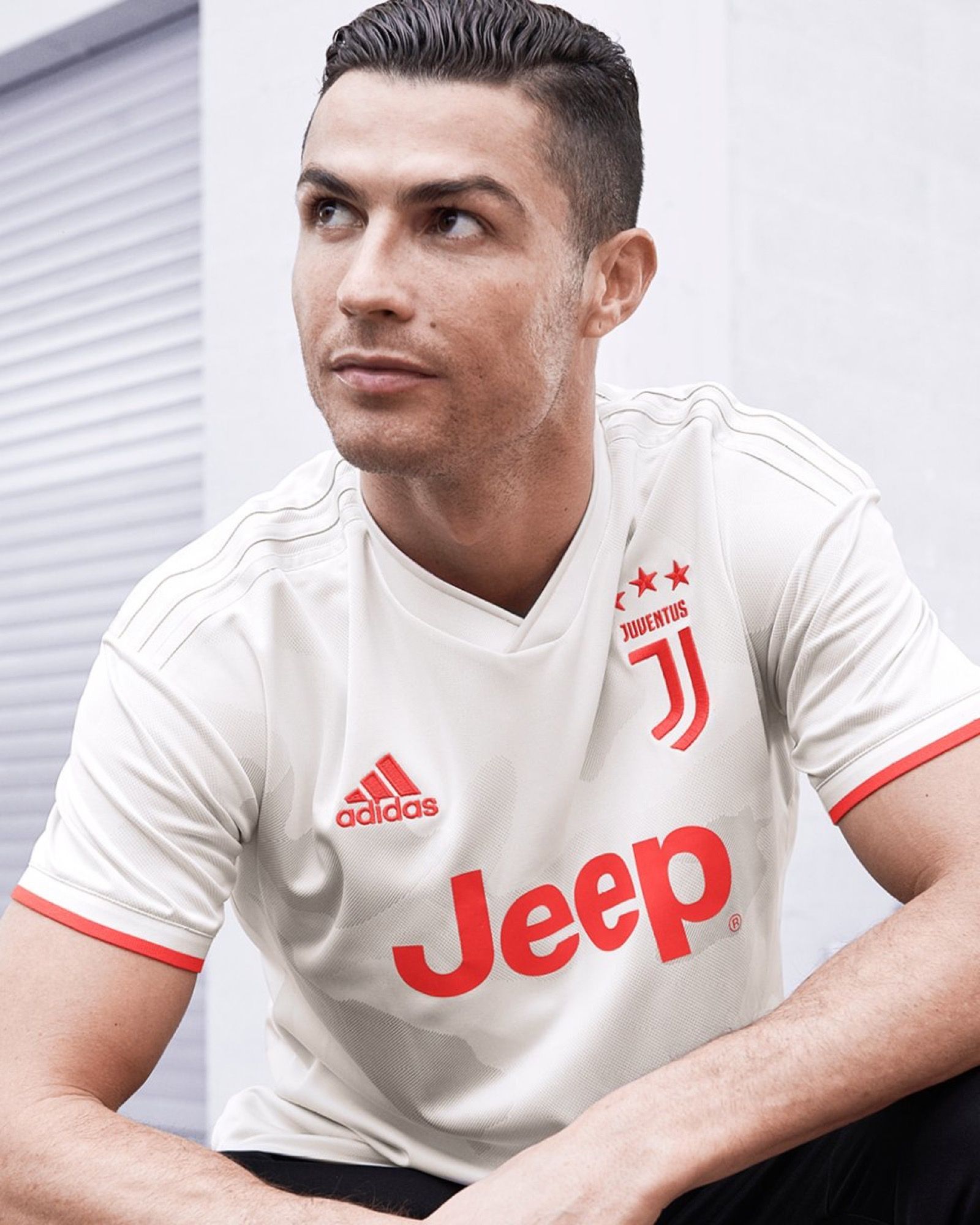
This is the season in which, for the first time, a red font appears on an adidas shirt, and on an Away shirt simultaneously. It is the season of full stadiums, before Serie A was heavily affected by the Covid-19 pandemic. The player most associated with this shirt is Cristiano Ronaldo with the ponytail. It is also a unique year for Juventus kits: the Home shirt is divisive, possibly among the worst since the adidas partnership, introduces red numbers on the Away kit, and features a special fourth kit in collaboration with Palace Skateboards, marking a before and after in the relationship between fashion and football.