History and aesthetics of the Olympic torches Essential will light up the 2026 Milano Cortina Olympics
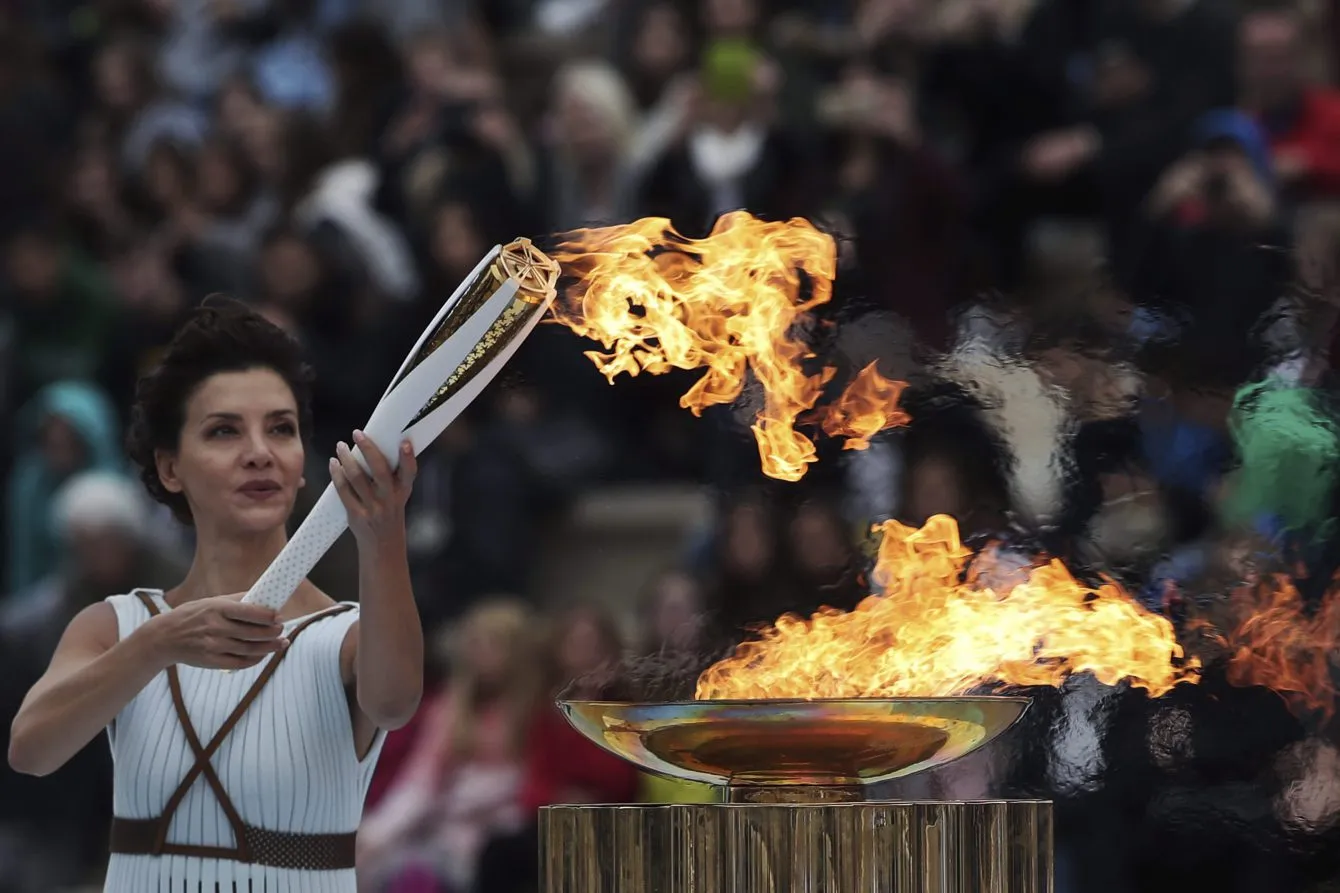
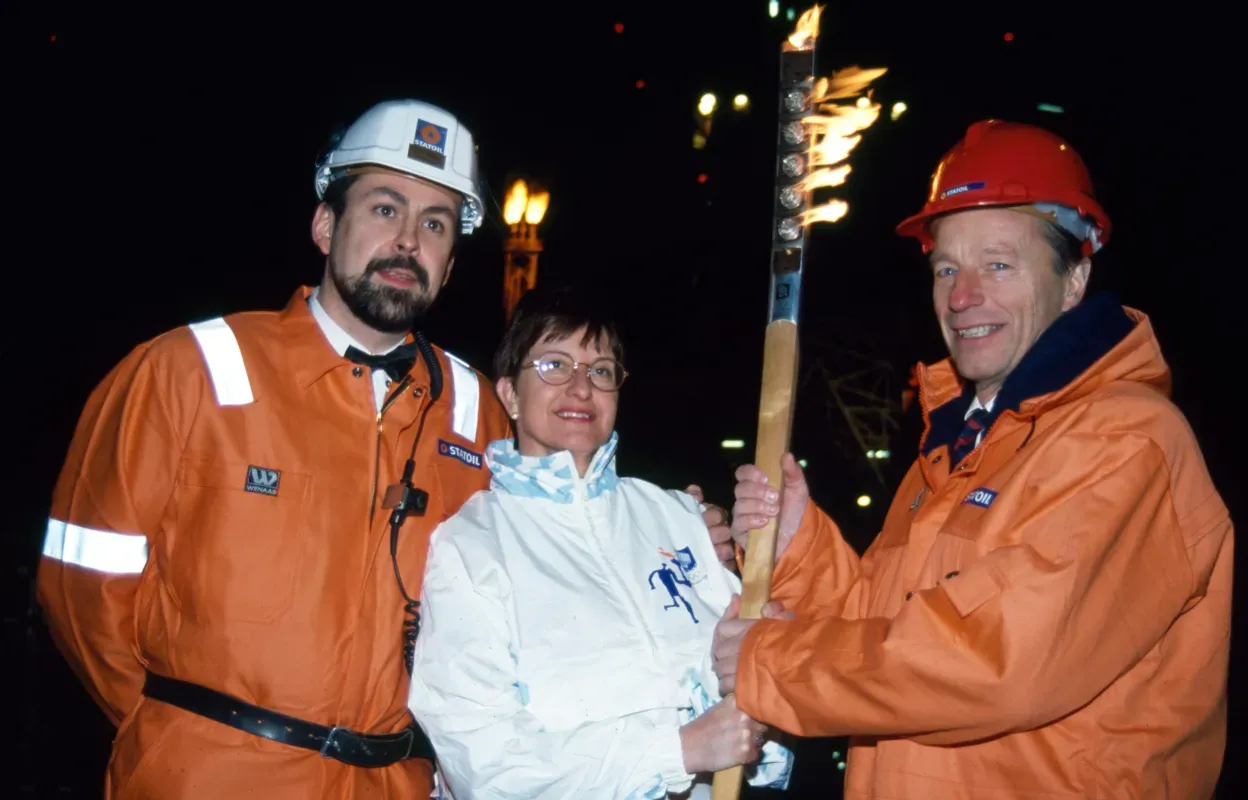
The countdown is on for the start of the Milano Cortina 2026 Winter Olympics and the arrival of the Olympic flame in the city, having passed through 300 cities and 20 regions and been carried by 10,001 torchbearers. All eyes will be on the Arco della Pace on Sunday 26 February, when the Olympic cauldron will be lit during the opening ceremony at San Siro. This will mark the end of the Essential Route, the name given to the Milan-Cortina 2026 Olympic and Paralympic torches, which were designed by Studio Carlo Ratti Associati and Cavagna Group.
The two versions can be distinguished by their colour: the one for the Olympic Games is blue, while the one for the Paralympic Games is bronze. Both have a classic design characterised by an elongated, tapered shape. Both are mainly made from recycled materials, specifically an aluminium and brass alloy. They also feature a new longitudinal opening through which torchbearers and spectators can see the internal technological components that generate the flame, as well as the flame itself as it is lit inside the shell..
Summer Olympic Games
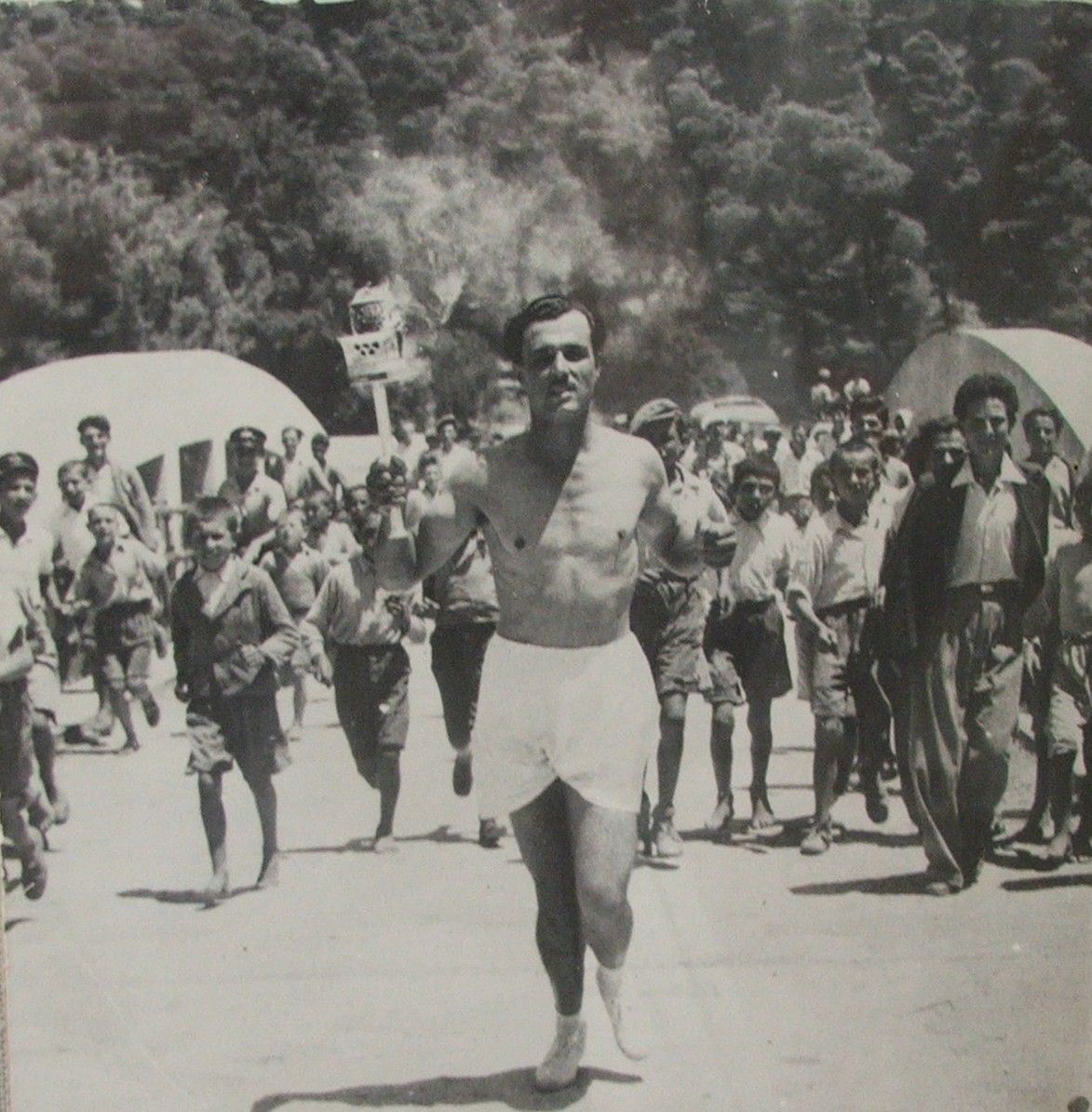
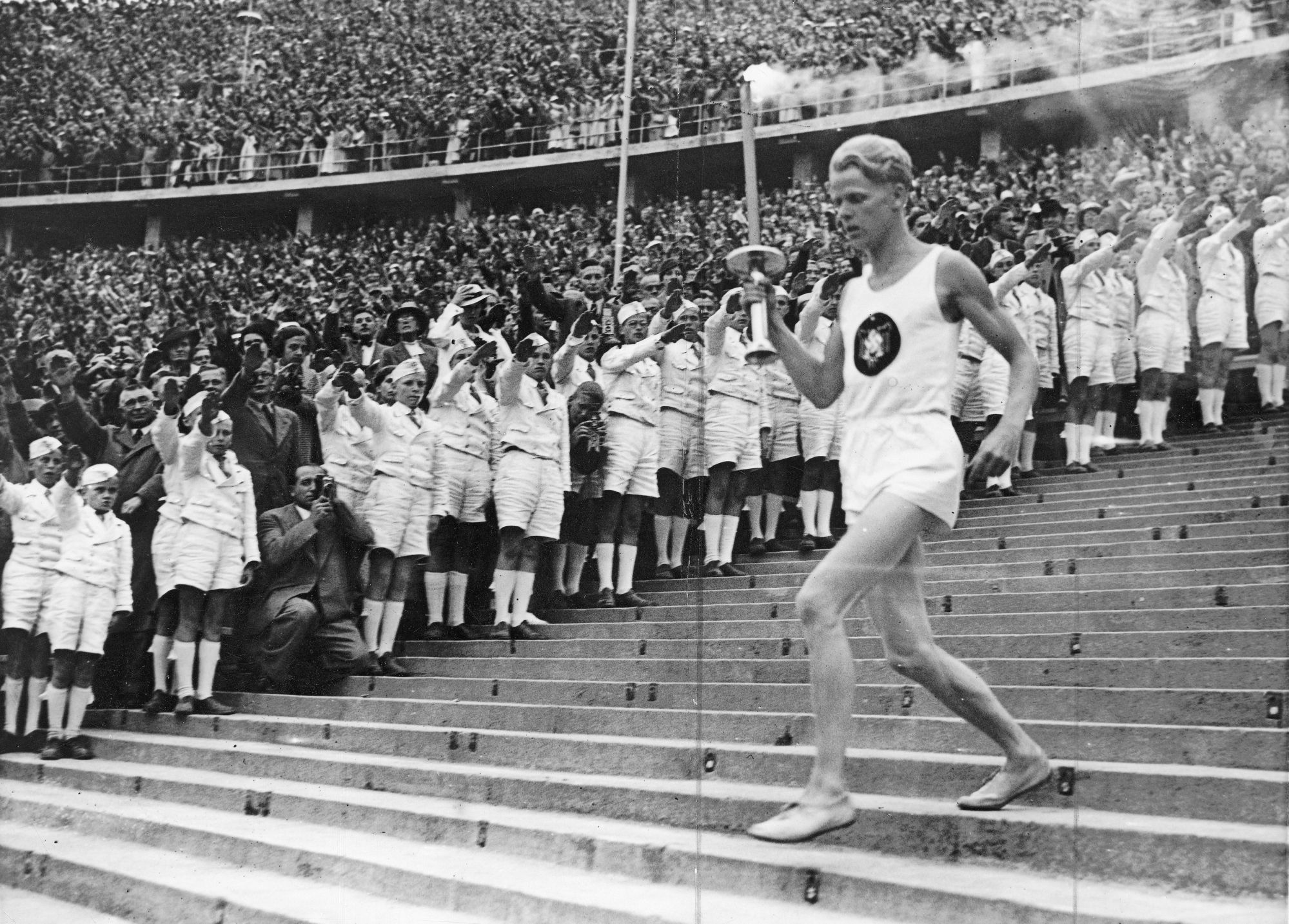
Essential is the latest chapter in the aesthetic evolution of Olympic torches, which began in 1936 with the Berlin Olympics. It was invented by Carl Diem, the official in charge of organising the event, who came up with the idea of a relay route before Adolf Hitler came to power in Germany. The very first Olympic torch was a small silver tower, on top of which a plate held the burning flame. The grip was hand-engraved with an eagle — the symbol of Nazi Germany — and the phrase "Fackel Staffel Lauf Olympia Berlin 1936".
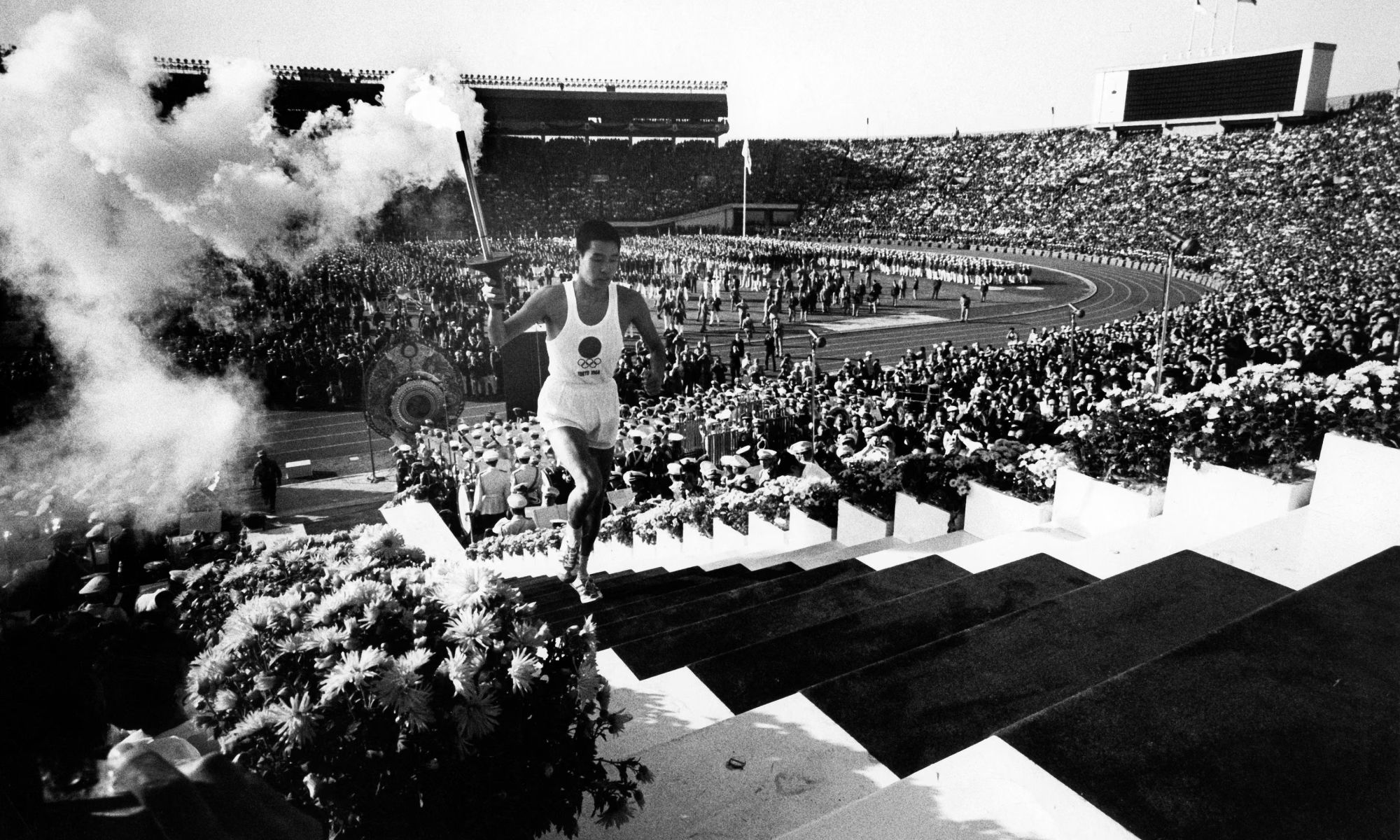
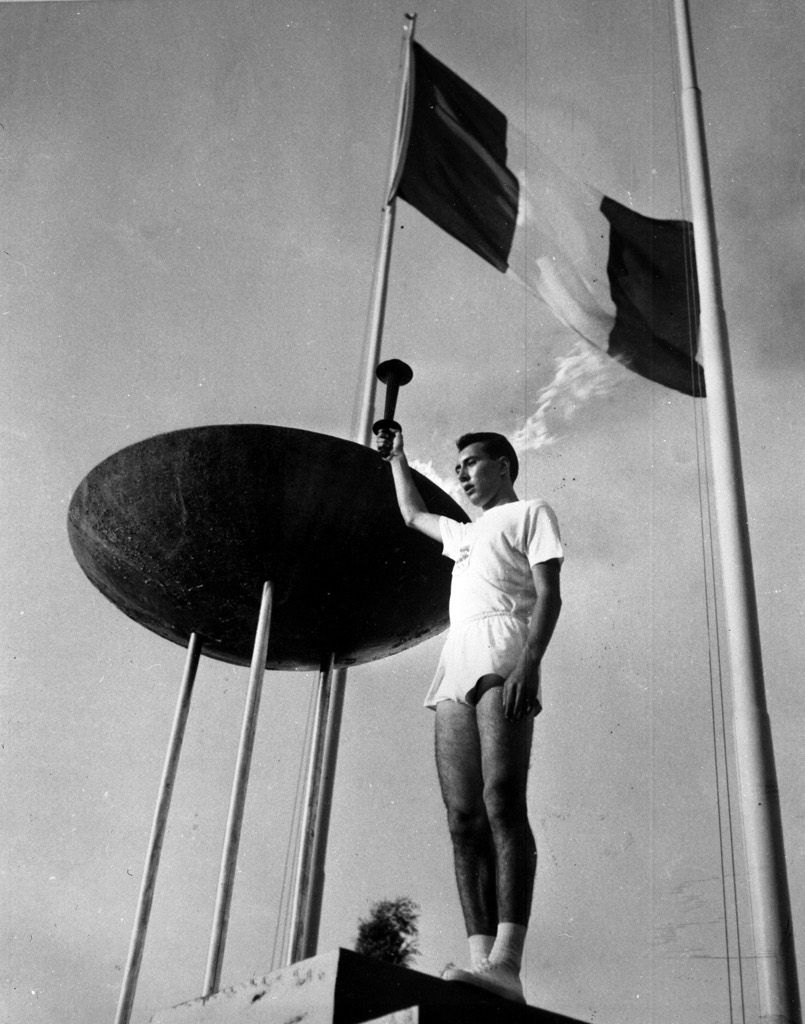
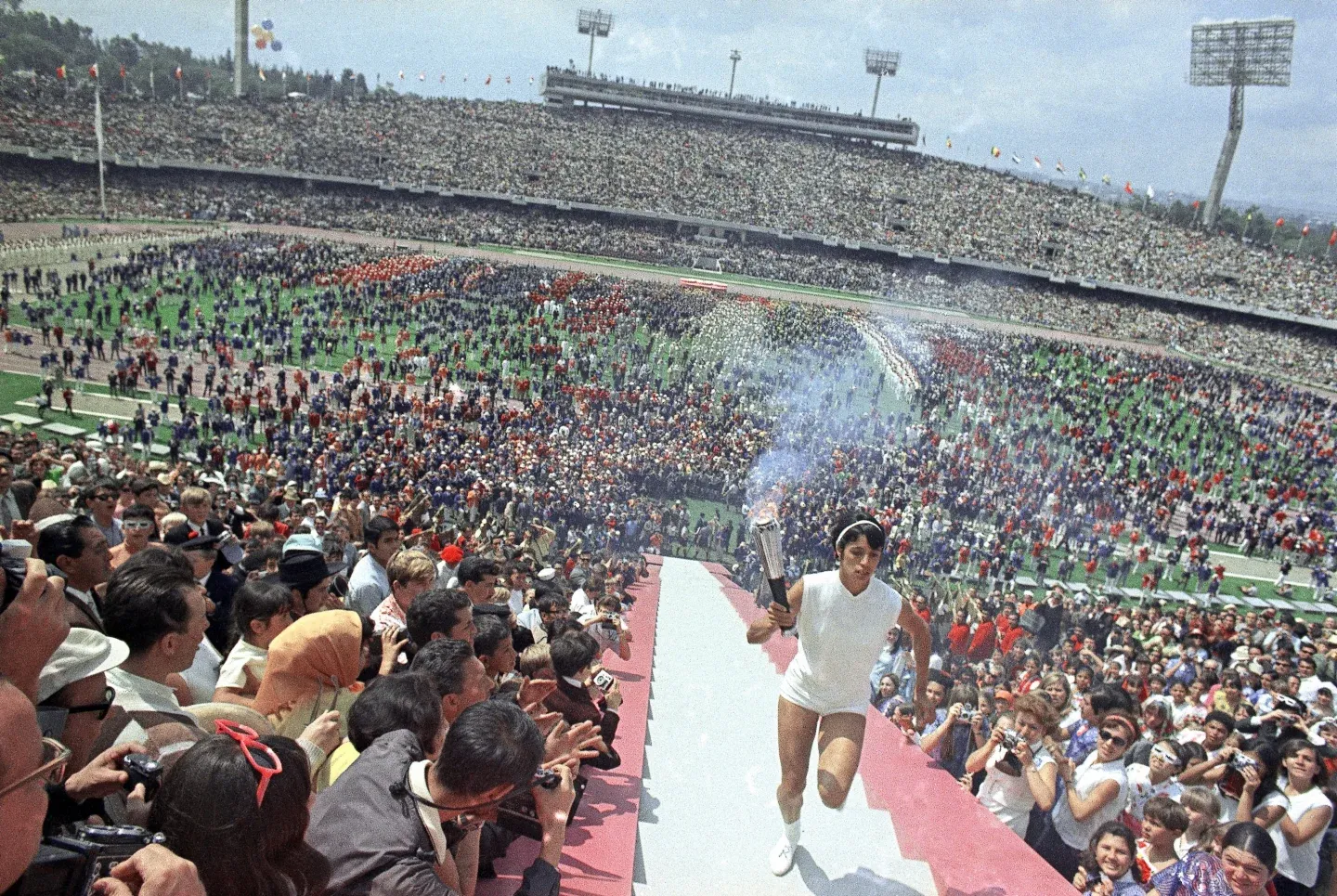
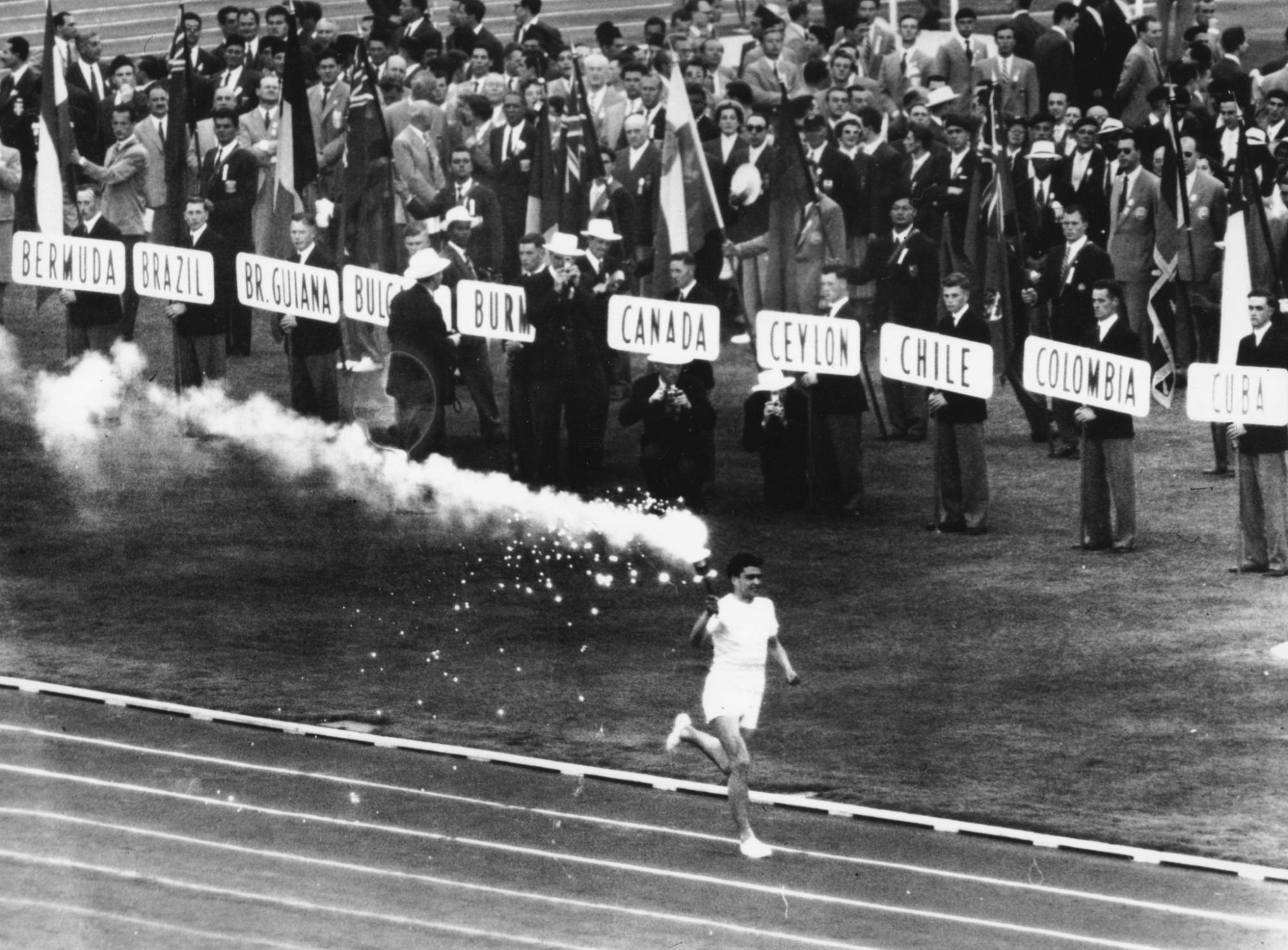
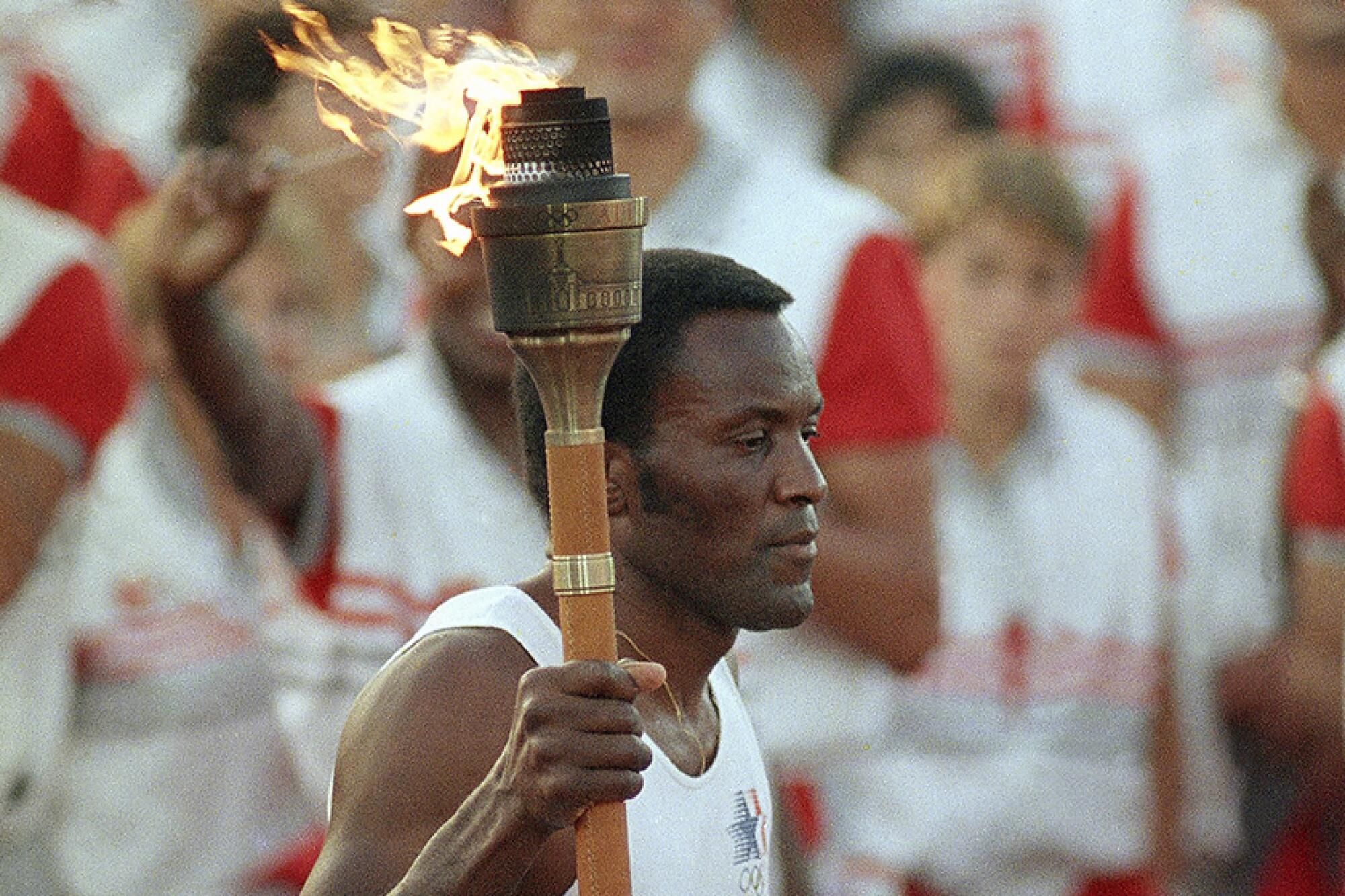
The Olympic Committee embraced the idea of an Olympic torch that could carry the sacred flame from Olympia to the host city of the Games so enthusiastically that, when it became possible to organise a new edition after the end of World War II, the torch was proposed again for the 1948 London Games. The design was based on the form of an Olympic brazier, in miniature, on top of a metal handle. The first modification to this design came with the Tokyo 1964 Olympic Games, featuring a torch with a thin, tubular structure that rested on a plate to recreate the effect of a foil. This design was used repeatedly up to the 1996 Atlanta Games, with one exception: the 1968 Mexico City edition. In this case, a metalwork piece with vertical grooves across the surface was proposed, with "Mexico 68" engraved twice on the metal at the top. This torch entered history thanks to Enriqueta Basilio Sotelo, the first woman to serve as the final torchbearer and light the Olympic flame..
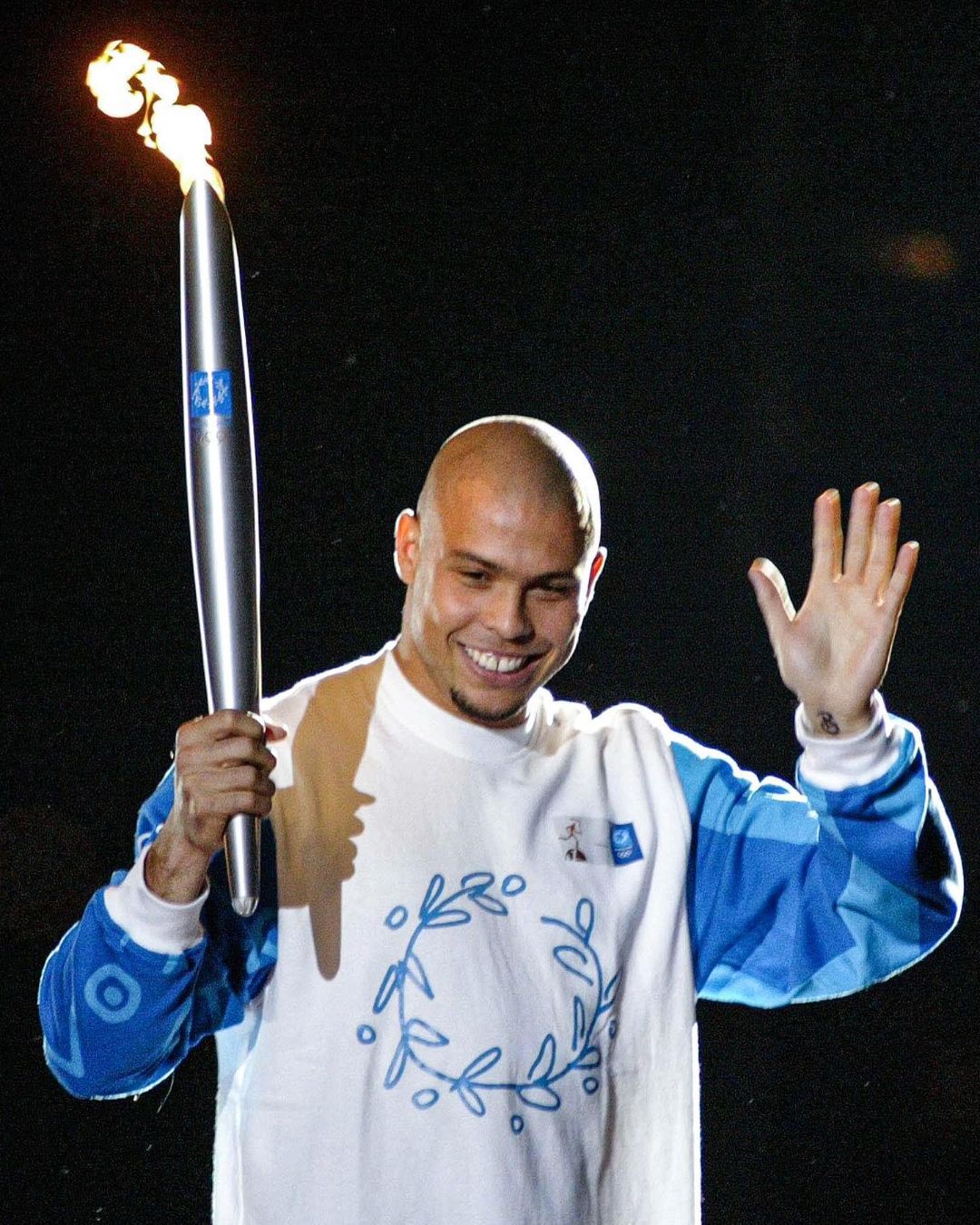
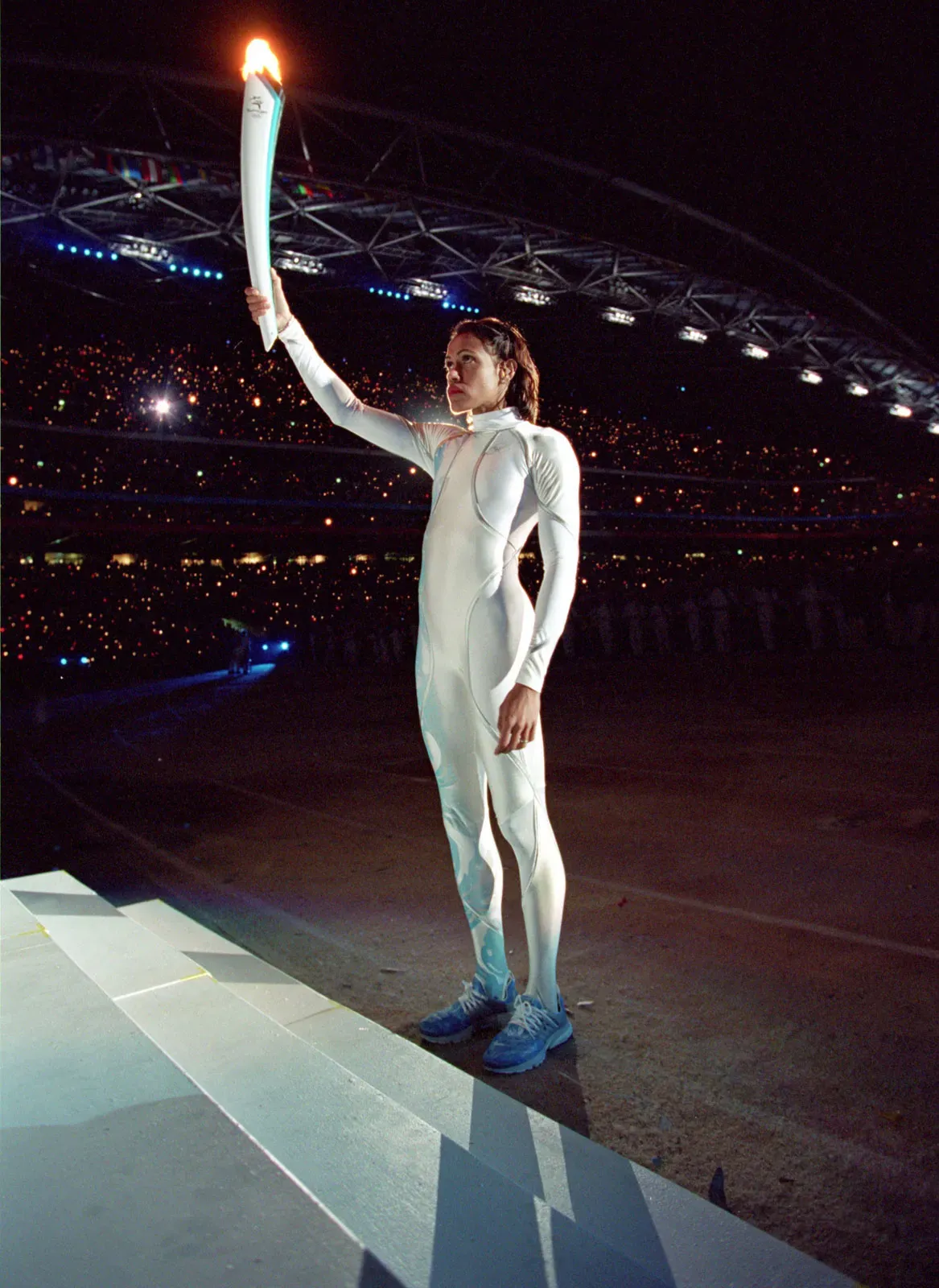
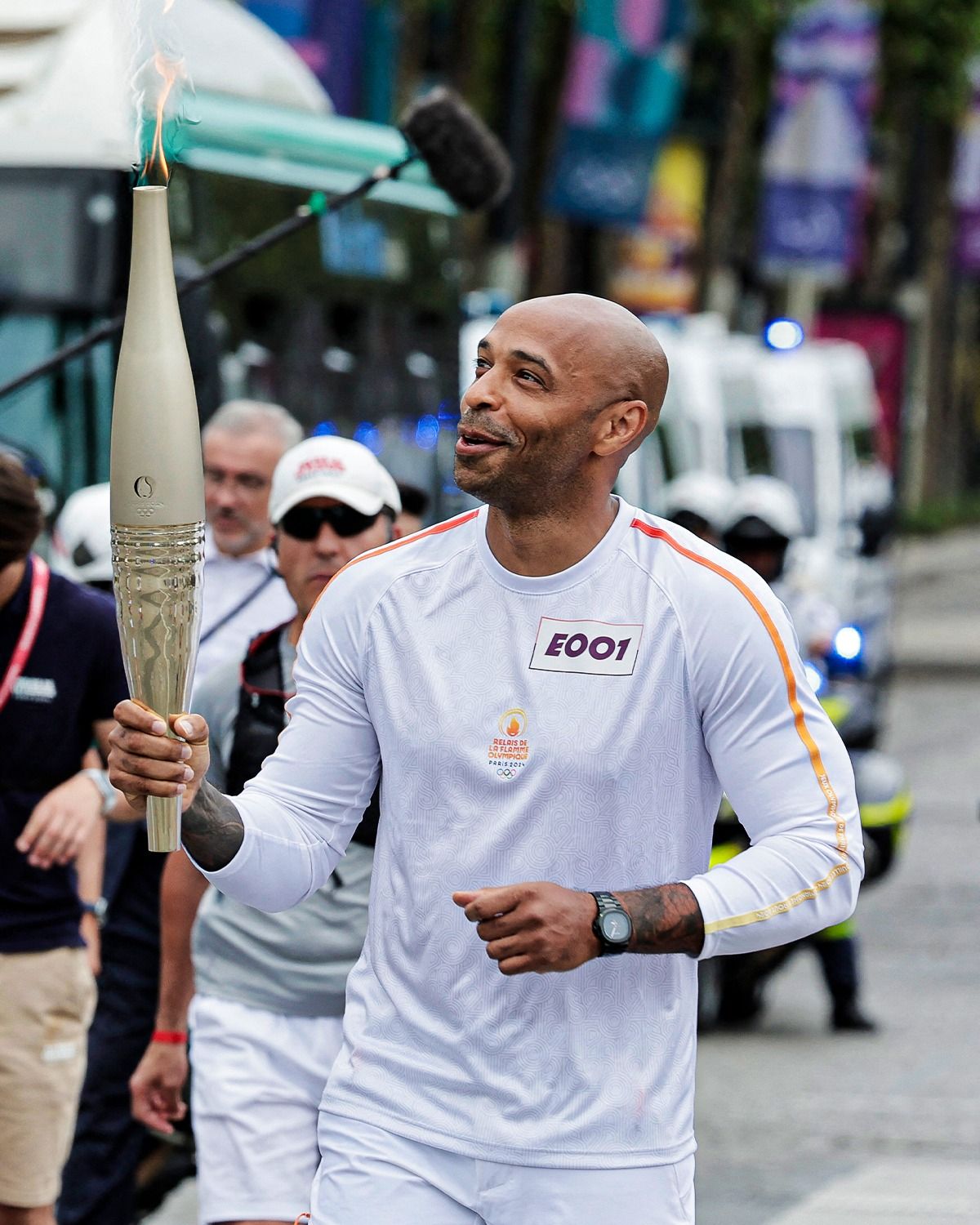
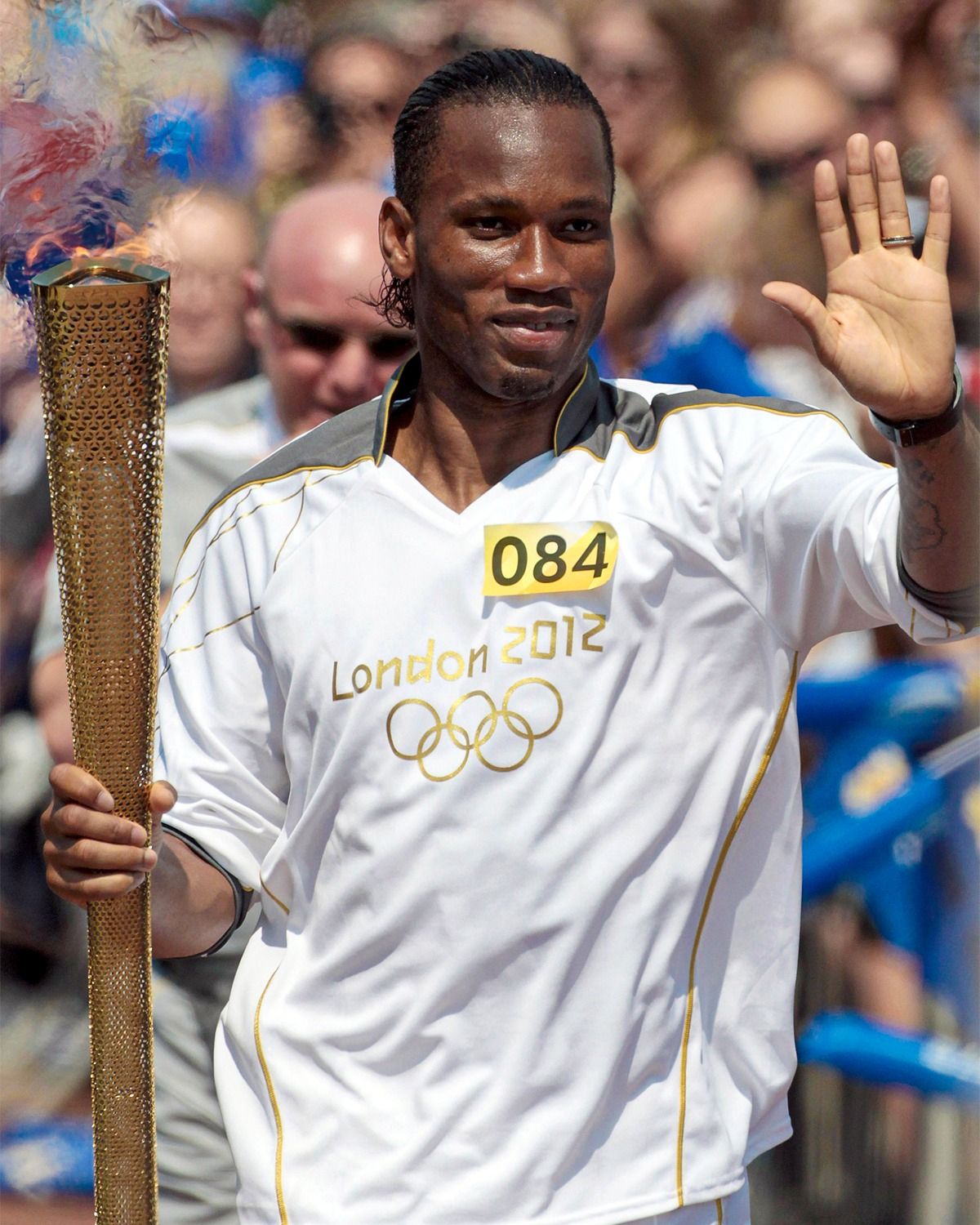
The real breakthrough came with the Sydney 2000 Games, when a boomerang-inspired torch made of three different layers was introduced. For the 2004 Athens Games, a unique vertical design was introduced, confirming that the concept of a brazier on top of a handle was a thing of the past. This avant-garde aesthetic continued with the torches for Beijing 2008 and Rio 2016. However, the brazier did not disappear completely, instead being reinterpreted in different forms for the London 2012 and Tokyo 2020 Games. For the Paris 2024 Games, Mathieu Lehanneur created a futuristic torch.
Winter Olympic Games
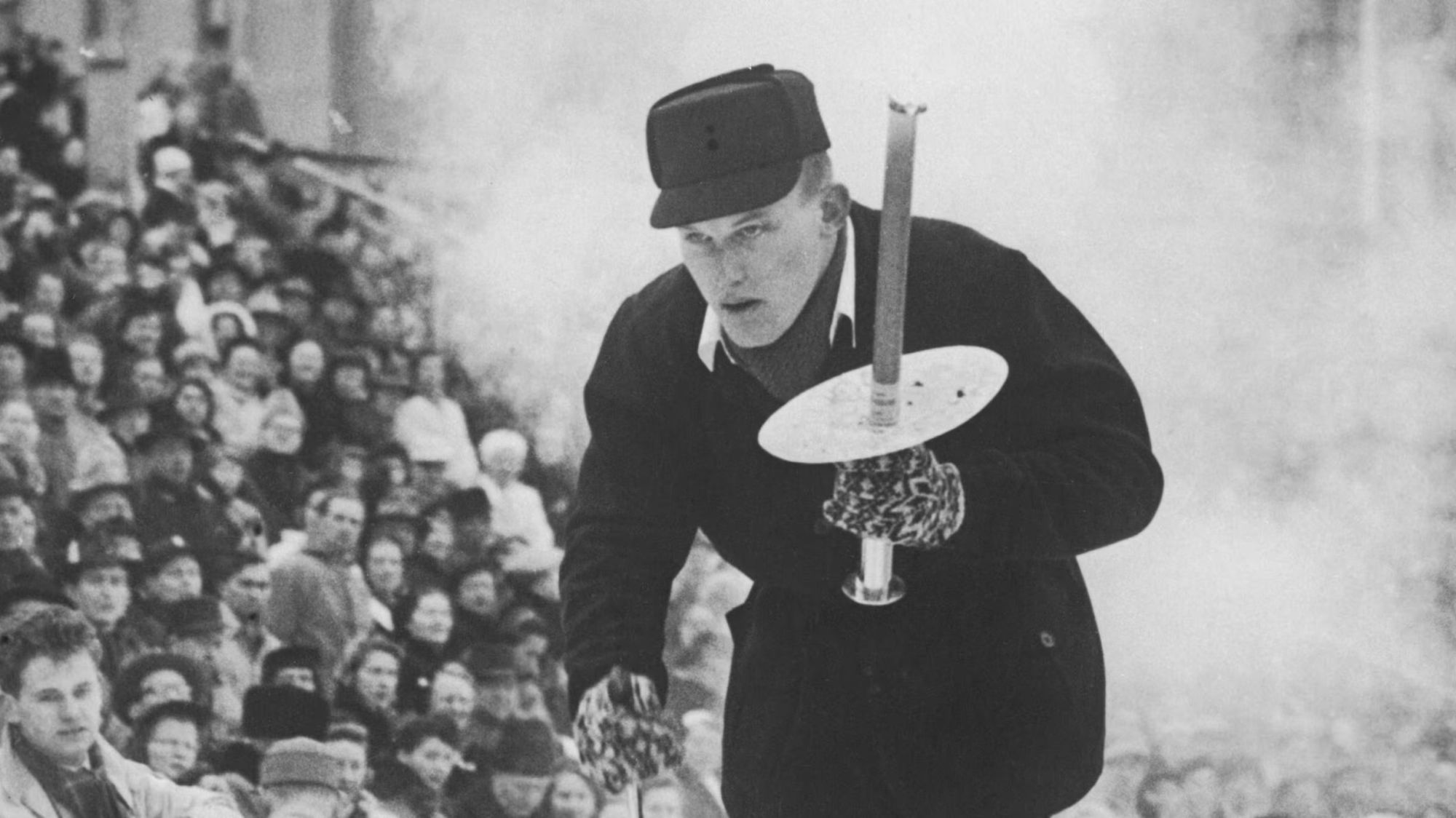
Torches for the Winter Olympics debuted in 1952 in Oslo, featuring a design that inevitably recalled braziers: a large plate at one end of the handle, with a long metal tube installed on top to make carrying the flame and lighting the cauldron easier. However, the Cortina 1956 Games marked the start of the torch trend, as for that edition and the next three, albeit with some thematic variations, a torch characterised by a long, slender handle with a small brazier to gather the flame was used.
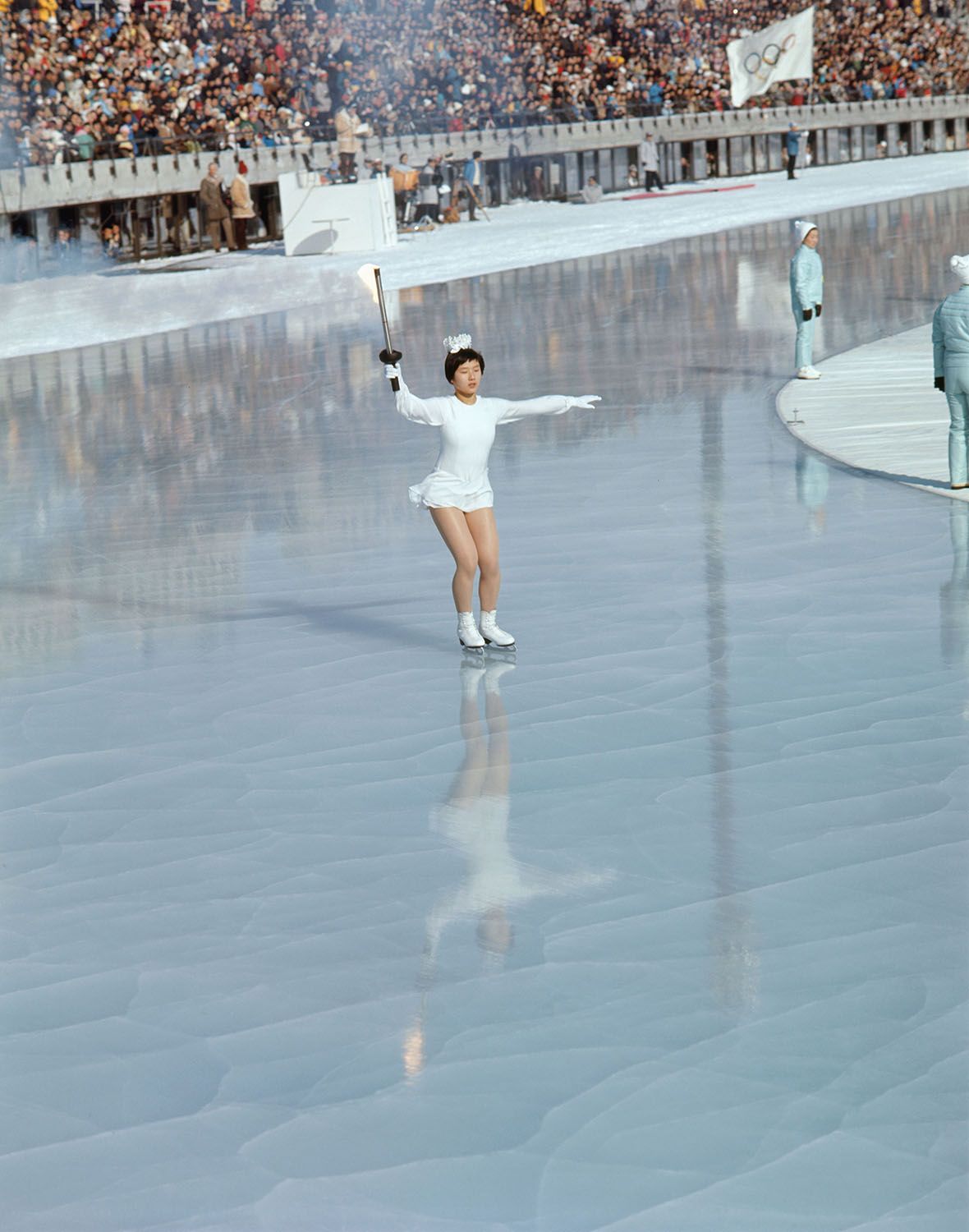
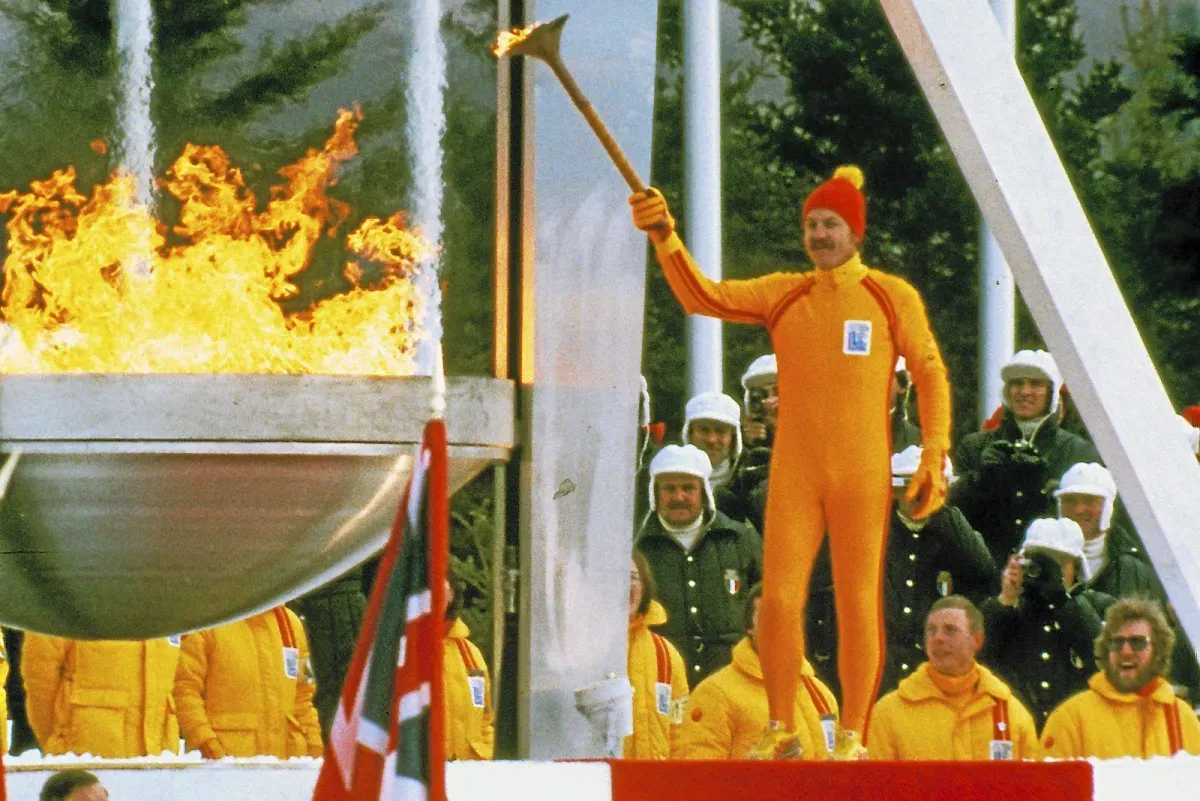
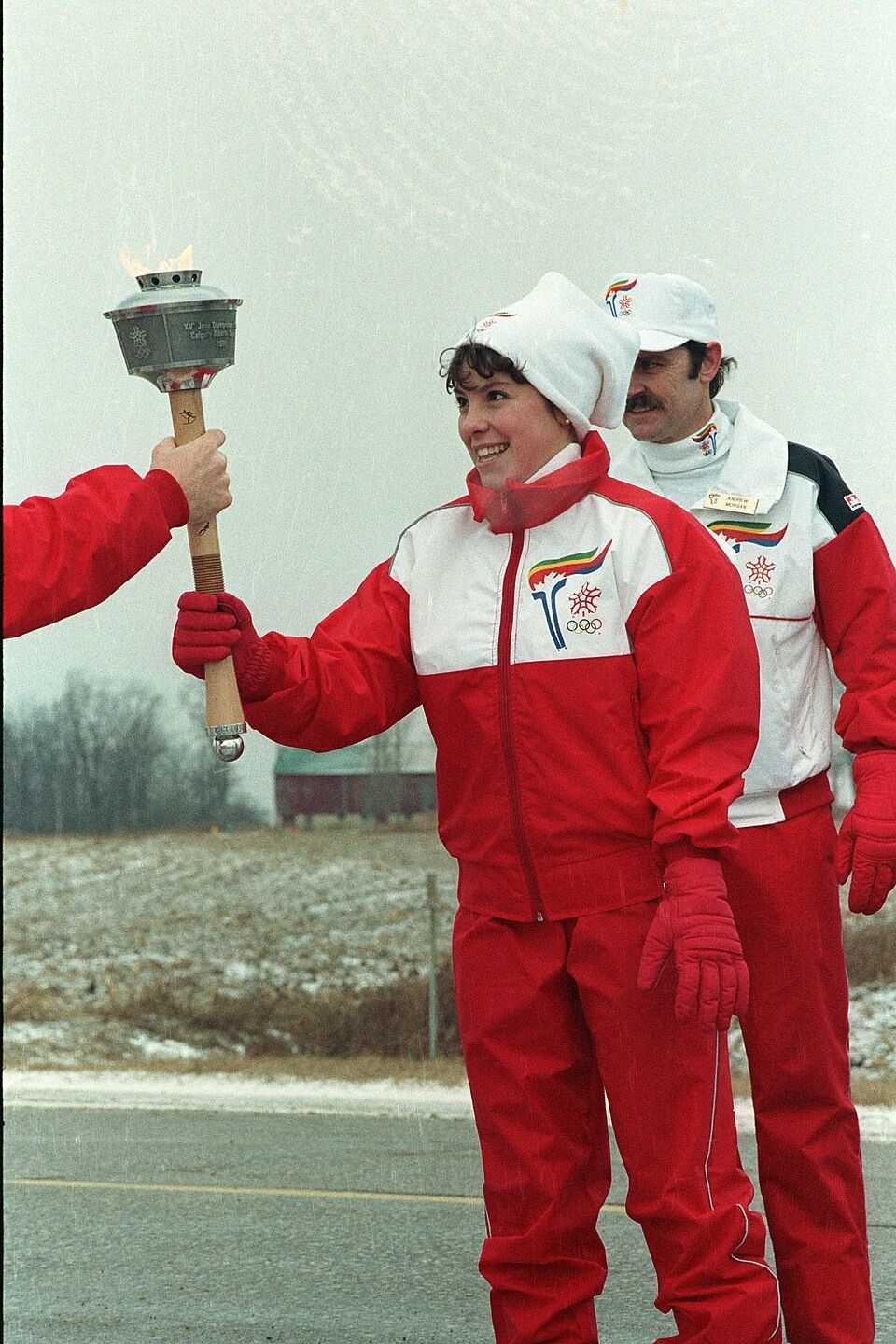
The 1972 Sapporo Olympics marked an aesthetic turning point, adopting the design introduced at the 1968 Tokyo Olympics. This design featured a thin, cylindrical tube that was reminiscent of samurai swords. This design was so influential that it was reused with minor variations in Innsbruck (1976), Lake Placid (1980), Sarajevo (1984) and finally Calgary (1988). The Calgary torch is notable for its maple wood handle, which features laser-engraved sport pictograms.
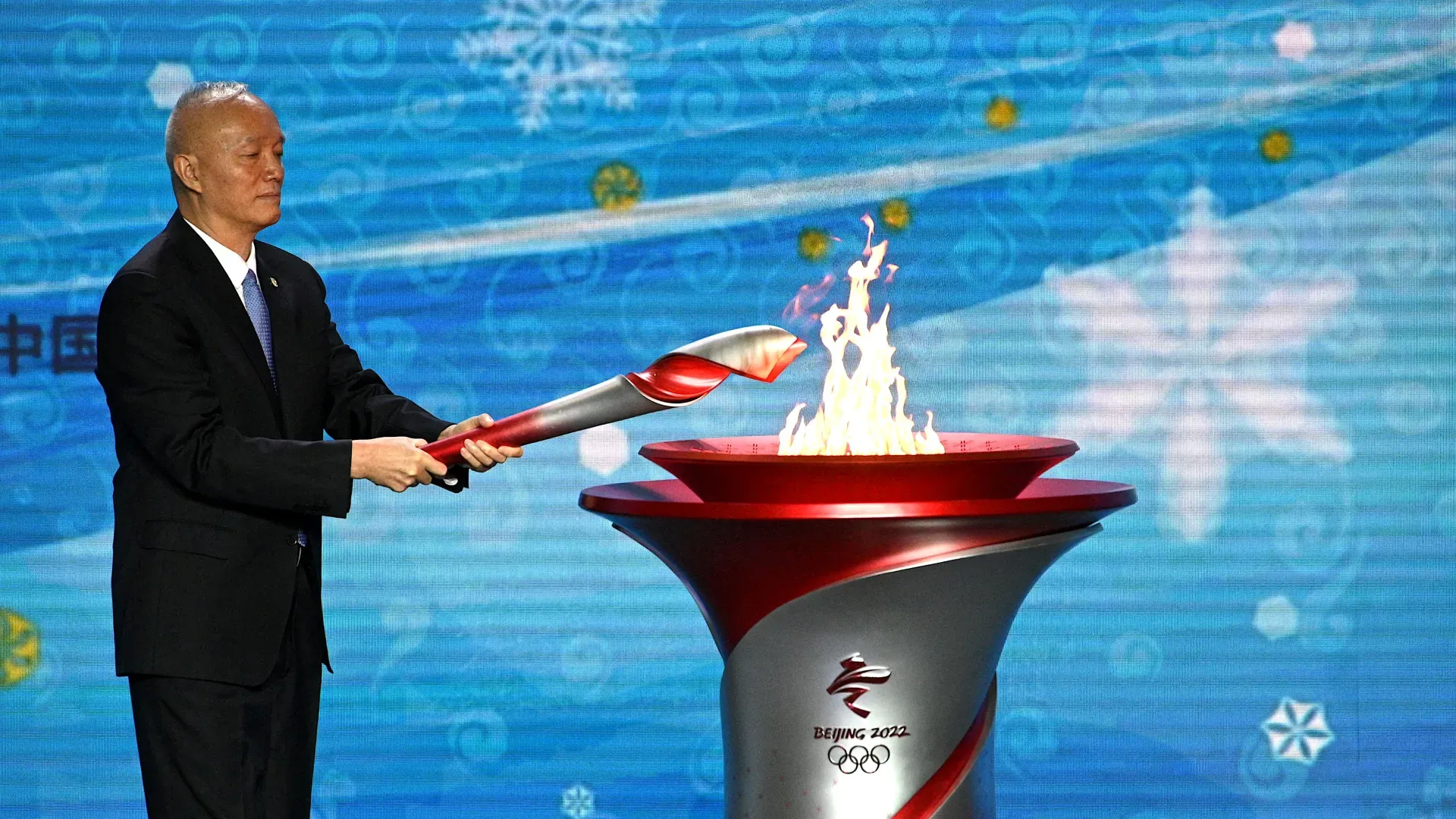
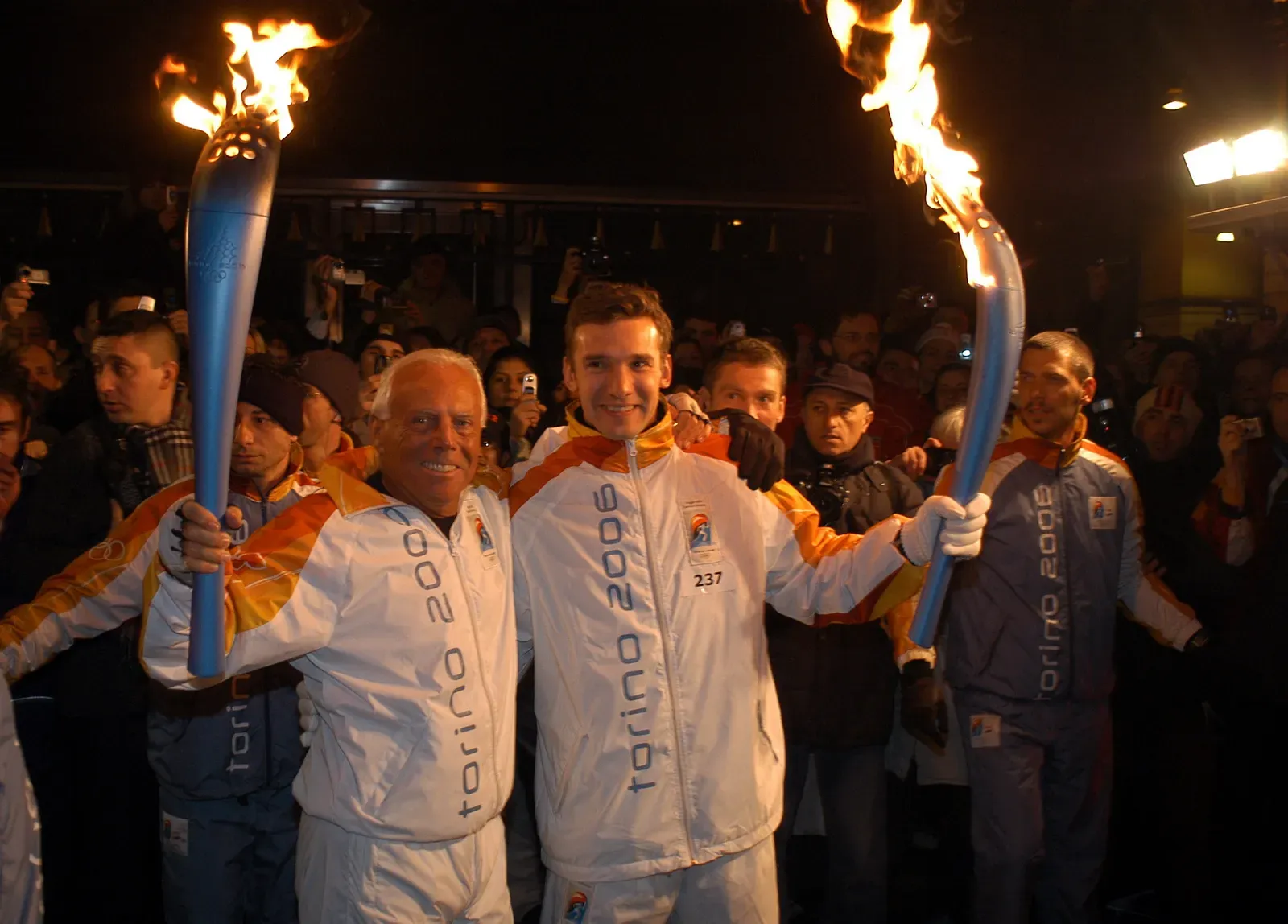
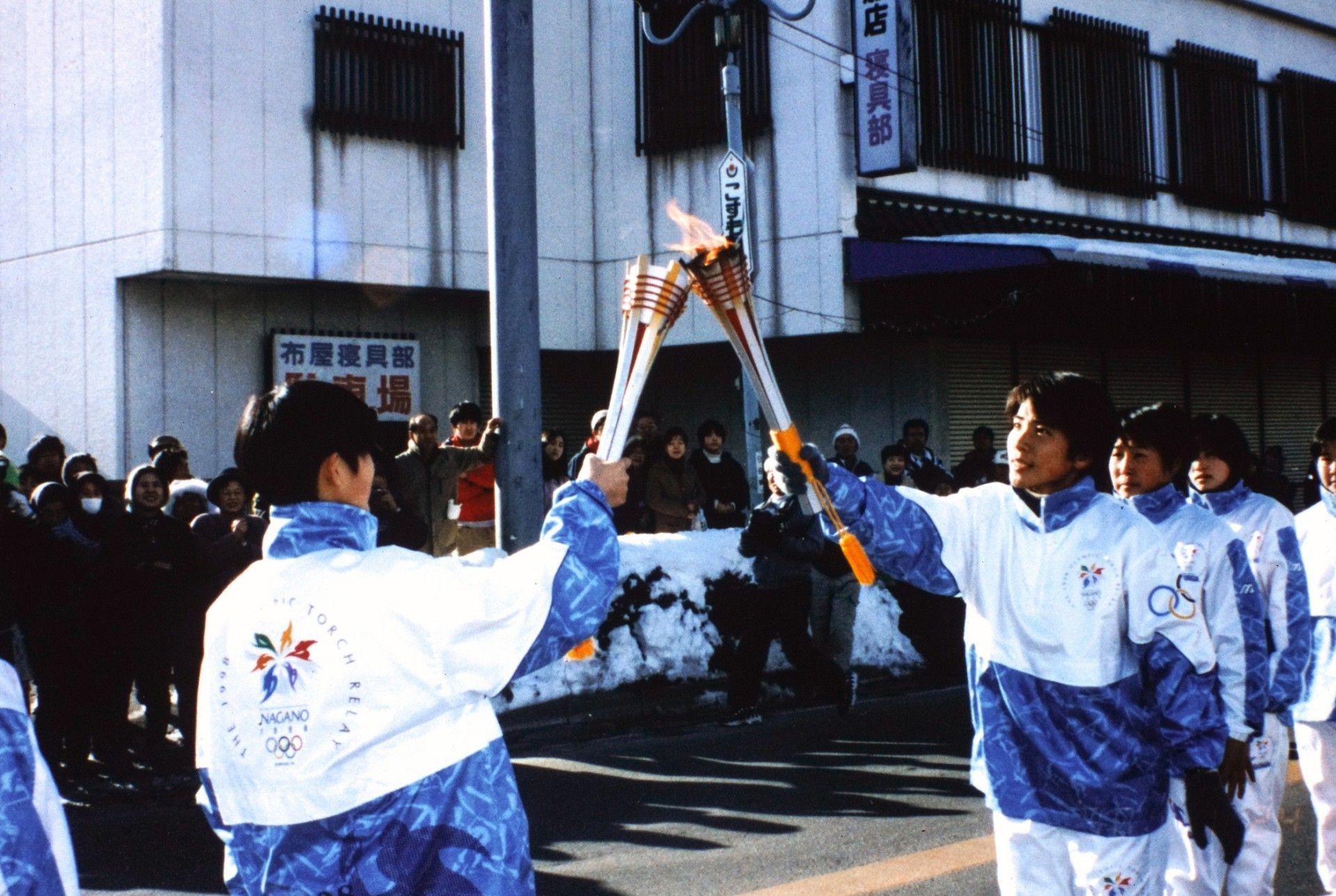
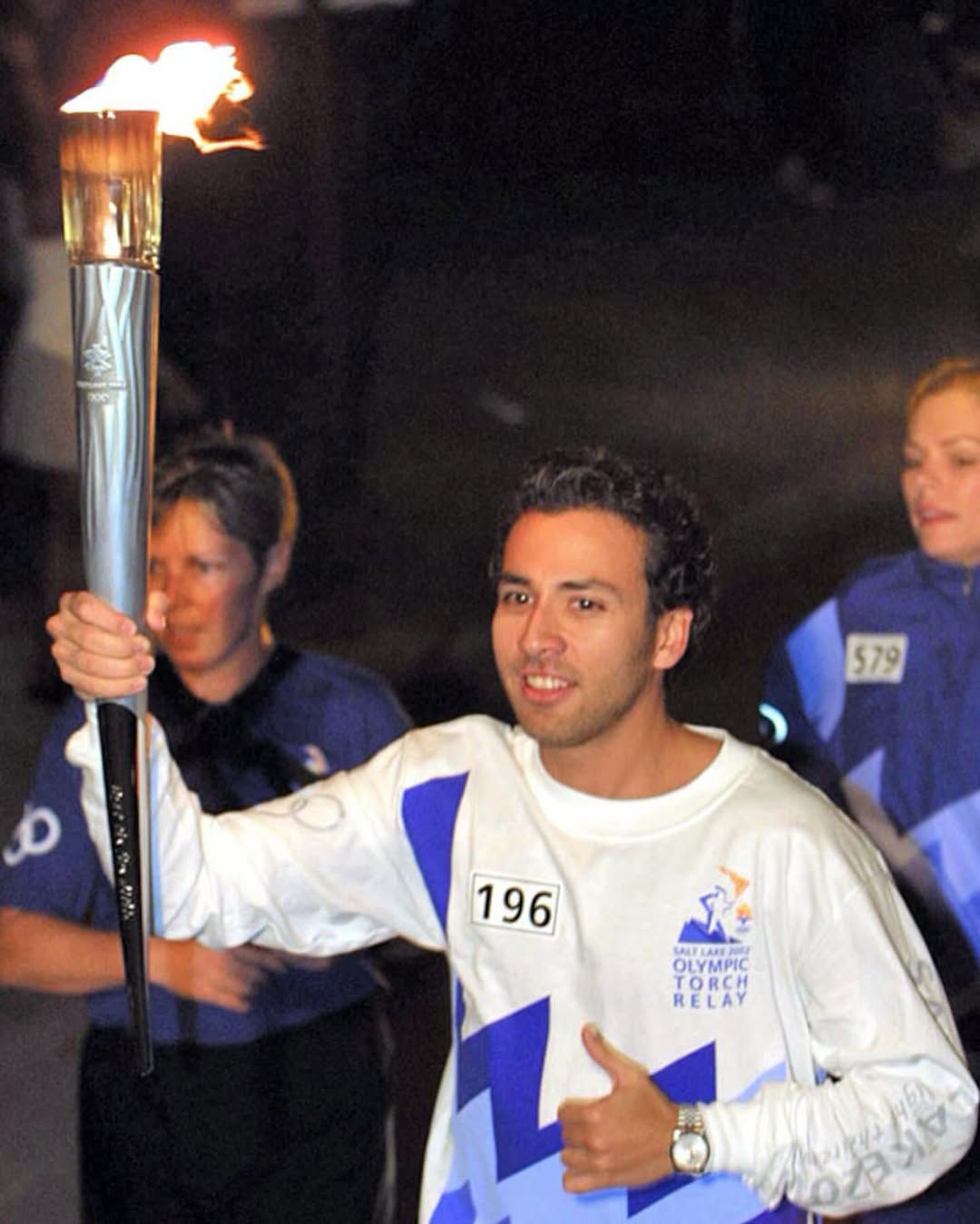
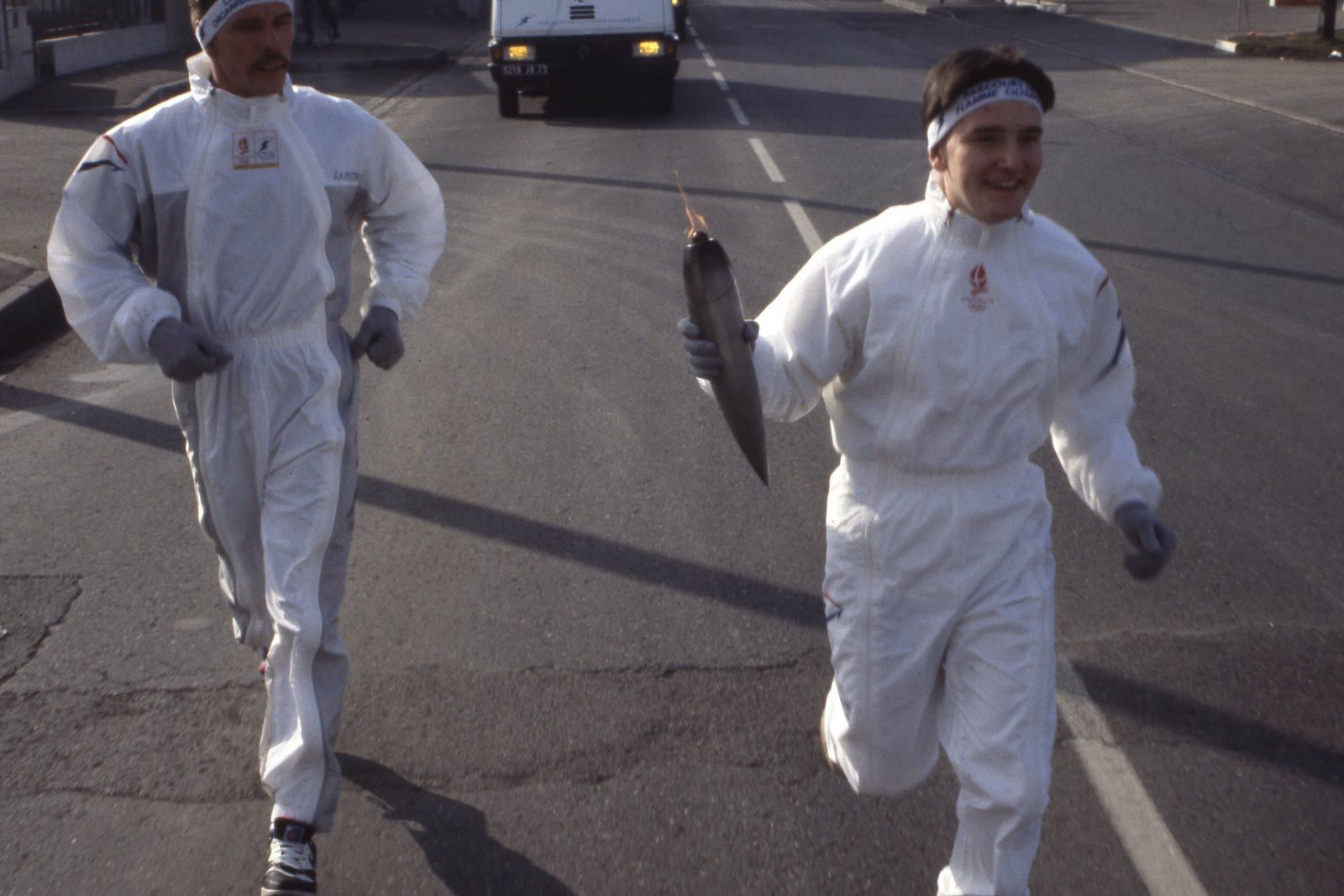
The Albertville 1992 edition marks a break with tradition, introducing an inverted horn shape designed by Philippe Starck. Even more surprising was the design used for the 1994 Winter Olympics in Lillehammer: a slim silhouette in which birch wood blends with pictograms embedded in a copper section, completed by an aluminium finish. Natural elements inspired the Nagano 1998 design, which featured a hexagonal design representing snow crystals, and the Salt Lake City 2002 design, which took the form of a stalactite. A tribute to architecture was made for the Torino 2006 Olympic torch, designed by Pininfarina to recall both a ski and the shape of the Mole Antonelliana. This modern design was built upon for subsequent editions, with flowing lines defining the Vancouver 2010 torch, a feather-shaped torch inspired by the phoenix for Sochi 2014, and a five-pointed brazier for PyeongChang 2018. Finally, Beijing 2022 featured tapered lines with red and silver stripes running parallel, paying homage to traditional Chinese aesthetics.
What to read next
Australia is expected to steal the spotlight at the 2026 Paralympics
Thanks to a refined look designed by R.M.Williams
From podium to partnership: the Milano Cortina effect on athletes
When medals turn into media value