




















Will Marty Supreme be able to replicate the Challengers effect? A very hard challenge
Amid the chatter about a probable breakup between Timothée Chalamet and Kylie Jenner, who appeared together at the Los Angeles premiere of Marty Supreme on December 8, many may have overlooked the accessory chosen by the actor to complete his custom Chrome Hearts look: a crossbody bag shaped like a ping-pong paddle – or rather, an actual paddle case – made entirely of black leather and decorated with the brand’s iconic gothic crosses that cover its entire surface. The reason for that bag is very simple: Marty Supreme, the film by Josh Safdie, which will be released globally between the very last days of 2025 and January 2026, tells the story of a plot and the adventures of its protagonist that intertwine (also) with the obsession of the character played by Timothée Chalamet for ping pong. In short, two years after the release of Challengers by Luca Guadagnino, which had centered its communication around a tennis-oriented aesthetic (some may remember the heel with a tennis ball designed by Jonathan Anderson and worn by Zendaya at the film’s Rome premiere), with Marty Supreme too – albeit to a lesser extent – the same modus operandi may be repeated.
The Challengers case
In short, if Challengers has been just one of many examples of how tennis is increasingly gaining space in pop culture, the challenge will be far more complex for Marty Supreme. Not only because ping pong is a much less popular sport than tennis, but also because of the film’s setting (the 1960s for Marty Supreme, the present day for Challengers) and the different centrality of the sport within the plot: in Marty Supreme, the protagonist pursues his passion amid a frenetic, almost outlaw-like life, with ping pong playing a less central role than tennis does in Challengers. All elements that will hardly allow a more niche aesthetic like that of ping pong to permeate pop culture. With tennis it was much easier, also because at the time of Challengers' release there were already numerous films that not only placed its aesthetic at the center of the narrative, but almost on the same level as the plot and the complexity of the characters: from now-classic movies like Wimbledon with Kirsten Dunst and Match Point by Woody Allen, to more recent titles such as Borg vs McEnroe and King Richard, tennis has proven to have a strong ability to transfer its emotions and electric tension to the big screen, combined with a highly recognizable aesthetic.
The aesthetics of ping pong
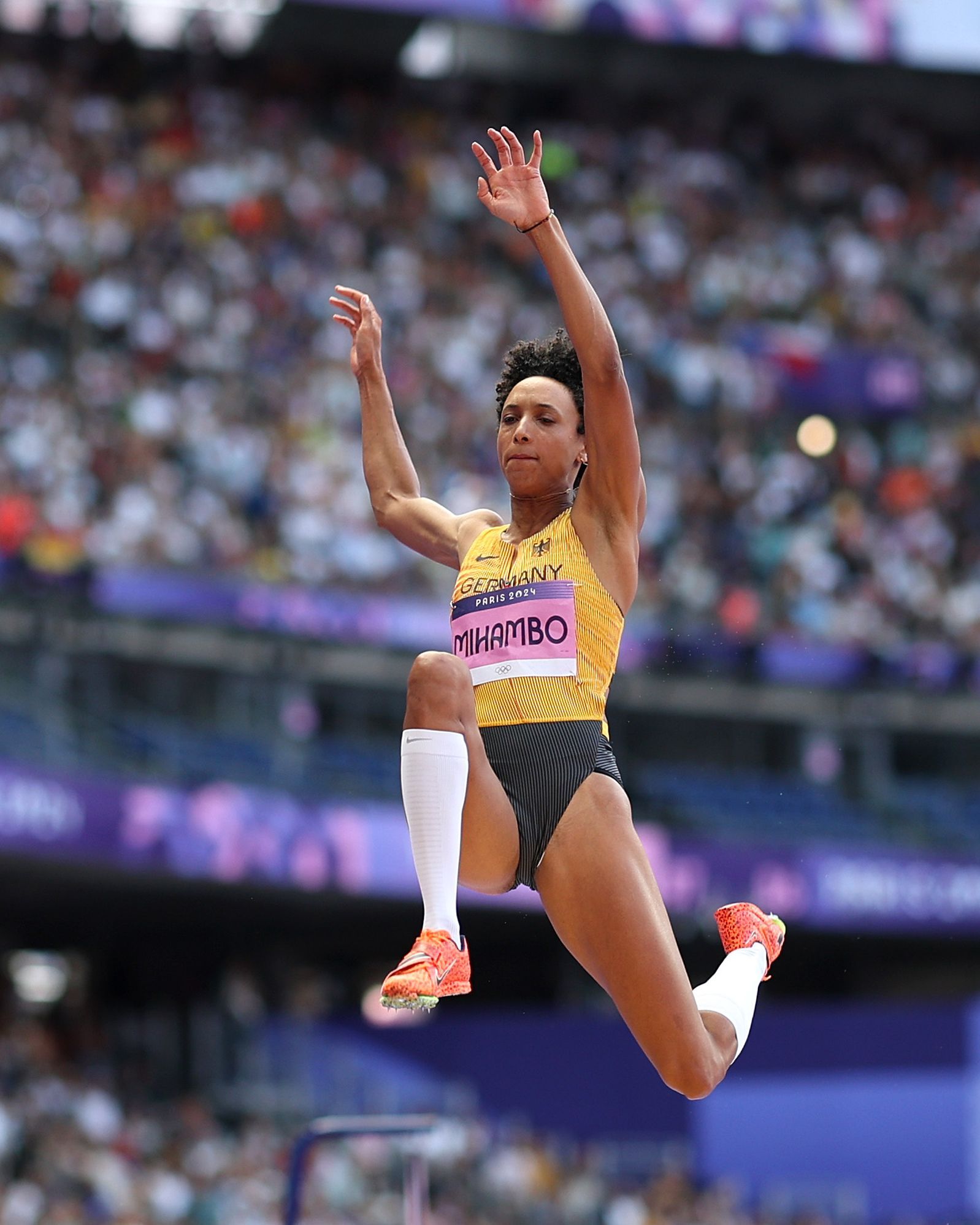
Shining a spotlight on the aesthetics of ping pong is, in short, quite complex, even though – with a bit of research – we had already previously discussed how and to what extent the aesthetics of certain ping pong uniforms have been deeply underestimated. Yet it had its moment of glory precisely in 2024, with the Paris Olympic Games, held a few months after the release of Challengers, proving how 2024 was an important year for racket sports. Credit also goes to brothers Alexis and Félix Lebrun who, in addition to drawing attention for the excellent sporting results they had already achieved before the Olympic Games (where, in Paris, they won the bronze medal in the team event together with Simon Gauzy), also stood out for their style. Yes, because with their prescription glasses and their “high school nerd” look, they clearly set themselves apart from their rivals.
Moreover, the two had the good fortune to compete in one of the most aesthetically curated events ever: from the look of shooters Yusuf Dikeç and Kim Ye-Ji, to the formal wear of the national teams, which nodded to the fashion side. And so, starting from a pair of glasses and a deliberately stereotyped haircut, attention inevitably shifts to the uniforms worn in competition. In short, if these two table tennis players seem to be the last people interested in aesthetics, their apparent disinterest turns into style, automatically shedding light on the tradition of ping pong kits as well.
Fashion collaborations
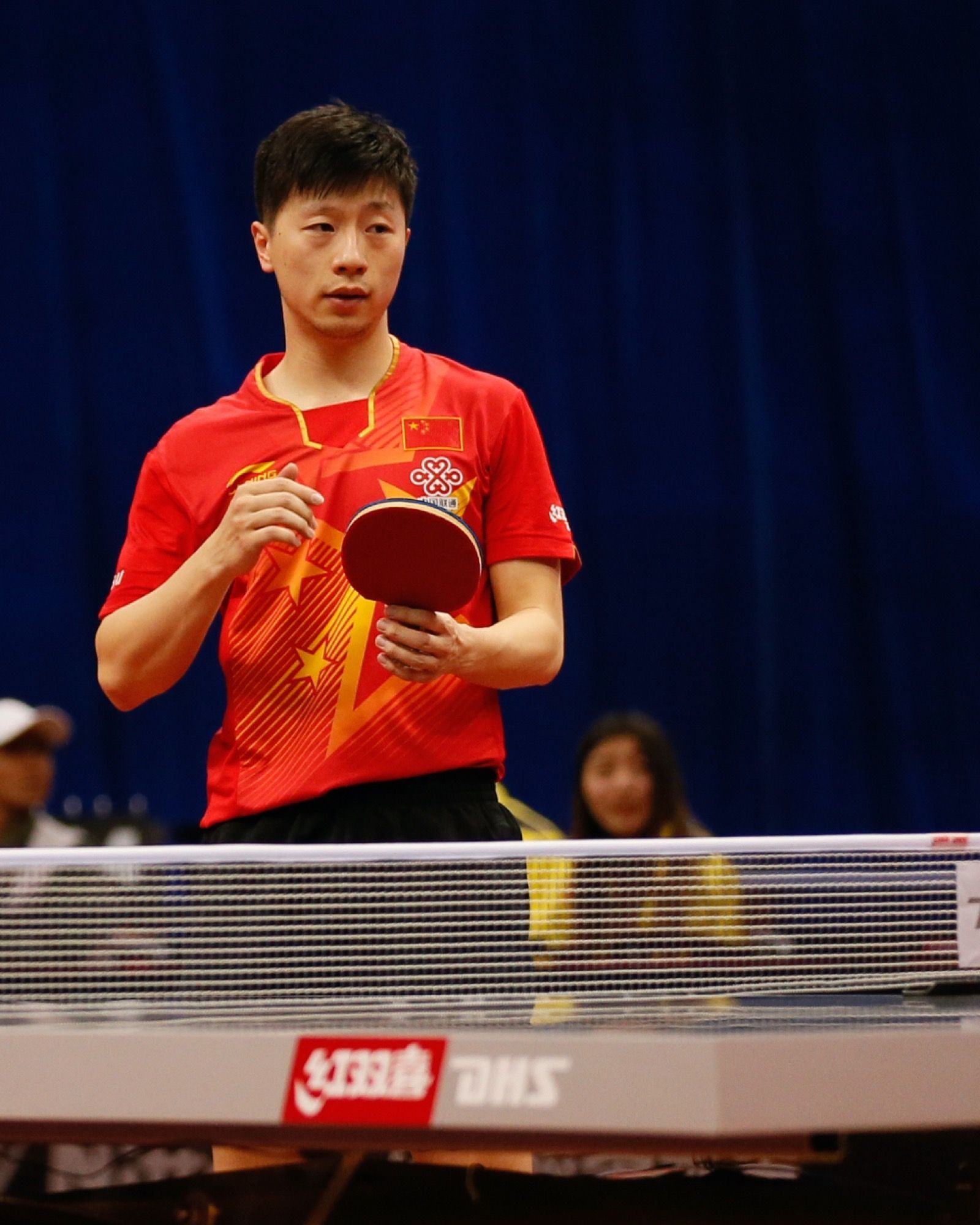
Among clothing brands, the first to bet on ping pong–inspired aesthetics (albeit in a rather subtle way) was Palace Skateboards, thanks to a singular collaboration with Stella Artois, in the same drop in which it launched tennis items signed by Slazenger, the historic racket brand. Skipping over the jerseys of the Chinese national ping pong team, there are now numerous brands that focus on innovative designs, following in the wake of what has already happened with football-inspired labels, always in search of creative ways to reinterpret garments from a sport traditionally little connected to fashion.
A significant example is Little Tokyo Table Tennis, a Los Angeles store that reinterprets table tennis uniforms with a playful touch, adding, for example, a dolphin to match jerseys by Mizuno, Butterfly, Yasaka, and Nittaku. The freedom exercised by these brands compromises the original concept of the uniform, which in China (the country of origin of ping pong) has a historically very traditional and important weight.