





































How much do athletes earn for an Olympic Medal at Milano Cortina? From Italy to Kazakhstan
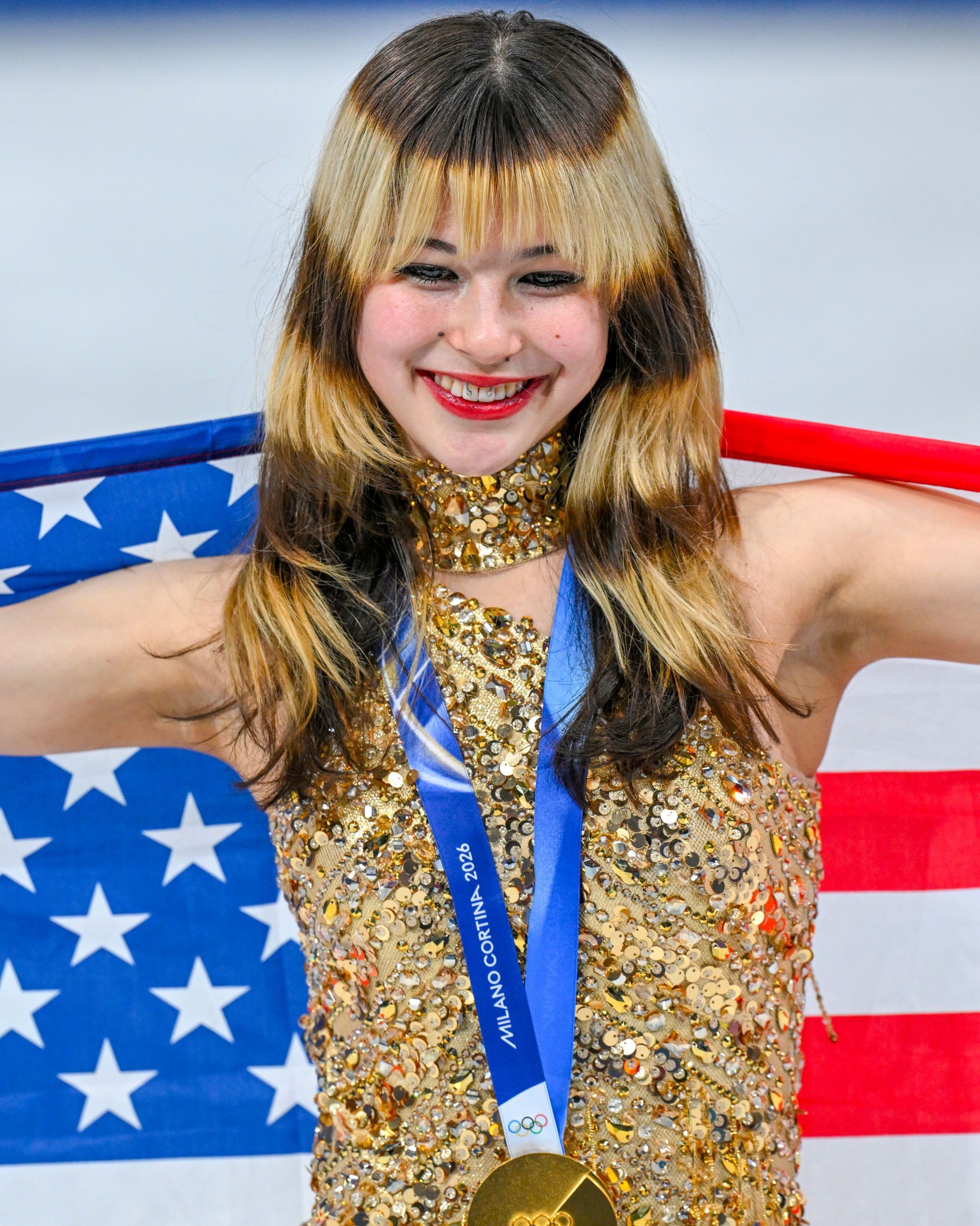
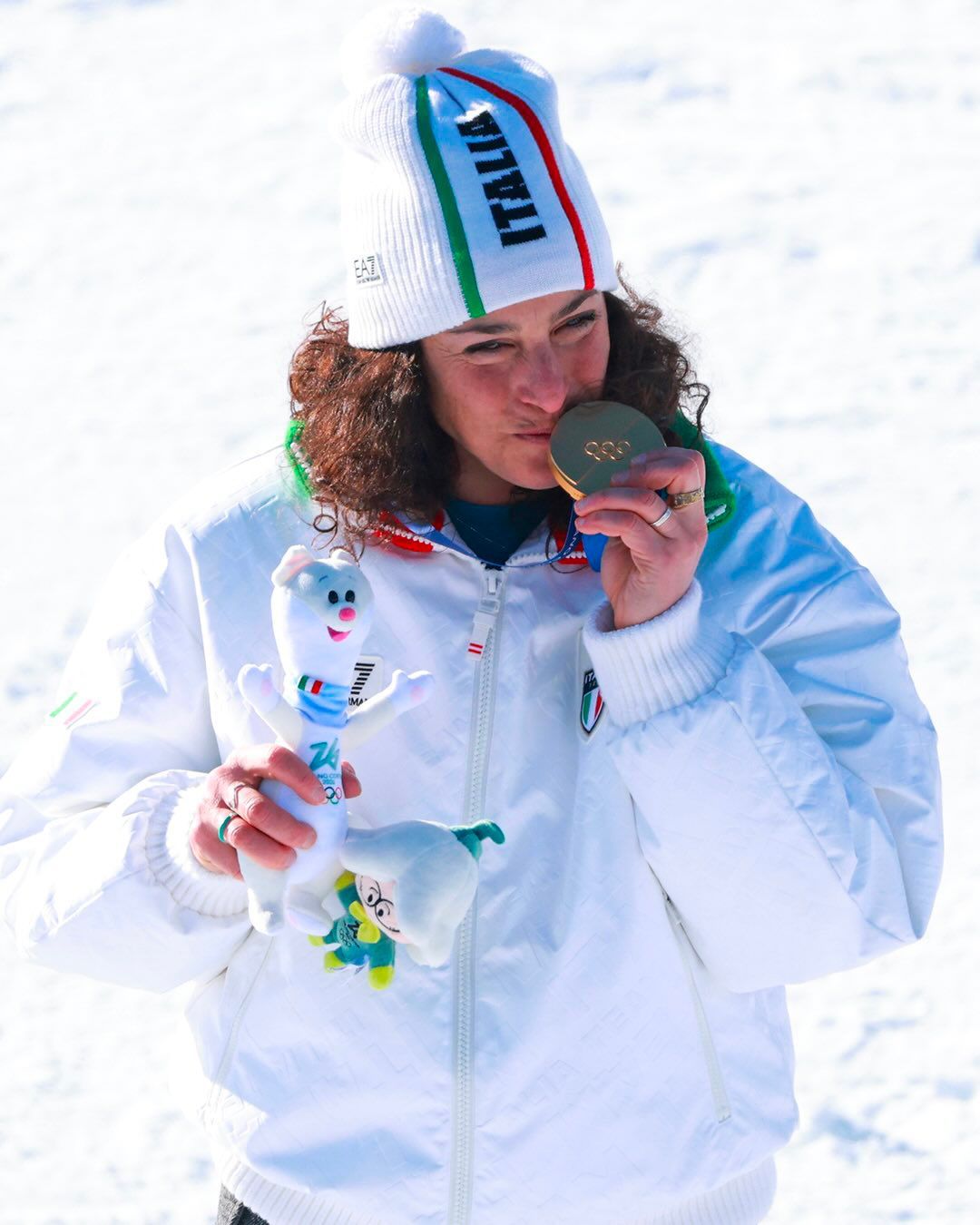
A record-breaking edition for Italy at the Winter Olympic Games. The 30 medals secured so far at Milano Cortina 2026 mark an all-time high for Team Italy. The previous record — set in 1994 in Lillehammer with eight golds, four silvers, and ten bronzes, for a total of 22 podium finishes — has officially been surpassed. From the double gold triumphs of Federica Brignone and Francesca Lollobrigida to the standout performances of Sofia Goggia and Lisa Vittozzi, from the unexpected bronze medals in figure skating and snowboarding to the victories in luge — the Azzurri are redefining winter excellence. But how much do athletes actually earn when they win an Olympic medal?
How Much Do Italian Athletes Earn for an Olympic Medal?
CONI — the Italian National Olympic Committee — has confirmed for Milano Cortina 2026 the same prize money structure introduced for the Paris 2024 Olympic Games. This means that a gold medal is worth €180,000 gross, a silver medal €90,000 gross, and a bronze medal €60,000. These figures can increase significantly when factoring in performance bonuses from national federations, military sports groups, and of course, lucrative sponsorship deals.
How It Compares to the Rest of the World
Italy ranks among the most generous nations when it comes to rewarding its medalists. According to research conducted by CNBC, the United States awards $38,000 for gold, $23,000 for silver, and $15,000 for bronze. Canada offers $15,000 for gold, $11,000 for silver, and $7,000 for bronze. Meanwhile, Lucas Pinheiro Braathen will receive $67,000 from the Brazilian Olympic Committee for his gold medal in giant slalom.
Norway, currently leading the medal table, does not award bonuses for individual medals. Instead, athletes receive a fixed annual stipend of 160,000 Norwegian kroner, along with access to elite training facilities and comprehensive medical support. The United Kingdom, on the other hand, does not provide direct medal bonuses, as financial backing for athletes comes primarily through state funding allocated to national federations.
The Singapore and Kazakhstan Exception
According to CNBC estimates, the country offering the highest payout for Olympic gold is Singapore: a striking $792,000. The figure reflects how unlikely a medal had once seemed. Faiz Basha was not only the sole athlete representing Singapore’s Winter Olympic delegation, but also the first ever to compete for the nation at the Winter Games.
Mikhail Shaidorov, meanwhile, will take home $250,000 for his gold medal in figure skating — capitalizing on unexpected falls from heavy favorite Ilia Malinin. The prize reflects the bonus set by the Kazakh Olympic Committee for any athlete capturing Olympic gold.