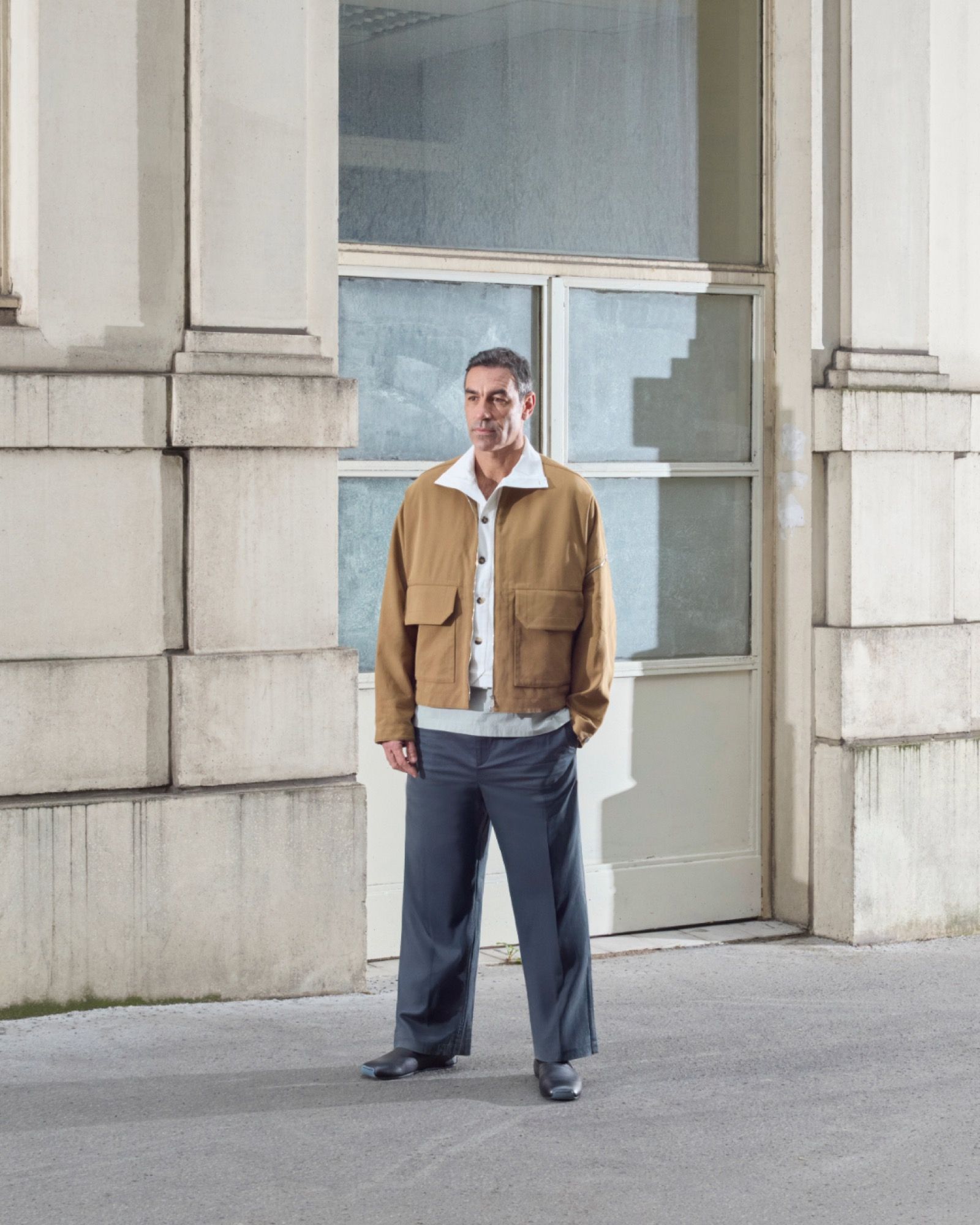
Music, choreography and Endurance: the world of Matteo Rizzo We met the Italian figure skater on the eve of the Winter Olympics
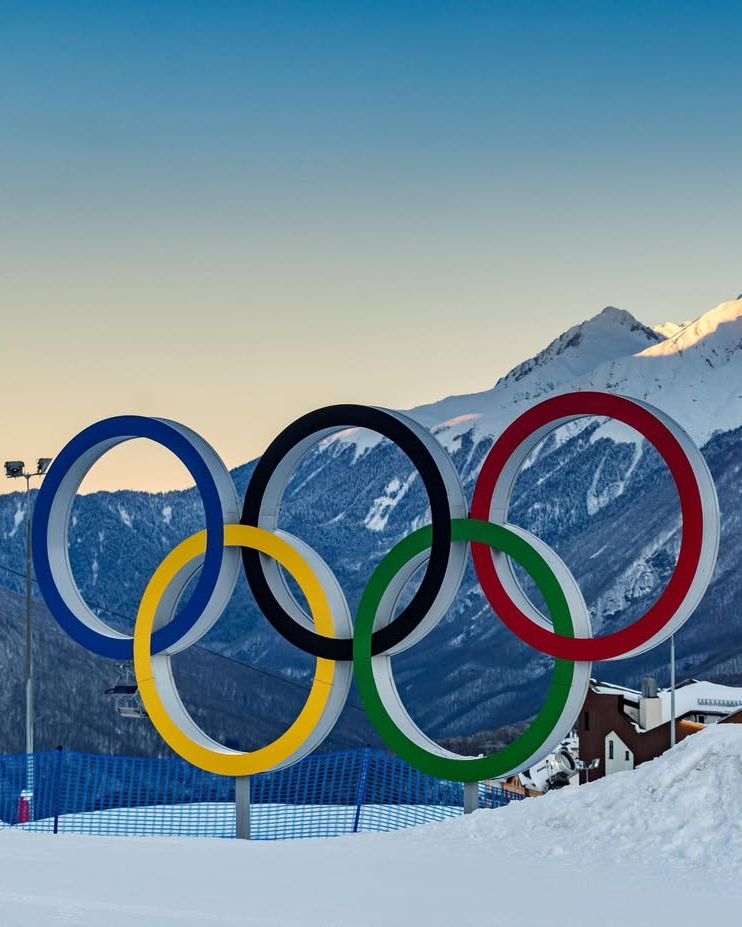
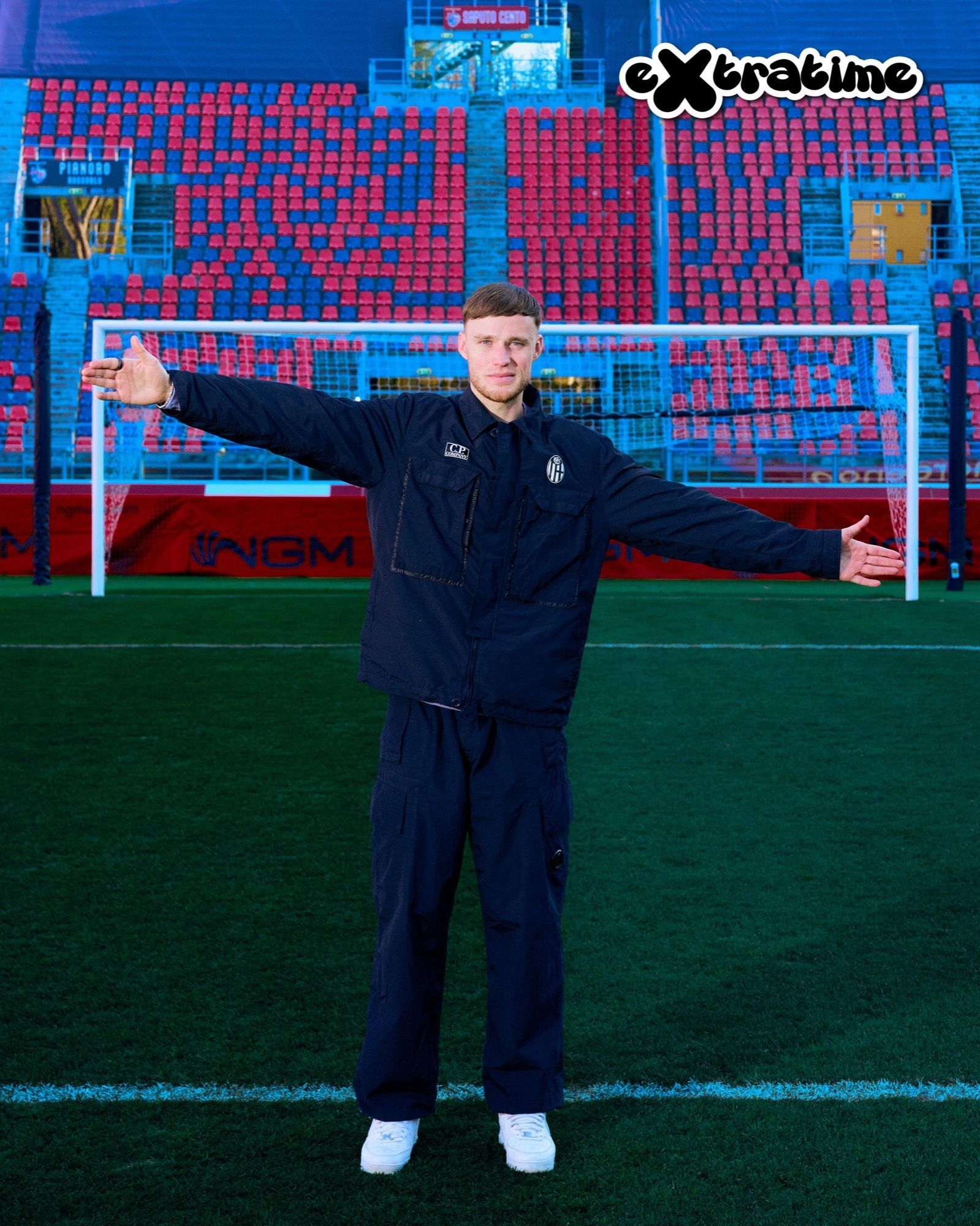
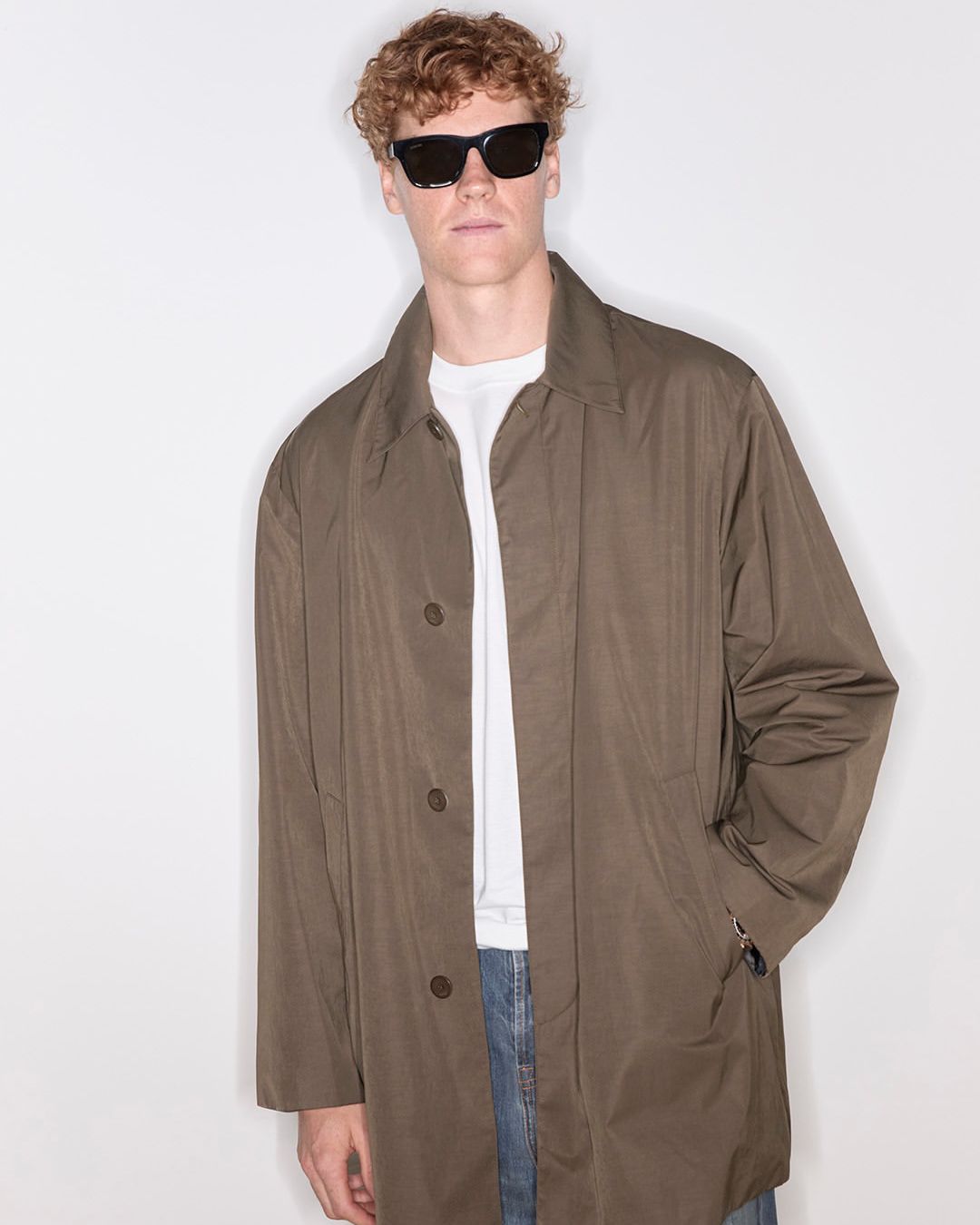
Figure skating has always been one of the most watched sports at the Winter Olympic Games, and Milano Cortina 2026 is no exception. The elegant movements of the skaters, the evocative music, the play of lights, the stylistic compositions—these are the elements that make this Olympic discipline special, which in Italy boasts a long tradition of athletes who, generation after generation, have been able to capture the attention of enthusiasts and casual onlookers alike. Matteo Rizzo, from Fiamme Azzurre's team, rightfully belongs to this lineage after clinching the bronze in the team event at Milano Cortina. “The feelings are very positive, which is good. It’s very exciting because I’m Italian, I live in Italy, and when I watch television I notice how much people are talking about these Olympic Games,” Matteo told us on the eve of what will be his third participation in the Winter Olympic Games, after Pyeongchang 2018 and Beijing 2022.
The European vice-champion, born in Rome and adopted by Lombardy, Matteo has managed to develop a style and identity far from the classic figure skater image. For example, his choice of music, which is never trivial. “Between 2014 and 2016, there was an important rule change that introduced the possibility of using music with words. Before this change, the music had to be without vocals and lyrics. This novelty stirred things up a lot and led maybe to rock, pop, and more 'commercial,' so to speak, music that we also hear every day. Before that, figure skating was much more classical. I skated to the Maneskin, the Rolling Stones, Bruno Mars, the Queen. The important thing is that the music gives me an emotion in such a way that I can skate it at my best.”
But how does a skater decide on one song over another? We are talking about the main aspect of the program, training, and competition for every athlete. “The choice of music takes place between April and May,” Matteo explains, “so at the end of our competitive season, because that is the moment when the new program for the next season, starting in September, is built. I personally have always chosen my music. After that, I discuss it with the choreographer with whom I will build the program. The mandatory condition is that a piece of music must move me first, so that I can then move the audience in front of whom I will skate. It is essential to feel it completely. There have been times in my career when maybe after a month or two I realized I had made the wrong choice and switched to something else.”
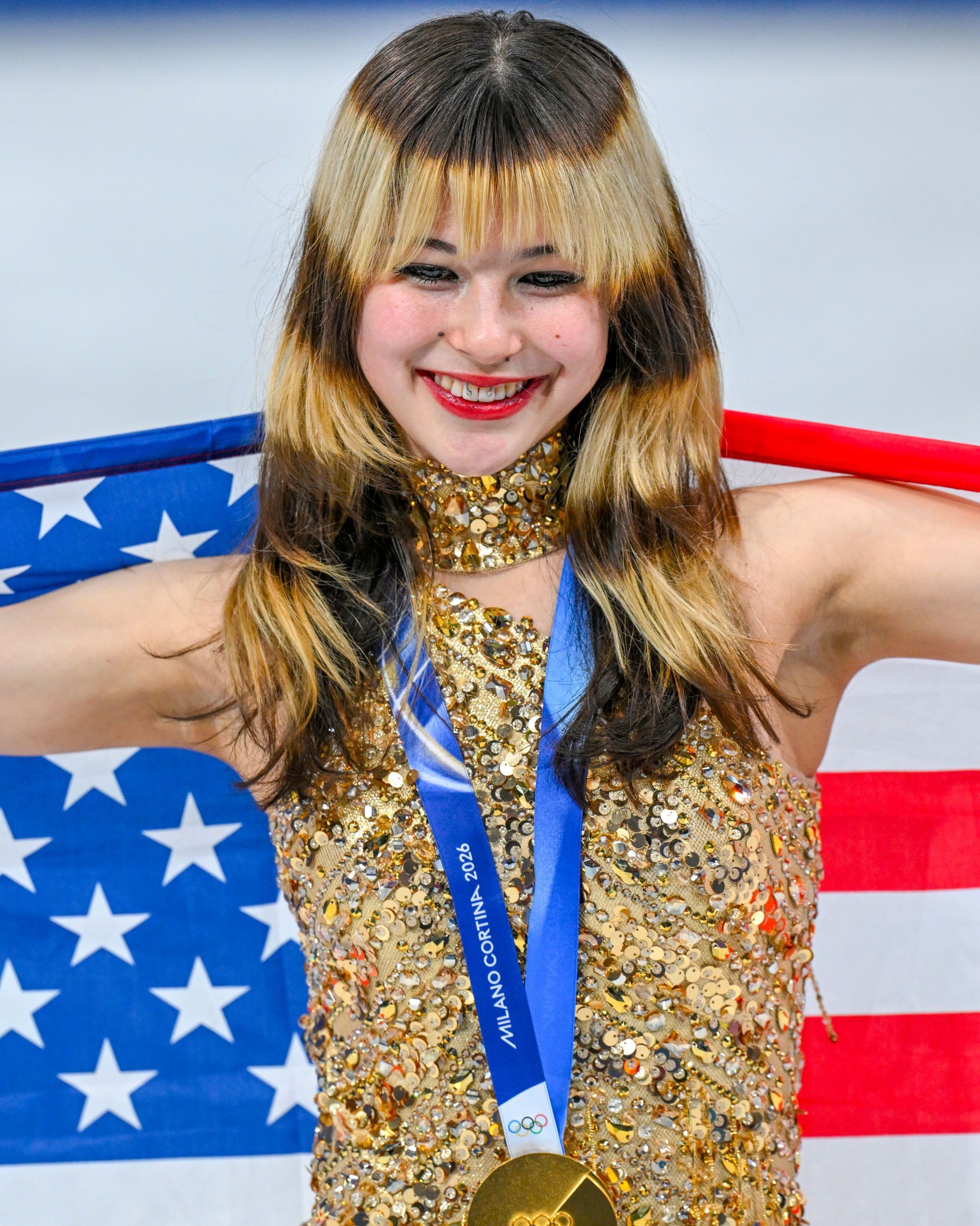
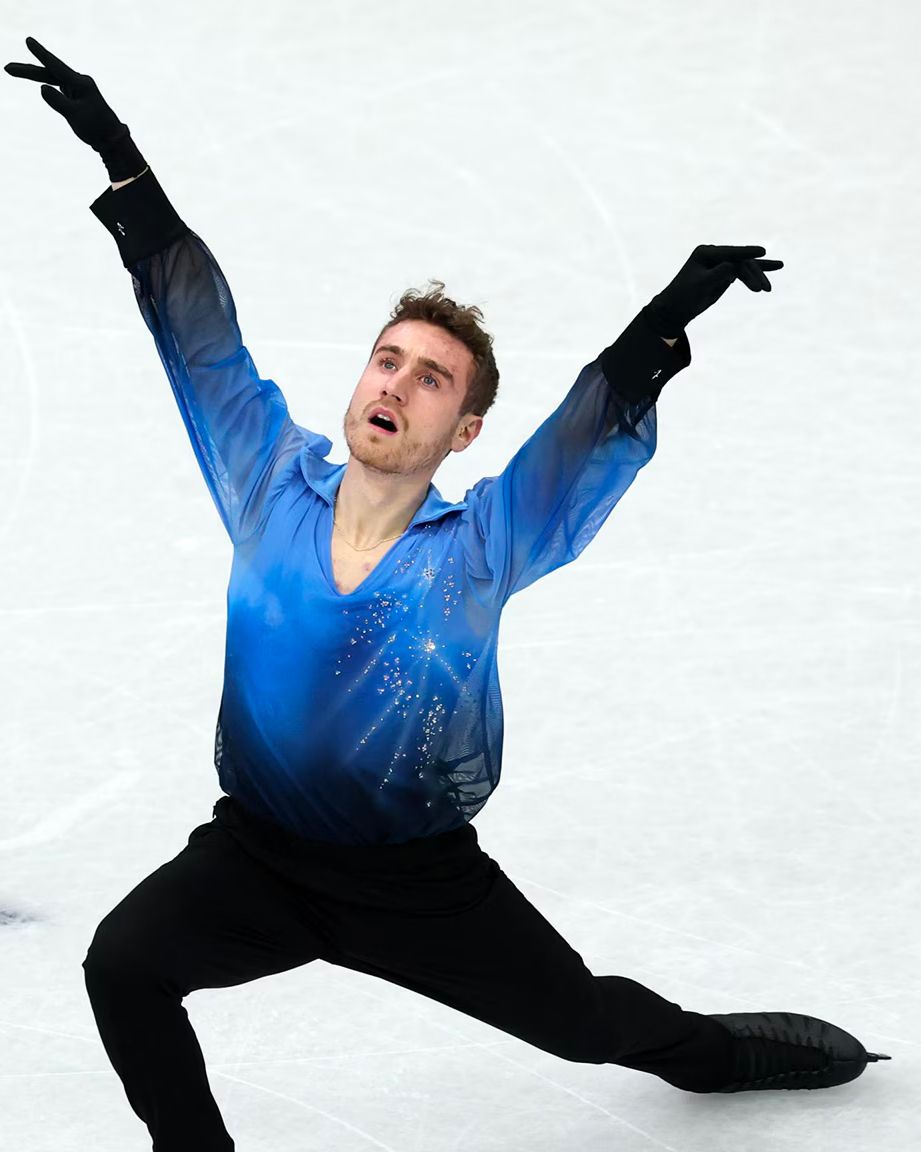
Once the music is selected, the second step, equally important, is the choice of costumes. “In my case,” he continues, “I discuss it with the choreographer, with my mom, and then I also consult the seamstress, because there are things that may be very complicated to implement, so we don’t even do them. We choose the main color of the outfit, the type of neckline, or the composition of the cuffs. As for materials, the pants need to be slightly thicker so they don’t tear at the first fall, but at the same time, they must be stretchy to allow a wide range of motion. The upper part of the competition outfits is usually lighter because we also need to jump. We regularly train with synthetic shirts, short or long sleeves, light. Some apply Swarovski crystals, but they are very heavy. I used them for the first time this year but very sparingly, because they add a lot of weight to the outfit. Our sport involves many jumps, and even changing the height of a jump by two or three centimeters changes the entire choreographic economy.”
We are struck by the expertise and passion with which Matteo describes every creative step he must undergo before stepping onto the ice. One aspect remains: managing free time. And here things take an unexpected turn, not so much because of his passion for Formula 1, born from his relationship with his grandfather and years spent in Maranello, home of Ferrari, but because of how this passion has evolved. “I spend a lot of time on the simulator at home with my friends, we even do endurance races on weekends,” he confides. “In the past year, we played a lot in the main Endurance World Championship game, so with cars different from Formula 1. I feel very comfortable on the Portimao track; it’s a very special track with ups and downs and braking turns. I play it regularly. Two days before the European Championships, I did a four-hour race with my friend where we alternated driving about two hours each. For me, it’s a moment of true relaxation. I’m passionate about it and will try to do it even before the Olympics. Unfortunately, I don’t think I’ll find a simulator at the Olympic Village.”