














The best accessories at Milano Cortina 2026 The Winter Olympic Games feature unique designs that make even the smallest details interesting

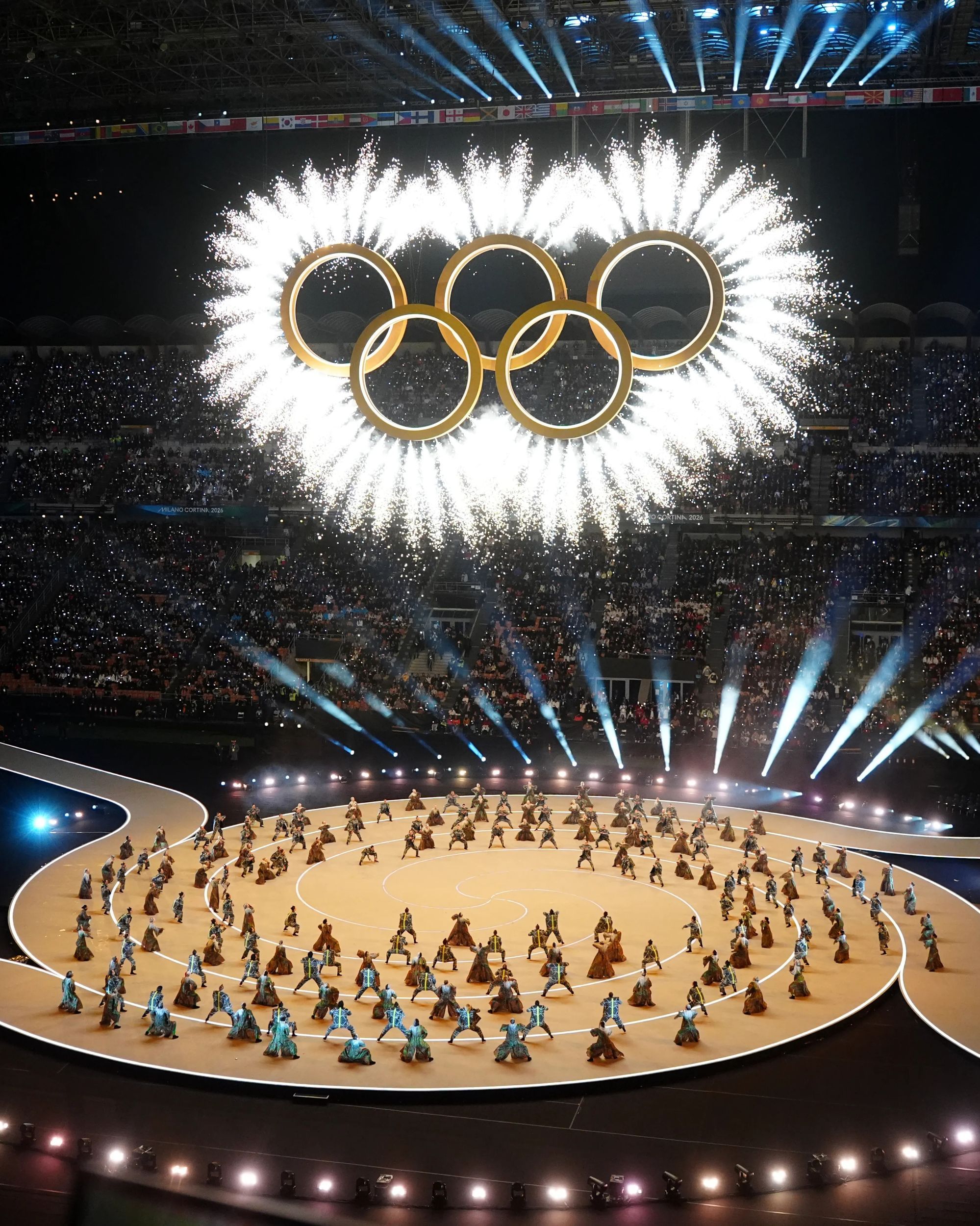
The narrative thread running through Milano Cortina 2026 is Harmony — the absolute protagonist of the spectacular, widespread opening ceremony that inaugurated this edition of the Winter Olympic Games. Harmony is reflected across disciplines, from the explosive physicality of ice hockey clashes to the ethereal lightness of figure skating, from the high-voltage rhythm of tricks on snowboards to the quiet strategy of curling. Harmony also exists between structure and aesthetics, from the dynamism of athletes’ movements to the configuration and chromatic storytelling of the kits they wear. The most exemplary expression of this dual phenomenon — both union and contrast — can be found in accessories, charged with a functional, almost scientific dimension as well as a creative, artistic one. True feats of engineering, unique pieces that, on a global stage like the Olympic Games, must also guarantee brand recognizability and the identity of those who wear them.
Visors, Between Color and Innovation
Take snowboarding, a sport stylish by definition, exuding softness both in the baggy silhouettes of its apparel and in its fluid glide across snow. Yet it demands extreme concentration and millimetric precision in every variation, from rapid slides over slopestyle obstacles to aerial evolutions in halfpipe and Big Air. Board construction shifts radically from one discipline to another: wider, shorter and more flexible shapes dominate freestyle, while narrower, longer and stiffer configurations define events such as giant slalom. The same meticulous attention to detail applies to any competition involving jumps or directional changes — alpine skiing, Nordic combined, biathlon or short track. In all of these, quite simply, you need to keep your eyes open, relying on goggles or visors.
The visors used in winter sports as we know them today were born in the 1960s, when American orthodontist Bob Smith developed the sealed thermal lens and introduced a new breathable foam, upgrading existing models inspired by WWII aviation pilots. By the time Milano Cortina 2026 arrives, the conversation revolves less around technical specs and more around visual quality, with issues such as fogging and polarization long resolved. Shape and color have become functional elements, yet no less aesthetically compelling. Oakley has led the charge in optical innovation through the development of PRIZM technology, allowing lenses to adapt to their environment by calibrating precise tints for every weather condition: the brighter the light, the darker the lens required, and vice versa in cloudy or stormy settings. A chromatic spectacle born from decades of technical refinement.
Thanks to this pioneering work, Oakley has been selected as official apparel sponsor by winter sports powerhouses such as Canada and Finland, as well as New Zealand. The unmistakable logo has also appeared on the helmet straps of Giovanni Franzoni, Italy’s first medalist of these Games in the men’s downhill in Bormio, and Lucia Dalmasso, bronze medalist in women’s parallel giant slalom snowboarding. Particularly attentive to Italian brands is a legend like Sofia Goggia, now at her third Olympic medal after winning bronze in the women’s downhill, achieved wearing a Dainese mask. A coherent choice for the Bergamo-born skier, who last year became ambassador for the first snow eyewear and helmet collection by EA7 Emporio Armani.
Hockey and Goalie Masks
As surprising as it may seem, safety measures in a physical and violent sport like ice hockey are relatively recent. Until the 1970s, only helmets were required for players, with a full mandate introduced by the NHL — the most globally relevant league — in 1979. Milano Cortina 2026 marks a further step forward, introducing mandatory neck guards following the tragic death in 2023 of professional player Adam Johnson, fatally struck by a skate blade. A necessary reform, much like the introduction of goalie masks, officially required since 1972 but in use since the 1930s, initially to protect prescription glasses.
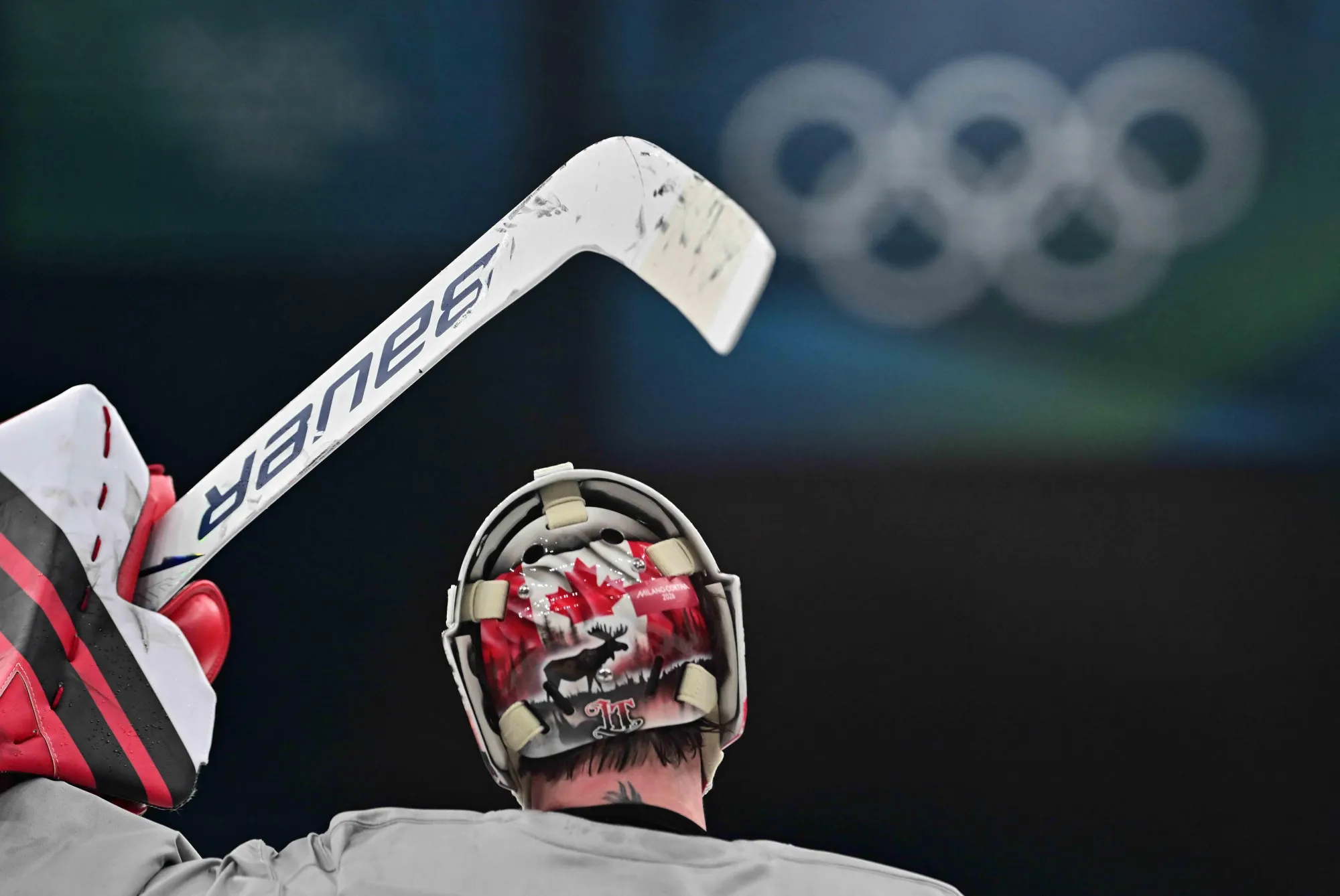
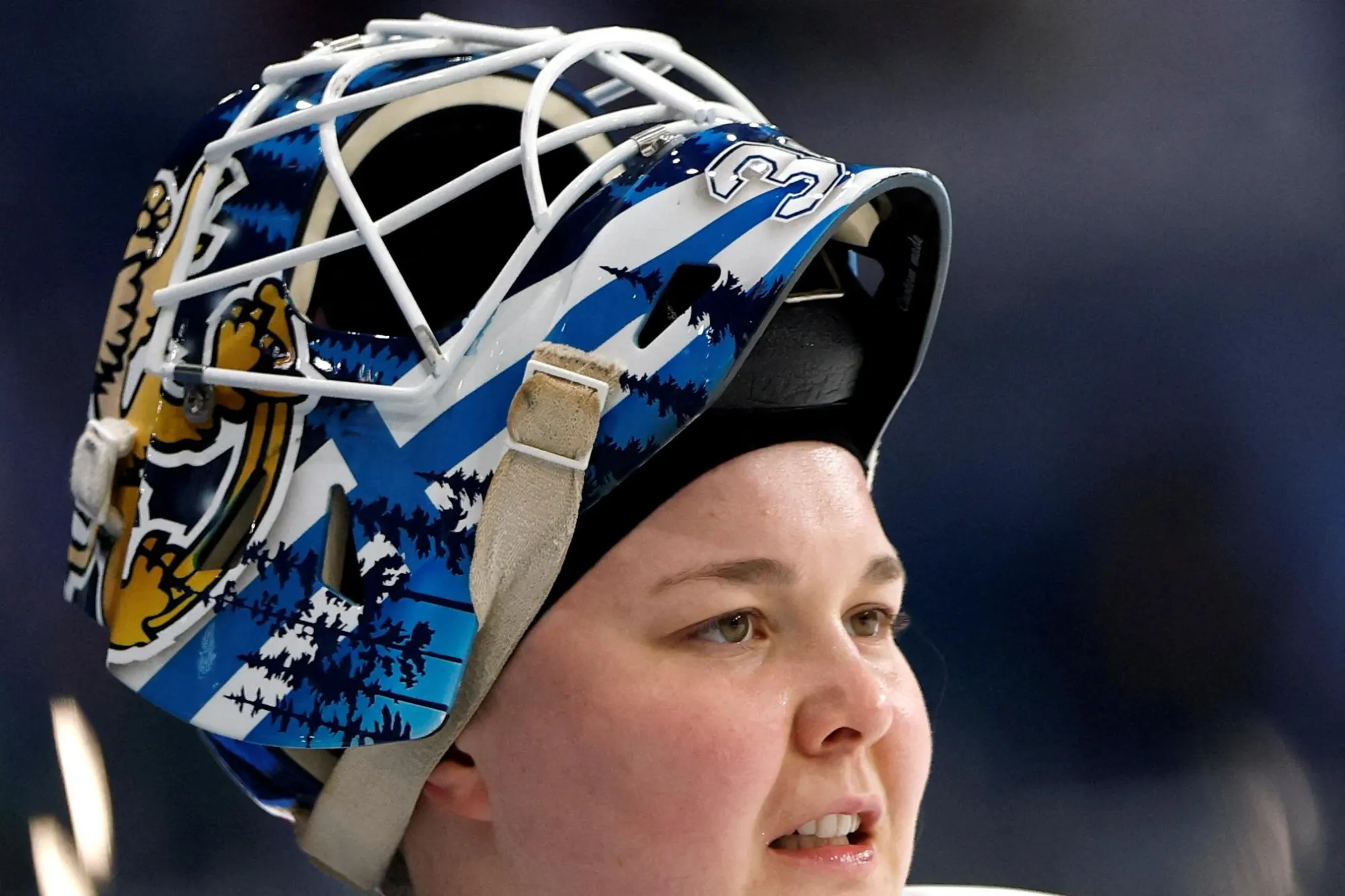
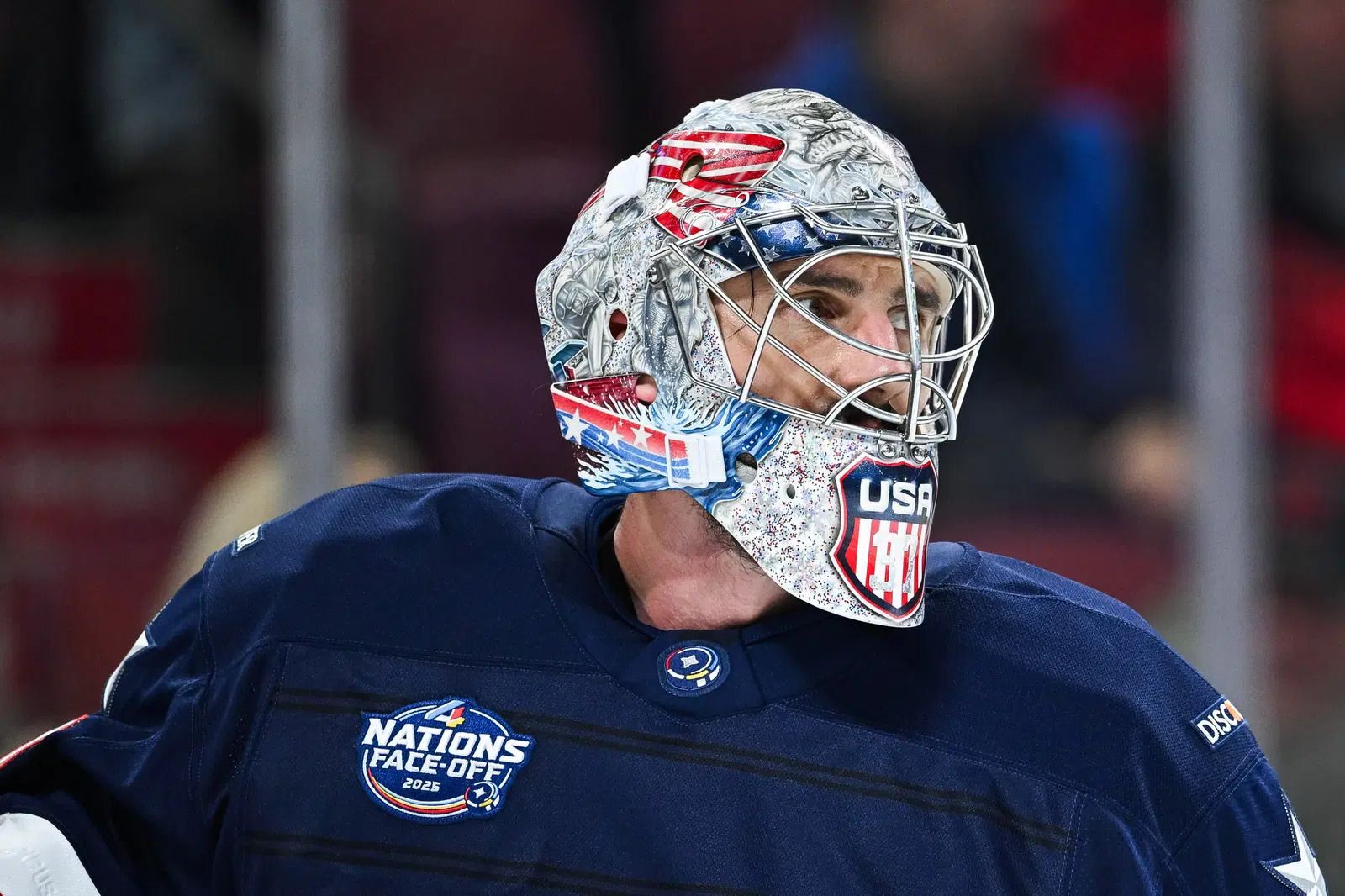
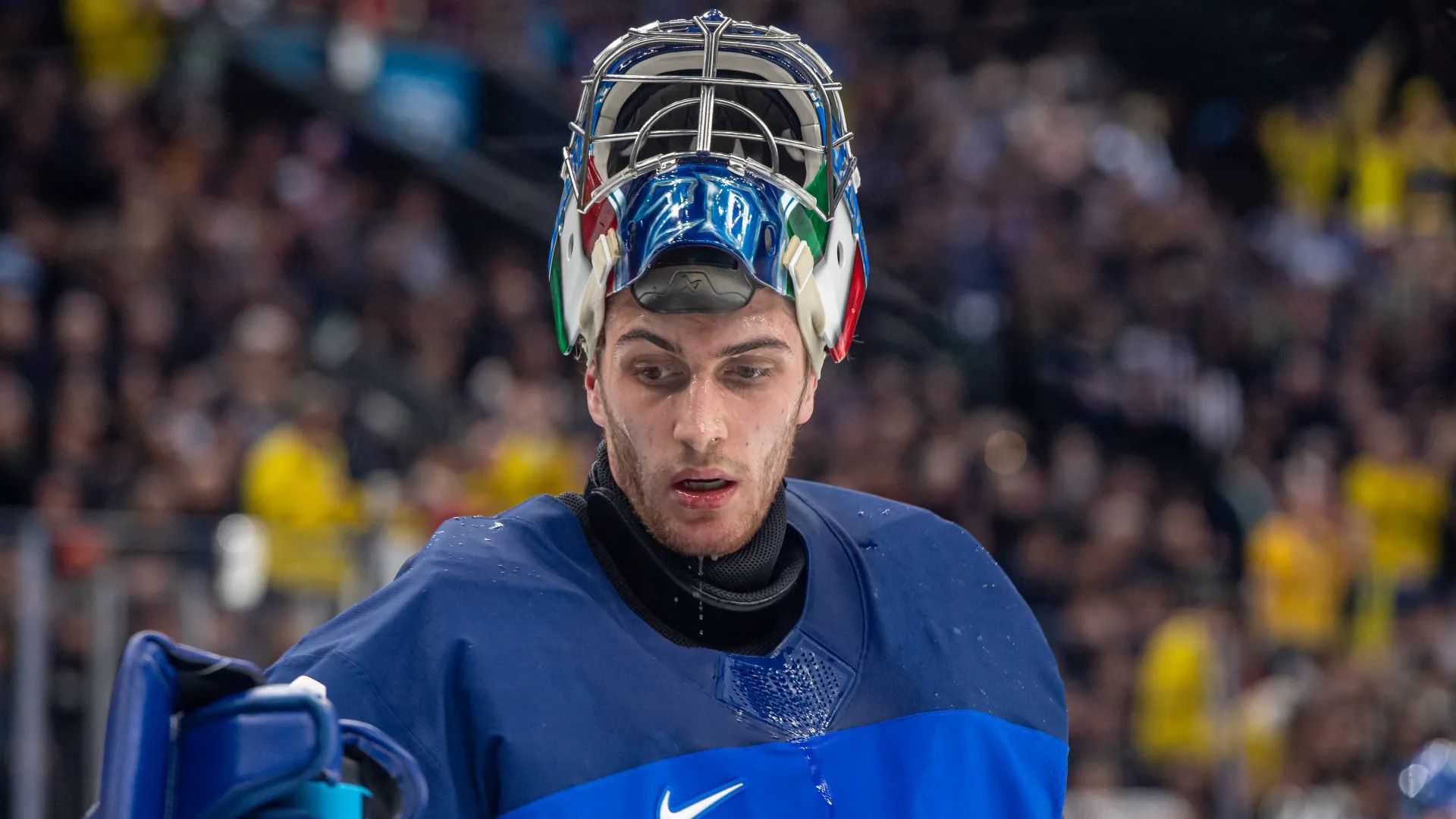
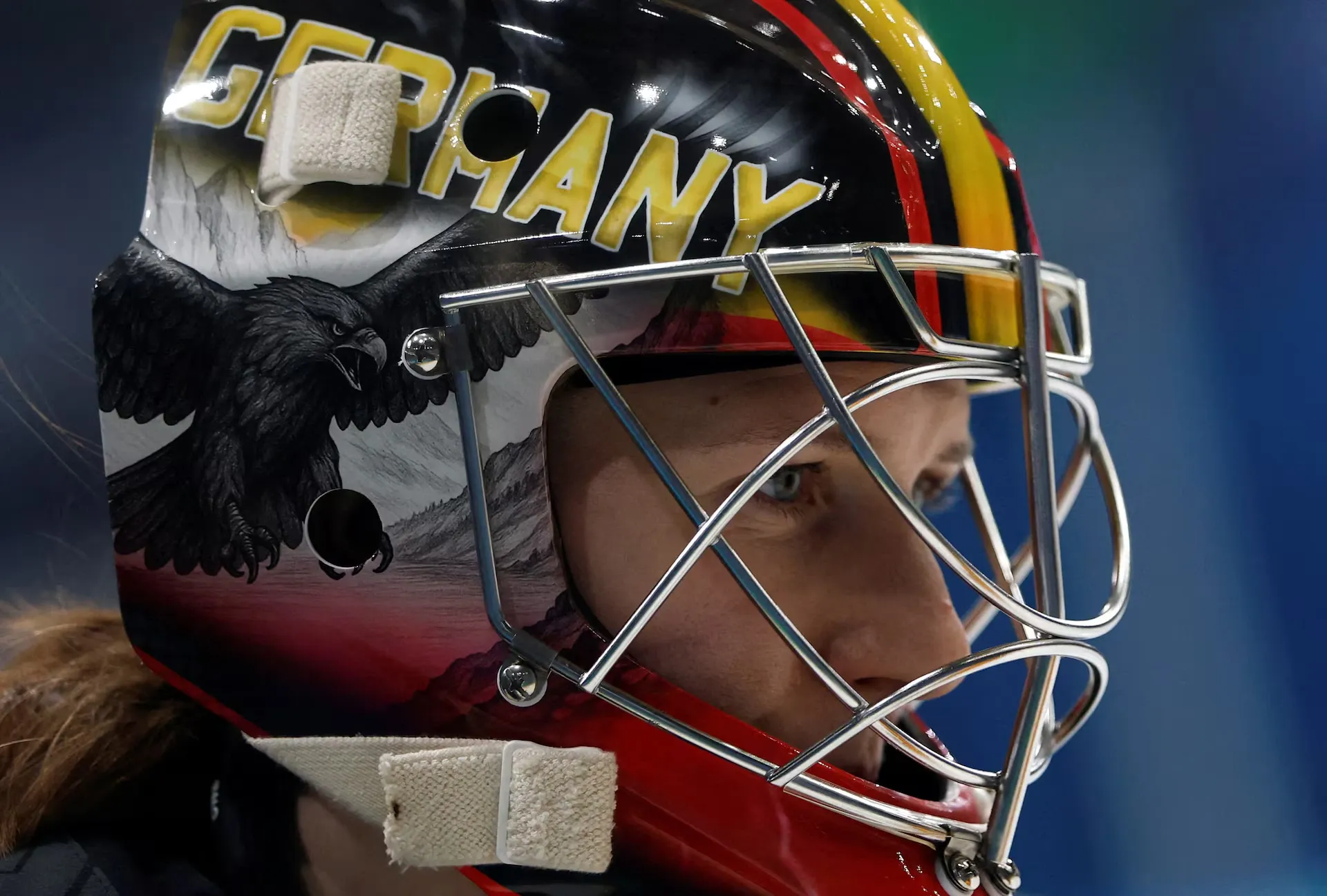
Today, they are true canvases for hand-painted decorations by artists worldwide. The tradition is deeply rooted in NHL pop culture, making these unique pieces a must for American teams like the United States and Canada. Motifs are largely patriotic, featuring national symbols such as the eagle or the maple leaf. Connor Hellebuyck paid tribute to Michigan on the back of his helmet, flanked by a raptor and a fish referencing the state’s lakes. The same symbolic storytelling appears in the women’s teams, while Scandinavian nations embrace a more understated yet equally meaningful aesthetic. From Sweden’s Three Crowns to Finland’s golden lion, from Slovakia’s mountainous landscapes to Japan’s delicate peach blossoms, goalie masks transform protection into poetry.
Bobsleigh and Luge
When it comes to helmets and protective gear, nothing rivals the so-called sliding sports — bobsleigh, luge and skeleton. In the latter two especially, the body is fully exposed, separated from the ice only by the sled. Protecting vulnerable areas becomes essential, particularly at opposite anatomical extremes depending on the discipline.
In luge, where Italy dominated with double gold in both men’s and women’s doubles, the distinctive boot plays a crucial role. Lying supine, athletes steer with their feet, which must remain close to the ice and perfectly aligned. The ultra-narrow, elongated shape ensures aerodynamic precision. Icon Georg Hackl revolutionized the sport with his yellow-and-black adidas boots — so innovative that Team Canada unsuccessfully requested disqualification at Nagano 1998. In contrast, official Milano Cortina 2026 suppliers Skechers and GTS opted for sleek black boots with minimal white detailing.
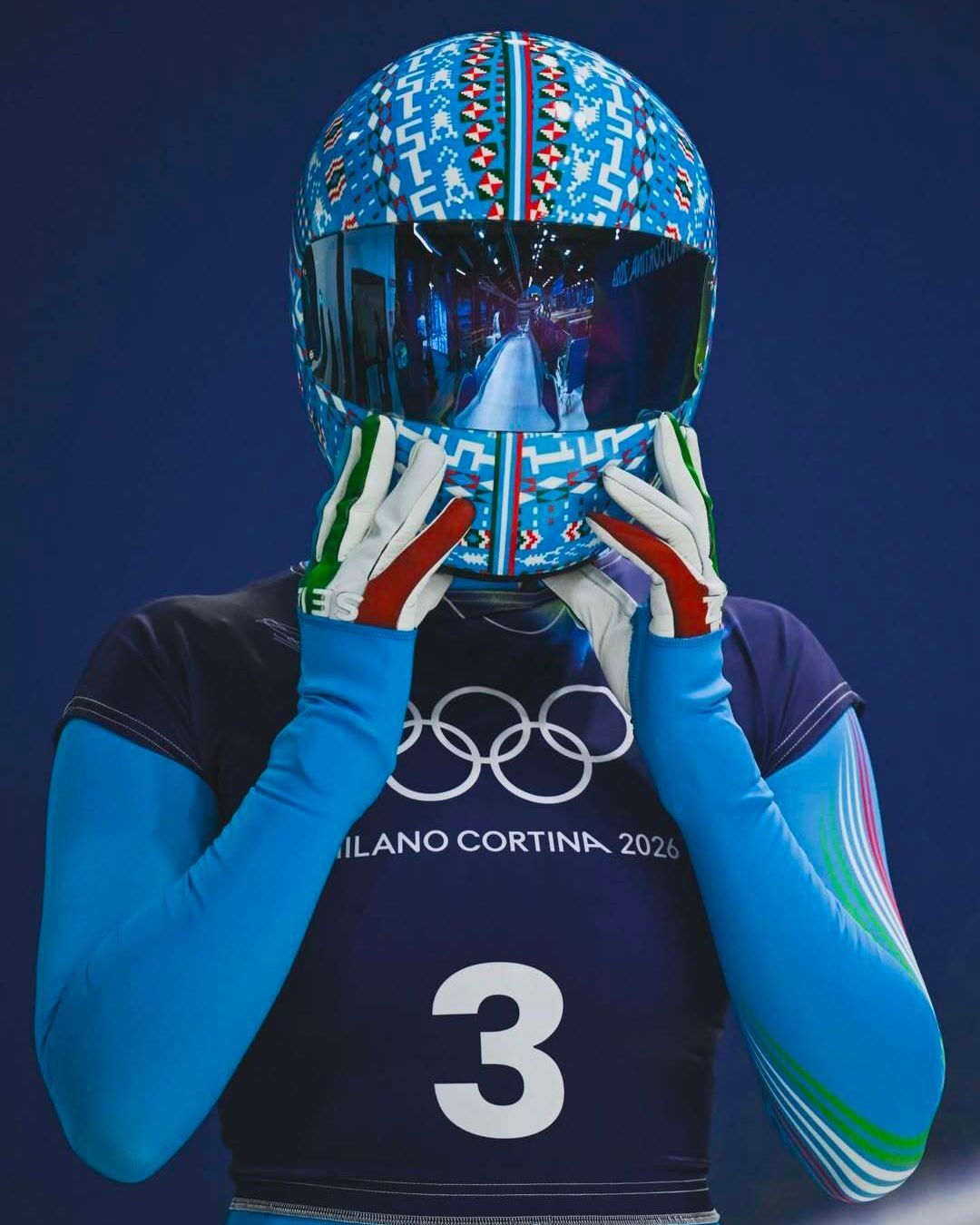
Skeleton embraces the opposite posture: face down, head first. Helmets must protect even the chin as athletes hurtle at 140 km/h just centimeters above the ice. Creativity thrives here, with athletes expressing alter egos through custom designs. From national flags to deeply personal narratives, these helmets become statements as much as safety devices.
What Does Valentina Margaglio’s Helmet Mean?
Among Italy’s most magnetic skeleton athletes is Valentina Margaglio, four-time national champion and historic bronze medalist at the 2020 World Championships in Altenberg. For what will effectively be her final Olympic appearance, she unveiled a custom helmet that narrates her life story: azure and tricolor motifs representing Italy, geometric patterns inspired by Ivorian textiles honoring her maternal heritage, the symbolic number fifteen, and scorpions — silent yet lethal, much like the athlete herself.
Gloves, In Every Form
Eyes, head and feet are essential, but every Olympic discipline relies on the hands. Gloves protect against the cold while enhancing performance. The most technically fascinating example is the left glove in short track, crucial for stabilizing athletes in curves. Small spherical inserts on the fingertips reduce friction while maintaining speed, a concept pioneered by Kim Ki-hoon, three-time Olympic gold medalist for South Korea. Today, advanced versions by Nike and Italian brand FILA feature fiberglass or carbon fiber tips — technology that helped secure Olympic gold for Italy’s mixed relay team.
@teamusa The secret to sharp turns. Olympian @Julie Letai gives us a close-up look at the special gloves worn in short track. #shorttrack #speedskating #winterolympics #teamusa #gloves original sound - Team USA
From South Korea also comes innovation in snowboarding: silver medalist Kim Sang-gyeom opted for three-finger gloves in goatskin leather for improved grip and mobility, striking the perfect balance between dexterity and adhesion.
Who Produces Federica Brignone’s Helmet?
Gloves can also tell stories. Sophia Kirkby honored her late father by inscribing his favorite phrases across her palms. Lindsey Vonn paid tribute to Picabo Street with personalized Reusch gloves. A happier ending belonged to Federica Brignone, who paired tiger-striped gloves with her Rossignol helmet during her gold medal Super-G performance — head and claws streaking down the legendary Olympia delle Tofane.