





Experiencing football during the month of Ramadan is possible In conversation with Oussama Mourahib, sports psychologist
When I was a child and spent entire summers in my hometown, Agadir, a city in southern Morocco overlooking the Atlantic, I loved spending afternoons on the seafront and watching how the beach, before sunset, would turn into countless improvised football pitches. During the month of Ramadan the boys would gather and form many teams: it was their way of training before breaking the fast at sunset with a date and a few sips of water.
Thursday, February 19, 2026 marked the beginning of Ramadan, the ninth month of the Islamic calendar, which coincides with the revelation of the Qur’an to the Prophet Muhammad. During this month we practicing Muslims, healthy adults, abstain from food, water, sexual activity, smoking, and any negative distraction from dawn to sunset. Fasting (sawm) is one of the five fundamental pillars of Islam and is considered a period of reflection, devotion, and spirituality, as well as self-discipline and self-control: qualities that, for those who have practiced sport since childhood, are found here as well. Islam and football have become increasingly connected in recent years thanks to numerous professional athletes of Islamic faith who practice their spirituality with dedication and find in the support of fans, teammates, and clubs the winning key to reconciling faith and sporting performance.
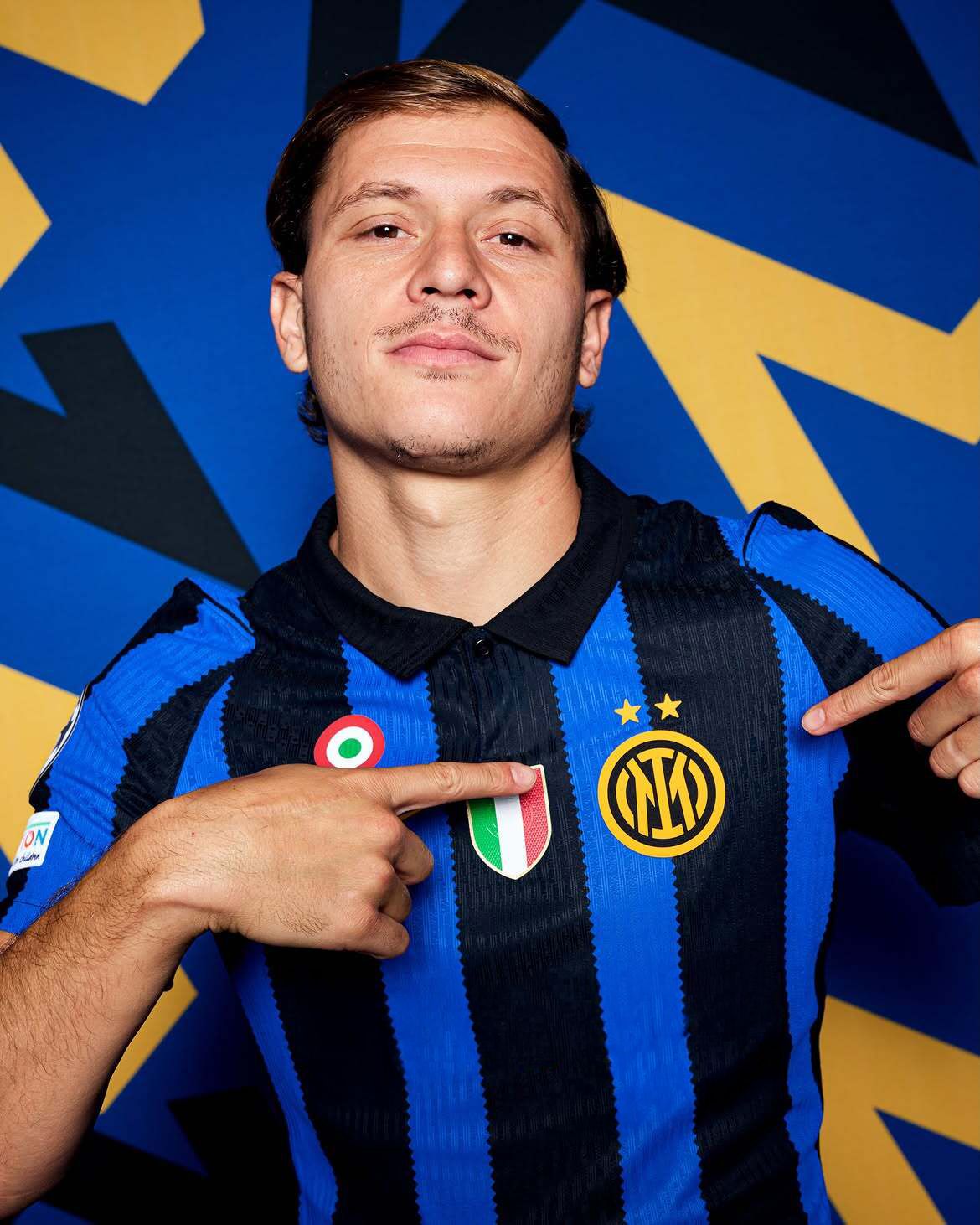
I remember very well the match between Inter and Fiorentina in April 2023, when Moroccan midfielder Sofyan Amrabat took advantage of a brief pause to eat a banana and sip some water, breaking his fast just minutes before the end of the game. The scene quickly went viral for its meaning and symbolic gesture. Another widely discussed moment occurred during the Bundesliga match between Augsburg and Mainz, season 2021/22: the referee stopped the game for a few minutes in the second half to allow player Moussa Niakhaté to break his fast. Different episodes, in different contexts, yet the underlying question is the same: how much space can private religious practice find within a sporting system governed by increasingly rigid schedules and shared rules? It is precisely in these moments, made symbolic through social media, that a much broader issue emerges beyond individual athletes and concerns the entire European sports system.
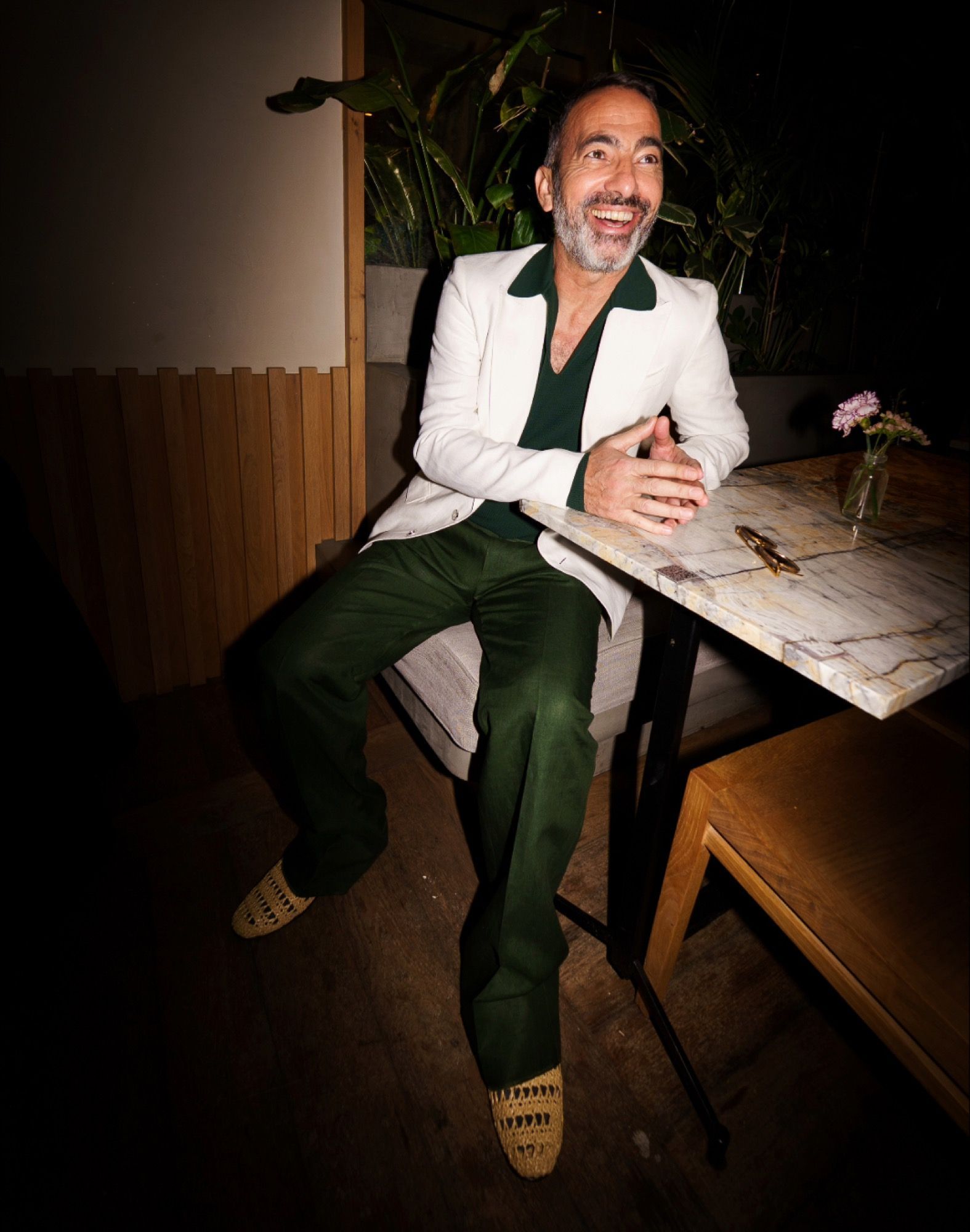
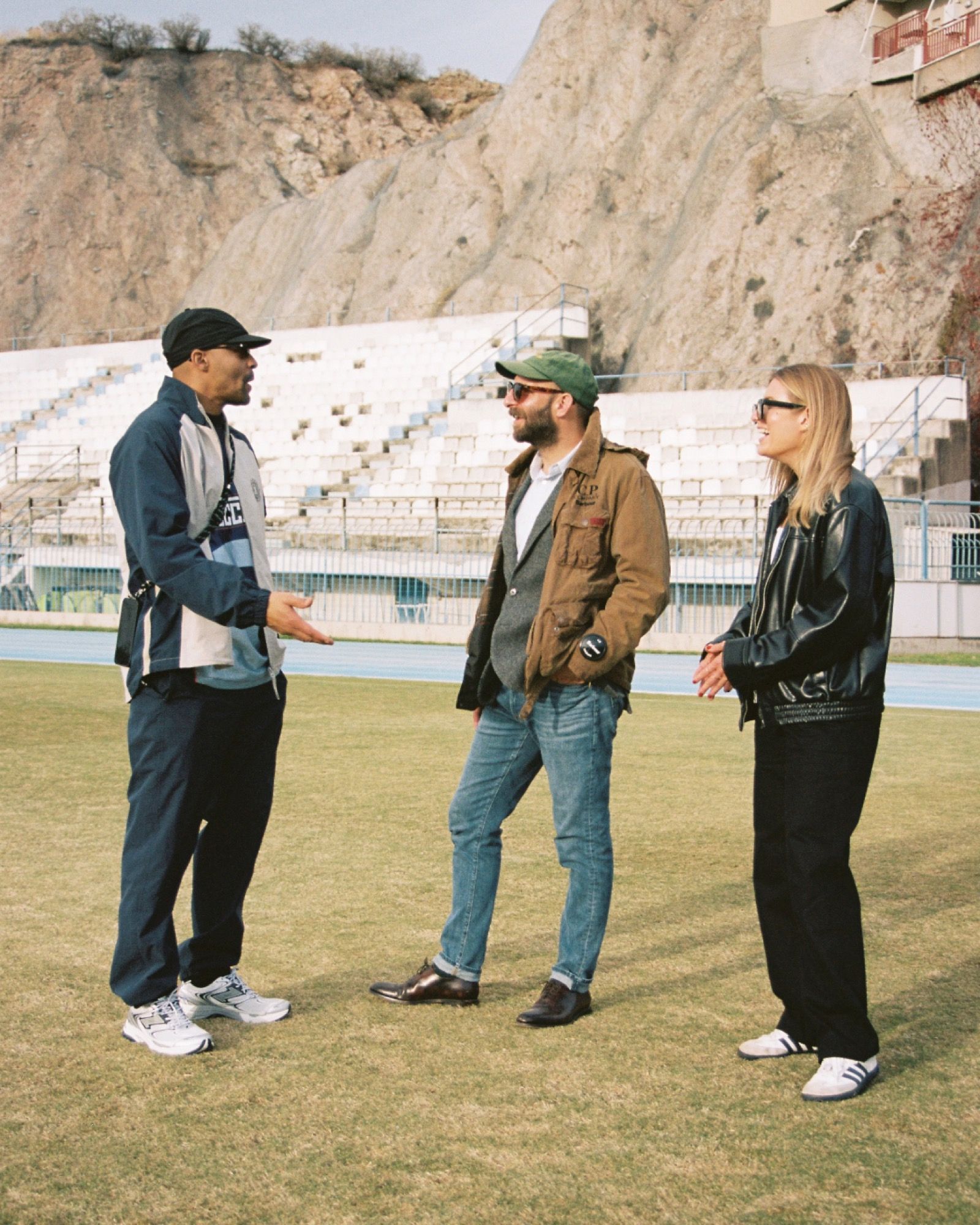
So, can these two spheres that seem distant - sport and fasting - be reconciled while ensuring a healthy lifestyle? I discussed this with sports psychologist Oussama Mourahib. Oussama, in addition to being a sports psychologist, is also a football coach and mental coach. Among his many activities, he collaborates with the Evolution Program of the FIGC (Italian Football Federation), a youth development pathway that supports clubs and technical staff in the growth of players, working on psychological and psycho-educational aspects such as emotional management, communication, and the quality of the training environment.
@manutd The game briefly paused on Sunday so Nous could break his Ramadan fast #MUFC #ManUtd #Mazraoui #OldTrafford #FACup #Ramadan original sound - Manchester United
Every practicing Muslim living in Europe must reconcile the month of Ramadan with the fast-paced rhythms of Western daily life. In Islamic countries, however, during Ramadan society adapts to these rhythms: working hours end in the early afternoon for both workers and students, and even training sessions become evening activities. In Europe this is not yet possible. As Oussama explains, fasting itself is not the real problem, but rather the combination of the entire system (sleep, nutrition, schedules) that must function properly. Those who practice sport, especially at a professional level, are forced on the one hand to adapt to the system in which they live and on the other to reconcile the religious aspect. “Our body adapts and, to do so, uses its reserves in the best possible way. Faced with a change in routine, the body finds a new balance. Therefore fasting itself is not a problem at all, but the system as a whole must work: from the quality of fragmented sleep to changing meal times, our body needs time to adapt.”
When we talk about sport we think almost exclusively about physical preparation, forgetting how decisive the mental and social components are. Yet, by taking advantage of the support of coaches, clubs, and specialists, performance can remain optimal even during Ramadan. “Sporting performance is not only tactical and physical,” explains Oussama, “there is a fundamental pillar, which is the psychological aspect. If that is missing, the whole structure sooner or later collapses. In youth sectors you can have the best technical coaches, but without communication skills or psychological sensitivity they will struggle to convey effective messages or build a positive environment. And in professional sport this weighs even more: the pressure is greater, expectations are extremely high, and mental management becomes decisive.”
@realsociedad نايف يكسر صيامه بعد توقف المباراة للحظات من أجل إفطار اللاعبين! #ريال_سوسيداد #ريال_سوسيداد_يونايتد #الدوري_الأوروبي #لاليغا #laliga #sportsontiktok #tiktokfootball sonido original - Real Sociedad
Support, as Oussama emphasizes, becomes a fundamental mediator in the locker room, just as in every area of life. During Ramadan this aspect is even more evident: even without overturning the entire sports system, several clubs — especially outside Italy — have begun to introduce small but meaningful gestures for those experiencing this month. In the Premier League, for example, it has been decided that matches may briefly pause at sunset to allow Muslim players to break their fast; or one may recall the gesture from a few years ago when West Ham organized an iftar after training sessions and invited fans as well. They are small gestures, but with a strong inclusive meaning. On the other hand, opposing positions also exist: the French football federation, for several years now, has declared itself against the idea of stopping matches because, following the principle of secularism, “there is a time for everything: a time to practice sport and a time to practice one’s religion.”
The sports system reflects a country’s culture more than we imagine: some choose to separate the religious sphere from the public space, while others seek solutions to respond to the needs of the individuals who make up society. Perhaps the point is not pausing a match for a few minutes, but understanding that a society capable of including everyone’s needs works better for all. Ramadan does not put sport into crisis; rather, it tests systems. Living sport during this sacred month is possible not because the effort is ignored, but because discipline, respect, and awareness belong as much to the athletic gesture as to the spiritual dimension.
