


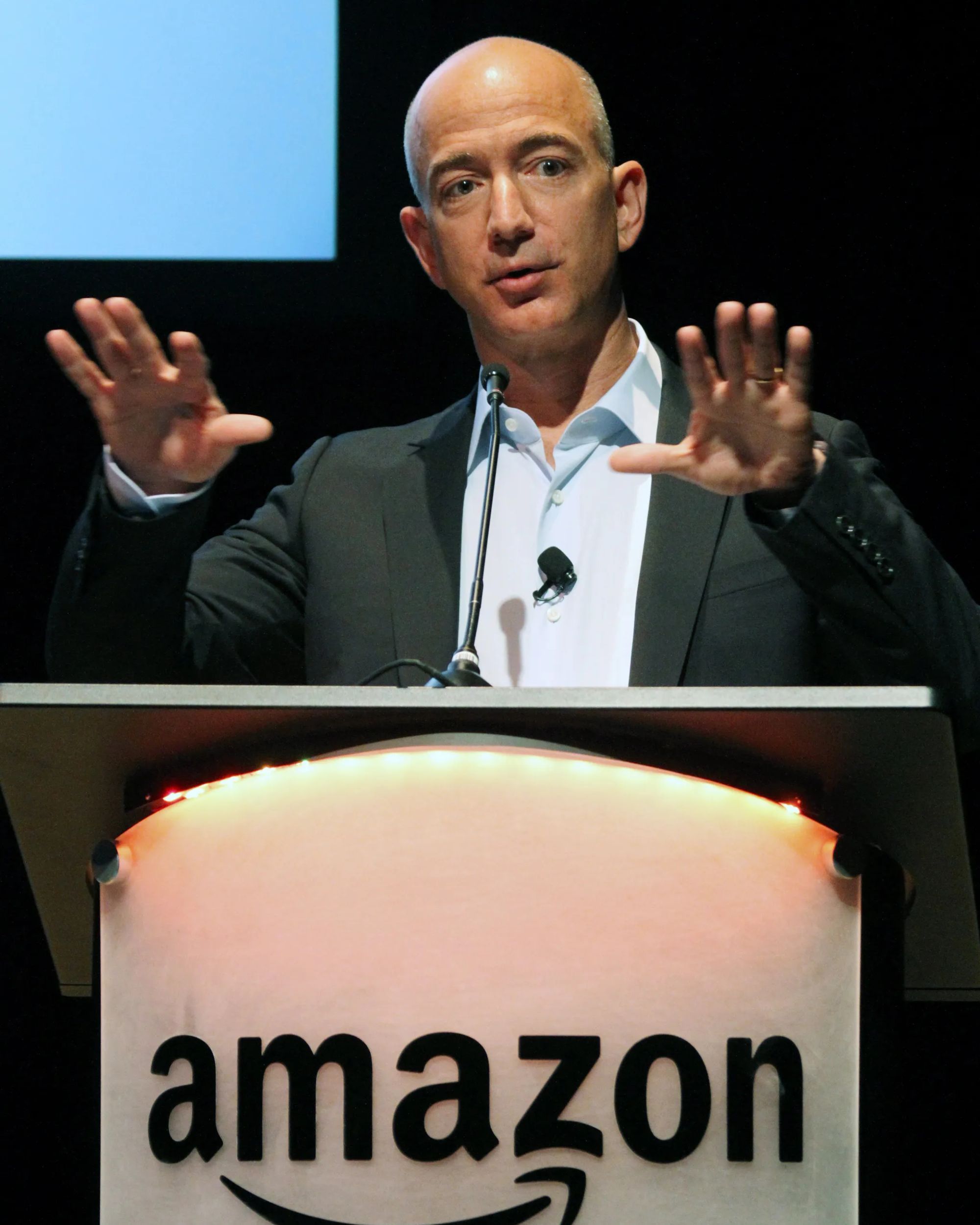
Will Amazon have its own NBA franchise in Seattle? The possible return of the SuperSonics is also of interest to Jeff Bezos
The NBA has been evaluating an expansion for quite some time, and it now seems the moment has finally arrived. Between March 24 and 25, the NBA Board of Governors — the collective body of franchise owners — will meet to vote on expanding the league from thirty to thirty-two teams, with a new structure expected to be introduced starting in the 2028/29 season. The cities already confirmed, long considered the frontrunners, are Las Vegas and Seattle.
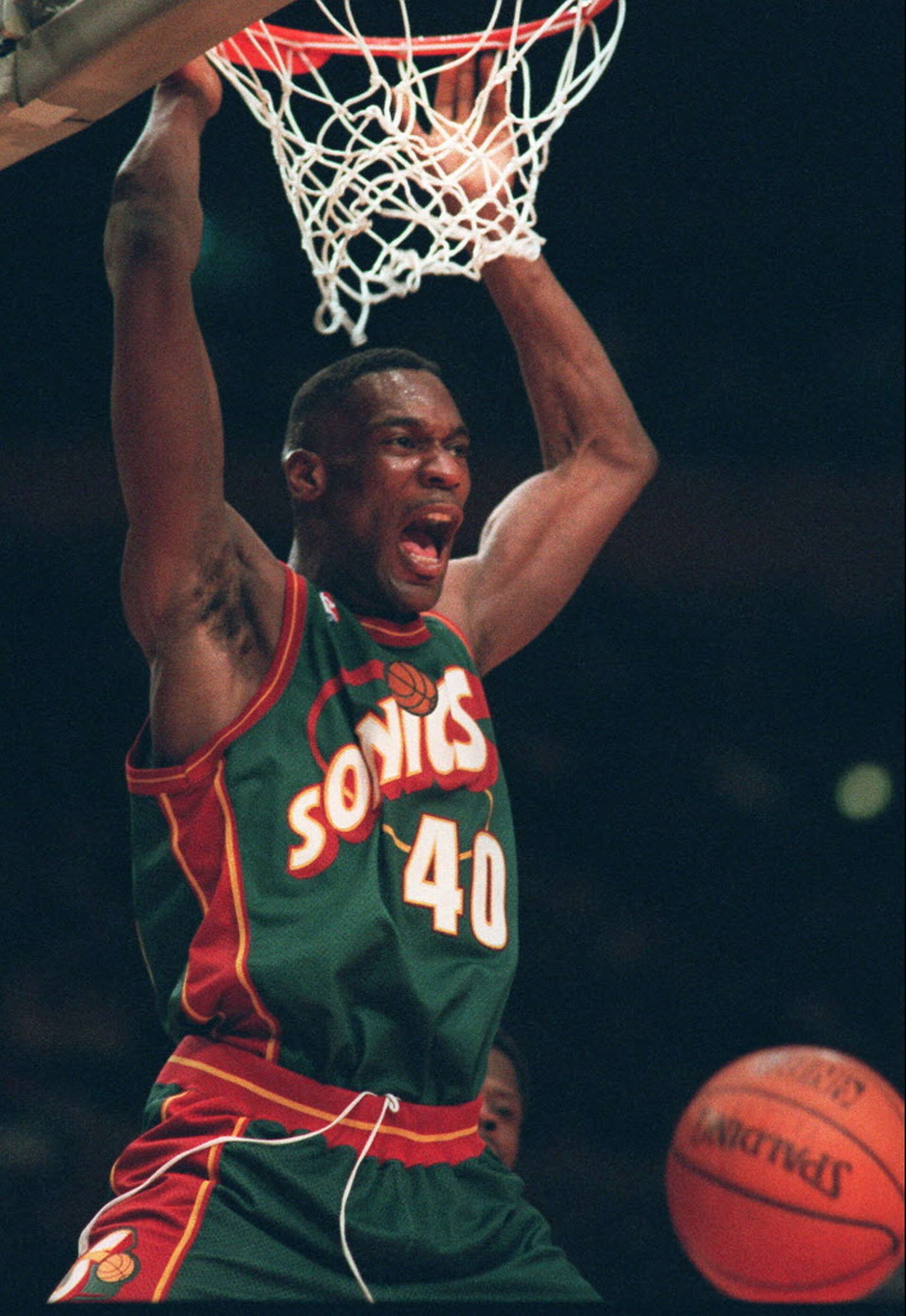
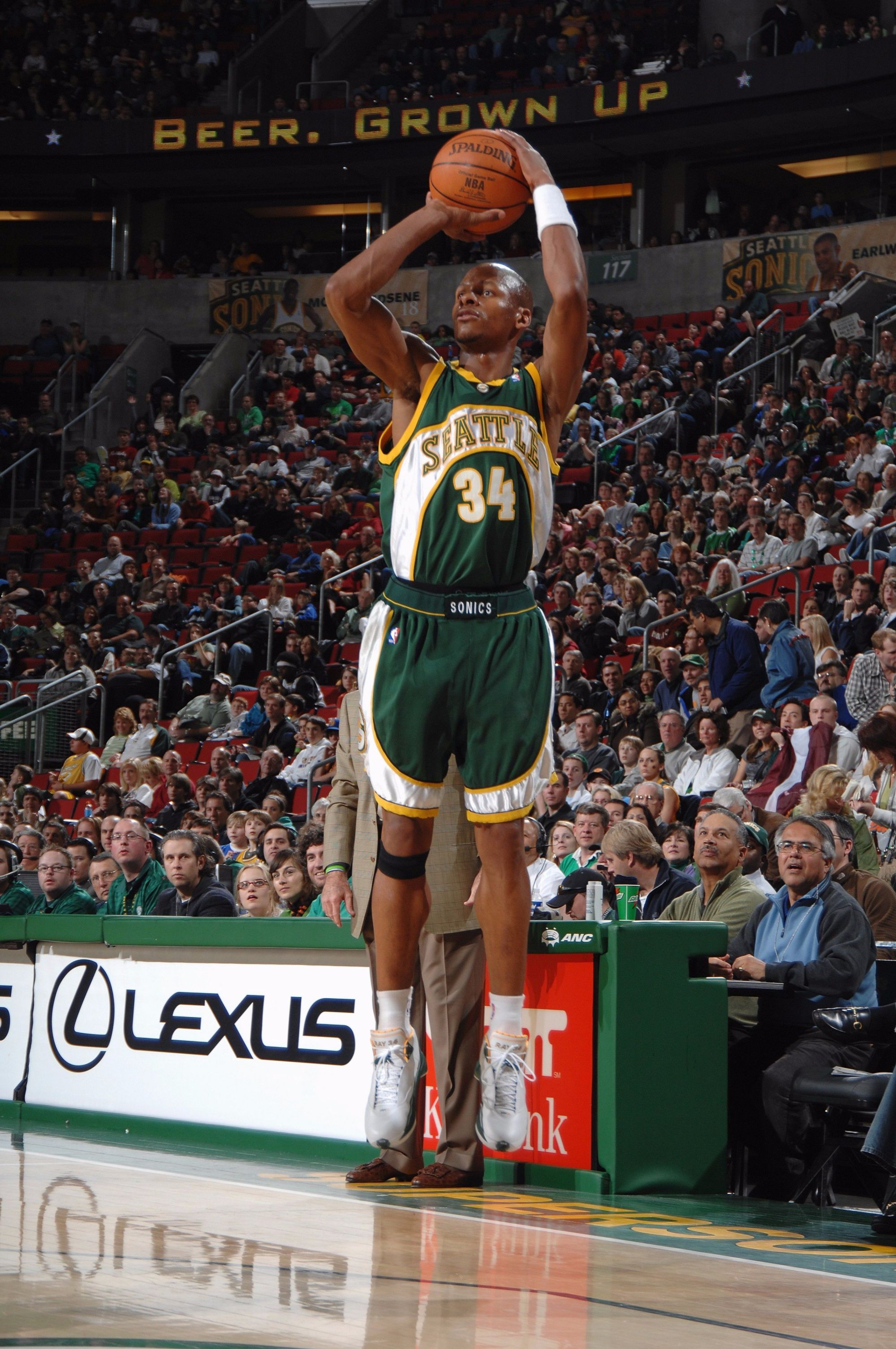
There is still little to say about the finer details of the first market. Las Vegas is a booming sports hub: the Golden Knights, an NHL franchise, were founded there in 2017; the Raiders of the NFL relocated to the city in 2020; and MGM Resorts purchased the then San Antonio Silver Stars in 2017, transforming them into the Las Vegas Aces, now one of the most decorated teams in the WNBA. Major League Baseball is also expected to arrive in Nevada in 2028. Yet the NBA — the premier men’s basketball league in the United States — has only dipped its toes into Sin City so far through the Summer League and the final stages of the NBA Cup, meaning the ecosystem is still largely unexplored. Seattle, on the other hand, has basketball running deep through its identity, even though the city has lacked proper representation since 2008, when the beloved SuperSonics — one of the most iconic franchises in NBA history and champions in 1979 — relocated and became the Thunder, moving their headquarters to Oklahoma City.
The return of the Seattle SuperSonics
There are very few doubts about what the new — or rather returning — franchise will be called. The SuperSonics name is not just a brand, but the brand of the largest city in the state of Washington. The nickname, chosen when the franchise was founded in 1966, originated from a project developed by Boeing, the Seattle-based aerospace manufacturer, called Supersonic Transport — an ambitious plan to build a supersonic passenger aircraft. Although the aircraft never actually flew in American skies due to excessive production costs, the legacy survived through what became the franchise’s first logo: a rocket tracing its trajectory around a basketball that encapsulates the Space Needle, Seattle’s iconic tower and symbol.
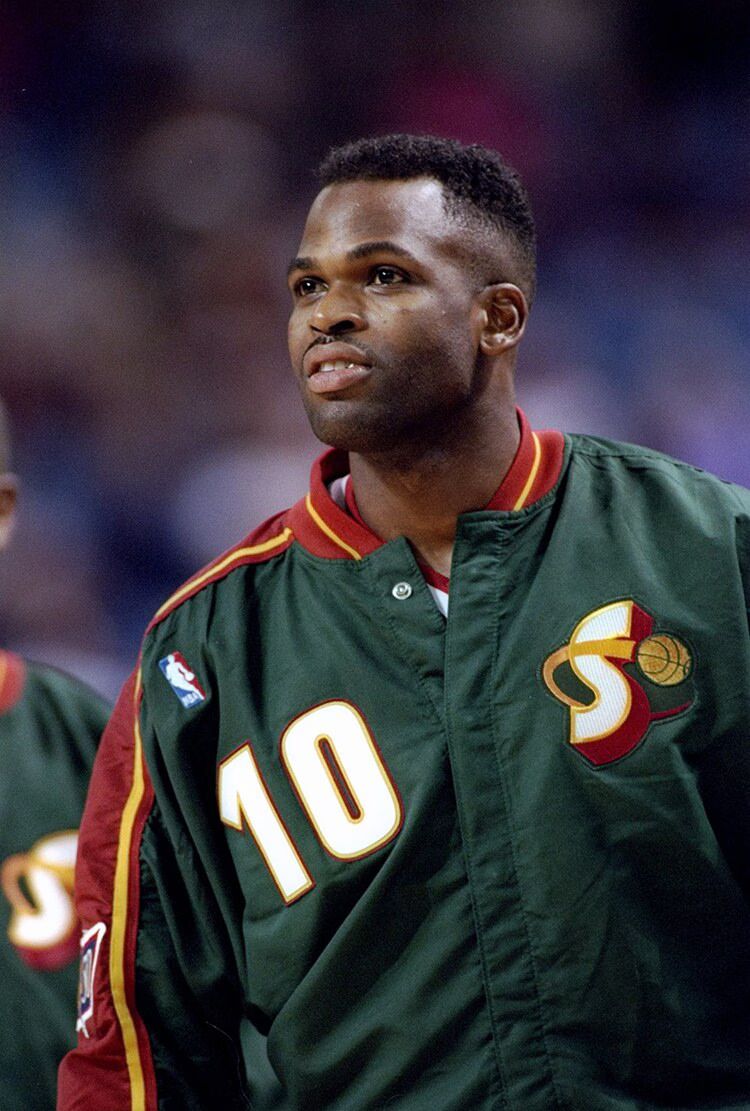
The team’s colors are also ready to return, carrying a concept capable of encapsulating both Seattle’s history and its surrounding ecosystem. The green, the original color, evolved over the years from a darker tone to emerald green (Pantone 567 C), symbolizing the vast forests surrounding the region — not by chance Seattle is often called the Emerald City. The accompanying yellow (Pantone 137 C) references the Klondike Gold Rush of the nineteenth century, which saw the city become a crucial departure point for prospectors heading north, eventually leading to the creation of a National Historical Park split between Alaska and Washington State along the border with Canada. There is simply no reason not to replicate every single detail of a franchise that disappeared while leaving an unfillable void in the city’s sporting culture — despite the successes delivered by the Seahawks, winners of the 2026 Super Bowl. Even though it has been almost twenty years, Seattle still maintains a remarkably strong presence within today’s NBA.
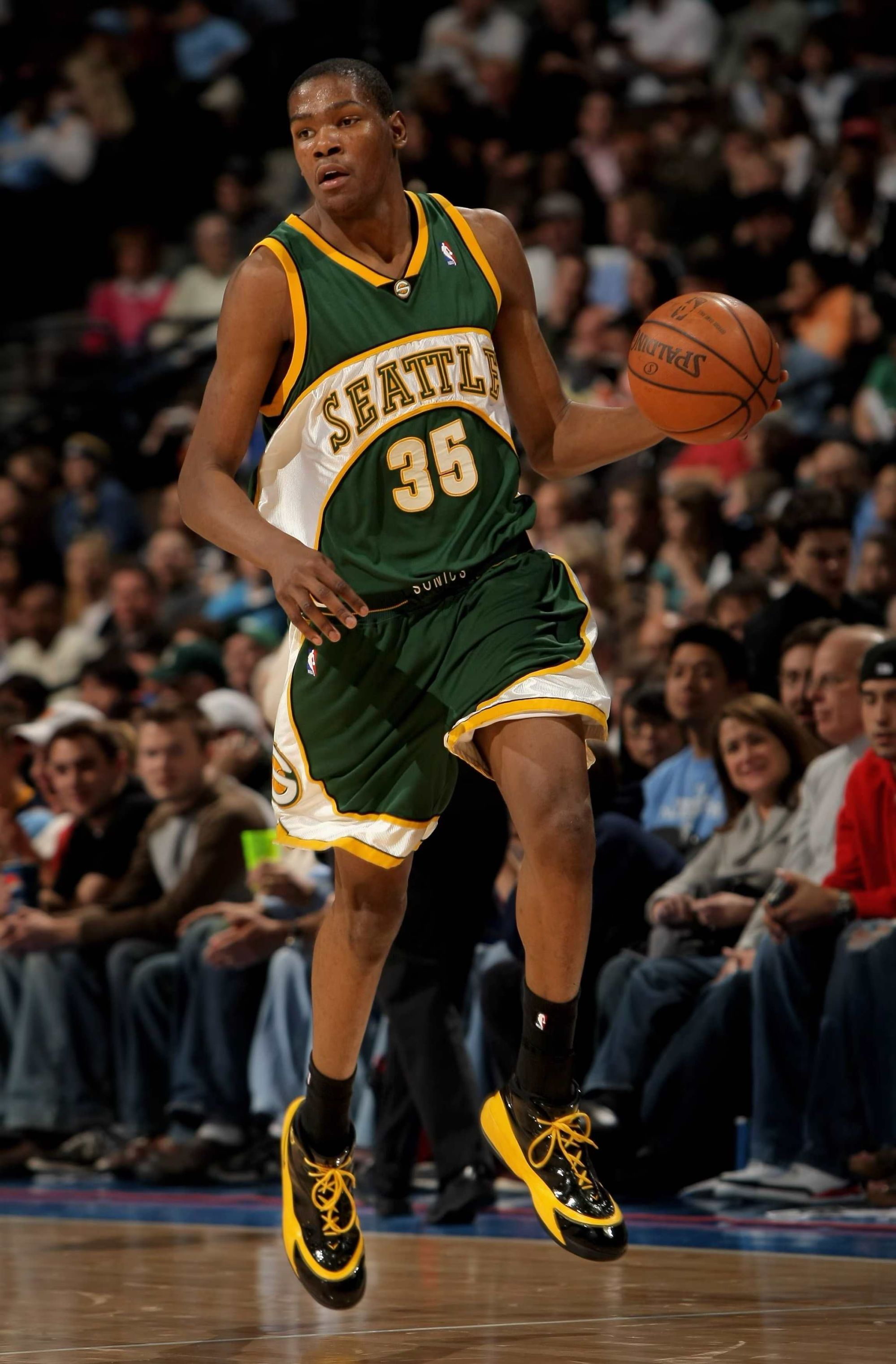
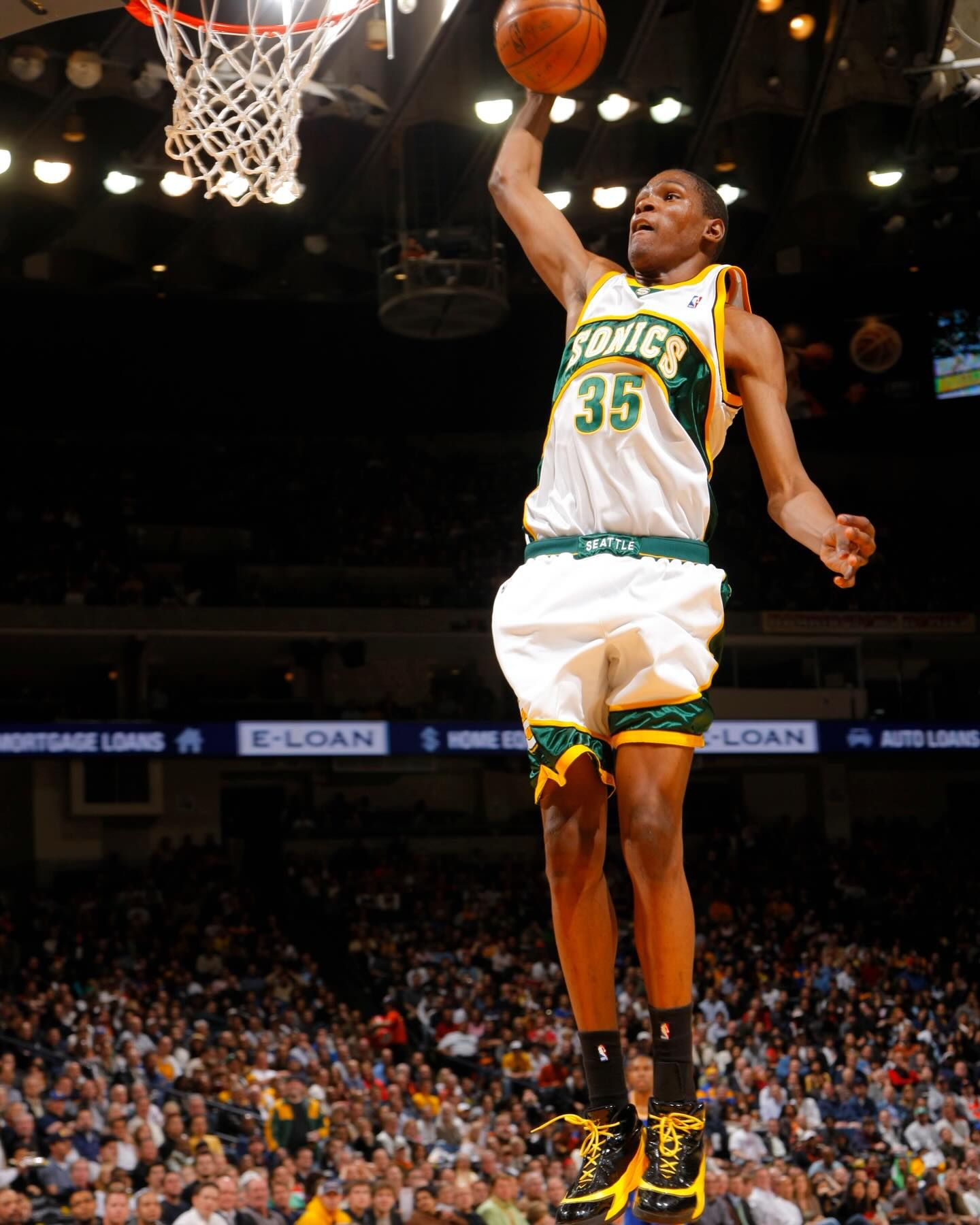
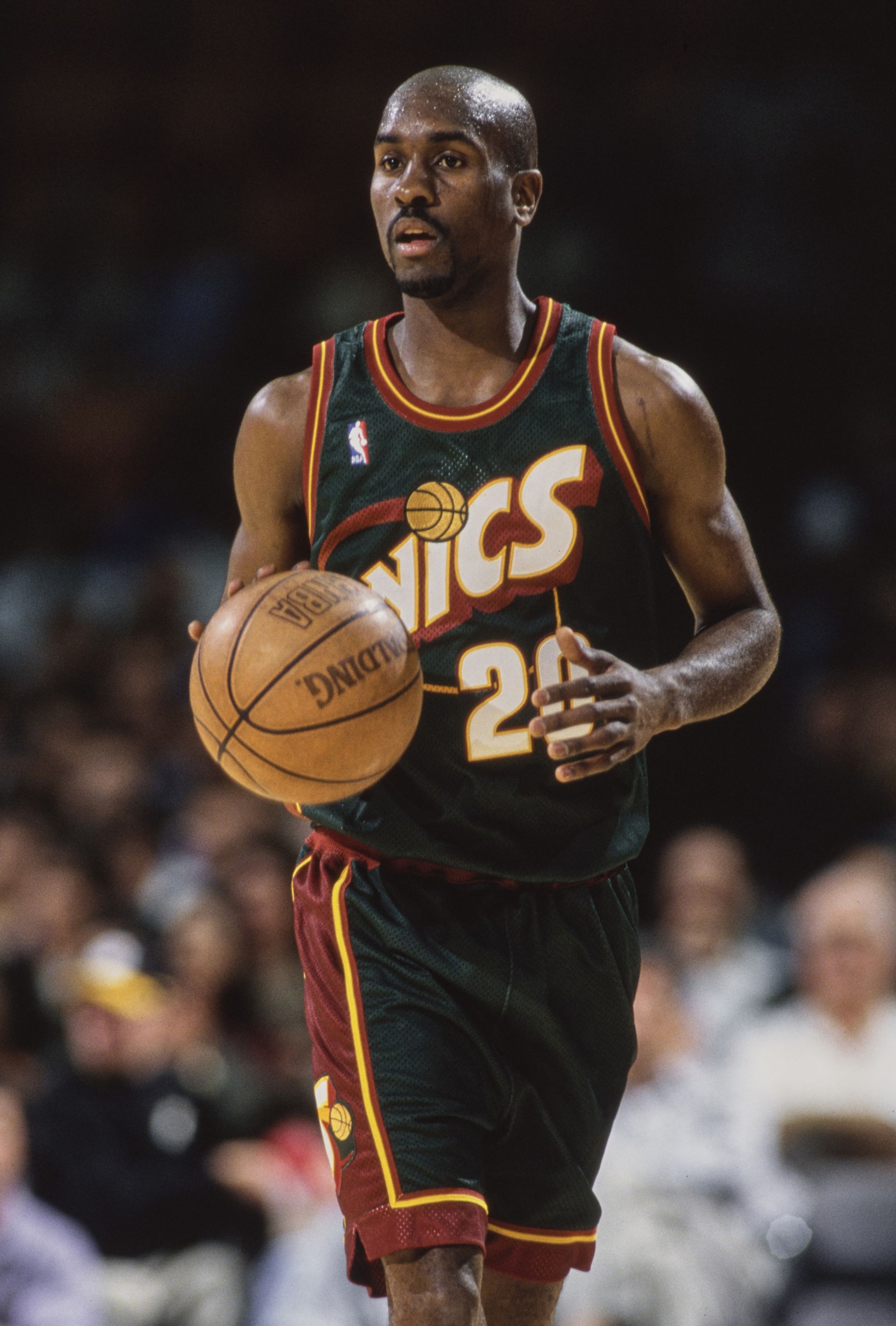
Seattle was also where Kevin Durant played his rookie season — the current Houston Rockets superstar whose contract is set to expire in 2028, just in time for the expansion. Gary Payton II, a Seattle native and son of the SuperSonics legend of the same name, has already announced that he would immediately request a trade should the franchise return. Stars such as Paolo Banchero and Dejounte Murray have also frequently taken part in amateur tournaments in the area where they grew up, strengthening ties with local cult figures of the past like Jamal Crawford, Brandon Roy, Jason Terry, Nate Robinson, and Rodney Stuckey.
Costs remain the only real obstacle
Back in July 2006, when the SuperSonics were sold through a preliminary agreement, the purchase price was set at $350 million. Today, everything has changed. The Phoenix Suns were sold to Mat Ishbia for $4 billion in 2025, while that same year record-breaking figures were reached for the two most decorated franchises in NBA history, the Celtics and the Lakers, sold respectively for six and ten billion dollars — the latter setting an all-time record. Even the Portland Trail Blazers, among the ten smallest markets in terms of revenue, have been valued at over four billion. Estimates for bids on the two new franchises range between seven and ten billion dollars, meaning a seventy-million-dollar share just for a minority partner looking to enter the deal by purchasing the minimum 1% stake required by the NBA.
At the same time, investors in the region are also being drawn by the potential sale of the Seahawks, currently owned by the Allen family, with Jody Allen serving as trustee following the death of her brother Paul Allen — Microsoft co-founder — in 2018. The deal is estimated to be worth between eight and ten billion dollars. Closing both acquisitions would therefore require enormous capital, forcing potential buyers to choose between one franchise or the other. This dynamic could influence the upcoming Board of Governors vote. Although market projections place Las Vegas and Seattle among the NBA’s potential top eight markets, expanding from thirty to thirty-two teams would initially reduce collective revenue for each franchise owner, effectively increasing the number of stakeholders sharing the pie. For this reason, the league is not just looking for ownership groups, but for ownership groups capable of selling the vision and recouping the enormous initial investment.
Amazon is ready to take over the NBA
Among the most intriguing names to emerge as a potential buyer is Jeff Bezos, founder, owner, and chairman of Amazon. The company has already extended its reach into the NBA by becoming part of the league’s $76 billion media rights deal spread over eleven years, signed with long-time partners ESPN and ABC while also introducing NBC, Peacock, and Prime Video in a major streaming revolution. This is the first NBA season available on Amazon Prime, which replaced Warner Bros. Discovery by integrating with the existing streaming service League Pass. Amazon secured exclusive rights to 66 regular season games per year for eleven years, along with six seasons of coverage for the Play-In tournament and playoff games up to the Conference Finals. Now, Bezos may be ready to invest directly in the league’s growth.
According to Forbes, the world’s fourth-richest individual already has a history of attempting to acquire sports franchises. In 2023 he was linked to the Washington Commanders, an NFL team eventually purchased by Josh Harris — also the owner of the Philadelphia 76ers — who ultimately beat him to the deal. The reasons behind Bezos’ decision not to submit a formal offer were never revealed, though reports suggested a lack of cooperation from the then-owners of the Commanders, the Snyder family, who had been targeted for years by investigative reporting from The Washington Post, a newspaper purchased in 2013 by a holding company controlled by the Amazon founder.
Bezos has now also been mentioned among the potential buyers of the Seahawks and, consequently, linked to the possible new NBA franchise in Seattle. The city represents a potentially lucrative market, an ecosystem already tested in the past with a deep basketball heritage, and a logistical advantage as well. Infrastructure costs would be minimal, since Climate Pledge Arena — the city’s multifunctional complex and former home of the SuperSonics — was renovated between 2018 and 2021, securing agreements with the Seattle Storm of the WNBA and especially the Kraken, the city’s NHL franchise.
Other investors
The Kraken are managed by co-owner Samantha Holloway and CEO Tod Leiweke. Both have repeatedly expressed support — and even interest — in the return of the NBA to Seattle, and rumors suggest they could lead a local investment group. The introduction of a new SuperSonics franchise would therefore not disrupt the city’s sports and commercial balance, but rather strengthen it.
Among internal investors, another early show of interest has come from Earvin “Magic” Johnson, the legendary Los Angeles Lakers point guard, who has openly stated his desire to see stronger basketball representation in the northwestern United States — even if that means contributing financially himself. At present, the Portland Trail Blazers are the only NBA team located in the region, based in Oregon just south of Washington State. The return of the SuperSonics would breathe new life into the area, allowing the NBA to fully embrace the nearly ten million square kilometers of the United States.