







































Polymarket is also expanding into sports And betting is back in Serie A


In recent days, a new sponsor has appeared on the shirt of Lazio. That alone is news, given the long stretches in which the front of that jersey has gone blank—let alone when the partnership involves one of the most discussed and controversial brands on the global stage: Polymarket. A U.S.-based company that presents itself as "the world’s largest prediction market", accompanied by daily controversy over how it operates. Sometimes it produces curious and surreal stories—like the recent case of sudden temperature swings in Paris and a tampered thermometer heated with a hairdryer. Other times, the implications reach into macroeconomics and political shadows, not least because of Donald Trump Jr.’s presence among its advisors through 1789 Capital, a board shared with Intercontinental Exchange—the company that owns Wall Street—and the ties of founder and CEO Shayne Coplan to the White House.
The Polymarket patch debuted on Lazio’s shirt in the last league round, during Napoli–Lazio, and reappeared on Wednesday in the Coppa Italia semifinal second leg against Atalanta. A presence that, like it or not, fans will get used to, as part of a partnership set to last at least two years. Yet Polymarket is currently an illegal platform in the Italian market—or rather, not fully usable. It is also the latest sign of betting’s encroachment into Italian football, despite the now almost forgotten 2018 “Decreto Dignità,” which was introduced specifically to curb gambling sponsorships in sport.
What Polymarket is and how it works
Polymarket is being talked about everywhere—especially after the 2024 U.S. presidential election, which boosted its visibility and volumes, transforming it from a crypto niche into a global phenomenon. But the platform had already emerged—and continues to be debated—in very different contexts: from fluctuations in oil prices to political crises, from war zones to central bank decisions. And also for more borderline—or outright bizarre—episodes: bets on rainfall and temperatures in cities, on everyday occurrences such as the number of cars crossing an intersection or people entering a public place, all the way to improbable events and extreme scenarios.
Polymarket is not a traditional bookmaker but a prediction market—a space where users buy and sell probabilities. It works like a financial market: each event becomes a question about the future, and the price of shares reflects perceived probability. It’s not just about betting, but about "profiting from your knowledge by trading on future events", as Polymarket itself states in its Google tagline. The difference from traditional betting is structural: it is a blockchain-based platform, with no central operator, where everything is managed via smart contracts and transactions in stablecoins. In theory, a more transparent and decentralized system. In practice, a hybrid model between finance and betting, making it difficult to define—and even harder to regulate. It is precisely this ambiguity, along with inevitable ethical concerns, that fuels the debate.
@cbsmornings The night before the U.S. military captured #Venezuelan dictator Nicolás #Maduro and his wife, Cilia Flores, somebody, somewhere placed an extremely well-timed bet on the prediction markets site #Polymarket original sound - CBS Mornings
On one side, supporters describe it as an advanced tool for aggregating information and predicting the future better than polls or analysts. On the other, concerns are growing over instances of insider trading reported on the platform, where the ability to manipulate events or information can translate into huge profits. One example involves bets on the operation that led to the capture of President Maduro in Venezuela: in the hours before the U.S. military intervention, some accounts—later linked to military officials with access to information—had wagered tens of thousands of dollars on that outcome. In addition Polymarket has signed official agreements with several major sports organisations, including the MLB, MLS, NHL, UFC and La Liga.
Legal status in Italy
From a regulatory standpoint, the picture is fragmented. Polymarket is accessible in many countries, but has been restricted or blocked in several European jurisdictions, where it is often classified as unauthorized gambling. In Italy, the situation is ambiguous: the platform is visible, but trading functions are unavailable to users, as such activities fall under gambling regulations and require a license from ADM (Customs and Monopolies Agency), which Polymarket does not have. The site is therefore not truly usable in Italy, except through the use of VPN networks.
However, something seems to be moving behind the scenes. An analysis of ADM registers conducted by Domani shows that in 2025 the platform was blocked, but in the updated list of April 2026, Polymarket no longer appears. A sign of a possible opening in the Italian legal market? In this sense, the sponsorship with Lazio—the platform’s first such partnership globally—seems more than a coincidence. After all, what would be the point of investing millions of euros to position itself in a closed market without the prospect of imminent access?
The Lazio deal explained
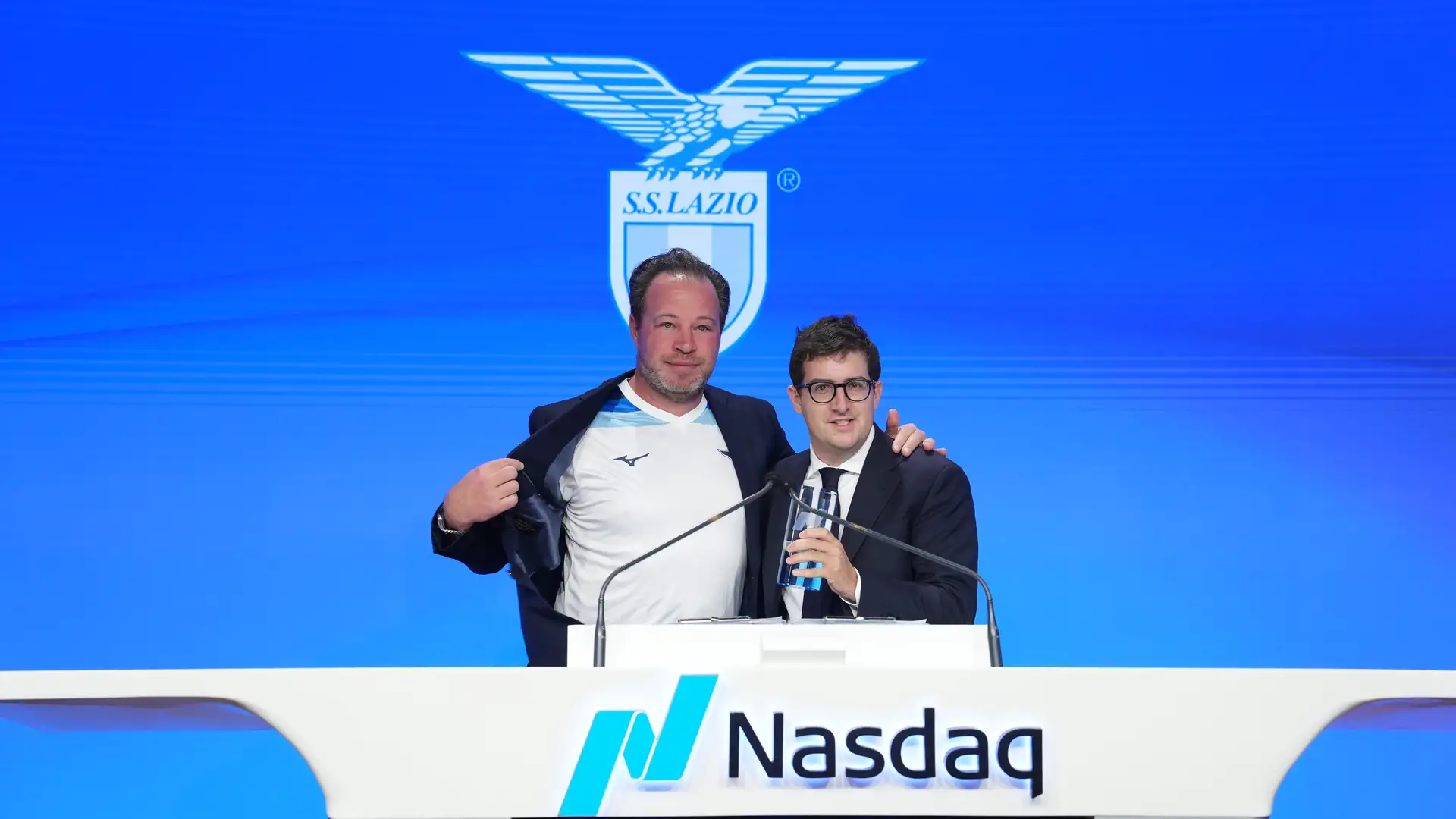
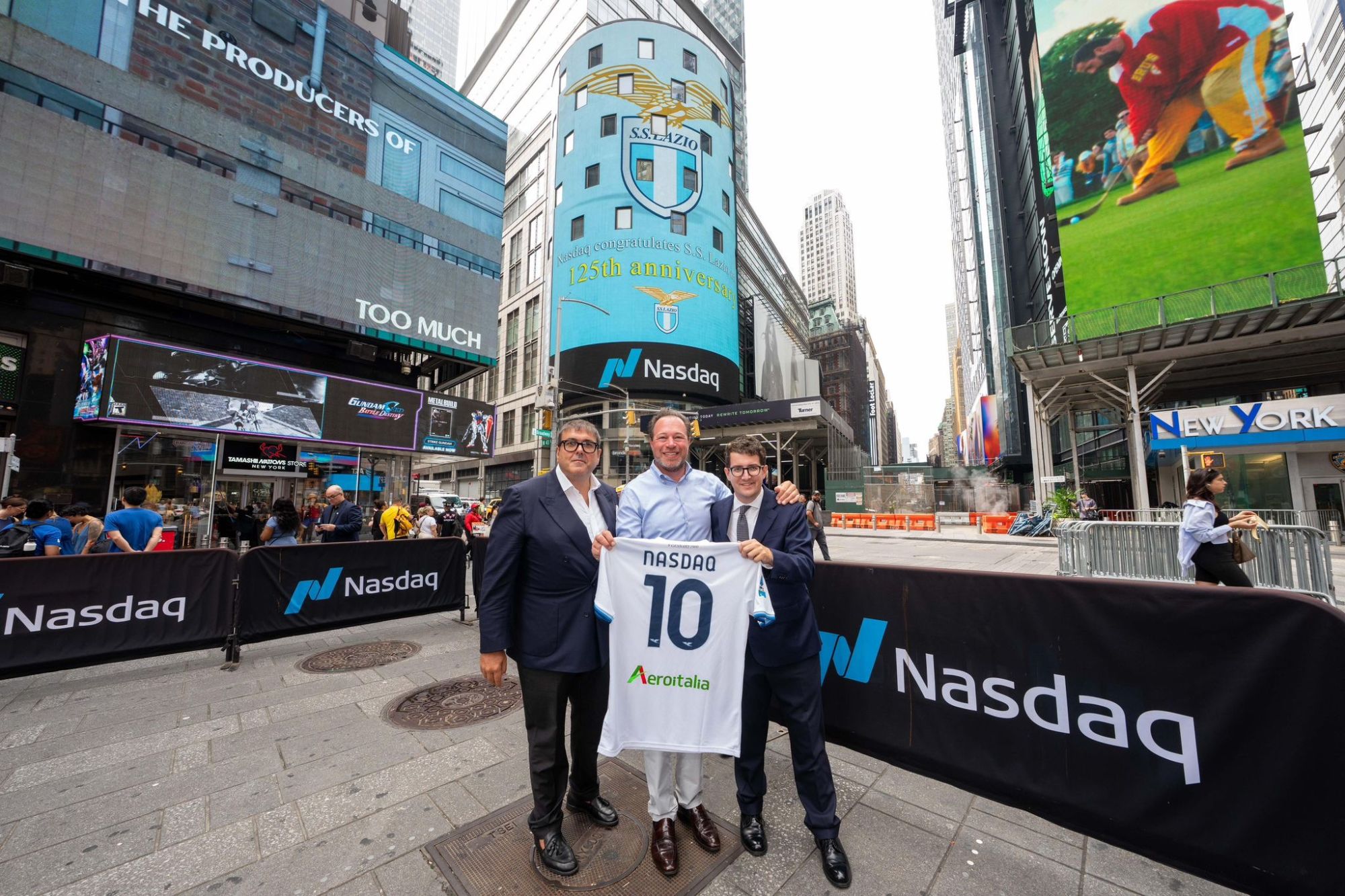
The origins of the relationship between the club and Polymarket trace back to a United States trip last December, according to Domani. At NASDAQ’s New York headquarters, initial contacts were reportedly established by Enrico Lotito, a club executive and son of Lazio owner Claudio Lotito, and Emanuele Floridi, head of communications, with a key mediating role played by entrepreneur Salvatore Palella, founder of Helbiz, who recently acquired the newspaper La Sicilia and a stake in ANSA.
The agreement between Lazio and Polymarket, as stated in the official announcement, will cover the remainder of the current season and the next two campaigns, with a total value of around €22 million, plus an option for the 2028/29 season. A deal that places the Roman club in the upper-middle tier of Serie A shirt sponsorship revenues—a step up from the recent past, allowing it to move closer to the league’s top clubs and strengthen commercial income at a time when sponsorship revenues are increasingly crucial to football finances. This is particularly relevant for Lazio, whose relationship with shirt sponsors has often been inconsistent. The club is coming off a season—far from the first under Claudio Lotito since 2004—played without a main sponsor.
On Polymarket itself, in recent days, bets have also appeared regarding the end of the Lotito era, including a prediction on the sale of the club by December 31, 2026. Beyond the curious timing, what stands out once again is the mechanism—the ability to speculate on a scenario that, unlike sporting results, depends entirely on individual decision-making. With the usual concerns about market distortion and the potential use of insider information.
A growing European trend
"Lazio is pleased to announce its partnership with Polymarket, which becomes the Club’s Main Sponsor, as well as Official Fan Intelligence & Digital Insight Partner." This is how the club presents the agreement: not as a trading or betting platform, but as a player operating "at the intersection of sport, data, and technology." This framing, approved by AGCOM (the Communications Authority), will sound familiar to Italian sports audiences, after years in which betting-related companies have avoided explicit positioning and instead presented themselves as information platforms, bypassing rules that would otherwise have barred them from partnerships in the sector.
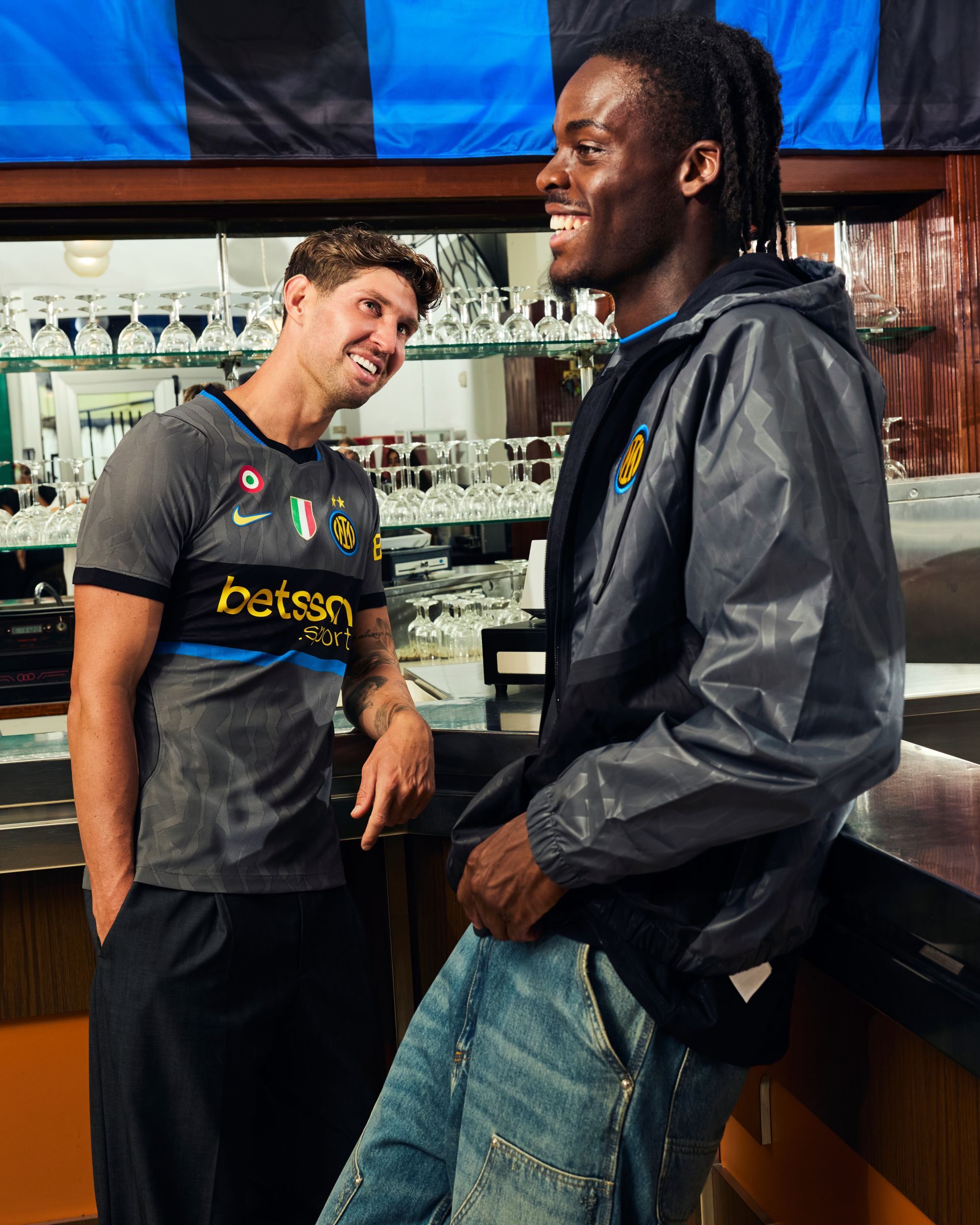
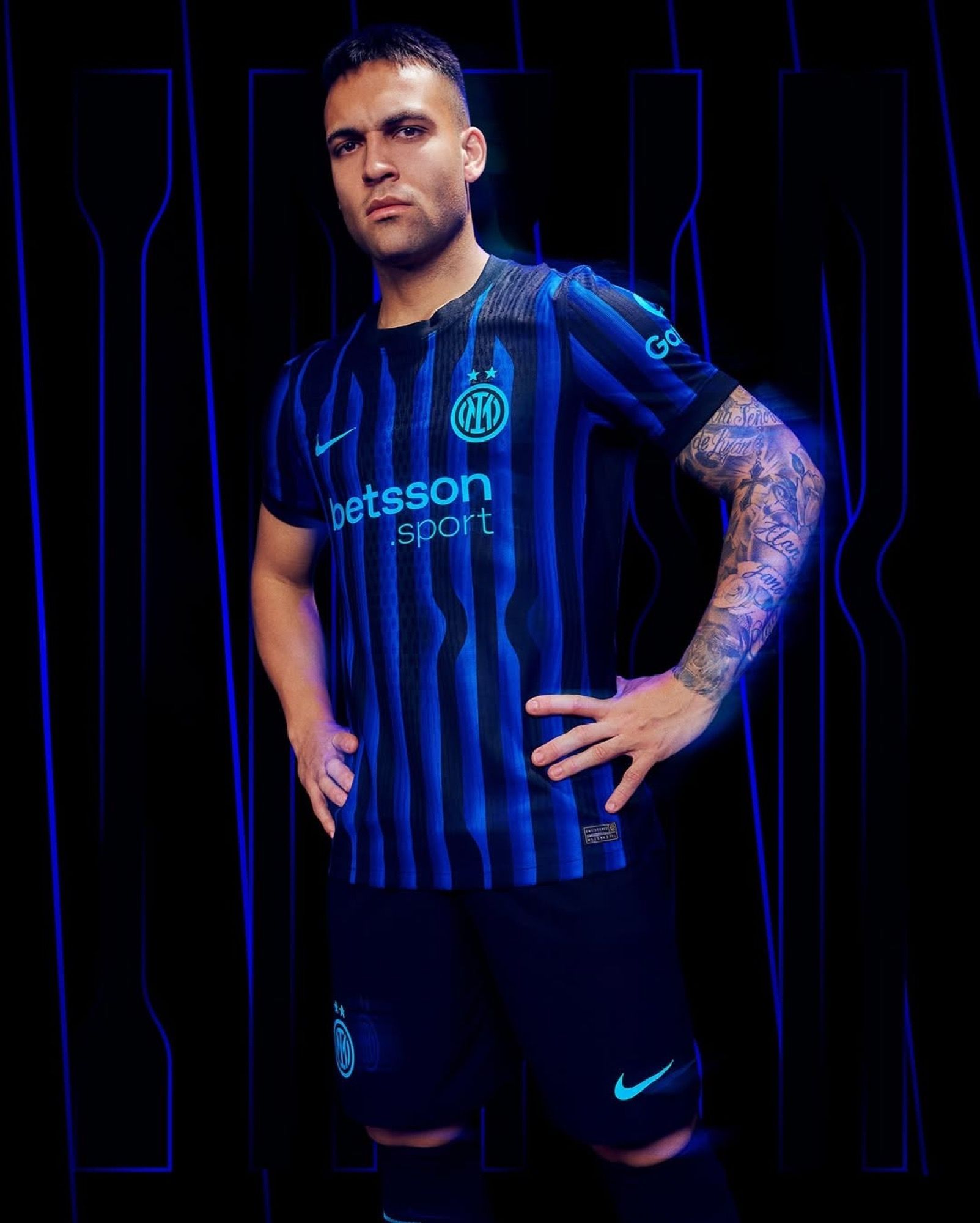
This is not an isolated case, but rather reflects a regulatory framework that, until recently, was among the most restrictive in Europe. The 2018 “Decreto Dignità” banned all forms of direct or indirect advertising related to gambling, including sports sponsorships. However, the ban was systematically circumvented. Betting platforms frequently rebranded as information sites: slightly altered names, .news or .sport domains, and visual identities identical to their original brands. A transparent workaround—if not an embarrassing one—visible even during televised matches, with ads and content replicating the language and codes of betting without explicitly stating it. In some cases, this masquerade extended to match jerseys—for example Inter with Betsson.sport, Parma with AdmiralBet.news, and Lecce with BetItalyPay.
The phenomenon has not gone unnoticed by institutions. The Italian Minister for Sport, Andrea Abodi, acknowledged that the decree had been "constantly circumvented in practice." From this realization came a shift in policy. Faced with a rule difficult to enforce as written, the government chose in March 2025 to dismantle it, approving a resolution that re-legalized advertising for betting sites authorized by ADM. The decision was driven primarily by the need to support clubs financially, as they have become increasingly dependent on such revenues. The phenomenon extends well beyond Italian football. A 2025 study by Investigate Europe showed that 67% of teams in major European competitions (296 out of 442) have at least one betting-related partner; of these, one in three displays the brand on the front of the shirt, while nearly half of the leagues have a gambling platform or lottery as their main sponsor. These figures illustrate an ecosystem in which betting revenues are now a cornerstone—both in Europe and elsewhere, such as in the United States, where gambling is undergoing liberalization and the entry of betting companies into professional sports leagues has sparked significant tensions.
In any case, for now Polymarket has had to disguise itself as an information and data analysis platform to enter Italian football, as many betting-related companies have done before. But compared to recent cases, it introduces an additional controversial element: not only the issue of gambling addiction typical of betting agencies, but also the explicit—and monetizable—risk of insider trading and market distortion.
