Why did the NFL choose Abercrombie & Fitch as its formal wear partner? The brand for ‘the attractive all-American kid’ comes full circle
Once upon a time there was the “old” Abercrombie & Fitch, a brand that then-CEO Mike Jeffries, in 2006, described as elitist and designed exclusively for the attractive all-American kid. A brand that was anything but inclusive: that was the atmosphere one breathed upon entering the stores, enveloped by the fragrances sprayed on every garment for sale. Stores literally wallpapered with images of shirtless models proudly flaunting their six-packs. A brand that, in the 2000s, went through highs and lows: moments of success alternating with dark periods, accompanied by controversies of all kinds. From racism — as in 2012, when, to promote the opening of a new flagship store in South Korea, local models were hired and forced, in the launch campaign, to squint their eyes until they looked like caricatures of Koreans themselves — to religious discrimination, as in 2009, when a Muslim saleswoman at Hollister & Co. was told she could no longer wear the hijab, despite having been told otherwise during her job interview.
In the last decade, and especially in the post-Covid period, Abercrombie & Fitch has undertaken a true rebranding process. To call it drastic would be an understatement: the brand has practically and deliberately demolished all the aesthetic heritage on which it had built its fame from the 2000s to the early 2010s. For this reason, Abercrombie & Fitch still today appears as a mix of body inclusivity campaigns — often perceived as token gestures to correct recent mistakes — and an aesthetic that, in terms of styling, lookbooks, and campaigns, feels even flatter than in the past: even during its golden age, when it enjoyed very high perception, one cannot say it was marked by silhouettes, graphics, or cuts with real character. Today’s aesthetic has undergone a total flattening, aligning itself with the stylistic choices of many U.S. lifestyle brands that seem to have placed themselves in a sort of subordination to Aimé Leon Dore, a brand that has clearly set a new aesthetic standard for a category of preppy-oriented streetwear blending various stylistic cues and influences.
The partnership between Abercrombie & Fitch and the NFL
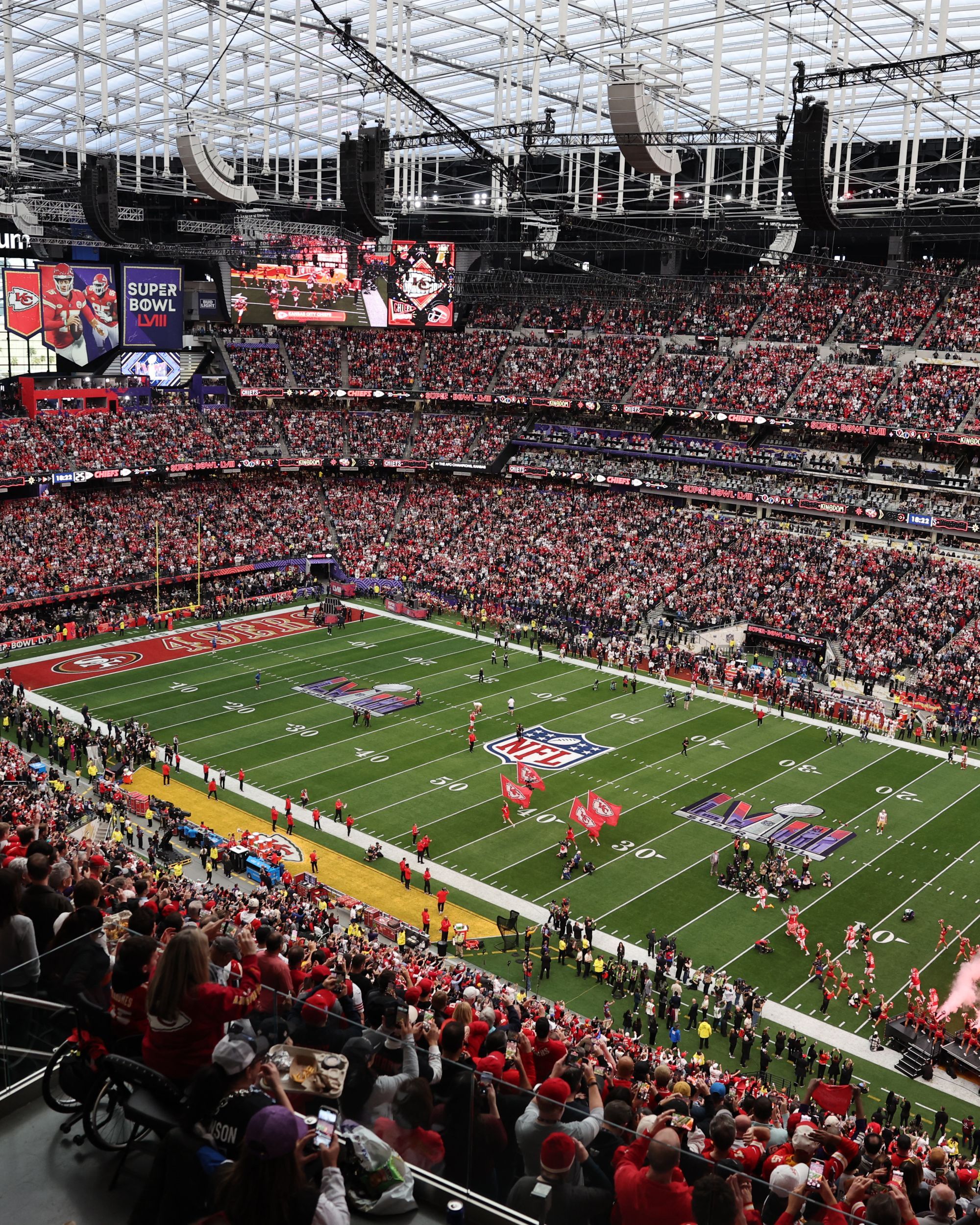
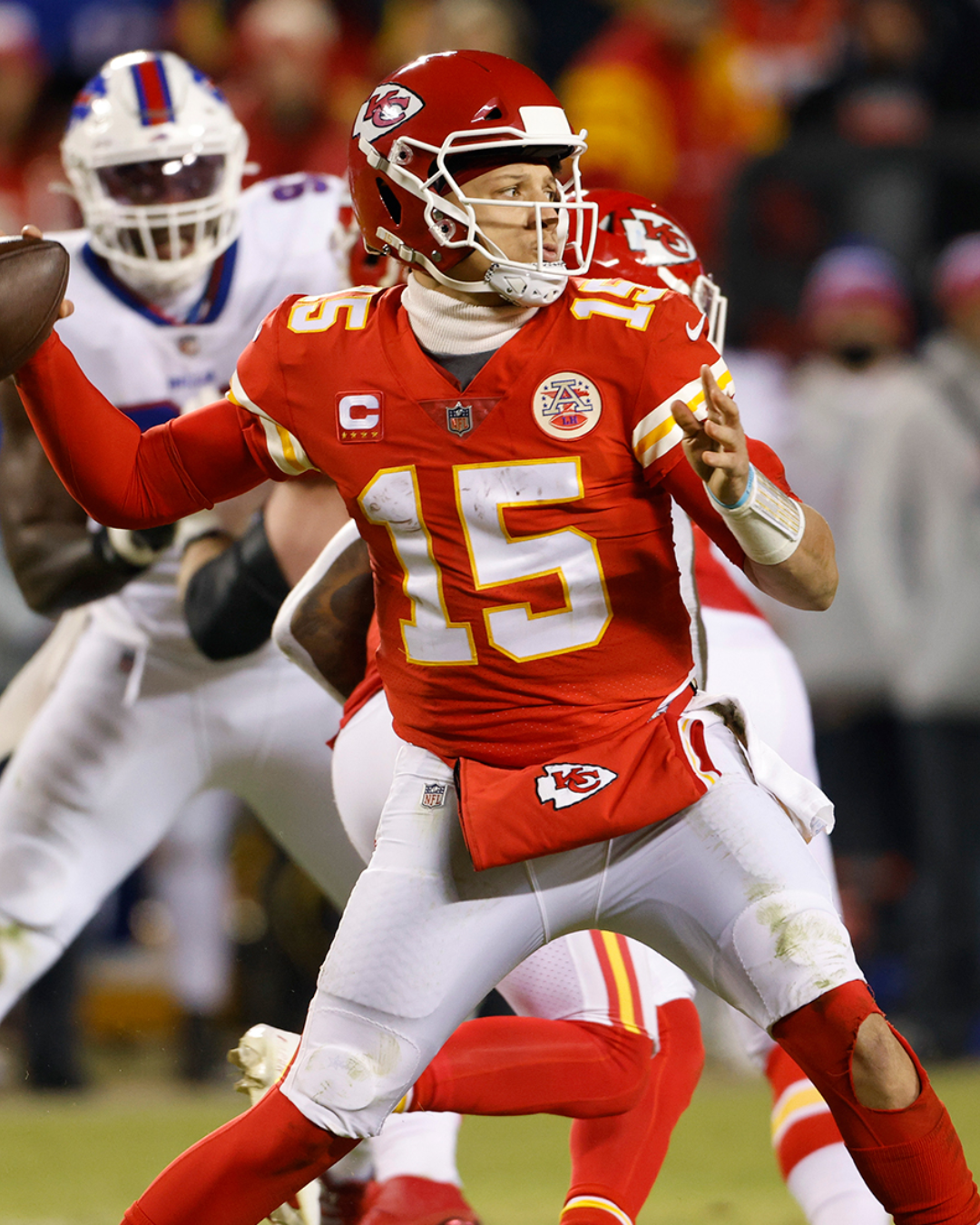
It was recently announced that Abercrombie & Fitch has signed a deal with the NFL, becoming the league’s official formalwear partner — the most popular football league not only in the United States but also worldwide. This is not the first time the two brands have collaborated: back in 2022, they created a limited capsule collection consisting of a few items. This new partnership, however, sheds light on a dual truth. On the one hand, it confirms the words spoken twenty years ago by Mike Jeffries: after all, what sport in the U.S. is more mythologized than football? What discipline has the power to make you a star more than becoming the quarterback of a winning team? On the other hand, the agreement legitimizes the idea of homogenization with respect to Aimé Leon Dore, a brand that has made American sportswear influences the cornerstone of its aesthetic, as evidenced by lookbooks that constantly draw from the most iconic American sports and the most quintessentially American fashion imagery (the influences of Ralph Lauren being nothing short of obvious).
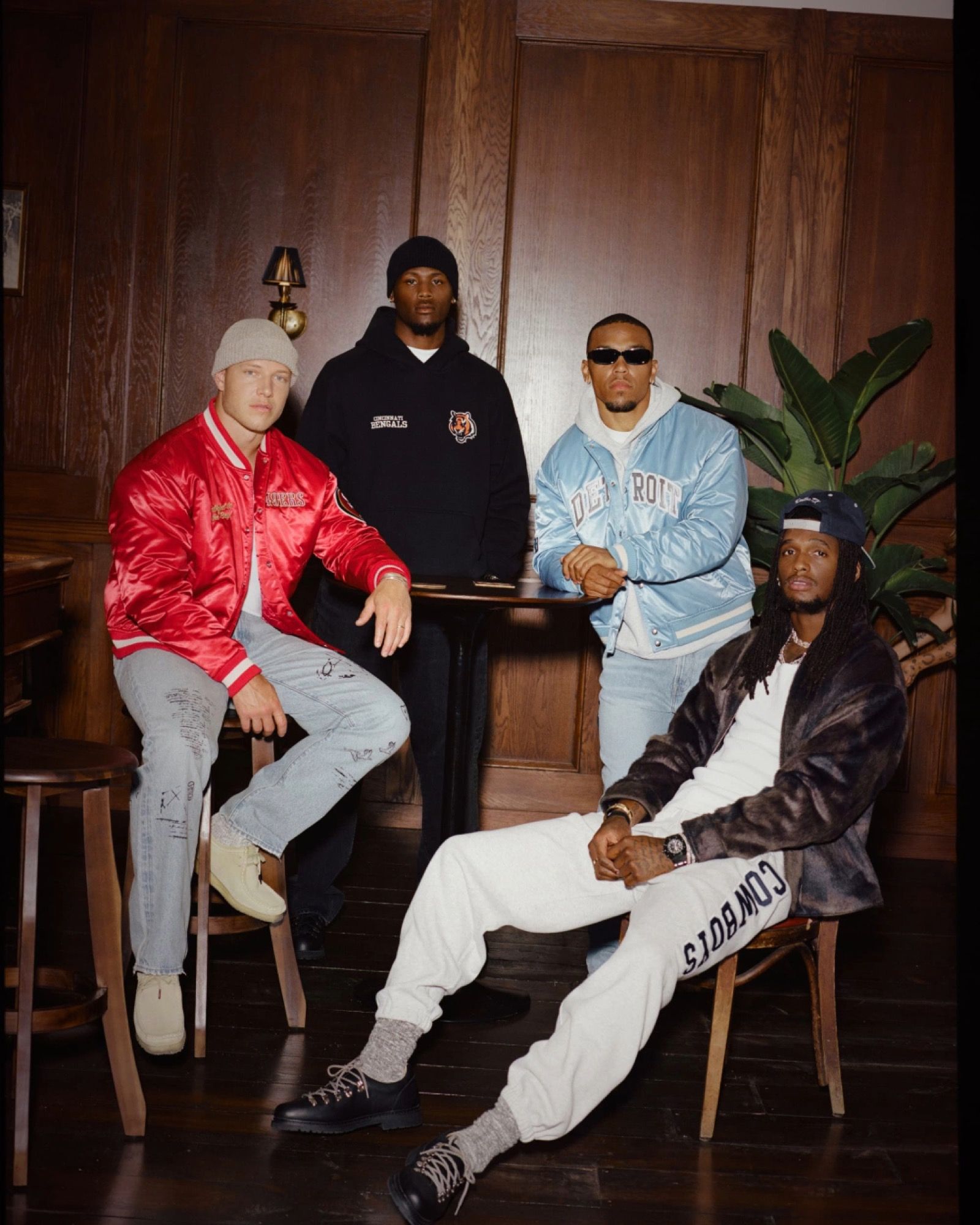
Leagues like the NBA and WNBA (WNBA recently signed a deal with Coach, which became its handbag partner) have long had a roster of athletes who gain media attention not only for their on-court performances but also for their style. The so-called tunnel fits have become a crucial stage for both brands and cameras. The NFL was slower to embrace this evolution, but today it can count on numerous fashion-savvy stars and appears ready to seize the opportunity — Christian McCaffrey, Amon-Ra St. Brown, CeeDee Lamb, and Tee Higgins have already been announced as athlete-designers for upcoming drops. “As the NFL continues to evolve, we are collaborating with brands that share our strategic vision,” said Tracie Rodburg, the league’s senior vice president of global partnerships. “Appointing Abercrombie & Fitch as an official sponsor strengthens our position as an emerging leader in the fashion community, creating deeper connections with our fans at the intersection of fandom and style, and celebrating the dynamic style of our players.”
From a purely symbolic standpoint, in terms of “closing the circle,” the pairing of Abercrombie & Fitch — a brand that has never been linked to a specific sport but, more broadly, to the idea of an athletic and sporty man — and the NFL does make a certain kind of sense. However, doubts remain about the actual functionality and genuine appreciation by league stars of the brand and its aesthetic proposals. What do NFL players really think of Abercrombie & Fitch? In the end, for the brand, the idea of being associated with the American football dream must have been worth the considerable sum paid to the NFL. An investment that, despite uncertainties, reflects the brand’s historic strategy: to remain as rooted as possible in the collective imagination of the country.
What to read next
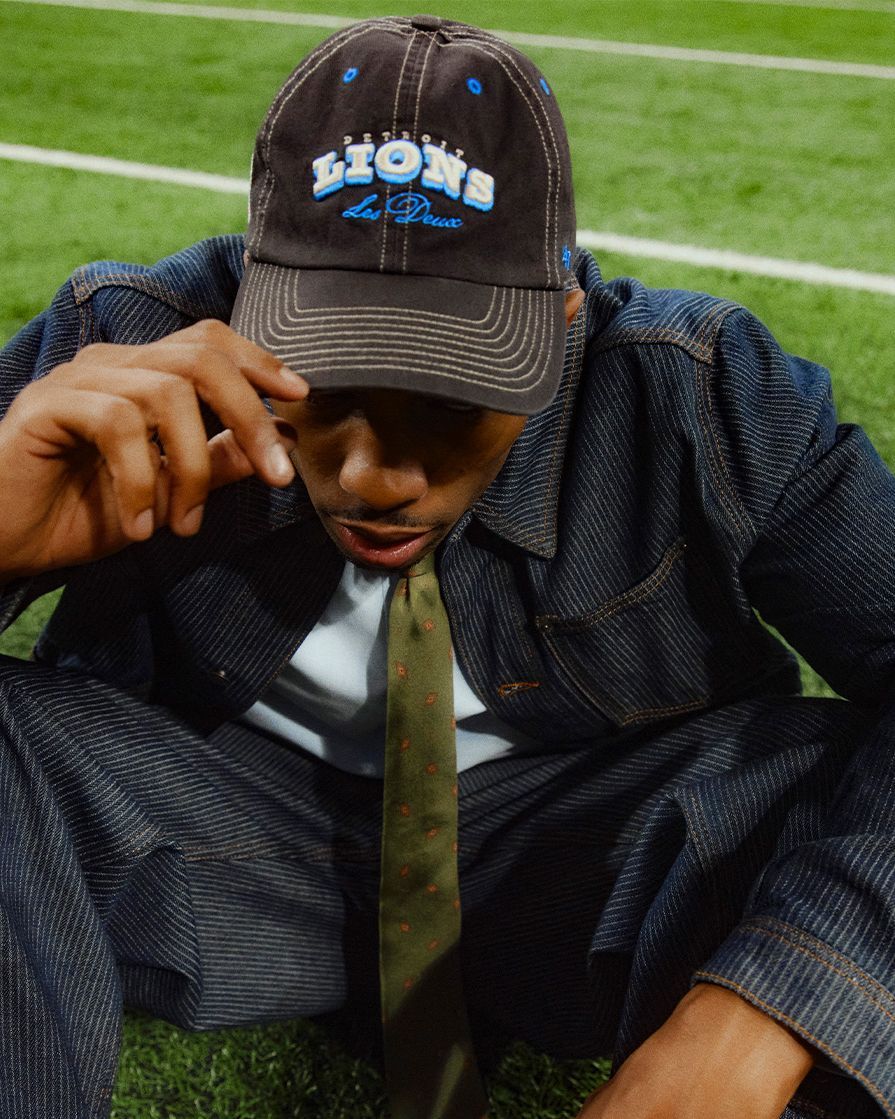
Les Deux and the Detroit Lions explore the connection between workwear and football
The limited-edition collaboration brings Copenhagen style and Detroit's sporting identity together
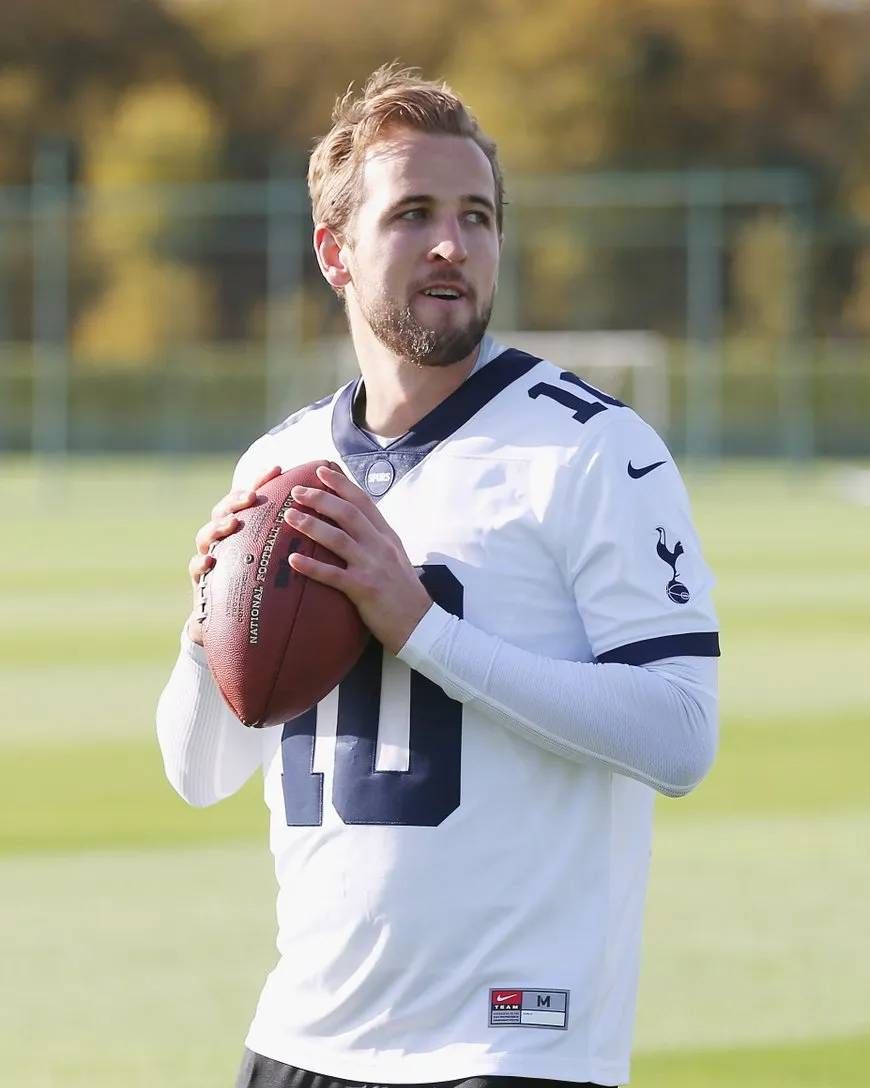
Harry Kane is serious about the NFL
He dreams of a second career in American football after soccer