Giorgio Armani has shaped the history of Italian sport With an elegance recognized all over the world
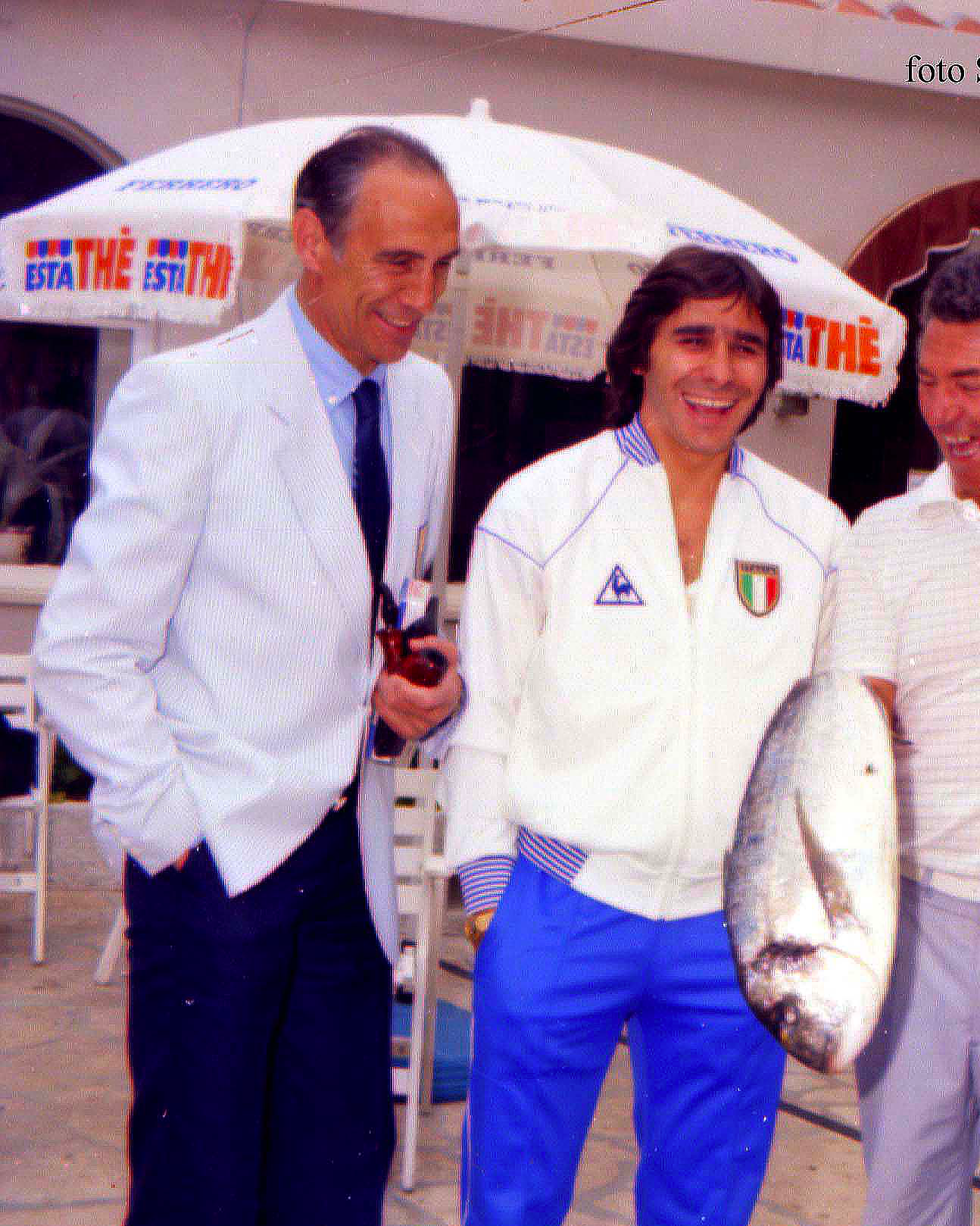
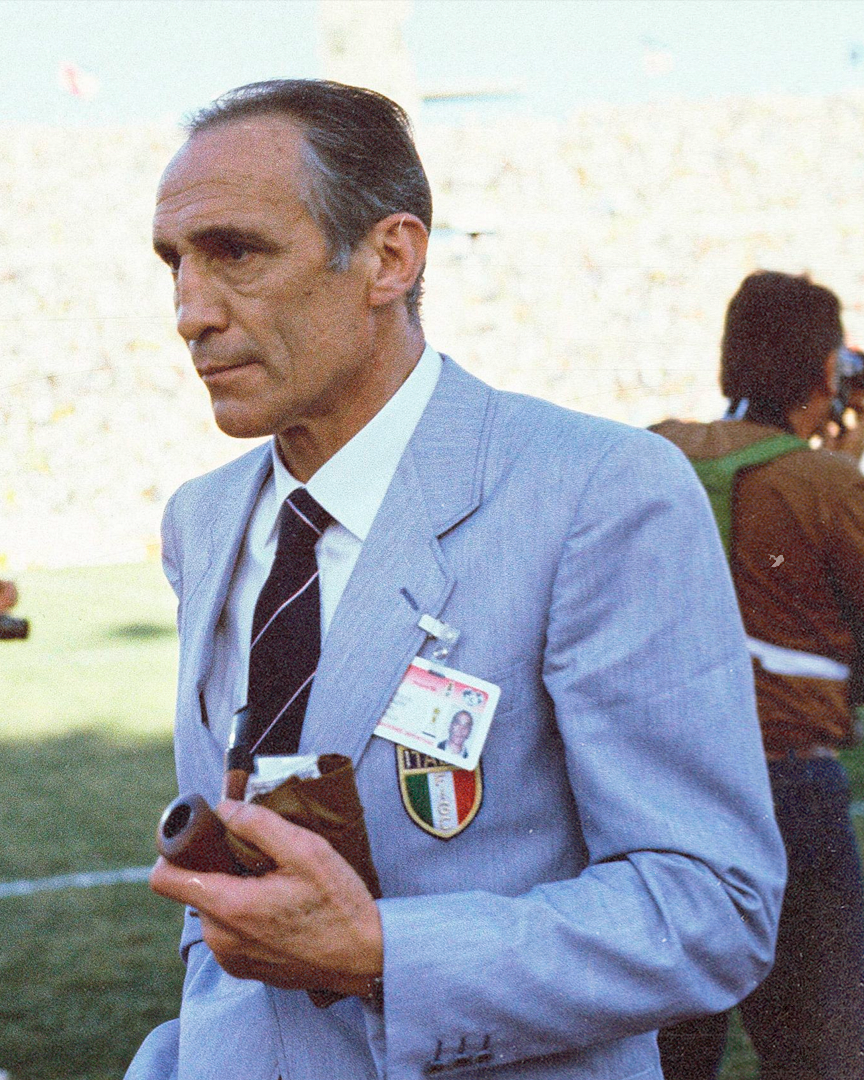
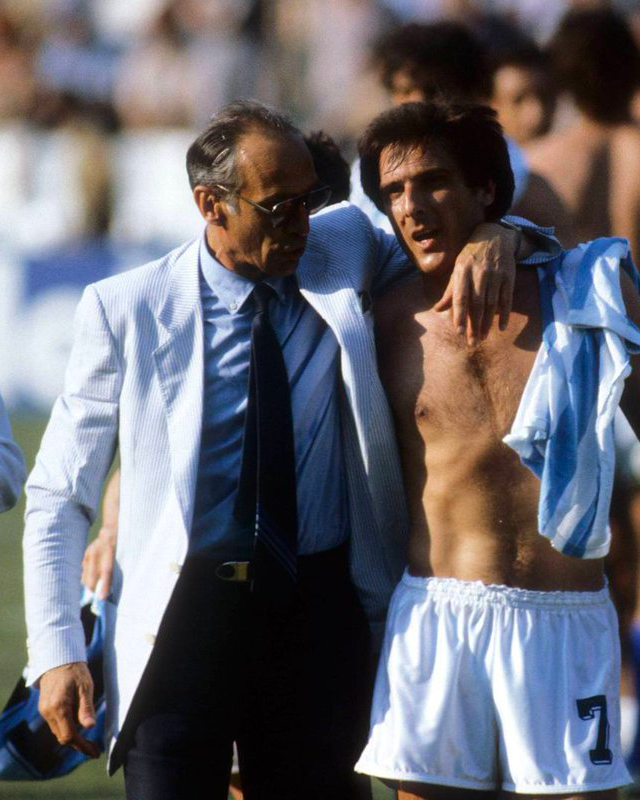
“Sport is an extraordinary form of representation and communication of contemporaneity, just like fashion”. These are the words of Giorgio Armani, taken from an interview for ICON a few years ago, and they reflect the way the designer from Piacenza has observed, dressed, and lived the world of sport for decades. More than a logo or a simple sponsor, Armani became a language in this field as well. A way of thinking and representing Italian identity, elegant and refined. A style of presenting oneself even before dressing, which first appeared in football over thirty years ago — remember Italy at USA ’94? — and then in basketball, with his Olimpia Milano. Then came the Olympic uniforms, Ferrari wardrobes, and the aesthetic direction of European football clubs; and all around, a constellation of champions — Italian and international — wrapped for years in his lines, on and off the field. “What I love about sport is commitment, confronting one’s limits, and never giving up: it’s a way of being and living”.
Yesterday Giorgio Armani passed away at 91, in his home in Milan. The announcement from the Armani Group traveled around the world within minutes, including the sporting world; bouncing from runways to newsrooms, from locker rooms to athletes’ social feeds, among the many who have paid tribute to King Giorgio in the last hours. His passing closes an enormous chapter of contemporary Italian imagination and reminds us of his long journey at the sidelines. A universe that had always fascinated him, where he found collaboration, commercial opportunities, and occasions to affirm the brand’s identity and values; but also, as the true man of sport he was, a genuine, visceral passion, so deep that he became the “savior” of Milanese basketball.
“Athletes embody positive values”, he said to ICON, “discipline, dedication, constant effort, and determination”. With the 2026 Winter Olympics in Milan-Cortina on the horizon, there is already regret that Armani — brand partner of the event — will not be there to share in the return of the Olympic rings to Italy. Yet from his sporting odyssey, he left us much: signatures, images, creativity, and gestures that changed how the Azzurri present themselves to the world, creating a new common ground between elite fashion and mainstream sport.
Italian Excellence
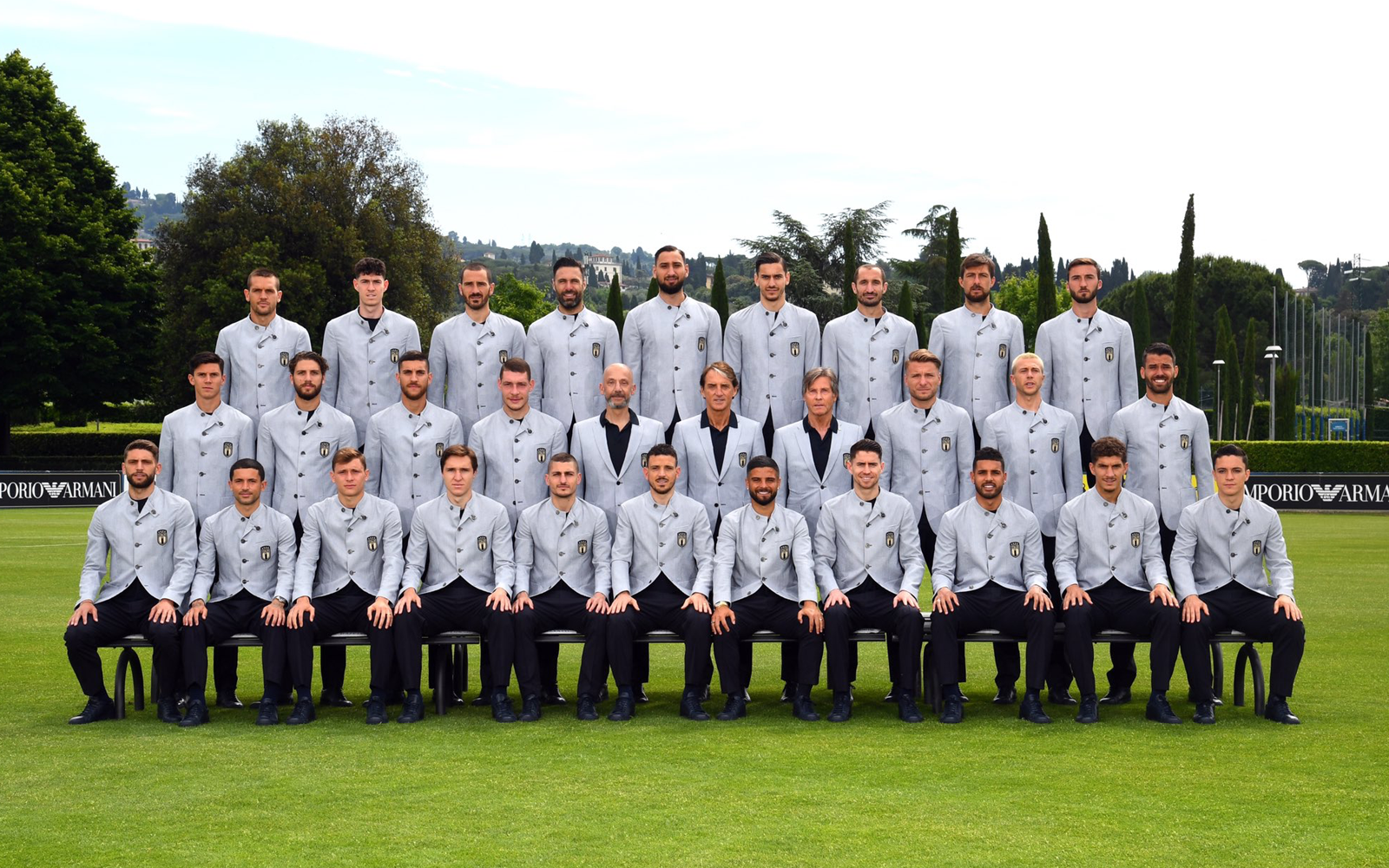
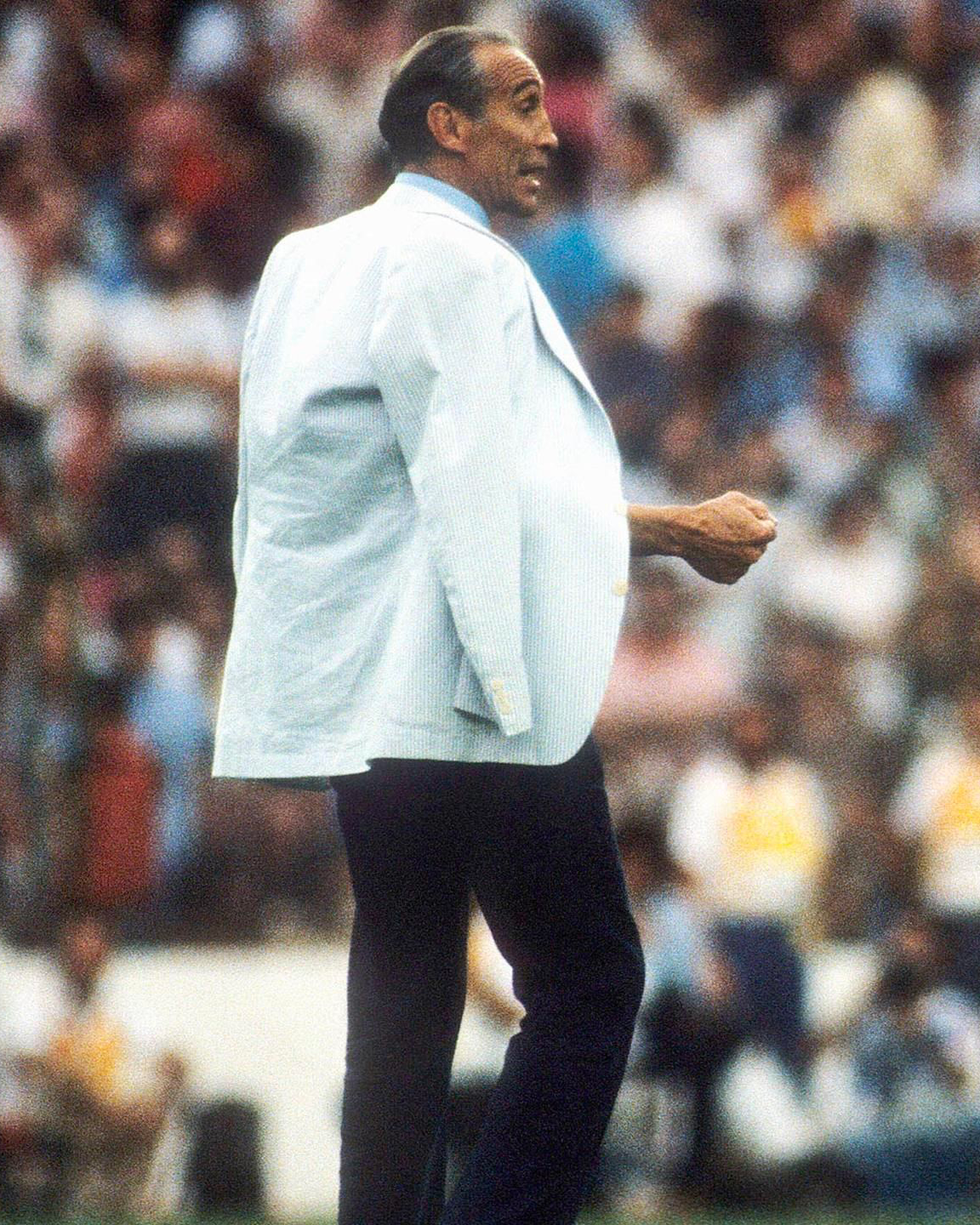
“Sport is the most patriotic thing there is, a source of inspiration for national pride”. This was the premise with which Giorgio Armani introduced the uniforms of the Italian delegation at the London Games thirteen years ago. His signature on the Azzurri’s look, however, had begun long before, in football. The first collaboration in the sector was with Piacenza, his hometown club, for whom the brand made the formal wardrobe for their Serie A debut in 1993. The most indelible memory for the public, however, dates to the following year, at the World Cup in the United States. Yes, the infamous penalty in Baggio’s final, but also the expedition that laid the foundations for Armani’s role as a traveling companion in Italy’s major sporting events. That was where the idea of that Azzurro, that elegant and contemporary style, began — a style that years later would culminate in the à la Bearzot capsule unveiled for Euro 2021.
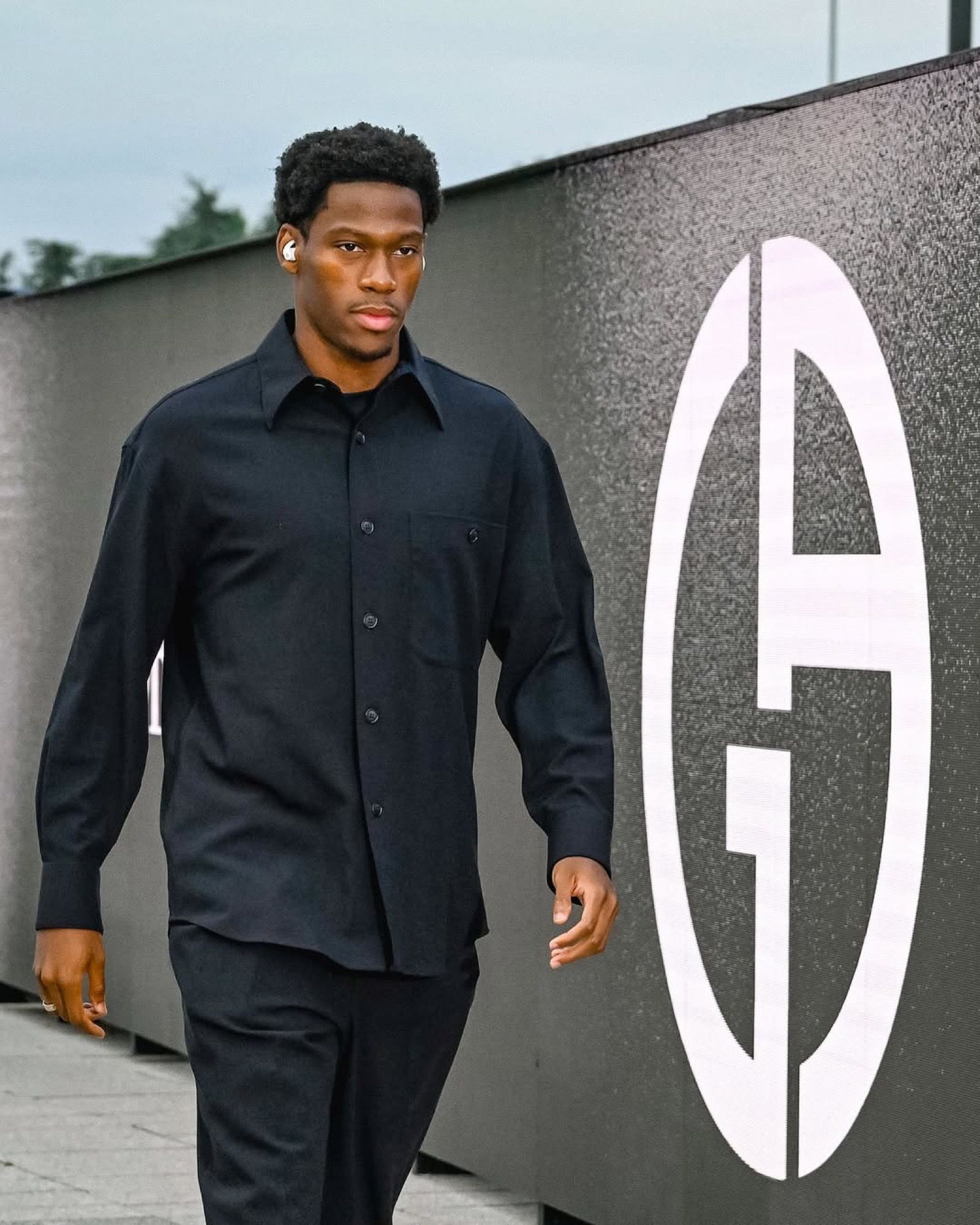
Since 2012, that vision has become the standard. The combination of sporting excellence and high fashion became routine. From football it moved to the quintessential multidisciplinary event: the Olympics and Paralympics. London 2012, Rio 2016, Tokyo 2020, Paris 2024: all editions where EA7 suits and uniforms, the sportswear line launched at the beginning of the millennium, dressed the Italian delegation in ceremonies, podiums, and village events. On the garments seen last summer along the Seine, the opening verses of the Italian national anthem were embroidered inside: a subtle detail showing the brand’s sense of belonging, as well as its long-standing connection to the country’s history. In club football, the most interesting experiment took place in Naples. For a few seasons now, EA7 has designed Napoli’s match kits, a unique international case of high fashion producing technical gear. Meanwhile, formalwear remains Armani’s natural domain: in recent months Juventus chose Armani for the travel & formal wardrobe, covering pre- and post-match, from the team bus to press conferences.
The same approach has recently expanded into pit lanes, Formula 1, where another historic Italian excellence partnered with the Milanese maison. Since 2021, Scuderia Ferrari has entrusted Armani with the off-track wardrobe of drivers and management, shaping the aesthetic fusion of two of the nation’s most iconic brands. Then there is Italy’s winter sports scene, thanks to a technical partnership with FISI, extended to Milano-Cortina 2026. Surrounding all these chapters are the countless faces who have made Armani’s language recognizable, wearing his garments in every context: Federica Pellegrini, Paola Egonu, Fabio Fognini, Flavia Pennetta, Bebe Vio, Filippo Magnini, Sofia Goggia, Gianmarco Tamberi, Lorenzo Sonego, Tommaso Marini, Alex Zanardi — and the list goes on for many more lines.
Patronage
In basketball, if anything, Armani has been even more than all this. It is no exaggeration to say that his arrival changed the destiny of Olimpia Milano forever. After landing in 2004 and completing the acquisition in 2008, saving the club from bankruptcy, a long restructuring began, piece by piece. Governance, staff, identity, branding. Changing even the visual signs — from Armani Jeans to EA7 Emporio Armani, and finally AX Armani Exchange — but above all, giving new life to ambition. Starting from the return to the highest national levels (2014, 2016, 2018, 2022, 2023, 2024), and reaching the signing of Ettore Messina with a dual technical-managerial role, competing at the top European level (EuroLeague Final Four 2021) and attracting more and more top continental players.
Then there is the part that doesn’t go on the trophy shelf. In 2008, the Armani Junior Program was born, later merged into the current Youth Program: a universe of hundreds of local sports clubs, camps, dedicated ticketing, technical training, and the idea that Olimpia Milano is not just sports entertainment, but part of the city. Among all this, one indelible image remains: Giorgio Armani at the Forum, every game, in what will eternally be his place. “I got involved for love of the team and the city of Milan, and I have never regretted it, not even in the first seasons when we weren’t winning”, he said. It is the best summary of these twenty years: saving a tradition, bringing it back to the top, and leaving it able to stay there for a long time.
Football and tennis
After USA 1994, but before Italian sport became inseparably tied to him, Armani had already brought his style to European football. At Newcastle (Premier League) in 1999, he signed the club’s representative garments, while in London he accompanied Chelsea for the FA Cup finals in 2000 and 2002, and then designed the Armani Lounge at Stamford Bridge (2007). Even the English national team relied on the Lombard brand for its off-field wardrobe at Euro 2004. In Germany, Bayern Munich took over, entrusting Armani with its formal identity for three seasons, from 2014 to 2017.
His reach goes far beyond football even internationally. In London, during the first week of Wimbledon, the Giorgio Armani Tennis Classic (Hurlingham Club) connects exclusive invitations, legends of the game, and top players of the moment to the most prestigious stage of British tradition. In basketball, beyond Olimpia Milano, there is also the synergy between Euroleague Basketball and Armani Exchange, visible both on the court and in digital content. A single thread runs from English stadiums to the lawns of Hurlingham, where Armani codified the before and after of sporting events, translating Italian tailoring elegance into highly technical and cultural contexts.
Historic Ties
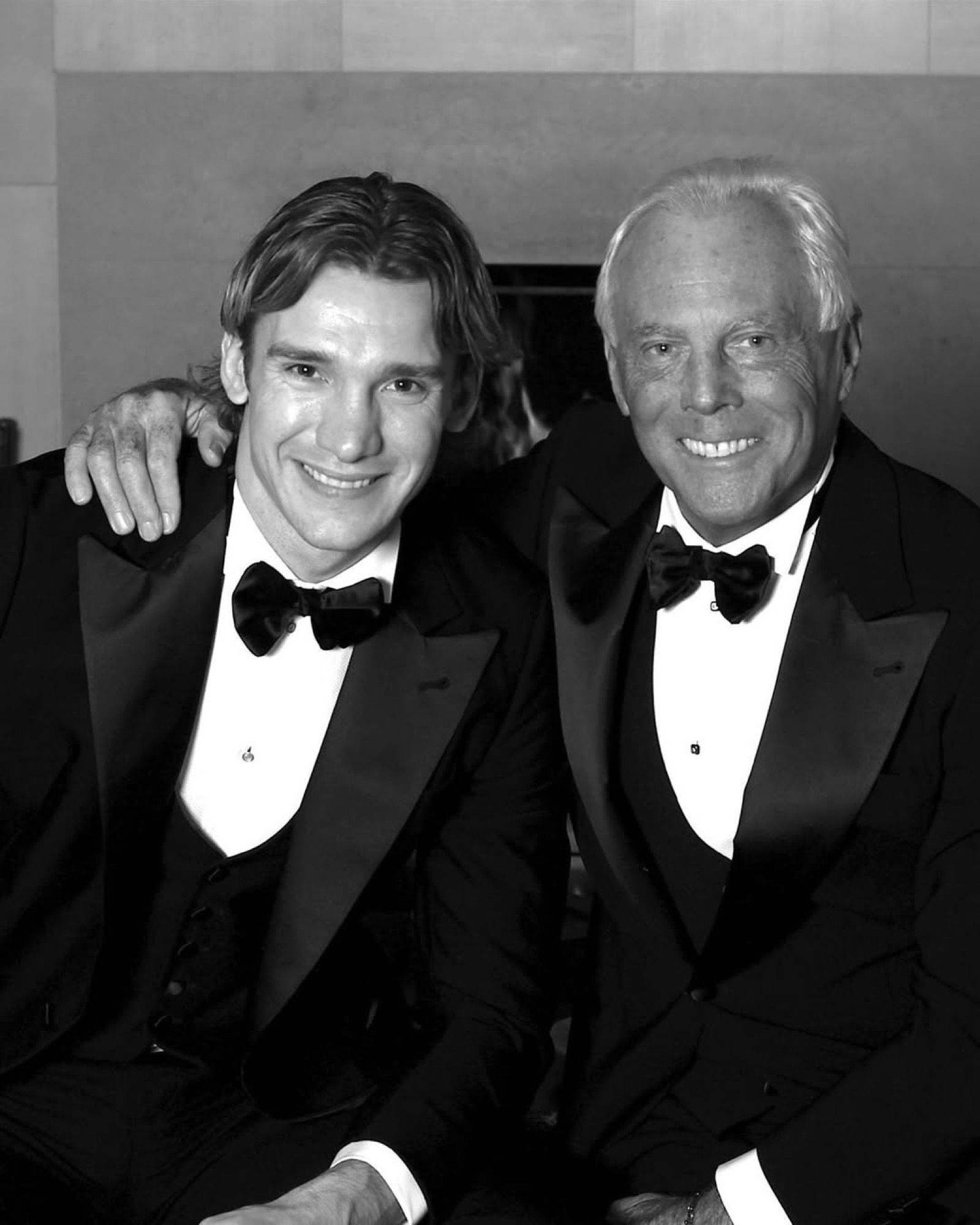
There are collaborations, testimonials, and then there are personal relationships. The relationship with Andriy Shevchenko, Milan icon of the 2000s, was all of these: friendship, attending fashion shows, a boutique in Kiev in 2002, and that EA7 which carries the striker’s number 7 in its name. And when war struck Ukraine in recent years, Armani collaborated with Sheva to raise awareness in Europe (silent fashion shows and words of support) and to actively contribute to humanitarian aid directed at Kiev (support for UNHCR, fundraising). The bridge between fashion and football even reached the civilian network — another demonstration of the human dimension of the man. There is also a private chapter that did not go unnoticed: in 2005, Francesco Totti entrusted Armani with designing the outfits for his wedding with Ilary Blasi. In pop culture, the 2000s marked a new era of giant advertising posters, those of Emporio Armani Underwear with David Beckham and Victoria, later passed to Cristiano Ronaldo and Rafael Nadal.
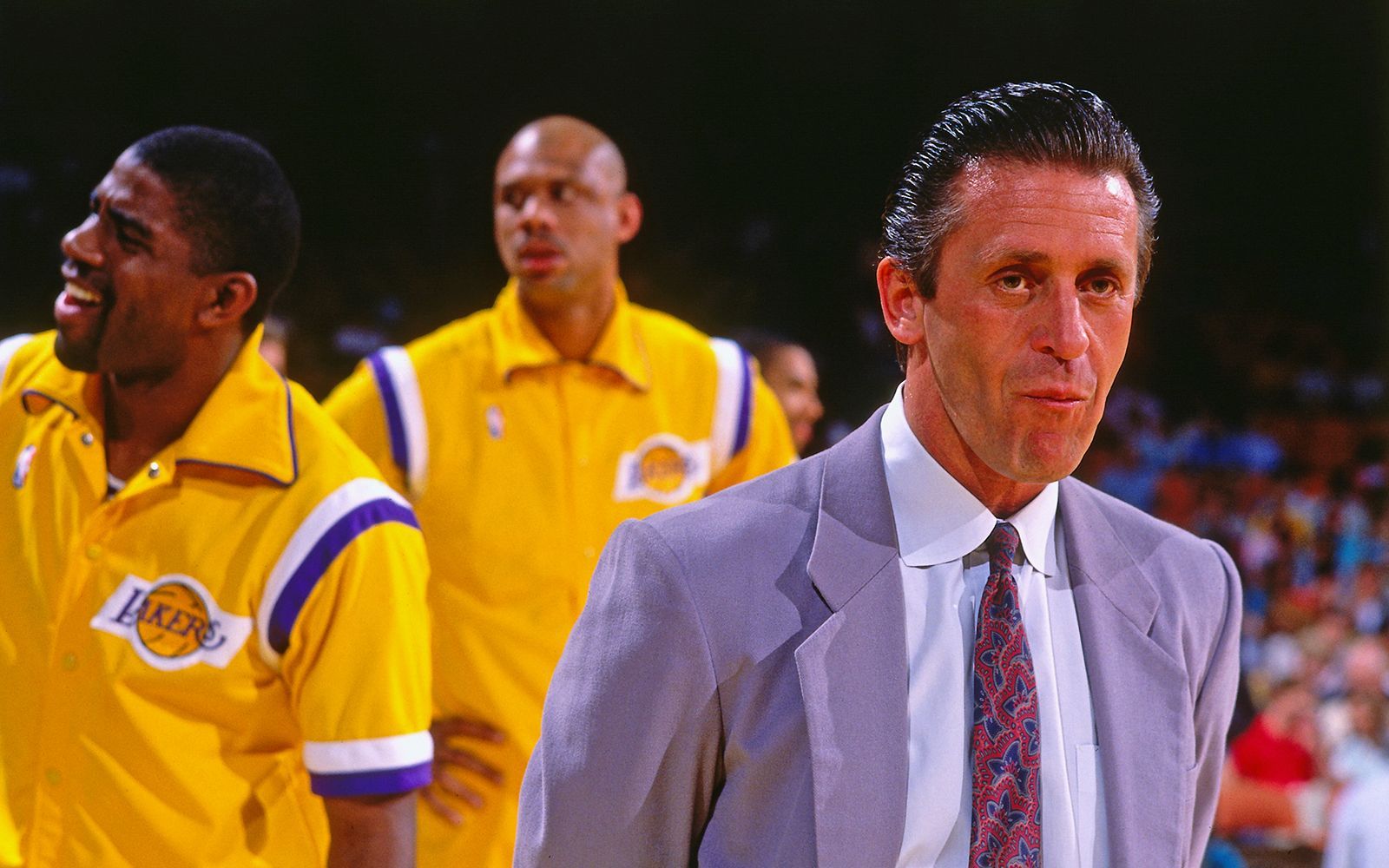
The circle closes, and it could not be otherwise, with basketball: “A noble, almost theatrical sport”, said Giorgio Armani. “An organized, fast, and fun team game, where everything can change at the last moment: I find it similar to my approach to work”. This is the key that runs through his entire history in sport, finding a natural interpreter in Kobe Bryant. With the former Lakers star, tragically deceased in January 2020, Armani intersected twice: in idea and gestures. The idea came early, when a 21-year-old Bryant recounted receiving advice from him that he would carry forever: “He told me he started his company at 40. It was a wake-up call, as if to say: and you, what will you do?” — a reminder that creative life exists beyond the court.
The gestures came later, after Bryant’s death, at the Italian Cup Final Eight where Olimpia Milano played in yellow-purple, outside their own colors. Armani supported the choice, emphasizing his willingness to “step outside traditional colors, for once, to wear those linked to Kobe: honoring him is our way of thanking him for everything he has done for basketball worldwide”. Underlying this, an entirely Italian connection: Kobe grew up in Rieti, Pistoia, and Reggio Emilia, where he learned the language and a certain way of being on the court, which Italy never forgot. It is no surprise that Milan bid him a heartfelt farewell, just as today the same world bids farewell to Giorgio Armani. Two passings that speak the same language: elegance, determination, and competitive spirit, on and off the sporting stage.
What to read next
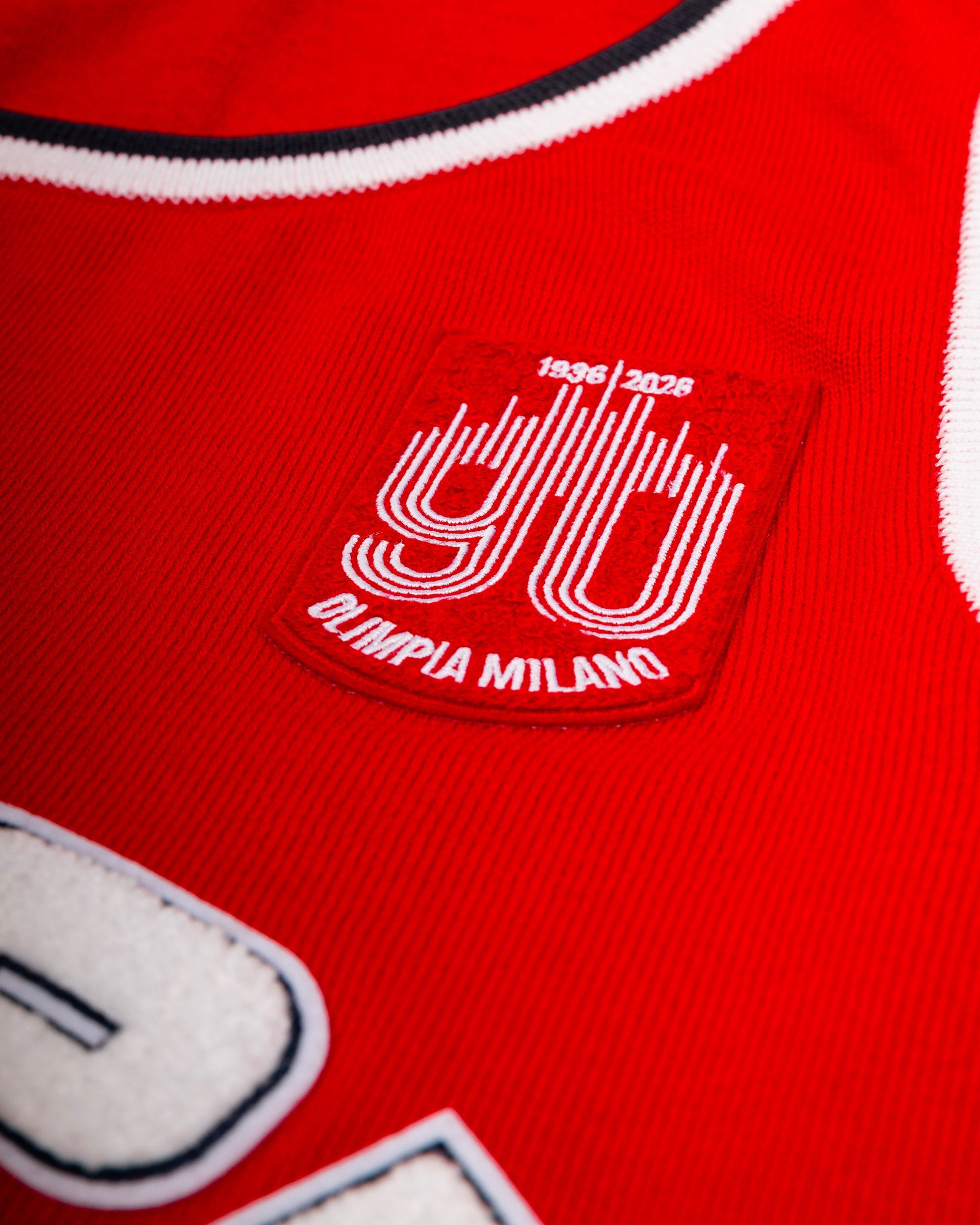
Olimpia Milano celebrates 90 years with an exclusive capsule collection
It includes a special tribute to to the memory of Giorgio Armani
What should we expect from Juventus dressed by Giorgio Armani?
The beginning of a new chapter for the Bianconeri
Giorgio Armani will design the new Napoli kits
Aurelio De Laurentiis is ready for another revolution, the strategy for 2021-22