What's behind the partnership between Nike and Palace Skateboards? And why it highlights the aesthetic differences between Nike and adidas, as well as their strategies
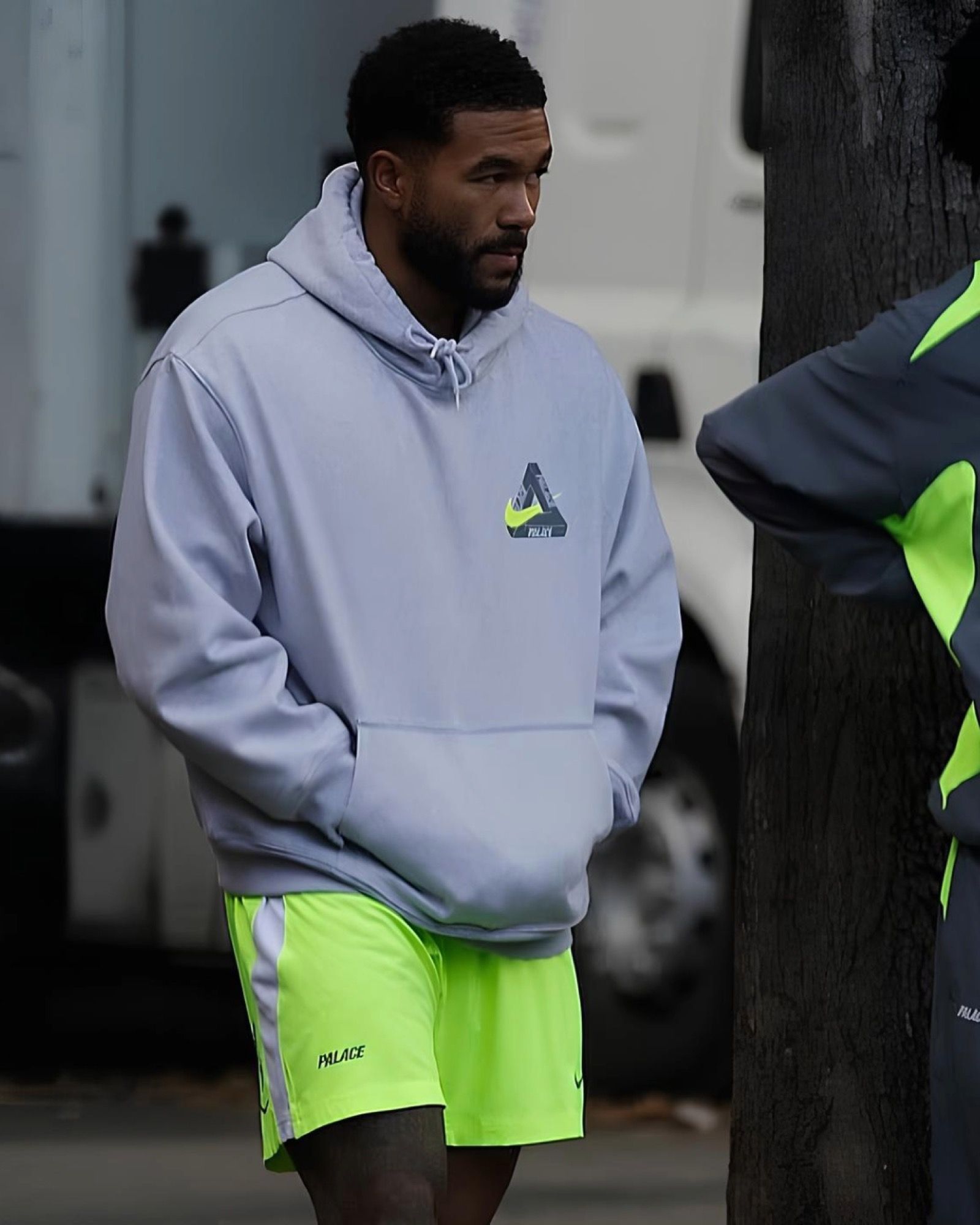
A paparazzi shot "involving" Wayne Rooney and Reece James has definitively confirmed a rumor that had been circulating: Nike and Palace Skateboards will form a partnership, with the latter thereby ending its contract with adidas, which had started back in 2014.
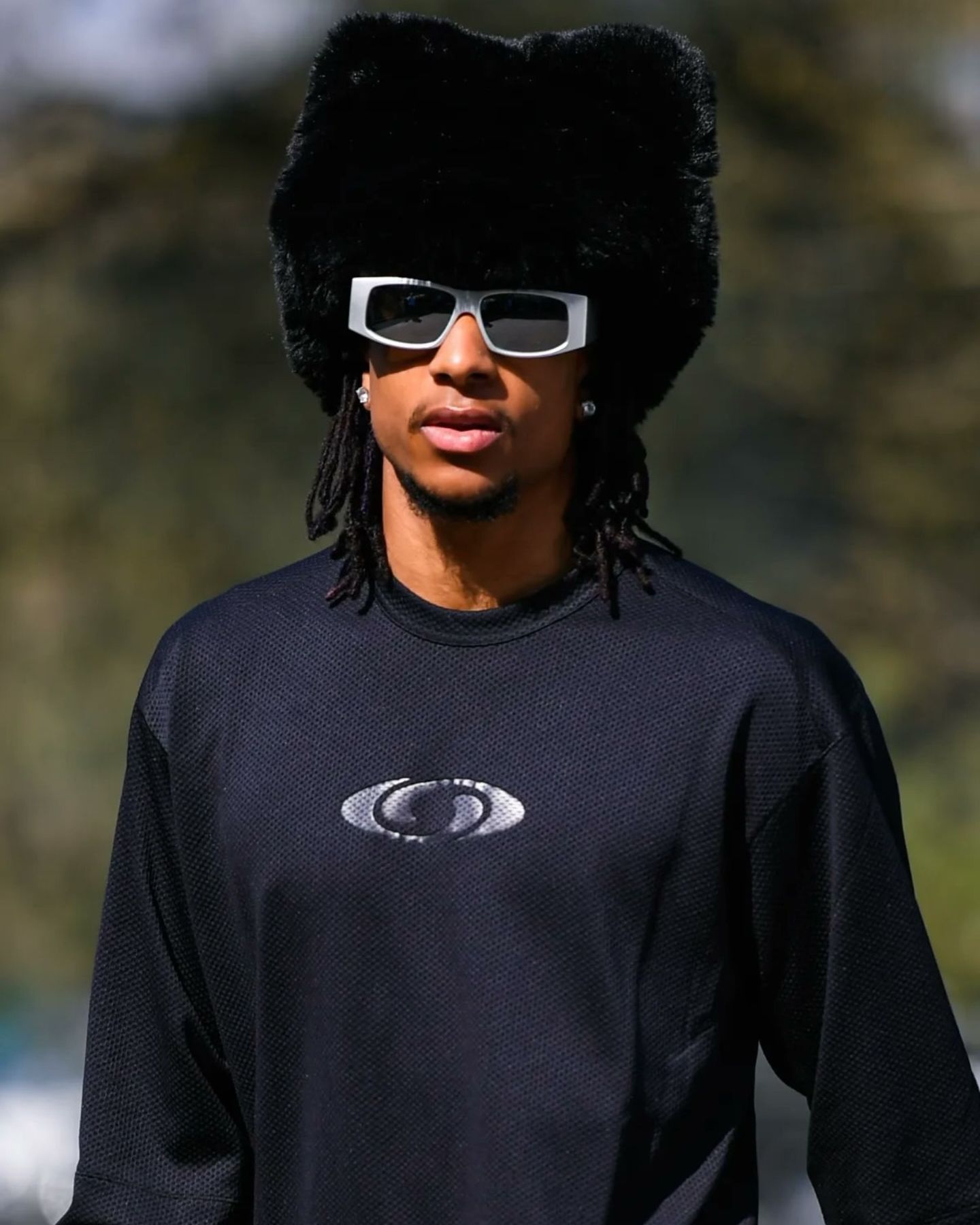
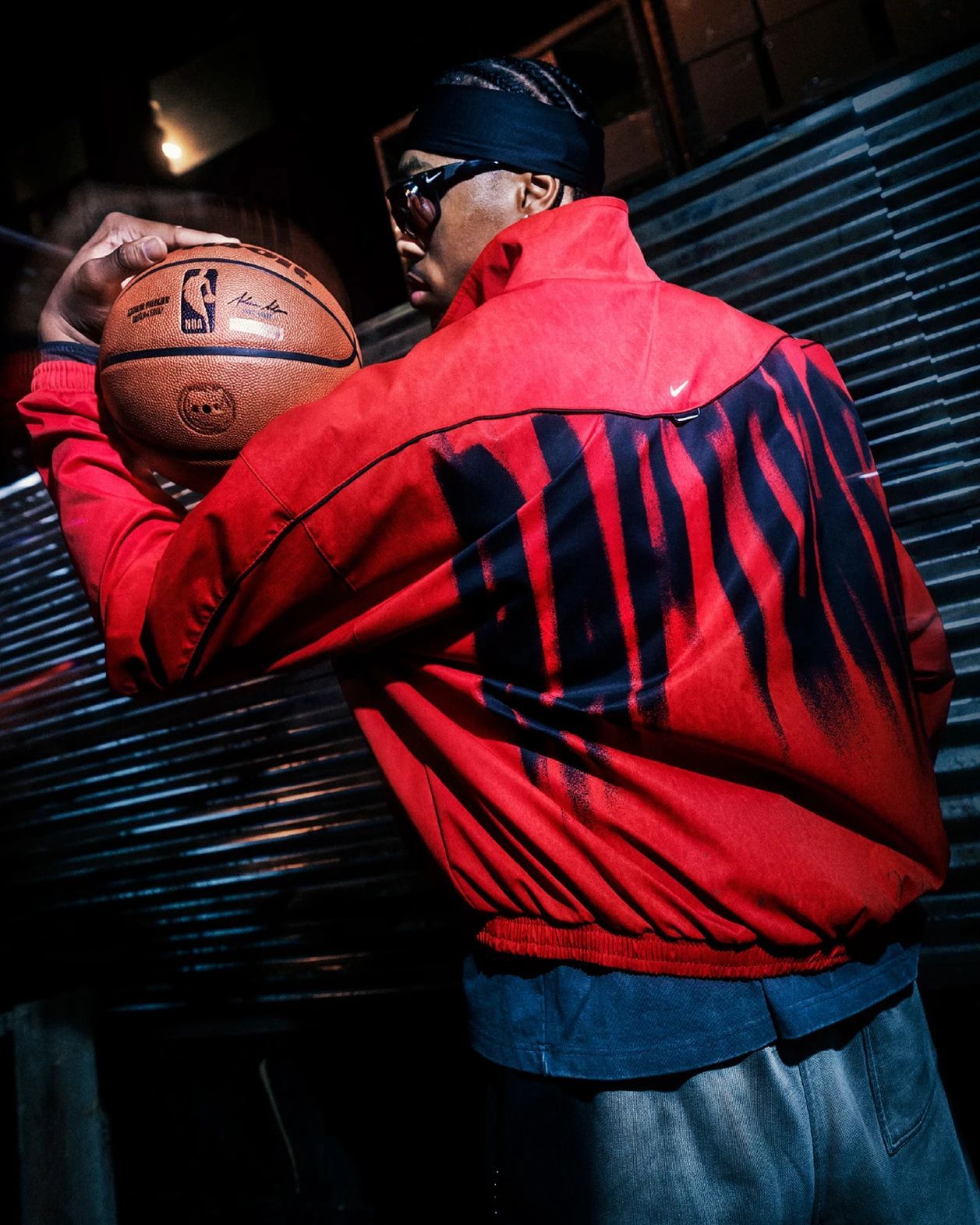
The former footballer and the current Chelsea captain were spotted with what are likely to be the pieces featured in the first drop of the new Nike x Palace Skateboards collaboration. The collection is part of the Total 90 line and includes crewnecks, trackpants, track jackets, and of course, the shoe, offered in a new colorway. All pieces feature neon accents, fully in Nike style, but above all consistent with the iconic Total 90 aesthetics, a line that will continue to be central in the Swoosh's communication, especially ahead of the 2026 World Cup. The unofficial images showing Wayne Rooney and Reece James confirm not only Nike's intent to strengthen ties with two of the most influential brands in the skateboarding world — Palace Skateboards and Supreme New York, leaving adidas without a major partner in this sector, but also highlight the increasingly distinct aesthetic and strategic differences that will shape adidas and Nike in the coming years.
Aesthetic Differences
When comparing two competing brands over a more or less extended period—taking, for example, the comparison between Nike and adidas from the 2000s to today—there are moments when the two brands resemble each other more aesthetically. Today, in fact, we can clearly recognize adidas' aesthetic and Nike's, especially in lifestyle collections related to football.
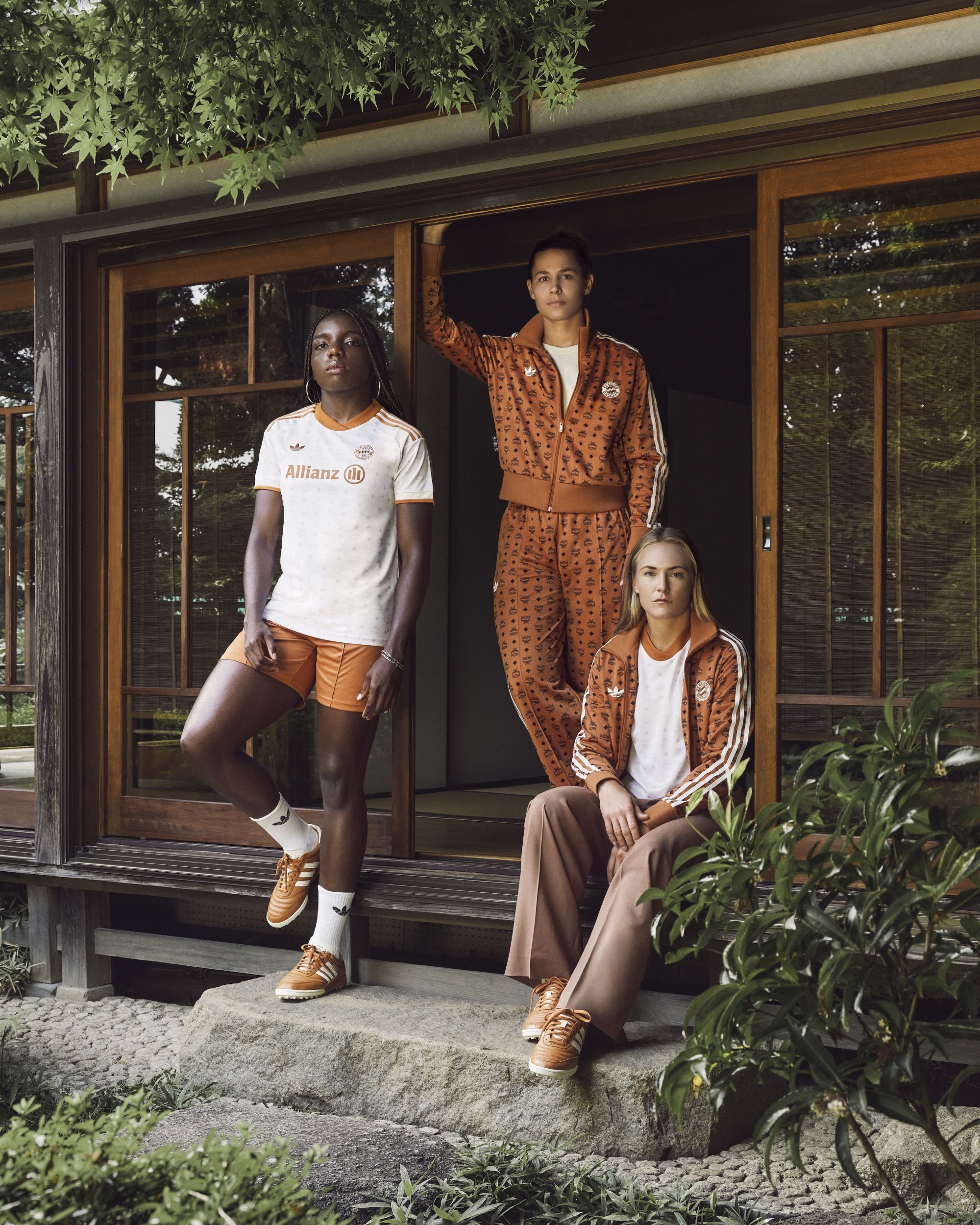
On one hand, the Three Stripes, with their Beckenbauer tracksuits, present a cleaner and more elegant aesthetic, not reminiscent of the 2000s, but focused on the ’90s and even reaching back to the ’80s, with hints of the ’70s if we consider collections by established designers like Wales Bonner. On the other hand, Nike, especially in football, focuses primarily on the 2000s (and even the 2010s, as in the case of the Hypervenom revamp): the Total 90 line is clear evidence of Nike's reliance on a prosperous historical period starting around 2002. The brand cannot afford to look too far back in football, because its impact on pop culture in the early 2000s was unprecedented in the world of football sportswear.
The only similarity between the two brands is that both have centered their market strategy, in terms of footwear, around low-top silhouettes. Before Nike with the Total 90, adidas had already focused on models like Gazelle, Spezial, and other football-related lines.
Strategic Differences
And staying within football, these improvements could also be due to a clear strategy adopted by Nike, which contrasts with its competitor, adidas. With the Palace Skateboards partnership, Nike confirms its strategy of capturing subcultures and street communities, particularly skateboarding, which has a solid niche and will hardly be disrupted by the fact that the brand now collaborates with Nike instead of adidas. This strategy also extends to street soccer: consider the Maximum Tournament with the signature of Travis Scott or the TOMA El Juego project, an urban youth football platform launched in 2025. Also noteworthy are more targeted collaborations, such as Chelsea's with designer Jordan Vickors, or with stores of the caliber of SlamJam.
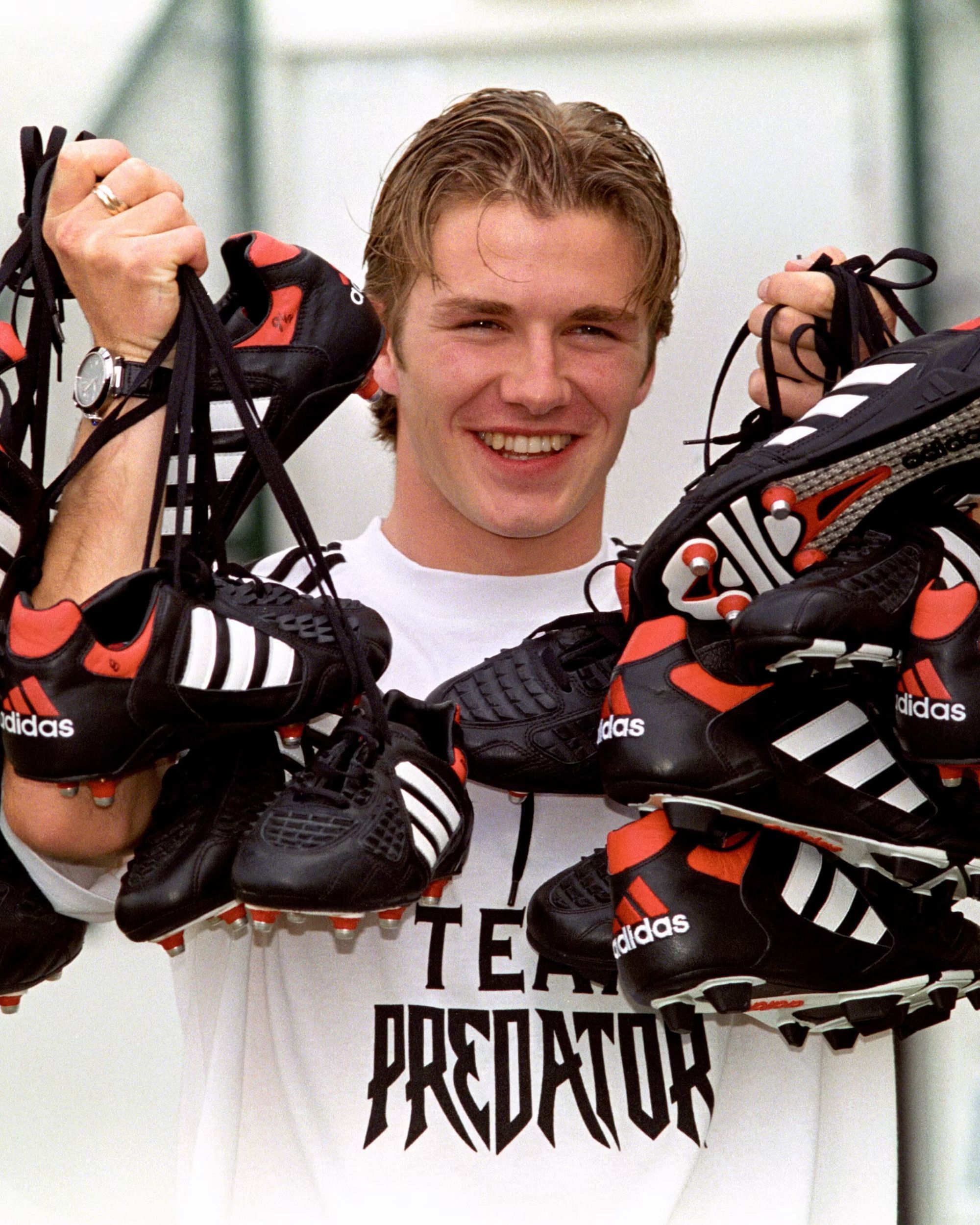
More than focusing on individual footballers—individual sponsorships have been drastically reduced and Nike relies on fewer standout personalities in its roster, while still maintaining key players like Haaland, Mbappé, and Vinícius—the brand invests at the local level, targeting communities. This appears to be the ideal strategy for Nike. For adidas, the approach is different: the brand has a broader and more traditional reach, with investments in its vast roster of players, collaborations with football legends (Zidane, Del Piero, Beckham), and global competitions. It is crucial in this context, for example, that adidas presented the new Trionda, the official ball for the 2026 World Cup, while Nike concluded its partnership as the ball supplier for the Premier League.
What to read next
Como's fans unveil the new Third kit for the 2026/27 season
A black jersey with white details and a pixelated design