





Under Armour’s football aesthetic is really strong Over the past two years, we’ve been following the brand: here’s what we’ve learned
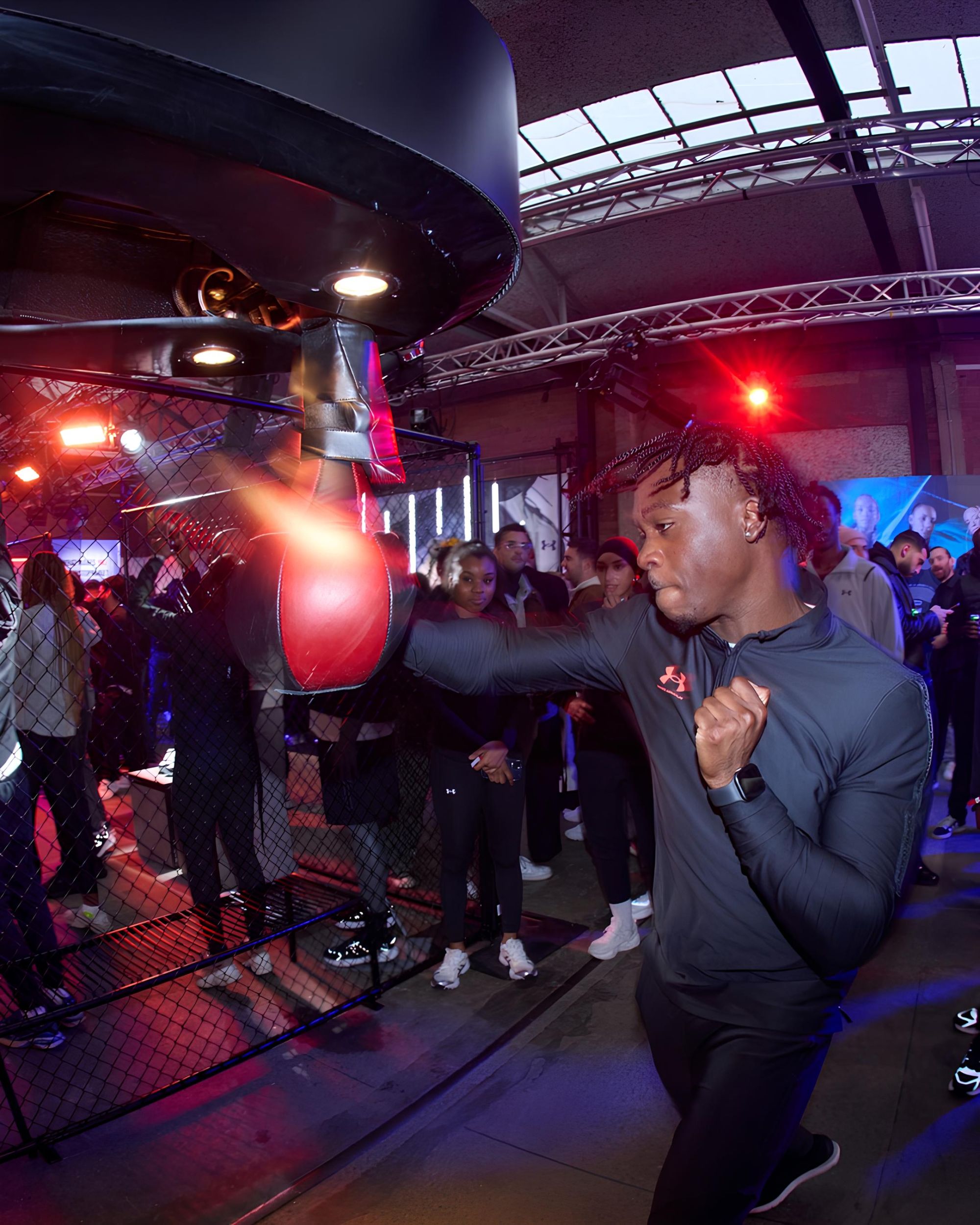
The very first time we got a close look at the work Under Armour is doing in the world of football dates back to February 2024: it’s been almost two years now. It was a launch event for the Shadow Elite 2.0 in London, in the heart of Shoreditch, and the special guest of the evening was Eddie Nketiah, then playing for Arsenal (now at Crystal Palace). A player we had noted for the 14 printed on his back – a number that, at Arsenal, inevitably evokes memories of Thierry Henry. We returned to Italy with a simple awareness: in the increasingly defined landscape of the football boots sector, a new player was emerging, ready to position itself alongside the giants Nike and adidas. But above all, we wondered how Under Armour would position itself in the months to come, both in relation to new competitors and to established ones (New Balance and Umbro, for example) who, despite their attempts, never truly made their mark in a sector dominated by adidas and Nike.
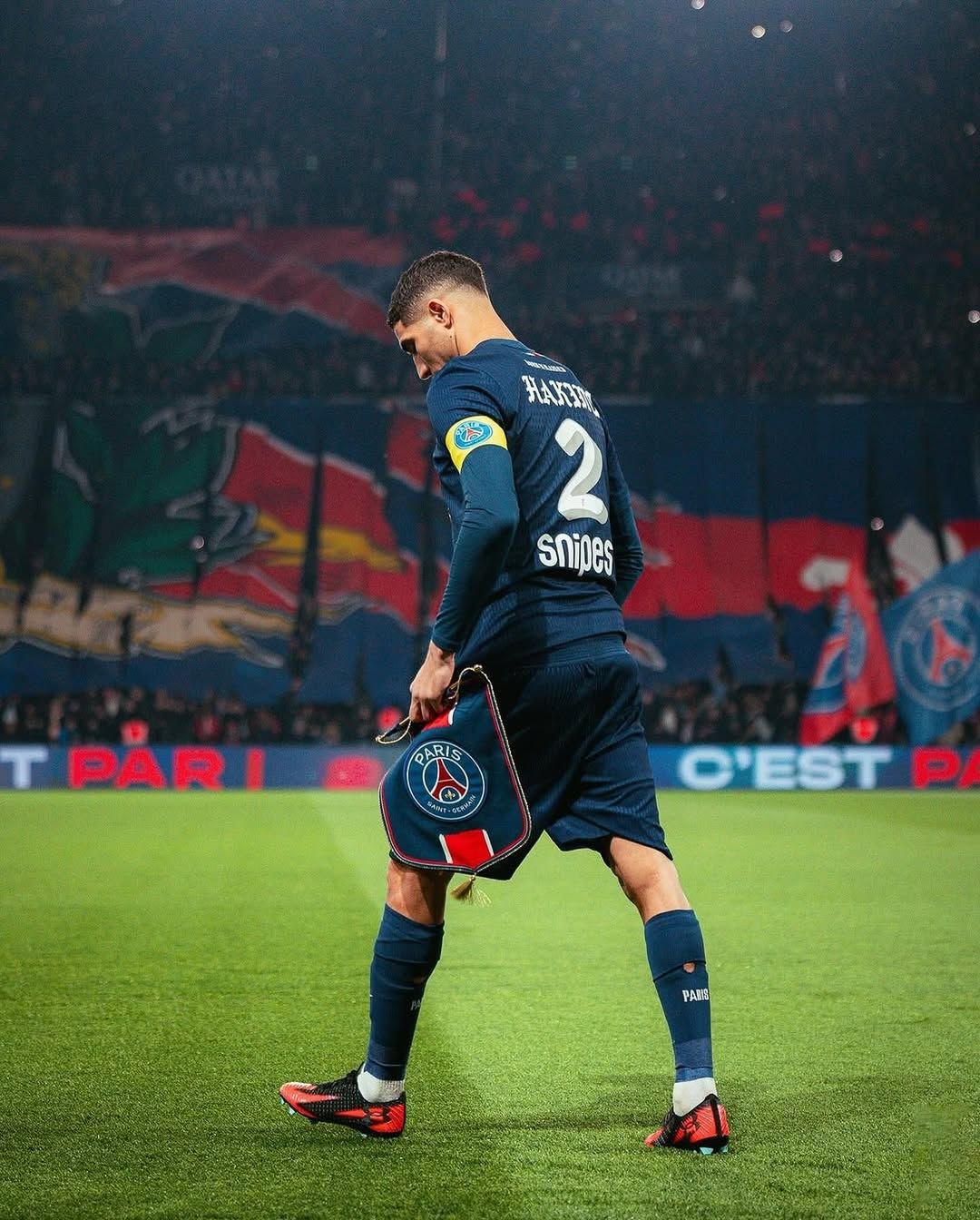
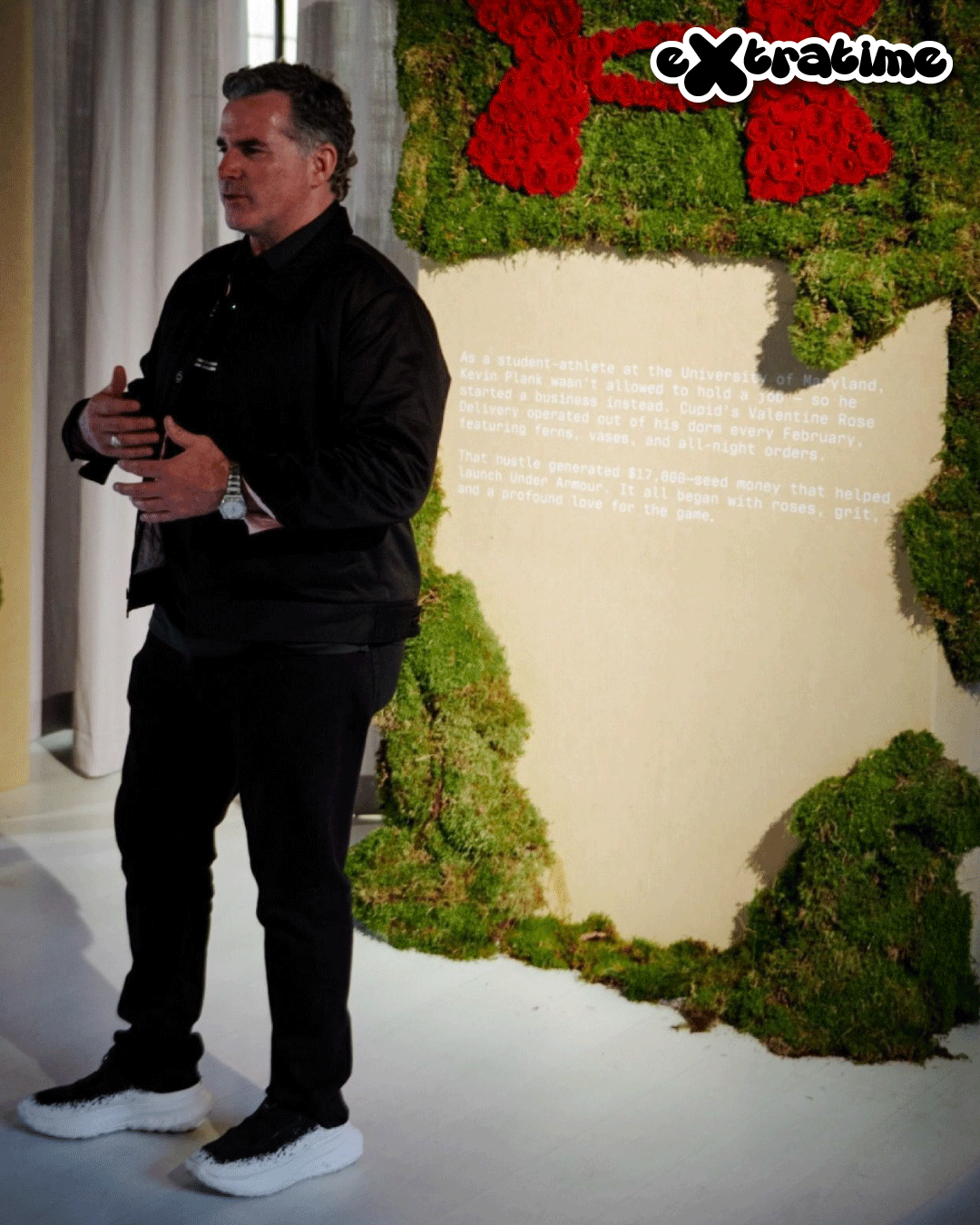
Then came a key moment: in April 2025 we interviewed Kevin Plank, founder of Under Armour, the most American entrepreneur imaginable, leading the brand with the most American story of all, born from the most American of sports: American football. "We built our success starting from American football, but as you well know, today we’ve even arrived in football (soccer). You might think: 'Who would have thought?', but in reality, it was all part of Under Armour’s masterplan. We define ourselves as a sport house, and to be one of the best sport houses in the world, we couldn’t ignore what I consider the best sport in the world: football. Today, Under Armour’s football roster includes world-renowned athletes, such as Antonio Rüdiger, Achraf Hakimi, and Fermín López, just to name a few."
He continued, "When I think about the first steps we took in football, I can hardly believe it. Between 2006 and 2007, we were in contact with only a handful of Premier League clubs, but nothing materialized until 2012, the year we officially announced the partnership with Tottenham. I still remember the day I flew from New York to London to meet Daniel Levy, who was already the club’s chairman at the time". So, Kevin Plank, besides reminding us of the brand’s expansion goals into new sports, also shed light on how, willingly or not, Under Armour’s path in football has inevitably been linked to players’ aesthetics and image. The first name we associate with the brand, in fact, can only be Gareth Bale, with his iconic Under Armour neck warmers worn during training with the Spurs; then the sponsorship with Southampton, featuring Virgil van Dijk and Manolo Gabbiadini.
Under Armour’s Aesthetic in Football
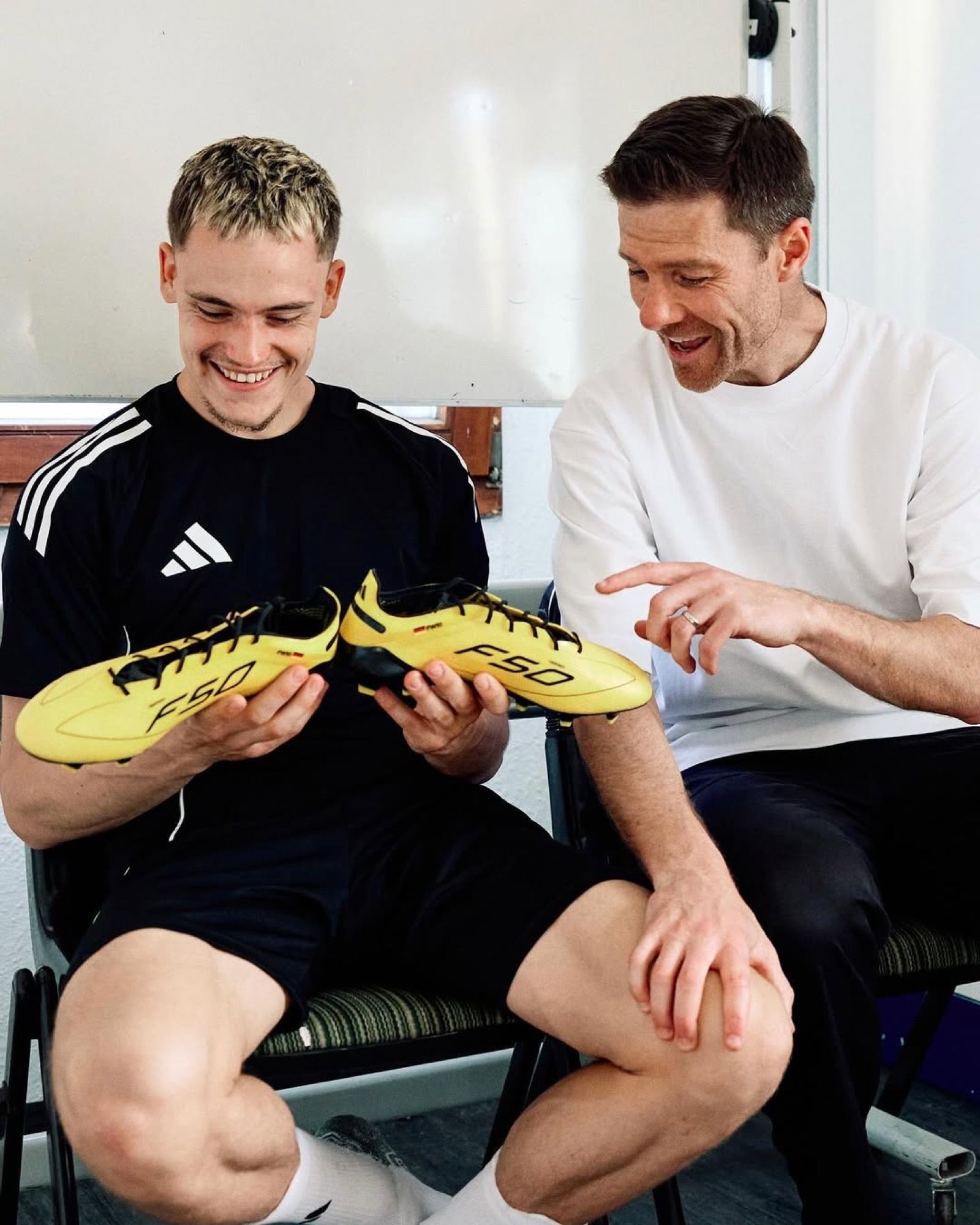
Under Armour’s increasingly innovative and updated aesthetic is expressed, above all, through football boots. The brand’s focus has shifted from club sponsorships – the only club still sponsored today is Sydney FC, with whom the brand has been collaborating since 2019 – to direct sponsorships with individual players. But going back to football boots, it is precisely through them that Under Armour aims to build part of its global relevance and reputation. The work of Gabriel Bellota, Product Line Manager Footwear at the brand, has been excellent so far: a wide variety of colors, models, and soleplates, considering that Under Armour is relatively new to football and thus lacks a true historical archive. This is exactly where collaborations find their place.
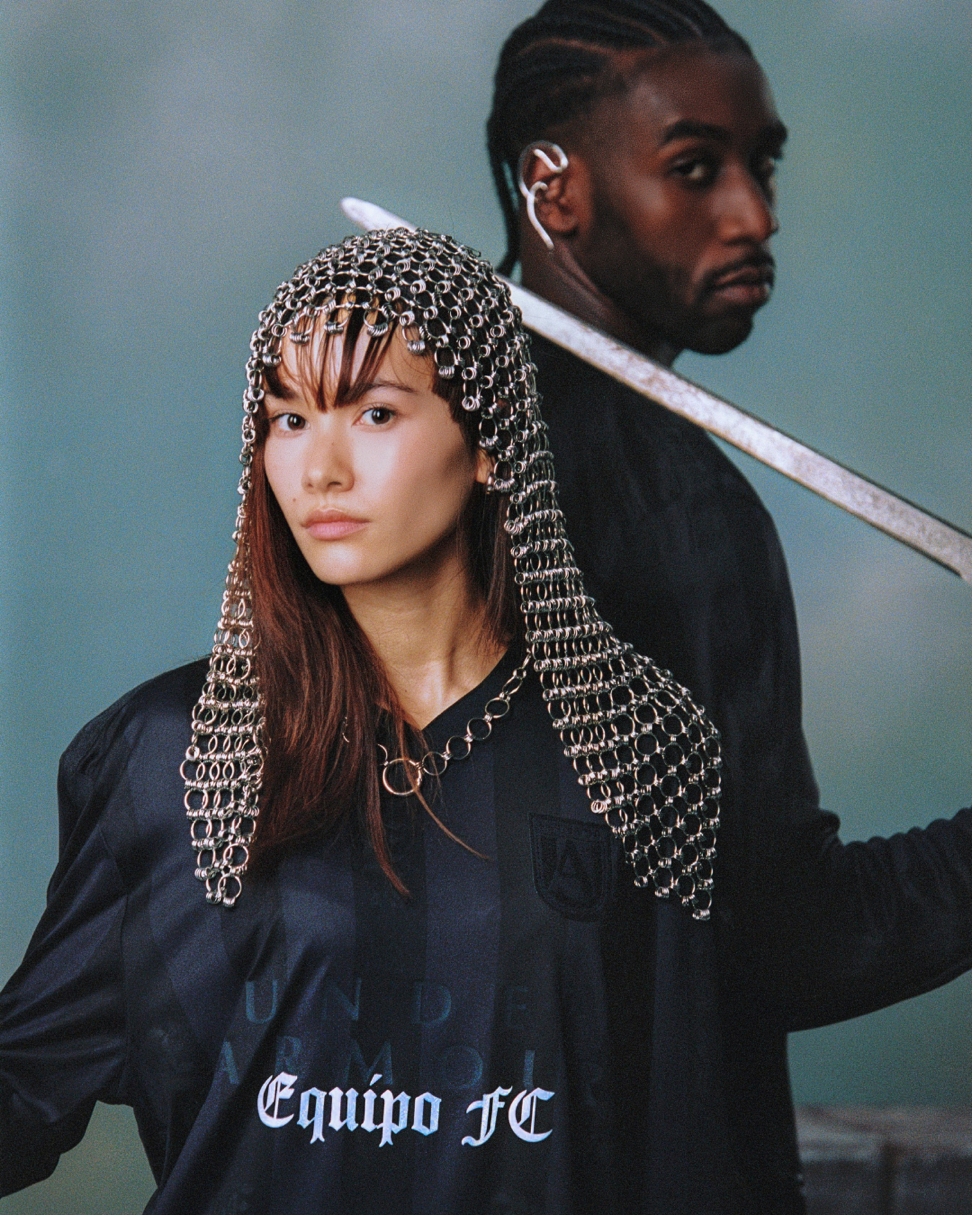
Co-branding collaborations speak clearly and reflect Under Armour’s positioning intentions: to become a cool brand, fully trusting its own aesthetic – an aesthetic made of ultra-slim garments that still honors its past. The brand was born from Kevin Plank’s number one invention, the compression shirt, which debuted in American football. Among the few co-branding projects carried out by the brand, it is worth mentioning the collaboration with Mansory, the German company specialized in high-performance car customization. The partnership was celebrated with a commercial video featuring Antonio Rüdiger and Achraf Hakimi which, despite its blockbuster quality, went almost unnoticed: a massive production, in which no other brand seems to invest so much today, inevitably reminiscent of the grand commercial productions by Nike or Pepsi – yet with a concept and mood very much in Under Armour style.
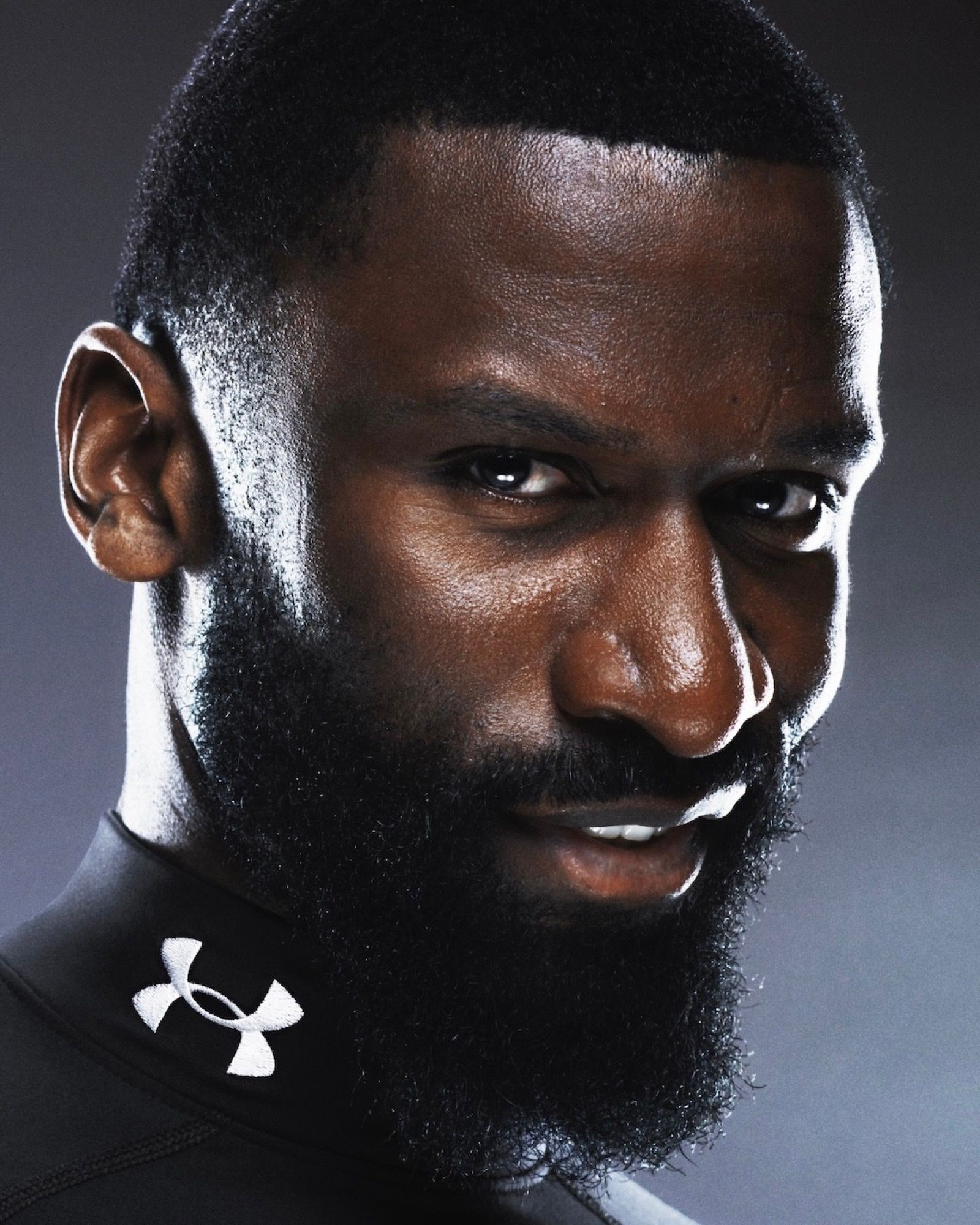
As with any brand, Under Armour’s true notoriety is built through the footballers who represent it, figures who, sometimes more and sometimes less, become true inspirational idols. The American brand can rely on a top-level roster, including players like Antonio Rüdiger, Achraf Hakimi, Ibrahima Konaté, Ferran Torres, Fermín López, Pedro Porro, Federico Baschirotto (who succeeded the first ambassadors Memphis Depay and Alexander-Arnold) and even Mikel Arteta – one of the few coaches with a technical sponsorship contract. Joining him are other big names such as Julian Nagelsmann (Nike), Jürgen Klopp (adidas), and Pep Guardiola (PUMA), a choice that demonstrates Under Armour’s great ambitions, now on par with the most established brands in the sector.