



What to expect from the opening ceremony of Milano Cortina 2026 The first distributed ceremony for a Winter Olympic Games edition
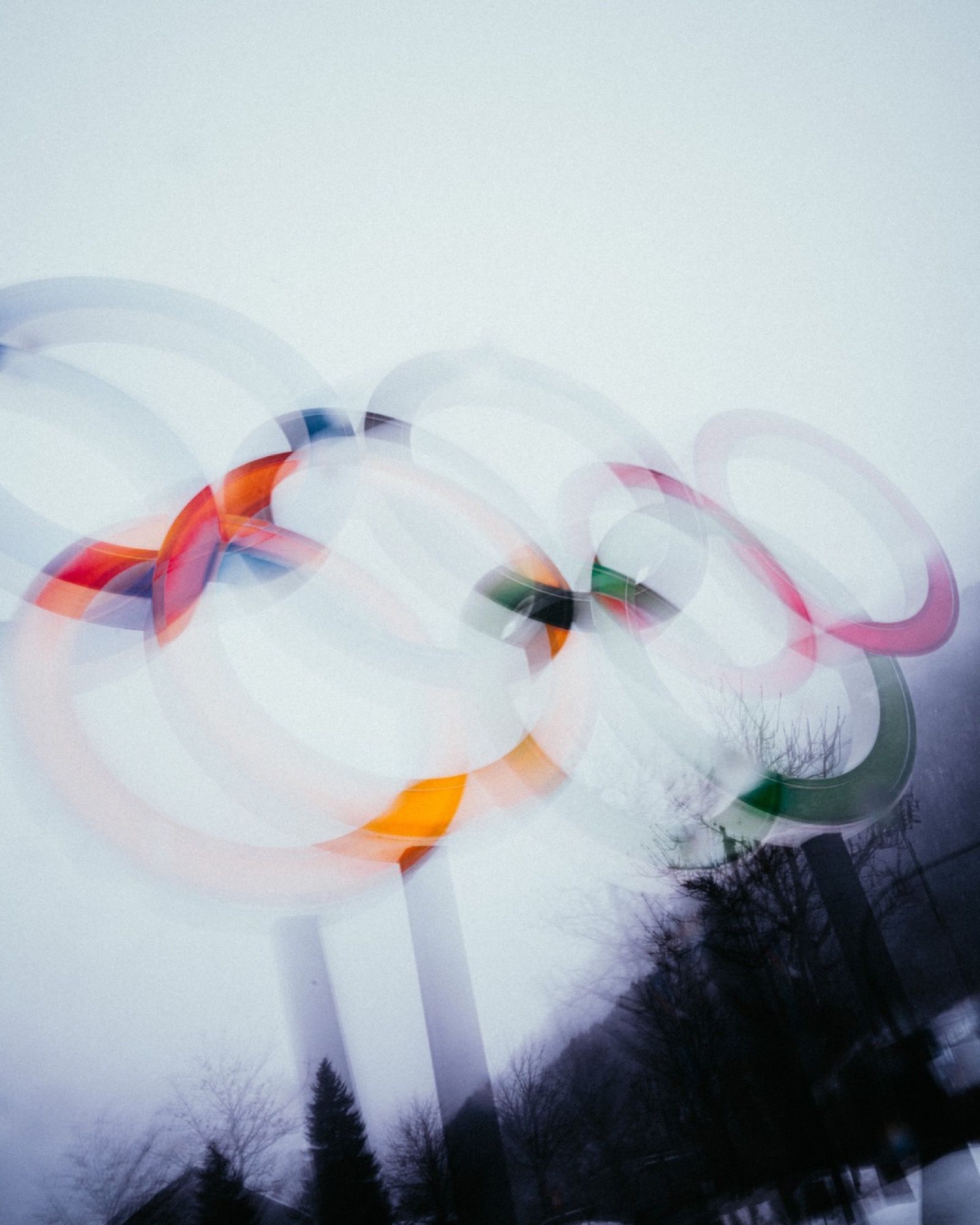
The opening ceremony of the Milan Cortina 2026 Winter Olympic Games taking place this evening is shaping up to be one of a kind, both artistically and conceptually. What will not be unique, however, is the venue hosting the event. For the first time in the history of the Winter Games, we will witness a distributed ceremony spread across four of the many venues of this Italian edition of the event. An artistic representation that will connect Lombardy, Veneto, and Trentino-Alto Adige—the three host regions of the Games—bringing people and ideas together, even if scattered across a vast area of 22,000 square kilometers.
How does it work?
The torch, together with the Olympic spirit, already arrived in Milan on February 5, but the real tension will peak with its entrance into the San Siro Olympic Stadium during the Ceremony, which will begin at 8:00 PM simultaneously in the two cities that give the event its name, as well as in Predazzo and Livigno. The latter will serve as satellite venues, though no less important for that reason. In Val di Fiemme, the Austrian boy band Mountain Crew will entertain the crowd until the Ceremony is broadcast on a giant screen, while in the Lombardy location the entire event can be followed at the snow park via pre-installed LED walls starting at 5:00 PM. The main proceedings will nonetheless take place in the two primary venues of the event.
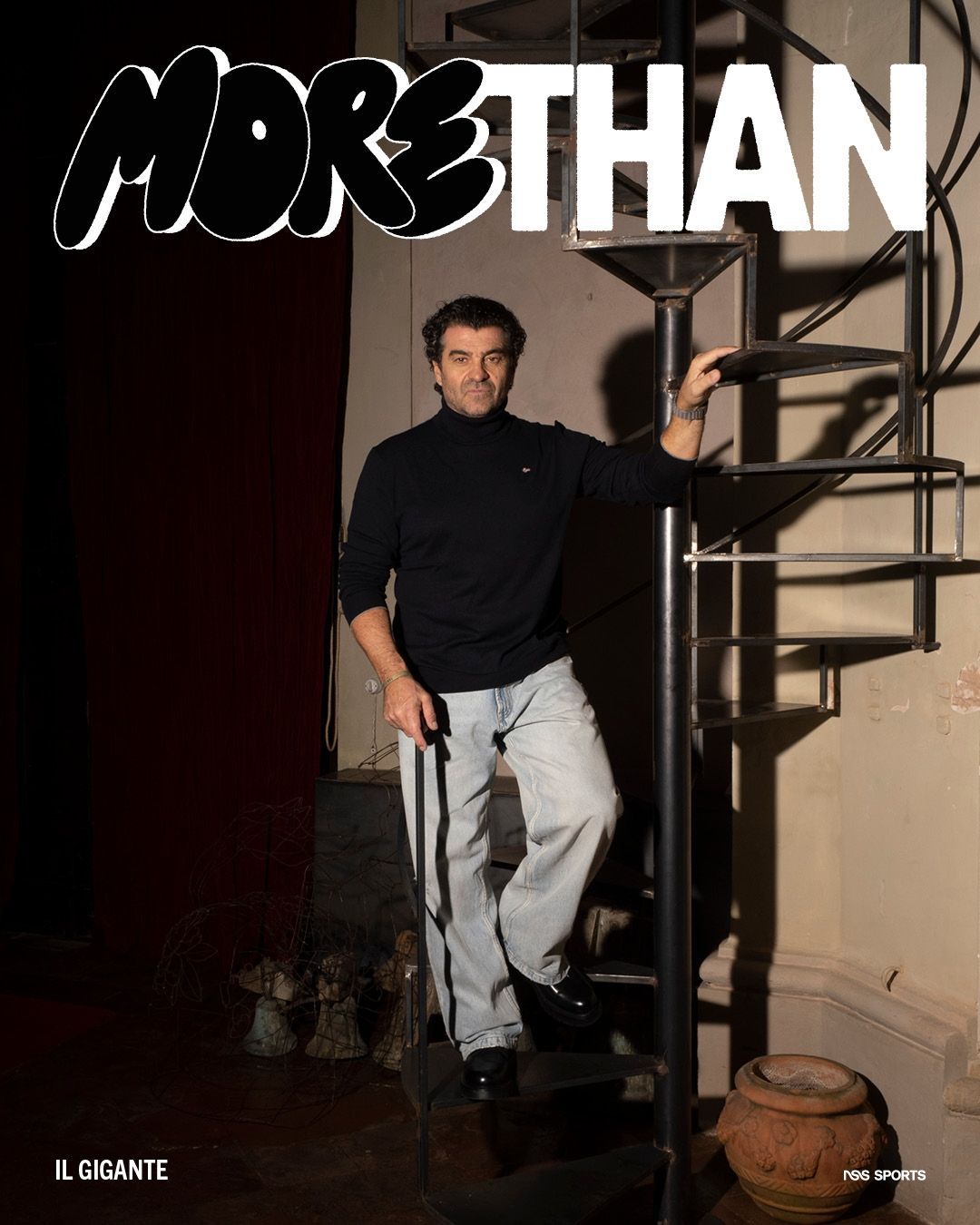
Cortina, which already hosted the Games in 1956, will be involved as a city in its entirety in a symbolic way, welcoming the Parade of Nations along Corso Italia, where athletes will act as flag bearers for their respective delegations before converging in Piazza Angelo Dibona, a key urban hub. This is where the Olympic Cauldron will be lit—the climax of the Ceremony—once again for the first time in sync with its Milan counterpart located at the Arco della Pace. The two cauldrons will burn until February 22, then be reignited between March 6 and 15 for the lighting of the Paralympic Flame, becoming part of short sound-and-light performances every hour between 5:00 PM and 11:00 PM. There will also be two torchbearers tasked with carrying the flame one last time to the Cauldron: in the Pearl of the Dolomites, the honor will go to Deborah Compagnoni, the first athlete in the history of alpine skiing to win three gold medals across three different editions, while at the Scala del Calcio the role will be held by Alberto Tomba, himself a three-time Olympic gold medalist in giant slalom and slalom.
San Siro is the designated venue for the main show, which will take place under the watchful eye of President of the Republic Sergio Mattarella. In the historic stadium, not only will the torch enter, but also—one by one—all the flag bearers of the participating nations. Italy will have no fewer than four, another record for a single nation at the Winter Olympic Games: in Milan, Arianna Fontana and Federico Pellegrino, competing in short track and cross-country skiing respectively; in Cortina, Federica Brignone and Amos Mosaner, in alpine skiing and curling. The latter is also the discipline of Stefania Constantini, who will recite the Olympic Oath from the Veneto city.
All of this will of course be accompanied by the show conceived by Balich Wonder Studio, the Milan-based company marking its sixteenth Olympic collaboration, and by Ceremonies Director Maria Laura Iascone. Behind the scenes lies a massive multicultural project involving 1,200 volunteer performers from 27 different countries and across age groups ranging from 10 to 70 years old, in addition to 500 musicians, making use of a total of 1,400 different costumes and 1,000 props. Not to mention the protagonists themselves.
Who and what awaits us?
The absolute protagonist of the Milan Cortina 2026 Opening Ceremony is Harmony, the theme around which the entire narrative is built. Harmony is already visible in the design of the two Olympic Cauldrons, a tribute to Leonardo da Vinci and his knots, conceived by Balich as kinetic sculptures capable of vibrating to the sound of music—something they will do in unison every sixty minutes at the two designated locations. Four meters tall and weighing four and a half tons, they are composed of an interweaving of 1,440 elements and 240 aluminum pins. Harmony will be especially present on the San Siro stage, both in its designs and in its structure, assembled to appear floating and connected by four ramps, symbolizing the venues taking part in the event.
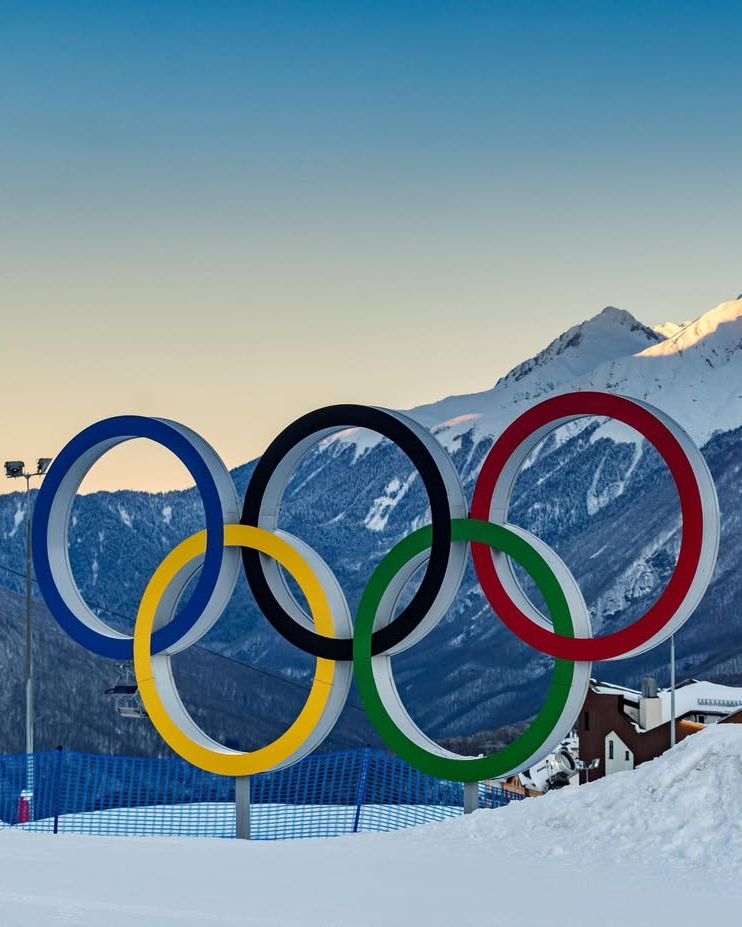
More traditional and closely tied to the Olympic Protocol is the program itself. After the classic introduction by the President and the national anthem, the Greek flag will enter—representing the birthplace of the ancient Olympics over 2,500 years ago and the host of the first modern edition in Athens in 1896. Then, in alphabetical order, all the other delegations will follow, gradually forming the five rings, until the entrance of the Olympic Flag. This will be carried by eight flag bearers in Milan and two in Cortina: ten figures among athletes and public personalities embodying the principles of peace and equality the Games aim to convey. Among them will be two Italians: writer and activist Nicolò Govoni and former United Nations High Commissioner for Refugees Filippo Grandi. From here, the lighting of the cauldrons will follow.
How it differs from previous editions
The real difference compared to other editions will be made by the setting of a stadium that can host up to 75,000 spectators and, above all, by the show that precedes and accompanies the entrance of the flag bearers and the torch. These details are still under wraps, but leaks following the San Siro dress rehearsal hint at references to Italy’s artistic heritage, including the installation of anthropomorphic sculptures on the pitch and giant suspended painting tools, alongside the usual light shows and fireworks. Among the Made in Italy tributes, there will also be an homage to Giorgio Armani, who passed away in September. Spectators will also enjoy a forty-minute pre-show and actively take part in the choreography thanks to wristbands provided upon entry.
Then it will be time for voices—actors and singers, both narrative and operatic. The first category includes Matilda De Angelis, winner of the 2021 David di Donatello for Best Supporting Actress, supported by Primetime Emmy Award winner Sabrina Impacciatore and Pierfrancesco Favino, who will perform alongside violinist Giovanni Zanon in a piece centered on the theme of Harmony between city and mountain. Ghali’s presence represents a hybrid role: known as a rapper, he will deliver a narrative performance. Internationally renowned tenor Andrea Bocelli’s appearance marks a return twenty years after his performance at Turin 2006, when he sang Because We Believe at the Closing Ceremony. It remains to be seen who will perform Il Canto degli Italiani, though multiple rumors point to Laura Pausini, also among the names selected for the occasion. Among the musicians, finally, will be mezzo-soprano Cecilia Bartoli.
As for international guests, the choice of pop icon Mariah Carey is thematic, given her status as the queen of Christmas, capable of breaking her own Spotify streaming records year after year with timeless songs. The real surprise, however, is that during the dress rehearsal she even performed in Italian to the notes of Nel blu, dipinto di blu by Domenico Modugno, raising expectations for a unique performance. Among celebrities, Snoop Dogg was spotted in Gallarate, announced as part of the NBCUniversal team for Milan Cortina 2026, but already present incognito days earlier at the Ice Skating Arena in Assago. Tom Cruise’s attendance is also official, appearing as a representative of the Los Angeles 2028 Olympic Games following his appearance in Paris 2024. Among musicians, Chinese pianist Lang Lang has been announced, while potential unofficial names include Dua Lipa, spotted in the Galleria Vittorio Emanuele wearing a Bulgari choker and a furry coat for a Milan Cortina 2026 campaign, and Charlize Theron, mentioned in industry rumors—as well as Jannik Sinner, eagerly awaited by all.
The goal is to stage a show rooted in inclusion and multiculturalism, capable of striking a chord with those sensitive to harmony among peoples and places, inspiring a sense of global peace in such a turbulent historical period. For this reason, in addition to RAI, event coverage will also be entrusted to streaming giants such as Warner Bros Discovery and HBO Max, as well as Eurosport, DAZN, TIMVision, and Prime Video Channels. In Milan, it will even be possible to watch the event at the Meet Digital Culture Center theater, for those unable to purchase tickets for the San Siro Ceremony.