



Nike said no to vintage-inspired everything for the 2026 World Cup We've been waiting for this for a loooong time
There is a widespread belief that often leads people to claim that the 1994 World Cup in the United States was a cultural turning point, particularly for the idea that sports merchandising - as both a concept and a mass phenomenon - was born at that very moment. It was an event that acted as an accelerator for an industry destined to symbolically come full circle with the 2026 World Cup, which, after 32 years, will return to the United States - this time alongside Mexico and Canada. USA 1994 was also crucial thanks to FIFA, which strongly pushed the licensing of all kinds of products - you may remember the mascot Striker. It was during that tournament that we truly began to see football shirts as objects capable of going beyond the pitch, taking on a second life in the stands, worn by fans, and in the cities, during what turned out to be a sweltering American summer.
In the 32 years separating the two editions, football merchandising has evolved significantly, going through decisive phases. Among these, the 2018 World Cup in Russia stands out, both preceded and followed by football-inspired collections by Gosha Rubchinskiy and Demna Gvasalia, leading up to trends such as blokecore. Today, however, it is the 2026 World Cup that represents the ultimate milestone for sportswear brands that have been building momentum since 2018: an event set to mark a before and after, a true testing ground for giants like Nike, adidas and PUMA, from whom important answers are expected. Answers that, however, we don’t need to wait for the start or end of the tournament to see. Already this March, with the release of all Nike kits and collections, along with adidas’ Away jerseys, seems to have crowned a winner. A winner that was already in the air, predictable: Nike. A brand that has already proven one thing: in a sportswear world still viscerally tied to the past, it is the one with the courage to stop looking back.
Goalkeeper jerseys
Nike’s roll-out ahead of the 2026 World Cup began precisely with goalkeeper jerseys. A coincidence? Absolutely not - and here’s why. The goalkeeper jersey is one of the items that football fans - and particularly merchandising enthusiasts - complain about most passionately. It is precisely in this area that, over at least the past decade, the creativity of major players has almost completely disappeared: goalkeeper kits have long been treated as a secondary product among official releases from big brands. Bringing them back into focus was therefore a predictable move, something in the air, but also extremely clever, because it shows an ability to listen to the fans.
In December 2025, the Hollywood Keepers collection was released - a lifestyle line that revived some of Nike’s most iconic 1990s graphics, originally seen on goalkeeper jerseys. All of this leaves us with one question: will we see them on the pitch at the World Cup? Apparently, the match versions won’t be 100% faithful, but the creative level will remain high: the designs unveiled by Lena Musmann and Luis Callegari already offer a very convincing preview.
Home and Away kits and unveilings
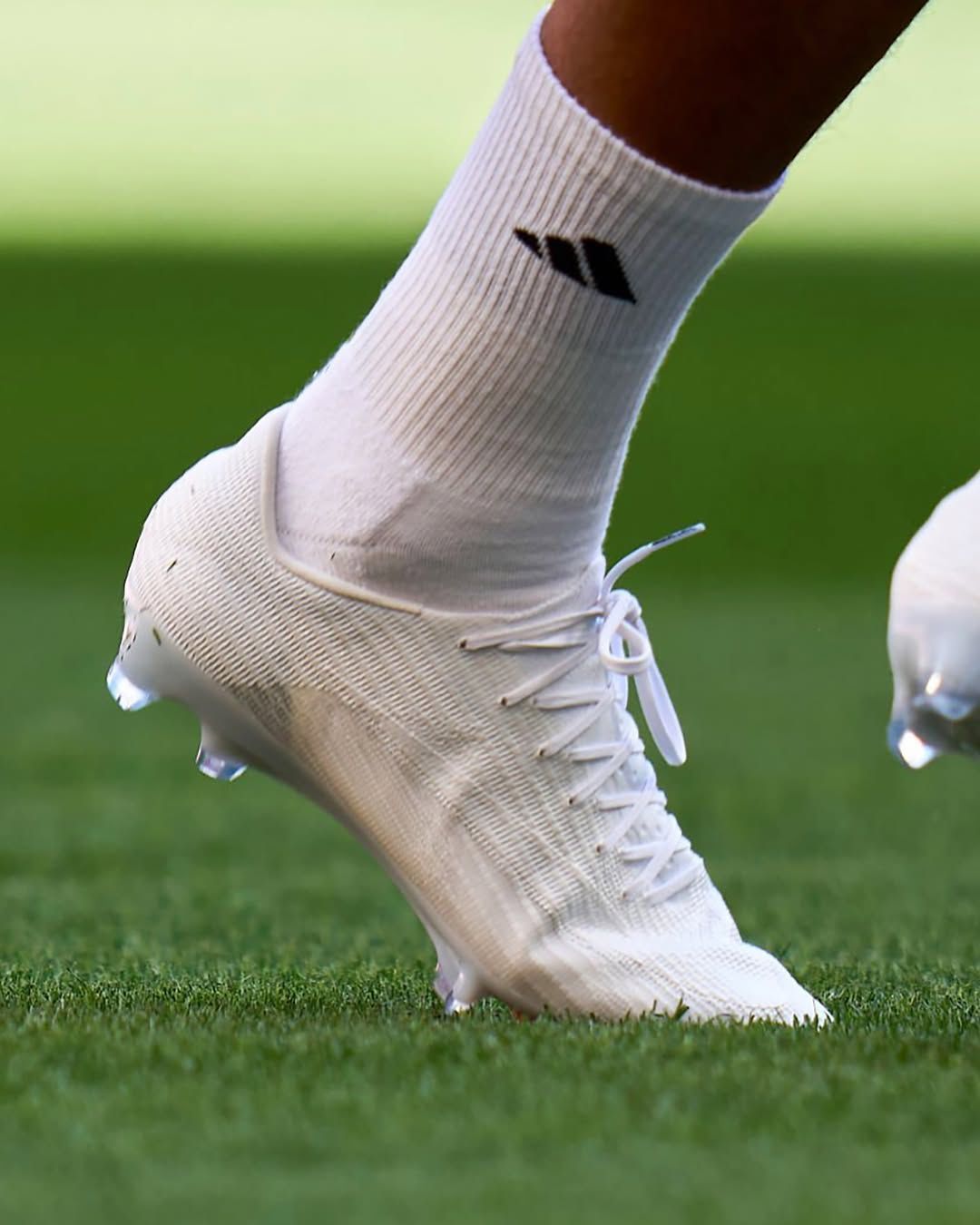
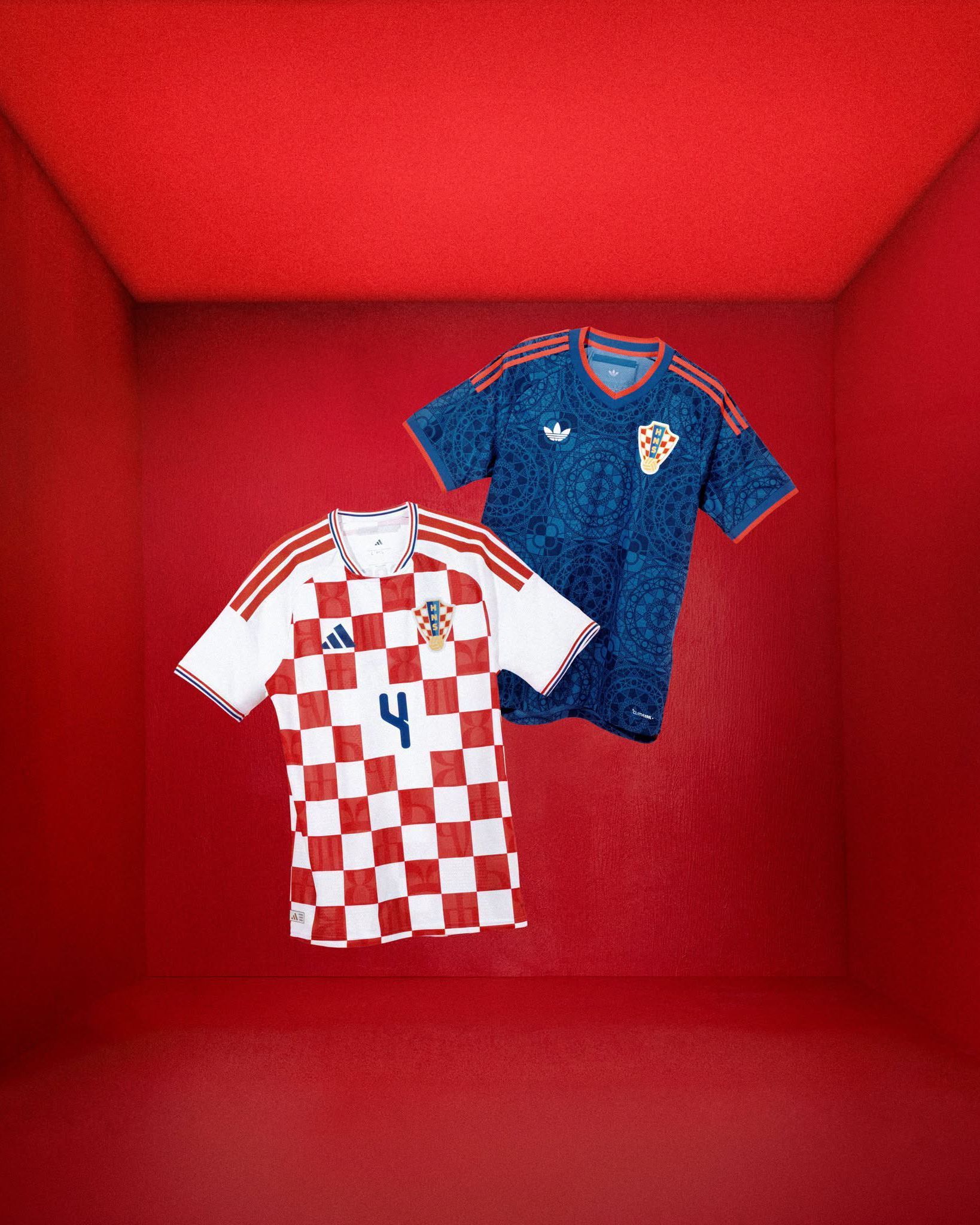
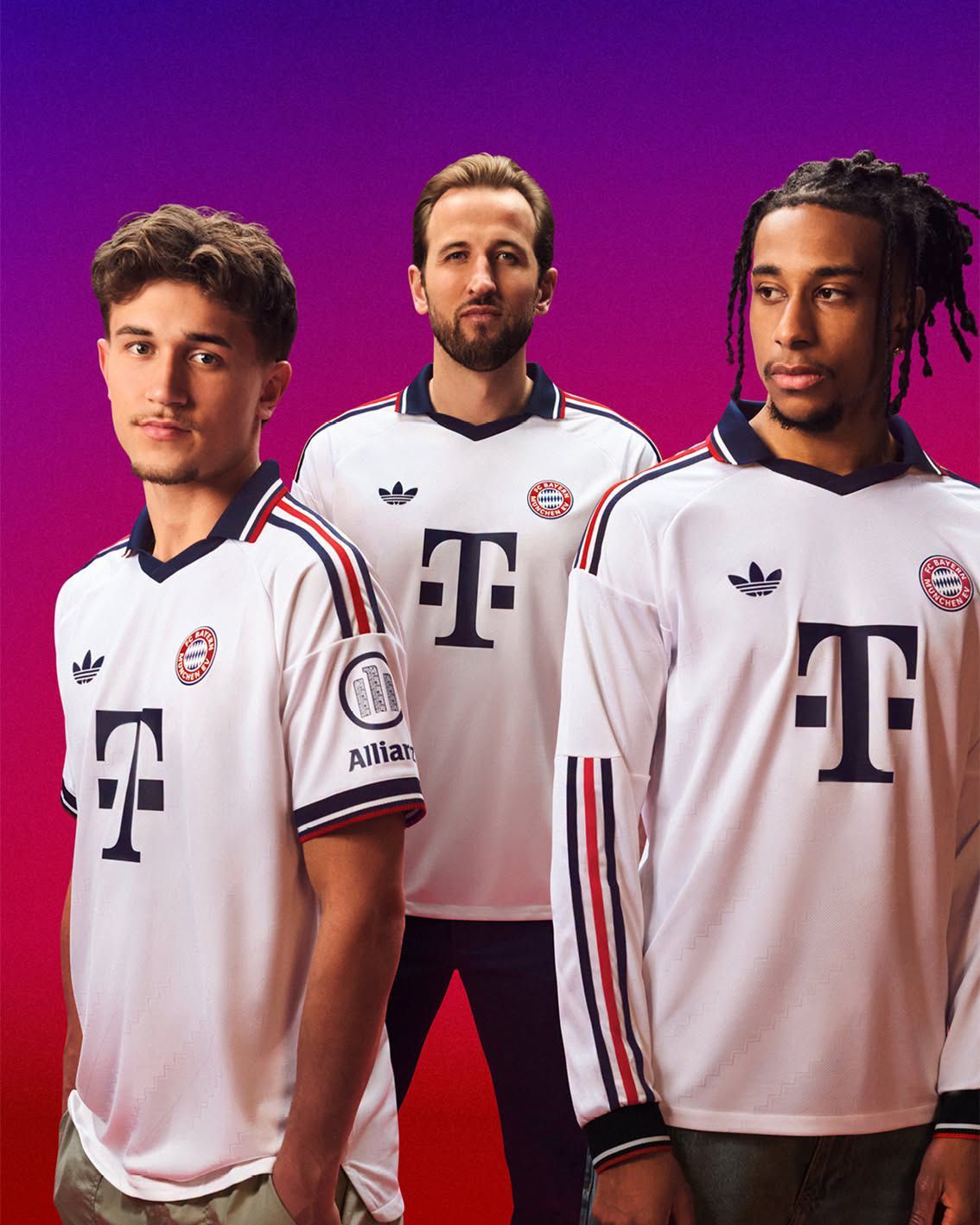
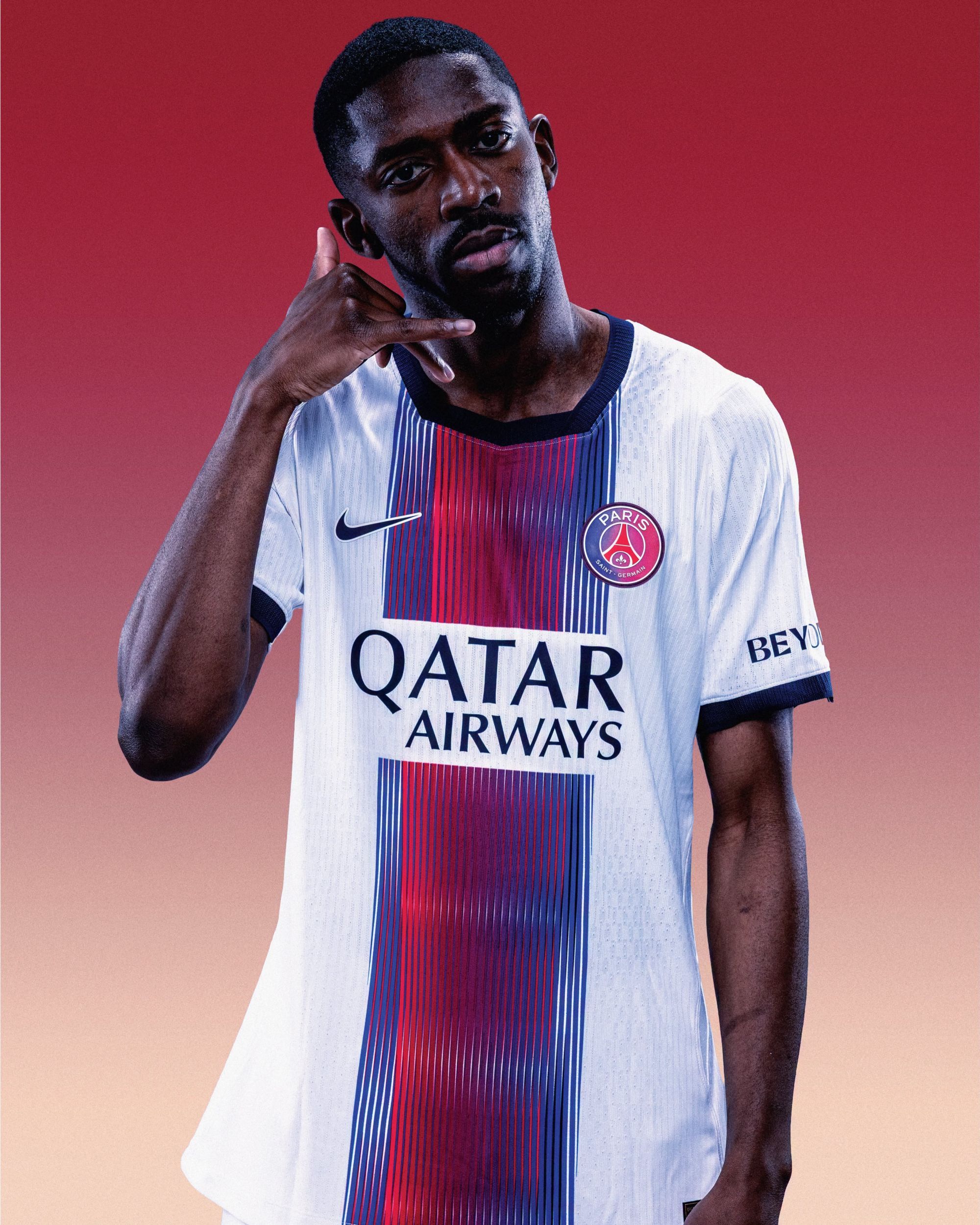
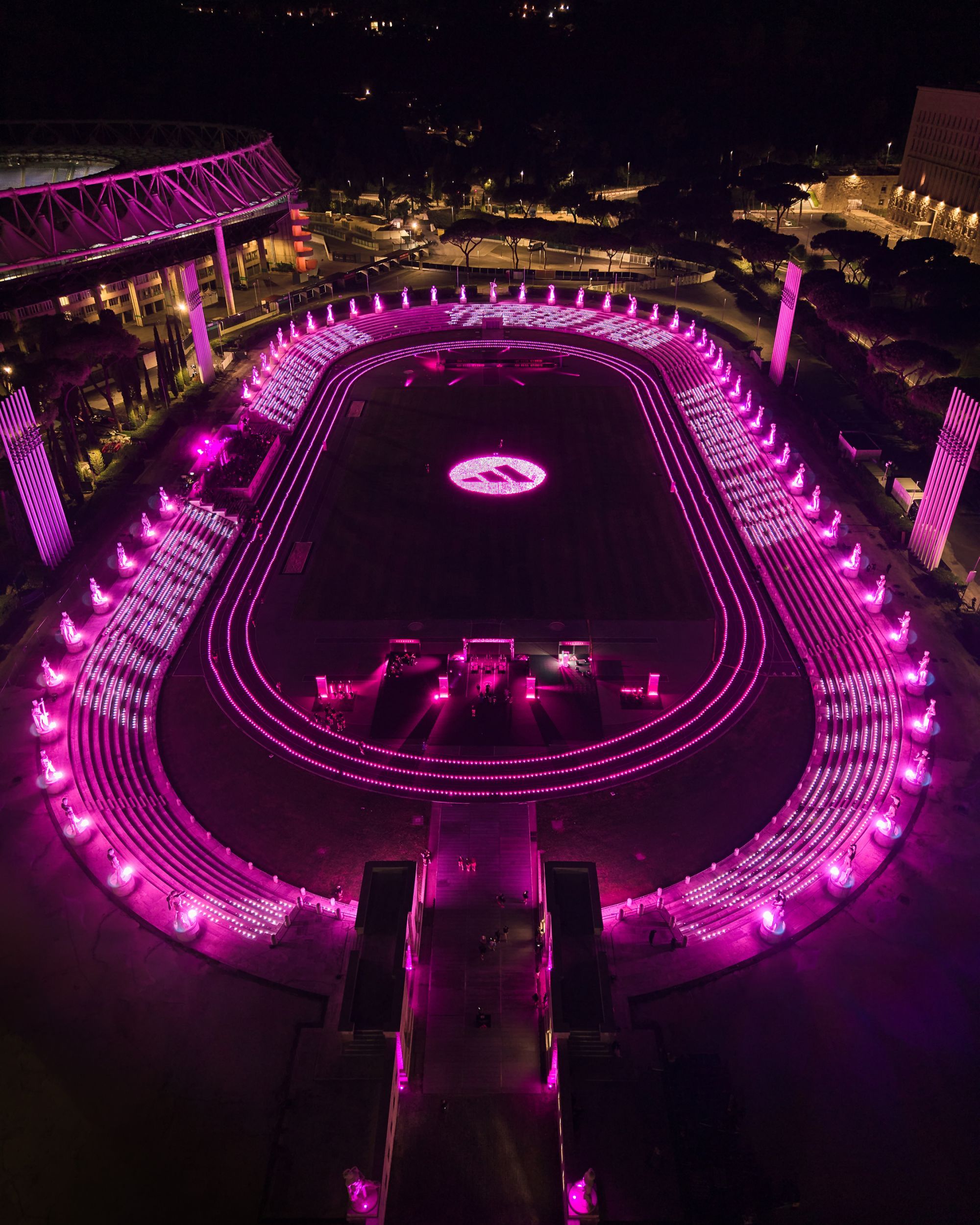
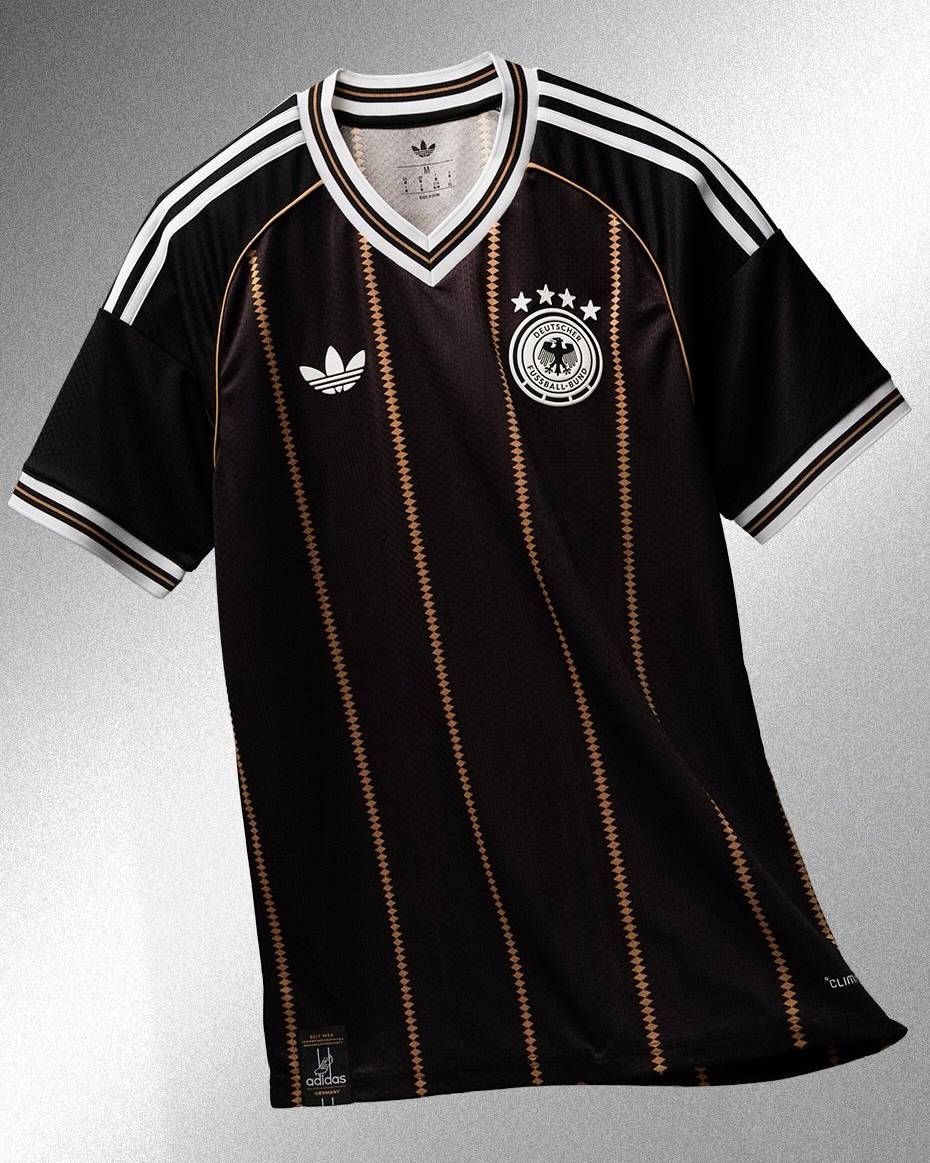
While adidas presented its Away kits by leaning on the return of the Trefoil - the three-leaf logo first used in 1971 - and already with the Home kits focused heavily on heritage-driven communication, Nike came in aggressively with the national team kits we will (and won’t) see at the 2026 World Cup: Australia, Nigeria, South Korea, England, Brazil, the Netherlands, Uruguay, and many more. It did so with a shoot and communication strategy completely different from adidas - which makes sense, considering the two brands’ distinct DNA, long defined by clear opposition.
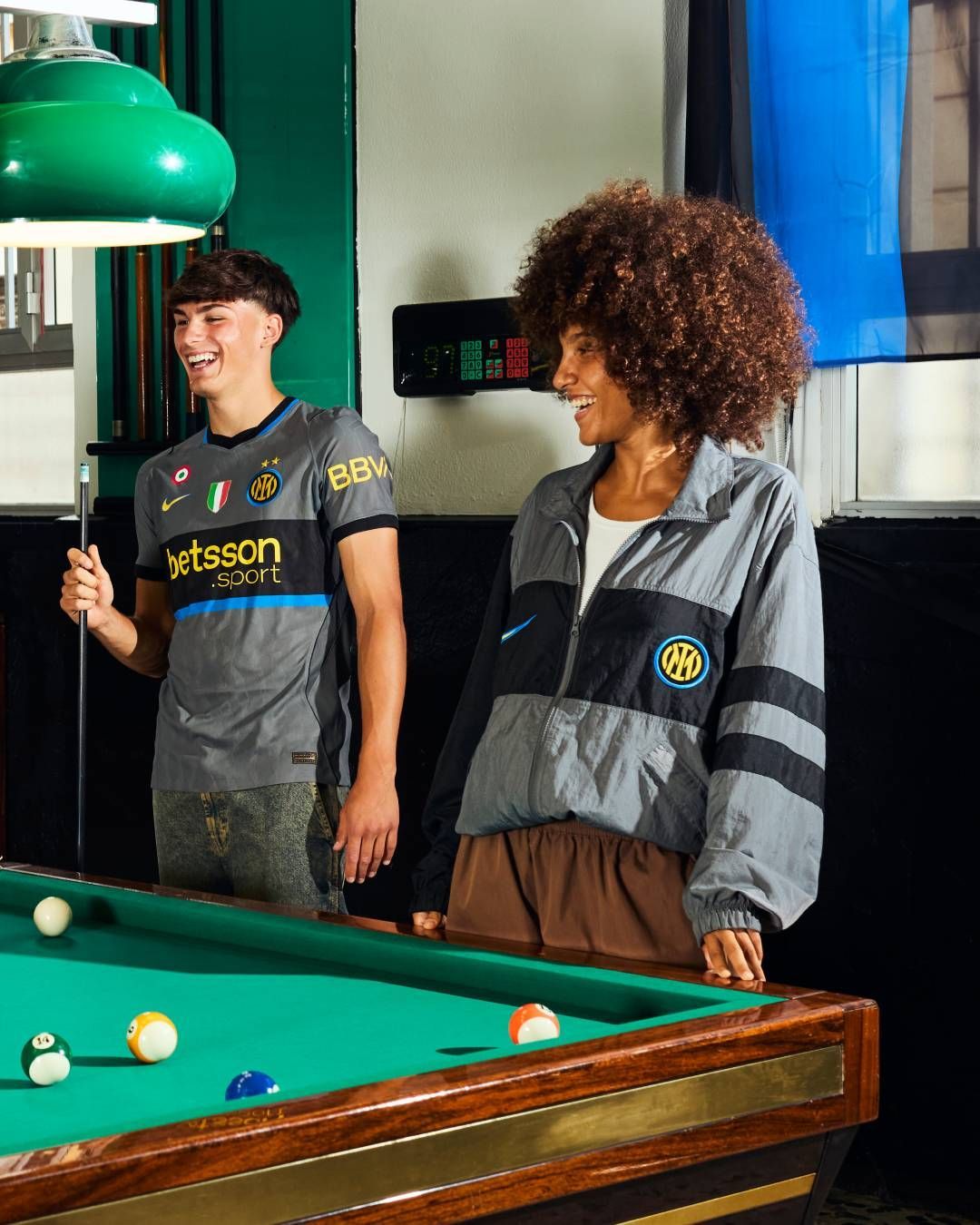
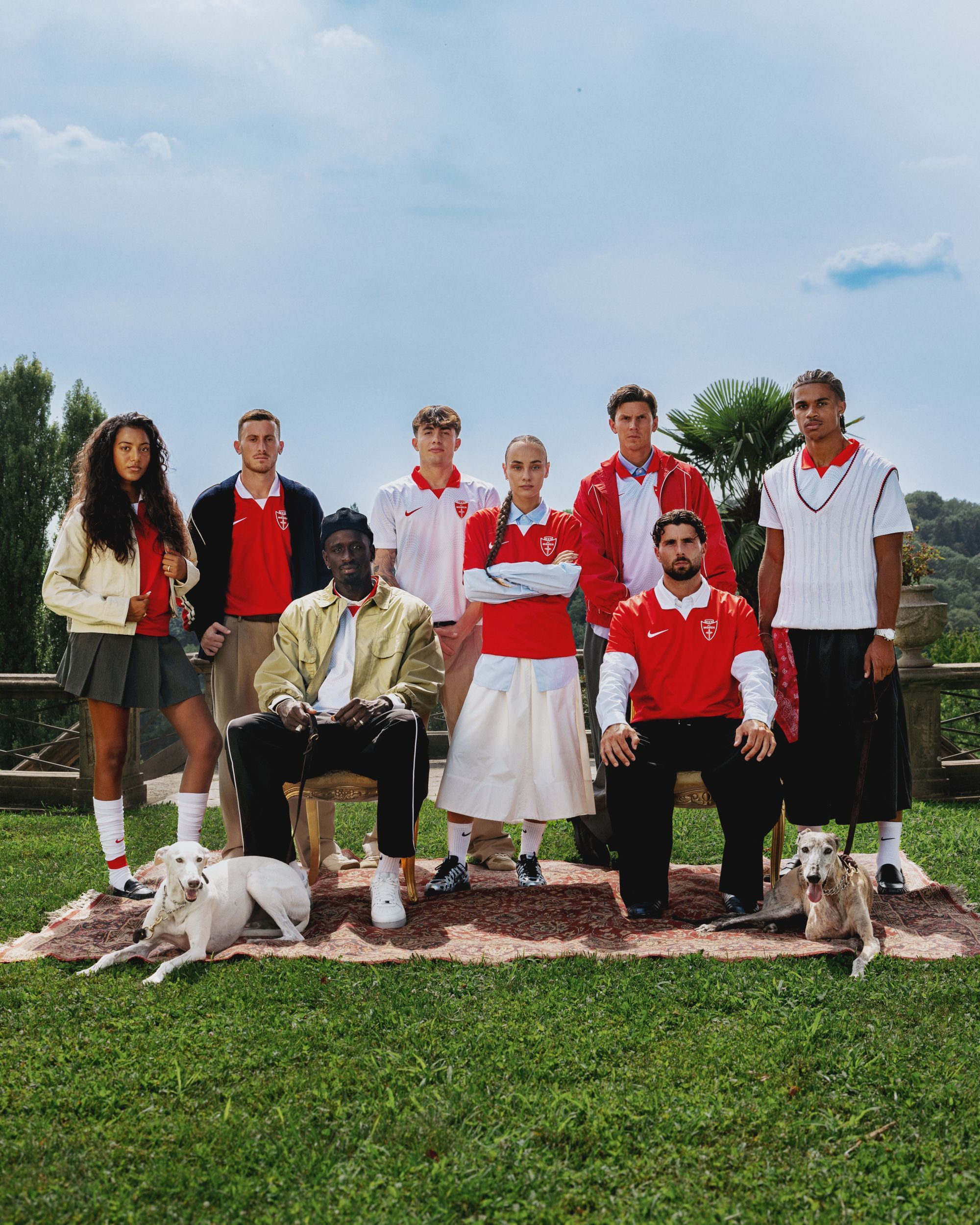
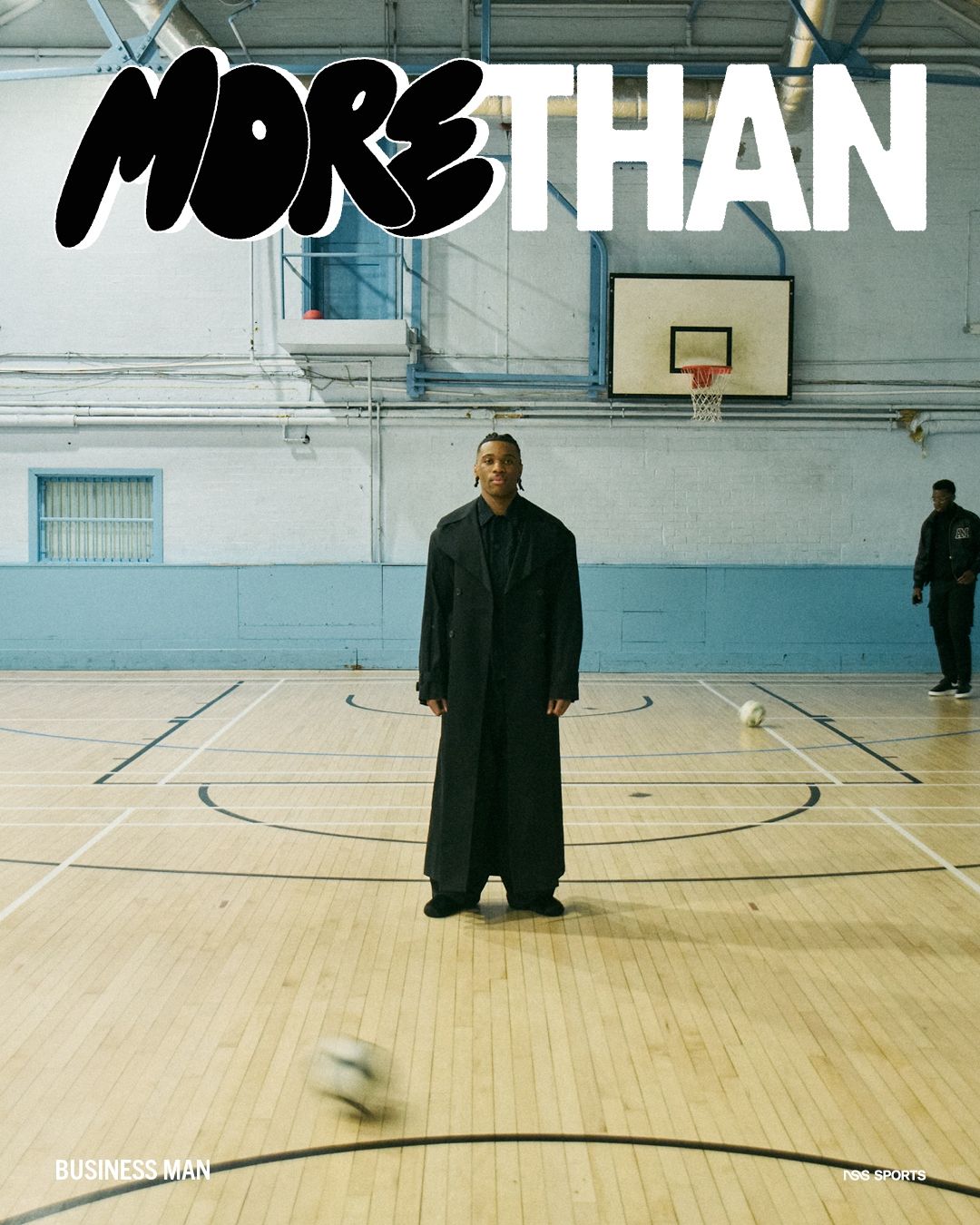
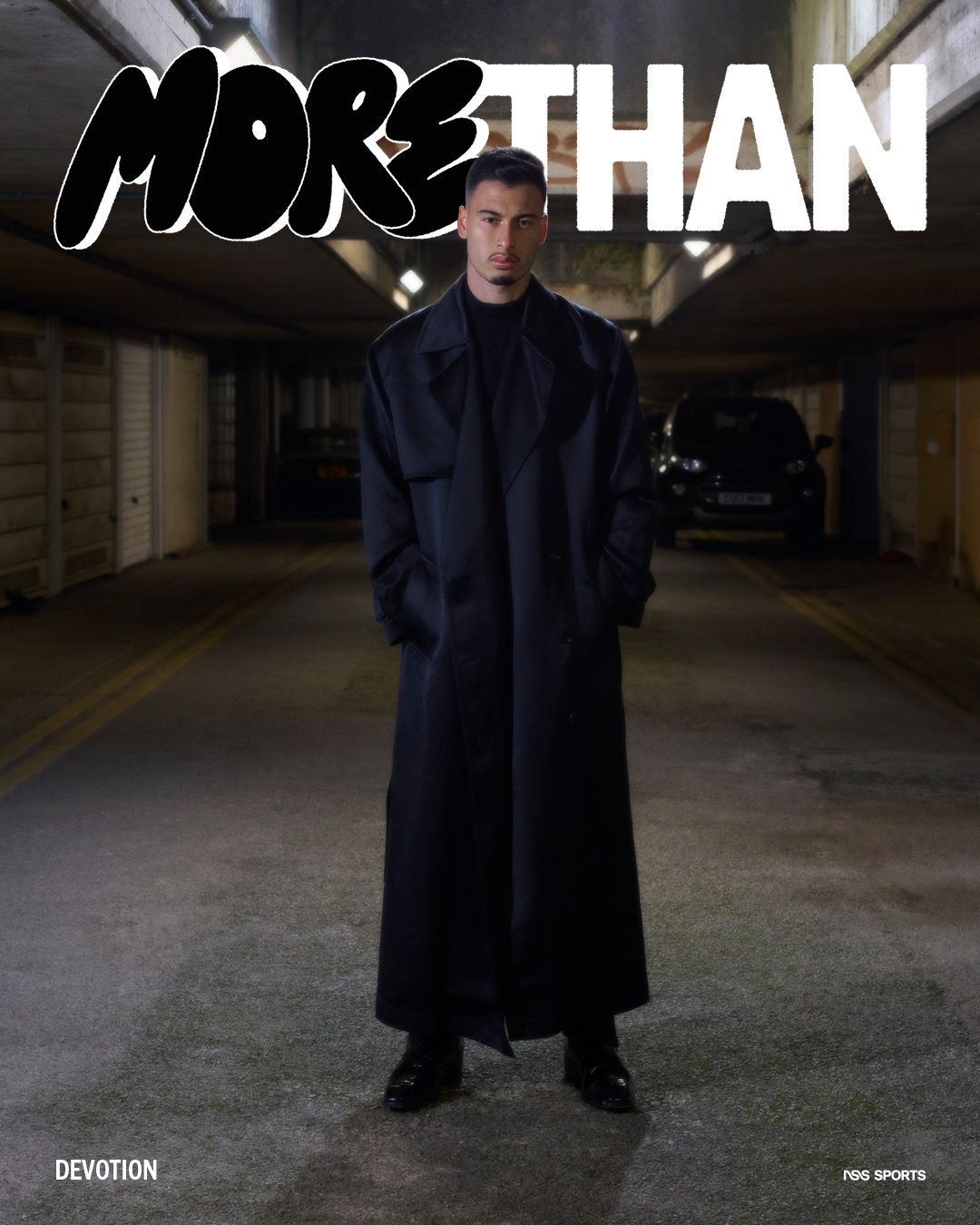
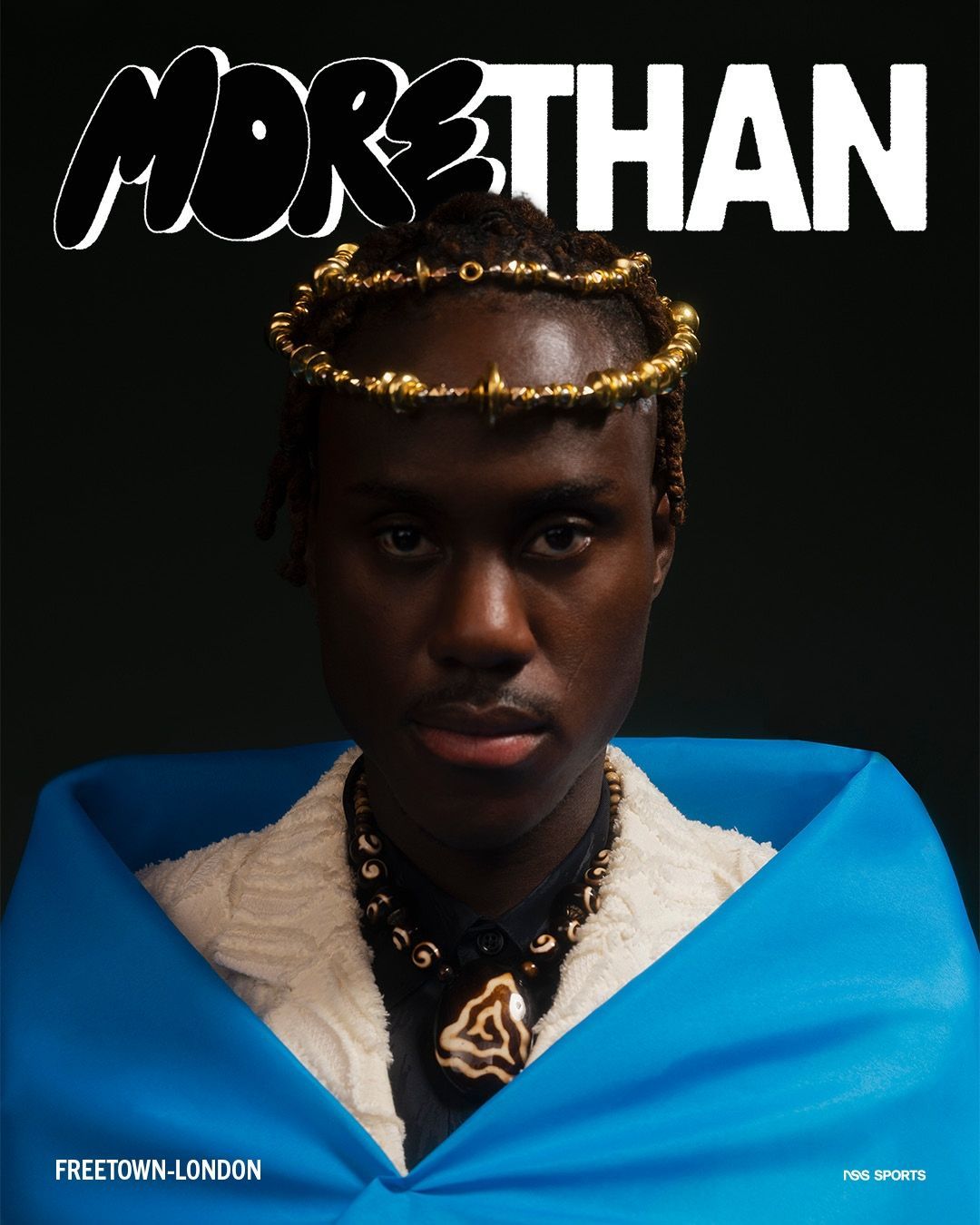
Here too, marketing - like adidas - plays a fundamental role, through posters, short trailers, and other assets, but it is in the campaign imagery that the core choice becomes clear: the real protagonist is the product. A decision that feels like a manifesto, a statement. The moment Nike had been waiting for to remind everyone not only who the best sportswear brand is today, but above all who is truly capable of taking us beyond a now-stagnant idea: that creating innovative and interesting jerseys simply means revisiting 1980s or 1990s models and placing a Trefoil on them.
Even the decision to present both Home and Away kits together feels almost allegorical: as if to say “here they are - just simple jerseys, but made to perfection - and we’re presenting them all at once, not months apart.”
Lifestyle collections
While adidas continues to push classic tracksuits - once again featuring the iconic Trefoil - Nike replied by launching Nike Tech. Not just standard Nike Tech, but a mesh version that, beyond being a new iteration specifically designed for the World Cup, demonstrates what it means to innovate an existing garment. The result is a product that also makes sense seasonally: a knit piece fits perfectly within a timeframe that spans from spring (the unveiling period) to summer (when the World Cup will take place), when temperatures will be high.
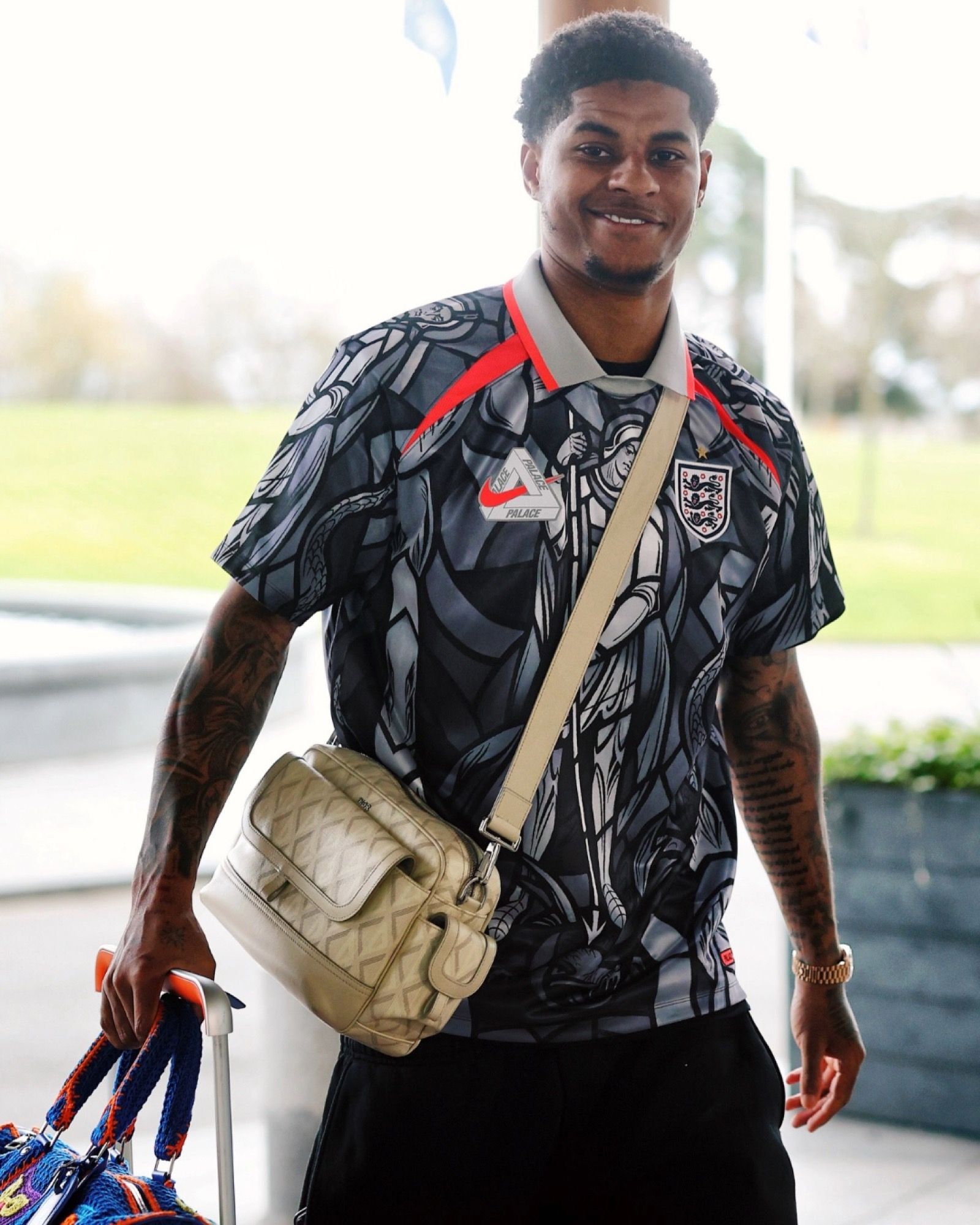
Within the Nike Tech lineup - one for each national team, in their respective colors - Nike also found room to introduce the second chapter of its collaboration with Palace Skateboards, revealed through Marcus Rashford during the early days of national team training camps. In short, the World Cup already seems to belong to Nike. Was it expected? Yes - especially considering that the host country is the brand’s home turf, where it continues to build its success.
And precisely because of the standards the Swoosh has been setting in recent weeks, it’s important to maintain a critical and clear perspective until the very end: the only area where more was expected is the Jordan football boot to be seen at the World Cup. Why not introduce a new Jordan silhouette? Why, among the many available models, focus on the Nike Tiempo rather than others that might have better suited the Jumpman logo?