


We need more pink kits on clay Not only on hardcourts
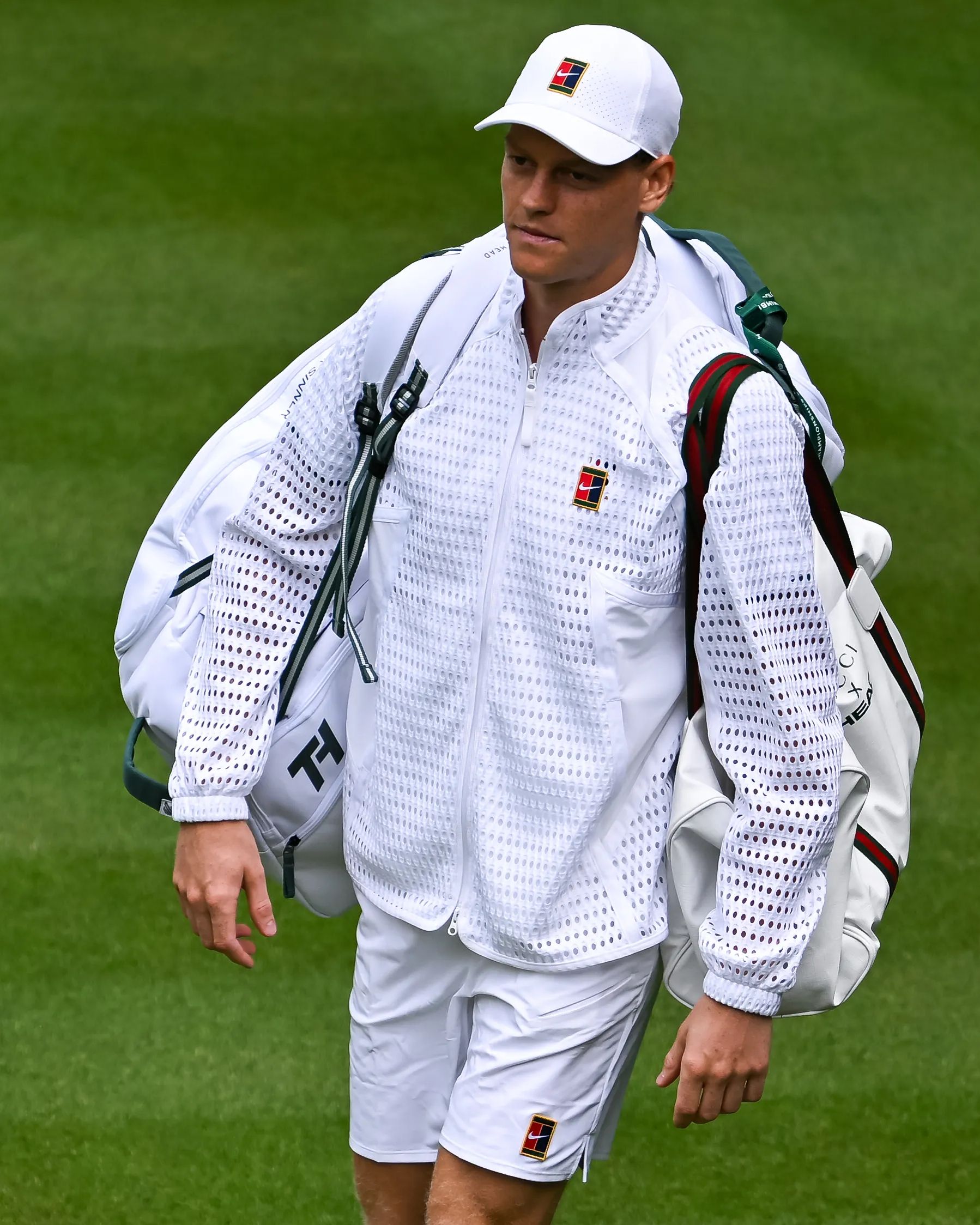
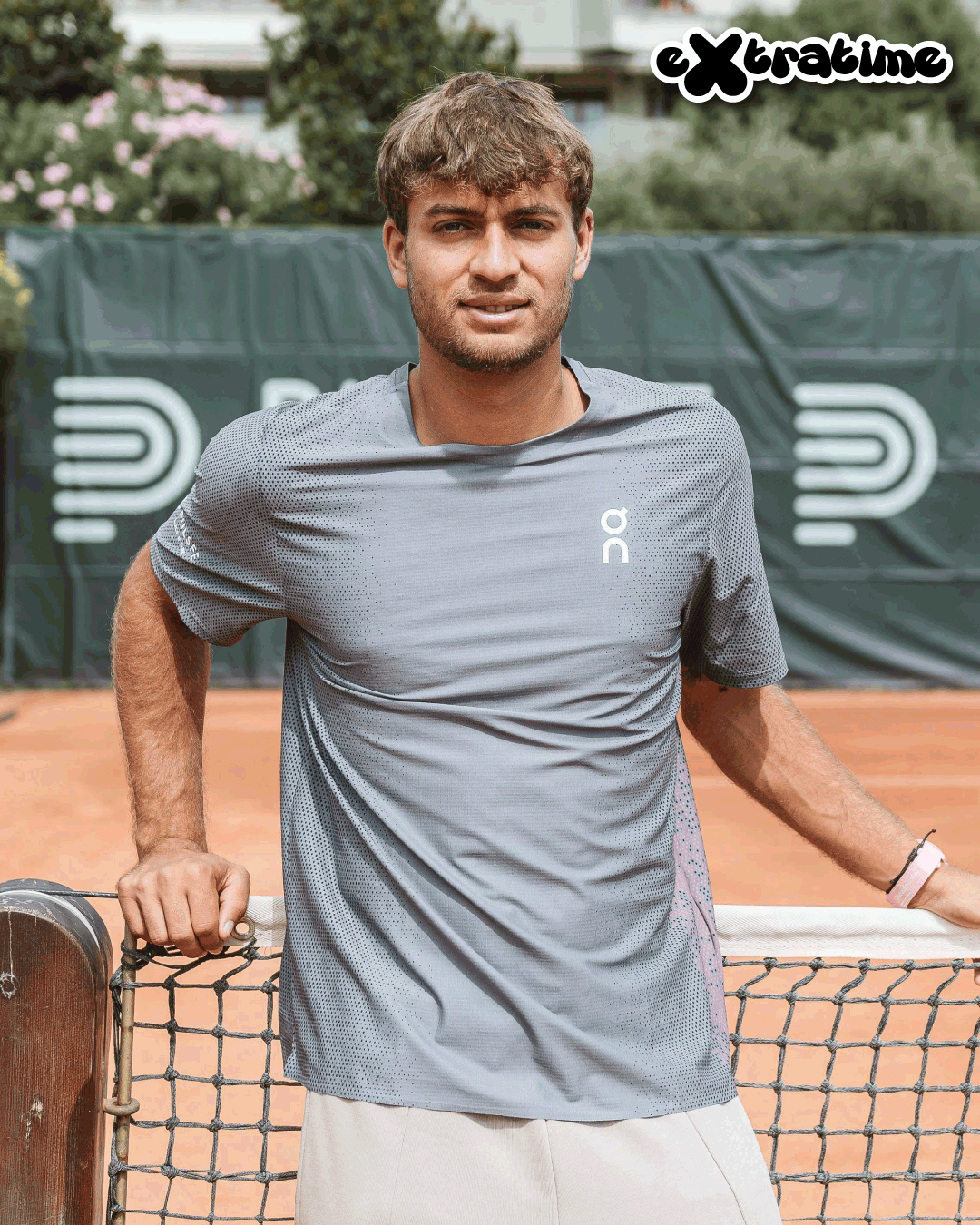
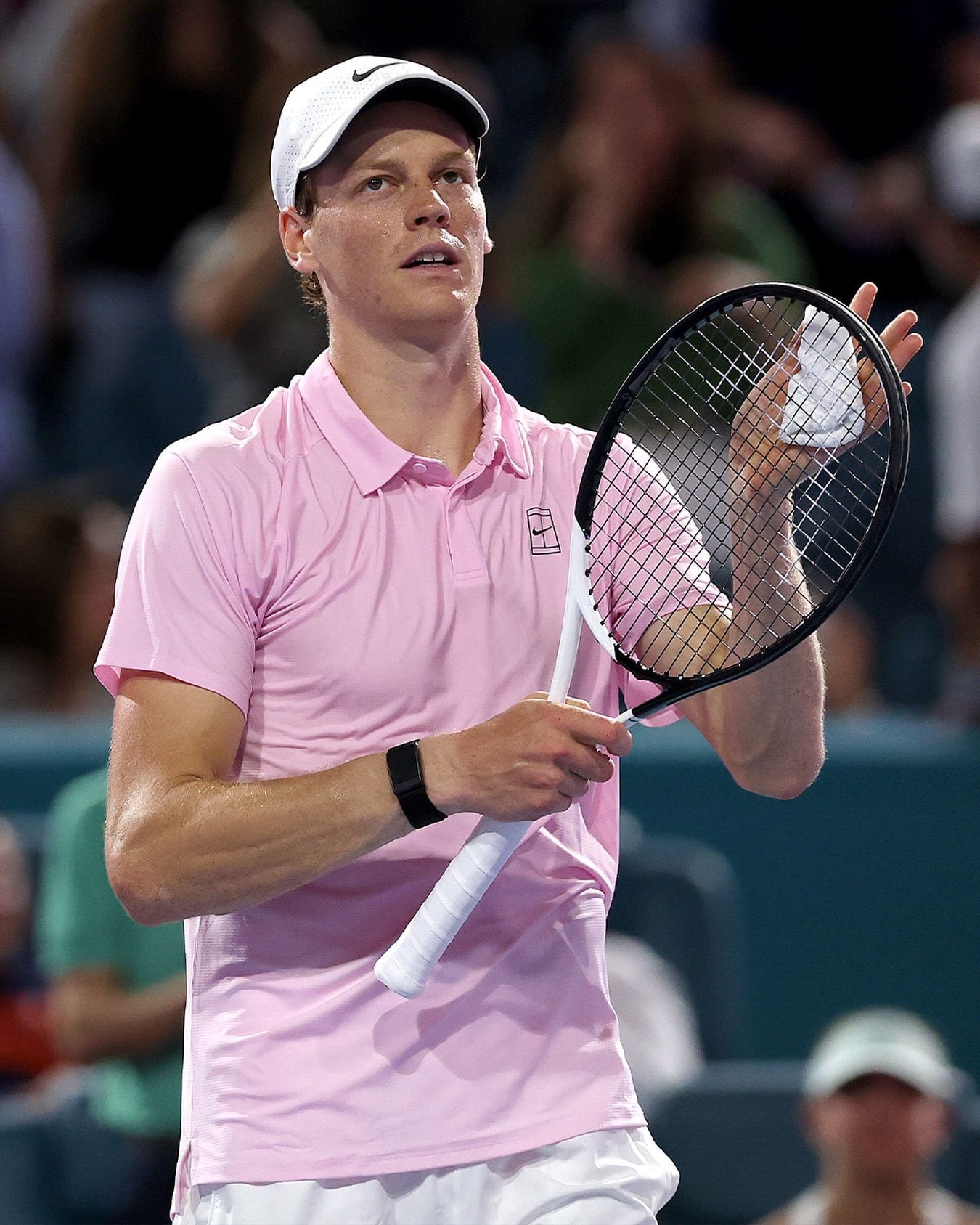
Jannik Sinner has reclaimed the top spot in the ATP rankings by winning the Monte Carlo Masters 1000, his third consecutive Masters 1000 title following victories in Indian Wells and Miami. The key difference between this latest triumph and the previous two lies in the kits. While breaking away from the traditional all-white on grass seems impossible, greater flexibility is expected on clay. In this regard, the work of Nike and Sinner has not been particularly groundbreaking, presenting in Monte Carlo a kit based on a scale of greys paired with white accessories. Elegant and well-matched to the Monegasque surface, but not especially vibrant—especially when compared to what was seen in previous tournaments.
The Sunshine Double
Winning the ATP tournaments of Indian Wells and Miami back-to-back is known as the Sunshine Double. The first word refers to the sunny climate of California and Florida, the states hosting the two tournaments. The second highlights the fact that the events take place one week apart, as a pair, in the United States. If that connection weren’t enough, since 2025 both tournaments share the same hard-court supplier, Laykold—an American company that already covered Miami and replaced Plexipave at Indian Wells after 25 years, sparking debate over court speed.
In 2026, this alignment reached a new level. For the fourth time in history, the Sunshine Double was completed by the same name in both the women’s and men’s draws. Respectively Aryna Sabalenka, the WTA world No. 1, and Jannik Sinner. It had been exactly ten years—since 2016—that this dual sweep last occurred on American soil. A perfect connection between Indian Wells and Miami, whose true uniqueness, however, lies in a distinctive aesthetic detail: both athletes, dressed by Nike, wore pink outfits.
Sinner’s tribute to Federer
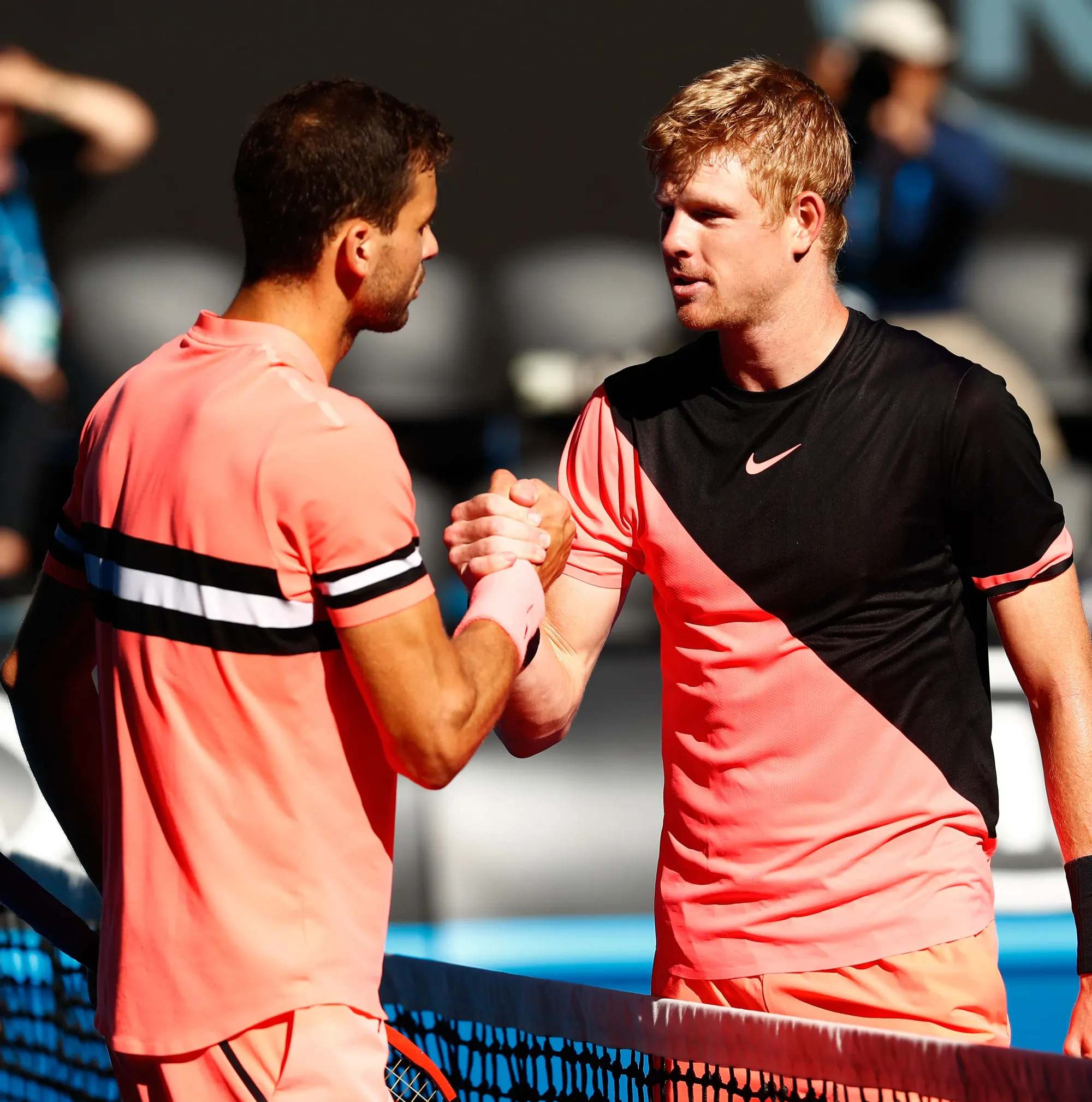
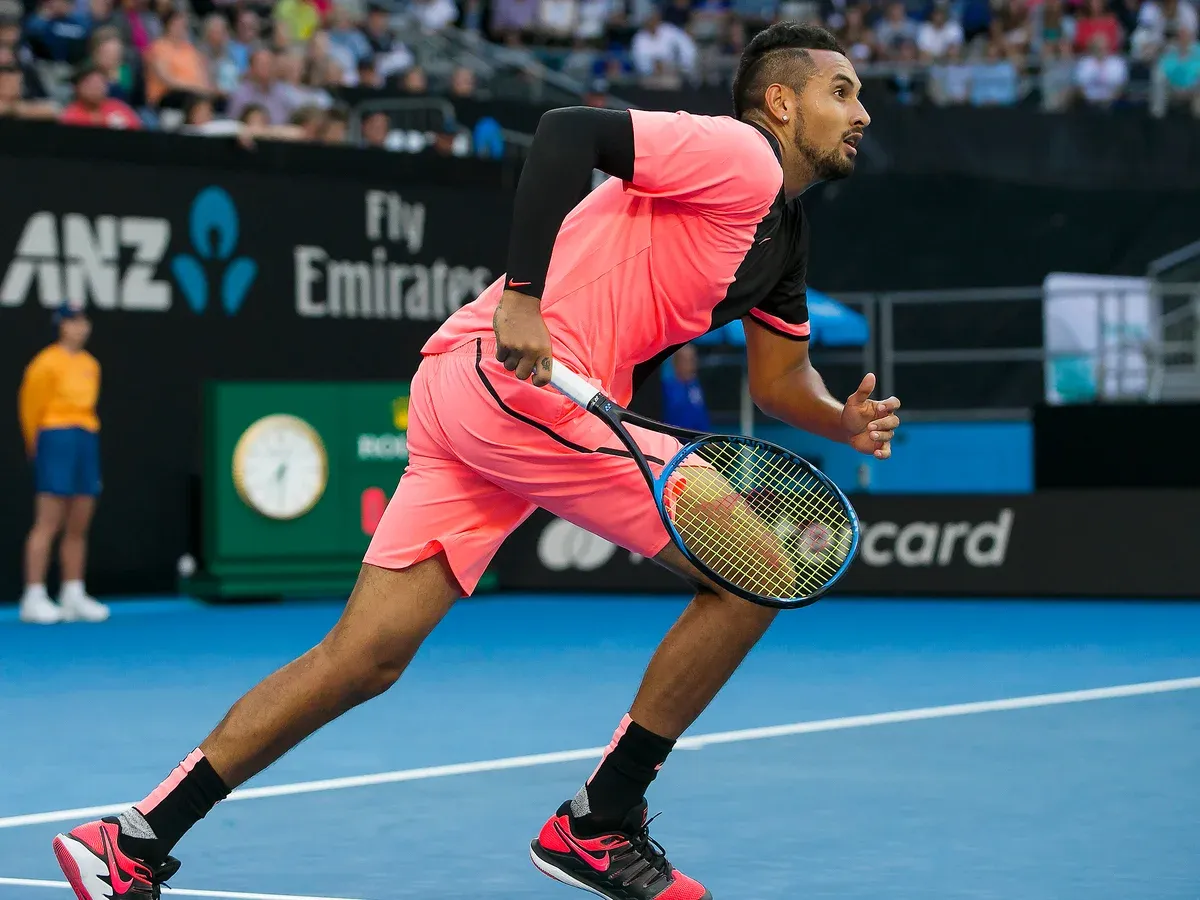
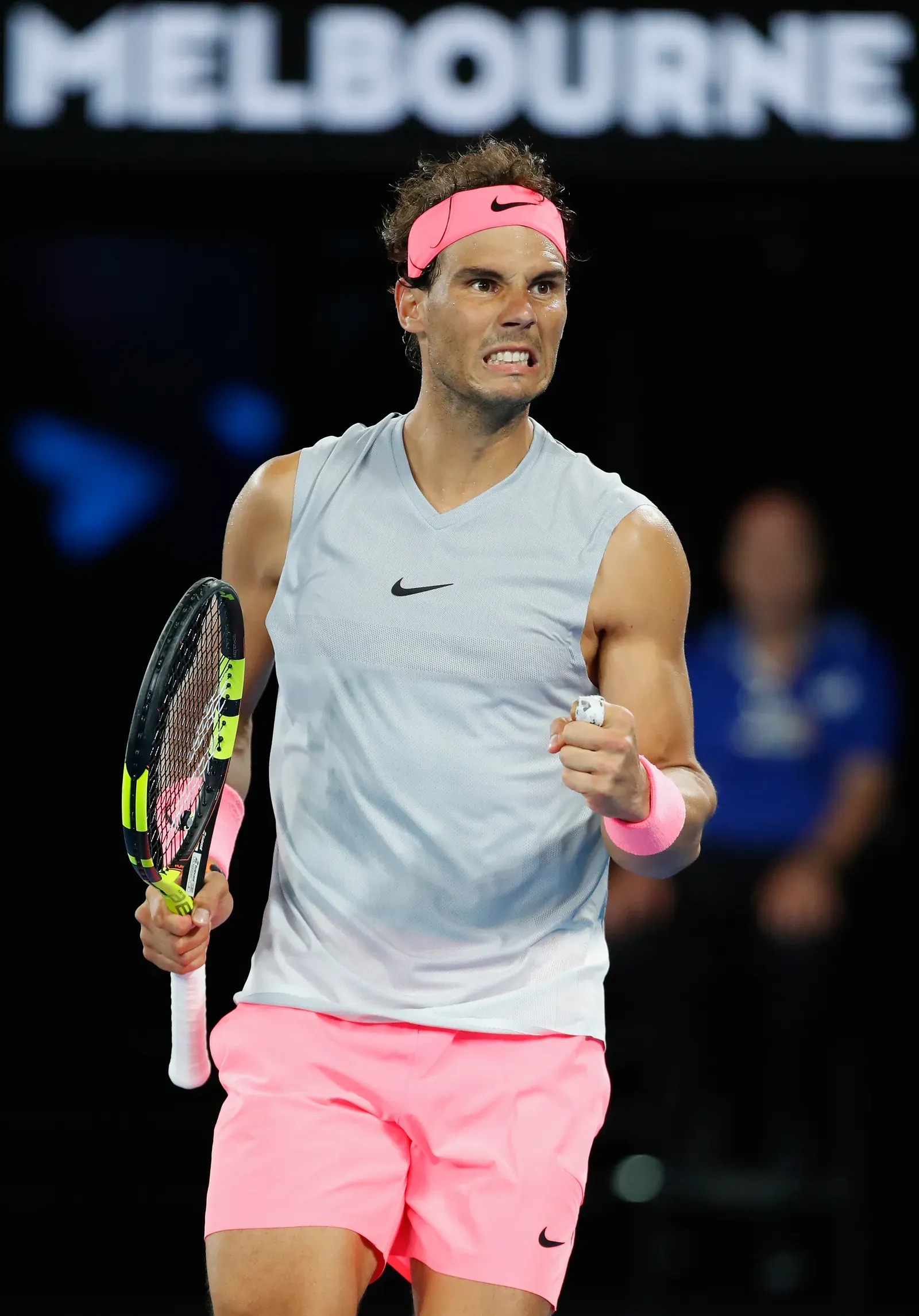
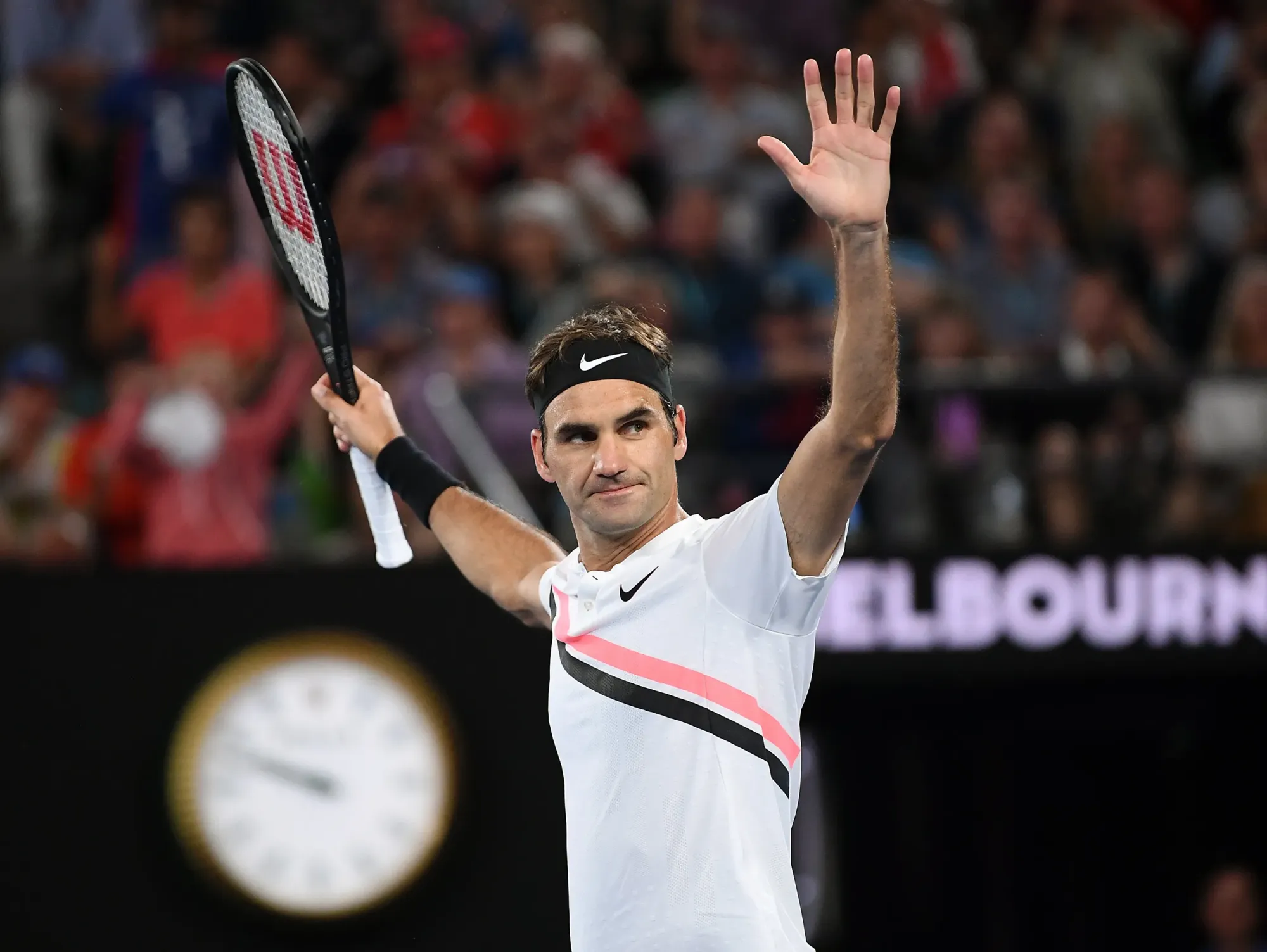
In both Sinner’s and Sabalenka’s cases, the choice was a tribute. The most immediate comparison for the Italian’s kit is Roger Federer, who won in Toronto in 2010 wearing a distinctive pink Nike polo—similar to Sinner’s NikeCourt Advantage. The variation comes in the shoes: his usual Nike GP Challenge 1.5, also worn at the Australian Open, here reimagined in multicolor. The pink upper is complemented by white laces tipped in blue, matching the midsole, outsole, and logo. However, the roots of this look go beyond Federer. The 2018 Australian Open marked a chromatic turning point. Federer, Rafael Nadal, Grigor Dimitrov, Nick Kyrgios and others appeared in fully or partially pink outfits designed by Nike, often paired with black or blue contrasts.
This was a deliberate marketing move by NikeCourt Apparel Design Director Sam Shipley, driven by the nature of the Australian tournament and its time zone differences. With a 15-hour gap between Melbourne and New York, and ten hours with Rome, live viewing is difficult for many overseas audiences. As a result, highlight consumption increases, making visual impact crucial. Bright pink, often set against darker backgrounds or bold geometric designs, stands out instantly—especially on blue courts like those in Australia, Miami, and Indian Wells.
Aryna Sabalenka opted for total pink
Even more than Sinner, pink has defined Aryna Sabalenka’s triumphs on American soil at the start of the season. The new Gucci brand ambassador debuted the color already in Brisbane and then at the Australian Open, where she only fell in the final to Elena Rybakina, embracing a true chromatic collage. Her NikeCourt Slam dress combined two past kits seen in Melbourne: the tight-fitting bodysuit with black, red, and pink stripes worn by Serena Williams in 2021—featuring a one-leg design as a tribute to Olympic sprinter Florence Griffith-Joyner—and the dress worn by Maria Sharapova in 2016, dominated by light orange and interrupted only by white on the back.
Sabalenka chose the silhouette of the Russian champion’s dress, opting for a skirt closure rather than the single-leg cut, but introduced a back opening starting from the right side, subtly echoing the American icon’s design. Neon pink, orange, and black blend asymmetrically, with blue accents on the zipper and shoulders, another nod to Williams’ outfit. Bright pink also appears on the shoes—on the sole, swoosh, and laces—contrasting with the white upper covered in silver stars. During the Sunshine Double, however, she went full pink, wearing a NikeCourt Advantage set with black trim to echo the chest logo. Slightly more minimal than her Australian Open look, yet elevated by personal touches such as her large engagement ring—worn even on court, where she was seen practicing with a bridal veil and catching a bouquet thrown from the crowd.
The triumph of pink also runs through Wilson
The success of pink on hard courts in early 2026 also involves Wilson Sporting Goods, the American multinational leader in racket manufacturing, which has been expanding into sportswear since 2021. In 2023, the brand signed its first full tennis ambassador, rising star Marta Kostyuk, remembered by many for her pink outfit at the 2024 Australian Open. Since then, notable names in the men’s game have joined, including Alex de Minaur, Karen Khachanov, and Jiri Lehecka—who reached the Miami final before falling to Sinner.
However, the most creative proposals in these early hard-court months have come from the women’s side. Canadian standout Victoria Mboko is the defining name of this shift. A breakthrough on court—having surged into the top 10 in just a few months after her breakout at the WTA 1000 in Montréal, becoming the youngest Canadian ever to win the tournament and second only to Serena Williams for defeating four Slam champions in a single run—but also off it. During the Sunshine Double, she transitioned from an olive-green dress at Indian Wells to a pink mesh outfit in Miami, far more iconic thanks to its flowing pleated skirt that created an unprecedented visual impact in motion.
This perfectly encapsulates Wilson’s Tennis 360 campaign, aimed at building a deep roster of tennis ambassadors by developing creative solutions tailored to each athlete, often merging lifestyle with on-court performance needs. This is the case for Peyton Stearns, who in Miami opted for a brami—a hybrid between a bra and a tank top—paired with a pleated skirt inspired by Mboko’s, but split into two pieces. Still, she maintained a vivid Bloom pink tone. Softer, instead, was the Peach shade chosen by Alycia Parks, somewhere between pastel pink and orange. This color, enhanced by a V-neckline and a cropped cut that highlighted the athlete’s physique, created a striking contrast against Florida’s blue courts.
Nadal and color evolution on clay
A successful example of the complementary relationship between pink and red, capable of avoiding chromatic redundancy, comes from the past. The king of clay himself, Rafael Nadal, has never shied away from experimenting. The Spaniard is a known fan of pink and purple, often pairing them—as seen in Monte Carlo 2021, where he wore a bright fuchsia ensemble for shirt, shoes, and wristbands, with pink accents appearing in details such as the collar, socks, swoosh logos, and headband. During that tournament, he was defeated in the quarterfinals by a young Andrey Rublev—also a Nike athlete, also dressed in pink. Pink has not always brought Nadal luck on clay, however. His first-ever defeat at Roland Garros in 2009 came while wearing a pink shirt with yellow details. Still, he has explored every variation of these tones on hard courts as well, seemingly passing this aesthetic inclination on to compatriot Carlos Alcaraz.
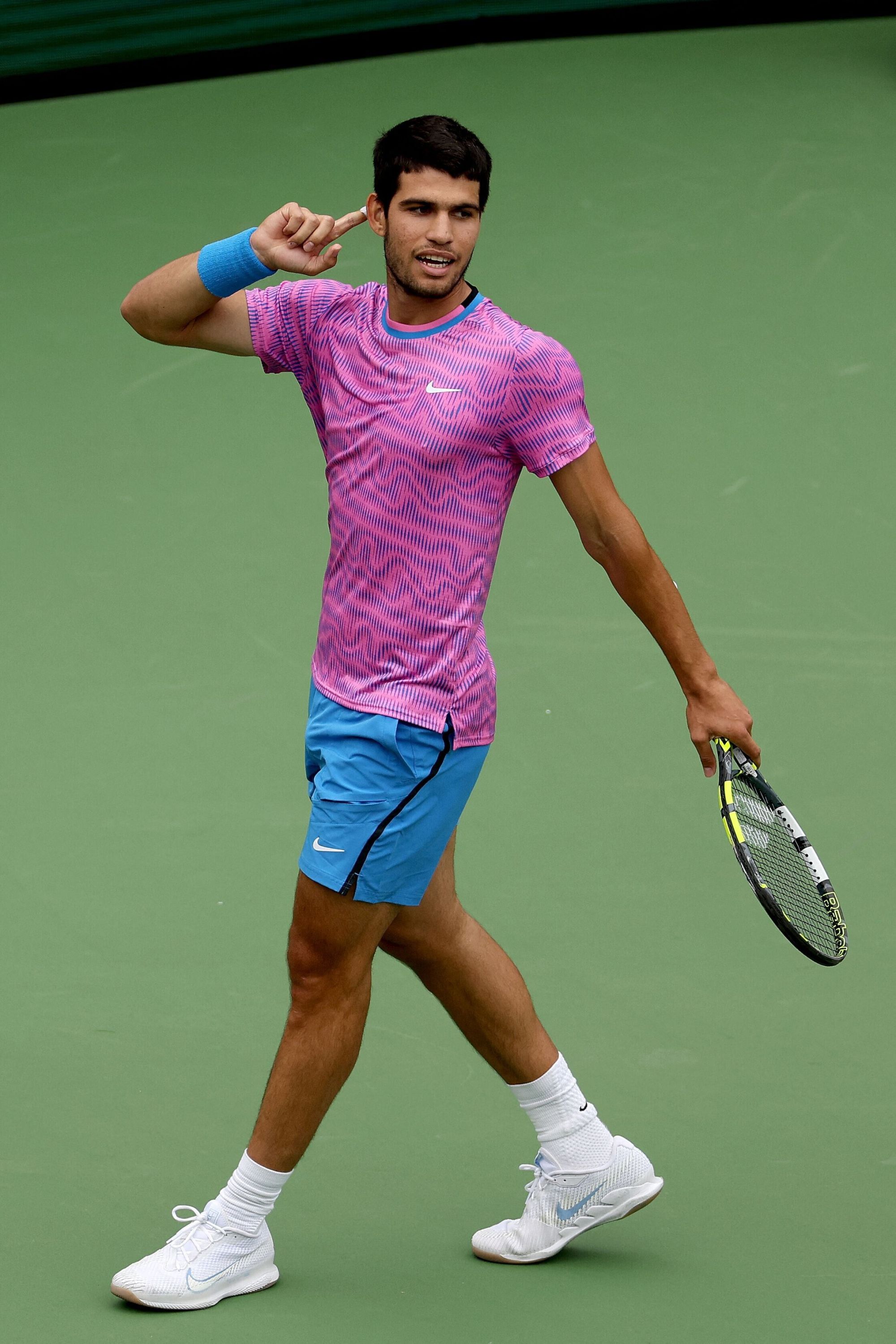
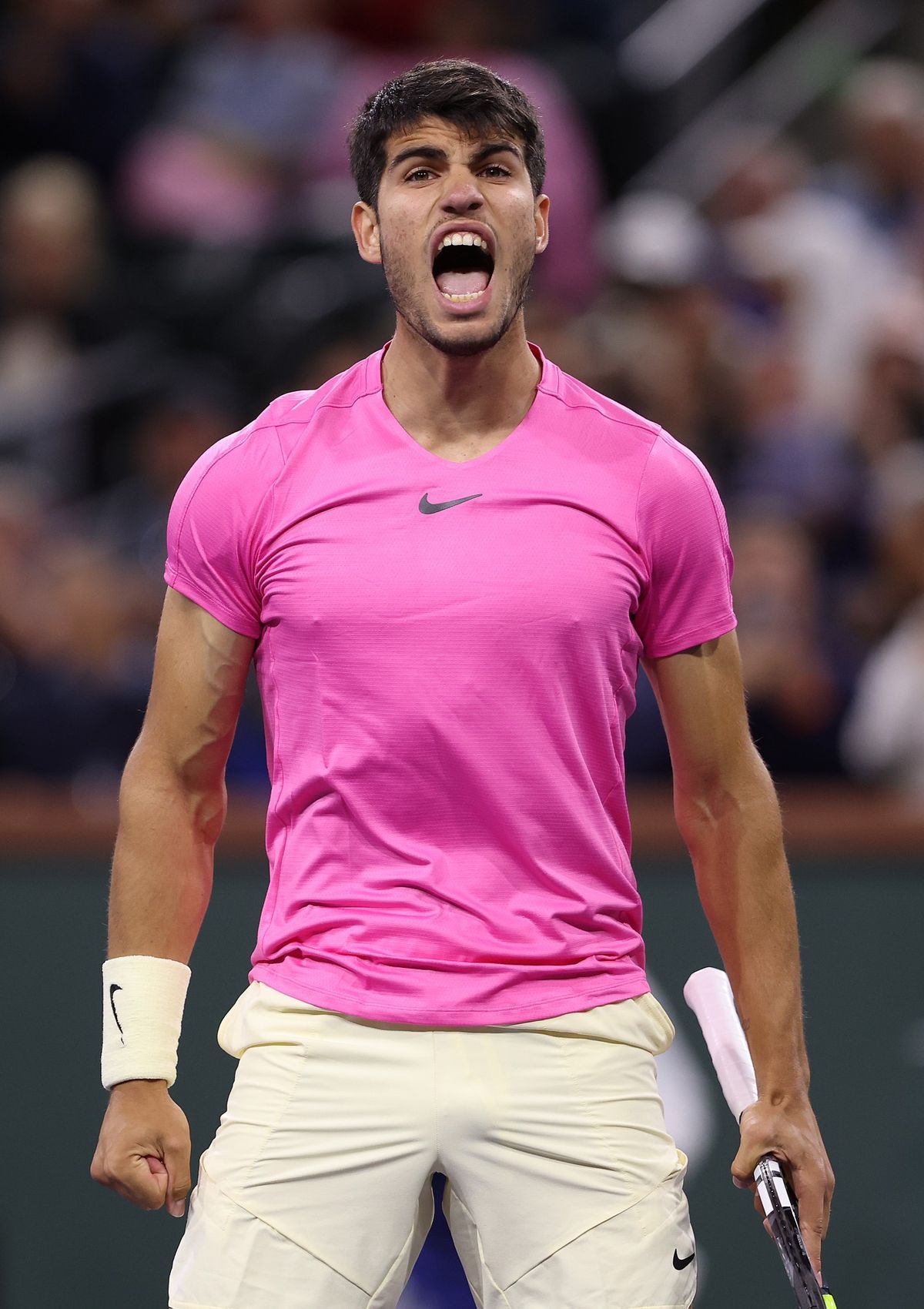
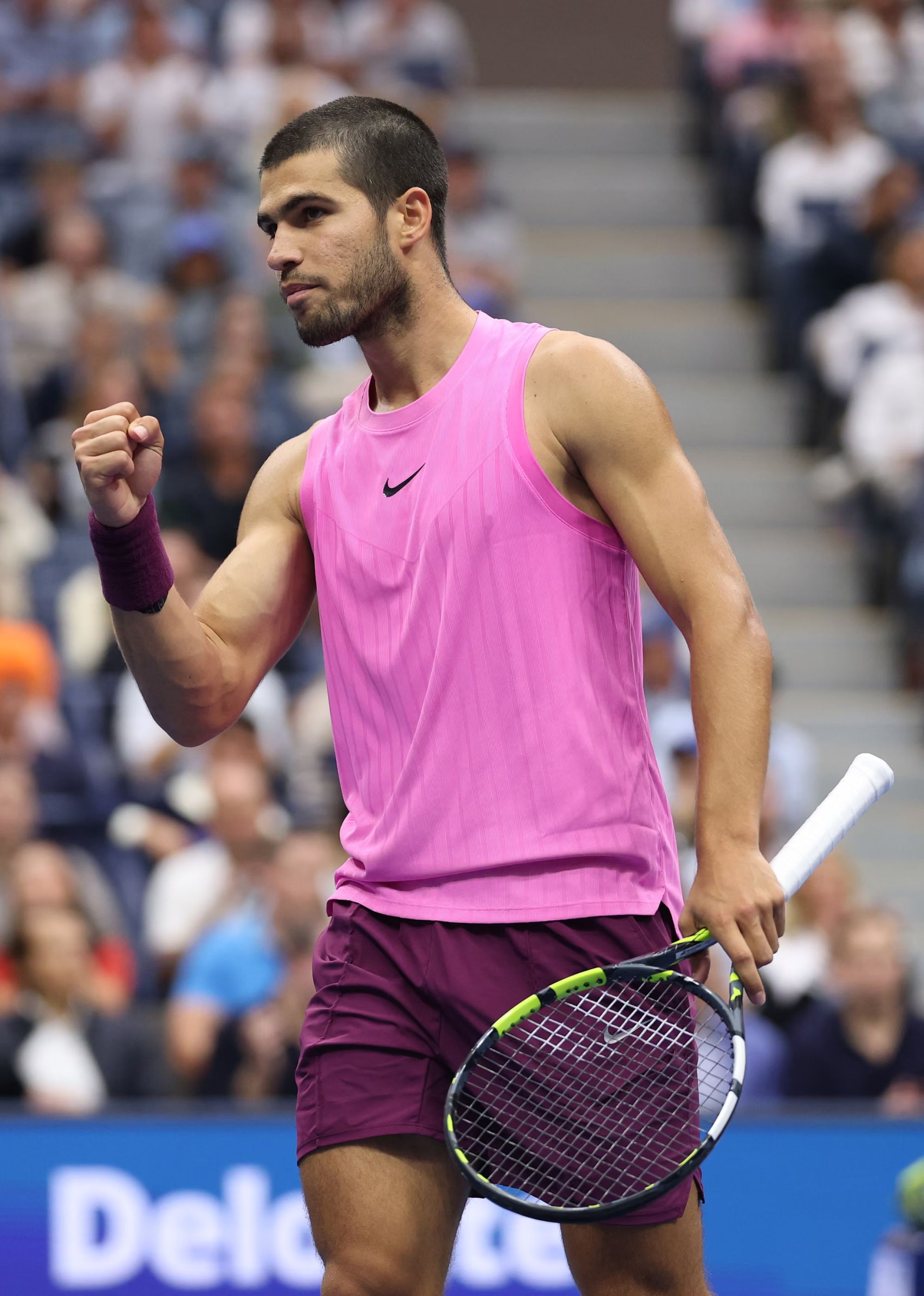
The current world No. 2 has already showcased numerous pink and purple-based looks at tournaments such as the US Open, Australian Open, and the Sunshine Double, to the point that the tennis community on social media has created the Pink Charly Club to celebrate the Spaniard’s trend. However, he has yet to bring the same boldness to clay, opting instead for a bright blue in this year’s Monte Carlo edition, following a slightly more promising—though still rather cool—lilac tone in 2025. Perhaps a bit more courage and variety in outfit choices could provide that final spark to further elevate a rivalry already poised to ignite the clay-court season—and beyond.