Is a new rivalry between Nike and Adidas in cycling about to be born? Right now, however, they are the outsiders
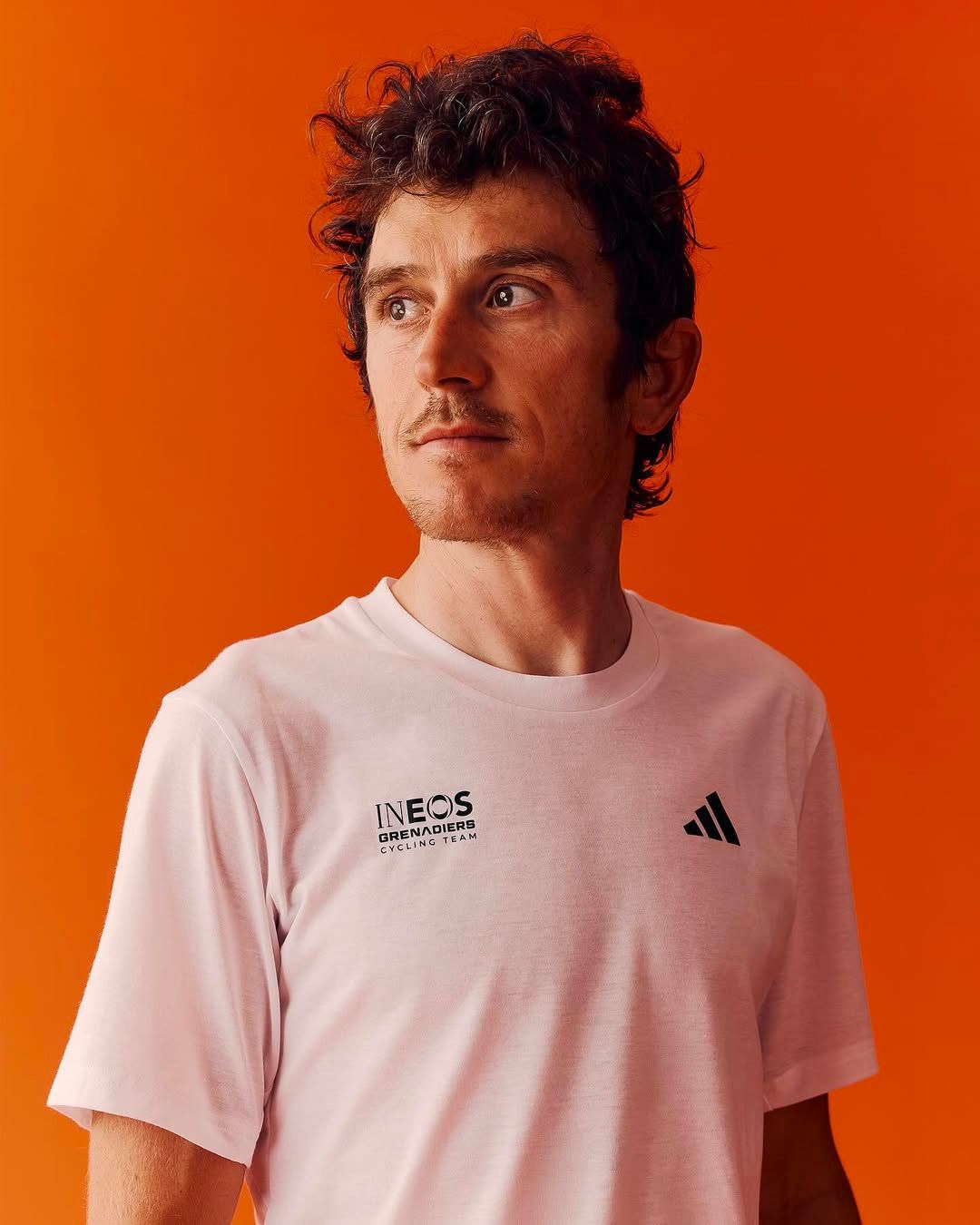
The 2025 edition of the Tour de France not only marked the return of Nike to road cycling — thanks to a fresh deal with Team Visma-Lease a Bike — but also saw the comeback of adidas, following a multi-year agreement with INEOS Grenadiers. Like the Swoosh, the German brand will not yet produce official race kits but will focus instead on lifestyle apparel such as t-shirts, hoodies, and shoes, following a model similar to its partnership with Mercedes in F1.
Cycling is therefore poised for a return to the past, when the two brands dominated the scene thanks to the success of Jan Ullrich and Lance Armstrong. However, the context has changed. Back then, Nike and adidas led not only in performance but also in aesthetics, largely due to strong investments in fabric technologies and shoe materials. Today, they not only share the spotlight, but also have ground to make up against those brands that, over the years, have consistently shaped the aesthetic evolution of cycling—both on-road and off-road.
Who's in Charge?
In recent years, numerous smaller brands have stepped up to fill the void created by the departure of major players in the market. Among them is Rapha, a British label that redefined the rules by offering collections ranging from solid-colored jerseys to more modern designs with bold patterns and vibrant colors — not to mention bibs, tight shorts, and a wide range of accessories for both road and outdoor cycling. Rapha also brought its unique touch to the kits designed for EF Education–EasyPost, a UCI team it has partnered with since 2020 for the Giro d’Italia. The team cannot wear its signature pink jersey due to a clear conflict with the Giro’s leader’s jersey, which has led to a series of standout alternatives over the years: a brightly colored jersey co-designed with Palace Skateboards, a black jersey with colorful inserts, one with Pantone-style color blocks, another in shocking pink and blue, a black jersey with dense pink line patterns, and finally a white jersey and black bibs with classic team pink on the logos and sponsors.
Then there are historic brands like Santini, which supplies kits for Lidl-Trek, or Castelli, whose logo appears on Soudal Quick-Step kits. Also worth mentioning are Gobik and Specialized, the latter now known for providing official kits (among others) for Red Bull – BORA – hansgrohe, having moved past earlier controversies around time trial helmet technology. And let’s not forget global brands that have carved out their own aesthetic identities and earned the attention of amateur cyclists — names like Sportful, Assos, Café du Cycliste, Attaquer, PEdALED, and Swatt Club. Interest in cycling aesthetics extends beyond cycling-specific brands, too. Some fashion labels have created exclusive collections to refine silhouettes, prints, and color schemes. A standout example is JJJJound, which teamed up with Pas Normal Studios to design a jersey that faithfully reproduces Claude Monet’s painting, "The Poppy Field near Argenteuil".
The Football Team Phenomenon
Another trend likely influencing Nike and adidas’ renewed interest in cycling is the emergence of football clubs designing their own cycling kits. The most recent example is AC Milan, which launched a collection with Castelli based on the design of its Home, Away, and Third jerseys. Atalanta also worked with Santini — an Italian company based in Bergamo — to create a cycling kit that included replicas of its 2021/22 Home and Away shirts. Since 2021, Football Cycling Club, a collective based in the UK, has been promoting the concept of converting football jerseys into cycling apparel, creatively redesigning vintage kits from prominent English teams for cyclists.
Real Sociedad is another football team that launched its own cycling collection — two kits inspired by its Home and Away designs in collaboration with Gobik, complete with the club’s crest on the chest. A similar initiative came from Athletic Club, also in collaboration with Gobik, as part of the club’s centenary celebrations. Meanwhile, Hibernian and Liverpool created self-produced kits, using official colors and logos but reimagining them in cycling jersey format.
What Can We Expect from Nike and adidas?
This is the context in which Nike and adidas are returning into cycling — a scene where they’ll need to fight to regain dominance. As mentioned, their initial offerings will focus on lifestyle apparel, which raises the question: when will we finally see the cycling core version of Swoosh Three Stripes? It will take time — no doubt — but eventually, a jersey or collection will arrive and shift the balance. Until then, strangely enough, Nike and adidas remain outsiders in this field. Despite being the biggest sport brands un the world, both must develop fresh ideas that allow them to reclaim a share of the market.
Amateur cycling has long been what running is just now becoming: an activity where athletic performance takes a back seat. It’s about getting on the bike and riding — preferably with others. In this relaxed context, the desire to experiment with colors and materials has grown, encouraging riders to develop a personal identity without defaulting to pro team kits and becoming a parody of Mathieu Van der Poel or Tadej Pogacar. In running, the early competitive angle gave Nike and adidas a leg up as the market evolved. In cycling, it’s different: here, they must start from scratch to win over cyclists who have already invested time and energy in choosing a brand that reflects both their technical needs and aesthetic preferences.
What to read next
Como's fans unveil the new Third kit for the 2026/27 season
A black jersey with white details and a pixelated design