What was the halftime show at the Club World Cup like? Falling short of already low expectations
The first edition of the FIFA Club World Cup ended with a surprise 3-0 victory by Chelsea over PSG in the final. The last act of the competition was the culmination of the Americanization of football that we had highlighted during the early matches: the full arsenal of made-in-USA sports entertainment was on display during the match at MetLife Stadium. A cappella national anthem sung by a member of the military, fireworks timed with the final note, and the presence of Michael Buffer shouting his famous catchphrase "Let’s Get Ready to Rumble" to build hype before kick-off.
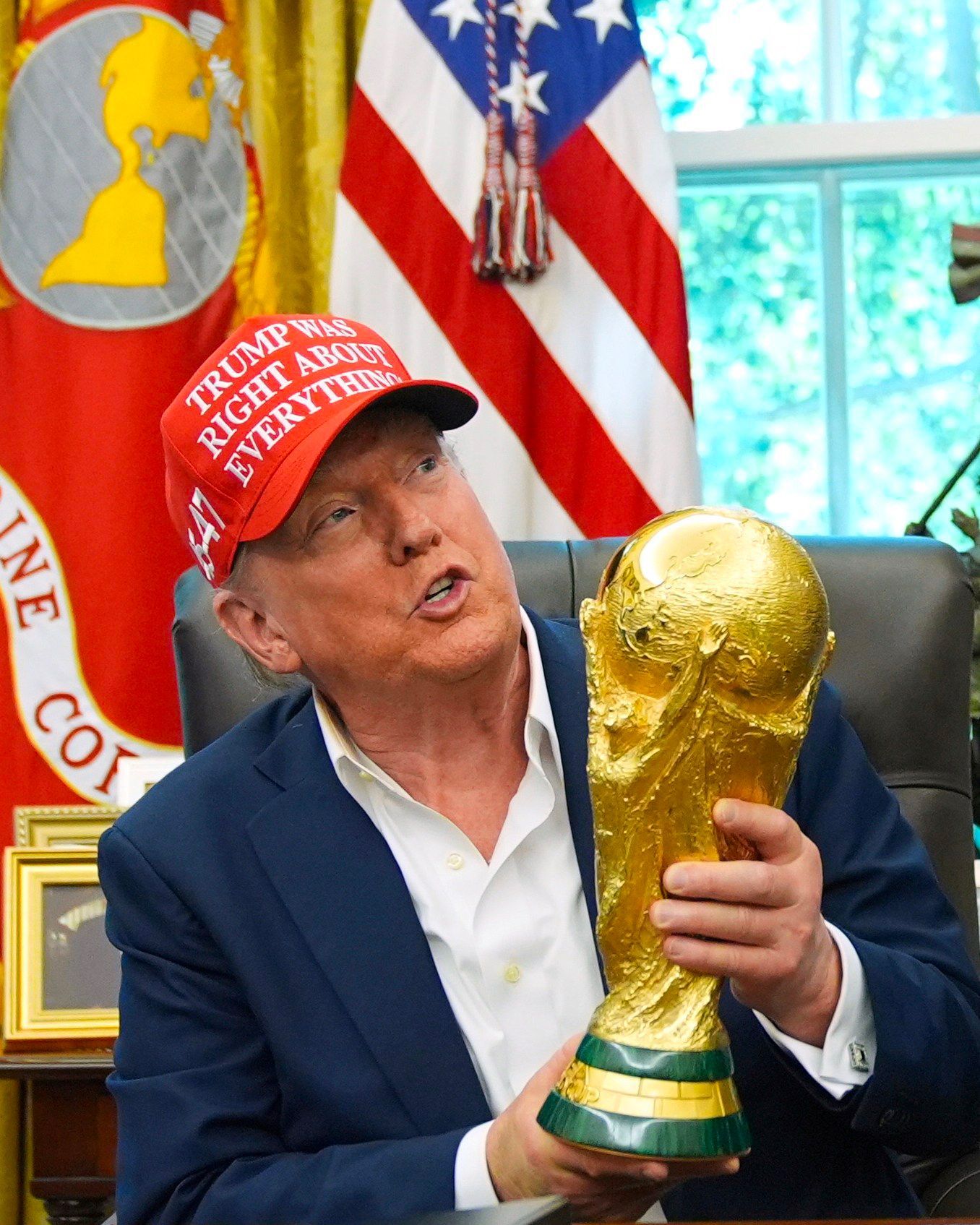
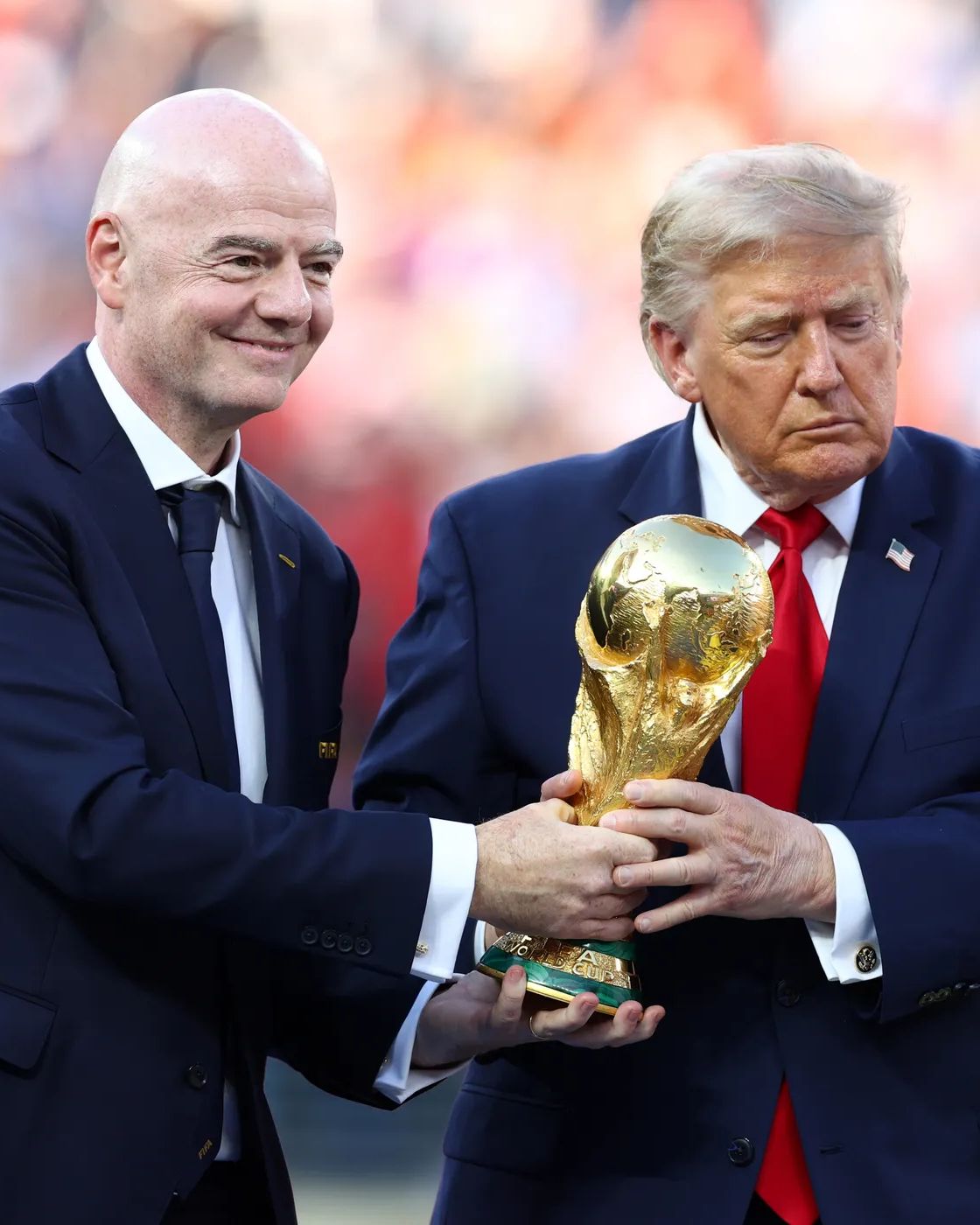
All under the eyes of a hyper-patriotic Donald Trump, who arrived aboard Marine One wearing his signature red tie. During the anthem, he brought his hand to the head in a military-style salute; to his right, Melania stood with her hand on her heart, and next to him on the left FIFA President Gianni Infantino applauded with eyes swollen with pride. Trump himself then presented the 24-karat gold trophy, designed by Tiffany, to Chelsea captain Reece James before posing with the rest of the team as the trophy was lifted to the sky.
Halftime Show
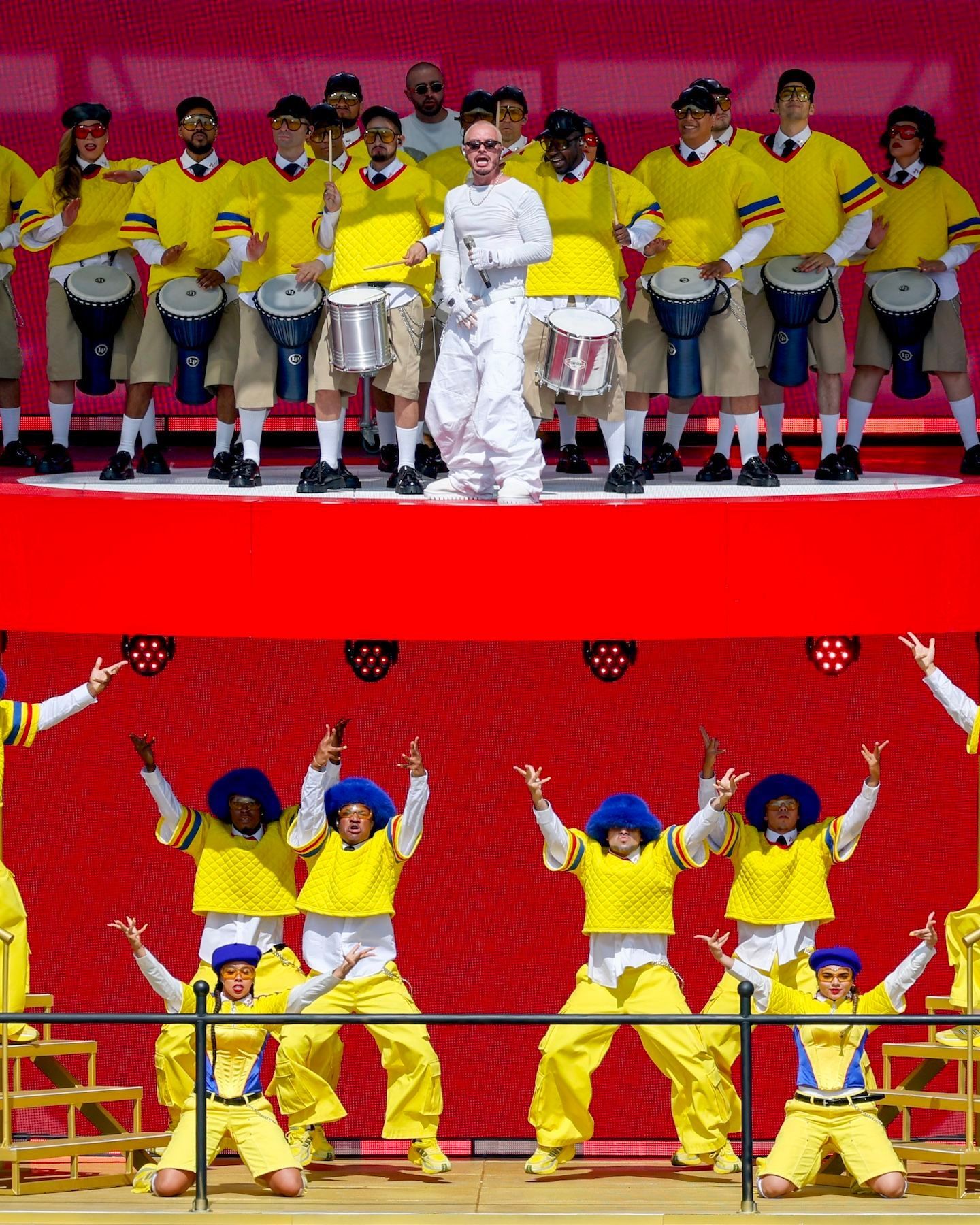
One of the most anticipated moments was the halftime show, a statement of intent from FIFA, as Infantino aimed to elevate the Club World Cup final to the level of the Super Bowl. But the goal was missed. Starting with the location of the performances by J Balvin, Tems, Doja Cat, and Emmanuel Kelly — a two-story stage set up on one of the stadium's stands, rather than, as expected, at the center of the pitch. A reasonable choice to offer visibility to the whole audience — if only the stands around the stage hadn’t been completely empty. There was no real sense of anticipation. Fans in the stadium did what fans usually do at halftime — split between bathroom breaks and snack runs. It was more an interlude of entertainment than a concert. It certainly lacked the cultural weight that accompanies every Super Bowl halftime show.
The show's aesthetics were dominated by adidas. For example, the musicians accompanying J Balvin on drums wore quilted yellow hoodies with red and blue details inspired by the Colombian national jersey — a tribute to the artist’s homeland. The entire dance crew also wore yellow uniforms. Doja Cat wore a custom outfit designed by Brett Alan Nelson: vertical red and blue stripes with Swarovski crystals, paired with retro-style socks and a reimagined pair of white Sambas with red accents. adidas had already taken the spotlight during the opening show with a white tracksuit embellished with gold studs highlighting the details, including the trefoil, worn by Robbie Williams.
Conclusions
The halftime show mirrored the rest of the Club World Cup — an enjoyable performance that kept us company but wasn’t really necessary and will likely be forgotten in a couple of days. This isn’t a blind defense of tradition; we would love to see football open up more decisively to the world of entertainment and break outdated molds. But FIFA missed an opportunity by failing to understand that a handful of famous artists alone aren't enough to create a memorable show. You need to tap into current trends to capture the attention of the mass audience. There needs to be a reason to care about the halftime show; the show itself isn’t enough to make people care.
The right atmosphere also matters — a concert in broad daylight feels like a warm-up act at a festival, waiting for the headliner. In short, what we saw was just a repeat of the pre-match show, another moment fans simply didn’t need. Given that FIFA is also organizing the 2026 World Cup in the U.S., it’s likely we’ll see another halftime show during that final. If so, FIFA must learn from its mistakes to turn the world’s most important football match into a true pop event.
What to read next
It’s still called football
The 2026 FIFA World Cup exposed the structural weaknesses of American soccer
The stadiums where Italy could play at the 2026 World Cup
If they were to get through the playoffs